
Yellow Crane Tower
The Night Tour of Yellow Crane Tower is a brand-new experience launched during the 2020 National Day holiday, marking the first time the tower has opened for night visits. As one of the Four Great Towers of Jiangnan, Yellow Crane Tower stands five stories tall at 50.4 meters. Originally built in the second year of Huangwu in the Wu Kingdom during the Three Kingdoms period (223 AD), it boasts a history of over 1,790 years. Having been repeatedly destroyed and rebuilt throughout the dynasties, the current structure was reconstructed at a new site in 1985. In 1957, during the construction of the Wuchang approach bridge of the Yangtze River Bridge, the original Yellow Crane Tower was demolished and its site occupied for the bridge foundation. In October 1981, the Wuhan Municipal Government decided to rebuild the tower based on historical records. Experts selected a new location on Snake Hill Ridge, about one kilometer from the original site, and the reconstruction was completed in June 1985.
Compared to the completely static daytime view, the night tour offers more entertainment, though the crowds climbing the tower can be overwhelming… There is no fixed route for the night tour; landscape lighting illuminates the trees and buildings along the entire path. Key attractions include Goose Pool, the Main Tower, Cui Hao’s Poetry Wall, and the Poetry Stele Corridor. Through digital imagery creation, design, and production centered on themes like the past and present of Yellow Crane Tower, Xin’s Restaurant, and Yellow Crane and White Clouds, the tower tells its own story within the real-world setting. Specific performance times for each attraction are provided when purchasing tickets, and a recommended route is suggested. However, I personally recommend climbing the tower first when crowds are lighter, then coming down to watch the main tower light show. Otherwise, trying to climb after watching the show means squeezing through massive crowds…
This is the best viewing spot for the main tower light show.

This is what it looks like at night when there is no light show.
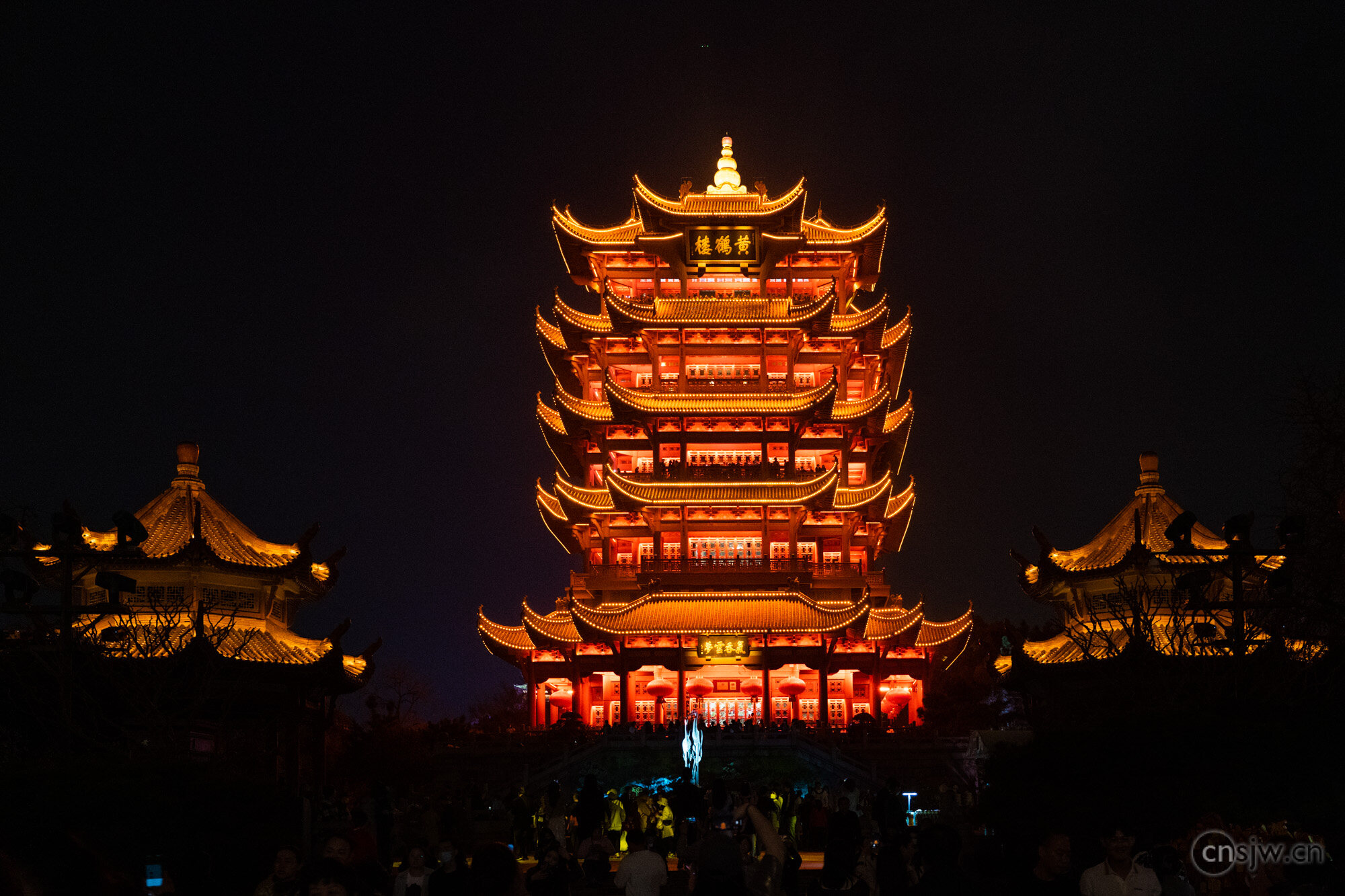
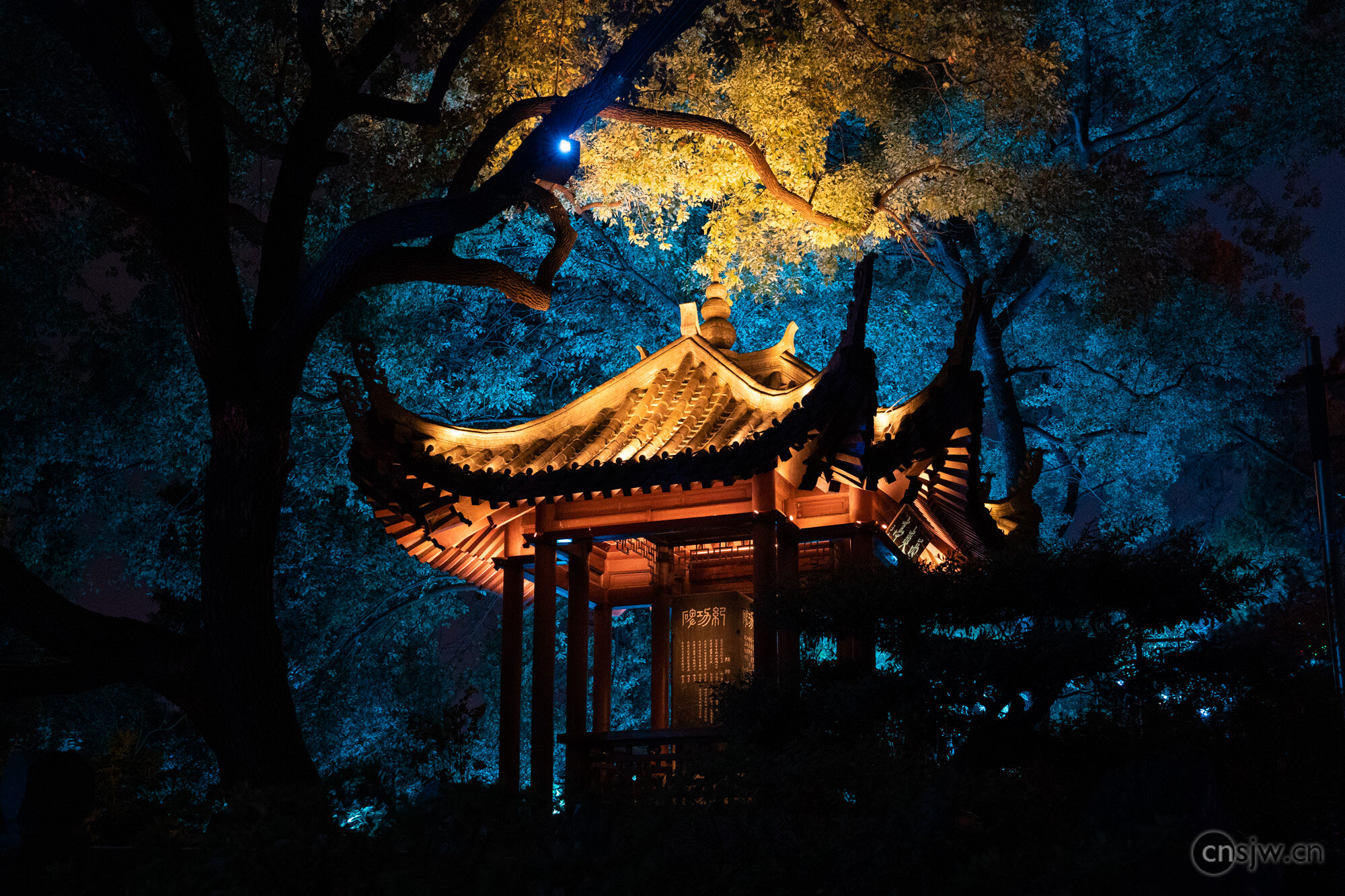
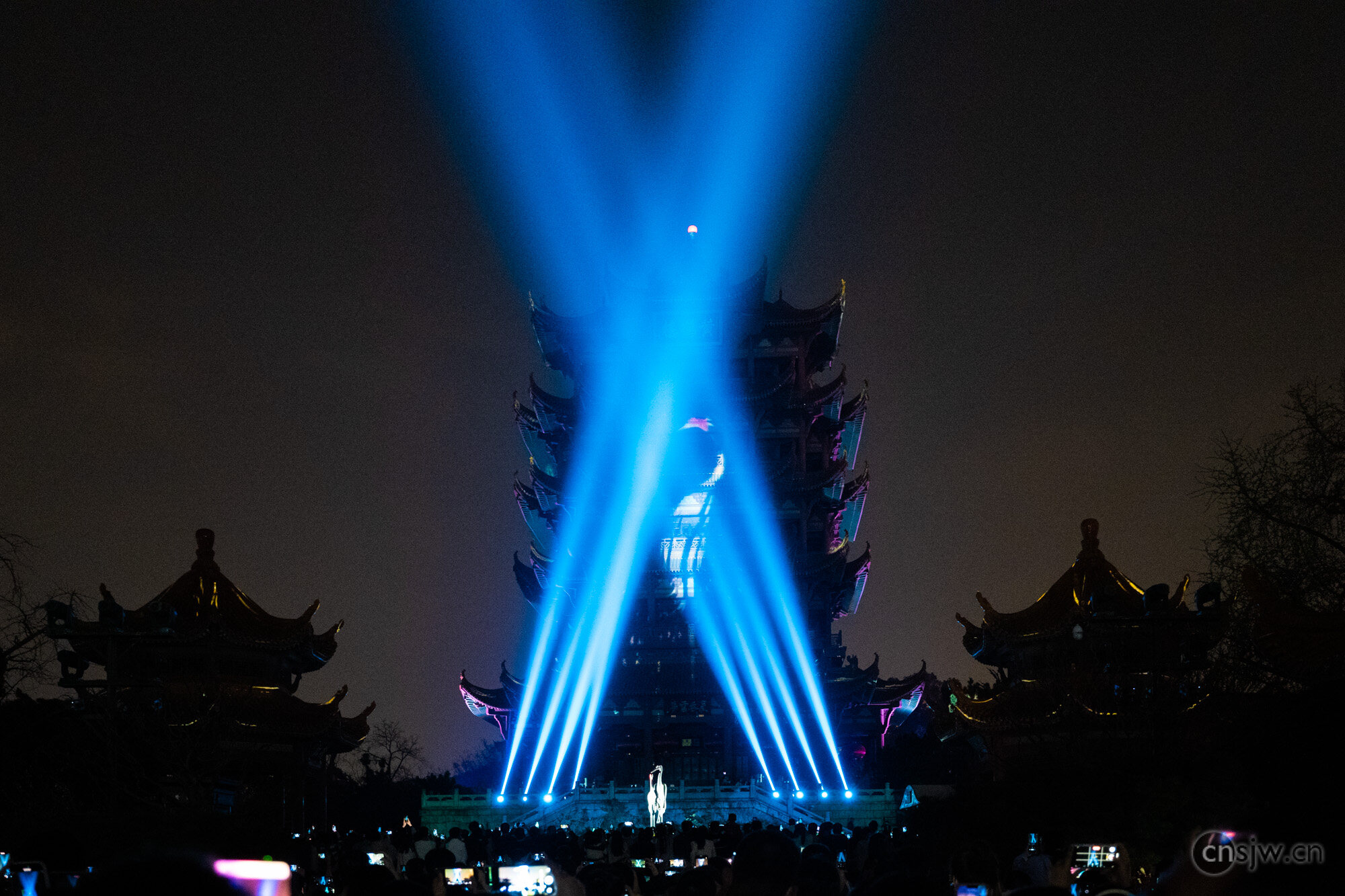
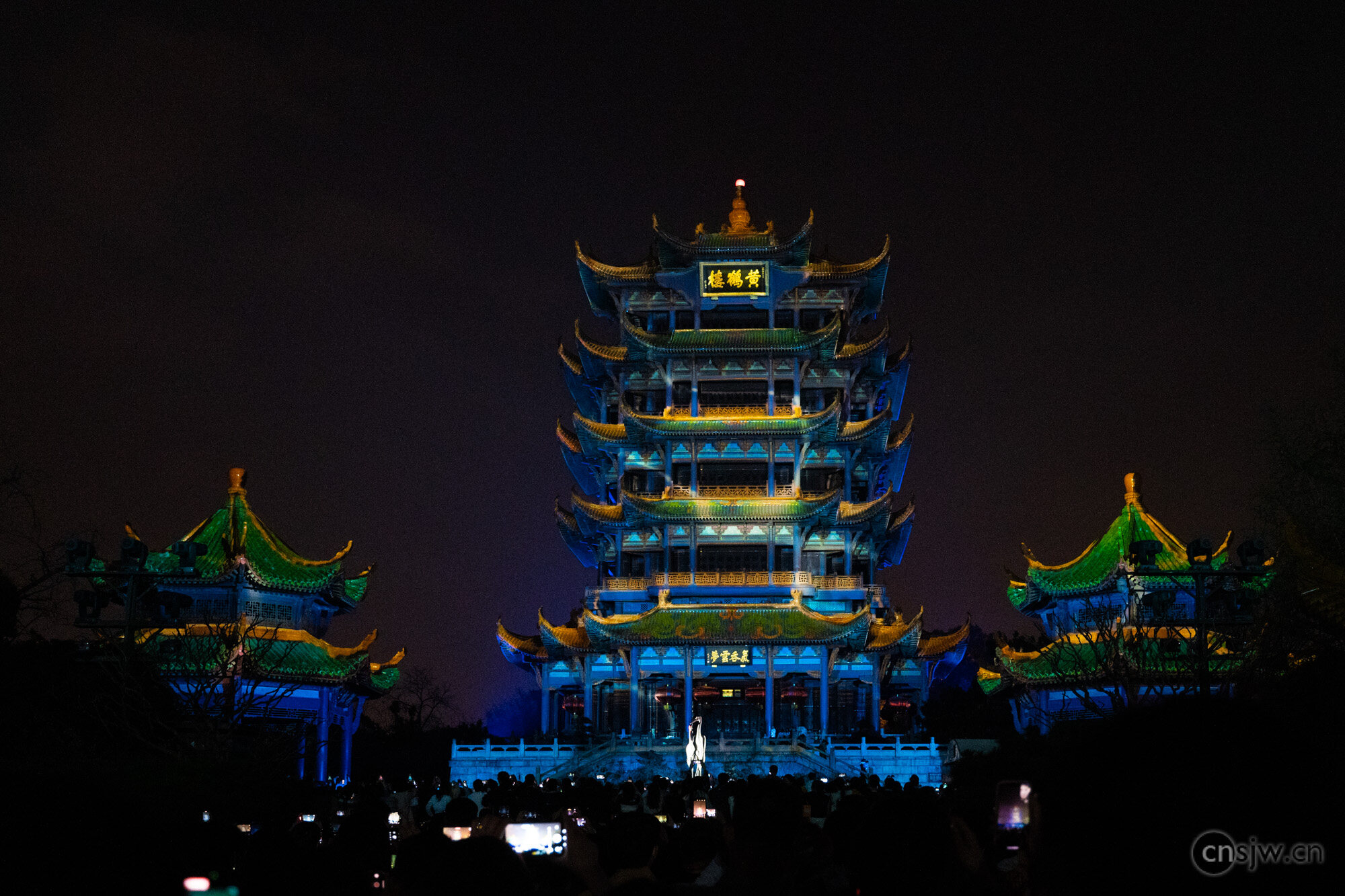
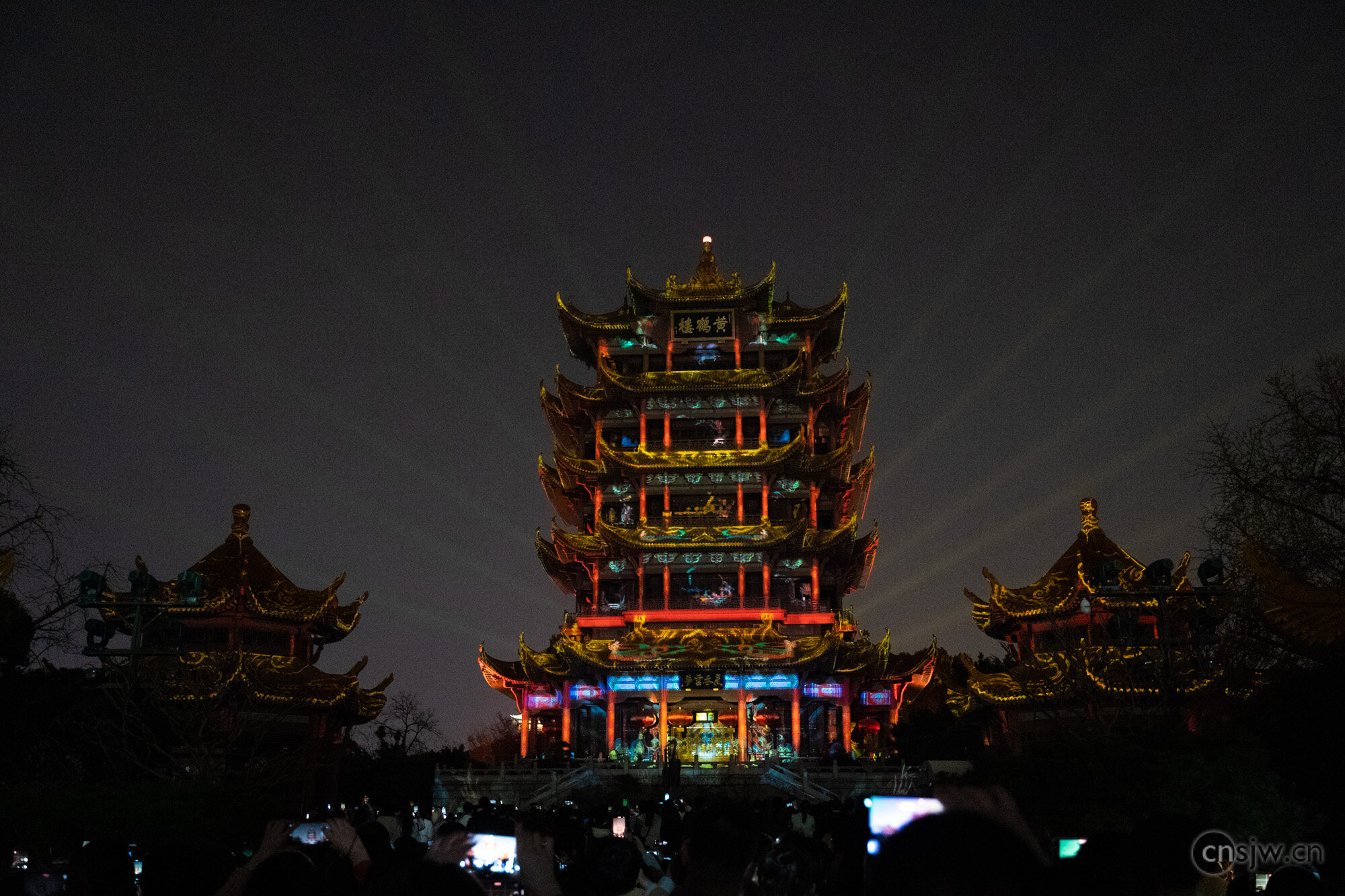
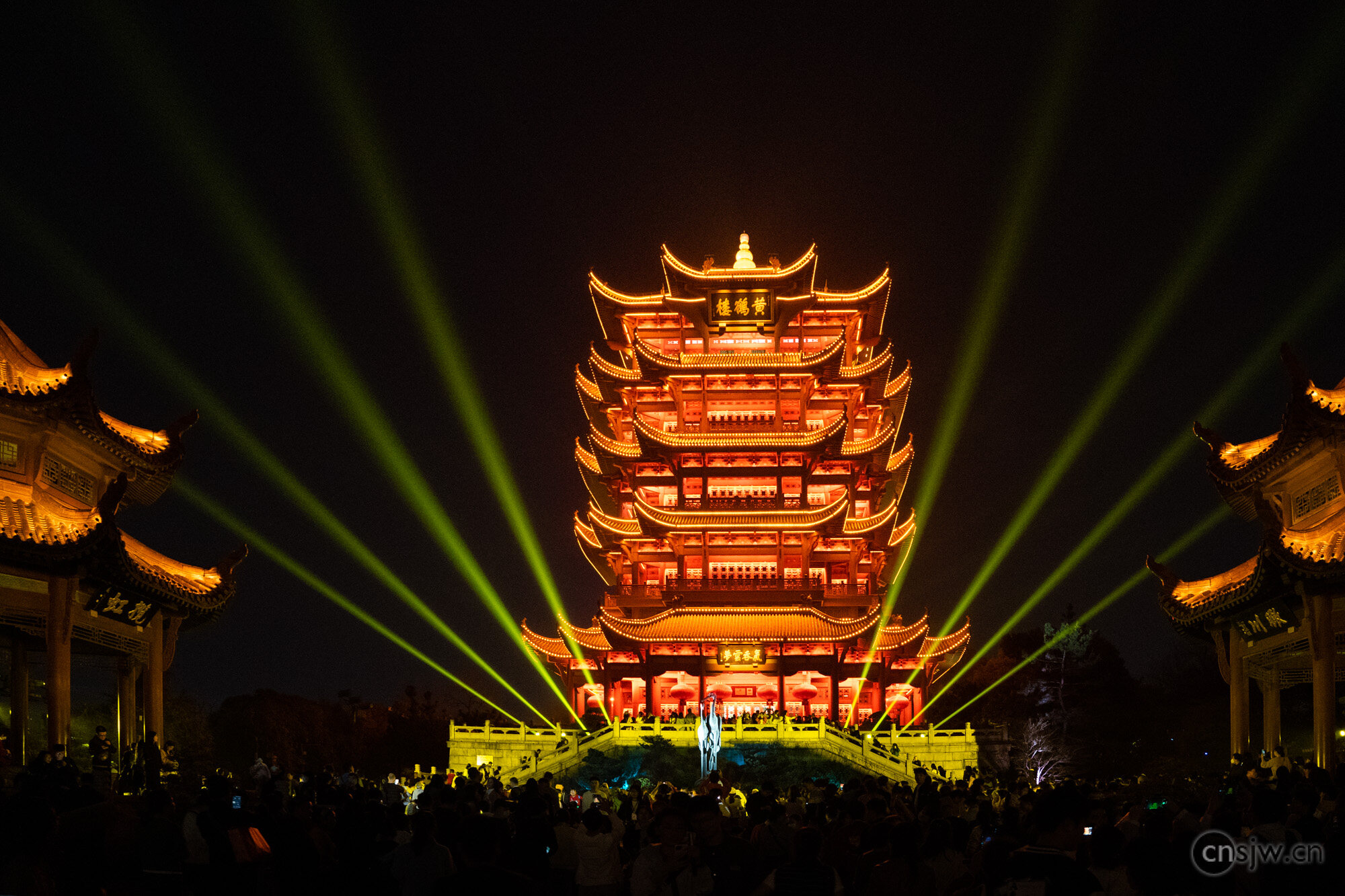
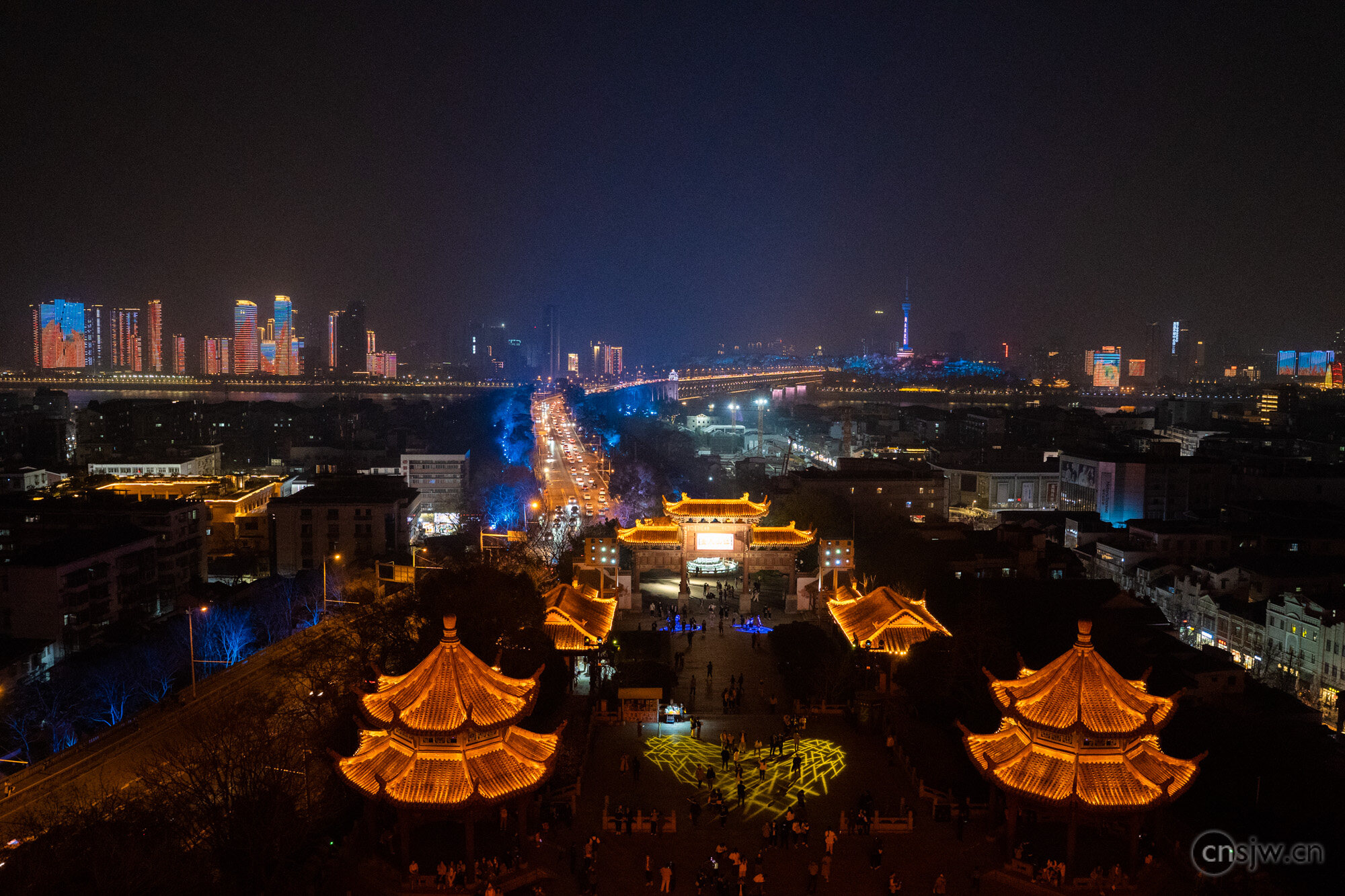
The stairs for climbing the tower are very narrow. There is an elevator inside, but free access is limited to the elderly; others must pay a fee of 50 yuan. After reaching the top, the area facing the Yangtze River Bridge is the most crowded.
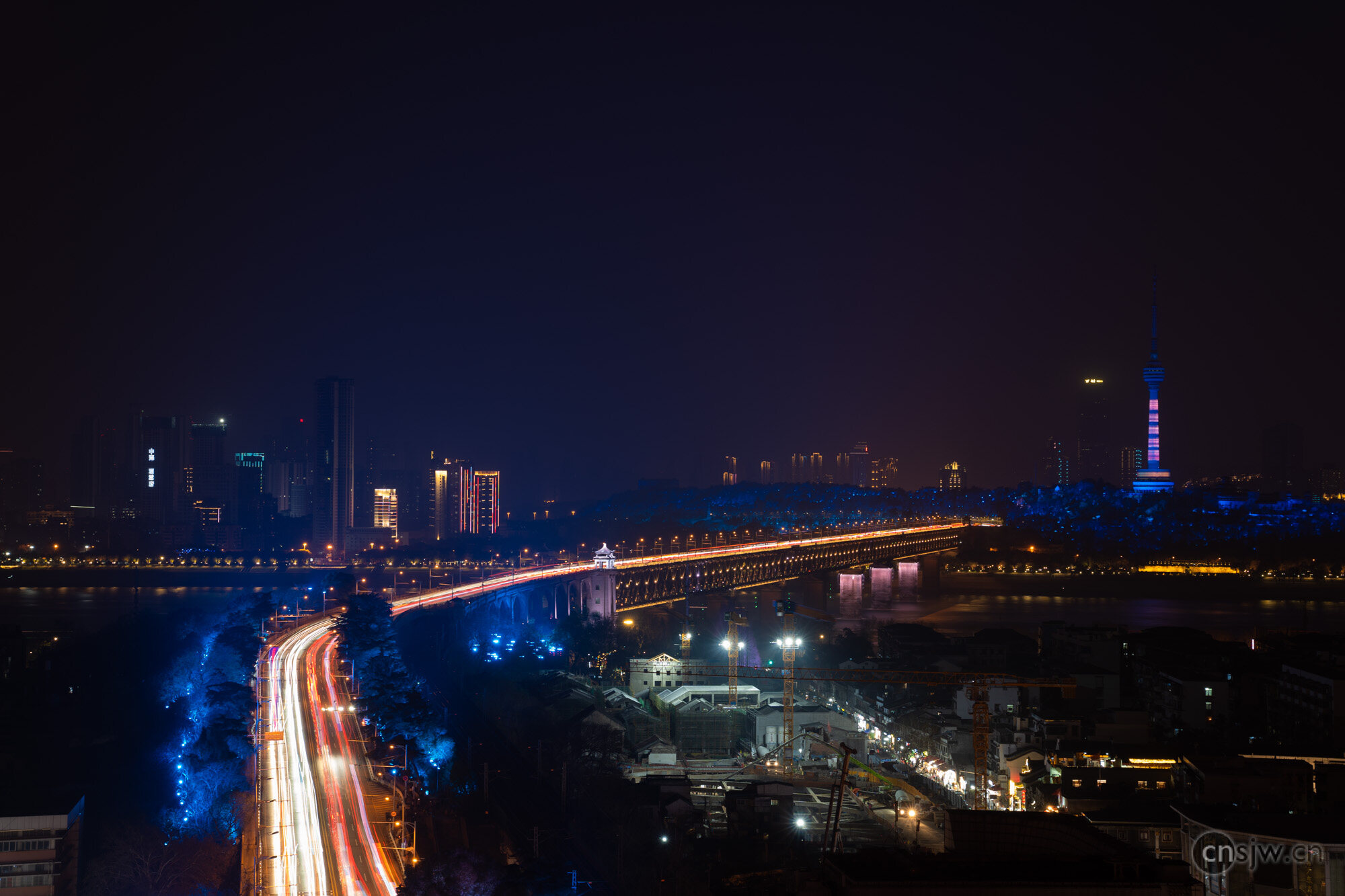
A long-exposure shot of the Wuhan Yangtze River Bridge
Gude Temple
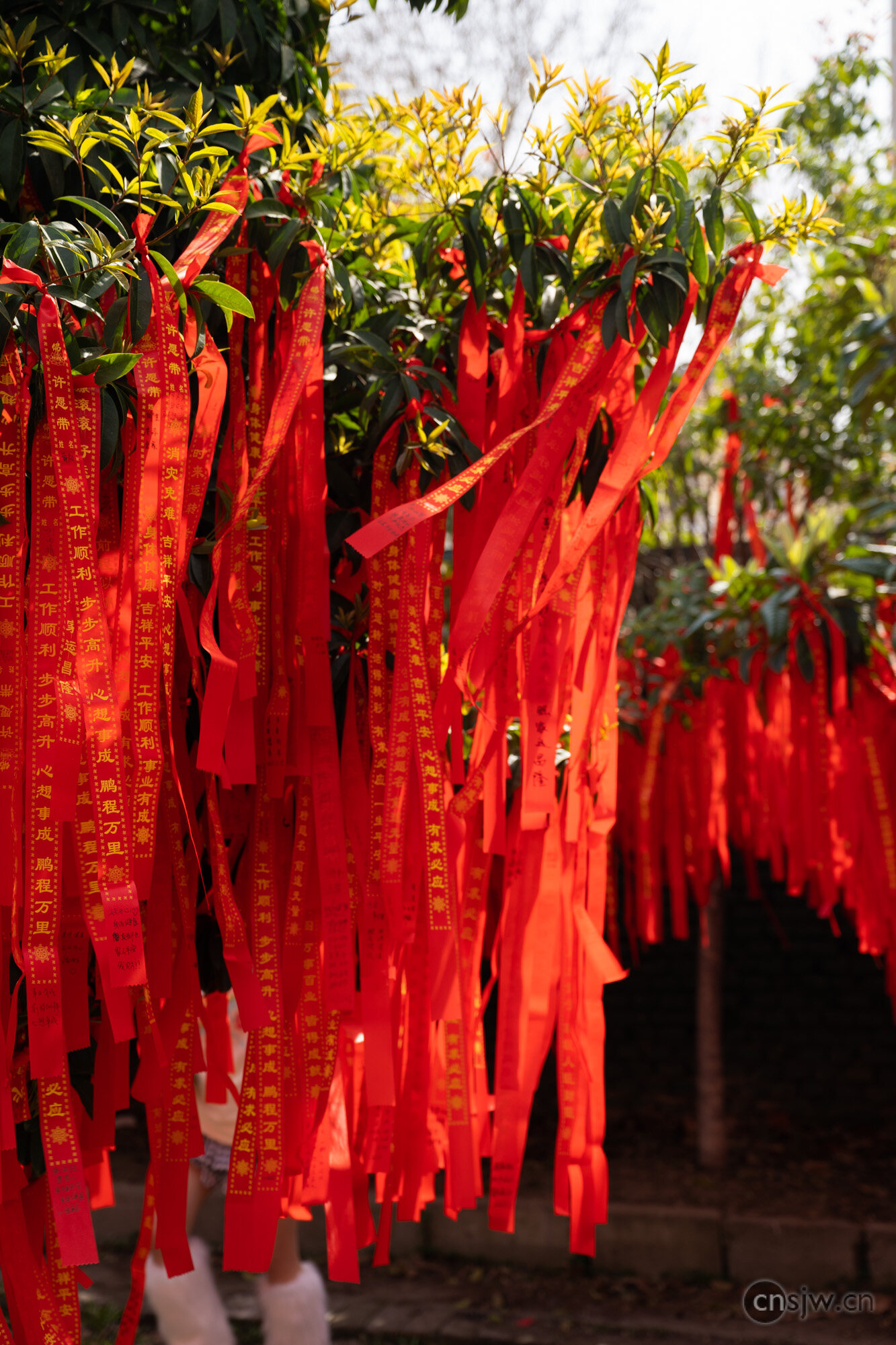
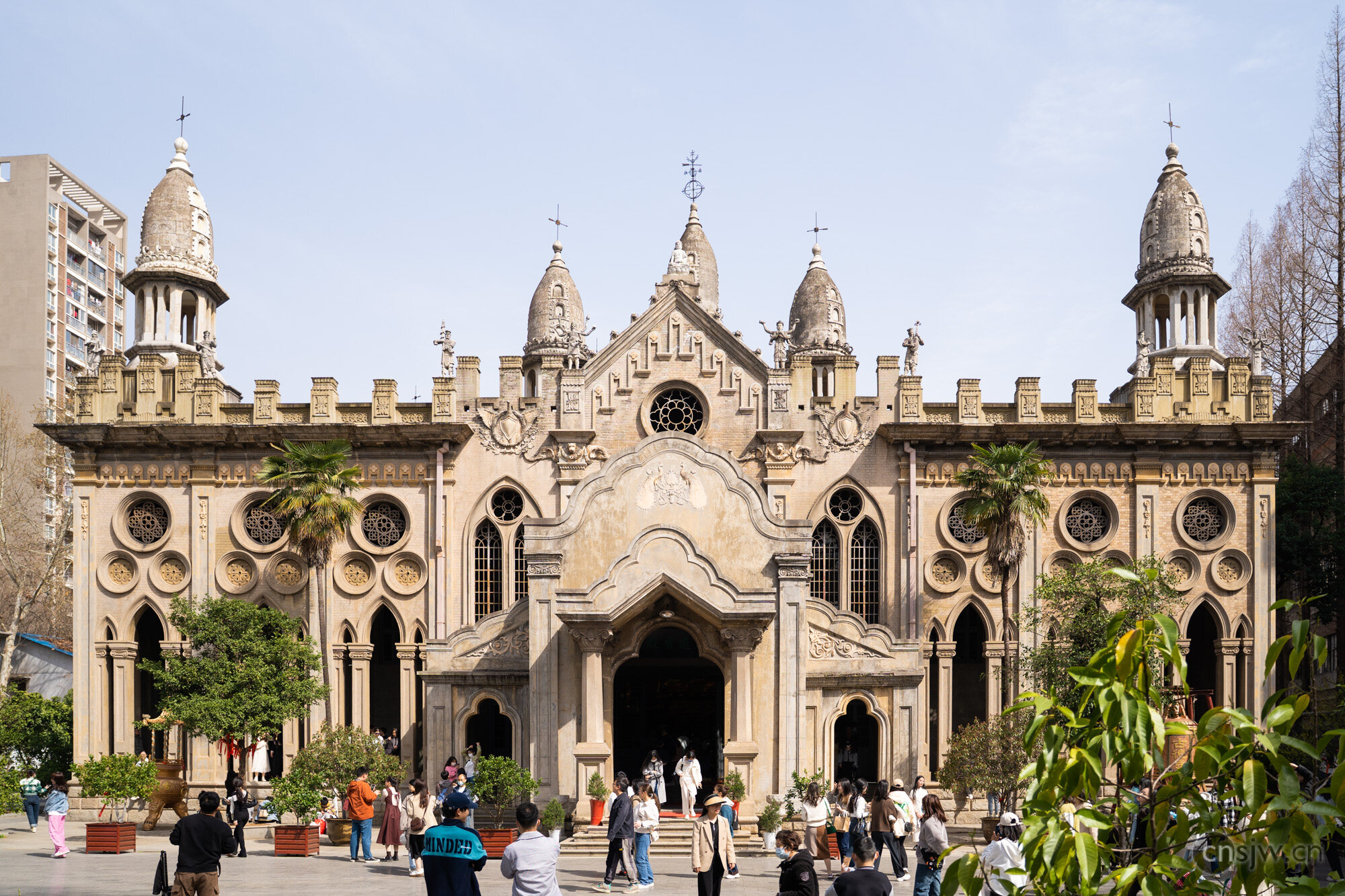
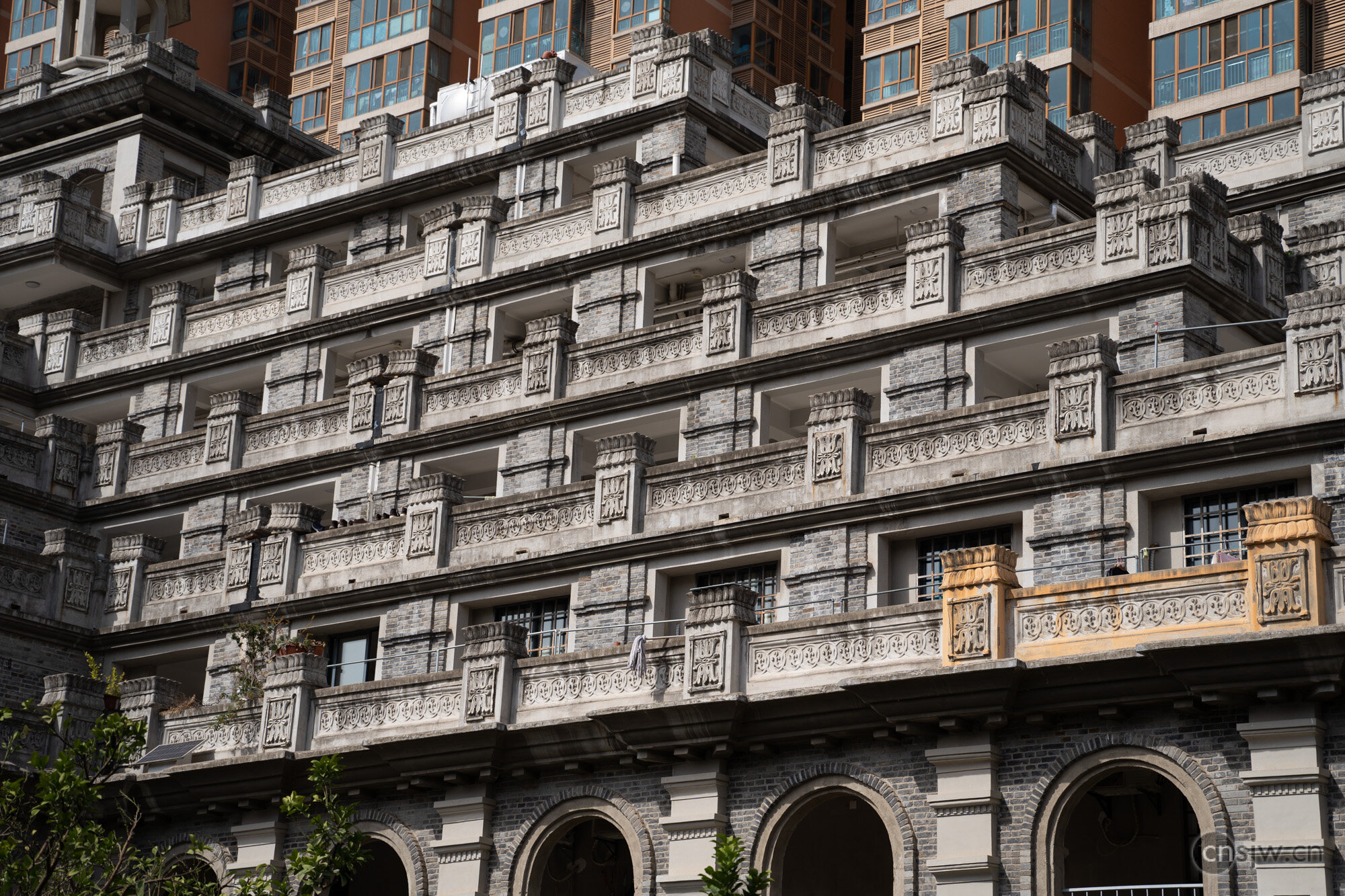
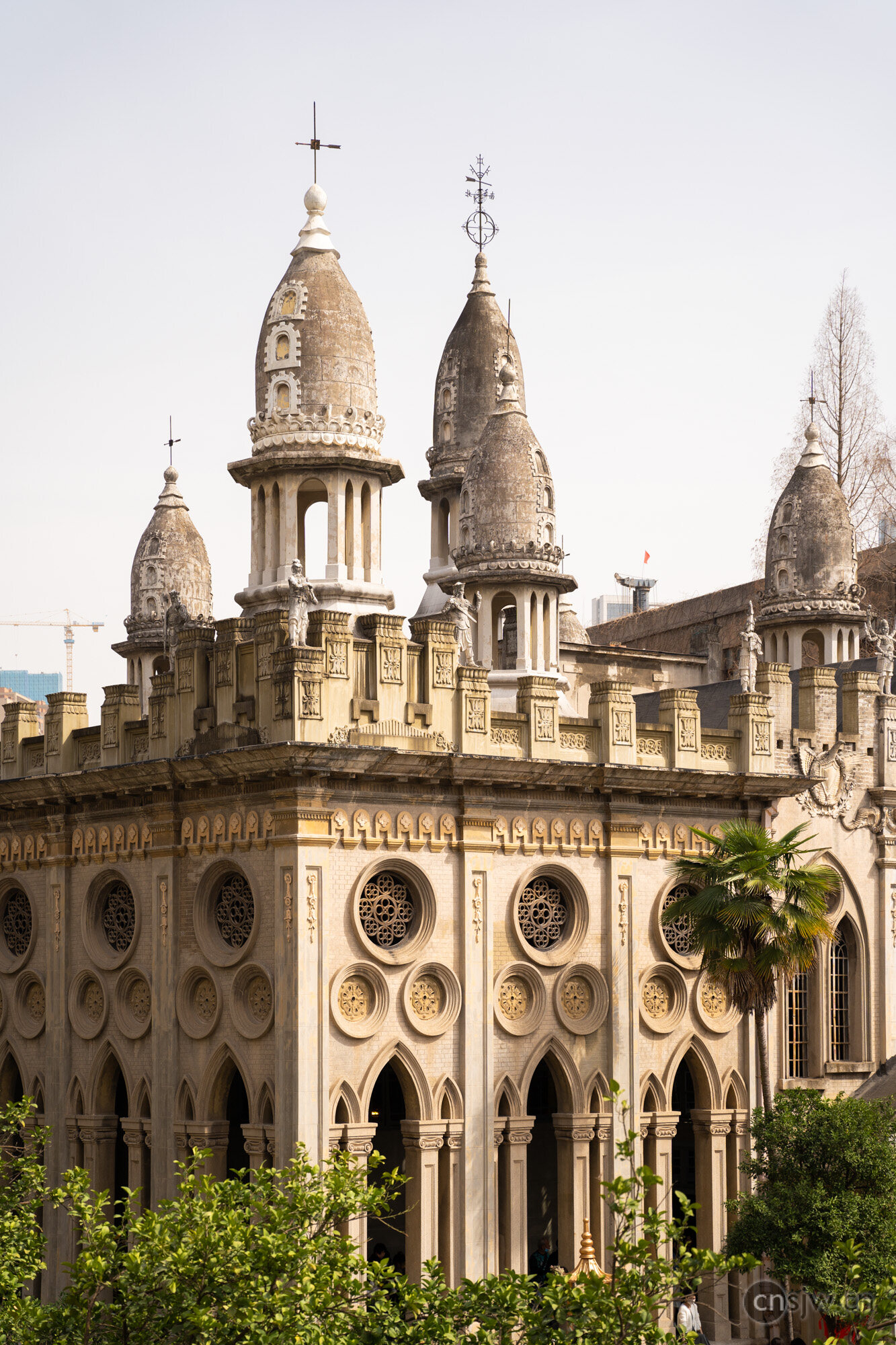
Gude Temple was founded by the monk Longxi in 1877 and was originally named Gude Thatched Hut. It was expanded in the 31st year of the Guangxu reign (1905). The temple suffered through numerous wars; at its peak, it covered an area of over 30,000 square meters. Today, only structures such as the Hall of Heavenly Kings and the Mahavira Hall remain. However, its greatest feature lies in its architectural style. Many researchers believe that Gude Temple was modeled after the Ananda Temple, featuring a clustered pagoda style belonging to Indian Pallava architecture, with the Yuantong Treasure Hall constructed in the artistic style of Myanmar’s Ananda Temple. Yet, due to a lack of historical records, exactly when this style was adopted and why remains a mystery.
Admission to this temple is free. The number of young people visiting to check in and take photos far exceeded my expectations—it felt almost like entering a school… Eventually, because the crowds were simply too dense, I could only manage to photograph the less crowded corners… Nevertheless, I still consider this one of the more worthwhile check-in spots among Wuhan’s many attractions.






Support



Read this article on WeChat