
Continuing from the previous post, the most distinctive feature of this hotel is actually its public areas. Apart from the main building, the rest of the public spaces are converted from old structures. The old sugar factory began operations in 1969 and ceased production in the 1980s. In 2006, the current owner acquired the factory, undertaking eight years of restoration on the historic buildings followed by three years of renovation construction. The hotel opened on July 1, 2017, only to be hit by a flood the very next day; it did not reopen until October 28. It faced another flood on July 13, 2019, and then the three-year pandemic starting in 2020—truly a property that has weathered many hardships.
In the photo below, the building on the left was originally the sugar refinery workshop. It consists of three connected structures that were originally 2, 4, and 6 stories tall. In reality, every two floors have been merged into one, resulting in a total of three levels today. The former 2-story section now houses a screening room. On the ground floor of the former 4- and 6-story sections is an art gallery that occasionally hosts exhibitions, while the second floor serves as the dining hall—the hotel’s only restaurant at present. Overall, the space is quite expansive with comfortable seating, and there’s also an adjacent terrace where it’s very pleasant to sit outside when the weather is nice. I had breakfast at this restaurant; although the selection isn’t extensive, the offerings are exquisite, featuring some à la carte options and freshly squeezed juices, with both quality and service being quite good. Additionally, the hotel is constructing a new restaurant next to this building to provide more dining options. The former 6-story section now houses the kitchen and private dining rooms. The central power workshop has been transformed into the lobby. Characteristic slogans from that era have been preserved, and a water feature has been added in front; on clear days, you can see reflections of the mountains and buildings behind.

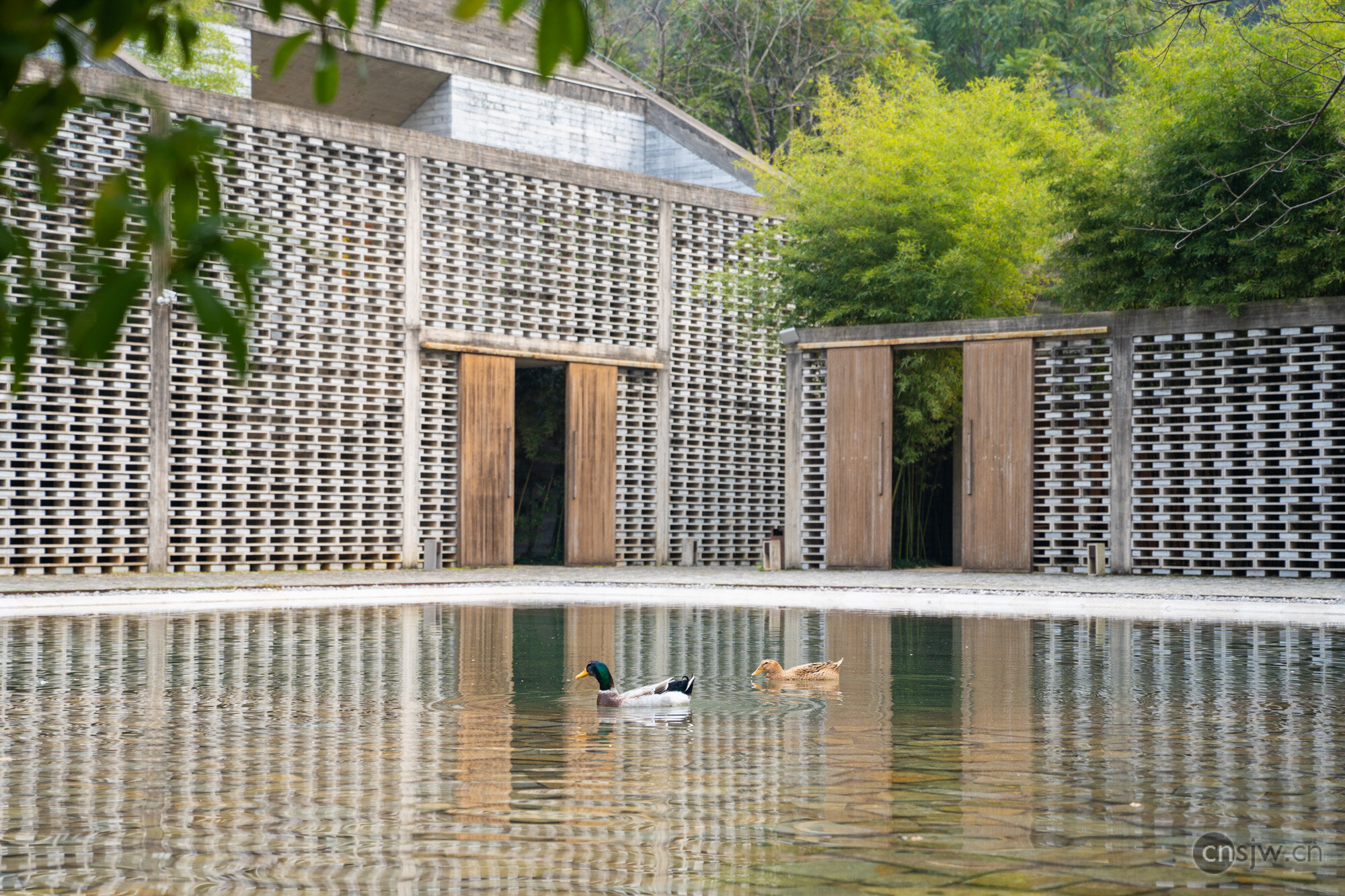
On the right is the main building. This passage leads to it, shaded by bamboo groves. The hotel makes extensive use of hollow bricks arranged in a square-spiral pattern, which not only creates a sense of transparency and lightness but also produces remarkable visual effects under different angles of sunlight.

This area is a courtyard embraced by the main building and the surrounding mountains. A former molasses tank has been converted into a spa, and its entrance is particularly attractive.

In this courtyard, there are various experiential activities available. You can feed the big rabbits, and there are plenty of flowers and plants for taking photos.
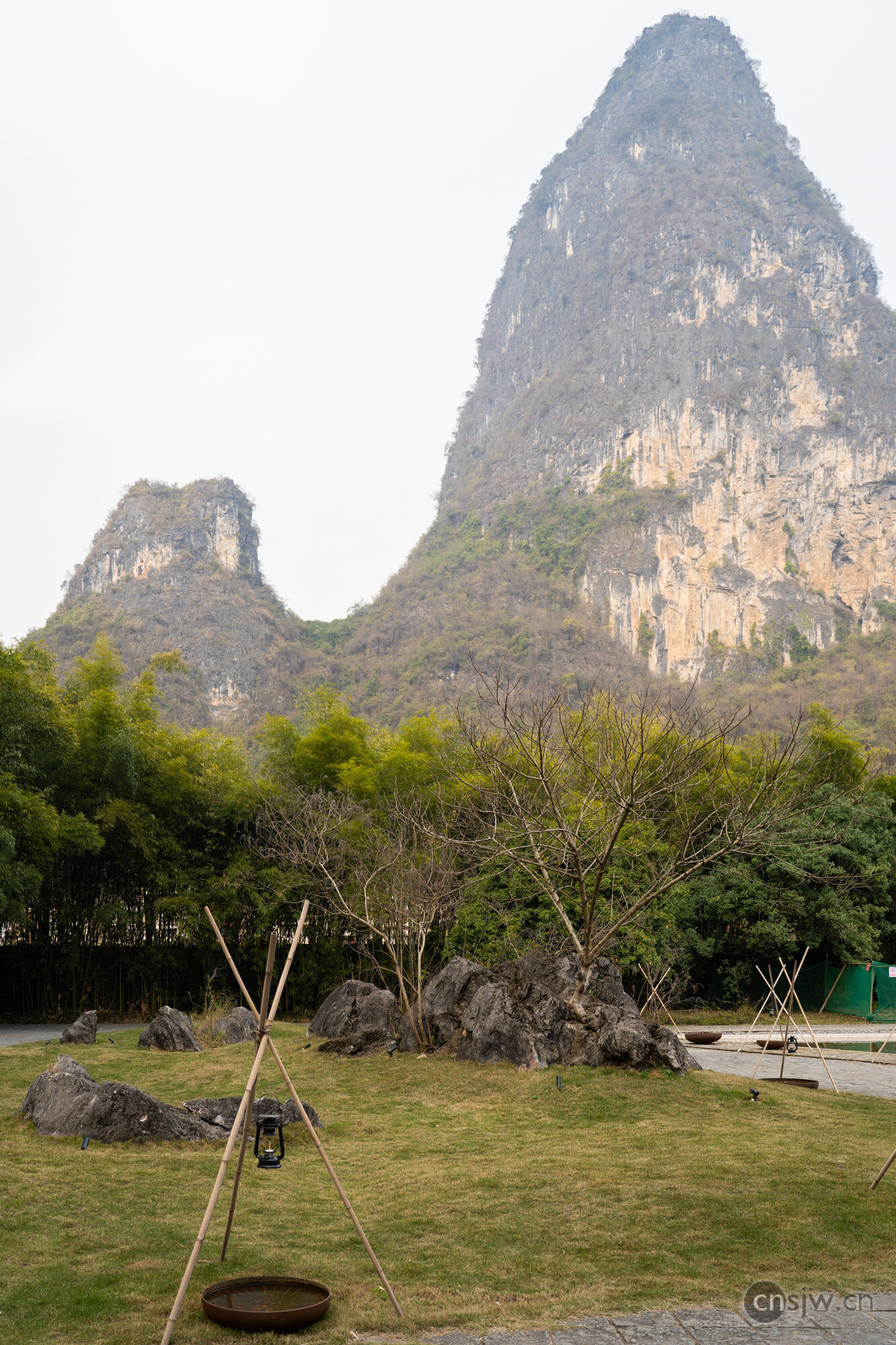
On the lawn in front of the lobby, some stones and kerosene lamps have been placed, creating a charming contrast with the mountains behind. However, sunny days are rare in Yangshuo; most of the time it’s misty and foggy. Some people may prefer that atmosphere, but personally, I favor blue skies and white clouds.
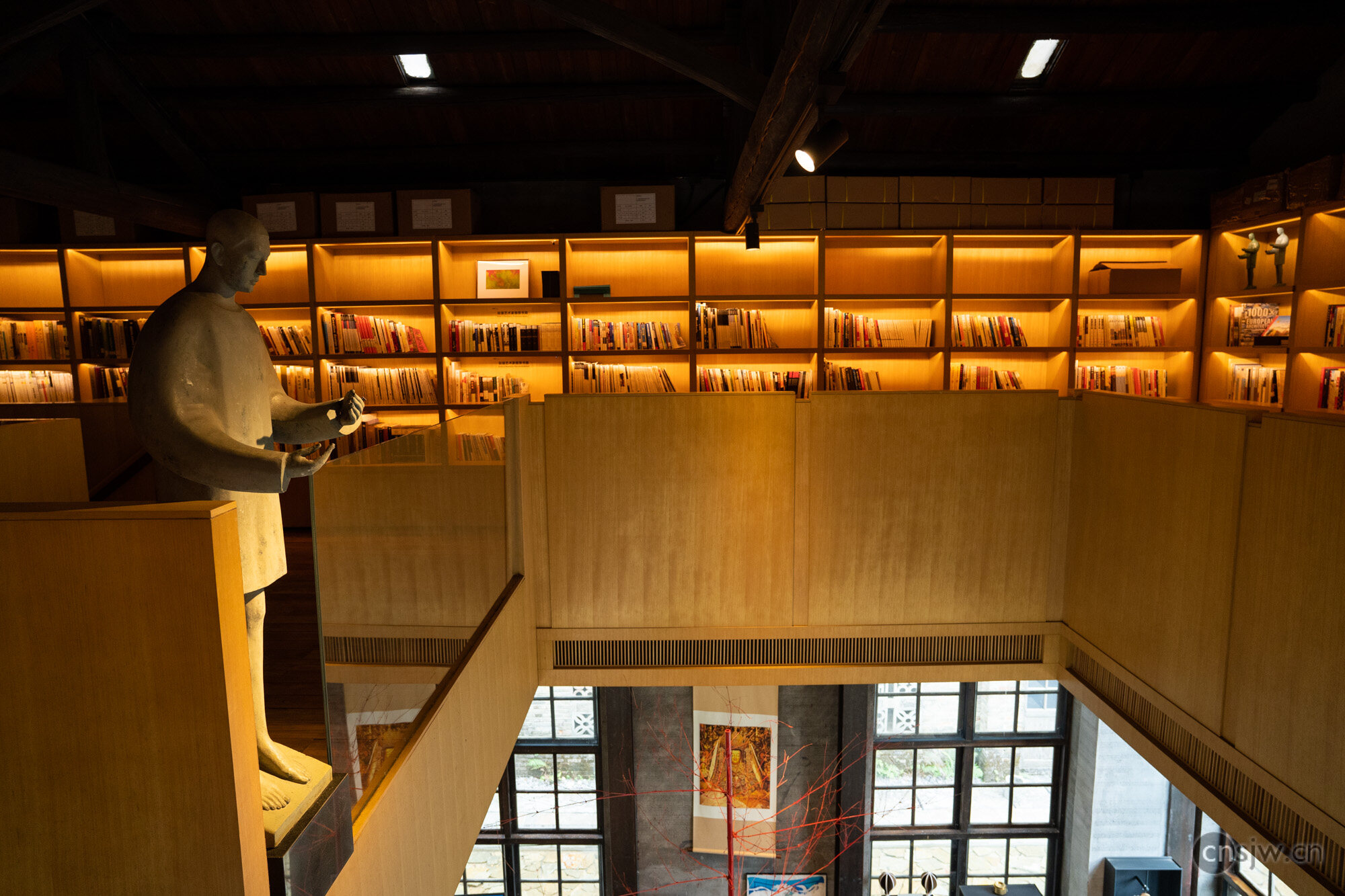
The sugar factory’s small boiler room has been converted into a boutique shop and library. If you can’t find a quiet place to work in your room, feel free to come and relax in the library.

On the left is the crushing workshop, now converted into a bar. On the right are the Historical Suites, along with the Workshop (a multi-function hall), the Sugar Warehouse, and the Main Boiler Room.

Across the water feature are several villas converted from the former staff dormitories. These villas are relatively quiet.
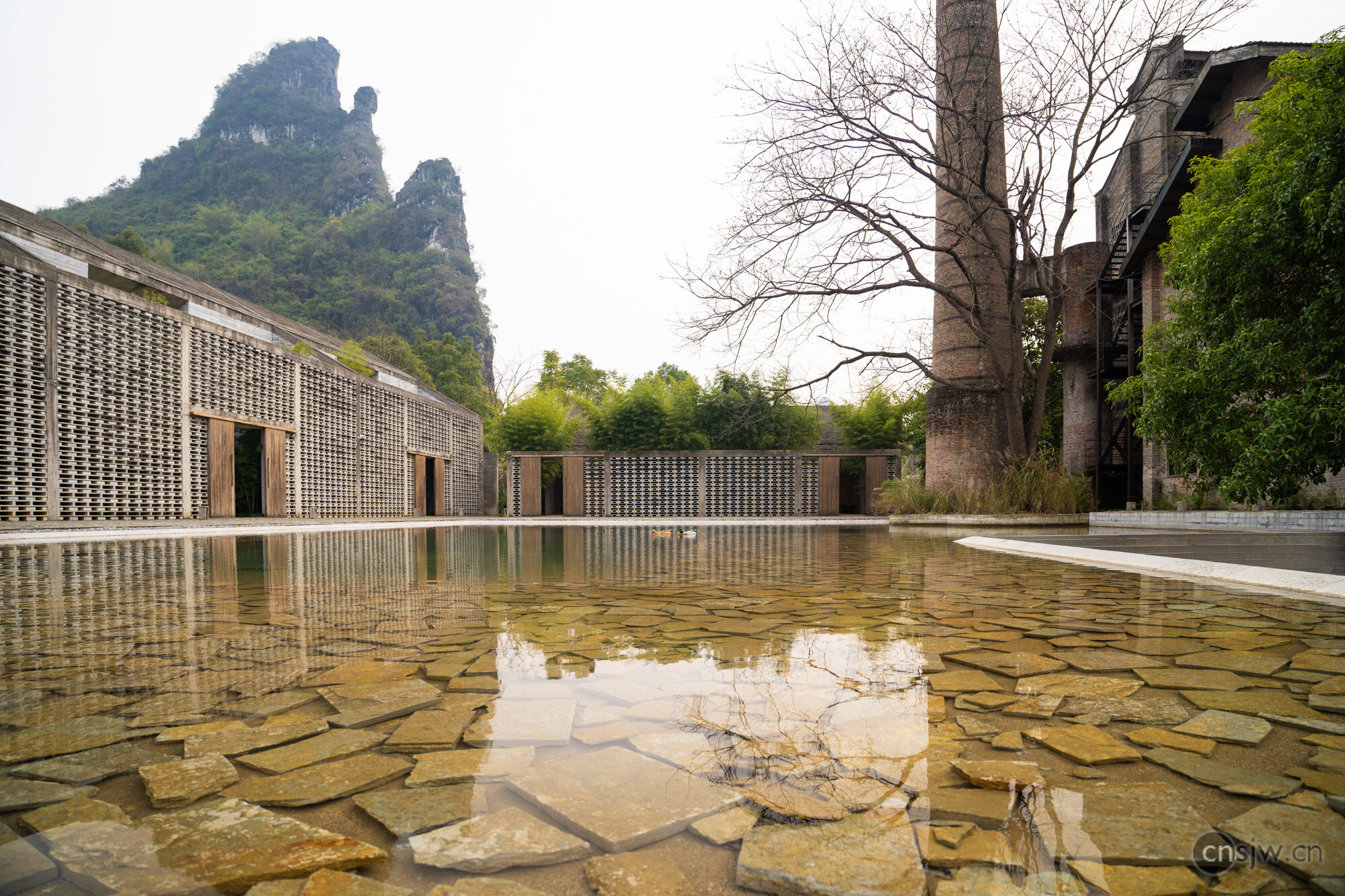
The hotel’s two famous ducks spend their days leisurely swimming and strolling around the grounds. One of them looks exactly like the 🦆 emoji.
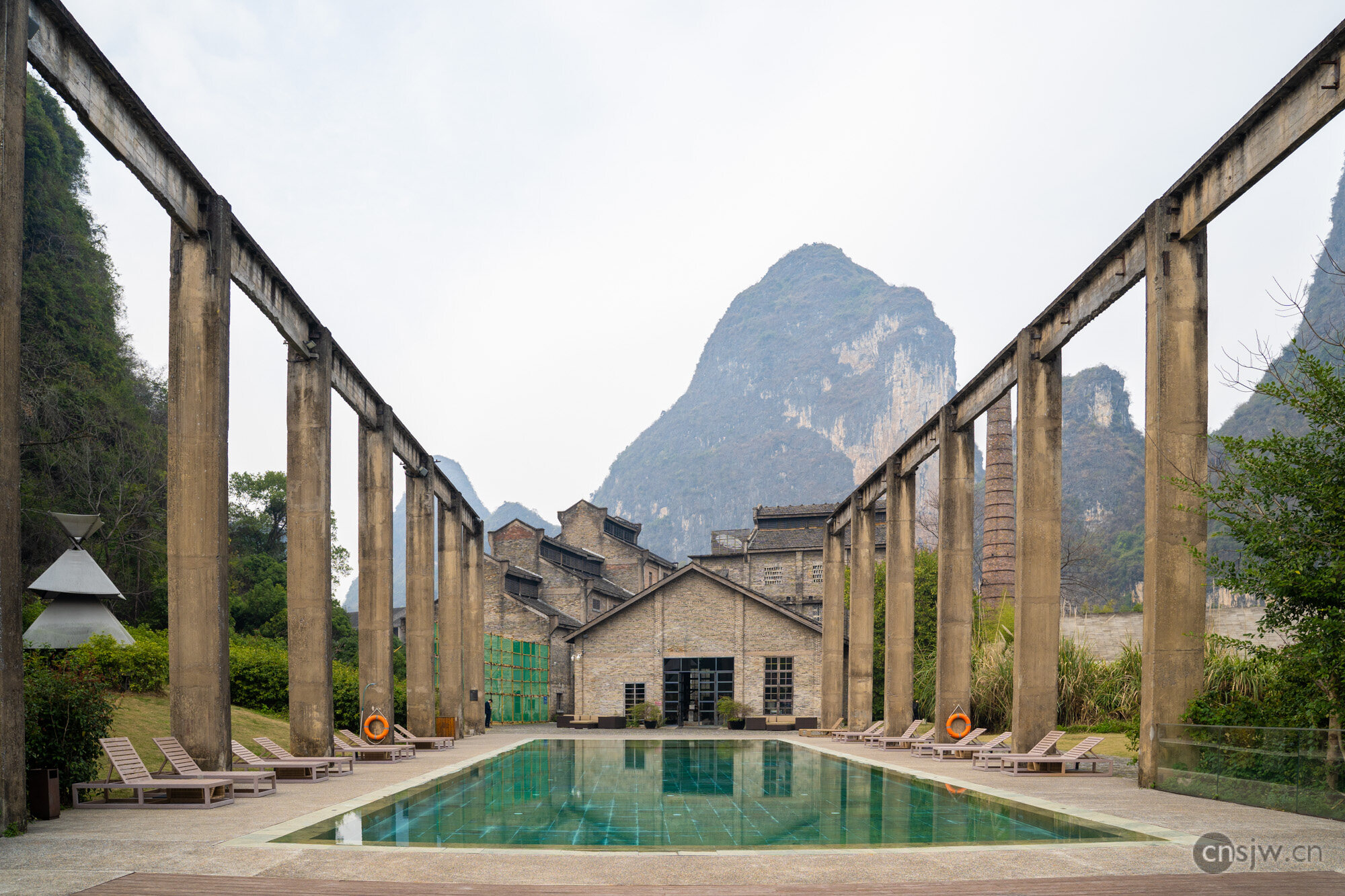
This spot offers the most Instagrammable angle in the entire hotel, featuring a landscape composed of the truss once used for transporting sugarcane and the newly built swimming pool. The truss acts like a picture frame. For safety reasons, the pool wasn’t designed as an infinity pool, which is a bit of a pity, but this does allow you to go right to the edge for photos.
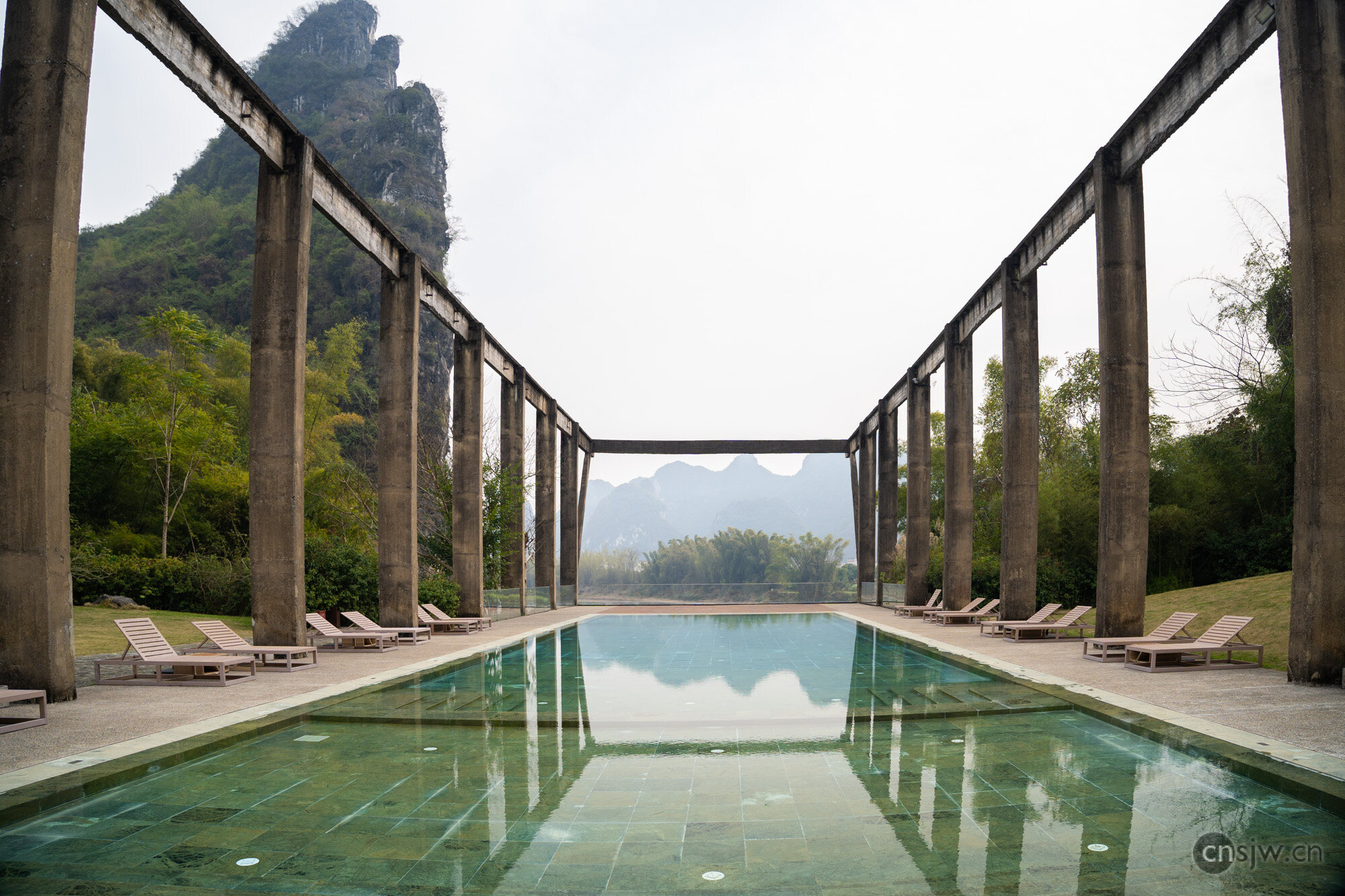
From here, you can look out over the Li River from the poolside. Adjacent to the pool is an underground gym and kids’ play area; it’s not very large but feels relatively private. By the river, there’s also a former pump house that has been converted into a private dining room for up to six guests.

At night, the hotel uses lighting very sparingly, illuminating the architecture itself with just a few spotlights. As a result, walking around the hotel after dark can be quite dim, so be careful not to step into the water. Additionally, during the evening “Impression Sanjie Liu” show, the mountain beside the hotel is briefly lit up in various colors to serve as a backdrop for the performance. Watching this from within the hotel is far more spectacular than viewing it from the official venue.
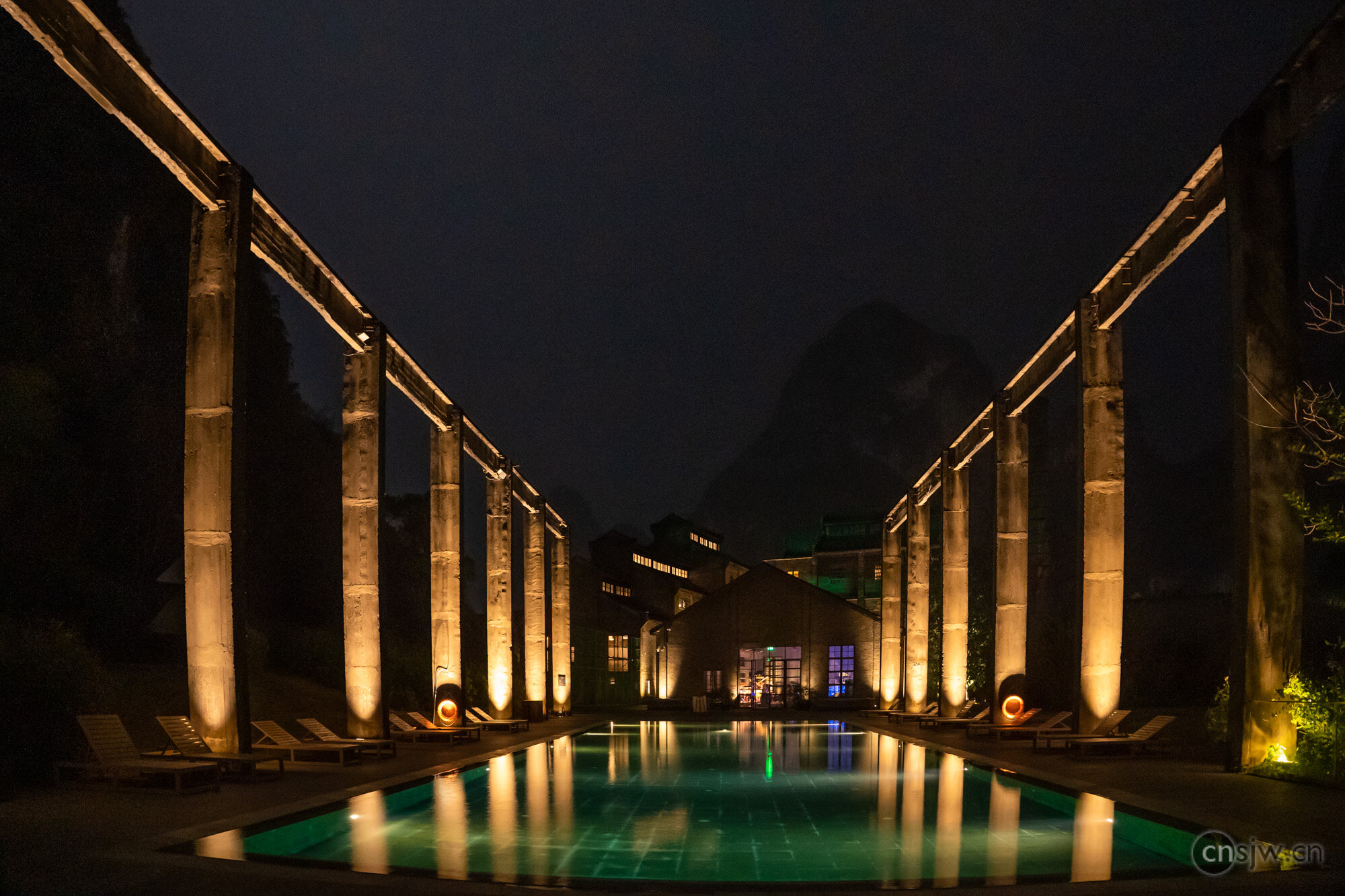
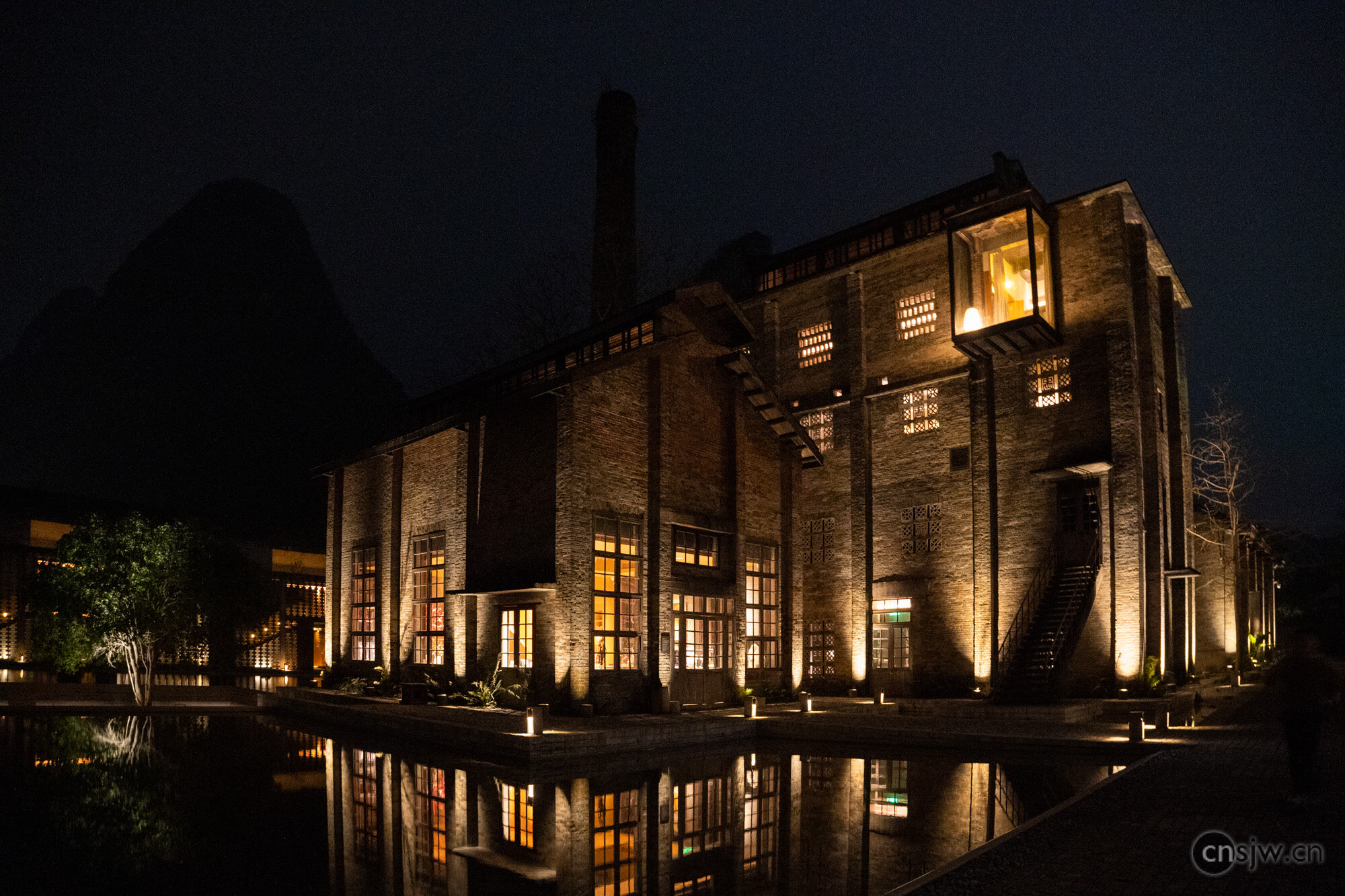
Overall, the hotel maintains exceptionally high standards in both hardware and service. The hardware, in particular, represents a perfect blend of history and modernity, making it absolutely photogenic. The staff are incredibly friendly, responsive to almost every request, and happy to answer any questions; the service is impeccable. Especially if you visit on a weekday when there are fewer guests, you can truly enjoy a sense of secluded tranquility. The downsides are that getting around without a car is inconvenient, and there is noticeable noise from the nearby highway. Nevertheless, overall, it is definitely worth experiencing.



Support



Read this article on WeChat