
Xuedou Mountain is one of the Five Great Buddhist Mountains in China. Although it is far less famous than the other four and has some controversy with Fanjing Mountain regarding this status, it is still a 5A scenic area with beautiful scenery and fewer crowds. Even for someone like me who isn’t interested in worshipping Buddha, it’s a great choice just for the views.
The distance from downtown Ningbo to Xuedou Mountain is about 50km. The main transportation options are as follows:
- Public Bus: Take Route 988 from the train station. Buses run approximately every 20-30 minutes, costing 5 yuan. It goes directly to the entrance of Xuedou Mountain Scenic Area, taking about 1.5 hours.
- Long-distance Bus: Depart from the South Bus Station next to the train station. Buses run roughly every 5-15 minutes, costing 9.5-10 yuan. The destination is Xikou, and the trip takes about half an hour. From Xikou, you can take a local bus or taxi to the Xuedou Mountain Scenic Area.
- Self-driving: There is an exit at Xikou on the expressway, which is quite convenient. After exiting the highway, there are still over 10 kilometers to go.
As expected of a 5A scenic area, the facilities are well-equipped. A combined ticket for Xuedou Mountain + Chiang Kai-shek’s Former Residence costs 230 yuan. Individual tickets are 150 yuan for Xuedou Mountain and 120 yuan for Chiang Kai-shek’s Former Residence. Tickets are valid for two days, but each gate allows only one entry. I don’t particularly recommend visiting Chiang Kai-shek’s Former Residence; we’ll discuss that in the next post. This post focuses on Xuedou Mountain. Xuedou Mountain is the highest peak of the Siming Mountain range, with an altitude of 800 meters. The scenic area is vast, covering 85 square kilometers, and is designated as a National Park of China (I also learned this English term for the first time).
There are several spots within Xuedou Mountain: Qianzhangyan (including Miaogaotai), Sanyintan, Xufuyan, and Xuedou Temple. Due to time constraints, we skipped Xuedou Temple and Xufuyan, only catching a glimpse of the giant Maitreya statue from afar. There are shuttle buses within the scenic area, and self-driving is allowed, though the mountain roads can be quite dangerous.
At the entrance:

After entering, take the shuttle bus to the Xuedou Mountain Transfer Station. This is also the entrance to Qianzhangyan and Xuedou Temple. At the transfer station, you can switch to buses heading to Sanyintan and Xufuyan, and there are also some restaurants nearby.
You need to decide on your route here because the scenic area doesn’t provide clear route maps, and the map provided isn’t very detailed, so first-time visitors might feel confused. Xufuyan and Xuedou Temple are relatively independent attractions, so there’s not much to say about them. The main choice lies between Qianzhangyan and Sanyintan:
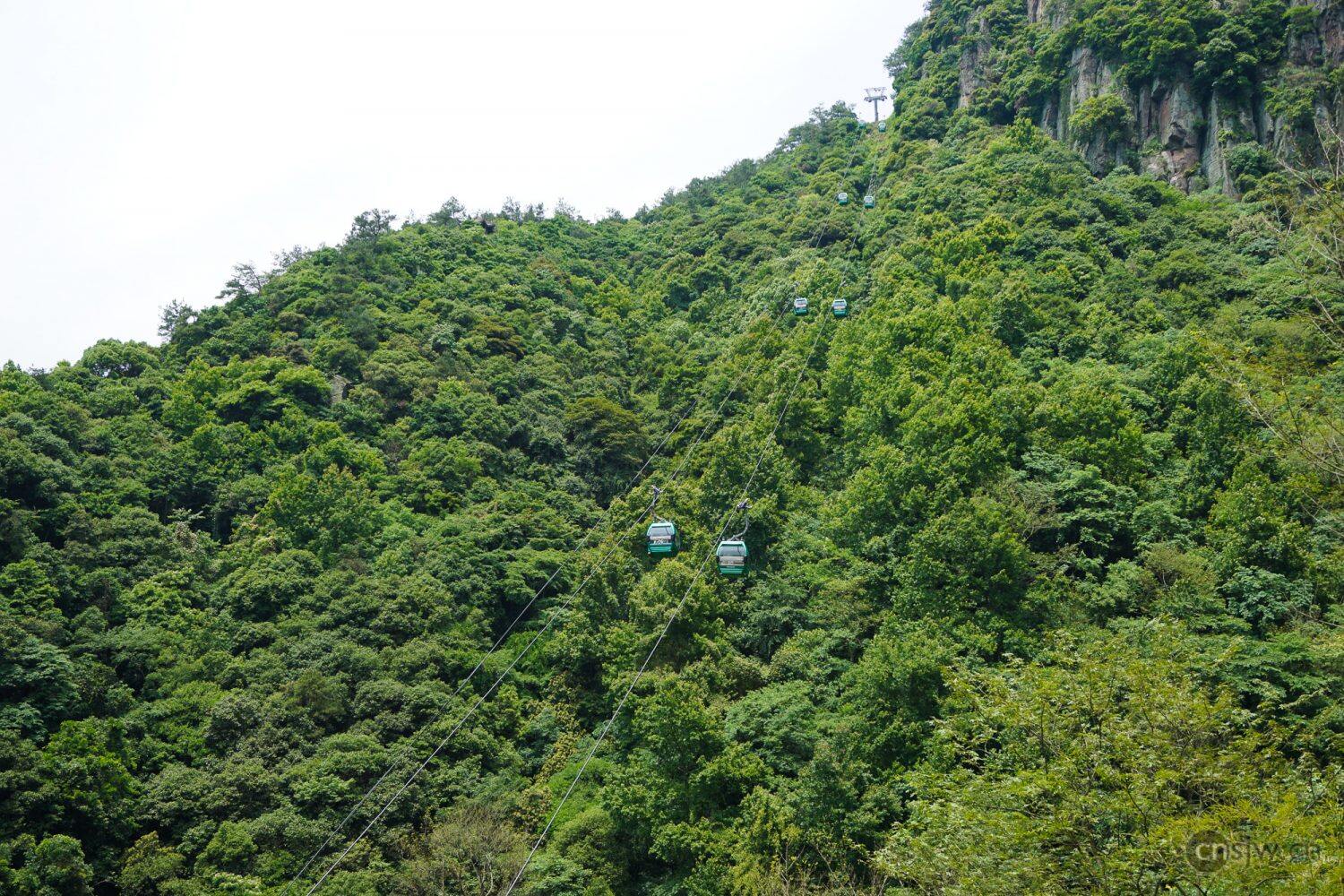
- If you visit Qianzhangyan first, walk about 1km to Miaogaotai, where you can take the cable car and small train. The combo ticket is 50 yuan. Upon arriving at Sanyintan, you will need to walk 3km with an elevation gain of about 300 meters to complete the Sanyintan section, then exit and take the bus back to the transfer station.
- If you prefer not to walk that much, you can simply walk to Miaogaotai, take the cable car down to the bottom of Qianzhangyan, and then take the cable car back up and return the same way. The round-trip cable car ticket is also 50 yuan.
- Alternatively, you can skip the cable car entirely and walk all the way down from Miaogaotai to the bottom of Qianzhangyan. However, you won’t be able to take the small train section afterward and must return the same way. Then, you’d have to take the bus from the transfer station to Sanyintan, but after walking through Sanyintan, you would again have to return the long way back. This involves a lot of walking and climbing many stairs.
- Of course, you can do everything in reverse: take the bus to Sanyintan first, walk 3km, take the small train and cable car to Miaogaotai, and then walk to Qianzhangyan. The advantage of this route is that it requires much less physical effort since most of the journey is downhill. However, it might not be so good for your knees~~~
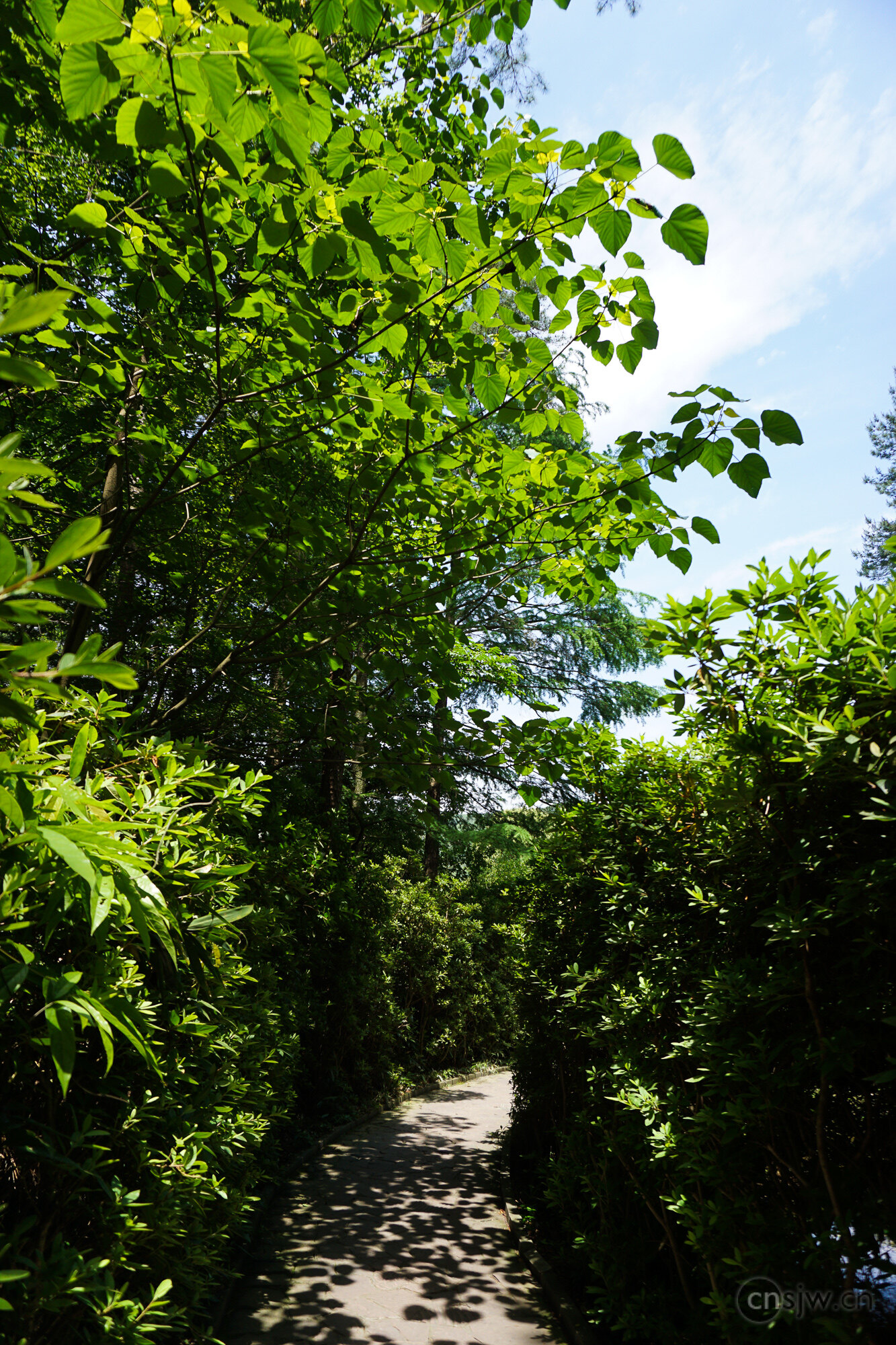
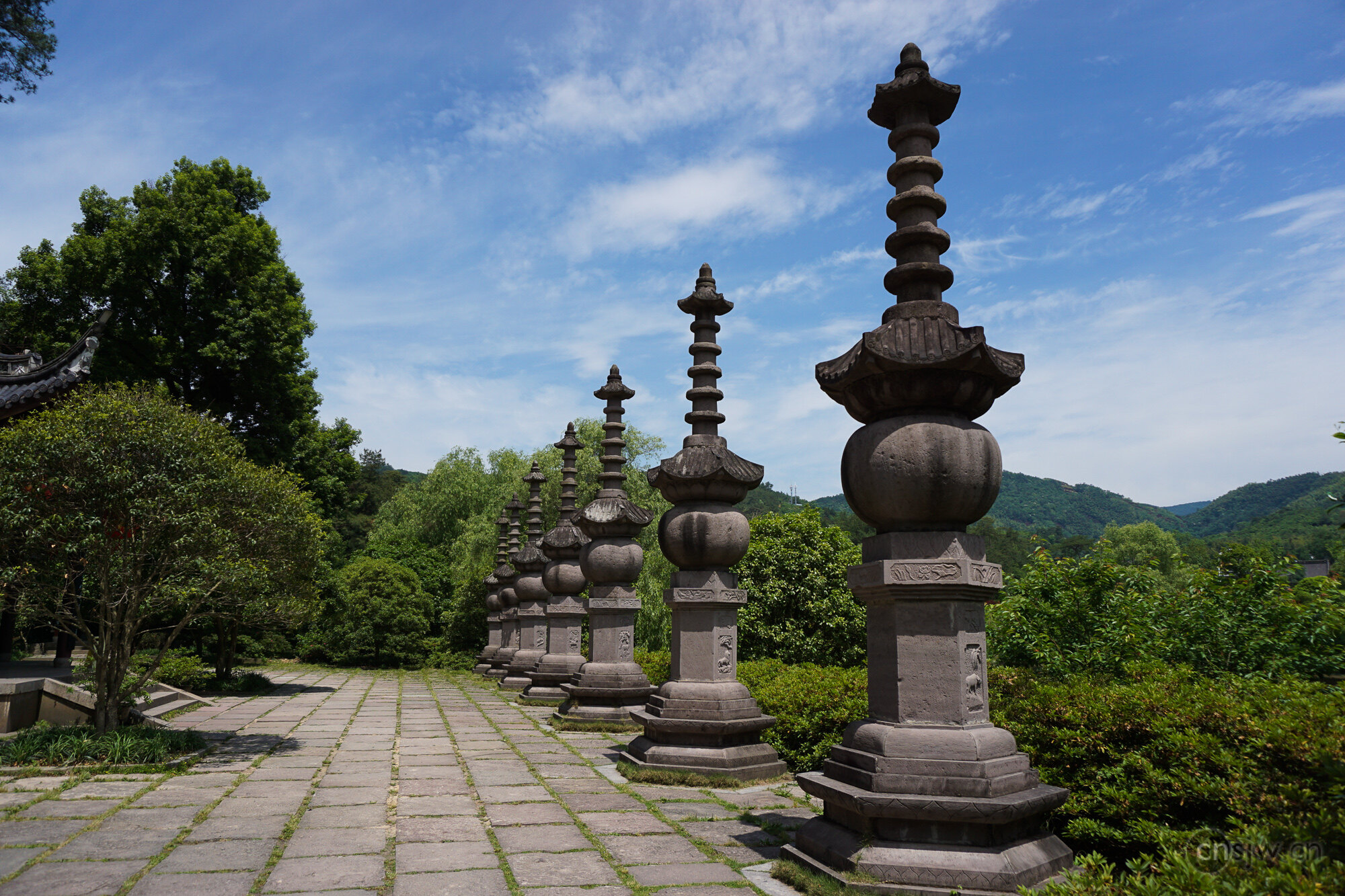
The scenery along the way looks like this: blue skies, white clouds, and lush forests. It’s not hot this season, making it very comfortable.
Cable Car and Small Train:
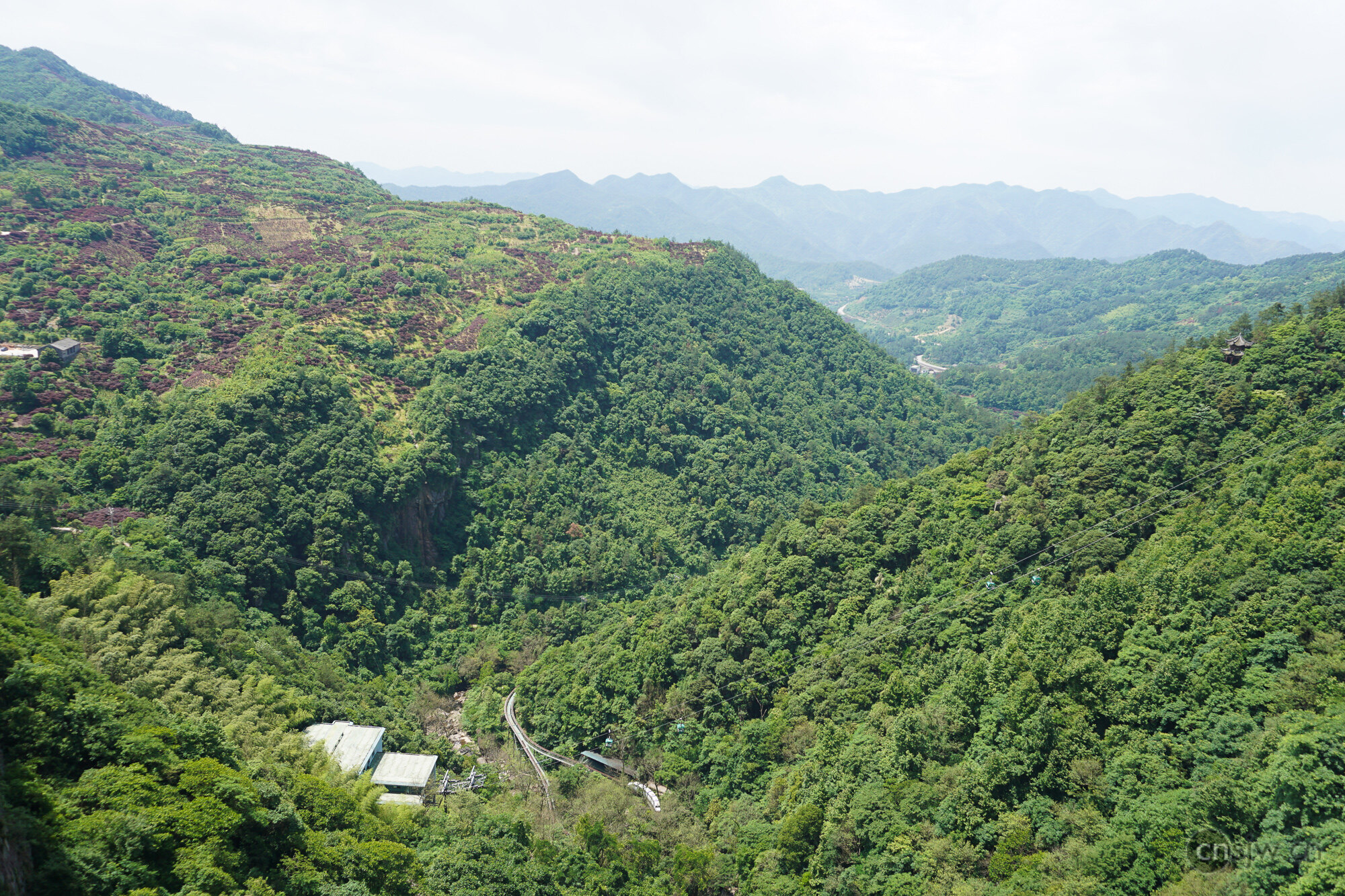
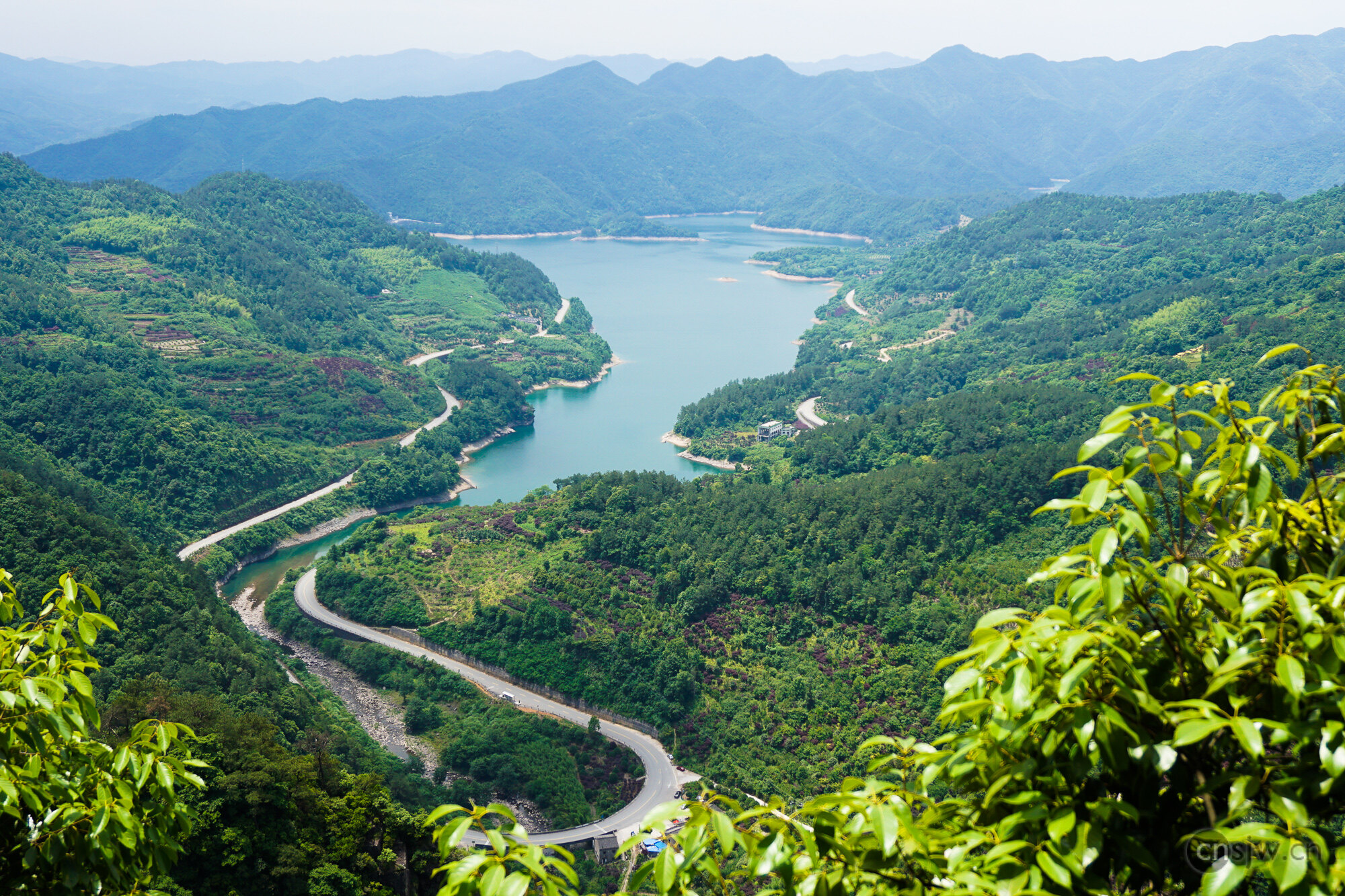
From Miaogaotai, you can see Tingxia Lake Reservoir, which is said to be about the same size as West Lake:
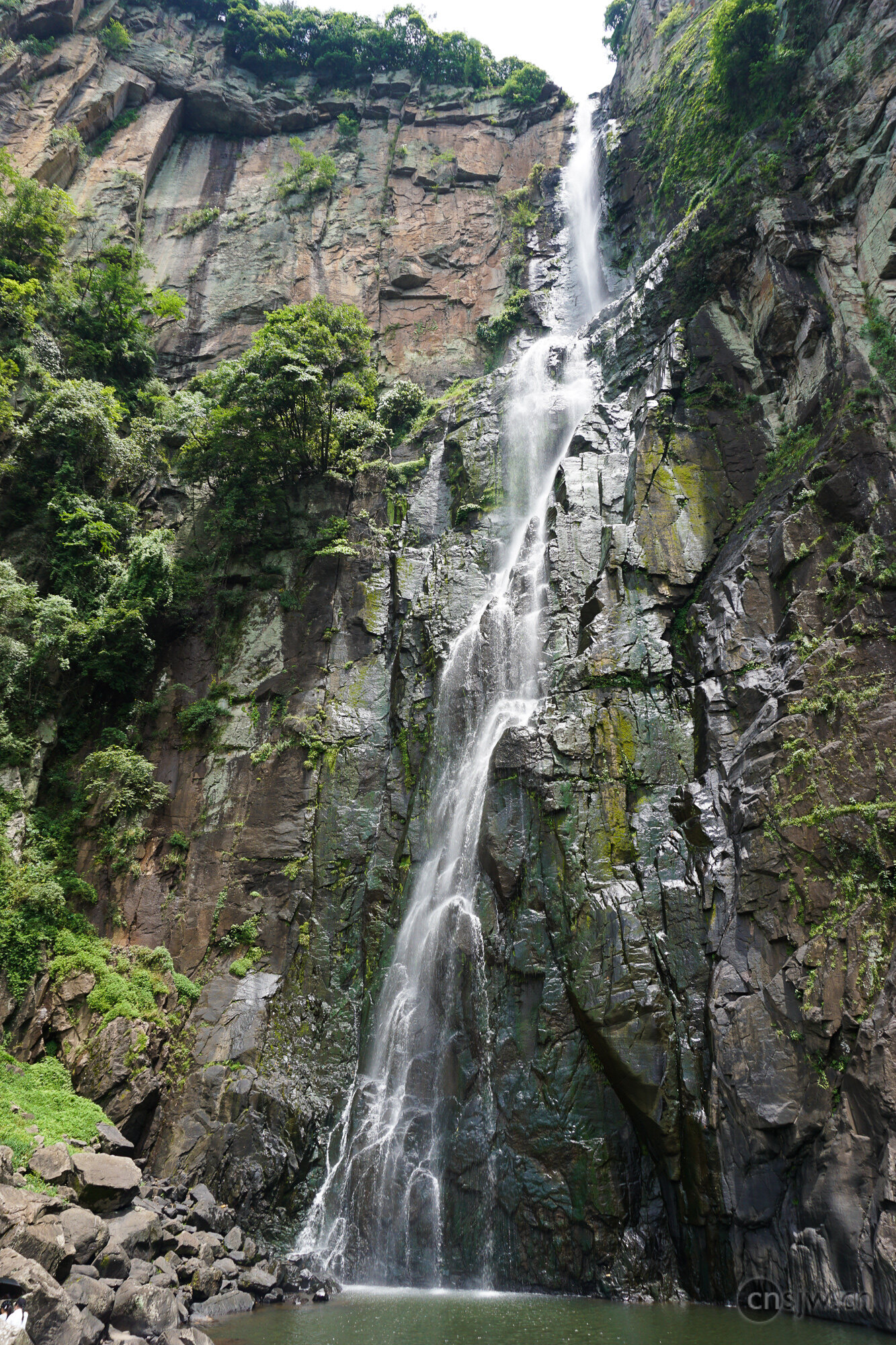
Qianzhangyan Waterfall:
Bamboo forests, waterfalls, bridges, and boardwalks in Sanyintan:
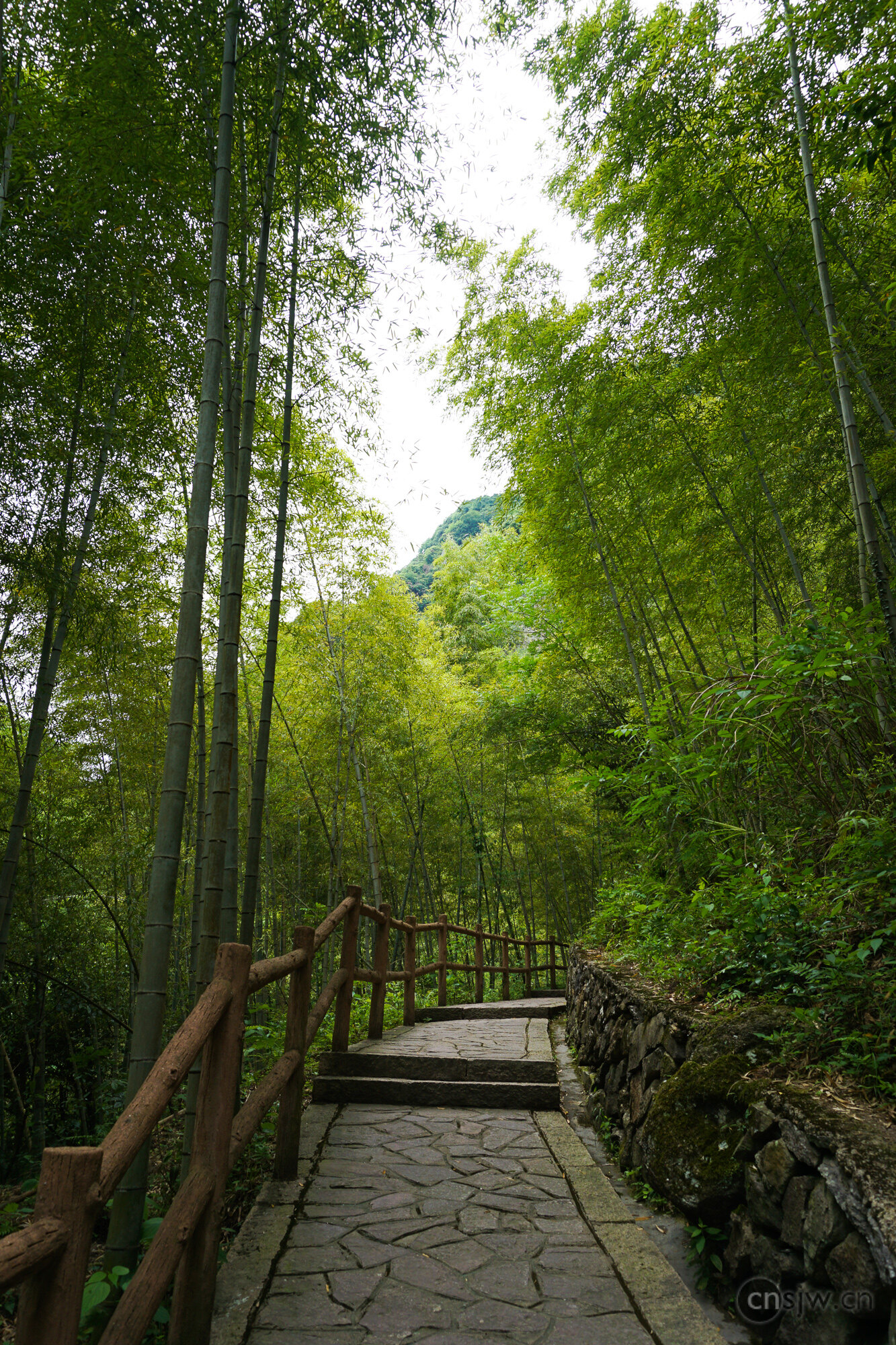
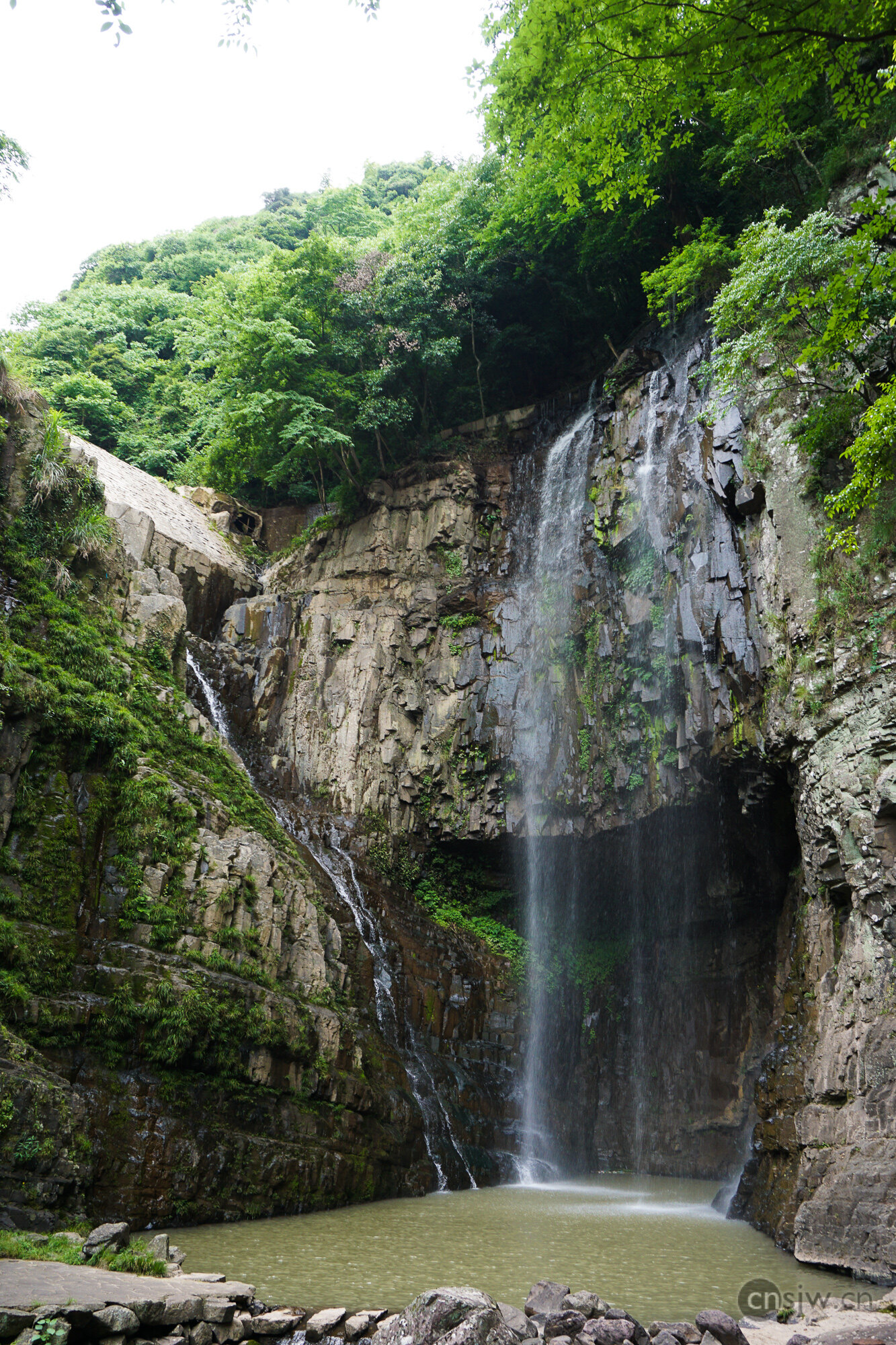
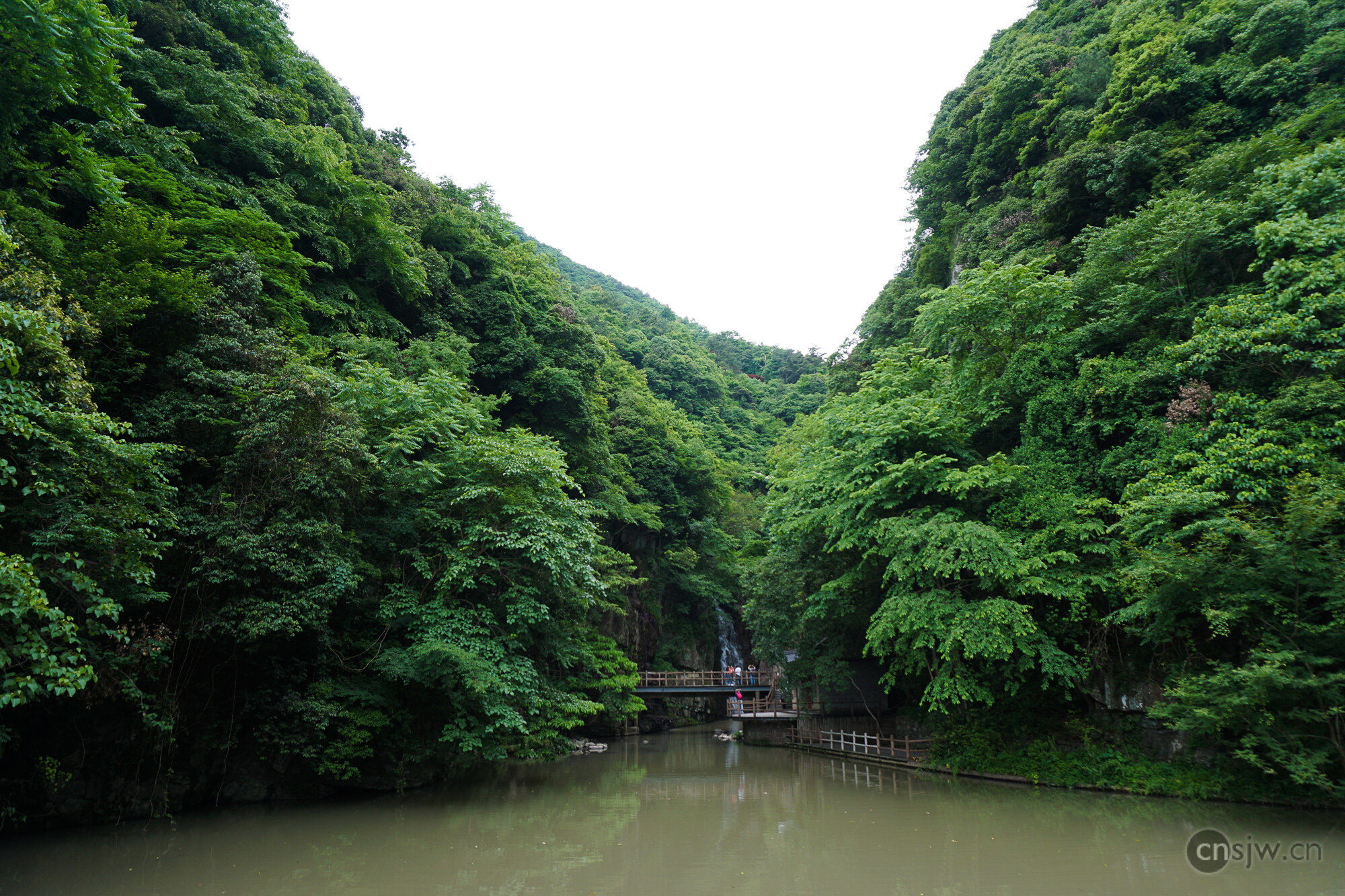

Actually, I highly recommend starting with Sanyintan. Seeing such high stairs near the exit made my heart sink…
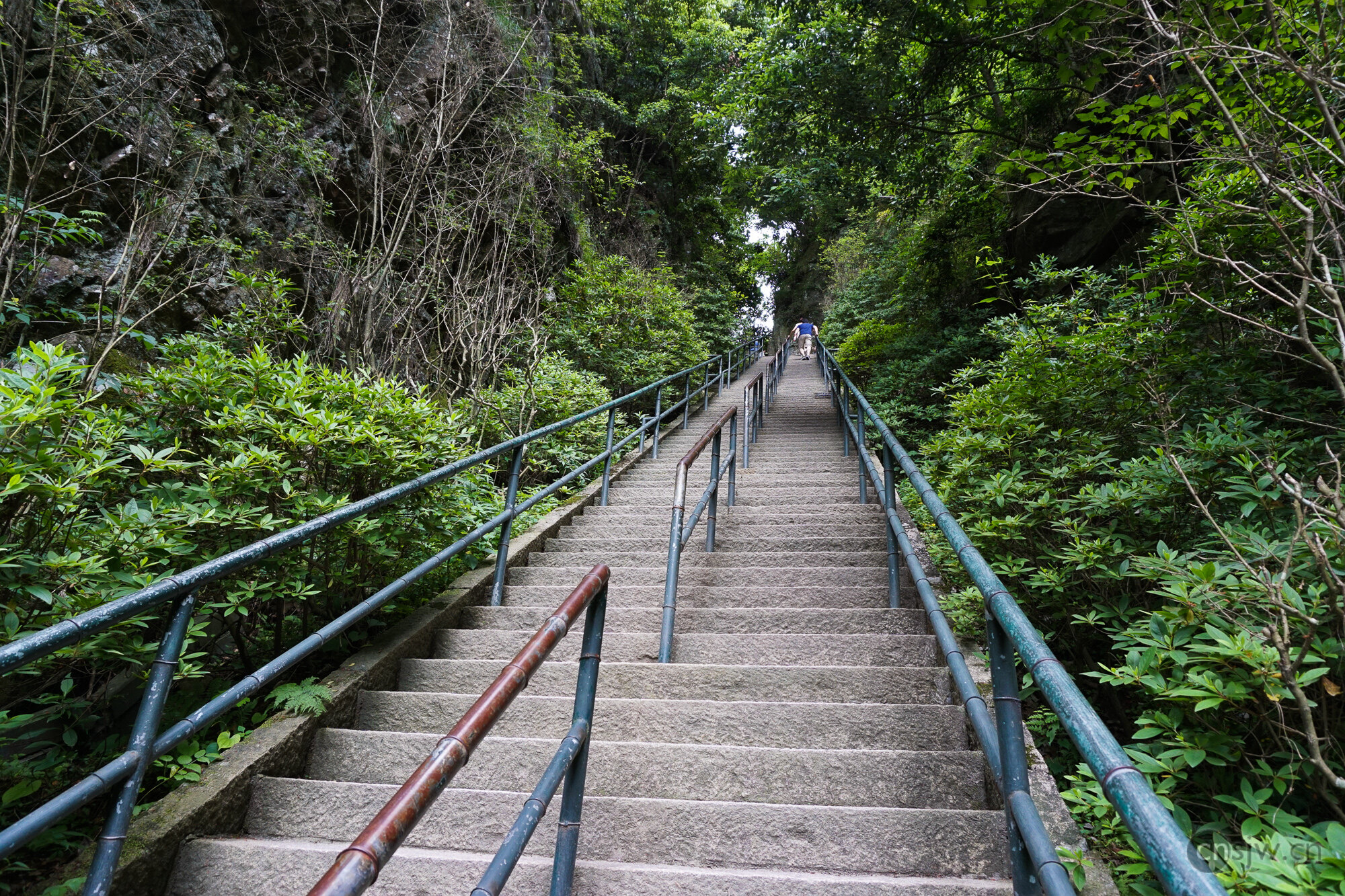
It feels wonderful to enjoy nature’s scenery. In the past, whenever I visited Hangzhou, I always cherished the Longjing-Jiuxi stretch. That path isn’t very long and is relatively flat, whereas this route is clearly more challenging. Maybe next time I’ll check out Xufuyan…
Photos in this post taken with SONY A5100 + 16-50 f3.5-5.6, edited in Lightroom.

Support



Read this article on WeChat