
The last time I visited Nanjing was in 2008. In the blink of an eye, four years have passed. There were places I had visited before, like the Music Stage and Yuhuatai, that I wanted to revisit, and many others, such as the Confucius Temple and the Presidential Palace, that I didn’t get a chance to see last time. This trip, I managed to tour pretty much all the must-see spots in Nanjing. Given that my values have changed significantly since then, I’ll go through the places I visited one by one.
Xiangjiang Banana Leaf
I arrived in Nanjing around noon on Sunday. After dropping off my luggage at the hotel, I headed straight out for food. This restaurant isn’t far from 1912 Street and the Presidential Palace, located at the entrance of a small alley. The entrance is quite hard to find, and the elevator is always packed. Since we arrived relatively late, by the time our dishes were served, it was already 2 PM. The chefs had clocked out, so we couldn’t order any more dishes… though adding rice was still an option…. Honestly, the food tasted really good, but the prices are a bit steep; if you eat well, the per-person cost will definitely exceed 100 RMB. As for the atmosphere, the area with live performances is rather noisy, but the venue is quite spacious inside, and there are also quieter sections. I’d consider this a recommended restaurant in Nanjing.
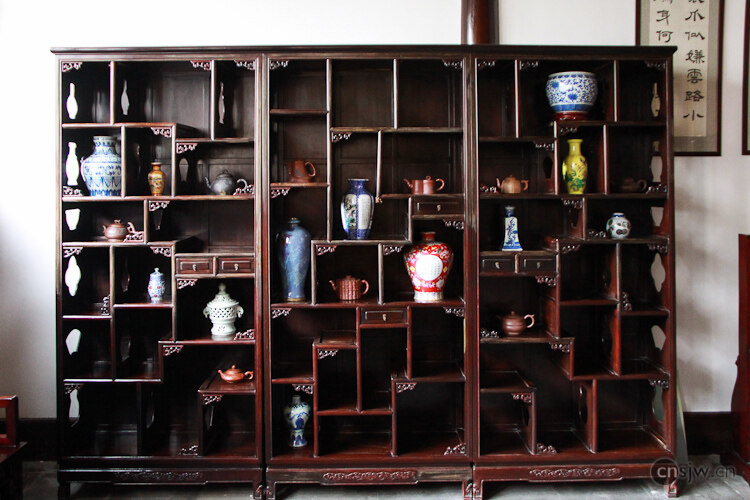
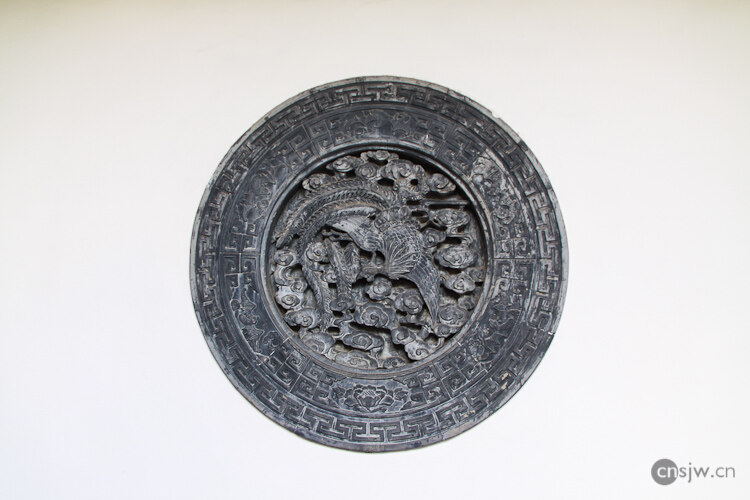
Presidential Palace
After lunch, I headed to the Presidential Palace. To be honest, tourist cities are truly not suitable for visiting attractions on rest days, and this place was no exception—it was very crowded. This site is not only the Presidential Palace of the Nationalist Government but also the residence of the Marquis of Guide and the Prince of Han during the Ming Dynasty, the Jiangning Weaving Bureau, the Viceroy’s Office of Jiangnan, and the Viceroy’s Office of Liangjiang during the Qing Dynasty, as well as a temporary palace for Emperors Kangxi and Qianlong, and later the palace of the Taiping Heavenly Kingdom. Therefore, what you see here isn’t just relics from the Nationalist Government era; there are also numerous artifacts from the Taiping Heavenly Kingdom period. However, these so-called museums basically preserve the original architecture, while most of the furnishings inside are replicas.
Tickets are 40 RMB. The grounds are extensive, featuring gardens. It’s quite nice to stroll around when the weather isn’t too hot, though it gets crowded on holidays.
Xuanwu Lake
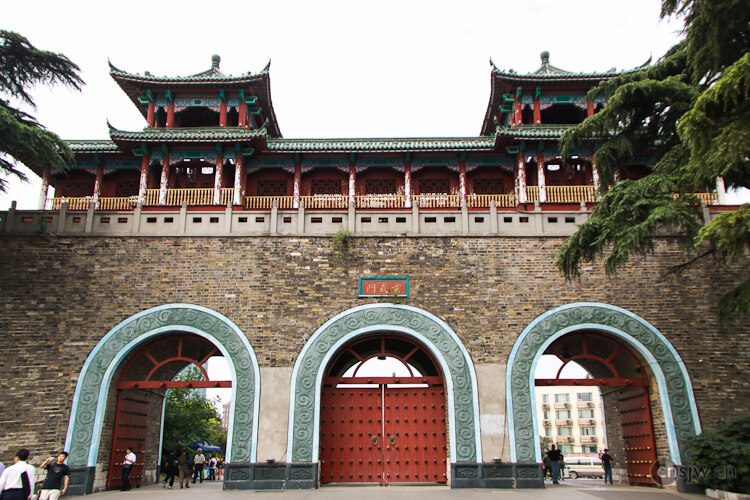
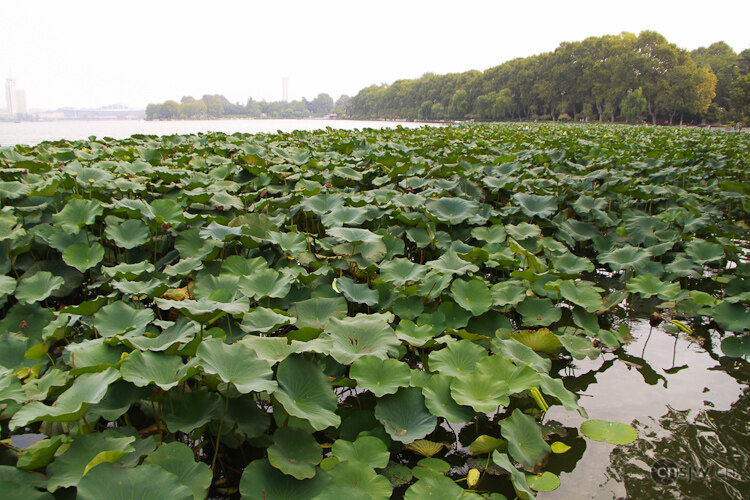
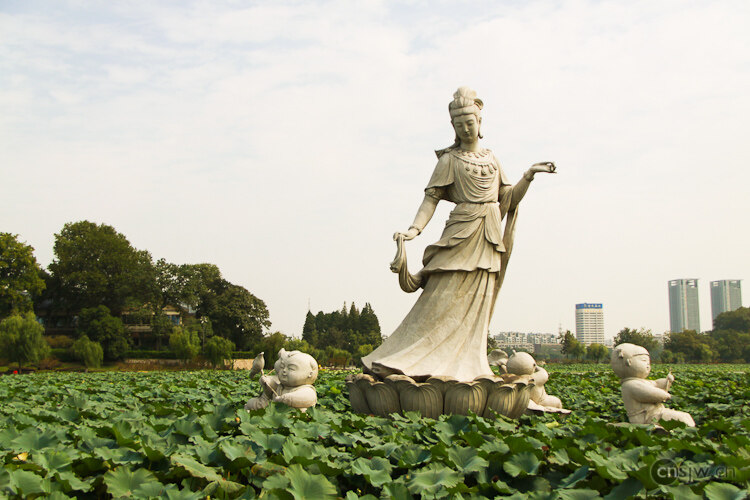
After breakfast on Monday, I went to Xuanwu Lake. It’s a free attraction and incredibly vast—much larger than I had anticipated. I gave up after walking about half of it~~~~ The waterfront platform is nice, and the scenery along the way is quite pleasant. Unfortunately, the artificial landscaping is too prominent, and unlike West Lake, which is surrounded by mountains, the other side of this lake is lined with skyscrapers, constantly reminding you that this is merely an urban attraction…
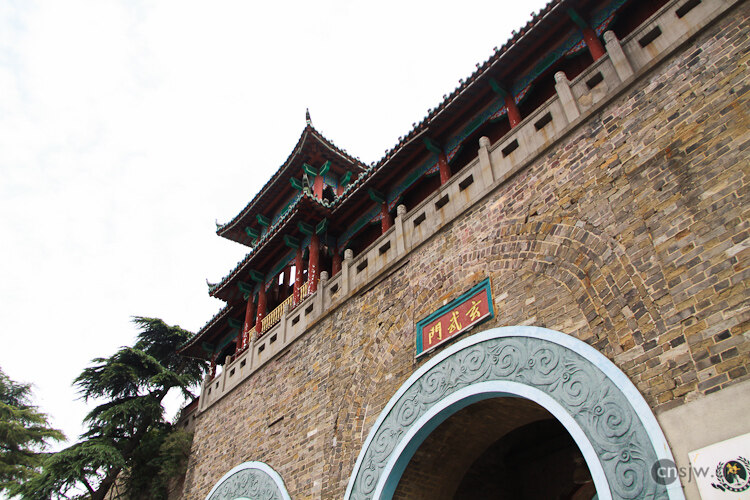
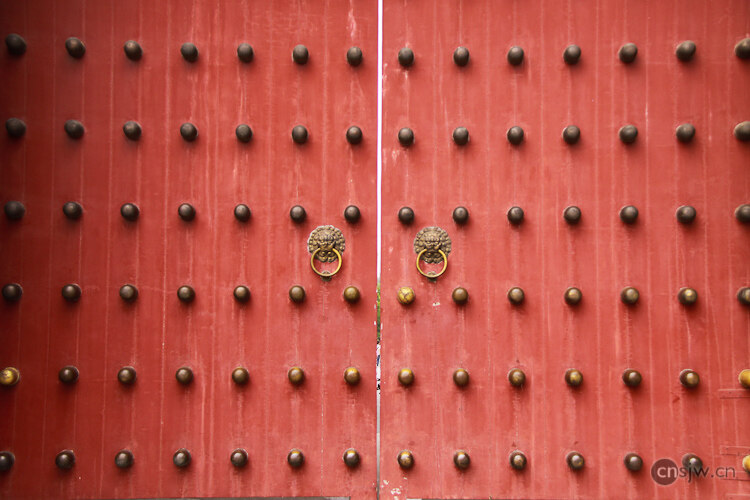
It must look beautiful when the lotuses are in bloom.
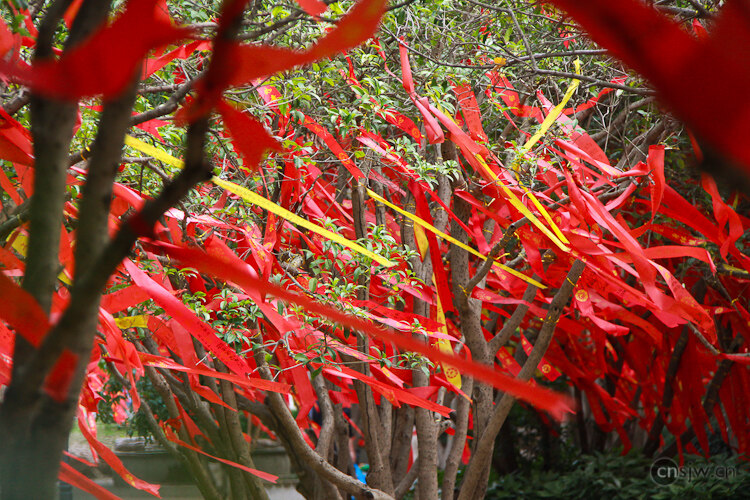
I was slightly touched by this place, but there were so many old ladies reading palms inside—it really spoiled the mood…
Yuhuatai
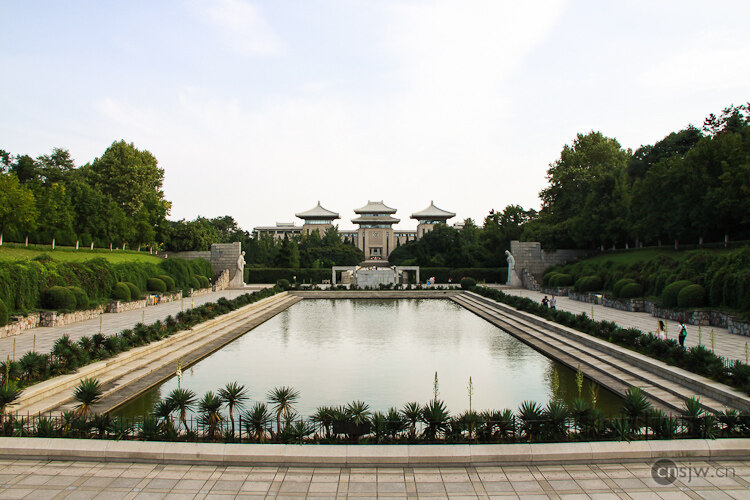
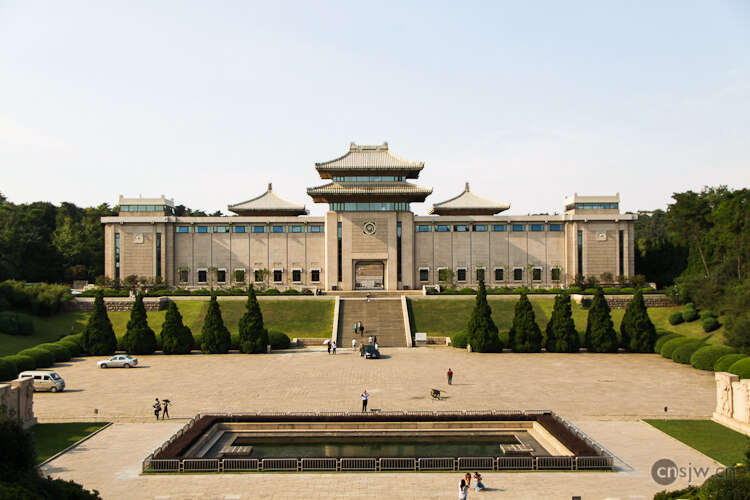
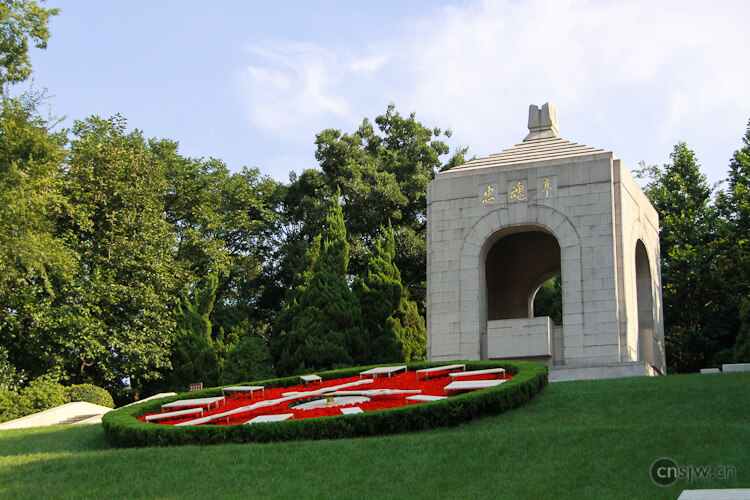
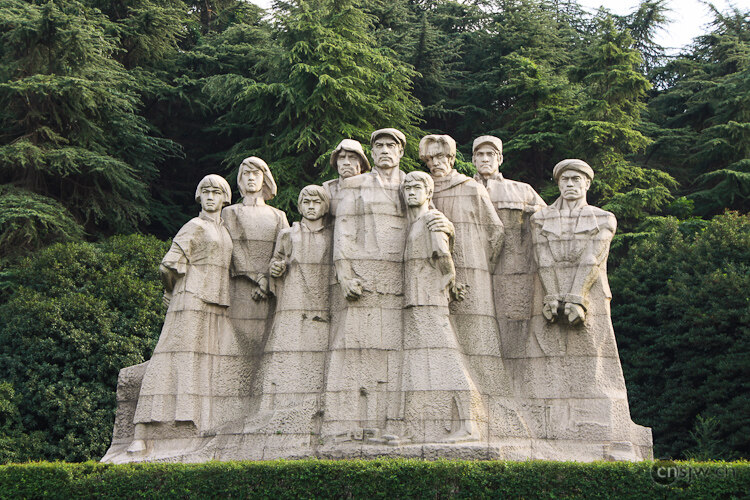
I really liked the architecture here during my last visit. Plus, it’s a free attraction. Walking up and down the central axis allows you to see all the main sights, and there are also pedestrian paths on both sides where it’s quite comfortable to stroll under the shade of trees.
Nanjing Da Pai Dang
This is a restaurant with strong Nanjing characteristics. From the uncle greeting guests at the door to the rustic interior decor, although it differs somewhat from traditional street-side food stalls, it has its own unique charm. You take your table number card to various counters to order, and servers will bring the dishes to your table. The environment is a bit noisy and crowded; expect to queue on weekends. Prices aren’t cheap, but the food tastes pretty good.
If you ever have the chance to visit Nanjing, it’s worth experiencing~~~~~
Music Stage
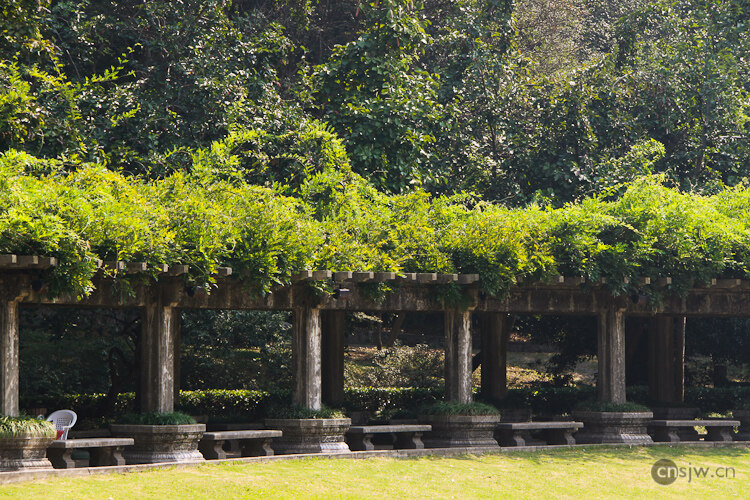
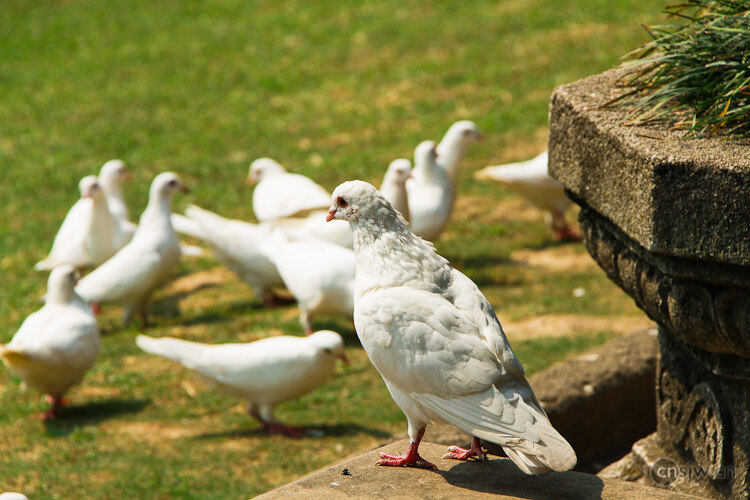
This place is right next to the Sun Yat-sen Mausoleum. Previously, tickets were bundled together, but after the mausoleum became free, this site started charging separately—apparently 10 RMB per ticket. However, when I visited, they happened to be setting up a stage inside, so there was no music or fountain show. Still, sitting under the corridor to rest and feed pigeons was quite nice. Anyway, I wasn’t particularly interested in the music anyway…
Confucius Temple
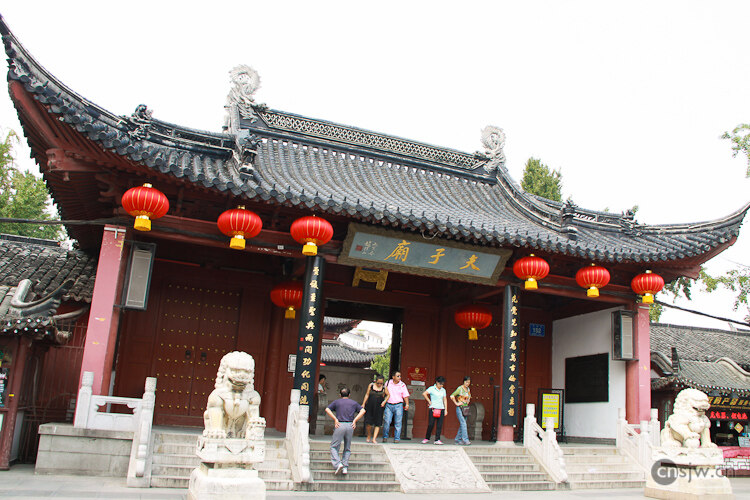
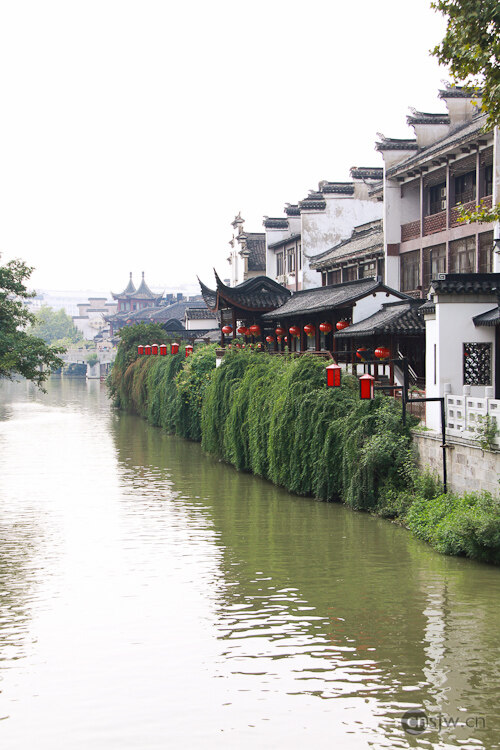
This area feels like a knockoff City God Temple combined with Nanjing Road—a massive pedestrian zone. By the time you reach the Jiangnan Examination Hall area, it turns into a large wholesale market selling cheap goods, so there’s nothing much to see commercially. However, the architecture is worth a look, showcasing distinct Jiangnan style.
Nanjing Massacre Memorial Hall
It happened to be September 18th. Although unrelated to the Nanjing Massacre itself, the date still holds significance regarding Japan. When I arrived shortly after 3 PM, two lines of armed police and regular officers stood outside the gate, suggesting some anti-Japanese activity was taking place inside. Thinking about my camera, I hesitated briefly before entering. The event had mostly concluded, so it didn’t affect me much.
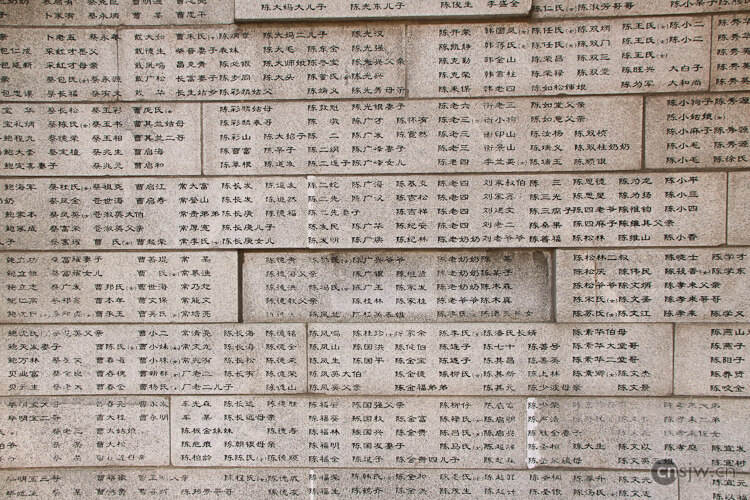
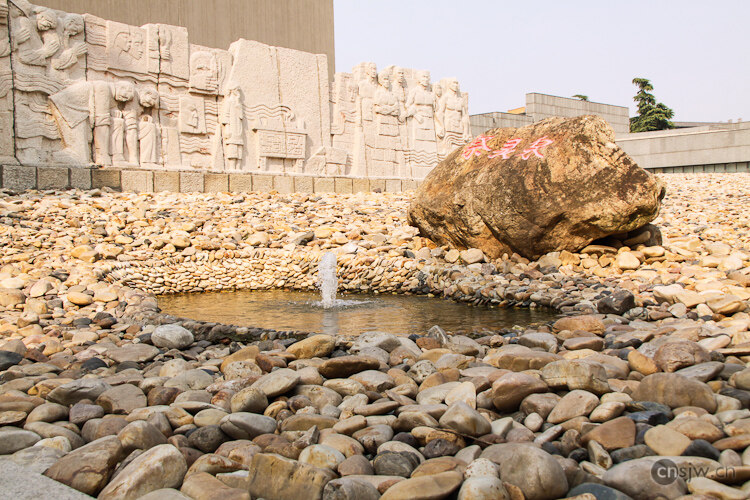
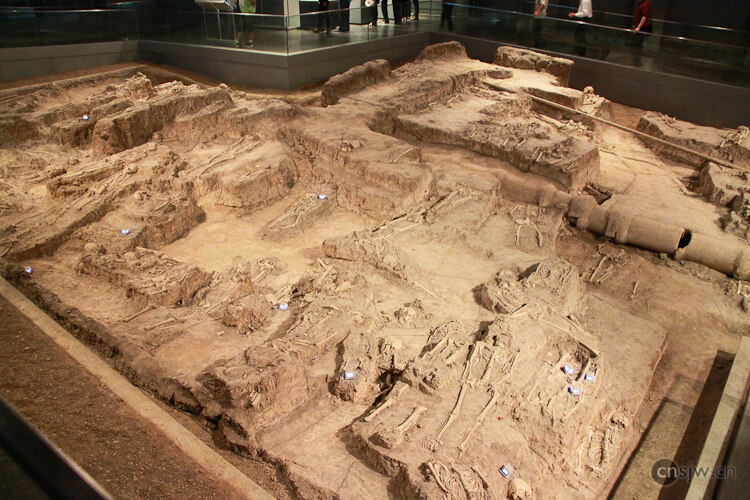
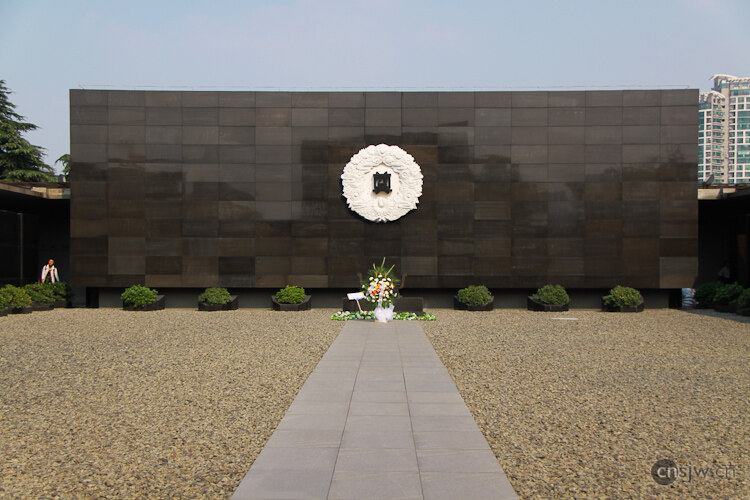
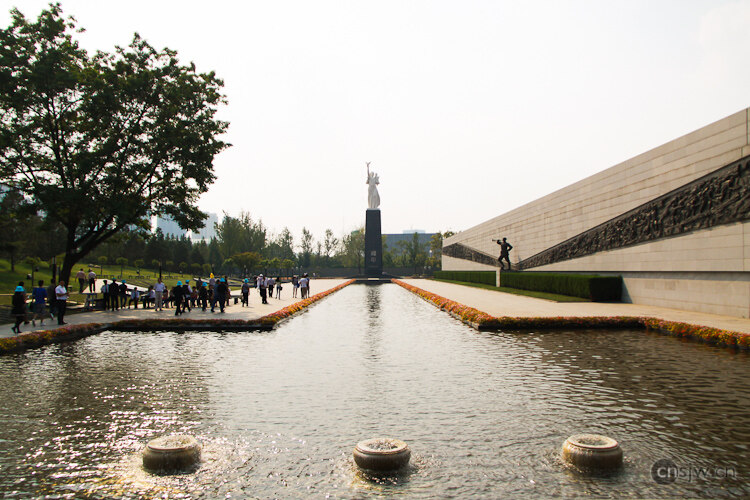
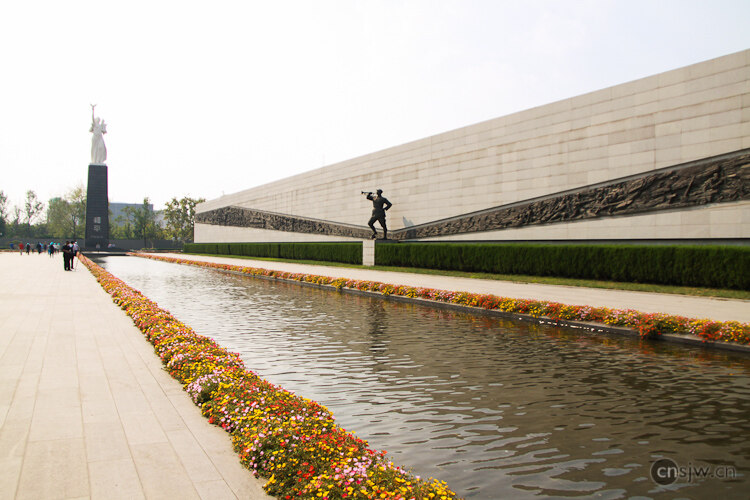
Built on the site of the massacre and mass graves, this memorial was first constructed in 1985 and expanded twice in 1995 and 2005. Today, it comprises the exhibition hall, Wall of Victims’ Names, Mourning Square, Meditation Hall, Peace Park, and other structures. Upon entry, I hadn’t realized how expansive it was; only upon exiting did I discover the vast outdoor areas. While the artifacts aim to prove the occurrence of the Nanjing Massacre, photography is inexplicably prohibited. Though I’m not particularly interested in history already covered in textbooks, I quite appreciated the architectural design of this place.
Taicheng
The ancient city wall stretches quite far. Regrettably, there’s only one entrance; it would’ve been better if you could enter from one end and exit the other… Climbing up offers great views: Xuanwu Lake on one side, Jiming Temple and the bustling cityscape on the other. This spot pleasantly surprised me—I hadn’t planned to visit but ended up here simply because I had nowhere else to go that morning. Consequently, I didn’t bring my camera. Interestingly, there’s even a Coco Milk Tea shop near the entrance—a rare find.
Summary
Unlike Hangzhou or Xiamen, Nanjing doesn’t seem to offer abundant natural scenery; instead, it focuses more on cultural landmarks. One issue with cultural sites is that once you’ve seen them, there’s rarely a reason to return. This lack of repeat visitors negatively impacts tourism significantly. Popularity lags far behind Hangzhou, resulting in low hotel occupancy rates on weekdays and fewer crowds at attractions, restaurants, and malls. On the bright side, traffic congestion is minimal—transportation here fares much better than in Hangzhou, with two metro lines already operational. Overall, Nanjing’s commercial environment isn’t thriving; locals clearly aren’t affluent enough, making even popular consumer venues—which would be packed daily in Shanghai—feel deserted.
With a transportation card, metro rides appear discounted by 10%, and buses by 20%. I took numerous bus trips and almost always found seating, albeit slower travel times. Unfortunately, there are no automated machines for purchasing or recharging cards; each subway station has only one service window operating standard office hours (9 AM–6 PM) with a lunch break. If you’re working weekdays, recharging your card outside weekends becomes quite inconvenient…. Large portions of the city are occupied by military zones. Though military vehicles weren’t overly visible on roads, soldiers enjoy free admission to all attractions—lucky them……
Photos taken with Canon 50D + 18-200mm lens, post-processed using Lightroom.


Support