
I have to say that Hangzhou is indeed a very convenient city. Within a 2-hour drive, you can reach beautiful destinations such as Qiandao Lake, Tianmu Mountain, Moganshan, and Anji. However, these places are all quite far from Shanghai. Speaking of the Tianmu Mountain Scenic Area, in July 2003, Dahua Group won the bid for a 70-year franchise right to Tianmu Mountain, determined to transform it into a first-class national 5A-level premium scenic area in the shortest possible time.
As a result, hotels, restaurants, and museums were built on Tianmu Mountain, and Chanyuan Temple was renovated. However, construction is still ongoing; work is currently being carried out on the mountain access roads, mountain parking lots, and within the scenic area itself.
In 1956, Tianmu Mountain became a national forest protection zone where logging was prohibited. In 1986, it became Zhejiang Province’s first national nature reserve, and in 1996, it was designated a UNESCO Biosphere Reserve. Tianmu Mountain is home to 2,351 species of higher plants and 5,024 species of animals, including 172 species of flora and fauna named after “Tianmu.” The mountain is renowned for its large trees, boasting 5,511 ancient and famous trees spanning 43 families, 73 genera, and 100 species. Consequently, it also serves as a National Youth Science and Technology Education Base and a National Science Popularization Education Base.
For those driving to the West Tianmu Mountain Scenic Area, you will need to park your car at the foot of the mountain; the parking fee is 10 yuan per day. After walking past Chanyuan Temple, you will reach the trailhead. The full hike to the King of Trees is approximately 6.5 km with an elevation gain of about 800 meters. Alternatively, you can take the scenic area’s minibus up the mountain for 20 yuan one way. This drops you directly at the entrance to the King of Trees Scenic Area. From there, it is about a 1.5 km walk to the King of Trees, mostly on flat terrain with minimal climbing, making it a relatively easy route.
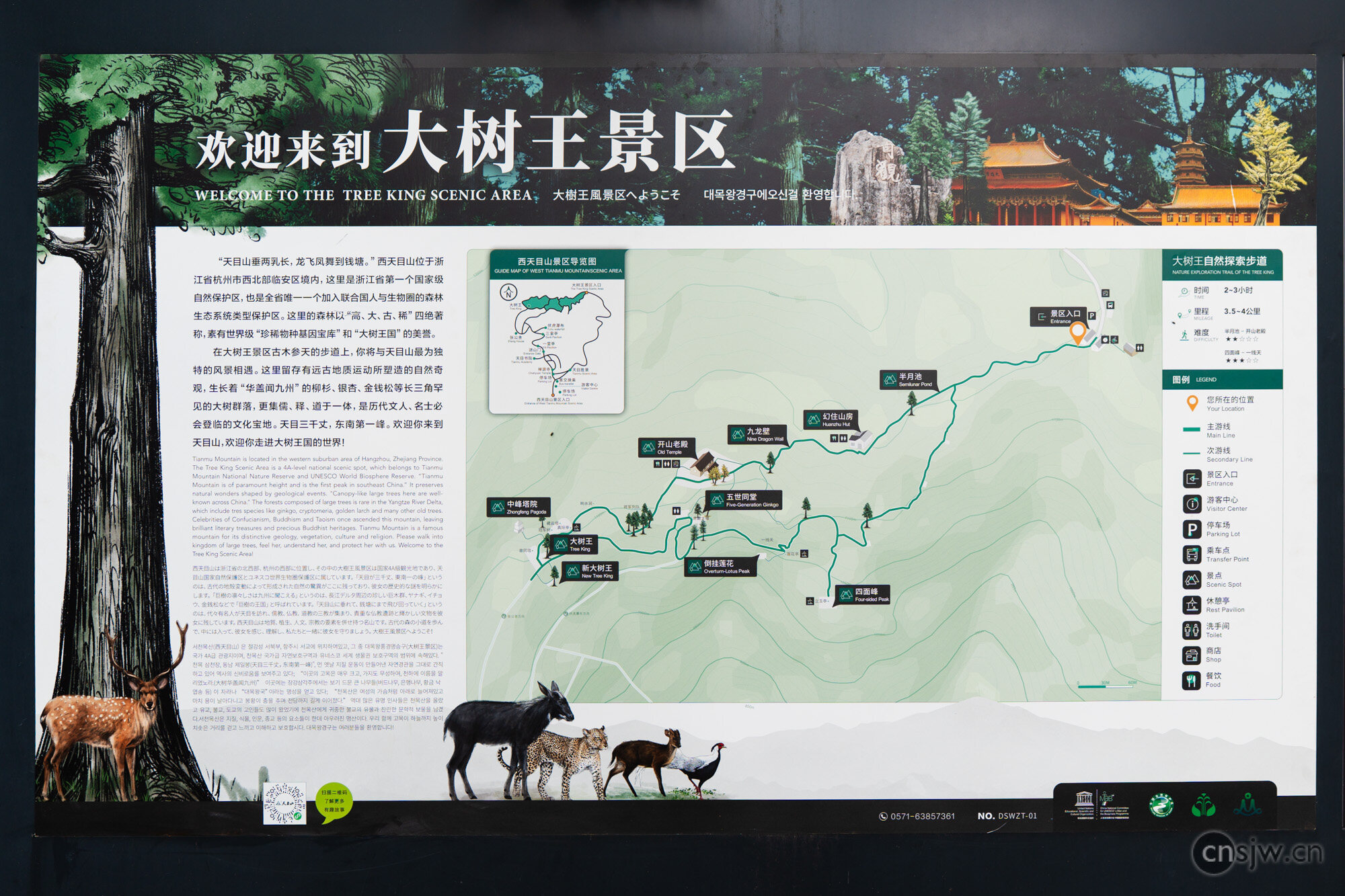
The King of Trees Scenic Area essentially consists of these two routes. The main attractions are shown in the image below.
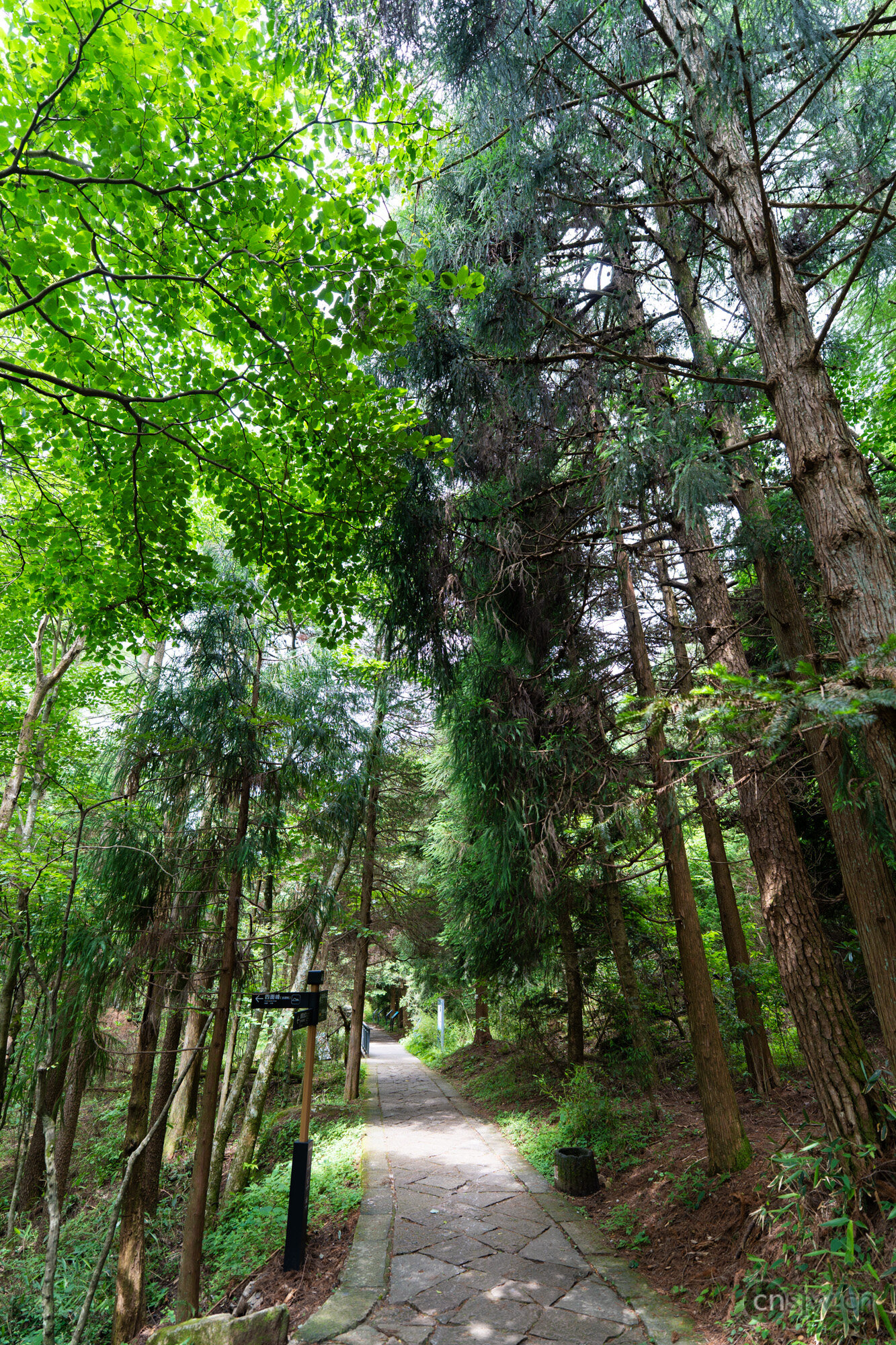
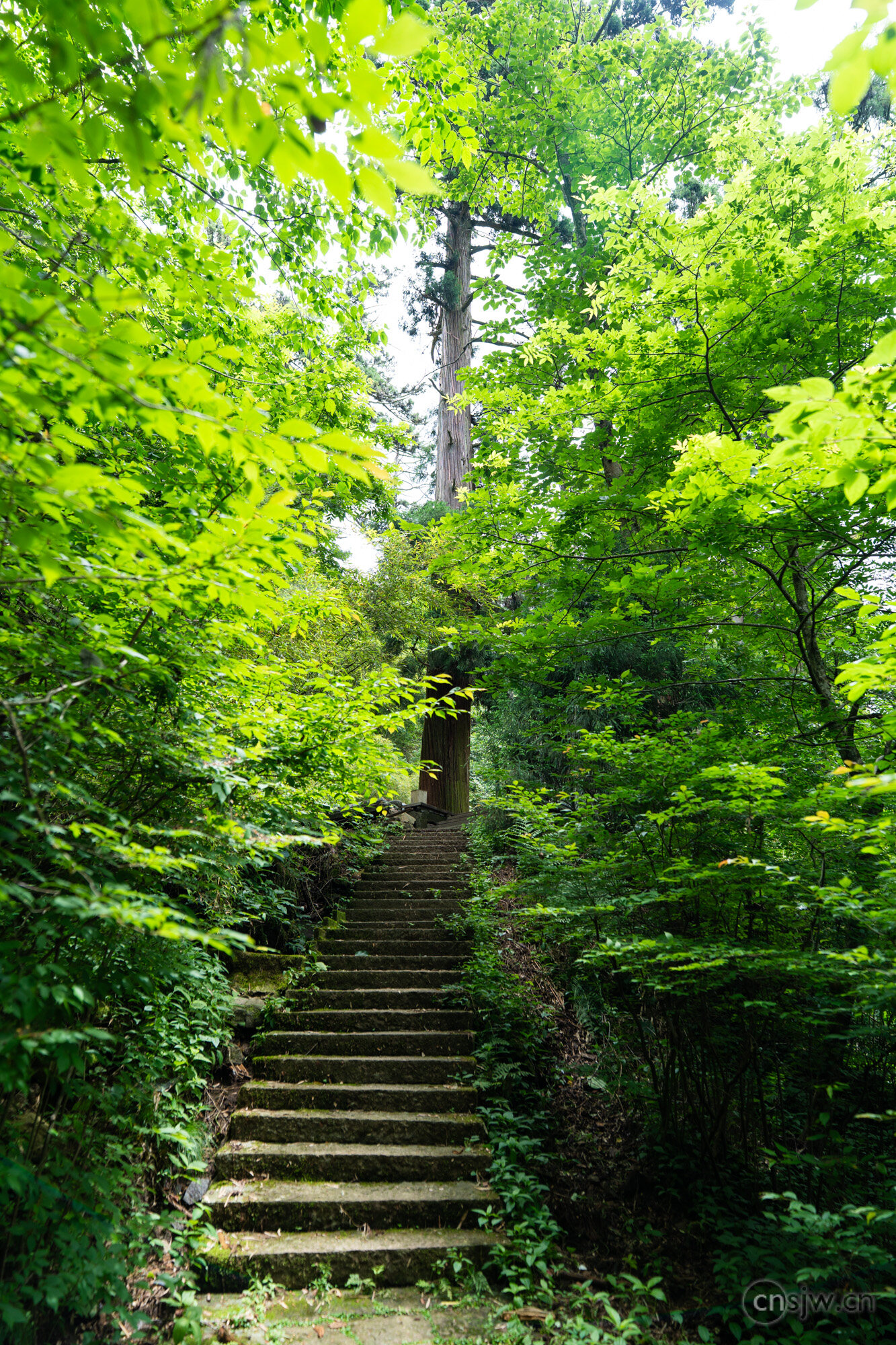
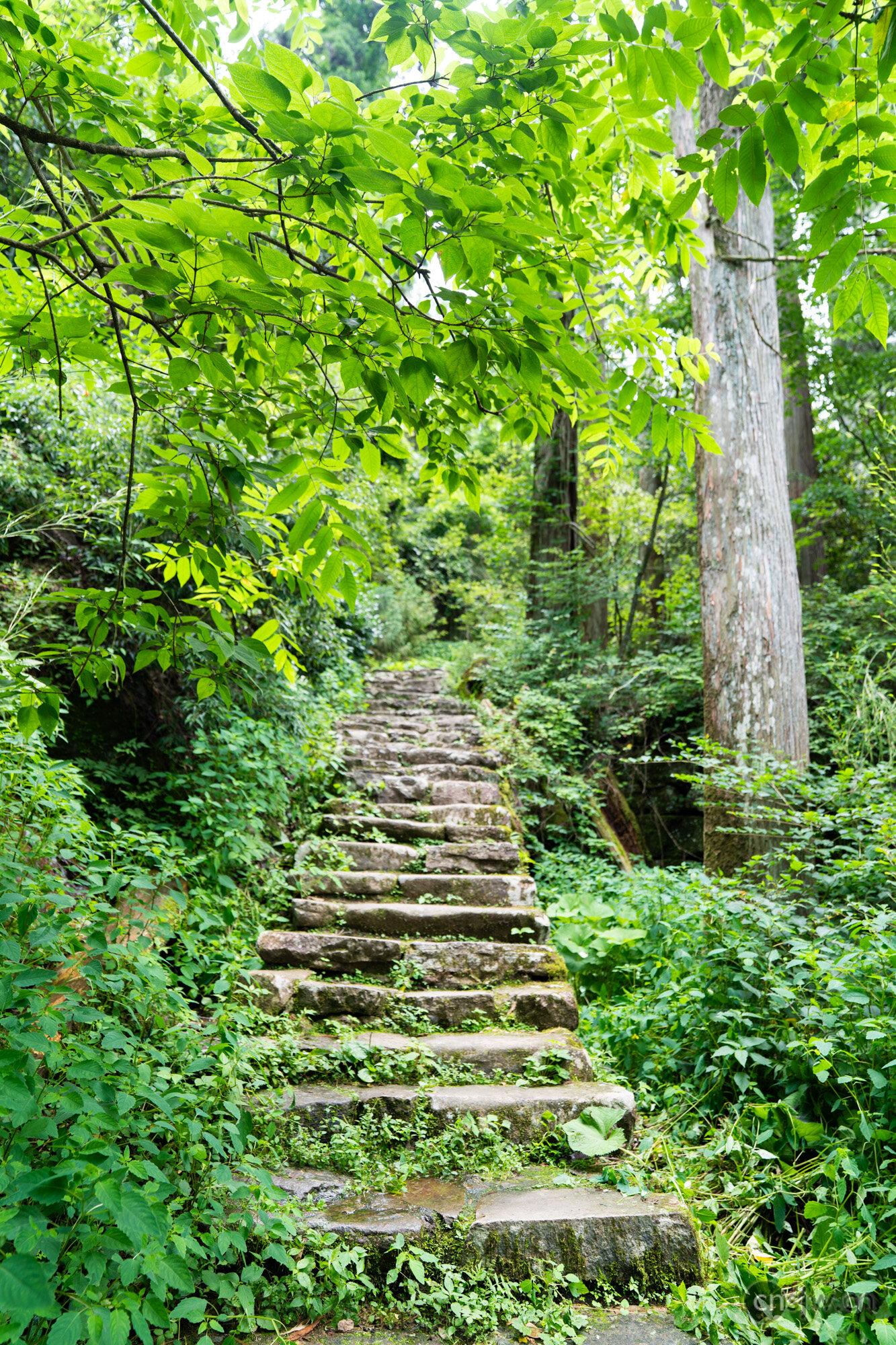
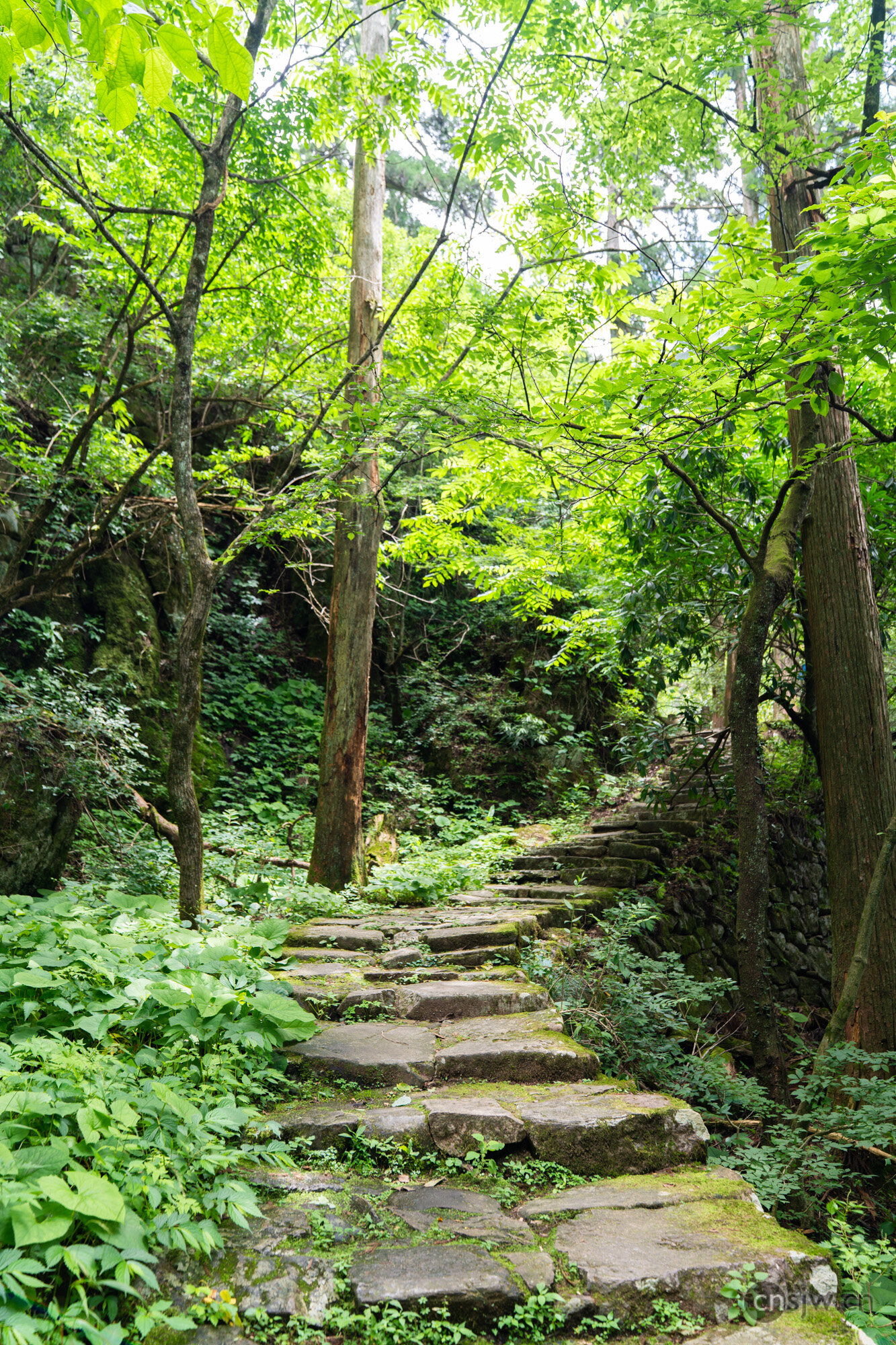
The trails within the scenic area are well-maintained. You could say you are entering an ocean of trees—endless forests of towering giants. The elevation here is roughly 1,100 meters, making it about 7 degrees cooler than at the base of the mountain. Thanks to the dense canopy providing shade from the sun, it is truly a perfect summer retreat.
However, since this is a nature reserve, there are many mosquitoes, insects, snakes, and ants, so wearing long pants and long sleeves is recommended.

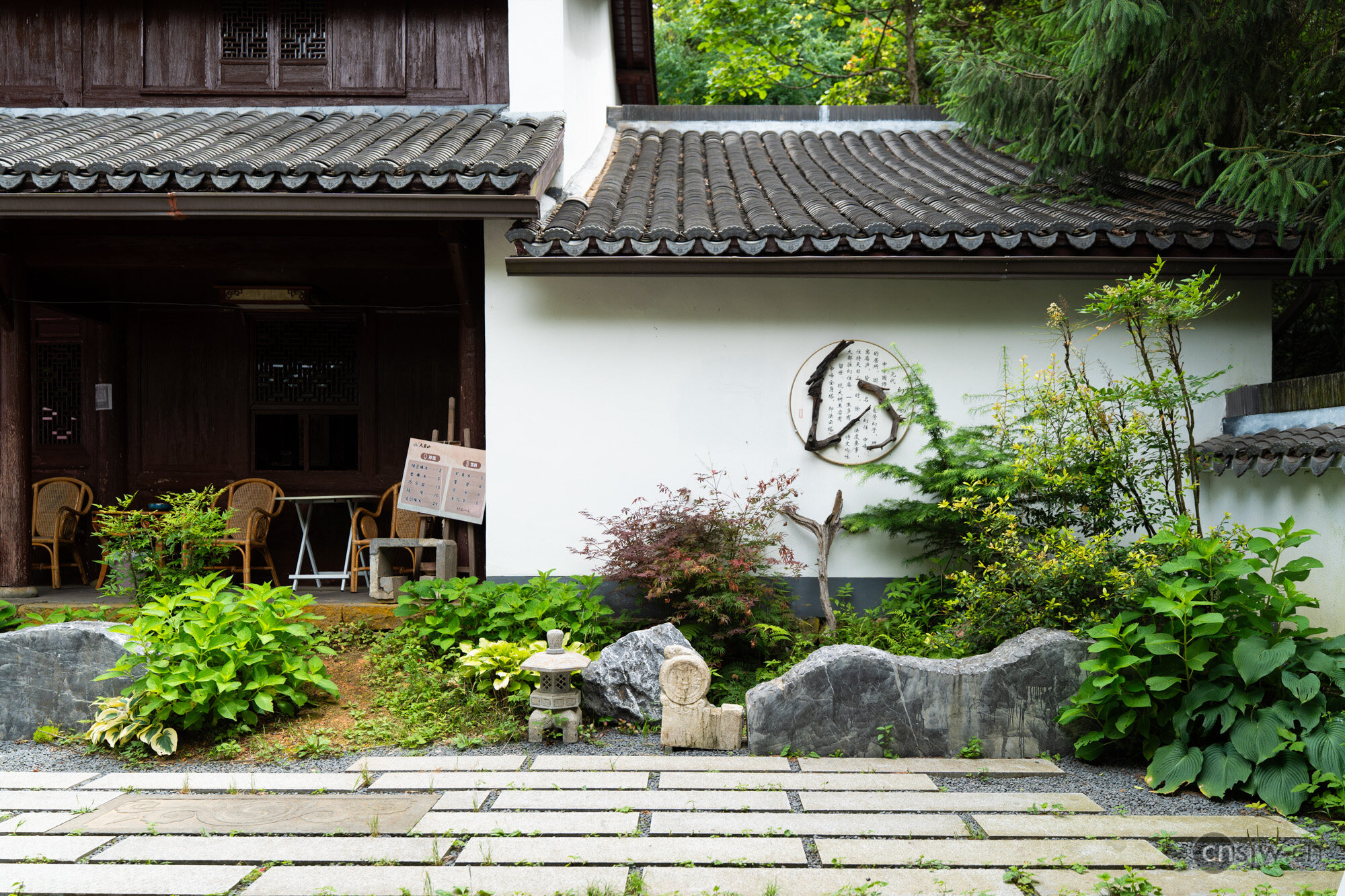
The only restaurant in the scenic area: Huanzhu Shantang, offering coffee and light meals.
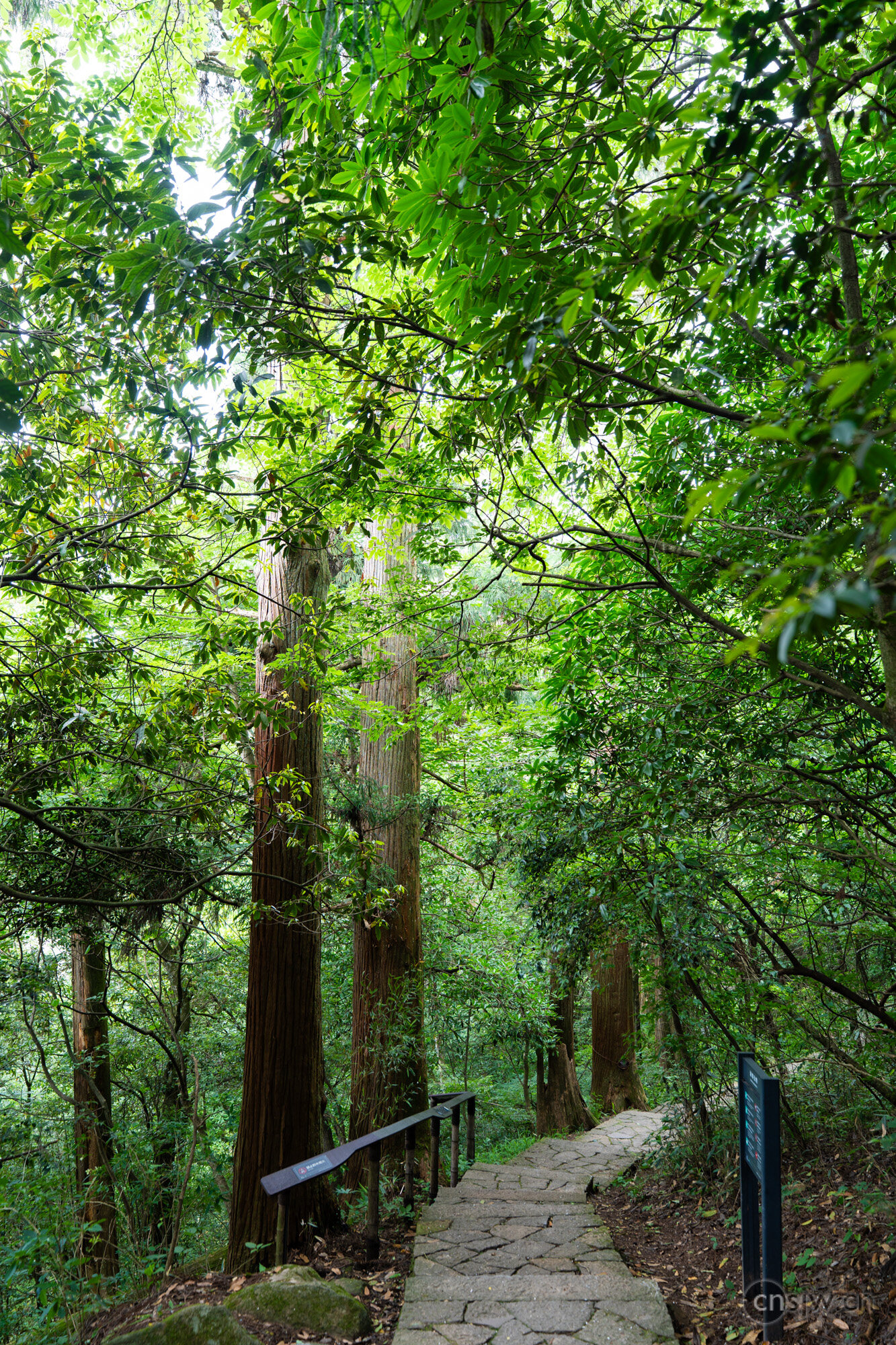

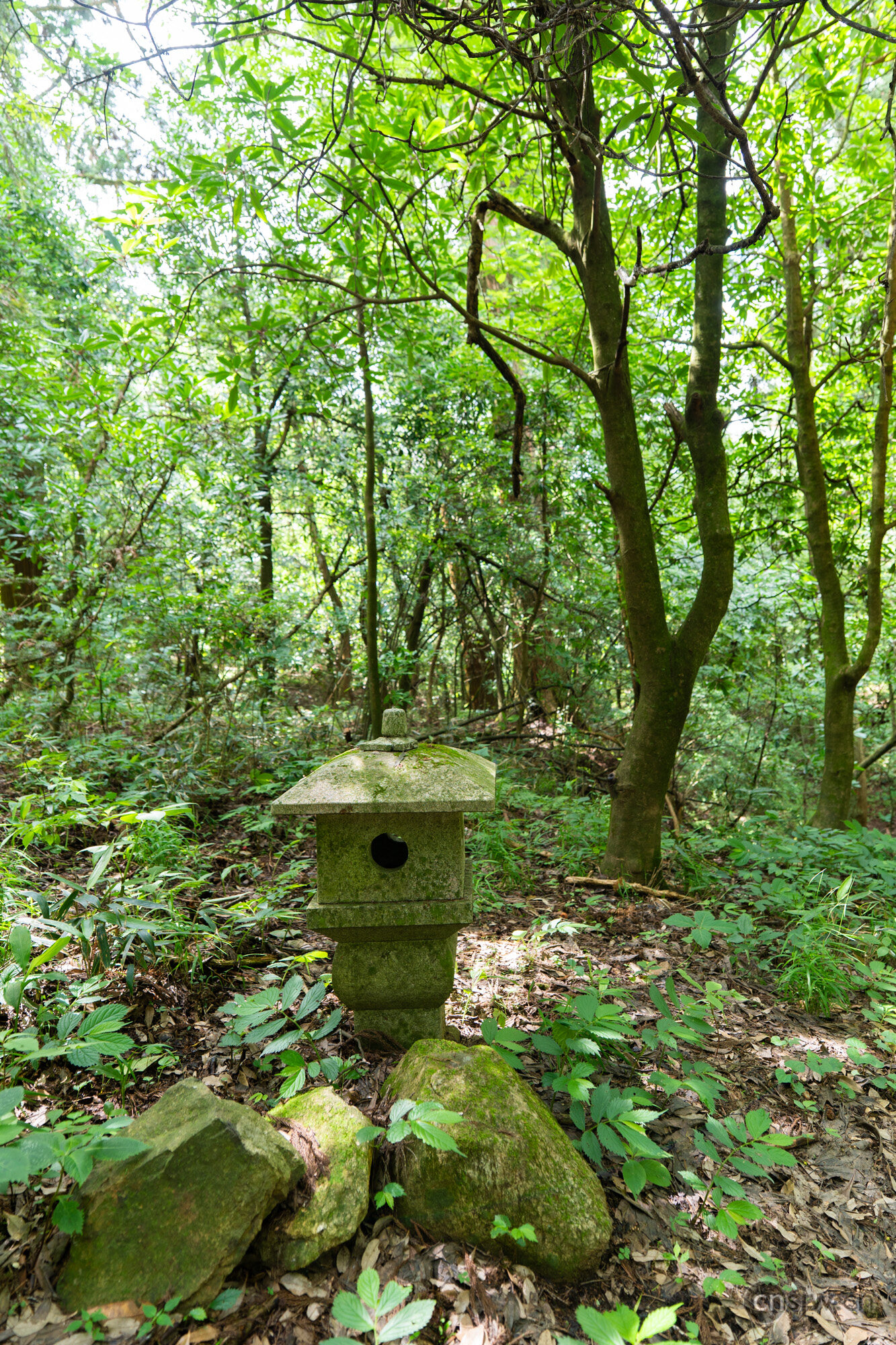
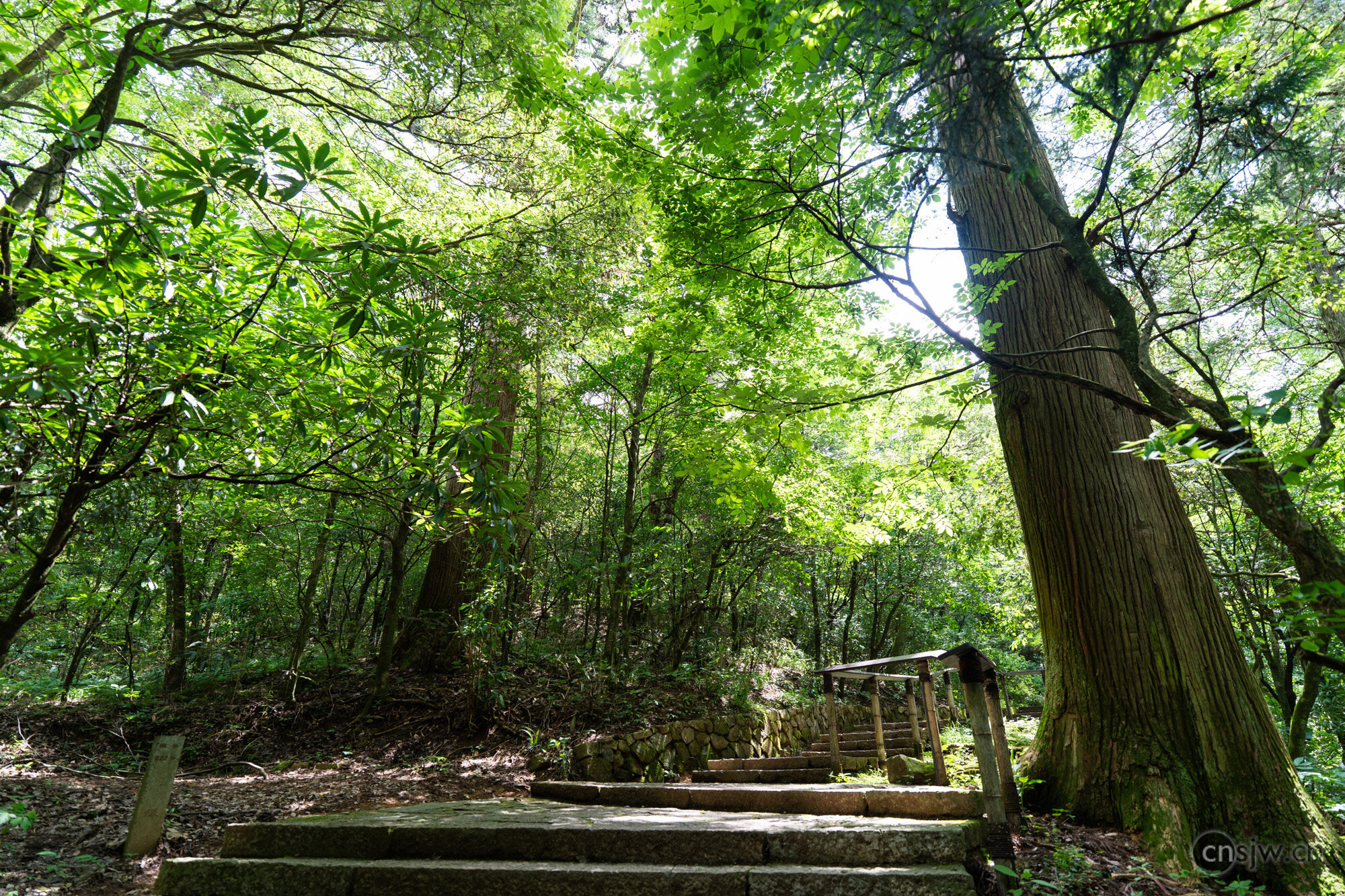
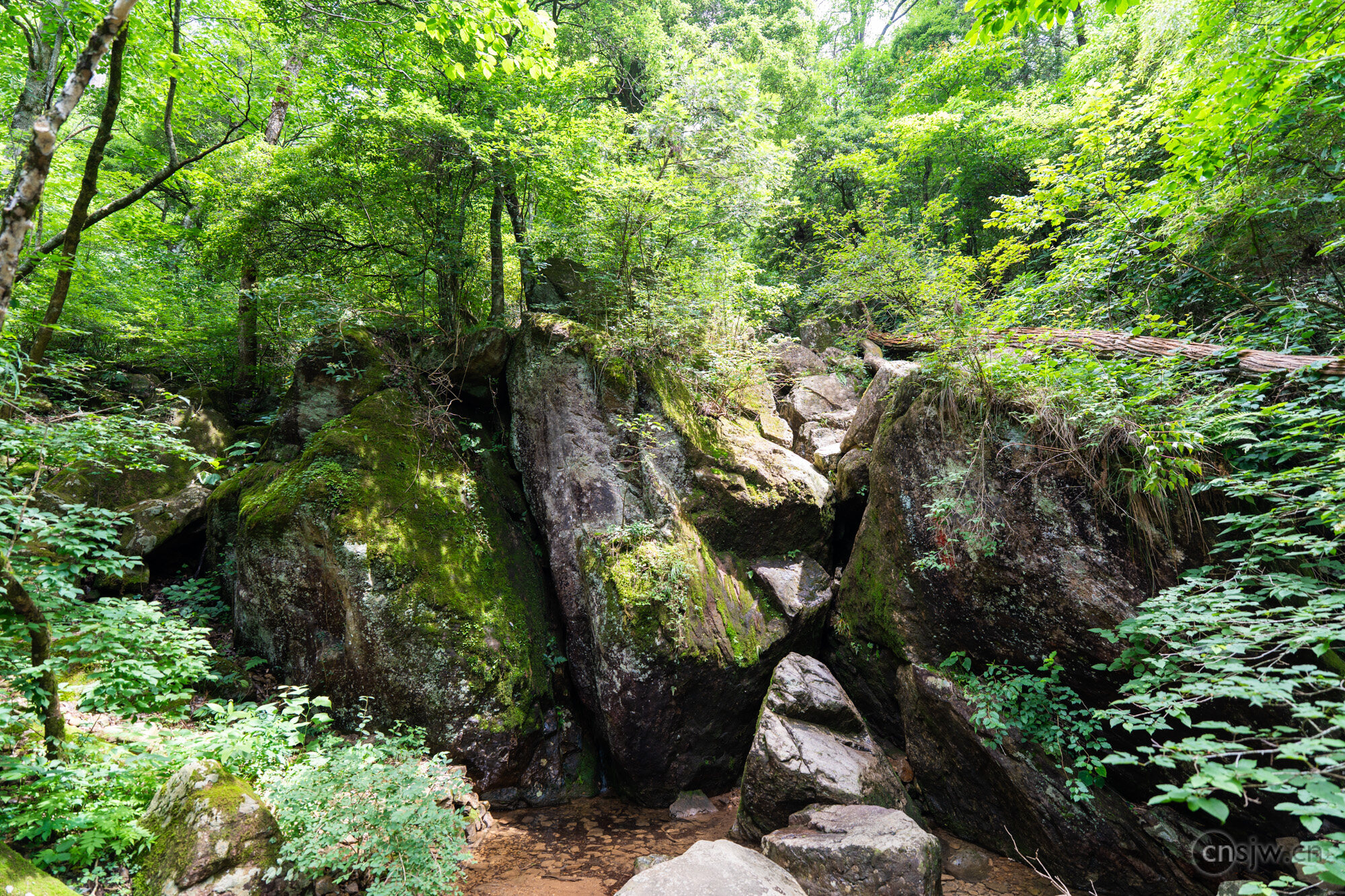
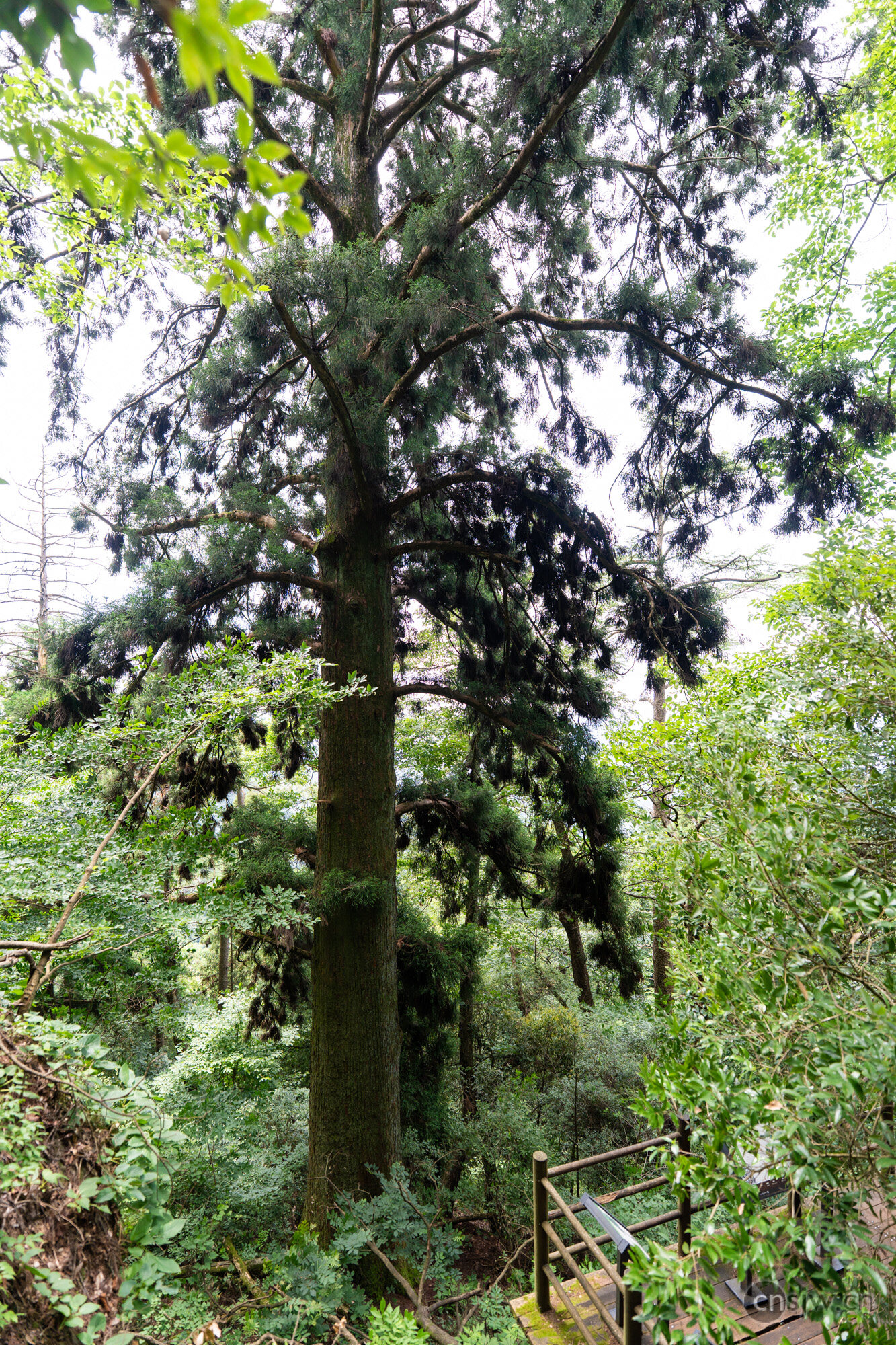
The King of Trees is an ancient Japanese cedar, originally known as the “Thousand-Autumn Tree.” During his southern tour, Emperor Qianlong of the Qing Dynasty bestowed upon it the title “King of Trees.” Standing 26.5 meters tall with a diameter at breast height (DBH) of 2.33 meters, the tree remains standing despite having died decades ago, with a timber volume exceeding 40 cubic meters. As a relic plant, it is considered a living fossil alongside the dawn redwood and holds significant ecological value.
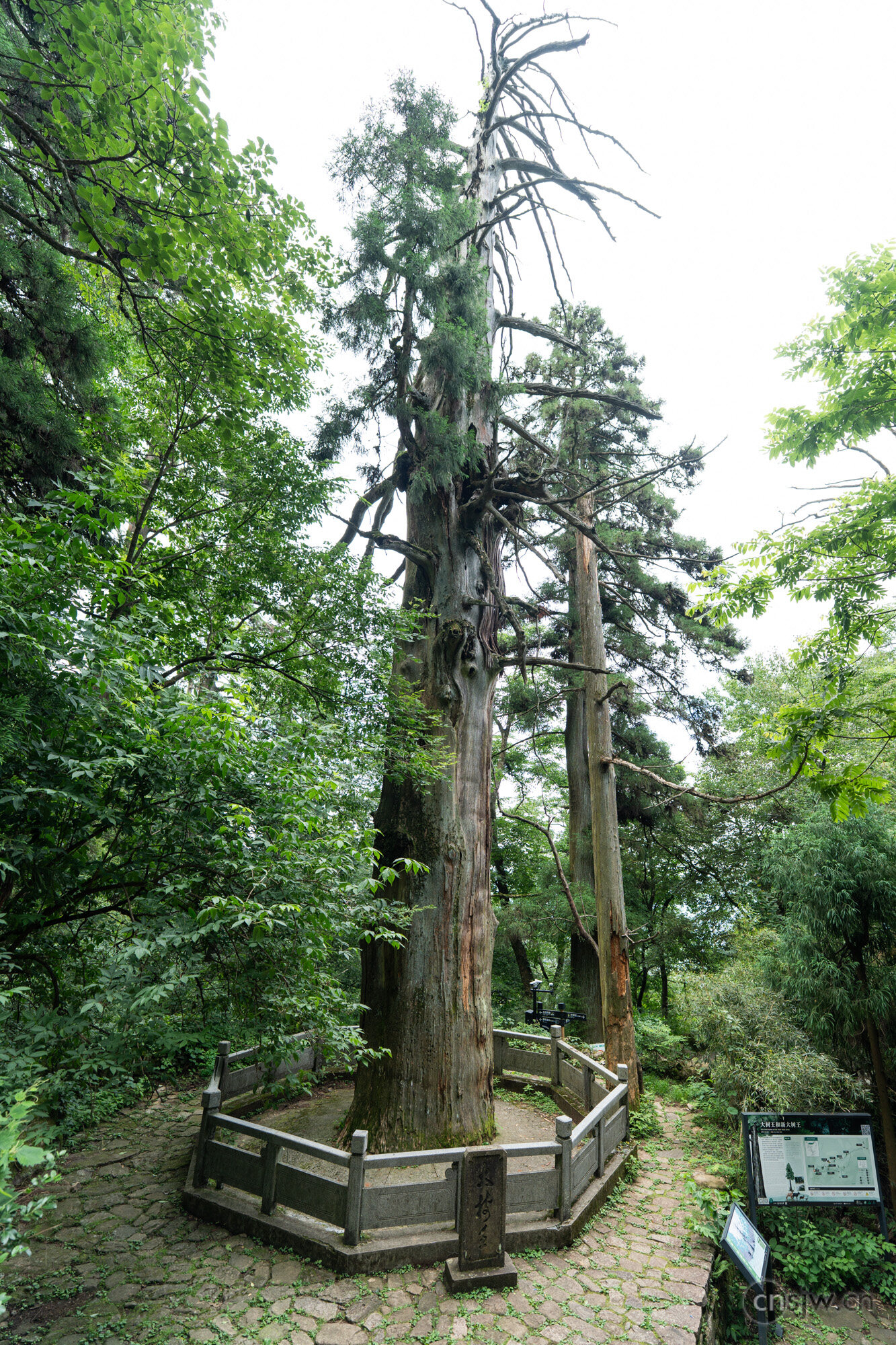
The new “King of Trees” is a Japanese cedar selected by visitor voting. It has a timber volume of over 75.4 cubic meters, a DBH of 2.31 meters, and is thriving vigorously.
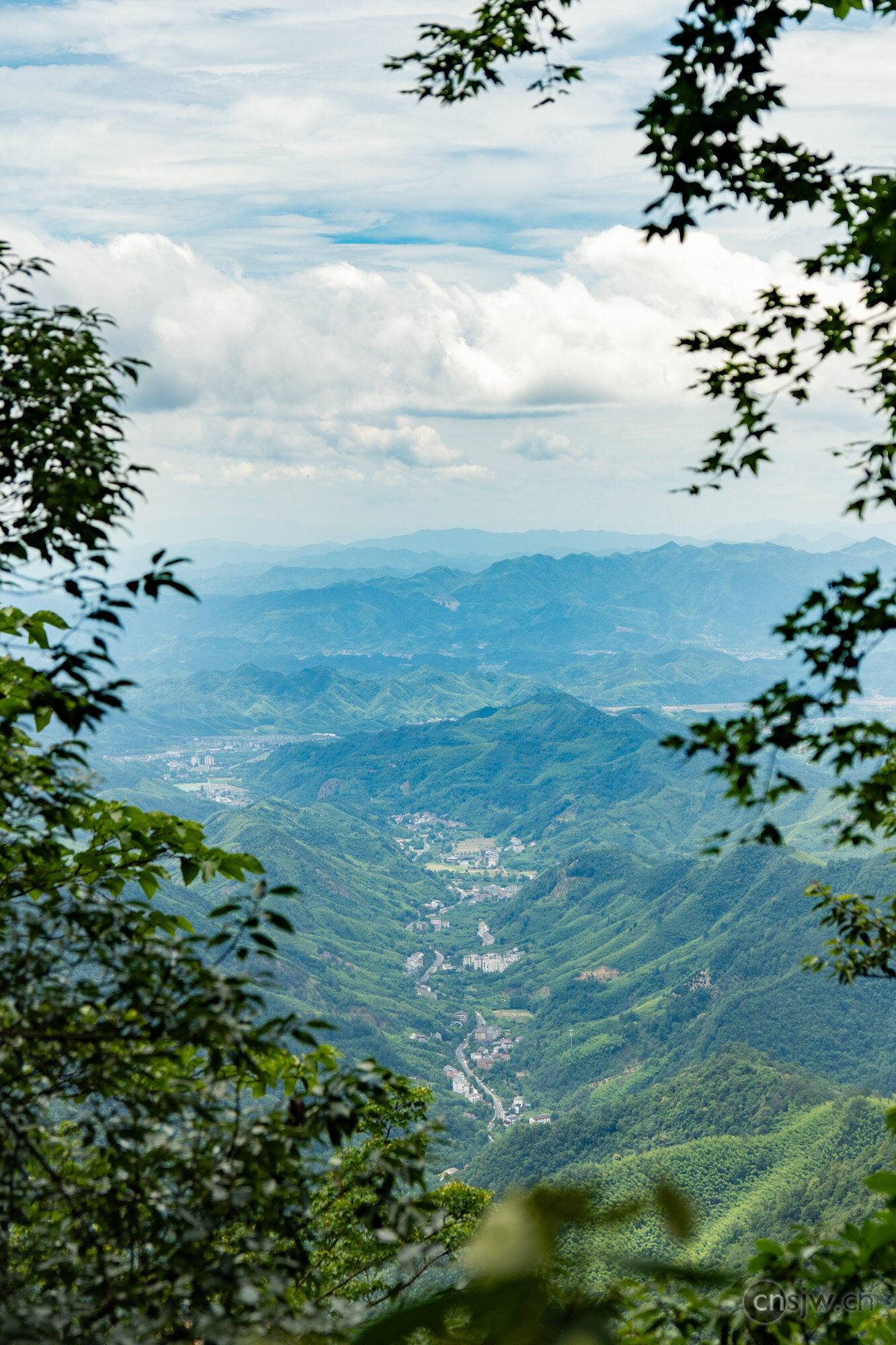
There is a gap in the mountainside that offers a beautiful panoramic view of the valley below. However, overall, viewpoints on the mountain are scarce, as the landscape is predominantly forest.
After completing the loop back to the entrance, you can take the bus down the mountain, which costs 20 yuan one way. The road is quite bumpy, and passengers often experience motion sickness, but vomit bags are provided on board.
Once at the bottom, you can drive from the main parking lot to the Chanyuan Temple parking lot, which brings you closer to the temple. However, parking spaces there are limited, so it is advisable not to attempt it on weekends. If you have already paid for parking at the Visitor Center parking lot, simply show your payment receipt to avoid paying again at the temple lot.
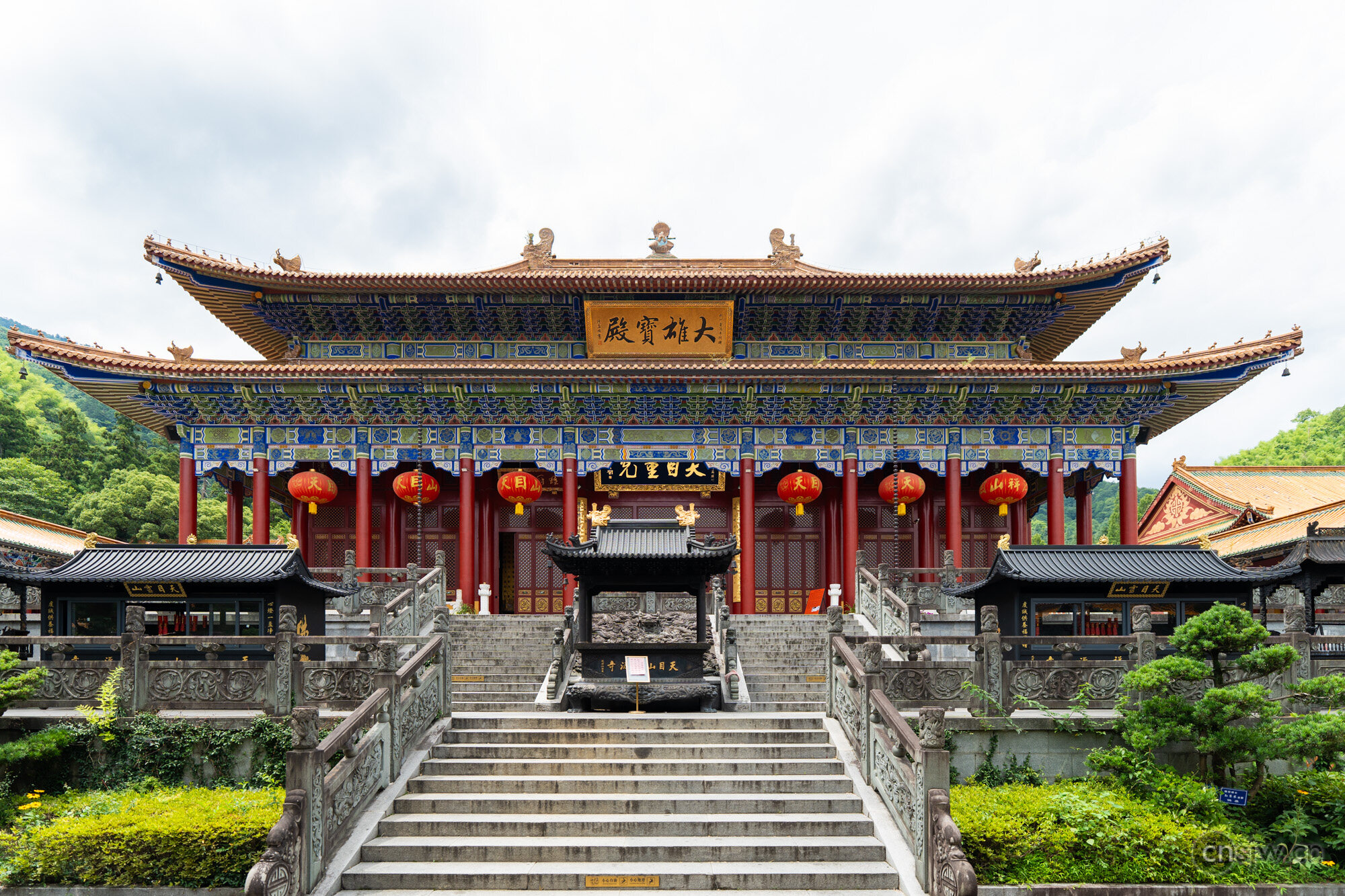
Chanyuan Temple is a sacred site dedicated to Skanda Bodhisattva and is one of Zhejiang’s most renowned temples. Throughout history, many eminent monks have emerged from Chanyuan Temple. Its dharma lineage belongs to the Linji School, which spread as far as Japan. Admission to Chanyuan Temple is free. The temple has been magnificently restored and is now grand and spectacular. Adjacent to the temple and directly connected to it is the Tianmushan Shangketang Zen Hotel, also invested in and built by Zhejiang Dahua Group. The hotel restaurant serves vegetarian meals and noodles, which are quite delicious and well worth trying.






Support



Read this article on WeChat