
Since Jay Chou was holding a concert in Yokohama on the last day of our trip, causing prices at Hilton hotels in Yokohama to skyrocket, we decided to explore somewhere different. After looking around, we chose this Shuzenji Marriott Hotel, which offers views of Mount Fuji and hot springs.
Shuzenji is famous for its hot springs. Alongside Izu-Yamashiro Onsen and Izu-Nagaoka Onsen, Shuzenji Onsen is one of the three great ancient hot springs of Izu, boasting a history of over 1,200 years since its discovery. Shuzenji Onsen, the Amagi Tunnel, Kawazu, and the valleys and waterfalls formed by the Amagi volcano offer beautiful scenery. The Central Izu region has long been a popular scenic spot on the Izu Peninsula and has served as the setting for many literary works.The Dancing Girl of Izu) is a short story published in 1927 by Nobel Prize-winning author Yasunari Kawabata. In the story, the protagonist encounters traveling performers while visiting Shuzenji. There is even a JR train from Tokyo to Shuzenji called the Odoriko (Dancing Girl). This train consists entirely of reserved seating, and the journey takes about 1 hour and 40 minutes. From Yokohama, there seems to be only one service per day, so remember to check the schedule in advance and buy your tickets early. Otherwise, you will have to take a JR train to Mishima Station and transfer to a private railway line, which not only takes longer but also requires multiple transfers, making it particularly inconvenient if you have luggage.
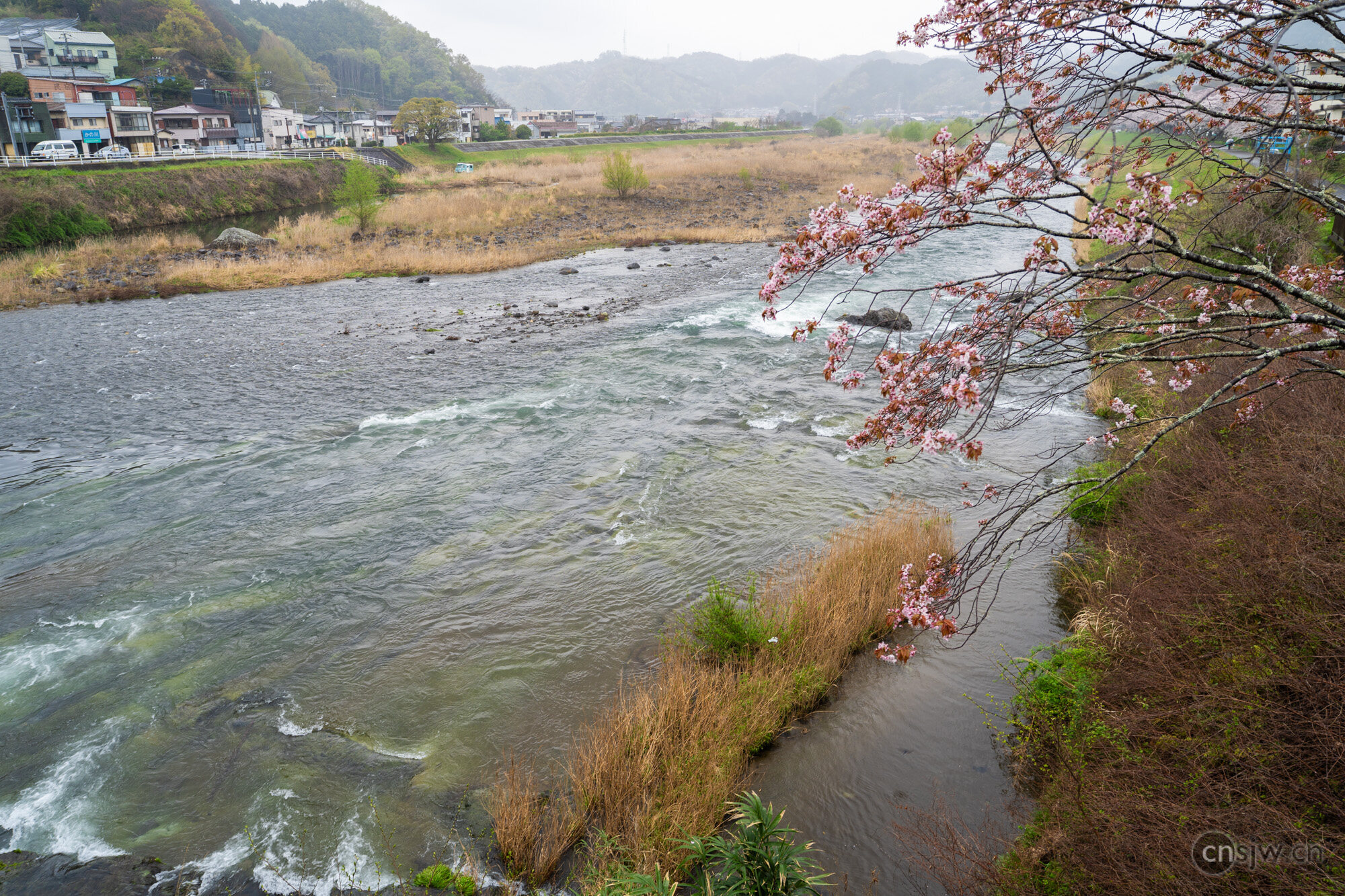
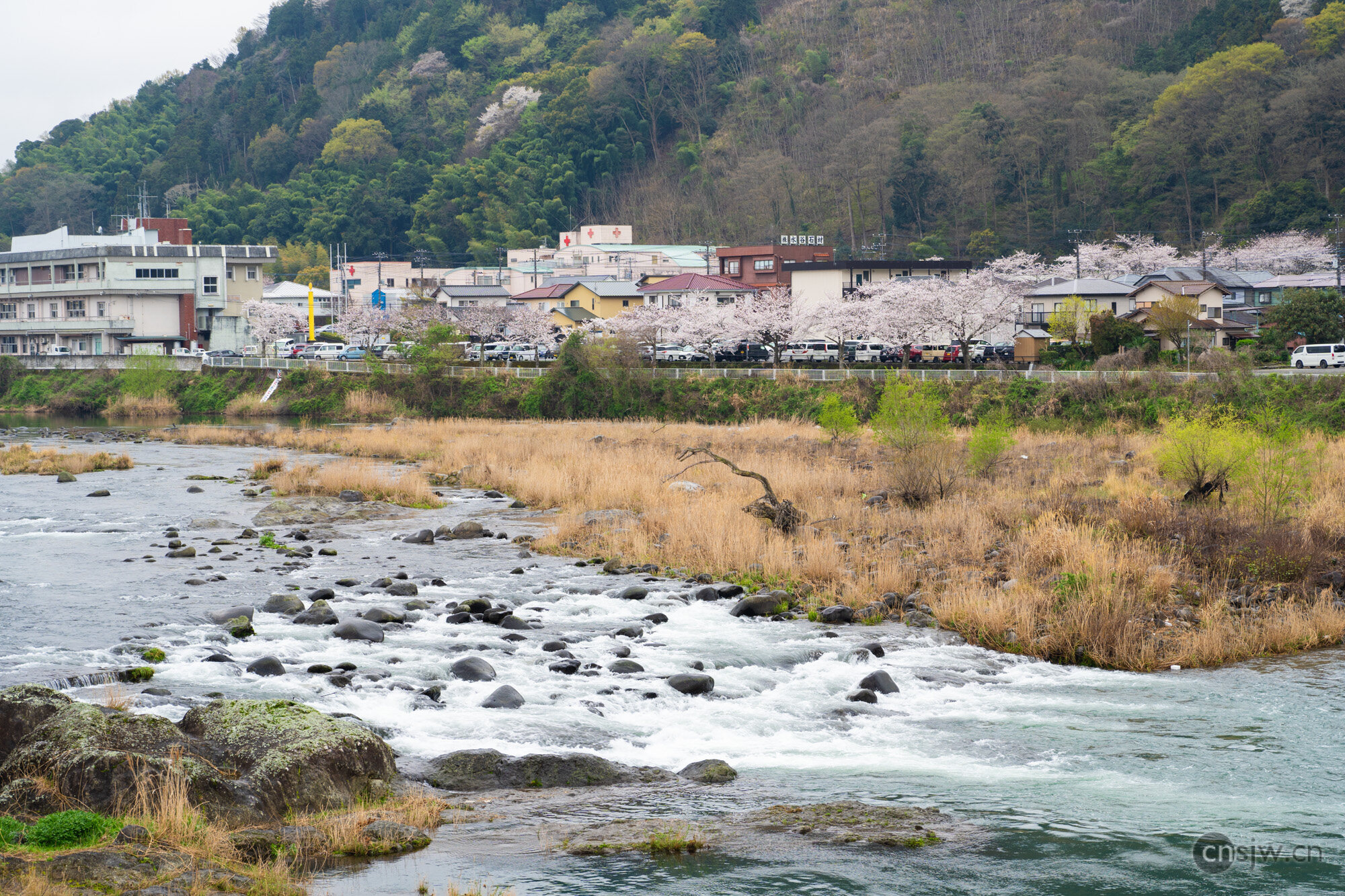
The hotel is located in the mountains. Upon arriving at Shuzenji Station, you can take a free shuttle bus provided by the hotel; the schedule is available on the hotel’s official website. Services are not very frequent, so make sure not to miss it, or you’ll have to take a taxi. When we arrived, there was still some time before departure, so we took a stroll nearby to enjoy the beautiful Katsura River.
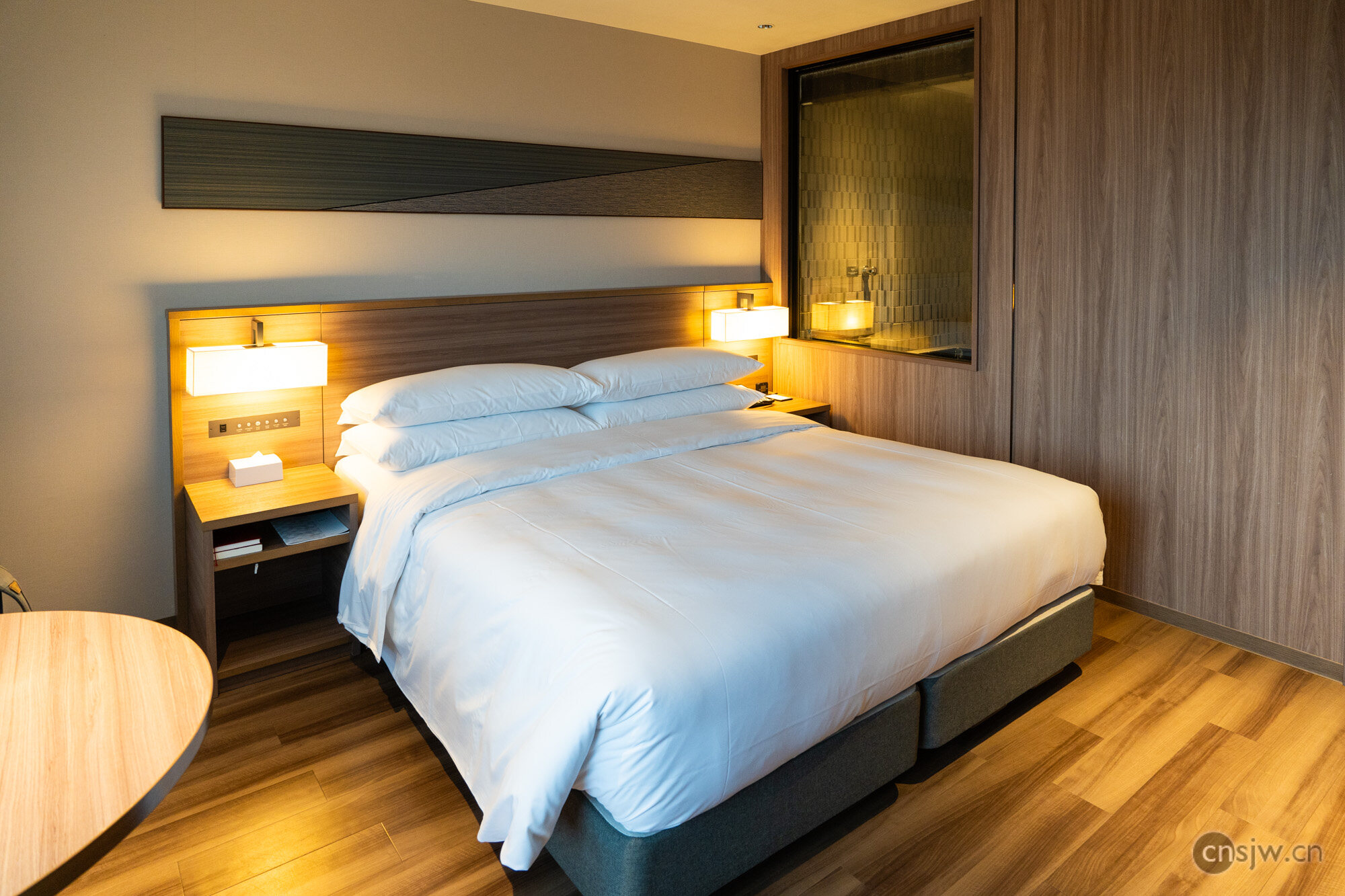
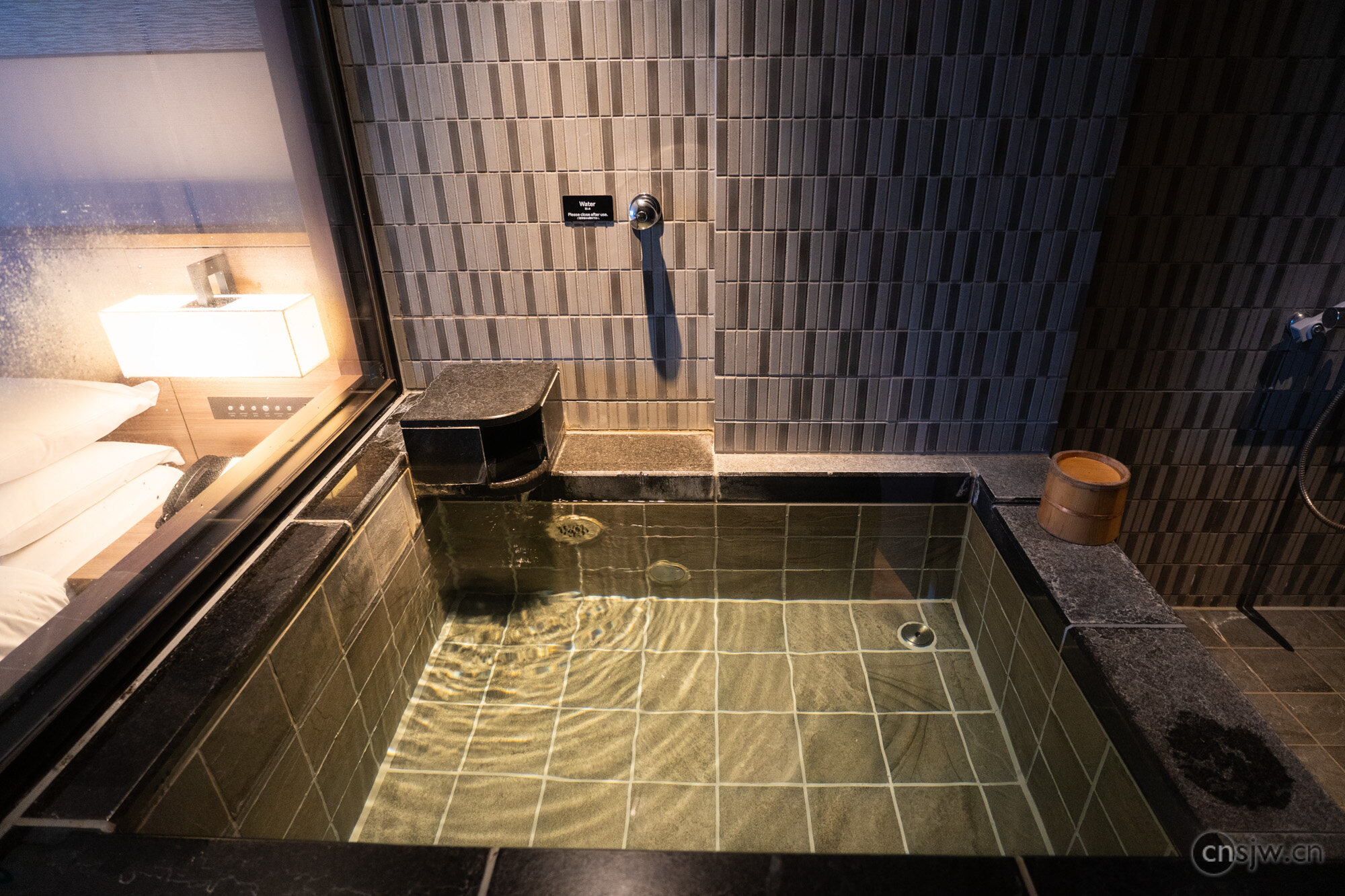
This hotel offers a wide variety of room types. Most guests drive here from Tokyo, so there are relatively few foreign tourists. Surprisingly, the most basic room type includes both a private open-air bath and a view of Mount Fuji, whereas you actually have to pay extra for a garden view… Perhaps people from Tokyo have seen enough of Mount Fuji…
The rooms are about 31 square meters, which is quite spacious by Japanese standards. However, because there is an indoor hot spring bath, humidity levels can be high, making the floor potentially slippery. The hotel opened in 2017, so it isn’t brand new anymore. The public areas are quite spacious, attracting many families with children for vacations; there is even a dedicated kids’ room. Additionally, vending machines in the public areas sell ramen and various beverages.
If you want to visit other parts of Shuzenji, you need to take the free shuttle back to Shuzenji Station first and then transfer to another bus to reach your destination. Here too, pay close attention to the bus schedules and plan your round-trip timing carefully.
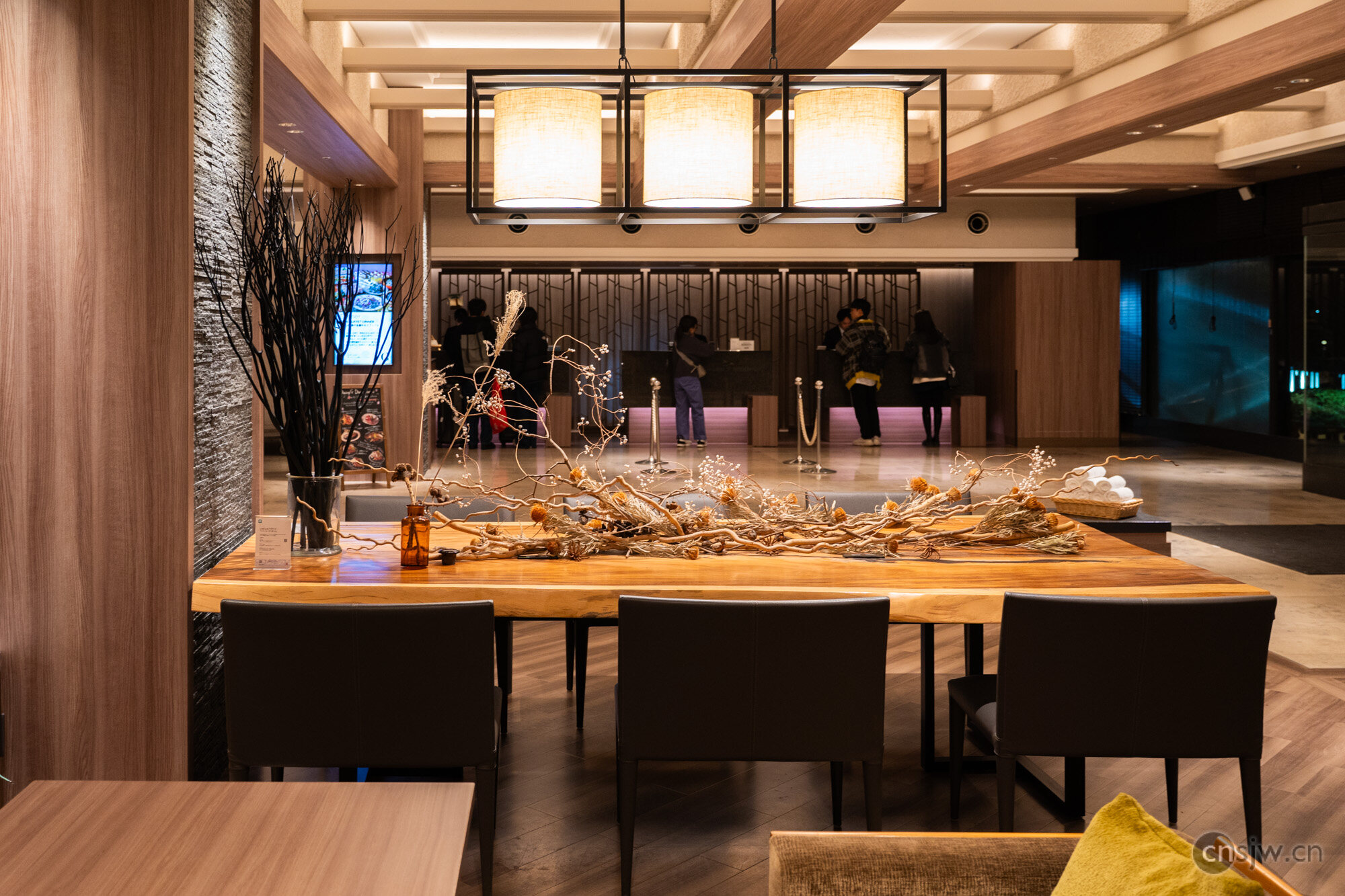
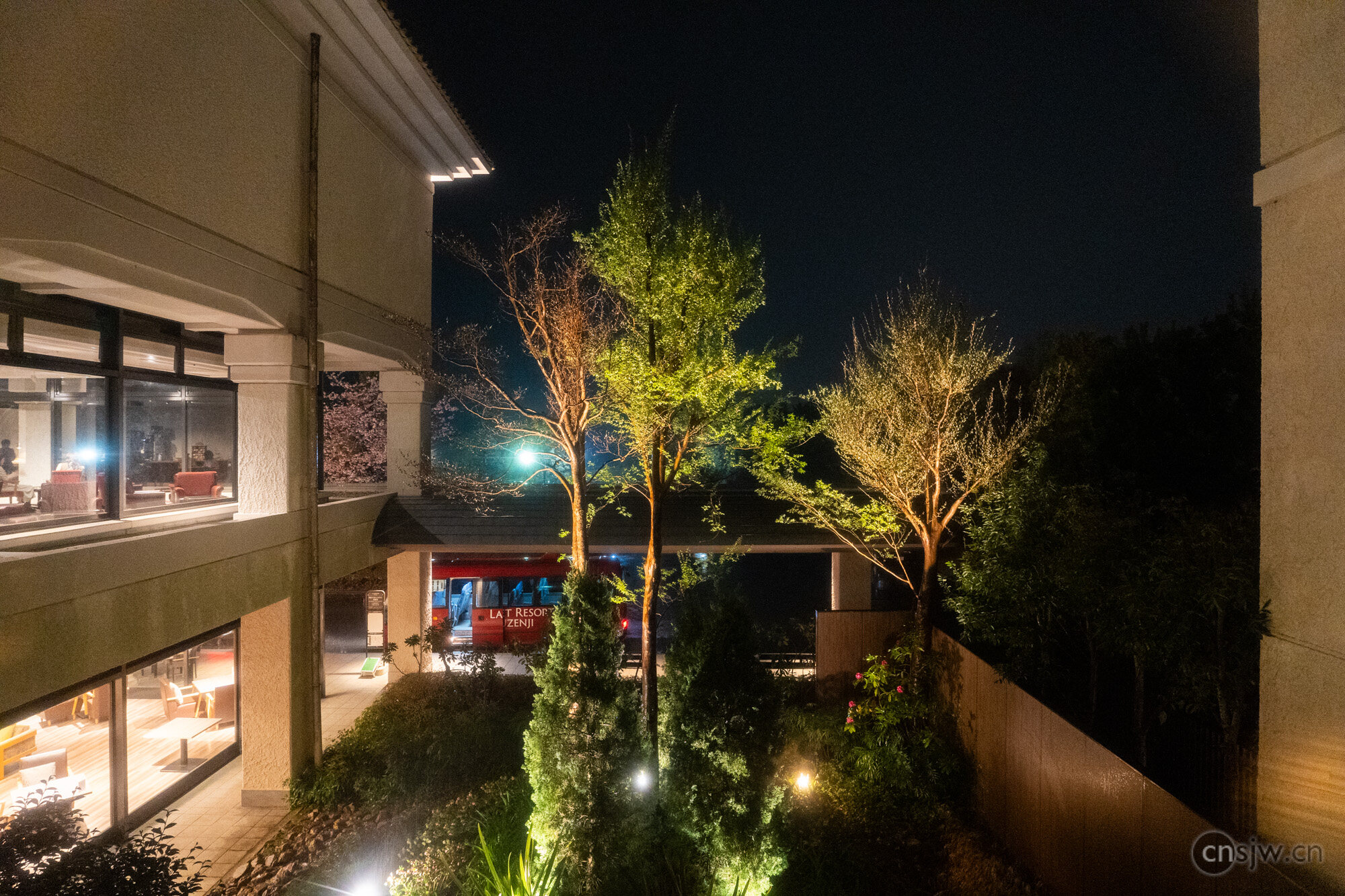
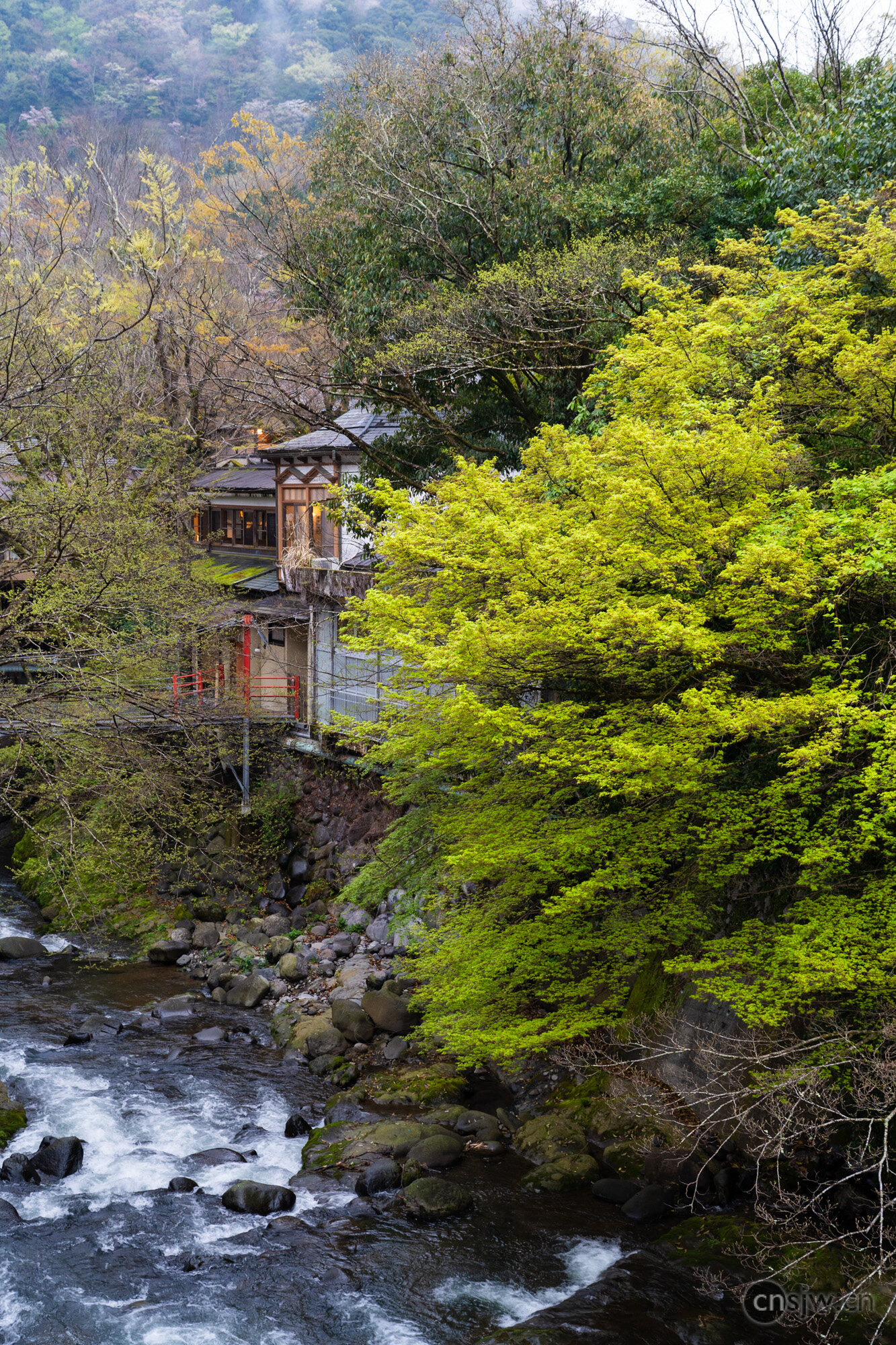
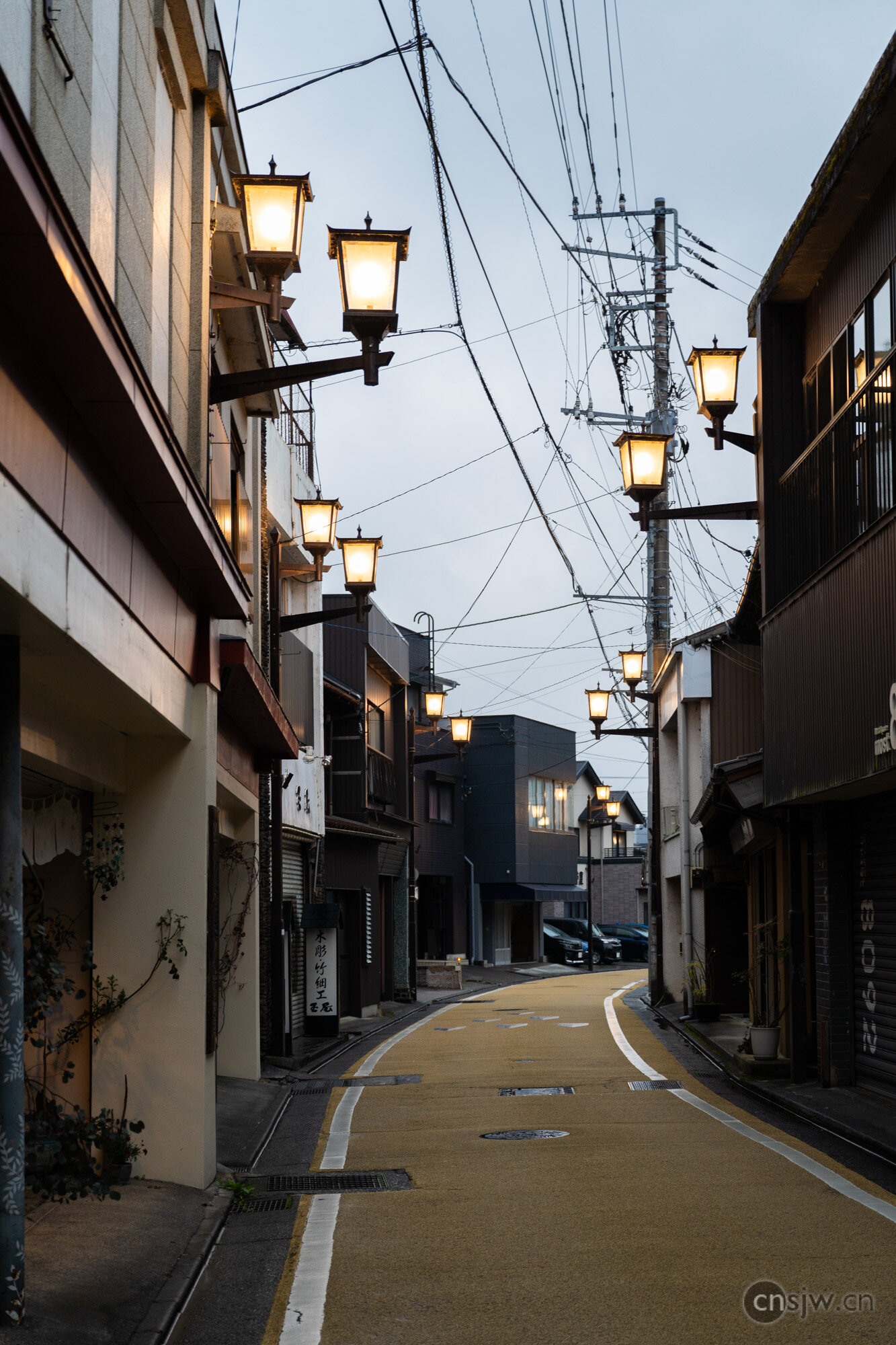
After settling into the hotel, we returned to Shuzenji Station and took a bus to the Shuzenji Onsen area. Buses run fairly frequently, and the ride takes less than 10 minutes, though the fare is 260 yen. Along the banks of the Katsura River in the Shuzenji Onsen area, you’ll find a variety of teahouses, small shops, and ryokans, creating a beautiful atmosphere. However, keep in mind that once it gets dark, all the shops close… Don’t expect a lively nightlife scene; if you visit, make sure to do so during the daytime.
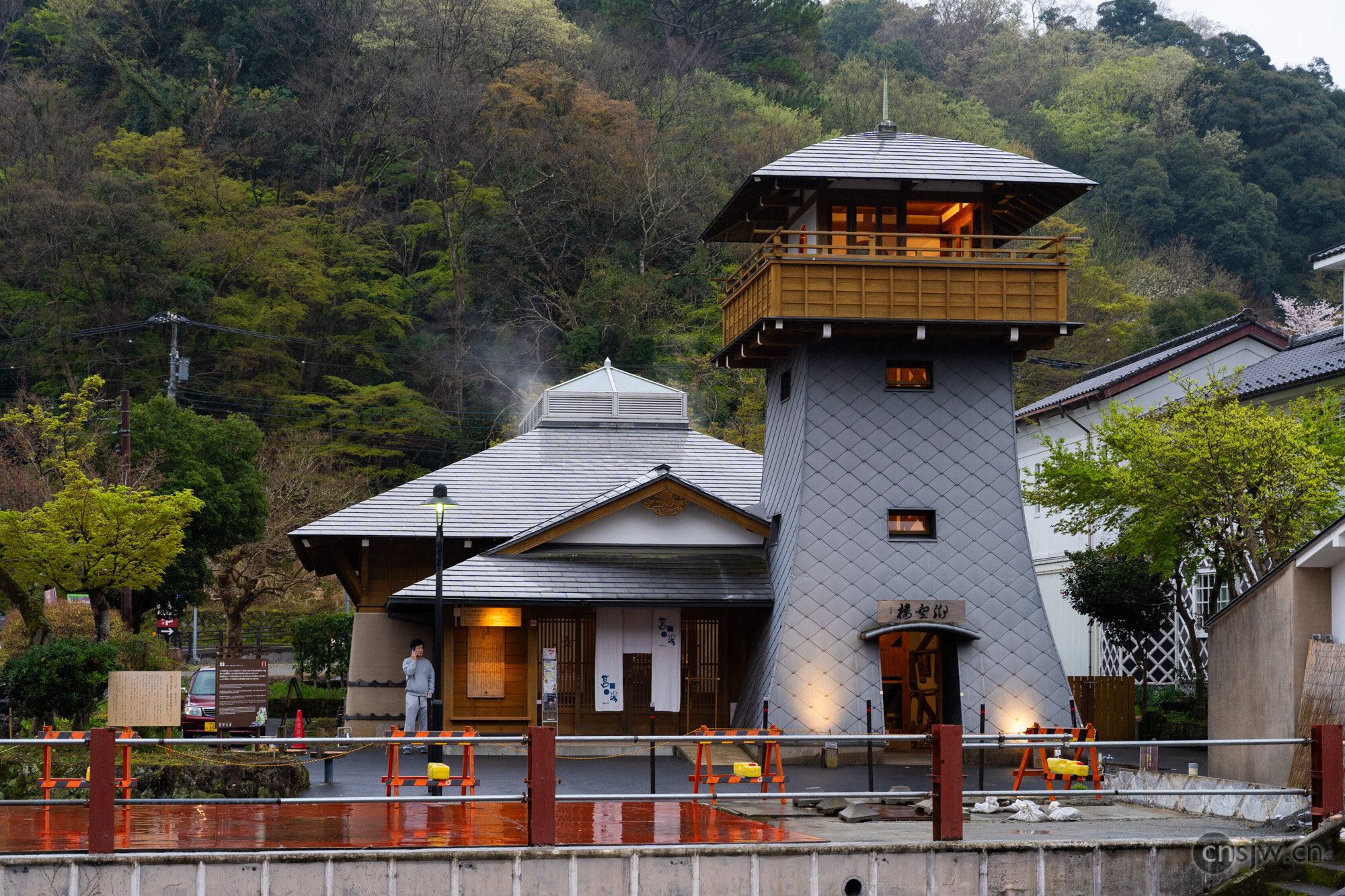
Although both are pronounced ‘Shuzenji’ in Japanese, the temple within Shuzenji is actually written as ‘Shuzen-ji.’ It is said that this ancient temple was founded in 807 AD by the Buddhist monk Kobo Daishi (Kukai). Legend has it that Kobo Daishi struck a rock in the Katsura River with his ritual vajra (tokko), causing a hot spring to gush forth, thus creating today’s Shuzenji Onsen. Even now, there remains a hot spring bathhouse named Tokko-no-yu. Nearby, there is also a bamboo grove path stretching about 400 meters, reputedly stunning in autumn. However, during our visit, the rain grew heavier and evening approached, so we didn’t venture further.
Shuzen-ji Temple is a remarkably serene and peaceful religious site, yet it is linked to turbulent historical events. During the Kamakura period, Shogun Minamoto no Yoritomo imprisoned his brother Minamoto no Noriyori here, where he later committed suicide or was murdered. Yoritomo’s talented son, Minamoto no Yoriie, became the second shogun of the Minamoto clan but was assassinated at the age of 23 on orders from his grandfather, ultimately leading to the downfall of the Minamoto family.
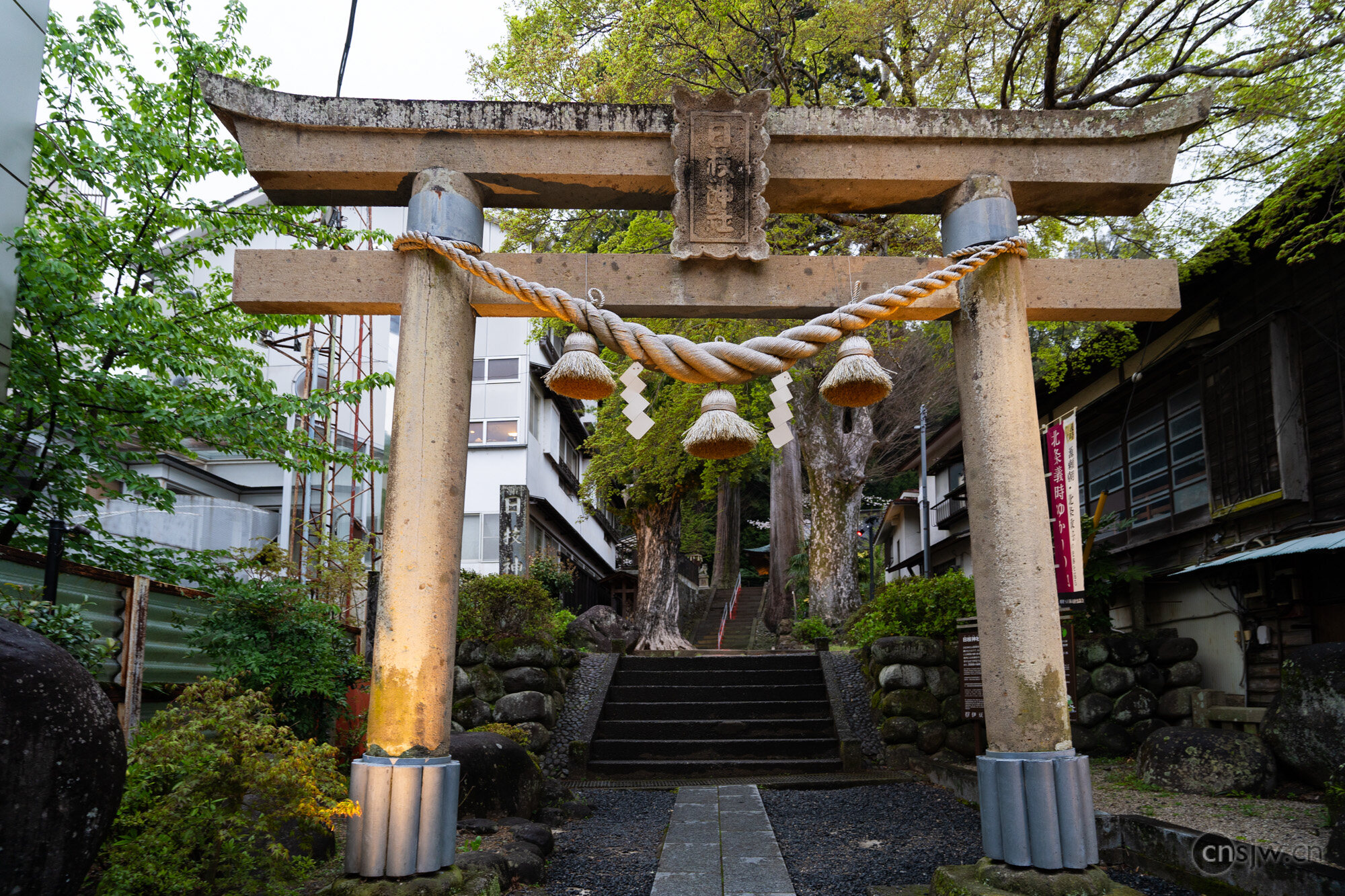
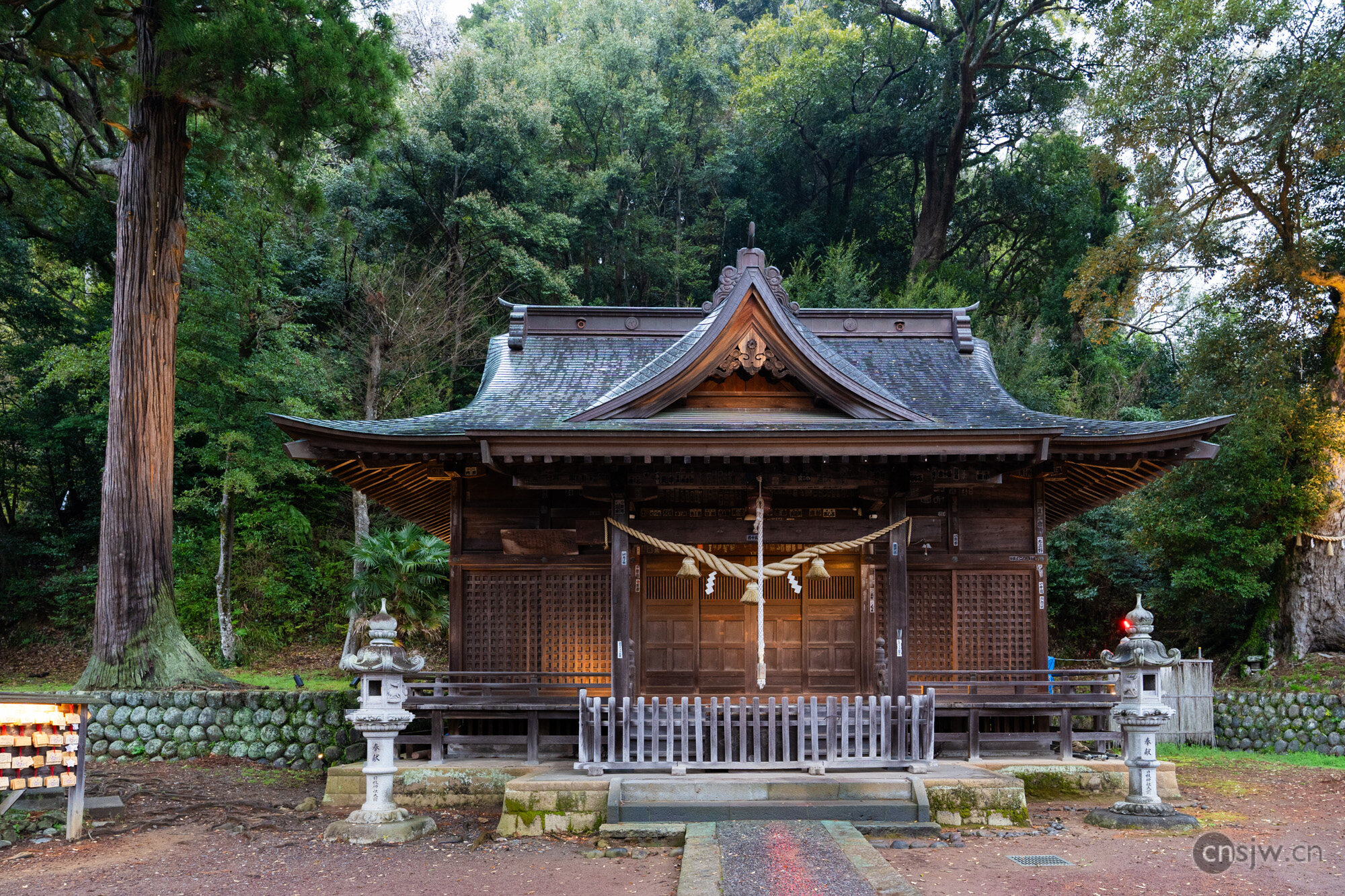
Adjacent to Shuzen-ji Temple lies Hie Shrine, a secluded shrine traditionally believed to have been established by Kobo Daishi. A pilgrimage path leads up the mountain to Hie Shrine, lined throughout with towering ancient trees, including lush pines, zelkovas, and cedars.
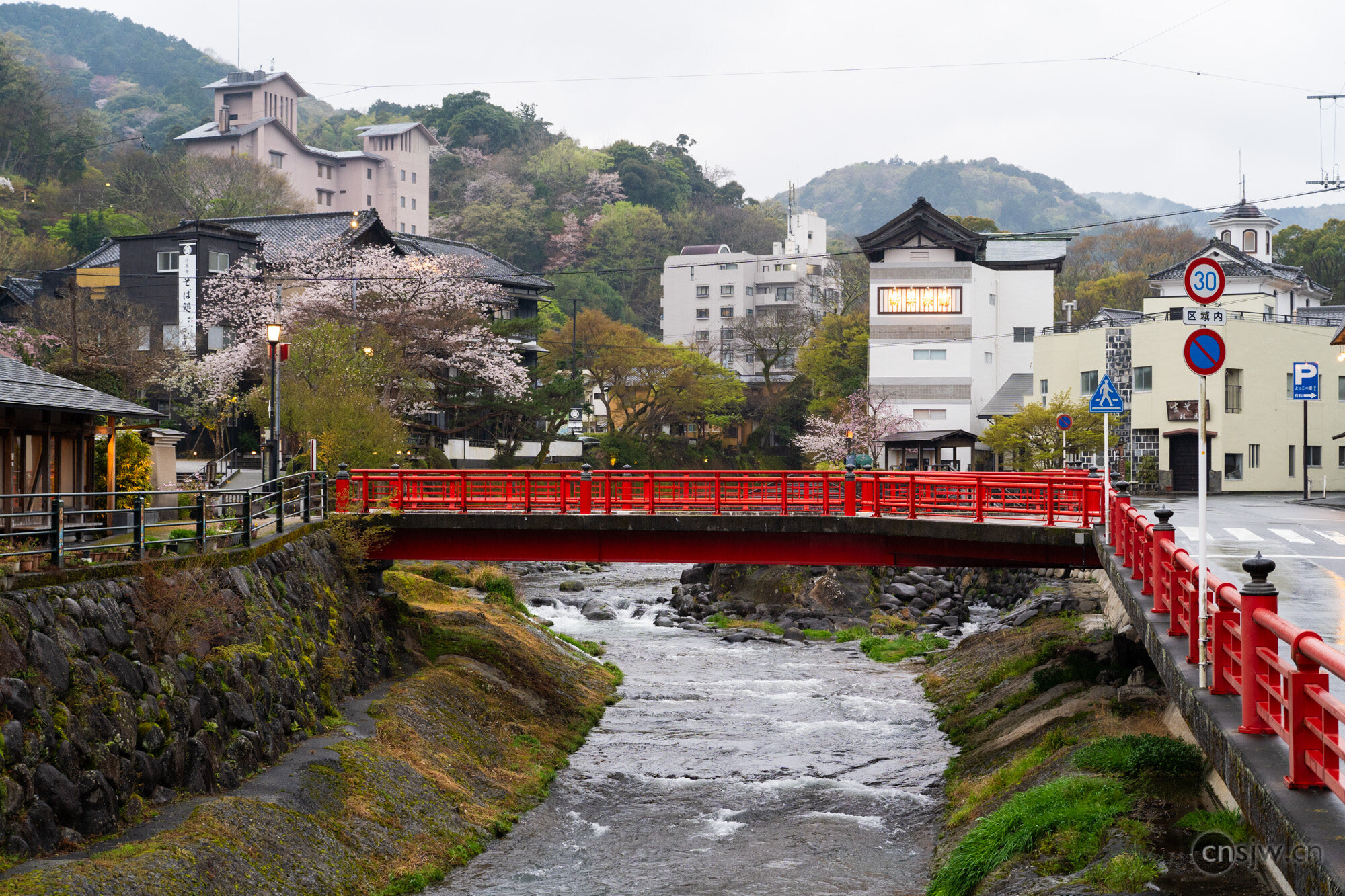
Five bridges spanning the Katsura River—Togetsukyo Bridge, Kokeikyo Bridge, Katsuragyo Bridge, Kaedekyo Bridge, and Takishitakyo Bridge—symbolize various stages of life, from meeting and getting acquainted to marriage and childbirth. Legend says that making a sincere wish while crossing these bridges will make your dreams come true. The bridge pictured here is Kokeikyo Bridge, behind which lies the famous Tokko-no-yu hot spring.
In the past, Shuzenji had seven outdoor baths, but today only Tokko-no-yu remains. In 2000, ‘Hako-yu’ (Box Hot Spring) reopened, currently operating as a public bathhouse for visitors at an admission fee of 700 yen. Natsume Soseki once recuperated here, and it is also said to be the bathing place used by Minamoto no Yoriie, the second shogun of the Kamakura shogunate. Next to it stands a literary monument inscribed with words by Natsume Soseki.
This was my first time venturing into rural Japan, vastly different from urban tourism. There were very few people, making it extremely quiet yet impeccably clean. Almost no English signage could be found anywhere. As dusk fell, however, all the shops closed, leaving us no choice but to return early to our hotel room to soak in the hot spring.
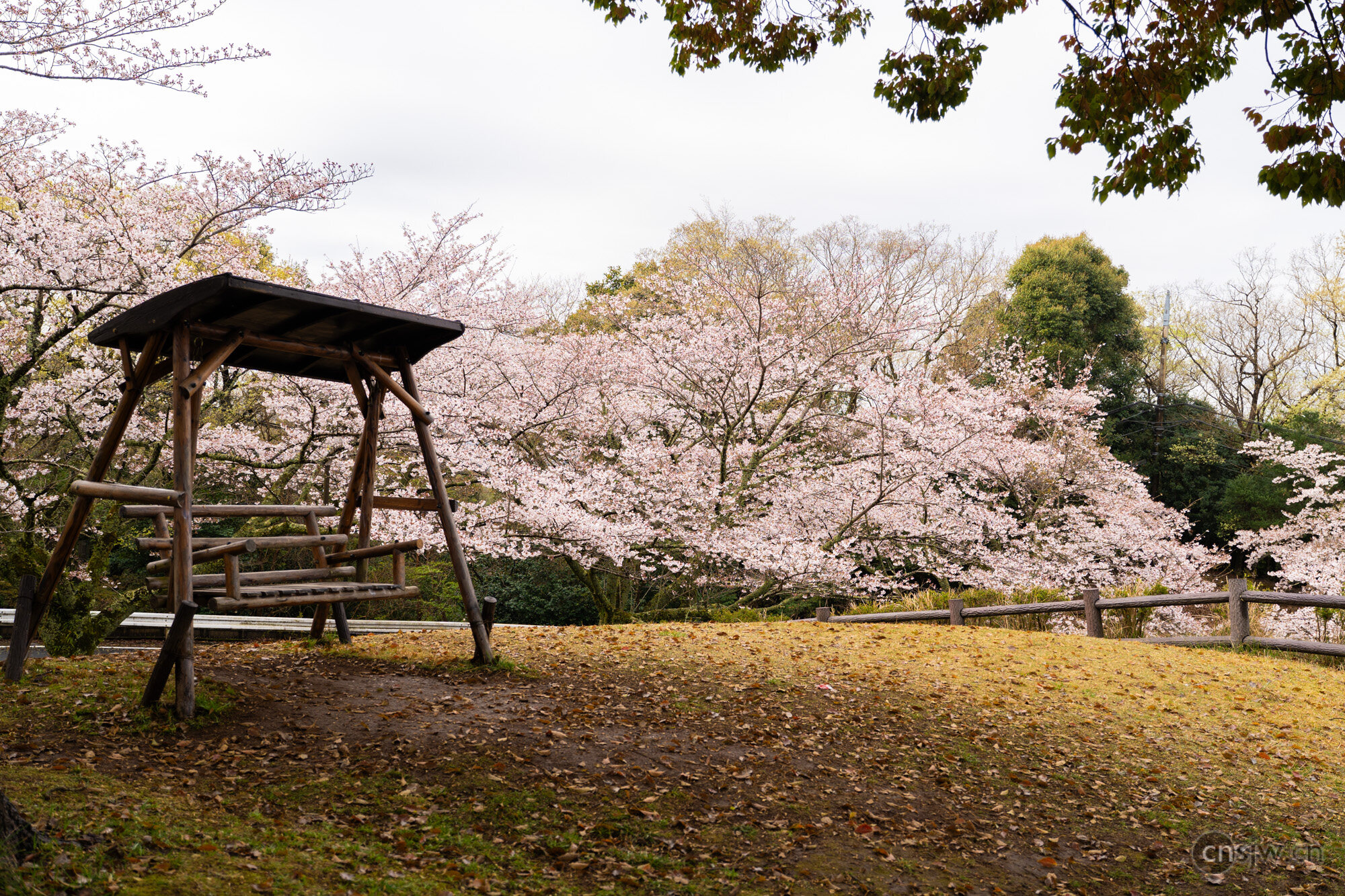
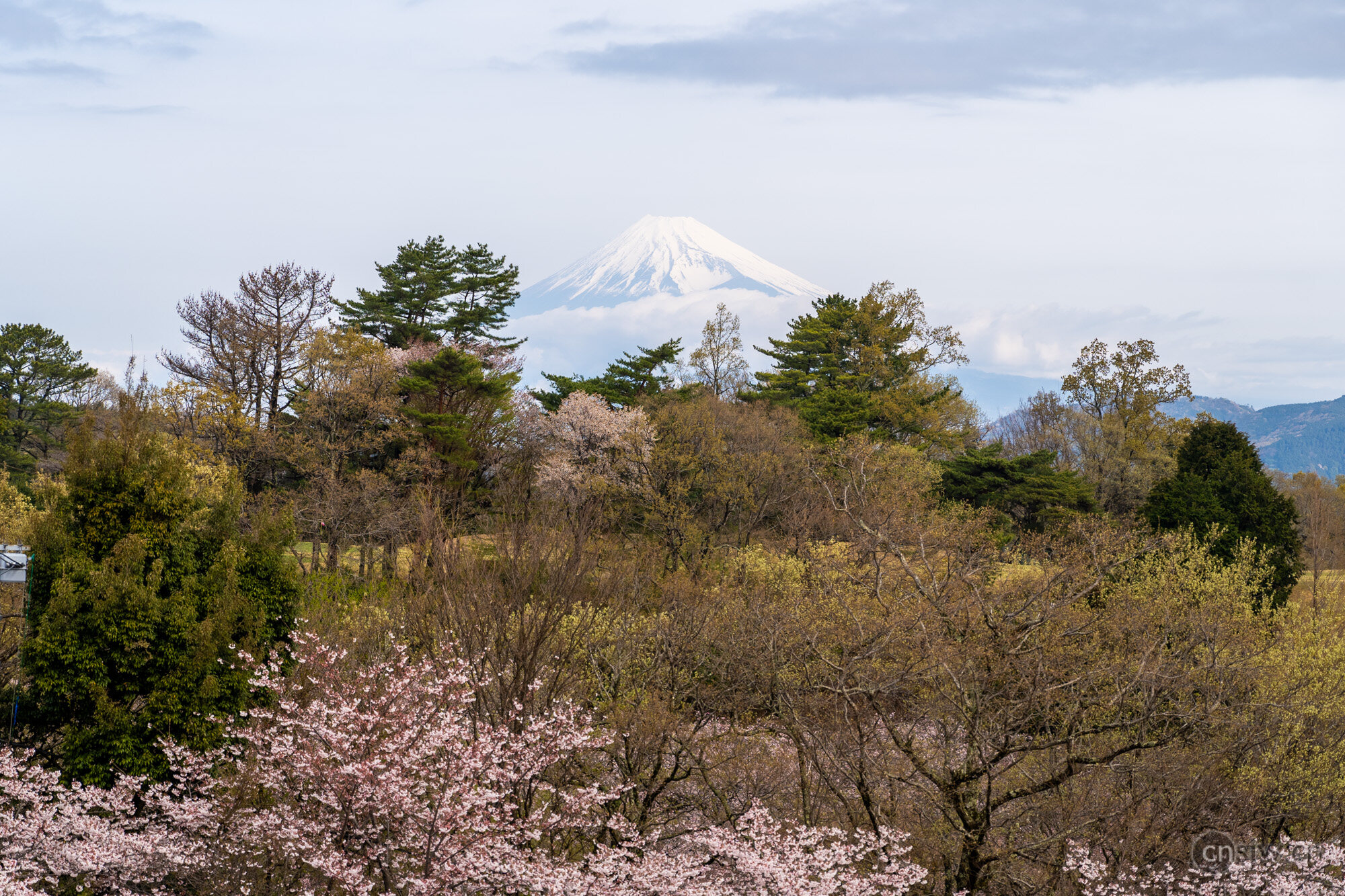
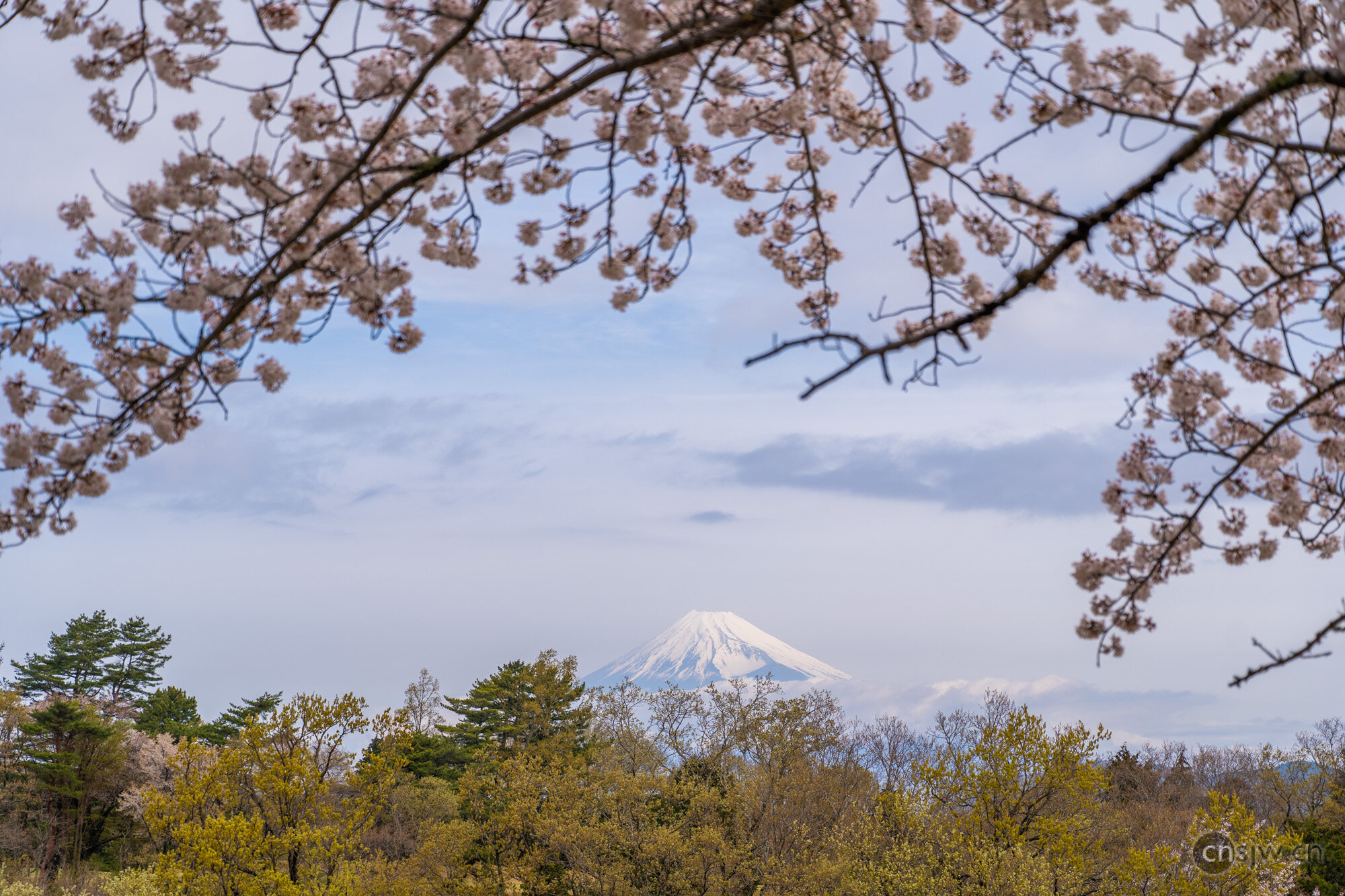
The next day finally brought clear weather. Cherry blossoms bloomed abundantly around the hotel’s grounds, creating a breathtaking scene. More importantly, Mount Fuji, which had remained hidden throughout our entire trip, finally revealed itself. Who knew it had been right there all along—but when the weather turns bad, you truly can’t see even the slightest glimpse of it…




Support



Read this article on WeChat