
Chidorigafuchi
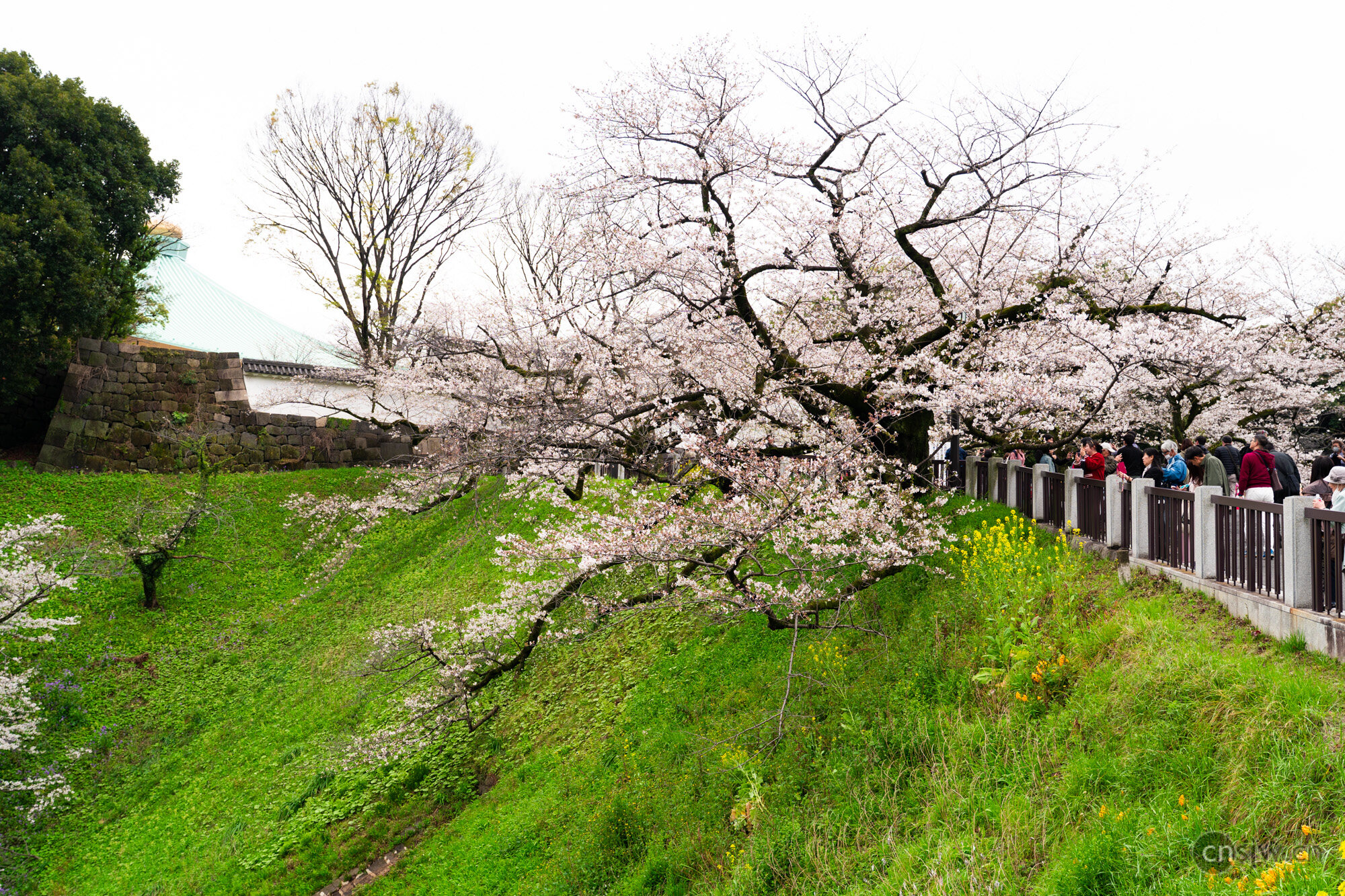
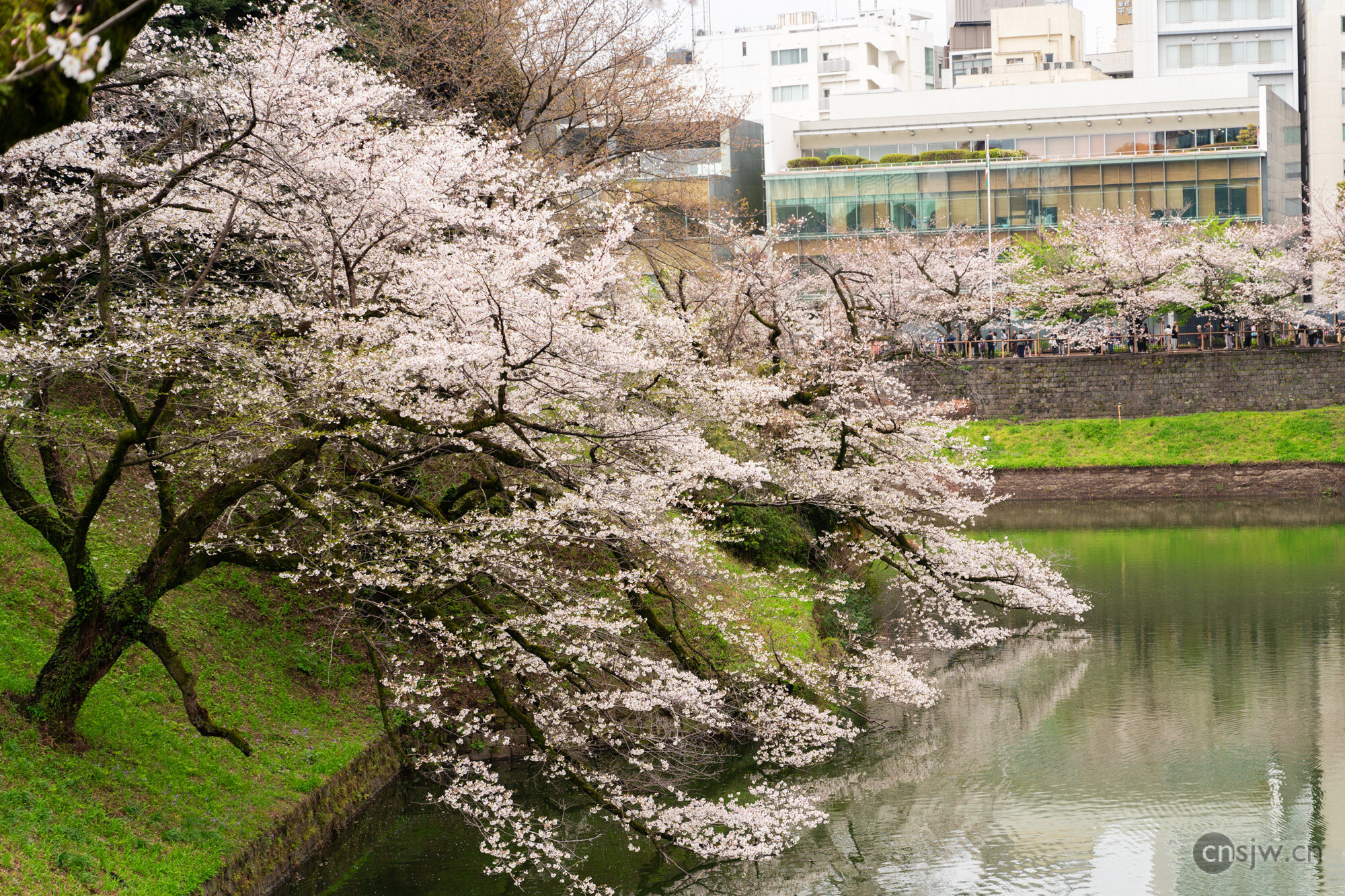
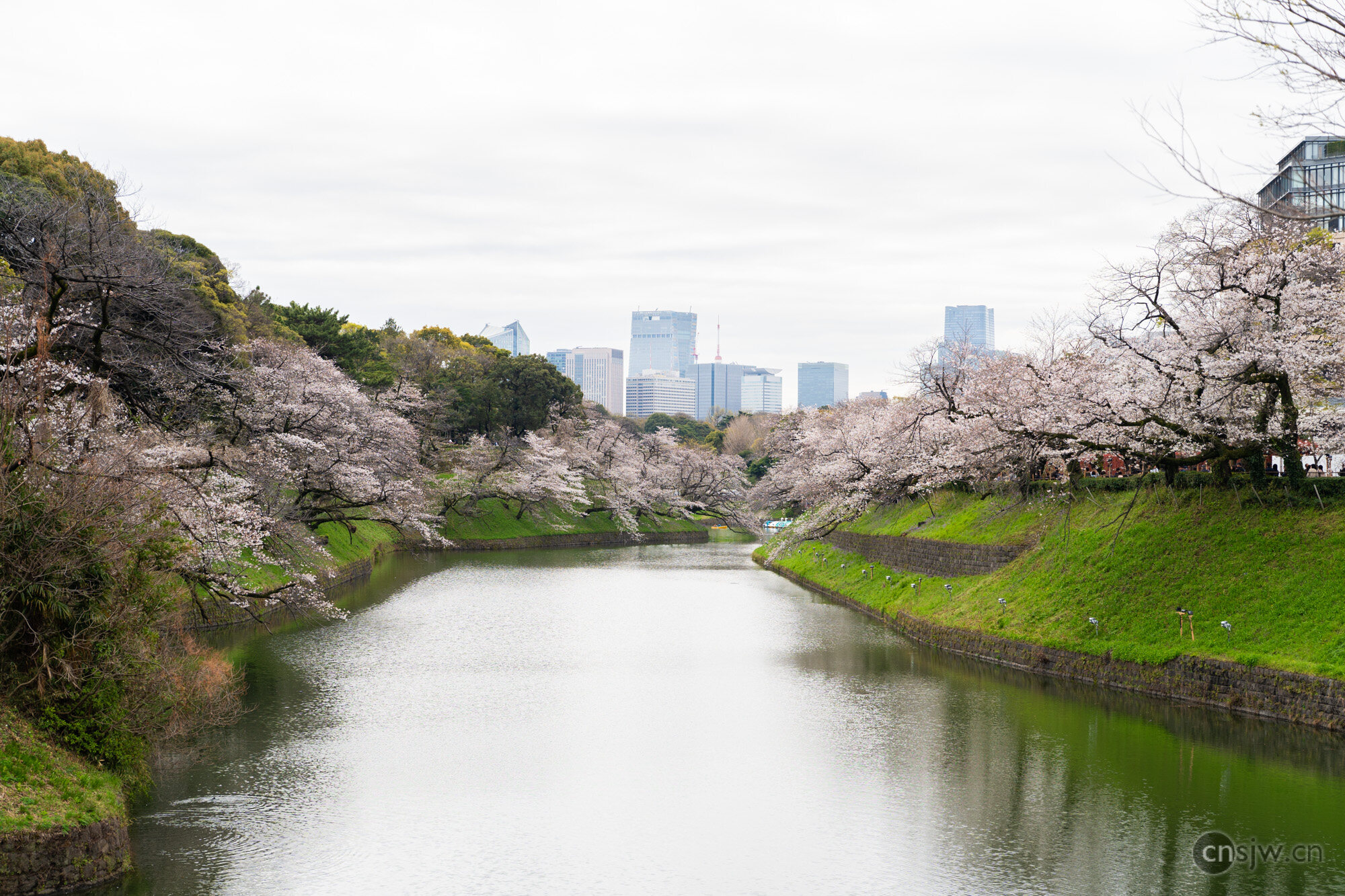
Chidorigafuchi is the moat on the northwest side of the Imperial Palace, named for its shape resembling flying chidori (plovers). It is one of Tokyo’s premier cherry blossom viewing spots, with over 260 cherry trees lining its banks, primarily Somei Yoshino varieties. During the cherry blossom season, it gets incredibly crowded—truly a sea of people. Although the blossoms hadn’t fully bloomed on the day I visited, the scenery was already beautiful.
Azabudai Hills
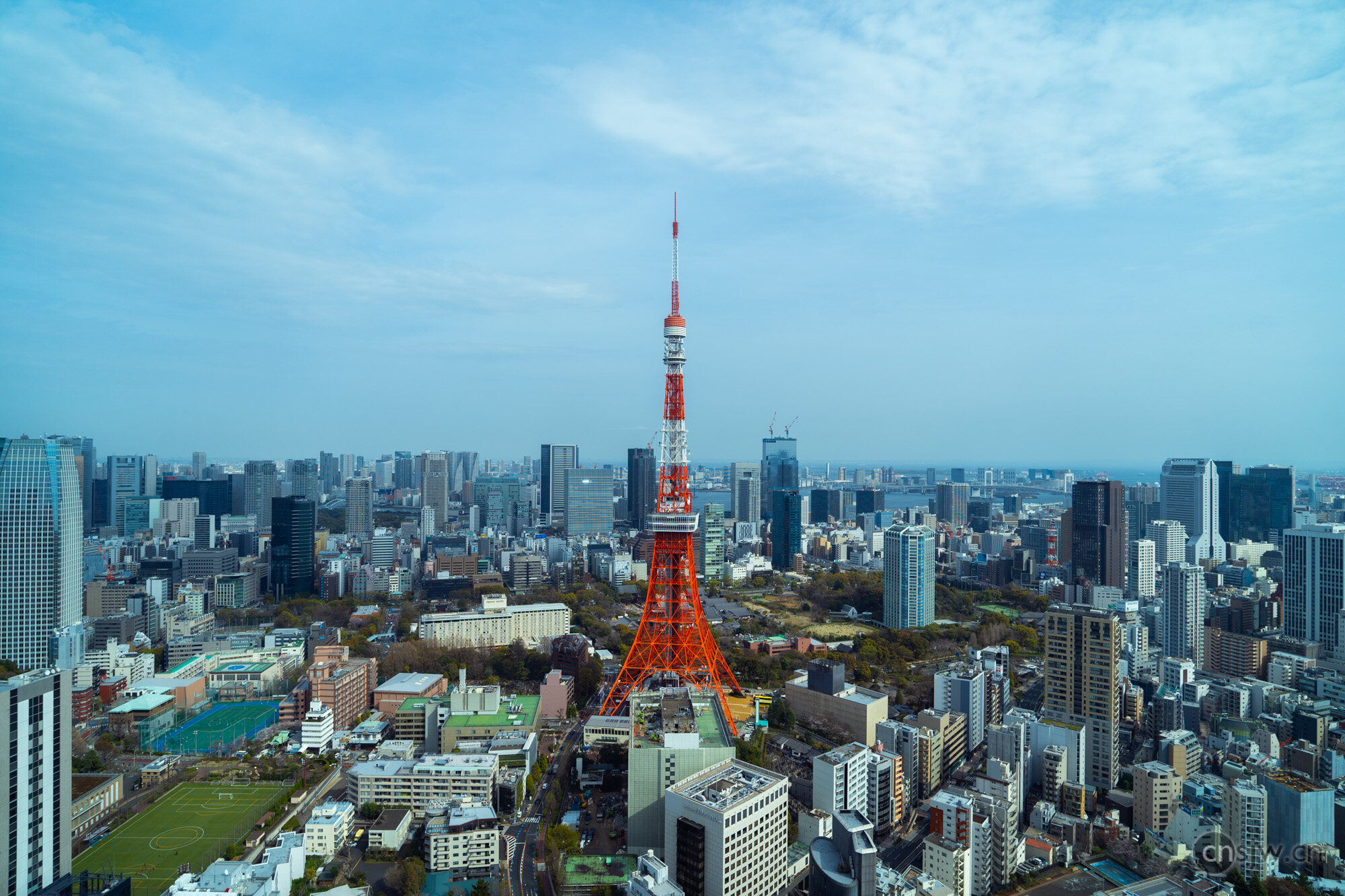
Azabudai Hills is a comprehensive commercial district in Tokyo featuring the Mori JP Tower, Japan’s tallest building at 325 meters, along with two residential buildings and Garden Plaza. Surpassing Abeno Harukas in Osaka, the Mori JP Tower stands as the tallest skyscraper in Japan. The building comprises 64 above-ground floors and 5 basement levels, housing multifunctional spaces including offices, residences, medical facilities, and retail. The Garden Plaza consists of four buildings with three-dimensional greenery, ranging from 3 to 8 stories in height. In addition to commercial facilities, The British School in Tokyo has opened a campus here. A central plaza of approximately 6,000 square meters connects the main tower and the Garden Plaza. The entire project covers a total area of 8.1 hectares with a floor area of about 861,700 square meters.
Opened in November 2023, Azabudai Hills quickly became a popular new landmark in Tokyo, also hosting the EPSON teamLab Borderless art museum. Although it isn’t very close to any specific station, it offers direct underground access to Kamiyacho Station on the Hibiya Line, making it quite convenient and commercially vibrant.
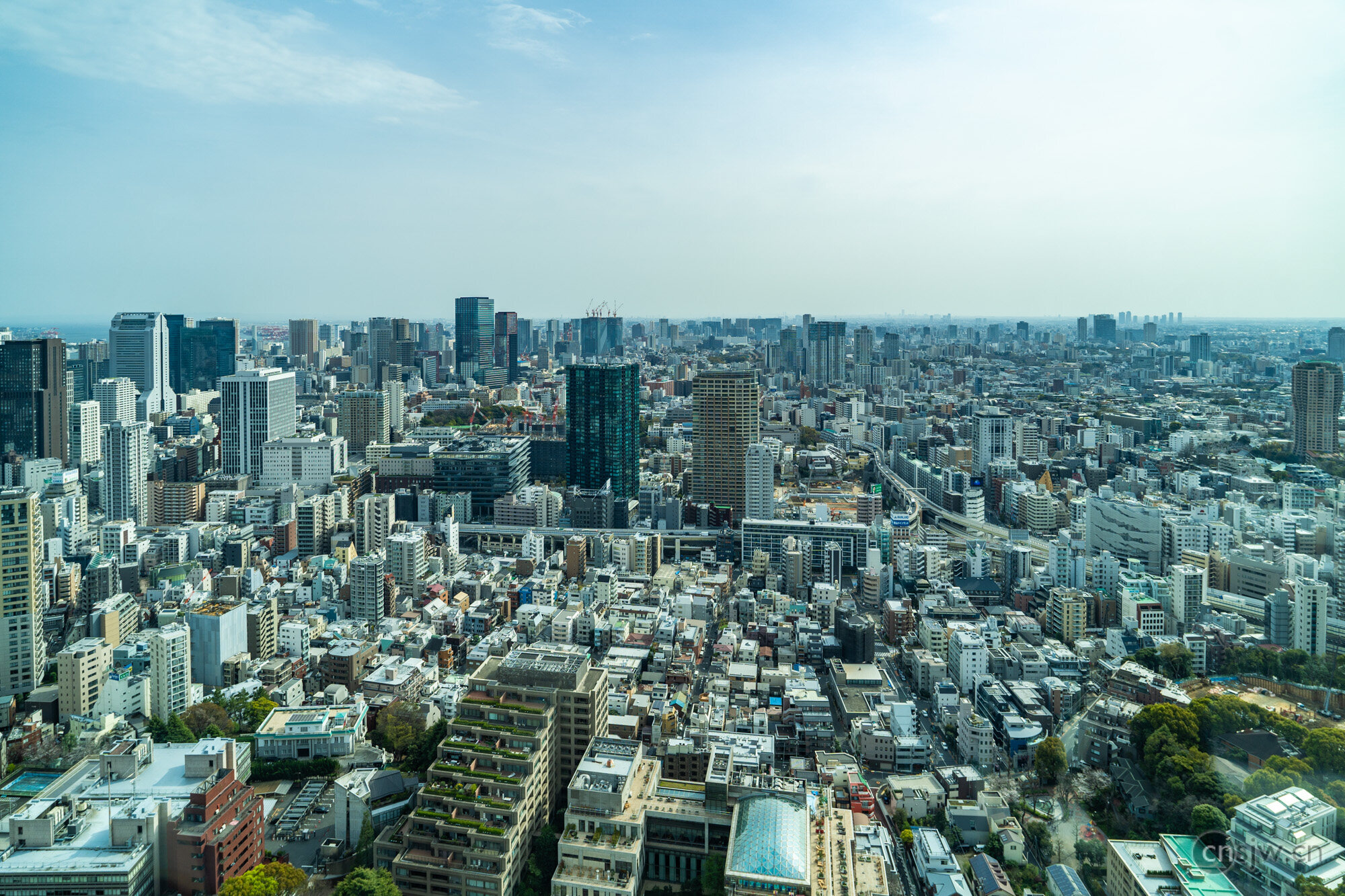
This time, we headed straight for the free observation deck, Sky Lobby, on the 33rd floor of the Mori JP Tower. With Tokyo Tower right next door, it is easily one of the most recommended observation decks in Tokyo. Unfortunately, after April 18, it is no longer free; access now requires being a tenant worker or making a purchase on the 33rd/34th floor. The cafe on the 34th floor offers good quality at reasonable prices and is highly recommended—just think of it as your admission ticket~~
Senso-ji Temple
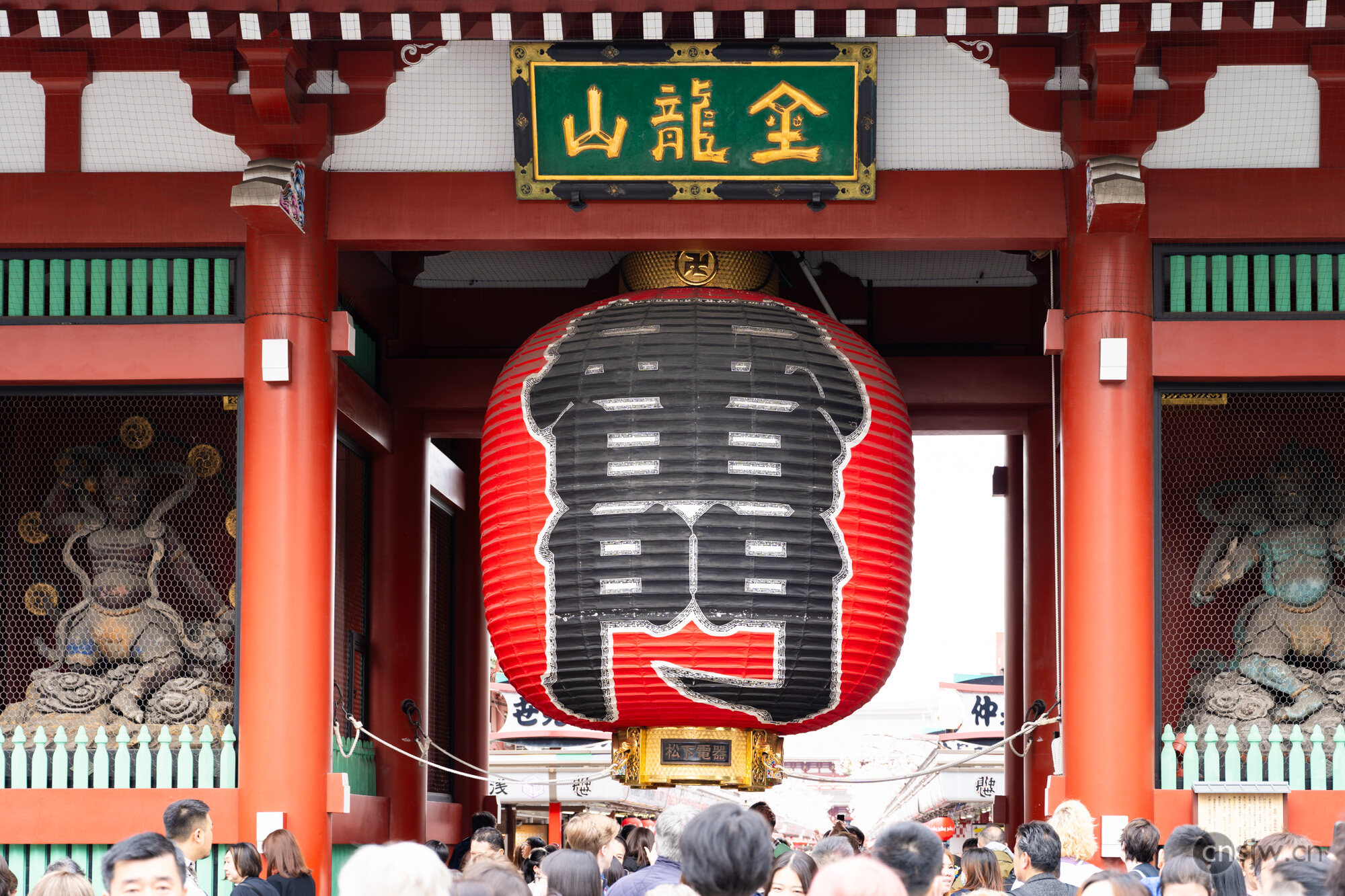
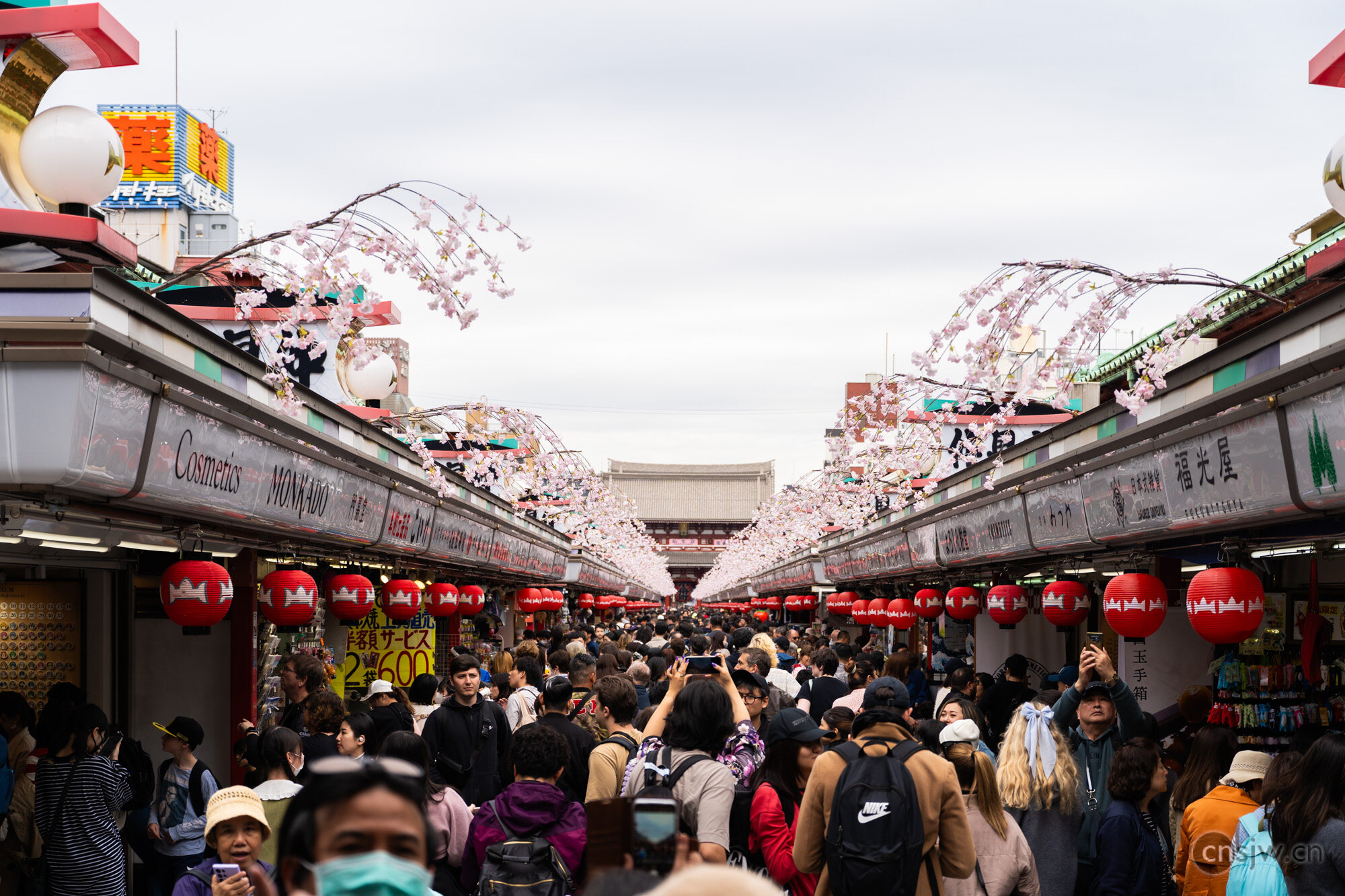
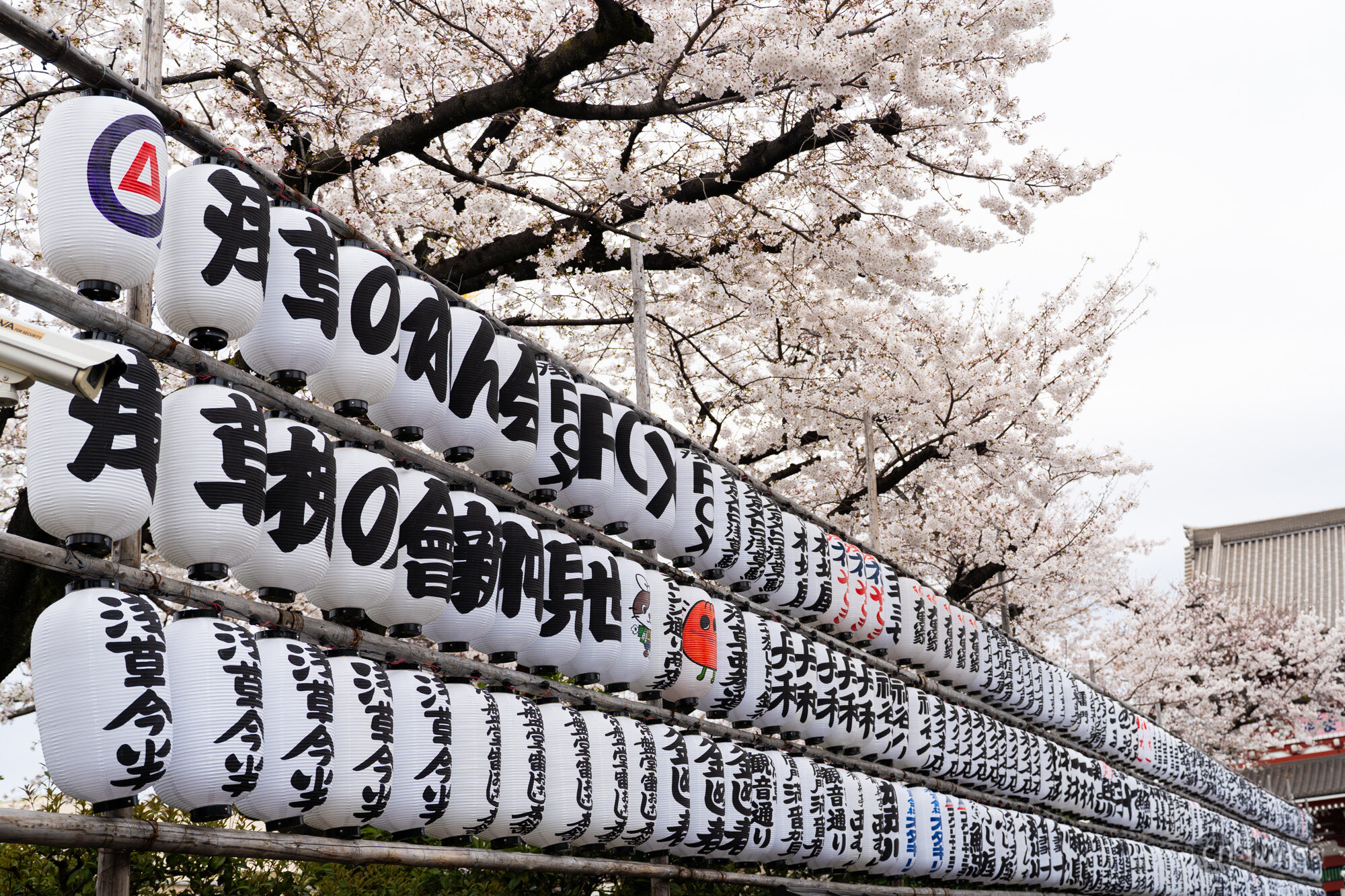
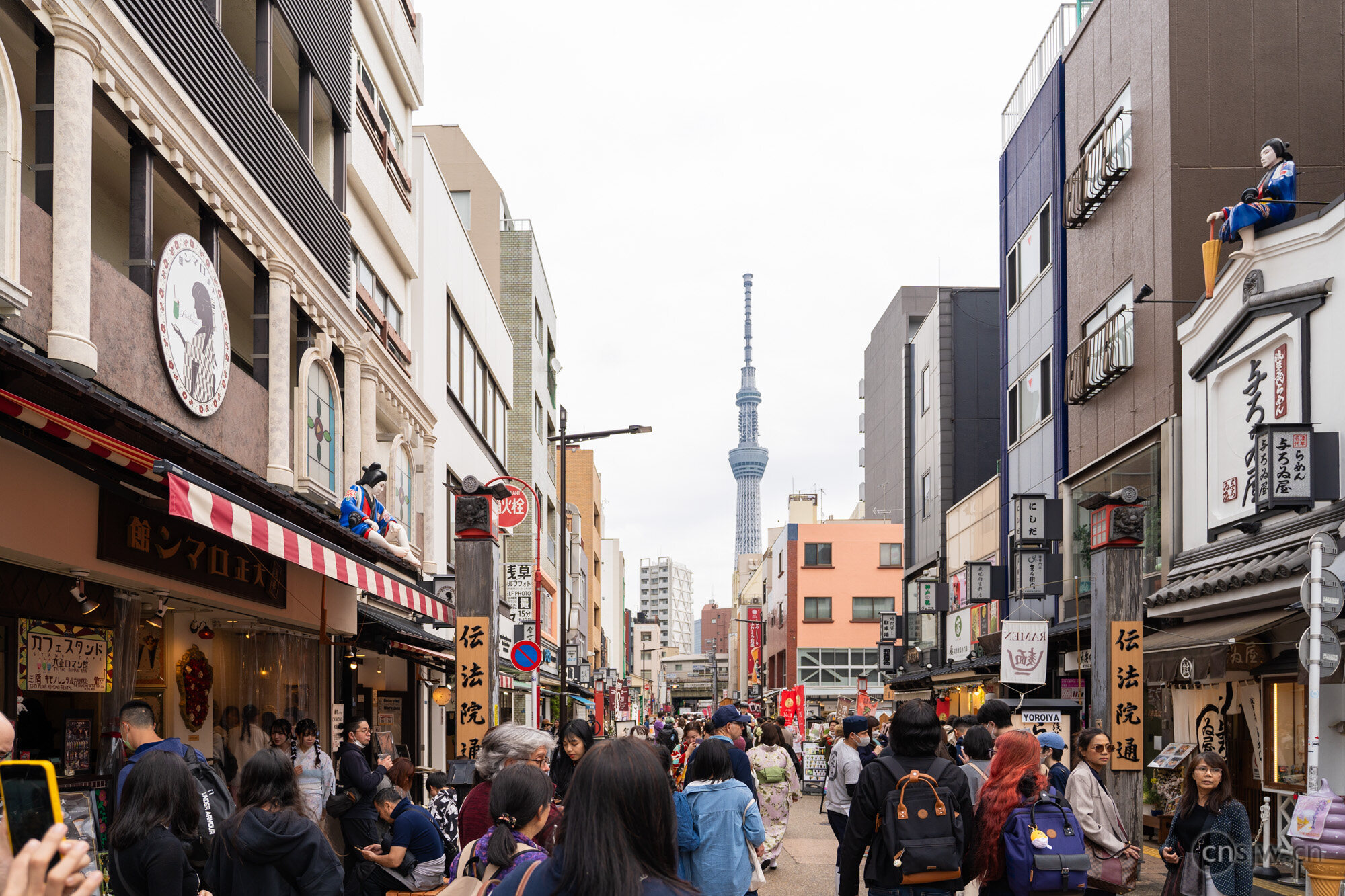
Senso-ji is the oldest temple in Tokyo, founded in 628 AD. Admission is free. Entering through the Kaminarimon Gate leads you onto a bustling shopping street that is packed shoulder-to-shoulder with people. There are so many foreign tourists that it can feel almost intimidating to enter… However, once you get further inside, the crowds thin out a bit. There are also shops off the main street where we found a restaurant serving fugu (pufferfish), which was quite an interesting experience. The surrounding area is also very developed, featuring the famous Norwegian cafe FUGLEN, numerous matcha dessert shops, various snacks, and a massive Uniqlo store to explore. According to the Tokyo Convention & Visitors Bureau, this area receives 30 to 40 million visitors annually for sightseeing or worship, making it incredibly lively.
Kaminarimon: The gate marking the entrance to the approach to the temple. It is a kirizuma-zukuri eight-legged gate featuring a statue of the Wind God on the left and the Thunder God on the right. Officially named “Furaijinmon,” it is commonly known as “Kaminarimon” (Thunder Gate). After burning down in 1865 (Keio 1), it was rebuilt with reinforced concrete in 1960 (Showa 35), nearly a century later. Hanging inside the gate is a giant lantern donated by industrialist Konosuke Matsushita in gratitude for his recovery from illness after praying to Kannon at Asakusa.
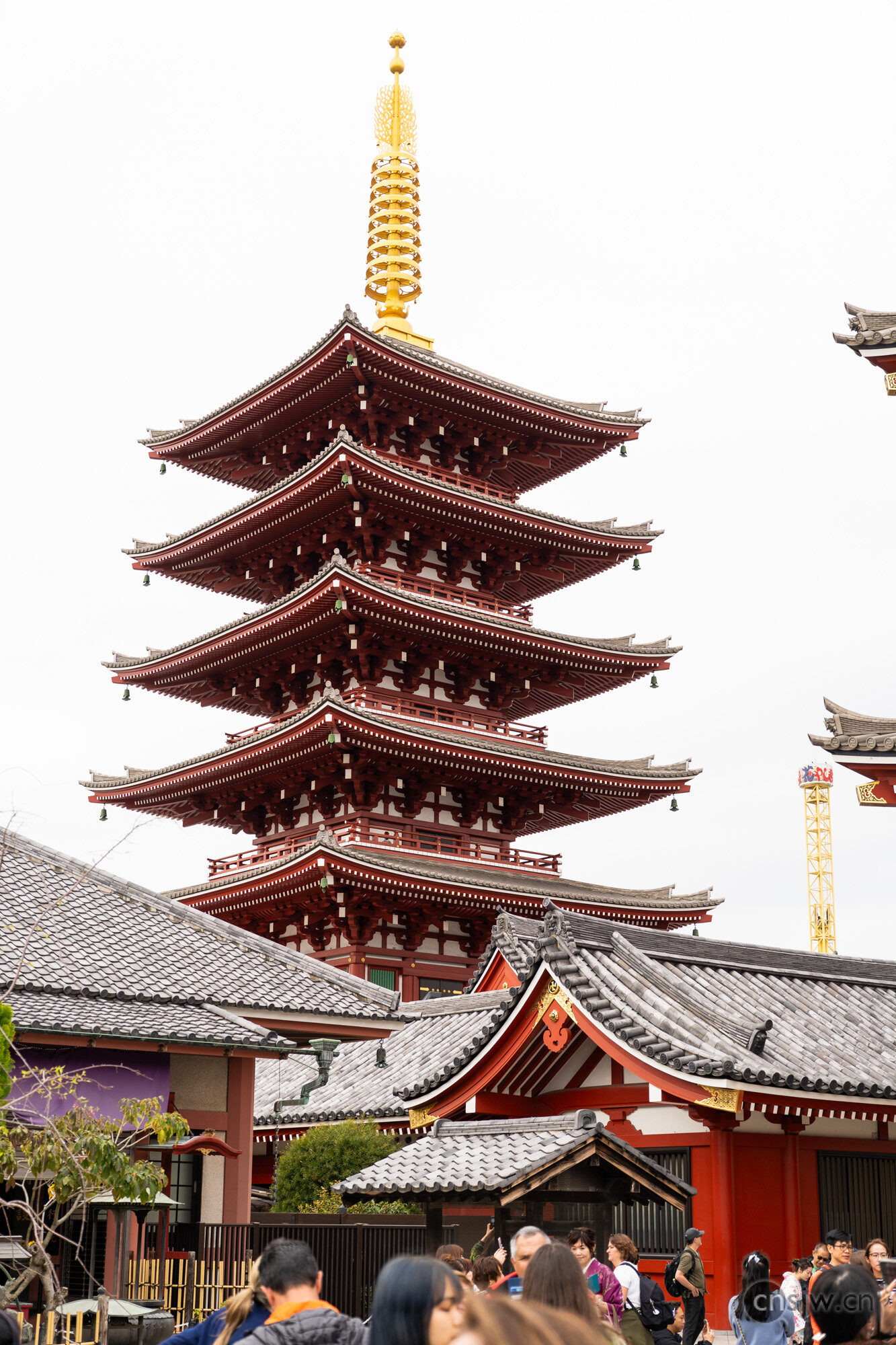
Five-Storied Pagoda: The original pagoda was built in 1648 (Keian 1) but collapsed during the Great Kanto Earthquake along with the Main Hall, and was subsequently burned down during the Tokyo air raids in 1945. The current pagoda was reconstructed in 1973 (Showa 48) using reinforced concrete with an aluminum alloy tiled roof. The base platform is about 5 meters high, and the pagoda itself stands approximately 48 meters tall. Inside the base is the Spirit Tablet Hall, which houses memorial tablets. Relics brought from Sri Lanka are enshrined in the topmost story of the pagoda. The current Main Hall is located to the west of the pagoda, whereas prior to reconstruction, it stood to the east.
Tokyo Sightseeing Cruise
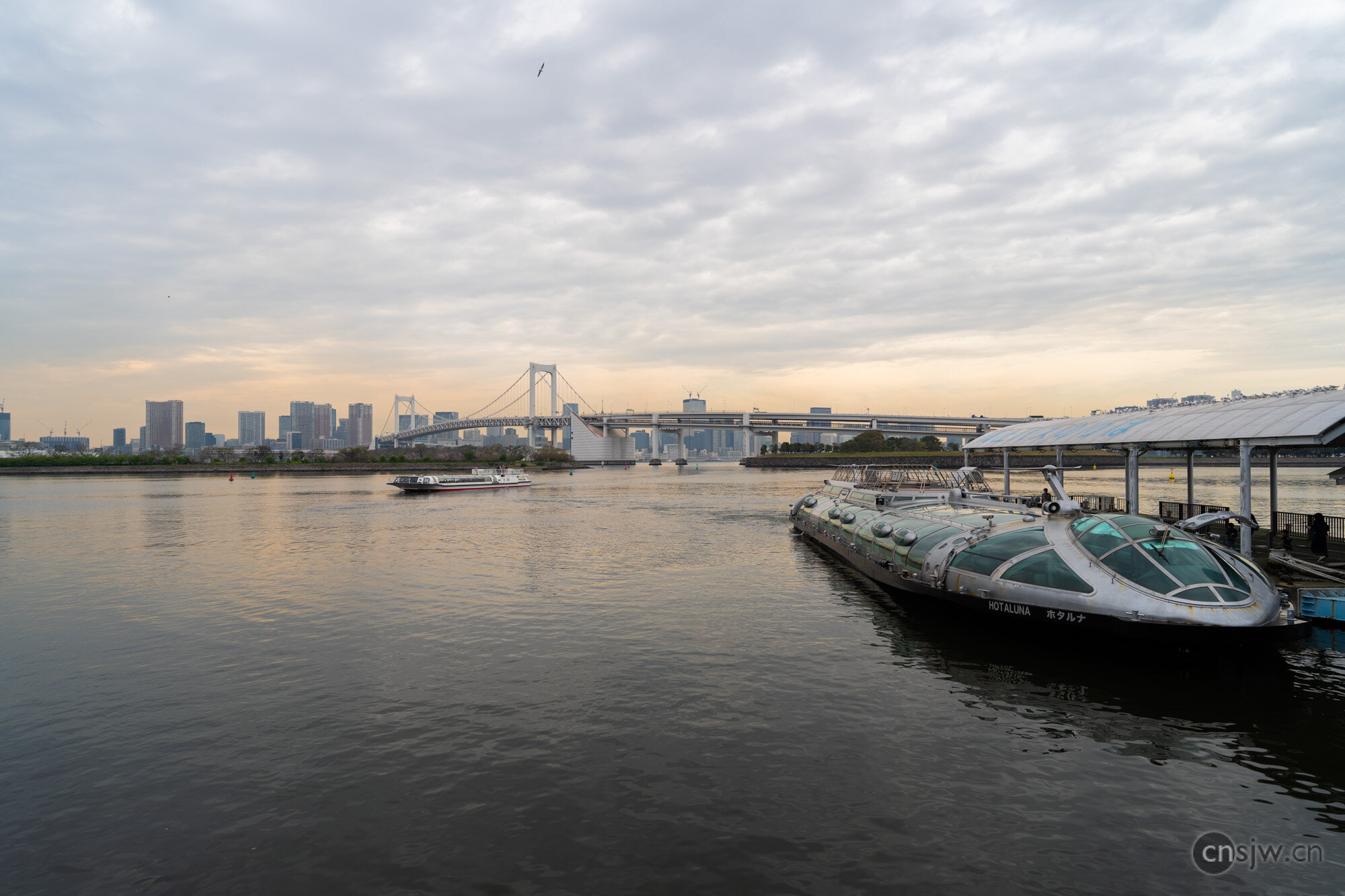
Next up was the highlight of the day: riding the TOKYO CRUISE along the Sumida River and Tokyo Bay, specifically taking the HOTALUNA from Asakusa Pier to Odaiba.
The HIMIKO, HOTALUNA, and EMERALDAS are futuristic vessels designed by the renowned anime creator Leiji Matsumoto. You can’t go wrong with any of them; they all feature an onboard cafe bar. The journey from Asakusa to Odaiba takes about an hour. For the first half, passengers must stay indoors, but in the second half, you can head out to the open deck. It’s perfect for photography and feels wonderful when the weather is nice.
Be sure to purchase tickets in advance via the official website, and arrive at Asakusa Pier about 30 minutes early~~
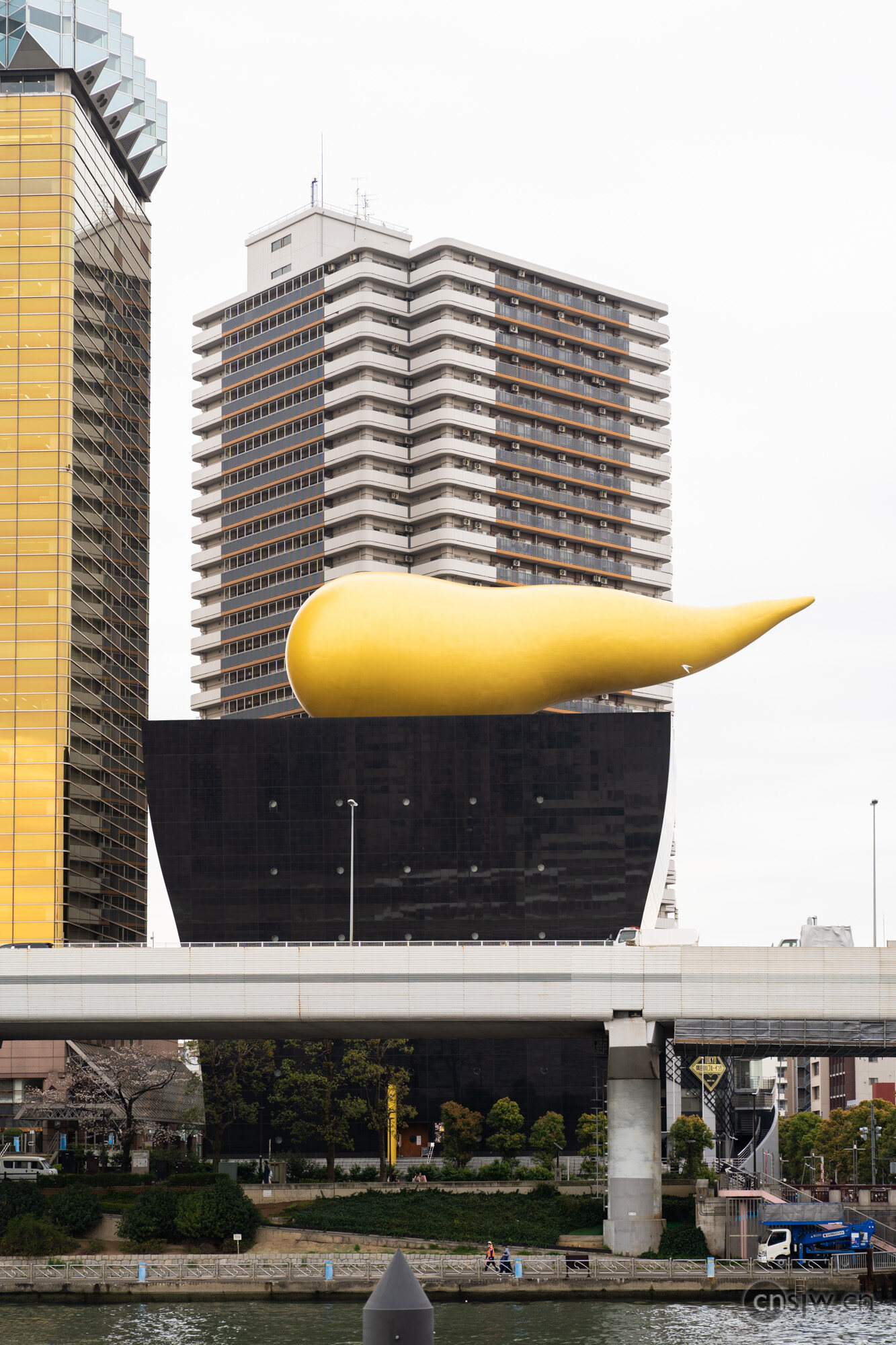
Right after departure, you can spot this golden object in Asakusa. The golden building on the left is the Asahi Beer Headquarters, while the structure on the right is called the Super Dry Hall. Completed in 1989, it was built on the former site of the Asahi Beer Azumabashi Brewery. Both the building and its sculpture were designed by French designer Philippe Starck as part of Asahi Beer’s centennial commemoration project. Floors 1 through 3 house restaurants, while floors 4 and 5 formerly contained the “Asahi Art Square” gallery, which closed at the end of March 2016.
Atop the Super Dry Hall sits a massive sculpture titled “Flamme d’Or” (Golden Flame), symbolizing the burning heart of Asahi Beer.
This is what the interior looks like. When fully occupied, everyone is guaranteed a seat, but honestly, the view from many seats isn’t great. If you don’t go outside, you’ll mostly just be staring at the sky from those seats…
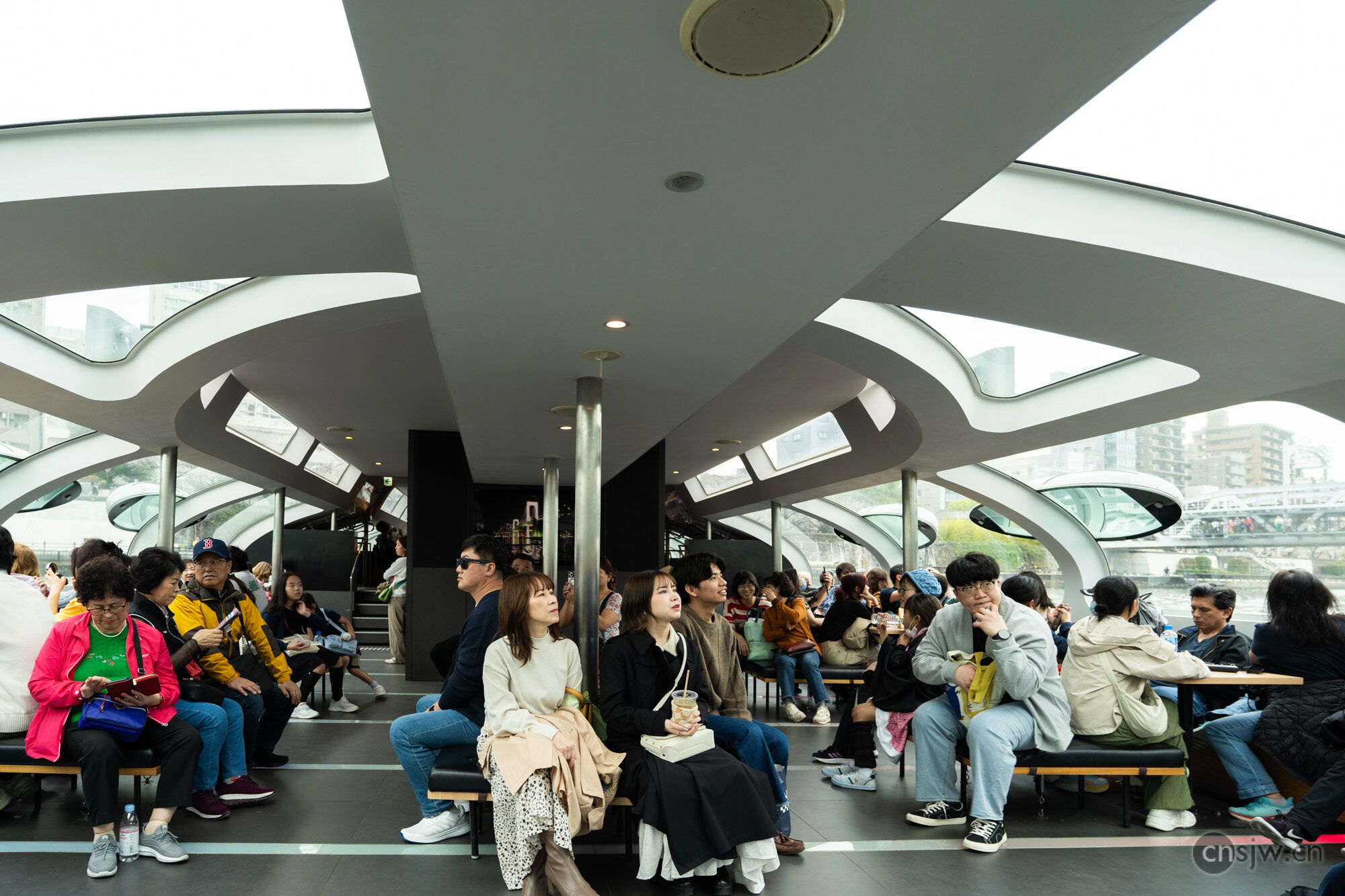
The view opens up significantly once you step outside.
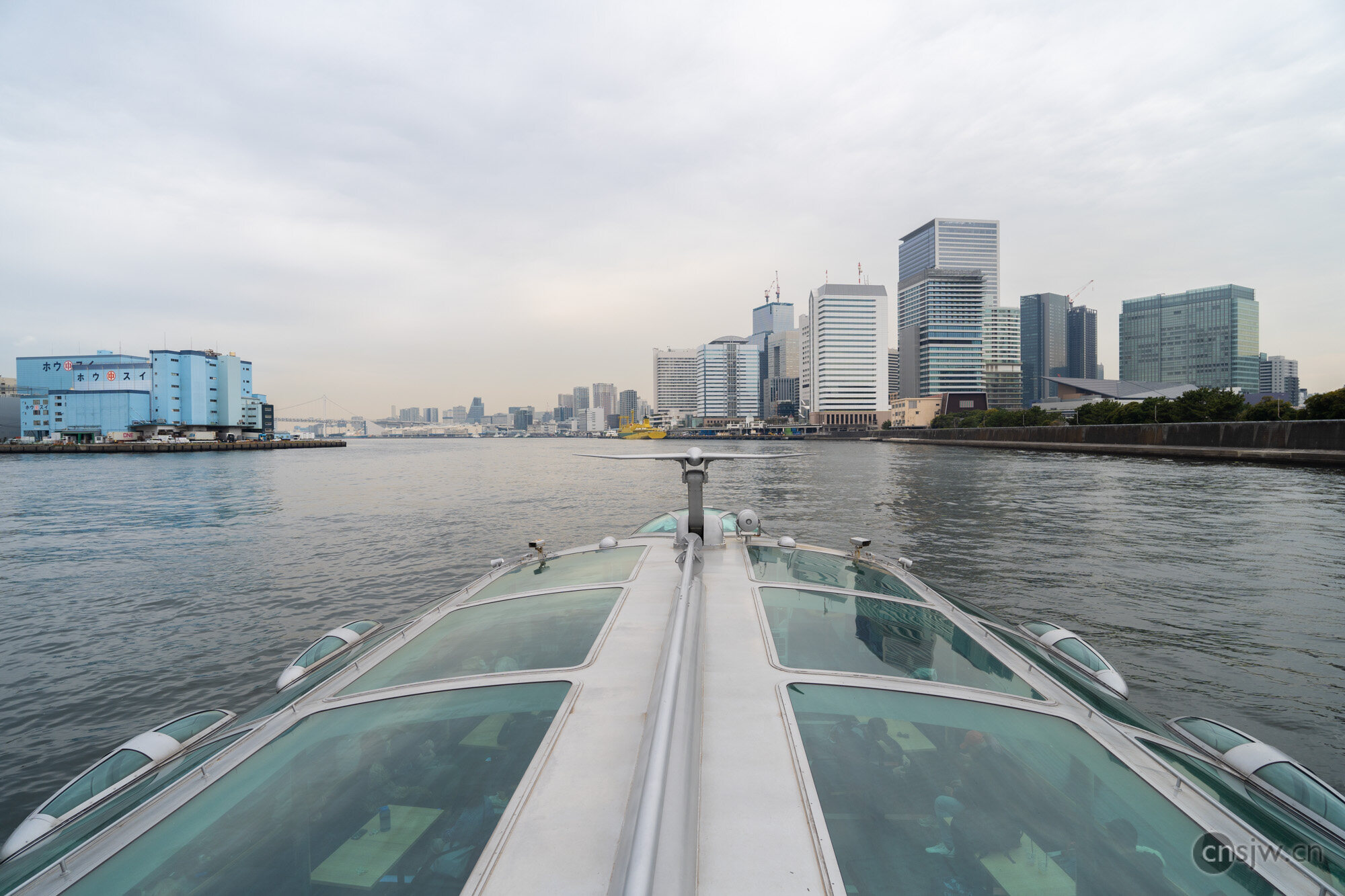
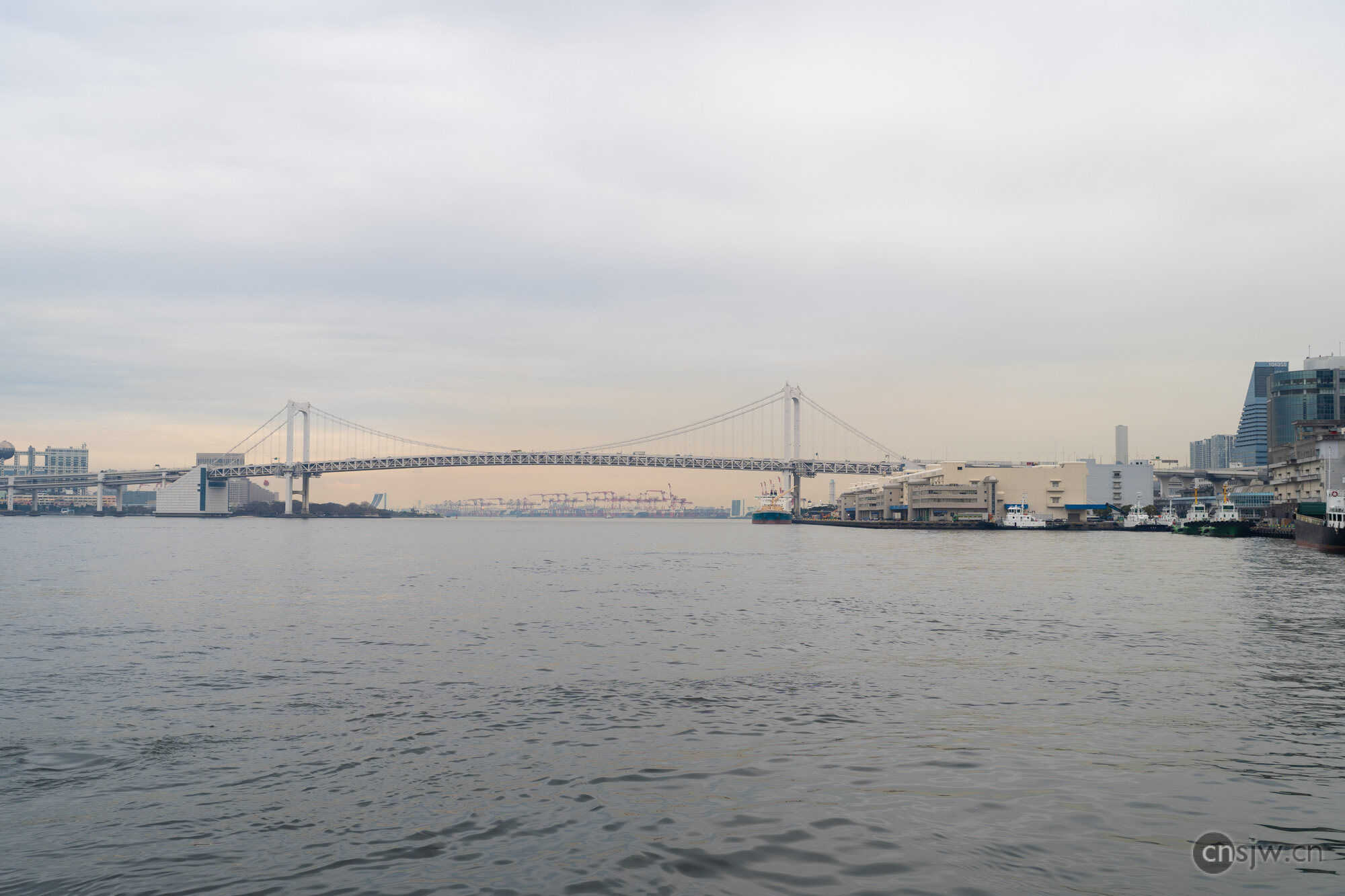
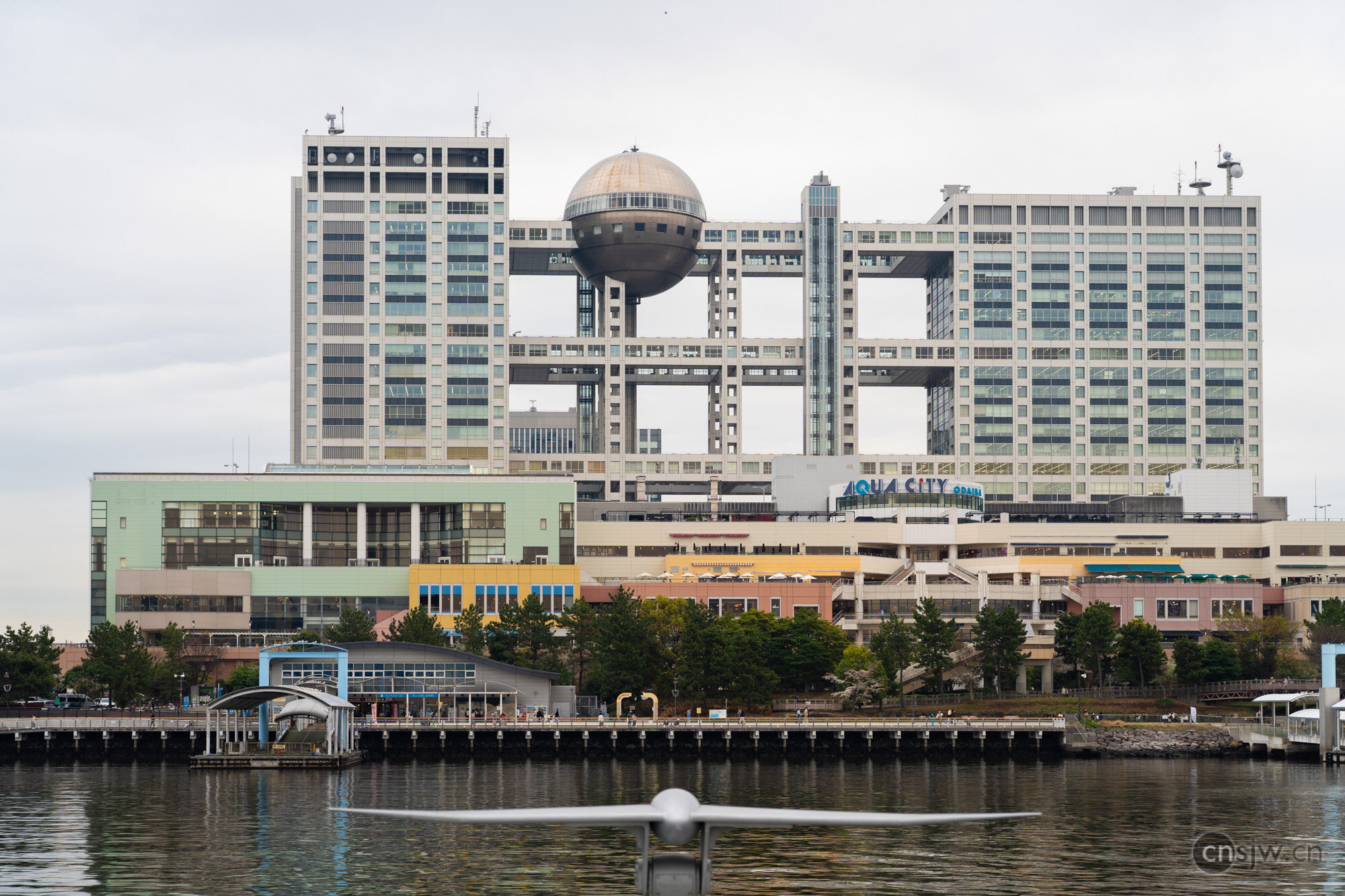
Arriving at Odaiba, behind us are the famous AQUA CITY and the Fuji Sankei Group Building (Fuji TV Headquarters), completed in 1996.



Support



Read this article on WeChat