
Tokyo National Museum
The Tokyo National Museum is located within Ueno Park. You can take a train to JR Ueno Station and exit via the Park Exit. Founded in 1872, it is Japan’s oldest museum. When I visited, there was a special exhibition commemorating the 900th anniversary of the Chuson-ji Konjikido, and the line was extremely long. If you don’t plan to see the special exhibition, you can head directly to the other galleries.
The museum grounds are vast and consist mainly of the following buildings:
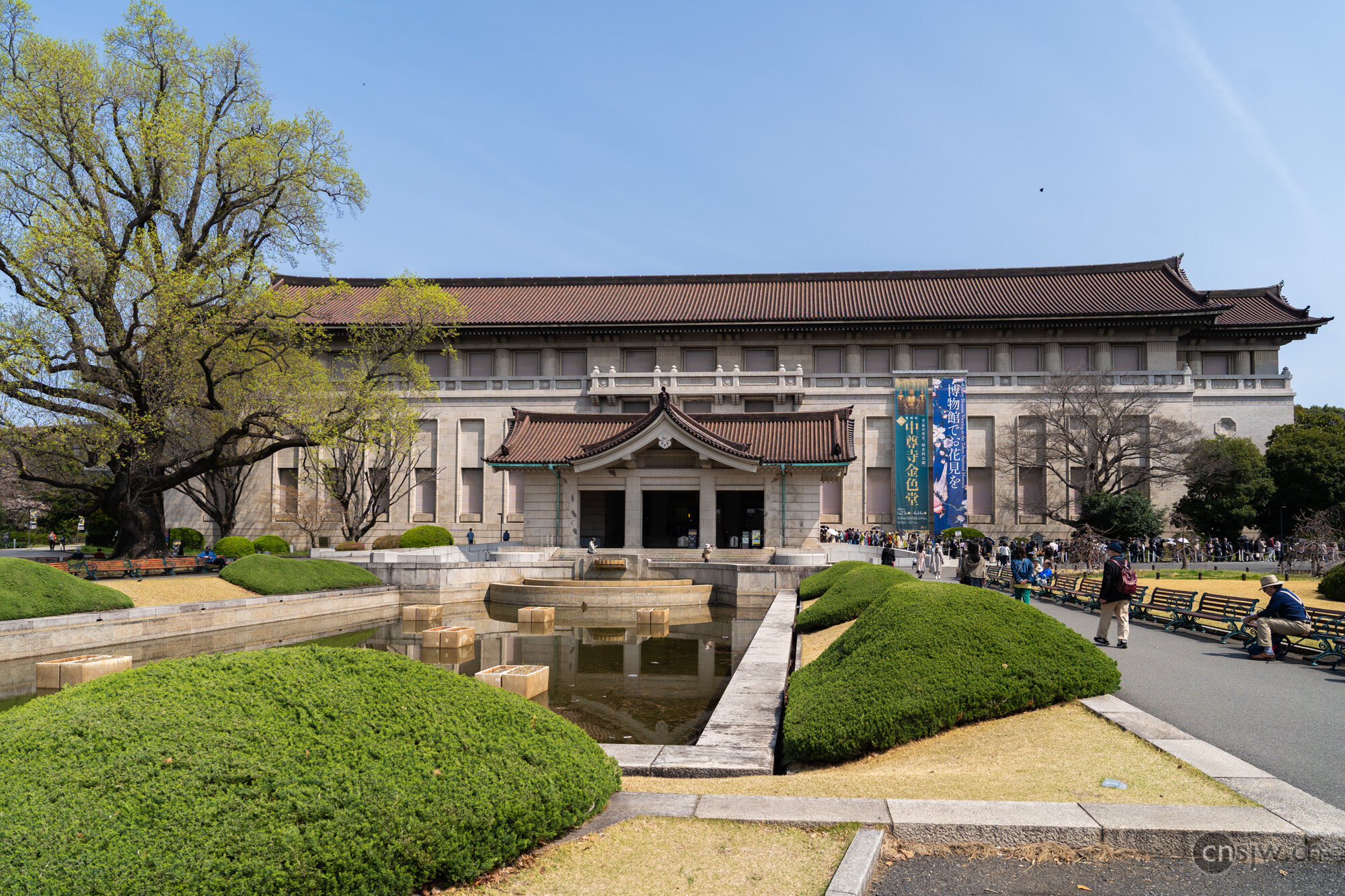
Honkan (Japanese Gallery): Construction began in 1932 and was completed in 1937, opening the following year. It was designed by Jin Watanabe. There are 25 exhibition rooms on the first and second floors, primarily displaying Japanese paintings, sculptures, crafts, and calligraphy. It is known as the “Gallery of Japan.”
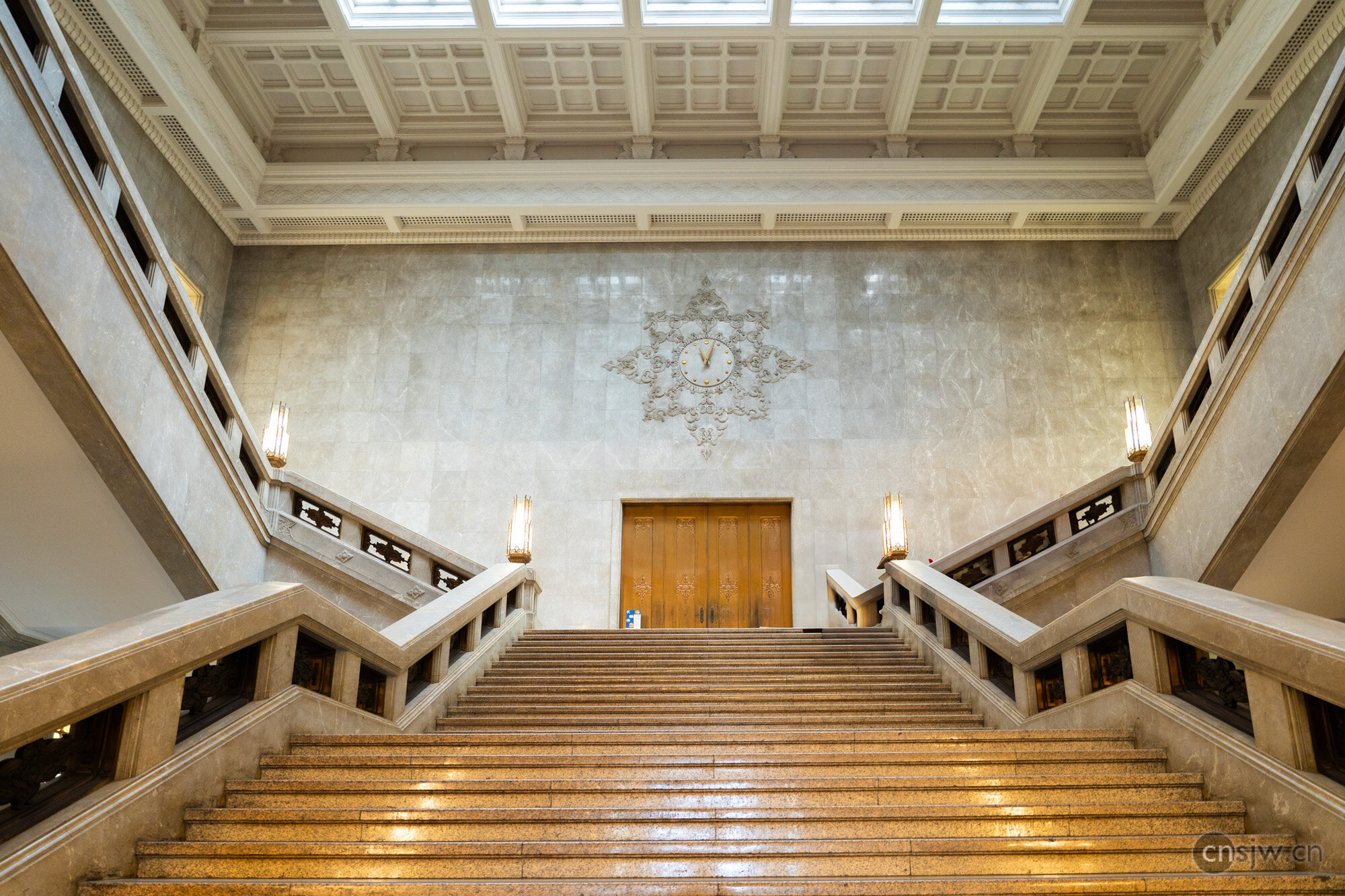
The most famous feature here is this grand staircase, which has been used as a filming location for many TV dramas.
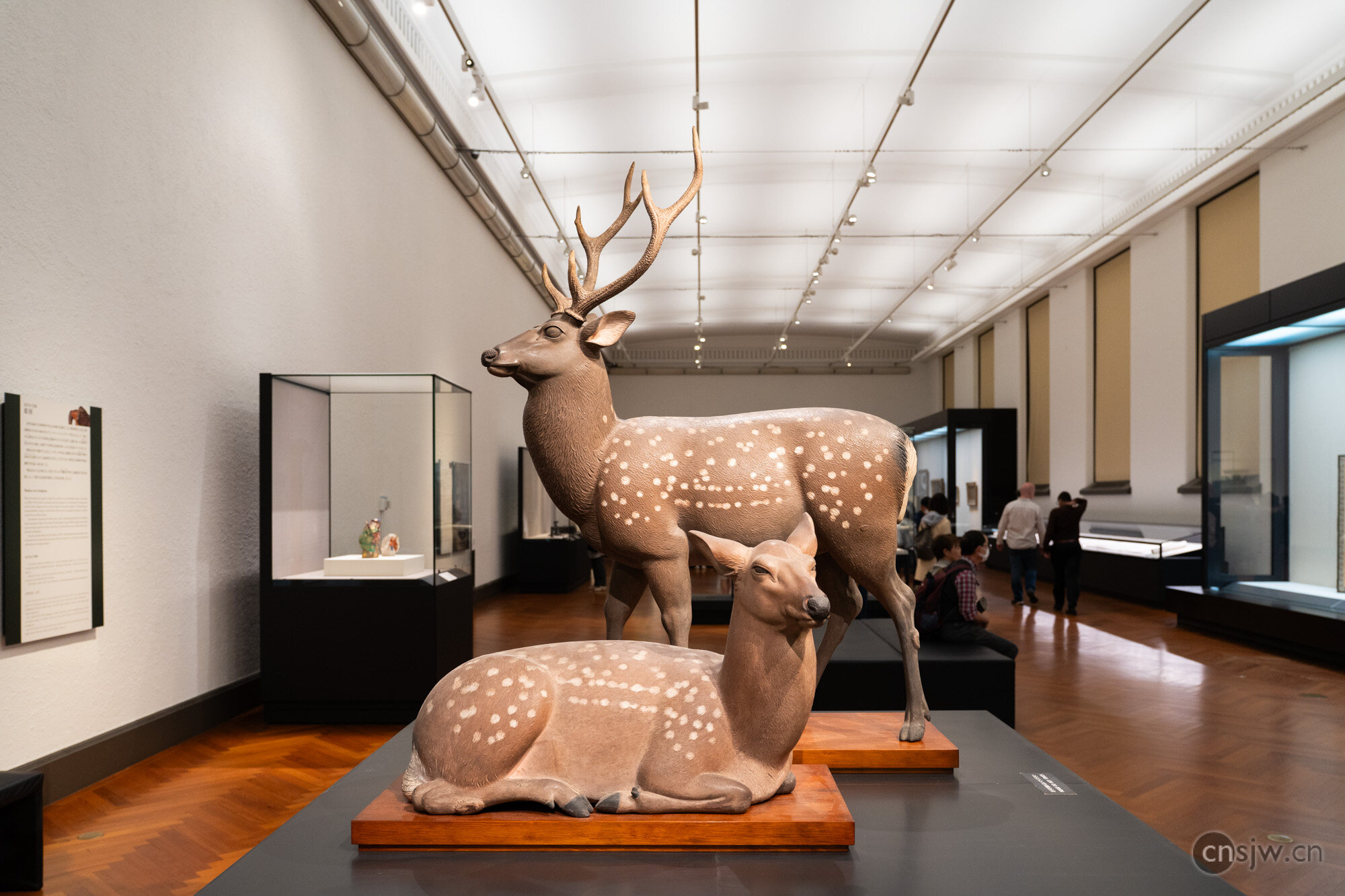
Although the Honkan had the most visitors, after looking around, I felt that Japan really doesn’t have that many historical artifacts…
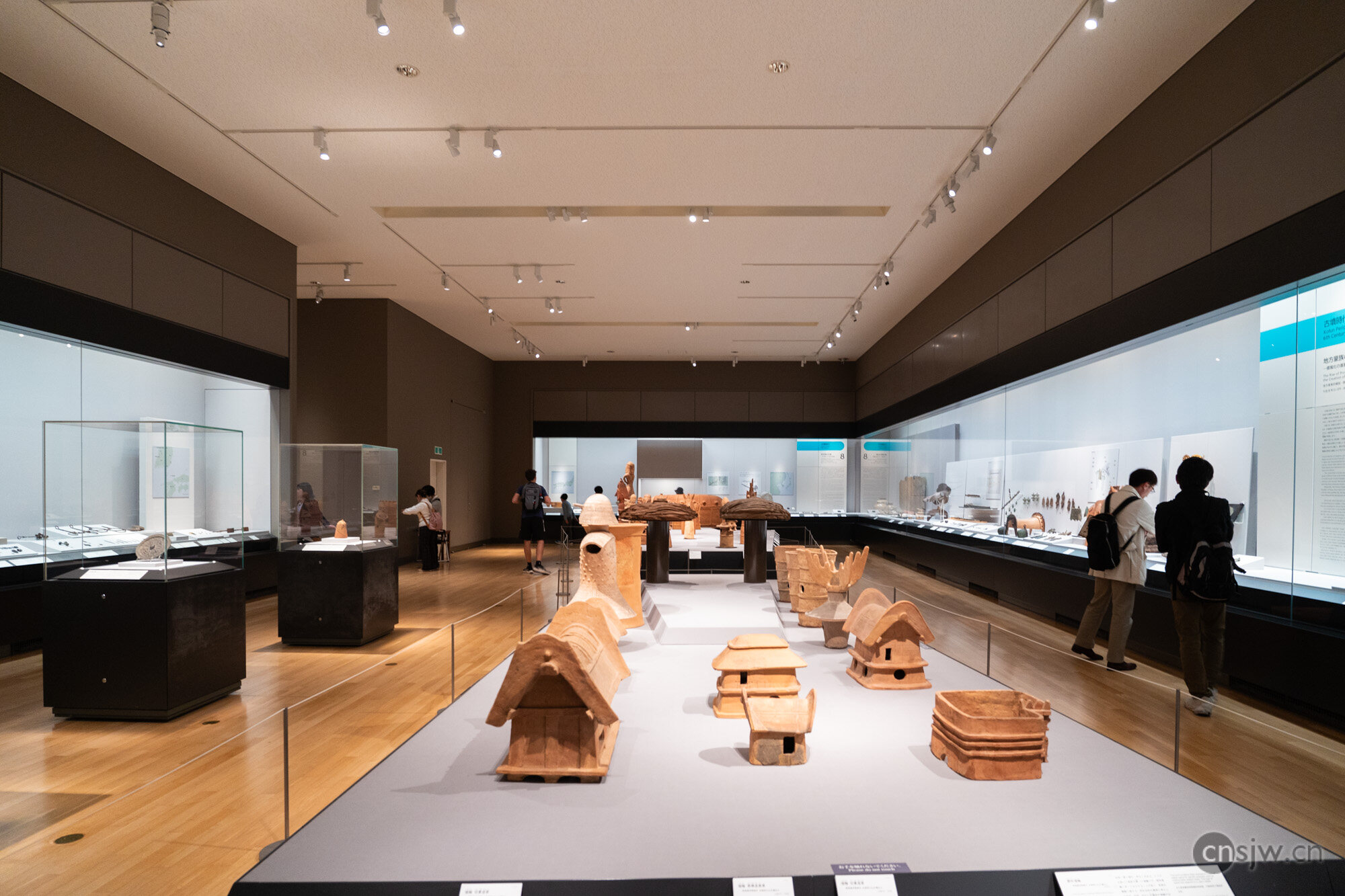
Toyokan (Asian Gallery): Designed by Yoshiro Taniguchi and opened in 1968. The artworks on display are primarily from China and the Korean Peninsula, but also include pieces from Southeast Asia, India, Egypt, and other regions. There are 10 exhibition rooms, and it is also known as the “Gallery of Asia.”
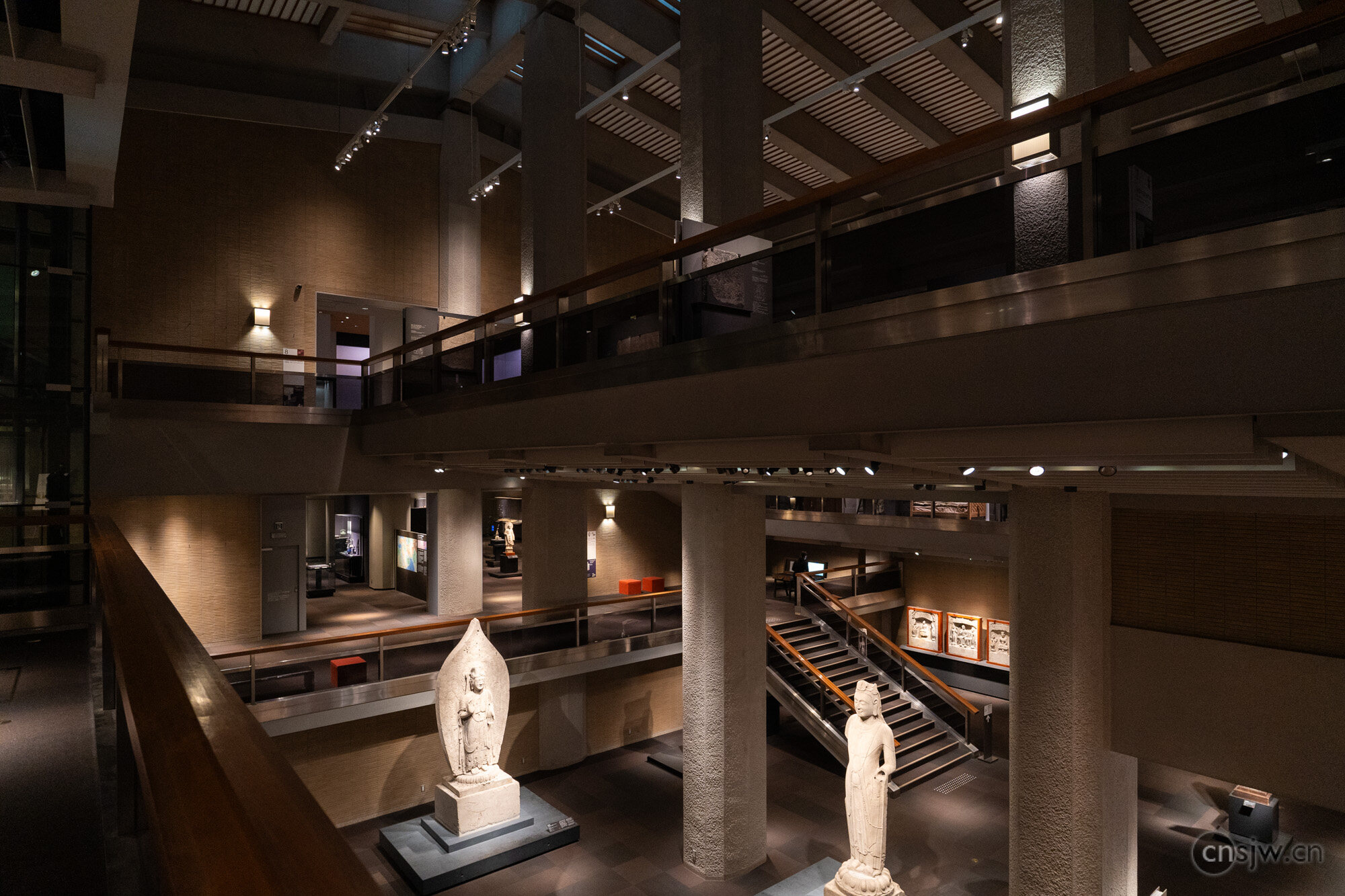
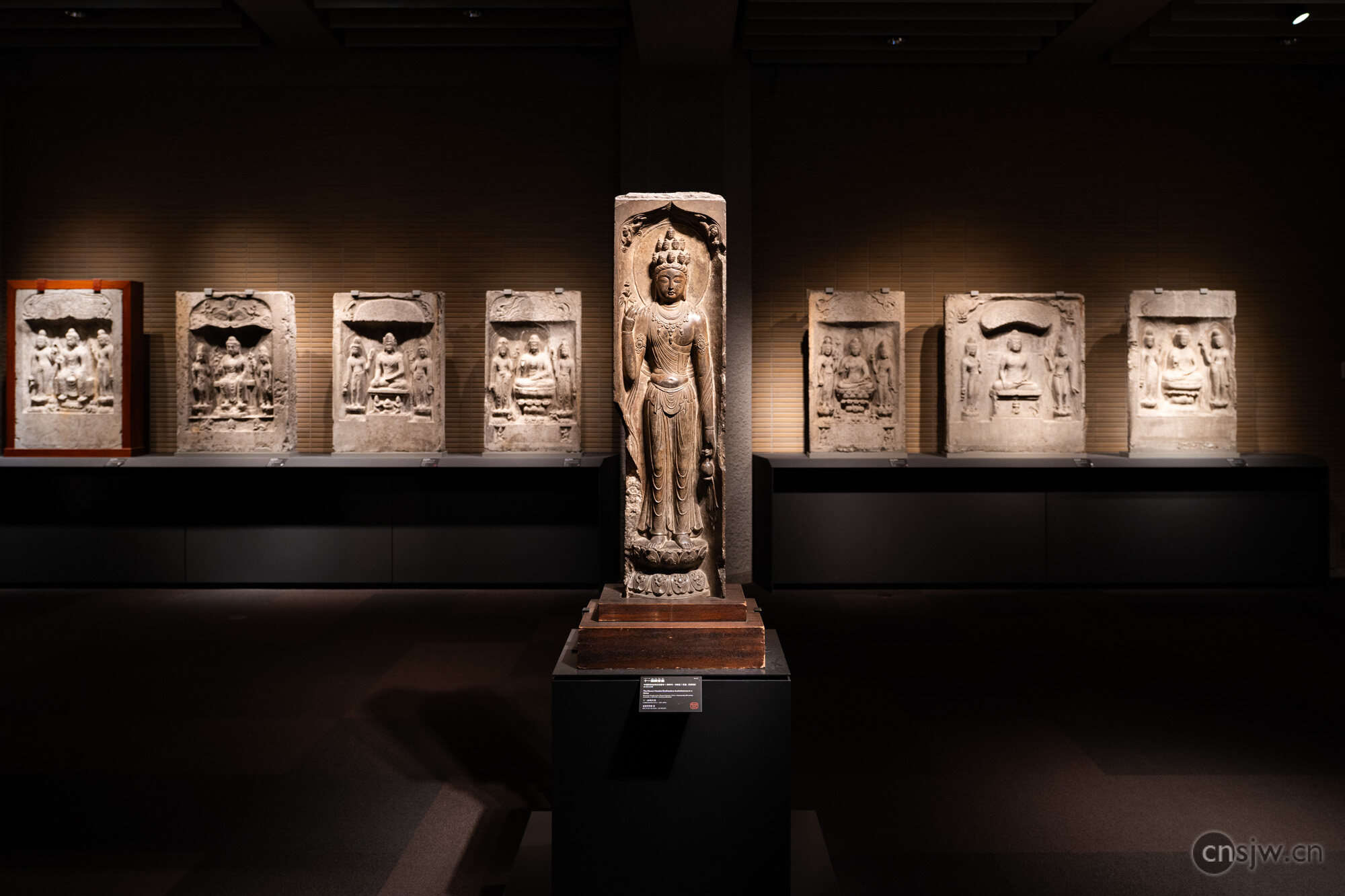
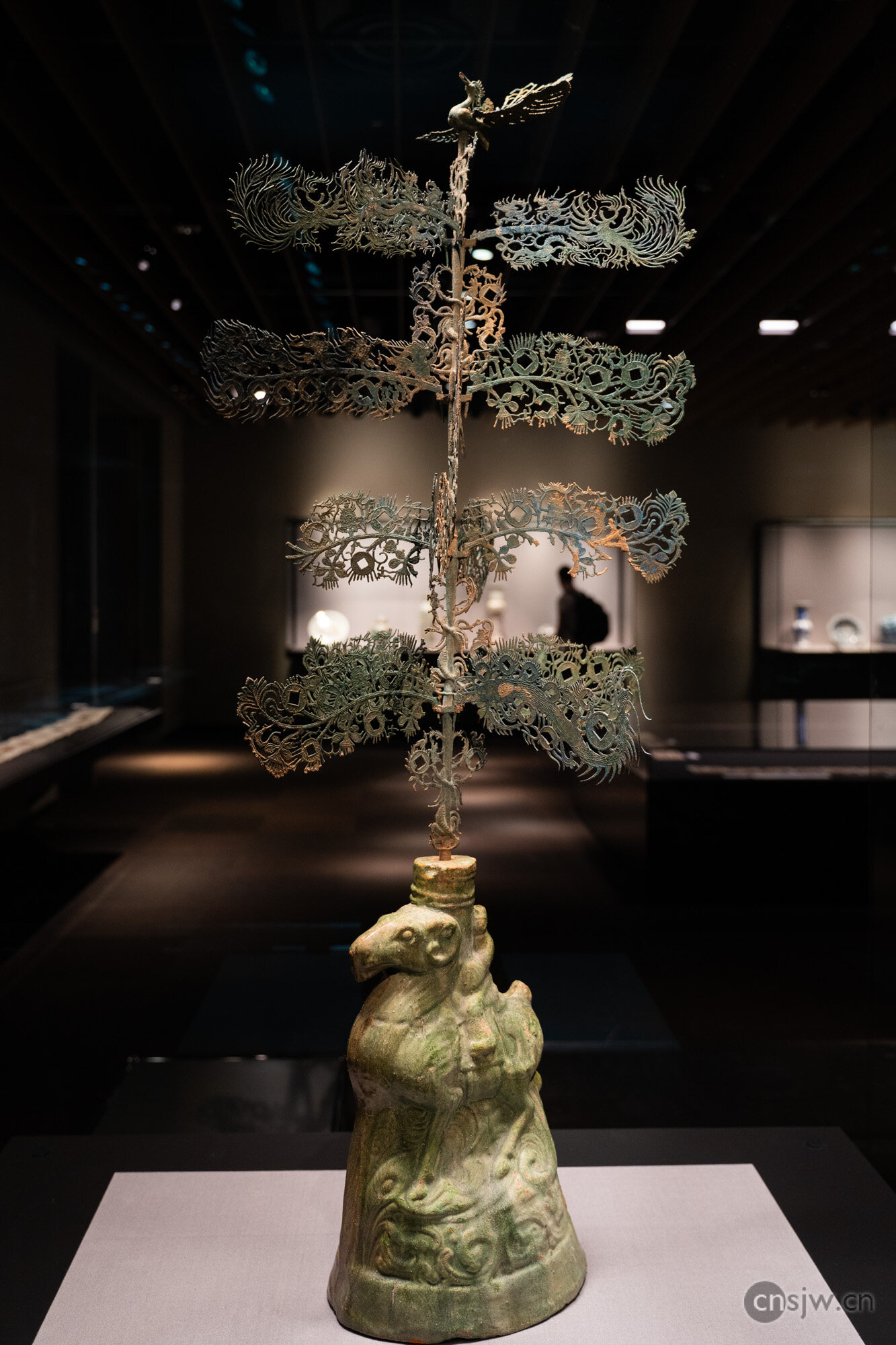
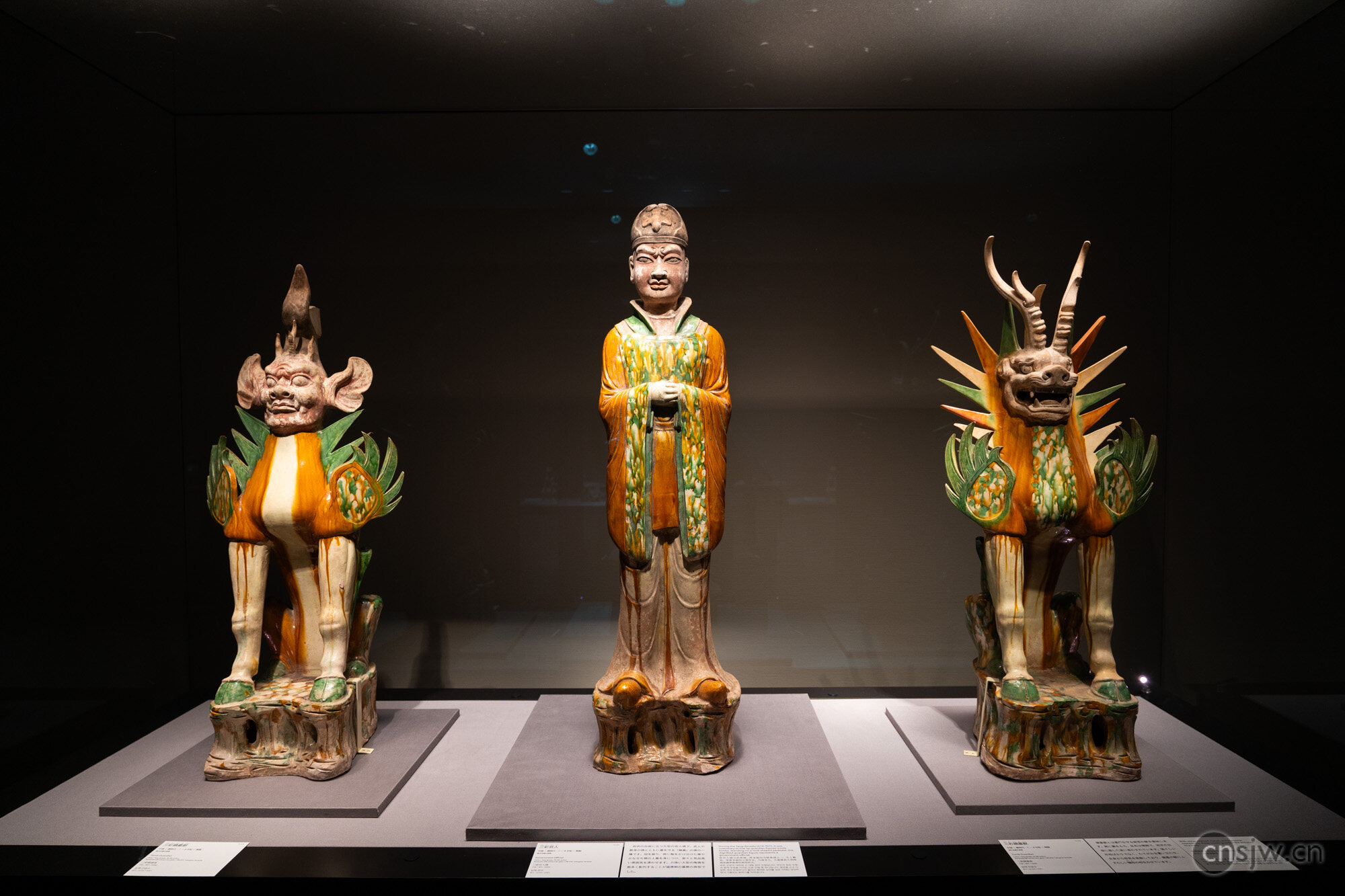
Heiseikan (Japanese Archaeology and Special Exhibitions): Opened in 1999 (Heisei 11) to commemorate the marriage of Crown Prince Naruhito (Prince Hiro). The first floor houses archaeological exhibition rooms, special project exhibition rooms, and an auditorium, while the second floor serves as a venue for special exhibitions.
Horyu-ji Treasures Gallery: Built in 1878 to house and display over 300 treasures dedicated to the Imperial Family by Horyu-ji Temple, it opened to the public in 1964. The current building is new and opened in 1999. It was designed by Yoshio Taniguchi (son of Yoshiro Taniguchi, who designed the Toyokan).
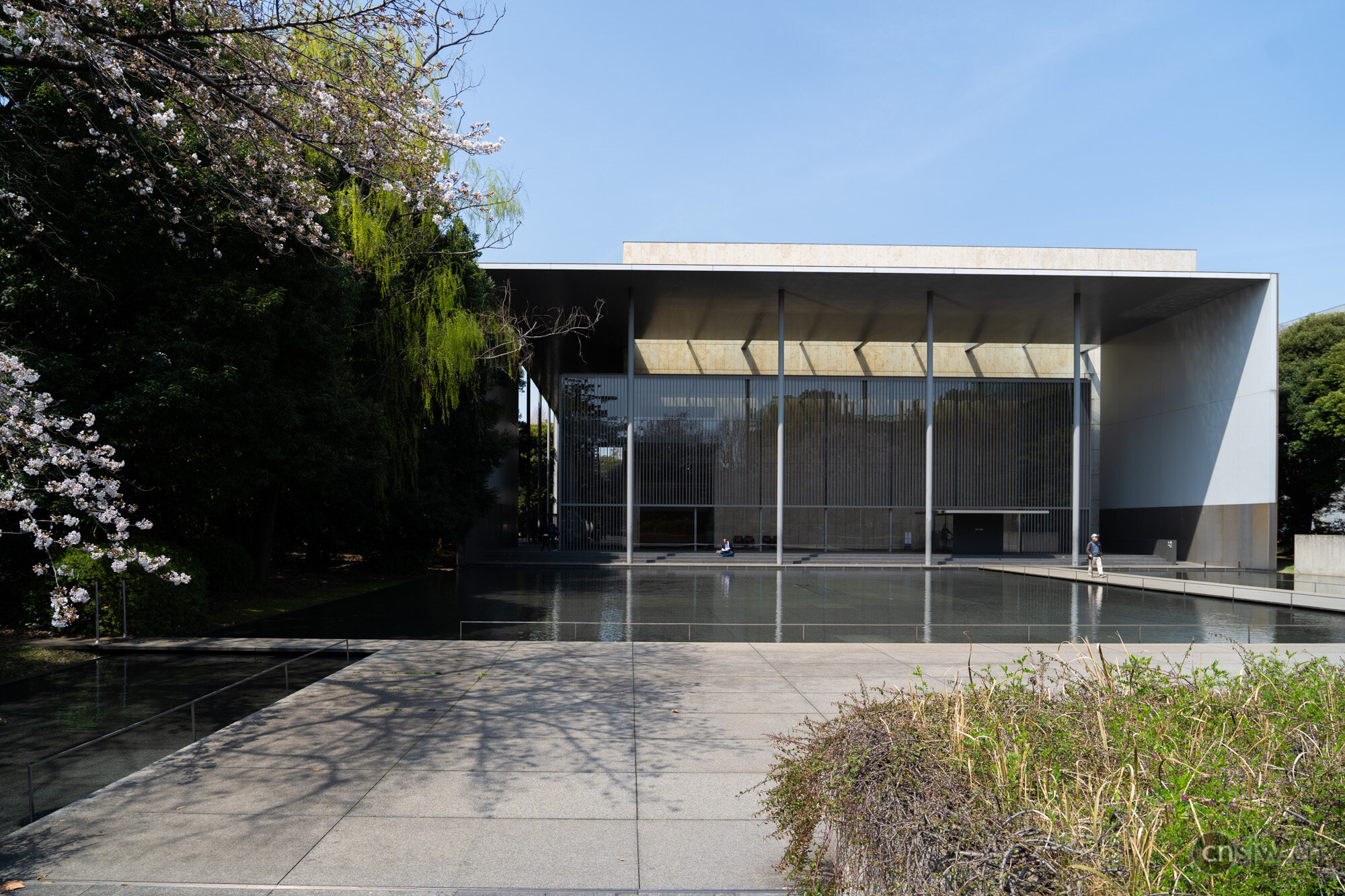
Although it was built in the 1990s, it looks incredibly modern.
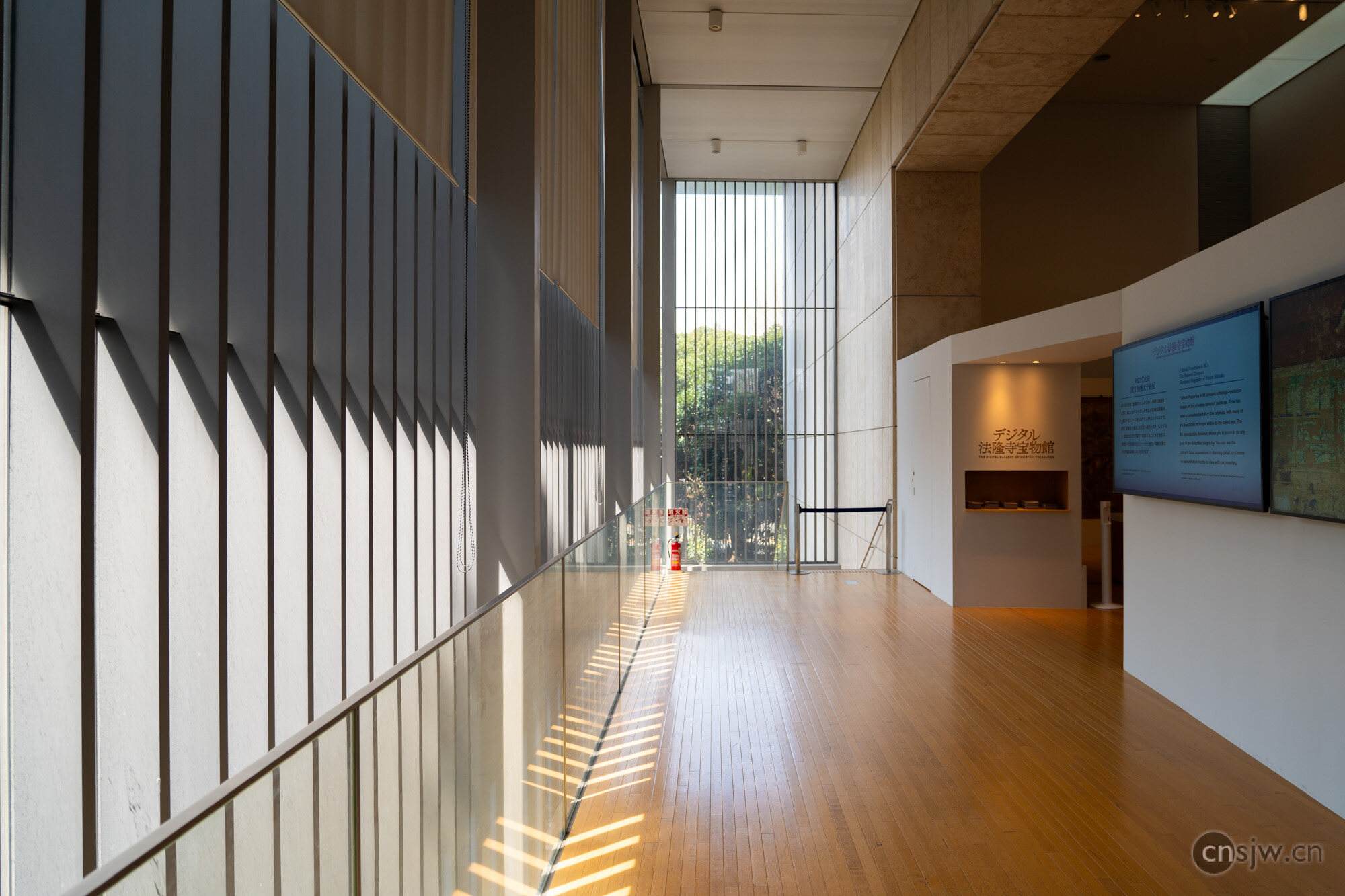
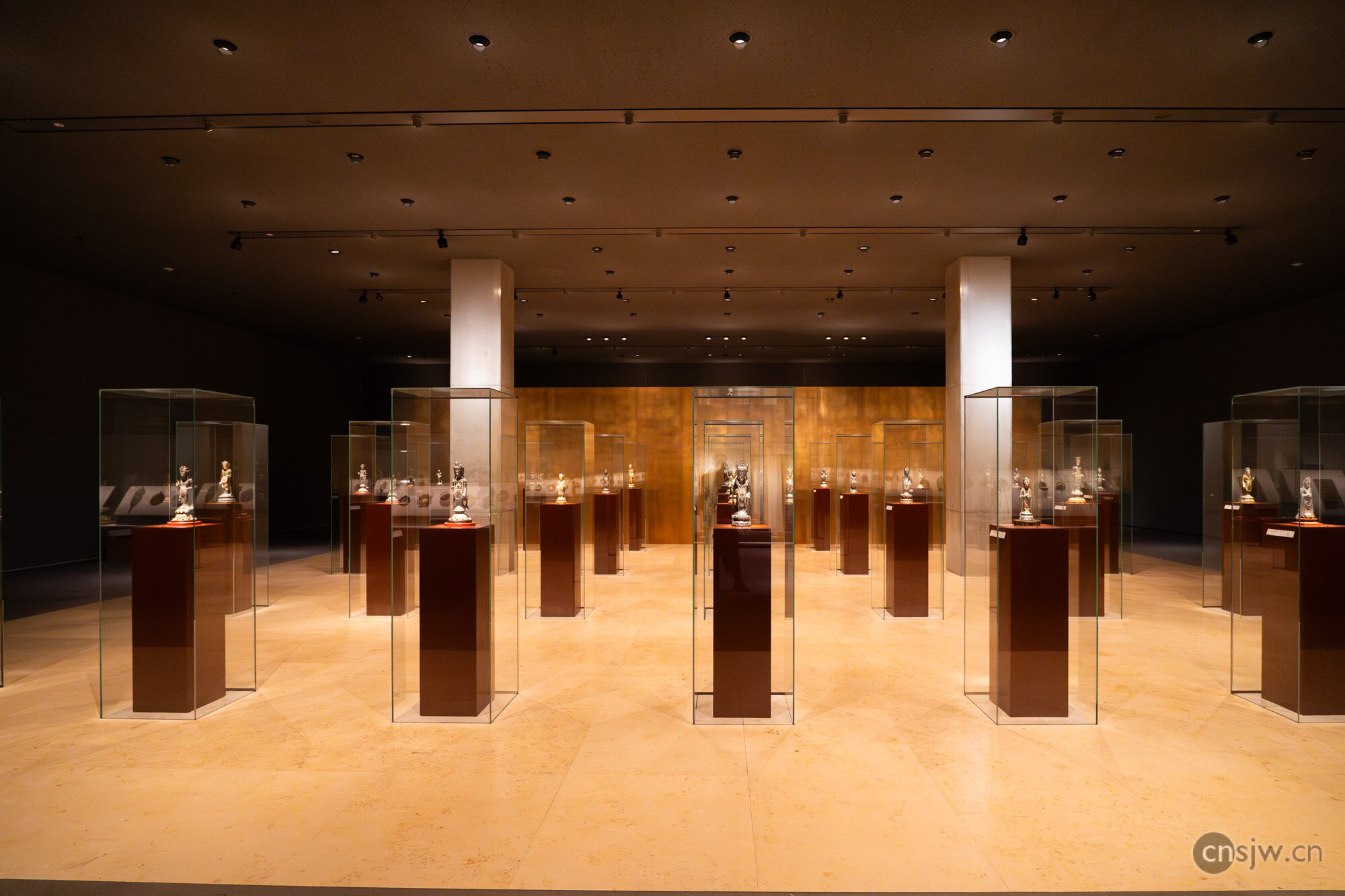
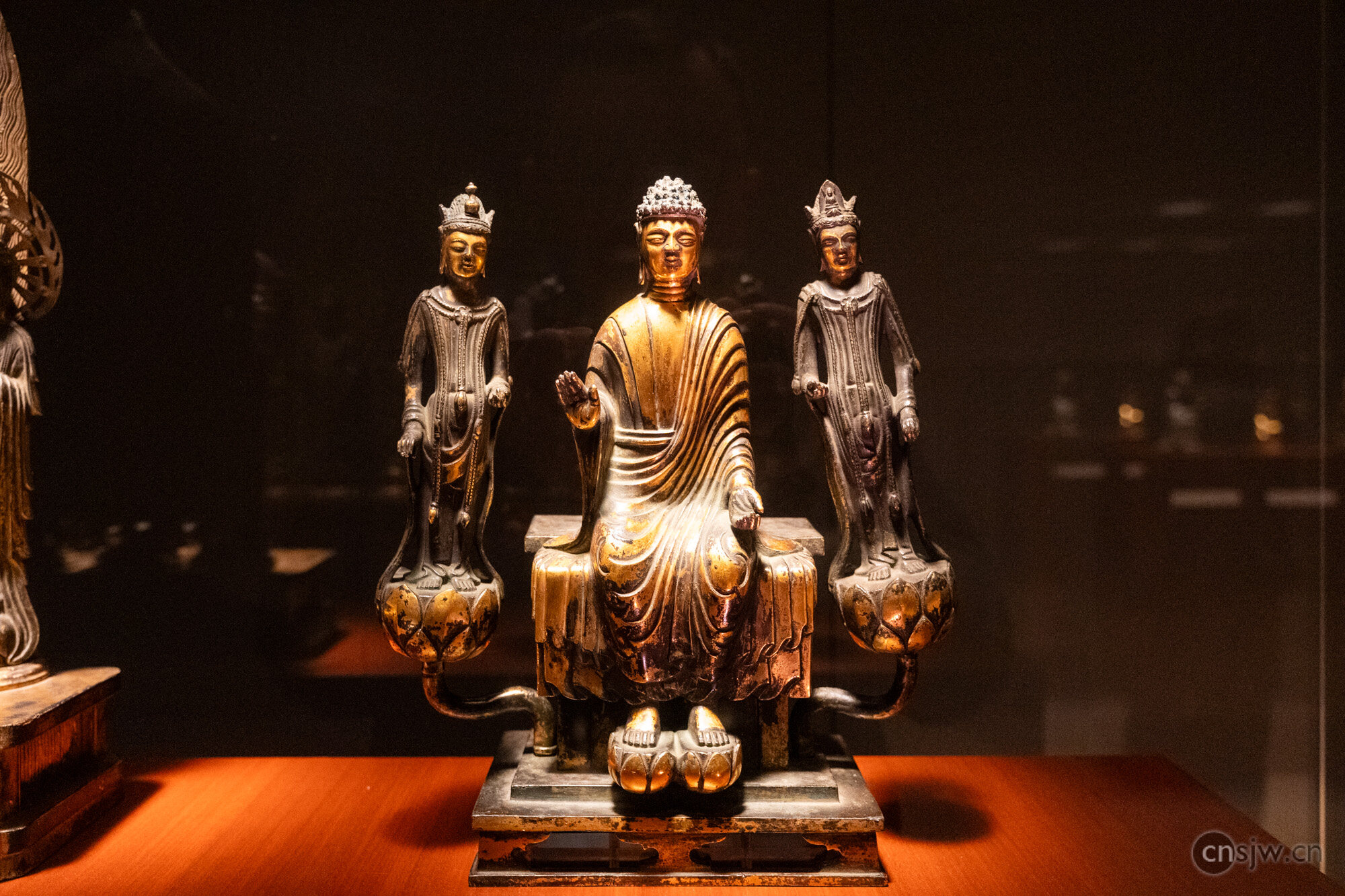
Hyokeikan: Built in 1909 to celebrate the marriage of Crown Prince Yoshihito (later Emperor Taisho). It was designed by court architect Tokuma Katayama. The building is designated as an Important Cultural Property of Japan. It has two floors with nine exhibition rooms. After World War II, it displayed archaeological materials for a long time and was also used for educational purposes. Currently, it serves as a venue for special exhibitions.
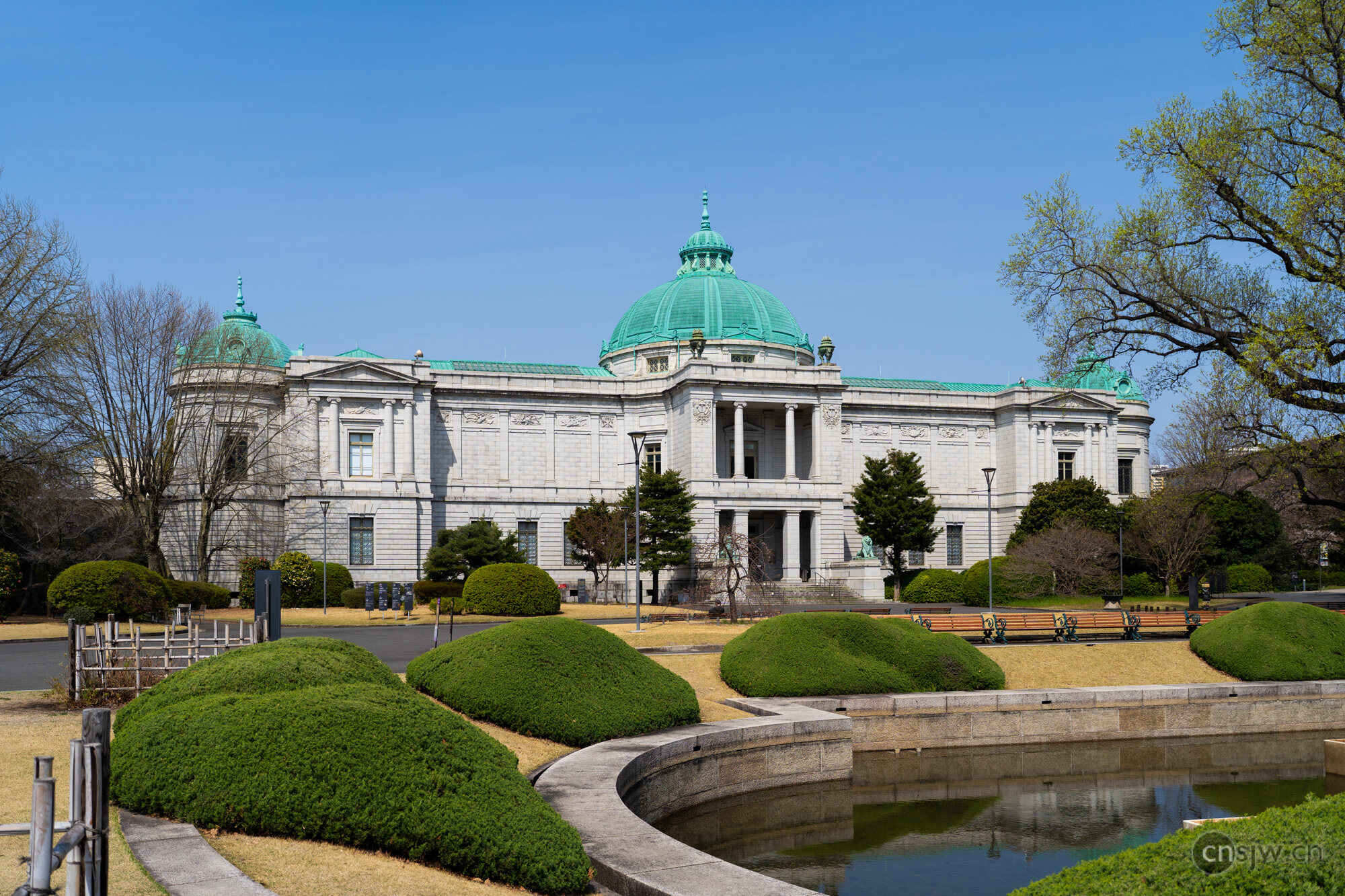
Some important artifacts are exhibited in rotation. You can find relevant information on the museum’s official website, including details on special exhibitions and opening/closing hours, which is very useful.
There is a garden behind the Honkan, and it’s quite beautiful when the cherry blossoms are in bloom~
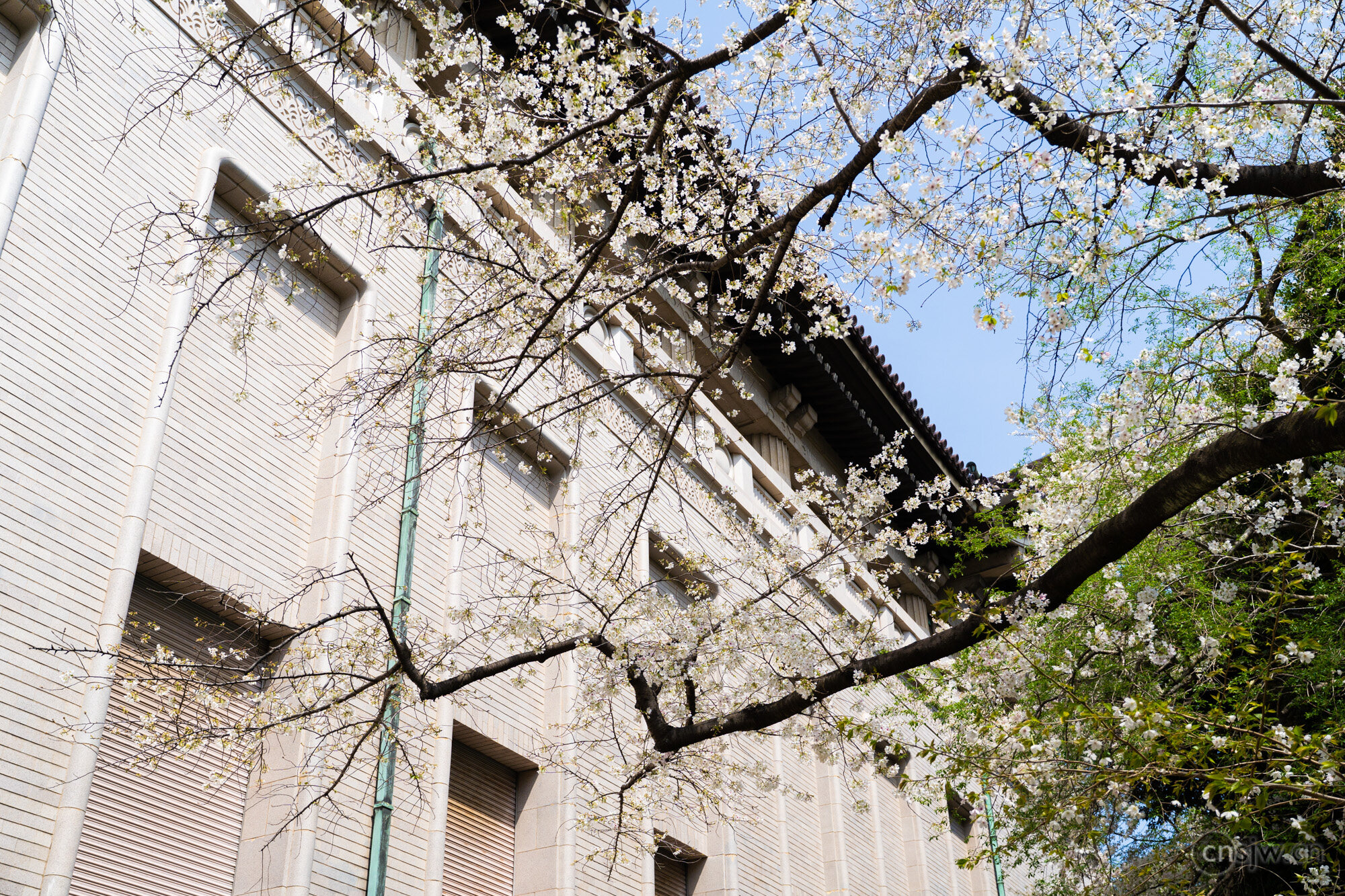
Ueno Onshi Park
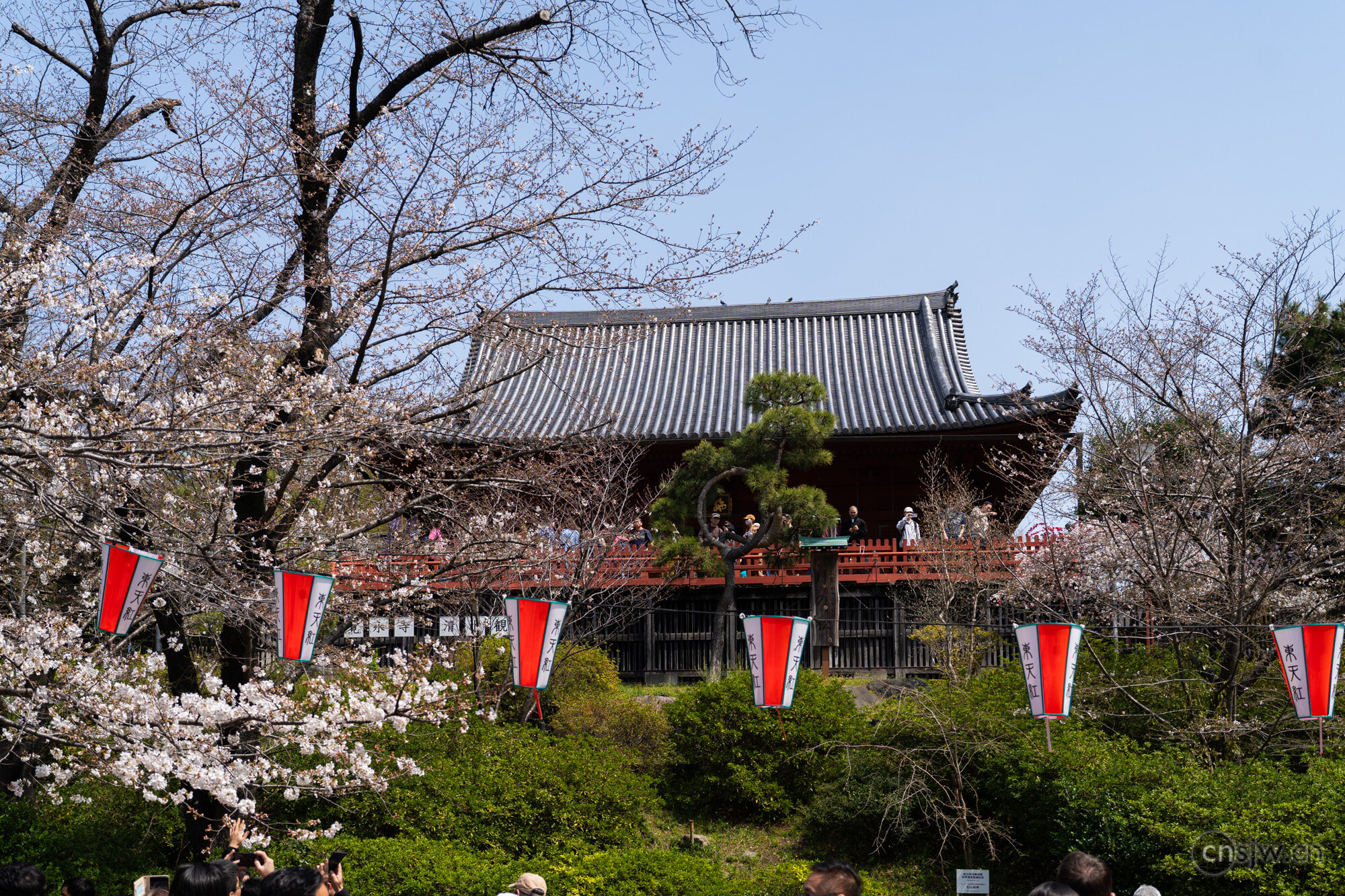
Afterwards, I went for a walk in the adjacent Ueno Onshi Park. I originally intended to see the cherry blossoms, but it was still a bit early; they had just started to bloom. Nevertheless, the park was already packed with people. There was also a market, making it very crowded. Fortunately, the park is quite large, so if you walk further in, the crowds thin out a bit.
Ueno Onshi Park is Japan’s first public park, covering an area of approximately 530,000 square meters. The entire area was designated as a park in 1873 and officially opened in 1876. The park was originally owned by the Imperial Family until 1924, when Emperor Taisho granted (bestowed) it to the City of Tokyo for management, hence the name “Onshi Park” (Imperial Gift Park).
In addition to the National Museum, the park houses other important cultural facilities in Tokyo, such as the National Museum of Western Art, the National Museum of Nature and Science, and Ueno Zoo. It also features a bronze statue of Saigo Takamori sculpted by Koun Takamura.
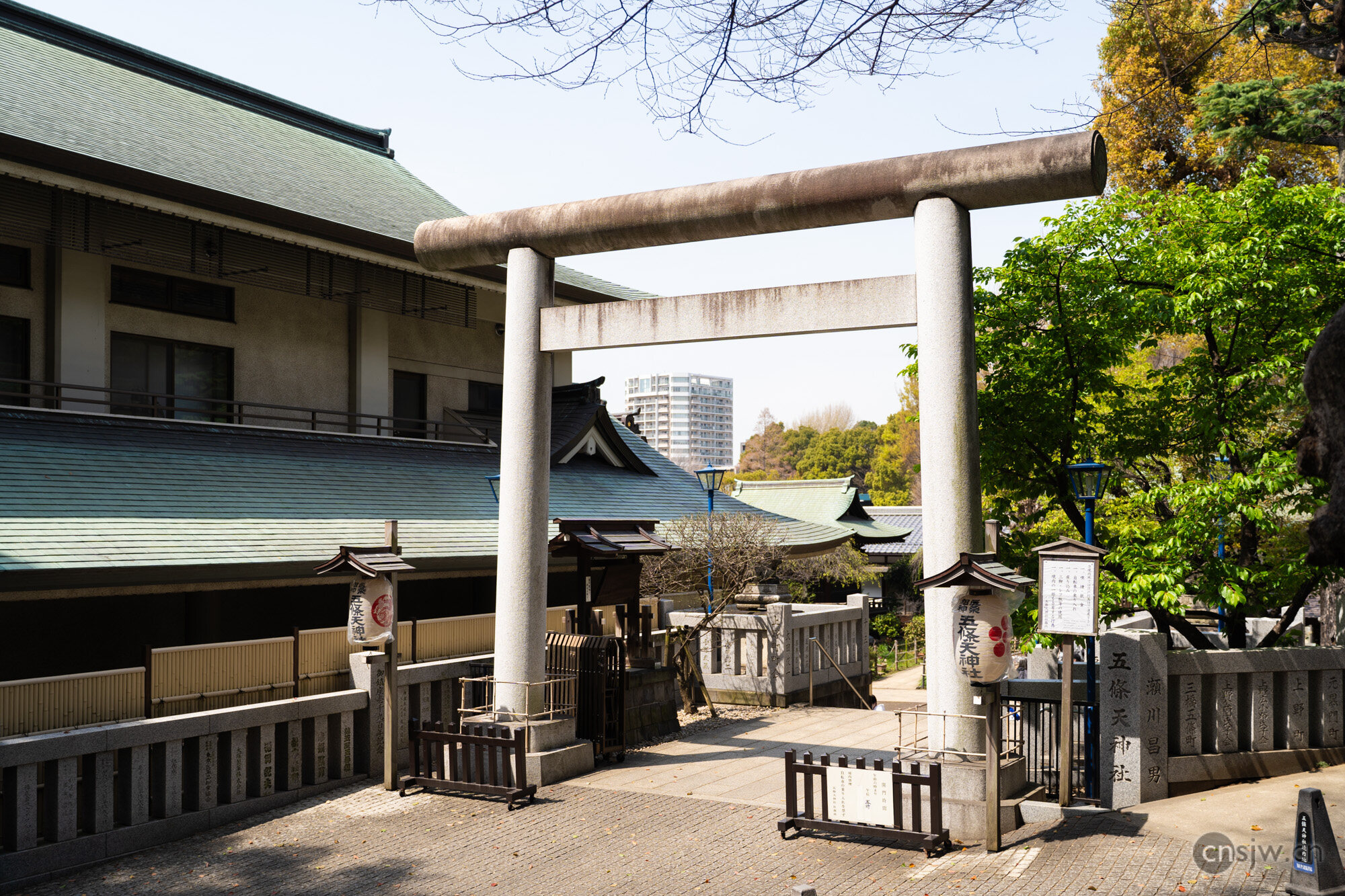
Gojo Tenjin Shrine: Famous as a shrine dedicated to the ancestors of medicine, it enshrines two gods of medicine as well as the god of learning. Visitors come not only to pray for good health but also include medical professionals, pharmaceutical workers, and medical students.
Shinobazu Pond Bentendo: Shinobazu Pond is a natural pond located within Ueno Park. In the center of the pond lies Benten Island, which houses a hall dedicated to Benzaiten. The pond is divided into three sections by embankment walkways: the Lotus Pond, covered with lotus plants; the Boat Pond, where boating is available; and the Cormorant Pond, where cormorants are kept.
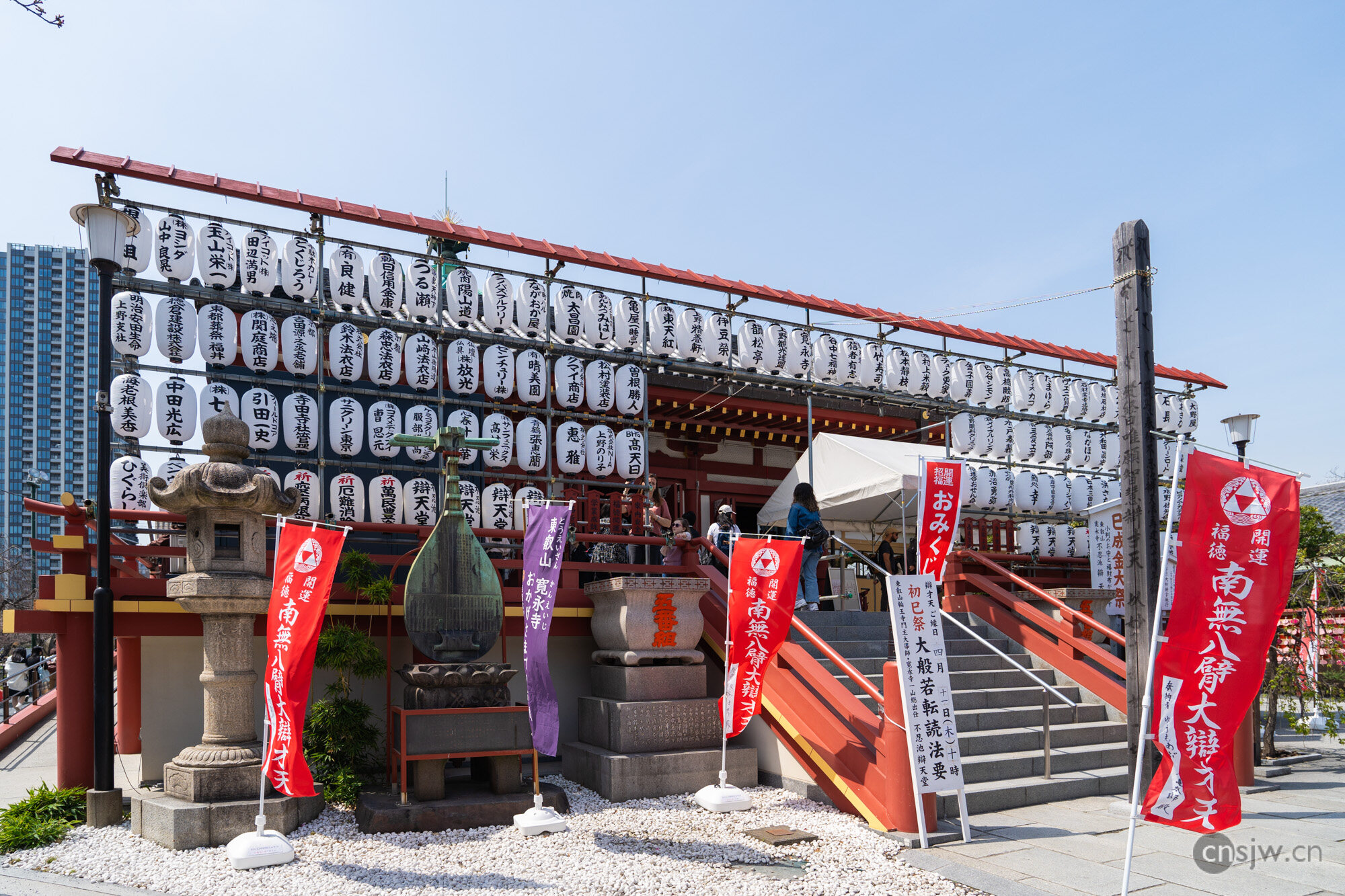
Kan’ei-ji Temple: A head temple of the Tendai sect, its principal deity is Yakushi Nyorai. Three wooden statues of Yakushi Buddha housed within the temple are designated as Important Cultural Properties by the Japanese government. Kan’ei-ji was founded by Tokugawa Iemitsu and built in 1625 by its first chief priest, Tenkai. Because construction began during the Kan’ei era, it was named Kan’ei-ji. It is also one of the bodai-ji (family temples) of the Tokugawa clan.




Support



Read this article on WeChat