
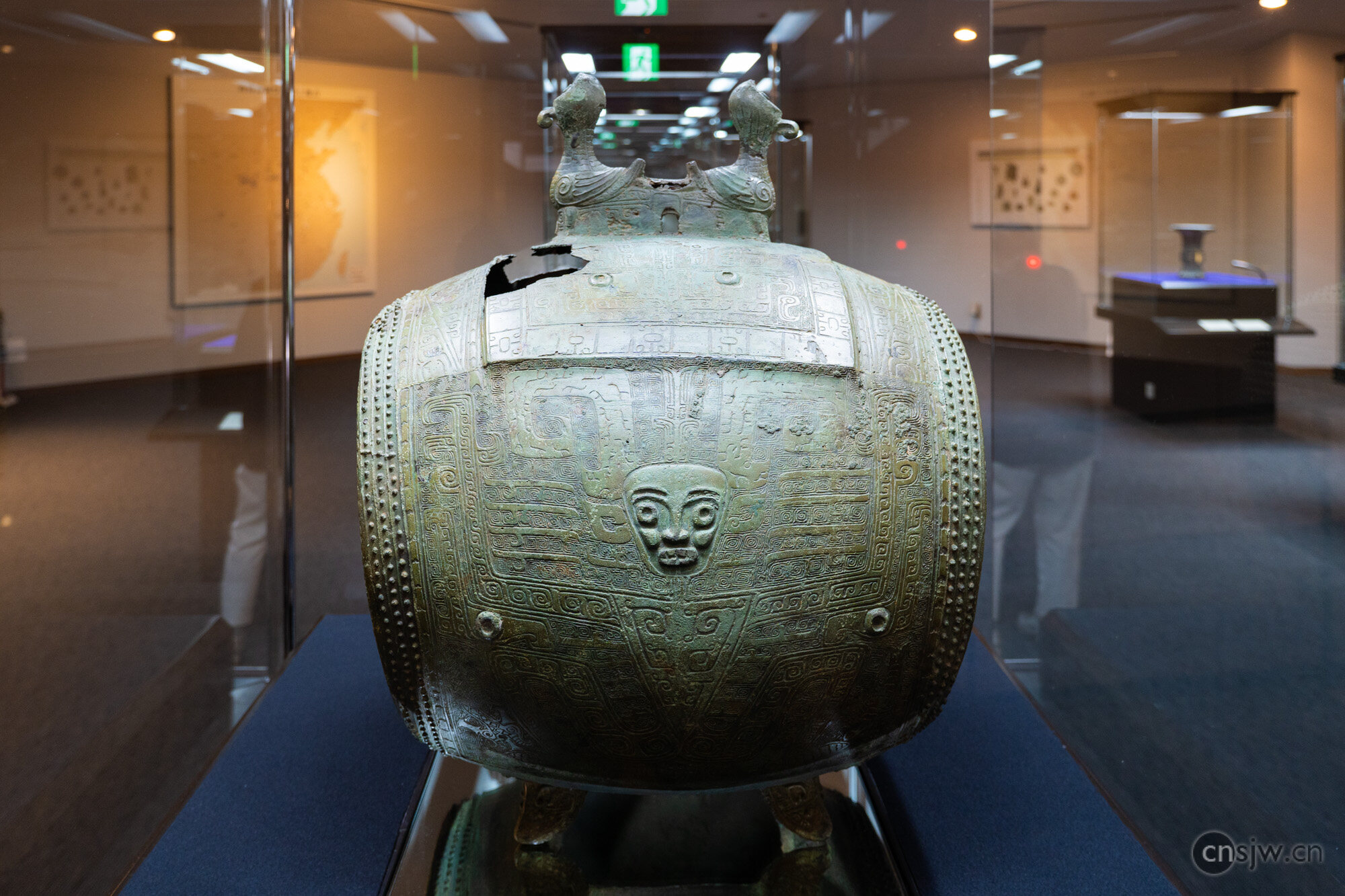
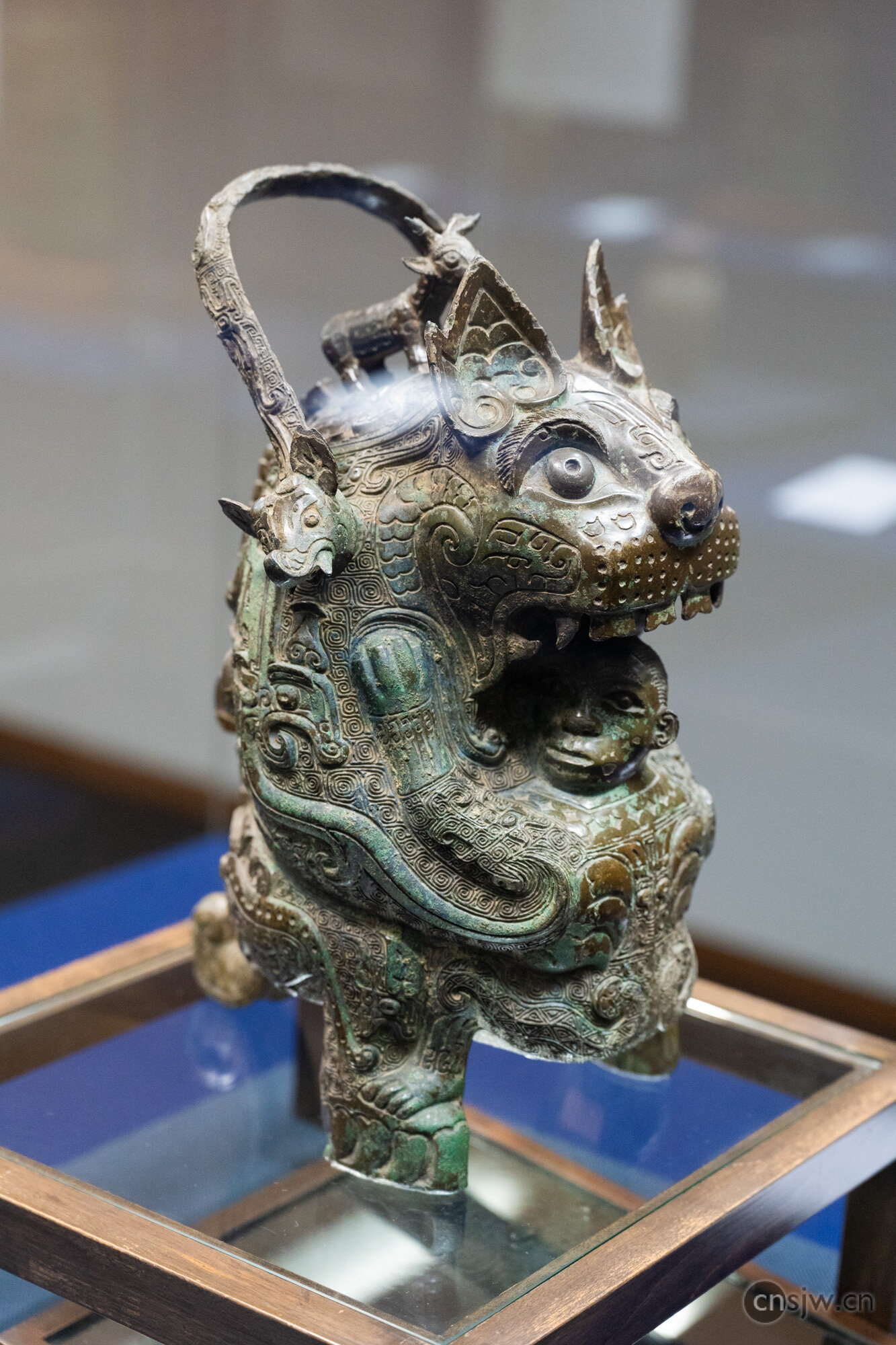
Sen-oku Hakuko Kan is a museum located in Kyoto. In 1960, the Sumitomo family decided to establish a museum dedicated to displaying approximately 500 bronze vessels and ancient bronze mirrors from the family collection. Among them, the two most valuable bronze artifacts are the Shang dynasty “Kui Spirit Drum” and the Shang dynasty “Tiger Eating Man You,” both formerly in the collection of the 15th head of the family, Sumitomo Shunsui. In 1970, the Sen-oku Hakuko Kan Bronze Gallery was completed and opened in Shishigatani, Kyoto. In 1986, a new annex was built adjacent to the Bronze Gallery as a temporary exhibition space. In 2002, Sen-oku Hakuko Kan established a branch in Roppongi, Tokyo.
The museum’s collection comprises over 3,000 items, with its core holdings consisting of approximately 500 Chinese bronze vessels and ancient bronze mirrors. The name “Sen-oku” is derived from the family’s business name, while “Hakuko” comes from the Song dynasty Chinese bronze catalog “Xuanhe Bogu Tulu.”
The thematic exhibition “The Age of Chinese Bronzes” is a permanent feature of Sen-oku Hakuko Kan. Drawing on the museum’s collection of approximately 500 Chinese bronzes, it features three permanent galleries—”Masterpieces of Bronze Art,” “Types and Uses of Bronzes,” and “Development of Bronze Culture”—along with a temporary exhibition gallery that changes themes annually. These exhibitions introduce the history, types, and uses of bronze vessels, showcasing the charm of bronze art.
- “Masterpieces of Bronze Art” displays exceptional Chinese bronze vessels from the Shang and Zhou dynasties in the museum’s collection, such as the Shang dynasty “Kui Spirit Drum” and the “Taotie Pattern Square Lei.” The “Kui Spirit Drum” is one of only two known surviving Shang dynasty bronze drums. It derives its name from the decorative motifs on its body depicting the legendary “Kui Spirit,” an official in charge of court music. The drum exhibits a rich green patina throughout; its top is cast with a pair of phoenixes, and both drumheads were originally covered with crocodile skin. With walls merely 3 to 5 millimeters thick, it stands as a masterpiece demonstrating the high level of craftsmanship achieved in Shang dynasty bronzes.
- “Types and Uses of Bronzes” introduces the main categories of bronze vessels and their usage in contexts such as rituals, banquets, and ceremonies. Exhibits include musical instruments like the “Biao Qiang Bell,” wine vessels like the “Jian You,” food vessels like the “Chi-pattern Yan,” and ritual vessels like the “Frog and Snake Pattern Pan.”
- “The Development of Bronze Culture” introduces the evolution of Chinese bronze culture from the Qin and Han dynasties onward, with a focus on bronze mirrors. Key exhibits include the Western Han “Lidded Pot with Swing Handle” and the Tang Dynasty “Renshou Suanni Mirror,” among others.
The museum’s regular opening hours are 10:00–17:00, and it is closed on Mondays. It is advisable to check their official website for the latest operating hours before visiting. Public transportation is limited to buses, but it is quite convenient—the entrance is right at the bus stop, so there’s hardly any walking involved. Compared to museums in China, although this one is relatively small, its environment is exceptionally pleasant. Every exhibit is a masterpiece, and the place is completely uncrowded. There’s also a lounge offering a variety of complimentary beverages.
Kuishen Drum, Late Shang Dynasty
Tiger Eating Man You, Late Shang Dynasty
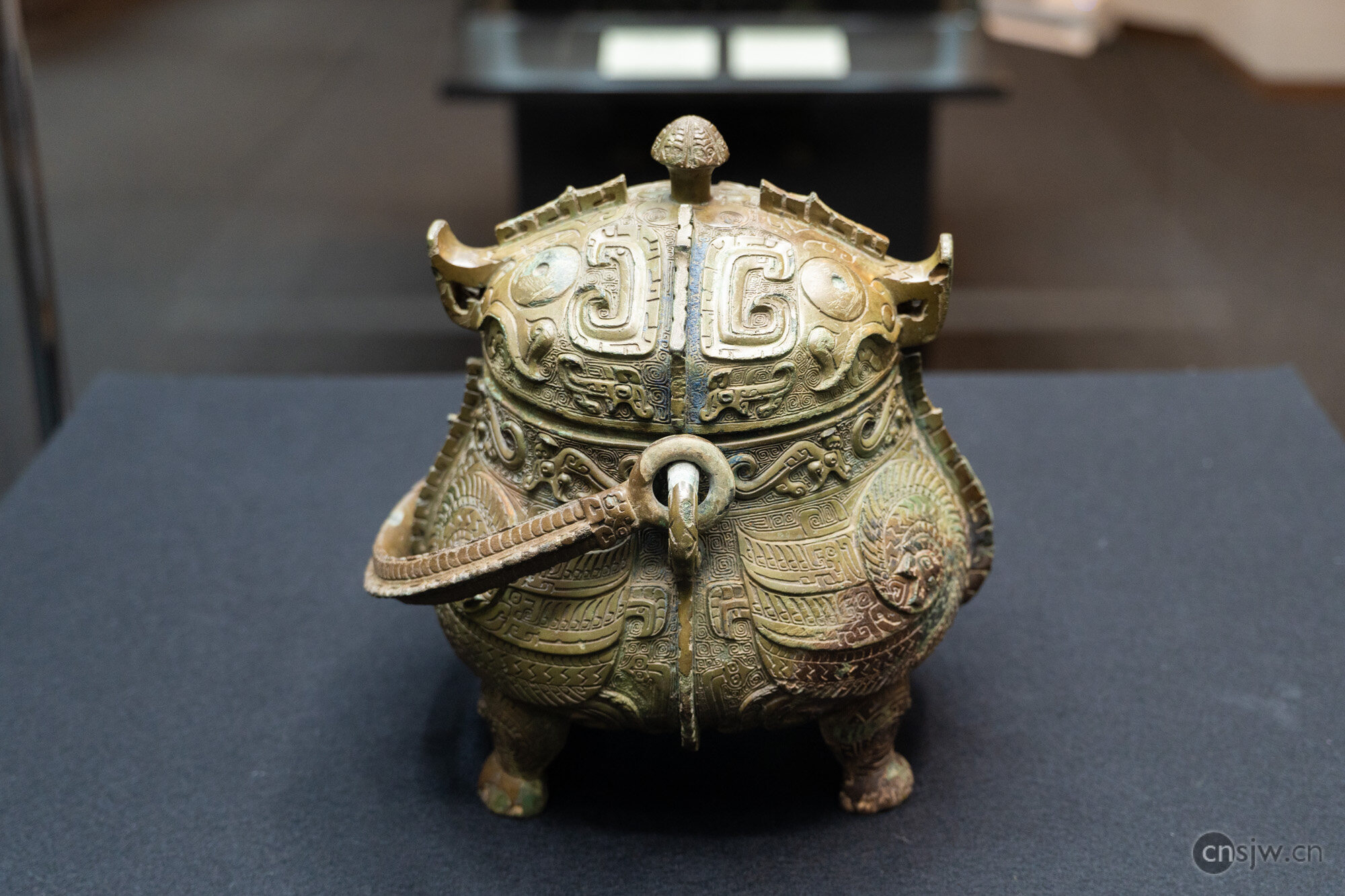
Owl-shaped You, Late Shang Dynasty
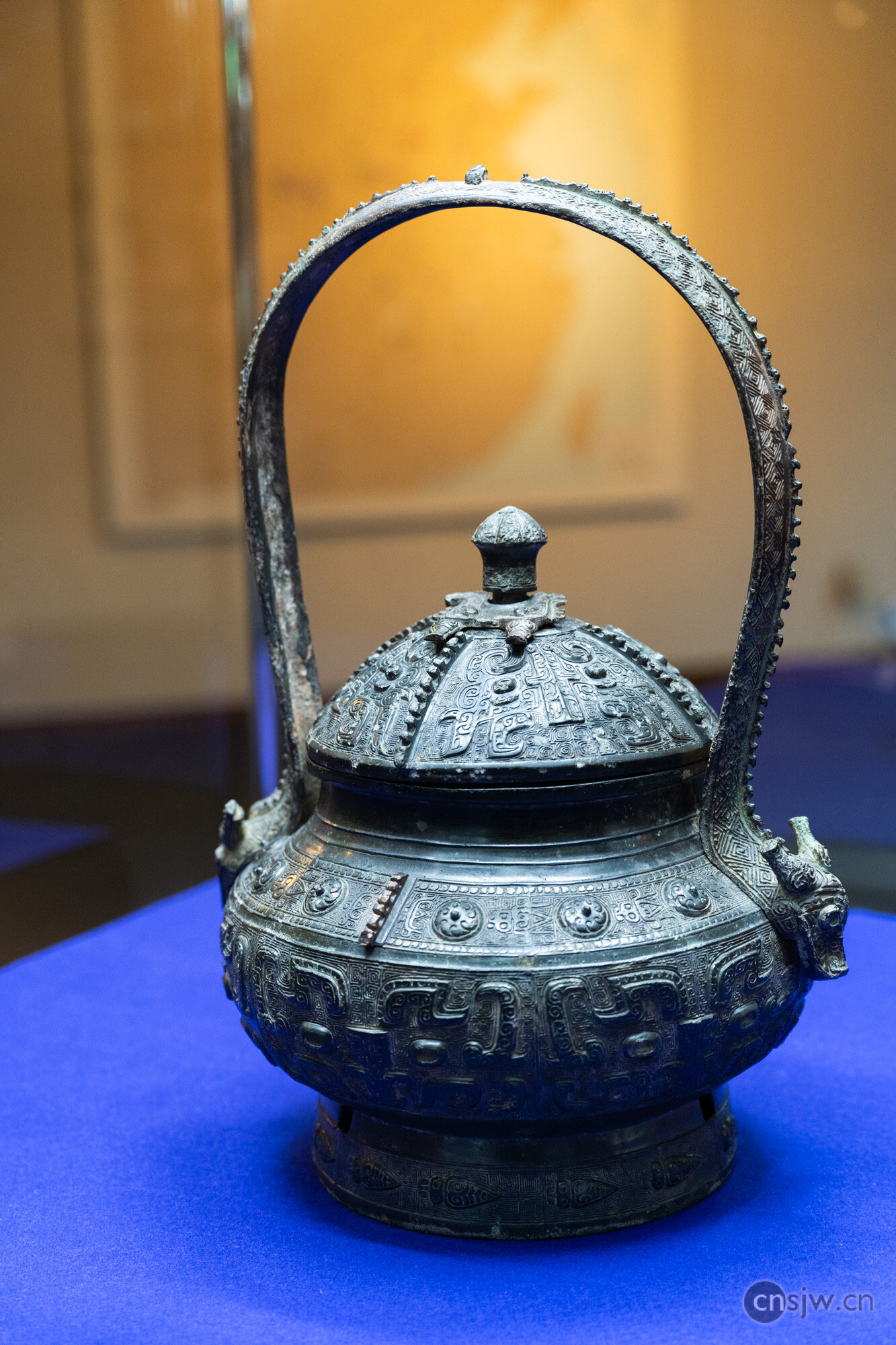
Bu-shaped You, Late Shang Dynasty
Owl Zun, Late Yin Period
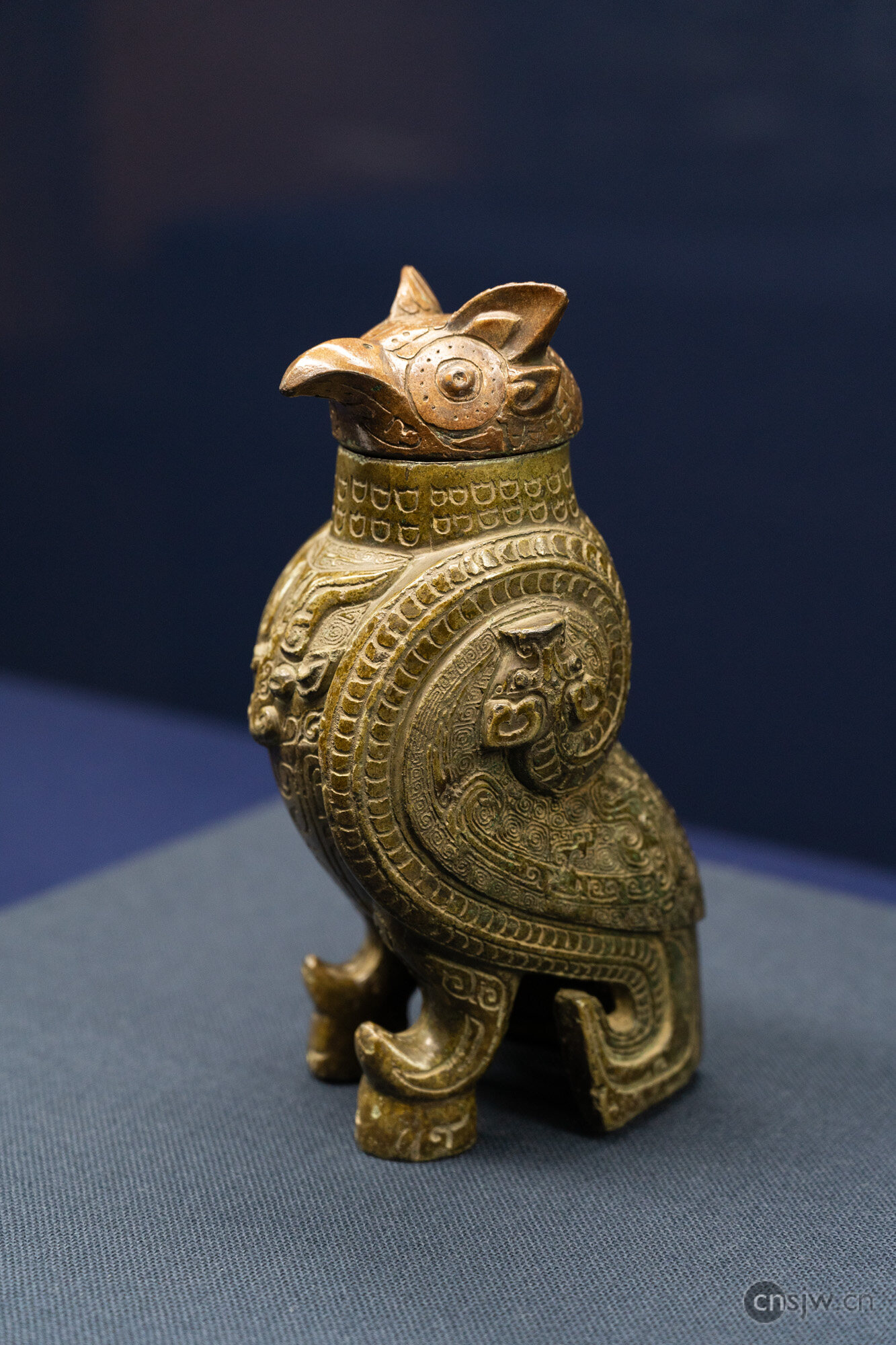
Ge You, Late Shang Dynasty
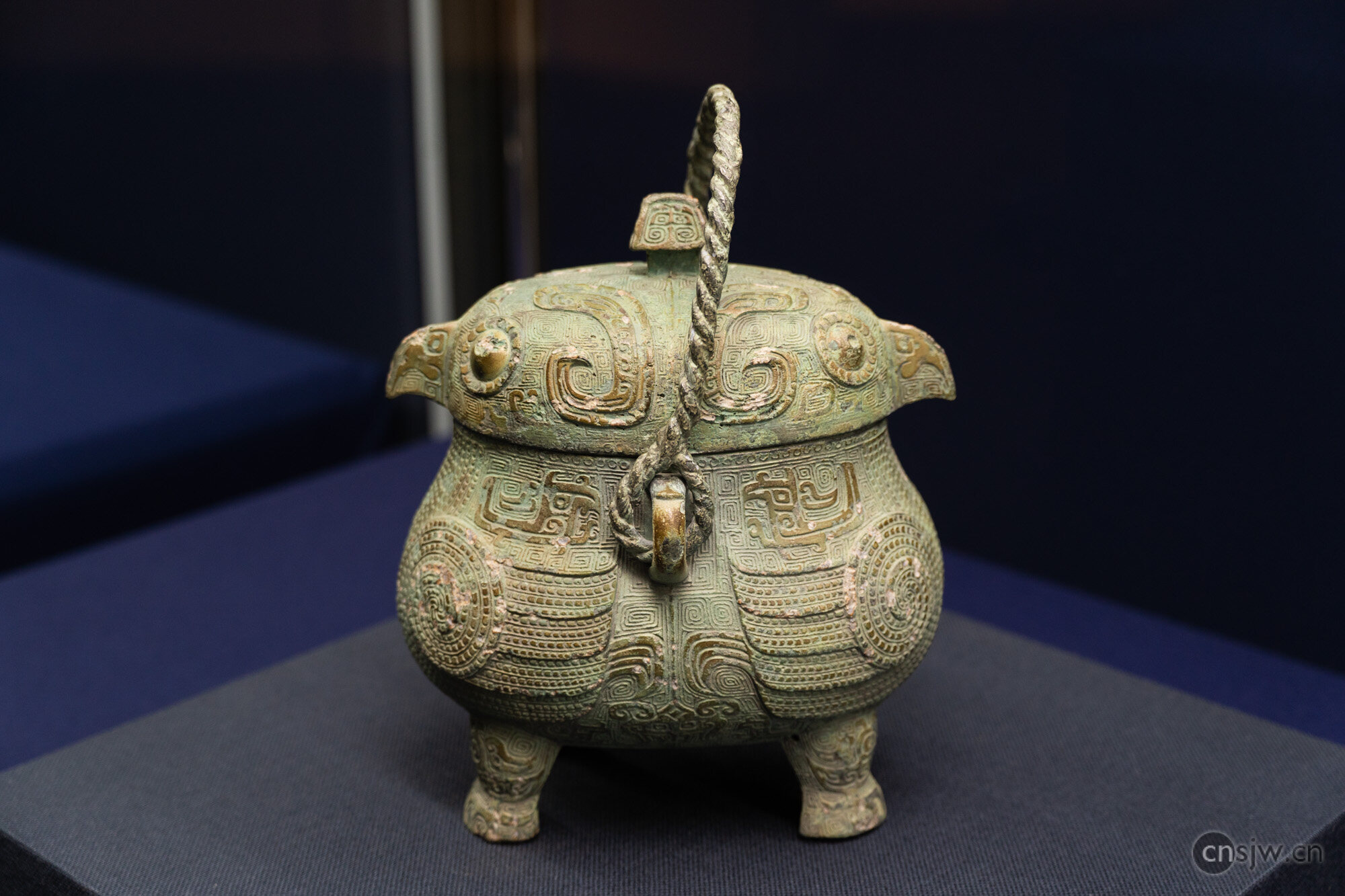
Tiger Bo, Early Spring and Autumn Period
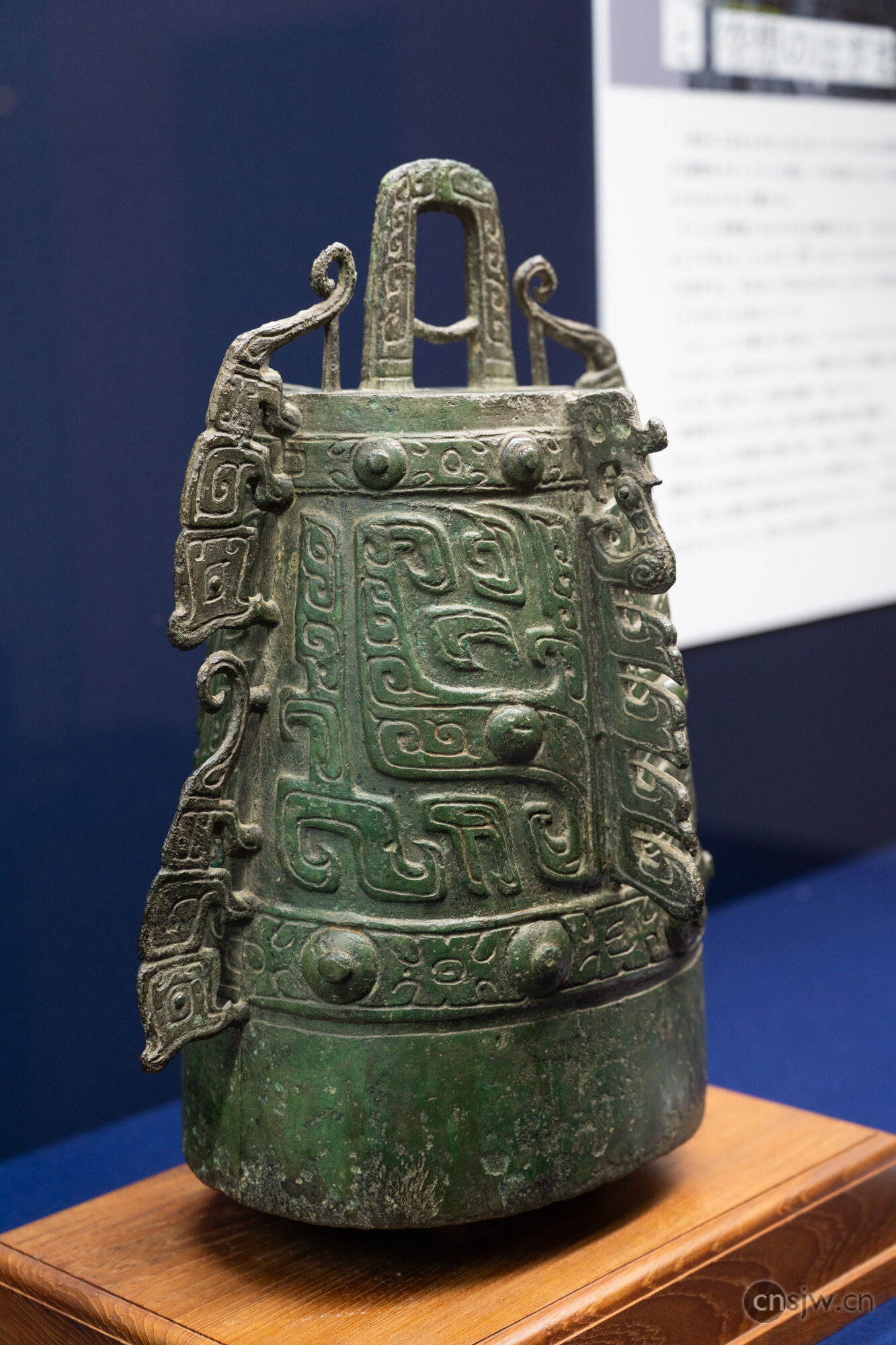
Elephant-shaped Si Gong, Late Yin Dynasty
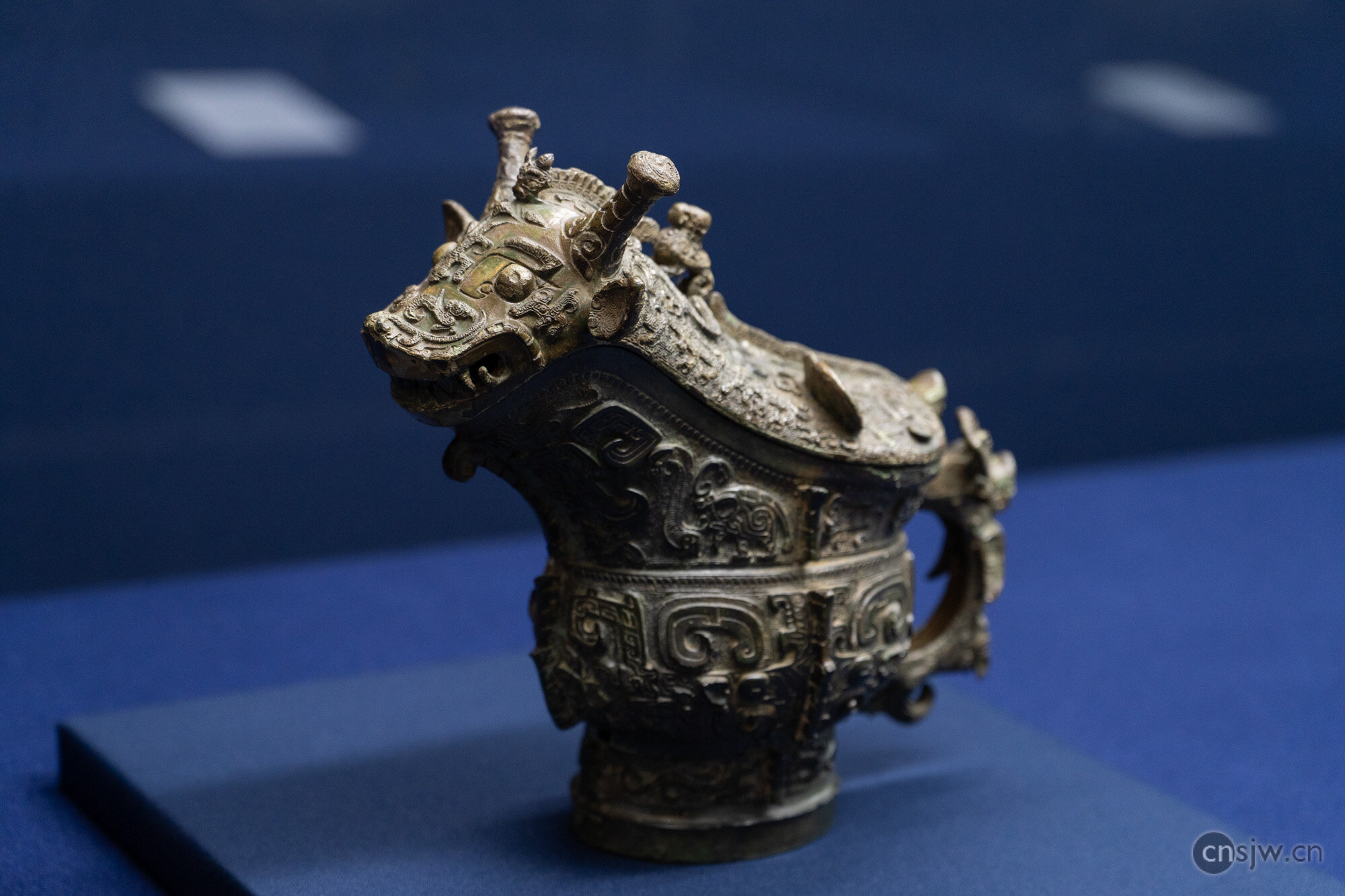
The entire exhibition hall is not very large, spanning two floors. Aside from the volunteers, there are hardly any visitors, and those who do visit are mostly elderly Japanese people. The volunteers, who are also quite advanced in age, offer guided tours with great enthusiasm, but only in Japanese.
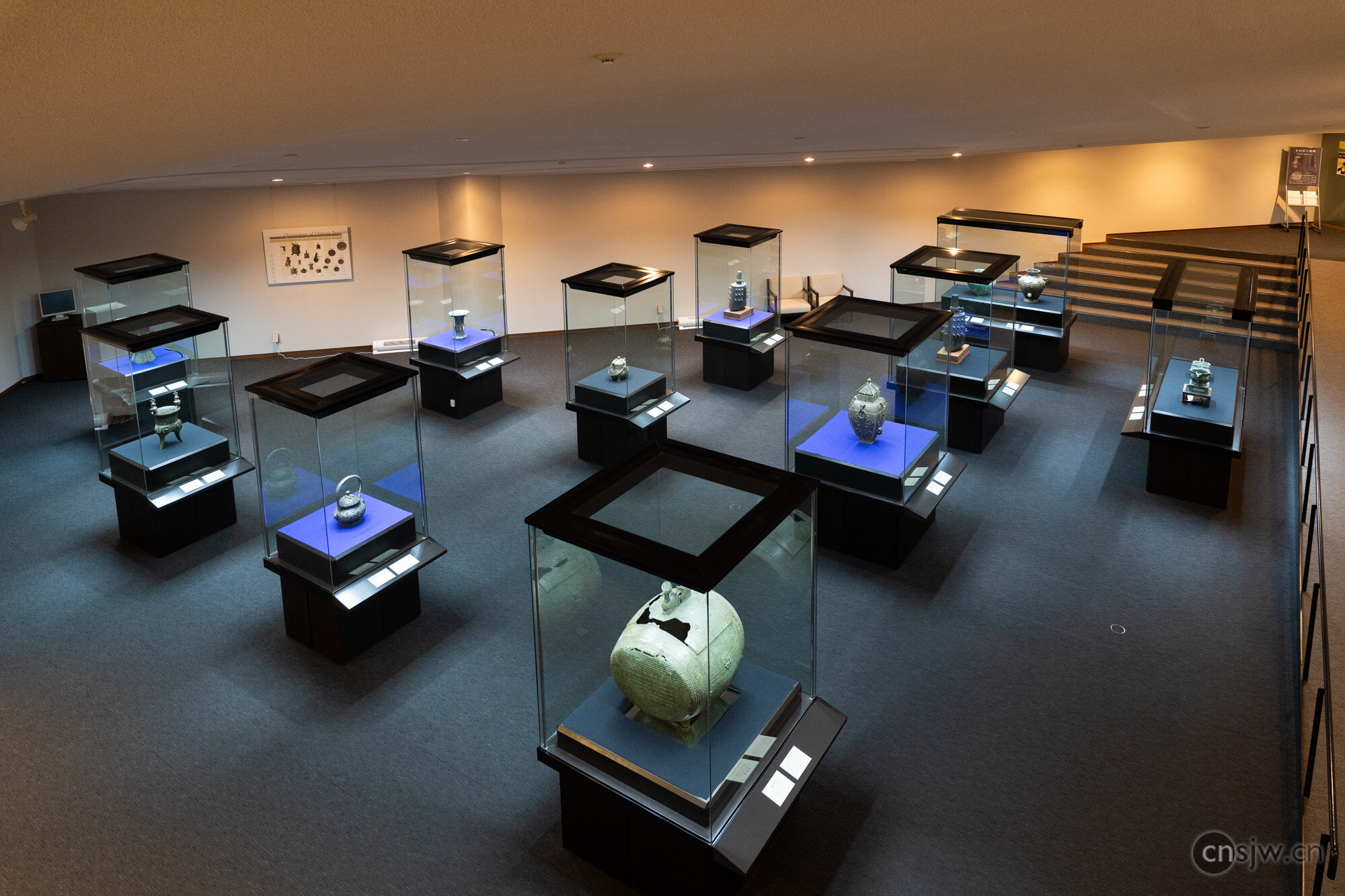
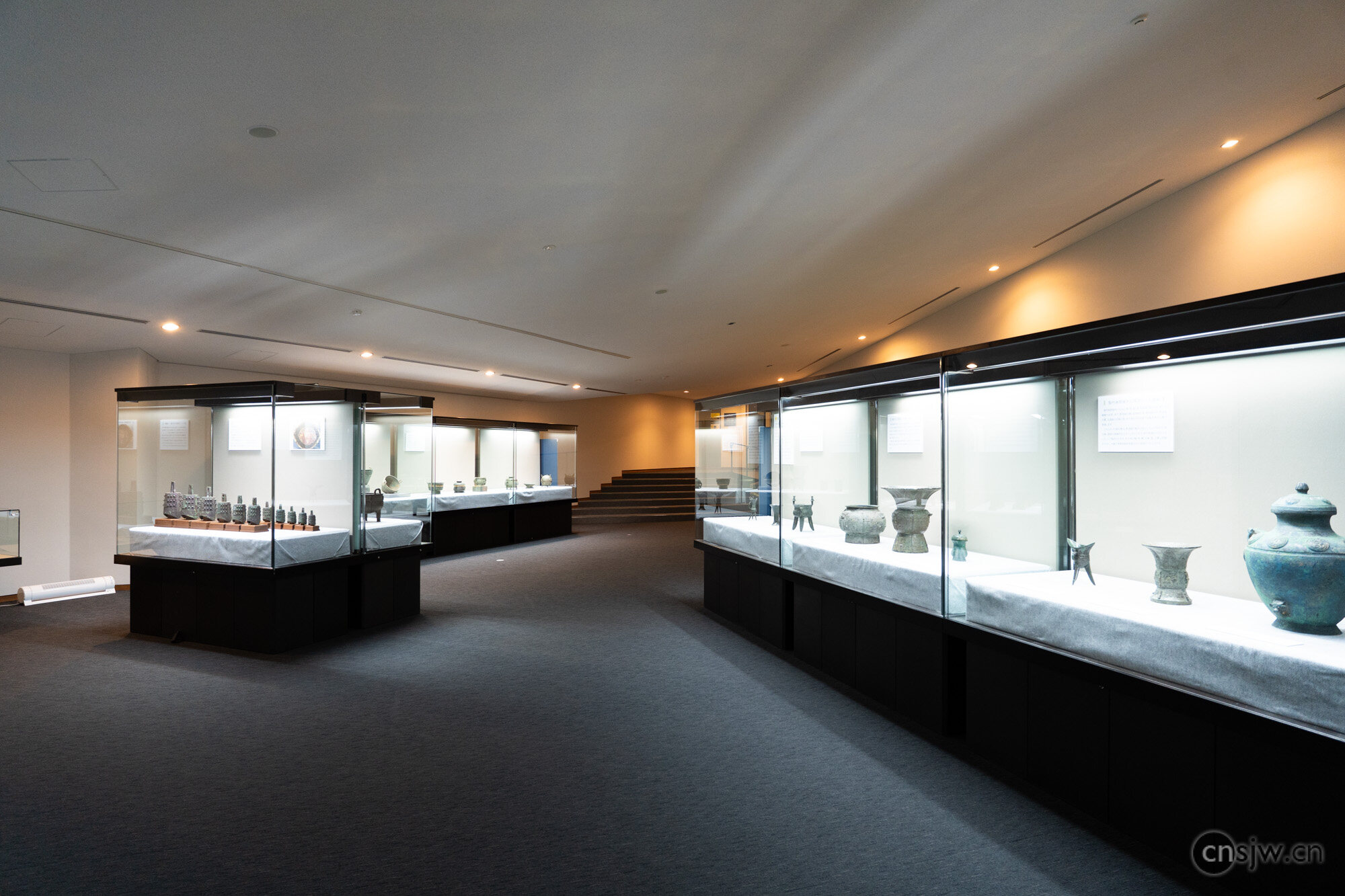
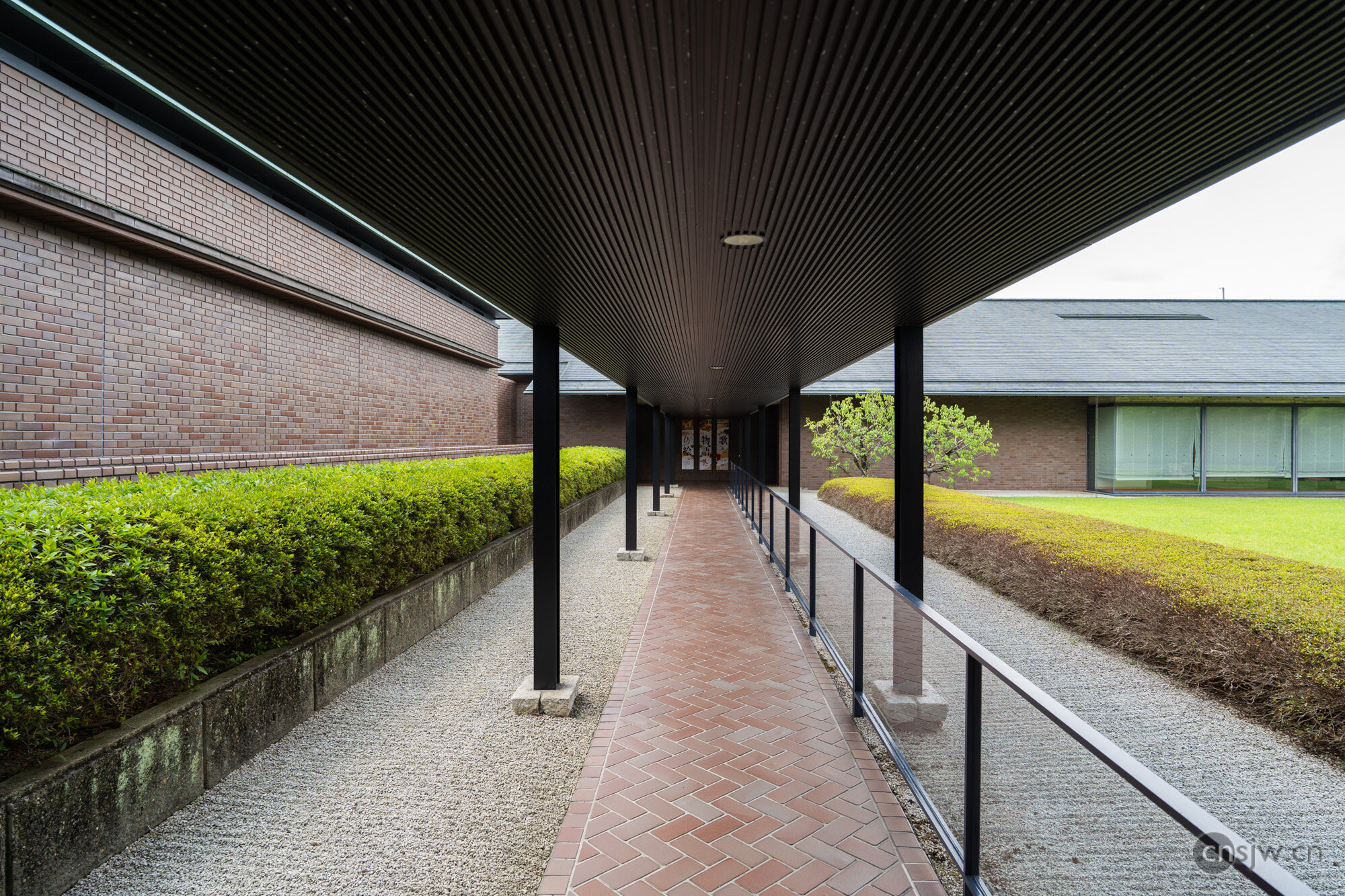
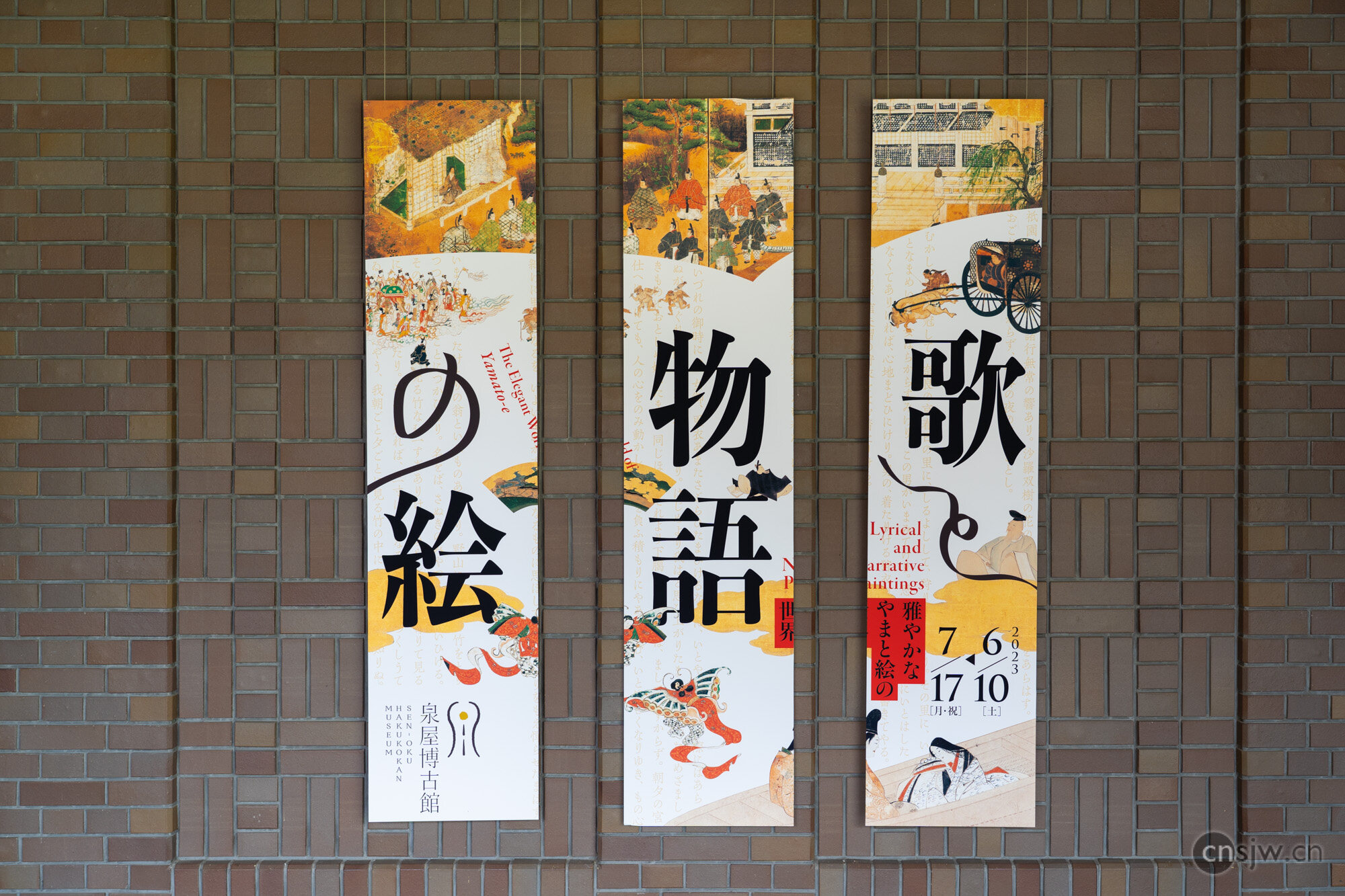
There is a corridor leading to the temporary exhibition area, where exhibitions are updated from time to time. The exhibition space is small; at the time of my visit, the exhibition was “Paintings of Waka and Monogatari: The Elegant World of Yamato-e,” and photography was not permitted inside the museum.



Support



Read this article on WeChat