
Fushimi Inari Taisha
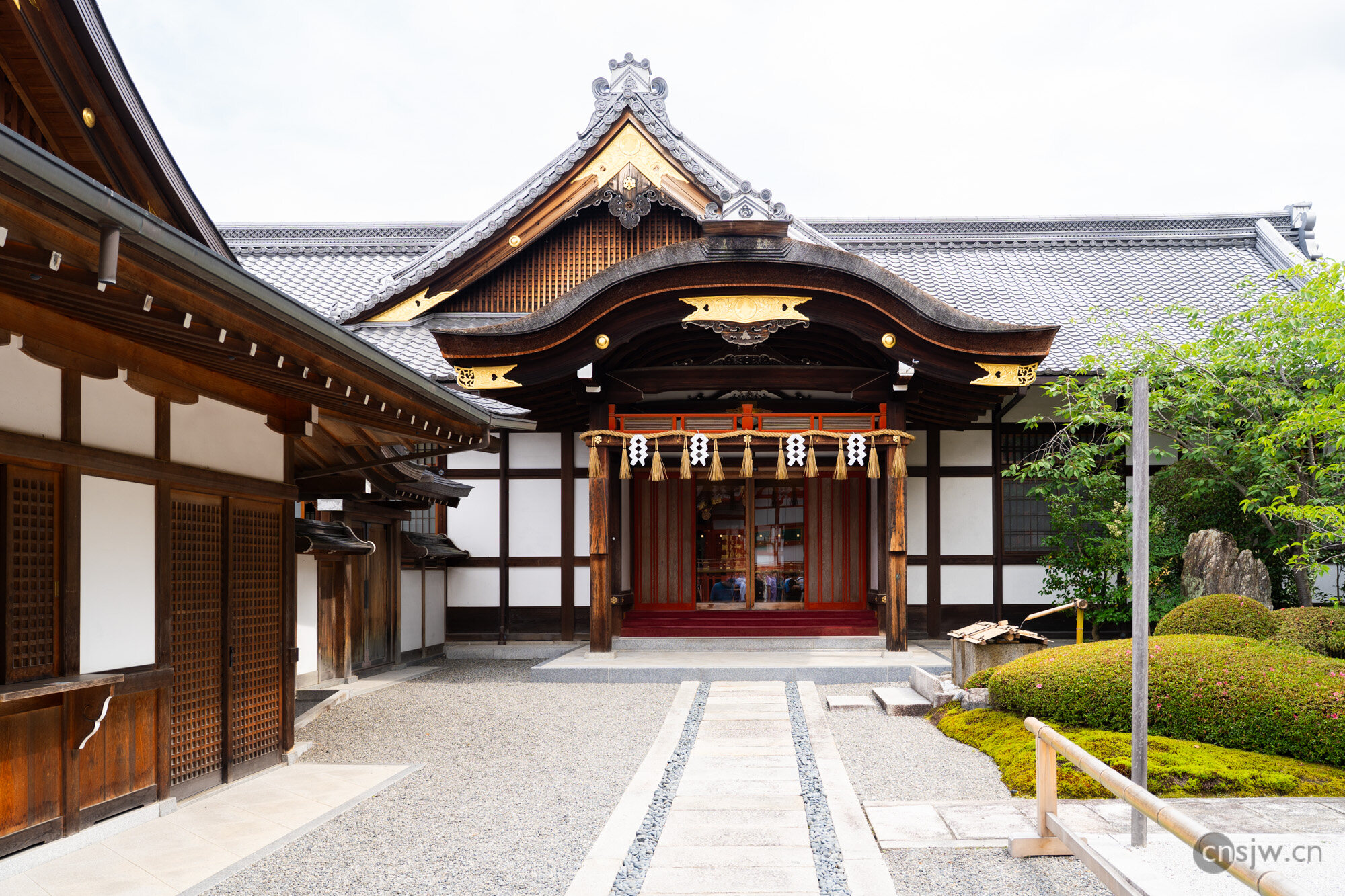
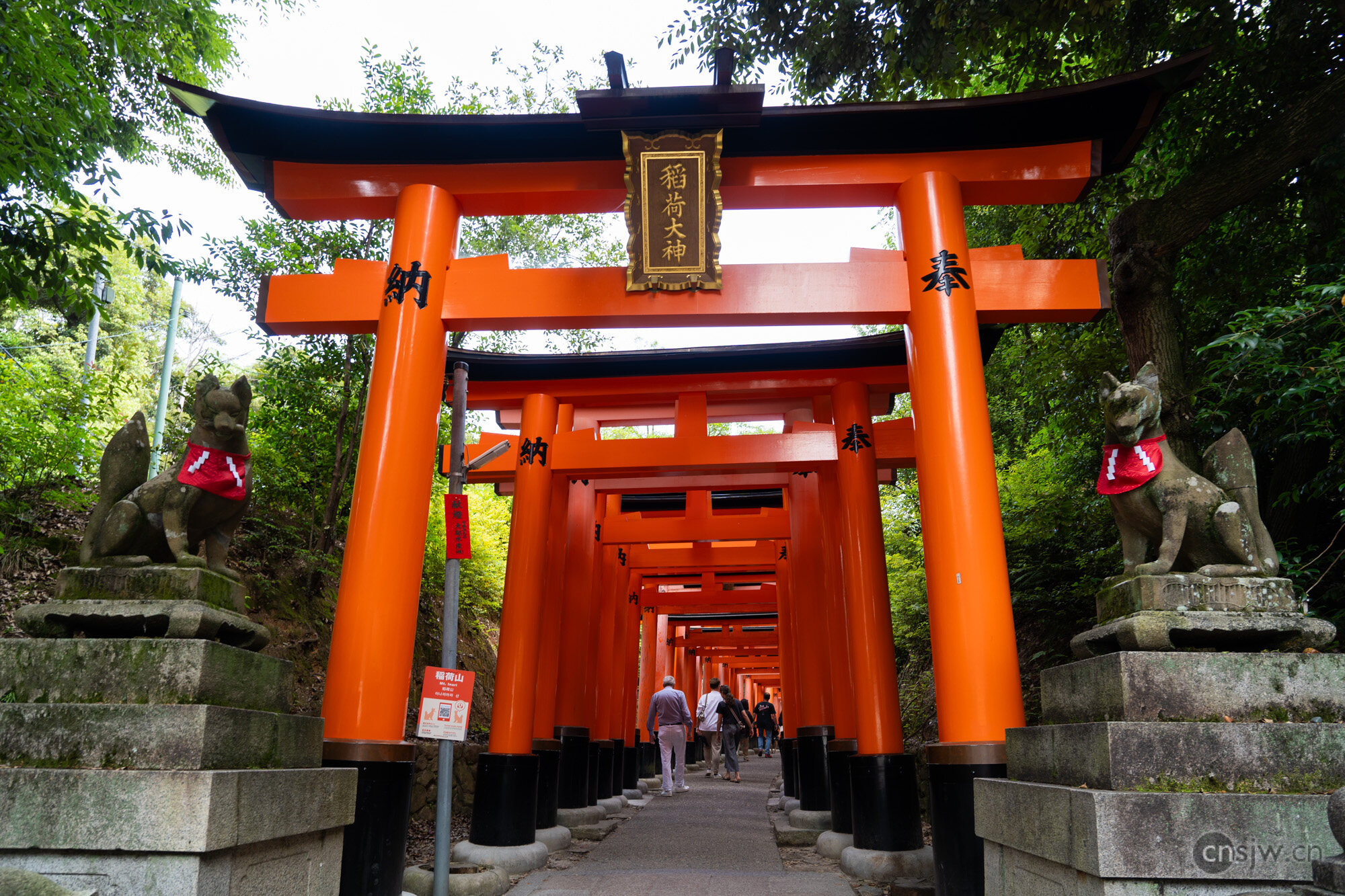
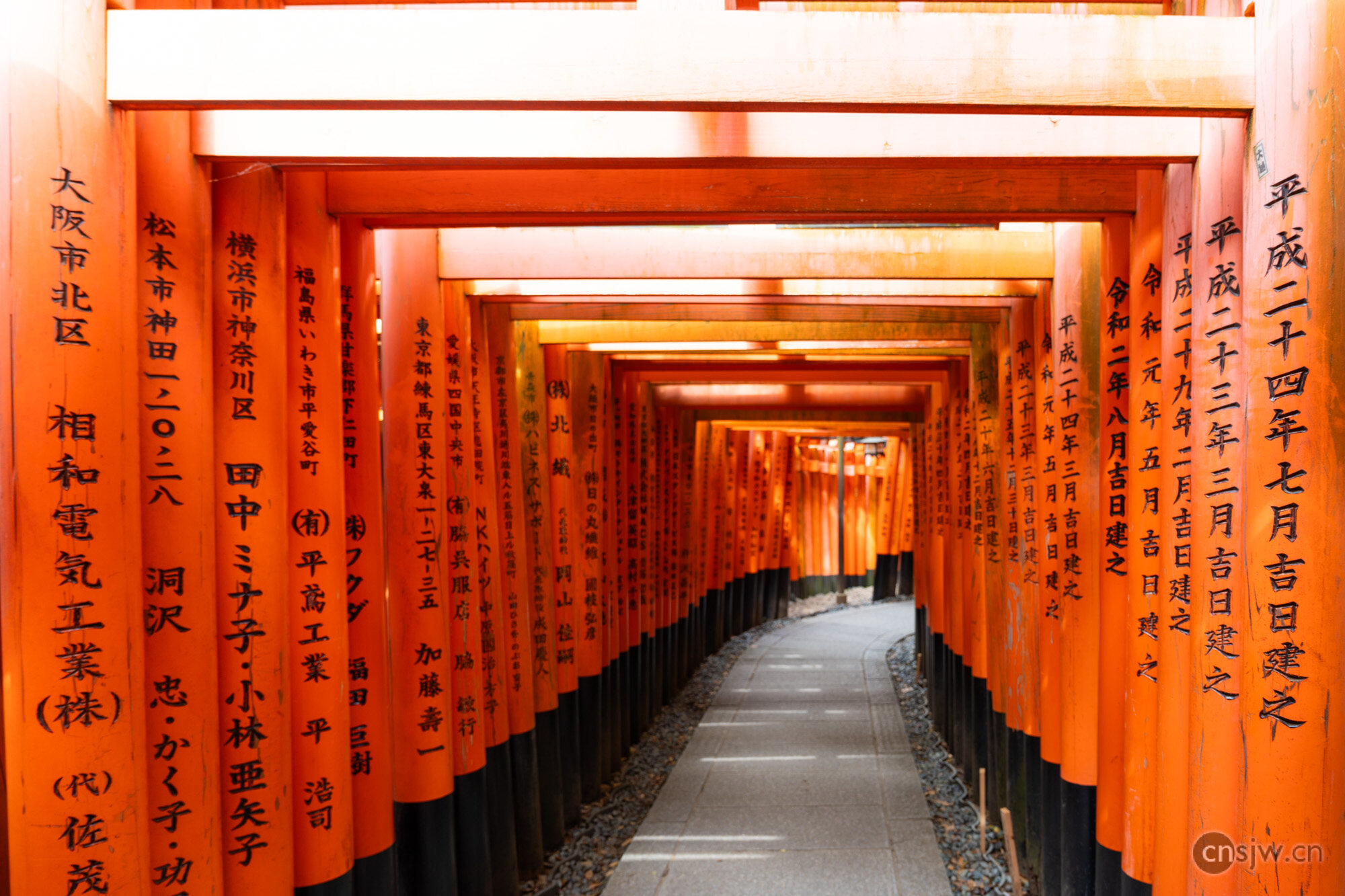
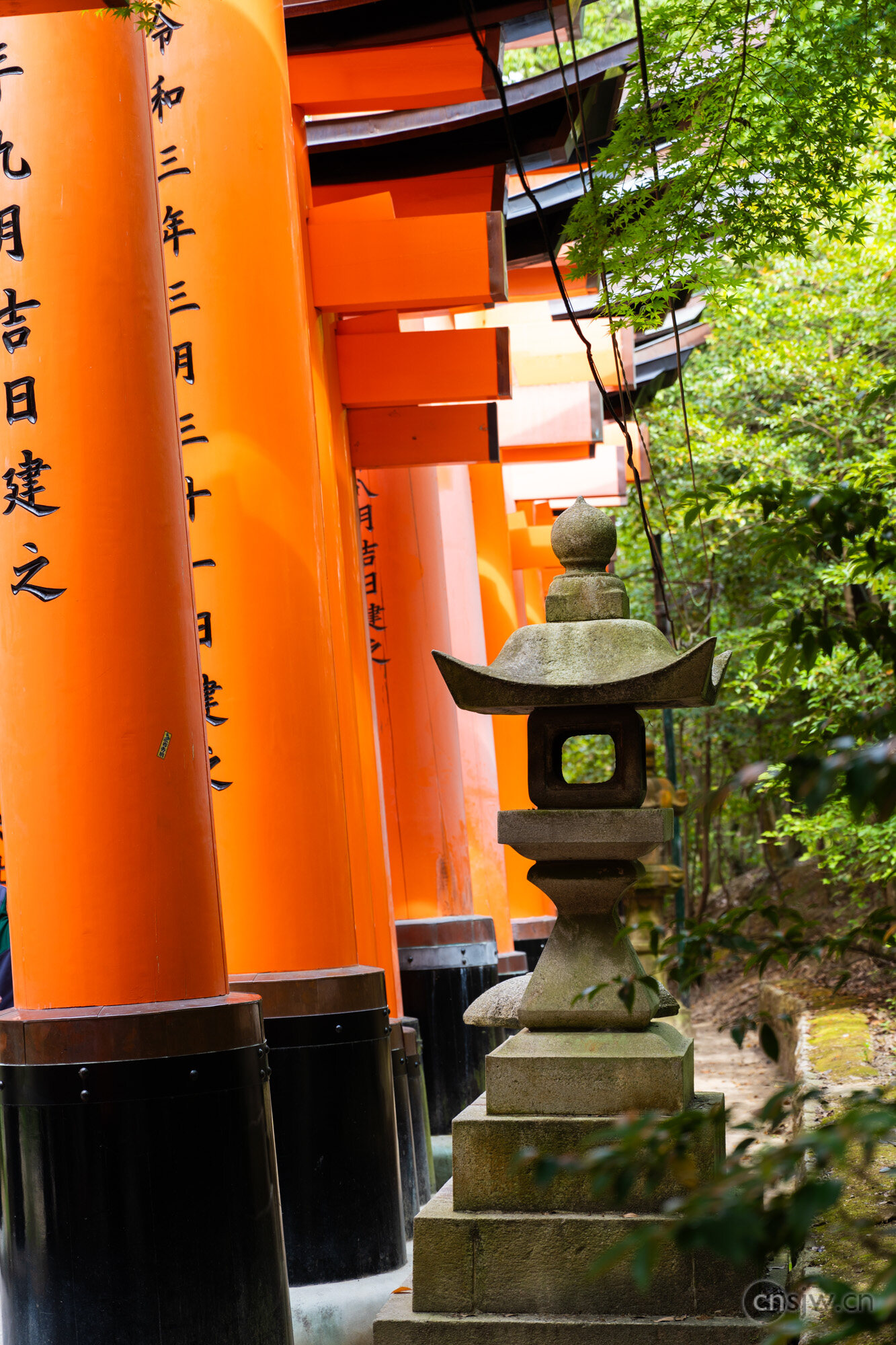
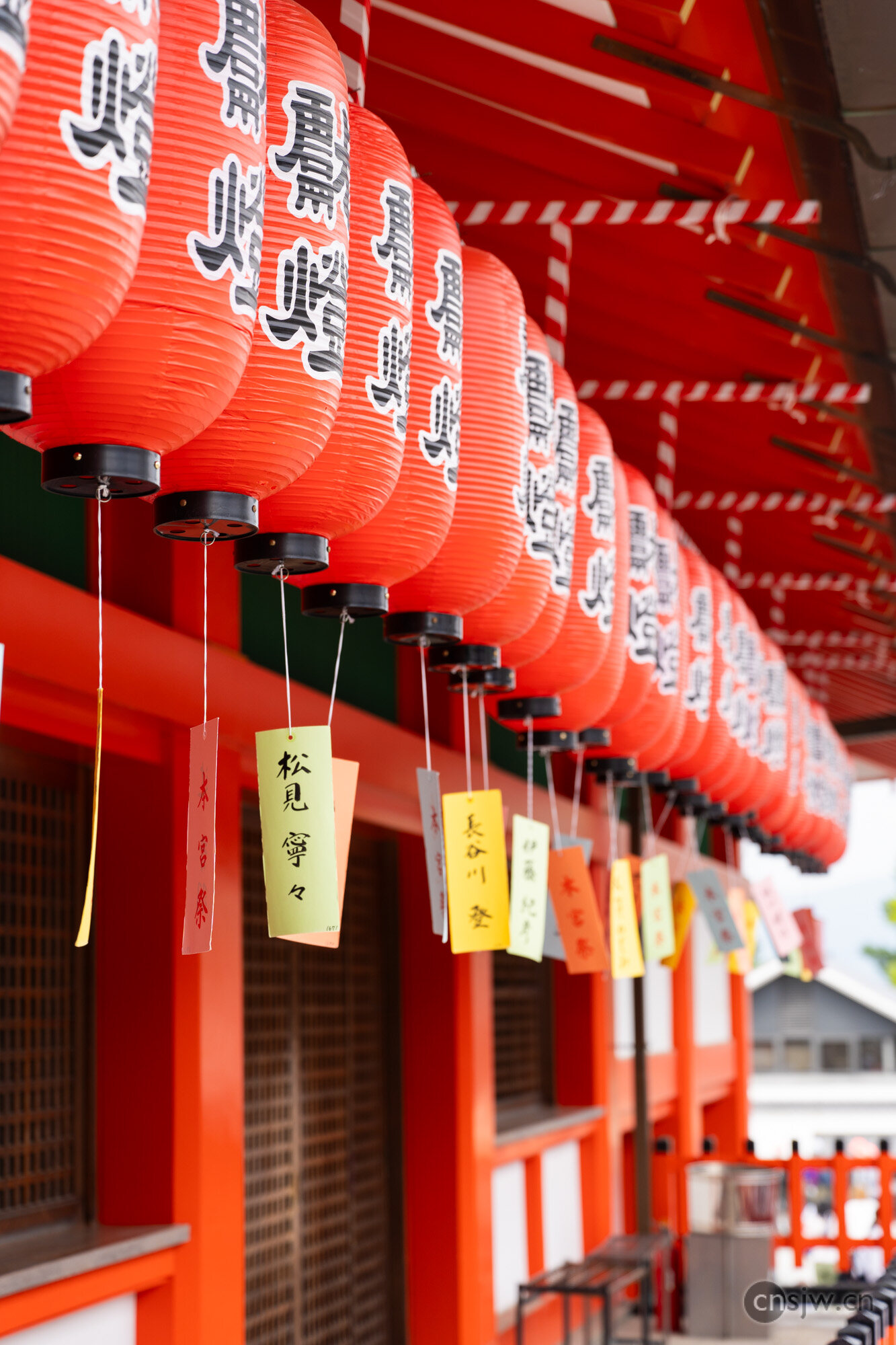
Fushimi Inari Taisha is a Shinto shrine located in Fushimi Ward, Kyoto, Japan. It serves as the head shrine for approximately 30,000 Inari shrines across the country and attracts the largest number of Hatsumode (New Year’s) visitors in the Kinki region. It is renowned for its “Senbon Torii” (Thousands of Vermilion Torii Gates) within its precincts. Traditionally, the entire area of Mount Inari is considered sacred ground. The shrine primarily enshrines Ukanomitama-no-Omikoto and other Inari deities, who have been worshipped since ancient times as gods of agriculture and commerce. Additionally, it enshrines other deities including Satahiko-no-Omikoto, Omiyanome-no-Omikoto, Tanaka-no-Omikoto, and the Four Great Gods. Every year, large numbers of worshippers visit to pray for bountiful harvests, business prosperity, and traffic safety, making it one of the most popular shrines in the Kyoto area. Furthermore, following a custom originating in the Edo period, visitors making wishes often donate funds to erect torii gates on the shrine grounds as an expression of gratitude to the deities. This has resulted in an astonishing number of torii gates of various sizes standing throughout the precincts, earning the shrine nationwide and international fame under the name “Senbon Torii.” Donors include individuals, corporations, and local chambers of commerce, with the oldest existing gates dating back to the Meiji era.
This location is directly accessible via the JR line at Fushimi-Inari Station, making transportation extremely convenient. However, due to its immense popularity, even when arriving early in the morning, the area is still packed with crowds, including many students.
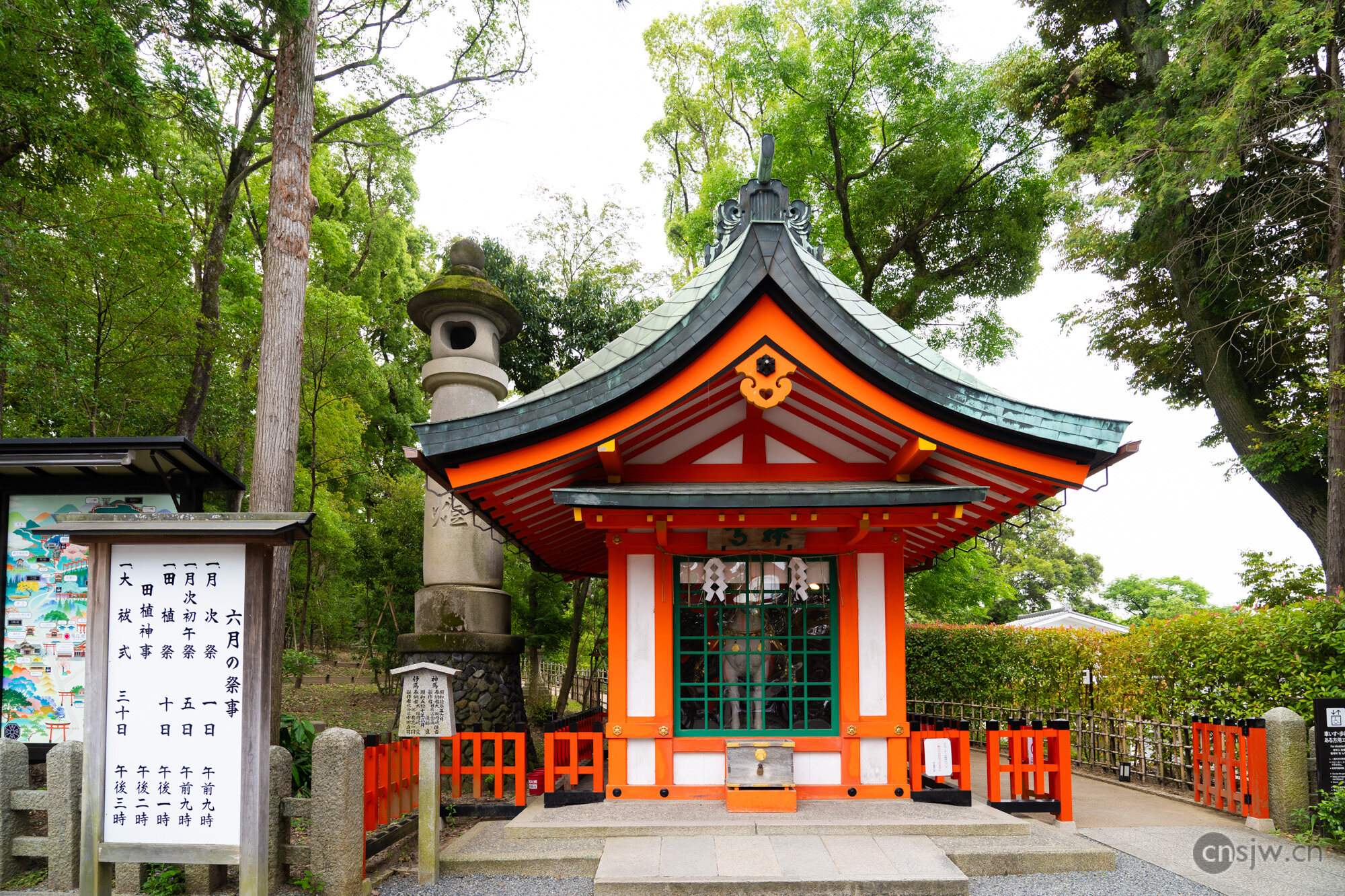
Right at the entrance, you can see fox statues holding rice stalks in their mouths.
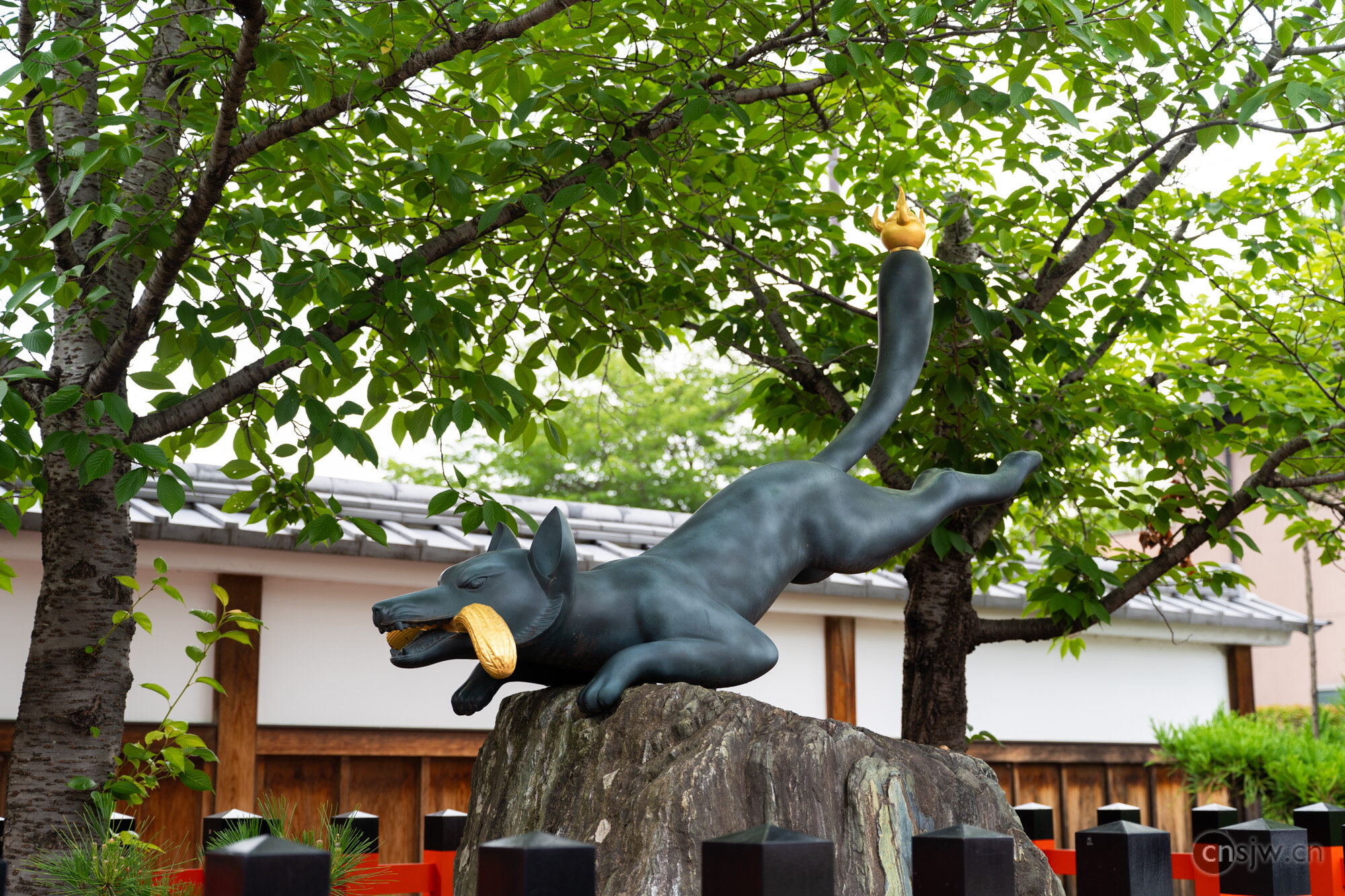
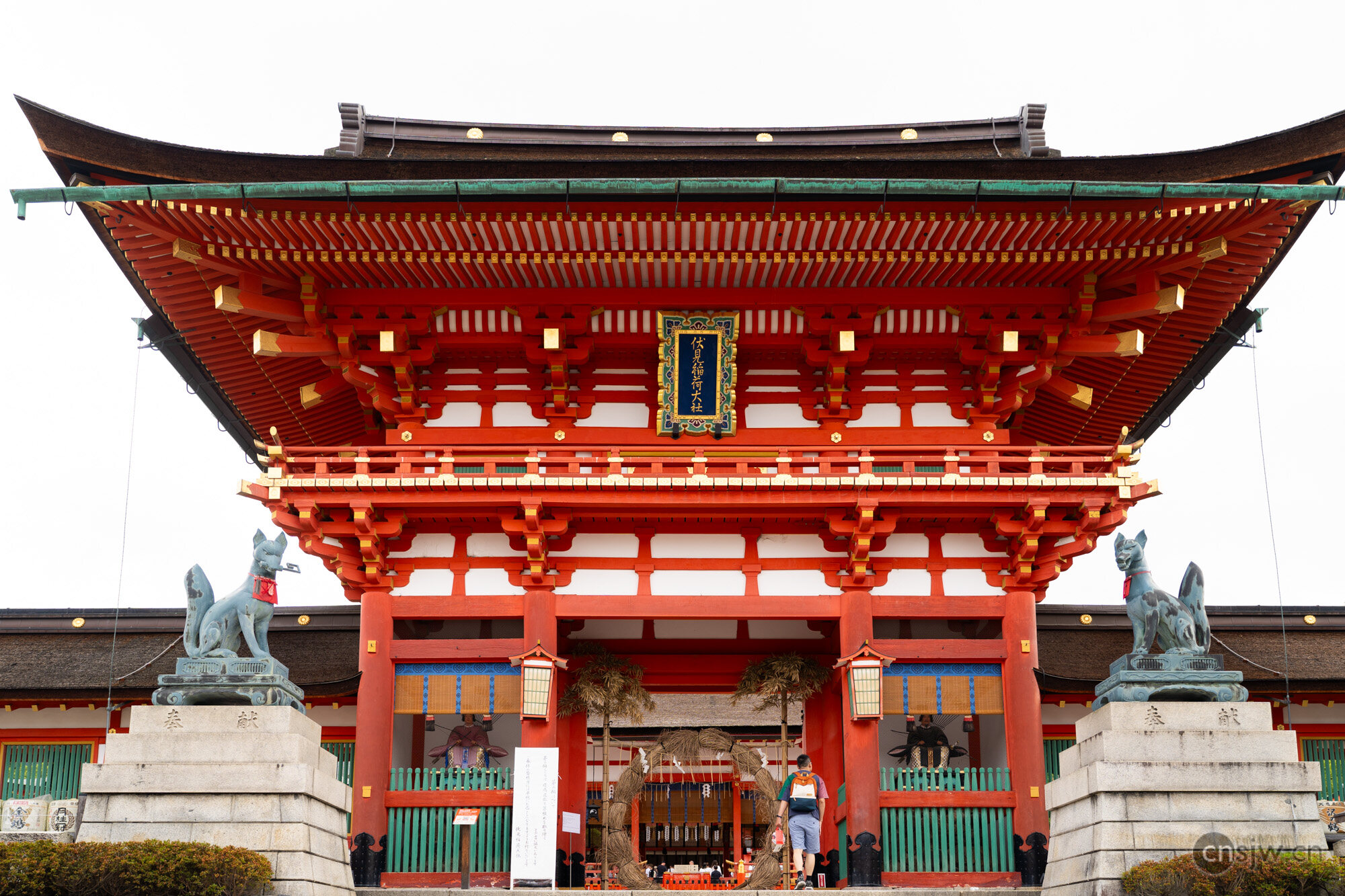
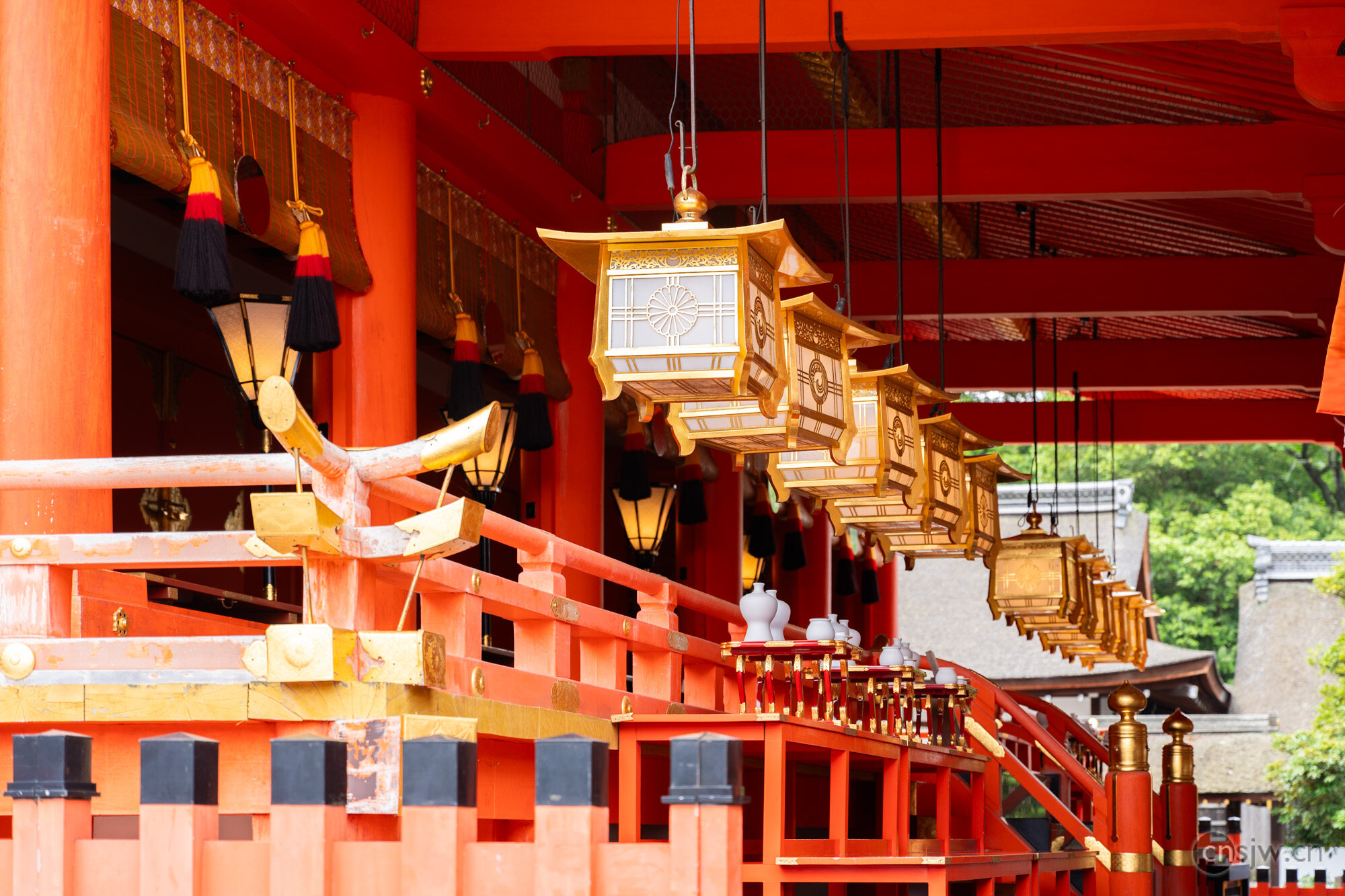
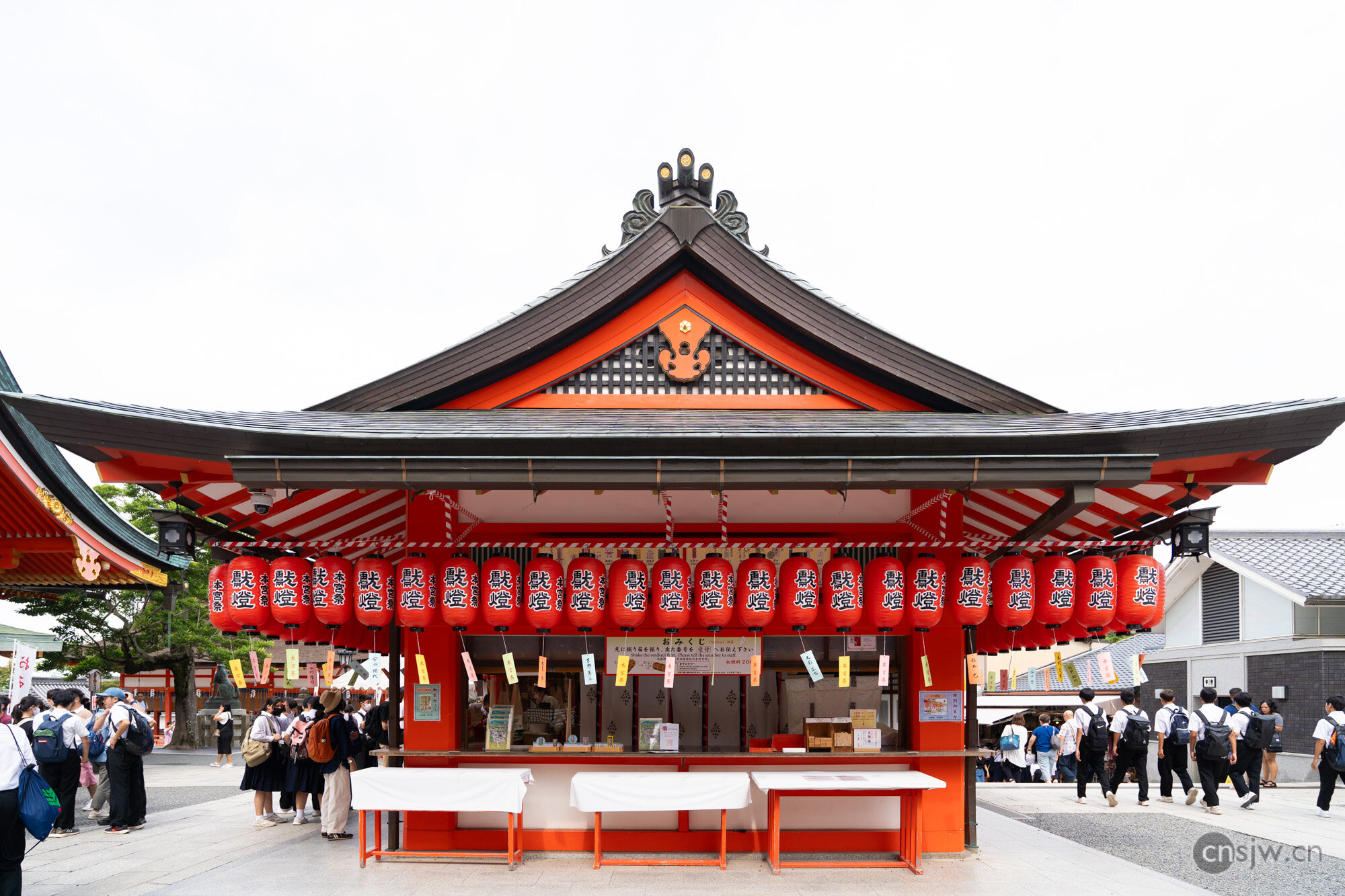
The Senbon Torii section is also incredibly crowded, but because the path is so long, there are always spots where you can capture photos without people, making it perfect for photography. Due to time and energy constraints, I didn’t continue further up the mountain; taking a few photos was enough to say I had been there.
Kiyomizu-dera
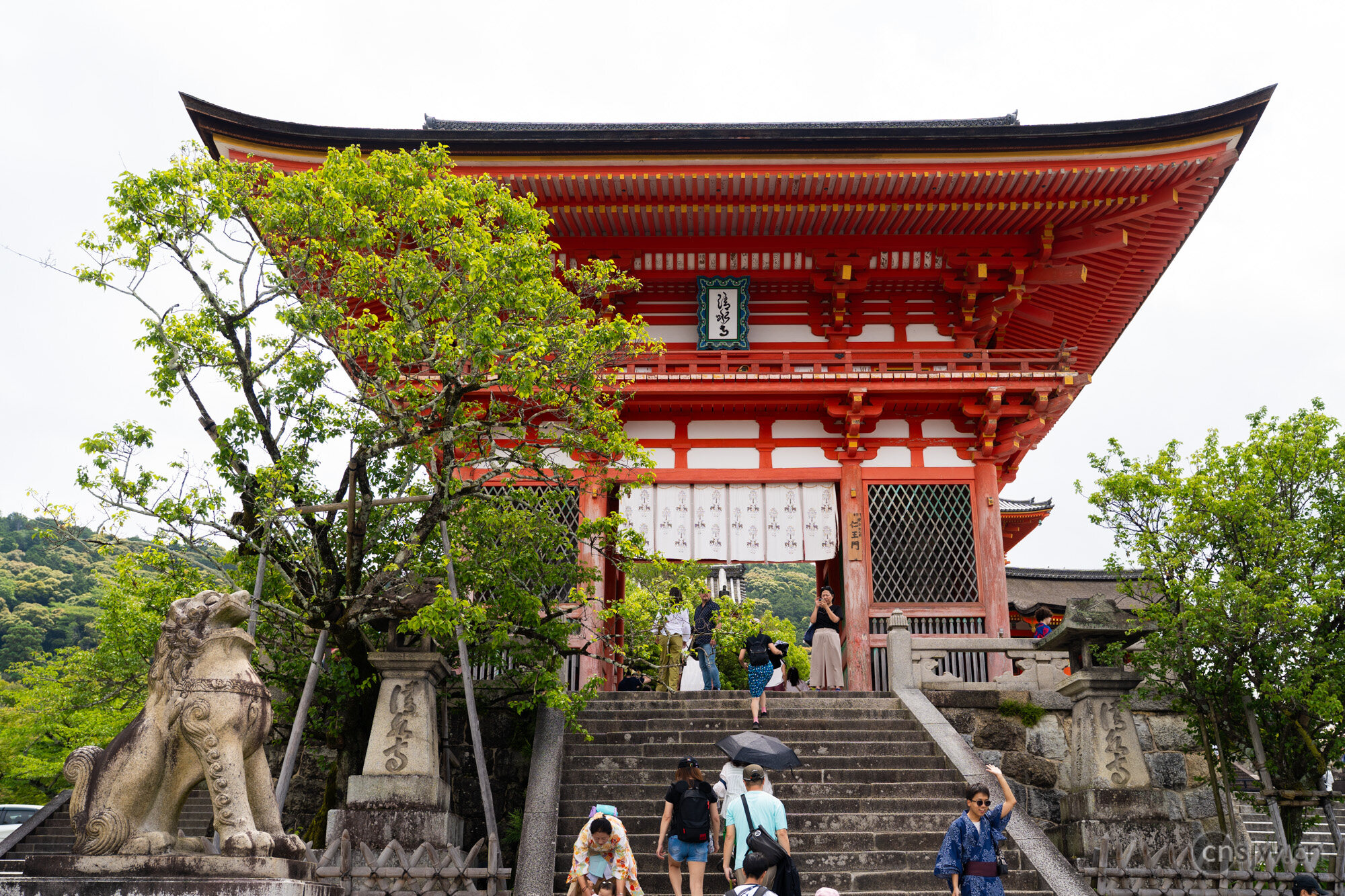
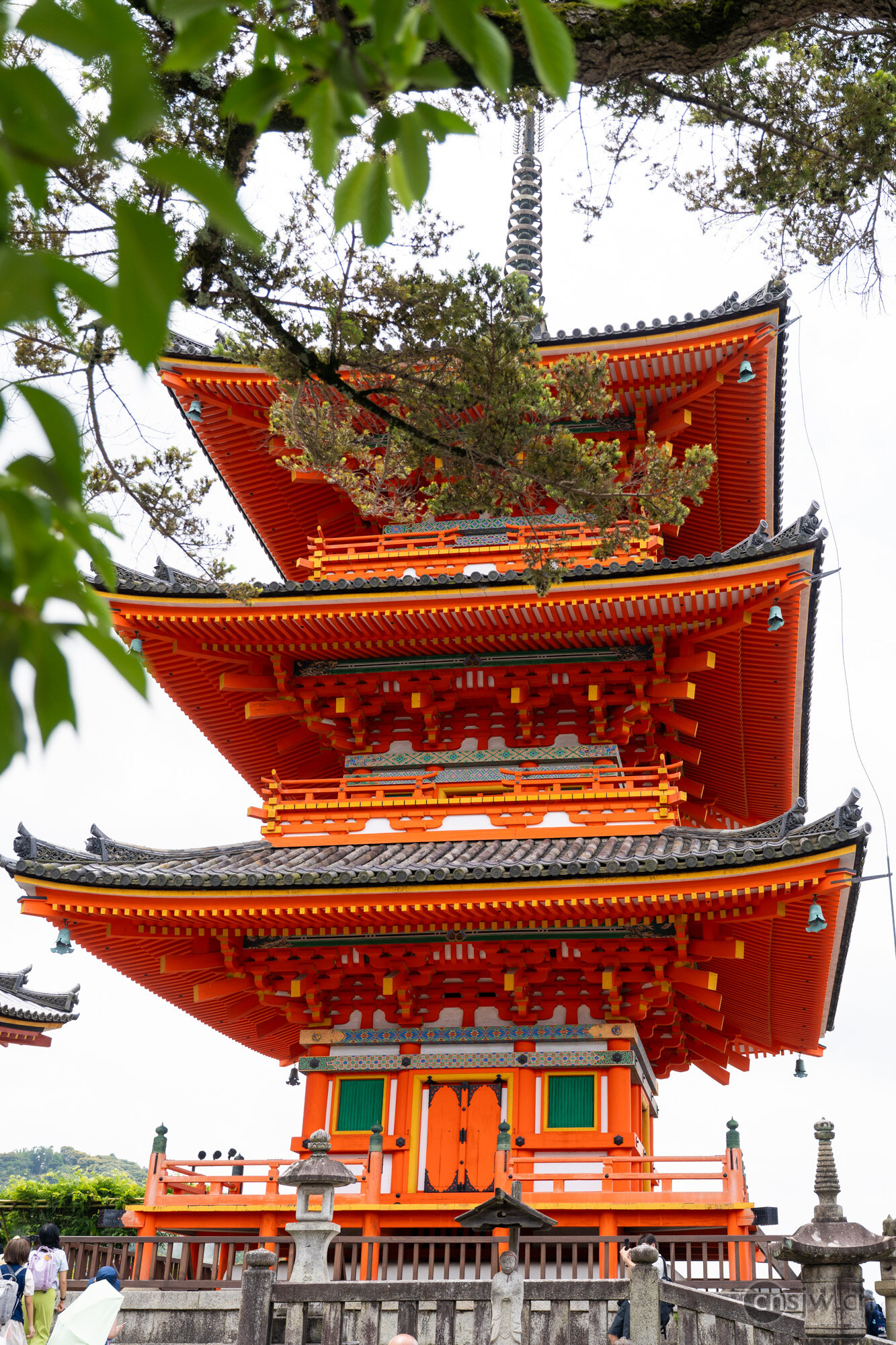
Kiyomizu-dera is the oldest temple in Kyoto, founded in 778 AD by Enchin (later renamed Enchin), a monk from Nara’s Kofuku-ji Temple. Covering an area of 130,000 square meters, the temple suffered damage over the years due to wars and disasters. It was reconstructed in 1633 by Tokugawa Iemitsu, the third shogun of the Tokugawa dynasty, resulting in its current appearance.
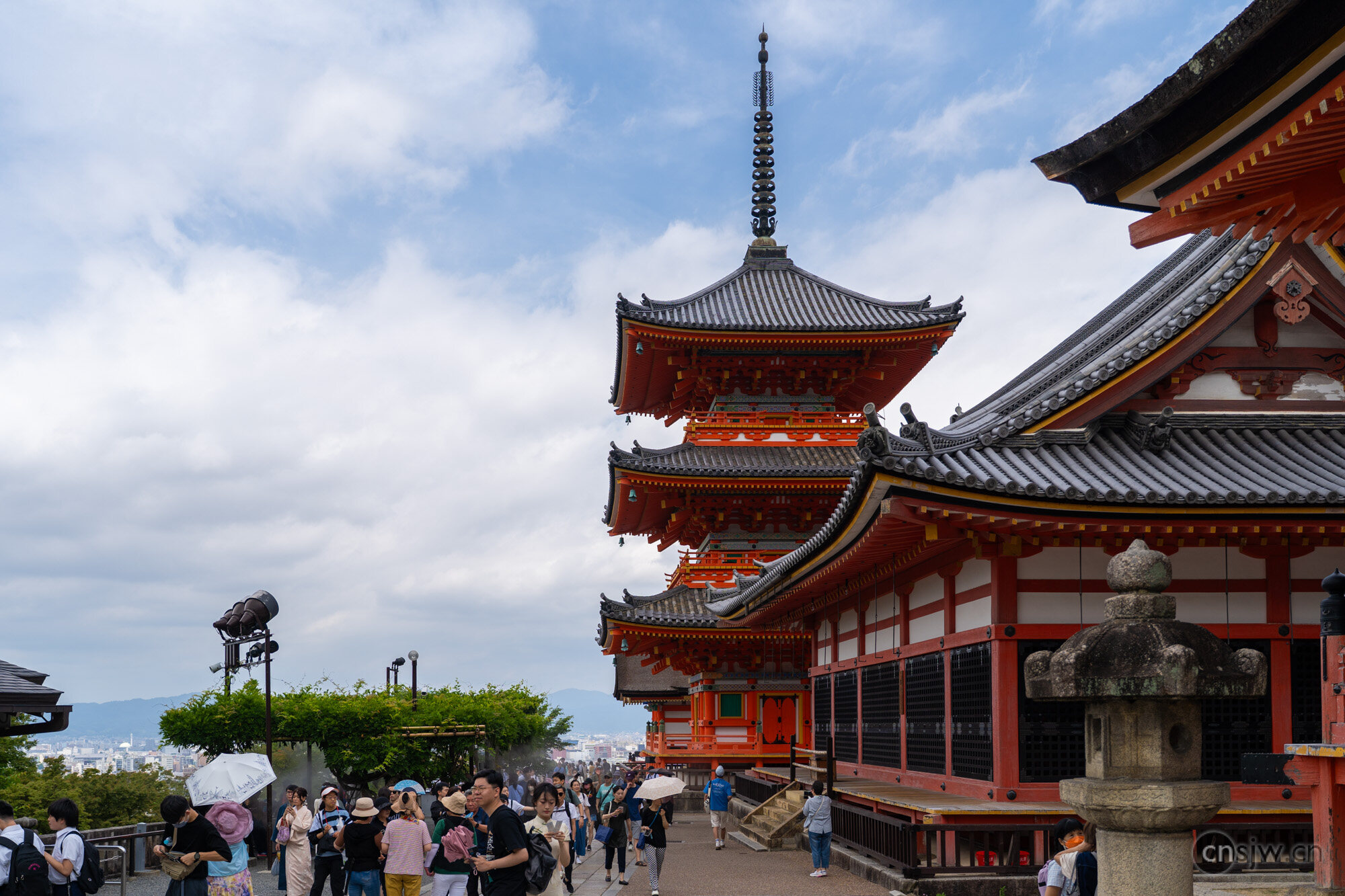
Kiyomizu-dera features a traditional wooden pillar-and-beam structure. The Main Hall is 19 meters wide and 16 meters deep, featuring a suspended “stage” at the front supported by 139 massive timber pillars, each tens of meters high. The temple architecture is majestic and ingeniously constructed without the use of a single nail. The six-tiered wooden platform built from stacked logs is a rarity in Japan.
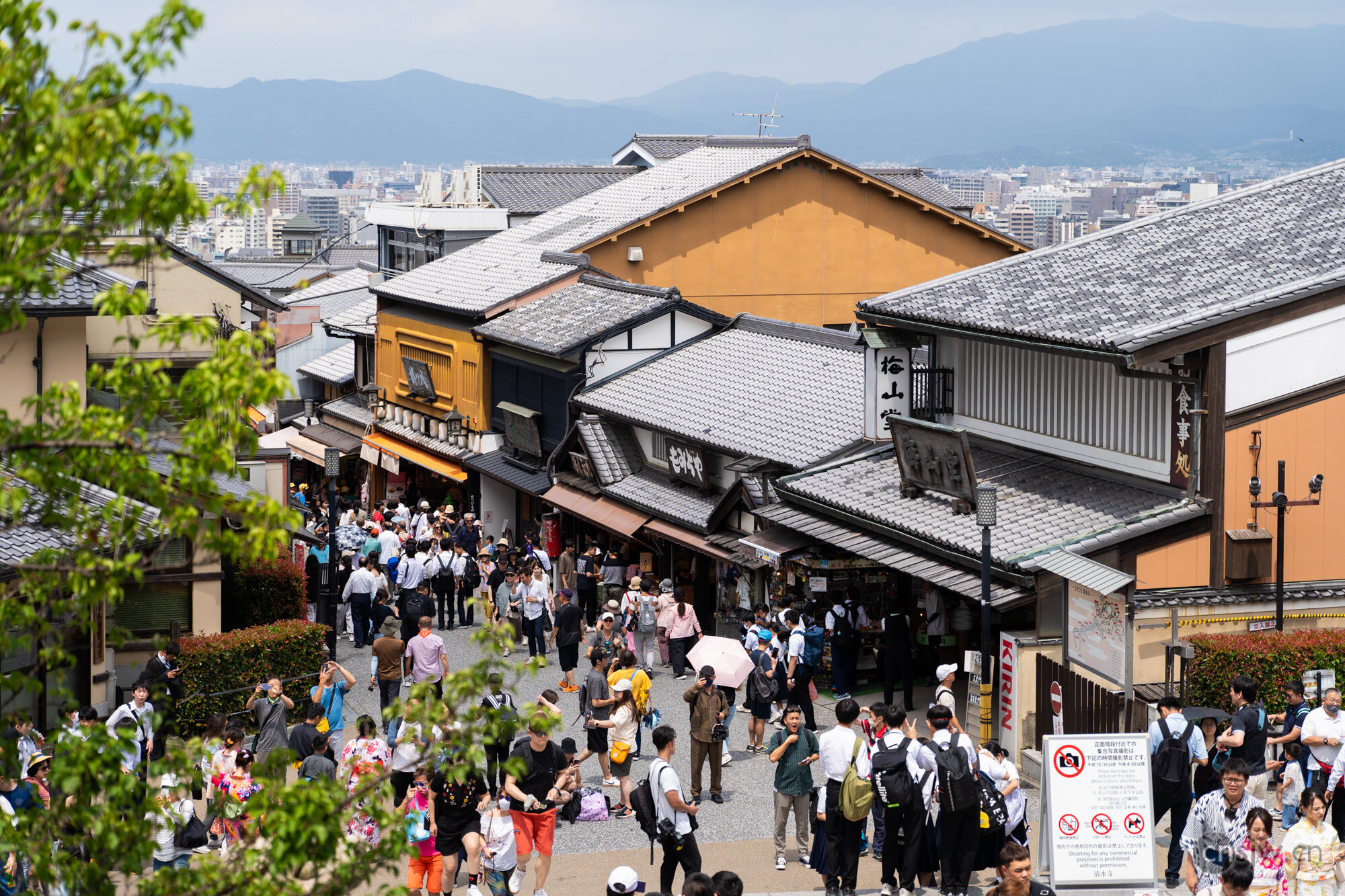
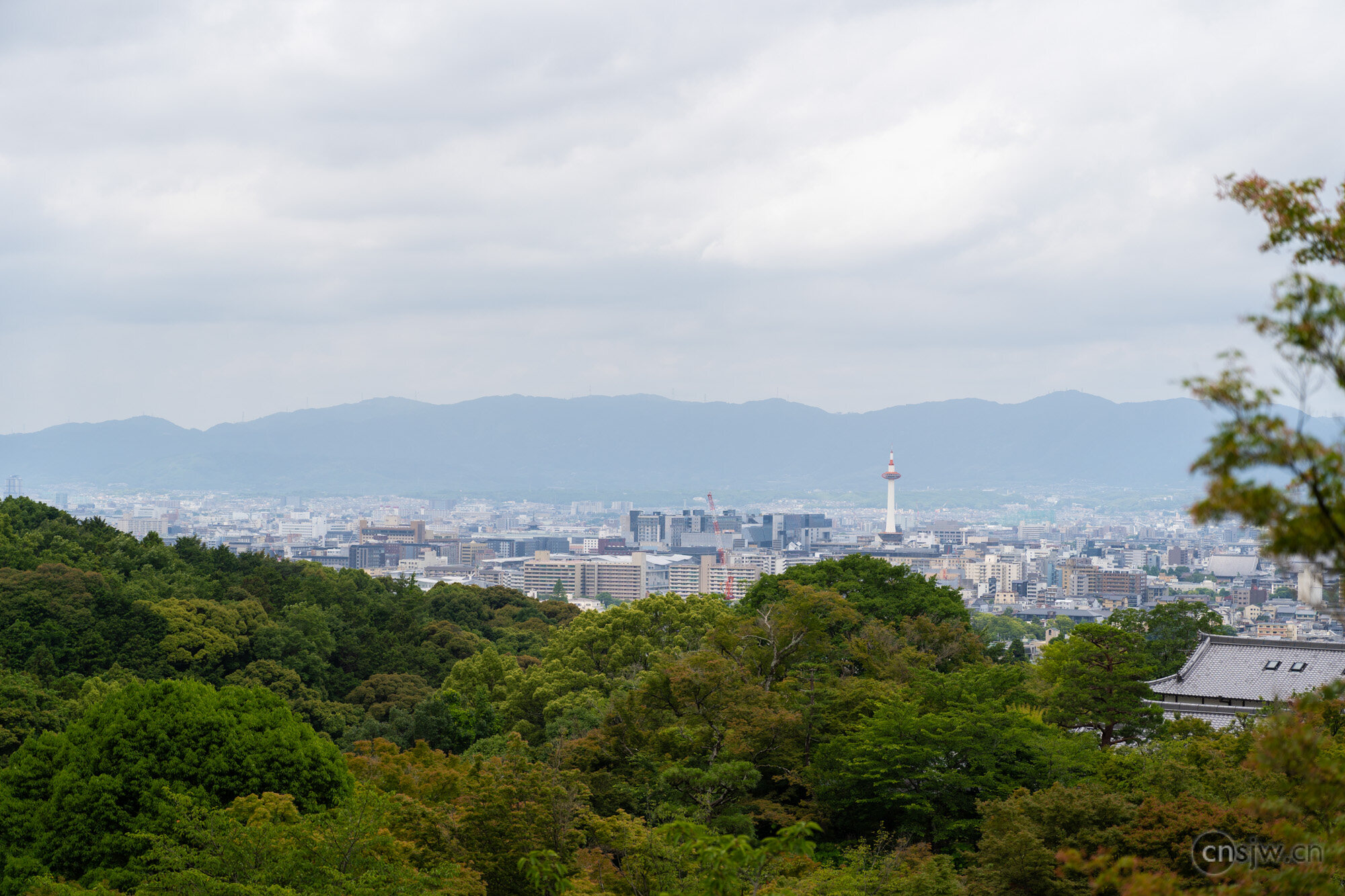
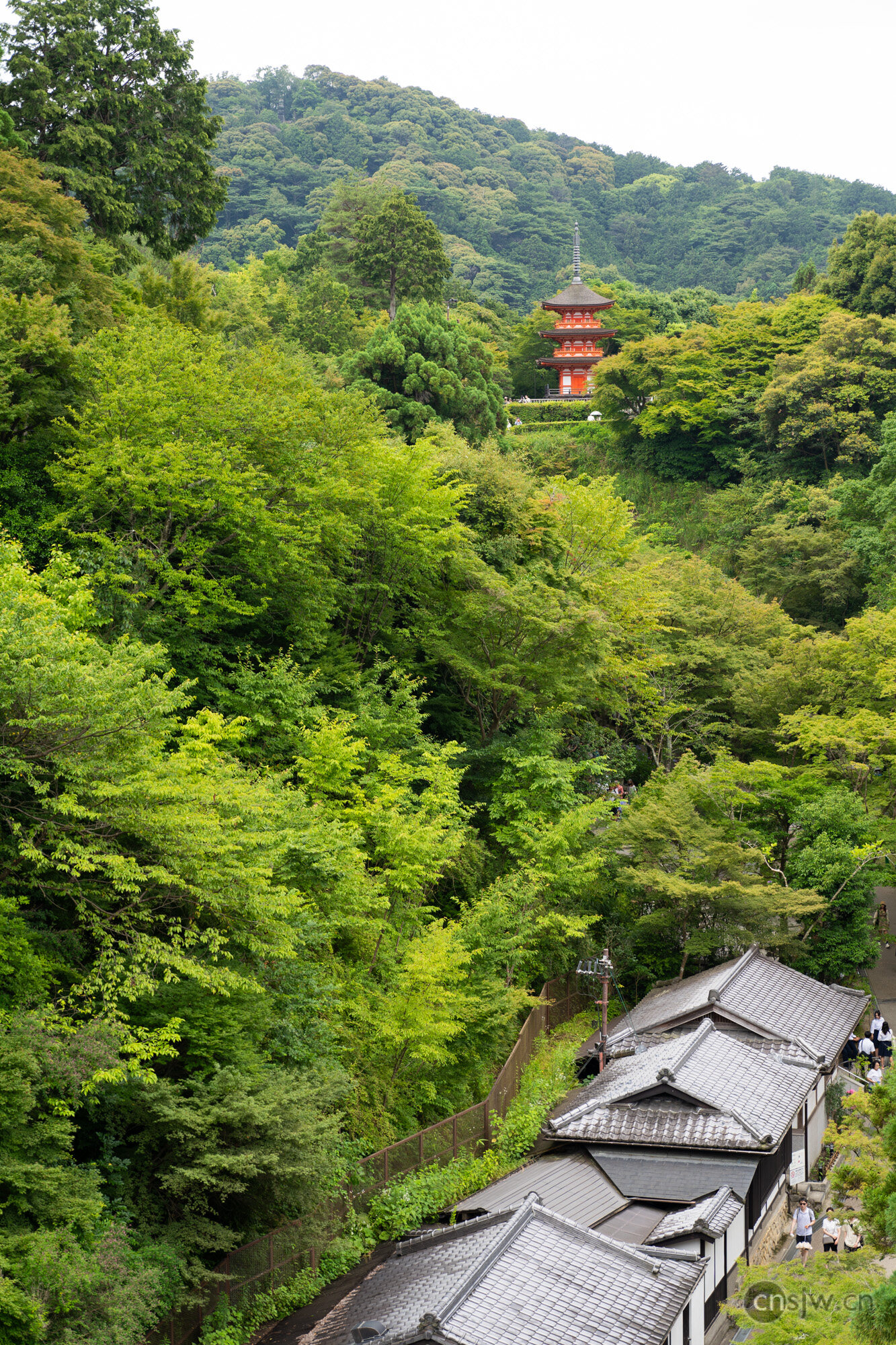
Kiyomizu-dera is also a must-visit attraction in Kyoto, but getting there is far less convenient than visiting Fushimi Inari Taisha. The road leading to the temple entrance is closed to vehicular traffic, requiring visitors to walk uphill. Taking public transit involves an even longer walk, and the constant ascent and descent can be truly exhausting. The site is indeed packed with tourists, but being situated on a mountainside offers panoramic views of the city below.




Support



Read this article on WeChat