
The most important part of this trip to Okayama, Japan, was visiting Himeji to see the famous Himeji Castle. The Shinkansen ride from Okayama to Himeji takes about 25 minutes, making it very convenient.
Himeji is not a large city; after exiting the station, it’s just a 1 km walk to Himeji Castle, and you can already see signs explaining its status as a World Cultural Heritage site along the way.
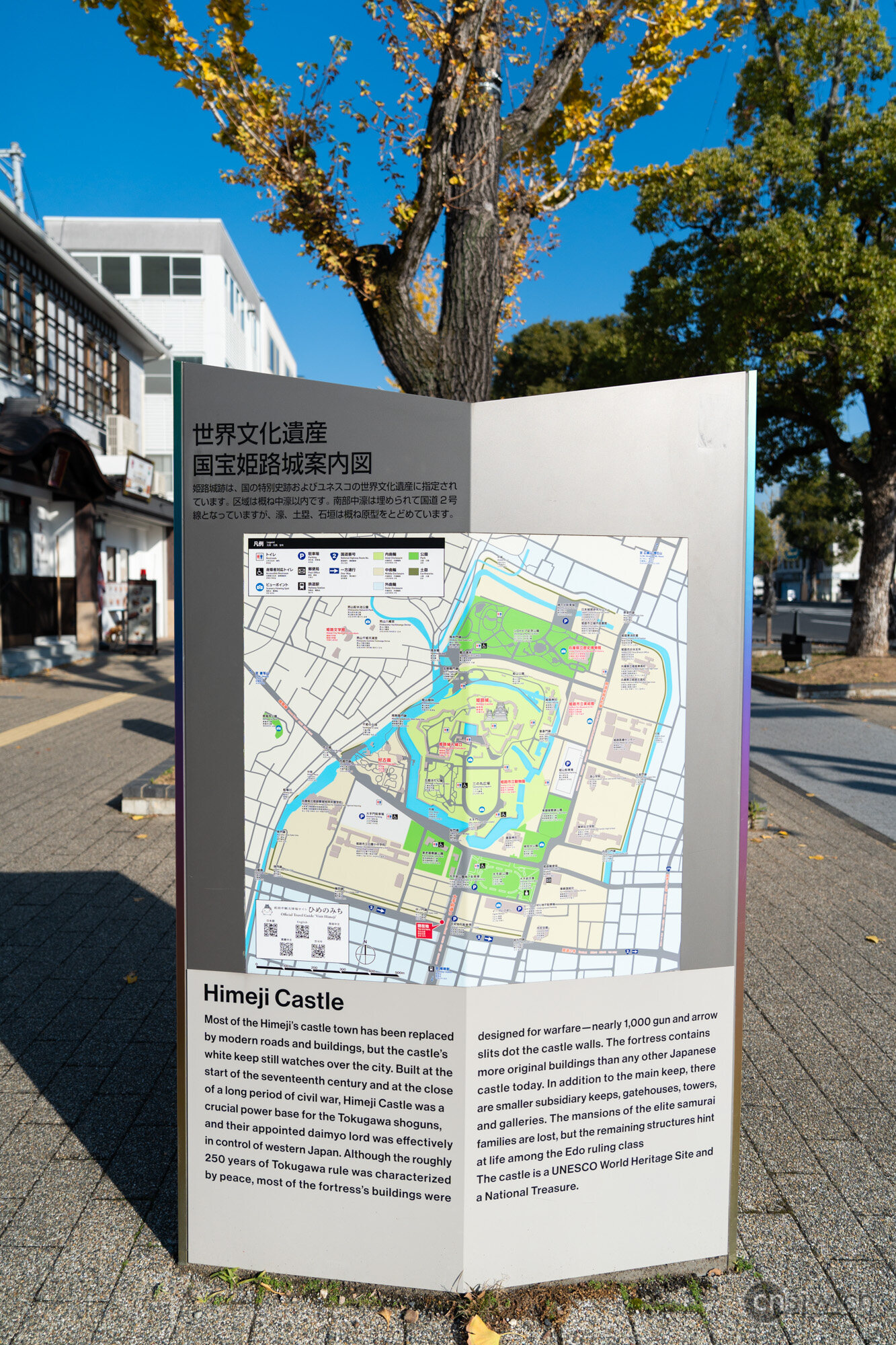
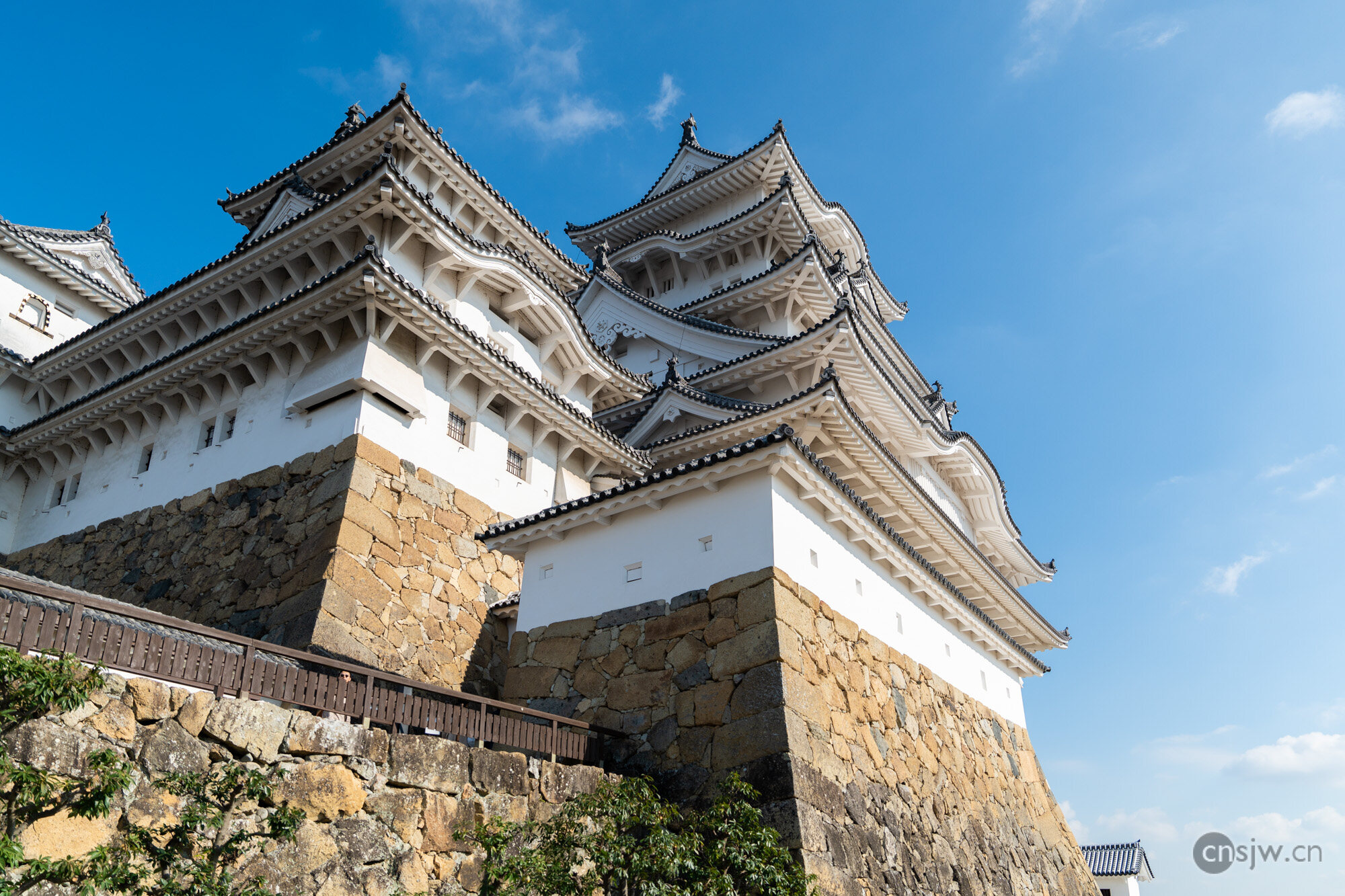
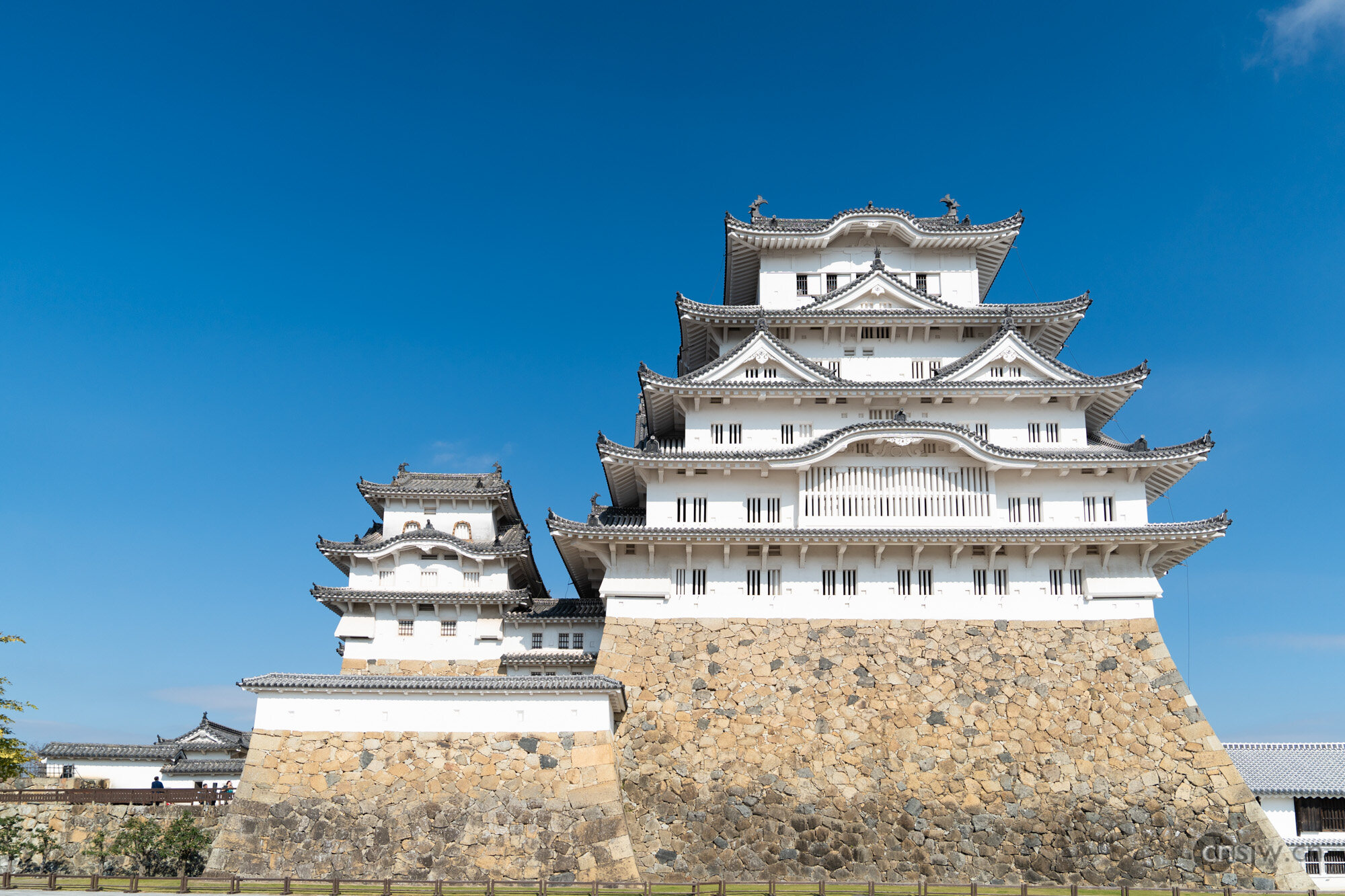
Himeji Castle is a castle that serves as the primary symbol of Himeji City. Its main keep was built in 1601, making it the most visited castle in Japan and one of the oldest surviving castles with an original keep. Due to its white exterior walls, it is also known as White Heron Castle. As Japan’s most symbolic and best-preserved castle, Himeji Castle has been designated by the Japanese government as a National Treasure and a Special Historic Site, and it was among the first sites in Japan to be listed as a UNESCO World Cultural Heritage Site. It is also one of Japan’s Top 100 Castles. Because of its exceptionally well-preserved condition (the main keep is one of only twelve original keeps remaining in Japan and has never been besieged, bombed, or burned down), it is also referred to as “Japan’s Number One Castle.” Many period dramas and films have been shot here, or have used Himeji Castle to represent Edo Castle.
Japanese castles were fortified structures designed as residences for regional lords (daimyo), primarily consisting of gates, walls, and a main keep. They originated in the Yayoi period and reached their peak after the Battle of Sekigahara during the Sengoku period. Their prominence later declined due to Tokugawa Ieyasu’s “One Domain, One Castle” edict, and no new castles were built after the end of the Bakumatsu period. With the cessation of castle construction and the passage of time, some castles have been damaged due to insufficient maintenance or wartime destruction. Few castles have retained their original appearance in full, which is why many historic Japanese castles have been designated as Important Cultural Properties.
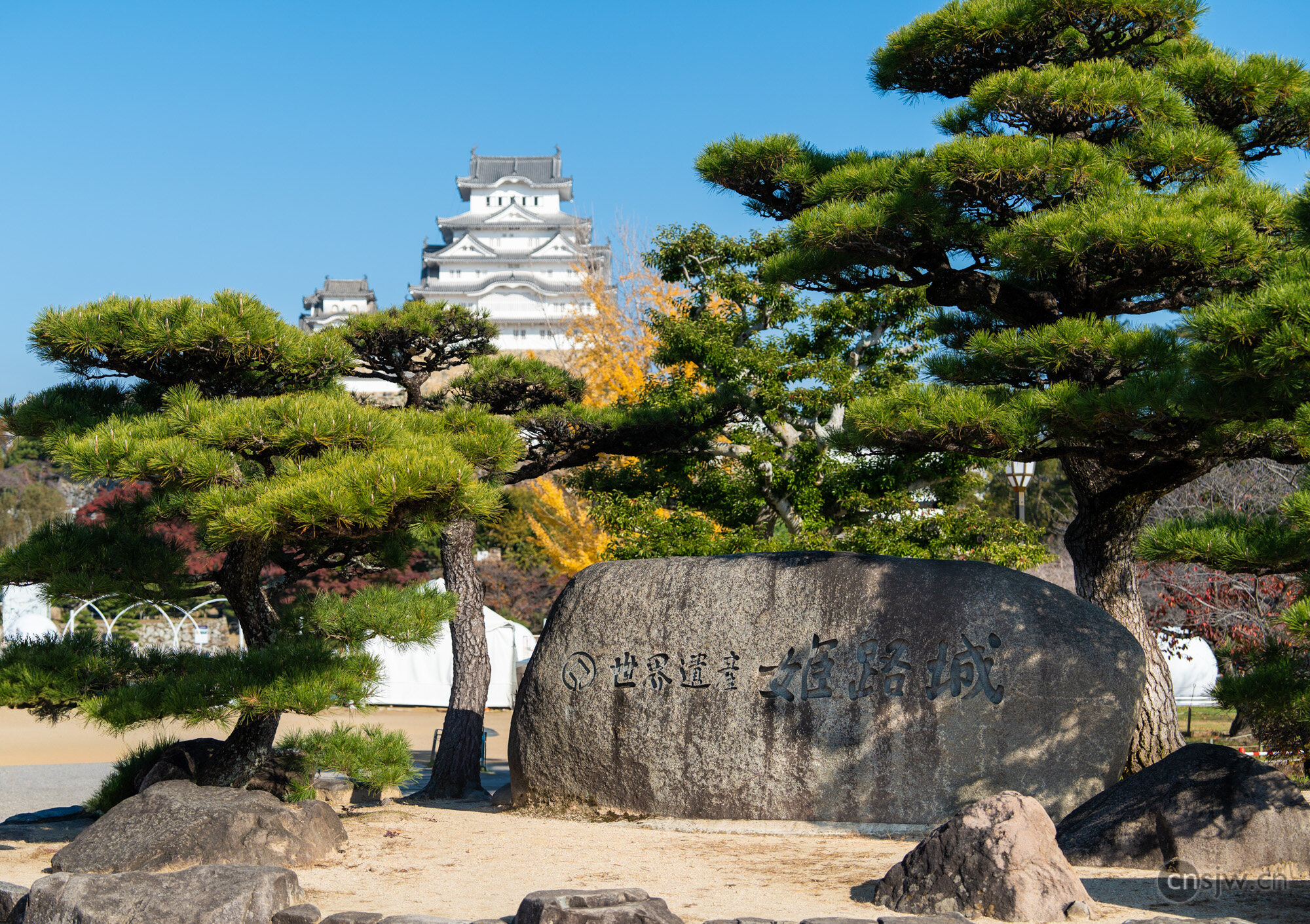
The entire Himeji Castle complex is quite expansive. In addition to the main keep, there are castle walls, gates, and gardens, as well as Koko-en Garden, which was built in 1992 to commemorate the 100th anniversary of Himeji City’s founding and features nine distinctively themed gardens.
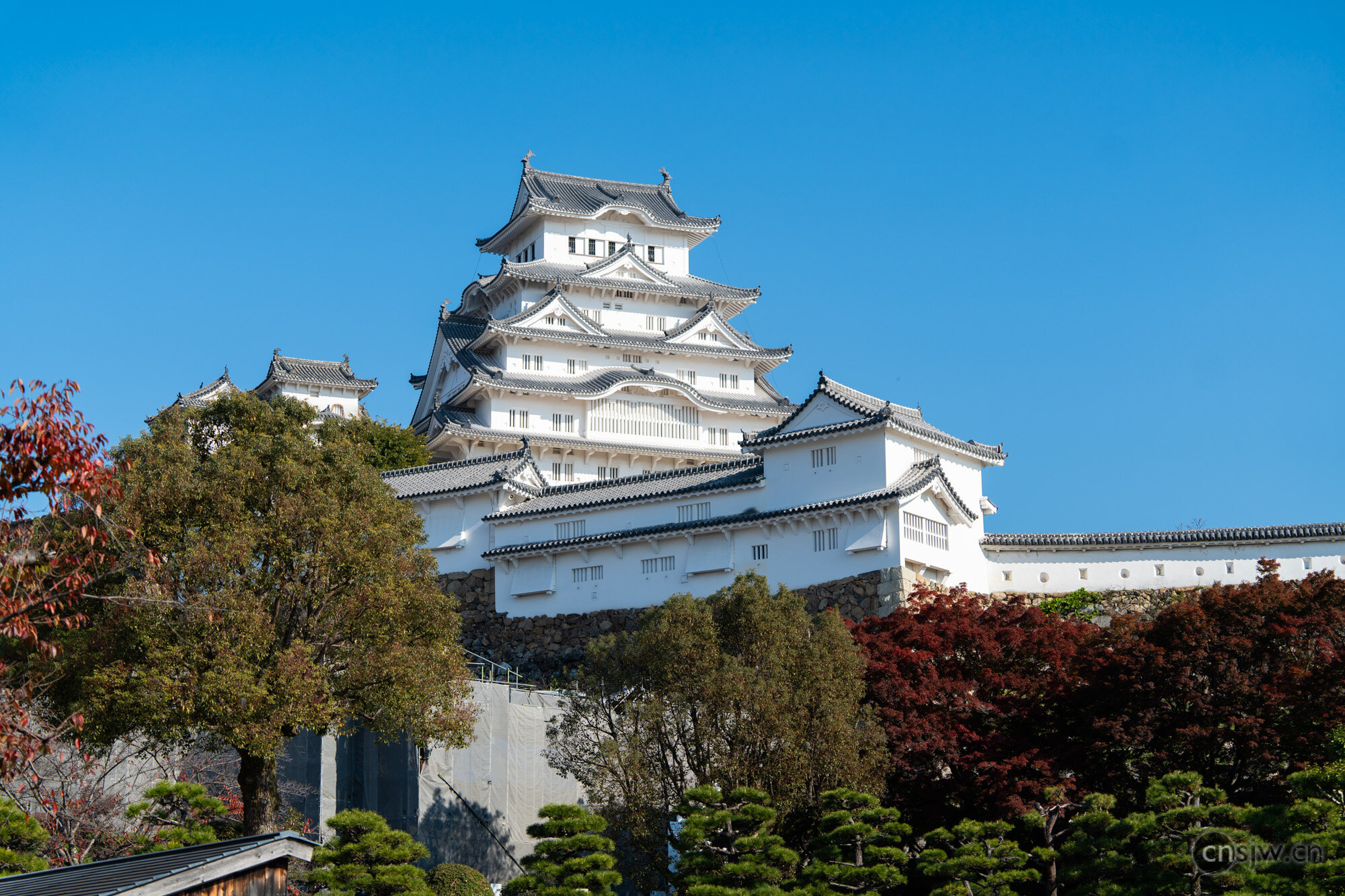
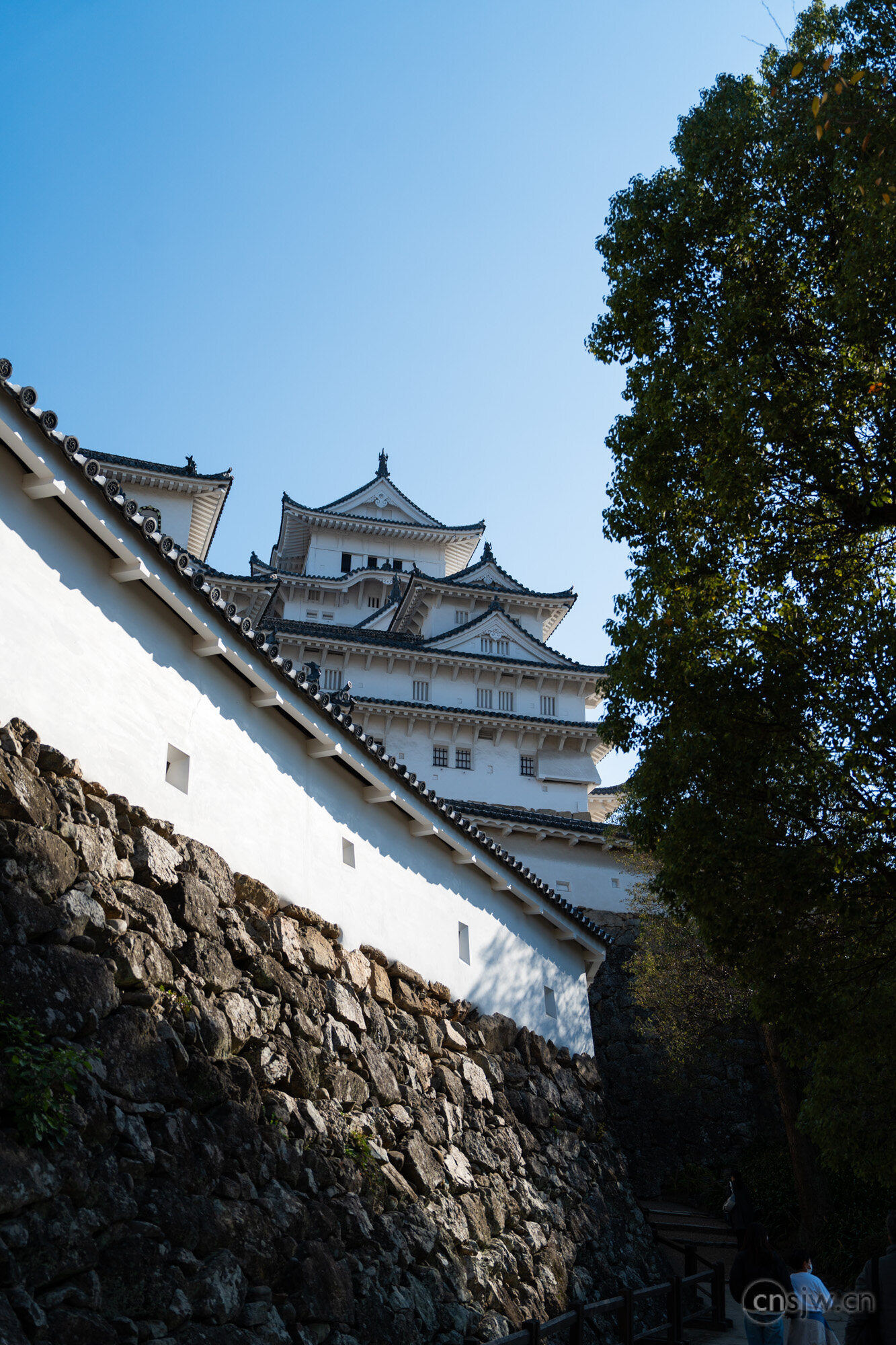
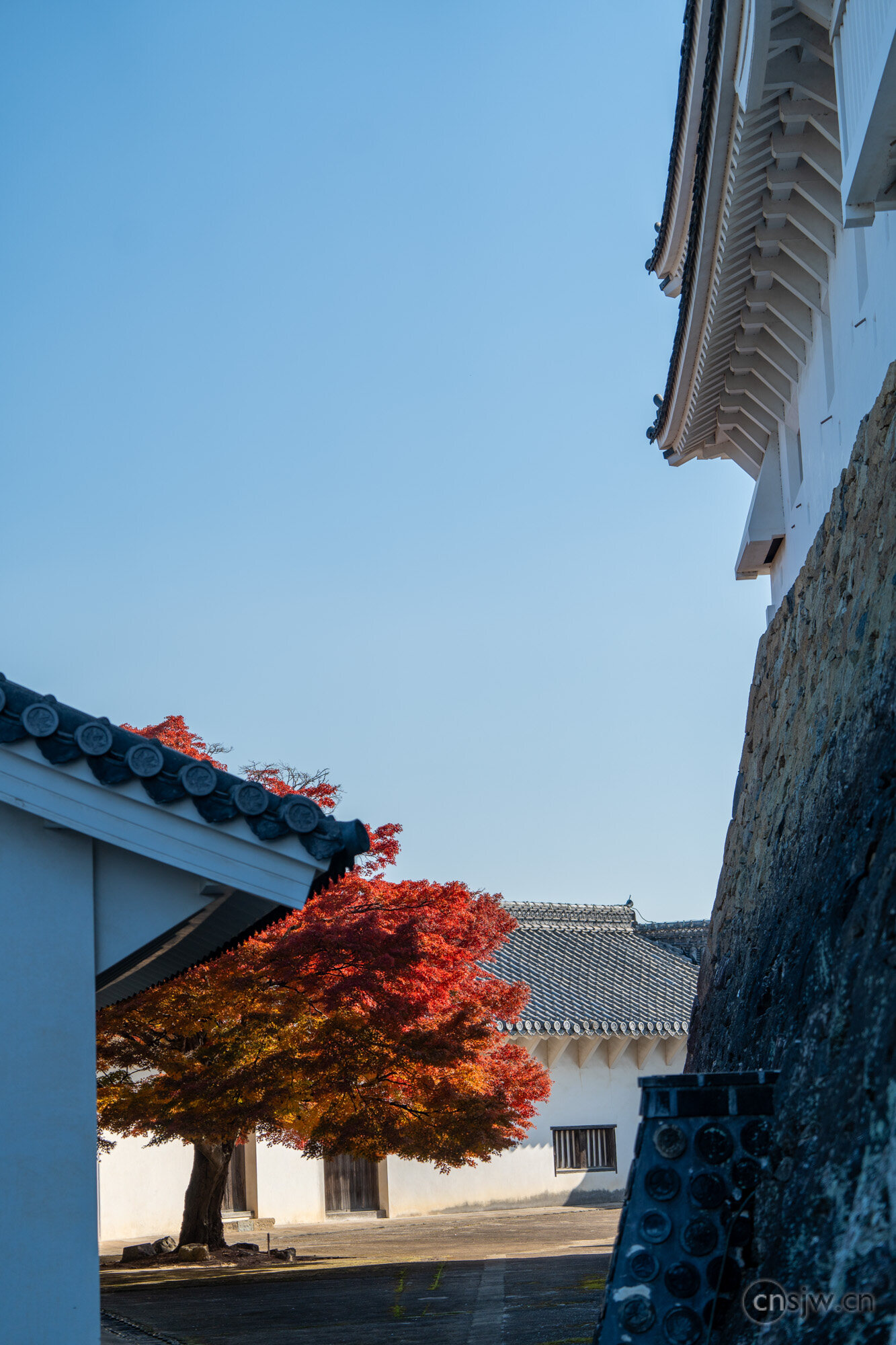
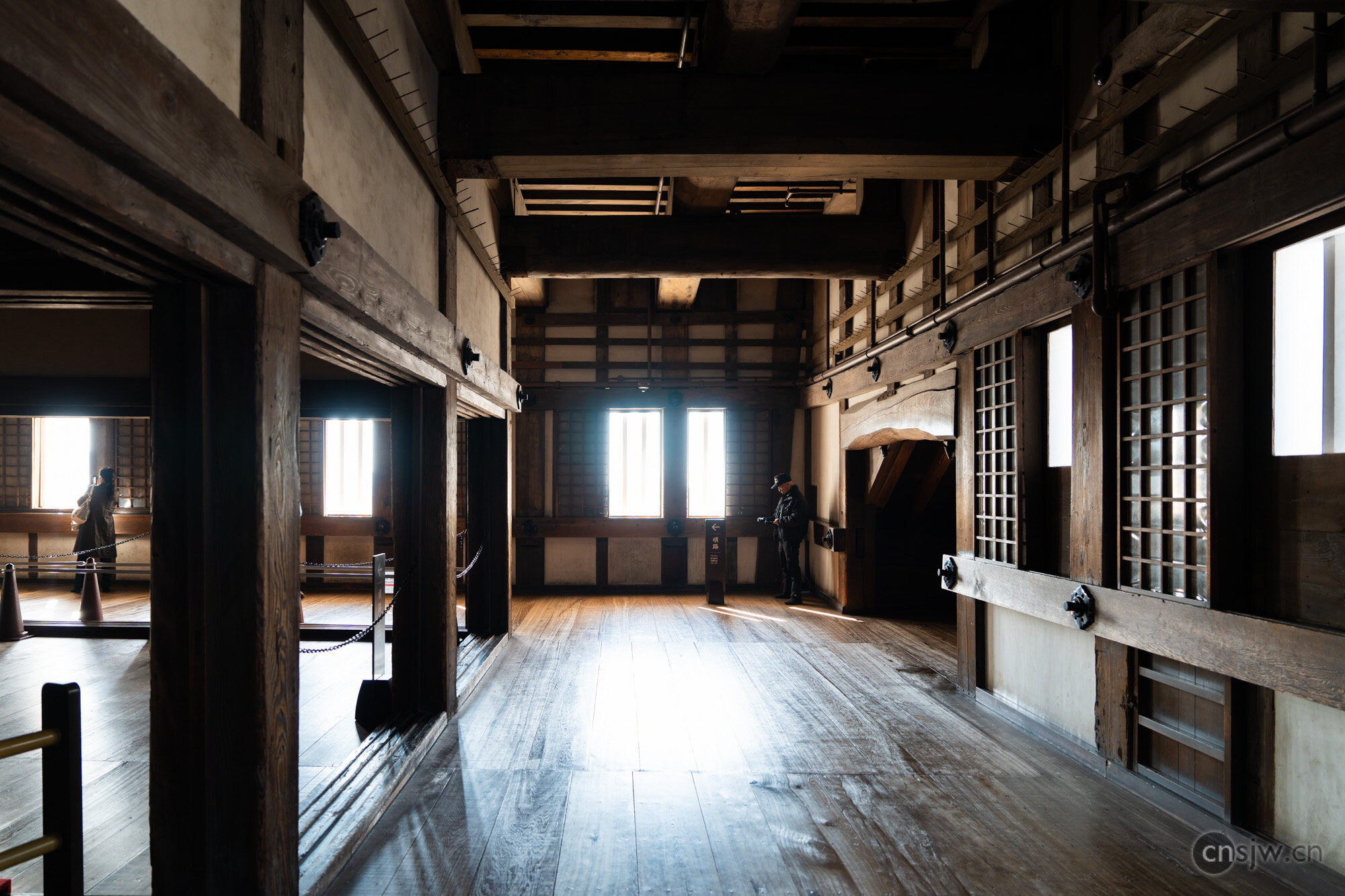
The main keep is open to visitors. It stands approximately 45 meters tall and comprises seven floors in total—six above ground and one basement level. Visitors enter on the first floor, where shoes must be removed and placed in plastic bags before proceeding. Stairs lead up from the first floor to the sixth floor, and then gradually descend back down to the basement level. The staircases are relatively narrow, and walking in socks can be slippery, so please take care for your safety.
Inside, in addition to detailed informational displays, there are also videos showcasing the restoration process.

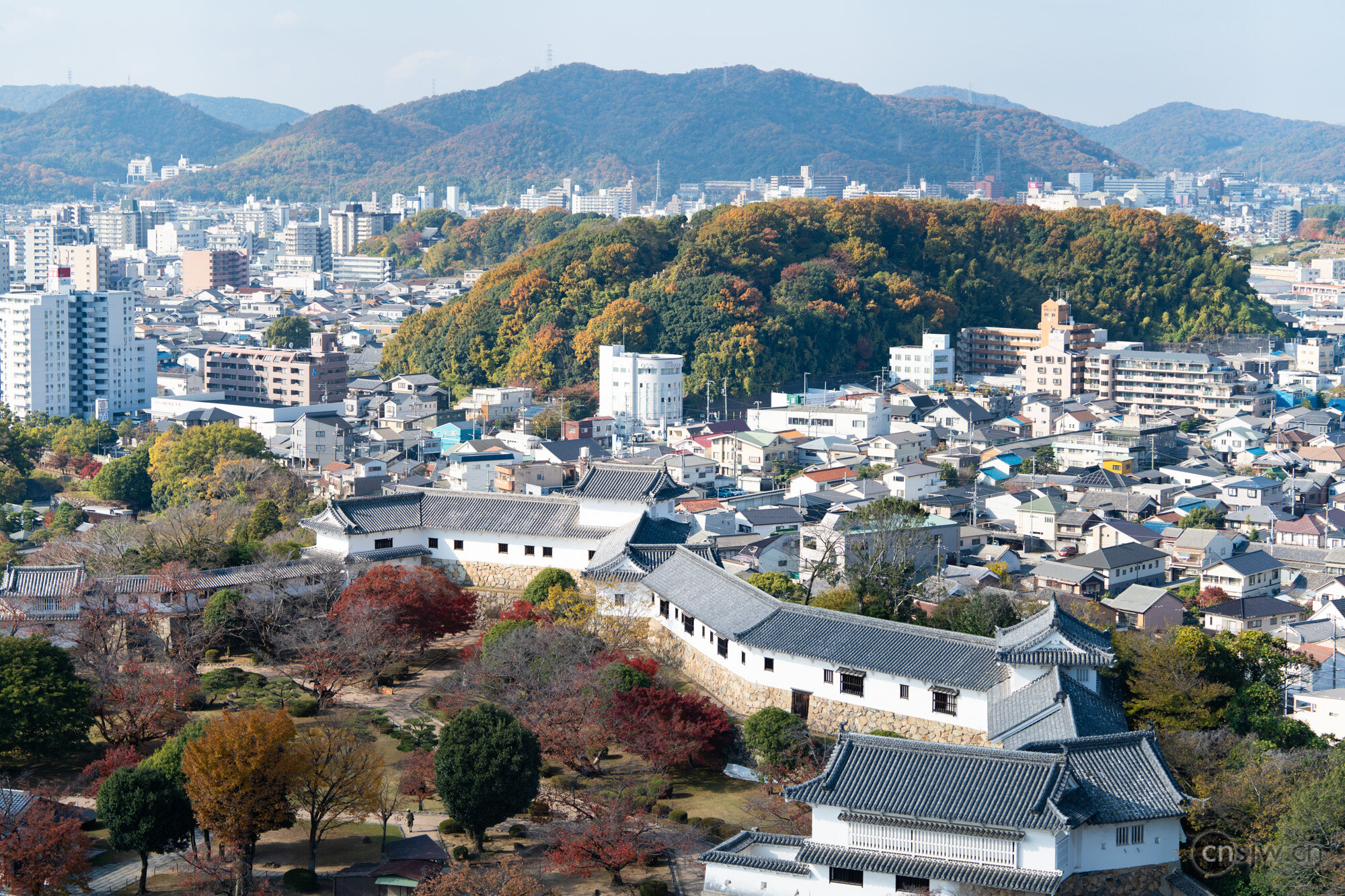
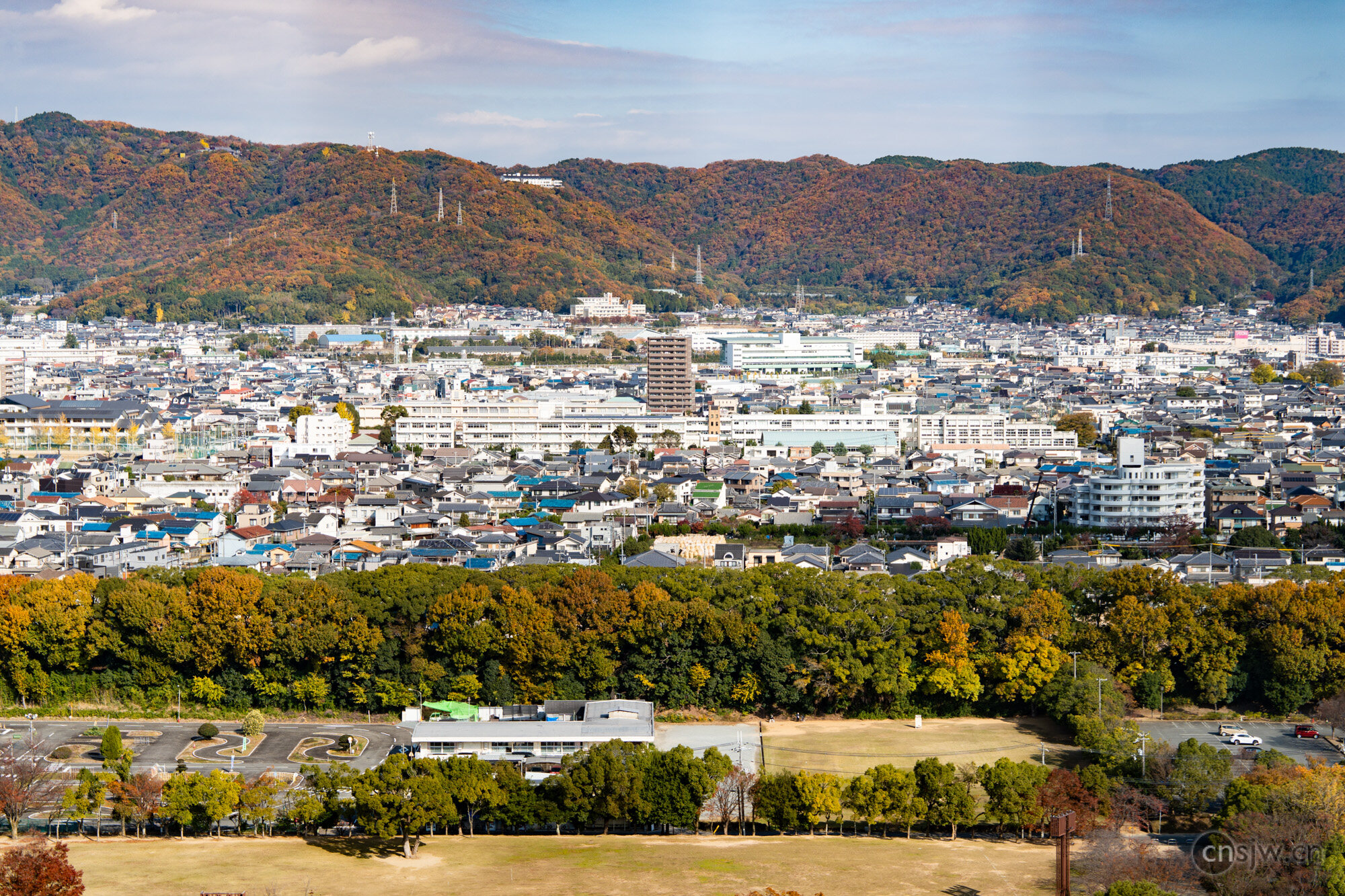
From the top, you can see the entire Himeji Castle complex. This view faces the Nishi-no-Maru Garden, with Mount Otokoyama nearby and Mount Aoyama in the distance.
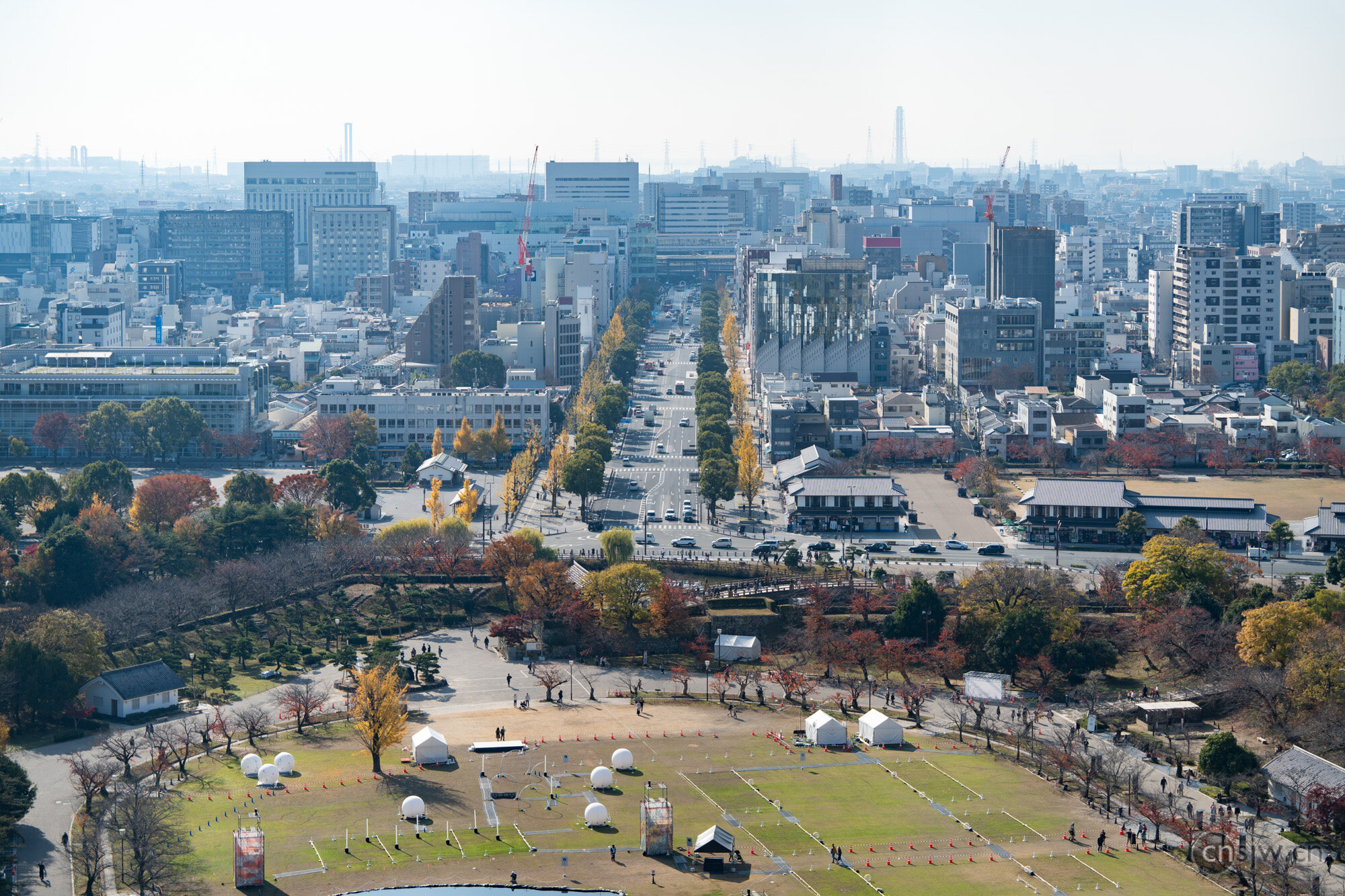
This direction faces Himeji Station.
This direction faces Mount Hiromine.




Support



Read this article on WeChat