
History of Naoshima
The name “Naoshima” dates back to the 12th century, after the Hogen Rebellion. The defeated Emperor Sutoku, while being exiled to Sanuki, stopped at this island, which was then named “Naoshima.”
In the late Warring States period, Takahara Jiro, who led a naval force, built Naoshima Castle on Mount Yahata on Naoshima. The present-day Honmura area of the island began to develop as a castle town at that time. In 1592, before Toyotomi Hideyoshi’s campaign against Bitchu-Takamatsu Castle, Takahara Jiro was appointed lord of Ogi Island, Megi Island, and Naoshima, with a stipend of 600 koku. Thereafter, the Naoshima region prospered through maritime transport and salt production. However, in 1671 during the Edo period, it became shogunate territory administered by the Kurashiki Daikansho, and Naoshima Castle was later destroyed by fire.
In the late Edo period, Naoshima was successively administered by the Takamatsu and Tosa domains. After the abolition of feudal domains and establishment of prefectures, it belonged first to Kurashiki Prefecture (now merged into Okayama Prefecture) and then to Marugame Prefecture, before finally being incorporated into Kagawa Prefecture along with Marugame Prefecture.
In 1917, the Mitsubishi zaibatsu established the Naoshima Smelter (later transferred to Mitsubishi Materials) here to produce copper, which became the island’s main industry.
From the 1960s onward, the island began developing its tourism industry, establishing campgrounds. Benesse Art Site Naoshima originated from the shared vision of Soichiro Fukutake and Chikatsugu Miyake. Soichiro Fukutake, founder of Fukutake Shoten (the predecessor of Benesse), hoped to create a place on the islands of the Seto Inland Sea where children from around the world could gather together. Chikatsugu Miyake, then mayor of Naoshima Town, dreamed of developing an educational cultural zone on Naoshima.
Starting in 1987, Benesse Corporation began acquiring land on the island, successively establishing training facilities and campgrounds. In July 1989, the “Naoshima International Campground,” supervised by Tadao Ando, opened for business. It was decided to build a cultural village in southern Naoshima, and in 1992, the Benesse House Museum, functioning as both an art museum and hotel, was established. From 2004 onward, additional venues such as the Chichu Art Museum and Lee Ufan Museum were opened one after another.
How to Get to Naoshima
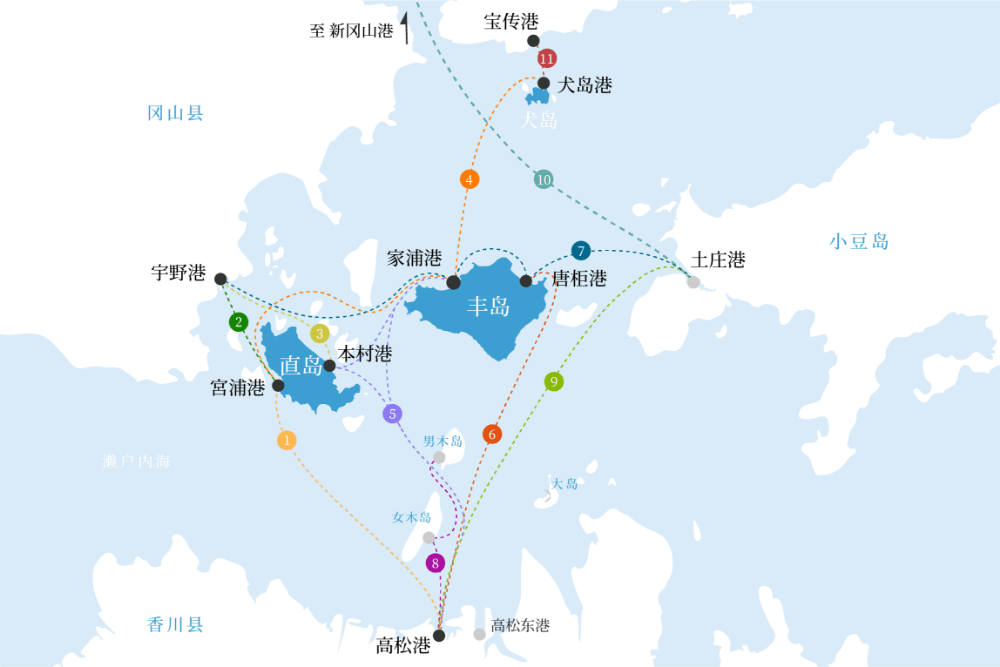
Access to the islands is primarily by ferry. The art islands developed by Benesse mainly consist of three: Naoshima, Teshima, and Inujima. If you have time, you can absolutely stay on the islands and plan a two-day trip.
Naoshima has two ports: Miyanoura Port and Honmura Port. Teshima also has two ports: Ieura Port and Karato Port. Every day, multiple ferries run between Takamatsu Port in Takamatsu and Uno Port in Okayama.
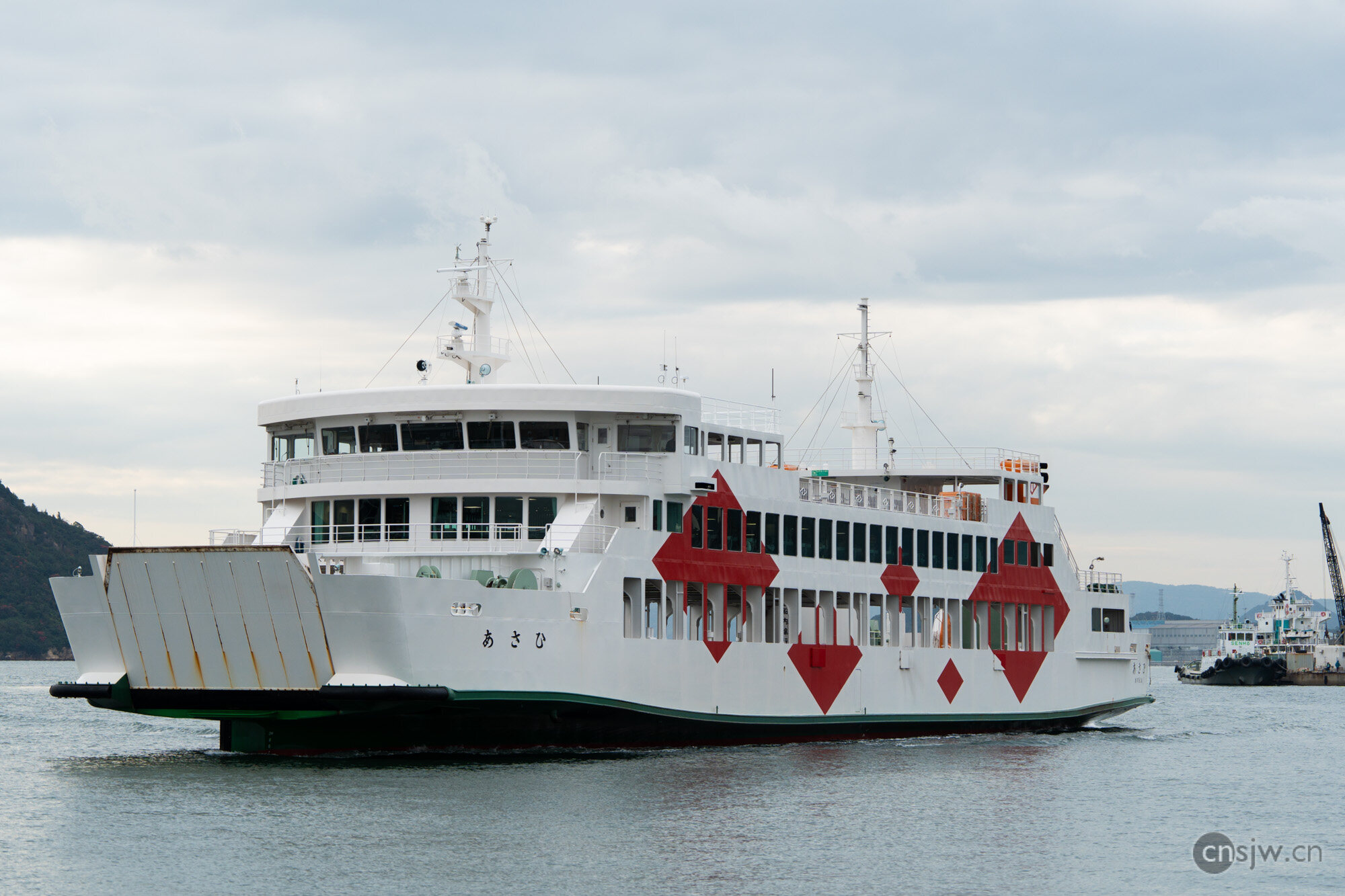
The vessels are roll-on/roll-off ferries that carry both passengers and vehicles. They offer plenty of seating, are clean and tidy, and are well-equipped, so there’s no need to worry about tickets selling out. There are also open-air seats on the top deck.
We traveled from Uno Port to Miyanoura Port. Starting from JR Okayama Station, the journey takes about an hour. After arriving at Uno Port, purchase your ticket and wait for the ferry. Round-trip tickets are available here at a slightly lower price, but they are only valid if you return within two days. The ride from Uno Port to Miyanoura Port on Naoshima takes just 20 minutes—very convenient and quick.
This is the ferry.
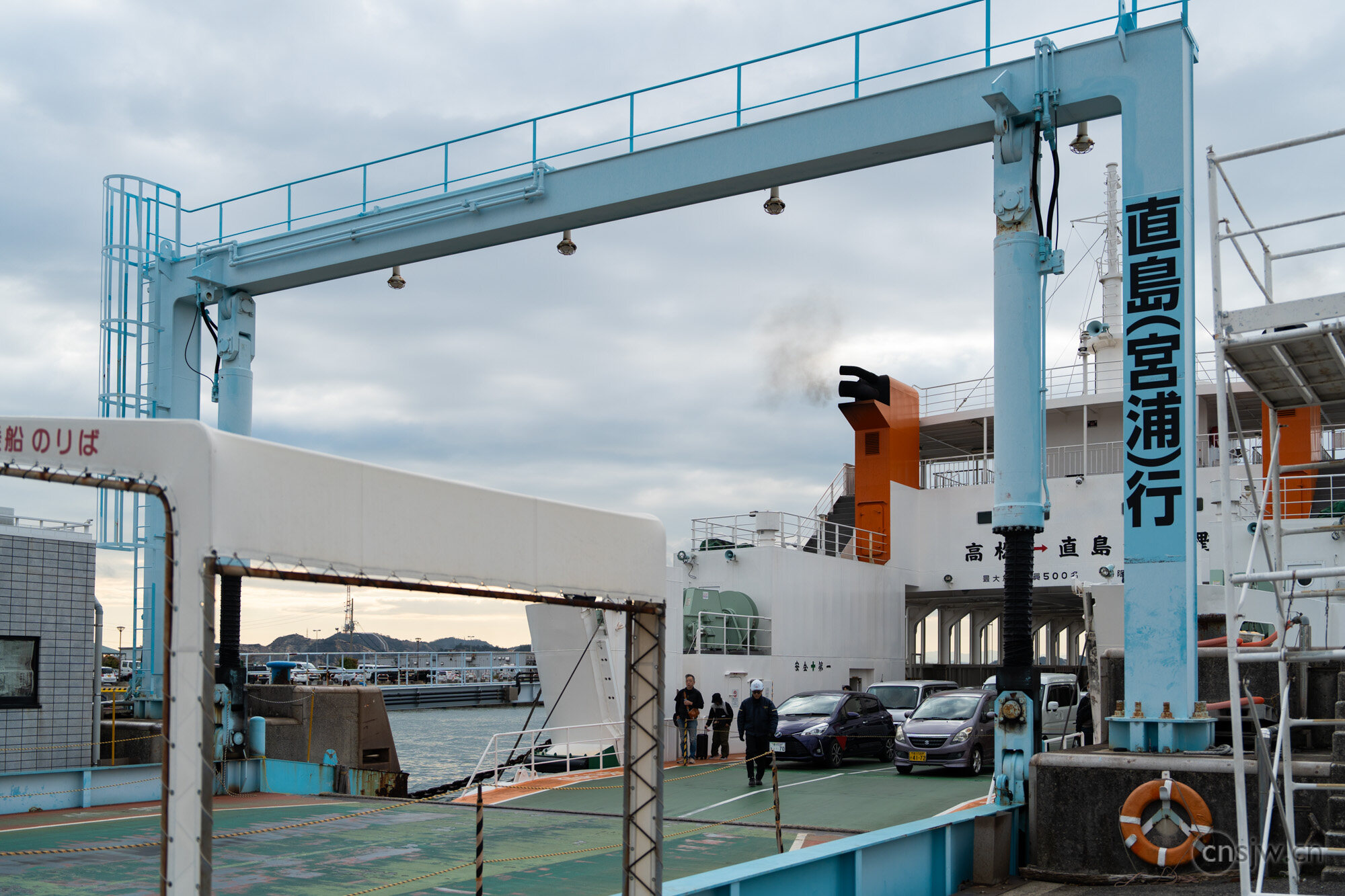
You can board once passengers and vehicles have disembarked.
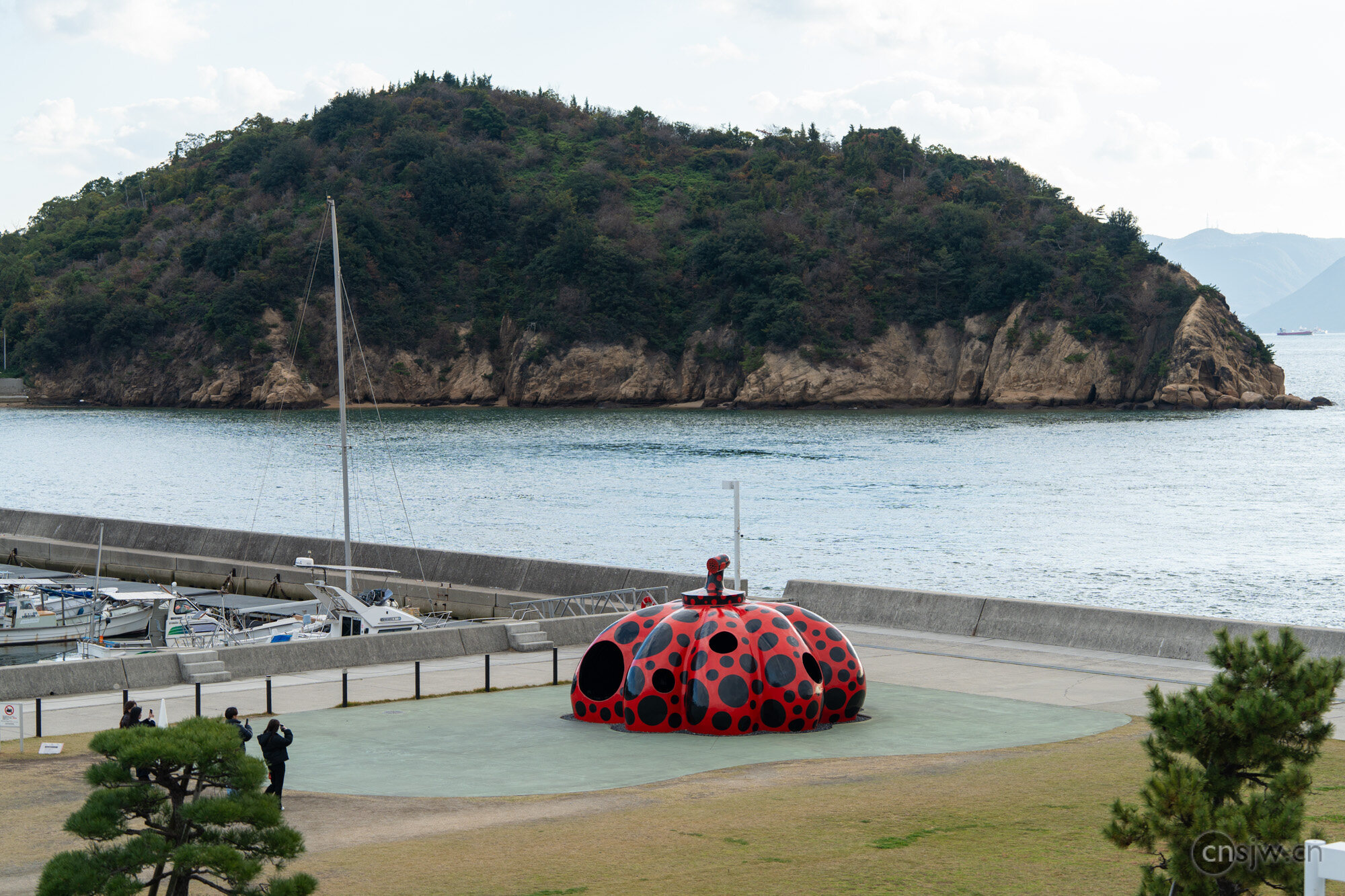
Upon arriving at Miyanoura Port, you’ll see the Red Pumpkin.
Chichu Art Museum
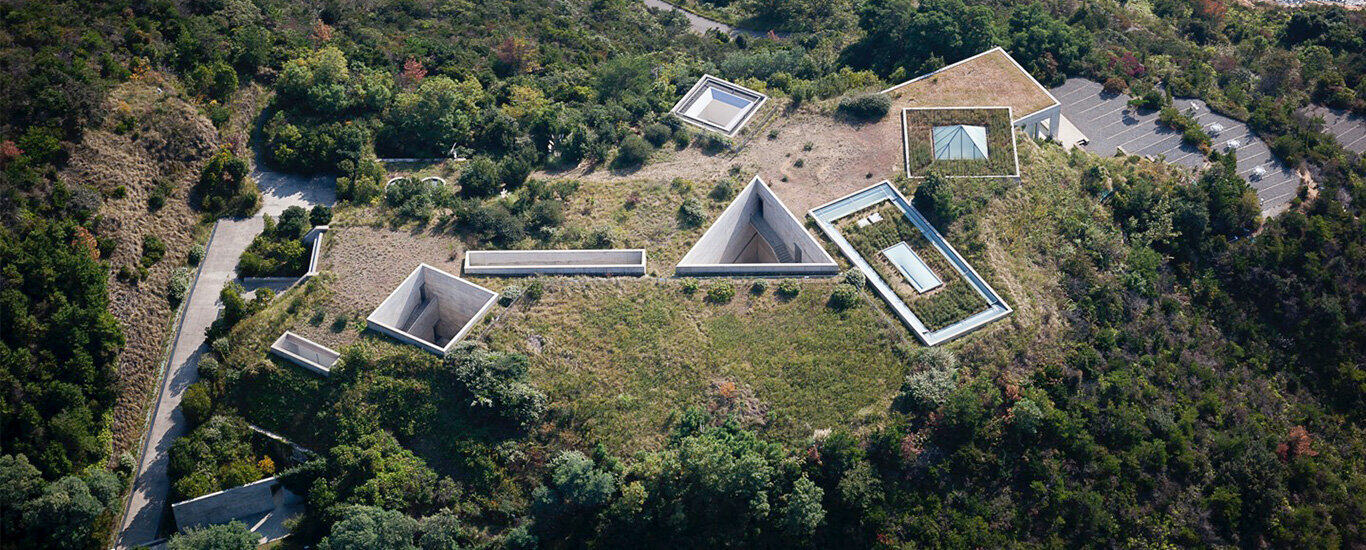
Established in 2004, the Chichu Art Museum was designed with the concept of becoming a “place to contemplate the relationship between nature and humanity.” To preserve the beautiful landscape of the Seto Inland Sea, most of the building is located underground. Works by Claude Monet, James Turrell, and Walter De Maria are permanently installed in this structure designed by Tadao Ando. Although the museum is underground, natural light filters in, causing the appearance of both the artworks and the museum itself to change continuously throughout the seasons and times of day. This museum is the result of a dynamic interplay between the visions of artists and architect; indeed, the entire museum can be regarded as an ultra-large-scale site-specific installation.
Unfortunately, photography is not allowed anywhere inside the museum. All the exhibits are well worth seeing, and the museum isn’t very large. The architecture itself is also a work of art. Here we’ve borrowed an image from the official website.
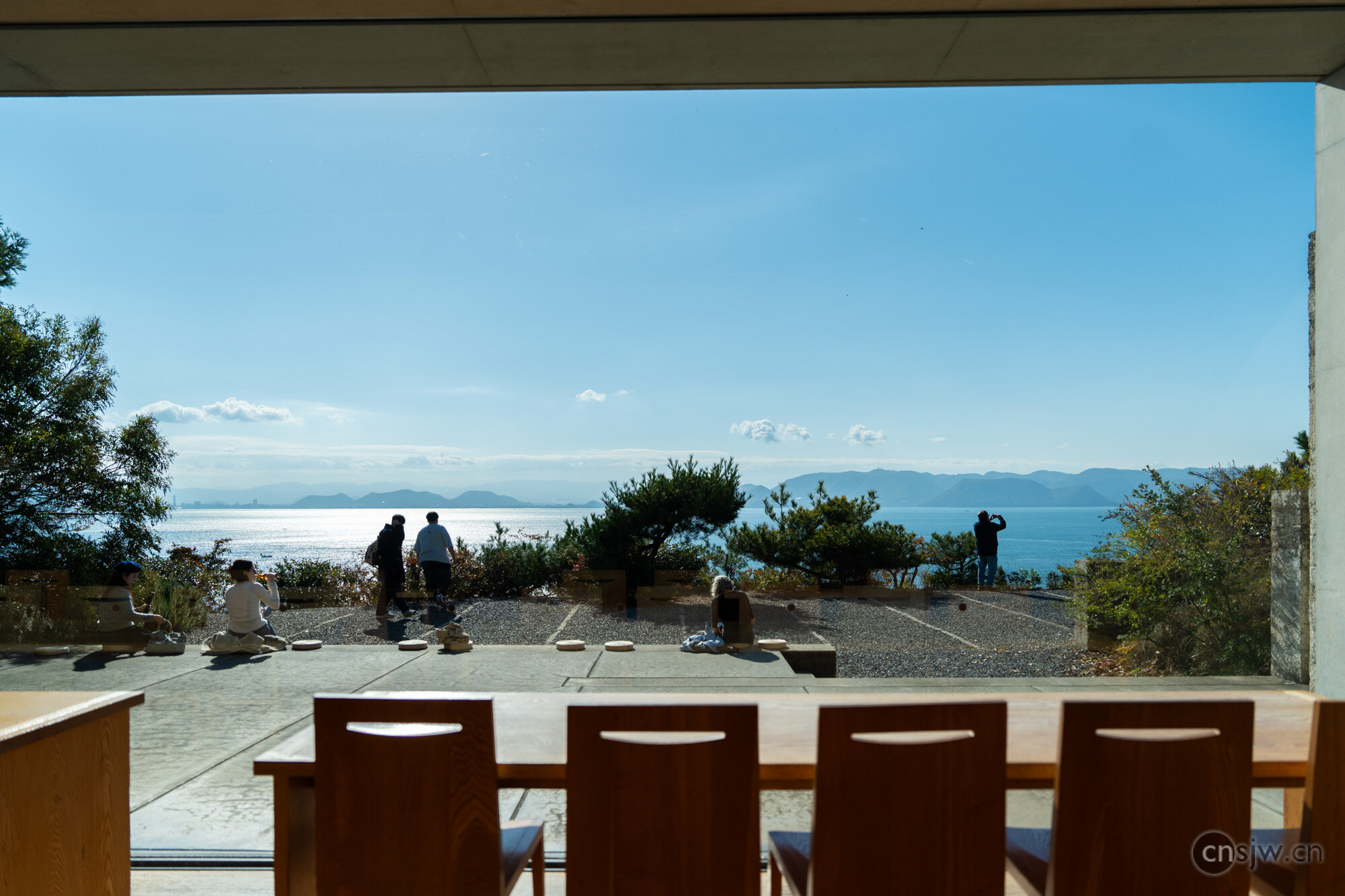
Inside, there’s a café where you can enjoy meals or coffee. It’s a great spot to sit down and take a break—the ambiance is truly wonderful, though the coffee is fairly average, as it comes from an automatic machine.
This is the view from the café window; outside, there’s a spacious terrace.
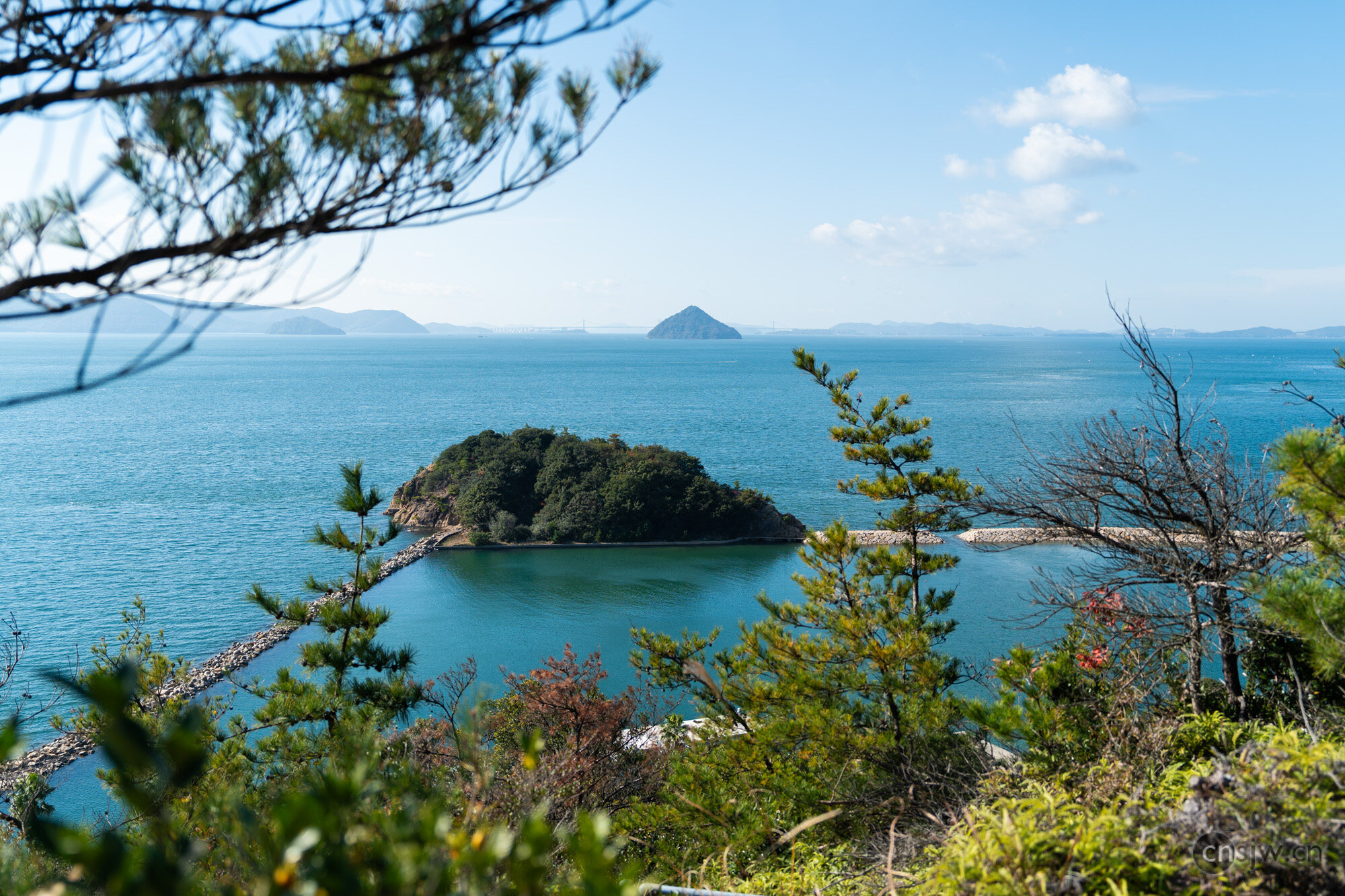
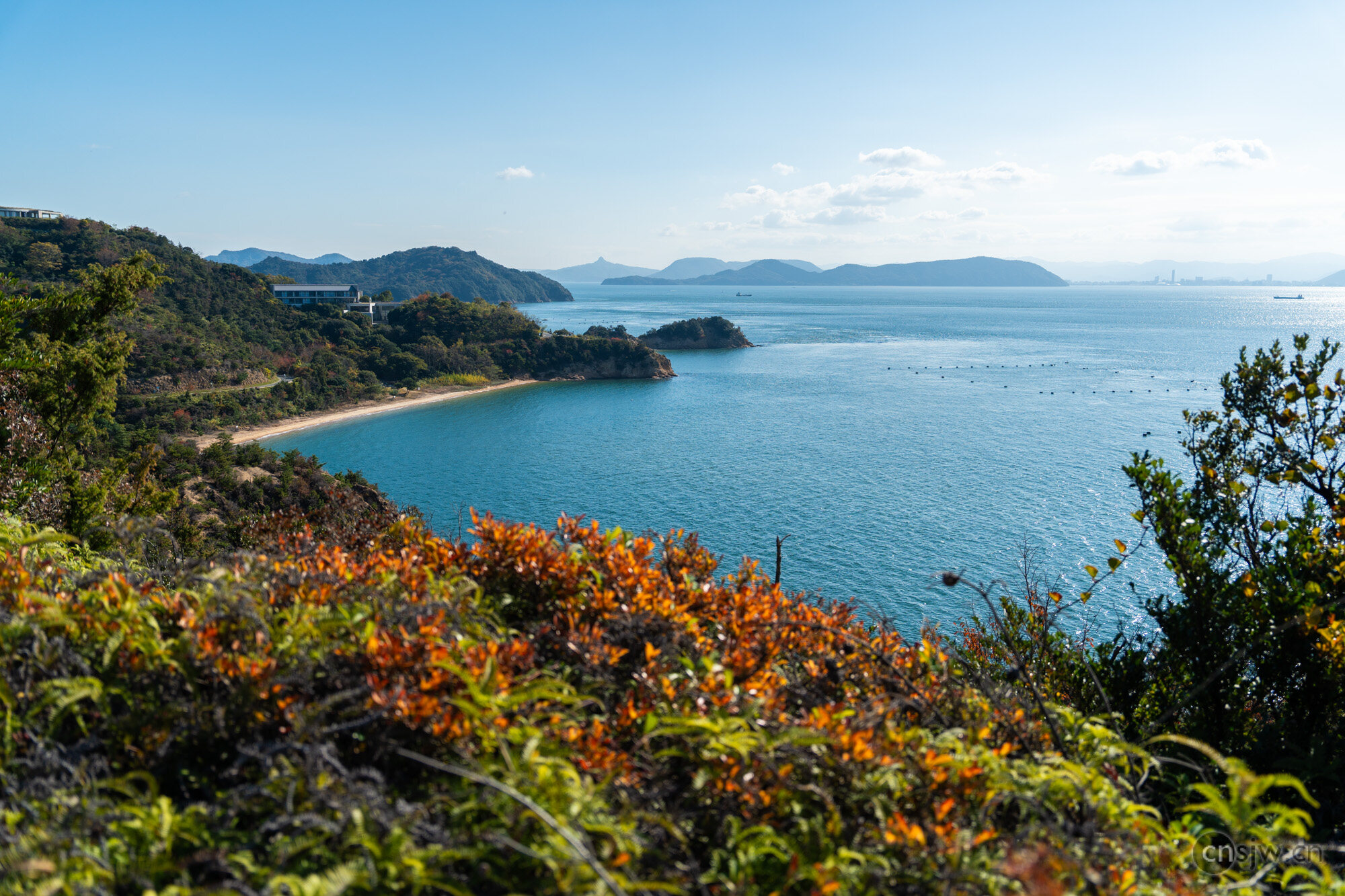
One level down outside is an outdoor dining area with direct views of the Seto Inland Sea.
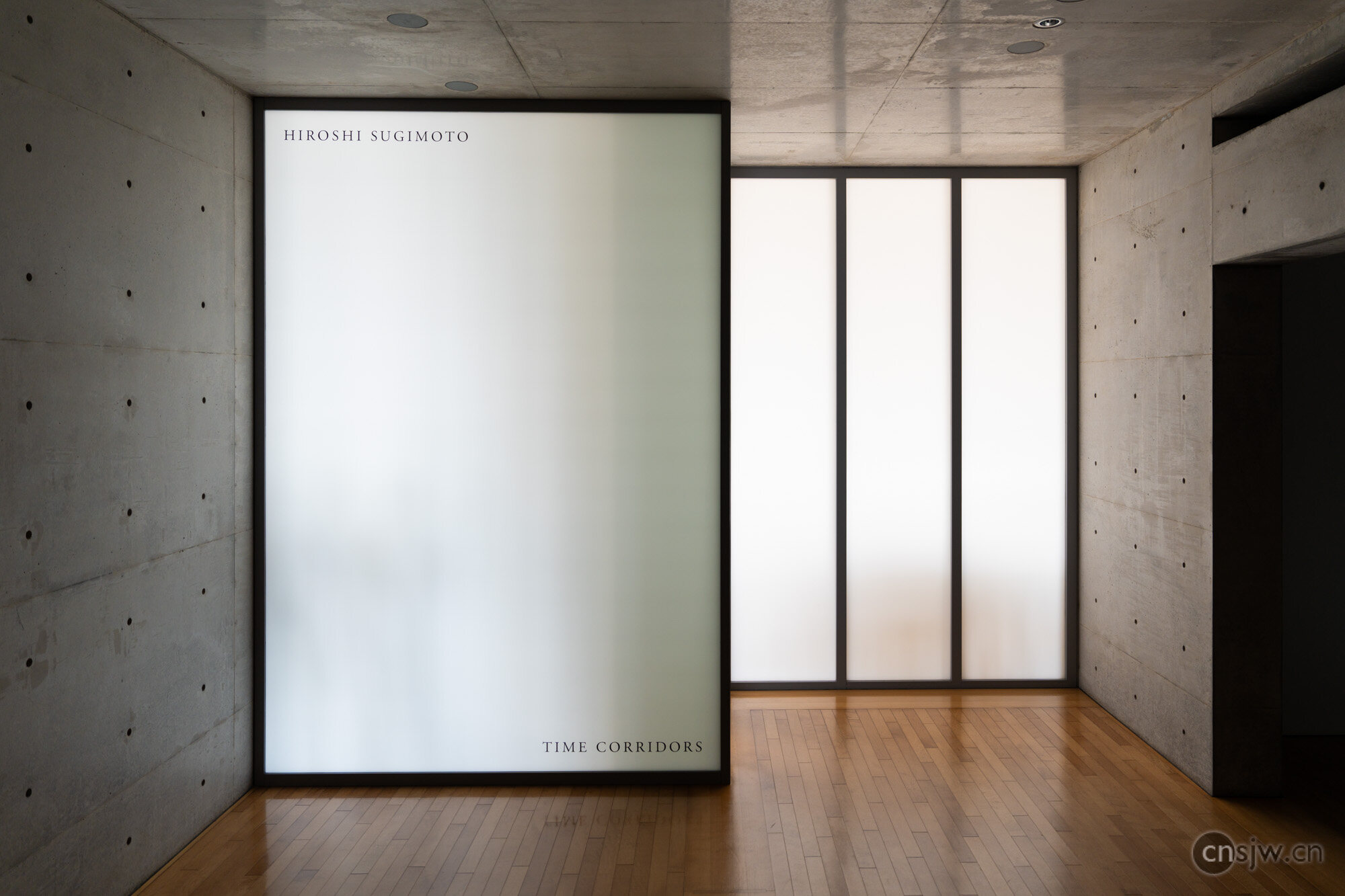
Hiroshi Sugimoto Gallery – Time Corridors
Hiroshi Sugimoto is a renowned Japanese photographer, hailed as a pioneer of conceptual photography. He is celebrated for his iconic and thought-provoking black-and-white photographs, including series of museums, theaters, seascapes, and architecture.
His gallery showcases a variety of Sugimoto’s photographic works as well as installations.
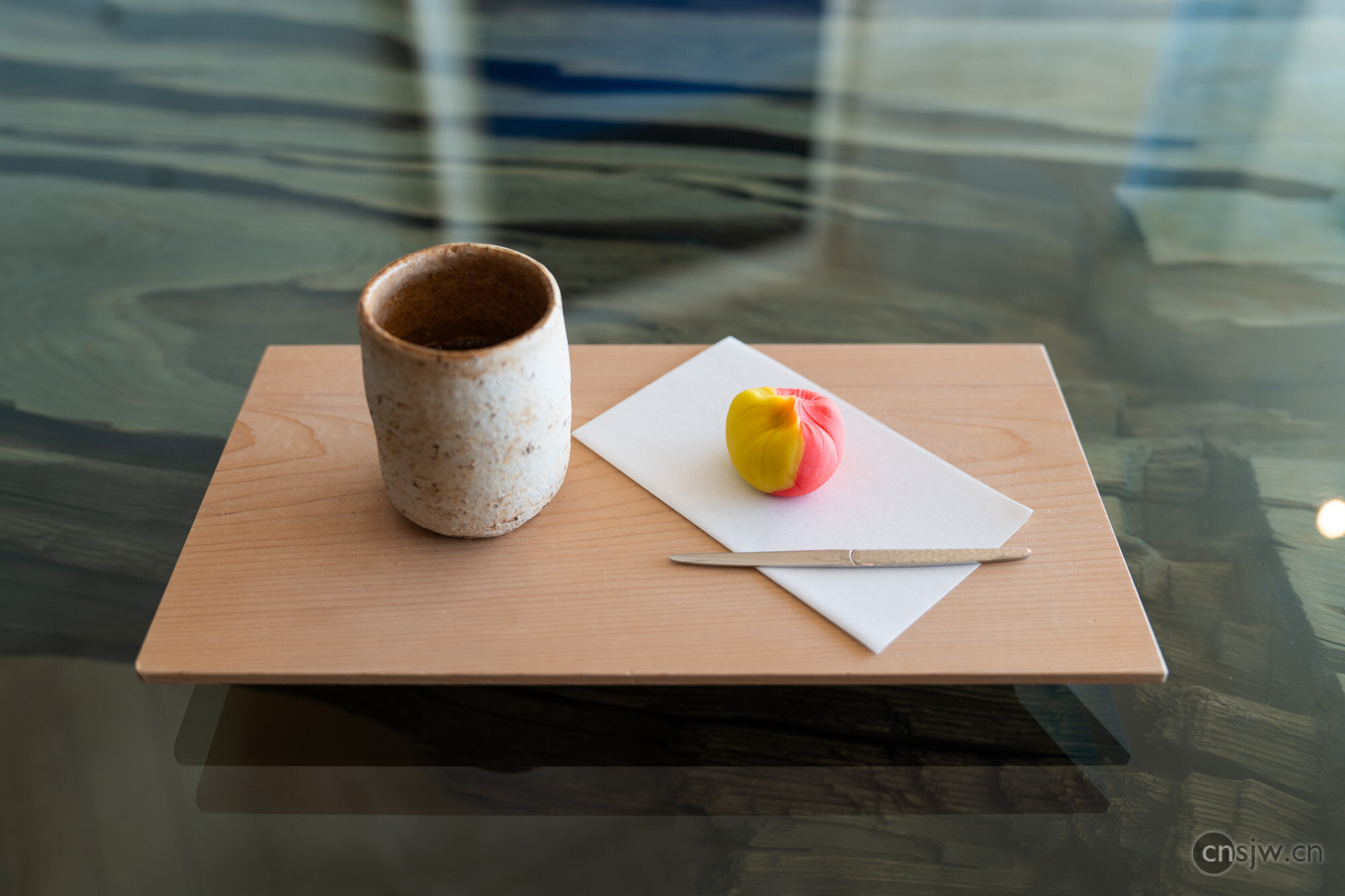
Admission includes a cup of tea and refreshments, and the lounge has a wonderful atmosphere.
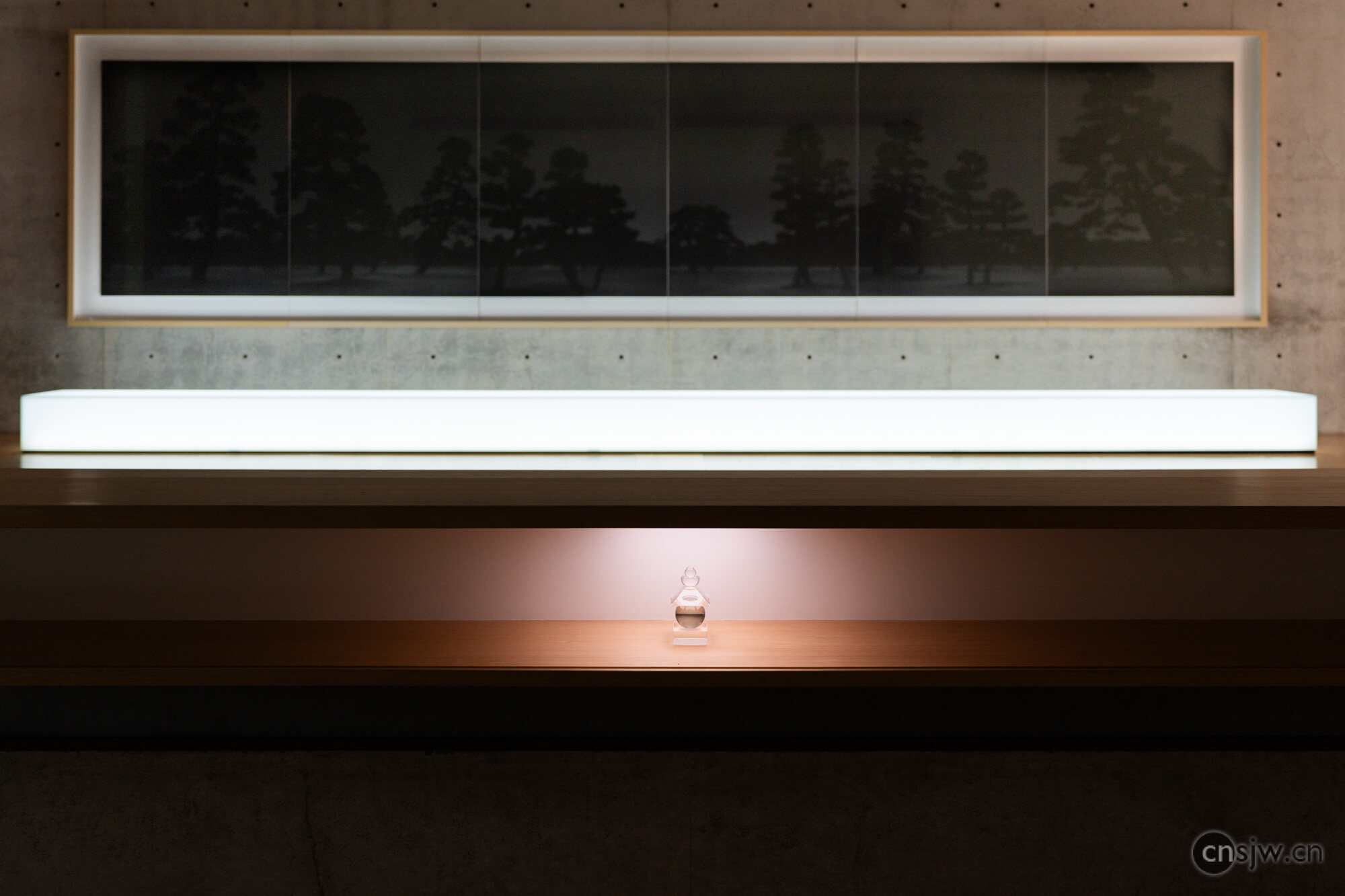
Pine Trees, Coffin of Light, Five Elements
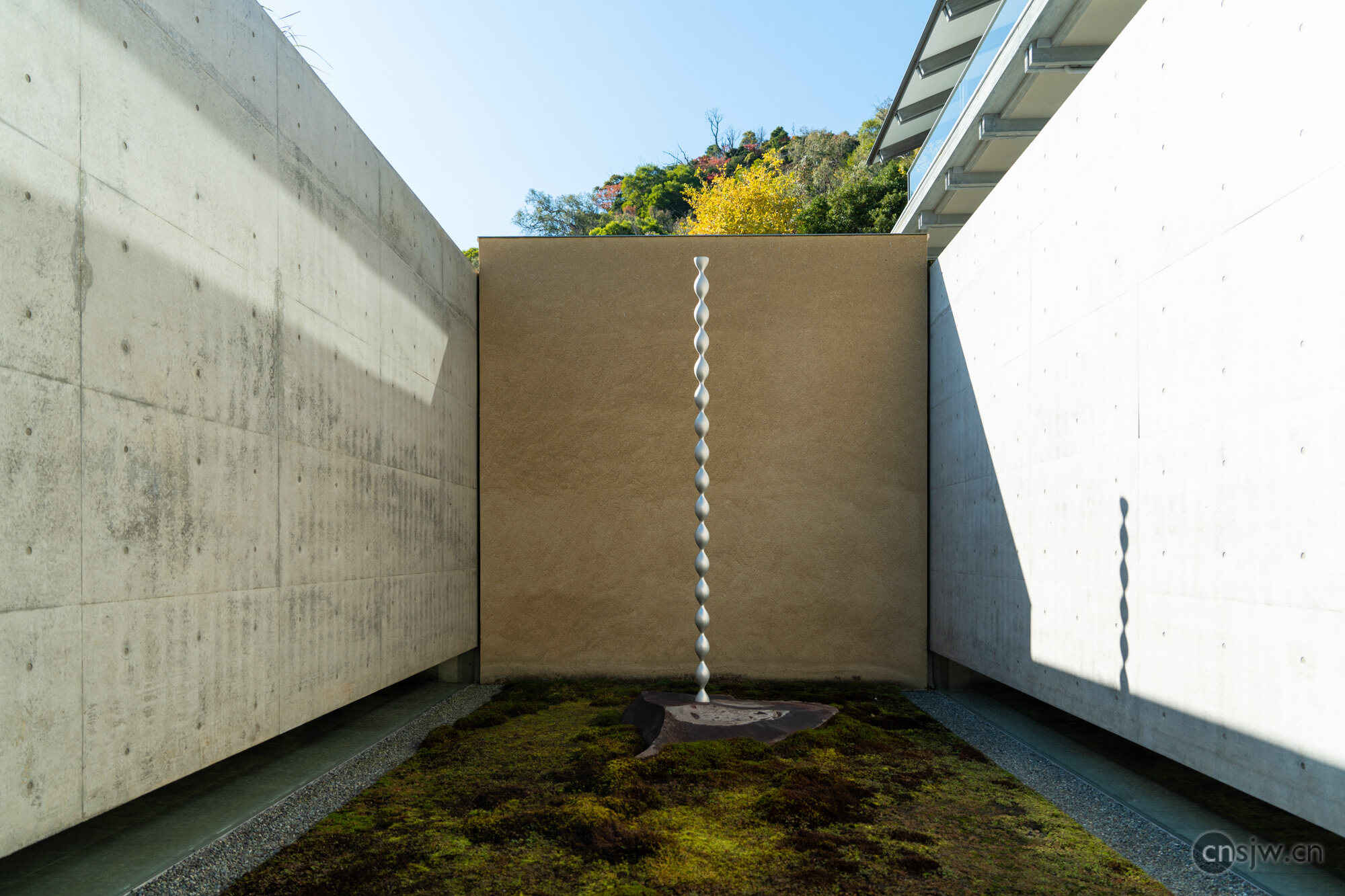
Concept of Moss
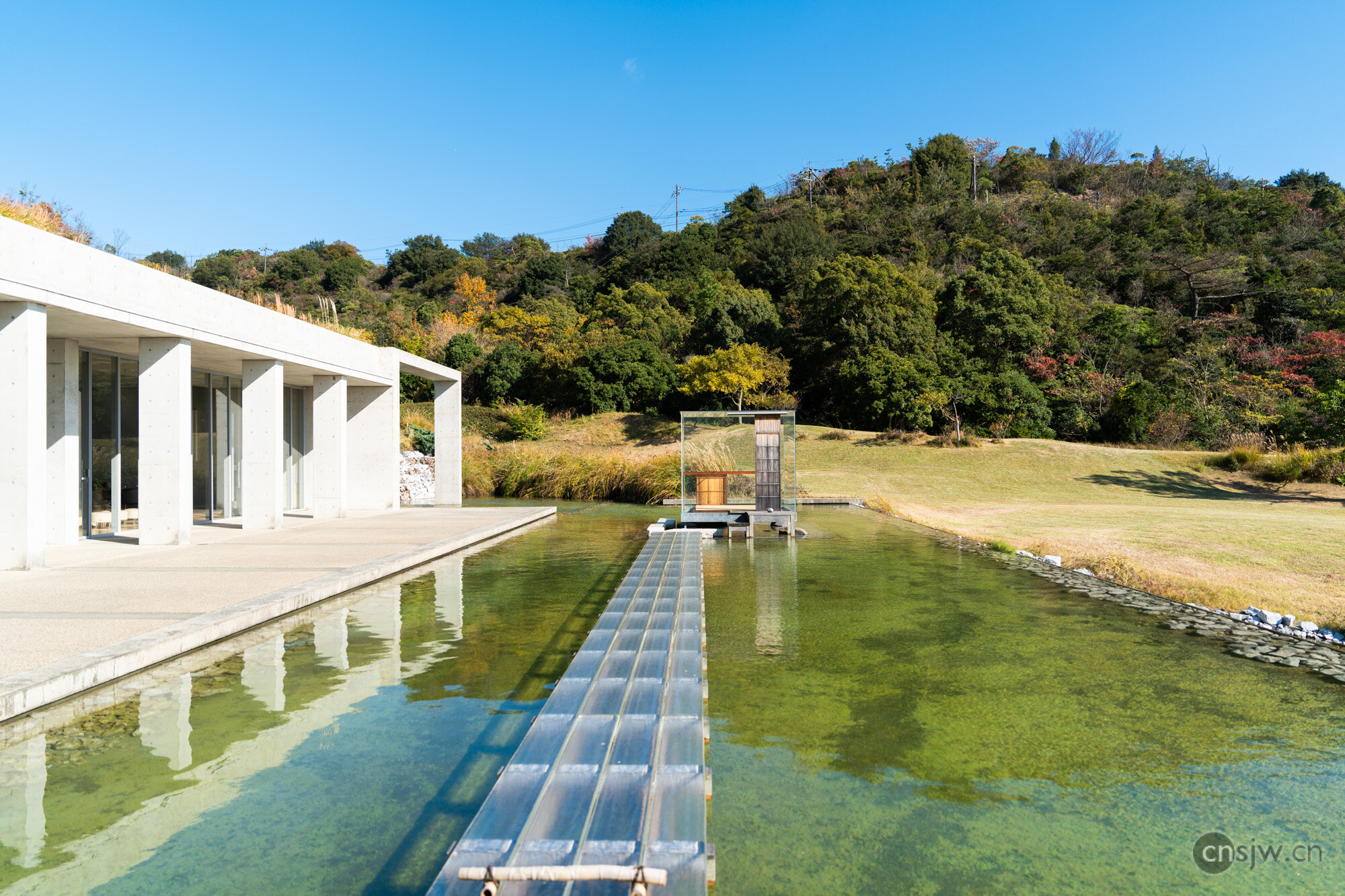
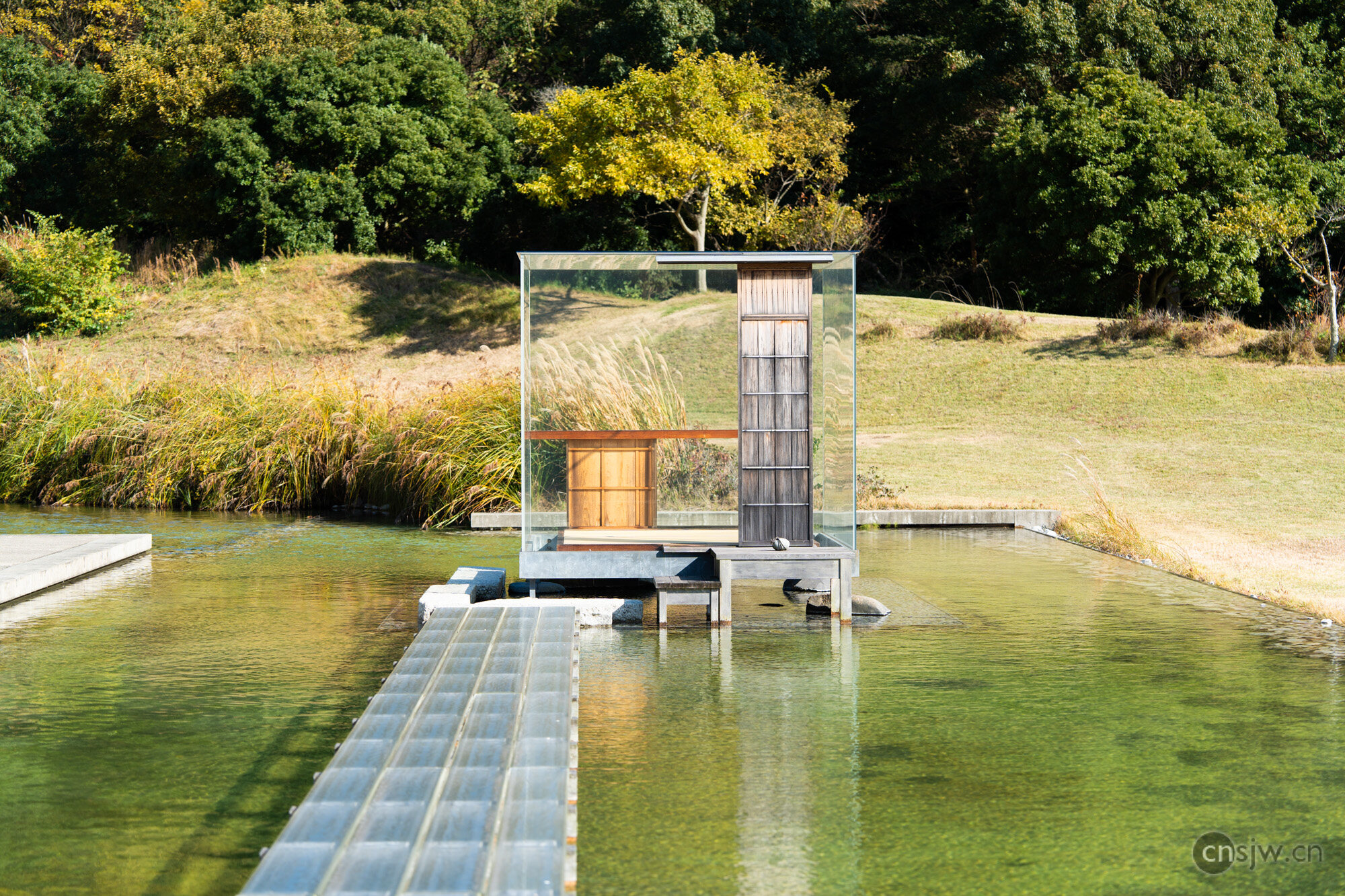
Glass Tea House “Mondrian”
More of Naoshima
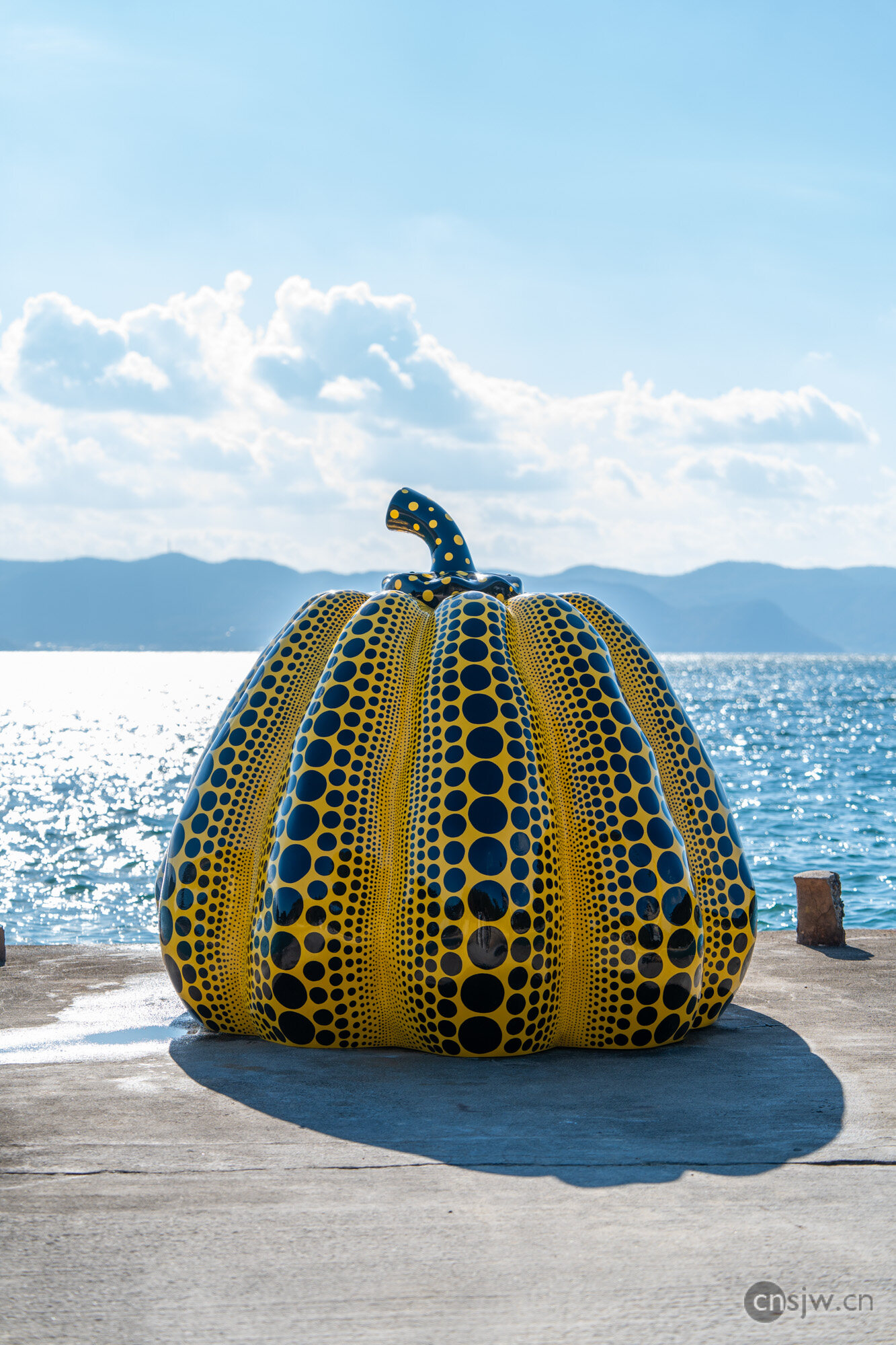
Naoshima is an island brimming with art. Due to limited time on this visit, we didn’t explore other museums, but artworks can be found everywhere across the island—for example, this famous Large Pumpkin by Yayoi Kusama.
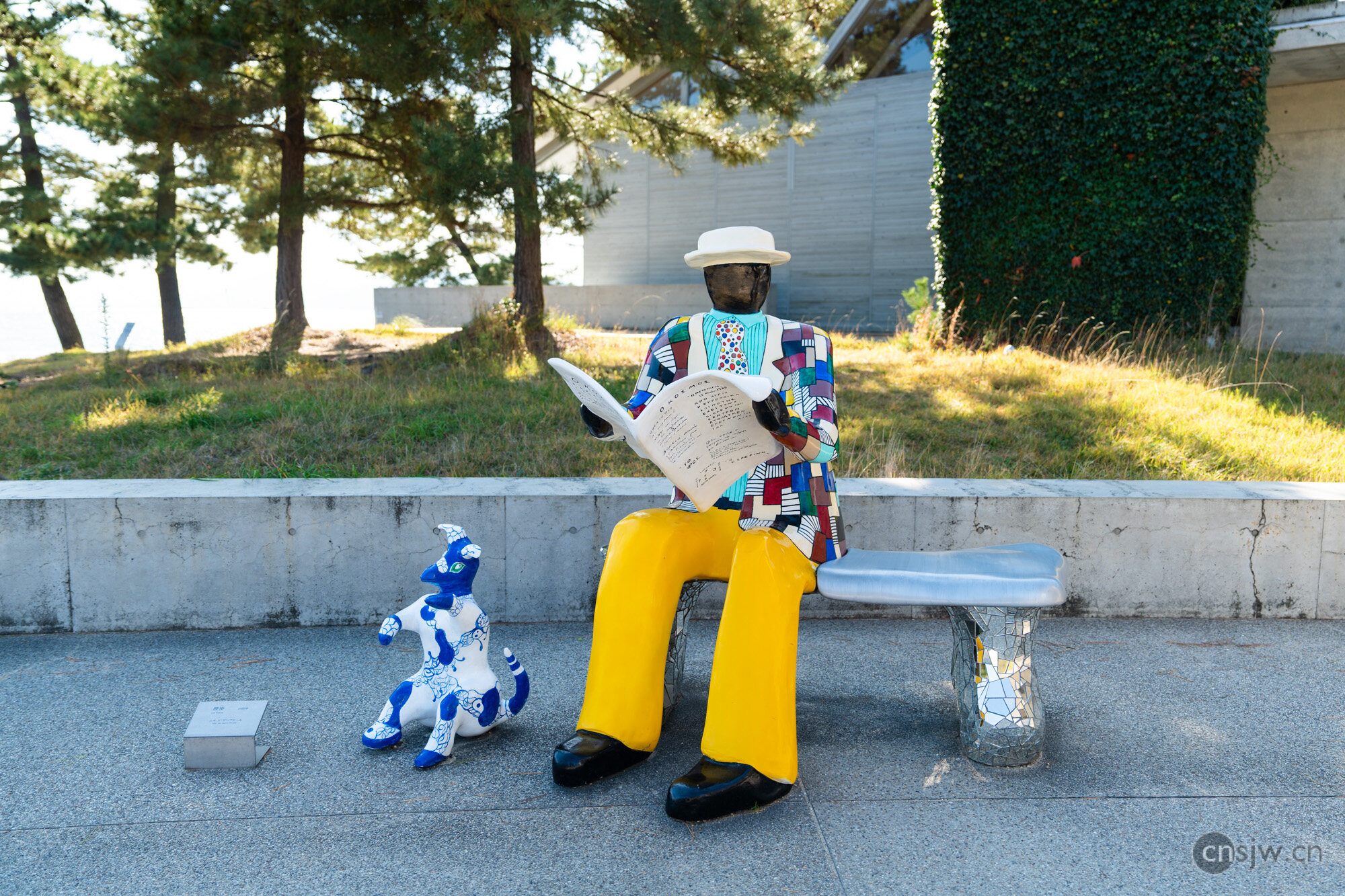
And this bench (Le Banc) by Niki de Saint Phalle.
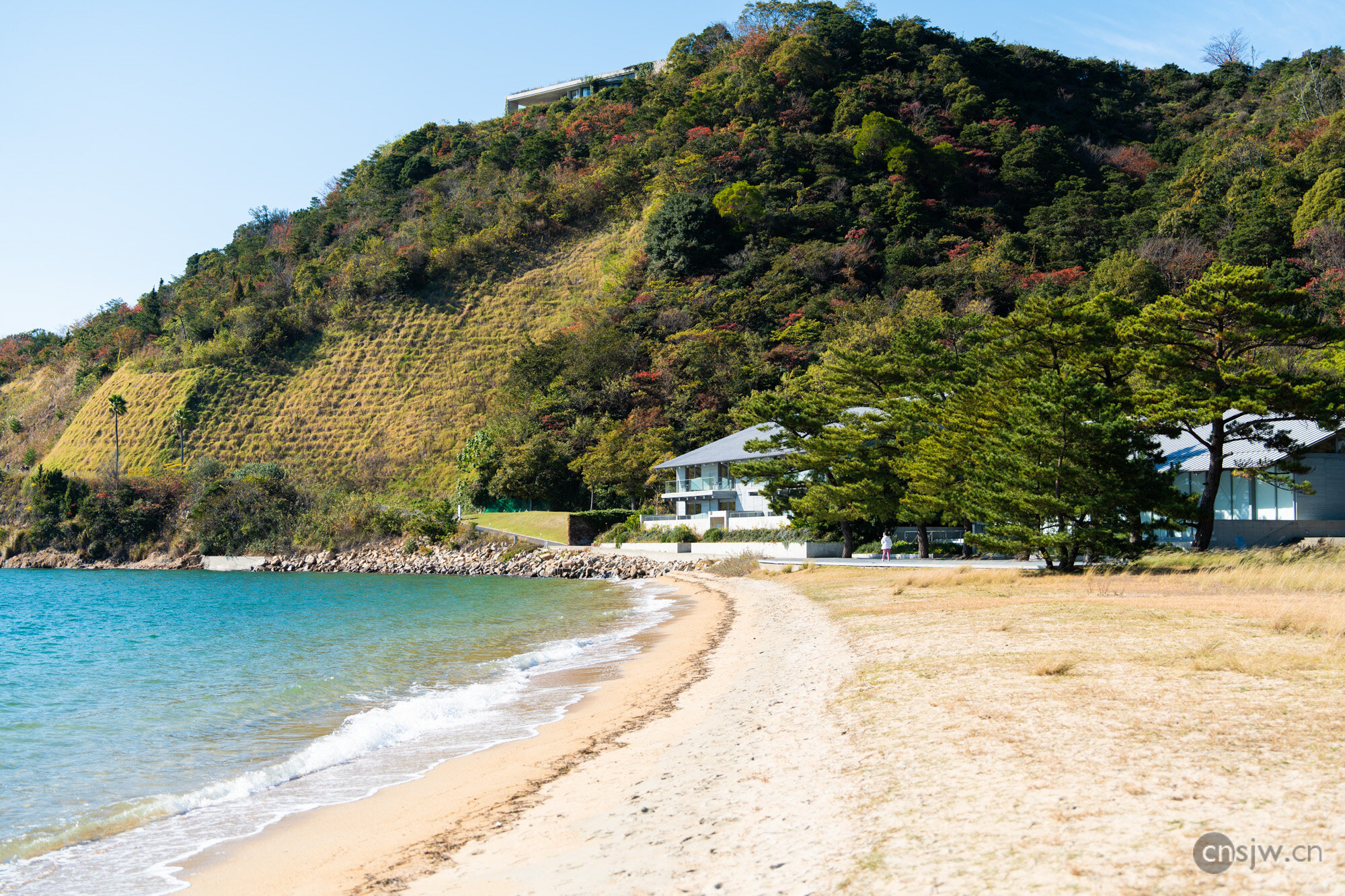
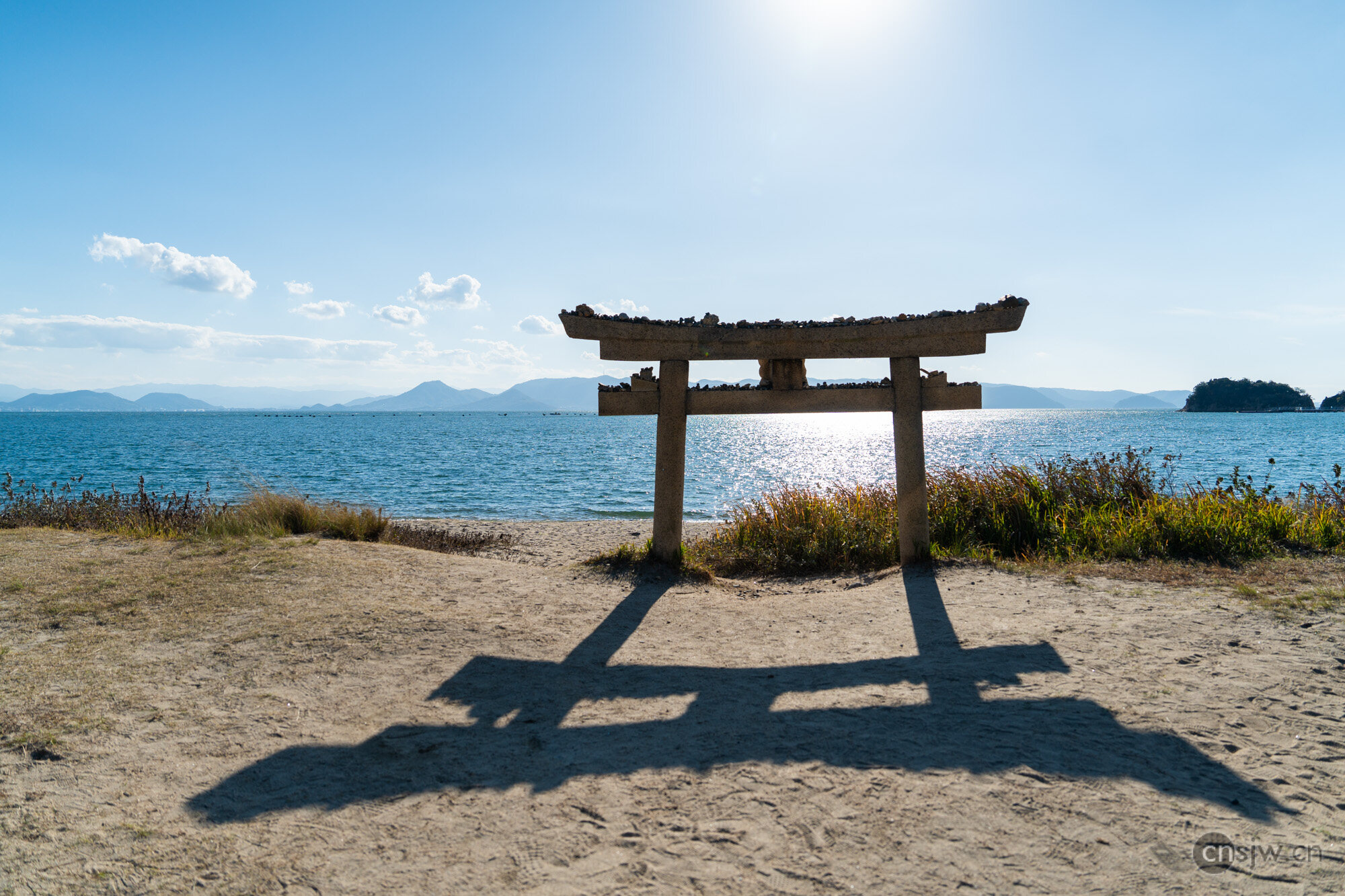
There are also beaches scattered throughout the island.
Other Tips
Transportation on the island is relatively inconvenient, and the island is larger than expected. Visitors tend to concentrate in three areas: Miyanoura, Honmura, and the Benesse area. A single bus route connects these zones, so be sure to check the timetable carefully—service is infrequent. The fare is 100 yen, so remember to have coins ready.
At the Benesse stop, the bus stops at the Naoshima International Campground, where free shuttle buses connect to several museums within the Benesse area. Again, check schedules in advance, as services are limited. It’s best to plan your entire itinerary ahead of time, including specific ferry and bus times. All schedule information is available on Naoshima’s official website.
For popular museums, we recommend purchasing tickets and making reservations in advance, and arriving at your reserved time. Reservations can also be made via Naoshima’s official website.
Also, be sure to check each museum’s opening hours and closure days—avoid visiting on Mondays.
Additionally, dining options on the island are limited. Aside from a few hotel restaurants and light meals at museum cafés, there isn’t much else. At the Naoshima International Campground, however, you’ll find numerous stalls selling vegetables, as well as the Naoshima Shokudo, which serves ramen, fried chicken, and bento boxes.
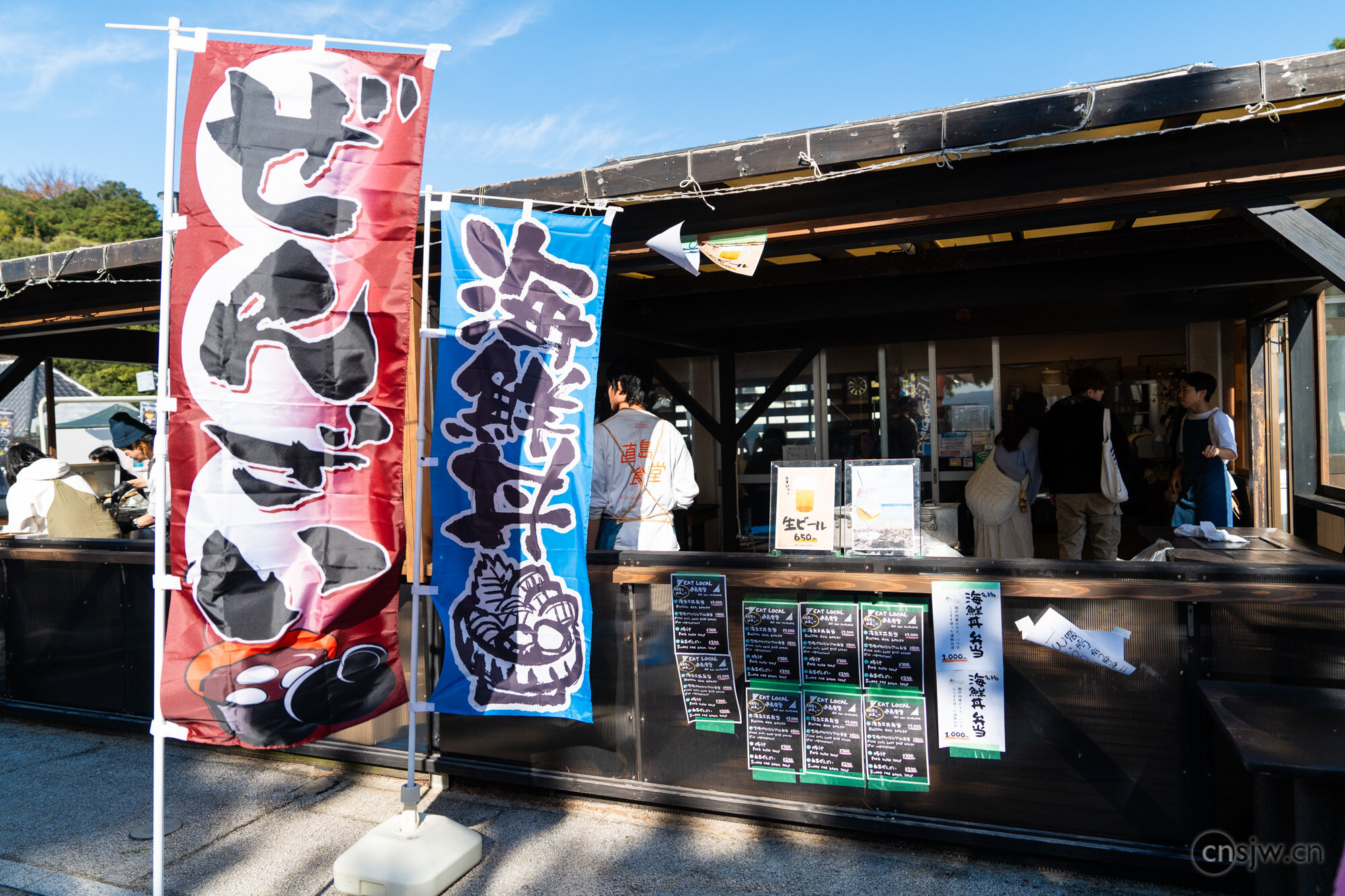
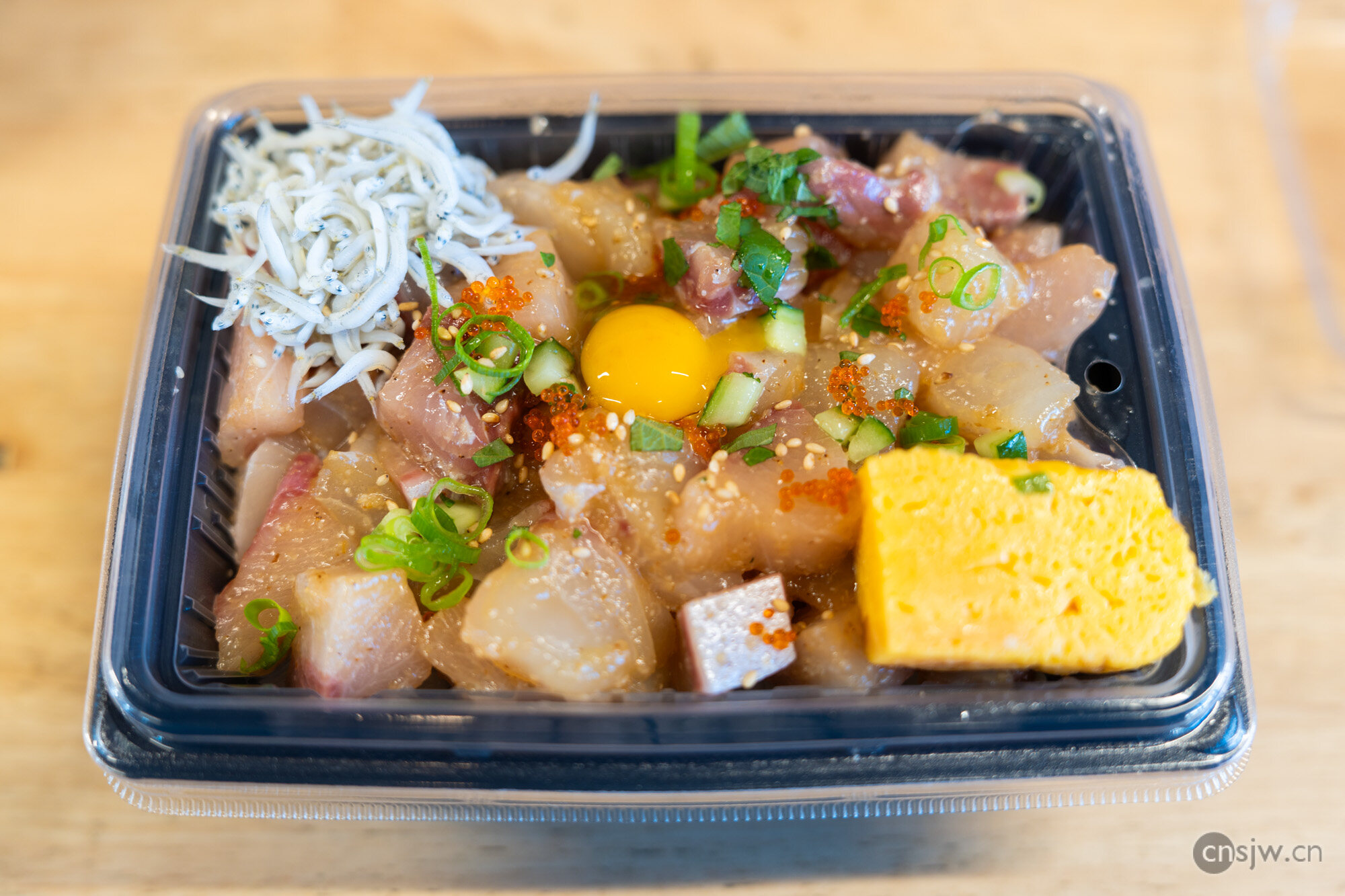
Naoshima Shokudo offers an excellent seafood rice bowl (featuring sea bream from the Seto Inland Sea) for just 1,000 yen. Unfortunately, it’s limited to nine servings per day and goes on sale only from 1:00 p.m., so getting one is a matter of luck.
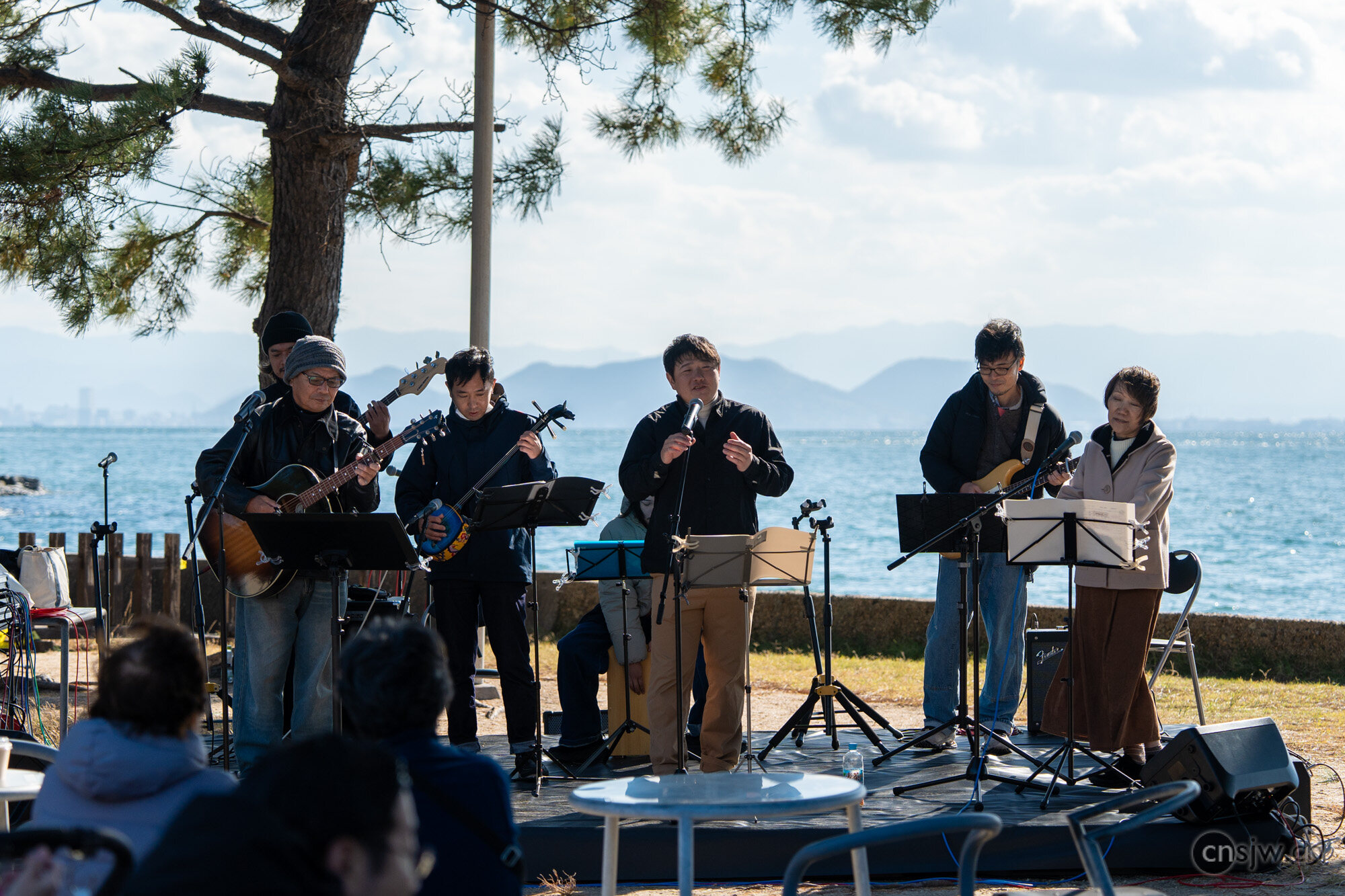
Nearby, a local band performs live music.
All in all, Naoshima is an art-filled island well worth visiting. If time allows, consider staying overnight and taking side trips to Teshima and Inujima to fully savor the island’s relaxed pace of life.



Support



Read this article on WeChat