
M+ is a museum of visual culture located in the West Kowloon Cultural District, Hong Kong. With a total floor area of 125,000 square meters, construction began on January 29, 2015, at a cost of HK$4.9 billion. The first phase of construction was completed in the second quarter of 2020, and the museum opened on November 11, 2021, with subsequent phases continuing thereafter. M+ focuses on art, design, architecture, and moving images from the 20th to the 21st century, making it one of the largest museums of visual arts in the world.
Located in the West Kowloon Cultural District, this area is essentially an entirely new district created through land reclamation. As a cultural hub, it encompasses the M+ museum, the Hong Kong Palace Museum, the Xiqu Centre, the West Kowloon Art Park, as well as future venues such as the Contemporary Performance Centre, Grand Theatre, and Music Centre.
M+ is likely the venue closest to the MTR station within the entire West Kowloon Cultural District. From Kowloon Station, simply exit via Elements mall, cross the footbridge, and follow the signage along the way.
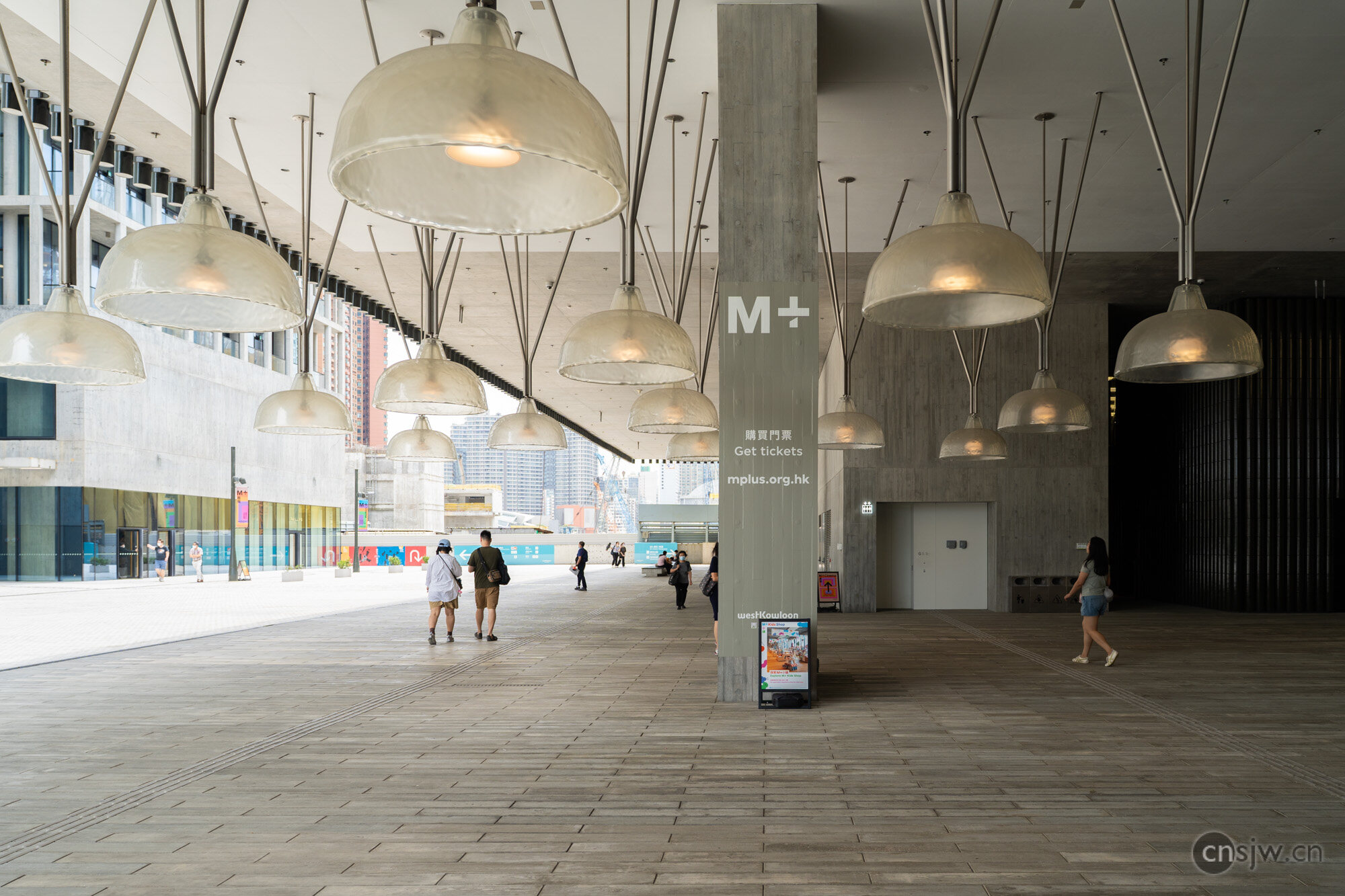
The name ‘M+’ stands for ‘Museum Plus’. The museum primarily focuses on contemporary art but also includes architecture, photography, and more. The exhibition space is vast; lockers are available in the basement, with small lockers free of charge and large lockers rented by time. Although the museum features 33 galleries, most are located on the second floor. Some galleries are quite small, housing only a single exhibit, so you won’t be walking until your legs give out. In fact, some areas with numerous exhibits can even feel somewhat crowded.
Exhibits have been collected since 2012, comprising both acquisitions and donations:
In June 2012, the West Kowloon Cultural District Authority announced the donation of 1,463 pieces of Chinese contemporary art by renowned Swiss collector Uli Sigg. The collection includes works by over 300 artists, including Chinese masters Xu Bing and Yue Minjun, as well as Hong Kong artists Lee Kit and Pak Sheung Chuen. According to estimates by international auction house Sotheby’s, the collection is valued at no less than HK$1.3 billion. Additionally, the West Kowloon Cultural District Authority invested over HK$170 million to acquire 47 works from Uli Sigg.
After nearly nine months of cataloging, in mid-March 2013, M+ released its first list of 1,510 items from the Uli Sigg Collection. The artist with the most works is Guangxi-based Chen Guangwu, with 69 pieces, mainly ink paintings. Mainland Chinese dissident Ai Weiwei has 26 works, including photographs of him raising his middle finger at Tiananmen Square and the White House, as well as clay sculptures blending ancient and modern cultures—a Coca-Cola can. Sichuan performance artist Zhu Yu’s works often feature raw meat and corpses, including his ‘Cannibalism’ series. Other notable works include those by Wang Guangyi; Ma Liuming walking naked on the Great Wall; and Chen Lingyang’s ‘Twelve Flower Months’, photographed using menstrual blood as a theme. Furthermore, M+ holds 364 other works, over 90% of which are by Hong Kong visual artists, documenting the development of contemporary visual arts in Hong Kong and China from the 1950s to the present. These include works by painter Chan Yu-sang, known for his distinctive personal style; Frog King (Kwok Mang Ho), whose artistic practice spans painting, sculpture, and performance art; and emerging artist Ho Sin Tung, who graduated from the Department of Fine Arts at The Chinese University of Hong Kong in 2008.
In March 2014, M+ launched its first interactive online exhibition, ‘NEONSIGNS.HK: Exploring Neon’, aimed at exploring, connecting, and documenting Hong Kong’s unique urban landscape of neon signs. It also collects various neon signs slated for demolition as part of its permanent collection, currently including the cow-shaped neon sign from Sammy’s Kitchen, the rooster neon sign from Kai Kee Mahjong Parlour in Kwun Tong, and the dace fish neon sign from Lo Fu Kee Congee & Noodle Expert.
As of July 23, 2014, M+ had acquired over 920 artworks, more than half originating from Hong Kong, and received over 2,000 donated works.
From February 23 to April 5, 2016, M+ held the exhibition ‘M+ Sigg Collection: Four Decades of Chinese Contemporary Art’ at ArtisTree, Taikoo Place, presenting over 80 works by 50 artists in chronological order.
On March 21, 2022, Ms. Zhao Shanmei, daughter of Zao Wou-Ki, donated 12 significant works by the artist to M+. The donated pieces include nine prints, two oil paintings, and one watercolor, spanning from 1945 to 2005, covering nearly Zao Wou-Ki’s entire creative career. Among them, two oil paintings—’Street Artist’ (1945) and ‘Piazza di Siena’ (1951)—reveal his early artistic style. Zao moved to Paris in 1948; ‘Street Artist’ was painted before his departure, while ‘Piazza di Siena’ shows buildings simplified into lines, reflecting the impact of European art styles after his arrival in France and his subsequent reflections and evolution. This marks the first inclusion of Zao Wou-Ki’s works in the M+ collection and represents the largest donation of his works ever received by an Asian museum, making M+ one of the public cultural institutions outside Europe with the most extensive holdings of Zao Wou-Ki’s art.
Art exhibitions in Hong Kong tend to be bolder than those in mainland China, sometimes featuring 18+ content and politically sensitive exhibits. Additionally, their official website is exceptionally well-designed, offering detailed introductions to all of its more than ten thousand collection items.
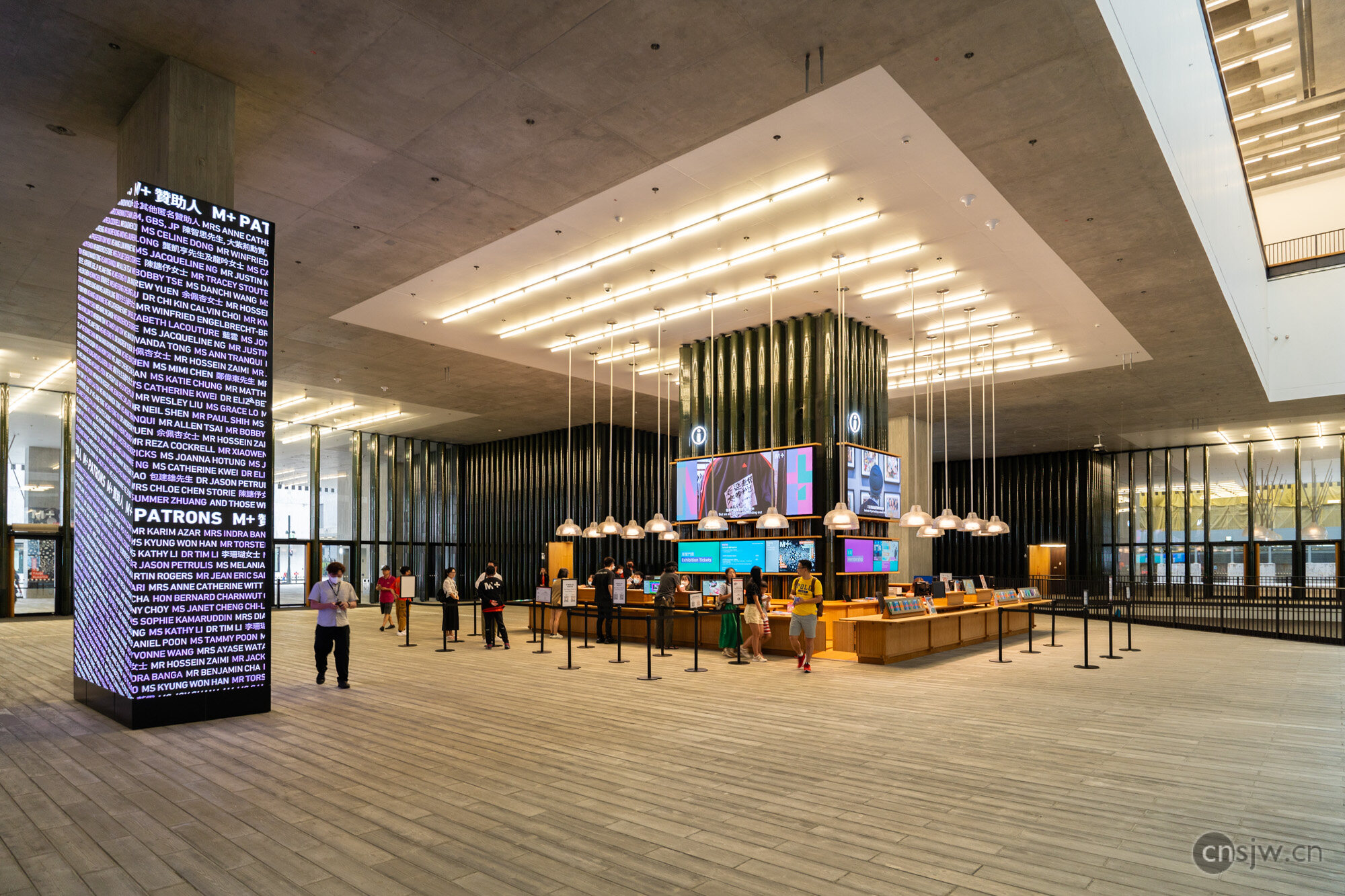
At the ticket exchange counter near the entrance, visitors who purchased tickets online must redeem them here. There is also an installation here: Yugo Nakamura, Light Shadow Acknowledgement Wall.
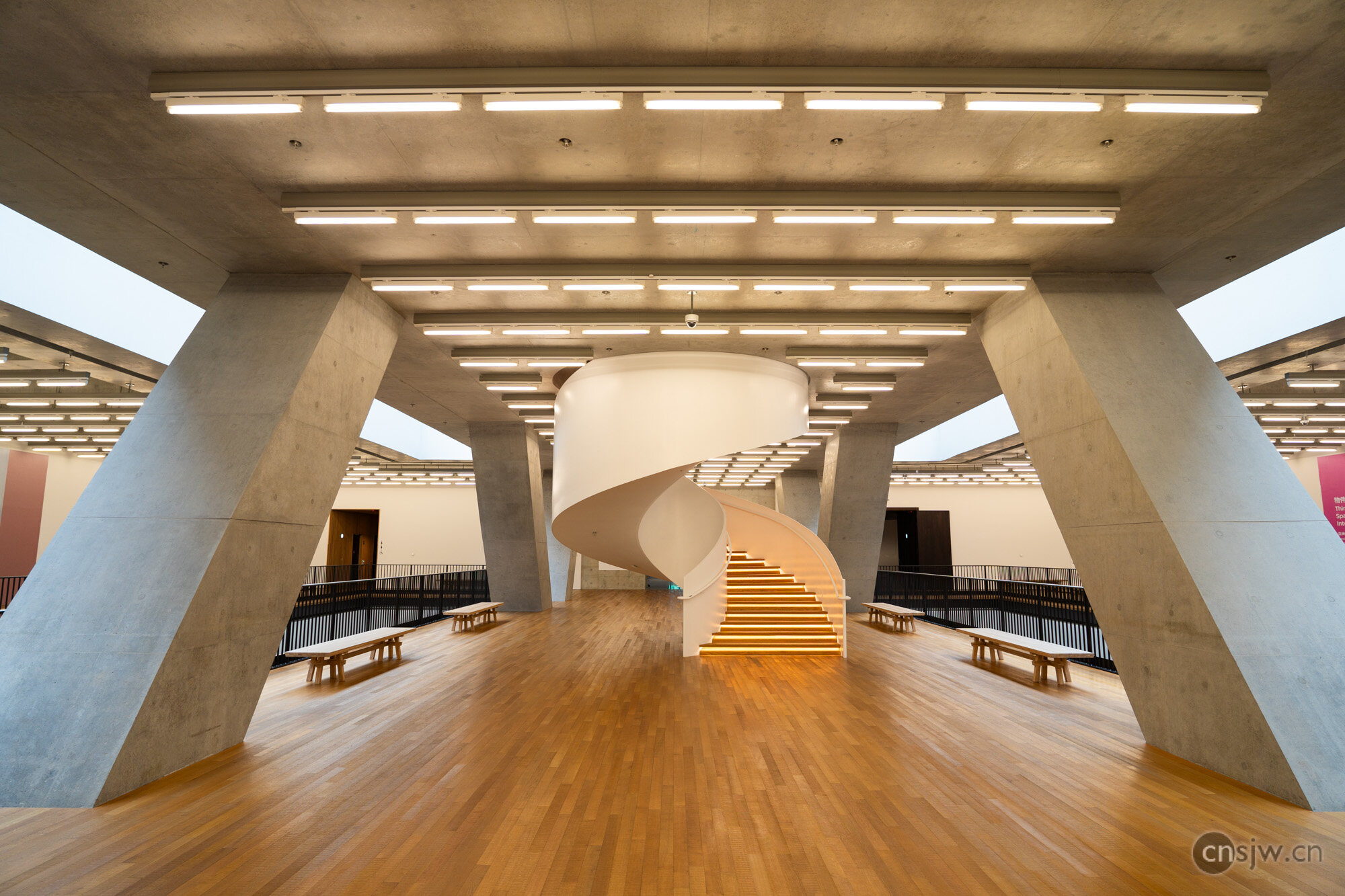
Spiral staircase on the second floor
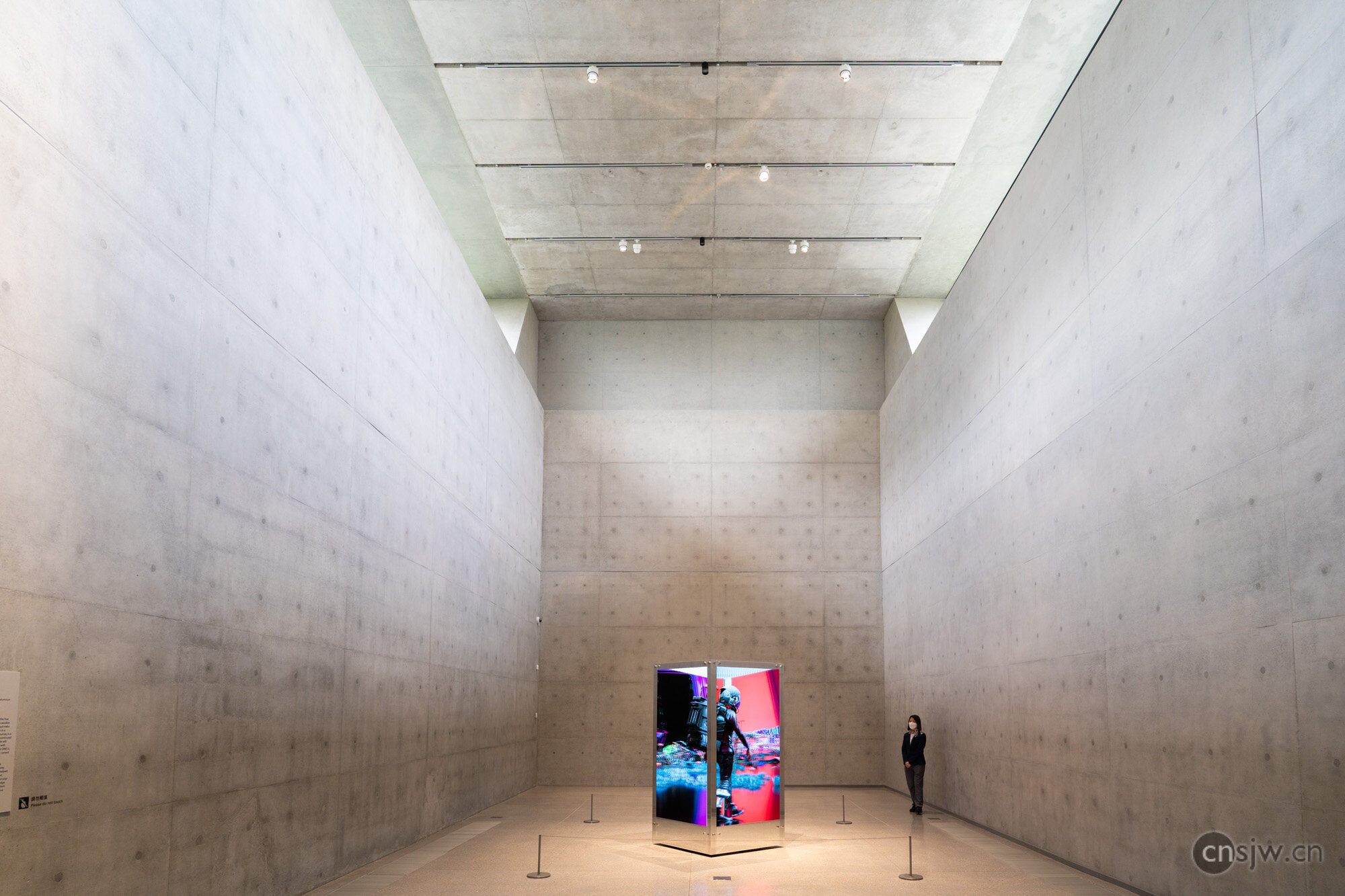
Beeple, Human One
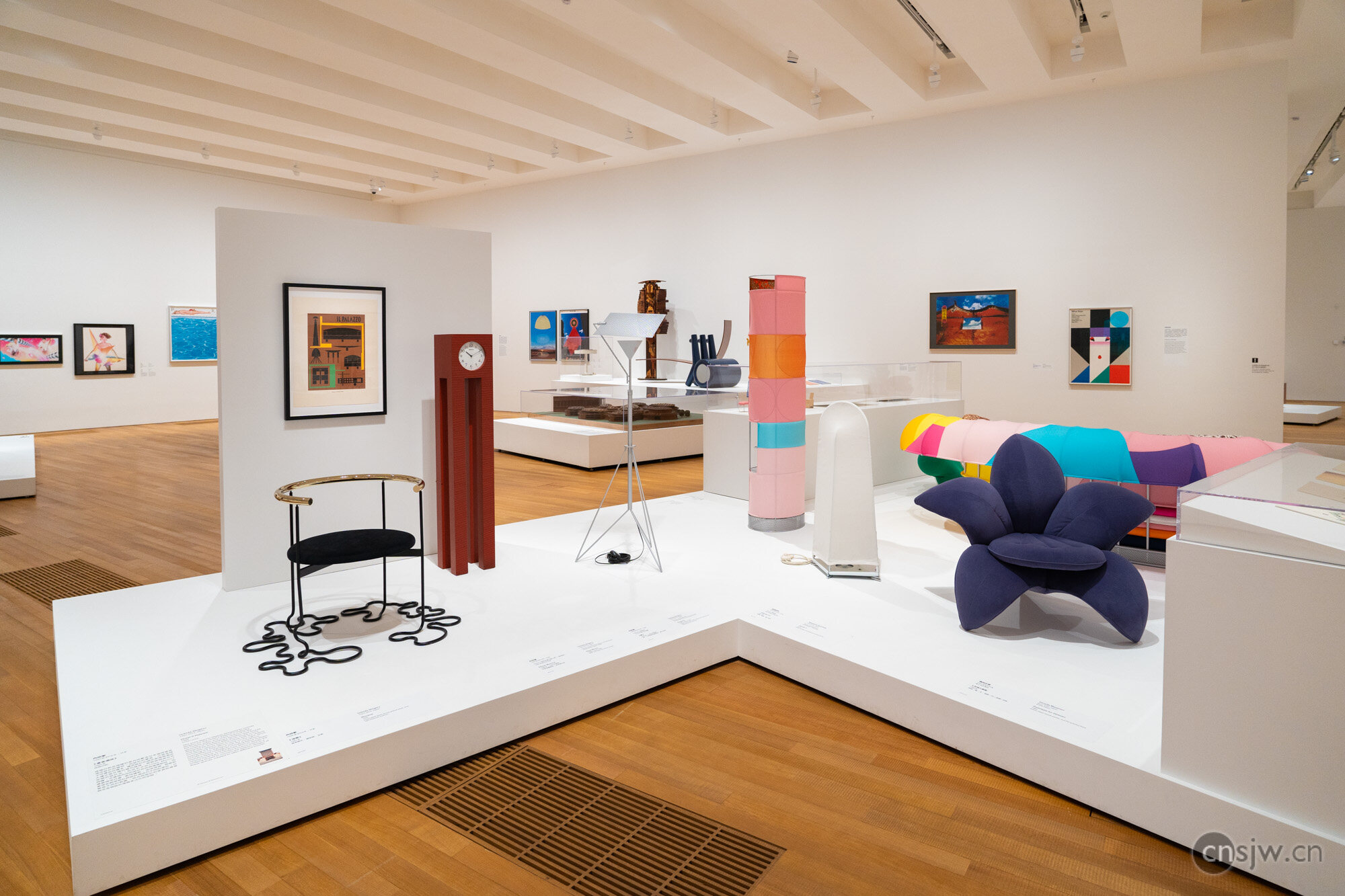
Some furniture
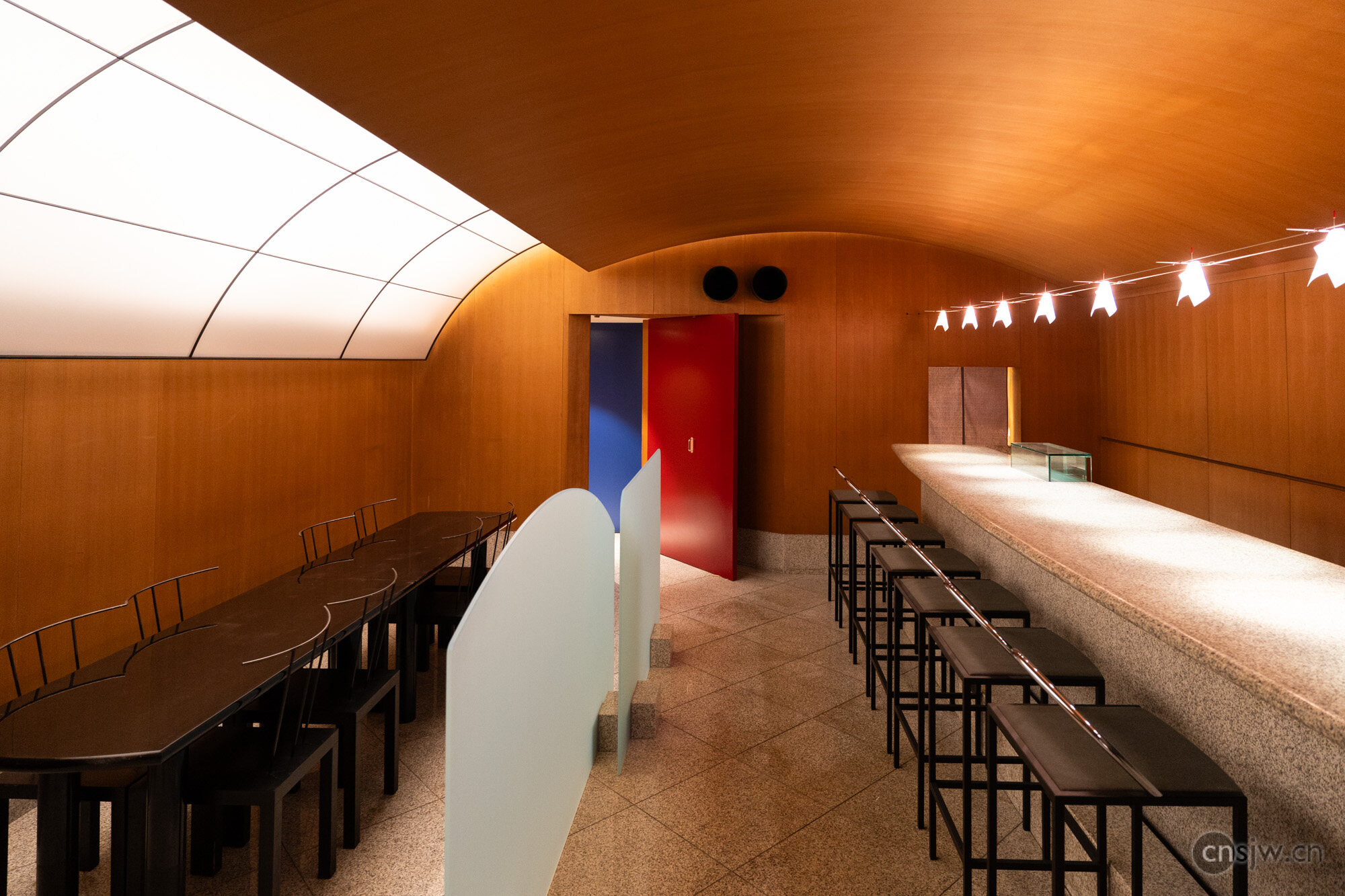
Shiro Kuramata, Kiyotomo Sushi Bar
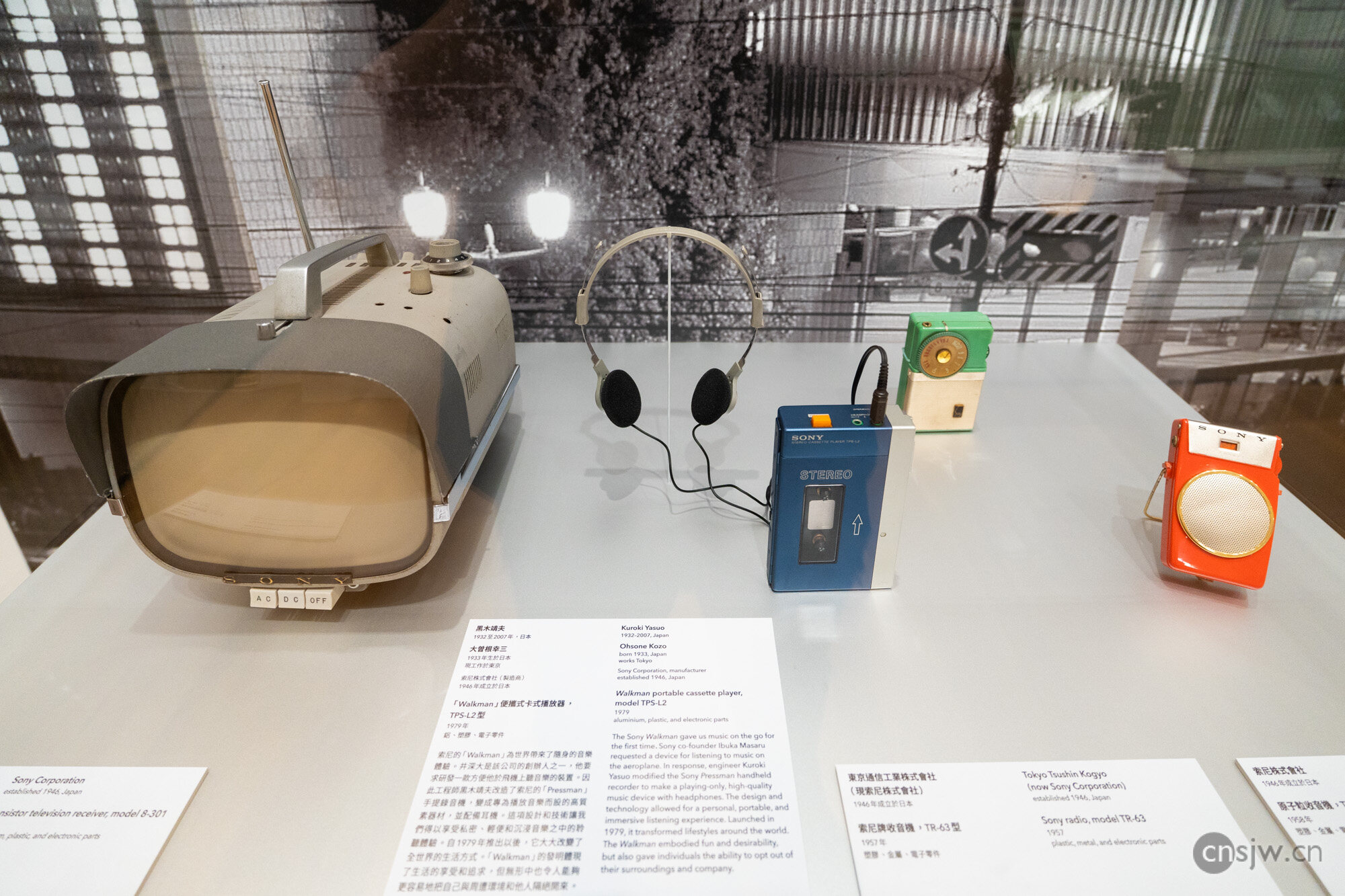
Various historical SONY products
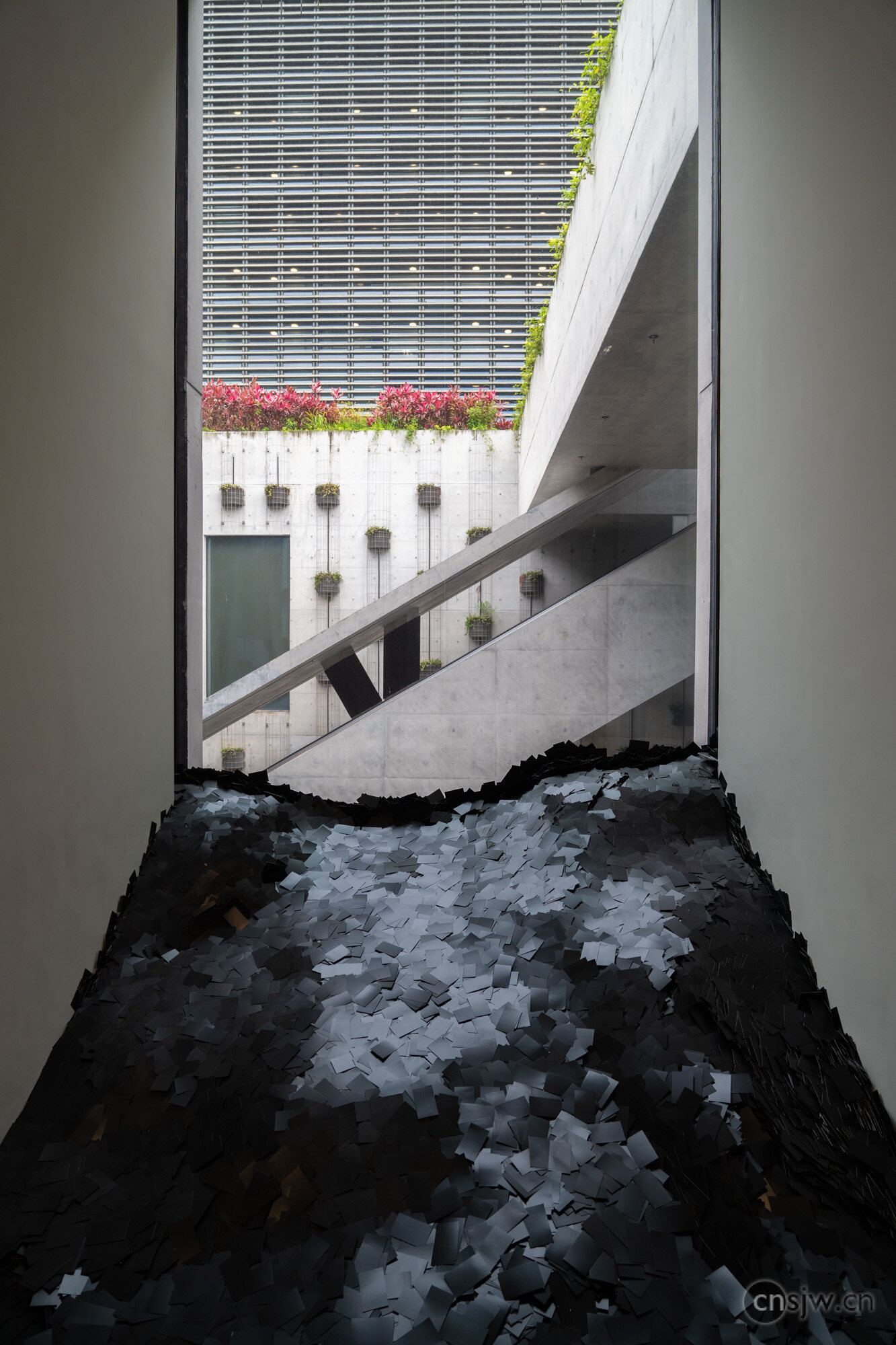
Heman Chong, Monument to Those Who Were Easily Forgotten by Us
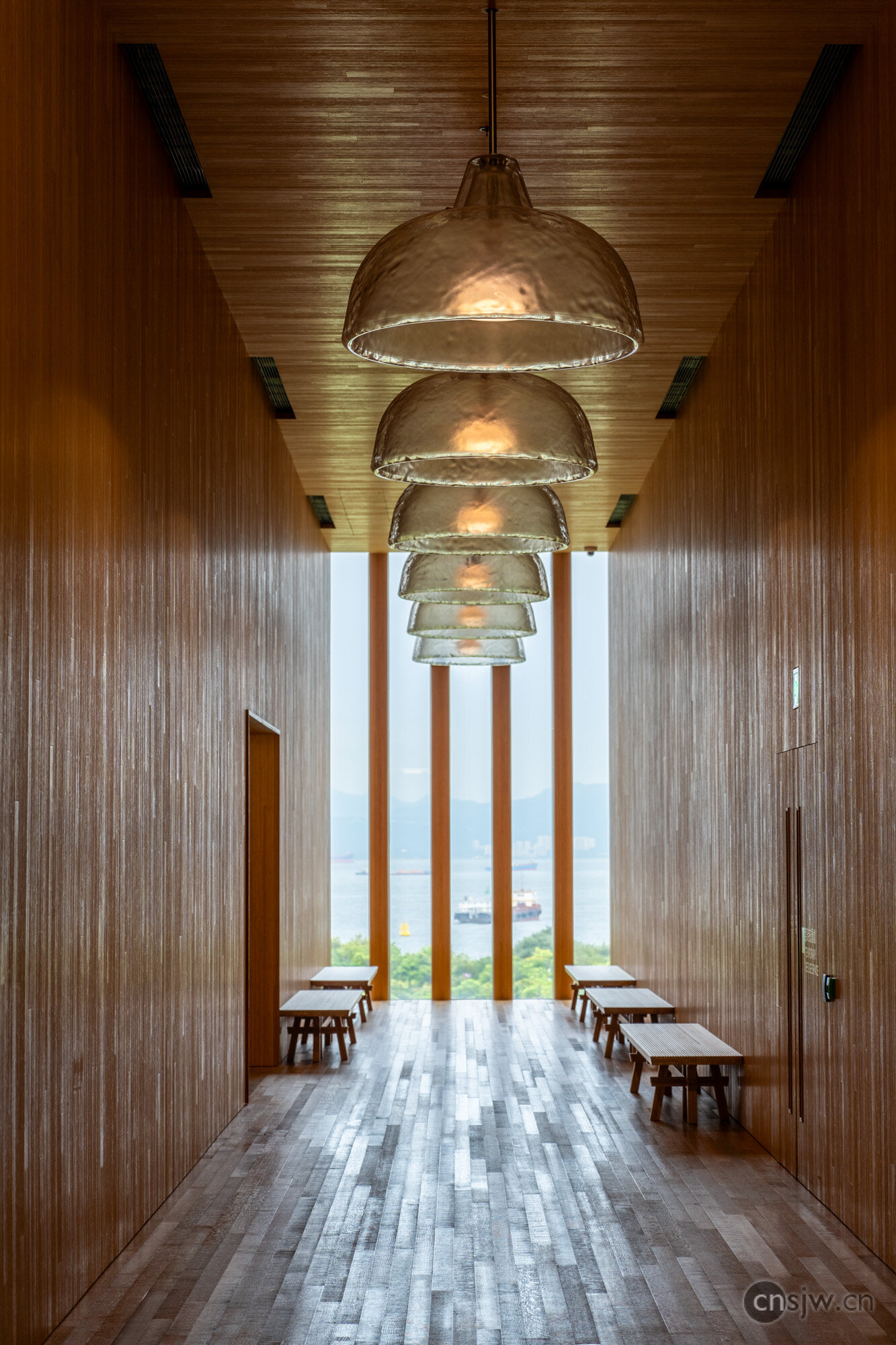
The public spaces throughout the museum are beautifully designed, complemented by stunning sea views outside.
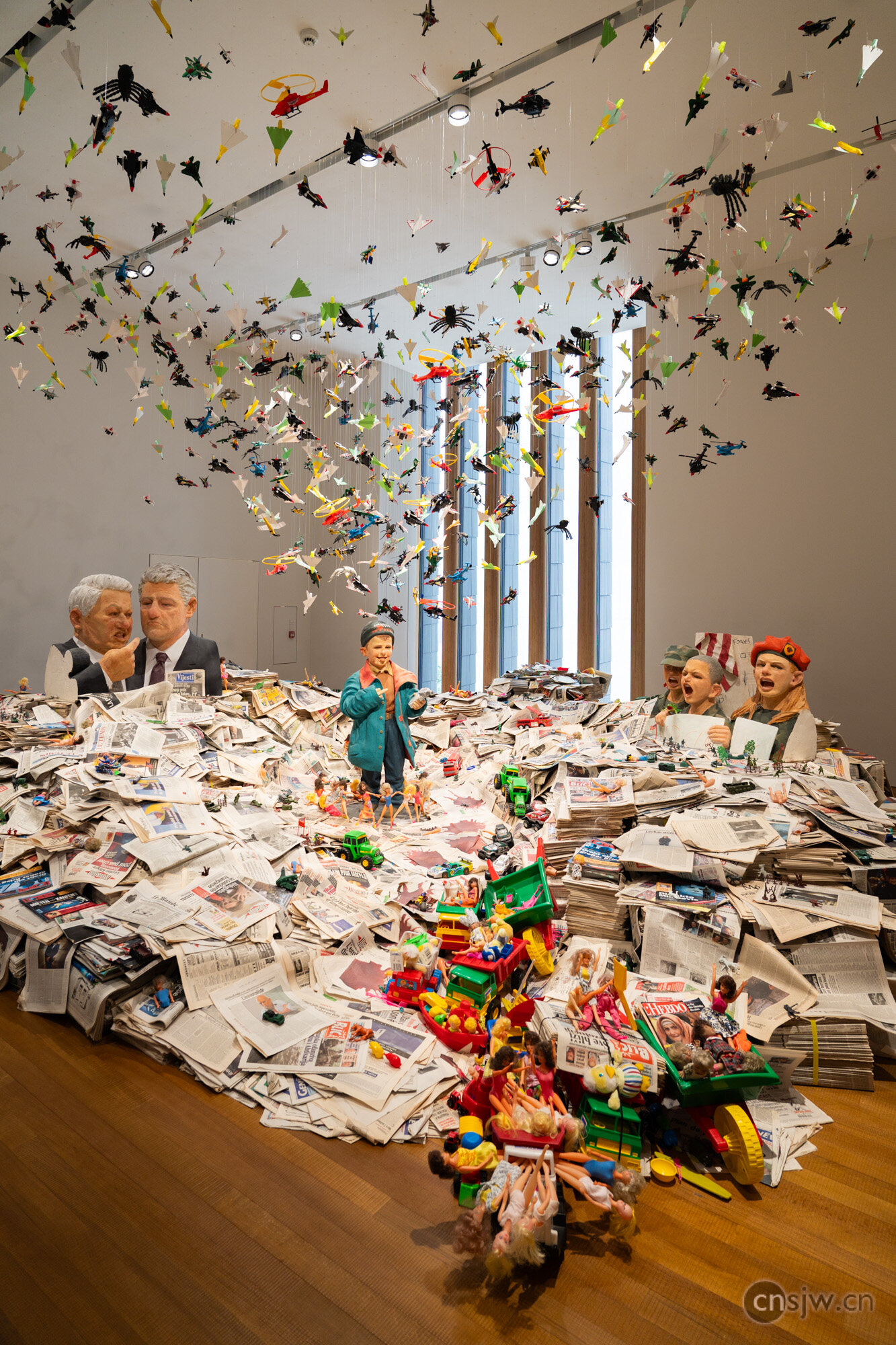
Wang Du, Armchair Strategy
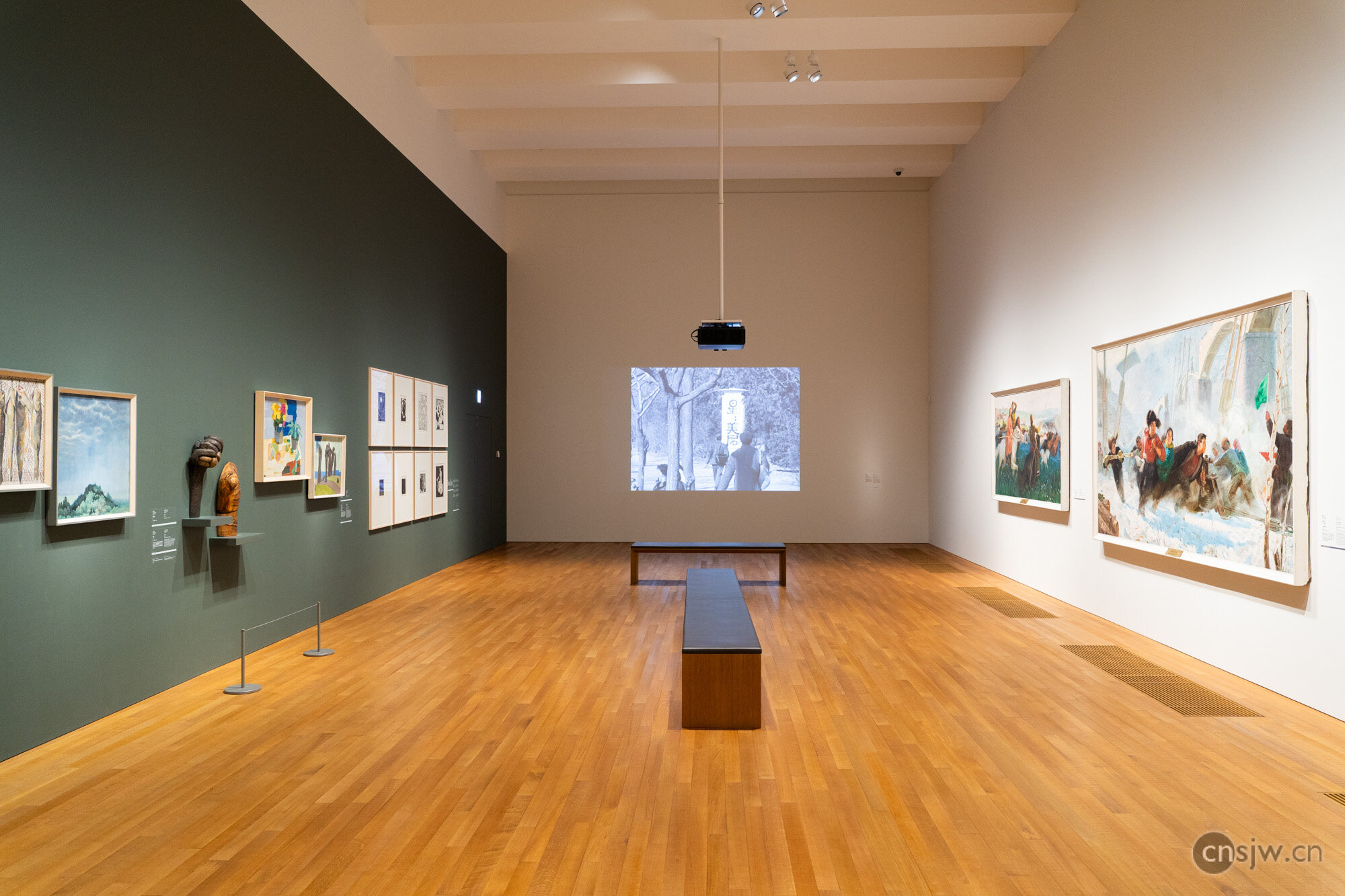
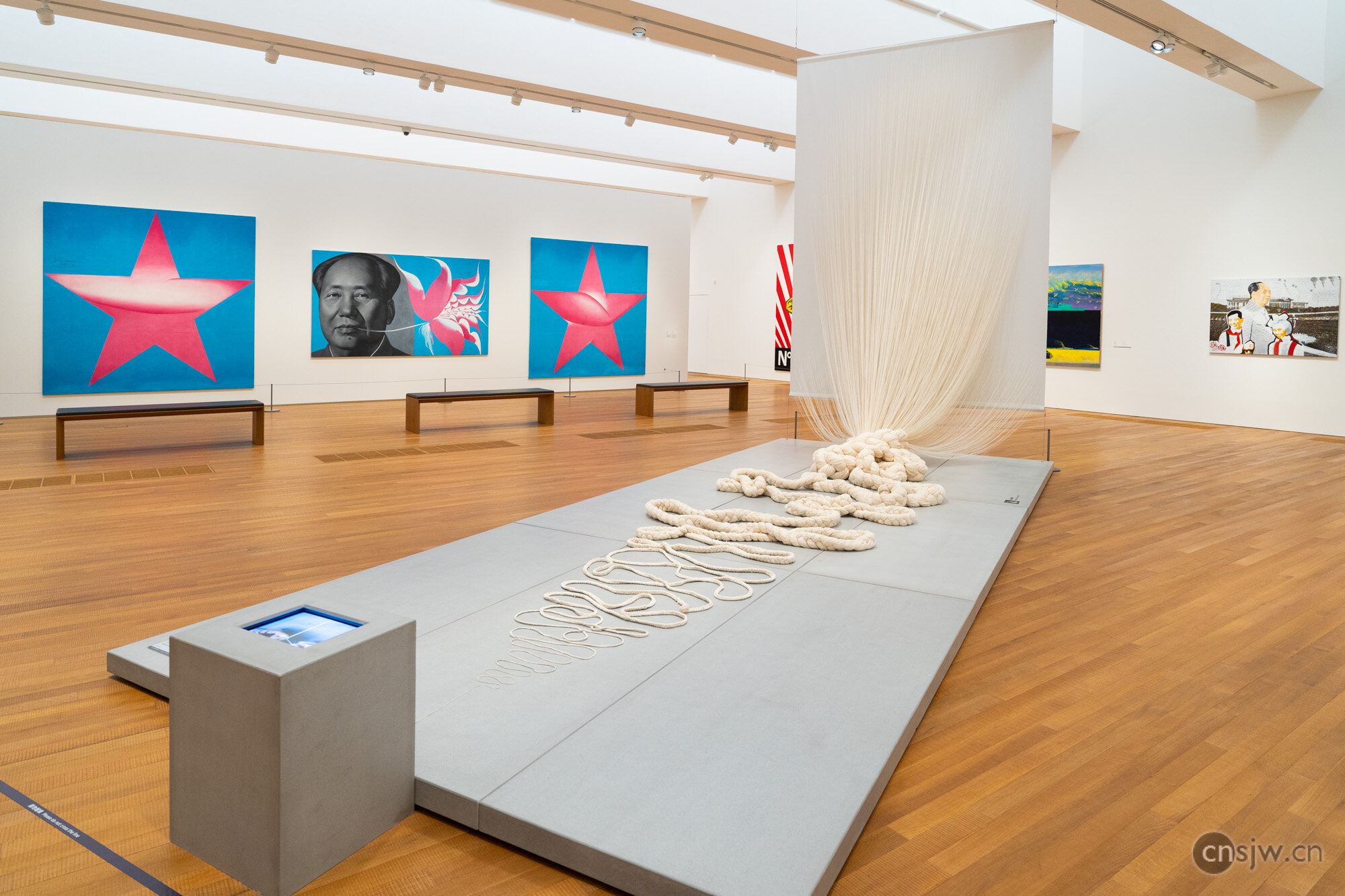
M+ Sigg Collection: From Revolution to Globalisation
Geng Jianyi, Second State
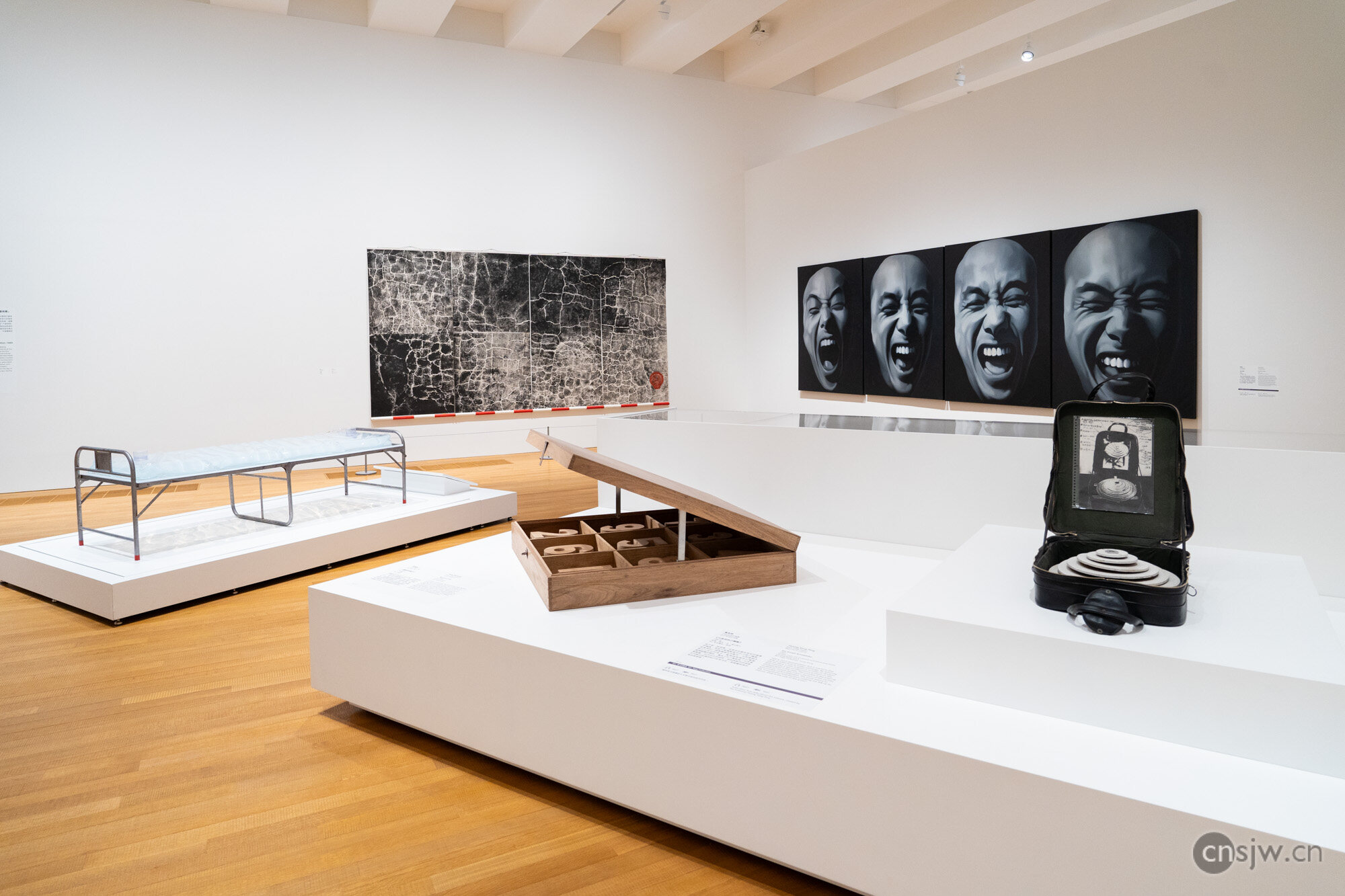
Lin Tianmiao, Braid
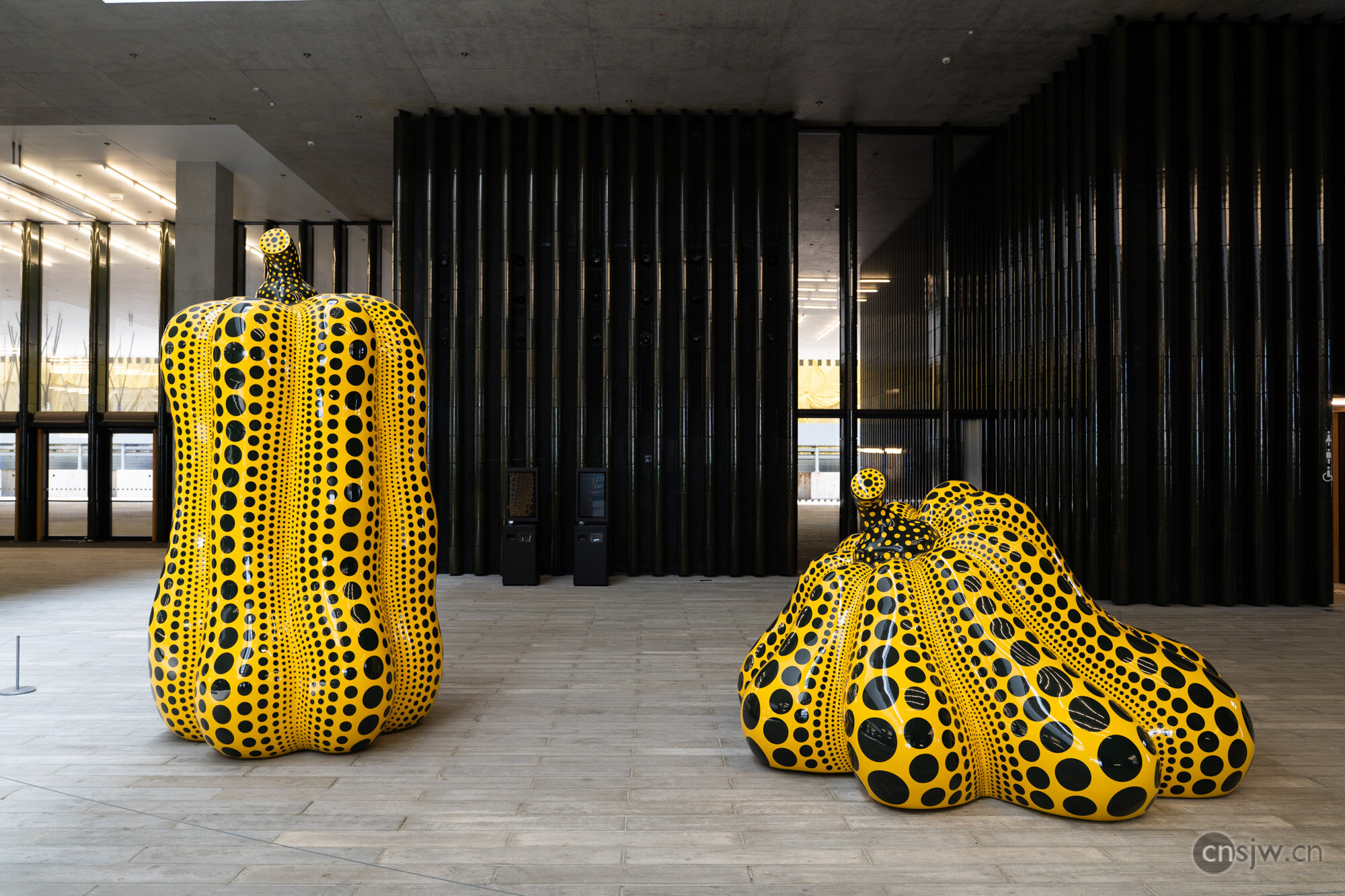
Yayoi Kusama, Pumpkin
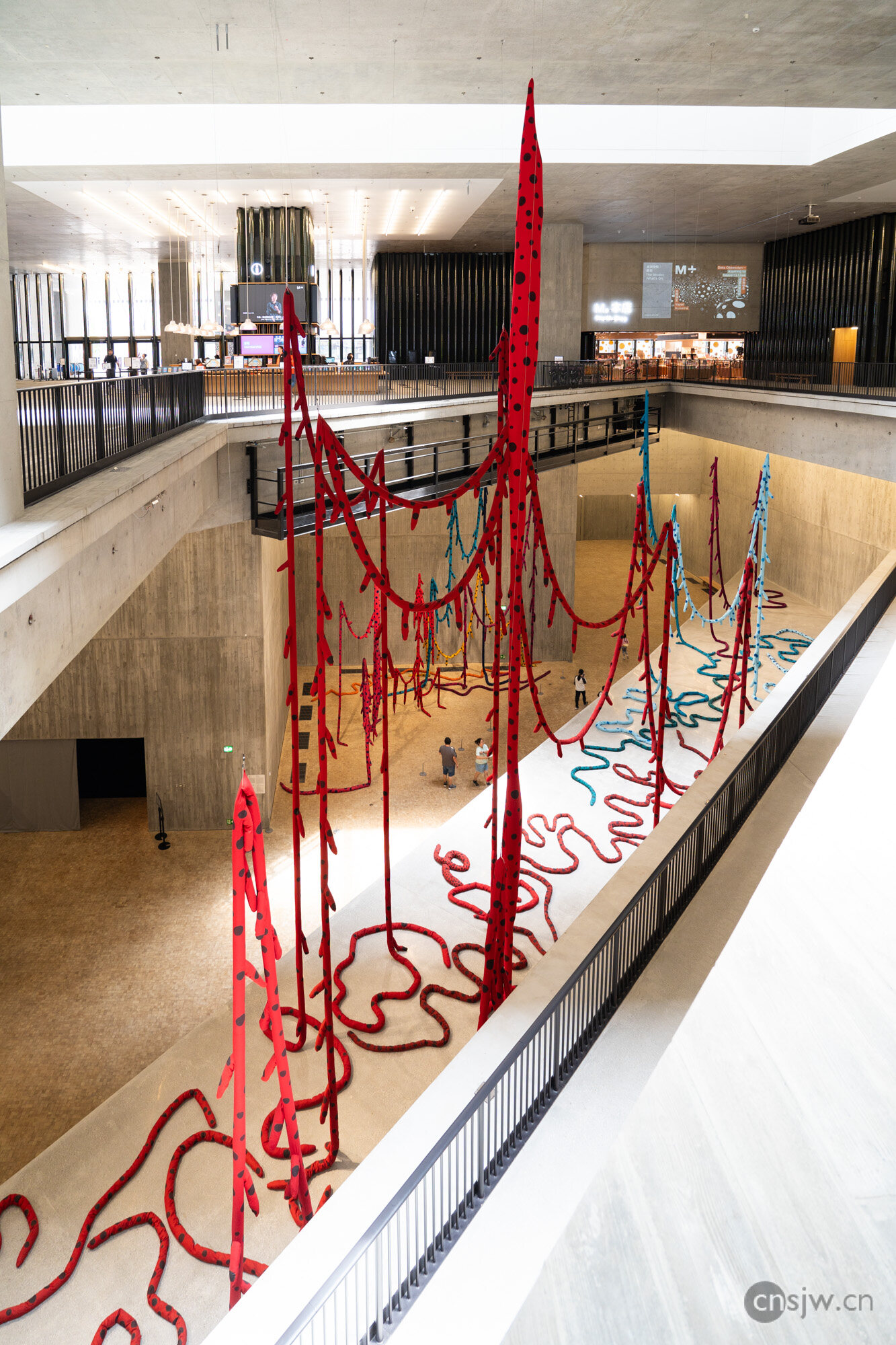
Yayoi Kusama, Death of Nerves


Support


Read this article on WeChat