
The Hunan Museum is a place full of surprises. It underwent more than five years of expansion starting in 2012 and only reopened at the end of 2017. The museum building resembles a transportation hub, featuring a vast space and a well-designed layout. Admission is free, and you can enter directly with your ID card. My visit coincided with International Museum Day and fell on a weekend, so it was quite crowded; I had to queue at the entrance for about 20 minutes before getting in. You can make reservations in advance via WeChat to avoid waiting in line.
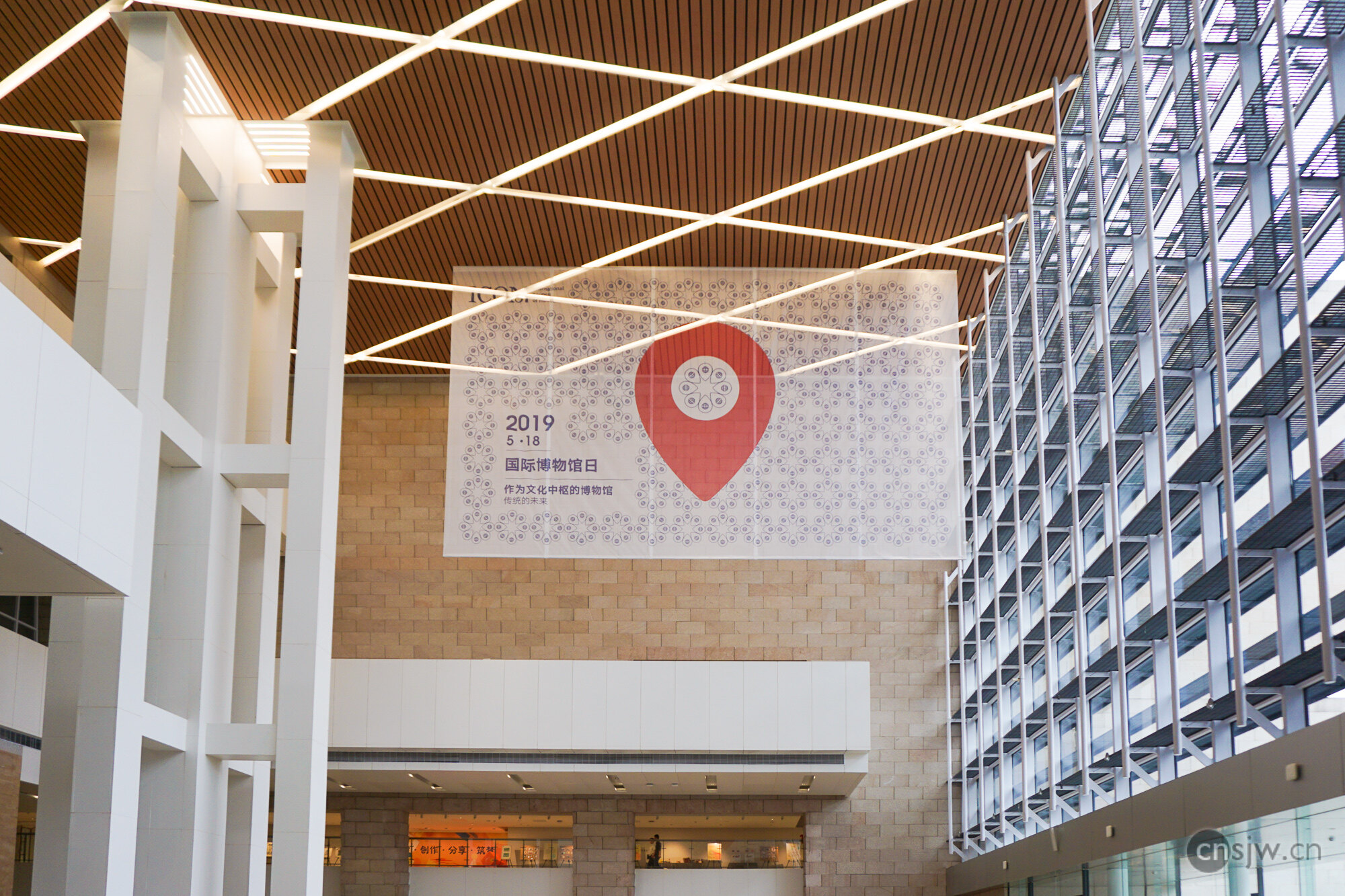
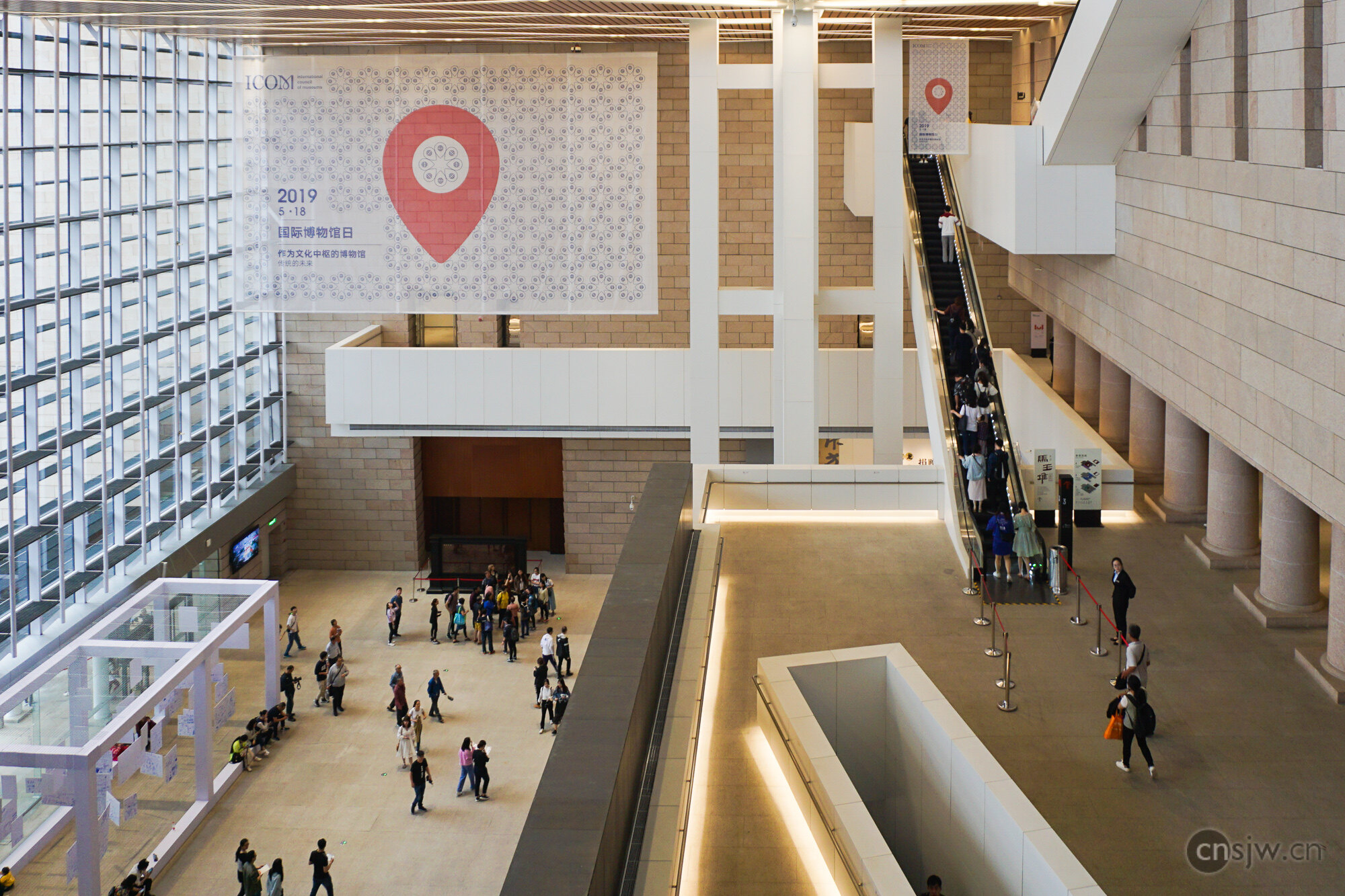
The museum houses a significant collection of artifacts unearthed from the Mawangdui Han Tombs, including the 2,000-year-old uncorrupted female body from Mawangdui, silk paintings from Tomb No. 1, and the plain gauze gown with straight lapels. There are two permanent exhibitions: the Mawangdui Han Tombs Exhibition and “Hunan People: Historical and Cultural Exhibition of the Three Xiang Regions.” On the day of my visit, there were also special exhibitions titled “Paintings on Porcelain: From Changsha Kiln to Liling Kiln” and “Qi Baishi Paintings from the Museum Collection,” all of which are well worth seeing.
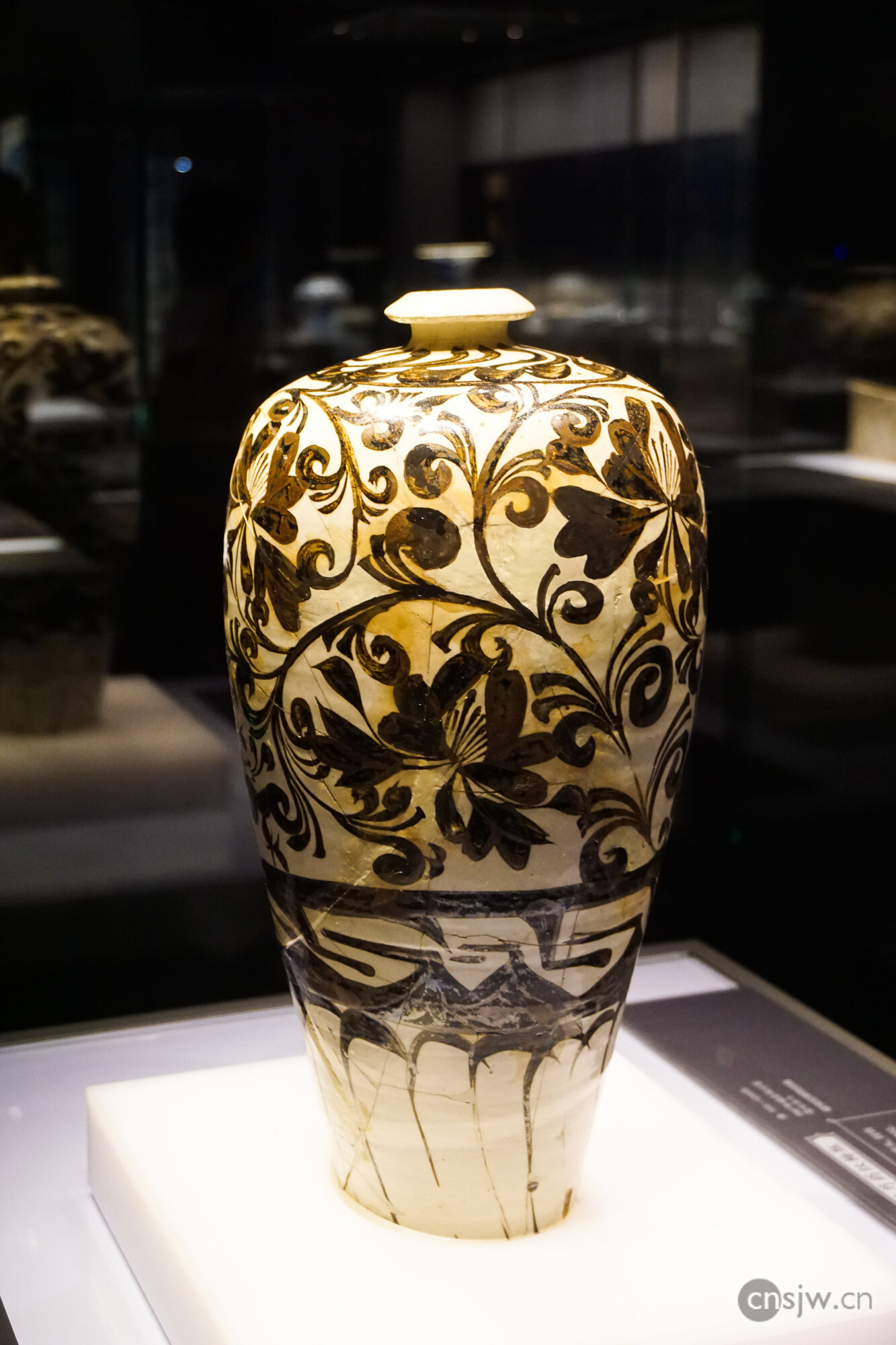
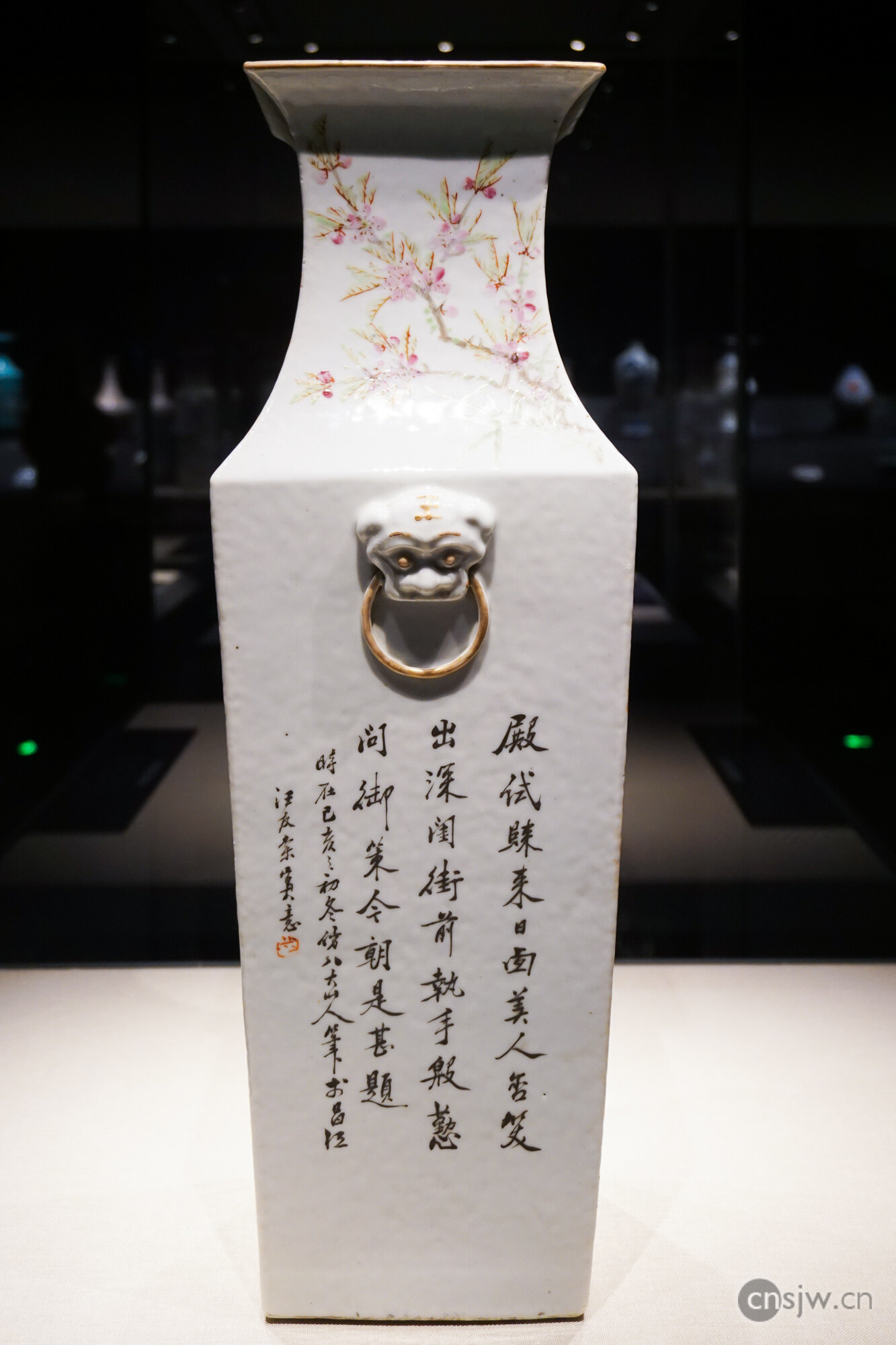
Due to limited time, I skipped the historical and cultural exhibition of the Three Xiang Regions and started with “Paintings on Porcelain,” an exhibition showcasing painted porcelain artifacts, including vases, bowls, jars, pillows, and various other ceramic items.


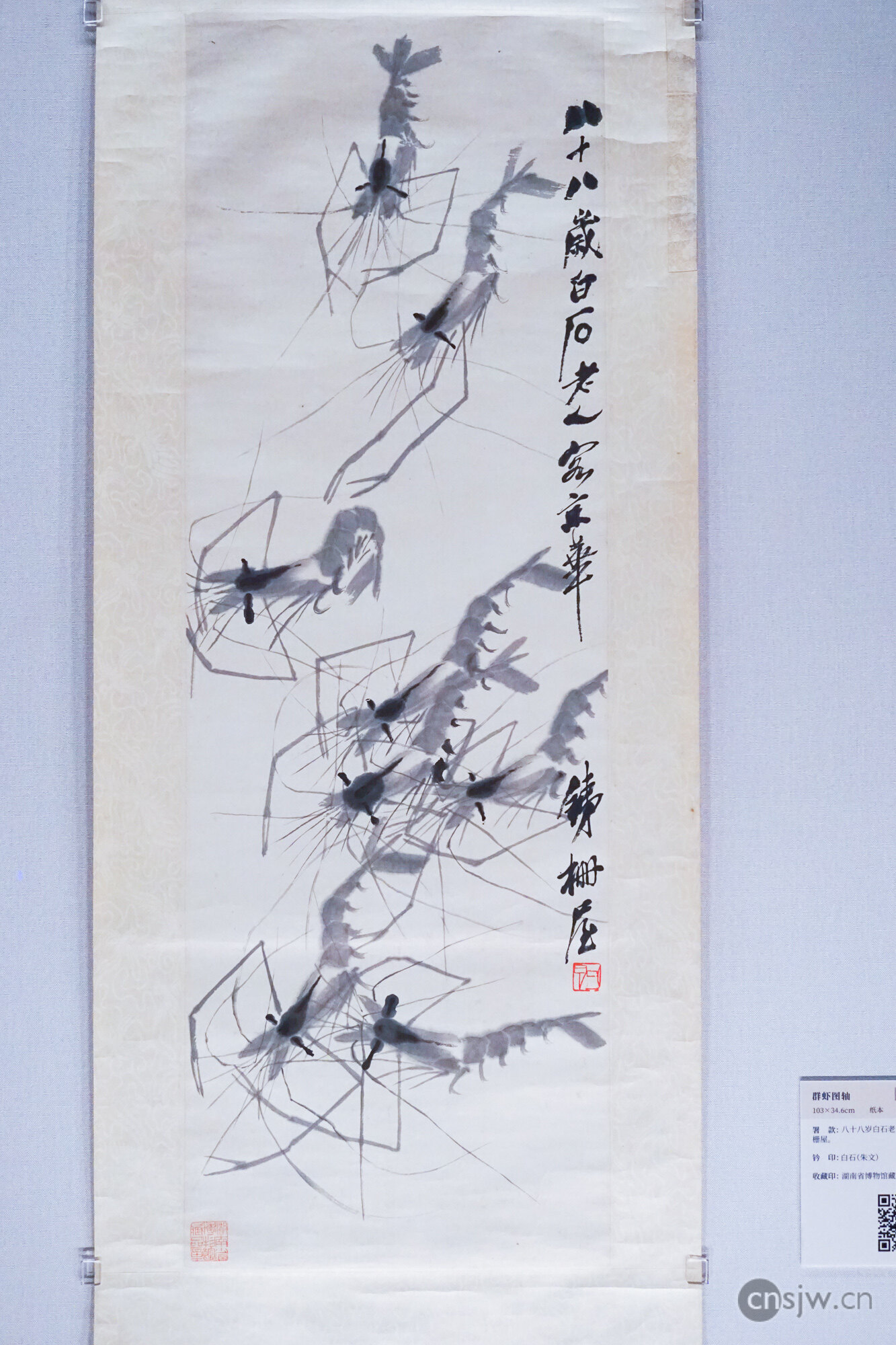
Next was the exhibition of Qi Baishi’s paintings from the museum collection. Since Qi Baishi was a native of Xiangtan, Hunan, the Hunan Museum holds many of his works. Qi Baishi began working as a carpenter at the age of 14, learning wood carving, and later took up painting. His artworks are very down-to-earth, depicting various small animals and crops such as chickens, ducks, Chinese cabbage, and radishes. It is definitely worth a visit.


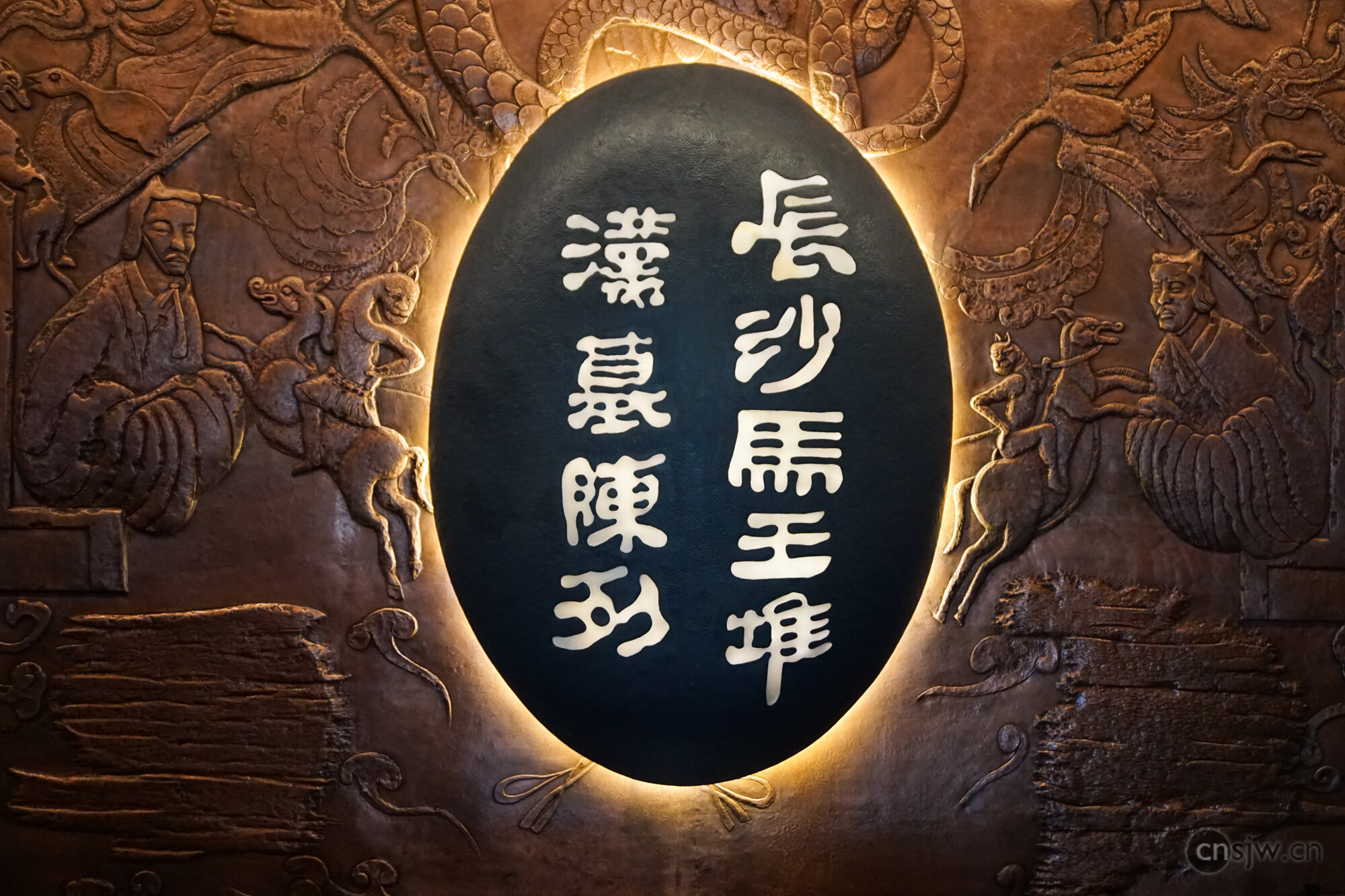
The final highlight was the Mawangdui Han Tombs Exhibition. Mawangdui is the burial site of Li Cang, the Prime Minister of the Changsha Kingdom during the Western Han Dynasty, his wife Xin Zhui, and their son Li Xi. In December 1971, the Hunan Museum began excavating Tomb No. 1, followed by the excavation of Tombs No. 2 and No. 3 between 1973 and 1974. These excavations yielded a remarkably well-preserved female body (Xin Zhui, wife of Prime Minister Li Cang) and numerous funerary objects of great research value.
Due to funding constraints at the time, Tombs No. 1 and No. 2 were backfilled. Currently, only Tomb No. 3 is open to visitors, but what remains is merely the excavated pit; all unearthed artifacts are now housed in the Hunan Museum. Tomb No. 1, the tomb of Lady Xin Zhui, is the best preserved, yielding silk textiles, lacquerware, bamboo and wooden objects, pottery, metalware, wooden figurines, musical instruments, numerous plant samples and specimens, animal specimens, bamboo slips, and Lady Xin Zhui’s remains. Tomb No. 2, the tomb of Li Cang, was built last; due to repeated looting, few artifacts were recovered, and the body had decomposed. The identity of the tomb occupant was primarily determined through unearthed seals. Tomb No. 3 is the earliest and likely belongs to Li Cang’s son, Li Xi; it contained weapons, musical instruments, wooden figurines, and gaming sets.
After Lady Xin Zhui’s body was unearthed, it was not properly preserved initially because it occurred during the Cultural Revolution; it was even kept in a park for a period until Premier Zhou Enlai issued instructions for its transfer to Hunan Medical College. However, the most shocking aspect is that the body is displayed just like that. This may be the only time I have ever seen a corpse in an exhibition, evoking an indescribable feeling…


The gaming set unearthed from Tomb No. 3 looks surprisingly similar to modern board games. It’s hard to imagine they existed over two thousand years ago…

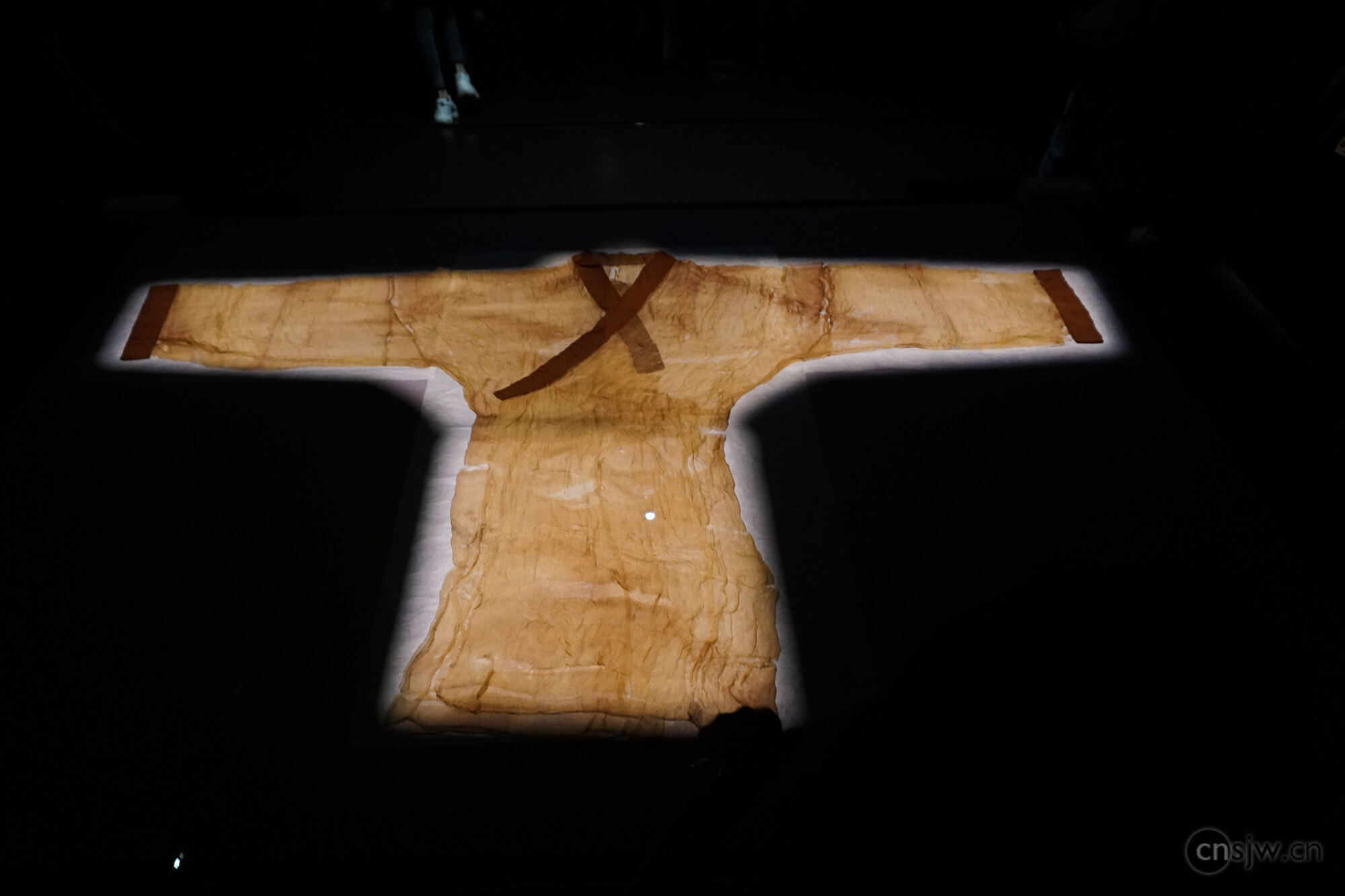
The famous plain gauze gown is incredibly lightweight. It is often said that it cannot be replicated today, partly because silkworms back then did not eat as well as modern ones, resulting in finer silk threads. It was stolen in 1983 and later recovered, but sustained damage. Reportedly, the one currently on display is a replica.
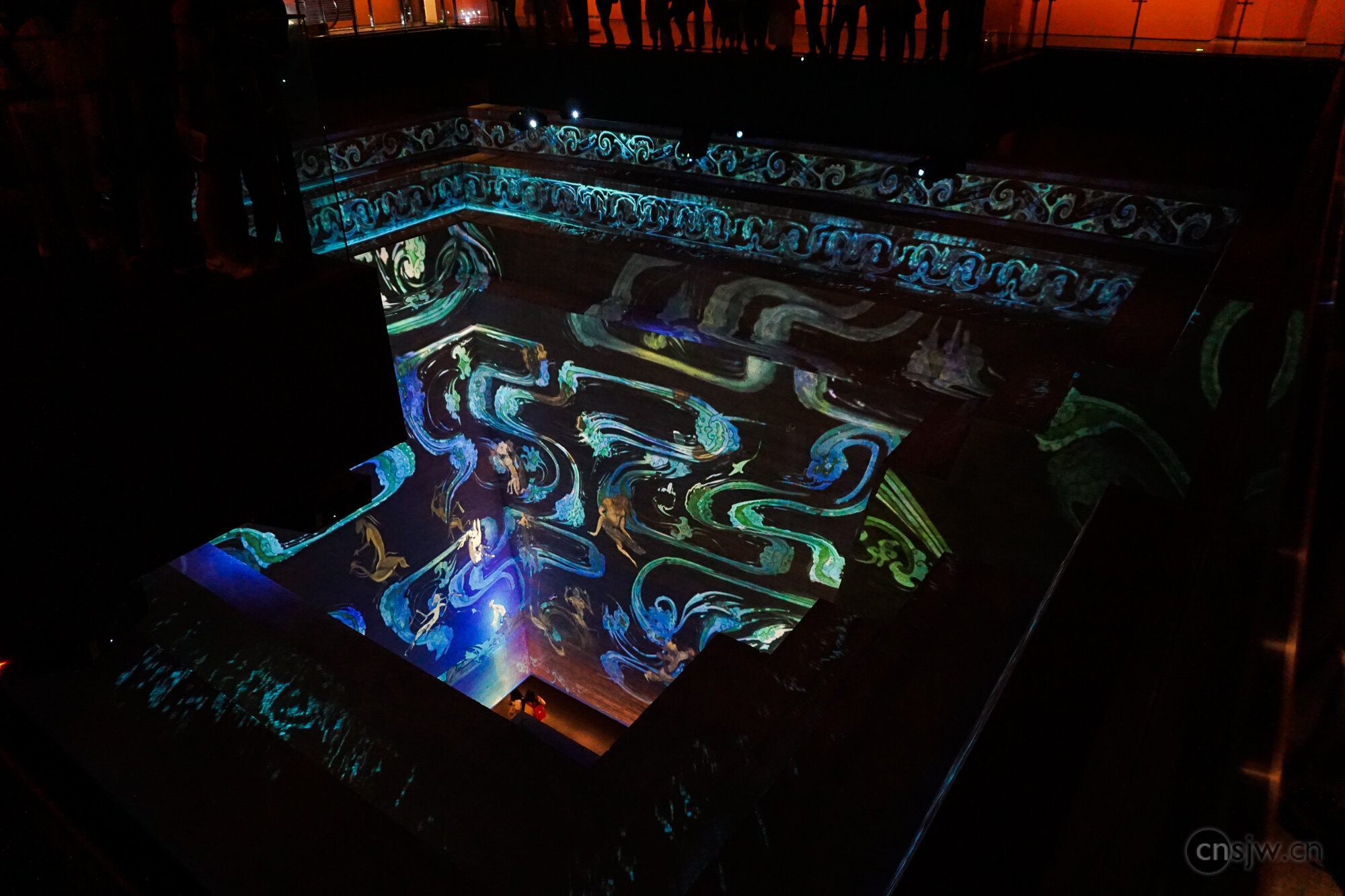
Then comes the grand finale of the entire exhibition hall: a nearly 1:1 replica of the Han tomb pit spanning from the third level down to the first, accompanied by a 3D light and music show. The production is exquisite and truly spectacular. On the ground floor below, you can find the unearthed wooden coffins as well as the remains of Lady Xin Zhui.
There is also a café upstairs that serves good coffee. Overall, the Hunan Museum is absolutely worth visiting. As one of the nine national-level museums, it can be considered a must-see destination when traveling to Changsha. Highly recommended.
Photos in this post taken with a SONY A5100 + 16-50mm f/3.5-5.6 lens, post-processed in Lightroom.

Support



Read this article on WeChat