
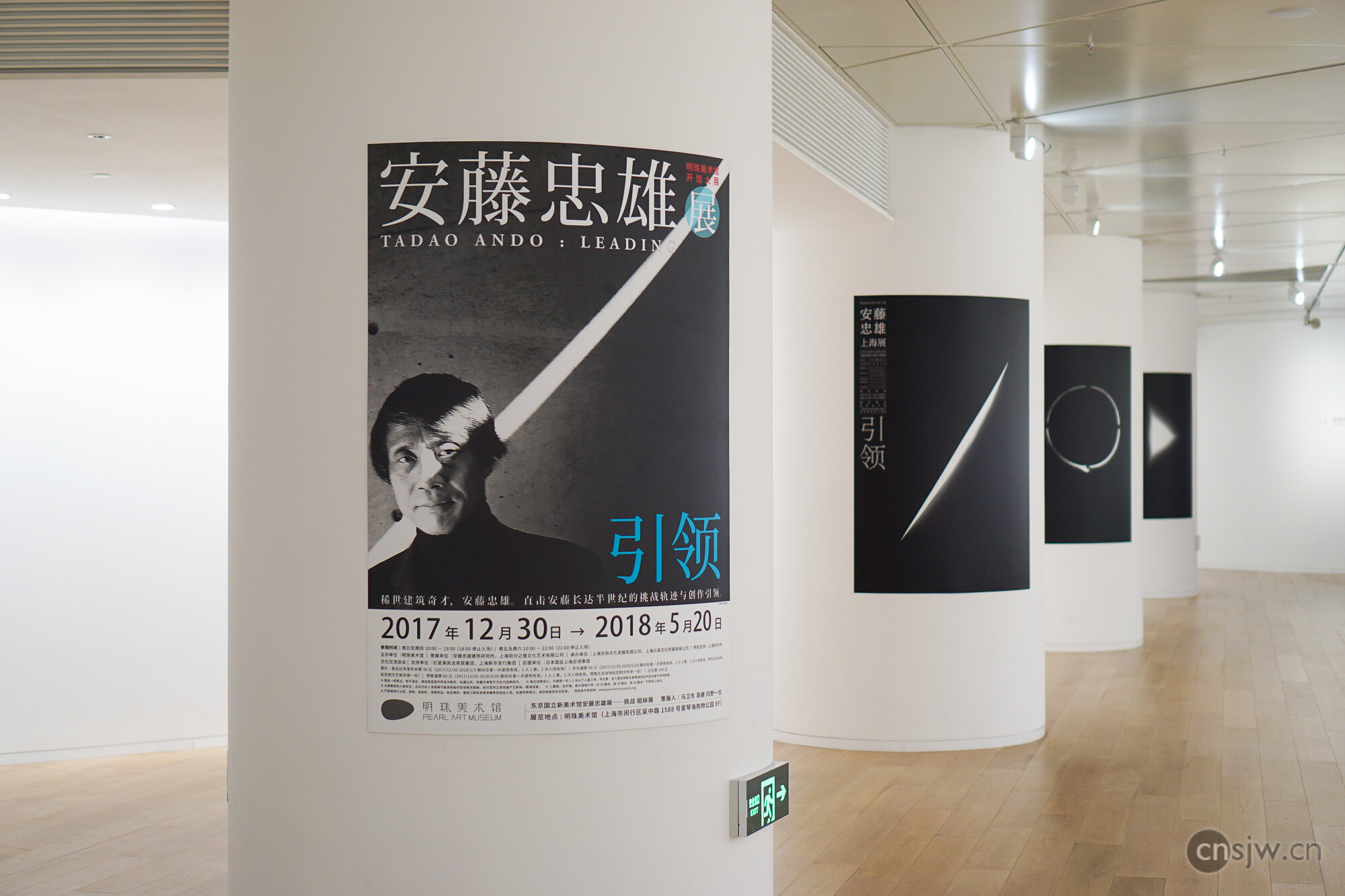
As the inaugural exhibition of the Pearl Art Museum, this show was clearly planned and promoted with great care. As a result, the exhibition runs for as long as six months, and even on weekdays past the halfway mark, there are still plenty of visitors.
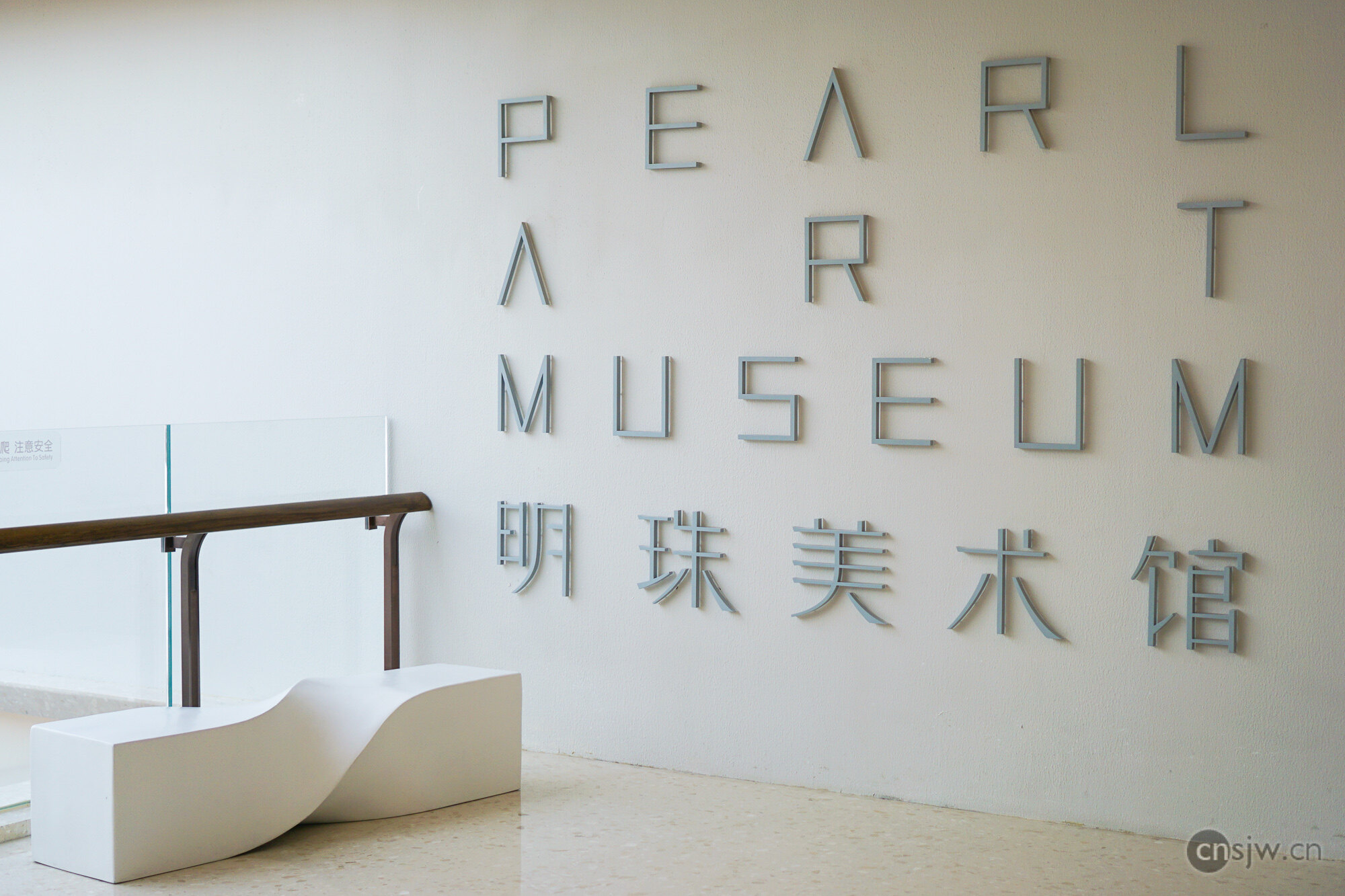
The Pearl Art Museum is a collaboration between Red Star Macalline and Shanghai Xinhua Distribution Group. Located on the 8th floor of the Aegean Shopping Park under Red Star Macalline, it was designed by Tadao Ando and comprises an art museum, an egg-shaped space, and a Xinhua Bookstore on the 7th floor.
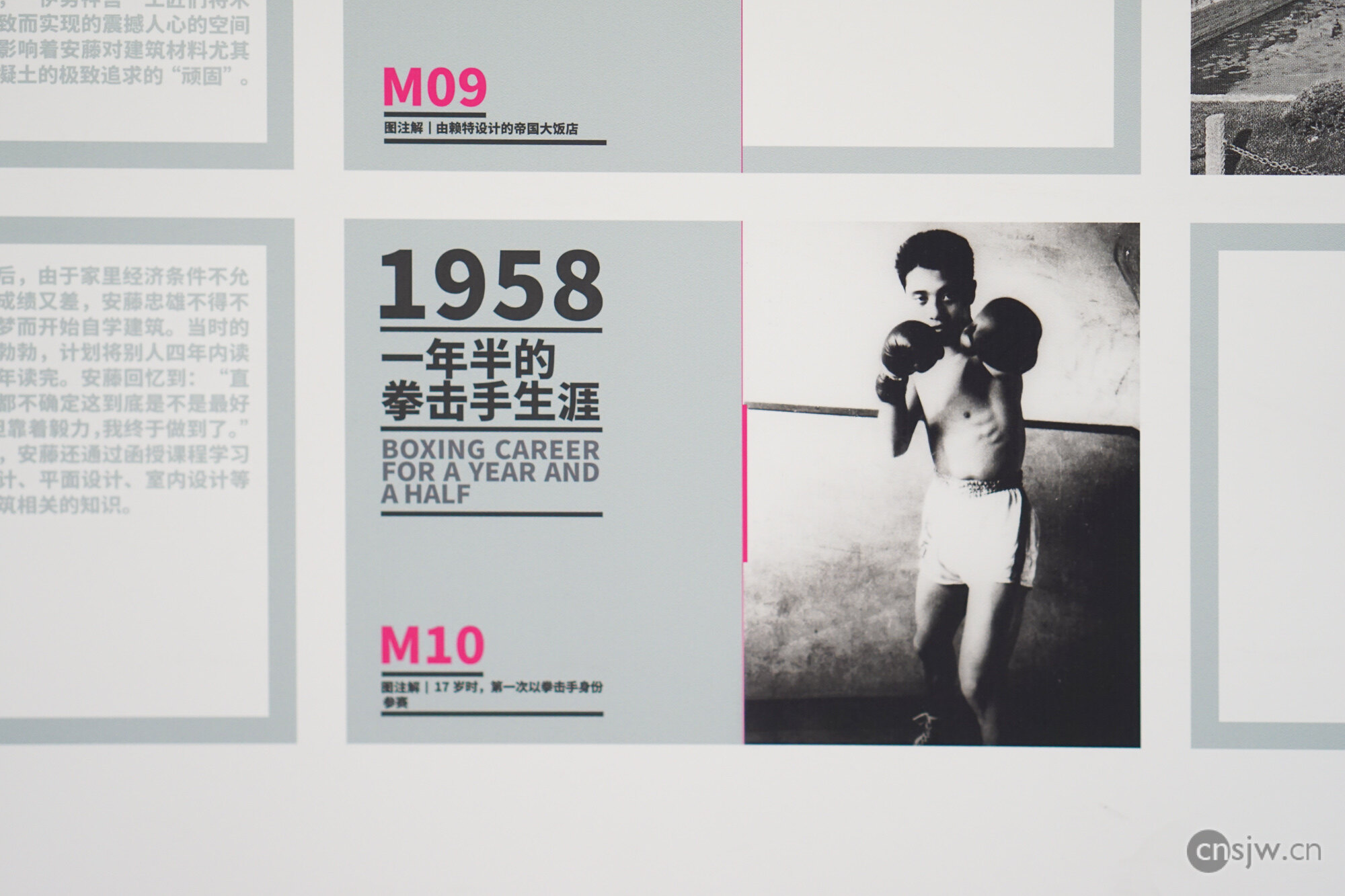
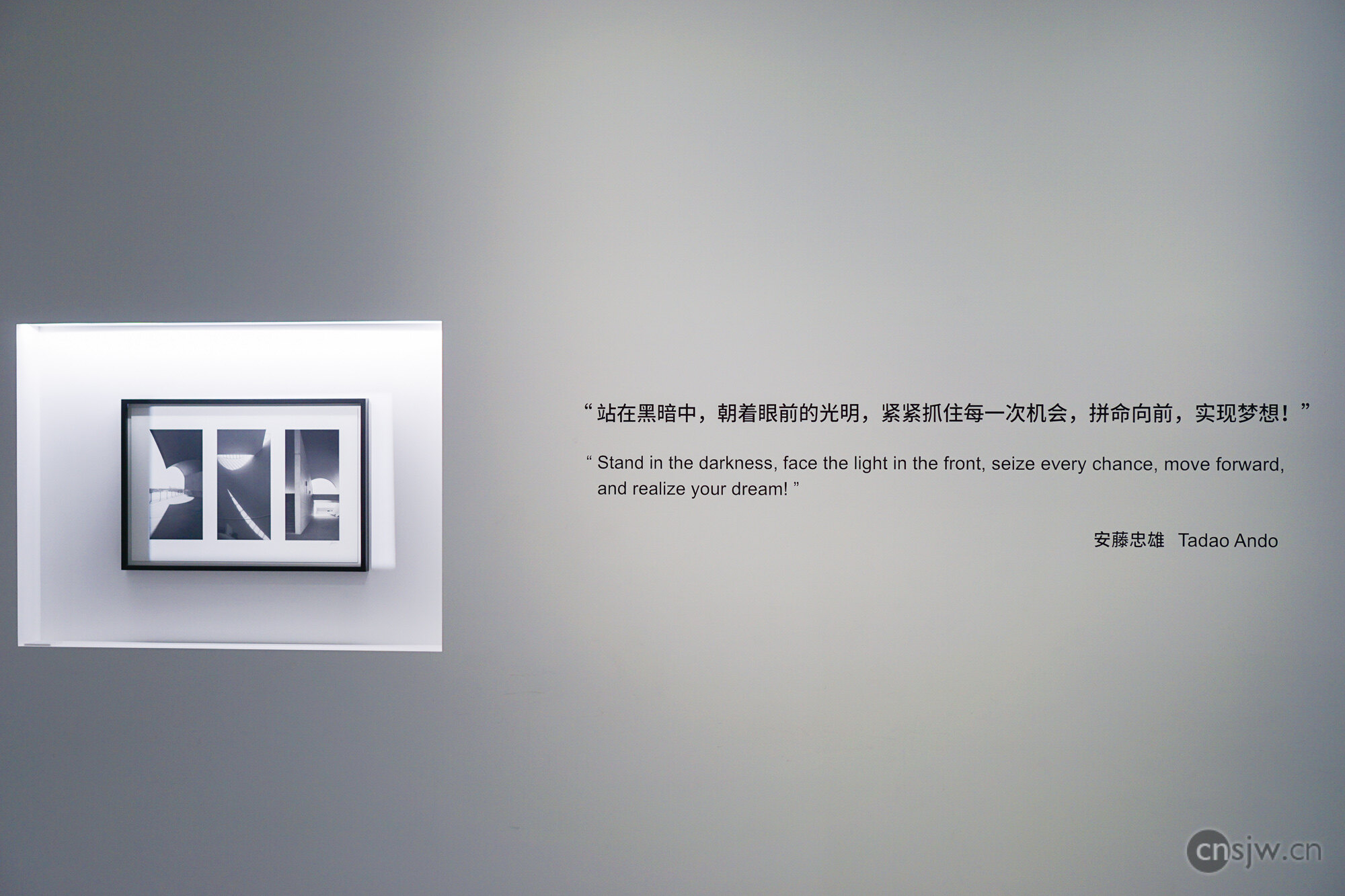
The entire exhibition is divided into five sections. Although modest in scale, it is actually quite rich in content. Tadao Ando never received formal architectural training; in his youth, he was even a professional boxer. He loved traveling to various places, was keenly observant, constantly absorbed knowledge and sought inspiration, taught himself architecture, and established his own architectural firm at the age of 28.
The first section, Journey of Light, is located before the ticket check and includes a video at the entrance as well as a display on the wall detailing the design process of the Pearl Art Museum.
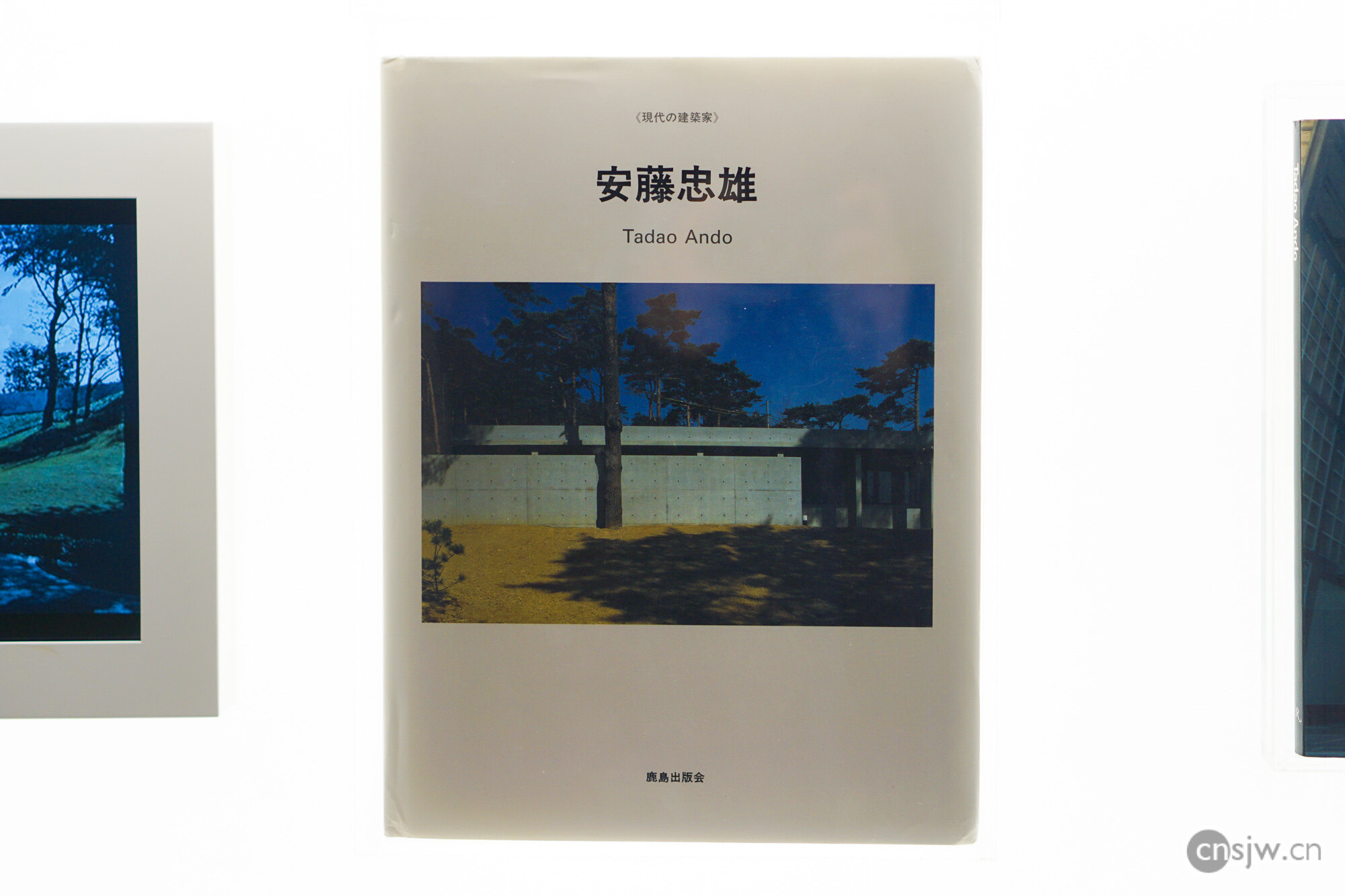
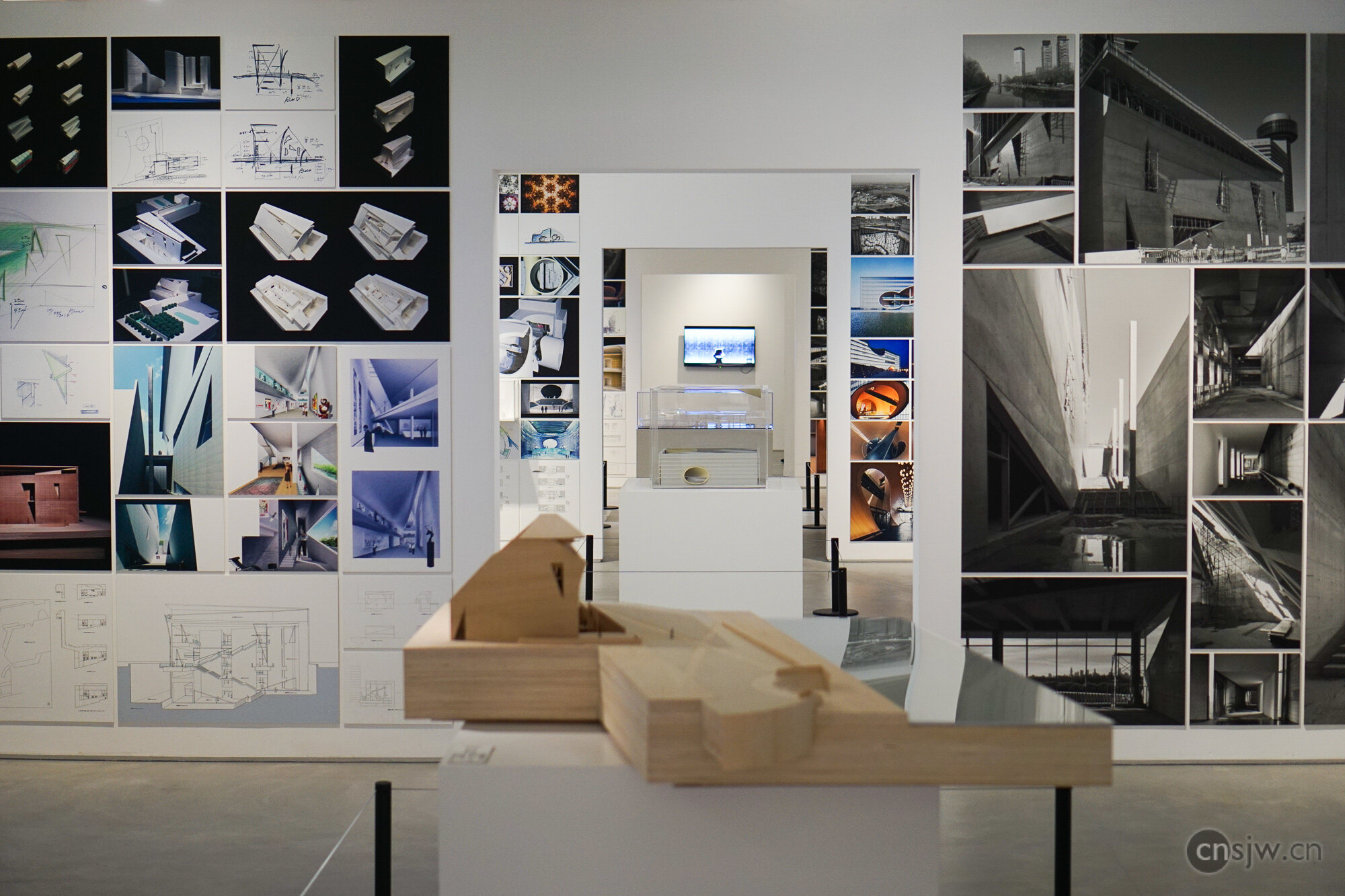
The second section, Light of Thought, features five eras, ten events, one hundred related figures, two hundred books, and three hundred works. Through text and image panels, it offers a fairly comprehensive retrospective of Ando’s life. This includes not only his works but also pivotal events that significantly changed his life. Here you can see that his first 100 projects spanned many years, while later, as his fame grew—especially after achieving international renown—he primarily oversaw the stylistic direction, taking on numerous projects each year.



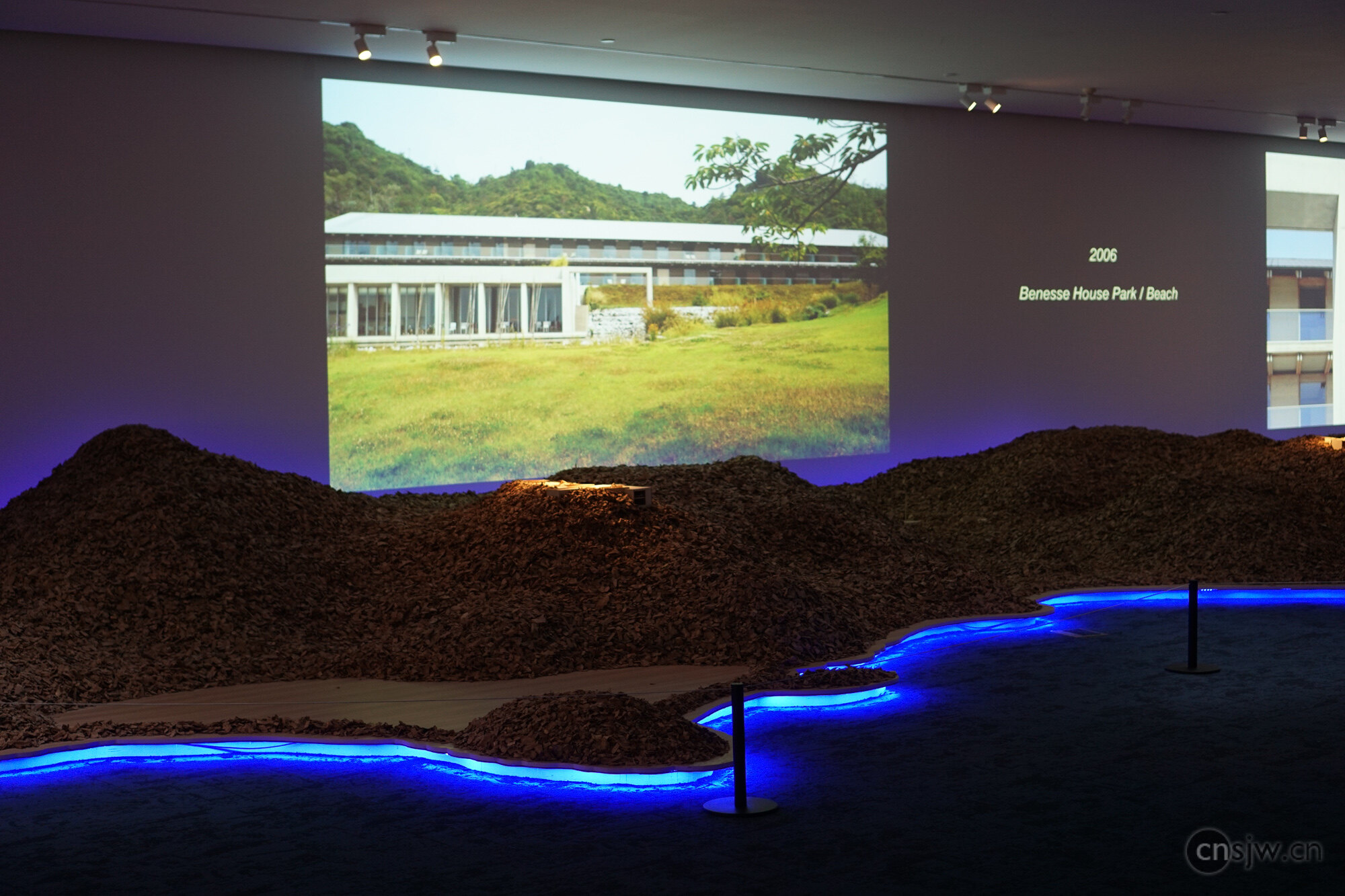
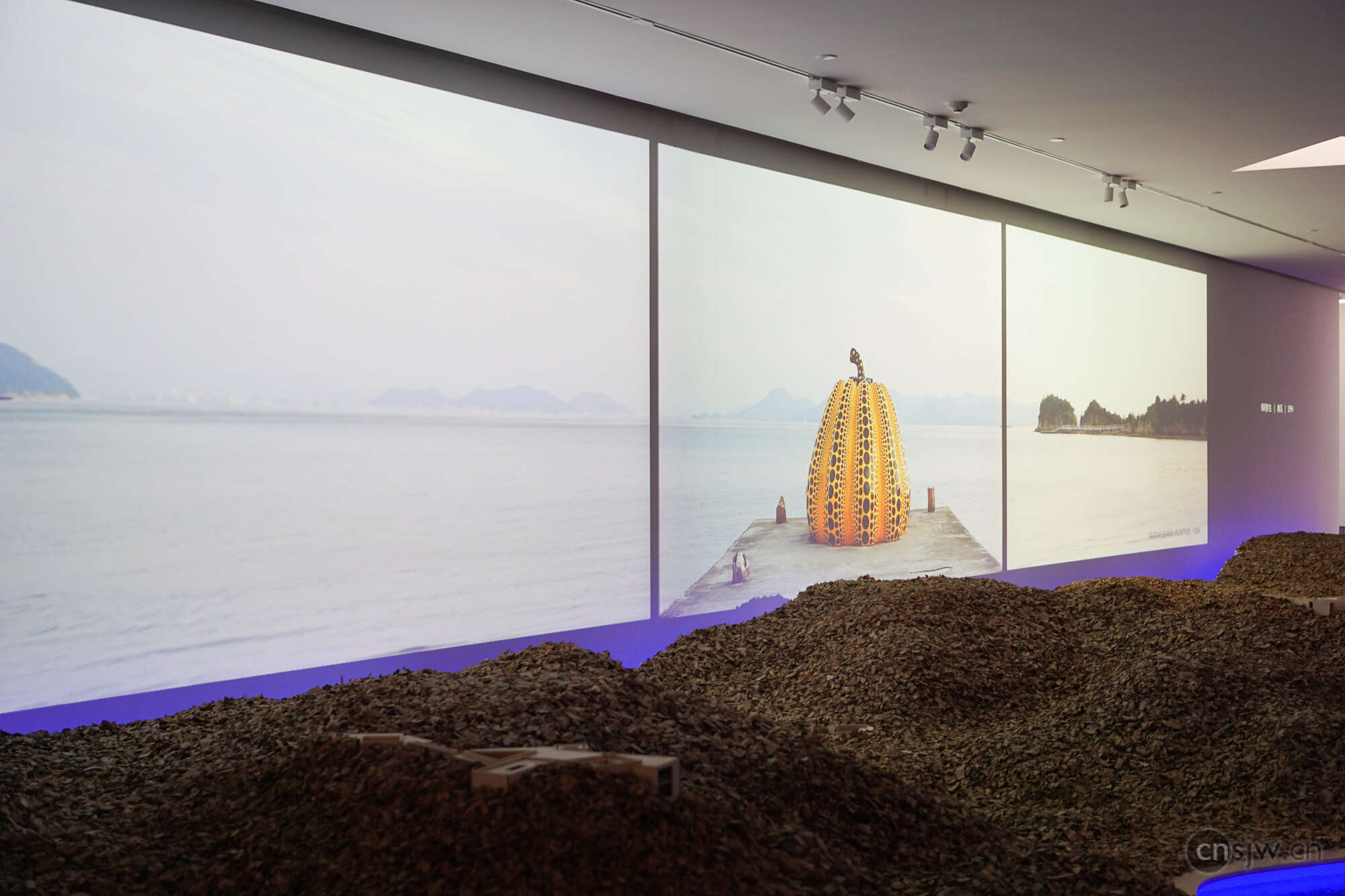
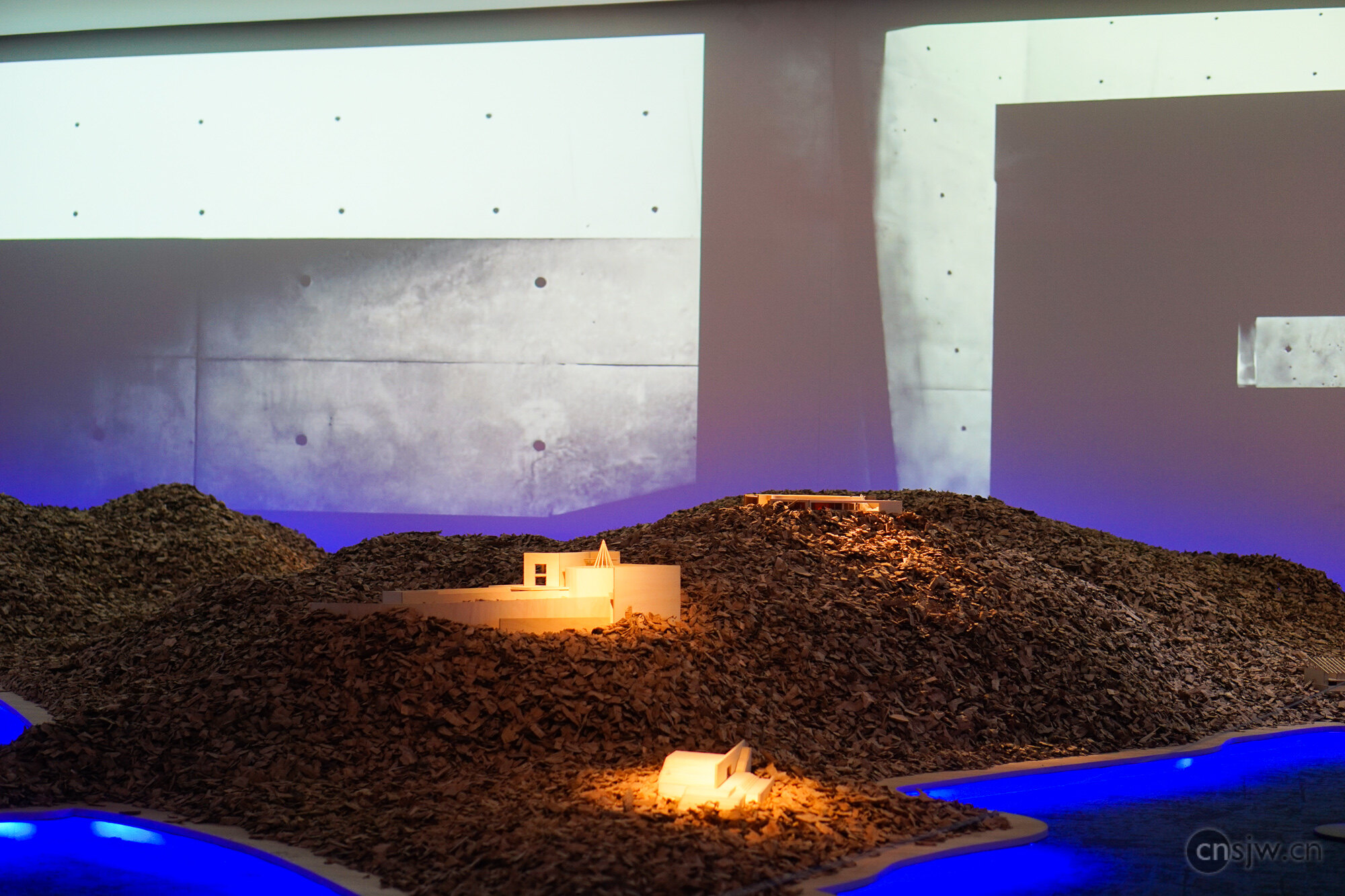
The third section, Light of Art, tells the story of Naoshima. The entire room features a massive model of the island, showcasing five of Ando’s buildings there: Benesse House Naoshima Contemporary Art Museum, Benesse House Oval, Chichu Art Museum, Benesse House Park/Beach, and Lee Ufan Museum. Accompanied by lighting and video, it displays the full panorama and beauty of Naoshima, successfully convincing me to visit—I’m thinking of going sometime this year.
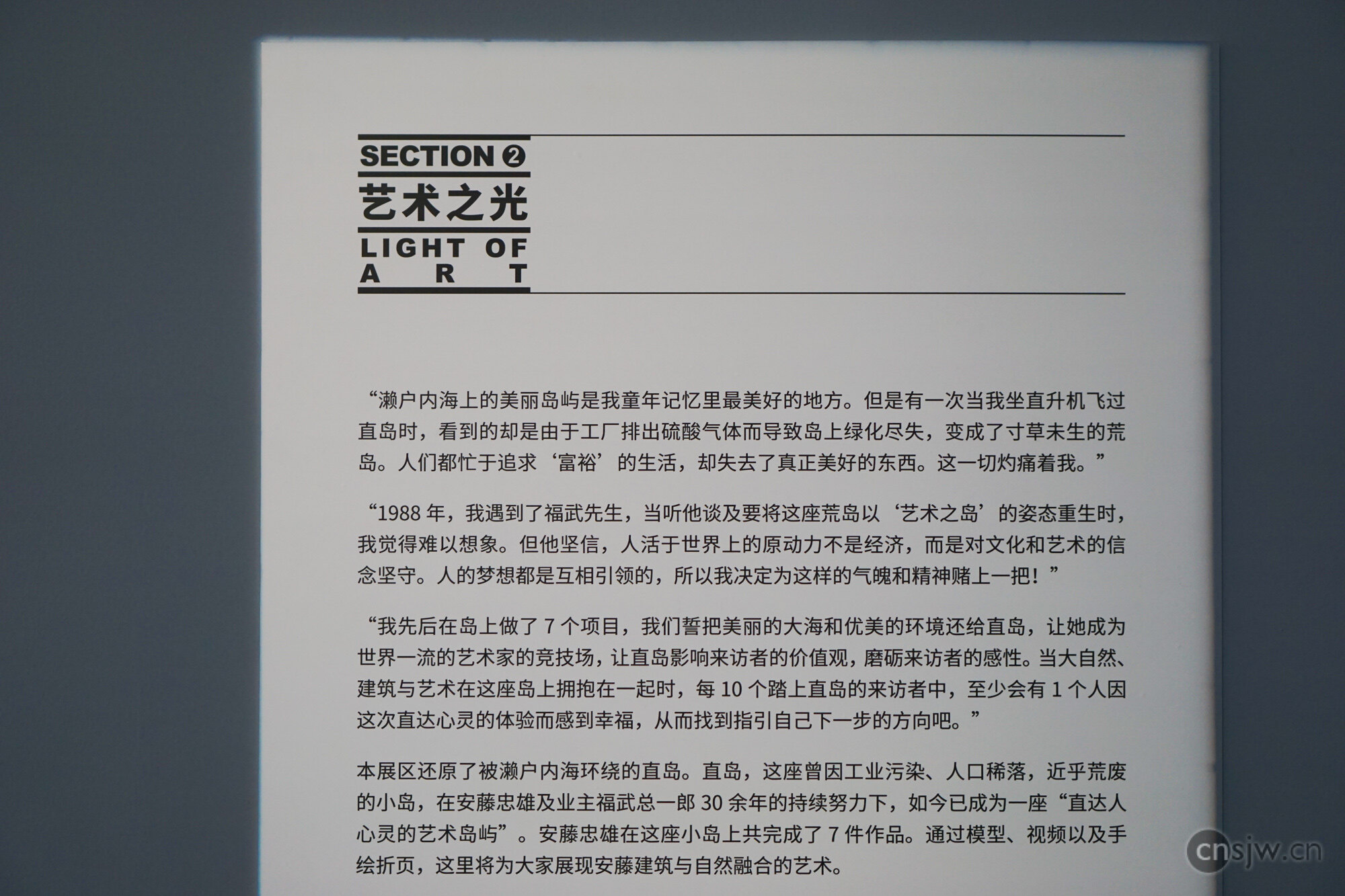
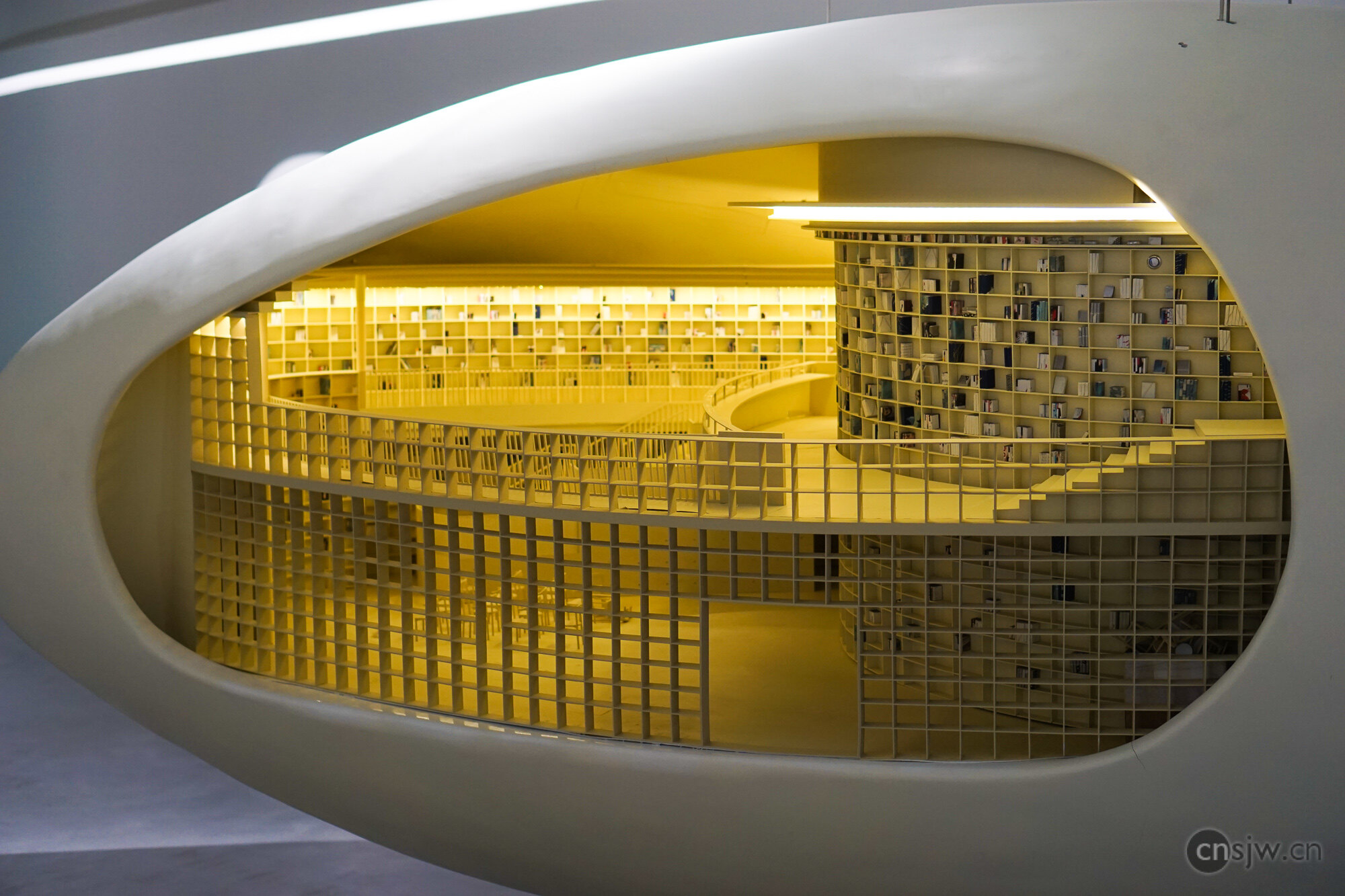
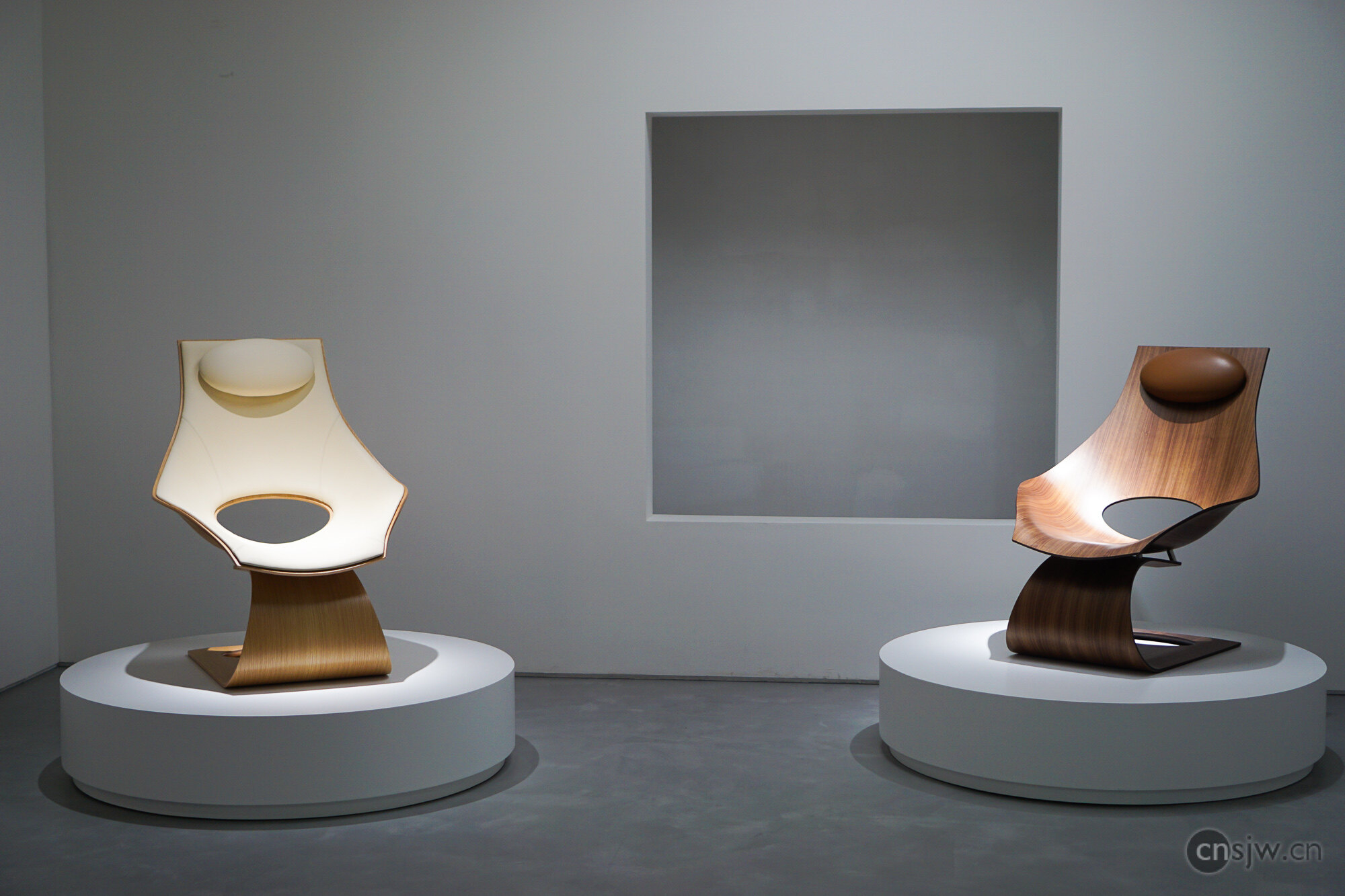
The fourth section, Light of Creation, encompasses architectural design, furniture design, product design, and expressive creations. It also features three of Ando’s recent projects in China and his own photography of his works, including the model of the egg featured in the fifth section.

After exiting the exhibition hall, there is a souvenir shop where you can exchange your ticket for a commemorative coin~~~
Continuing on, you reach the fifth section, Light of Reading, which serves as the connection between the museum and the bookstore downstairs. Since I was using a prime lens, I couldn’t capture the full view, so interested friends should visit in person. This area appears to be free of charge. Personally, I feel the blue light doesn’t harmonize well with the overall color scheme…
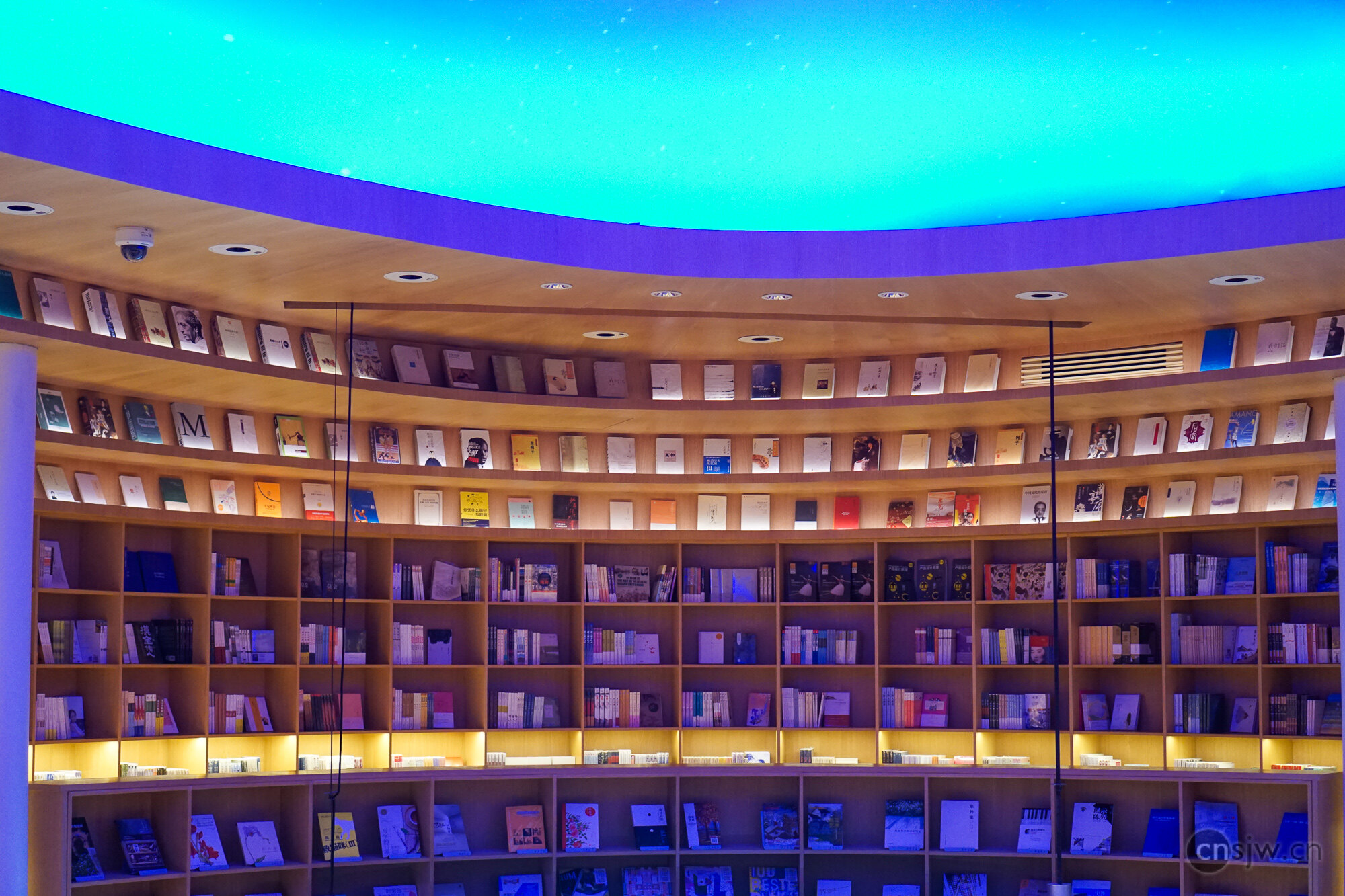

Further along is the Xinhua Bookstore. Although Xinhua Bookstore has been trying to develop in new directions, this particular branch—with its distinctly Japanese, MUJI-inspired style—is quite unique. However, amid the many emerging modern bookstores that emphasize design and experience, Xinhua Bookstore still largely remains a traditional bookstore focused solely on selling books, giving the impression that it’s struggling to keep up.
Photos in this post taken with a SONY A5100 + 35mm f1.8, post-processed in Lightroom.

Support



Read this article on WeChat