
It’s that time of year again for the annual Apple new product review. As usual, I’m writing this review after using the devices for a week. I have to say, Apple’s products this year offer some surprises compared to last year, both in terms of positioning and the extent of upgrades; this year’s product lineup has finally clarified the positioning of each product.
After a year with the iPhone 8 / 8 Plus / X, Apple decided to venture further into the luxury segment. During the year of the iPhone XR / XS / XS Max, all products saw significant price hikes, with the starting price reaching as high as 6,499 yuan, and slight upgrades pushing it over the 7,000 yuan mark. Moreover, the XS was defined as the flagship model, while the XR became the entry-level model replacing the SE. This directly led to a decline in sales, forcing channel prices to drop, and even the official flagship store broke precedent by offering discounts during Double 11. This year’s three new models are clearly much more reasonably positioned. The iPhone 11, returning as the mainstream model, has also returned to the iPhone 8’s price point of 5,499 yuan—a drop of as much as 1,000 yuan compared to the XR—making it a highly worthwhile purchase among this year’s new releases, though perhaps a bit unfair to XR users.
Apple naturally couldn’t ignore the fact that Android devices, bolstered by improved battery life, fast charging, and multi-camera setups, were outperforming the iPhone in various ways. Consequently, this year saw comprehensive upgrades to batteries and cameras across the high-end product line. These two upgrades are very sincere and quite surprising. Additionally, this year’s iPhones fully support Gigabit-class LTE (domestic carriers are focusing on 5G infrastructure, so they won’t develop this further) and Wi-Fi 6 (802.11ax).
Let’s talk about a few changes in this year’s products:
Craftsmanship
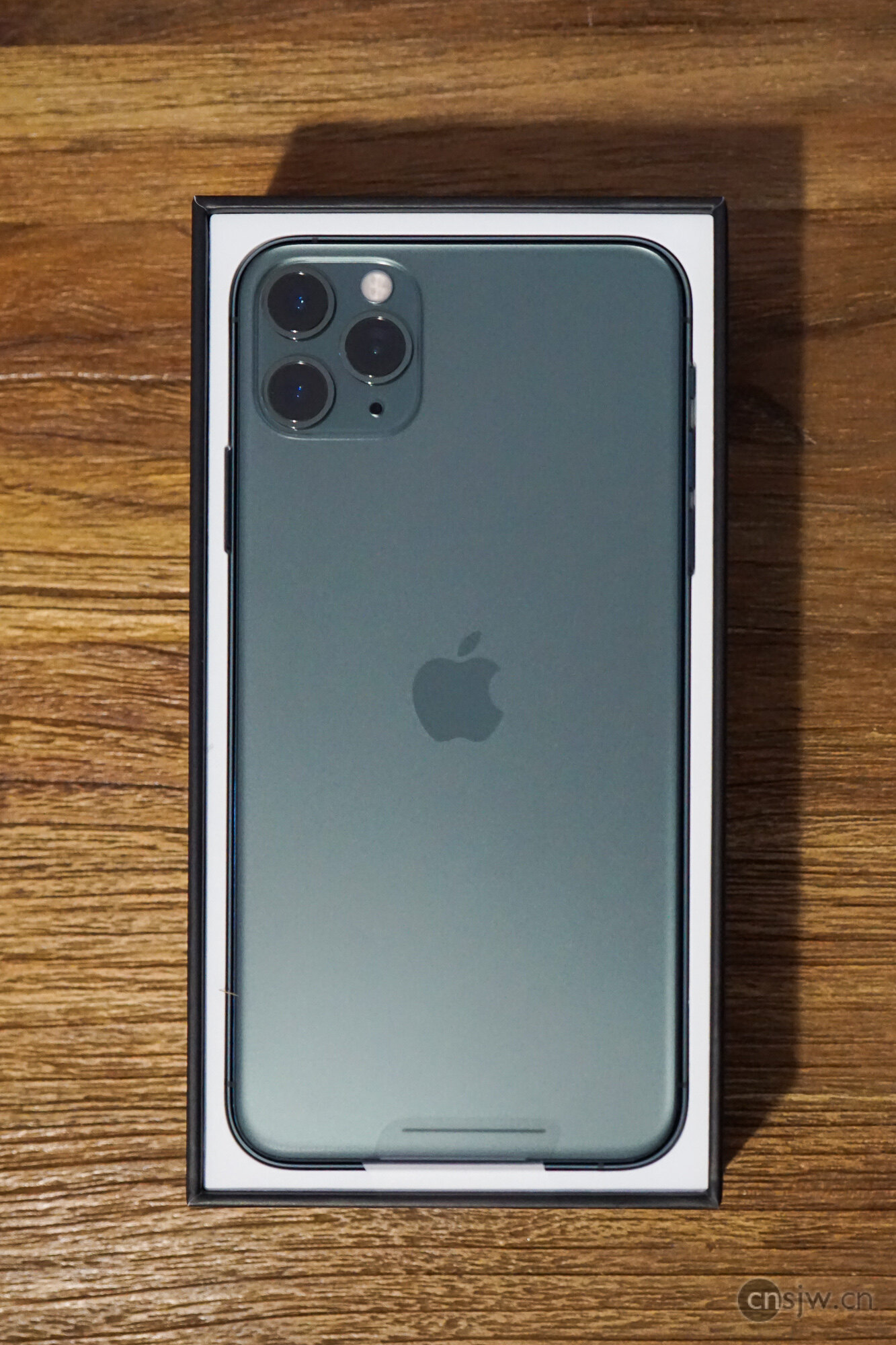
This time, the rear case is milled from a single piece of glass, coupled with a matte texture that delivers a feel similar to the Magic Trackpad. I must say, the hand feel is excellent, and it doesn’t retain fingerprints at all. Meanwhile, both the front and back glass utilize a dual-ion exchange process, resulting in greater strength. However, if you’re prone to dropping your phone, I still recommend purchasing AppleCare+, especially since iPhone repair costs are getting higher and third-party repairs have become nearly impossible (and third-party repairs aren’t recommended anyway).
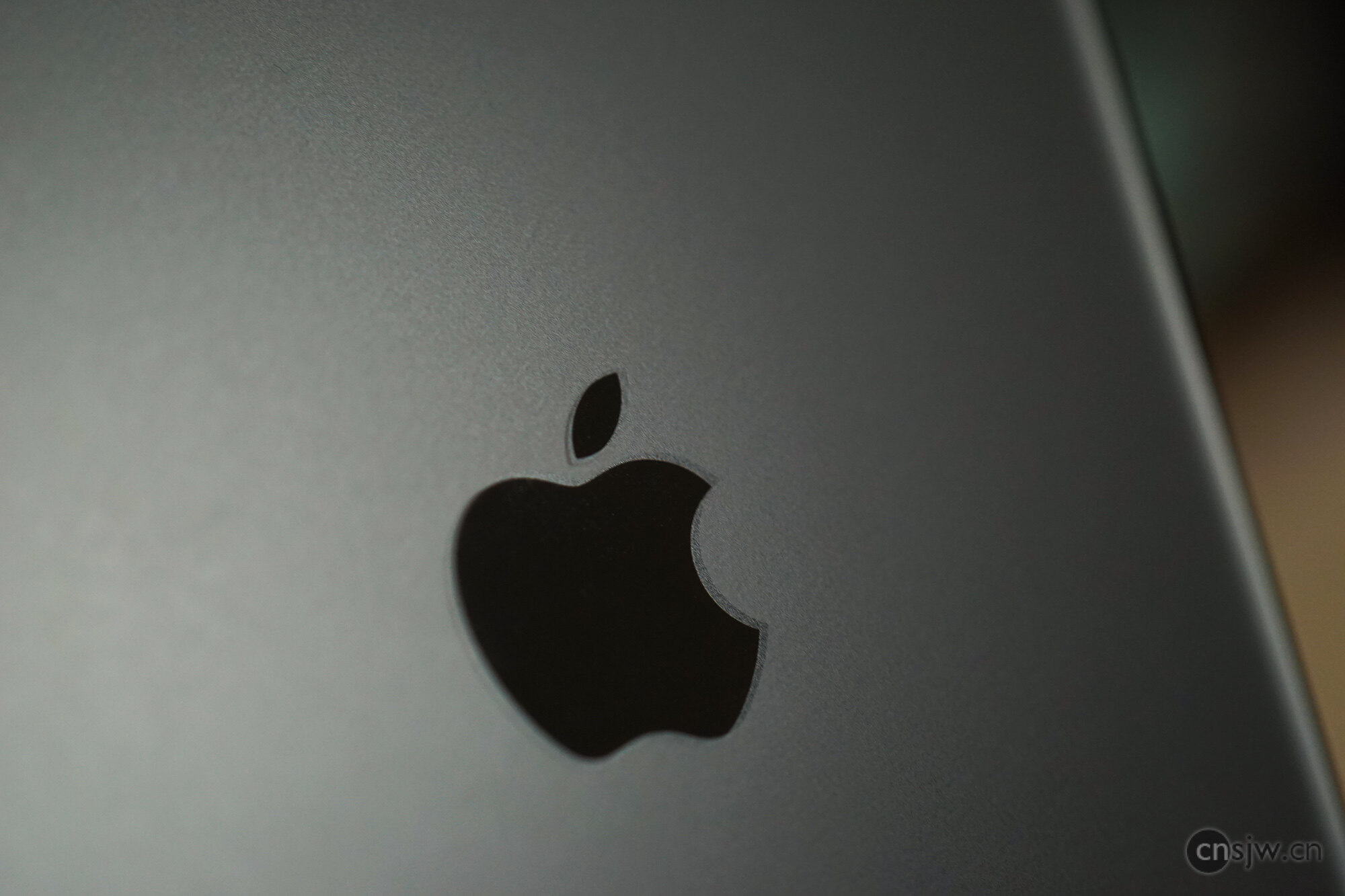
The camera module and the Apple logo are not frosted, creating a distinct contrast with the logo, yet the integration feels seamless. With its complete color transition, the iPhone 11 Pro series looks significantly more premium than the iPhone 11 series in this regard.
Battery Life
In actual use, after a full daily charge, normal usage for 16 hours only drained the battery to single-digit percentages. It basically lasts a full day; so far this week, I haven’t needed a power bank at all. This is indeed a significant improvement over the iPhone XS Max. According to many reviews, it now ranks among the top in smartphone battery life rankings. The improvement is substantial, but there’s still a little way to go before we can truly eliminate battery anxiety the way we’ve eliminated data anxiety.
Additionally, according to tests by Chongdiantou, fast charging reaches speeds up to 22W, capable of charging to 50% in 30 minutes and fully charging in 1 hour and 40 minutes. This speed is satisfactory, and surprisingly, an 18W fast charger is finally included in the box—a rare treat. Users of the iPhone 11 can also opt for third-party 18W PD chargers and MFi-certified fast charging cables, which are currently priced very reasonably.
Also, due to the larger battery, the weight has increased by 18g, and the dimensions have grown by roughly 0.4mm to 0.5mm. In hand, these two changes are completely imperceptible, so rest assured.
Camera
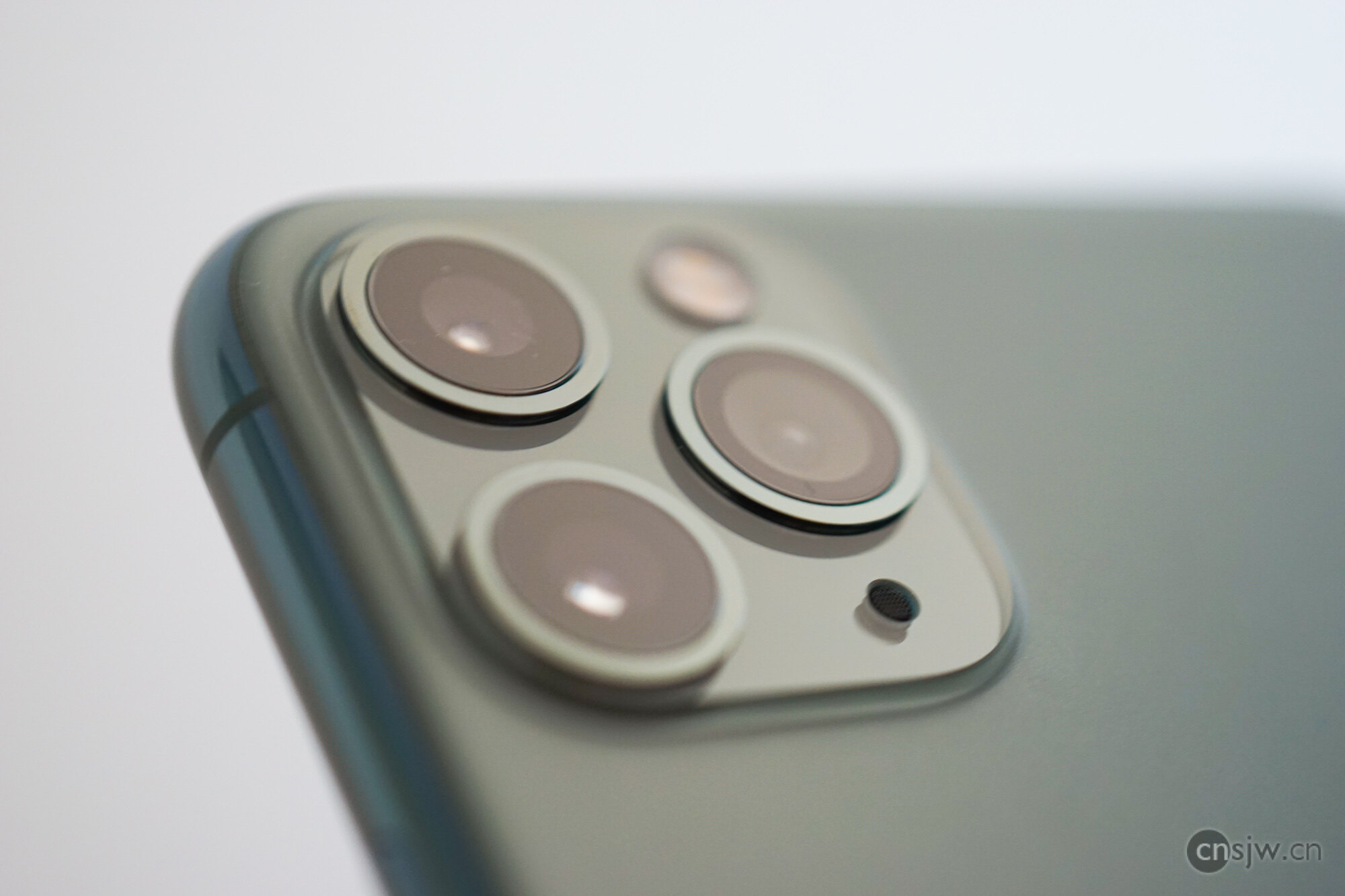
This is probably the most noteworthy upgrade, and it’s truly surprising. All four cameras have been upgraded to 12-megapixel sensors supporting 4K 60fps HDR video recording, and all four can operate simultaneously. Two cameras can shoot at the same time, and switching between different focal lengths is even smooth. Finally having an ultra-wide-angle camera is incredibly helpful for indoor photography and capturing panoramic views of architecture at close range. Furthermore, the iPhone now goes straight to 13mm (0.5x), making it the widest among all smartphones on the market… Both the wide-angle and telephoto ends feature optical image stabilization, which has also made the camera module significantly larger. Due to the increased size of both the battery and camera upgrades, the motherboard had to be shrunk and 3D Touch removed just to fit everything in.
Here are a few photos taken recently, original files without post-processing:
Portrait mode shot of food: With the addition of the ultra-wide lens, 1x Portrait mode is finally supported, meaning you don’t have to stand as far away as before. Low-light performance is also much better, although the distance estimation algorithm still has plenty of room for improvement…

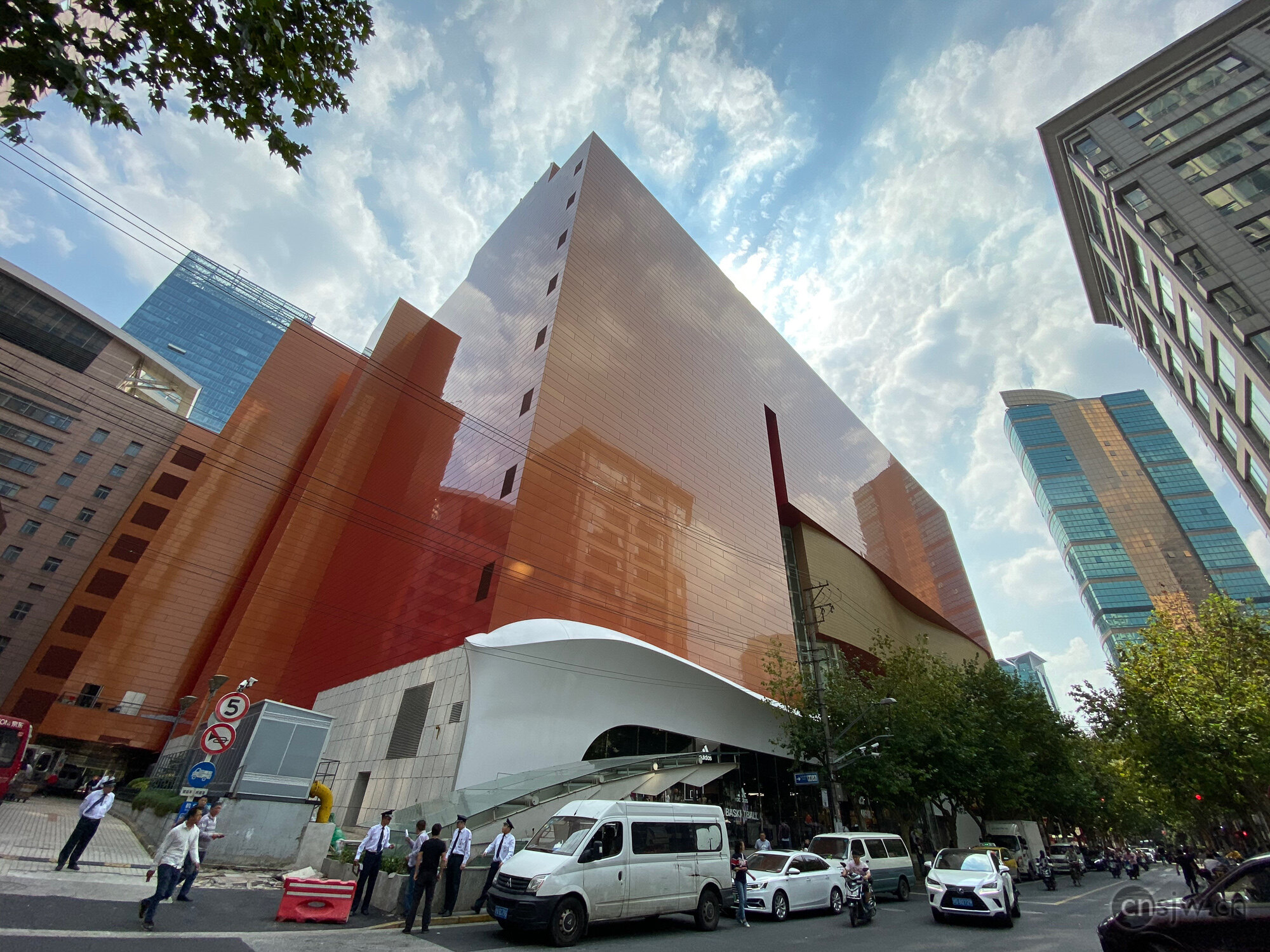
Ultra-wide shot of architecture: Although distortion is quite noticeable, the result is truly stunning.


Ultra-wide indoor shot: Finally able to capture the entire scene.
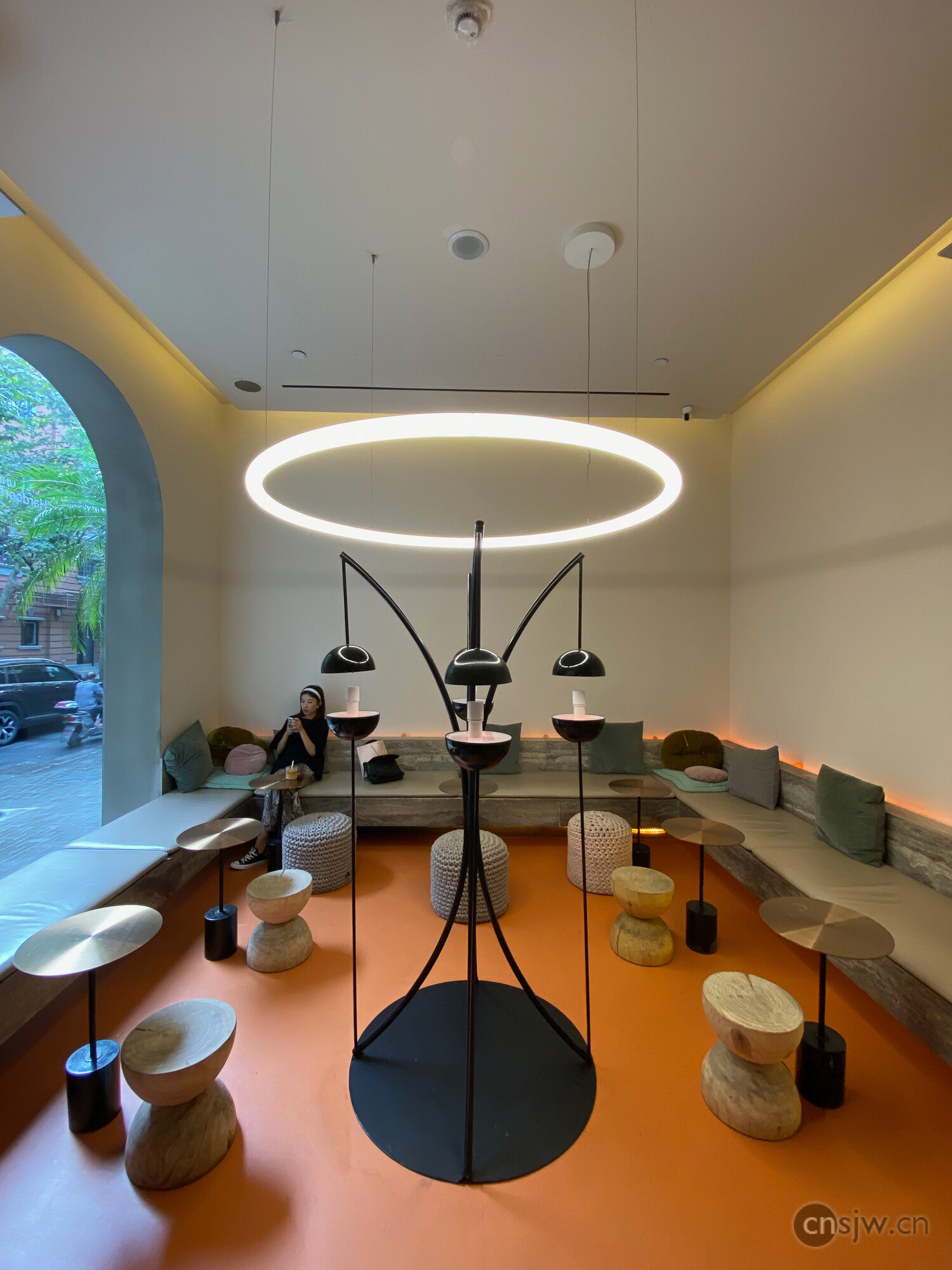
Night Mode: The new Night Mode automatically detects whether the phone is handheld or on a tripod and adjusts parameters accordingly. Handheld shots typically take 1-3 seconds, while tripod shots can go up to 30 seconds, synthesizing exceptionally good night photos via software. These night photos aren’t simply brightened images; instead, bright areas remain bright and dark areas stay dark. It doesn’t turn night scenes into daytime shots, preserving the authentic nighttime atmosphere.
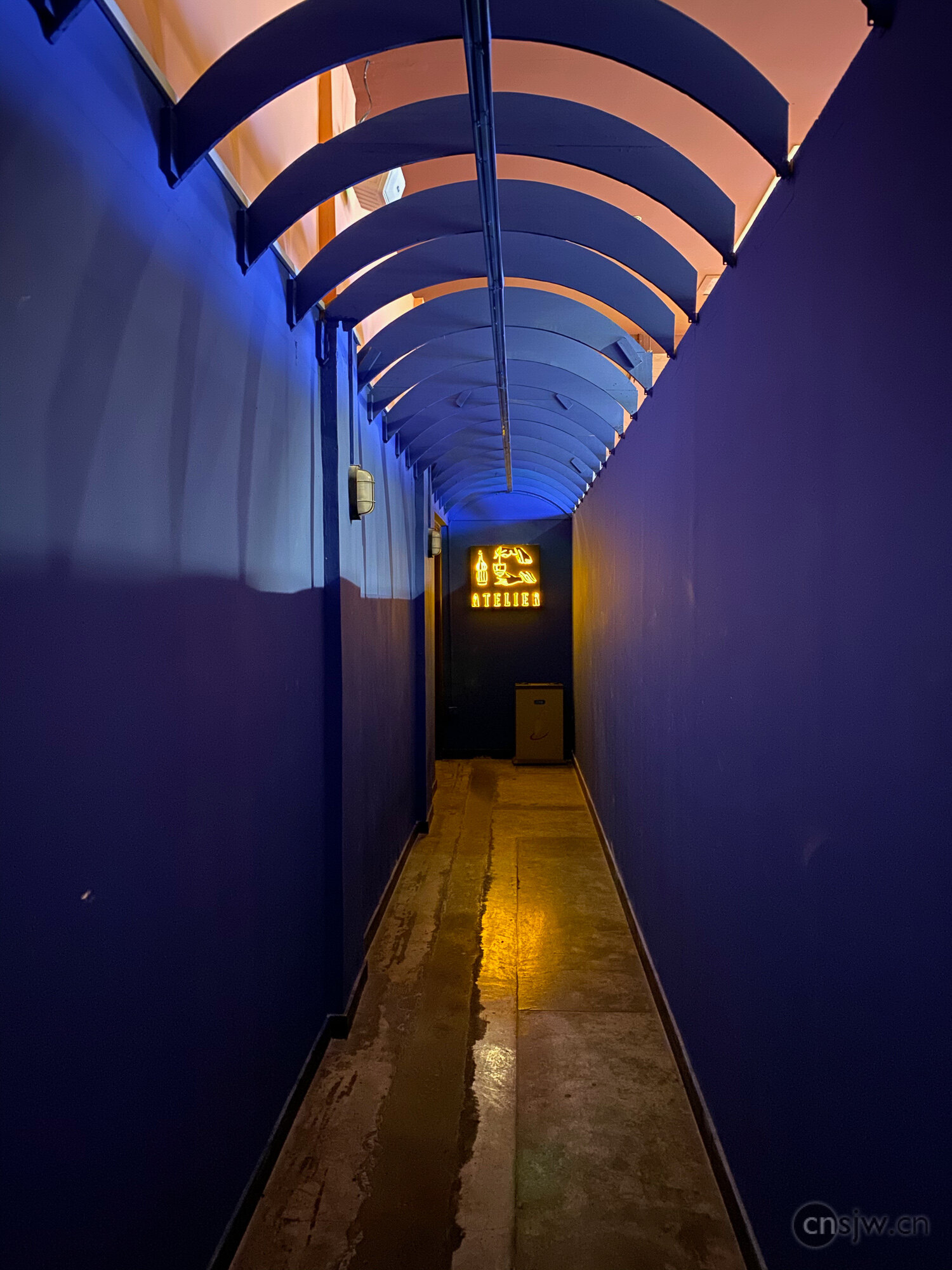

iPhone 11 vs iPhone 11 Pro
These two products target different segments. Apple seems to have figured it out this year: high-end users are less price-sensitive than average consumers. Therefore, the iPhone 11 Pro series maintains the high pricing of last year’s XS series to sustain Apple’s high profit margins. The main differences between them are mostly external—precisely what most users care less about—including visual differences (screen bezels, brightness, resolution, and materials), tactile differences (back panel feel), material differences (stainless steel frame vs. aluminum frame), camera differences (lack of a telephoto lens), and water resistance ratings. Yet, sharing the same A13 chip and U1 chip means the user experience is virtually identical. Ironically, the iPhone 11 might even be slightly faster due to its lower resolution, highlighting its superior value proposition.
iOS 13
I have to say, iOS 13 brings numerous new features, and Dark Mode is a delightful surprise—it’s perfectly suited for this OLED screen. Reflecting this, the new iPhone packaging has switched to black, likely to complement the new Dark Mode. iOS 13 introduces many new functionalities, such as three-finger gestures that make copy-pasting smoother, along with redesigned built-in apps, a revamped CarPlay, significantly enhanced photo and video editing capabilities, and Apple Music with lyric display.
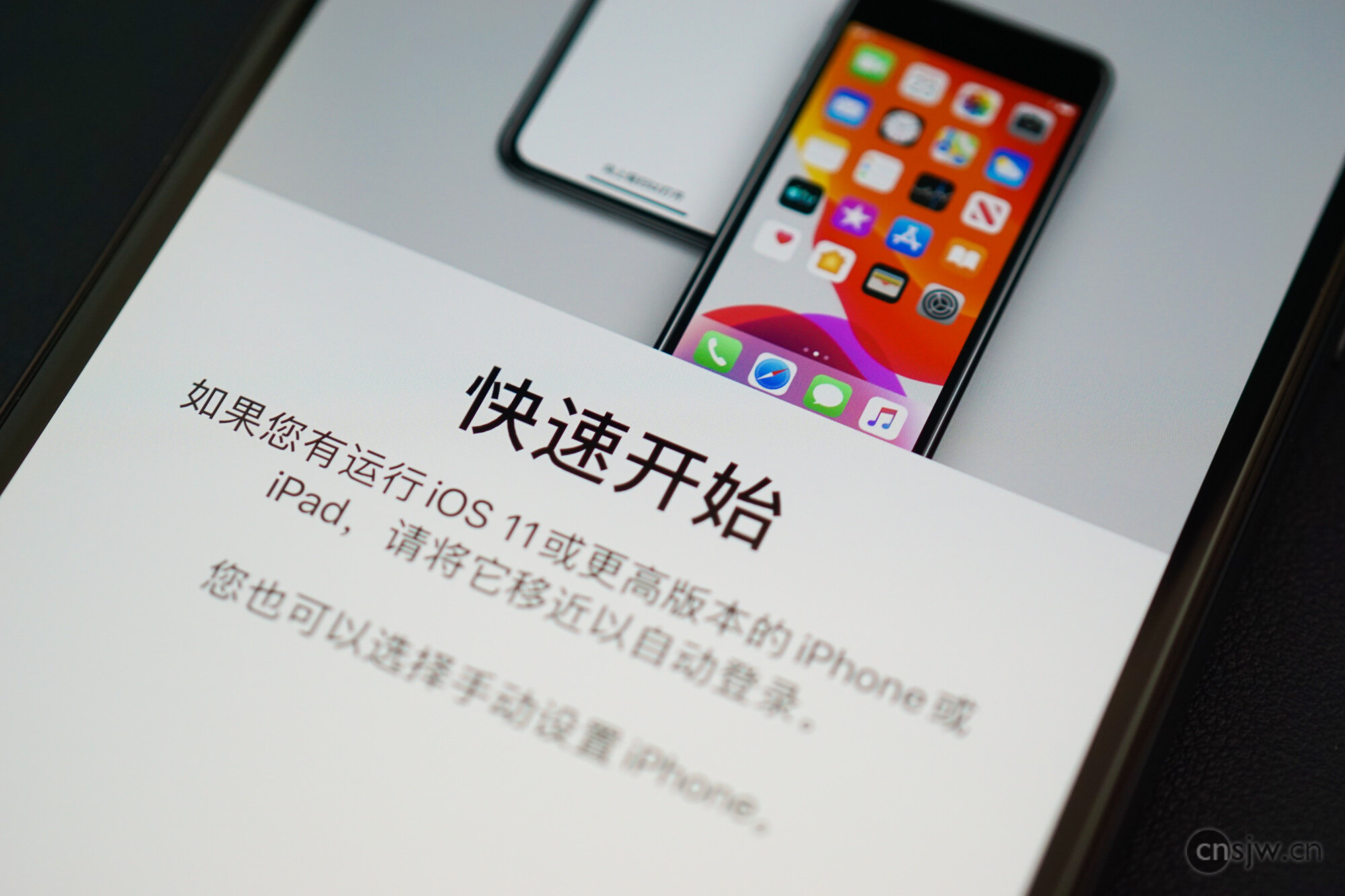
Additionally, the new wireless data transfer feature makes migrating data from old phones much easier.
Apple Watch Series 5
The Apple Watch Series 5 isn’t vastly different from the Series 4; even the CPU performance remains identical. The biggest highlight is the Always-On Display. When active, the screen refreshes once per second at reduced brightness. Many watch faces have a dedicated always-on style lacking a second hand, though the hour and minute hands continue moving normally. Within apps, the screen dims to show a digital clock, instantly reverting to full display upon raising your wrist. This makes it behave more like a traditional watch, allowing you to check the time anytime—even when holding something and unable to raise your wrist. It’s one of those features you don’t miss until you have it, but once accustomed to it, you find it incredibly useful. However, the Always-On Display does consume more battery. While it still offers 18 hours of battery life, the Watch 4 often retained over 50% charge by evening after a day’s use, whereas the Watch 5 frequently drops to 20% or less by nightfall.
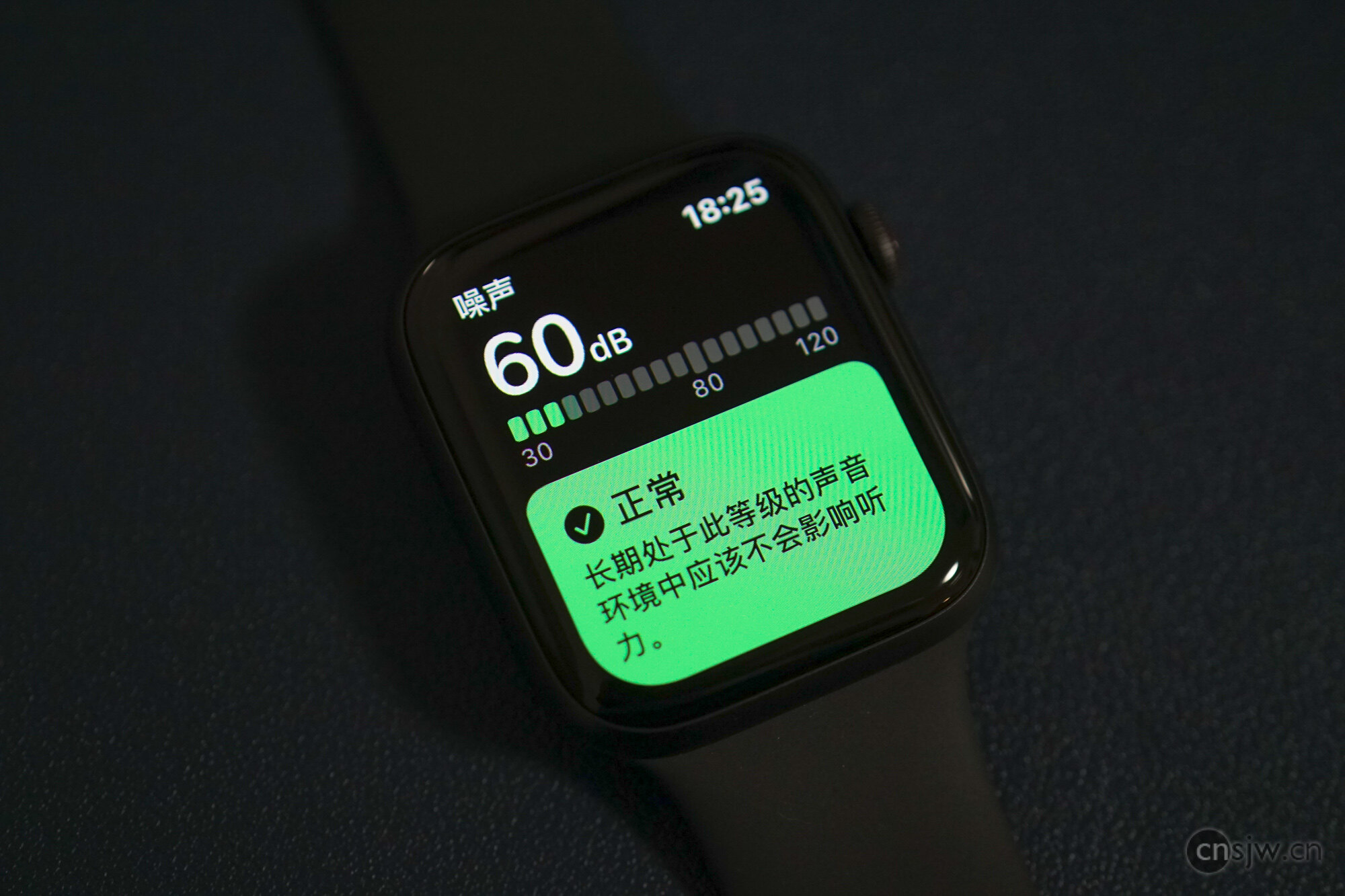
Additionally, it includes a built-in compass and the new Noise app introduced in watchOS 6. While the noise detection feature is genuinely useful, if you rarely attend loud events, keeping the Watch constantly monitoring noise levels isn’t particularly meaningful and only drains the battery faster.

Photos in this article taken with SONY A5100 + 50mm f/2.8, post-processed in Lightroom.

Support



Read this article on WeChat