
The Aurora Museum is the first private art museum in the Lujiazui area. Its collection focuses primarily on Buddhist sculptures, jades, pottery, and blue-and-white porcelain, mainly drawn from the private collection of Chen Yung-tai, Chairman of the Aurora Group.
Most people are familiar with the Aurora Building in Lujiazui. The Aurora Museum, however, opened only in 2013. It is a relatively independent structure separate from the main building, designed by Tadao Ando based on the concept of a “blue jewelry box.” Despite standing beside the golden-hued Aurora Building, it does not look out of place; rather, it is quite aesthetically pleasing. The windows on the fifth and sixth floors, in particular, are quintessentially Tadao Ando.
The museum comprises six floors of open space: the first floor houses the entrance and temporary exhibition galleries; the second floor features ancient pottery figurines; the third floor displays jades through the ages; the fourth floor showcases blue-and-white porcelain; the fifth floor is home to a café; and the sixth floor exhibits Buddhist sculptures.
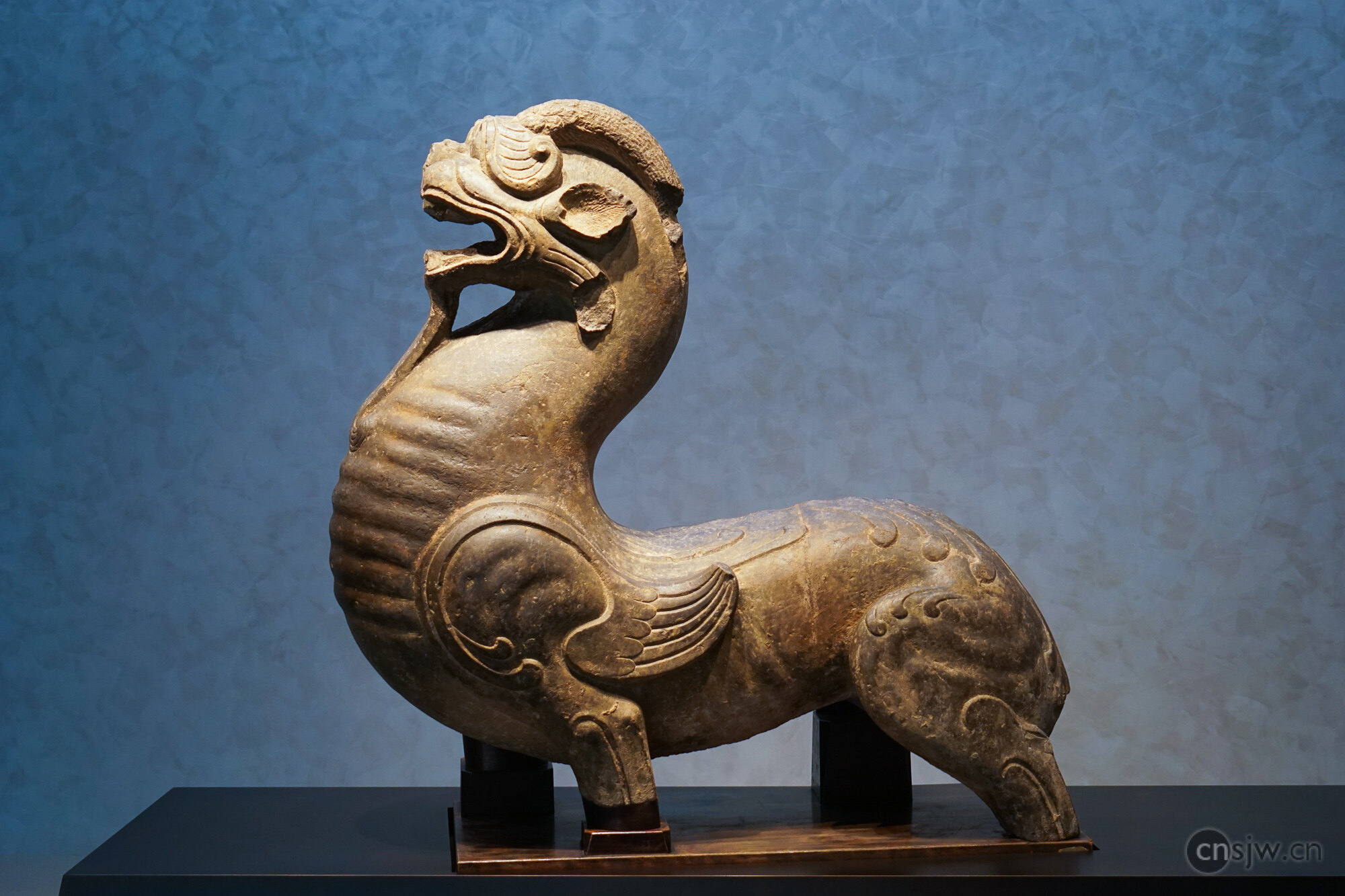
At the entrance stands a Southern Dynasties divine beast.
Ancient Pottery Figurines
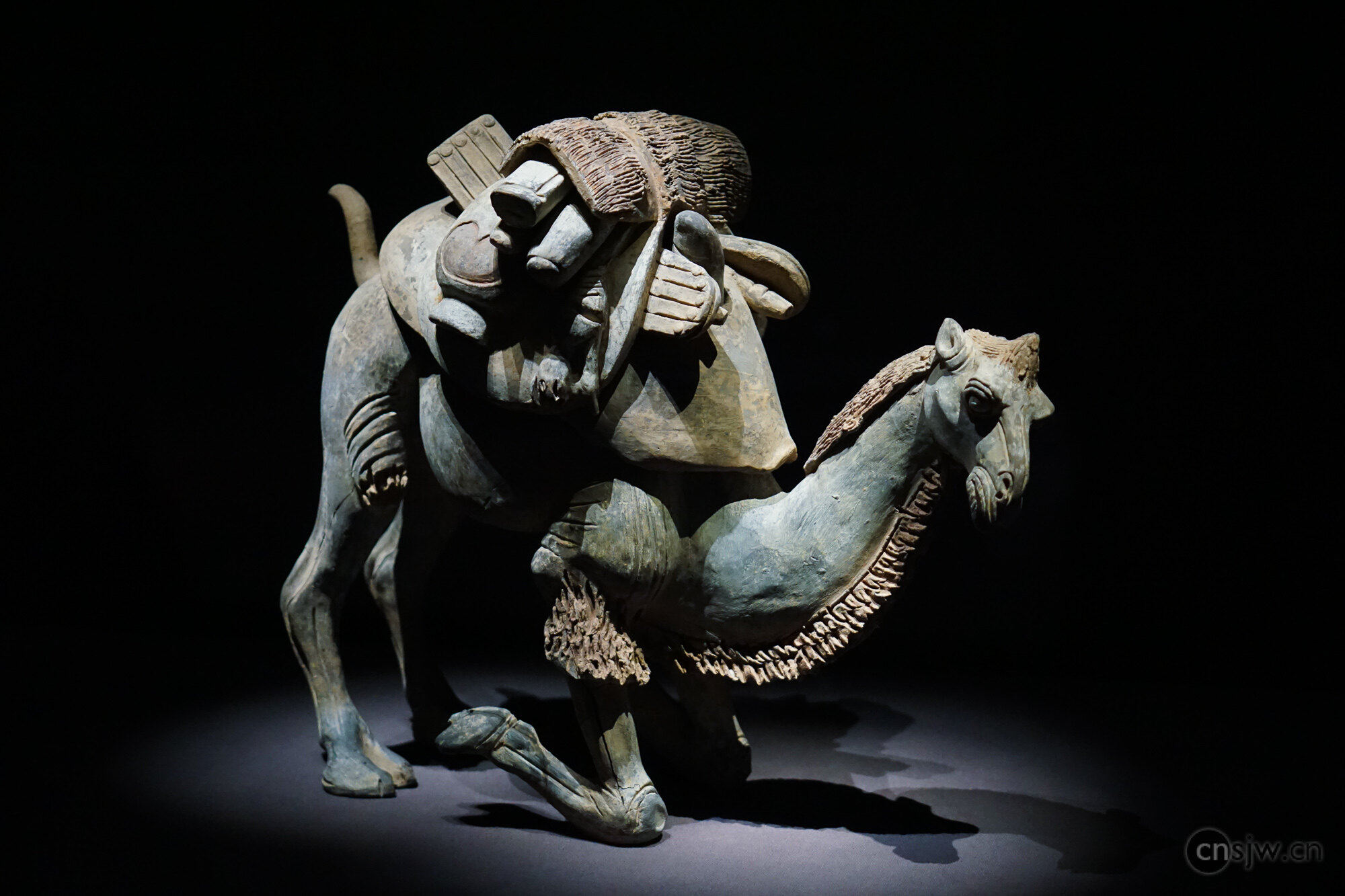
The “Ancient Pottery Figurines” exhibition features a curated selection of painted pottery figurines from the Han and Tang dynasties—including human figures, animals, and domestic architecture—from the museum’s collection. Combined with animated virtual scenes and organized around the themes of travel, attire, dwelling, performance, and music, the exhibition not only highlights the artistic achievements of pottery figurines—capturing the vividness of the Han and the grace of the Tang—but also recreates the rustic yet lively social atmosphere shaped by the Han dynasty philosophy of “serving the dead as if they were alive,” as well as the vigorous, expansive spirit characteristic of the Tang dynasty’s aesthetic of “plumpness, richness, and bold elegance.”
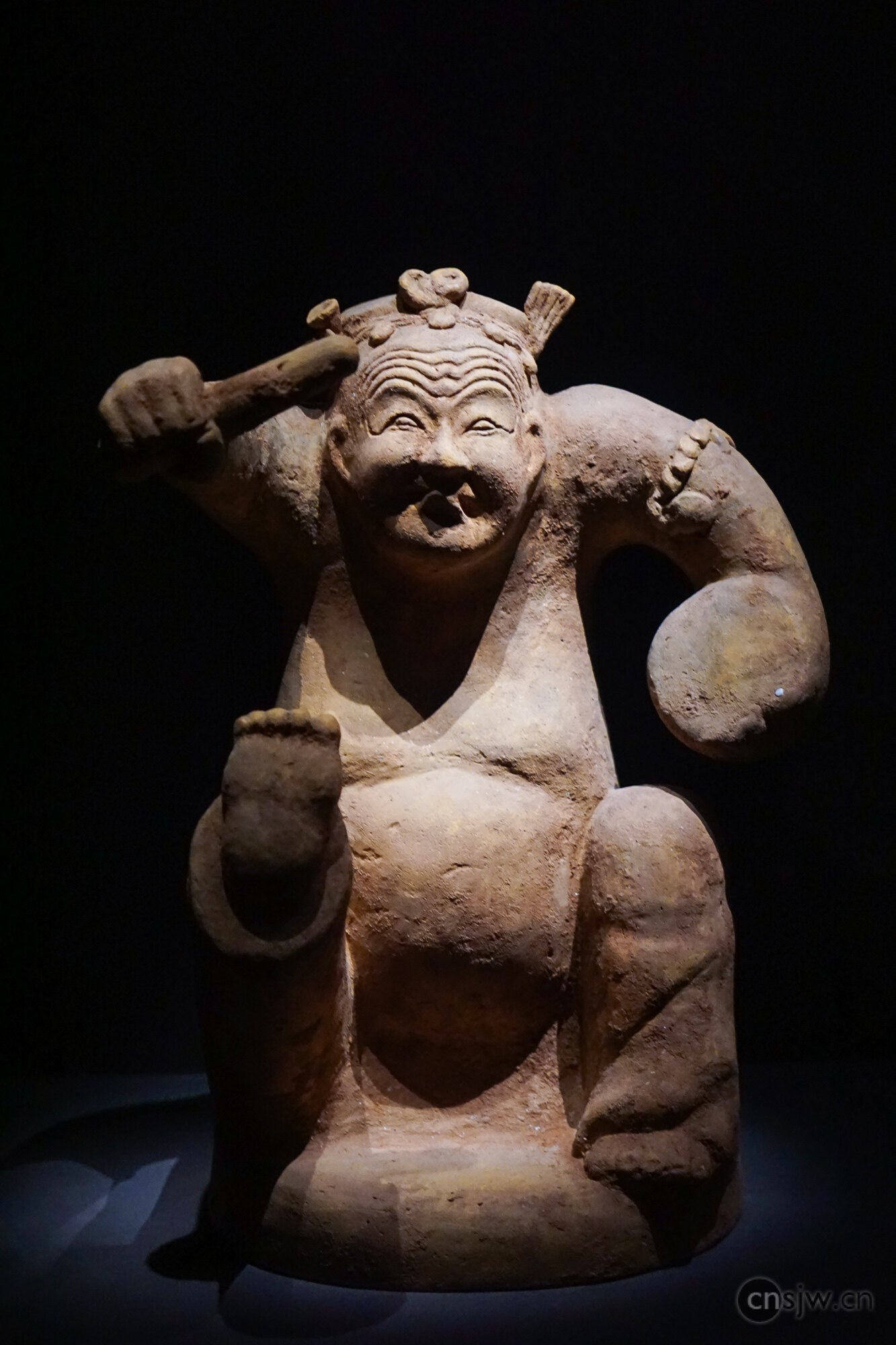
Eastern Han Dynasty Red Pottery Storytelling Figurine
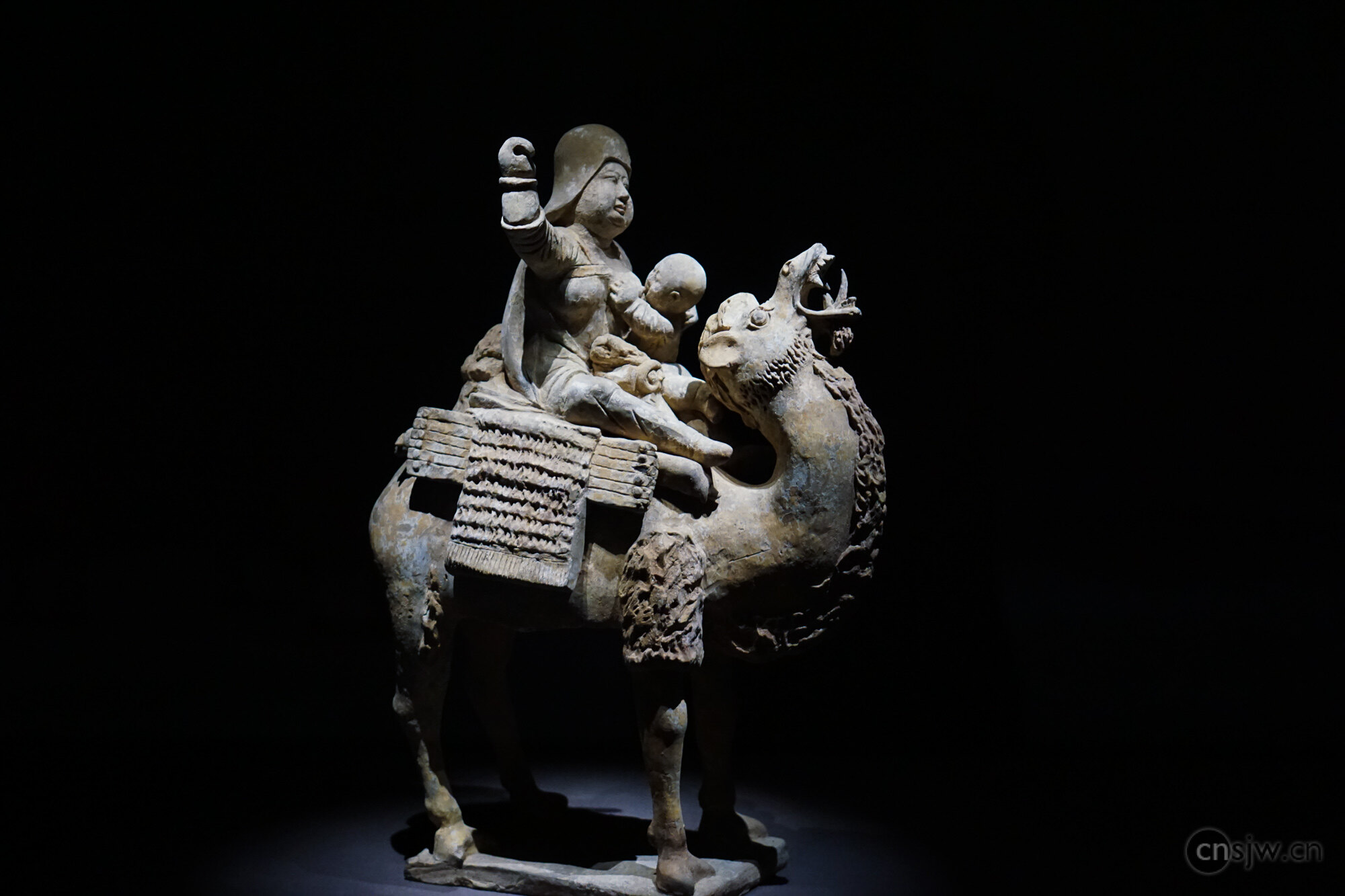
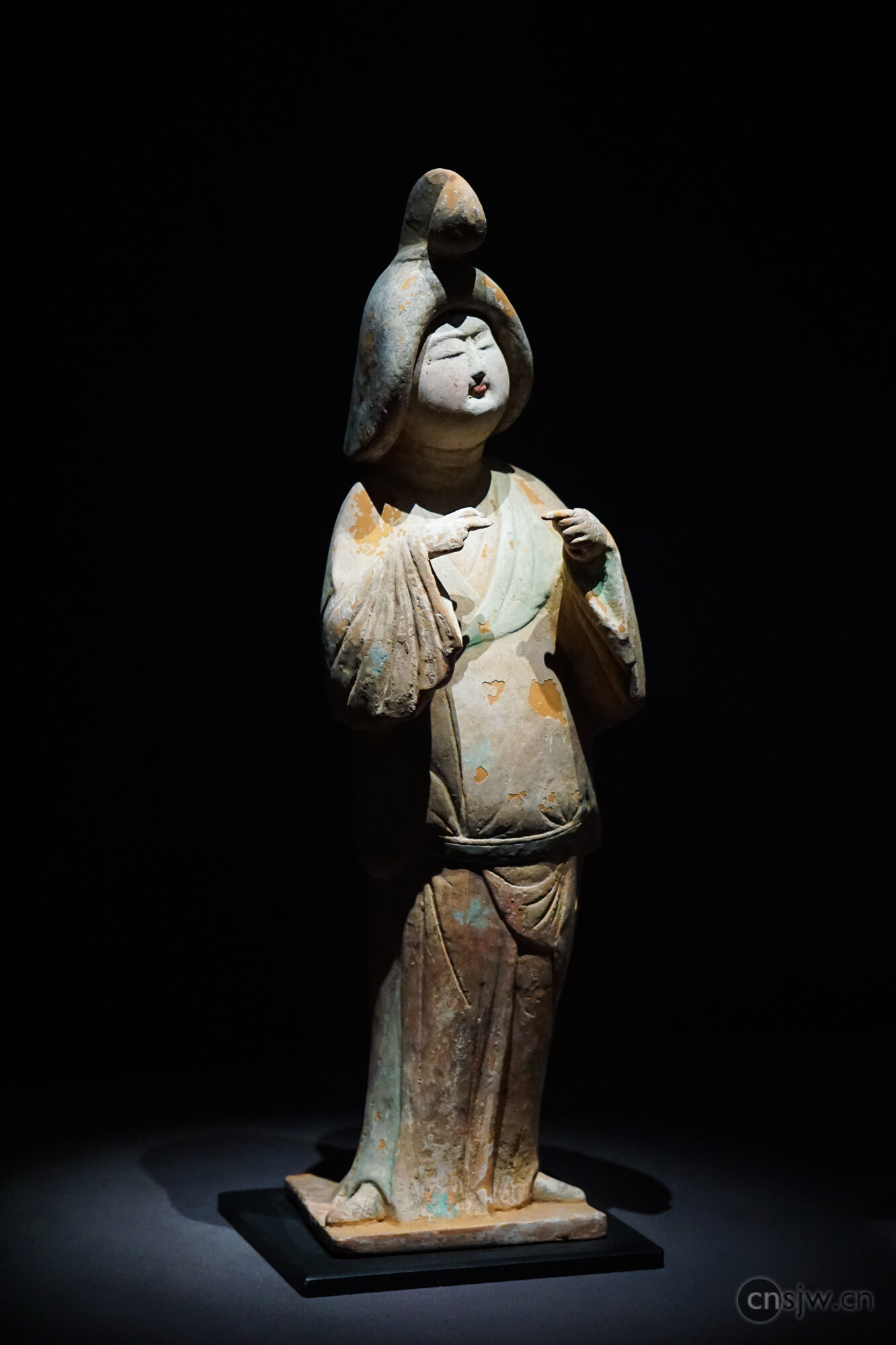
Tang Dynasty Painted Pottery Lady Figurine
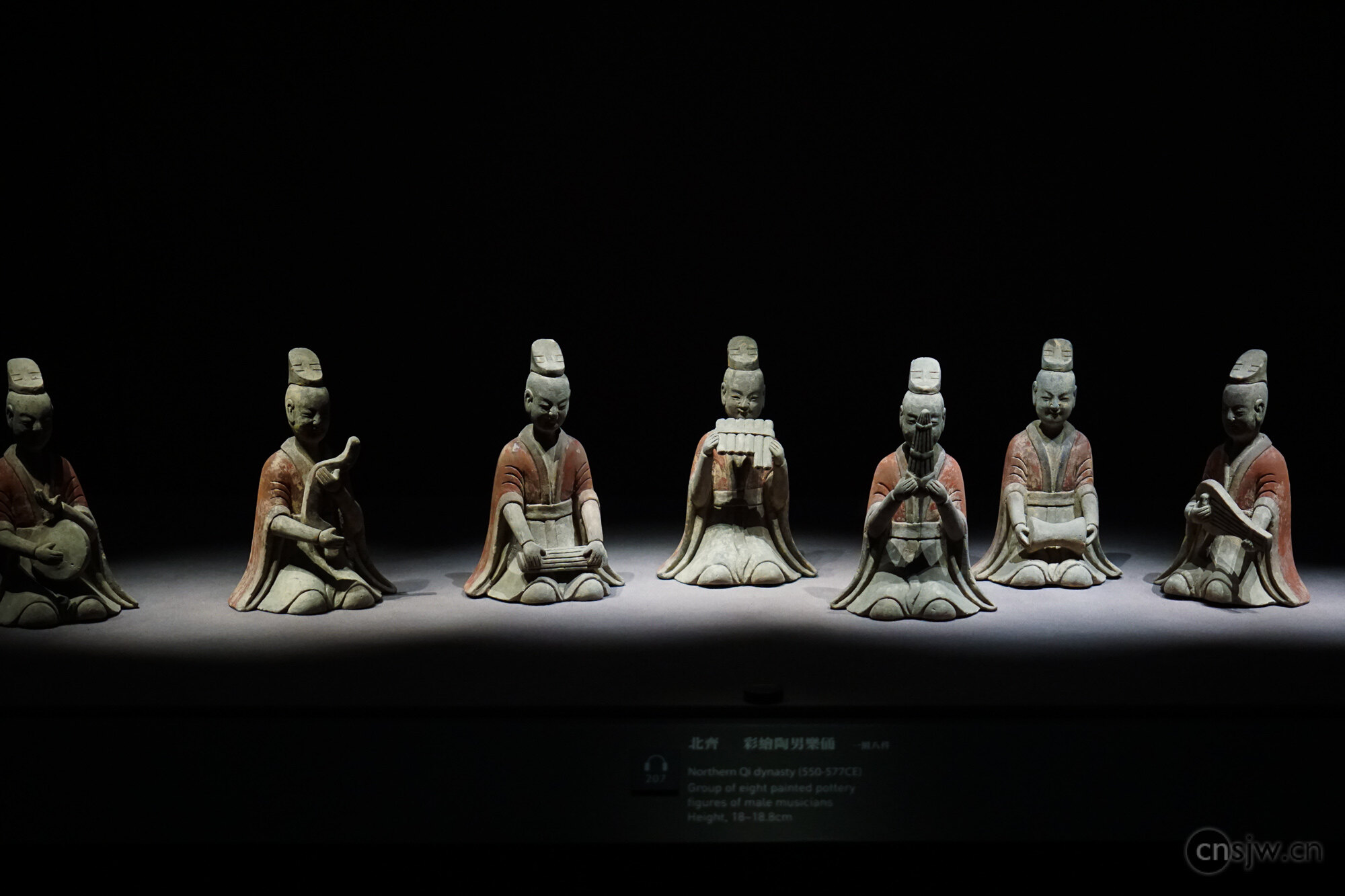
Northern Qi Dynasty Painted Pottery Male Musician Figurine
Jades Through the Ages
The “Jades Through the Ages” exhibition presents a carefully selected array of representative jades from various dynasties in the museum’s collection. Divided into three thematic sections—”Masterpieces of Ancient Jade,” “Han Dynasty Funerary Jades,” and “Archaeological Studies of Ancient Jades”—the exhibition reveals the profound cultural significance of ancient Chinese jade from multiple perspectives. While tracing the distinct artistic styles and developmental lineage of jade artifacts across dynasties, it also vividly illustrates the diverse intellectual trends, lifestyles, and aesthetic sensibilities unique to each period.
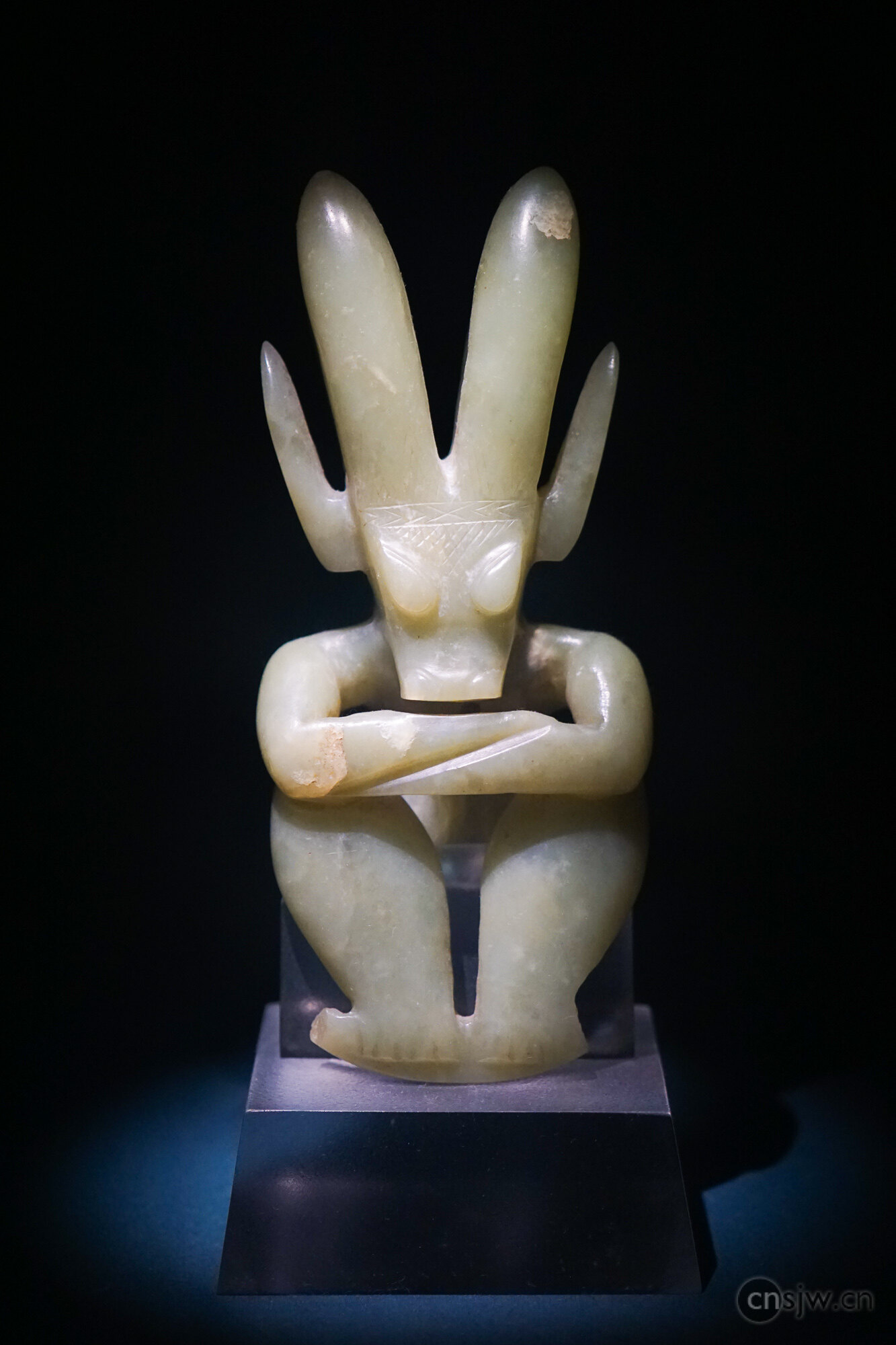
Neolithic Period Hongshan Culture Jade Divine Figure with Beast
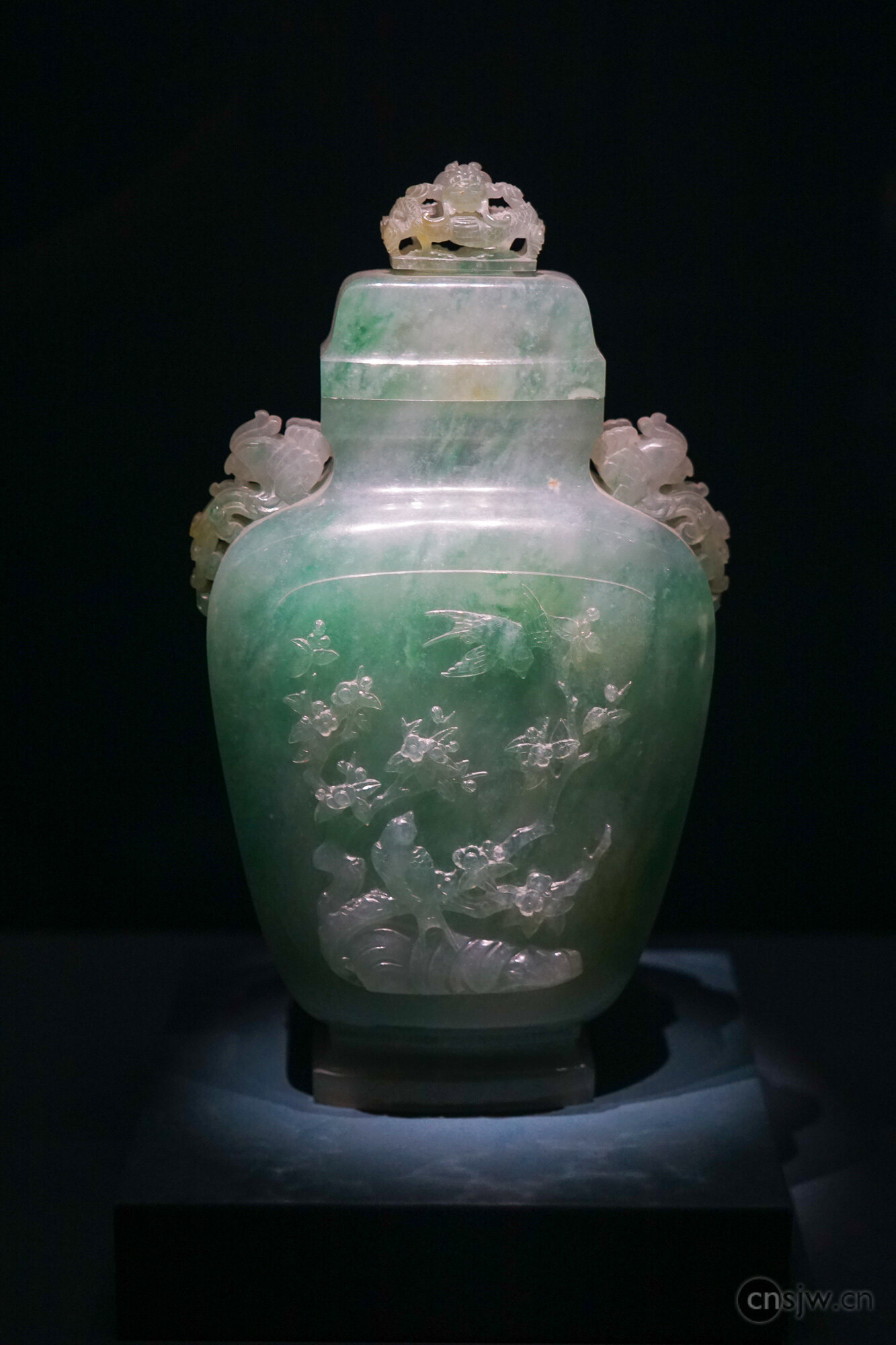
Qing Dynasty Emerald Green Jade Double-Eared Covered Vase
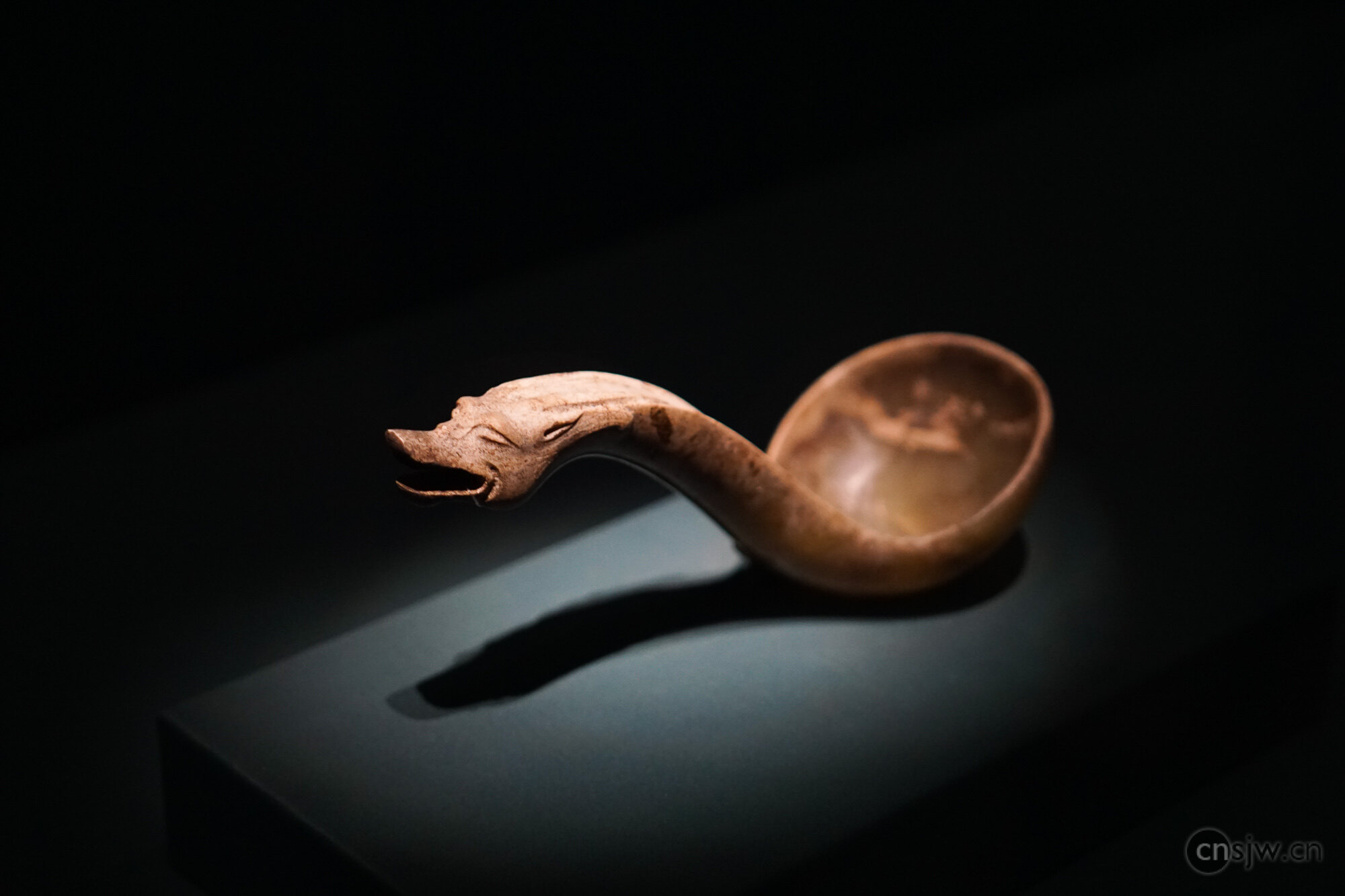
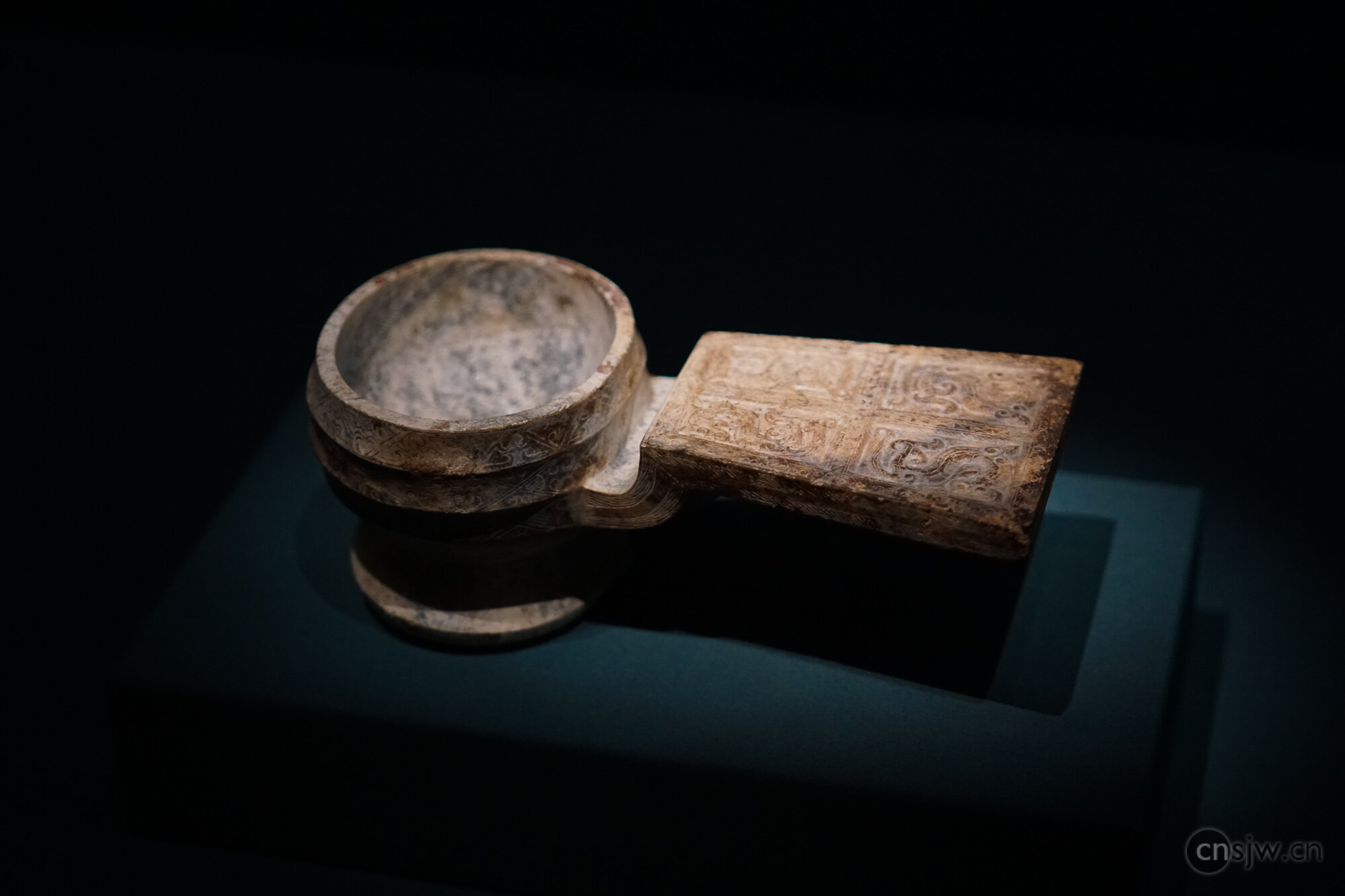
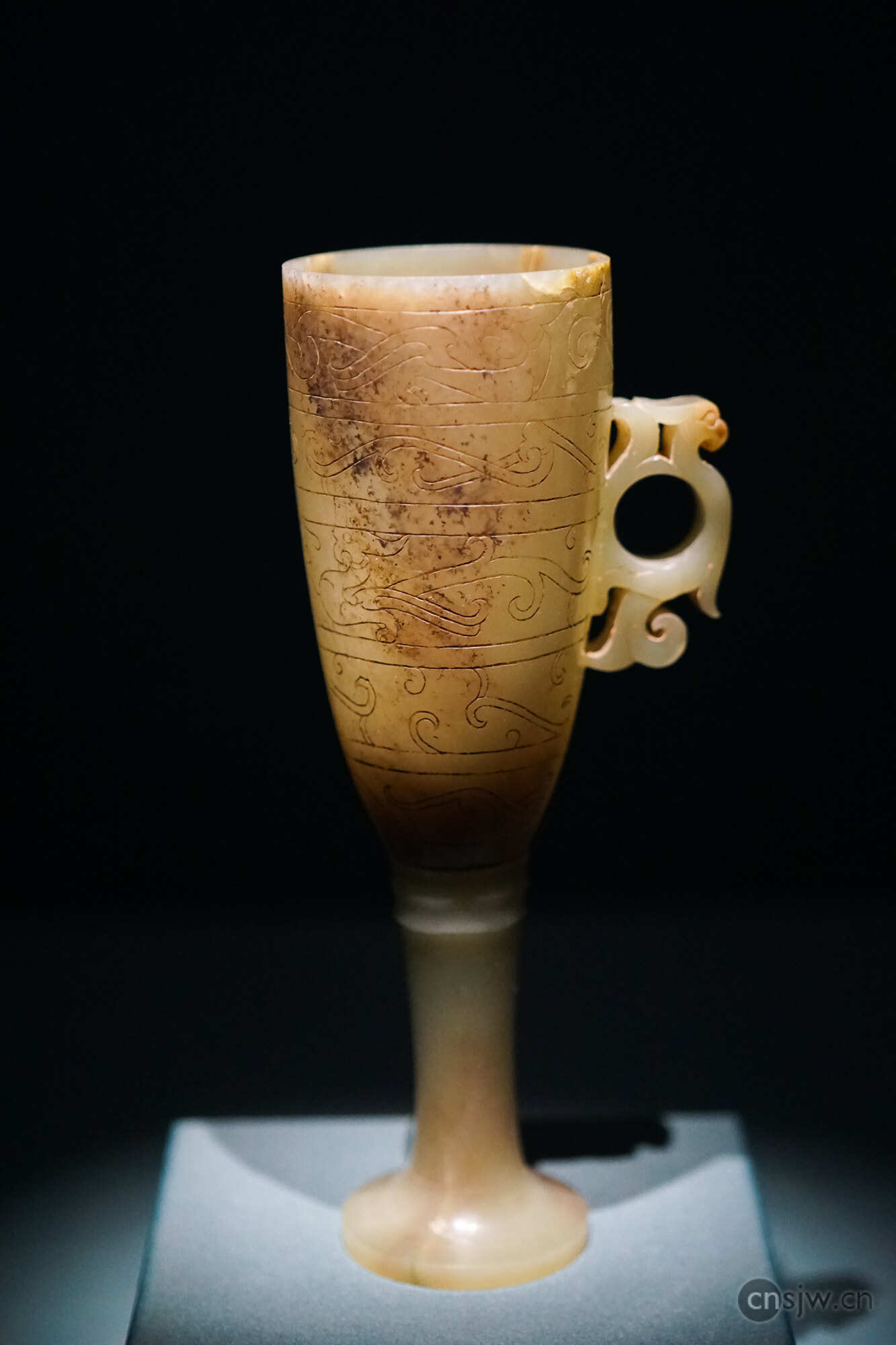
In ancient times, jade was crafted into various belt buckles, spoons, and cups.


Blue-and-White Porcelain
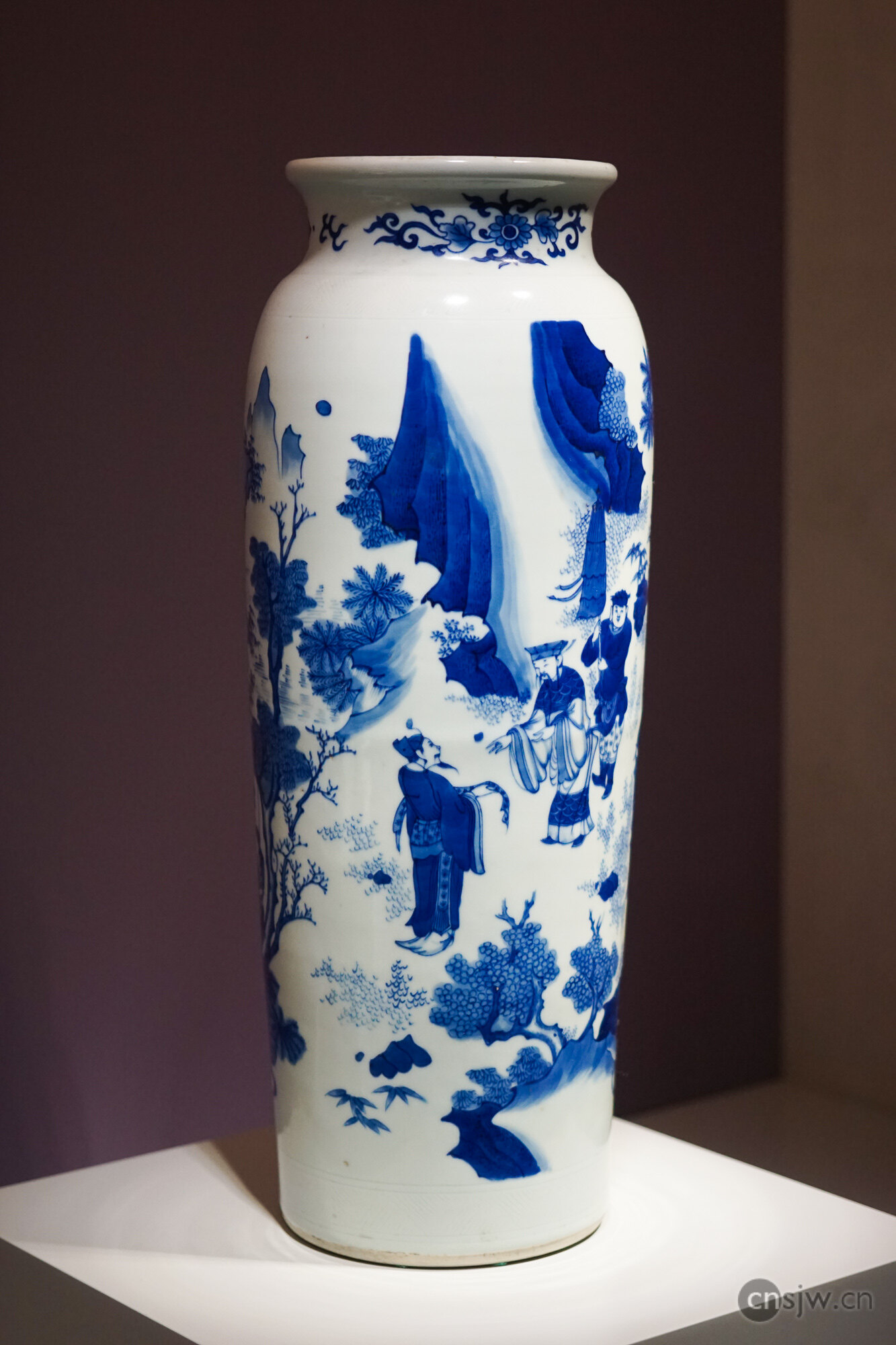
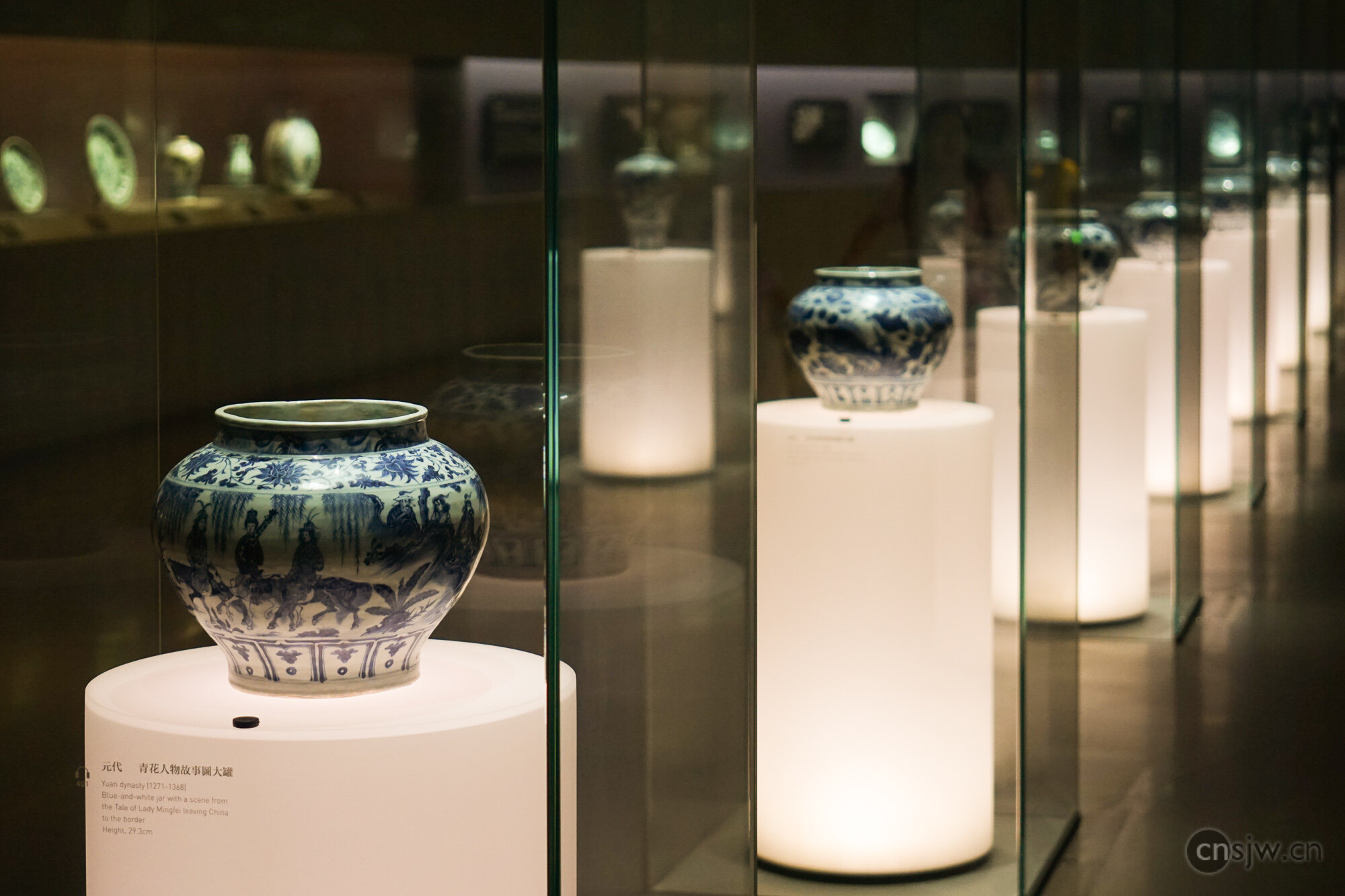
The “Blue-and-White Porcelain” exhibition is organized around three themes: “Chinese Blue-and-White Porcelain Through the Dynasties,” “Export of Blue-and-White Porcelain,” and “Archaeological Studies of Blue-and-White Porcelain.” Featuring a curated selection of blue-and-white porcelain from the Yuan, Ming, and Qing dynasties from the museum’s collection, the exhibition employs archaeological research methods for detailed analysis. Beyond clearly outlining the stylistic characteristics and developmental trajectory of blue-and-white porcelain over six centuries, it uses these artifacts as a medium to recreate the vibrant history of economic and cultural exchanges between China and the wider world.
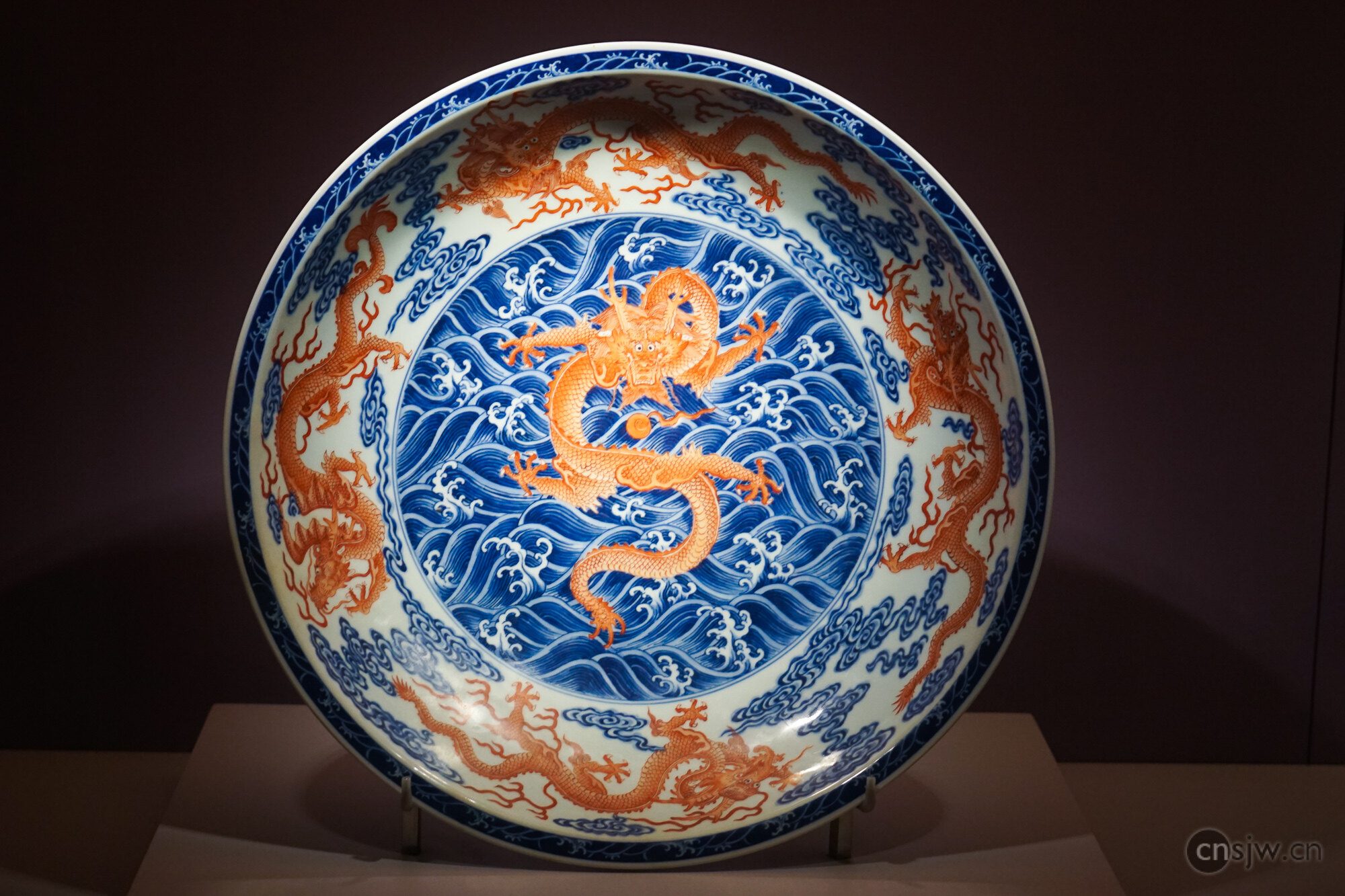
Qing Dynasty Yongzheng Period Large Blue-and-White Plate with Red-Colored Waves, Clouds, and Dragon Pattern
Buddhist Sculptures
The “Buddhist Sculptures” exhibition primarily comprises early Gandharan sculptures and localized works from the Northern Wei, Sui, and Tang dynasties. Using archaeological research methodologies, it highlights the material characteristics and craftsmanship techniques of various sculptures. From the perspective of art history, it traces the origins of Chinese Buddhist imagery, the formation of indigenous styles, and the significance of the revival of ancient Buddhist art, thereby illustrating, from one aspect, the profound artistic creativity and cultural integrative power of Chinese civilization.
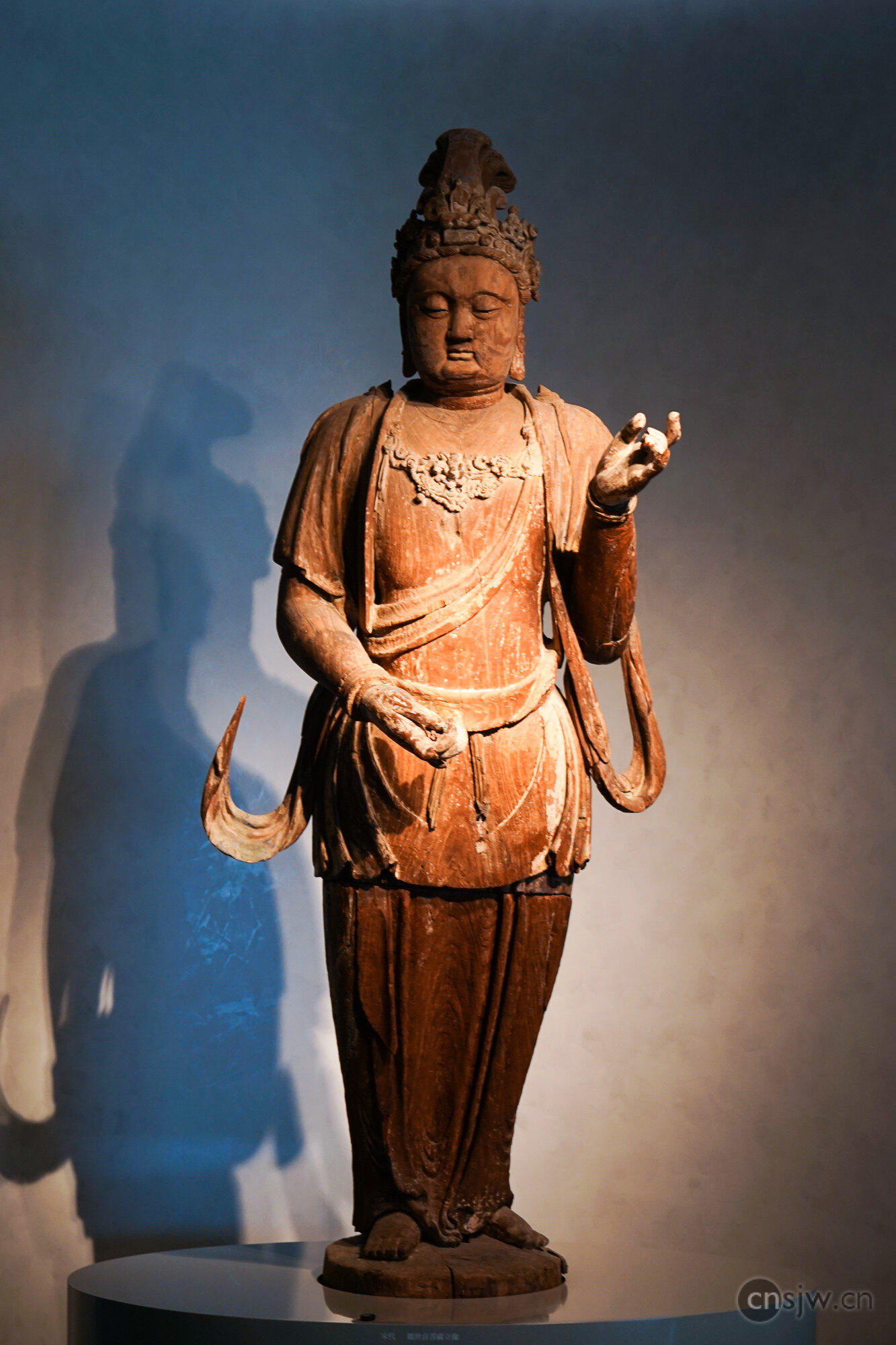
Song Dynasty Standing Avalokitesvara Bodhisattva Statue
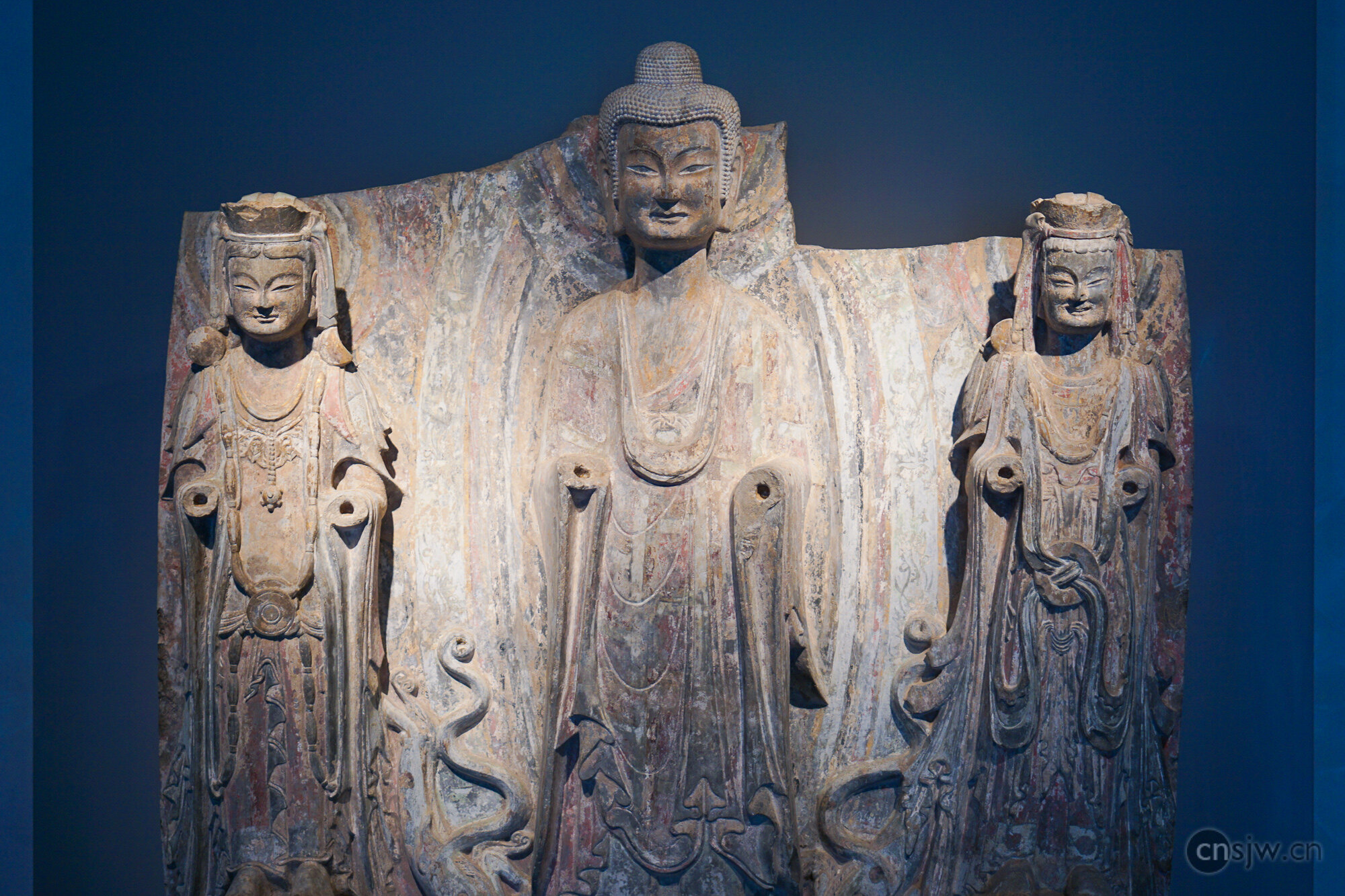
Eastern Wei Dynasty Triad Buddha Statue
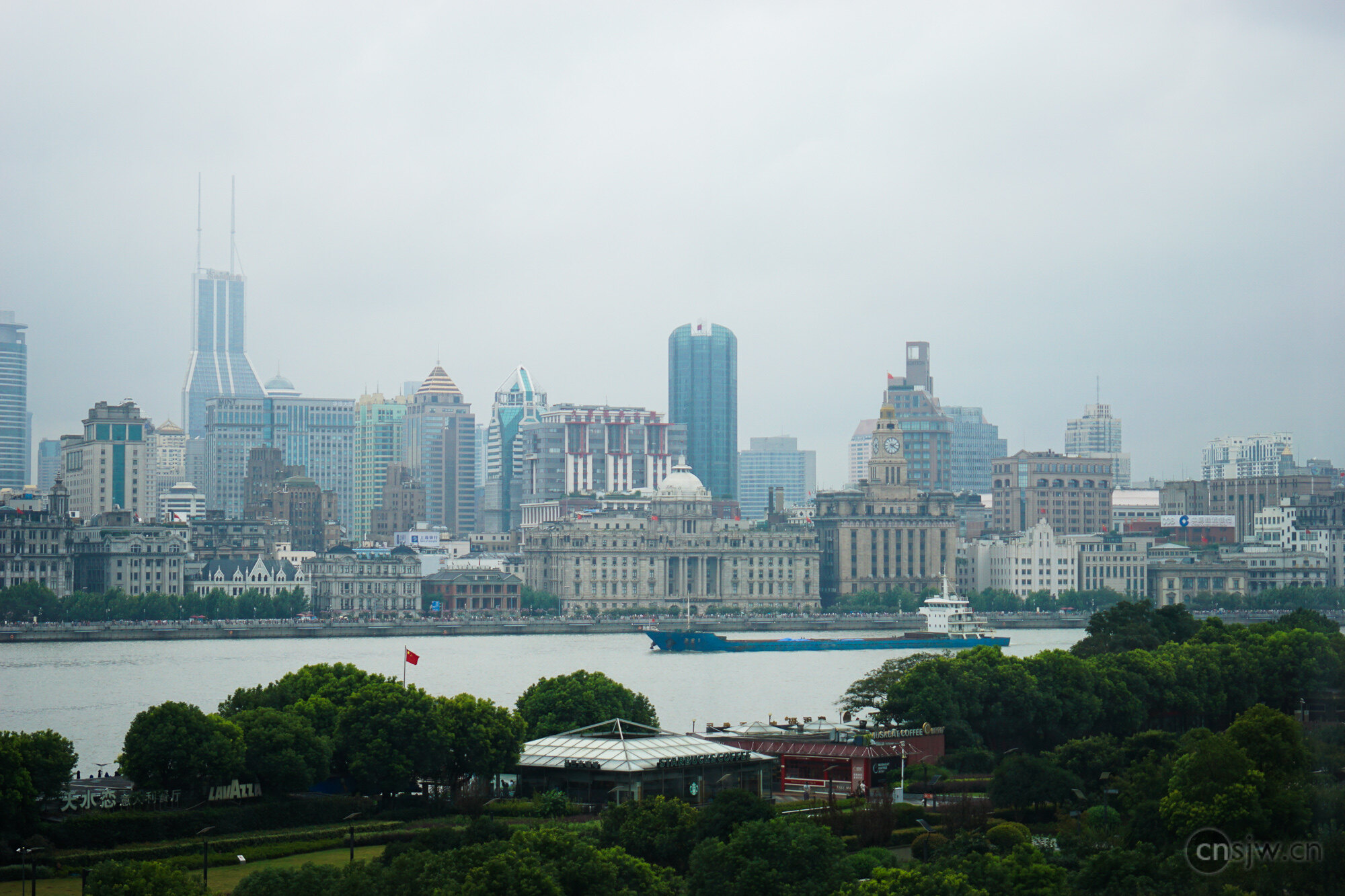
View from the Window
In summary, judging from its collection—particularly in terms of blue-and-white porcelain and jade—this ranks among the top private museums in China. Although the authenticity of the collection remains uncertain, each floor of the museum includes an educational section that makes a careful visit well worthwhile.
Photos in this post taken with a Sony A5100 + 50mm f/2.8 lens, post-processed in Lightroom.

Support



Read this article on WeChat