
Marshal Zhang’s Mansion was the official residence and private home of Zhang Zuolin and his son Zhang Xueliang. This father-and-son duo held great power in Northeast China during the warlord era. Because that period of history was particularly chaotic, a great deal happened; those interested are encouraged to learn more about the history of that time. During a tour of Marshal Zhang’s Mansion, there isn’t actually much historical review beyond what is typically found in textbooks—you’ll probably need to hire a guide to hear some interesting stories.
Zhang Zuolin came from humble rural origins. He had been a bandit and later a Qing army officer. Though not highly educated, he was clever and ruthless. After gradually rising to power, he was not content with merely being the “King of the Northeast.” He marched through Shanhai Pass to vie for control of the Central Plains, took over the Beiyang government, and assumed the title of Generalissimo of the Army and Navy, wielding supreme national authority. Tragically, he was killed by a Japanese bomb at Huanggutun. He married six wives and concubines in succession and had many children.
Zhang Xueliang, Zhang Zuolin’s eldest son, received a good education from an early age and embraced Western ideas. Open to trying new things, he was idealistic yet indecisive and prone to anxiety—traits that make him somewhat relatable to many people today. He was ill-suited to dominate a region or navigate political intrigues. Following the Xi’an Incident, he was placed under house arrest for over 50 years. He later moved to the United States, where he lived until passing away at the age of 100. His romantic story with Edith Chao (also known as Miss Zhao Si) is widely celebrated.
The entire mansion complex consists of traditional courtyard houses, the Big Green Building, the Small Green Building, and the Red Building Complex in the West Courtyard, as well as Miss Zhao Si’s Building and the former site of the Frontier Bank located outside the main compound. Among these, the Red Building Complex in the West Courtyard is currently closed to the public.
After Zhang Xueliang took office, finding the existing buildings of Marshal Zhang’s Mansion insufficient for use, he decided to demolish the West Courtyard Guard Battalion headquarters, two sets of courtyard houses, and the tennis court built by his father. On this site, he constructed the Red Building Complex, later referred to as the “Young Marshal’s Mansion.” The complex was designed by the renowned domestic architect Yang Tingbao and put out for international tender. Ultimately, a Dutch construction company, which was then working on projects in Huludao, was selected to undertake the construction.
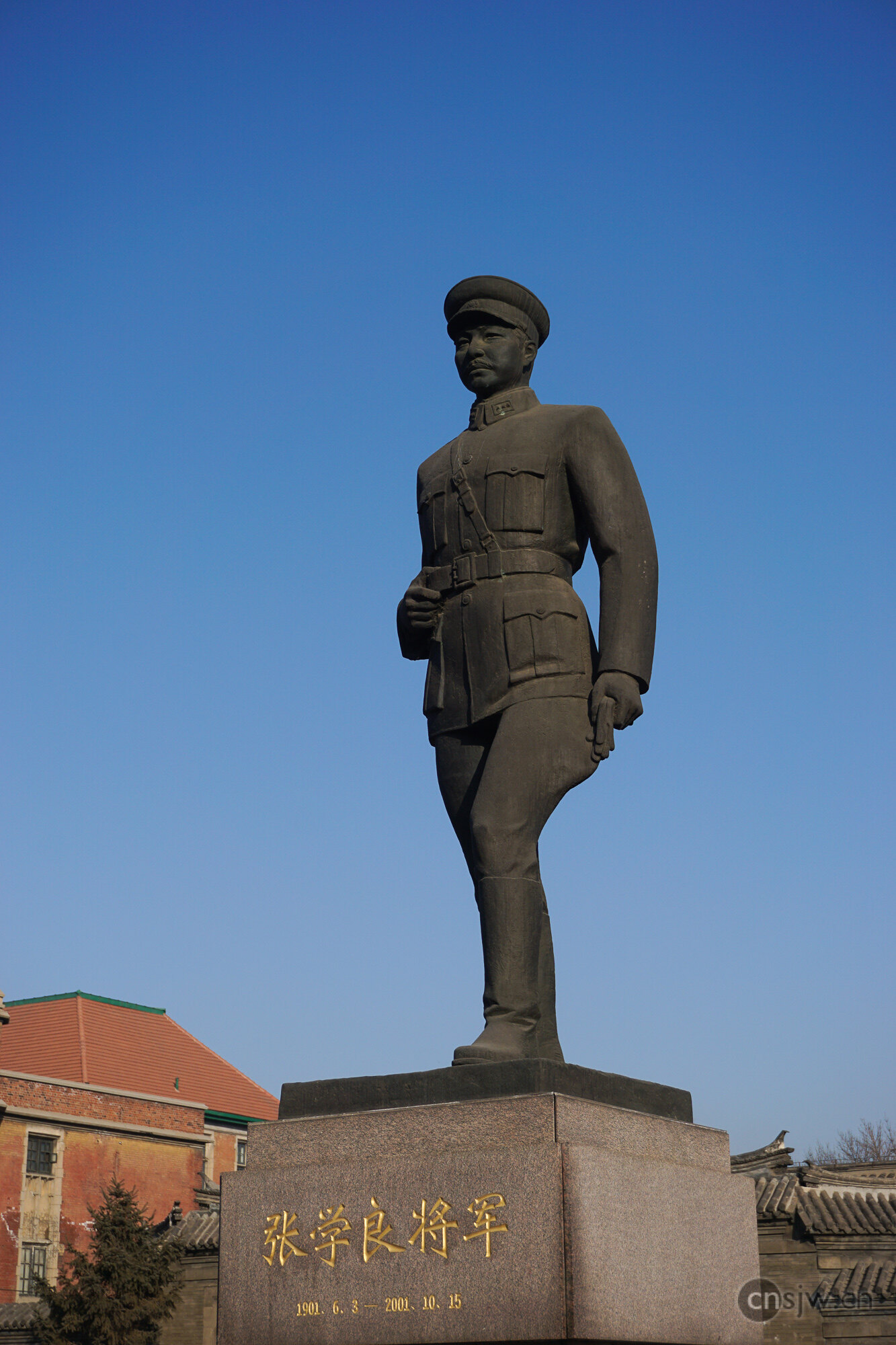
Let’s take a look in order, starting with the statue of Zhang Xueliang at the entrance of the courtyard.
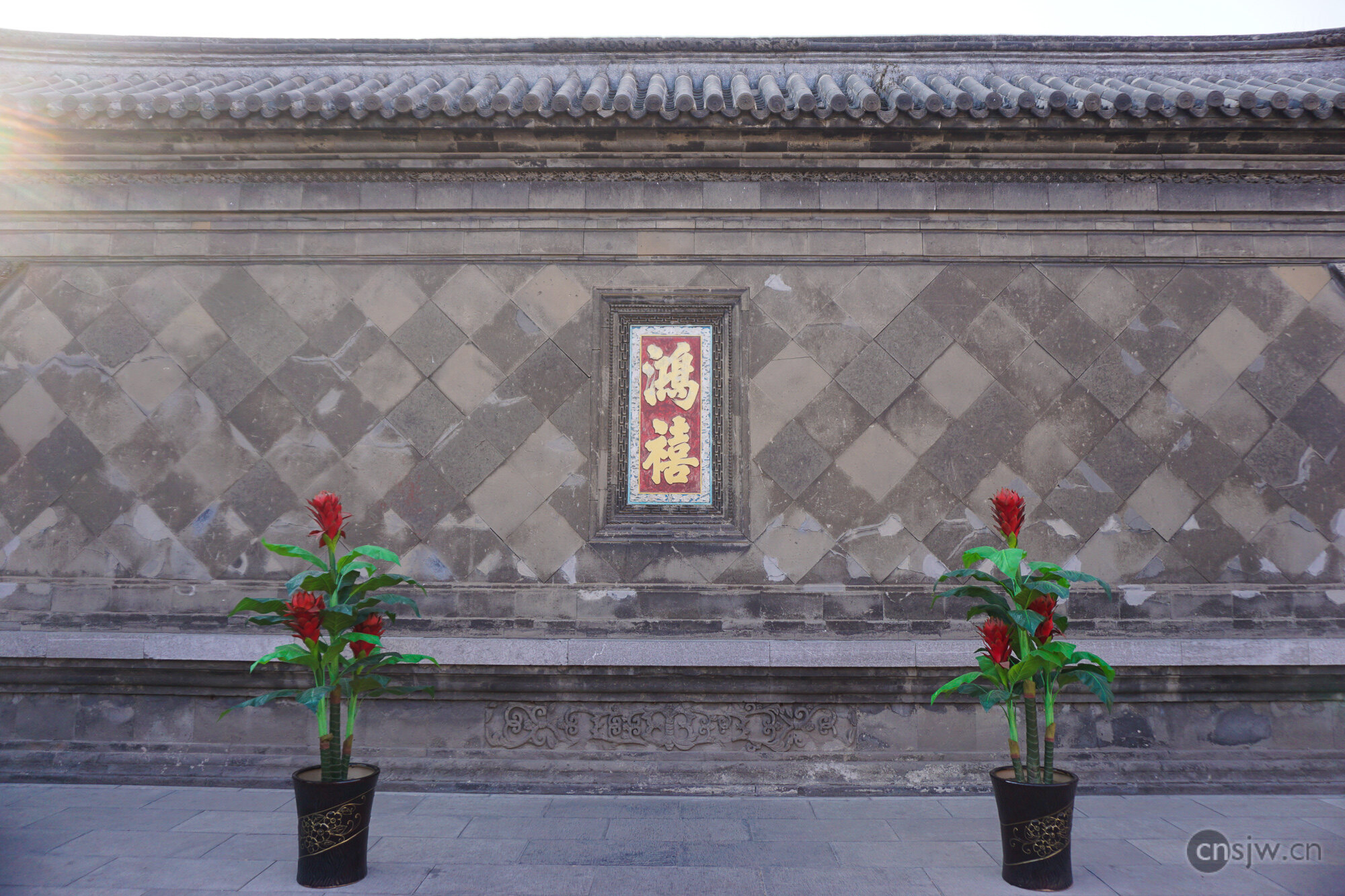
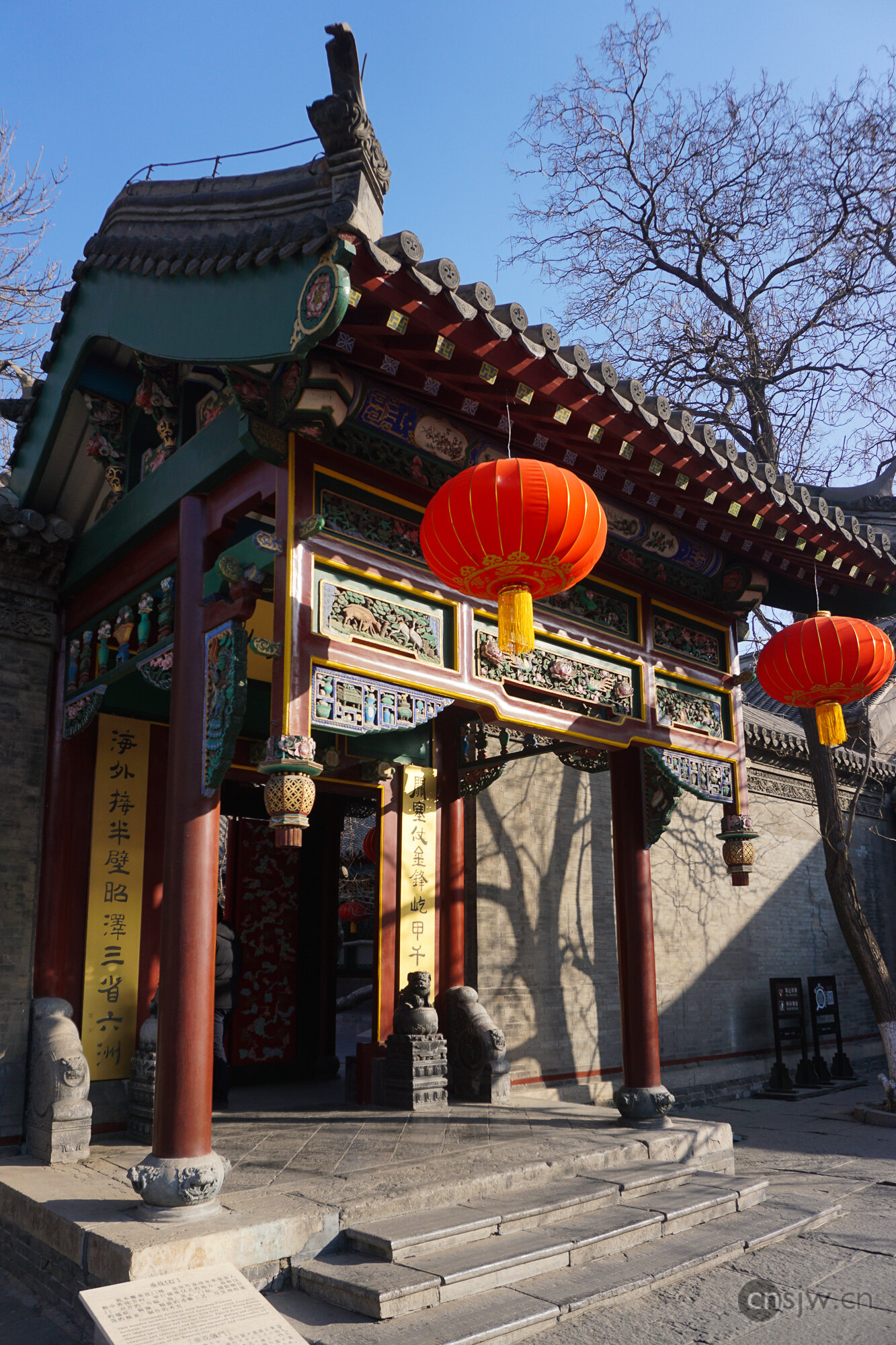
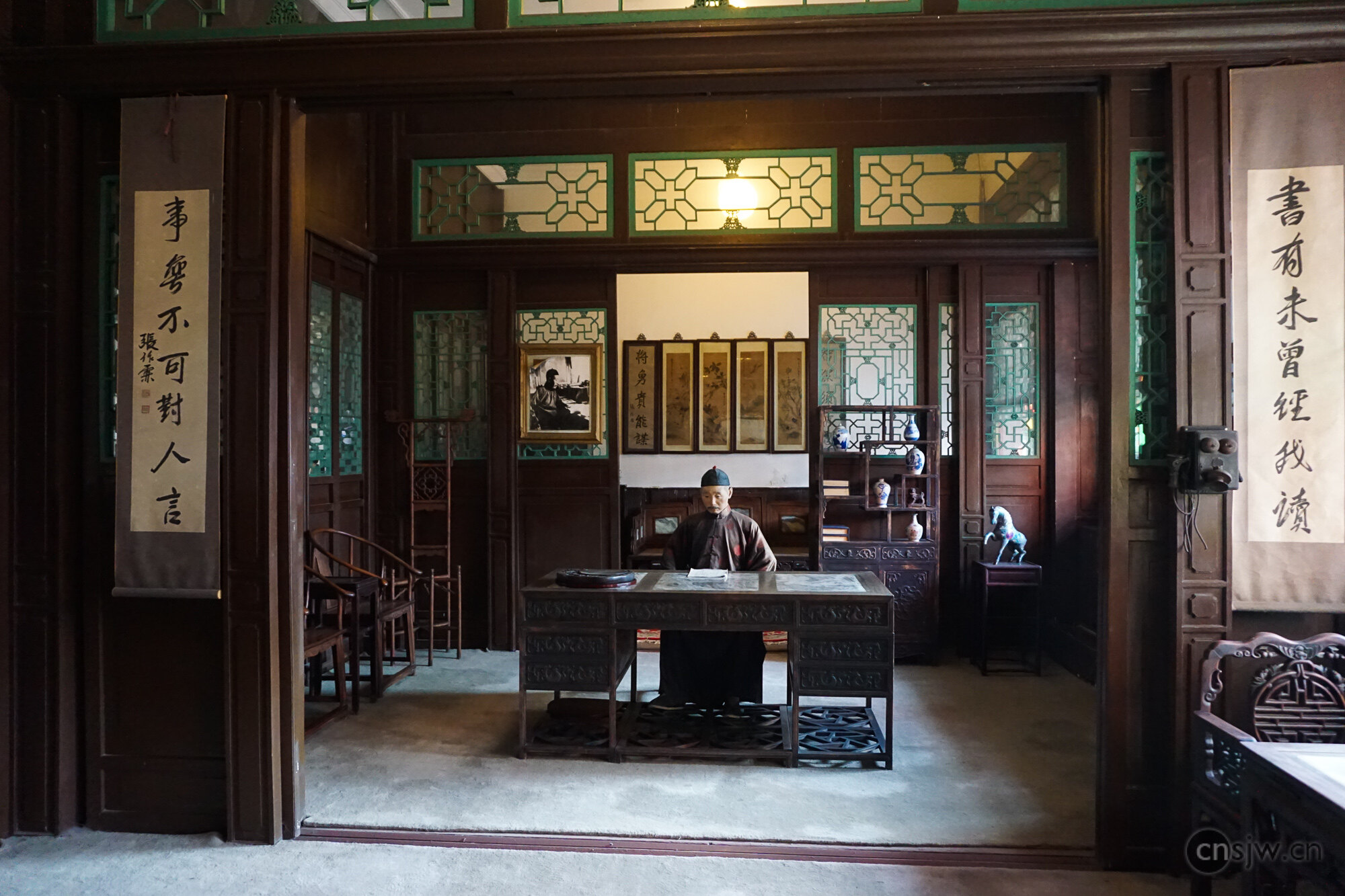
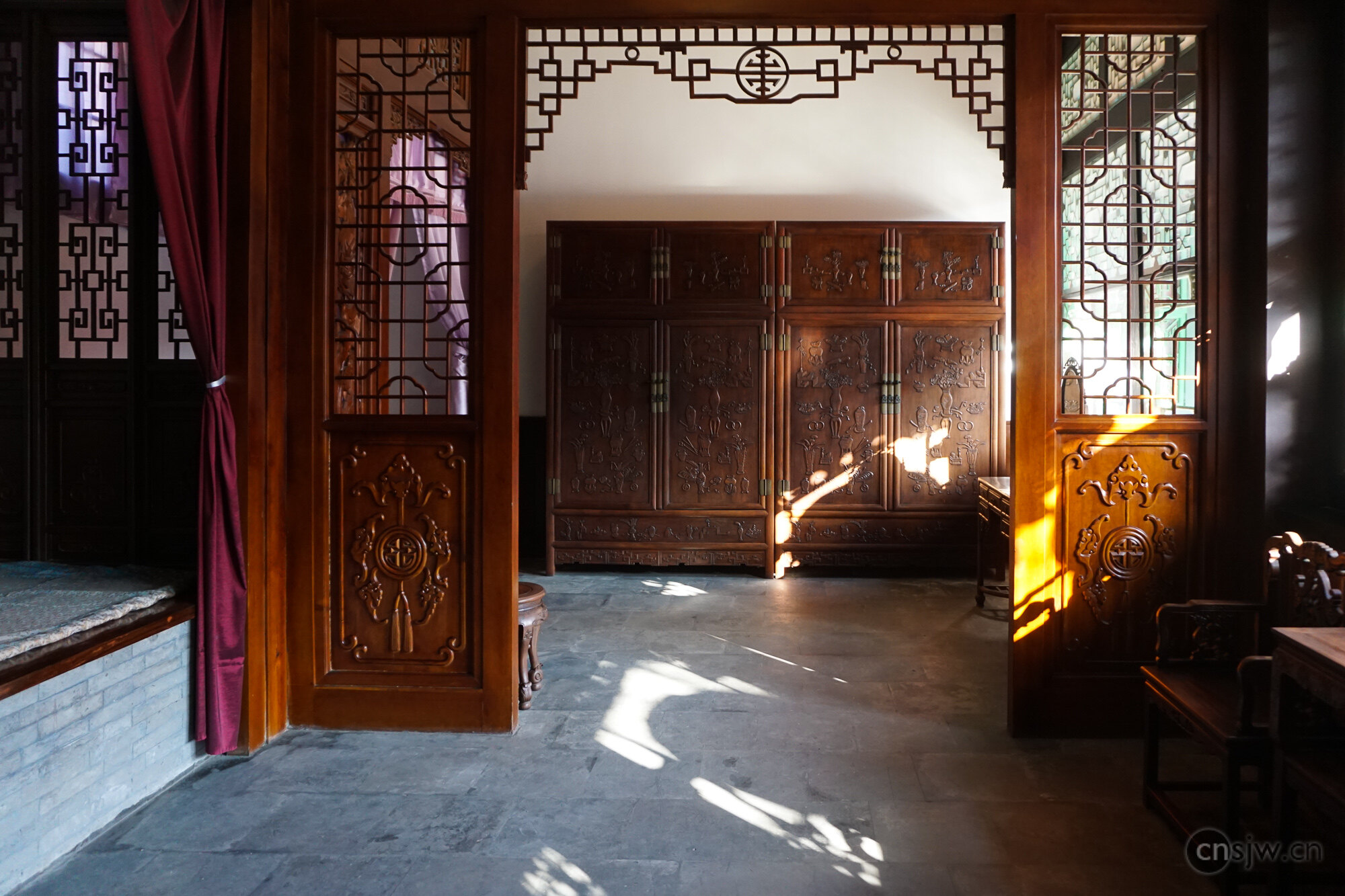
Upon entering the courtyard, you first encounter Zhang Zuolin’s traditional Chinese three-courtyard residence. Its architectural style and layout strongly resemble those of a Qing dynasty prince’s mansion. Completed in 1916, the entire family moved in at a time when Zhang Zuolin served as both Military Governor and Civil Governor of Fengtian. This section feels more like a family home, consisting mainly of reception rooms, bedrooms, and similar spaces. Occasionally, you may come across a wax figure, which can be a bit startling.


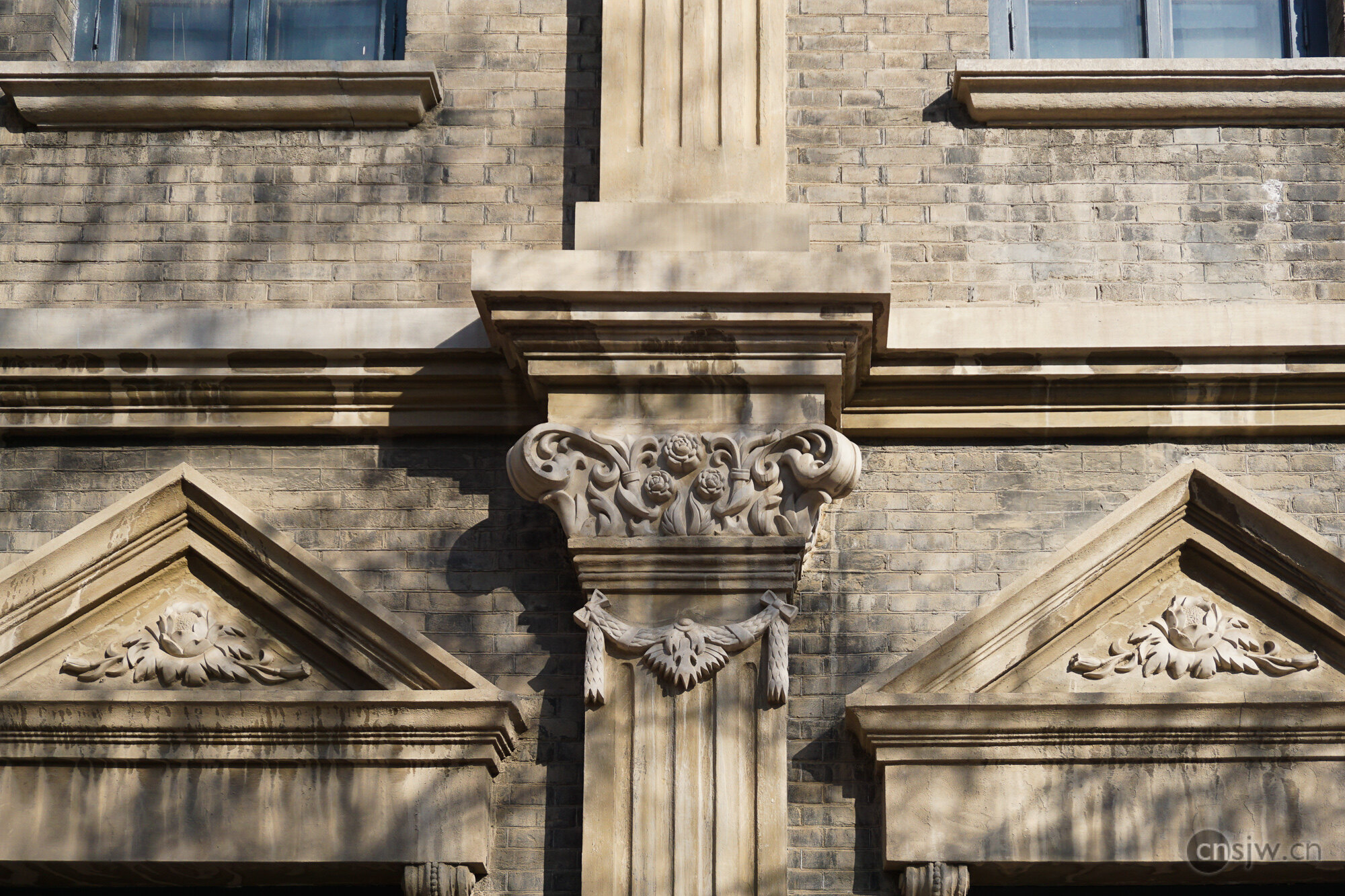
The Big Green Building and the Small Green Building. The Big Green Building is the iconic structure of the Marshal’s Mansion. Completed in 1922, it features Romanesque-style architecture and integrates both office and residential functions. It served as a key administrative center during the periods when Zhang Zuolin and Zhang Xueliang governed Northeast China.

Big Green Building

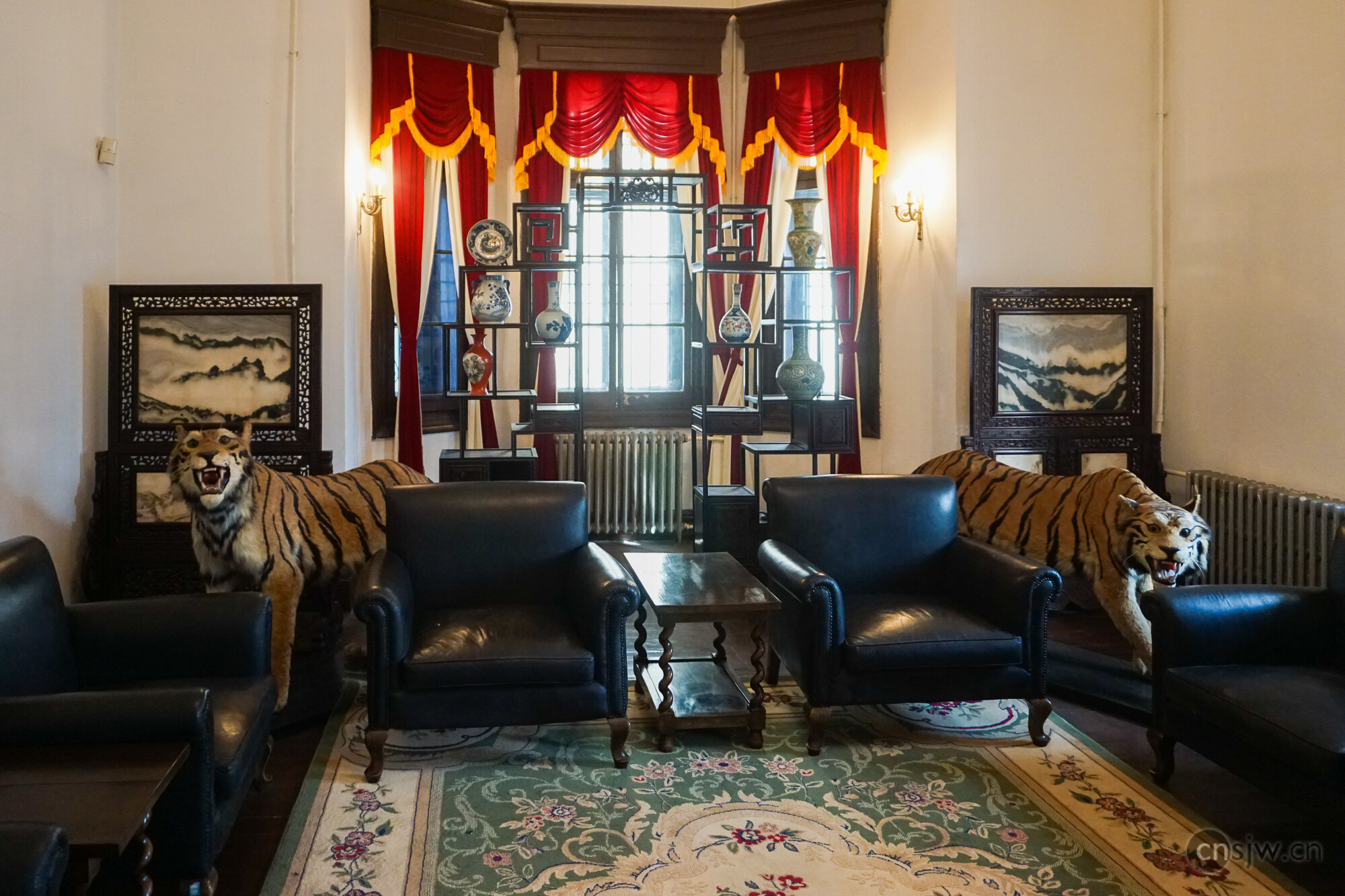
Tiger Hall, a reception area. Originally, the two tigers displayed here were taxidermy specimens, but they have since been replaced with replicas.
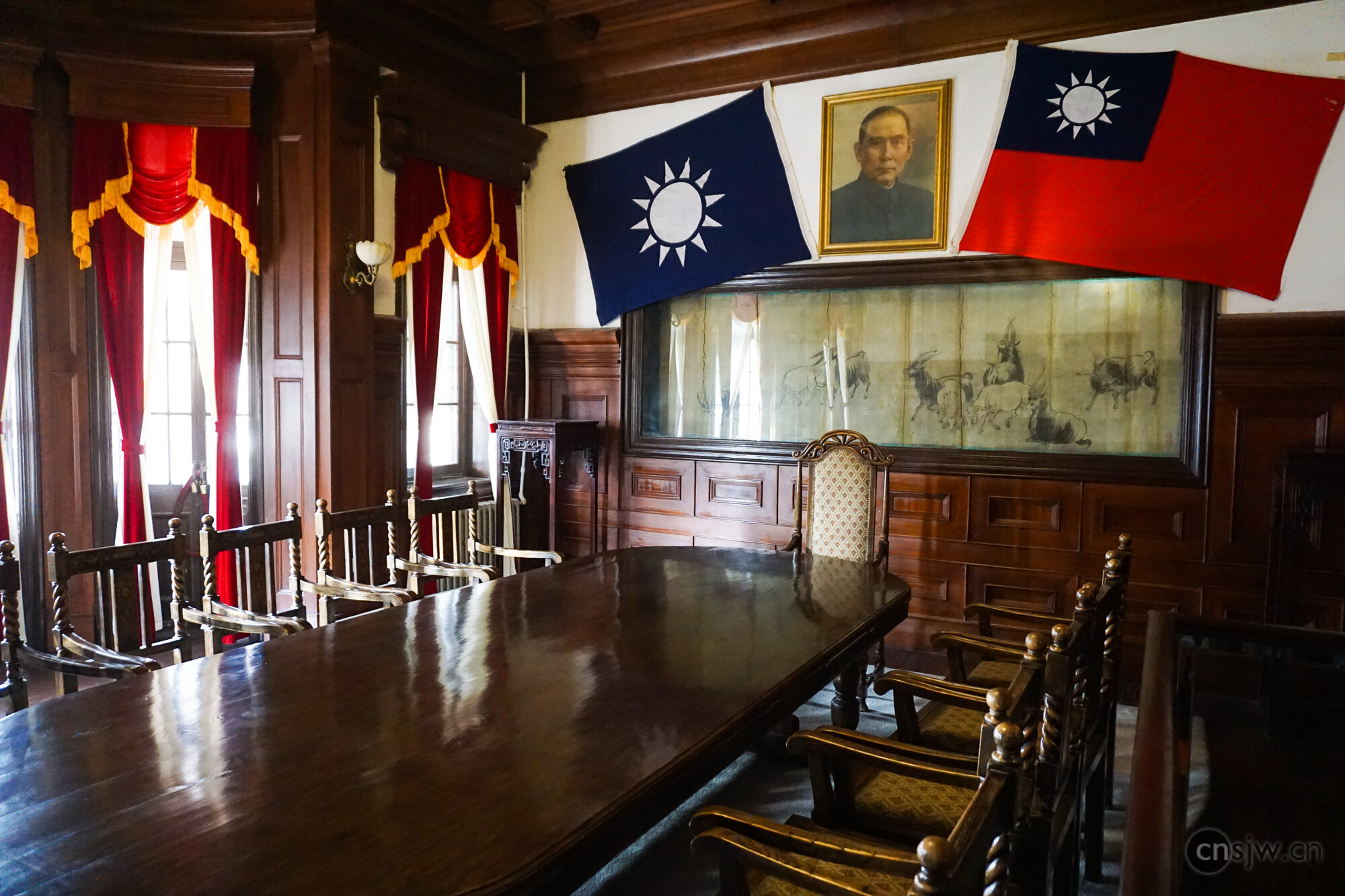
Northeast Political Affairs Committee Office
The Small Green Building served as Zhang Zuolin’s inner residence, specially built for his most favored Fifth Wife, Lady Shou. Located at the center of the mansion’s garden and completed in 1918, it is a two-story brick-and-timber structure blending Chinese and Western architectural styles. It is also the place where Zhang Zuolin passed away following the Huanggutun Incident.
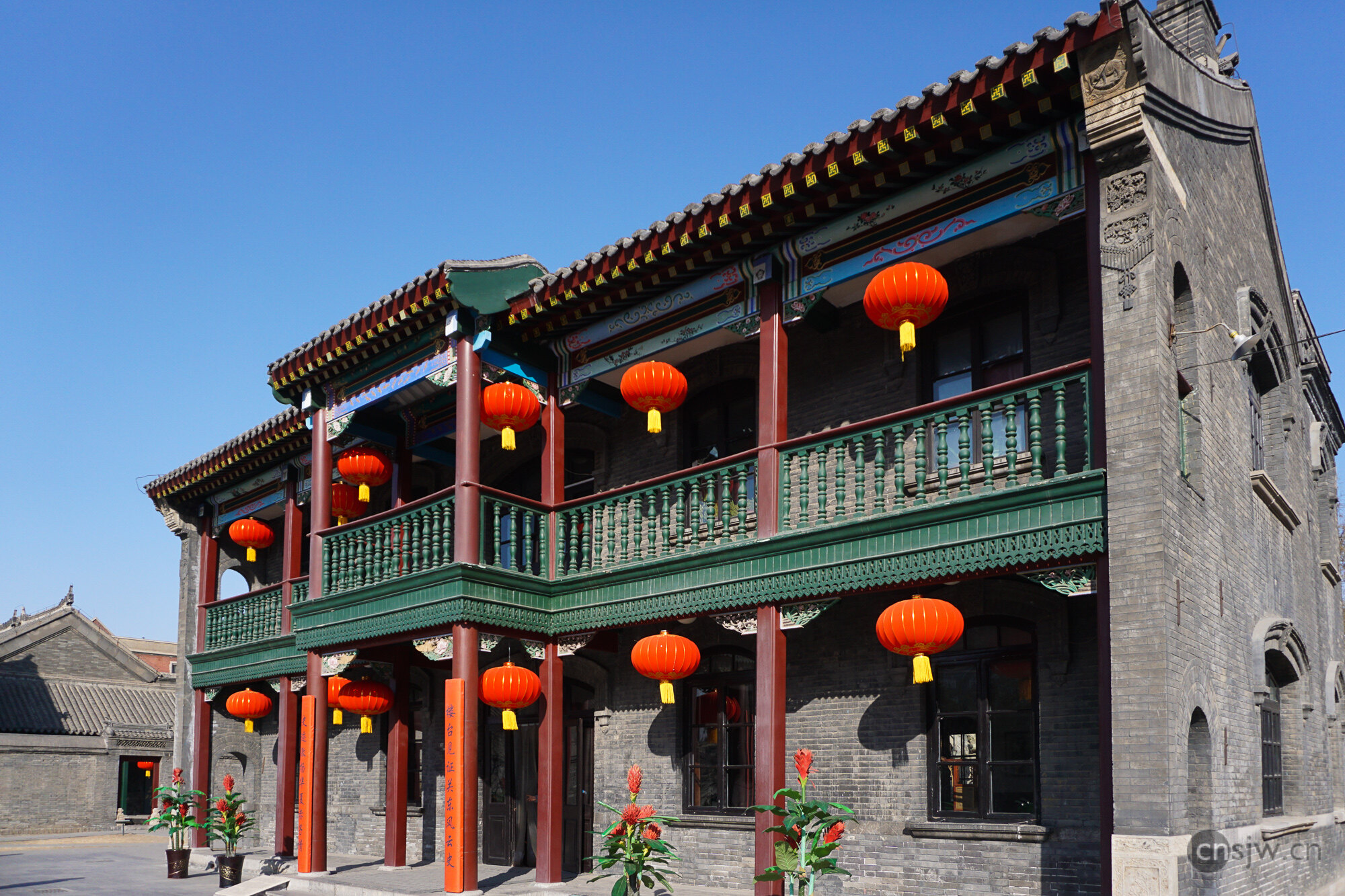
Small Green Building
Following local customs of southern Liaoning, Zhang Zuolin built a small three-room temple in the northeast corner of Marshal Zhang’s Mansion, known as the Family Temple.
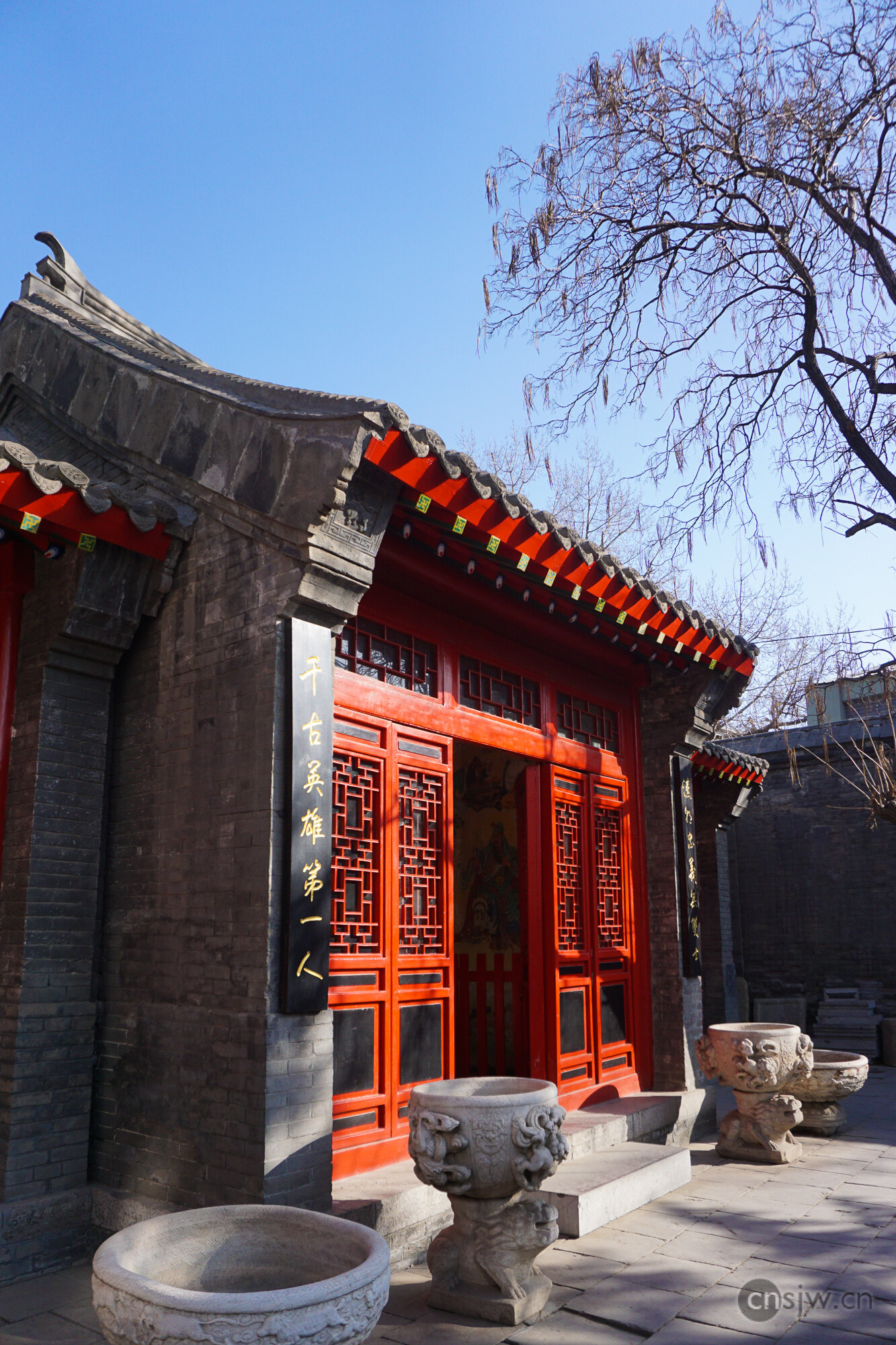
Guan Yu Temple
The Marshal’s Mansion Office, also known as the Marshal’s Mansion Ballroom, was so named because the Zhang family frequently hosted dances here.
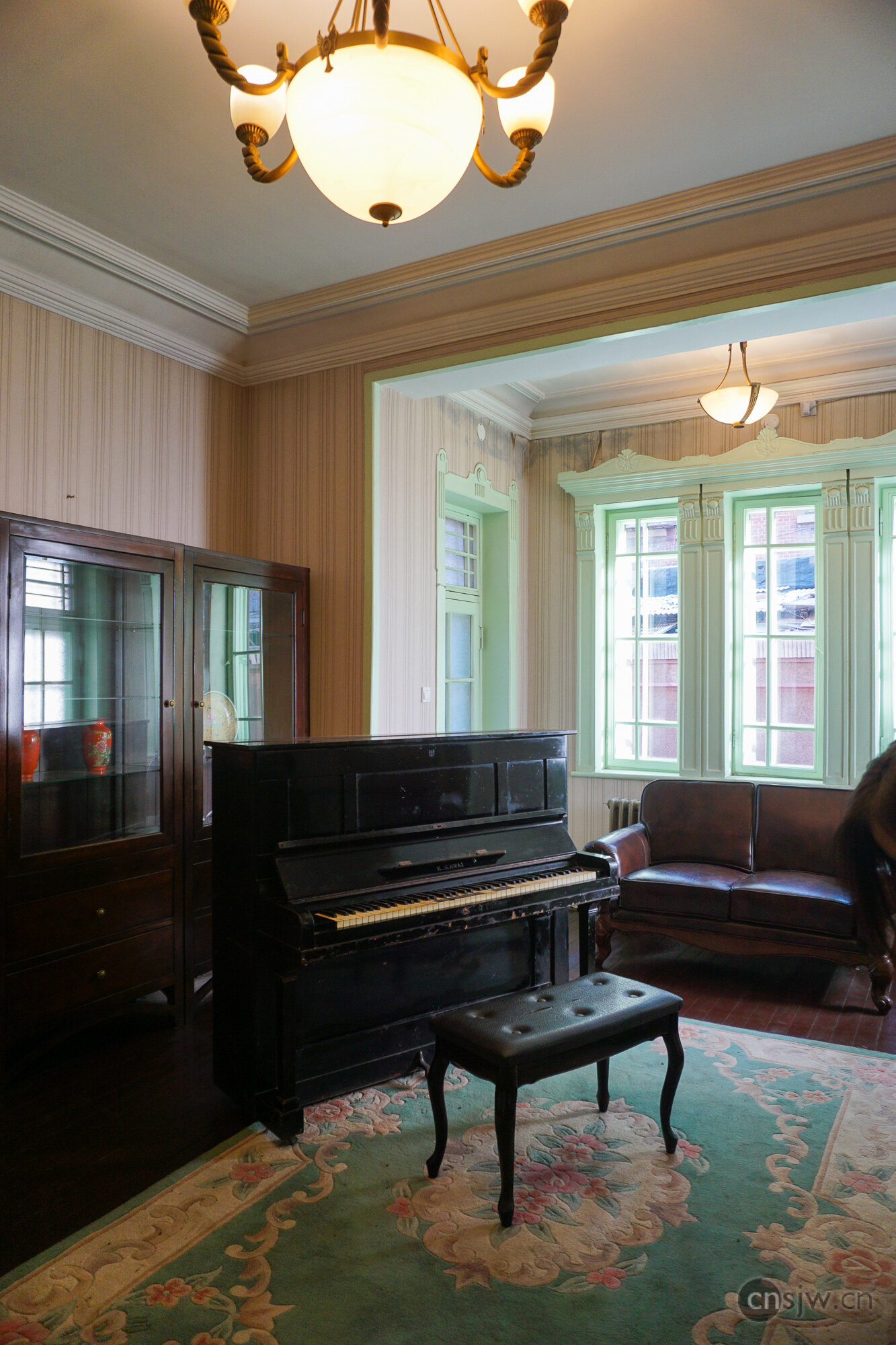
Miss Zhao Si’s Building is located just outside the east wall of Marshal Zhang’s Mansion. It is a two-story structure combining Chinese and Western architectural elements, though its style is distinctly more modern and Western. The interior furnishings are primarily French in design.
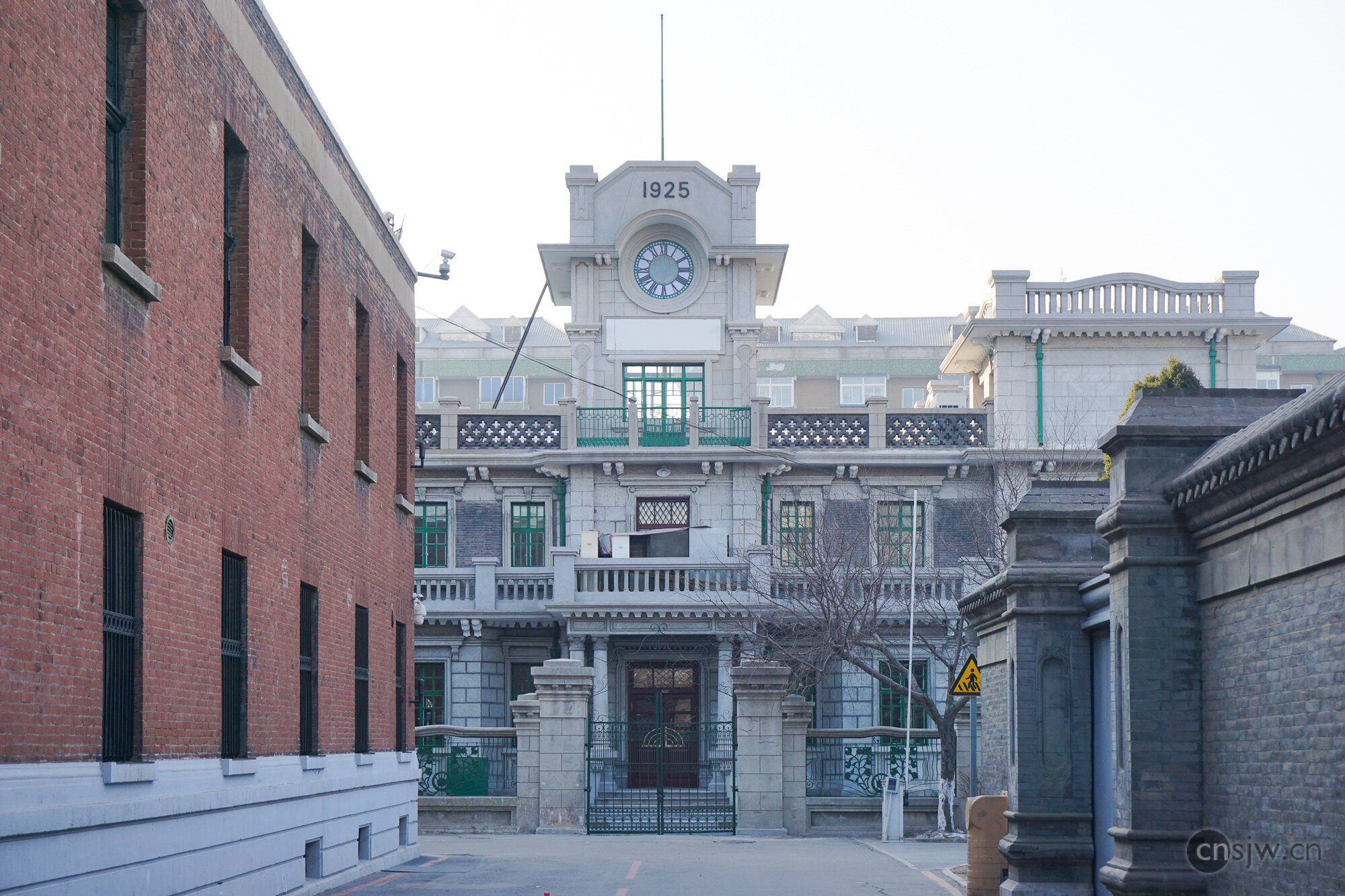
Former Site of the Frontier Bank (Shenyang Financial Museum). The Frontier Bank was a regional commercial bank established during the Beiyang government era. Founded in 1919 by Xu Shuzheng, a military leader of the Anhui clique, it came under the control of Zhang Zuolin and his son after the Fengtian clique emerged victorious in the Second Zhili–Fengtian War in 1924. In 1926, the Zhangs relocated the bank’s headquarters from Tianjin to Fengtian. In reality, the bank functioned as the private financial institution of the Zhang family.
Today, aside from the preserved building itself and the door to the underground vault, little remains of the original bank. Most other rooms have been converted into exhibition halls showcasing the evolution of currency and the development of the financial industry in Northeast China. Exploring the museum actually takes quite a bit of time—the first exhibition hall recreates the original banking scene, while the last one depicts a modern stock trading floor.

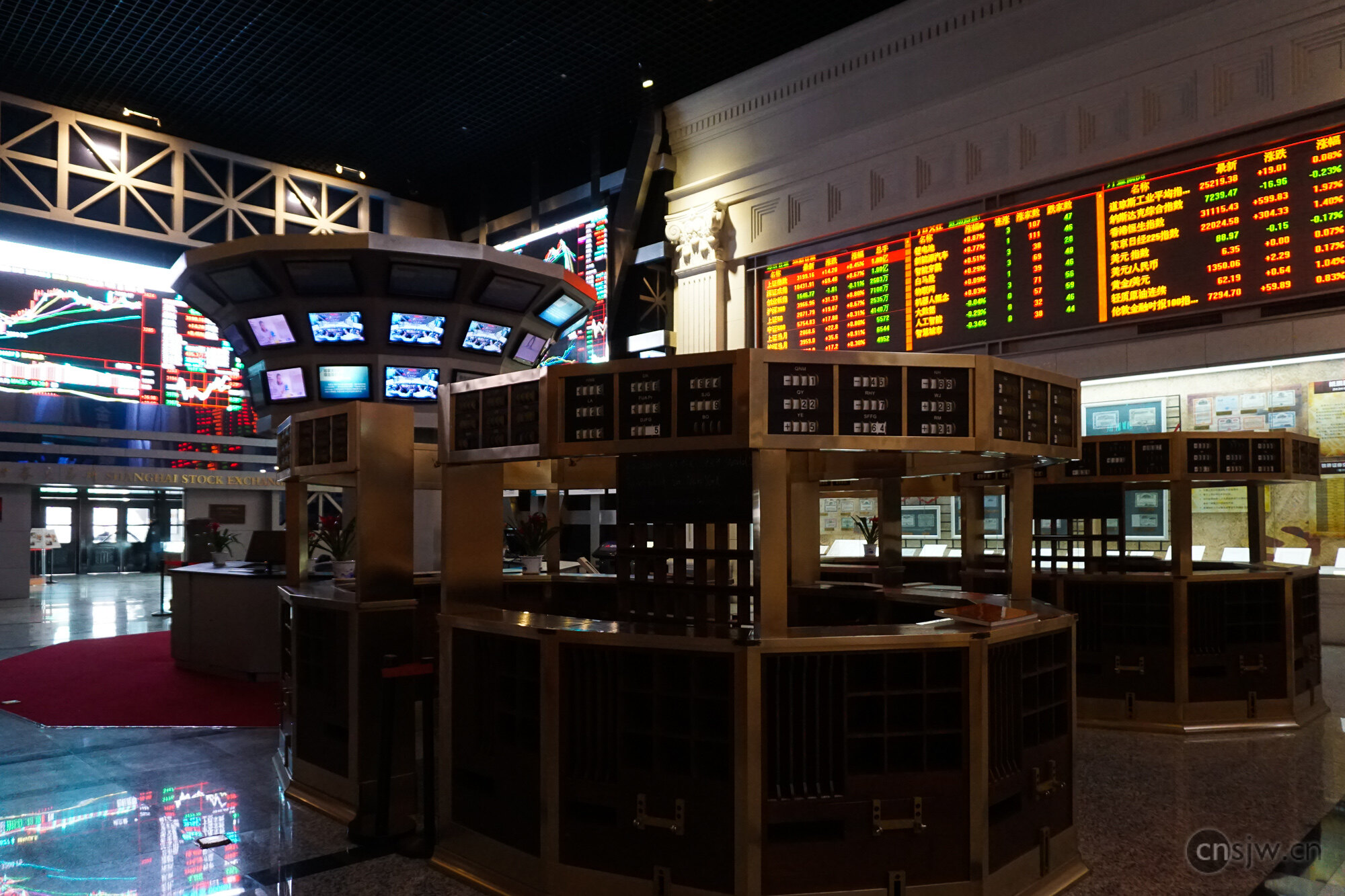
In summary, if you’re particularly interested in the history of that era, this site is definitely worth visiting. However, considering both the mansion and the Financial Museum together as a historical and cultural attraction, the architecture may be the only truly compelling aspect. Few original artifacts remain, and the Financial Museum itself doesn’t offer much of interest.
Photos in this post taken with a SONY A5100 + 16-50mm f/3.5-5.6 lens, post-processed in Lightroom.

Support



Read this article on WeChat