
Speaking of which, I’ve been to Shenyang so many times, always in winter, and mostly just for shopping. I hadn’t actually visited any of the famous attractions yet. Although it was still winter this time, it was already nearing March—not exactly warm, but not freezing either—so I took a stroll around the Shenyang Imperial Palace and the nearby Marshal Zhang’s Mansion.
When mentioning the Imperial Palace, most people probably think first of the Forbidden City in Beijing, the imperial palace of the Ming and Qing dynasties. As for the Shenyang Imperial Palace, construction began in 1625 and was initially completed in 1636. It served as the imperial palace of the Later Jin (the predecessor to the Qing Dynasty) and later as a secondary palace after the Qing capital was moved to Beijing. Its architectural style is largely consistent with that of the Forbidden City in Beijing, and they date from roughly the same period. During the Qianlong reign, it underwent significant renovations and expansions, covering an area of approximately 60,000 square meters. Although its size and status cannot compare to the Forbidden City in Beijing, it remains relatively well-preserved and is still worth a visit to appreciate the royal architecture of that era and imagine the palace intrigues of the time.
Exiting from Zhongjie Metro Station, it’s about a few hundred meters’ walk to the Shenyang Imperial Palace. Zhongjie is a famous pedestrian street in Shenyang, always bustling with crowds and lined with shopping malls, making it very easy to find a place to rest your feet.
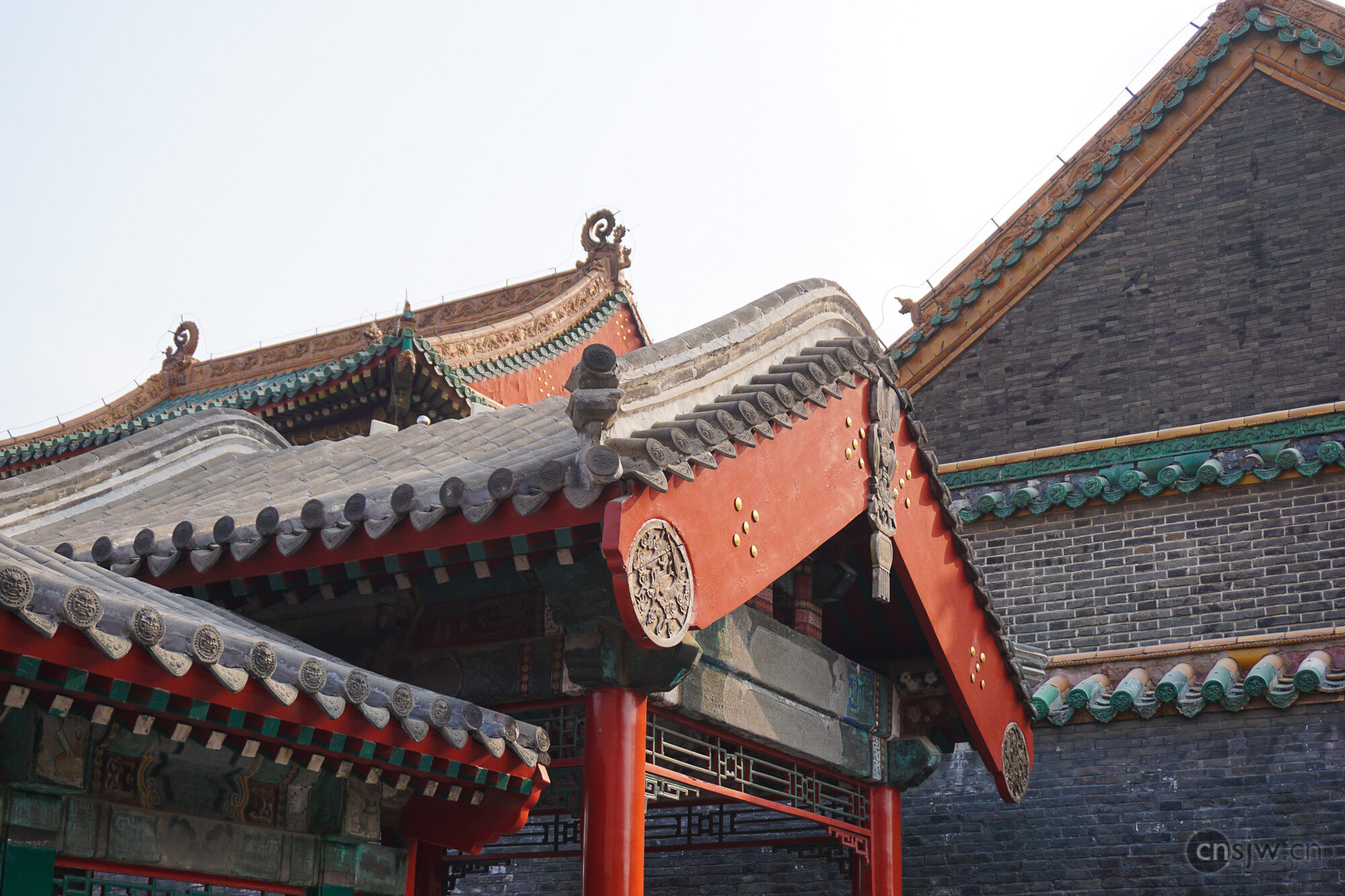
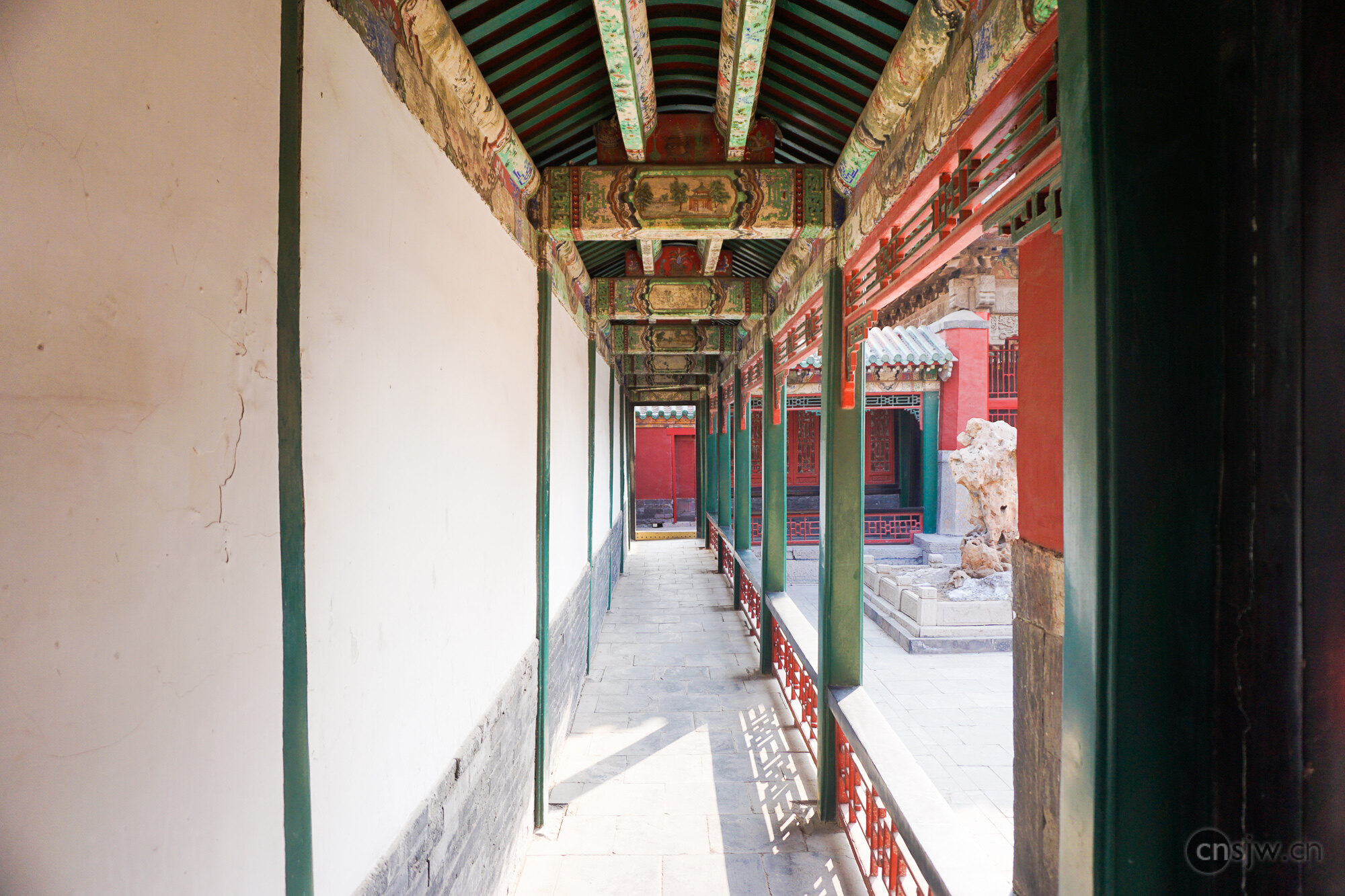
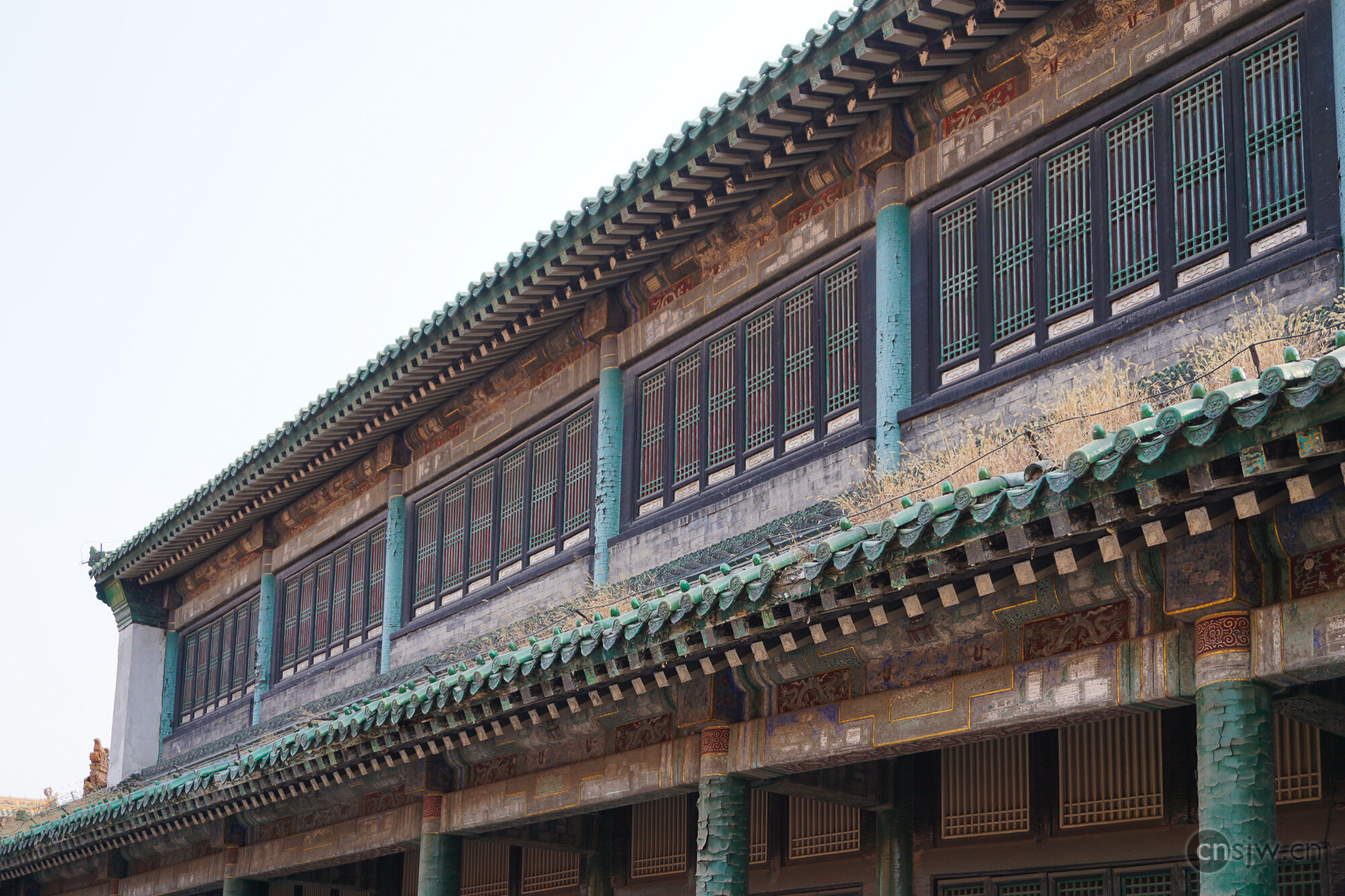
Compared to the Forbidden City in Beijing, the entire Shenyang Imperial Palace is much smaller, and due to years of neglect, some areas have clearly been freshly painted while others are quite dilapidated. Additionally, very few rooms retain their original interiors; it seems no one cleans them, as they are filled with dust. A few rooms are used for cultural relic exhibitions, which tend to be crowded and feel a bit cramped. Electronic audio guides are available on Ctrip for 10 yuan.
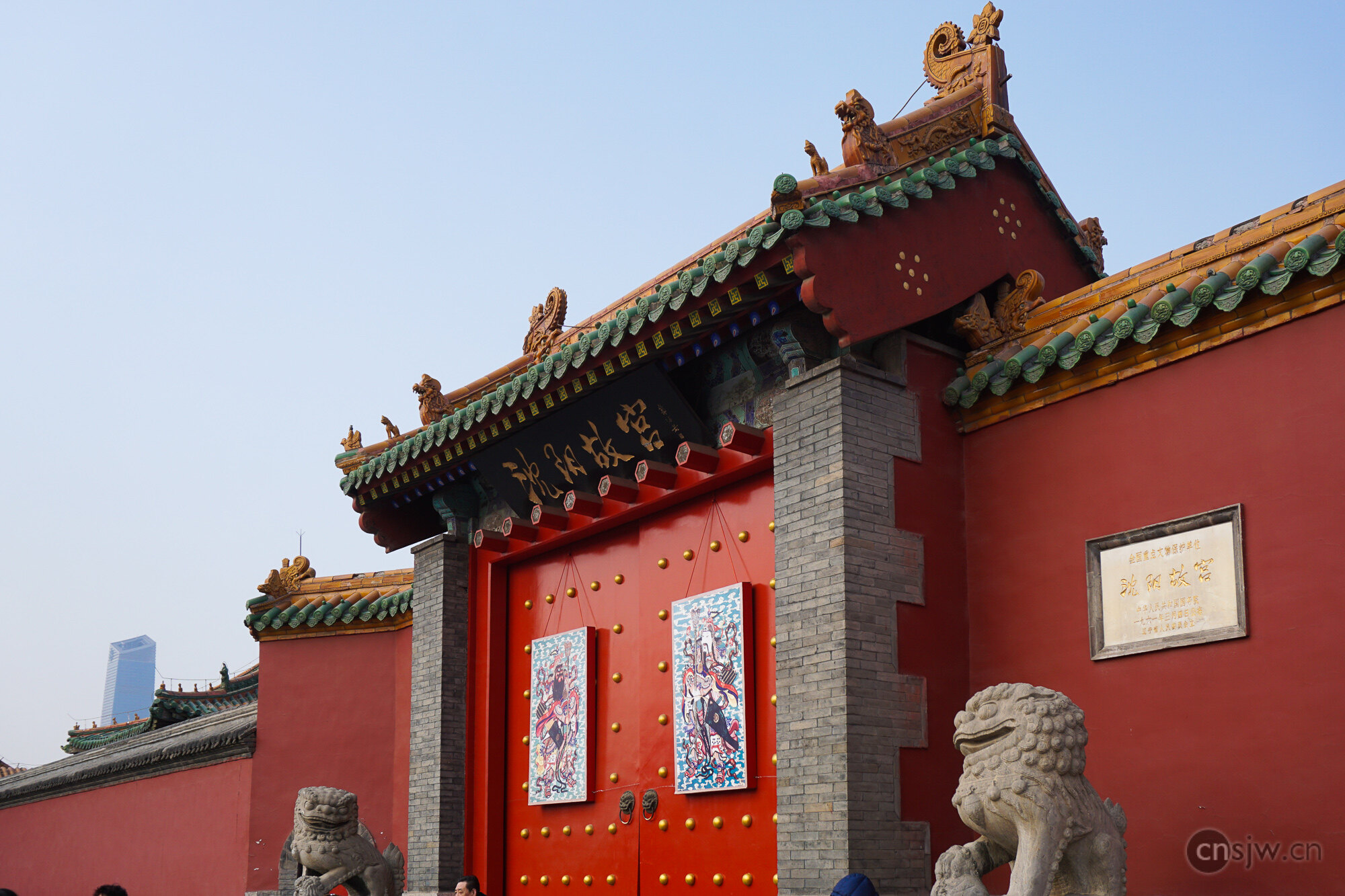
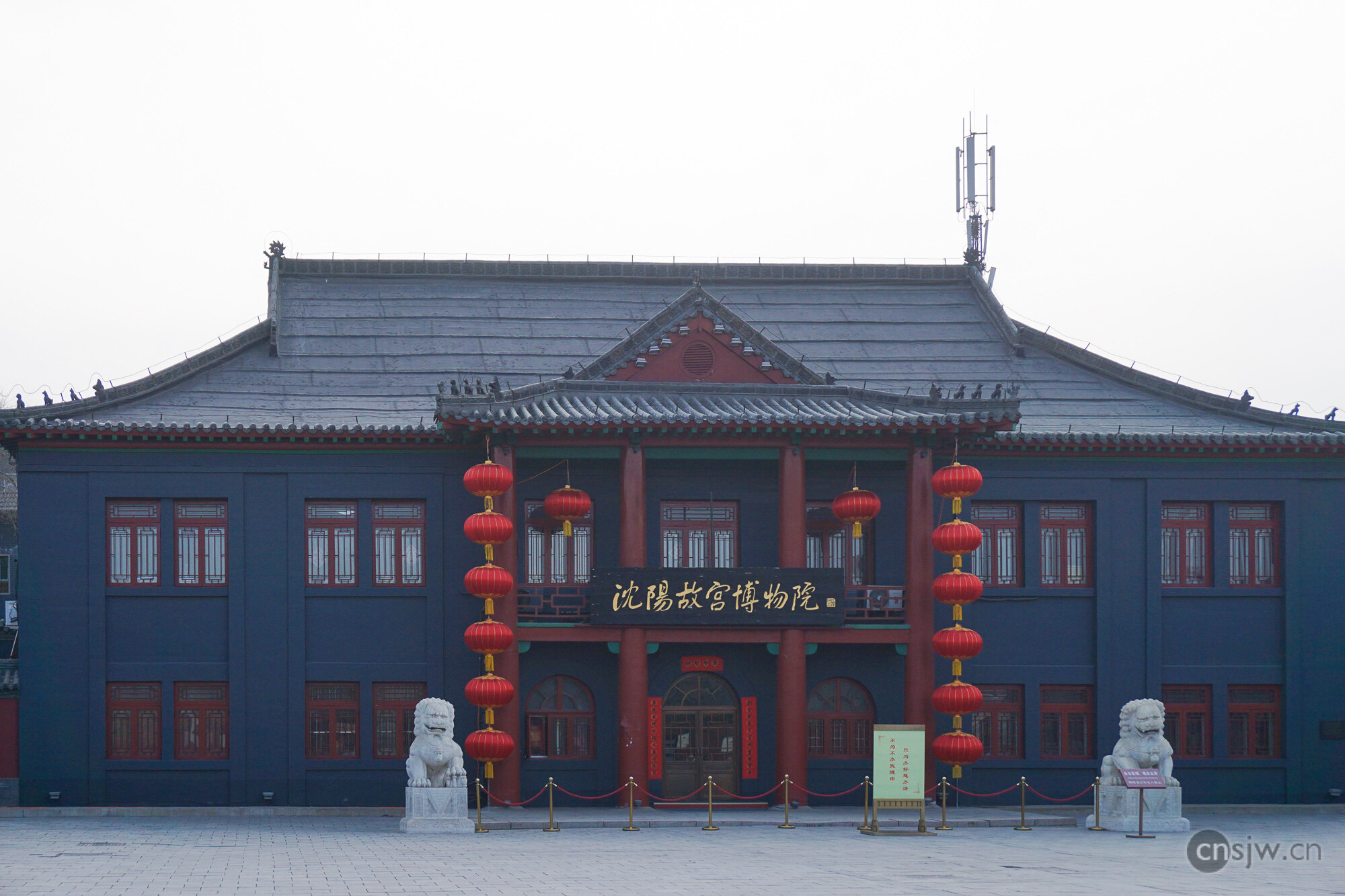
Although this gate looks like the main entrance, it actually isn’t. This gate remains permanently closed and serves only as a backdrop for photos. Opposite it is the Shenyang Palace Museum, which appears to be used for research and administrative offices.
Actually, this site could do much more to promote Manchu history and culture, but both the surrounding area and the informational displays offer very little, which was a bit disappointing.
This is the Chongzheng Hall, clearly recently restored. Also known as the Golden Throne Hall or Main Hall, it was where the emperor handled state affairs and received envoys.
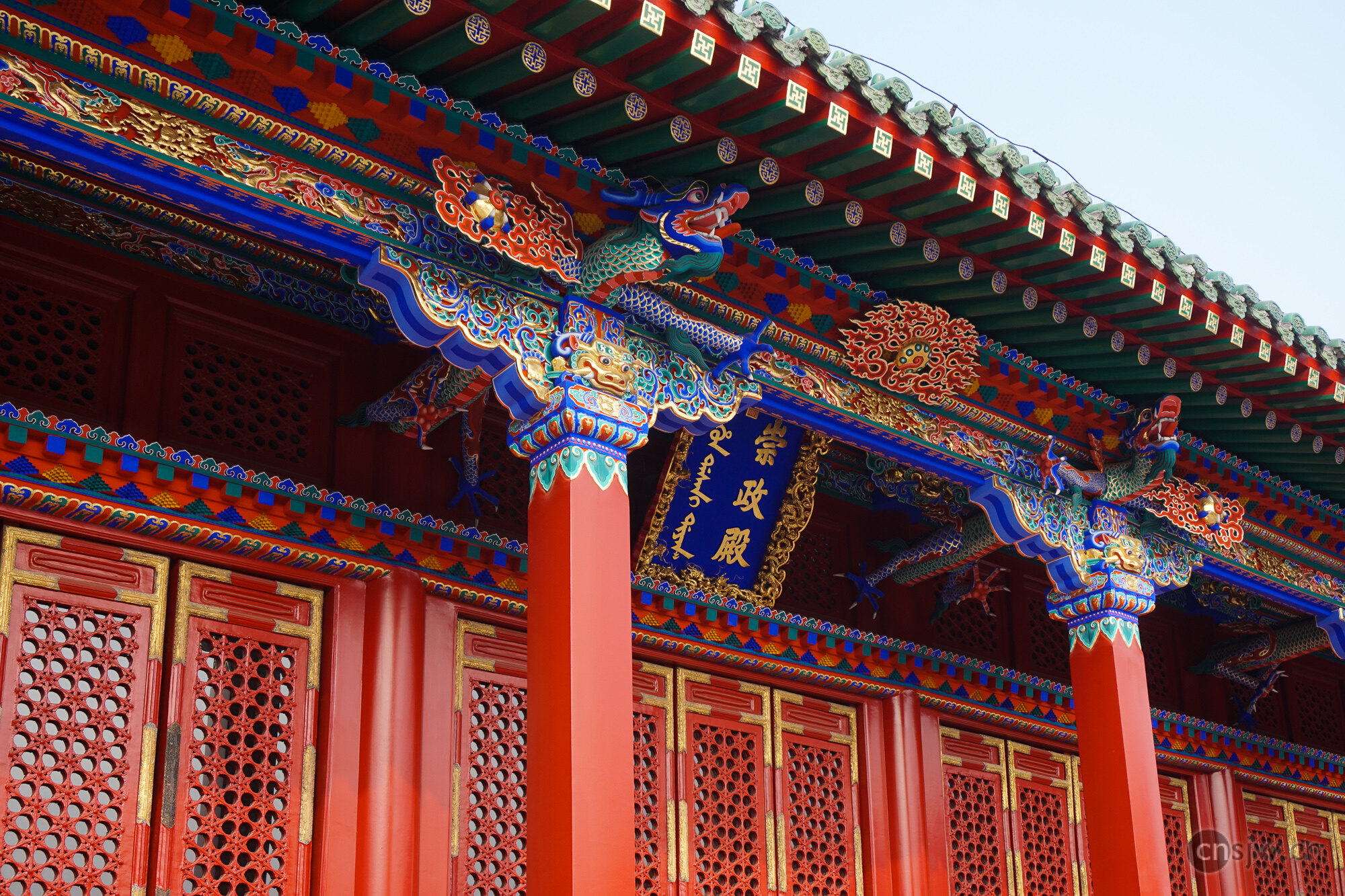
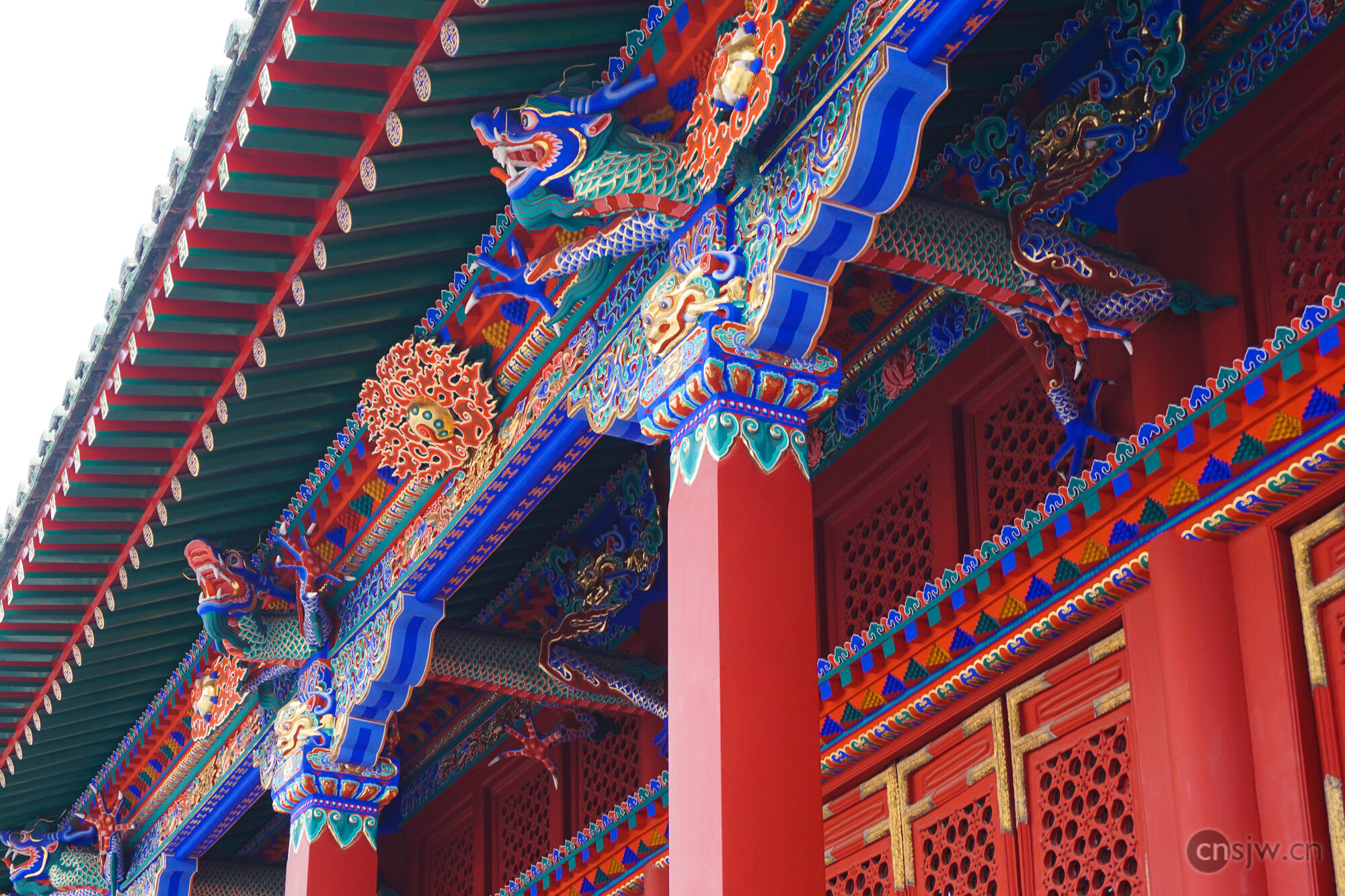
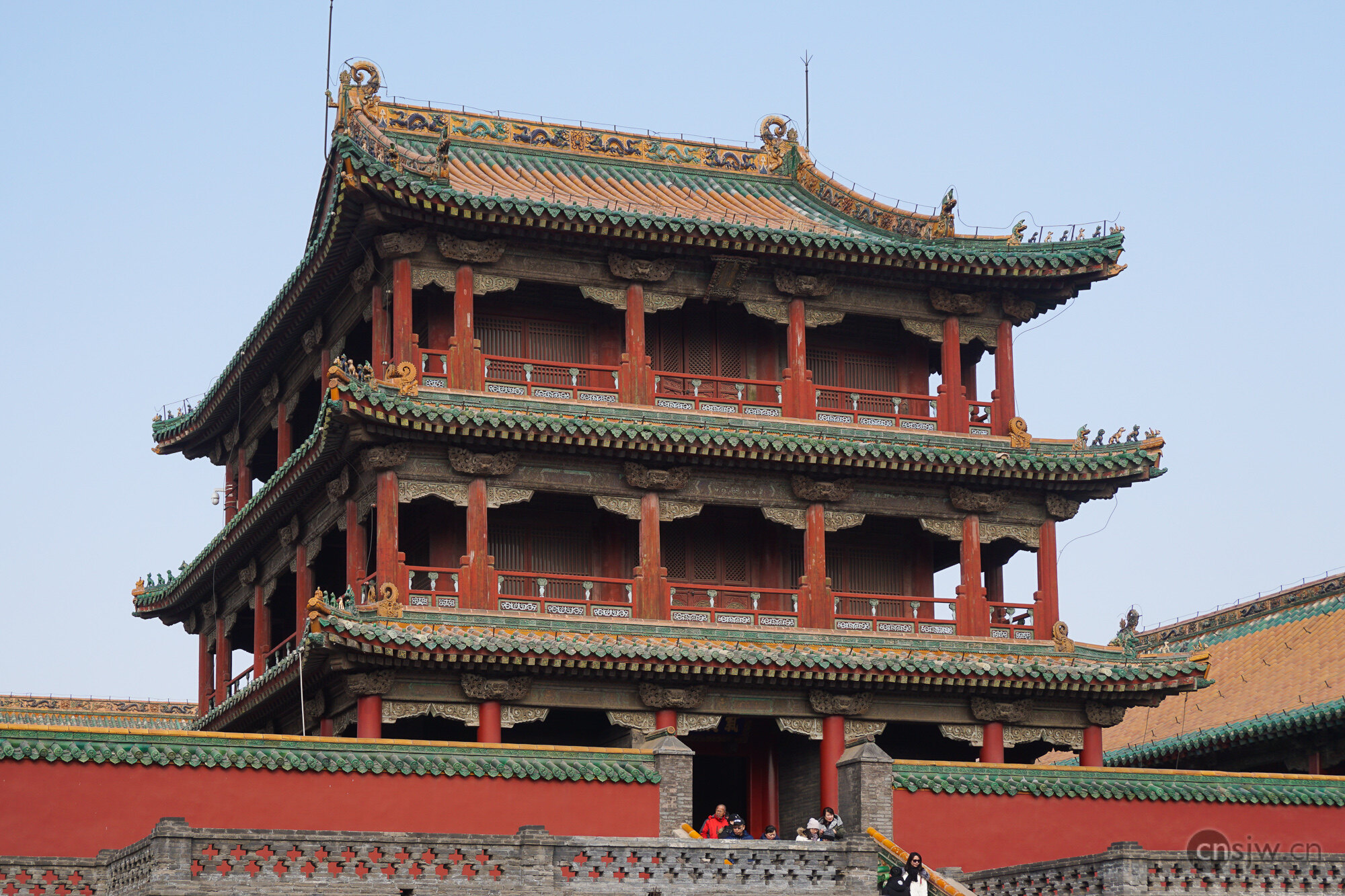
The Phoenix Tower was once the venue where the emperor planned military and political affairs and held banquets. After the Qing dynasty entered Shanhai Pass, it was repurposed as a repository for successive dynastic veritable records, imperial genealogies, imperial portraits, and the imperial jade seal.
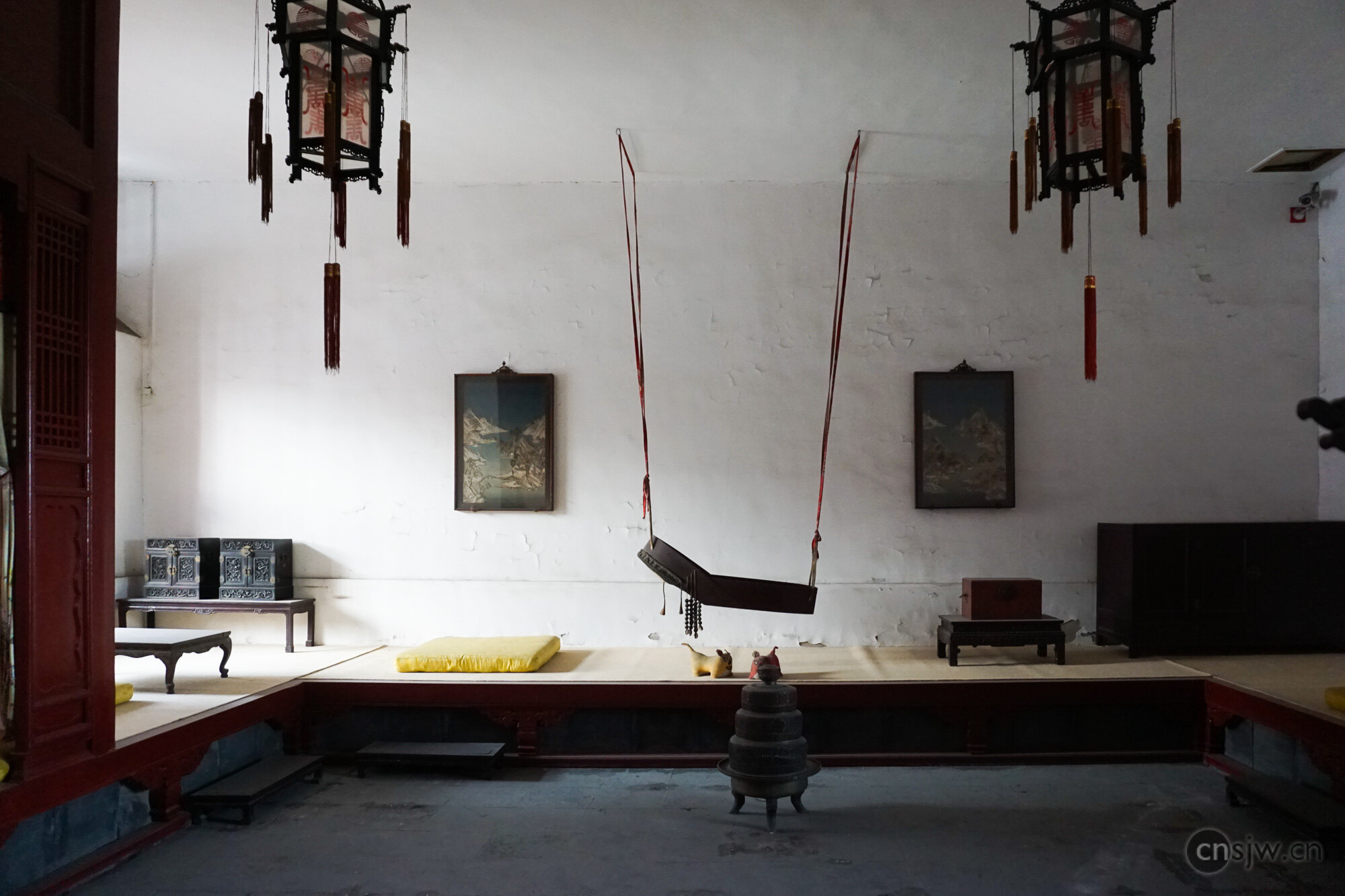
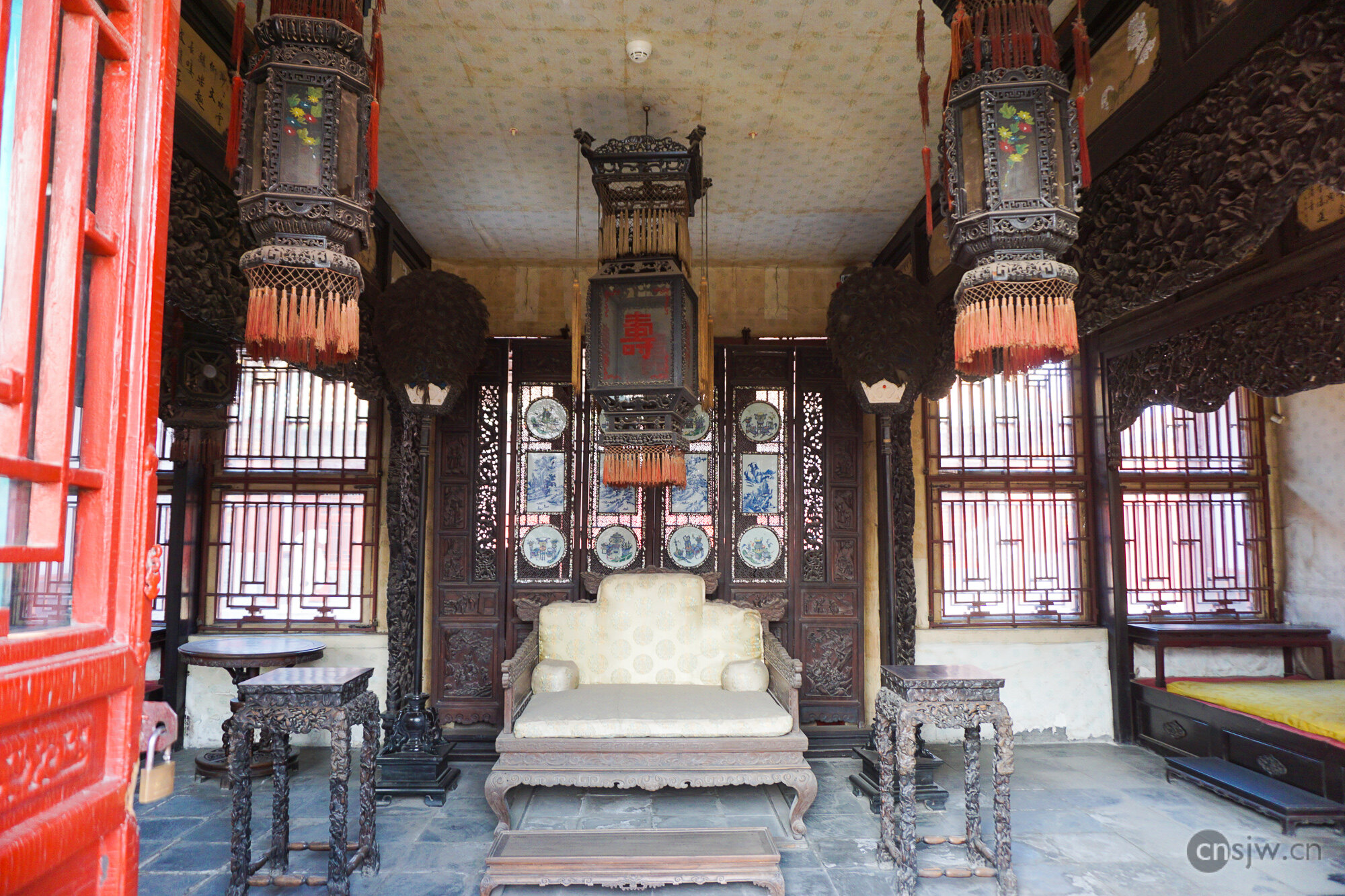
Further back are the various rear palaces. Each room is small, and there really isn’t much inside—they’re empty and somewhat dilapidated. There’s also a baby cradle.
The Imperial Garden at the back is pitifully small—so tiny that it might even be smaller than the green spaces in many modern residential compounds. There are a few pavilions inside, which look especially desolate in winter.
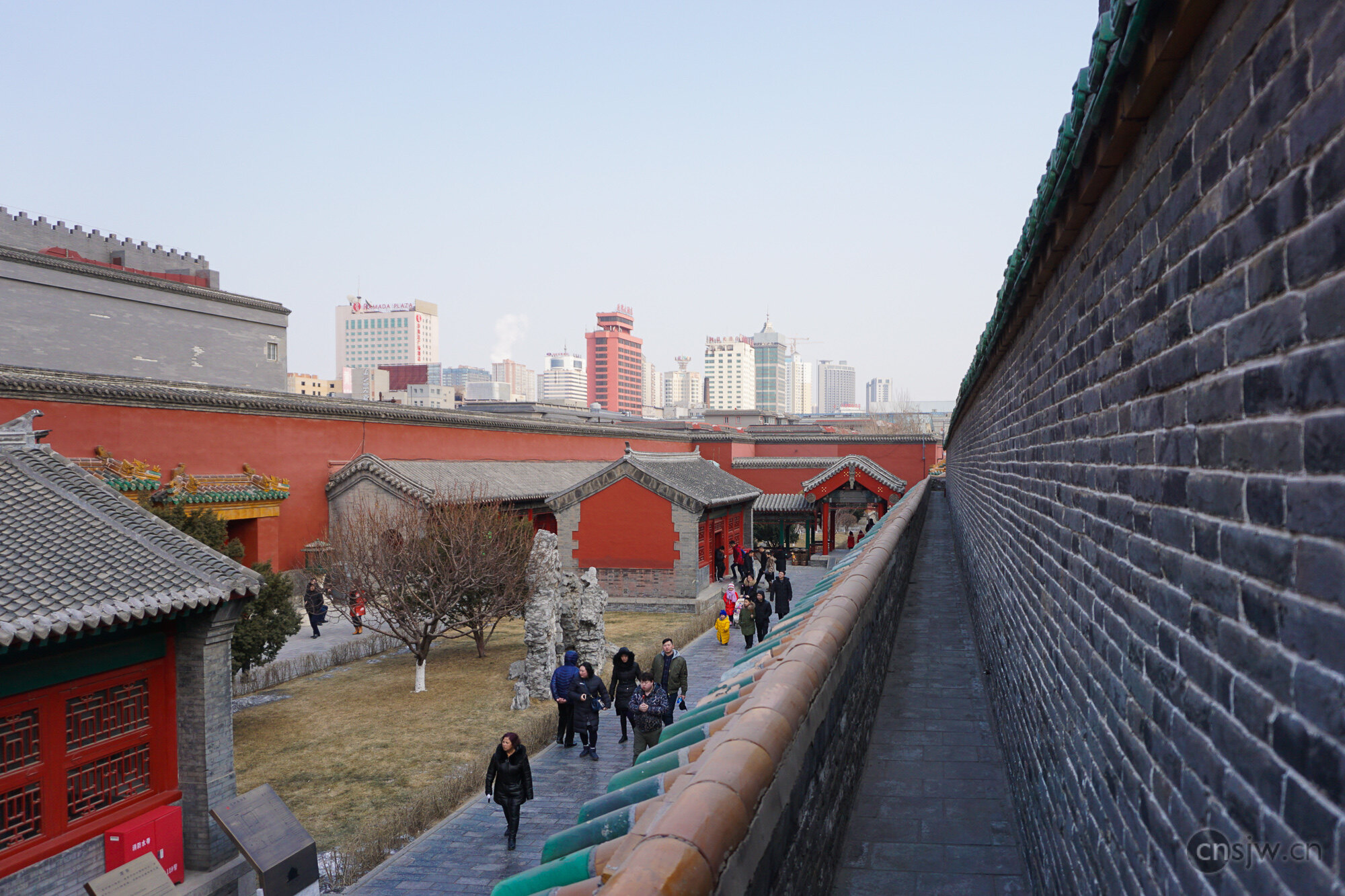
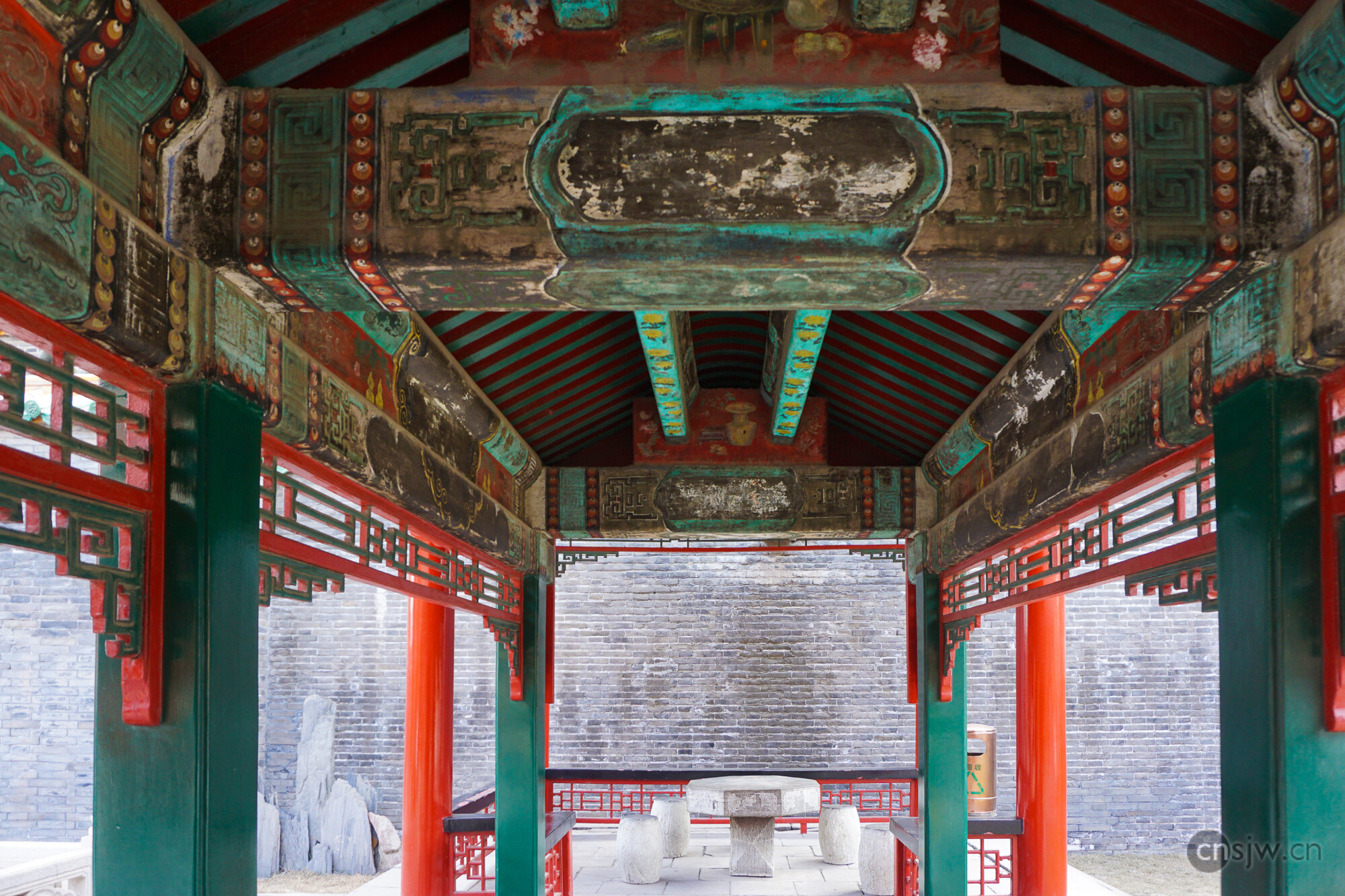
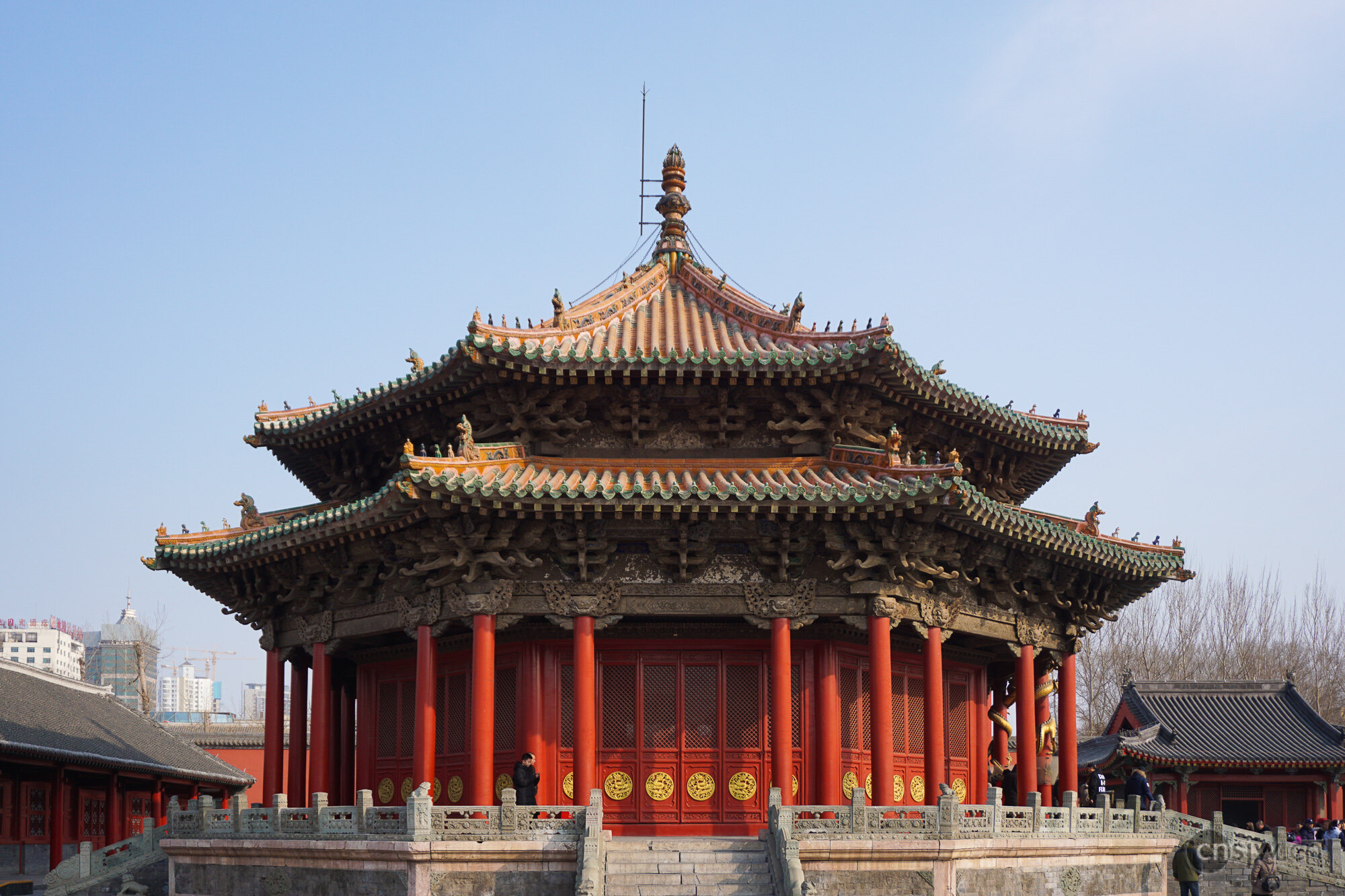
The Dazheng Hall, also known as the Octagonal Hall, was the venue where Qing Taizong Huang Taiji held major ceremonies and important political events. In 1644 (the first year of the Shunzhi reign), Emperor Fulin ascended the throne here. The layout mimics that of the Eight Banners’ military tent halls, flanked by pavilions for the Left and Right Wing Princes and the Eight Banners, totaling ten pavilions known as the Ten Kings’ Pavilions.
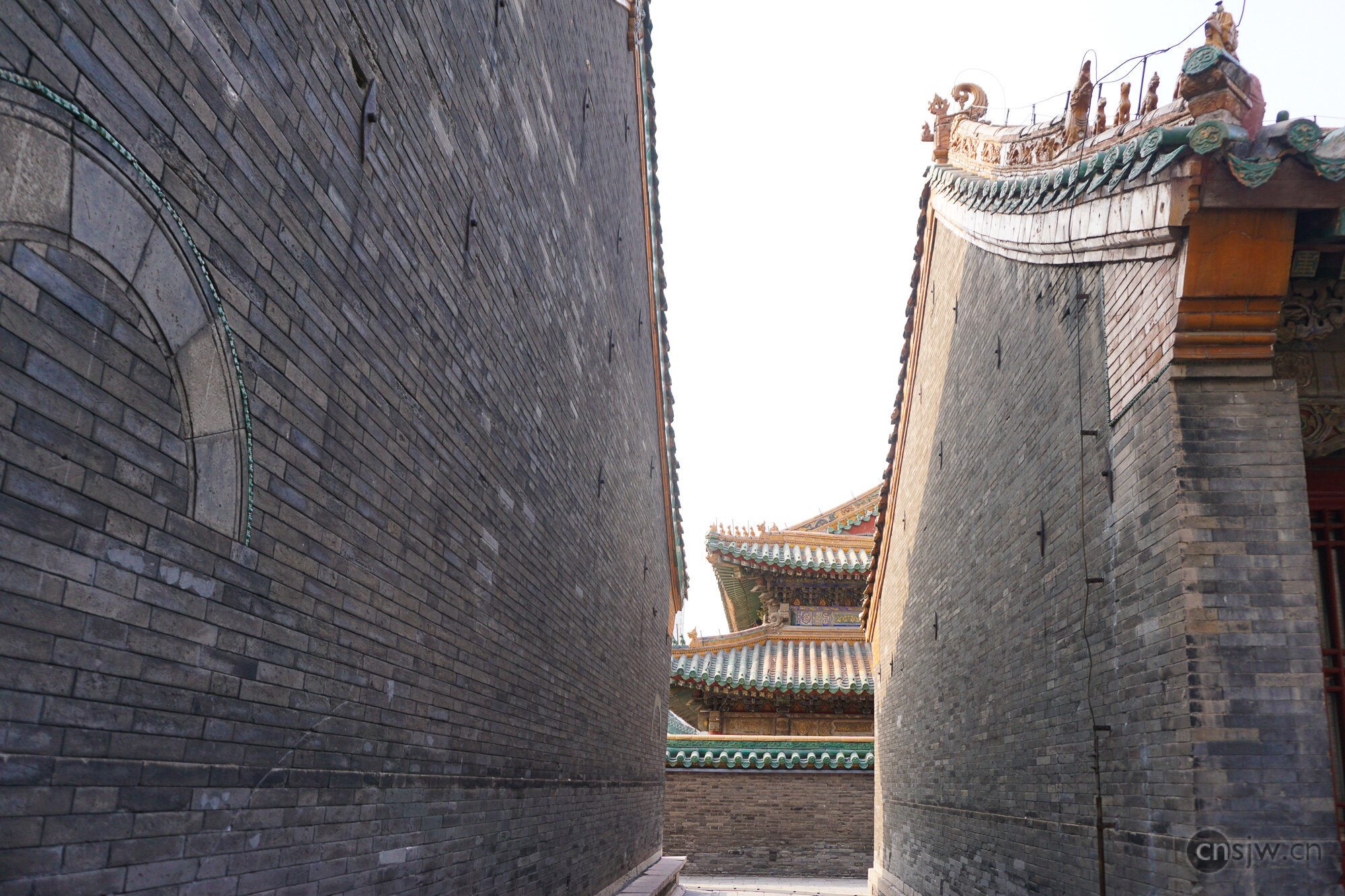
Deep within the courtyards
How can this opera stage possibly be one used by the emperor? It pales in comparison even to the opera stages of wealthy tycoons in Ningbo.

This place has fallen into complete disrepair; grass is even growing on top…
Photos in this post taken with a SONY A5100 + 16-50mm f/3.5-5.6 lens, post-processed in Lightroom.

Support



Read this article on WeChat