
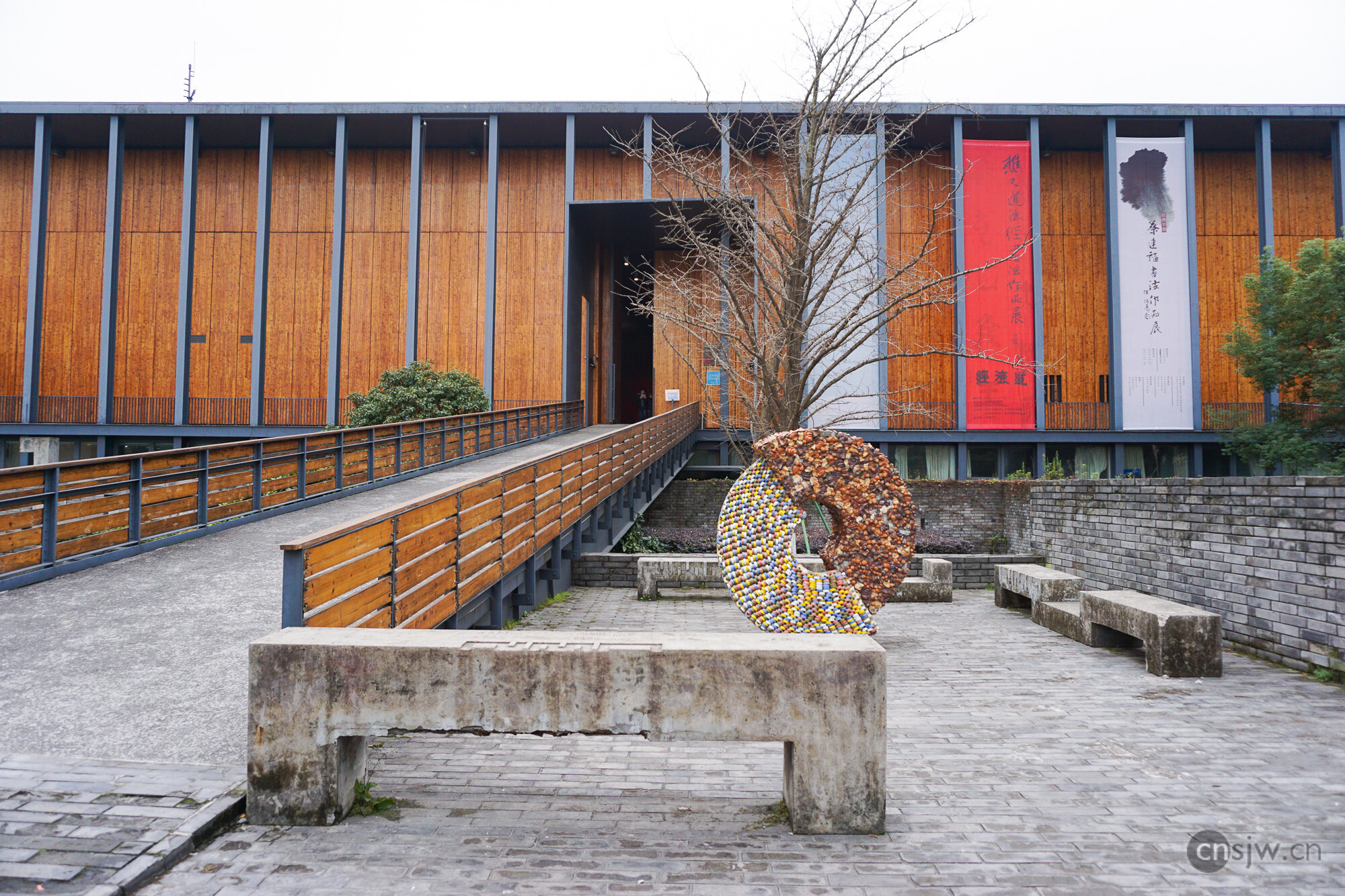
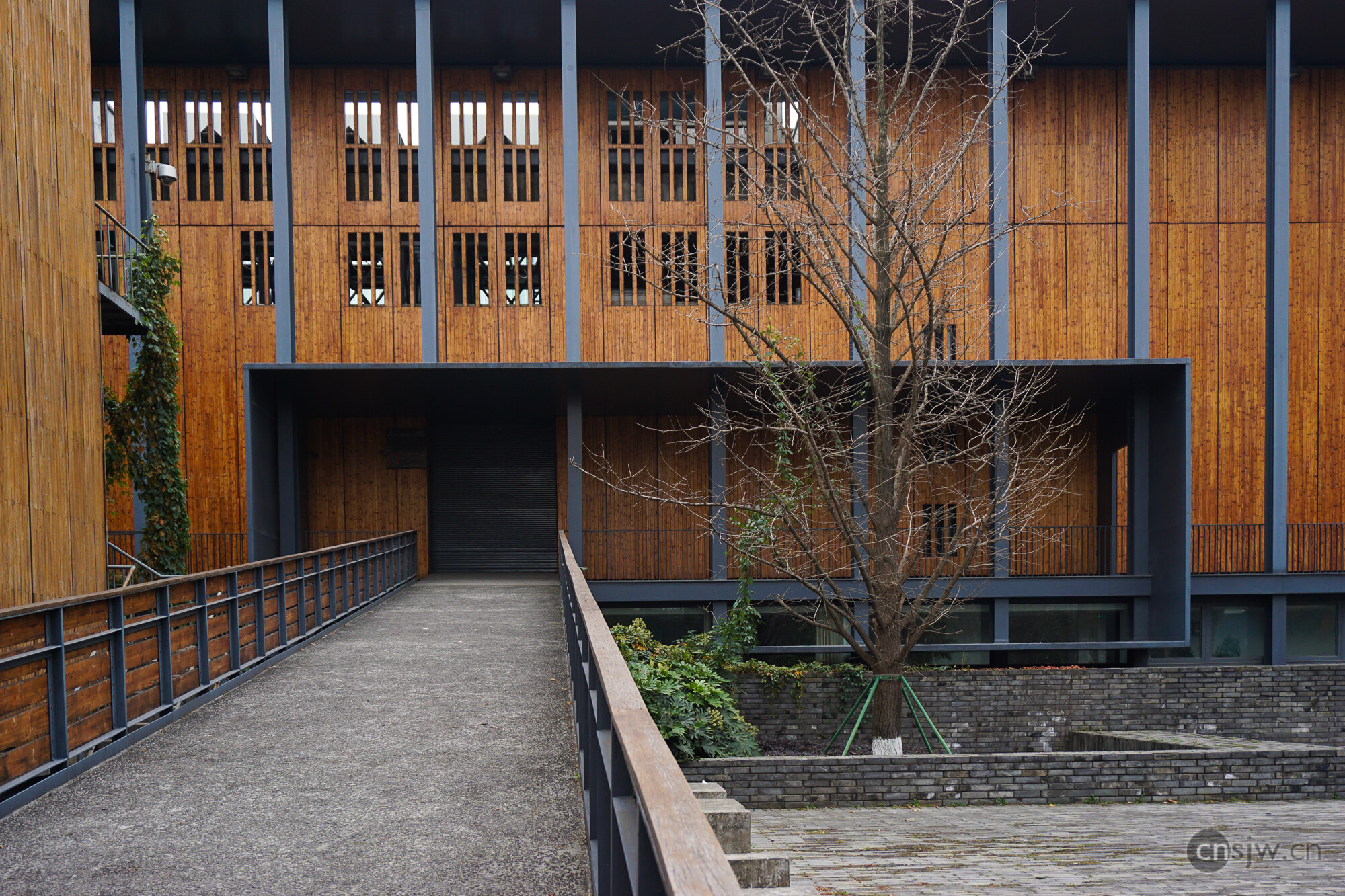
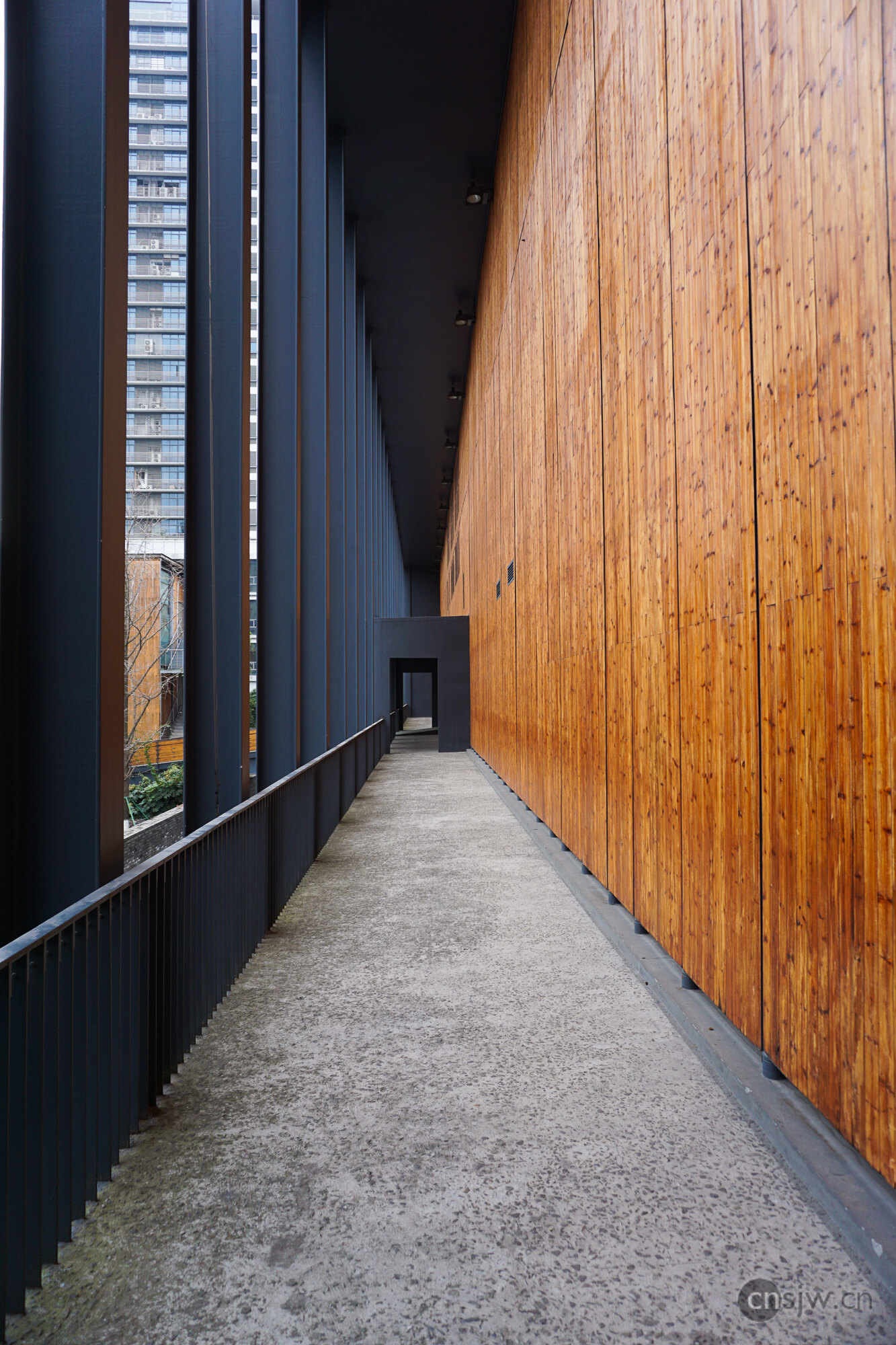
These two venues are grouped together because they were both designed by Wang Shu. Wang Shu is a renowned Chinese architect, as well as the Dean of the School of Architecture and Head of the Department of Architecture at the China Academy of Art. After earning his PhD from Tongji University in 2000, his subsequent personal works have exhibited a highly distinctive style, such as the Xiangshan Campus of the China Academy of Art in 2004, the Ningbo Art Museum in 2005, the Ningbo Museum in 2008, and the Ningbo Case Pavilion for the Expo in 2010. He later received the Pritzker Architecture Prize in 2012. When I saw the Ningbo Case Pavilion during the Expo, I found the architecture extremely unique; upon seeing the Ningbo Museum, I noticed it similarly employed tiled walls for decoration, showcasing equally distinct characteristics.
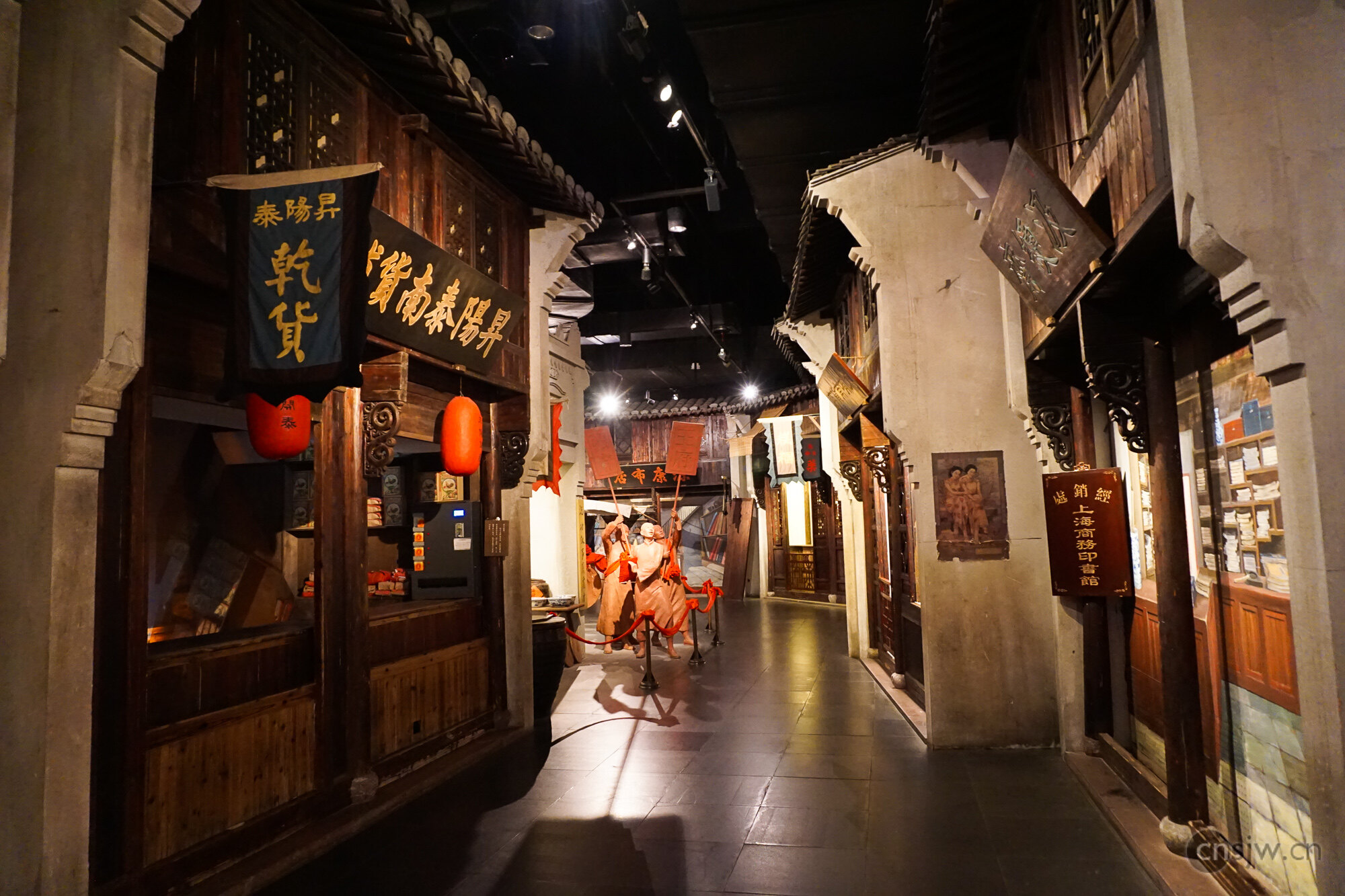
Located next to the Yinzhou District Government Building and the District Cultural Plaza, the Ningbo Museum is a structure that appears somewhat out of harmony with its surroundings. It is said to mimic the form of mountains, decorated with tiled walls made from Ming and Qing dynasty bricks and tiles collected from local communities, as well as concrete walls cast with bamboo, highlighting the features of traditional Jiangnan dwellings. As a city with a long history and an enduring commercial tradition since ancient times, Ningbo can be described as quite affluent. It served as an important gateway on the Maritime Silk Road and became a treaty port after the Opium Wars, all of which further accelerated its modernization. It is a city that deserves to have a museum and possesses artifacts worthy of exhibition. Although priority may be given to more prominent museums elsewhere, and the exhibits inside are not particularly famous, it is still worth a visit.
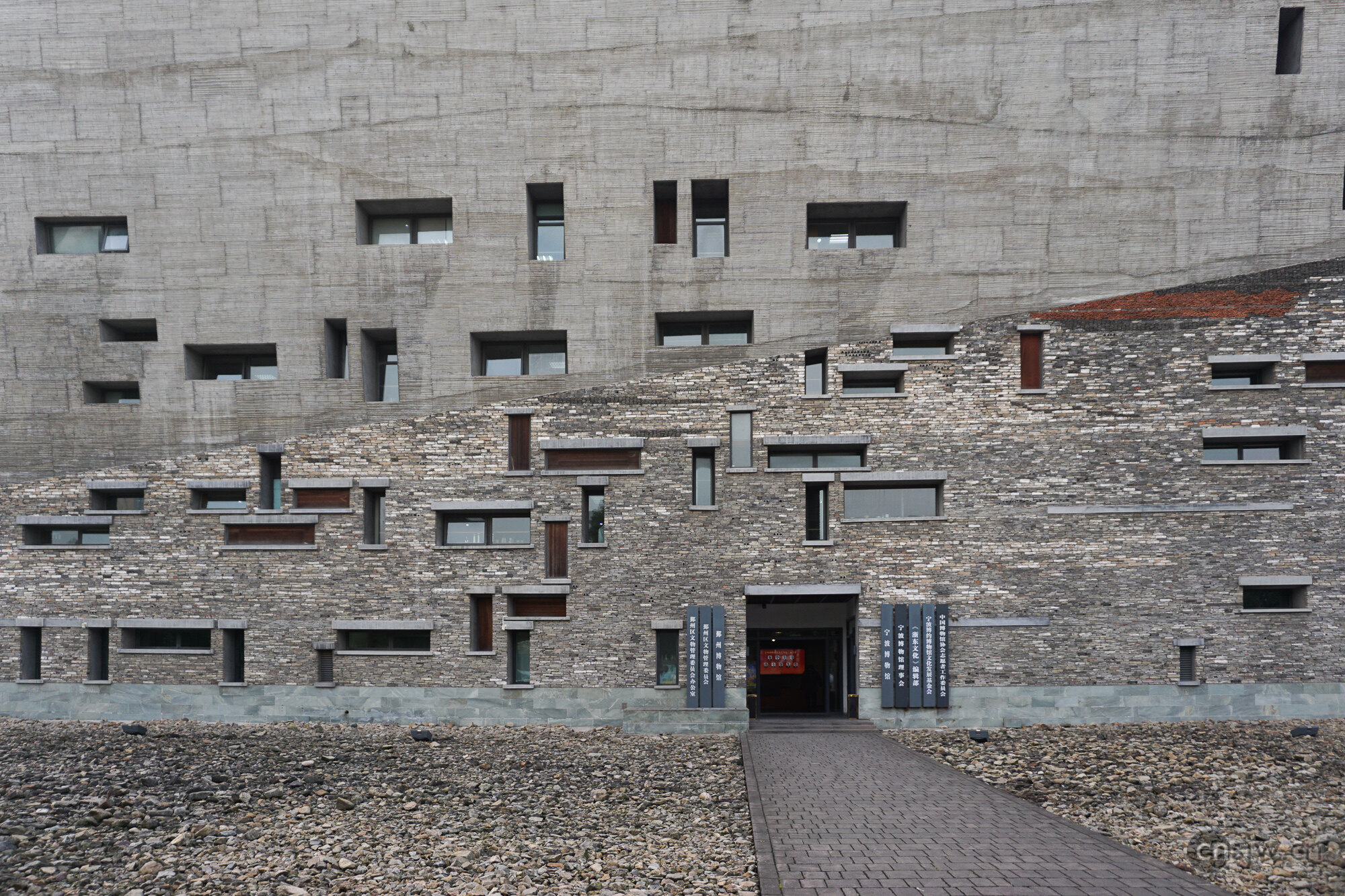
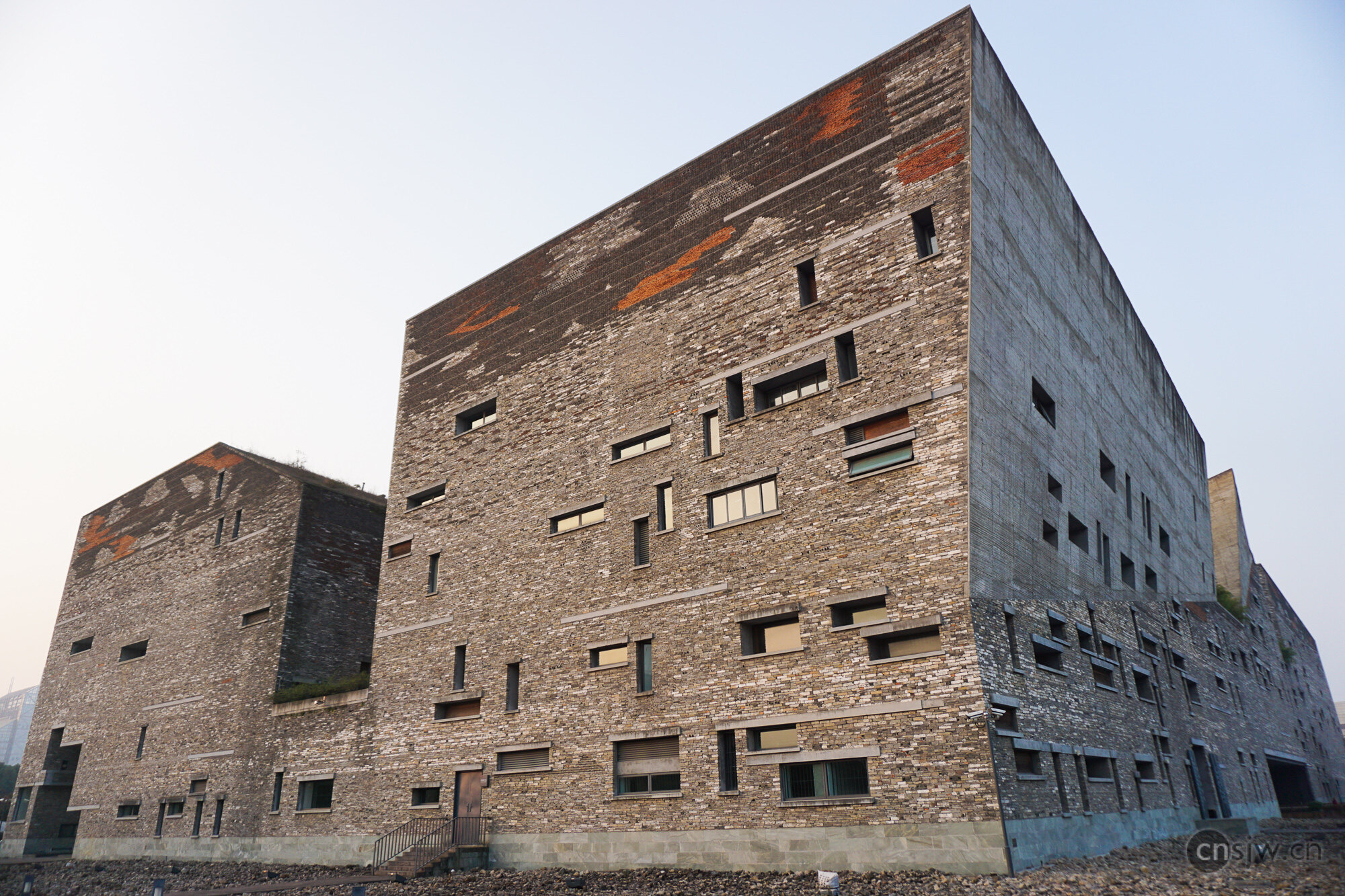
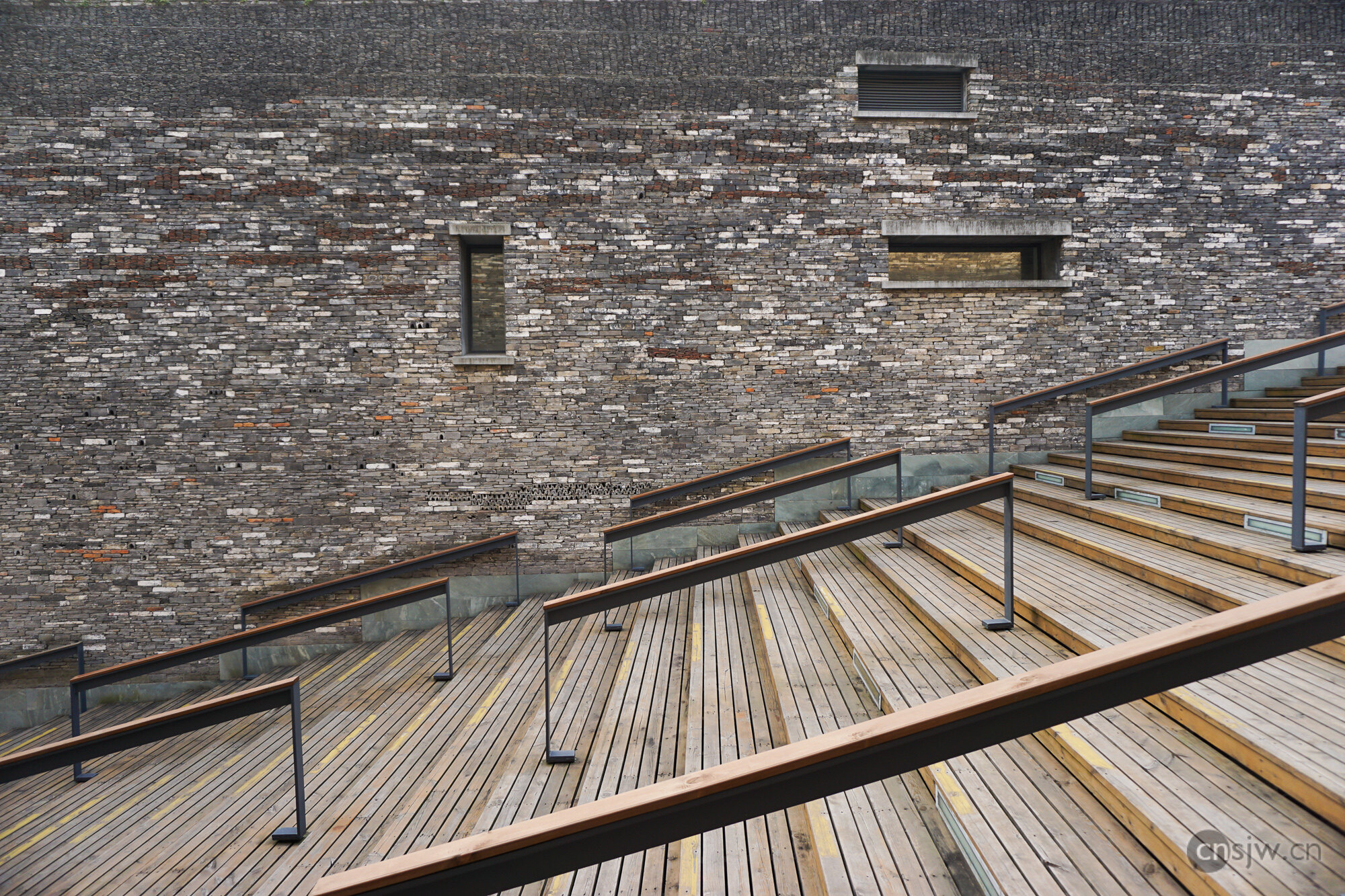
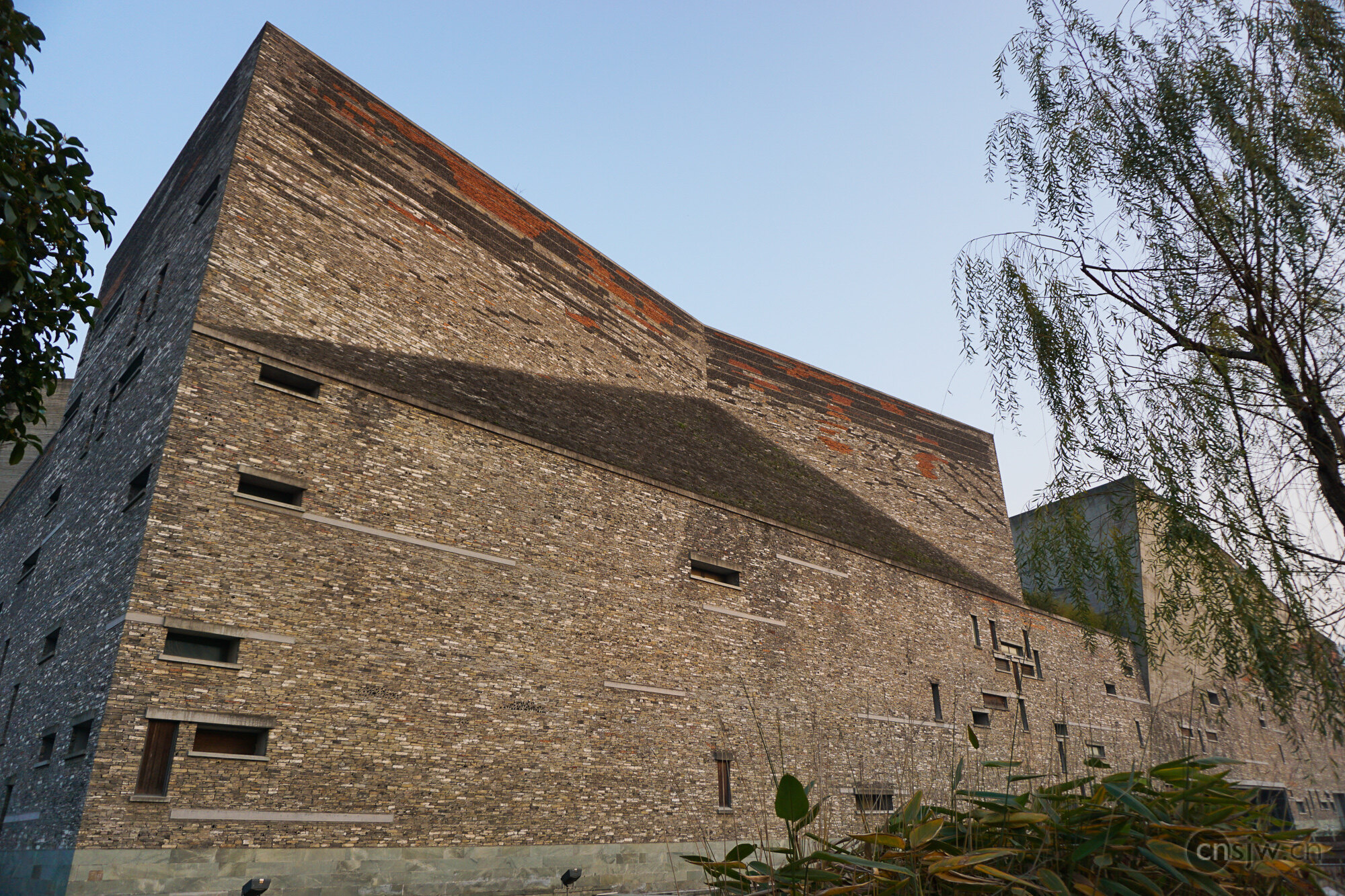
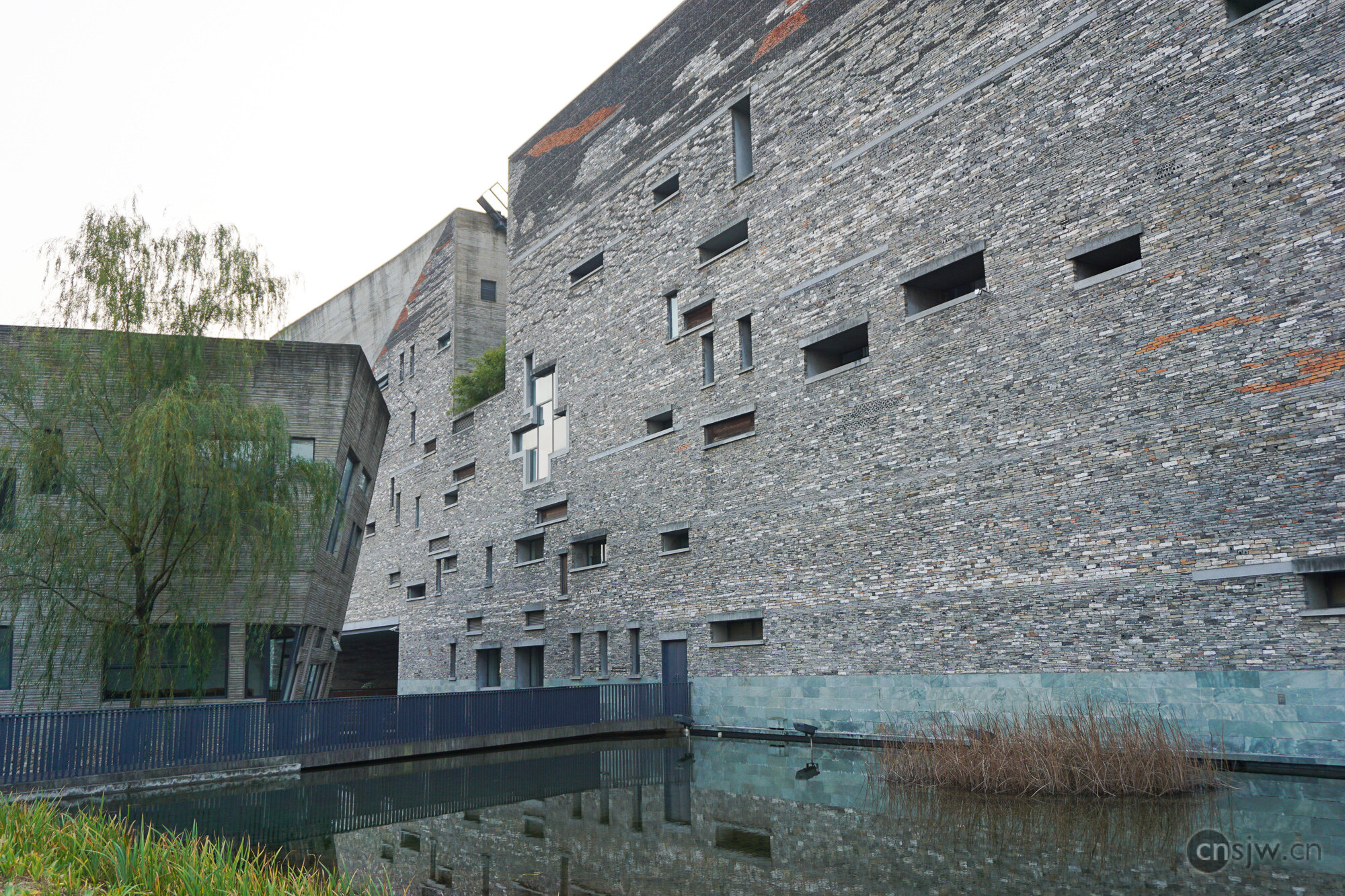
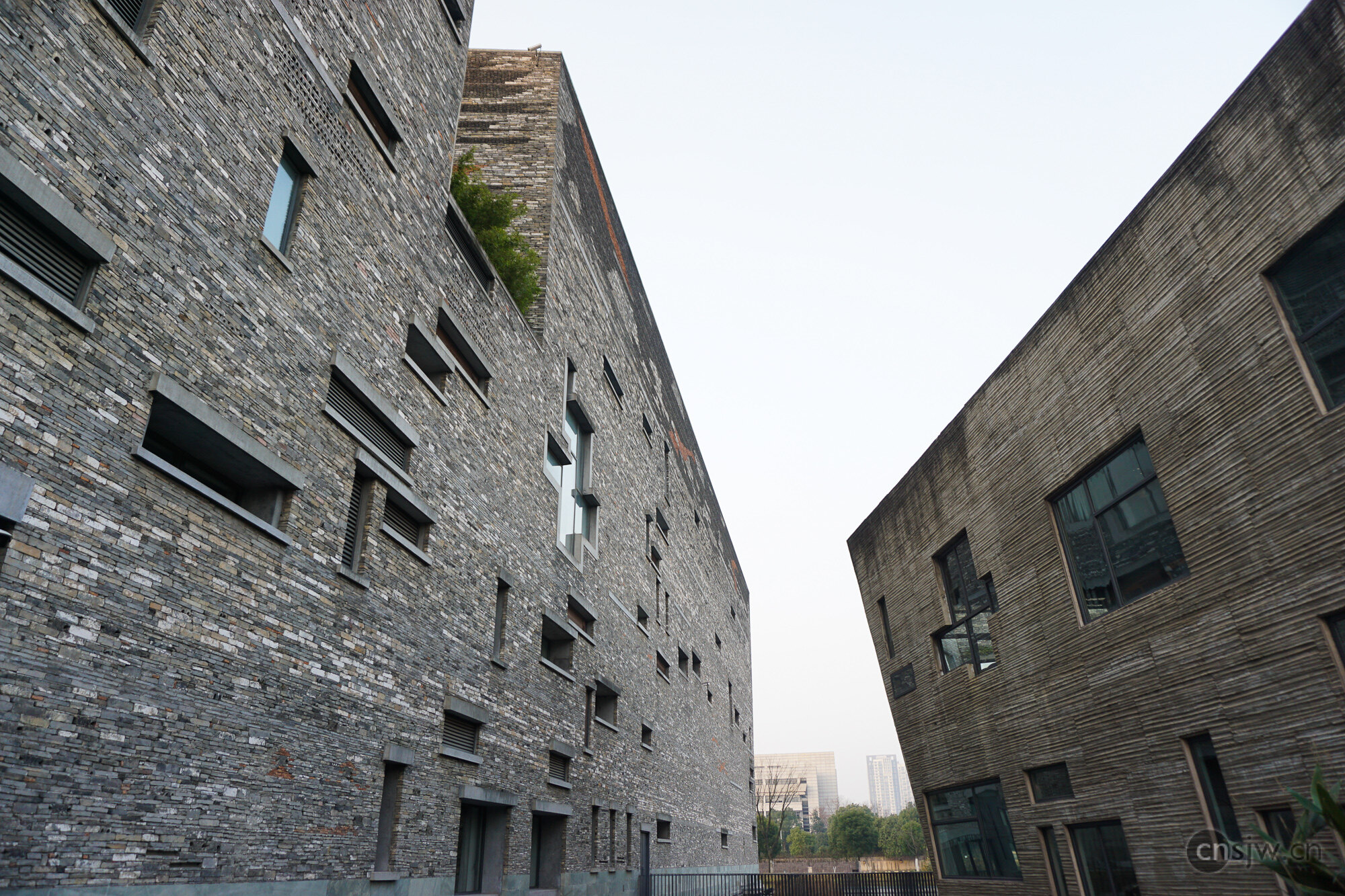
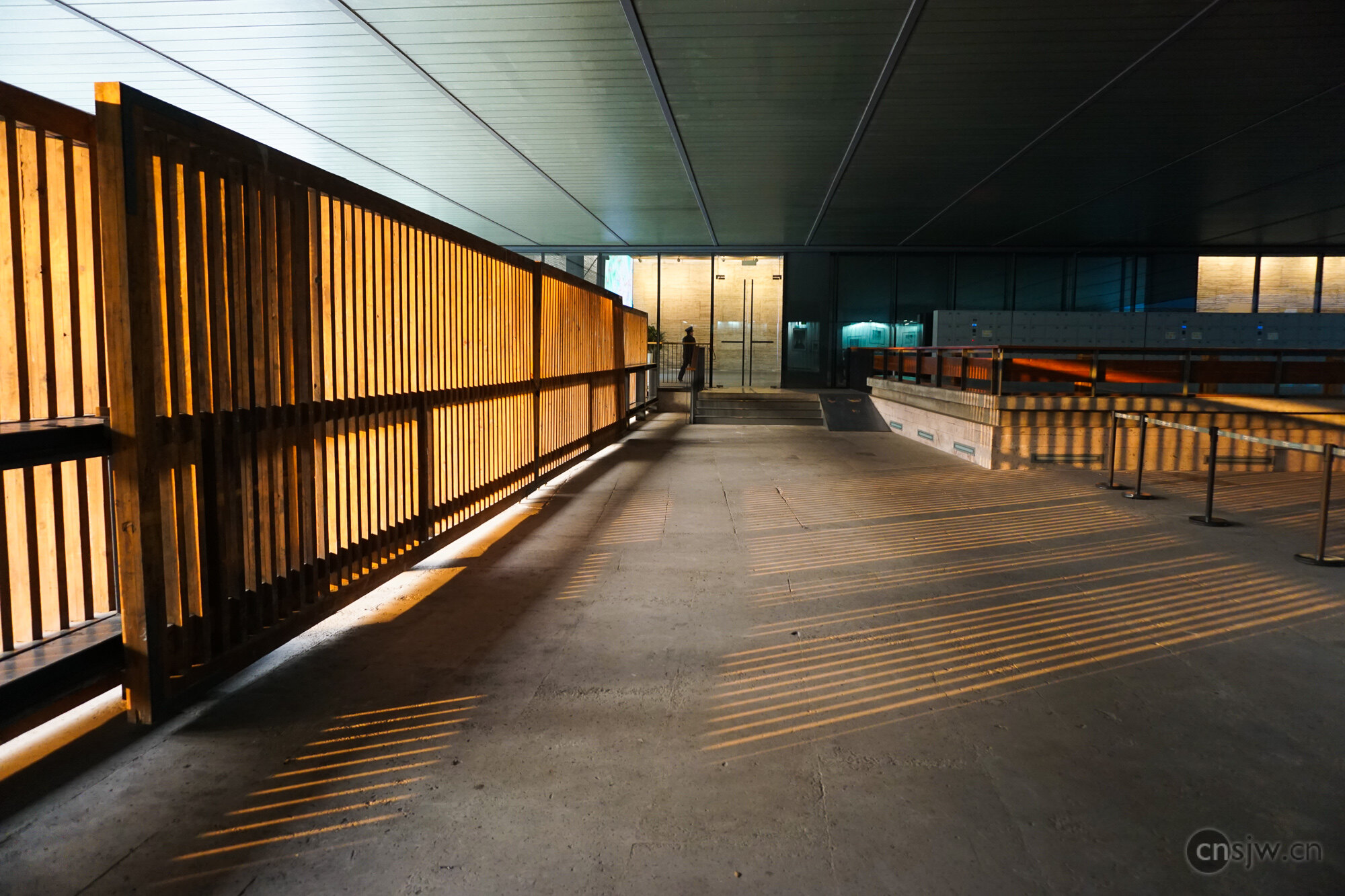
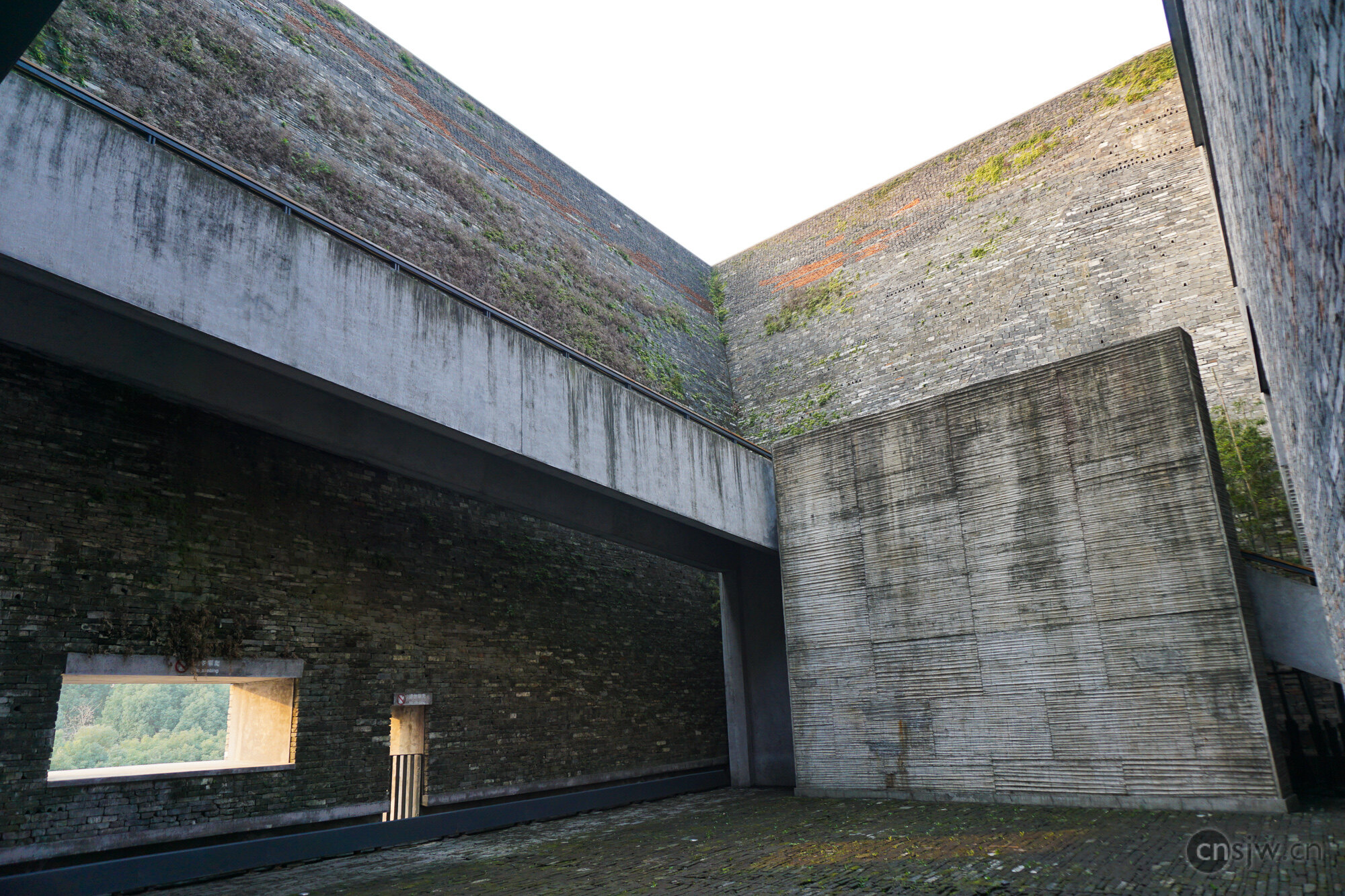
As for the Ningbo Art Museum, it was converted from a former shipping building. Right next door is the Old Bund, which is essentially Ningbo’s bar street; in a city without a large expatriate population, the bar culture differs considerably from that of Shanghai. Regarding the art museum itself, the exhibition space is not actually very large, nor is it crowded. There weren’t any particularly interesting exhibitions at the time, so while a casual look is fine, the main reason to visit is really the architecture. I’ve heard that the Ningbo International Graphic Design Biennale is the museum’s flagship event, boasting a history spanning many years.
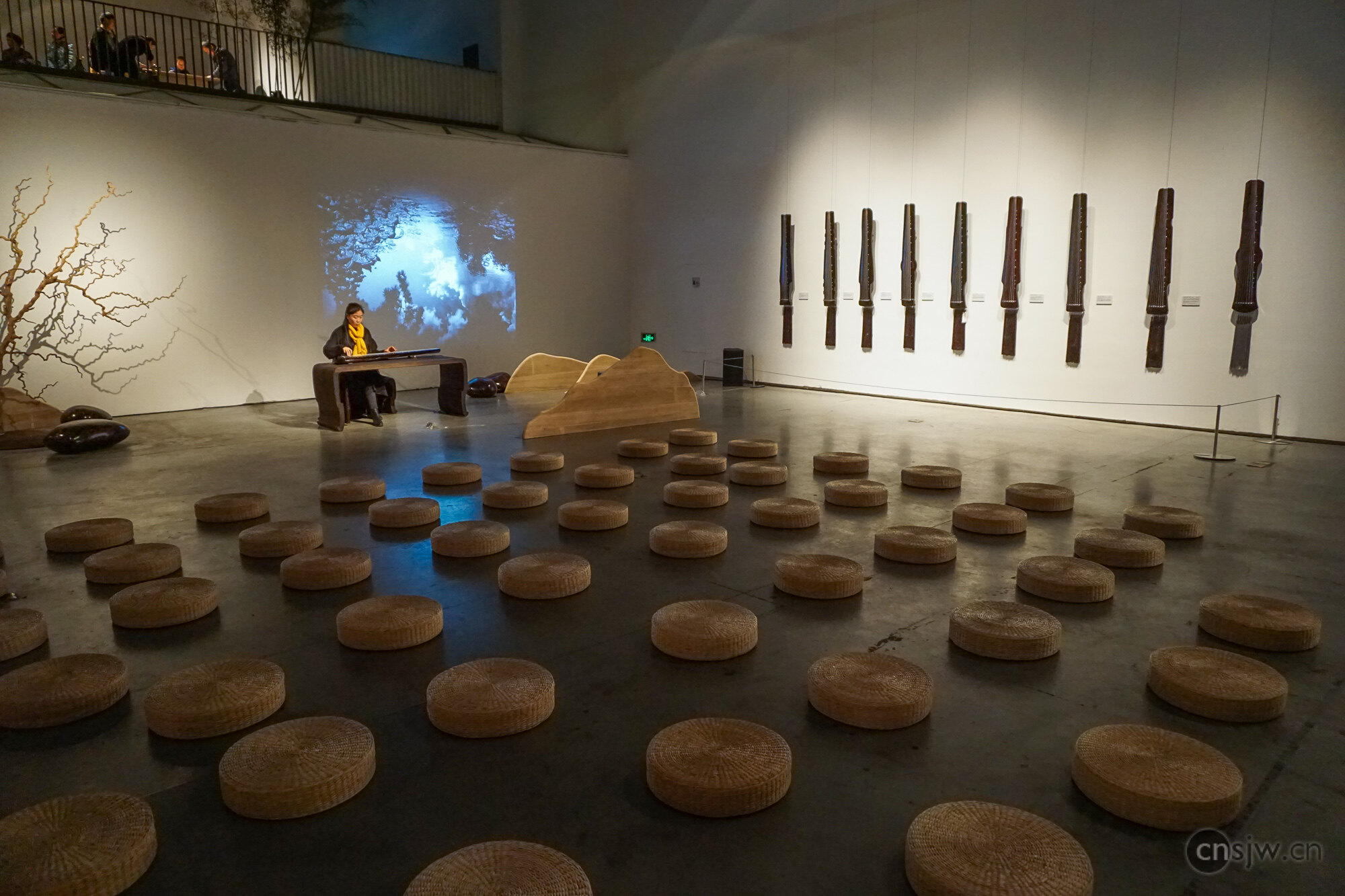
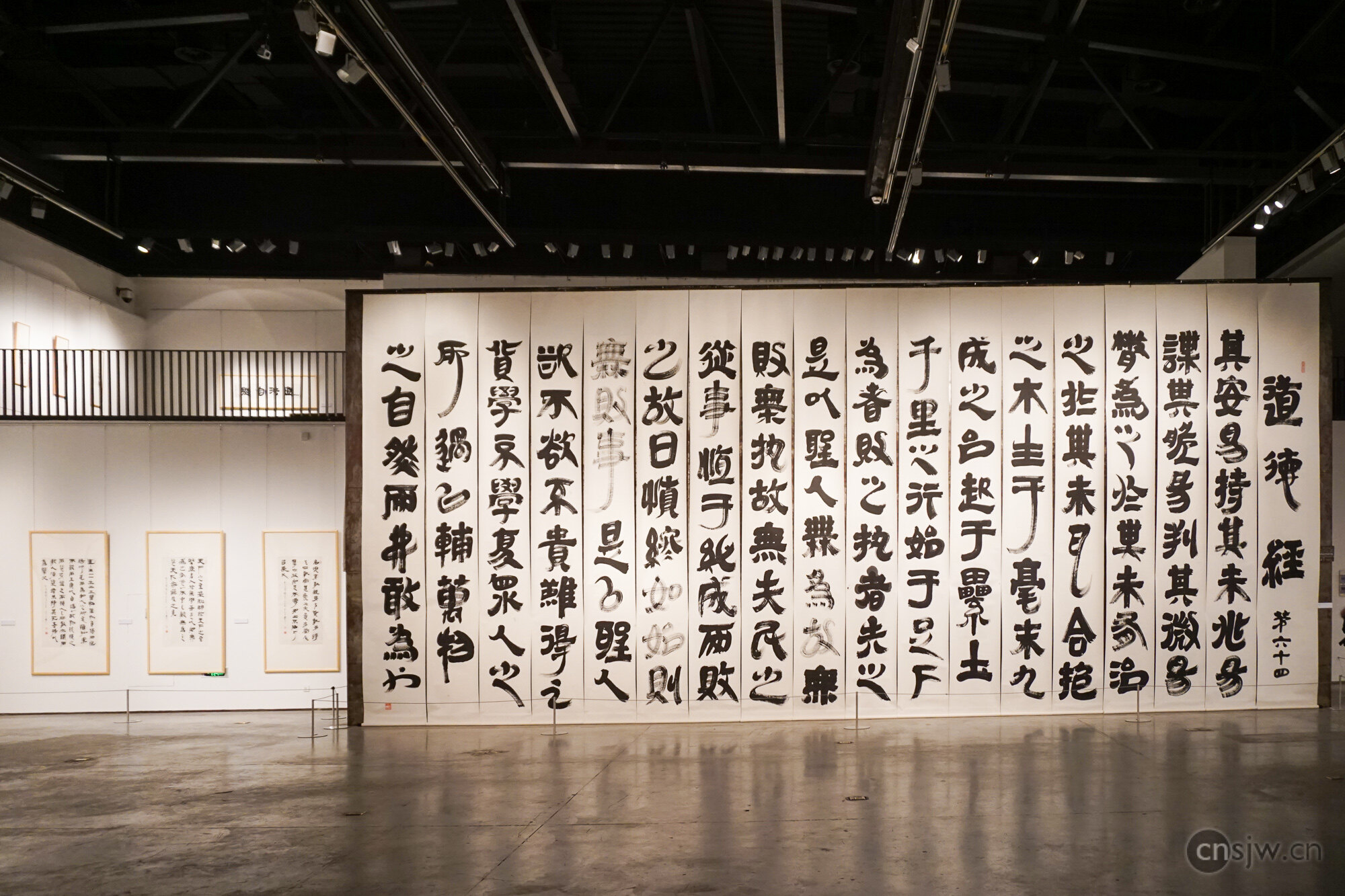
Photos in this post taken with a SONY A5100 + 16-50 f3.5-5.6, post-processed in Lightroom.

Support



Read this article on WeChat