
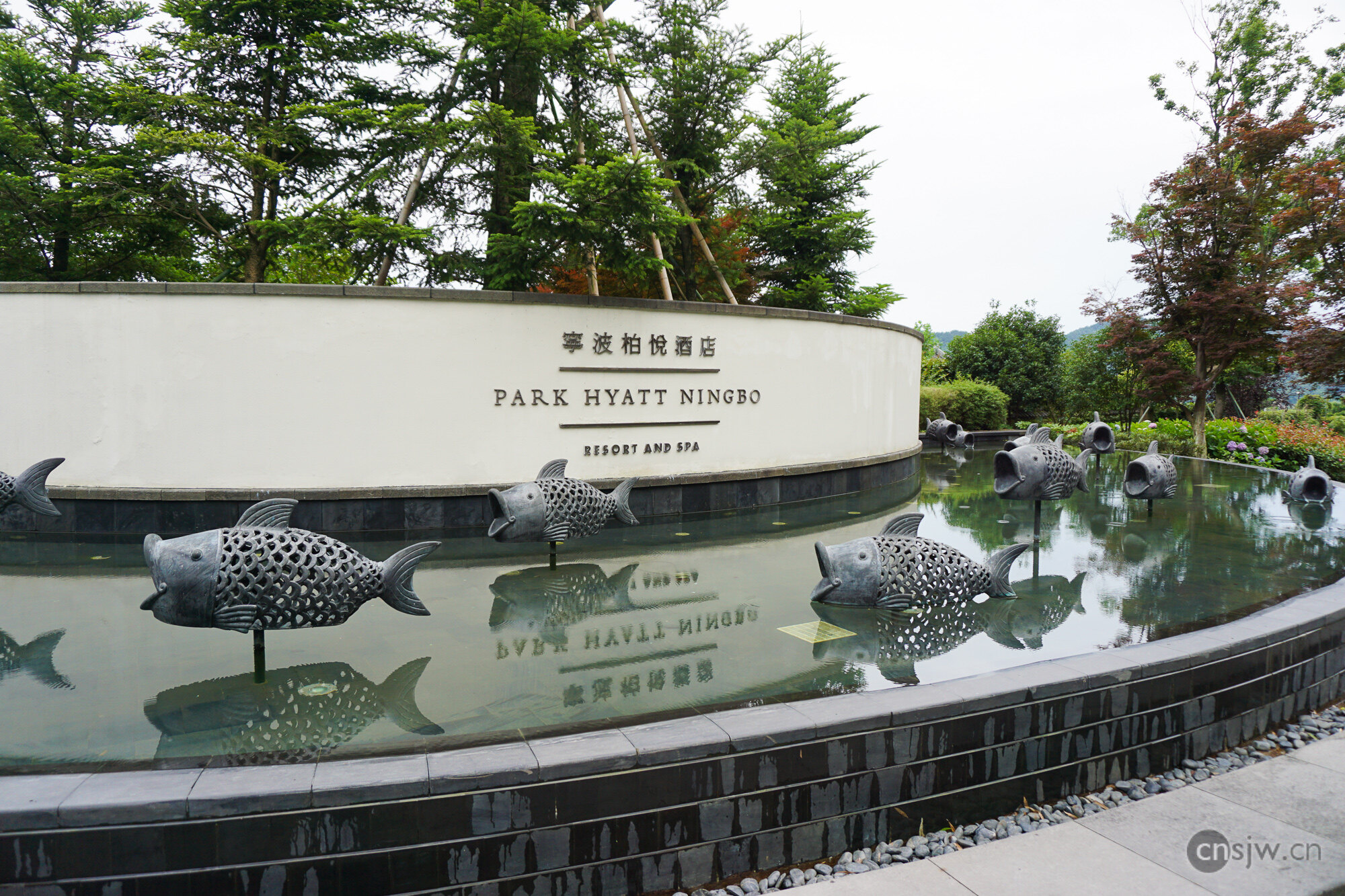
Came to Park Hyatt Ningbo from Dongqian Lake for a culinary experience. Park Hyatt Ningbo is something of a flagship property, situated exclusively along the shores of Dongqian Lake. There’s a signature Park Hyatt sign at the entrance, and mist rises beside the covered bridge leading into the hotel, creating an almost ethereal atmosphere. The main building houses three floors of guest rooms, with additional rooms scattered across smaller villas~~~
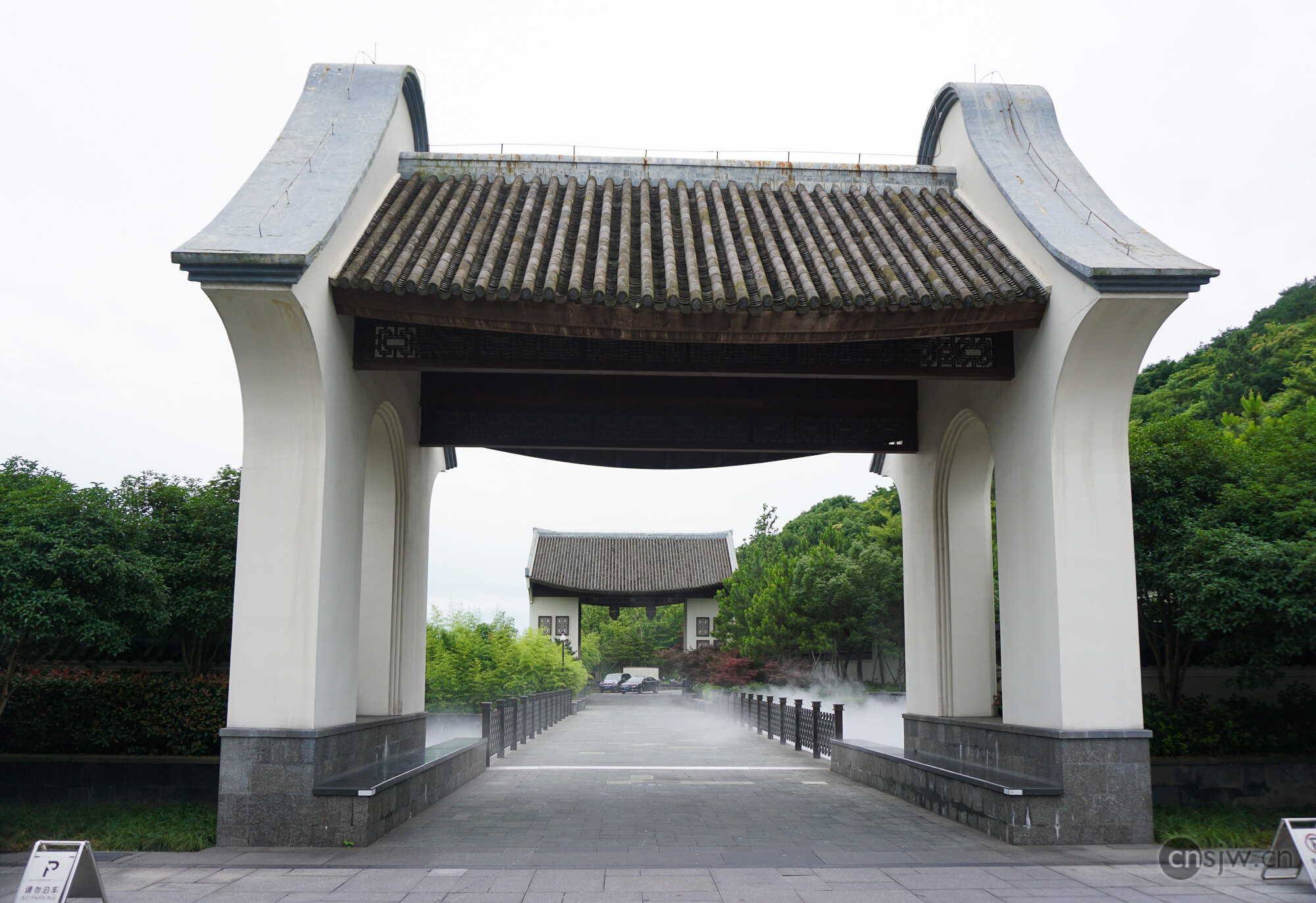
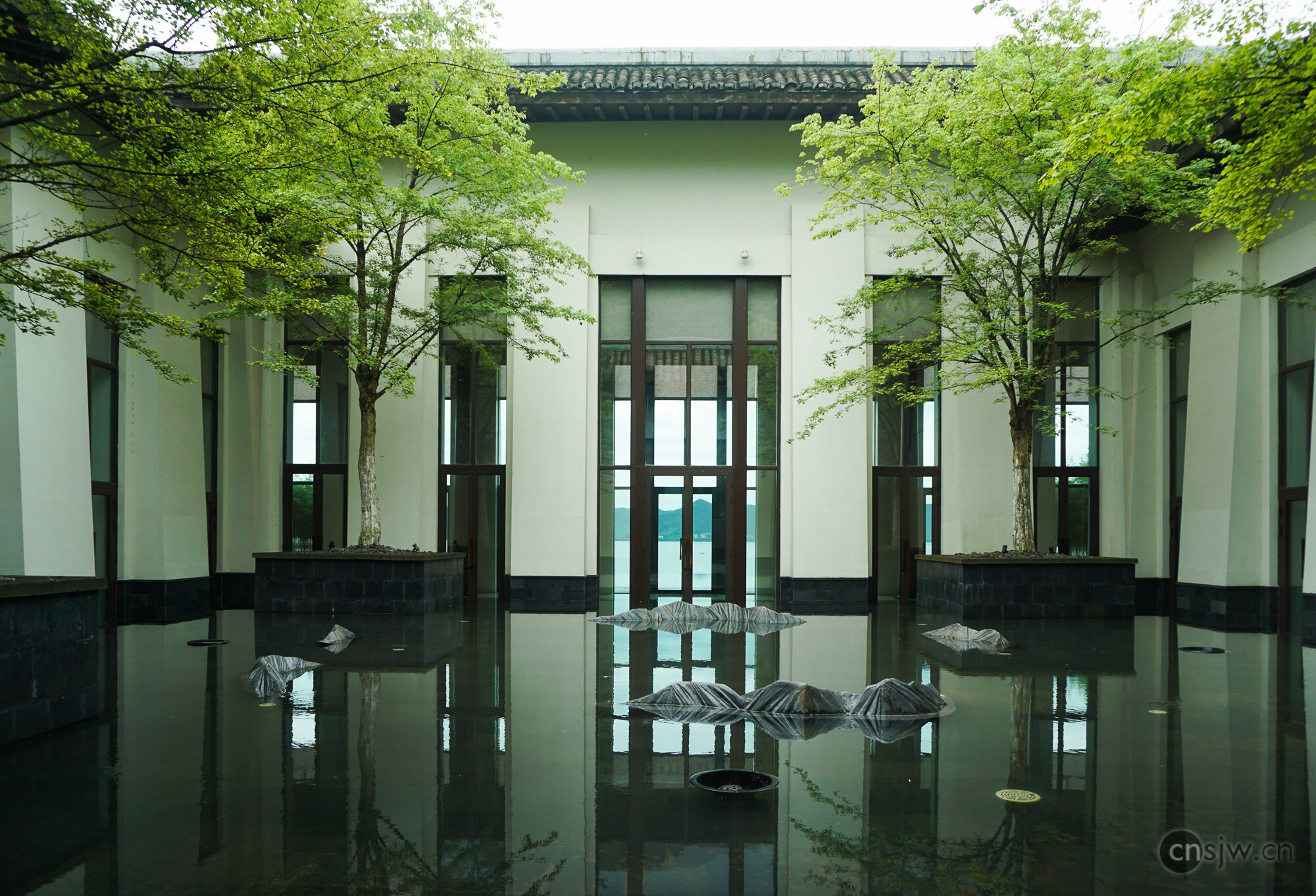
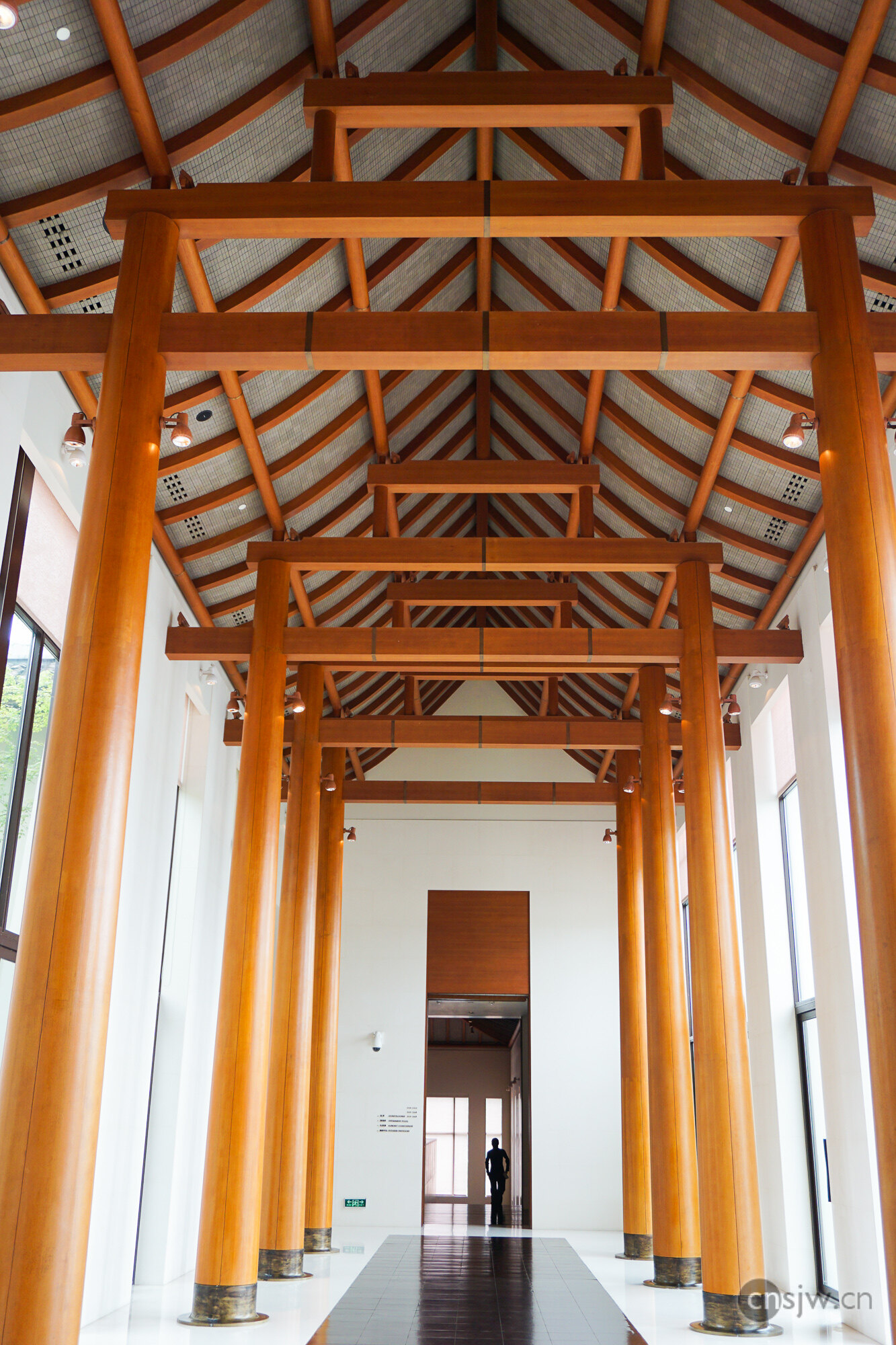
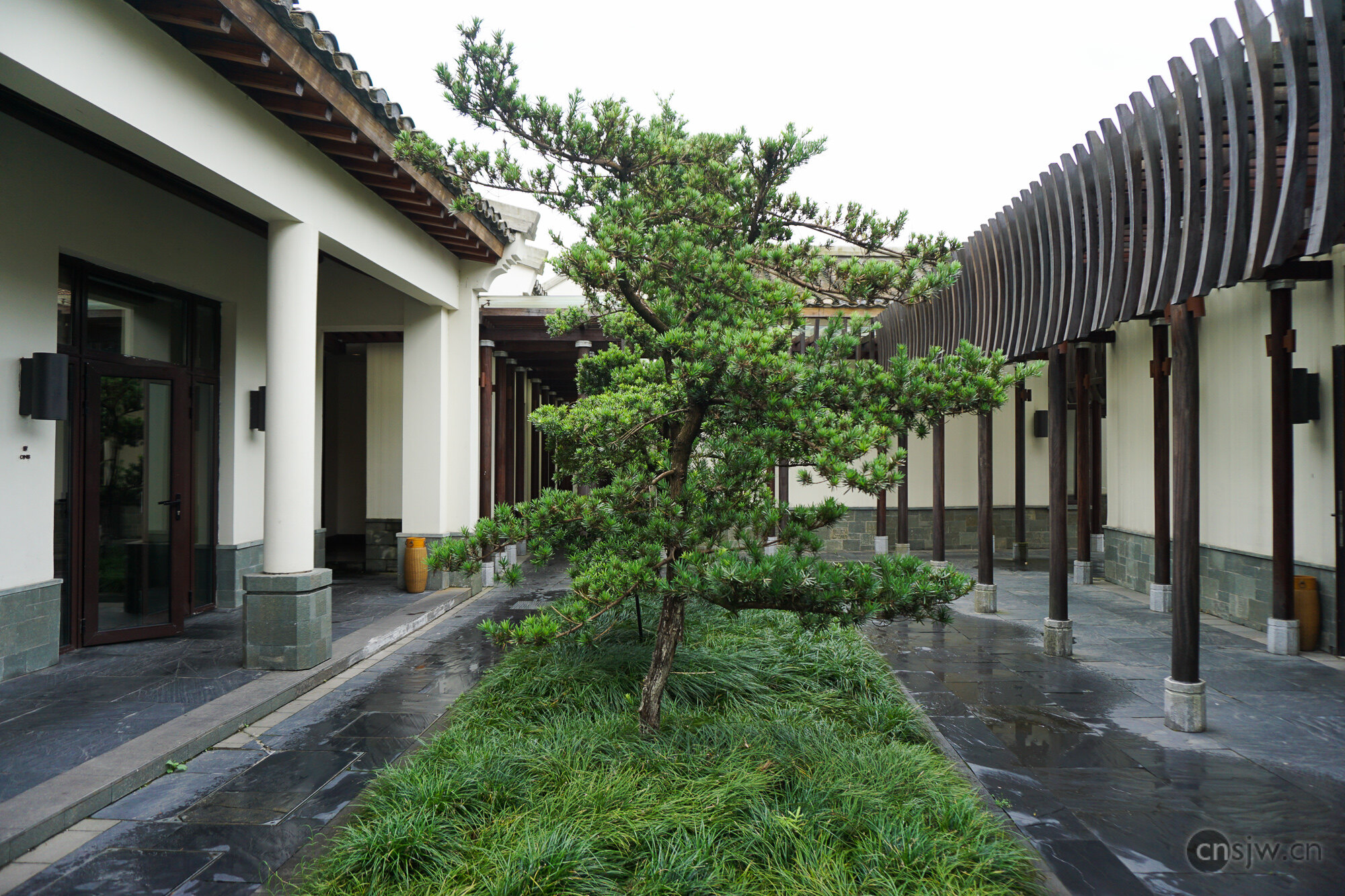
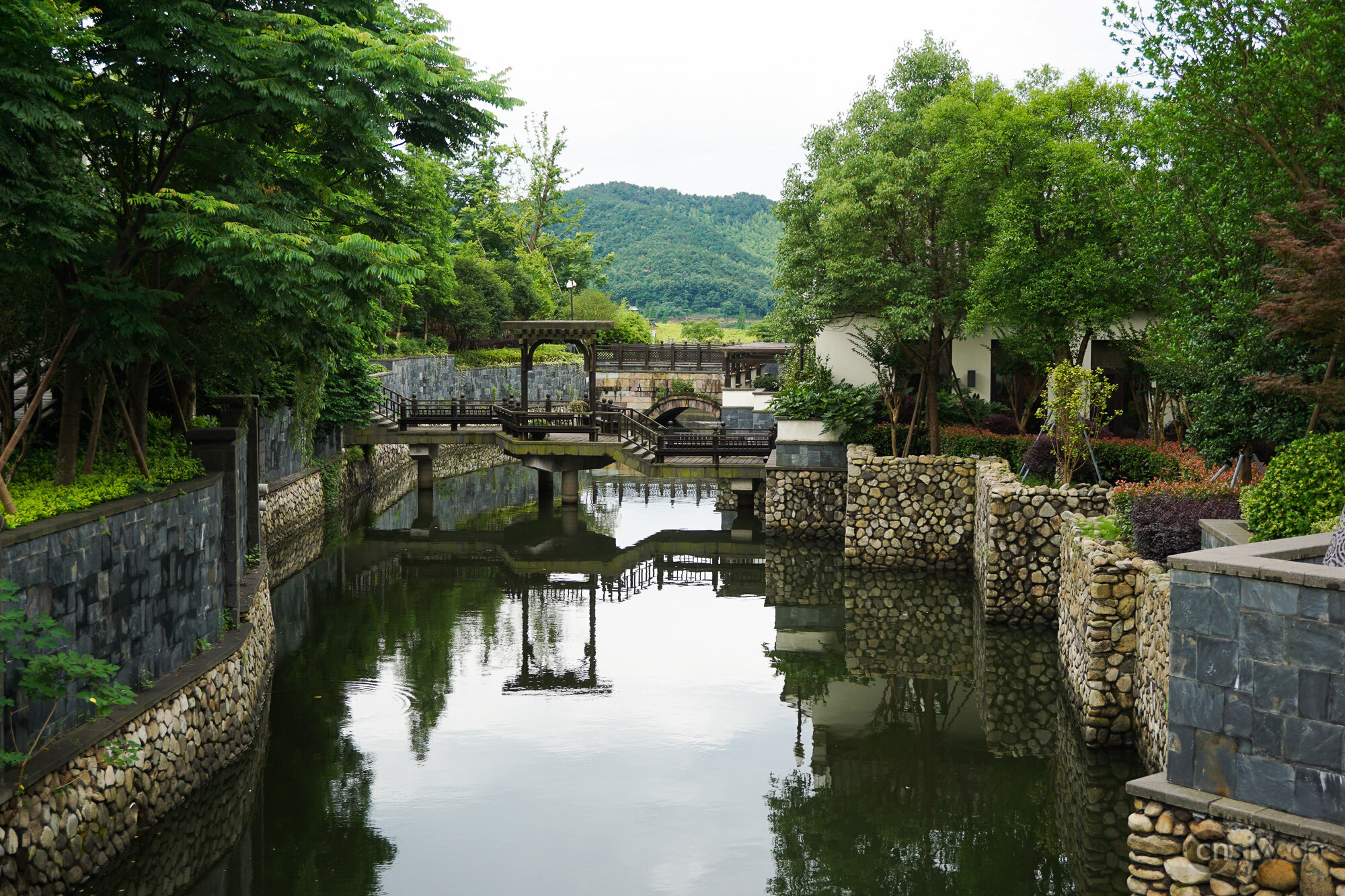
The overall architectural style of the hotel is distinctly Jiangnan, yet it also carries a hint of Japanese garden aesthetics, which makes for an interesting blend. Adjacent to the lobby, much like at Hyatt Chongming, there’s a courtyard featuring a water element.
Facing the lake is an infinity pool that offers a panoramic view of the entire lakescape, perfectly reflecting the sky above so that water and sky seem to merge into one.

In front of the main building lies an infinity pool—not very large, but right by the lakeside, making it an ideal spot for photography.
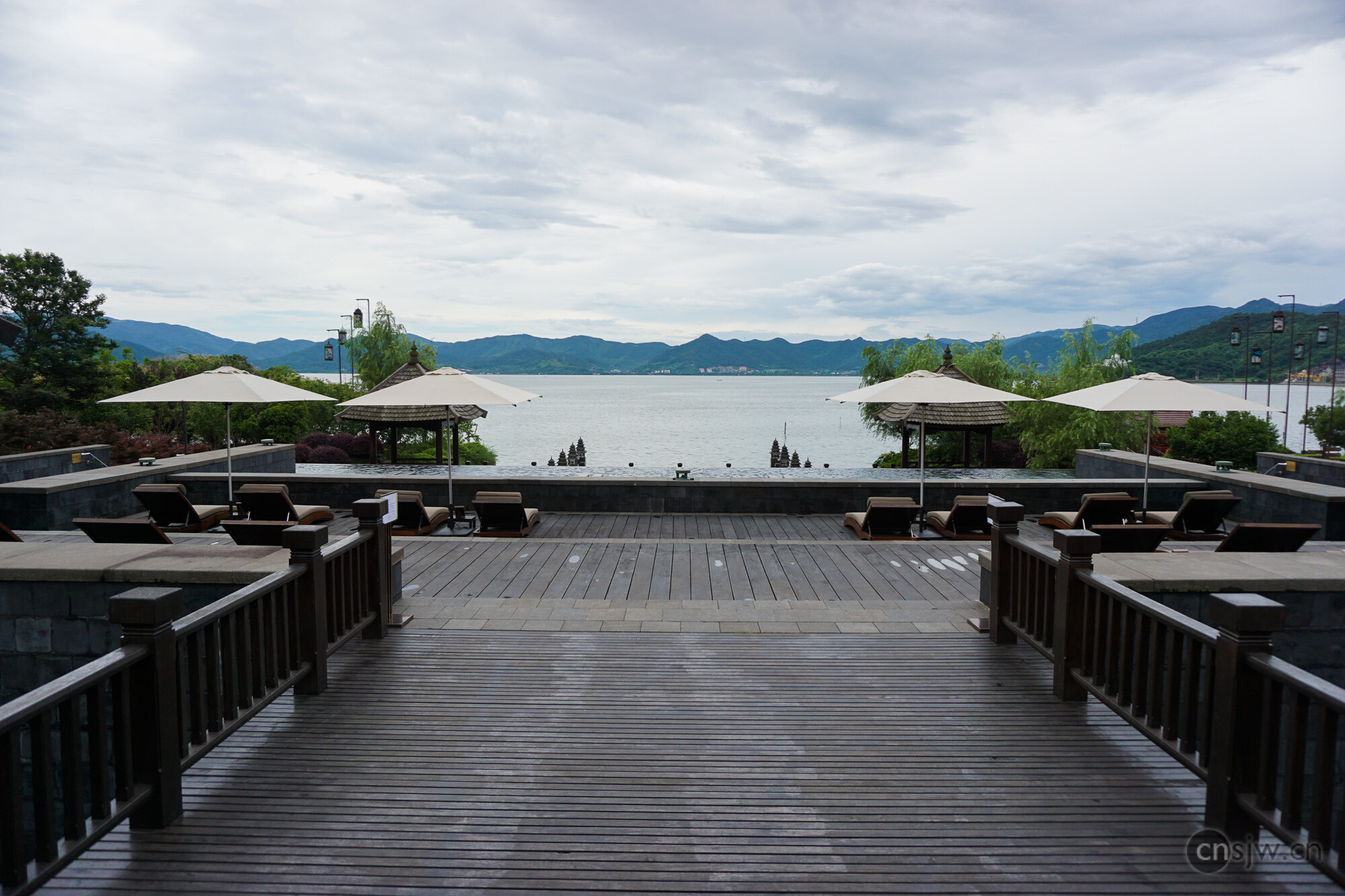
The rooms at the far end are indeed quite a distance away and require a long walk, but they’re very quiet inside; however, the ground becomes extremely slippery when wet.
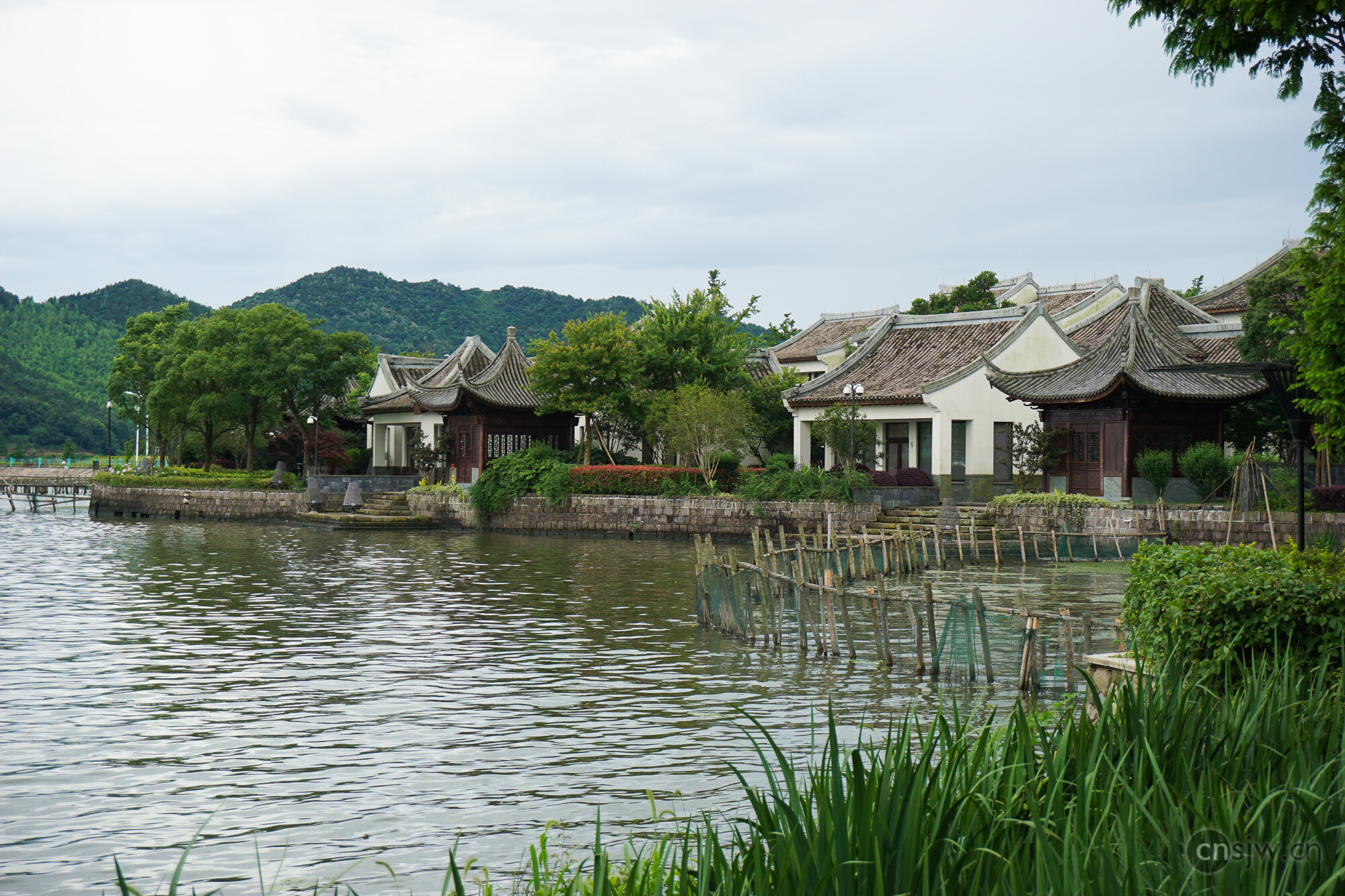
Overall, the architectural style here beautifully blends traditional Chinese courtyards with Japanese garden design—it’s really quite picturesque. As a free attraction that isn’t overcrowded, it’s an excellent choice—far superior to those overpriced, crowded, and aesthetically unappealing tourist spots that charge admission fees.

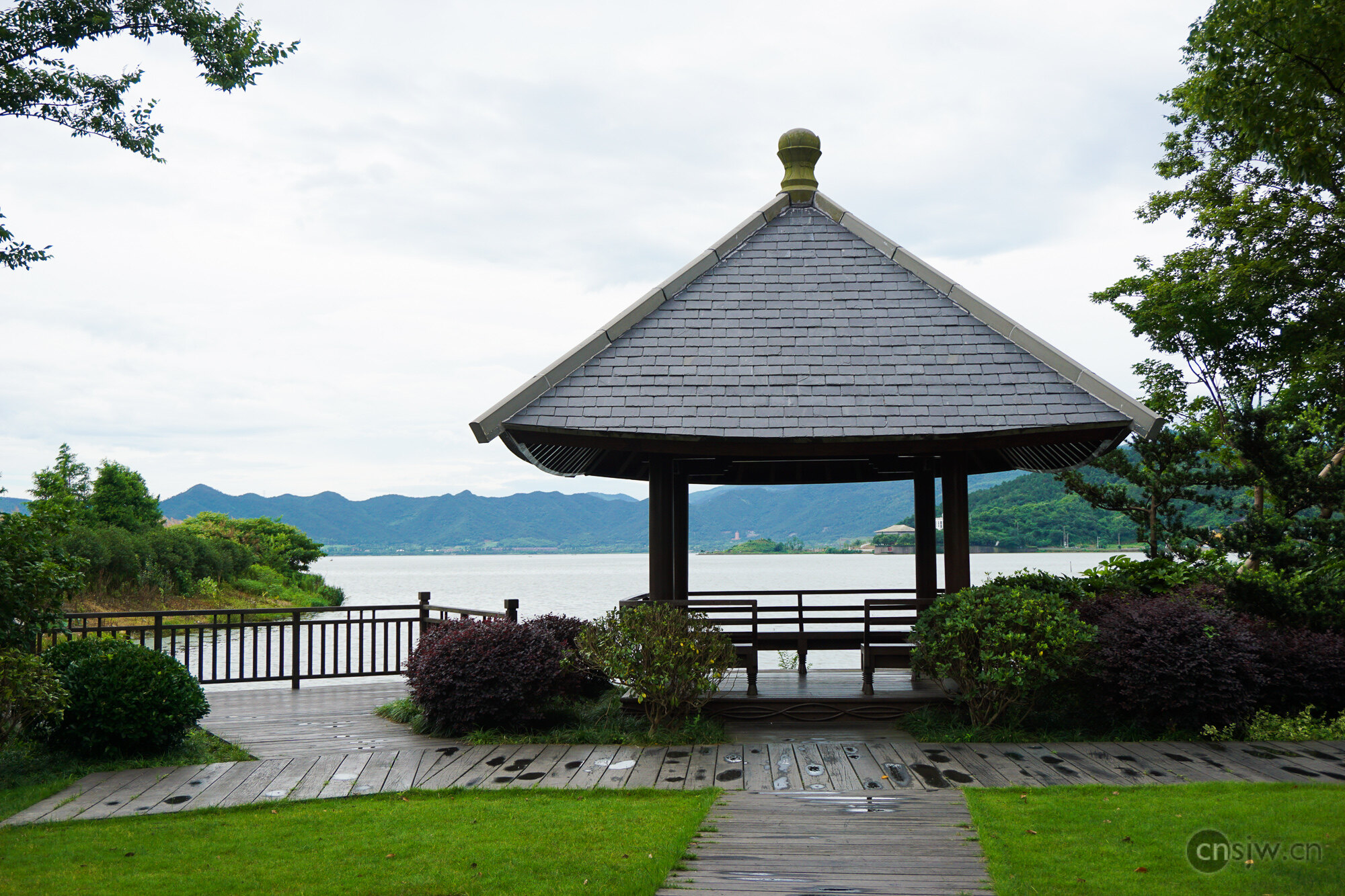
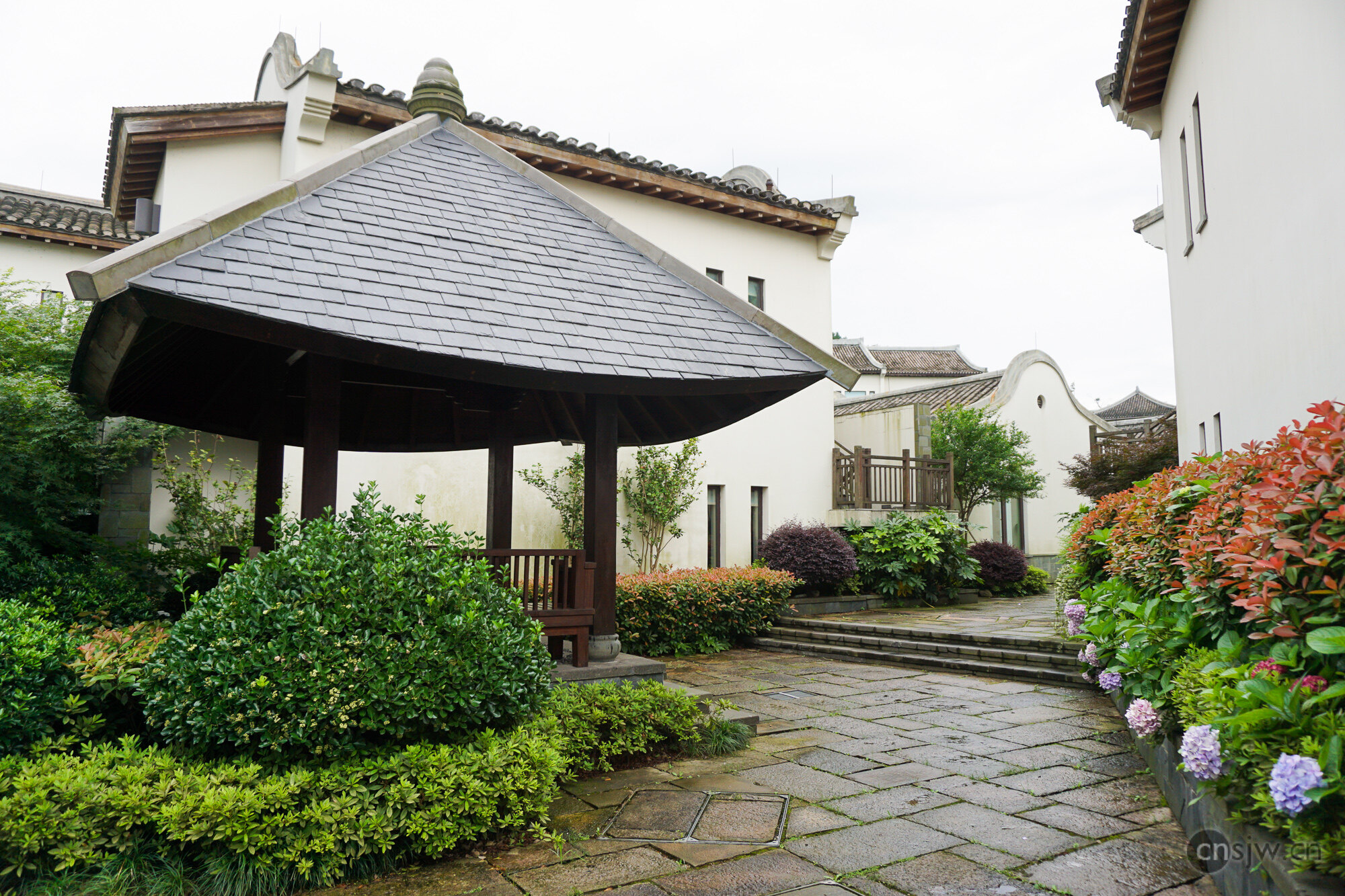
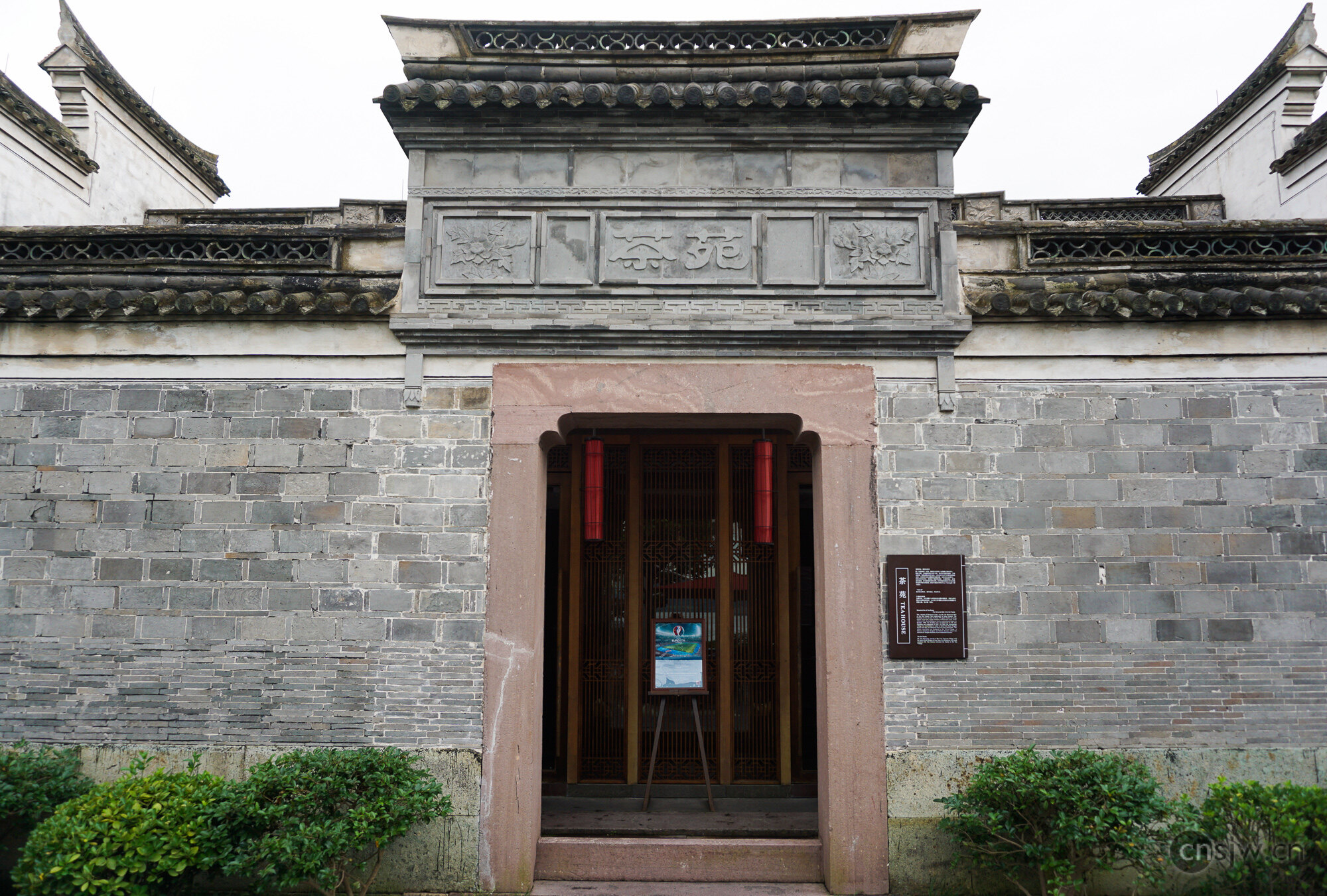
The teahouse has outdoor seating, though sitting outside feels somewhat like being in a public park, and there are probably quite a few mosquitoes as well.
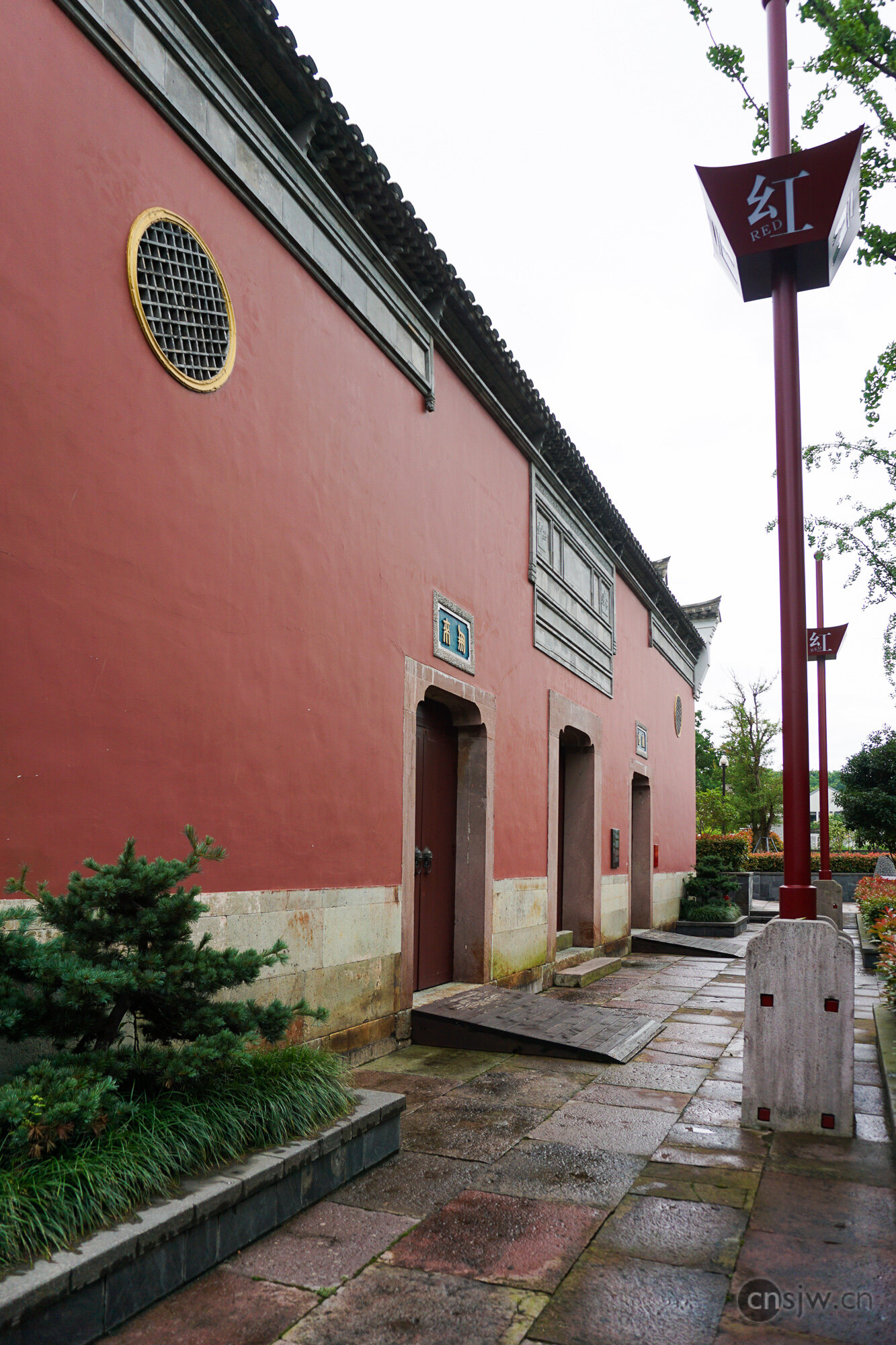
This bar, named ‘Red,’ has been converted from an ancient residence with a history spanning more than seven hundred years.
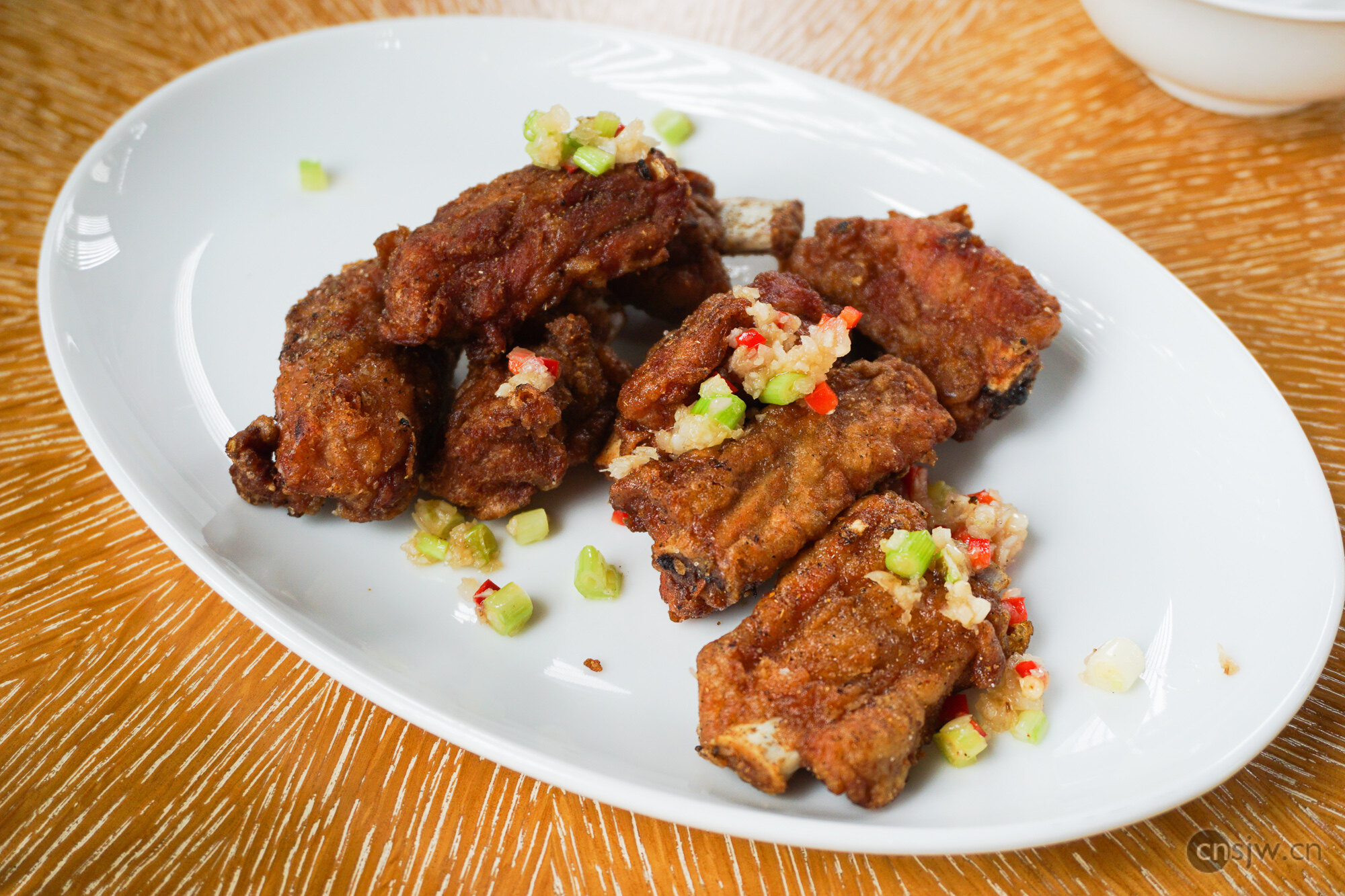
I originally hoped to find a restaurant here with lake views, but unfortunately none truly offer that. Only the all-day dining restaurant next to the pool barely provides a glimpse of the lake, while both Qianhu Yugang and the teahouse have absolutely no view of the water whatsoever. Ultimately, I chose Qianhu Yugang, renowned for both its reputation and fame. As one of Asia’s Best 50 restaurants—and despite charging a service fee—the service was somewhat mediocre: staff seemed insufficient, and training appeared slightly lacking. That said, the food itself was quite good, featuring high-quality ingredients and skillful preparation. Take this Golden Sand Pork Ribs dish, for example—crispy yet tender, and not greasy at all. The kitchen is open-plan, which poses significant risks for a Chinese restaurant. This particular kitchen happens to be located between the restrooms and the dining area, so you pass by it on your way to the washroom, giving off a strong sense of bustling kitchen activity.
Photos in this post taken with SONY A5100 + 16-50 f3.5-5.6, post-processed in Lightroom.

Support



Read this article on WeChat