
This is already the 10th Shanghai Biennale. Since its inception in 1996, the Shanghai Biennale has been held every two years for the past 18 years. This year’s theme is “Social Factory,” and it is once again hosted at the Power Station of Art, commonly known as “The Big Chimney.” Ever since I moved to Shanghai, I haven’t missed a single edition, so I’ve now seen 6 out of the 10 biennales.
The official description is as follows:
The theme of this Biennale, “Social Factory,” aims to explore the characteristics of “social production” and the constituent elements of “social facts.” The exhibition looks back to 1978 as a historical reference point, which also marked the turning point for China’s entry into modernization. In 1978, Deng Xiaoping (1904–1997), who was about to become China’s paramount leader, announced the Reform and Opening-up policy and re-established the ideological guiding principle of “seeking truth from facts.” Previously, Mao Zedong had cautioned the Party to adopt an attitude of “seeking truth from facts” to distinguish between objective reality and subjective imagination. “Social Factory” responds to the call of some pioneering and influential modern reformers in China who used literary fiction as a means of social reform, representative figures including political commentator Liang Qichao and China’s most renowned social critic—the writer Lu Xun, author of “The True Story of Ah Q” and “A Madman’s Diary.”
This Biennale will explore a series of interconnected questions: In the process of constructing and reconstructing society, what is the relationship between sociality and literary fiction? How has the production of sociality altered the course of modernization throughout the 20th century? With the widespread use of “social measurement” technologies, the prevalence of data mining and digital analysis, and social processes increasingly evolving automatically like computer algorithms, has the production of sociality entered a completely new phase? Prior to the modern era, China established an unparalleled administrative management and archival system, achieving the systematization of society; does this historical legacy influence the current process of social construction? How should we interpret the dual impact of history and technology on subjectivation? Against the backdrop of social reconstruction, will China, like other countries, experience accelerated and diversified development of subjectivation?
The Power Station of Art remains incredibly vast, and the exhibition area for the Biennale is huge, spanning three floors. The 5th floor houses a café, a terrace, and the inaugural Young Curators Program, where three young curatorial teams have taken over three separate exhibition halls; this particular exhibition is free. Walking through the entire venue takes about four to five hours, especially if you read the descriptions for each artwork and watch some of the video works—in which case, you might need a full day. There is a theater on each floor, screening three films apiece, totaling nine featured films.
Additionally, some participating works are exhibited at Xintiandi, K11, the Minsheng Art Museum, and Jing An Kerry Centre, serving as City Pavilions for the Biennale, effectively enlivening the artistic atmosphere across the entire city.
The exhibition runs until the end of March next year, lasting a full four months. The ticket price of 20 RMB is very affordable. Opening hours are 11:00 AM to 7:00 PM daily; closed on Mondays (except public holidays), and admission is free every Tuesday. I’ve included just a few photos that I found visually appealing~~ As for the rest, you’ll have to go see it for yourself~~~
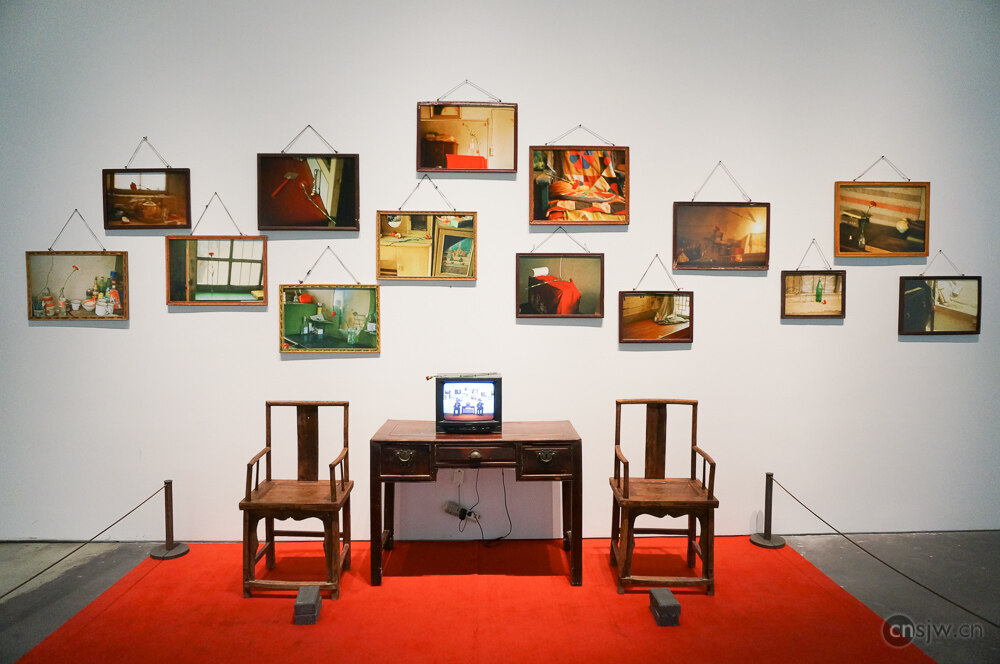
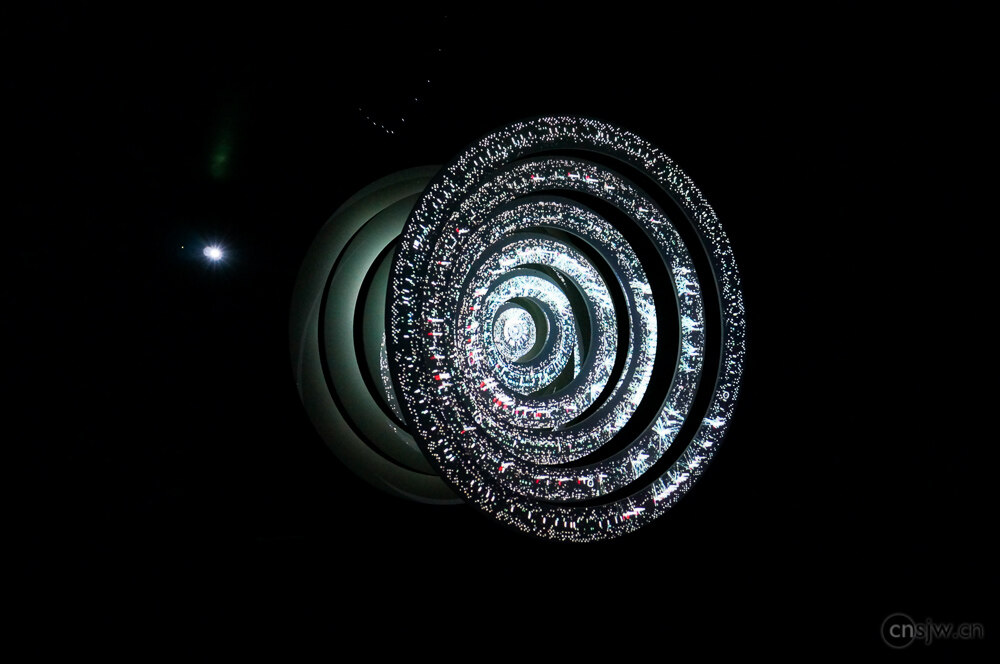
Hu Liu – Xintianyou
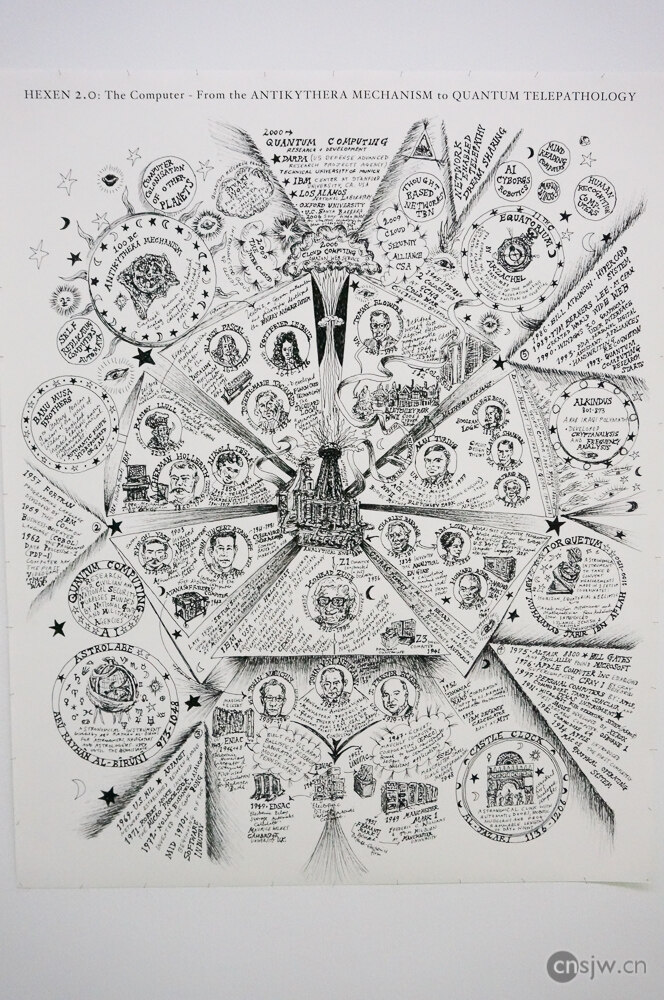
Suzanne Treister – HEXEN 2.0
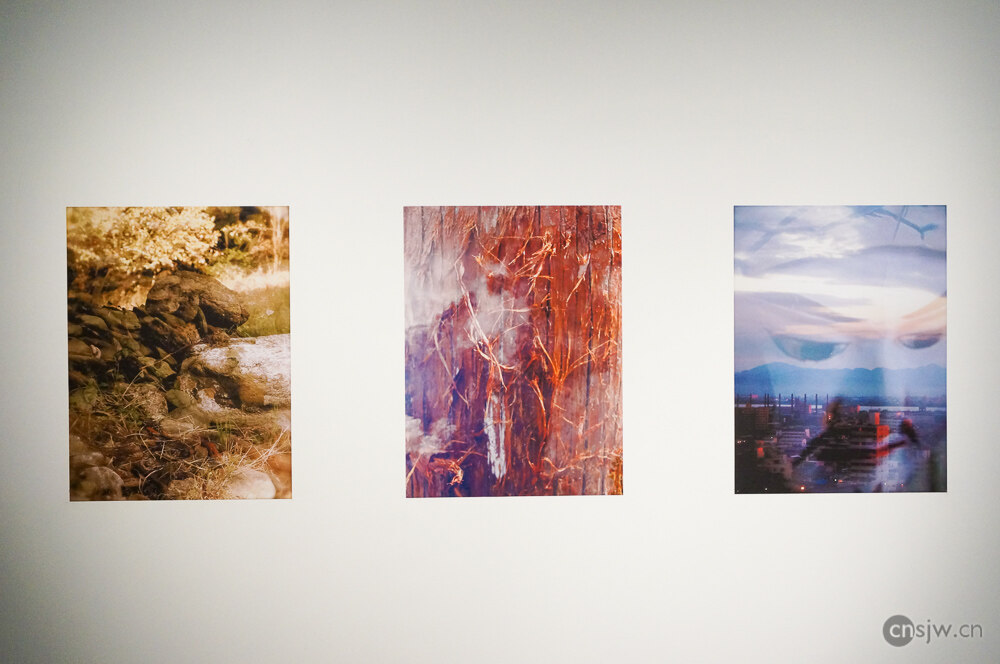

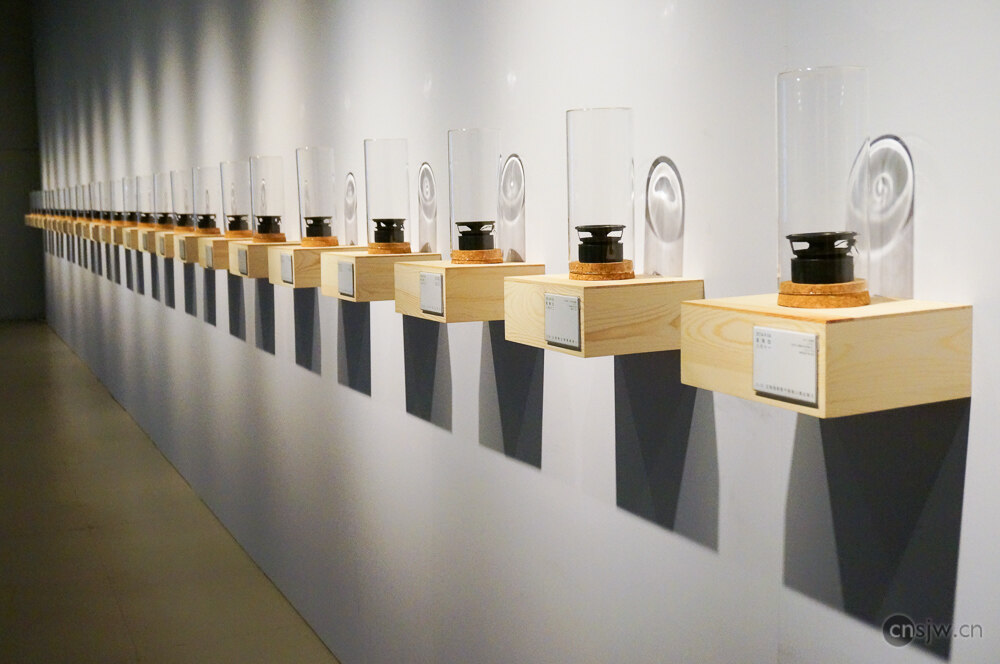
Willem de Rooij – Bouquet
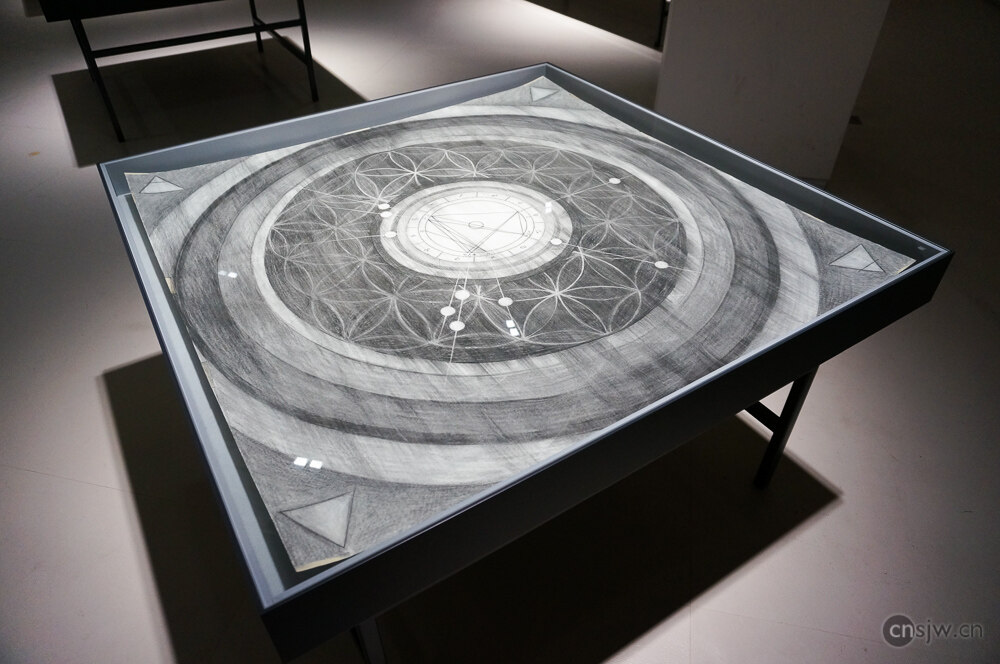
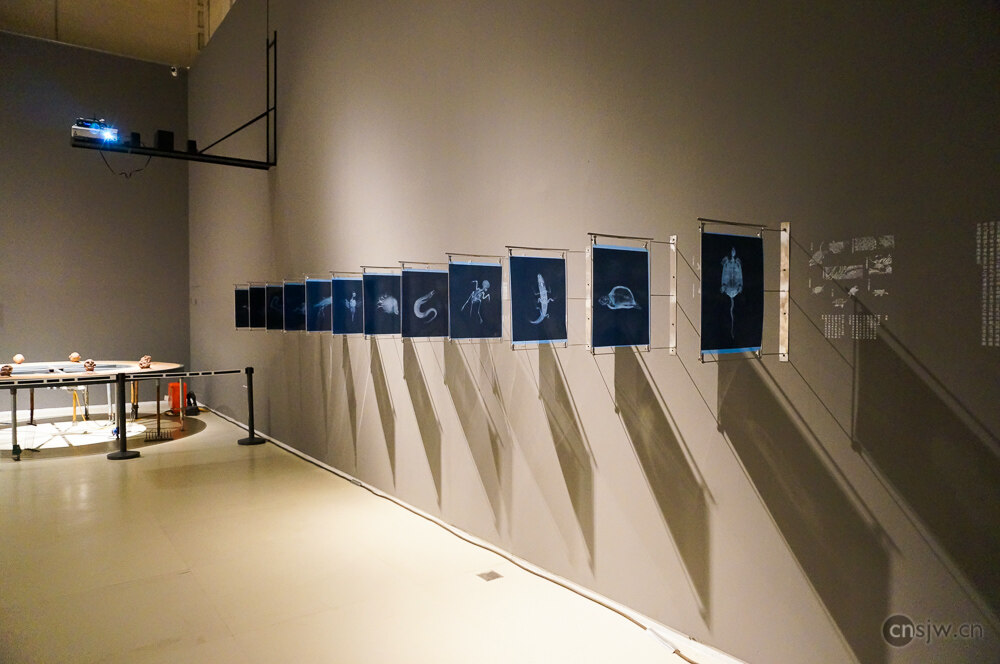
Chen Yingru – Table of Slaughter Studies

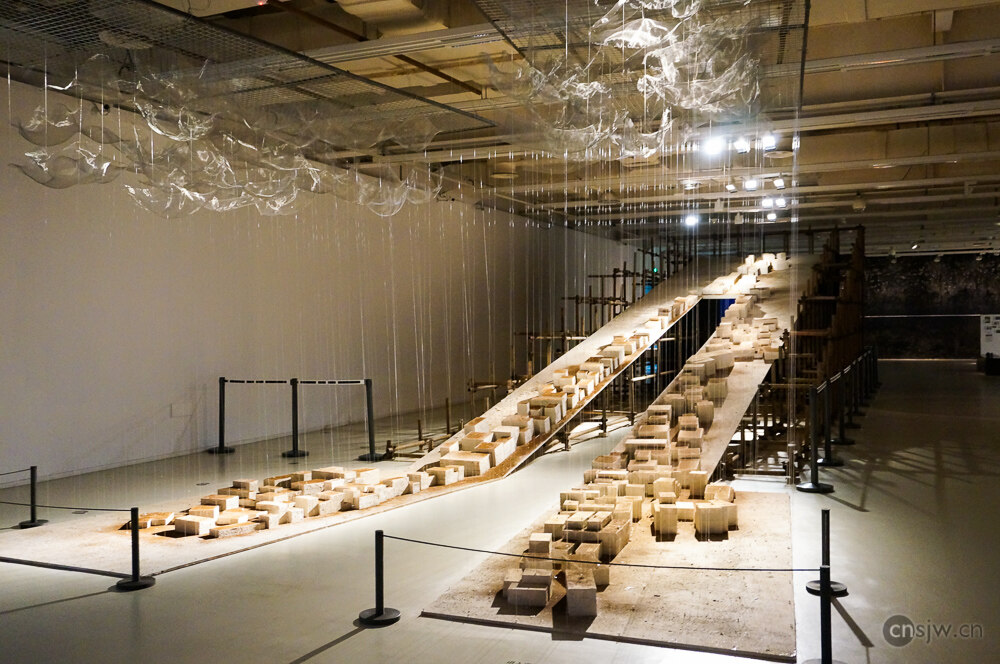
Edgar Arceneaux – Algorithms Don’t Love You: From Detroit to Shanghai 2010-2014
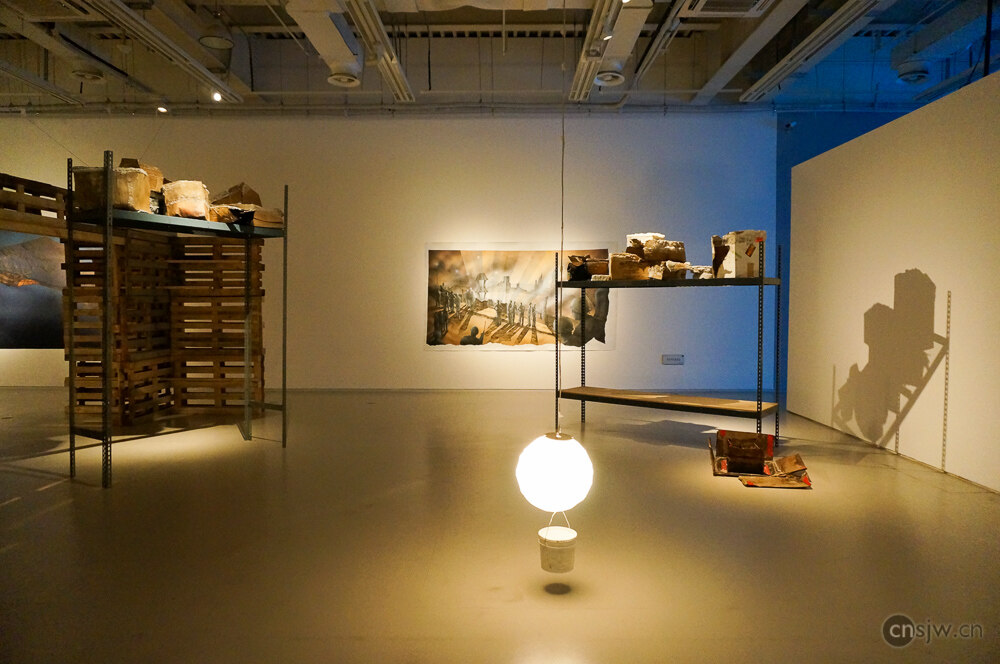
Edgar Arceneaux – Algorithms Don’t Love You: From Detroit to Shanghai 2010-2014
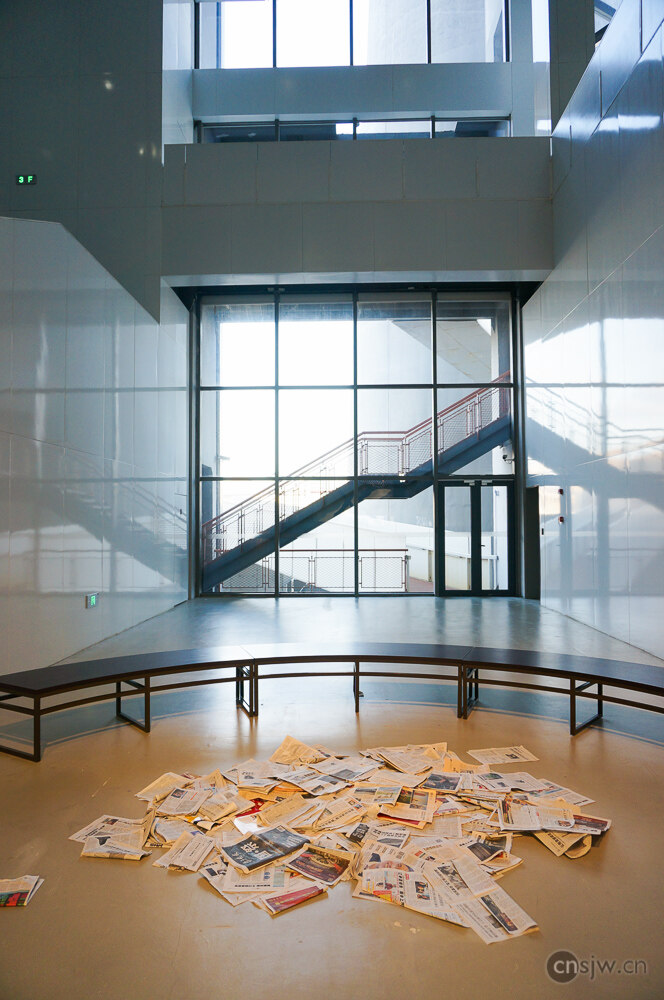
Nicolas Buysman – News Blues
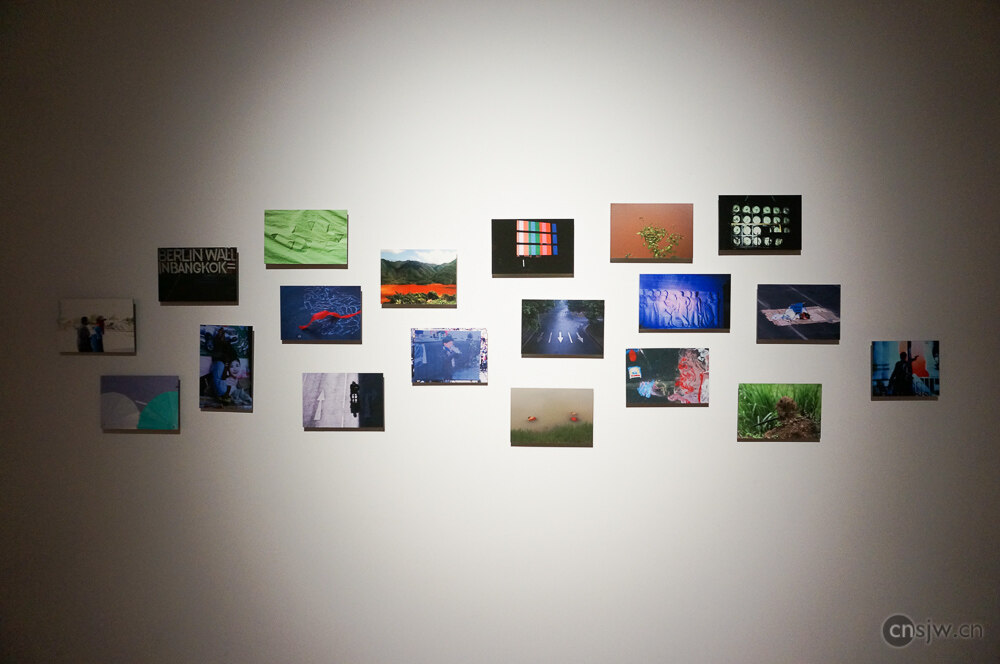
Zhou Tao – Blue and Red

Yeung Tong Pui – Passion Fruit Road
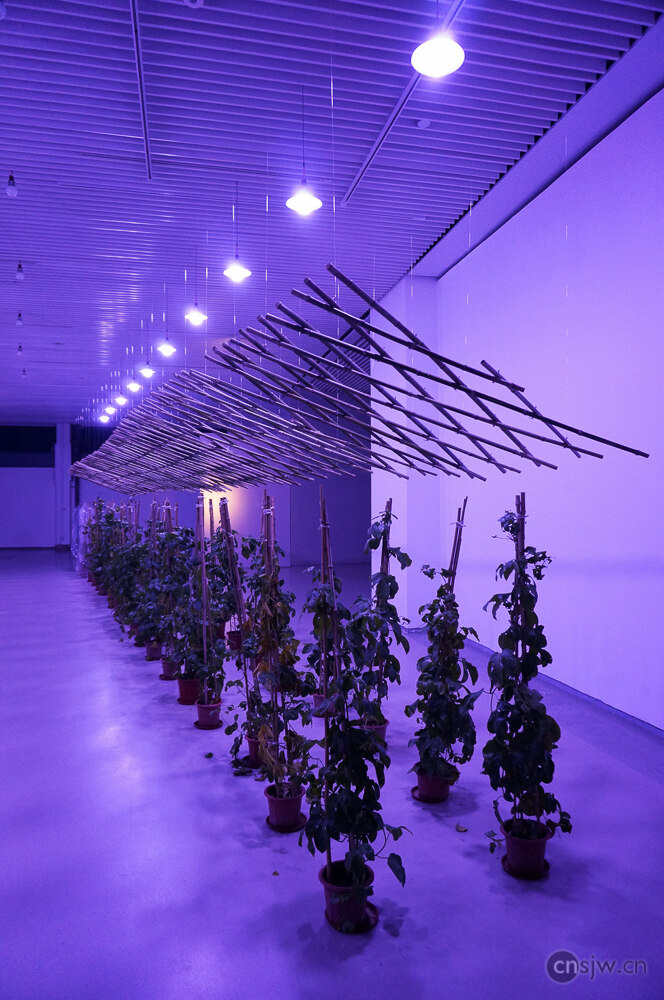
Yeung Tong Pui – Passion Fruit Road
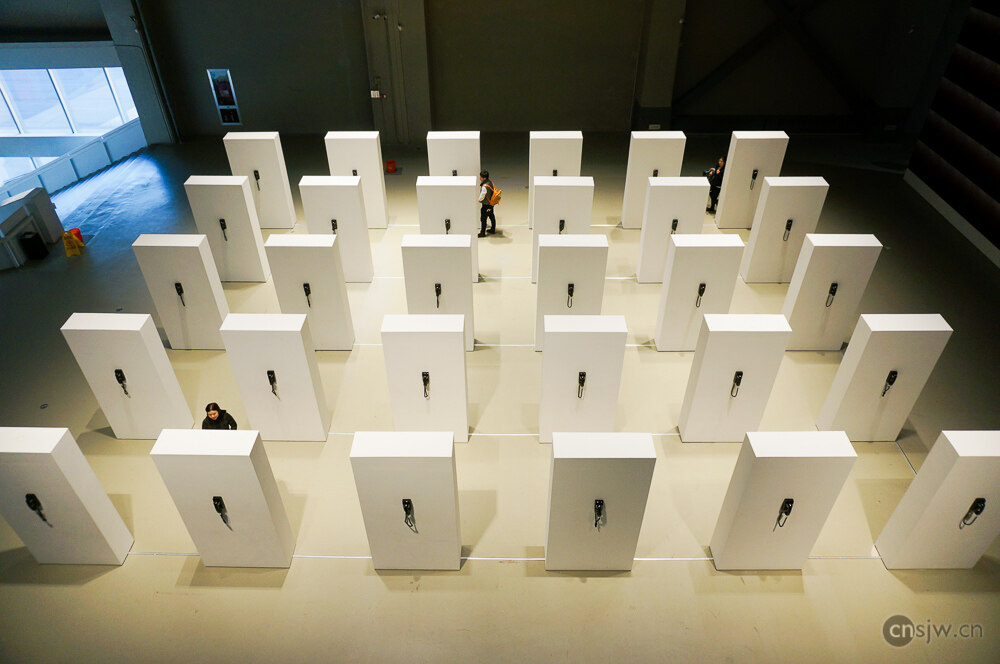
Liu Ding – 1999
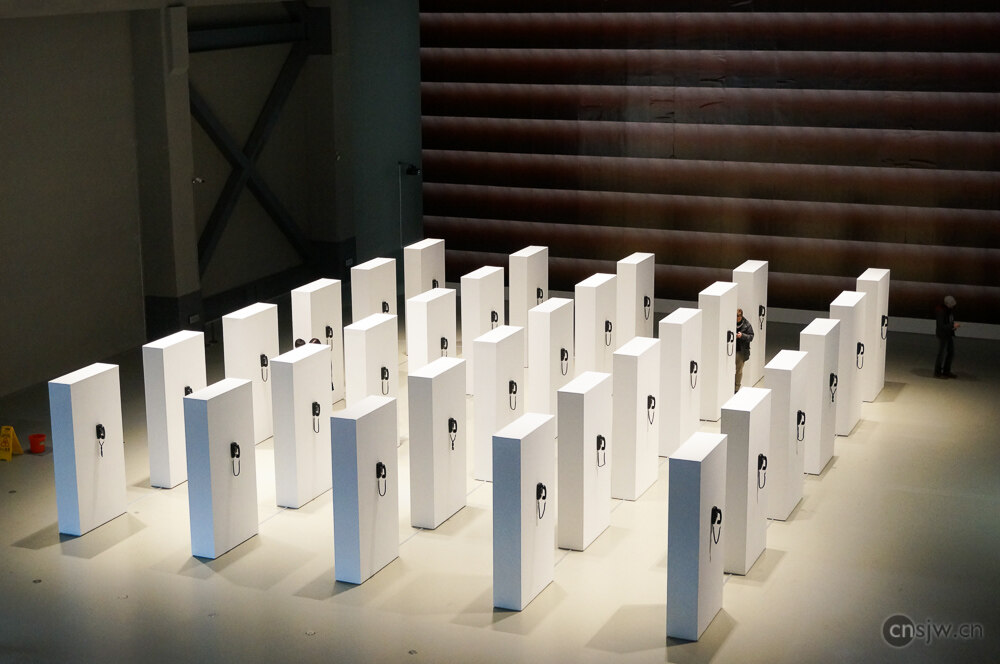
Liu Ding – 1999
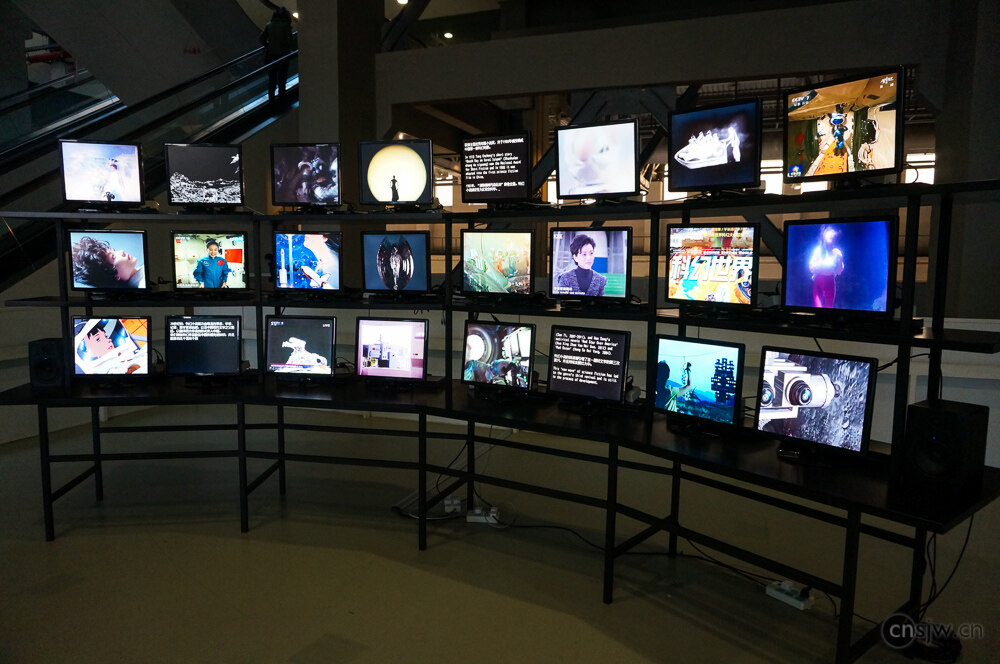
Ming Wong – Windows of the World
Young Curators Program:
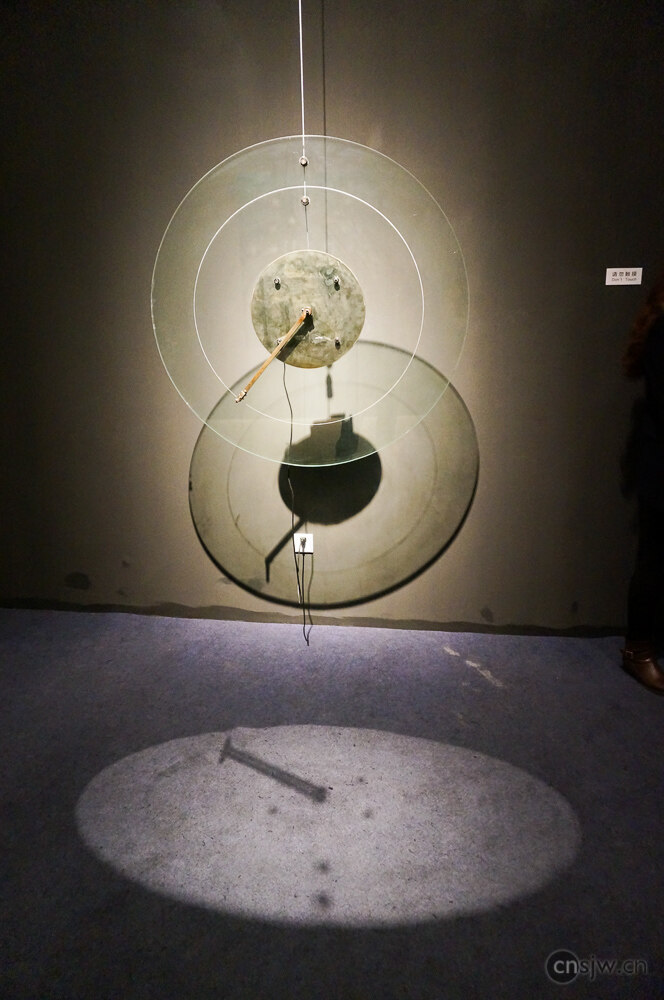
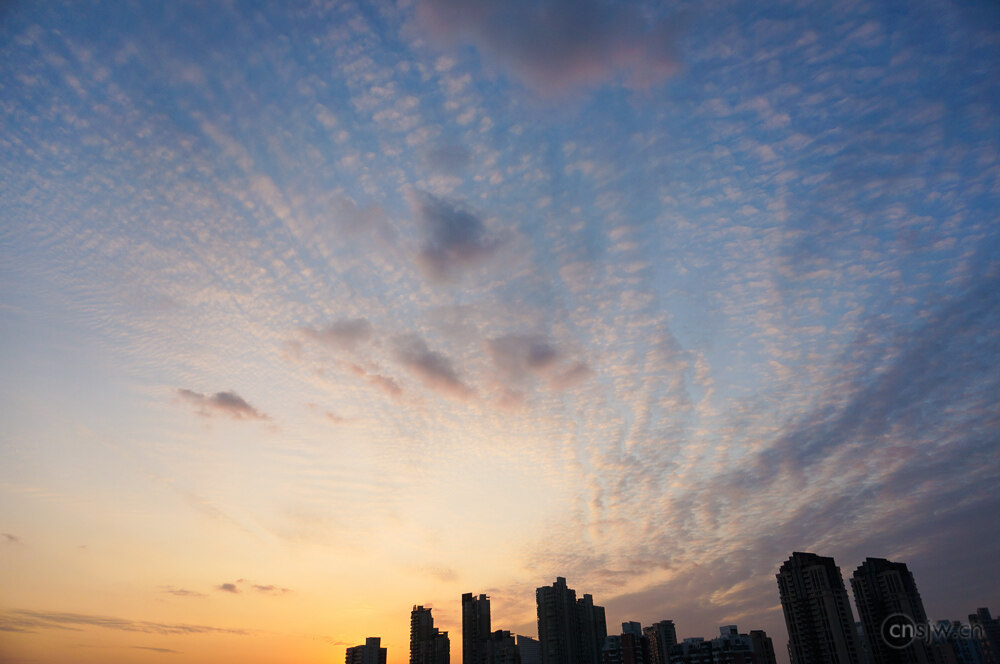
The last photo: sky taken from the terrace
Photos in this post taken with SONY NEX-5R + 16-50 f3.5-5.6, post-processed in Lightroom.

Support



Read this article on WeChat