
I’ve really put some thought into my audio setup recently and made a small investment, aiming to get it right in one go. I was originally content with the resolution and impeccable mid-to-high frequencies of the HD50, as well as the wide soundstage and comfortable fit of the IE2 (though I was still somewhat dissatisfied with the IE2’s lack of noise isolation; it always felt annoying on buses and subways). But then I accompanied my friend Niuwa XB to pick up a pair of C5s. While having lunch together at noon, I gave them a quick listen, and I was instantly hooked. Getting the C5 was just the beginning of my troubles—at home, I no longer want to use the HD50 for music at all; I just want to keep listening with the C5. Today, I visited the B&W specialty store in Grand Gateway to audition their speakers (although I had tried them several times at the Apple Store, the environment was too noisy for it to be meaningful). Given how well products in this industry hold their value, I decided to just satisfy my craving once and for all.
Whether it’s headphones or speakers, the differences between tiers are inevitably quite obvious. Even an untrained ear should feel something when hearing truly stunning sound (not just in terms of volume, of course…). Once your audio equipment reaches a certain level, frequency response is basically no longer an issue, nor is resolution. So where does the difference lie? I think the greater distinction lies in emotional engagement, listenability, and the ability to render atmosphere.
Take the HD50, for example: although it performs well across various metrics, with top-tier mids, highs, and resolution, its sound simply isn’t easy to listen to for long periods. Whether listening to symphonies or watching movies, it lacks atmosphere. At first glance, it doesn’t seem overly metallic, but after two hours you’ll want to turn it off because it feels harsh. With micro-speakers, getting the mids and highs right is expected; the real challenge lies in the bass. Achieving both quantity and quality in the low end—delivering powerful bass while maintaining resolution and transient response—requires serious technical prowess.
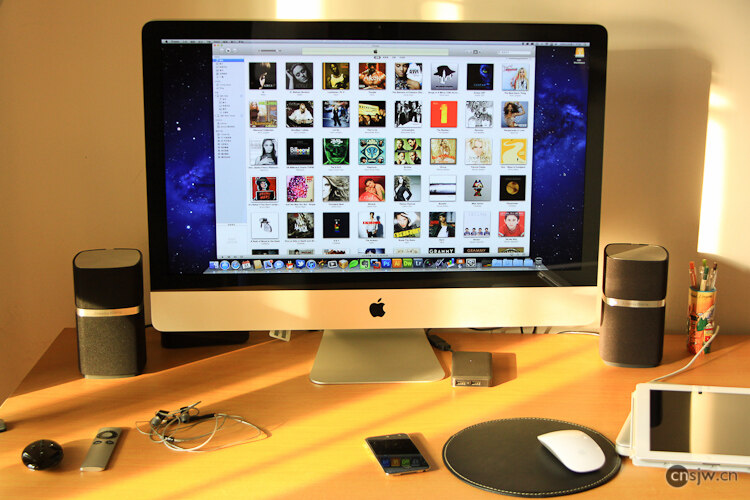
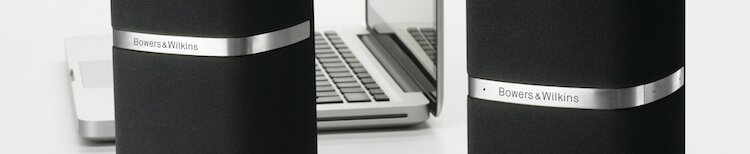
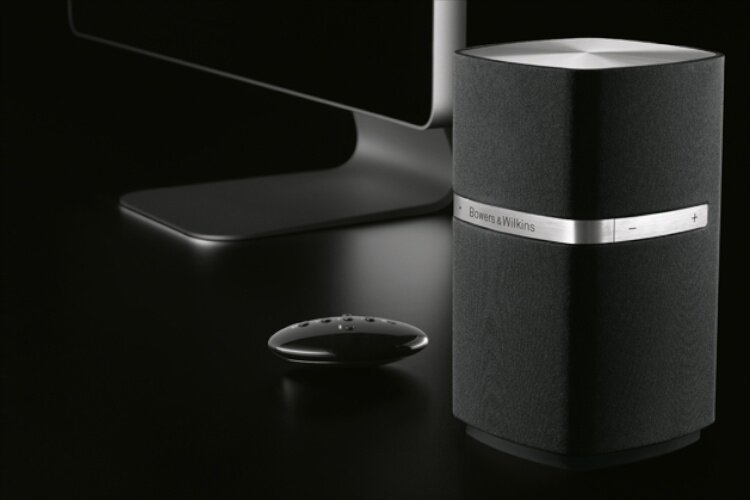
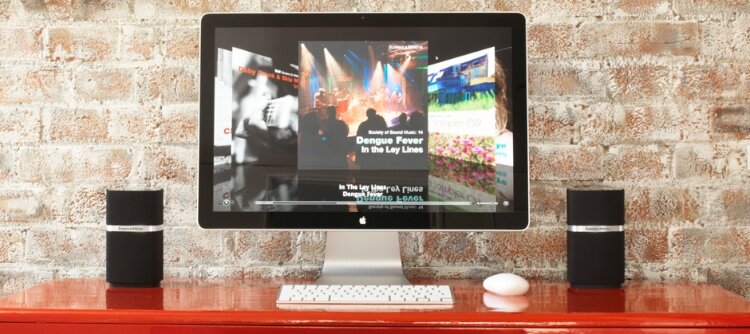
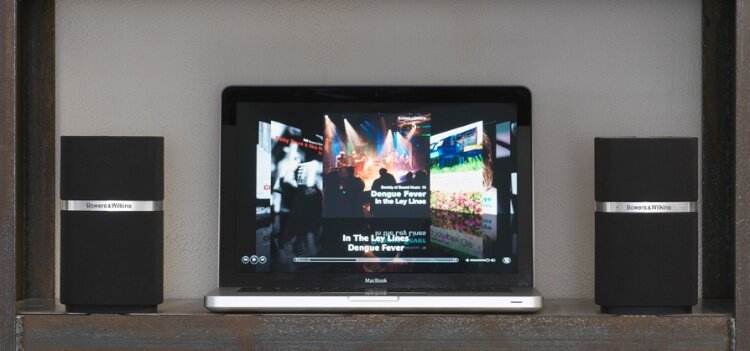
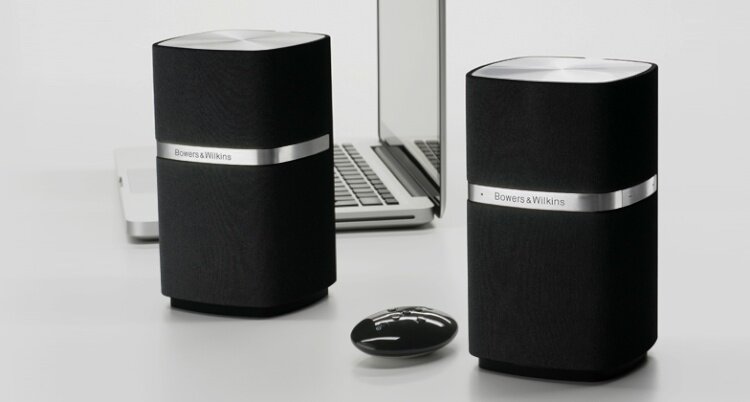
I won’t go into too much detail about the C5, so let’s talk about the MM-1. The MM-1 has a built-in sound card and connects to the computer via USB. It’s plug-and-play with no drivers needed. On a Mac, it directly takes over the system’s audio output, so adjusting the volume via either the speaker itself or the system yields the same result. The remote also includes track skipping and play/pause functions; in fact, its functionality is essentially identical to Apple’s own remote. As for the most amazing part: it dynamically recalculates and alters the sound based on the input signal and output volume, adjusting the output to whatever profile best pleases your ears. You simply won’t believe such a small speaker can produce such sound. Bose actually uses similar technology, which is remarkably effective in micro-speakers, but during my actual listening tests, the Bose MM was completely blown away by this speaker…
B&W products are true works of art, both in design and craftsmanship. Here’s a photo of my desk:
For more information, please refer to the following external links:
- C5 Official Overview/C5 Official Introduction
- MM-1 Official Overview/MM-1 Official Introduction
- Soomal’s MM-1 Teardown
- Soomal’s MM-1 Review
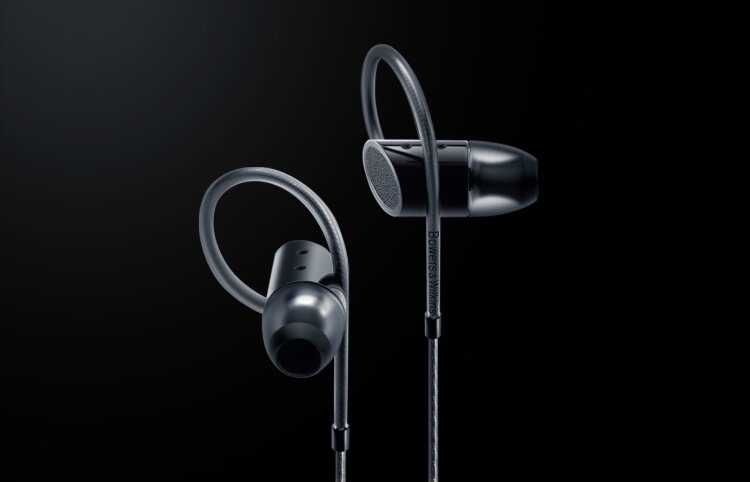
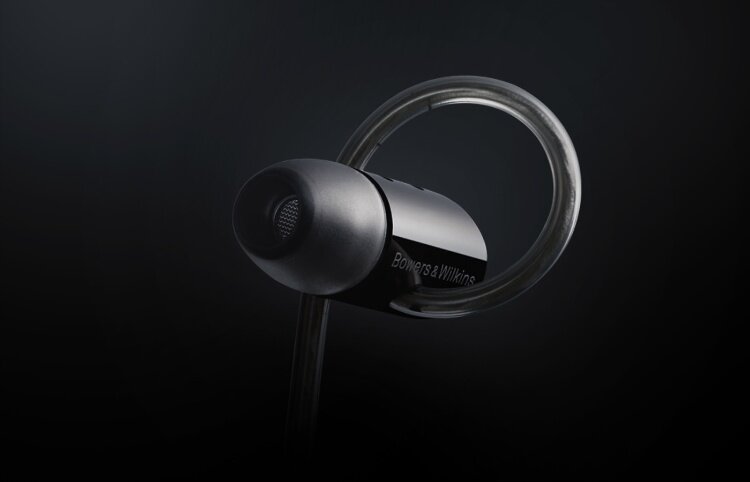
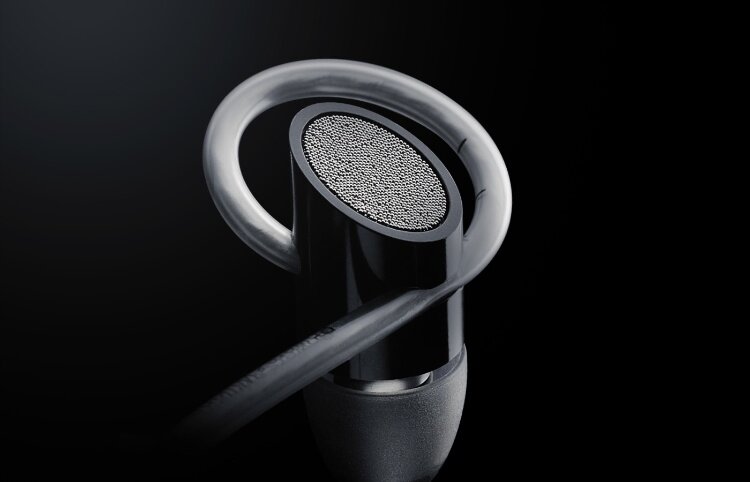
Below are a few official photos
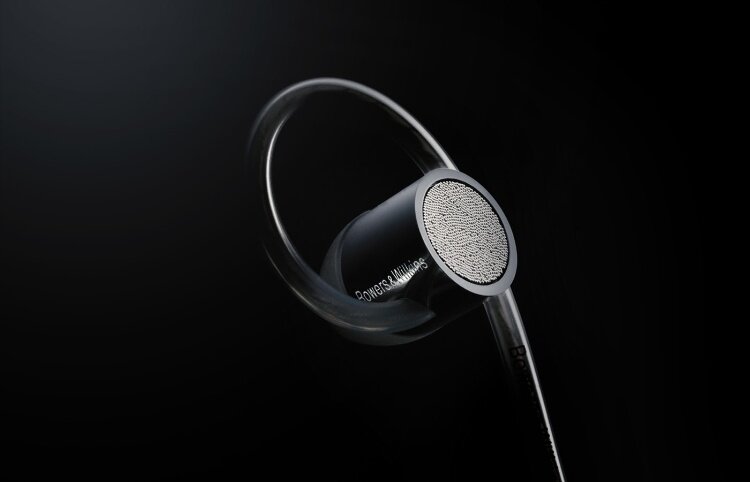
C5:
MM-1:


Support