
Ever since Apple’s AirPods opened the door to the true wireless earphone market, various manufacturers have started releasing their own true wireless products. However, it must be said that due to technical limitations, among so many true wireless earphones on the market, there may really be none that can match the connection stability and sound fidelity of the AirPods released in 2016, although they are indeed getting closer and closer.
With the support of Apple’s W1 chip, whether it’s audio quality during connection, connection stability, battery management, or controls, everything has reached an almost perfect level. The biggest issue is that they are not in-ear, meaning they lack noise isolation. For people who only use them in noisy environments like subways, this makes them practically useless… So I had been looking forward to Beats releasing true wireless earphones with the W1 chip, but more than two years have passed, and Beats has just been rehashing old designs; we still haven’t seen a shadow of the next-generation product.
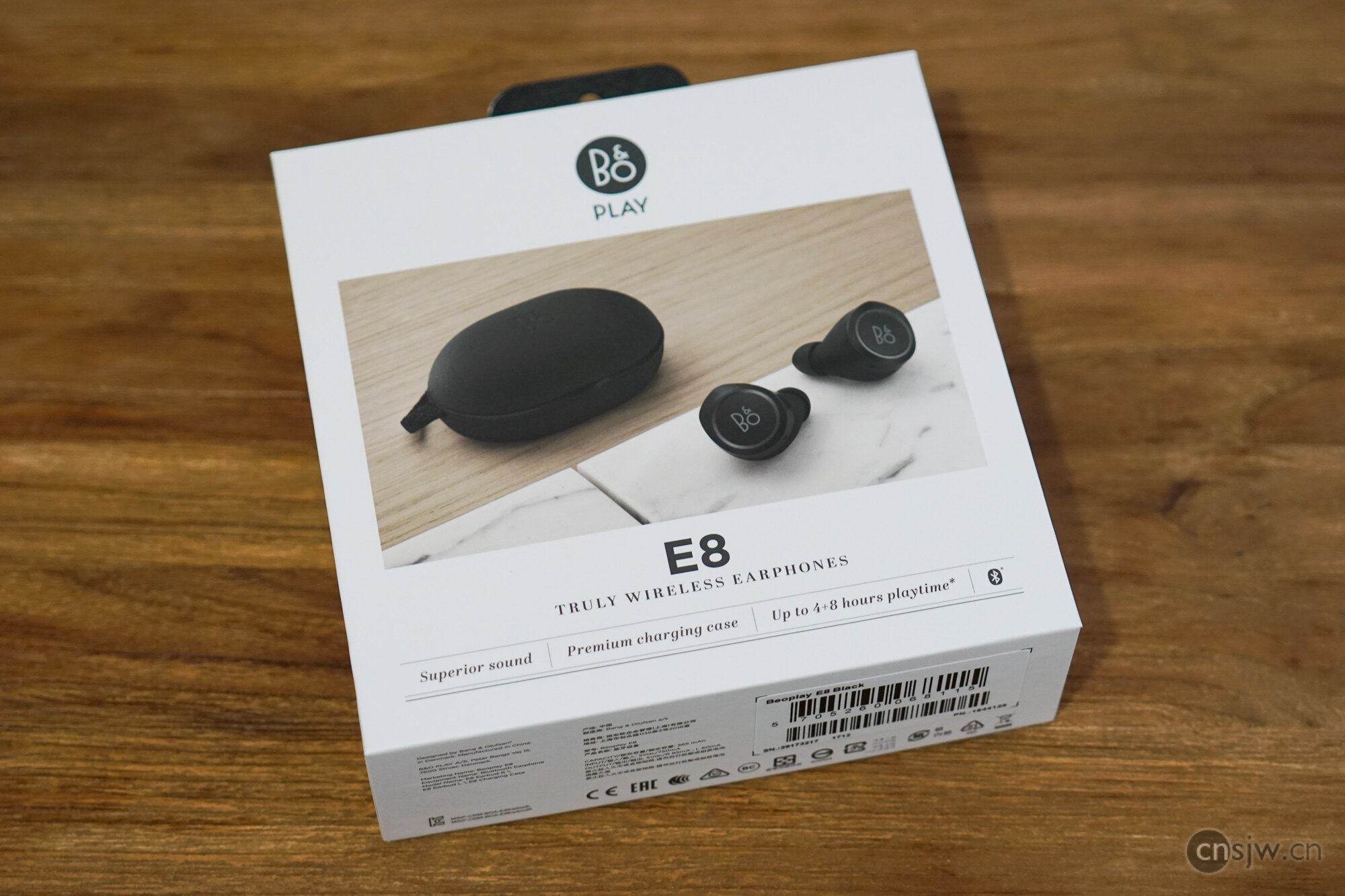
During the long wait, I kept trying similar products on the market. One that I was very satisfied with in terms of appearance was B&&O’s E8. I bought this product shortly after it was released, but I have to say, it really is all looks and no substance… The sound quality is so bad it’s speechless. First of all, there is significant loss in transmission, noticeable background noise, unstable connection between the left and right earbuds, and a certain amount of latency. It might arguably be B&&O’s worst-sounding audio product, bar none. These earphones were released at the end of 2017. As a luxury brand in the speaker industry, B&&O delivered leather casing, minimalist design, and beautiful aesthetics, which are truly wonderful.
In fact, having used them constantly in noisy environments, my requirements for sound quality weren’t really that high. That is, until I got used to them, and then one day I suddenly put on the Powerbeats 3 and was actually moved by the sound. Coupled with the fact that the left earbud would frequently lose sound during use… it was somewhat maddening…
Then, at the end of 2018, the Sennheiser Momentum True Wireless was released. As a veteran audio brand, Sennheiser’s build quality and design really differ greatly from B&&O. In fact, logically and functionally, and even in overall appearance, the entire product feels quite similar to B&&O E8. However, in the details—the silver-gray fabric surface, the ugly logo revealed when opening the case, the silver buttons—all make you feel that these two identically priced products are not positioned in the same category at all. But once you put them on, you forget all about their ugliness and discover that this is finally a true wireless earphone with decent sound quality.
The two products share many similarities: for example, both feature magnetic charging cases, metal contact charging, transparency mode, and apps for managing EQ and performing firmware updates. It’s just that B&&O E8’s contacts are much smaller and more aesthetically pleasing. As for transparency mode, although the E8 offers three levels, external noise remains loud. In contrast, the Momentum True Wireless’s transparency mode gives you the sensation that you can’t even tell the outside sound is being fed in through microphones—it’s truly magical.
Let’s discuss these two products separately:
B&&O E8
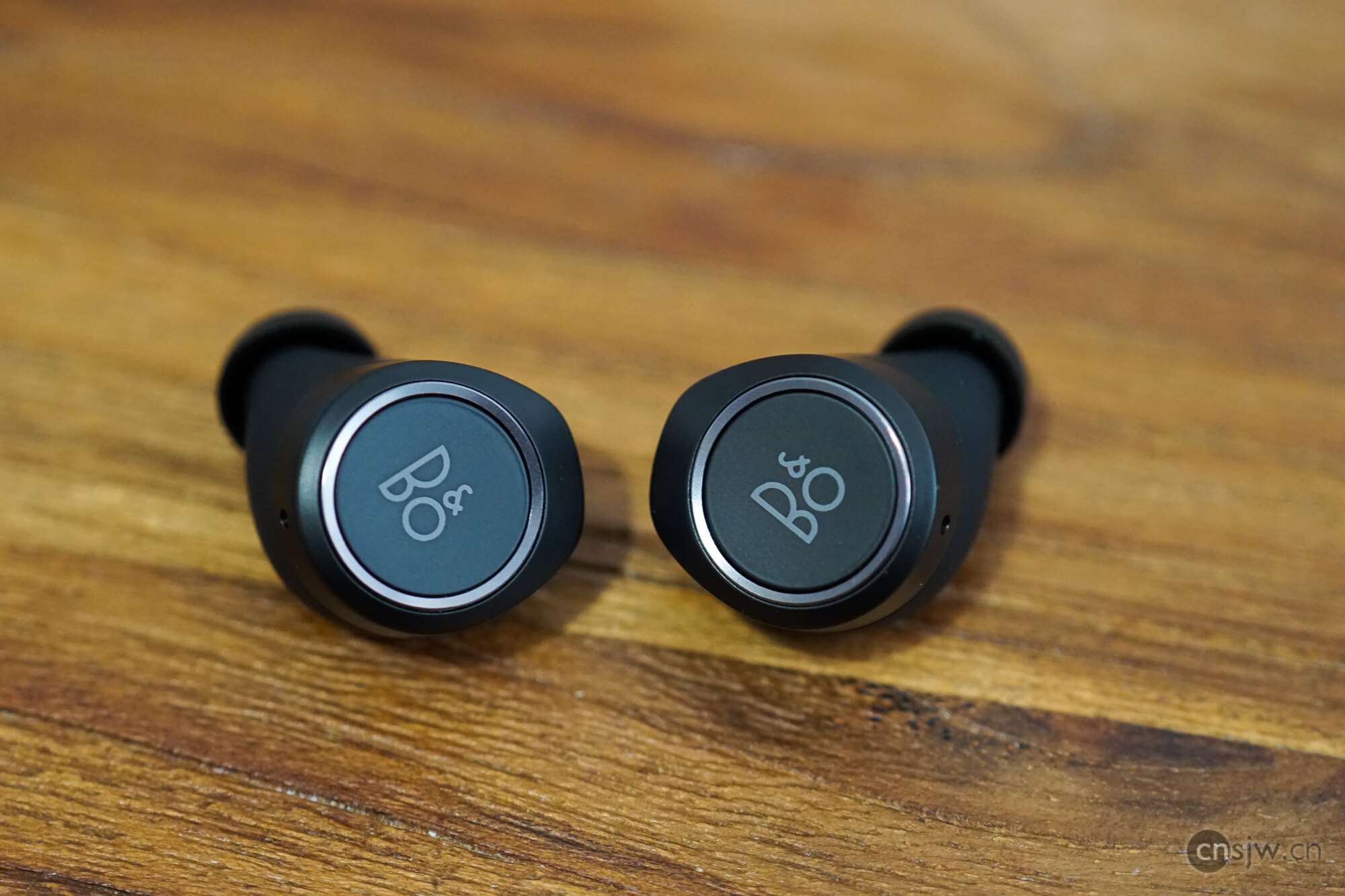
I have to say there’s one thing I really love: it comes equipped with Comply foam ear tips, which are much more comfortable than silicone tips and provide a better fit, though they can be a bit troublesome to clean.
It features a transparency mode, meaning you can hear outside sounds through the earphones’ built-in microphones without taking them off. This is a crucial feature for noise-isolating in-ear true wireless earphones. B&&O E8’s transparency mode has three adjustable levels via the app. However, the difference between these three levels is merely whether the ambient sound or the playing music is louder. Unfortunately, its microphone performance is somewhat poor; regardless of the setting, it’s basically impossible to listen to music normally while in transparency mode. Plus, you can’t pull out the app to adjust settings every time you use it. So generally, I set it to the maximum level, which essentially means you can barely hear the music and ambient sounds become dominant. But in actual use, this external noise is amplified significantly, making it such that you still can’t necessarily hear the person opposite you clearly. In many cases, it’s better to just take them off.
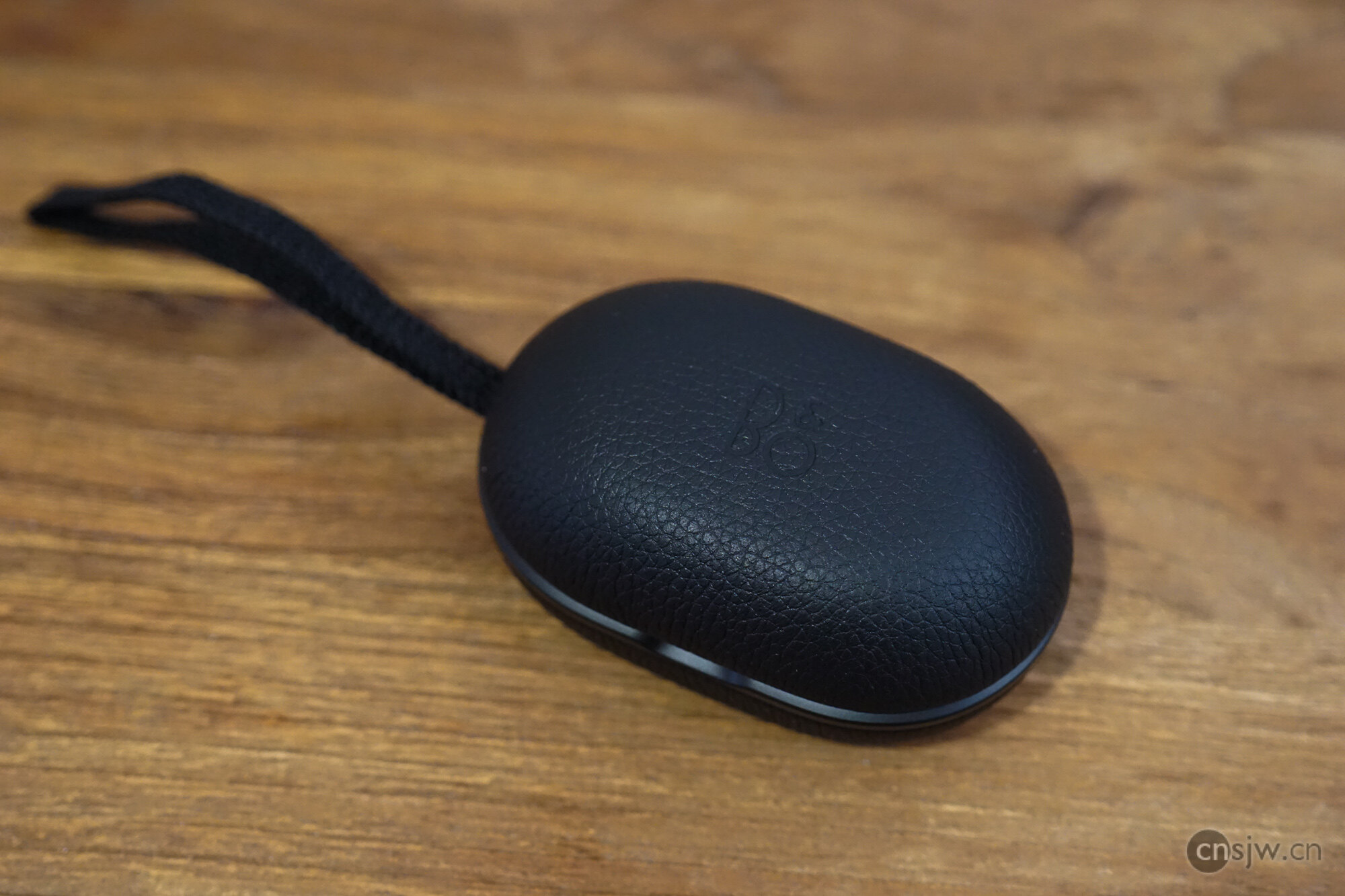
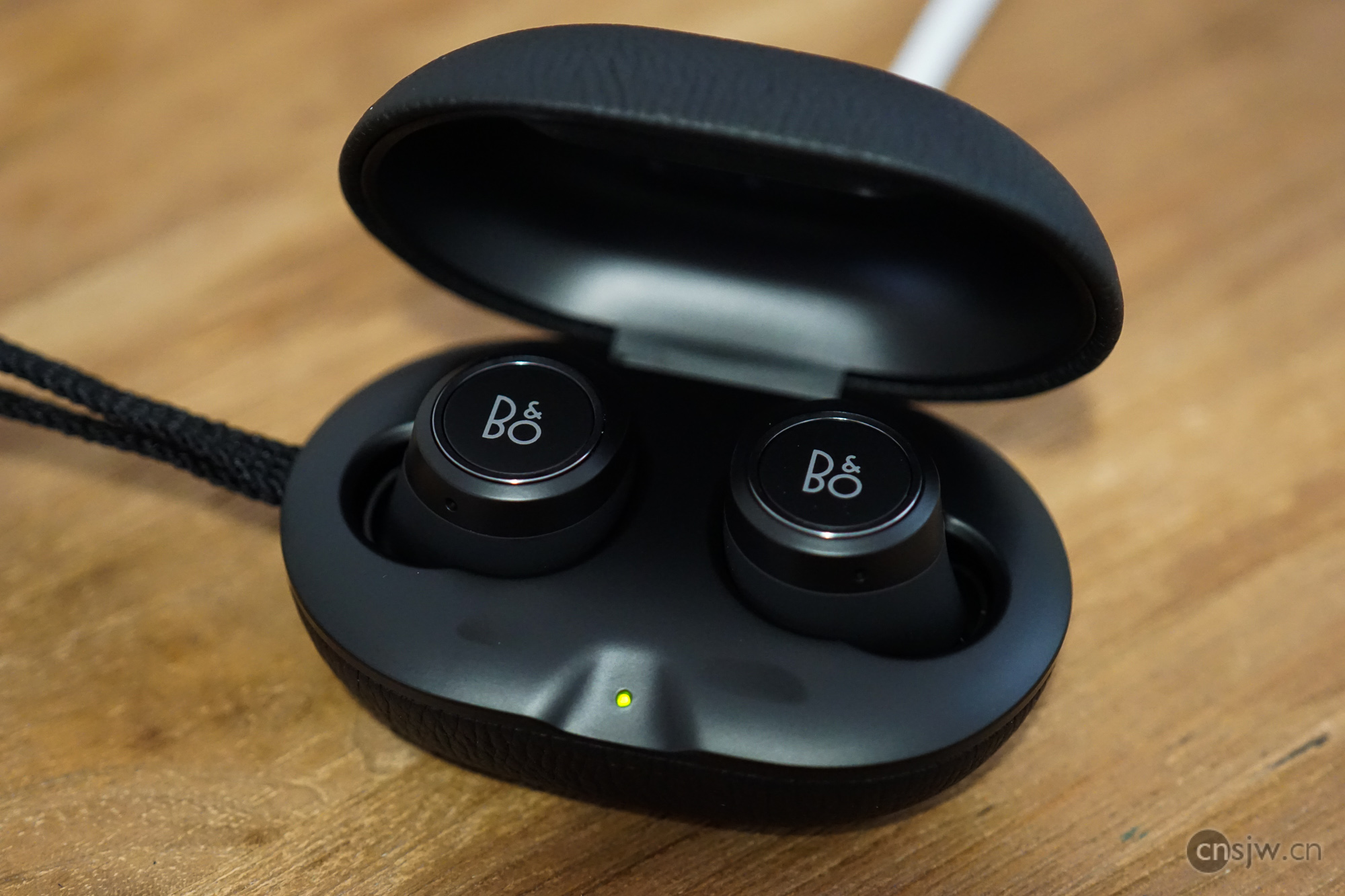
B&&O E8 features indicator lights when charging the earbuds, turning green when fully charged.
In addition to black, B&&O E8 also offers a wide variety of color options, including green and pink.
The port still uses Micro-USB. What looks like a button on the right side isn’t actually a button; it consists of two tiny LED indicators that display charging progress while charging. Unfortunately, when not charging, it’s somewhat difficult to tell how much battery remains in the case.

Let’s take a look at their official promotional images; the positioning is clear:


Sennheiser MOMENTUM True Wireless
Compared to the E8, it clearly feels positioned slightly lower-end. It also has an app for adjusting EQ and features a transparency mode, but this transparency mode is much smarter. First, it pauses the currently playing music before feeding in external sound through the microphone. Moreover, its microphone audio quality is excellent—you can hardly tell that the sound has been processed electronically, demonstrating Sennheiser’s prowess in audio engineering. This is truly a highly usable transparency mode. Additionally, it is equipped with noise-canceling microphones that effectively identify and reduce background noise, providing a significant enhancement both for transparency mode and for phone calls.
Although both pairs of earphones designate the right side as the master and the left as the slave—meaning the right side can operate independently while the left cannot, which practically results in faster battery drain on the right earbud—B&&O E8’s right-side battery is slightly larger, but since it cannot display the battery levels of each side separately, there’s no way to know the specific consumption. With the Momentum True Wireless, however, you can clearly see in the app that the right-side battery drains faster.
Additionally, regarding the silicone tips on these earphones, as with all in-ear headphones, ensure there is no air leakage during wear; otherwise, the bass will be noticeably lacking. During the first few days after receiving them, I didn’t fit them properly and mistakenly thought these earphones lacked bass. Later, after fitting them correctly, although the bass quantity isn’t as abundant as the E8’s, it is sufficient and of good quality.
Another advantage of these earphones is that all operations include voice prompts, which can even be switched to Chinese within the app.
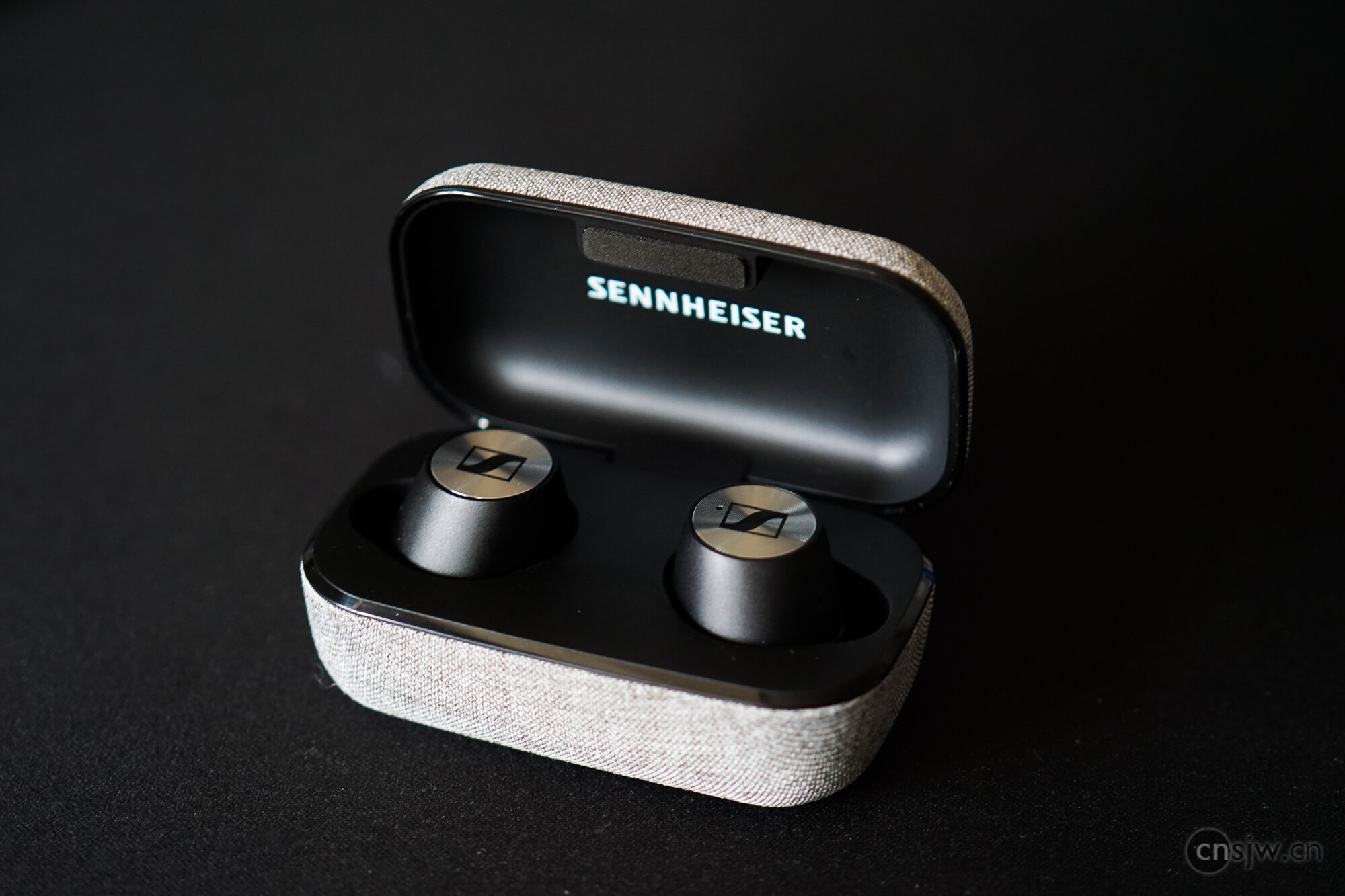

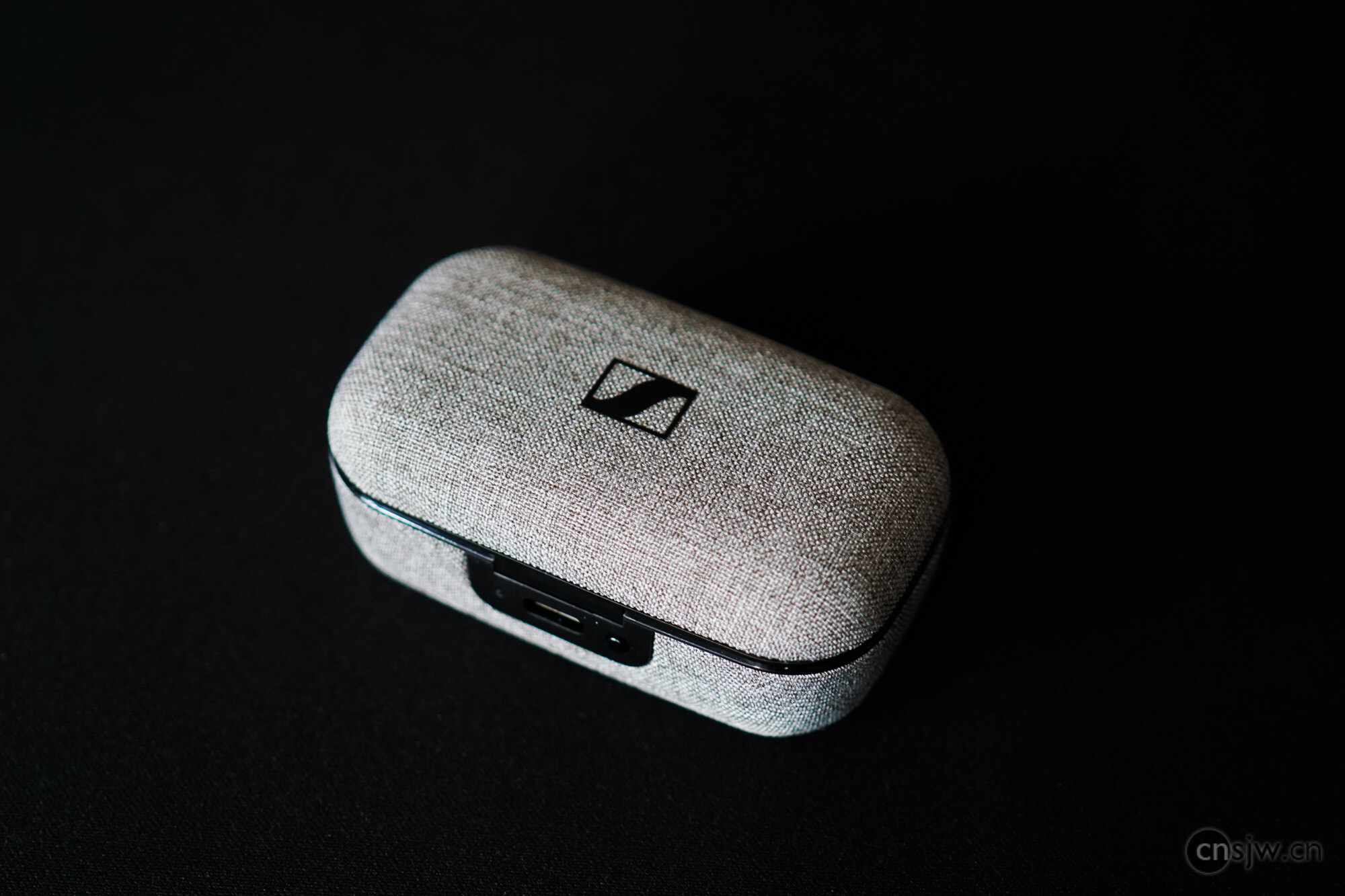
The port on the back is USB-C, and there is a button that displays the remaining battery level of the charging case when pressed.
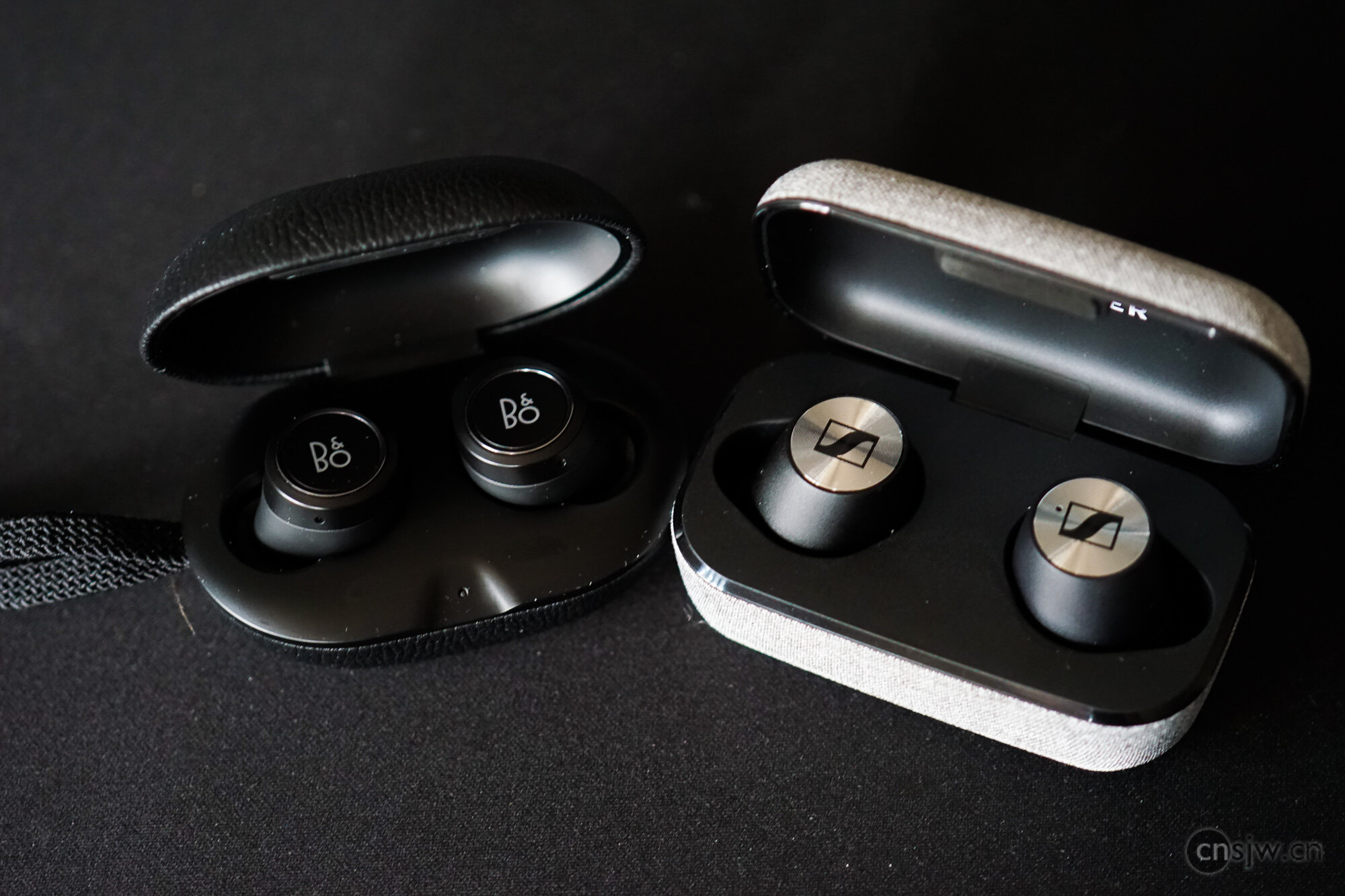
Comparing sizes, the Momentum True Wireless appears noticeably bulkier.
As for the controls on both, they rely solely on touch, meaning they only support single tap, double tap, triple tap, and long press. However, whether intentionally or not, aside from pairing new devices—which requires holding both sides simultaneously for 5 seconds—not a single function shares the same control scheme… To this day, I still haven’t memorized certain functions…
Here is a chart comparing the specifications of the two products:
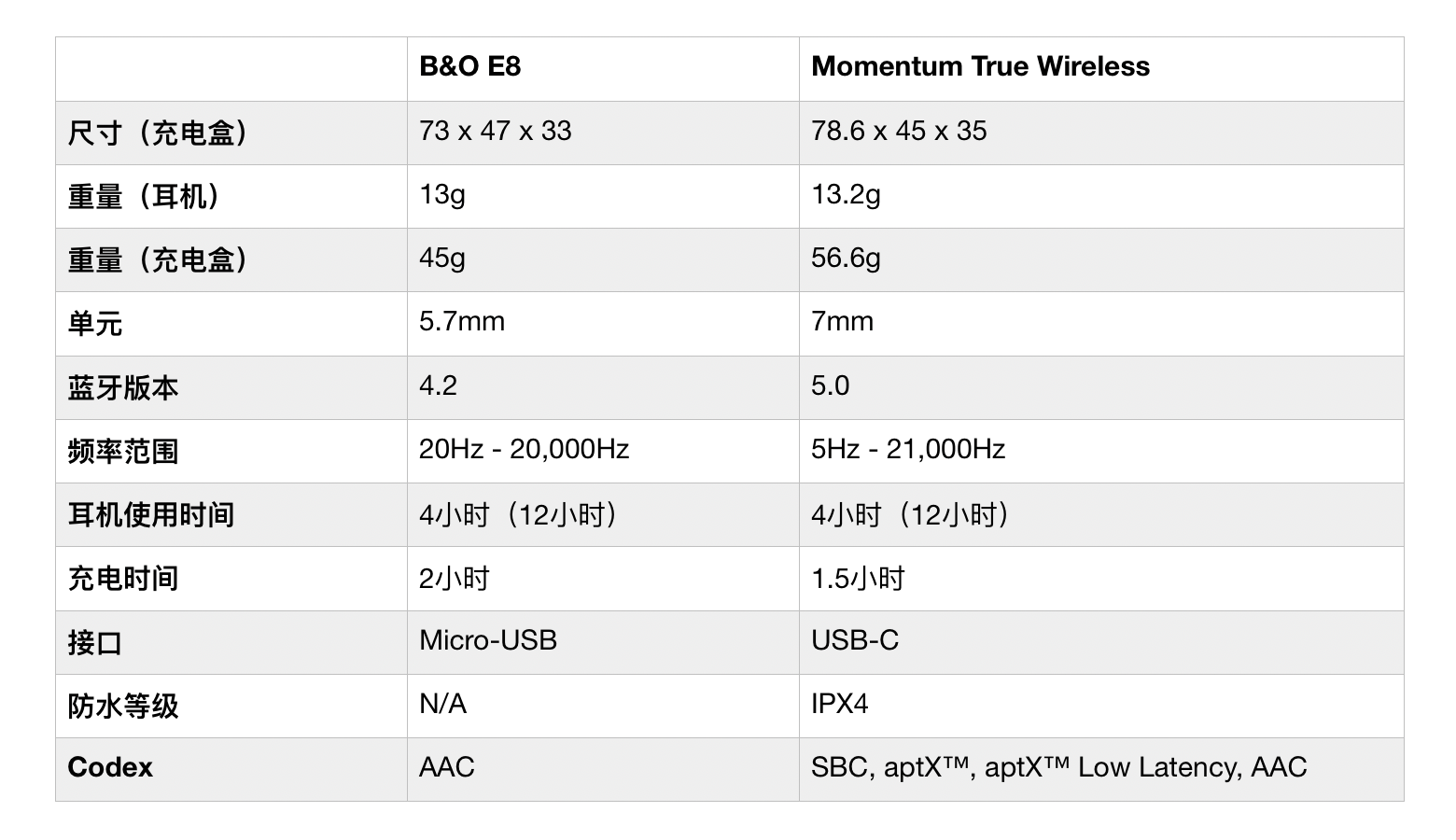
In summary, the positioning of the two products is completely different. The E8 clearly takes a high-end fashion route, yet it is truly regrettable regarding sound quality. After all, these are earphones; if this issue could be resolved, they would be perfect. Currently, I would probably recommend the Momentum True Wireless more. I’ve heard that the B&&O E8 2.0 is set to launch next month, but it seems to only update the charging case by switching from Micro-USB to USB-C, adding wireless charging capability, and extending battery life by an additional 4 hours. The price has increased accordingly, but the specs remain Bluetooth 4.2. If the sound quality and connection stability haven’t changed, then it’s meaningless.
Photos in this post taken with SONY A5100 + 50mm f2.8, post-processed in Lightroom.

Support



Read this article on WeChat