
Today marks the first day of the Powerbeats Pro launch in mainland China. The unit I pre-ordered from the official website arrived early this morning, and it’s safe to say this is the most anticipated headphone product I’ve had in recent years. Back when the original AirPods launched, I was convinced that Apple would eventually release their own true wireless in-ear headphones, but I didn’t expect to wait nearly three years for them.
The main reason I held off was that AirPods don’t provide noise isolation, and since I rarely use headphones in quiet environments, I never really considered them. That said, I have to admit that the seamless ecosystem experience of Apple’s own products—from system-level integration to incredibly stable connectivity and ultra-low latency—is truly compelling. Over these past three years, I’ve tried quite a few true wireless earbuds from other brands, but each one left me dissatisfied in one way or another. Finally, the Powerbeats Pro has arrived to solve all those issues.
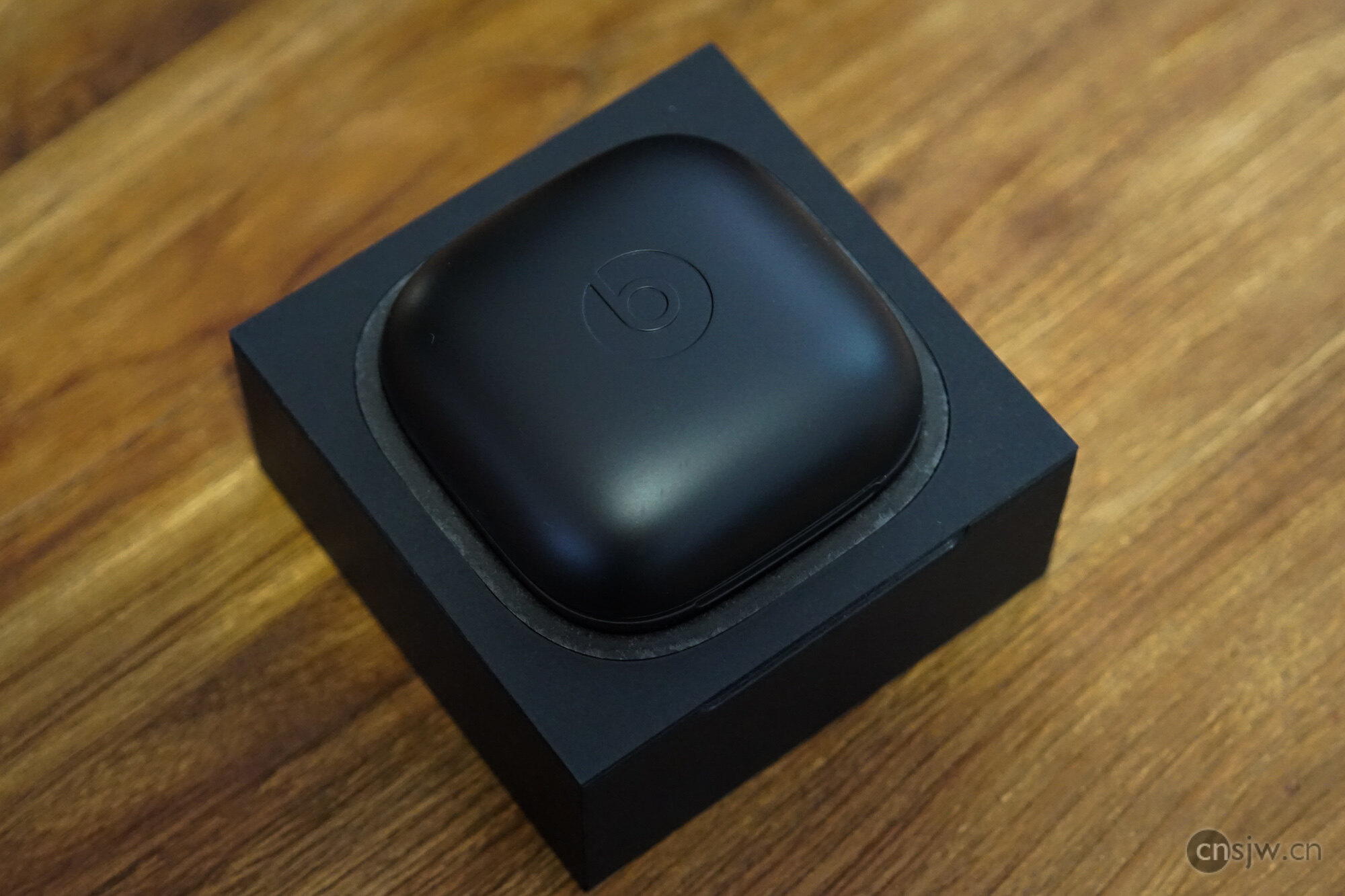
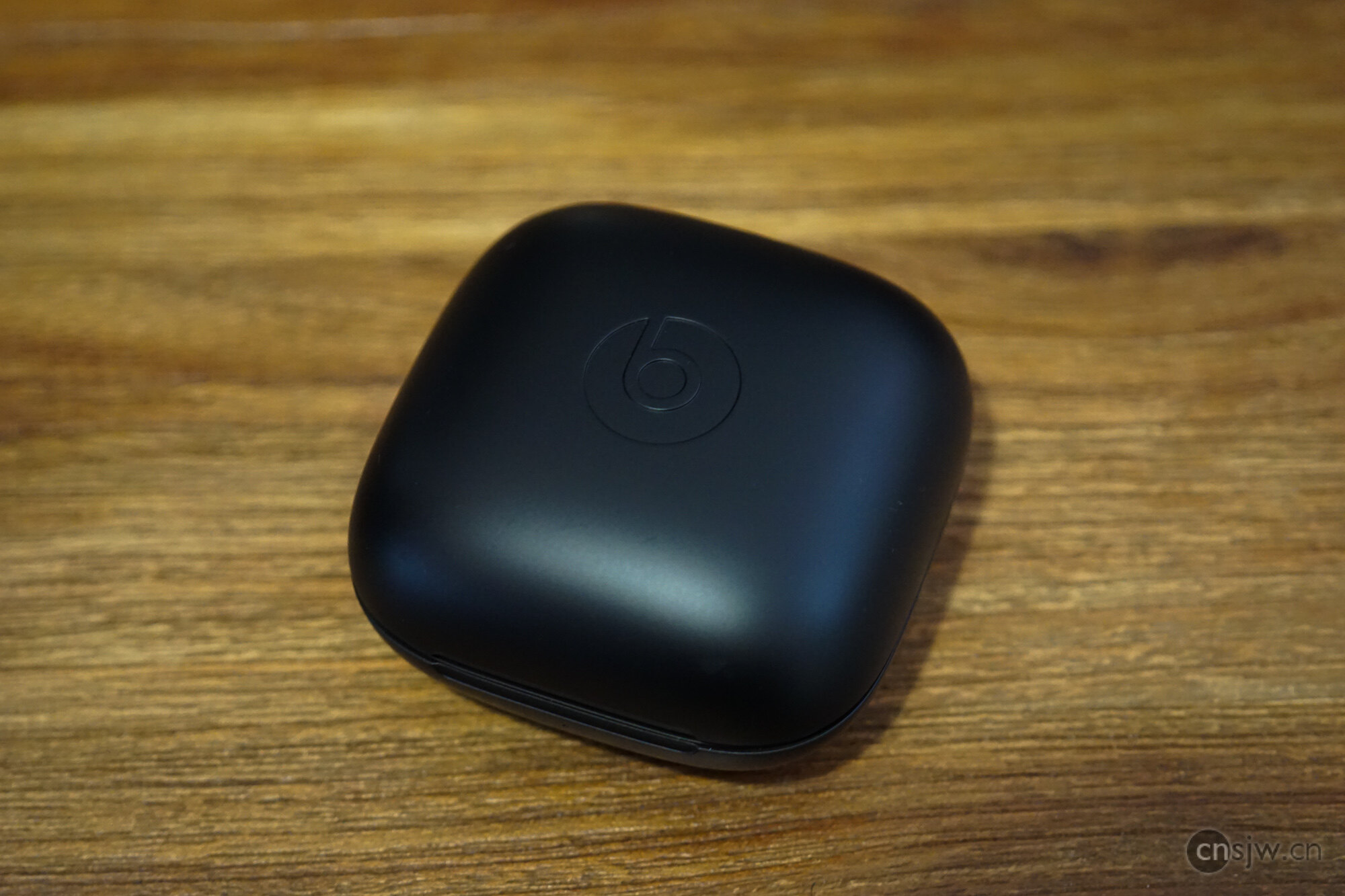
Let’s start with the unboxing. After peeling back layer upon layer of packaging, you’re greeted by a massive charging case. To accommodate these earhook-equipped earbuds, Apple designed an unusually large case. However, according to teardowns, although the earbuds themselves have a larger battery capacity than AirPods, the charging case doesn’t actually hold more charge than the AirPods case. It also lacks wireless charging support. On the bright side, it uses a Lightning port, which is a significant upgrade over previous models that used Micro-USB or USB-C—at least now you can share your power bank and won’t need to pack an extra cable when traveling. Like the AirPods, the Powerbeats Pro offers up to 24 hours of total listening time with the charging case, while the earbuds alone deliver up to 9 hours—nearly double the 5 hours offered by AirPods.

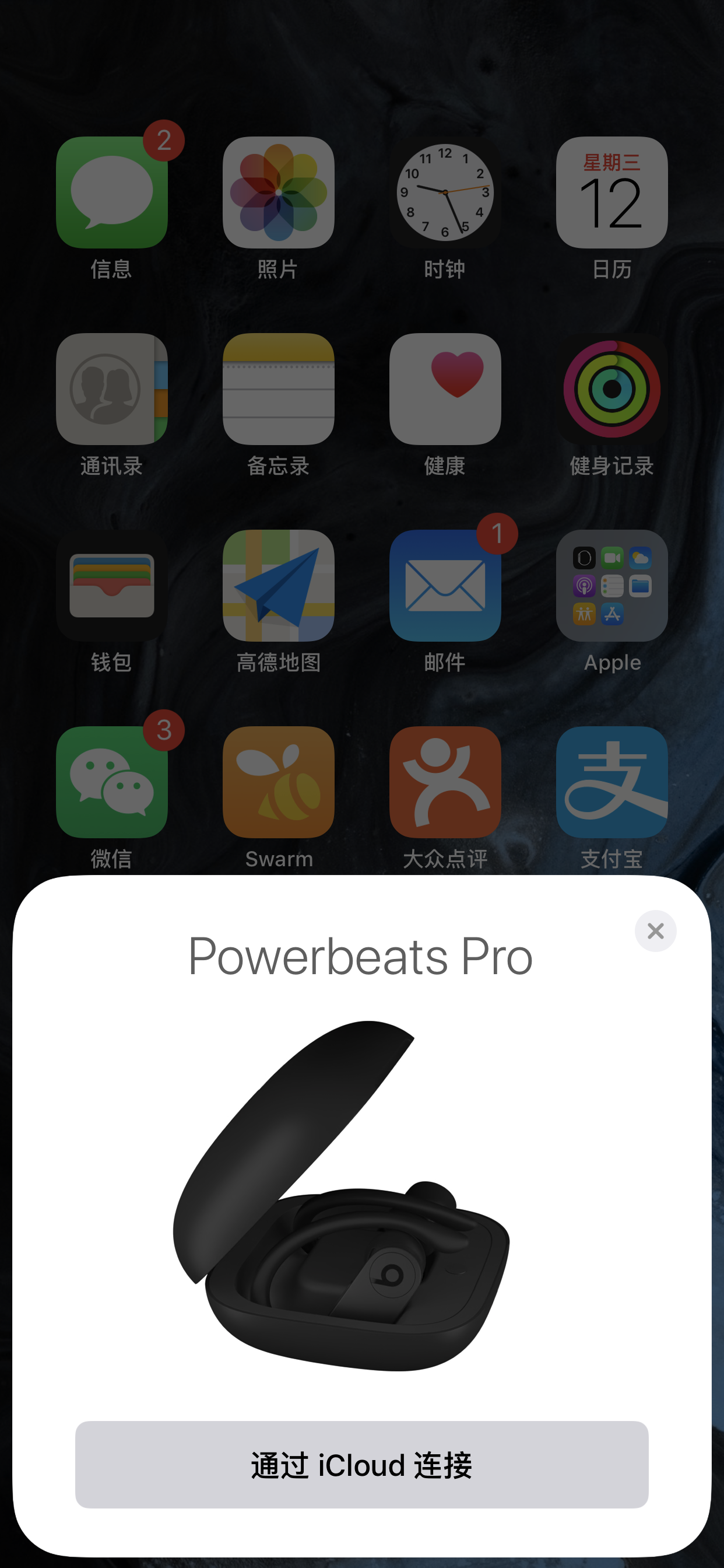
Just like the AirPods charging case, opening the lid triggers automatic pairing. A prompt indicates connection via iCloud, meaning it will automatically pair across all devices linked to your iCloud account—including Apple Watch, iPad, and Mac—allowing you to switch between devices seamlessly without needing to re-pair. It’s incredibly convenient.
Simply opening the case and bringing it near your phone lets you check the battery level right in the system interface, which is very handy. It also supports fast charging: just 5 minutes of charging gives you 1.5 hours of playback, and 15 minutes provides up to 4.5 hours—extremely practical.

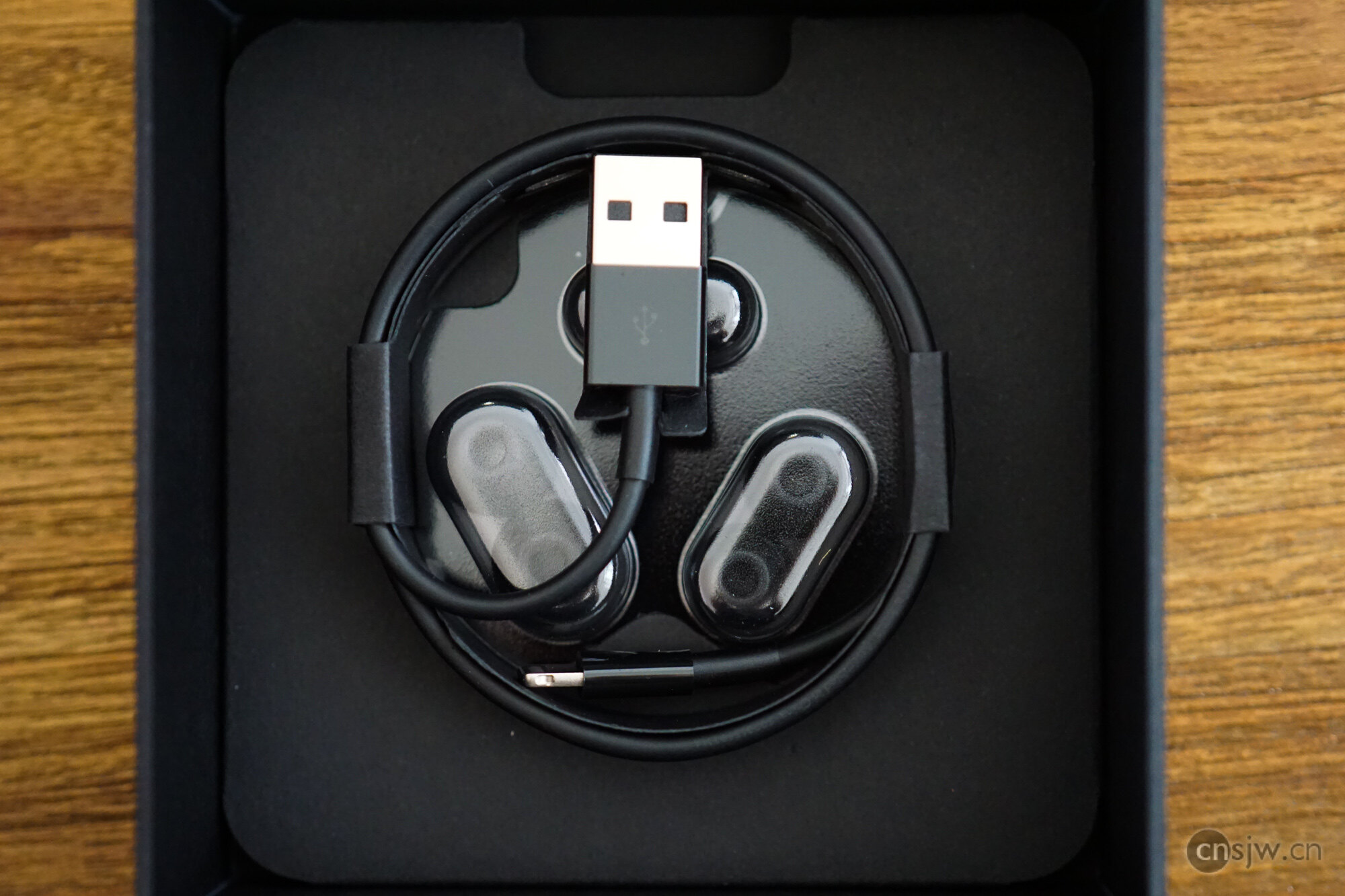
The package includes an official black Lightning charging cable, which appears to be identical to the one bundled with Apple’s black Magic Keyboard, Magic Mouse, and Magic Trackpad. It also comes with three sets of ear tips: large, small, and a dual-flange option. Behind the ear tip tray is a peelable sticker that can be removed and reapplied if needed.
Inside, you’ll find the earbuds themselves. They feature adjustable earhooks made of memory wire—you only need to adjust them once during your first wear, after which they’re effortless to put on. In actual use, they feel completely pressure-free and are even very comfortable for glasses wearers, representing a major improvement over the Powerbeats 3.
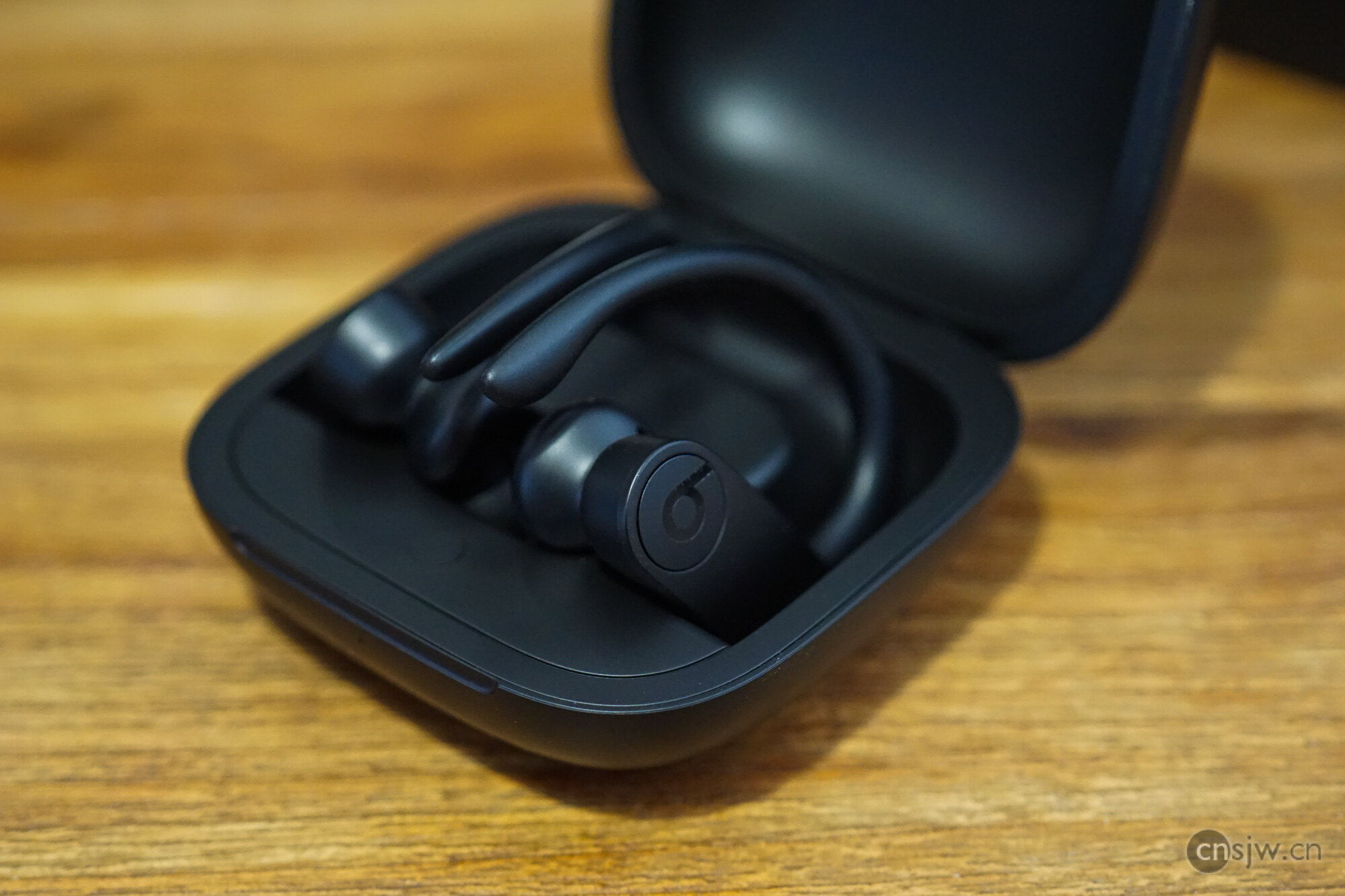
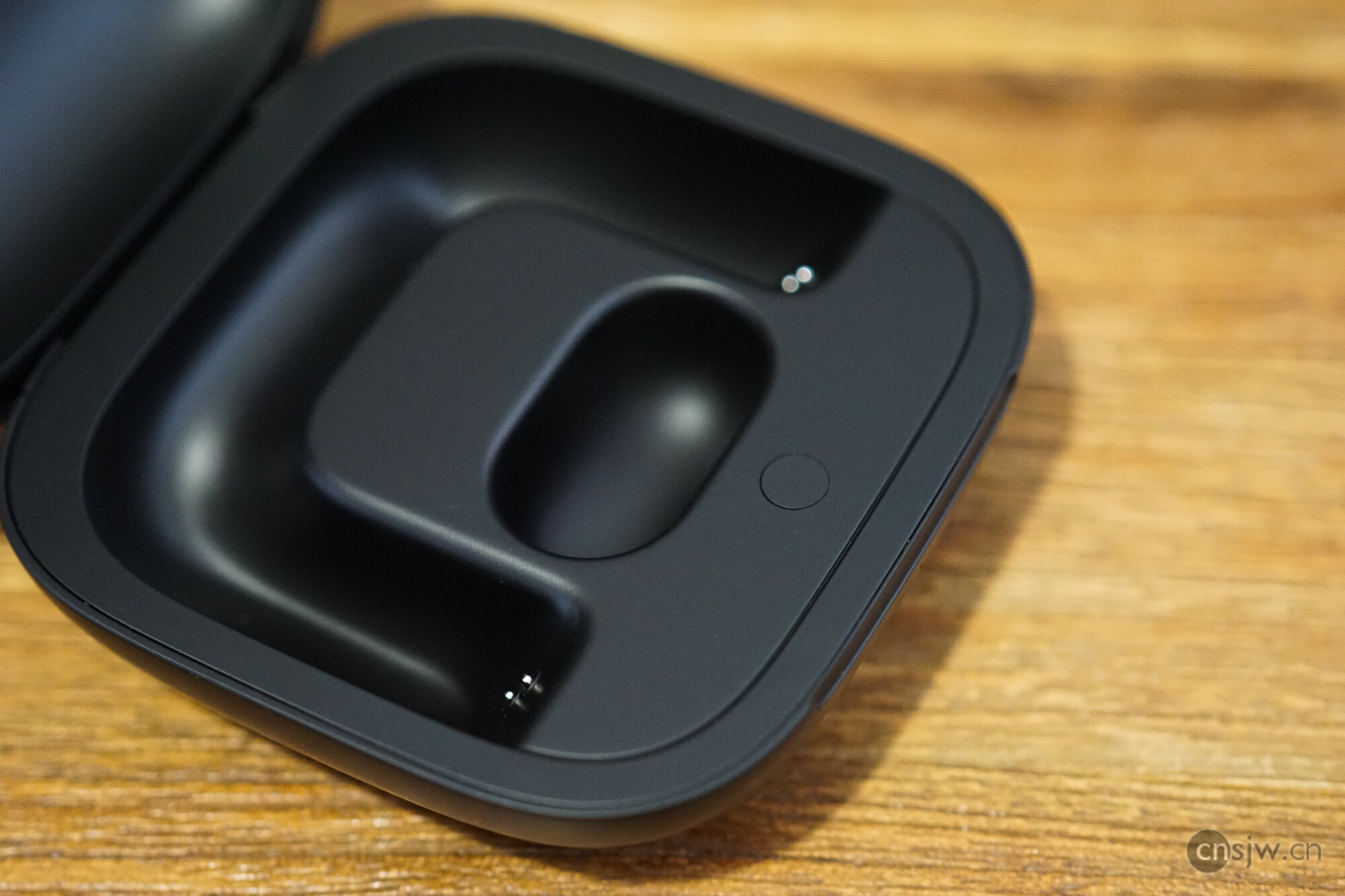
There’s a button on the charging case that can be long-pressed to pair with new devices.
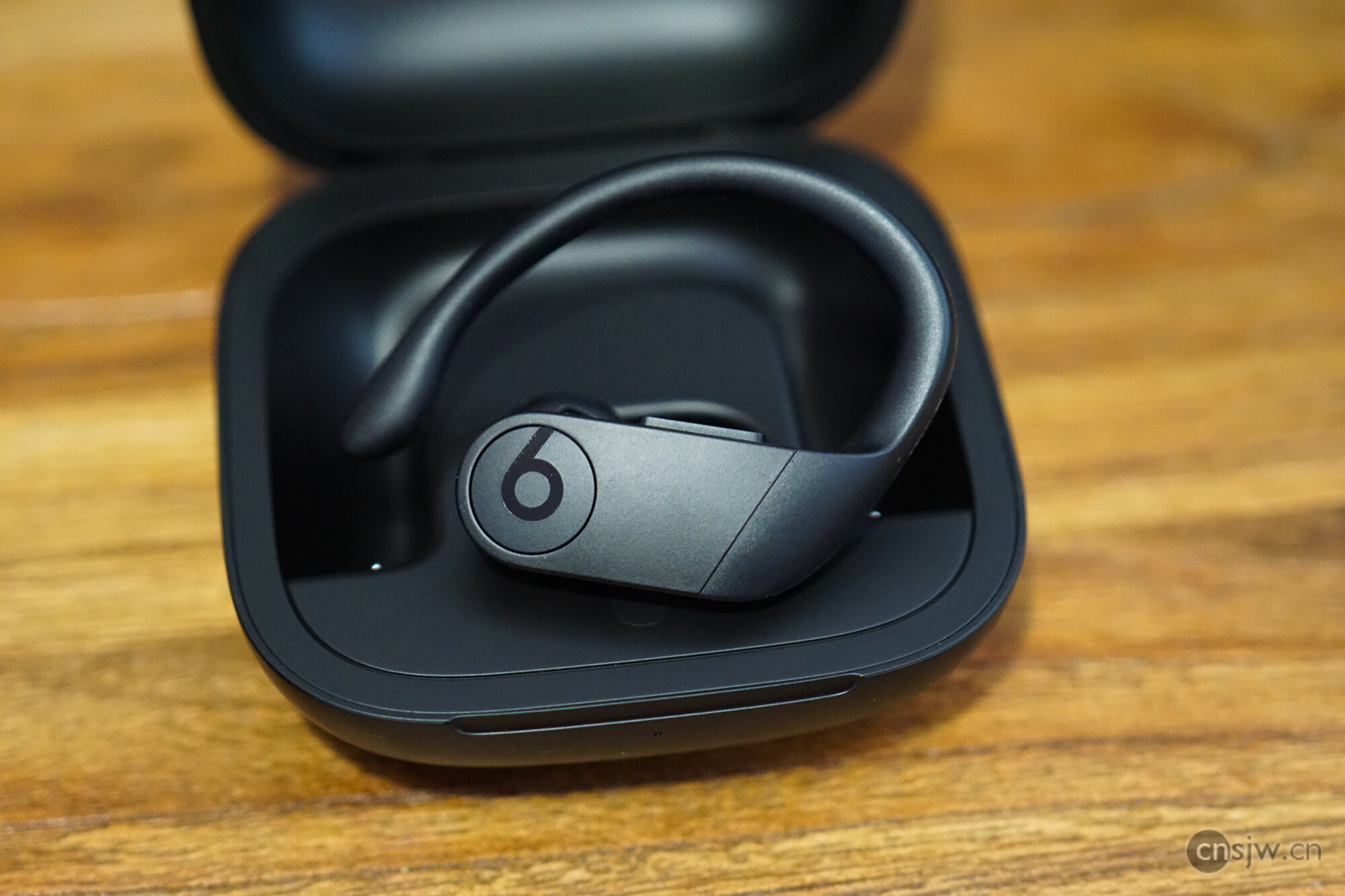
Each earbud features three physical buttons: a multifunction ‘b’ button and volume controls above it. Both earbuds have identical button layouts and functions. These are traditional tactile buttons rather than touch-sensitive ones, reducing the chance of accidental presses. Although they respond to a light tap, performing complex gestures while wearing them can still feel somewhat awkward since they’re seated in your ears.
Here’s how the ‘b’ button works: Single press: Play/Pause, Answer call; Long press: Activate Siri, Reject call; Double press: Next track; Triple press: Previous track; Double press + hold: Fast forward; Triple press + hold: Rewind.
After real-world testing, I have to say the H1 chip is truly impressive—the connection is rock-solid, sound quality is excellent, call clarity is outstanding, battery life is fantastic, and the fit is supremely comfortable.
On a side note, let me vent a bit about the Sennheiser Momentum True Wireless. There are several things about that product that are extremely frustrating. First, the connection between the left and right earbuds frequently drops in areas with interference—often when walking through certain spots, the left earbud just cuts out completely, which is maddening. Second, its charging case drains power on its own; leave it unused for two days, and the case might be dead. Discovering your earbuds are out of juice right as you’re heading out the door is incredibly frustrating. Lastly, call quality is so poor that the person on the other end can barely hear you, forcing you to take calls directly on your phone every time.
Here are a few official promotional images showing what they look like when worn. As you can clearly see, these earbuds are primarily designed for sports use and feature sweat resistance. They’ll also come in multiple colors, though currently only the black version is available—the rest are scheduled to launch this summer.



From its packaging to its internal design, this is unmistakably a full-fledged Apple product, bearing virtually no trace of the old Beats identity anymore. Thanks to the inclusion of the H1 chip, it delivers an experience entirely consistent with AirPods, including support for “Hey Siri” voice activation. With iOS 13, it will also support Audio Sharing (using two pairs simultaneously) and the ability to have Siri read messages aloud—making it absolutely worth picking up.
Photos in this post taken with a Sony A5100 + 50mm f/2.8 lens, edited in Lightroom.

Support



Read this article on WeChat