
I’ve updated my camera body, upgrading to the A5100. At first glance, this product looks almost identical to the NEX-5R… ~~But upon closer inspection, the differences are actually quite significant….
Let’s start with theexterior design:
The A5100 is slightly shorter in length than the NEX-5R, but a bit thicker, and the body surface now features an added texture. The main changes on the front are all related to the controls: the shutter button, power switch, and zoom lever have been integrated into one unit. The Fn button and control dial have been removed, and the playback button has been moved to the back. An built-in flash has been added, which is a very thoughtful inclusion; although you might not need it most of the time, it really comes in handy when you do.
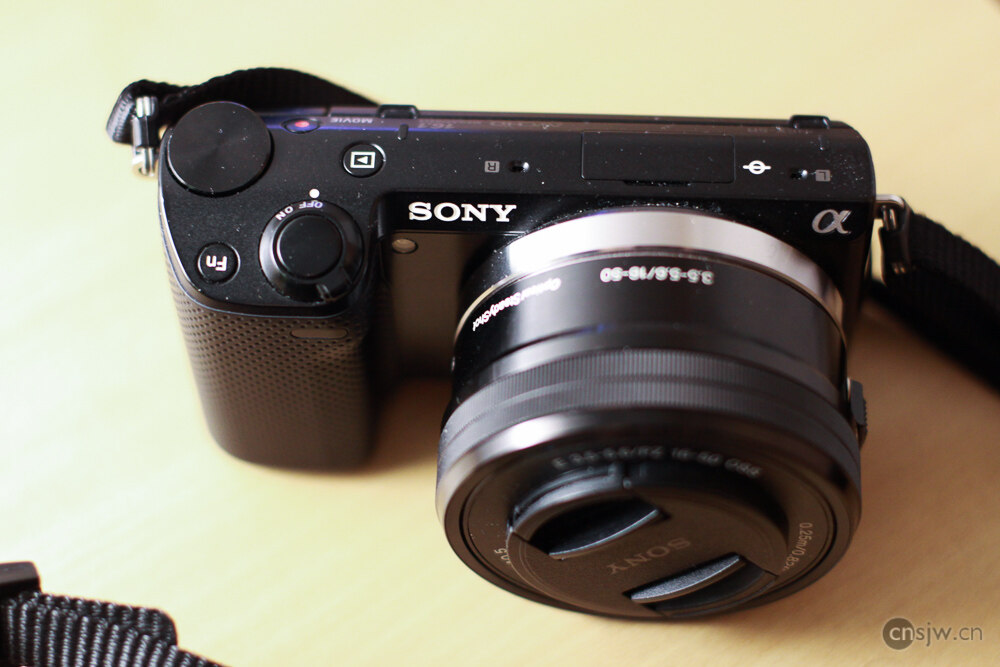
Nex-5R Front
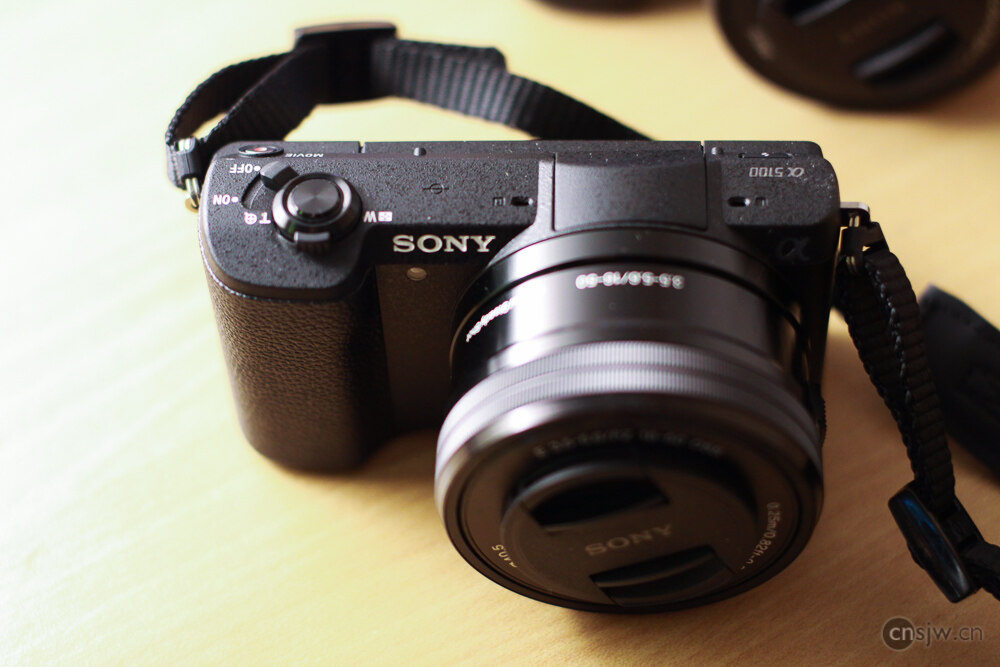
A5100 Front
As for the back, there aren’t many changes, mainly just the addition of a flash pop-up button and the relocated playback button.
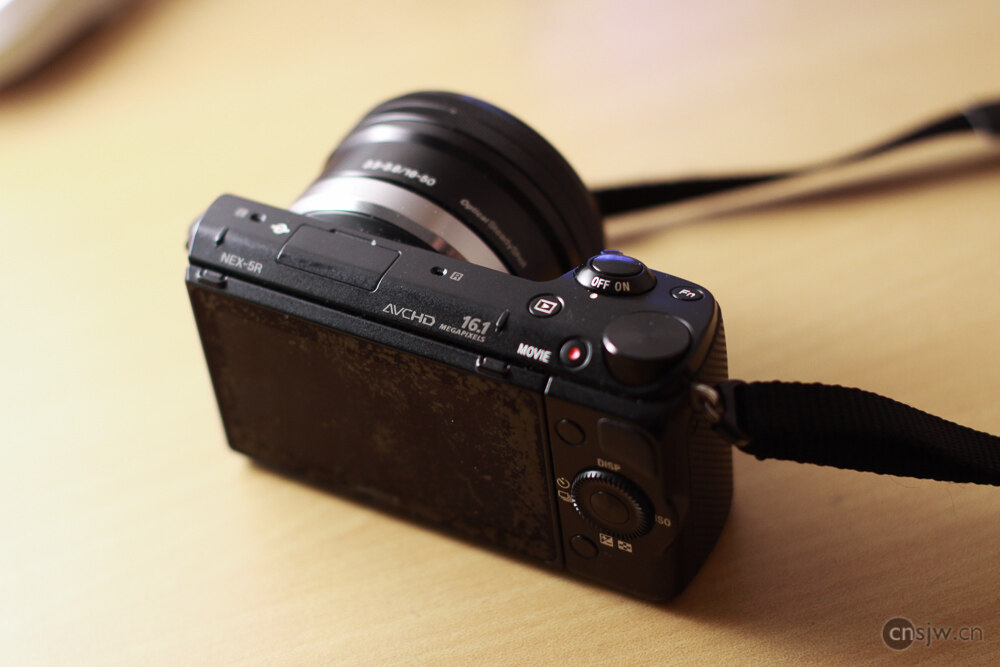
Nex-5R Back
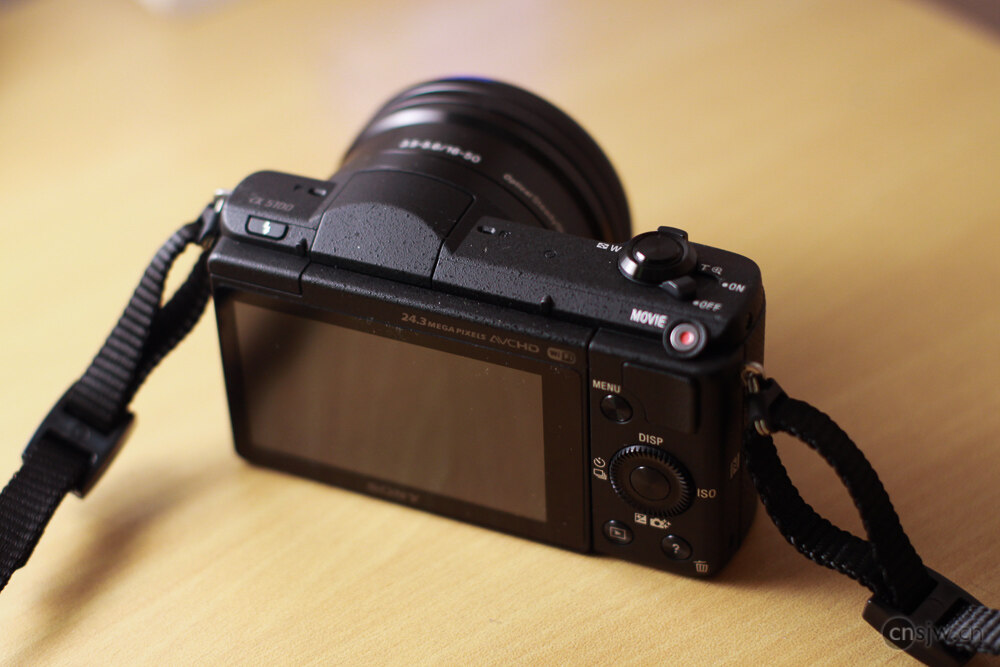
A5100 Back
On the grip side, the grip material has changed, and an NFC touch area has been added. On the card slot side, the SD card slot has been moved from the bottom to the side. Now only the battery remains on the bottom; the battery model hasn’t changed, but the new battery is lighter than the old one.
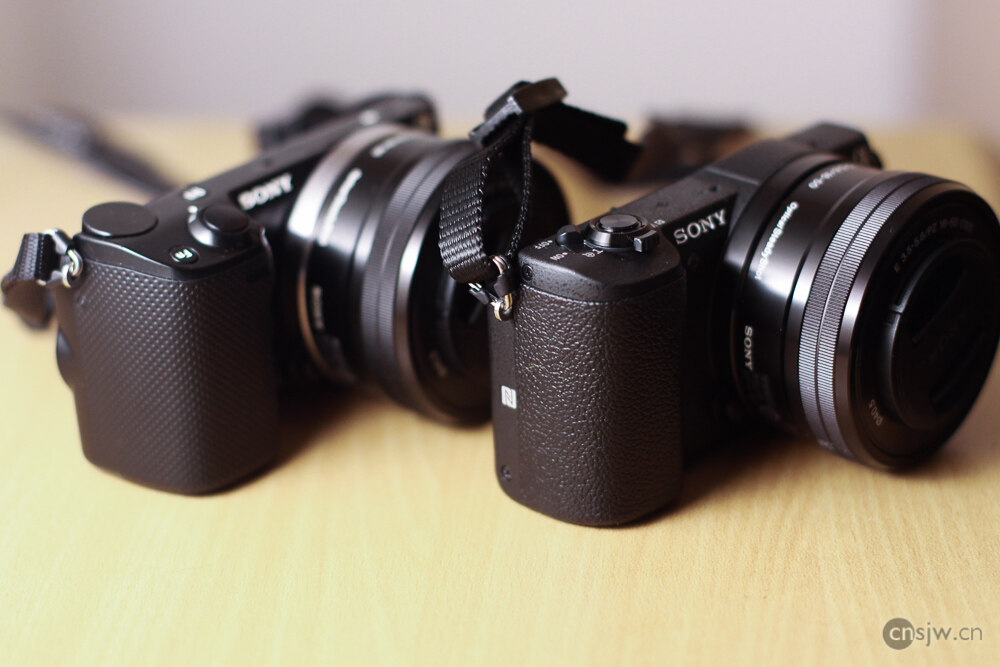
Side Comparison
In terms of specs:
The main differences are as follows:
- CMOS: Upgraded from 16.1 megapixels to 24.1 megapixels.
- Autofocus: Upgraded from 99 phase-detection AF points to 179. Contrast-detection AF points remain at 25, and it supports hybrid AF combining both methods.
- Apps: The domestic version finally includes apps…
- Screen: Changed from a resistive touchscreen to a capacitive touchscreen. The tilt range changed from flipping up 180 degrees and down 50 degrees to only flipping up 180 degrees, which is less convenient for handheld high-angle shooting.
- Continuous Shooting: Reduced from 10 fps to 6 fps.
Overall, the spec changes don’t seem huge, with some upgrades and some downgrades. It’s quite obvious—from the removal of the control dial, to the slower continuous shooting speed, to the screen no longer tilting downward—that this camera is positioned more towards the consumer market.
In comparison, the A6000 is clearly geared more towards professional users. Its CMOS sensor and AF system are the same as the A5100, but it adds a control dial, an electronic viewfinder, continuous shooting speeds up to 11 fps, and exposure compensation expanded from 3 stops to 5 stops. However, it has become larger and heavier. Personally, I’m quite sensitive to the weight of mirrorless cameras, but everyone should choose based on their own needs.
Let’s talk about the screen: 3 inches, 920k dots. In the camera world, this is considered a pretty good screen. Back in the day, seeing a screen like this on the 50D felt quite stunning, completely outclassing competitors. But with the prevalence of Retina displays nowadays, this screen obviously isn’t as sharp anymore, though it’s still adequate.
Also, switching from a resistive to a capacitive screen means the touch response is significantly better. However, there is an issue with lower precision since it requires finger contact. As a result, touch functionality is limited to selecting focus points. Touch works within the app interface, but for all other operations, touch functionality is unavailable.
The actual hands-on experience is that it’s much faster. Whether it’s startup speed, operation speed, or autofocus speed, there’s been a massive improvement over the NEX-5R. For digital products, such speed improvements are to be expected.
InterfaceThere are also some differences here. Rumor has it that the naming convention now follows the SLT line, and the interface is identical to the SLTs as well. Logically, there’s no difference from the Nex-5R, so getting used to it is very easy.
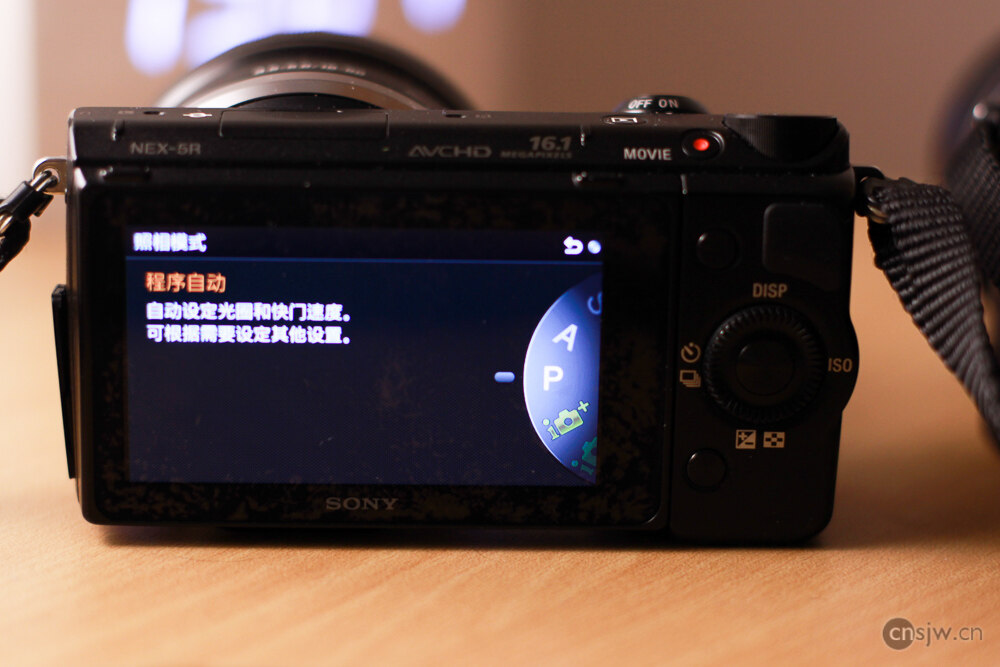
Nex-5R Interface
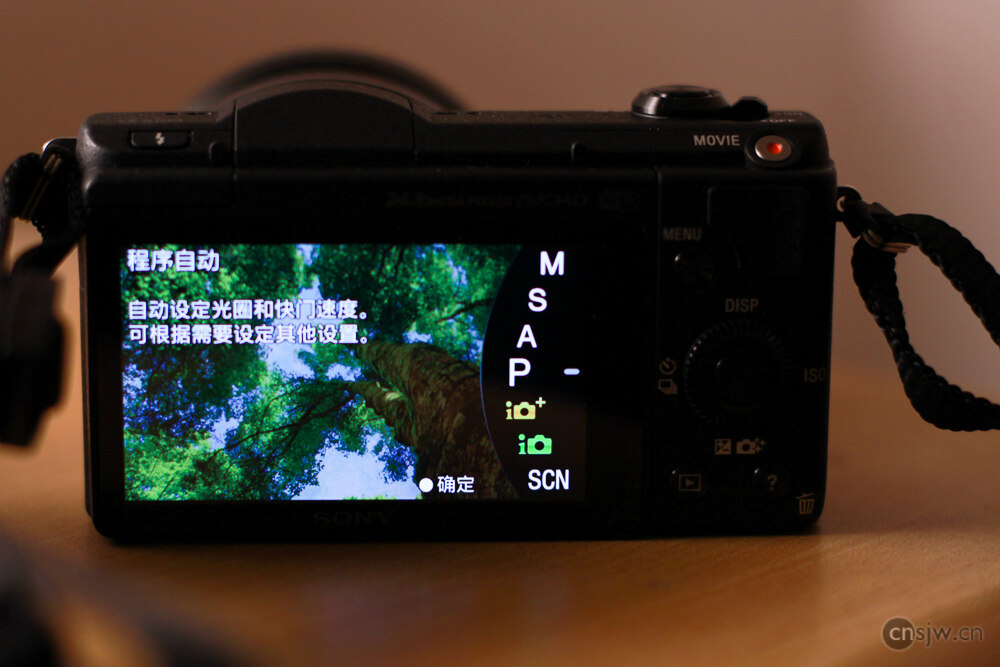
A5100 Interface

A5100 Shooting Interface
Apps:
There are very, very few apps. The China region only has 11, one of which is even a Chinese input method… Moreover, downloading apps requires a Sony Entertainment account, which is quite a hassle to register in mainland China. The direct upload tool currently only supports Weibo. Overall, the app responsiveness is quite slow, and typing text feels a bit like using the input method on a Kindle… Though thankfully the screen doesn’t have lag as severe as a Kindle’s.
The remote control app is quite useful; you can use your phone or computer to remotely trigger the shutter, haha~~
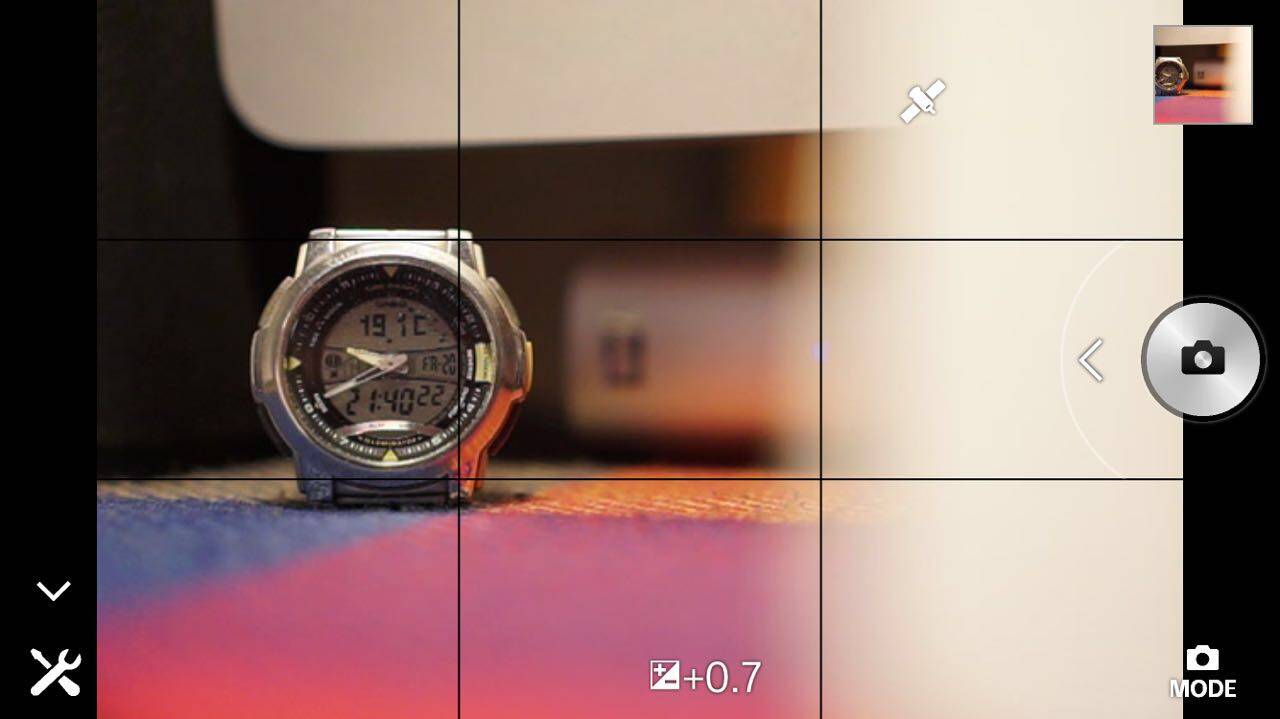
Firmware Update:
I have to say, in this day and age, even a UE Boom speaker can update its firmware directly via Bluetooth using a phone, yet Sony’s firmware update process can be described as extremely cumbersome… Not to mention the snail-like connection speeds to the server hosting the firmware updates from within China… And the Mac version of the updater surprisingly doesn’t support OS X 10.10… I had to resort to using Windows in a virtual machine to get it done…
Test Images:
A photo of the calendar on my desk taken last night:

100% Crop:

Afternoon tea at Starbucks:

100% Crop:

Conclusion:
I’ve used the Nex-5R for two years, and it has accompanied me through all this time. It’s precisely because I had a mirrorless camera that I was able to write so many blog posts. A major reason for this upgrade was that the A5100 body-only price was incredibly affordable, just 2,600 RMB. While the various improvements might not be visible in future photos (especially small images online), at least I feel much more comfortable using it.
Actually, nowadays photos are primarily used online, so megapixel counts aren’t that important anymore. Instead, being able to transfer photos to a phone anytime is more meaningful. Regarding image quality factors like resolution, dynamic range, color, white balance, low-light performance, as well as better lenses and wider apertures—although iPhone cameras are constantly improving, they are still far from replacing dedicated cameras.
Photos in this post taken with Canon 50D + 50mm f/1.4 and SONY A5100 + 35mm f/1.8, post-processed in Lightroom.

Support



Read this article on WeChat