
Harbin, a major industrial hub of China in the 20th century, serves as the political, economic, cultural, and transportation center of northern Northeast China. Due to its geographical location, Harbin was deeply influenced by Russia in modern times. To this day, the city’s architectural style features numerous Russian and European buildings scattered throughout the urban area, making it one of China’s earliest international metropolises in the 1920s.
During this trip back to Changchun, I chose to spend two days visiting Harbin. Believe it or not, despite my age, I had never been to Harbin before. This time, I stayed at the Holiday Inn Wanda Hotel. The hotel’s location is excellent, right at the southern end of Central Street—just cross one intersection and you’re there. Although the hotel kindly upgraded me, a Priority Club member, to an Executive Room with Executive Lounge access, surprisingly, breakfast was not included in the executive benefits. That was a first for me. However, the Happy Hour was quite good, offering both meat and vegetable snacks, plus unlimited Harbin Beer~~
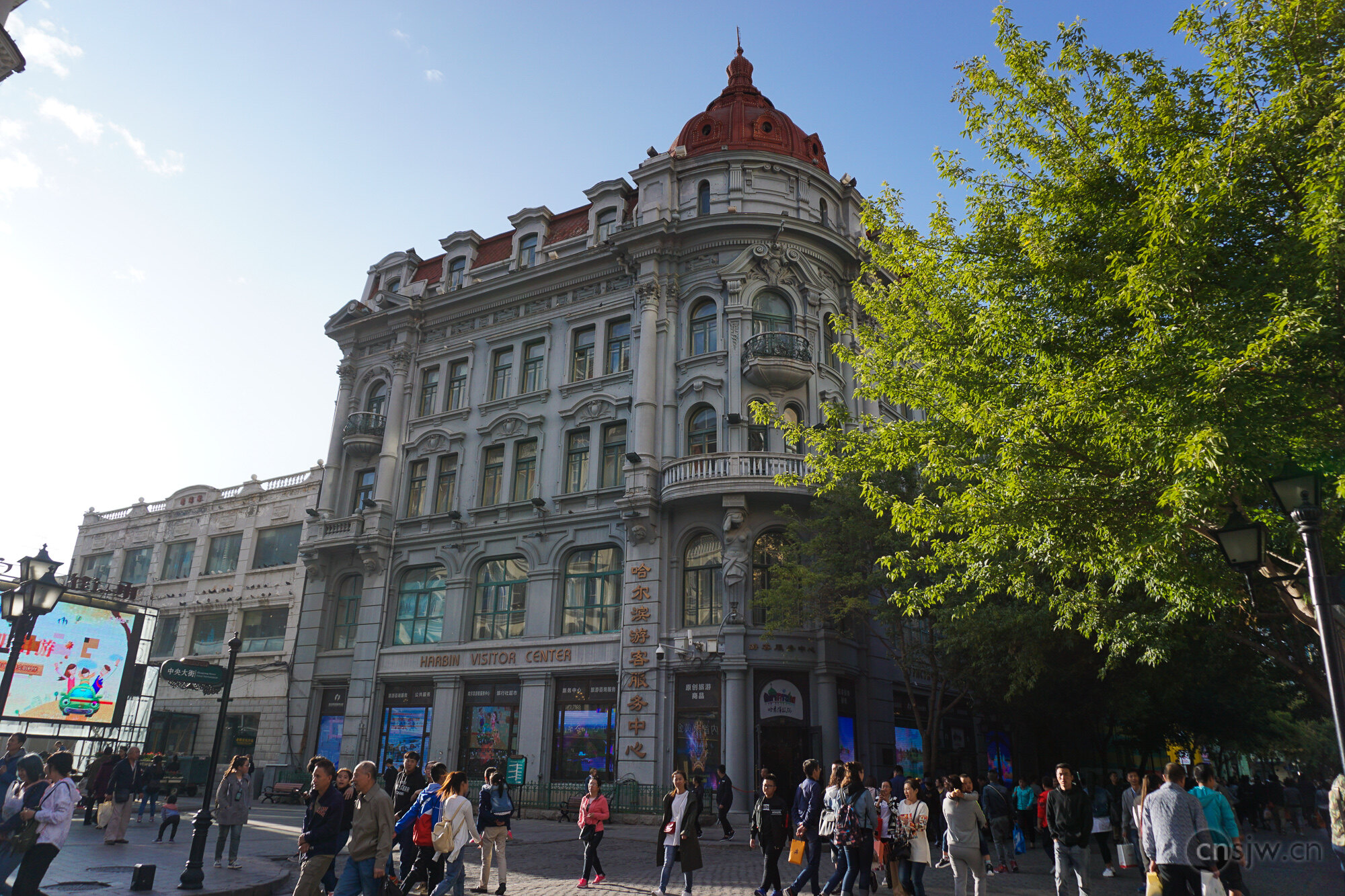
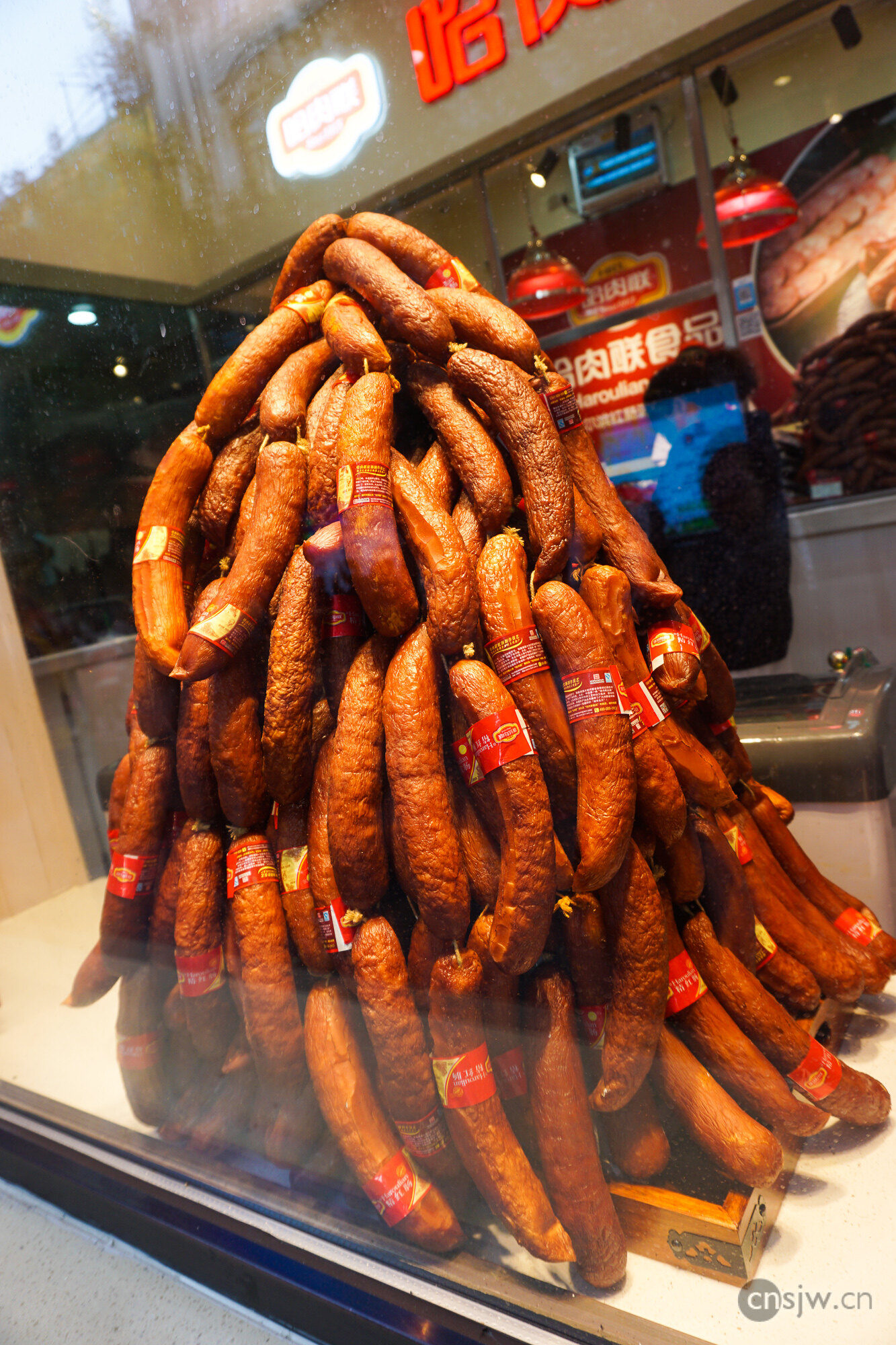
Central Street is one of the main commercial streets in Harbin, Heilongjiang Province, and stands as a perfect remnant of the bustling international business activities of the early 20th century. Starting from Xinyang Square in Daoli District in the south (where the hotel is located) and ending at the Flood Control Monument Square by the Songhua River in the north (which features a Wanda Plaza), the street stretches 1,450 meters and is reputed to be the longest pedestrian street in Asia. The entire street is lined with Russian-style architecture; taking a stroll here on a nice day is quite pleasant, free from the disturbance of motor vehicles. The shops along the street mainly consist of Russian souvenir shops, local specialty red sausage and ice cream shops, and brand stores found nationwide. I have to say, Harbin’s commercial environment is much better than that of Changchun.
Central Street was first built in 1898. The Chinese Eastern Railway Engineering Bureau allocated the riverside area to Chinese residents scattered across Harbin, hence the area was named “Chinese Street,” meaning a street where Chinese people lived. In July 1928, it was officially renamed “Central Street,” a name that has been used ever since. In August 1996, the Harbin Municipal Government launched the renovation project for Central Street, and on June 1, 1997, it was officially opened to the public, becoming the first commercial pedestrian street in mainland China.
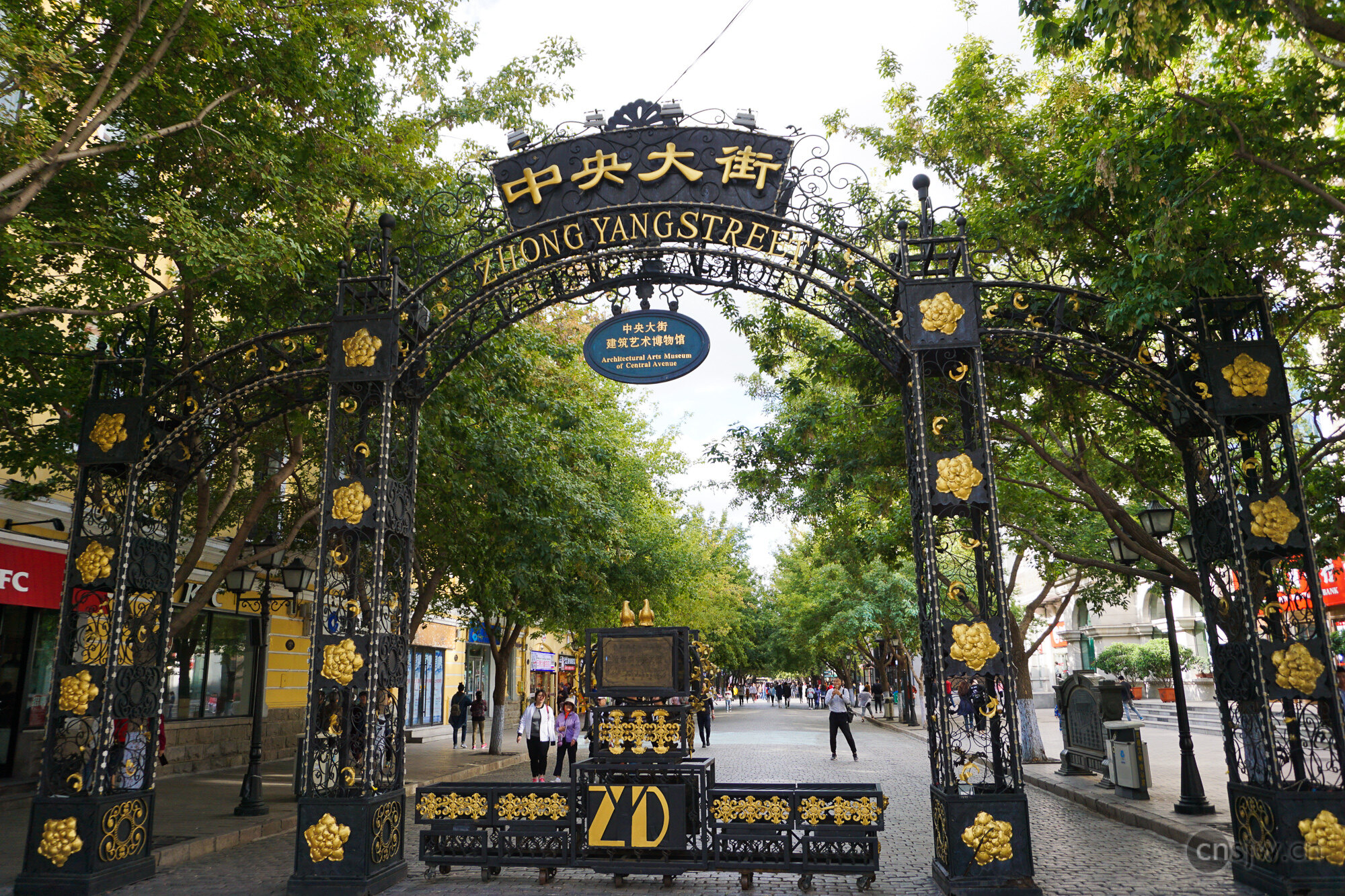
Although this is a pedestrian street, lanes have still been reserved for motor vehicles, presumably for emergency use.
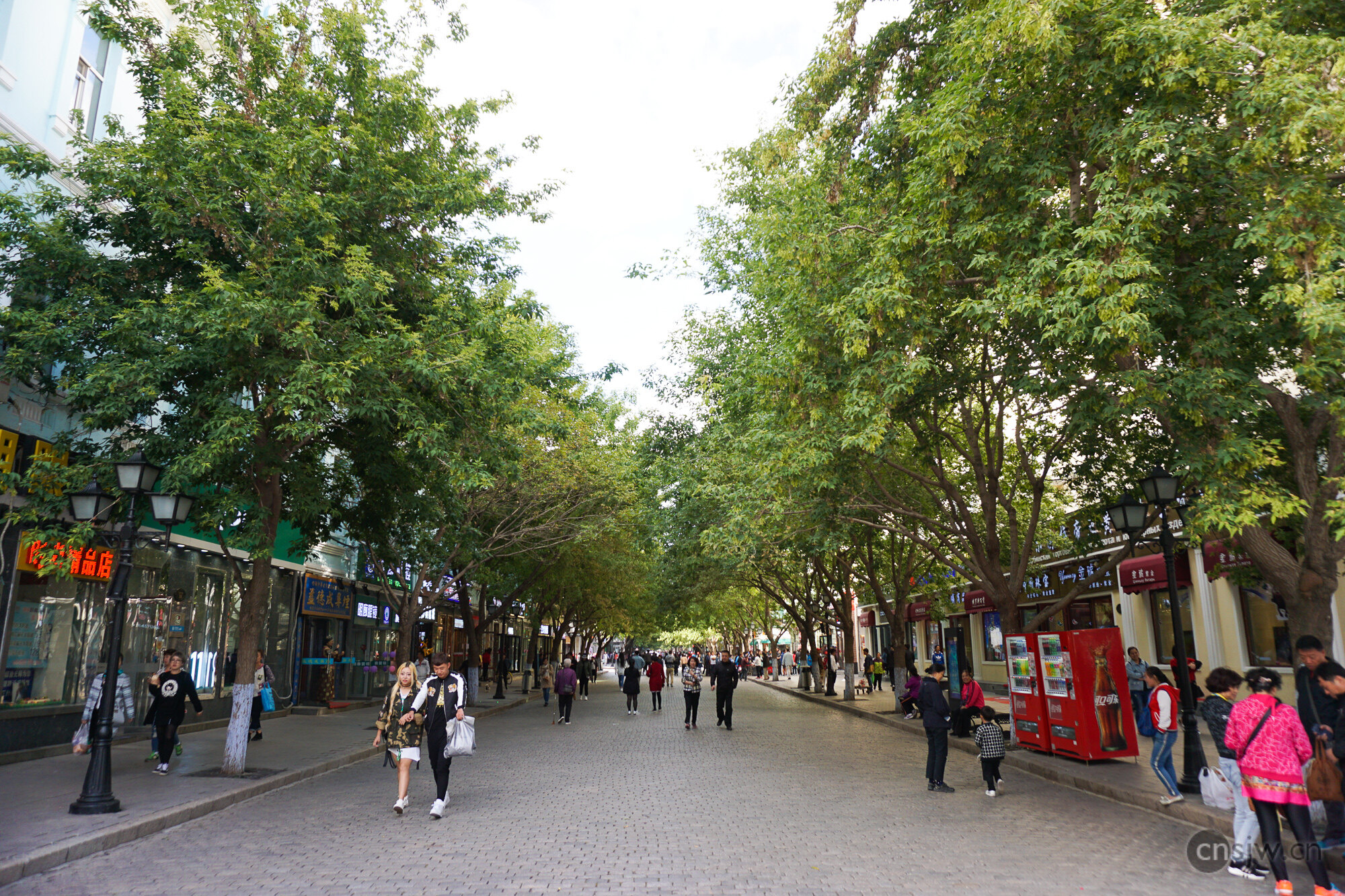
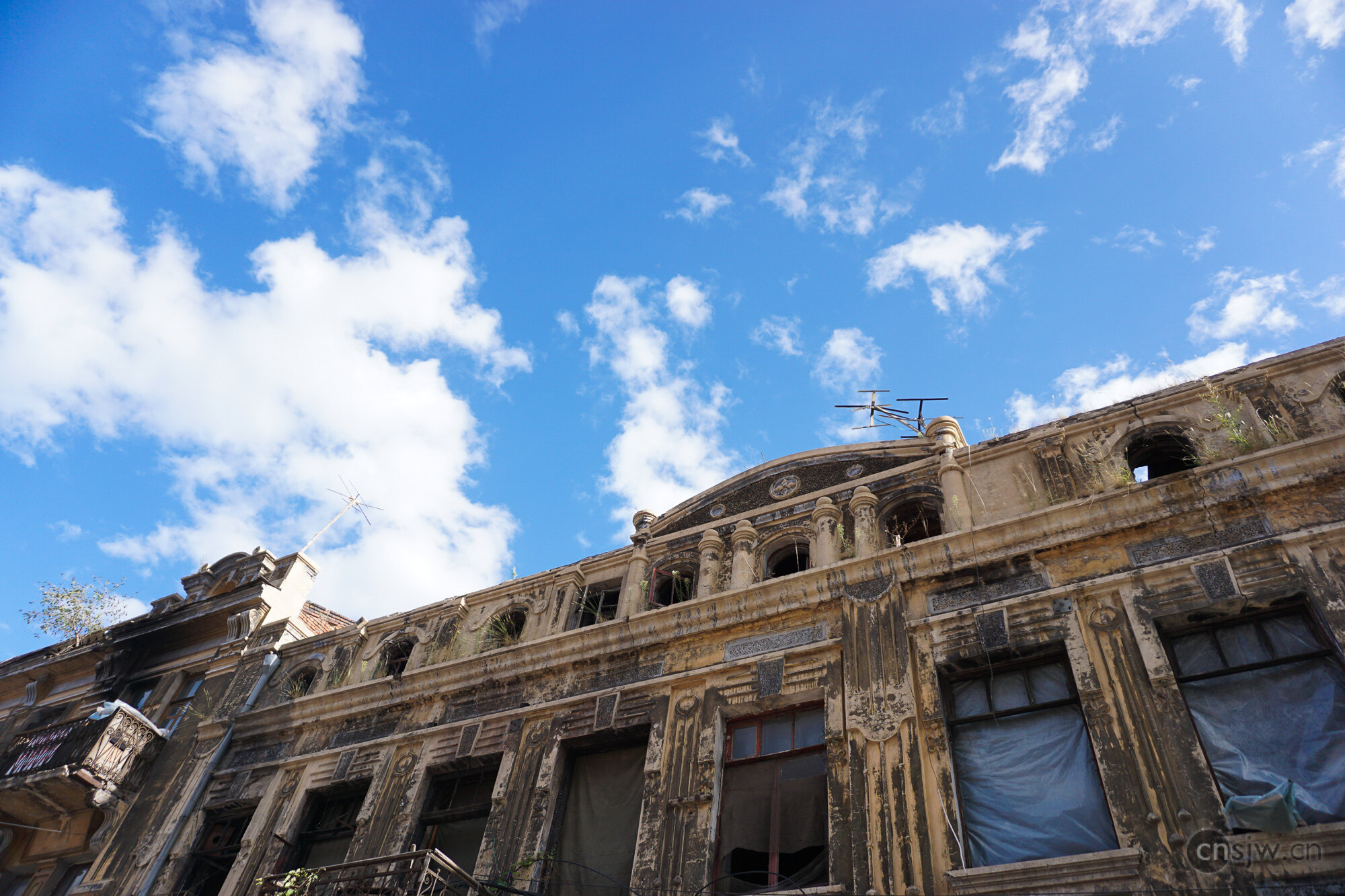
Both sides of the street are lined with various shops covering a wide range of categories, all housed in these distinctive European-style buildings.
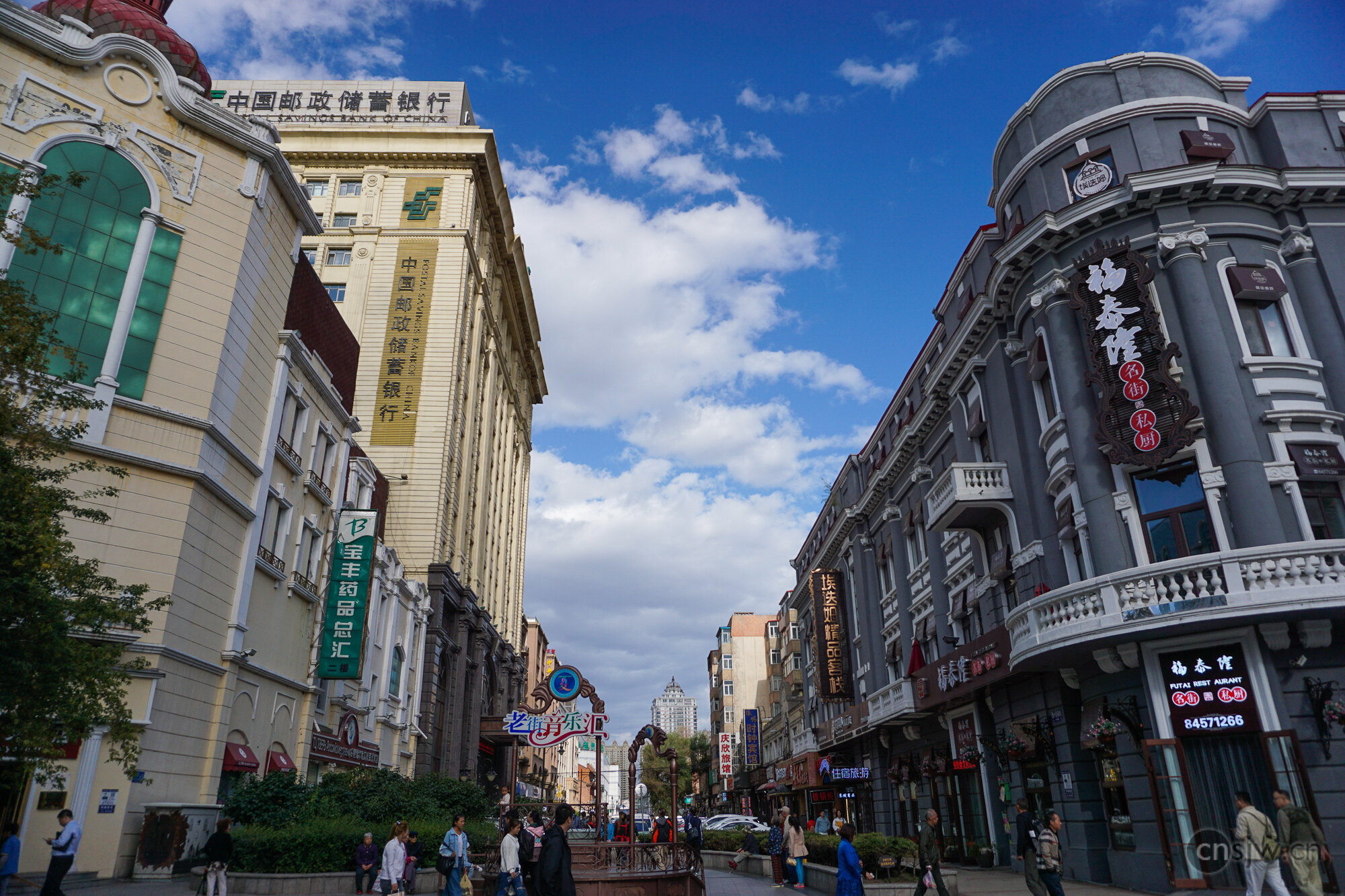
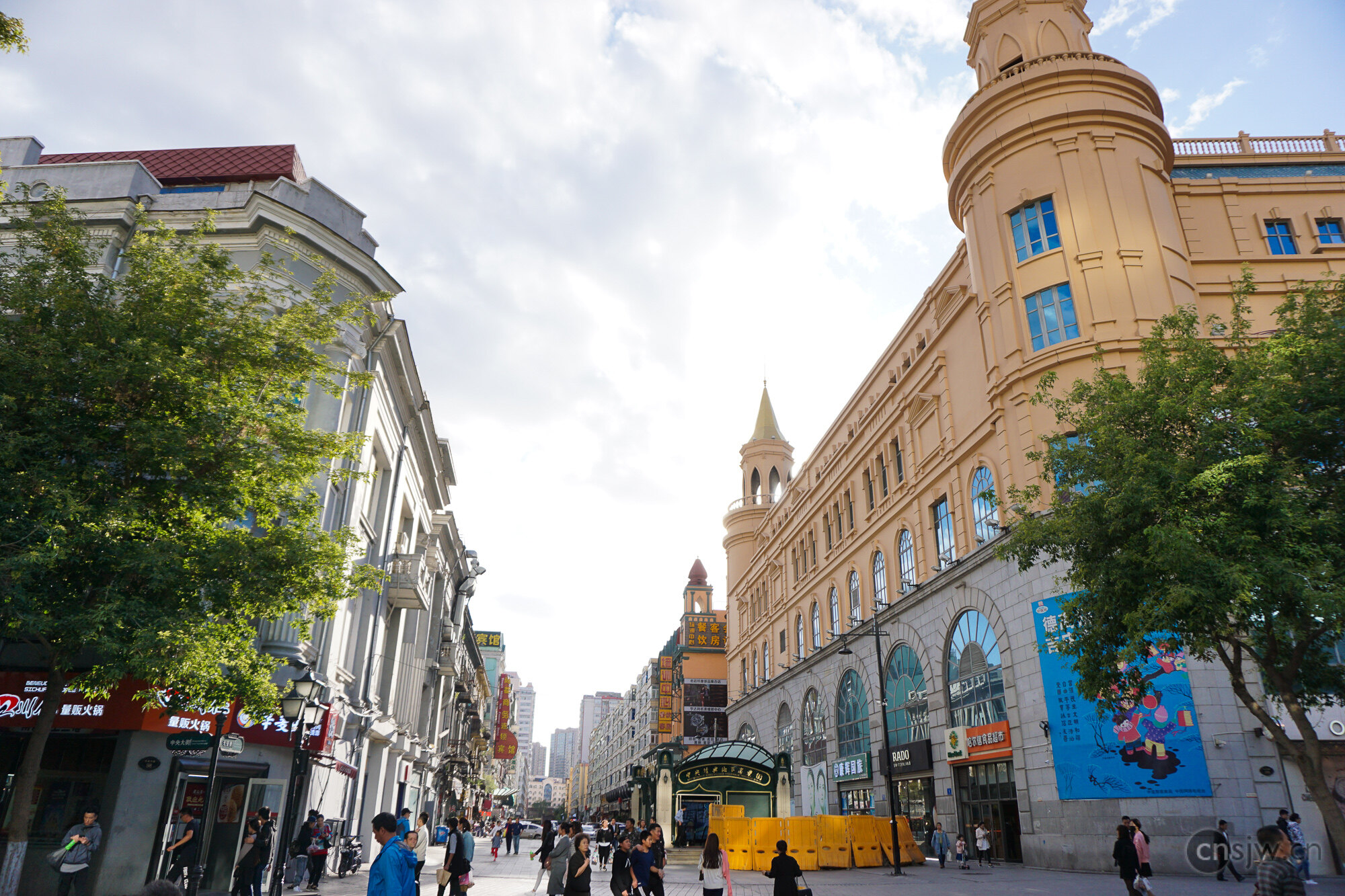
Of course, there are also many, many red sausages.
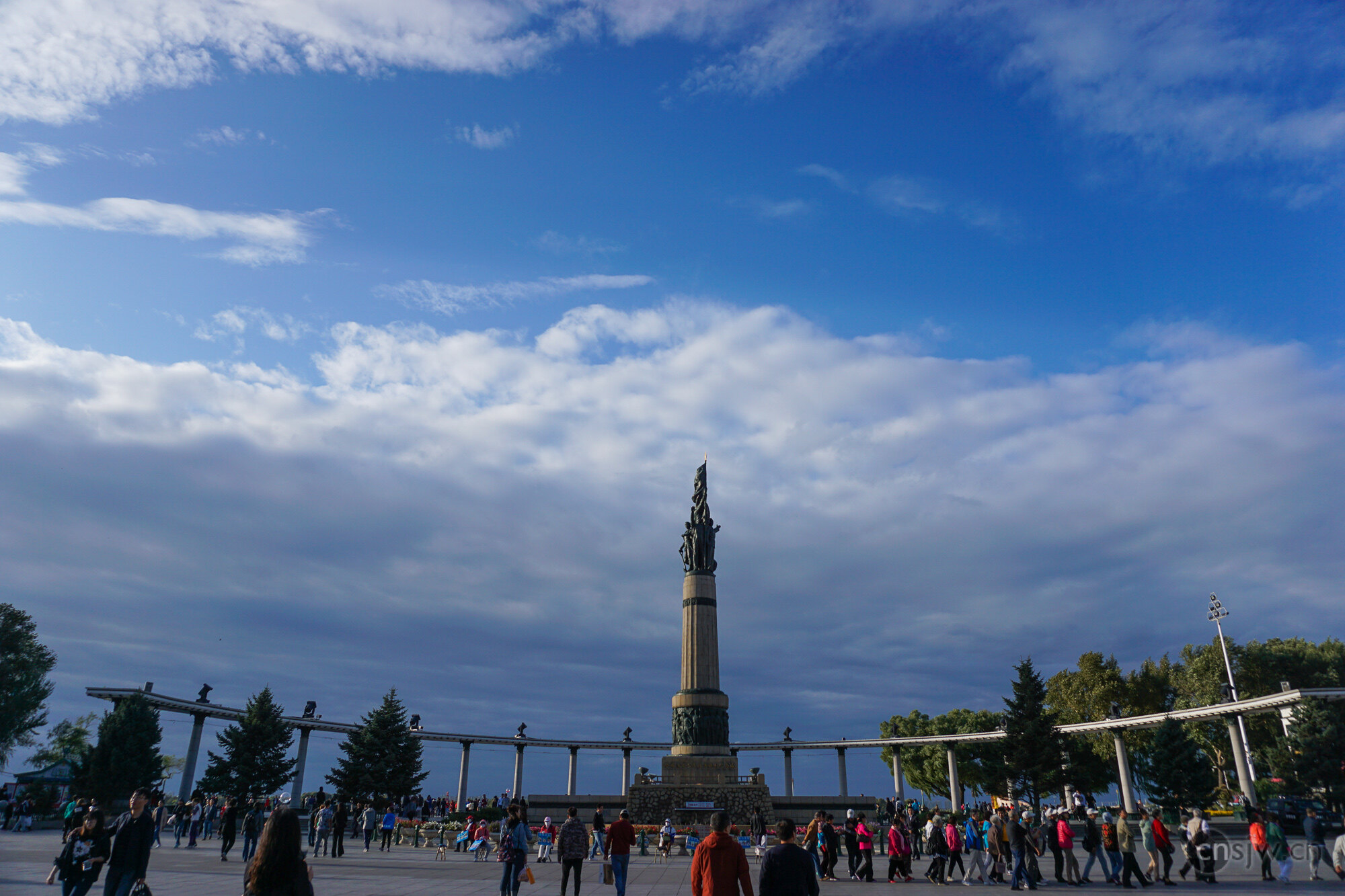
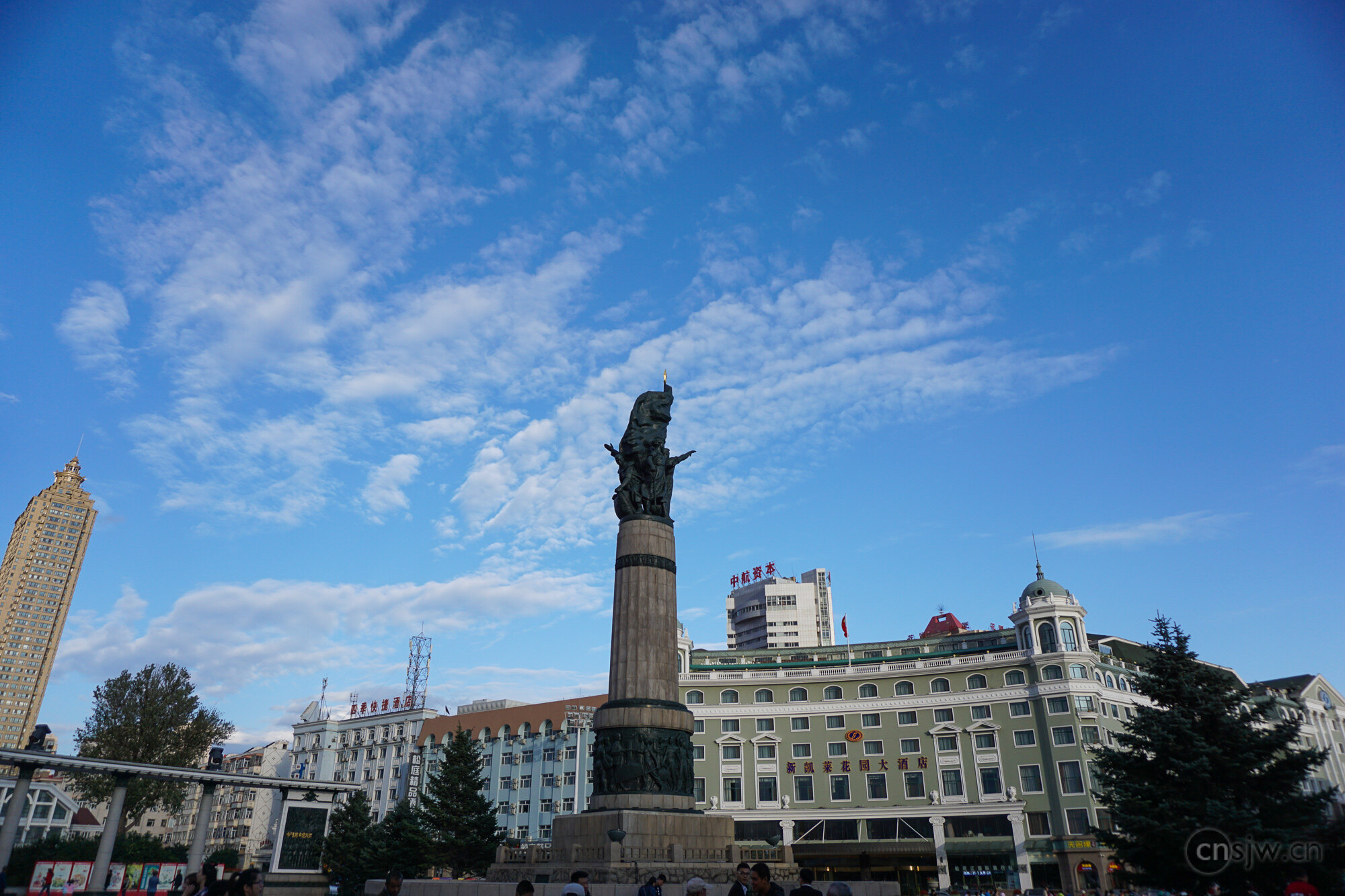
At the other end of Central Street lies the Songhua River, where the Flood Control Monument stands. In 1957, Harbin faced the threat of a massive flood. Local residents worked hard to build levees and successfully held back the waters. Thinking about it, spending 127,000 yuan to build a tower in 1958 was truly no small feat, especially considering that during the 1995 restoration and addition of lighting decorations, only 200,000 yuan was spent.
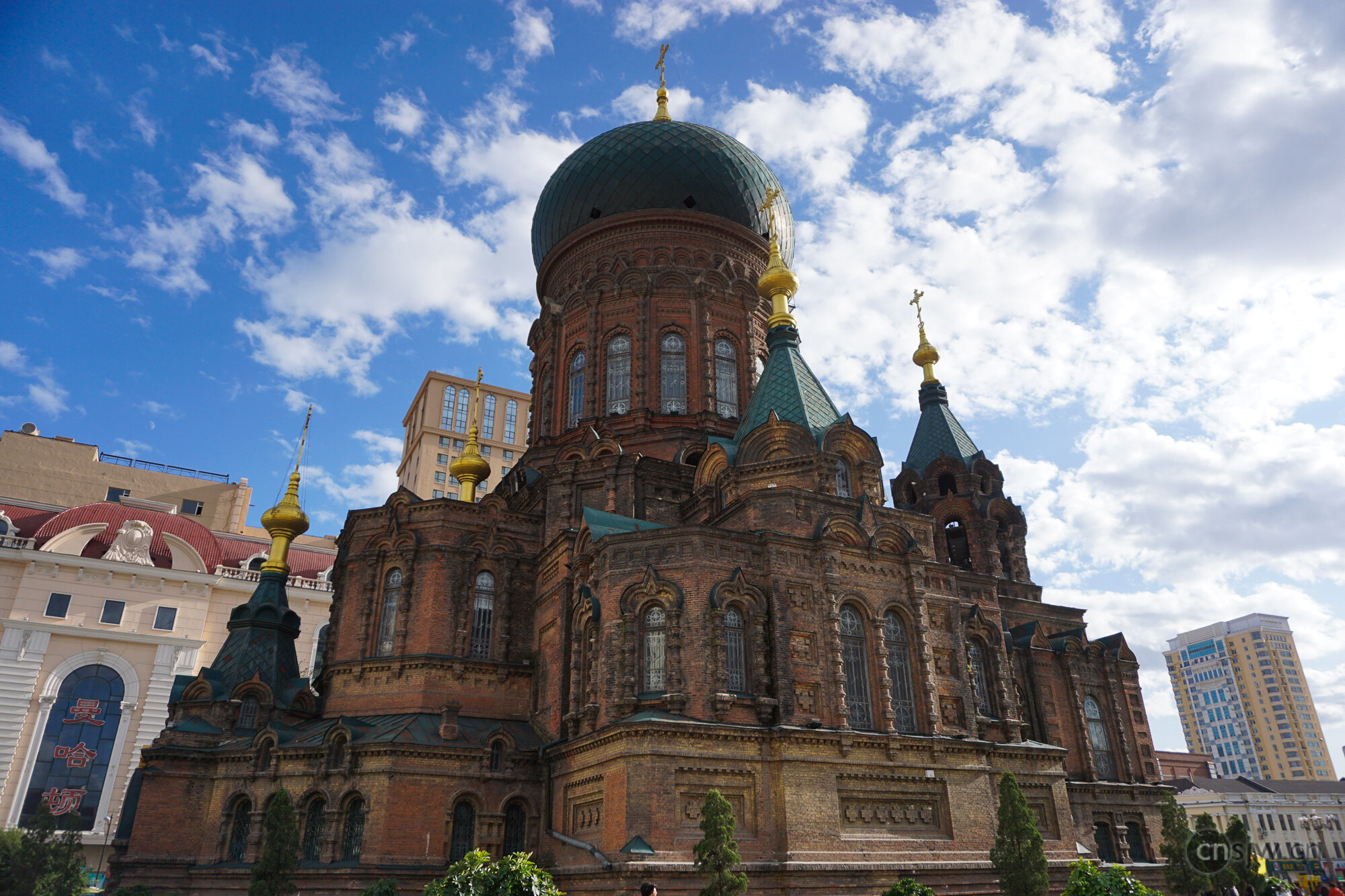
Not far from Central Street is the famous Saint Sophia Cathedral. Construction began in March 1907 as a military church built by the Fourth Infantry Division of East Siberia of the Russian Empire. Later, during the Cultural Revolution, the cathedral suffered severe damage; all sacred vessels and cultural relics were lost. It was subsequently used as a practice room for the Harbin Theater and a warehouse for the Harbin No. 1 Department Store. Eventually, it was designated a Major Historical and Cultural Site Protected at the National Level. Surrounding residential houses were demolished to create a new 7,000-square-meter square, and the cathedral was repurposed as the Harbin Architectural Art Gallery. It has also become a AAAA-rated tourist attraction.
Although it is now an architectural art gallery, the exhibits inside consist solely of photographs, with almost no other forms of display. It can be described as a rather underwhelming art gallery.
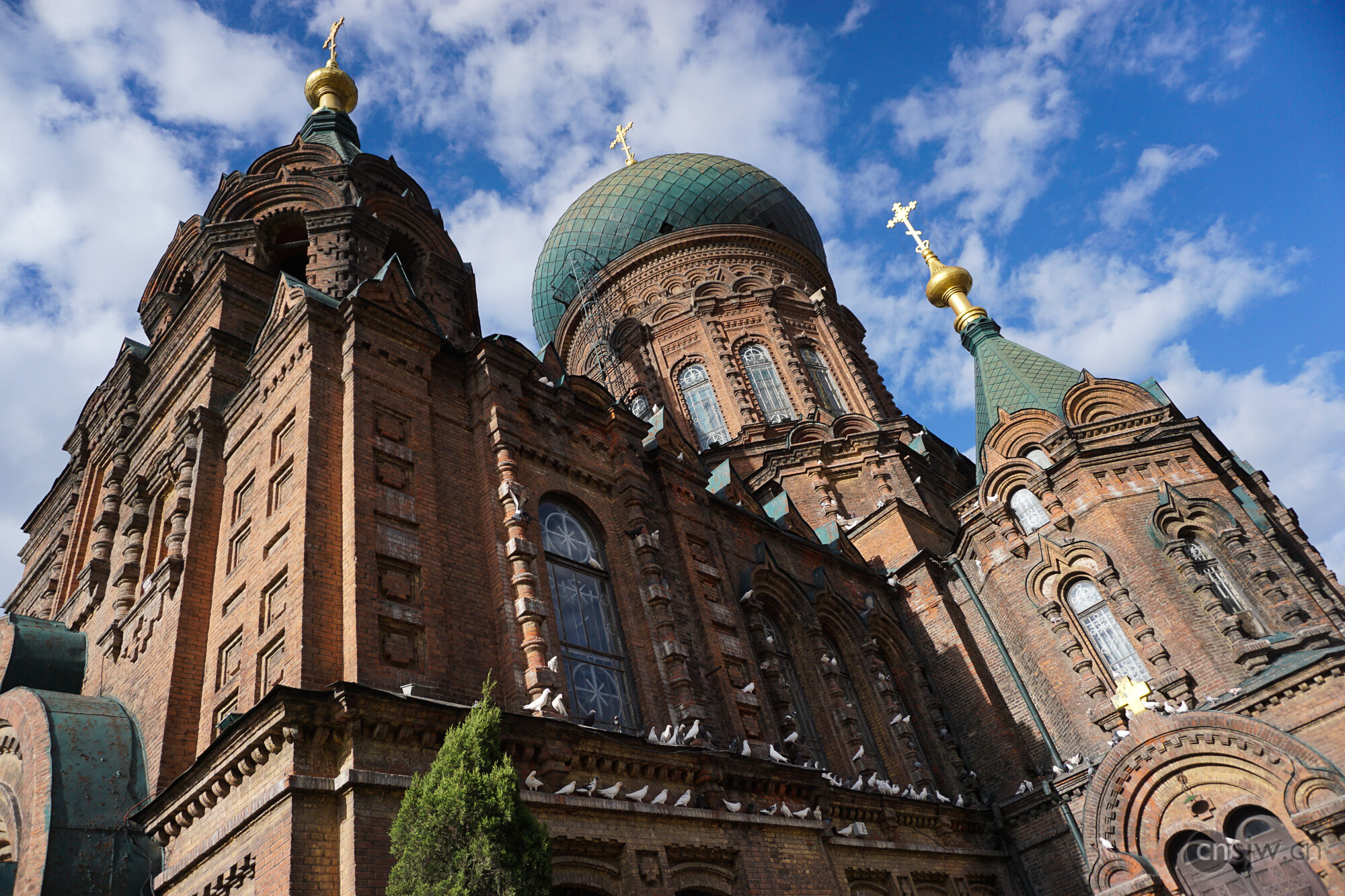
There are many pigeons.
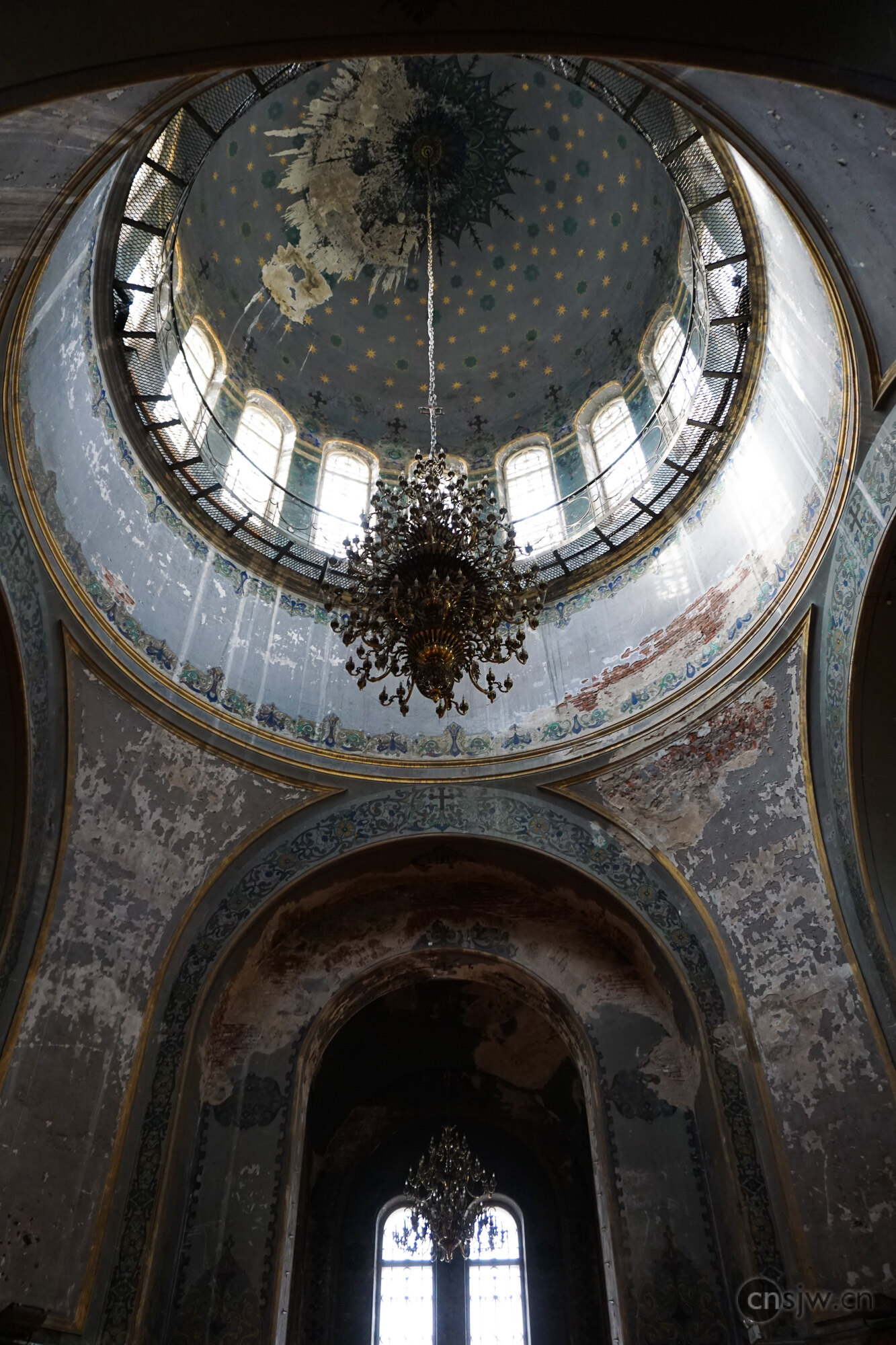
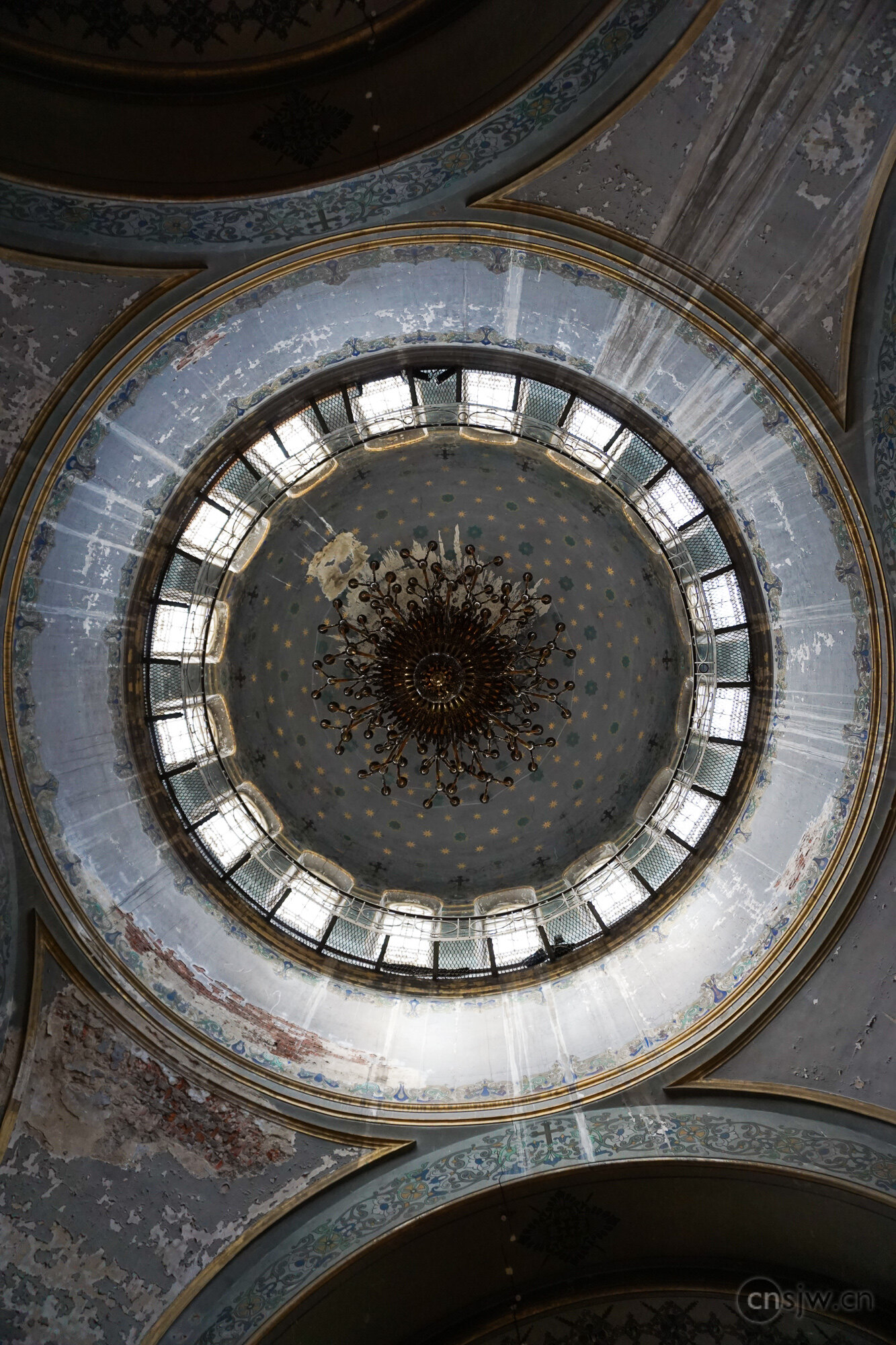
The interior of the entire building is very dilapidated.
The square features musical fountains that operate on a schedule. The water jets shoot quite high, so when watching, be sure to maintain a safe distance and pay attention to the wind direction…

Overall, Central Street and Saint Sophia Cathedral are must-visit destinations in Harbin. When the weather is nice, wandering around, admiring the architecture, and enjoying some local food are all great options. However, since these are popular tourist spots, tourist traps are inevitable—for instance, it’s really not necessary to go inside this cathedral~~~
Photos in this post taken with SONY A5100 + 16-50 f3.5-5.6, post-processed in Lightroom.

Support



Read this article on WeChat