
The trip to South Korea was completely unplanned. The direct flight to Guam had an incredibly inconvenient schedule: departing at 11 PM and arriving around 6 AM local time (4 AM Beijing time). At that hour, hotel check-in wasn’t possible, and no shops or malls were open, meaning I would have been up all night. Given my age, starting the trip exhausted would have negatively impacted the rest of the journey. So, I considered transiting through a third country to break up the long flight and squeeze in some sightseeing along the way. Following this idea, I checked flight options and found that transit was only possible via South Korea or Japan. Since entering Japan for transit requires a visa, while South Korea offers a 30-day visa-free entry for travelers transiting to the United States, I decisively chose to transit through Seoul and spent two days exploring the city.
T-money Card & Airport Bus
Let’s start with the first day. By the time I exited the airport, it was already around 2 PM. Chinese signage at Korean airports is very clear and comprehensive. My first stop was the Woori Bank currency exchange counter at the airport to pick up the T-money card I had purchased via Alipay. This is Korea’s transportation card, essential for riding the subway. The version sold on Alipay is a customized T-money card with full Chinese instructions on the back. It costs 22,500 KRW and comes pre-loaded with 20,000 KRW. You can top it up as needed and refund any remaining balance before leaving.
At the adjacent counter, I bought a bus ticket to my hotel. Incheon Airport has buses running to almost every major hotel in the city, with intervals ranging from 20 to 40 minutes depending on demand. The airport bus service is excellent; the seating configuration is 2+1, making it very spacious and comfortable. Of course, it isn’t cheap—Route 6103 to COEX costs 15,000 KRW (about 90 RMB). Under normal traffic conditions, the ride takes about 40–50 minutes. However, avoiding traffic entirely is unlikely; still, even with light congestion, you’ll arrive in just over an hour.
COEX
COEX is a truly remarkable complex. The entire area encompasses two InterContinental hotels, Lotte Duty Free, a casino, shopping malls, supermarkets, convenience stores, restaurants, cinemas, an aquarium, a library, office buildings, exhibition halls, museums, a City Terminal for airport check-in, and entrances to two subway stations (Samseong Station and Bongeunsa Station)—all fully interconnected underground. Originally, structures like the InterContinental Hotel, World Trade Center, and Hyundai Department Store stood independently but were later linked together. The underground section of COEX and the Starfield COEX Mall were completed in 2000, though continuous renovations and functional expansions have followed since. Although walking from one end to the other takes only about 15 minutes, it’s incredibly easy to get lost…
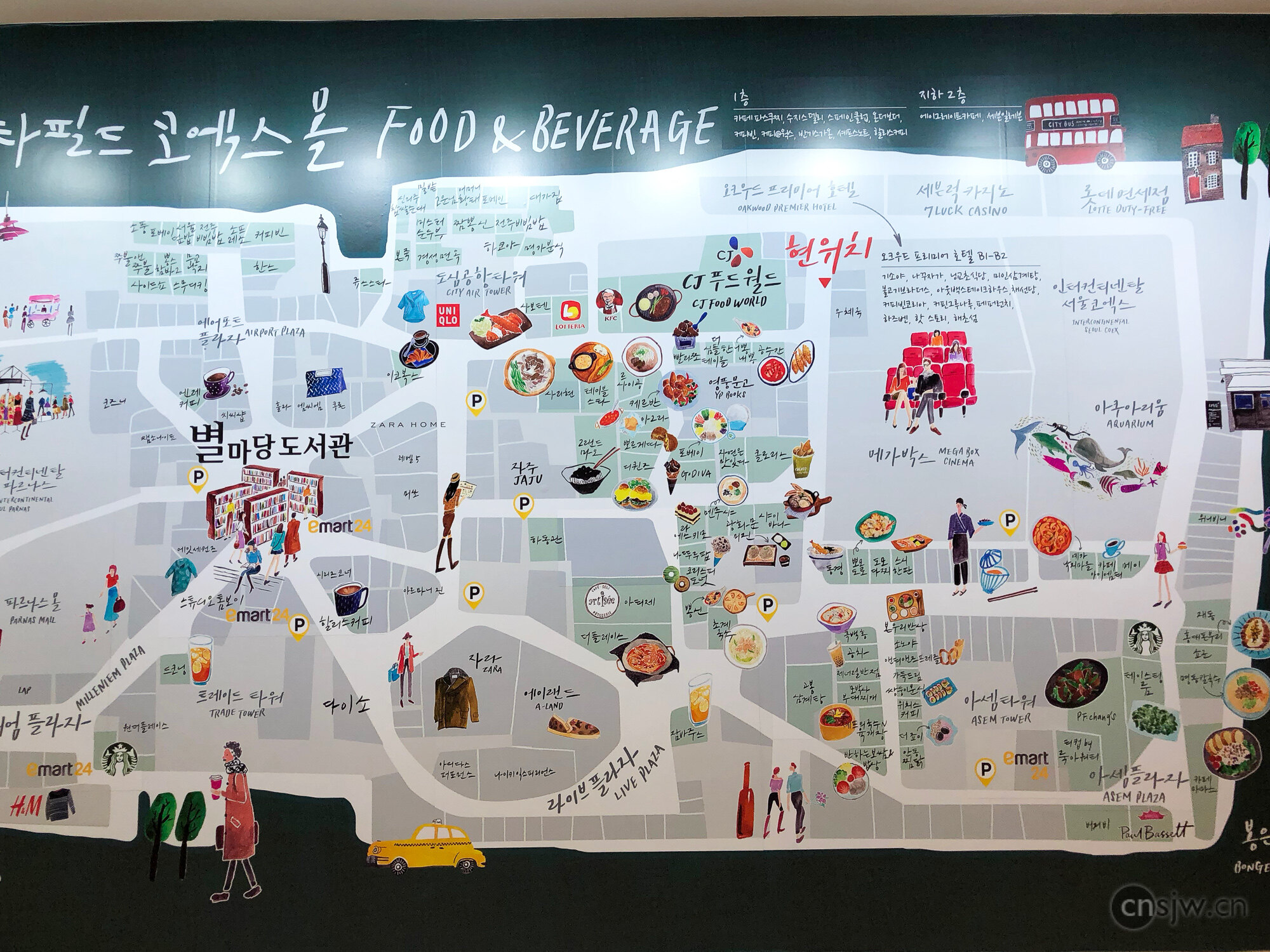
Mall Map
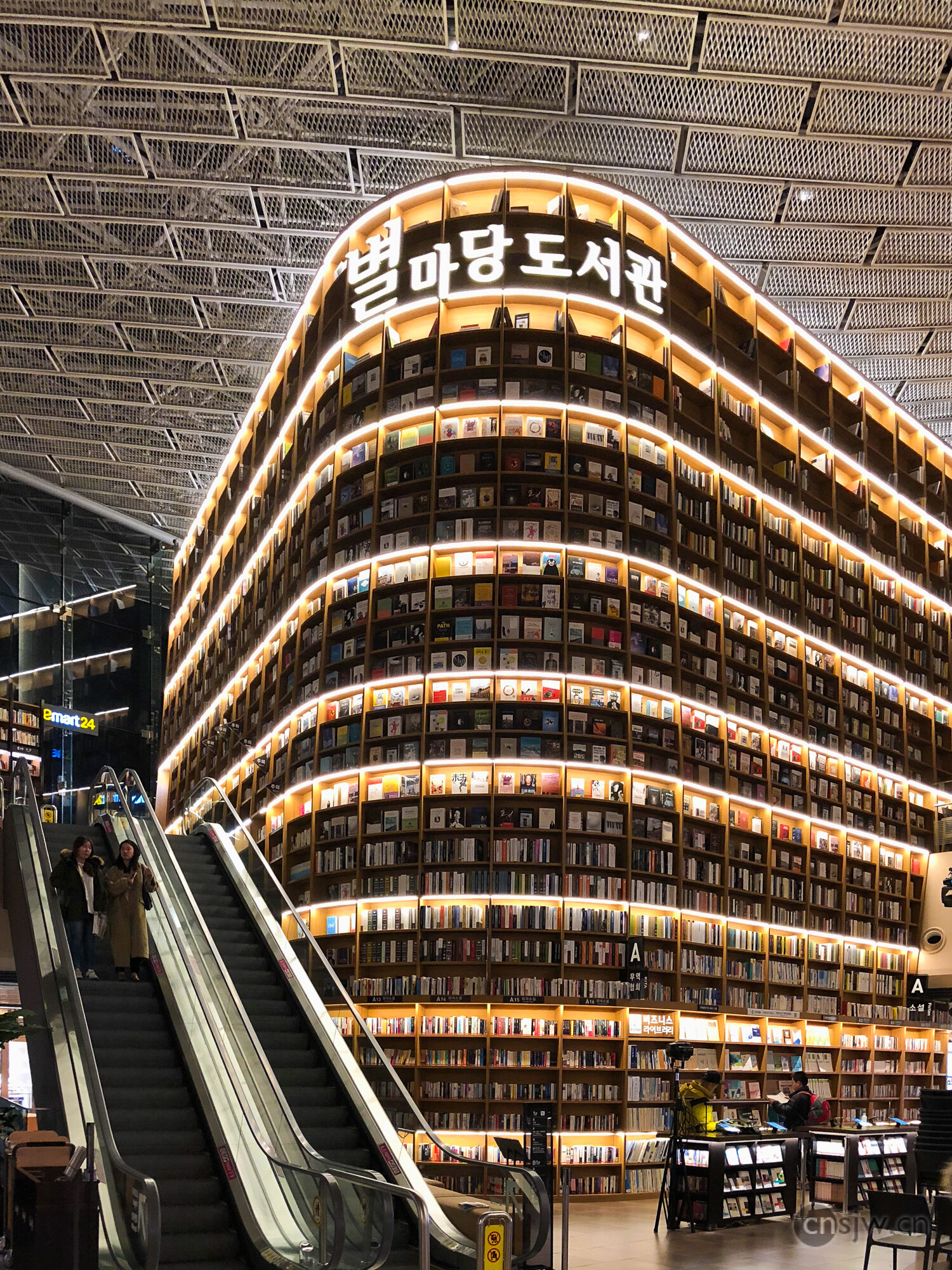
Library
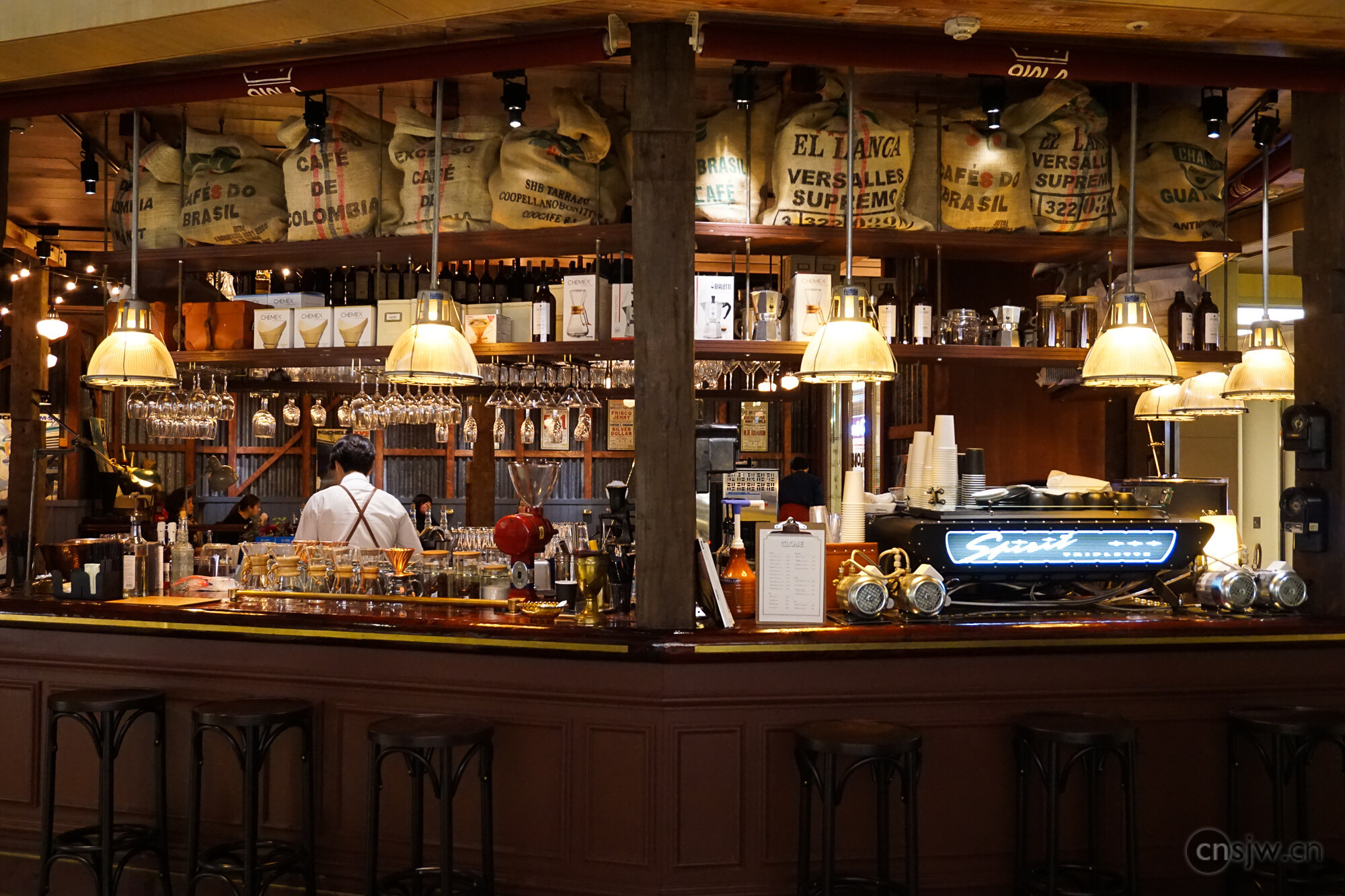
A Café
Grand InterContinental Seoul Parnas
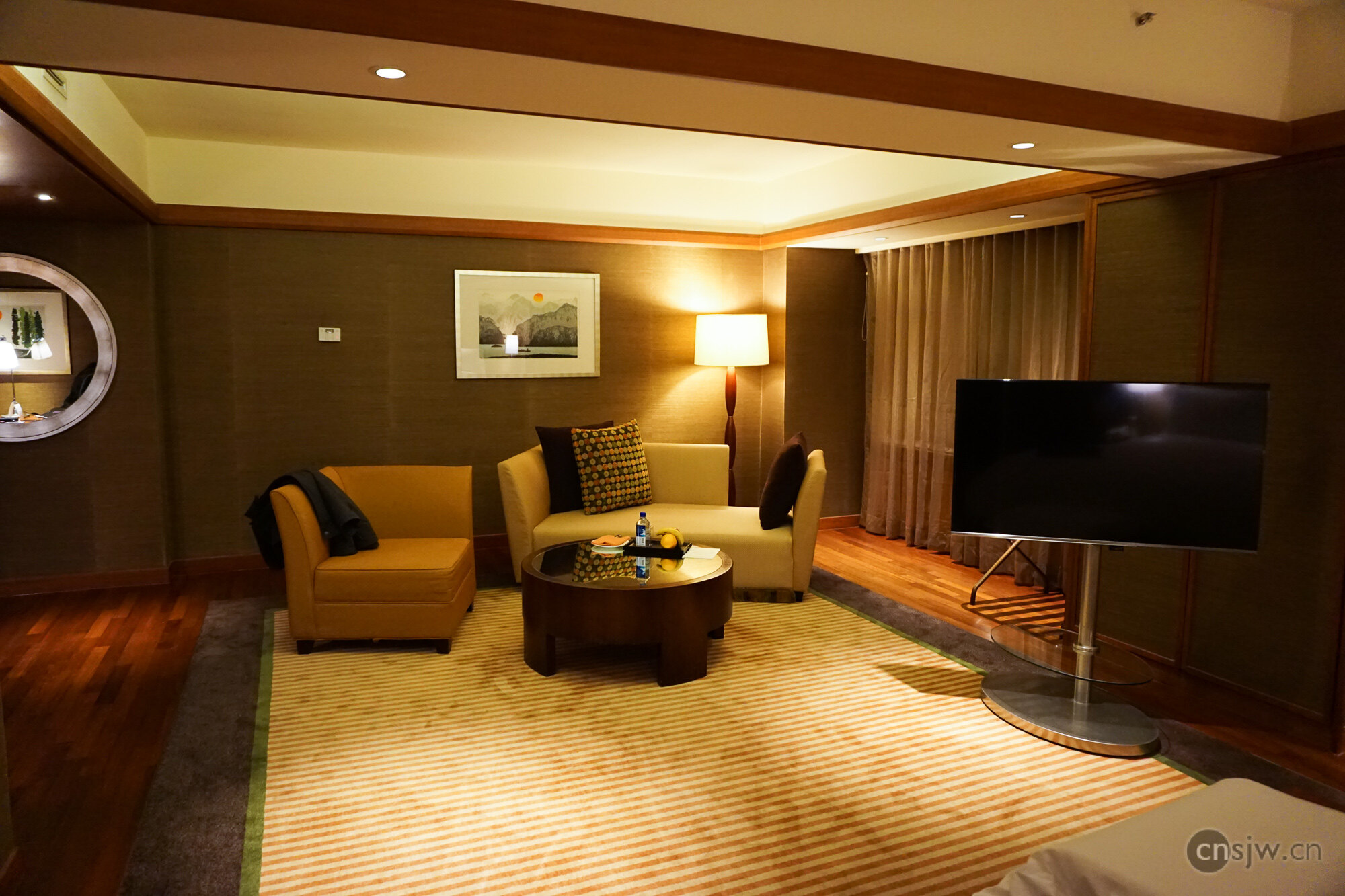
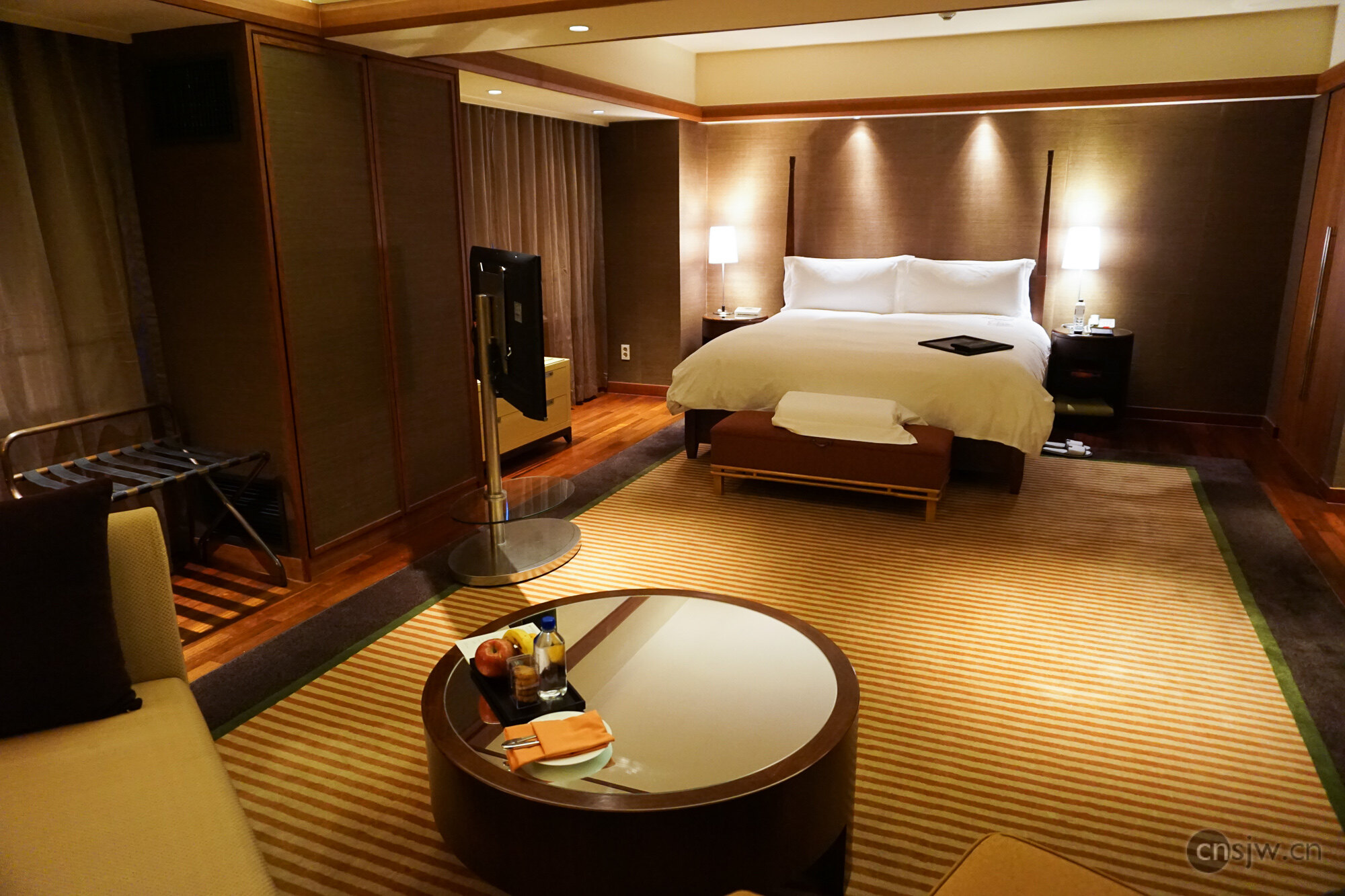
As for the two InterContinental properties here: one is the IC COEX, opened in 1998 and renovated in 2012; the other is the Grand IC, opened in 1988 and renovated in 2014. Back in its day, the Grand IC was the only high-end hotel in the Gangnam area. Like the Jin Jiang Tower InterContinental, it features many of these open-plan pseudo-suites. As a result, my member upgrade landed me in this room type. Although soft furnishings, furniture, and appliances were updated during renovation, the fixed wall-mounted showerhead remains quite annoying. Service quality largely depends on the English proficiency of the staff attending to you~~ However, Ambassador Elite members have access to a dedicated lounge where service is significantly better, though it often gets crowded with other guests. I redeemed points for this stay, so I didn’t try the hotel breakfast. Fortunately, there’s a Starbucks and McDonald’s right by the subway entrance downstairs—super convenient. McDonald’s also offers self-service kiosks, eliminating language barriers. Internet speeds in Korea are blazing fast, TV picture quality is excellent, and tap water is safe to drink directly.
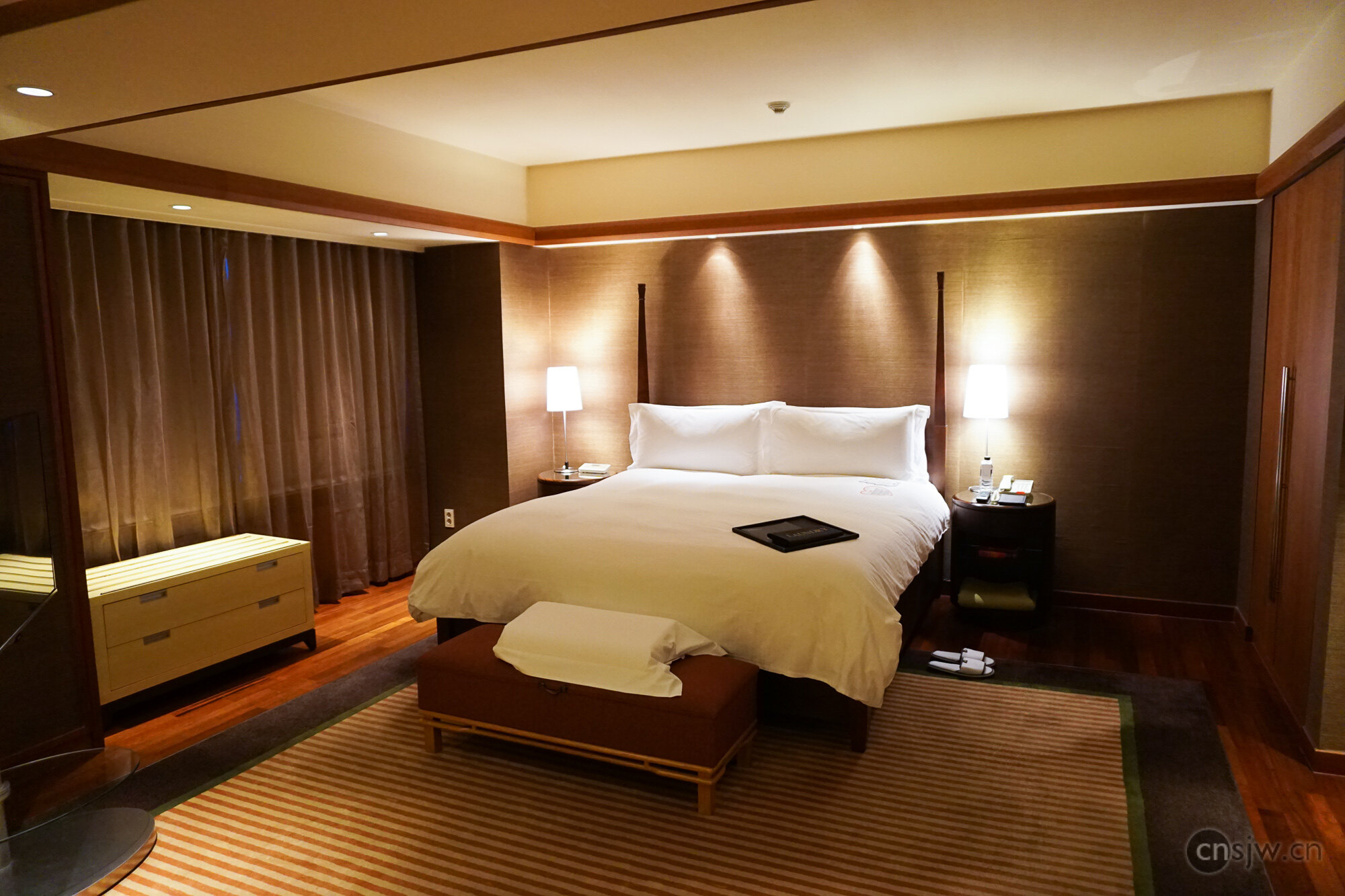
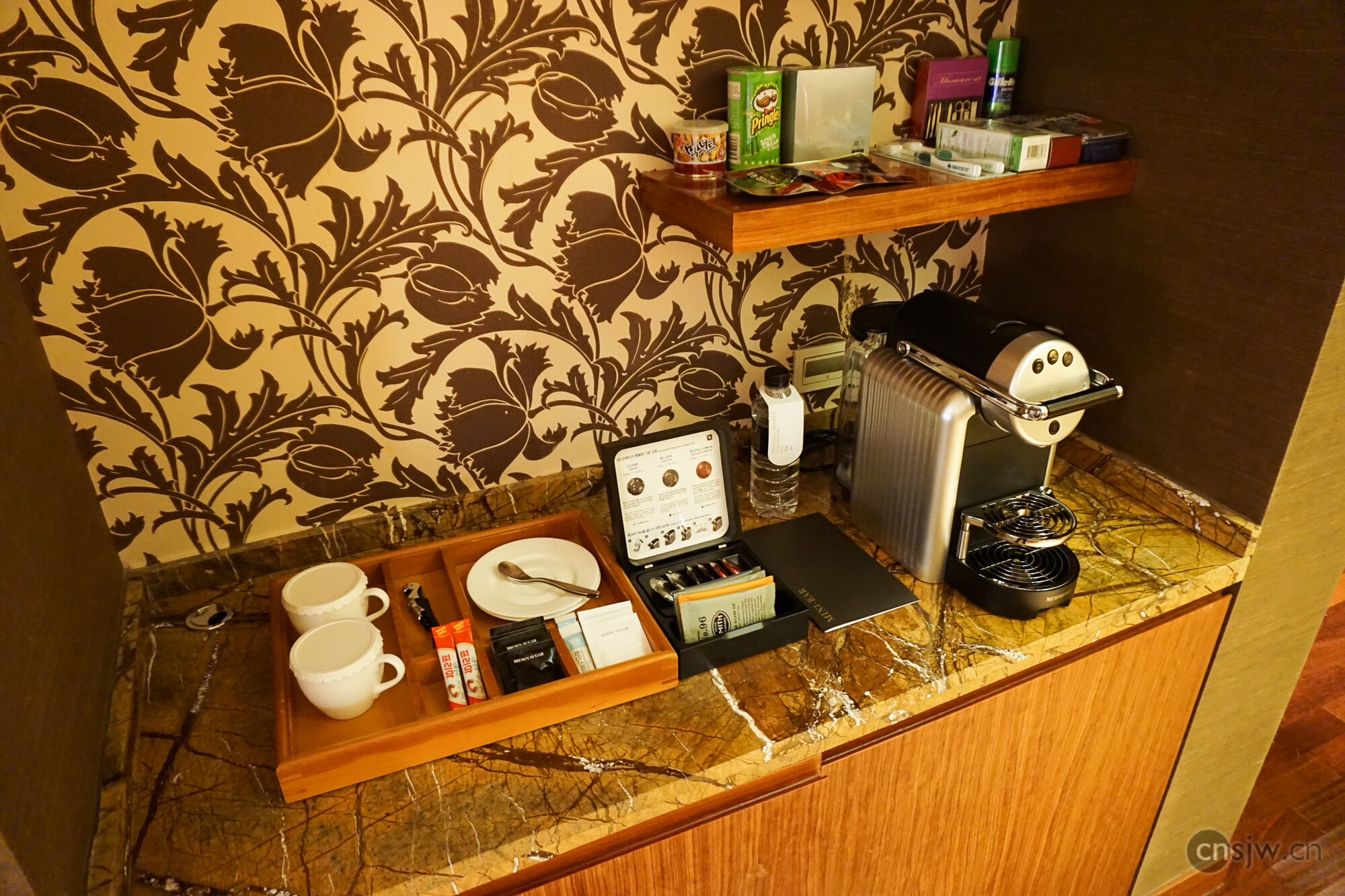
The minibar includes a commercial-grade Nespresso capsule coffee machine. One serious issue with this model is its oversized water tank—it requires a large volume of water before it will operate. If underfilled, it keeps beeping incessantly. Only after the housekeeping auntie added four bottles of water did it finally work properly… Such a waste! On the bright side, they thoughtfully provided decaf capsules. Each evening upon returning, I’d grab a carton of milk from the convenience store downstairs and enjoy a perfect latte in my room.
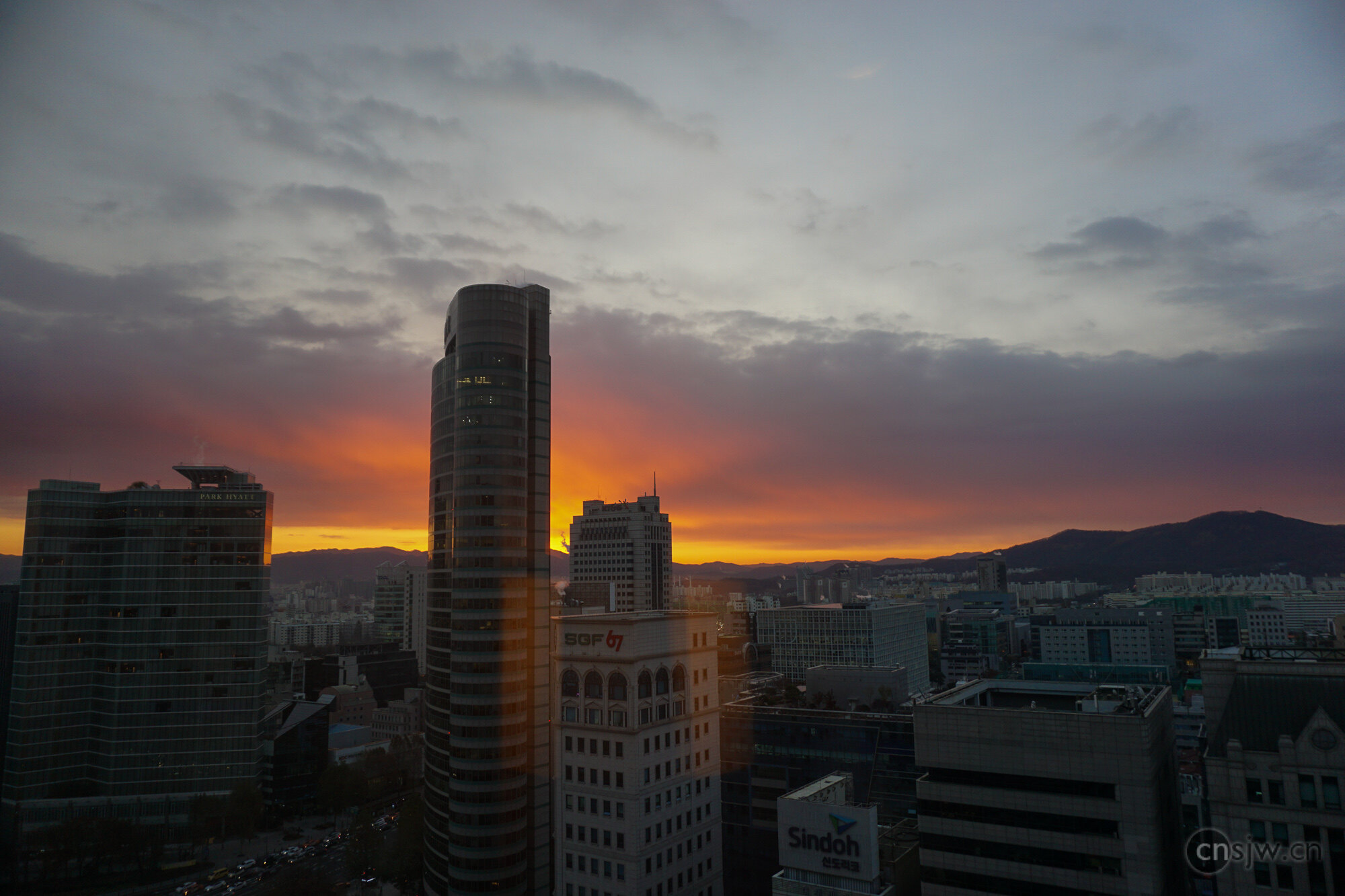
View from the room window, overlooking the Park Hyatt opposite
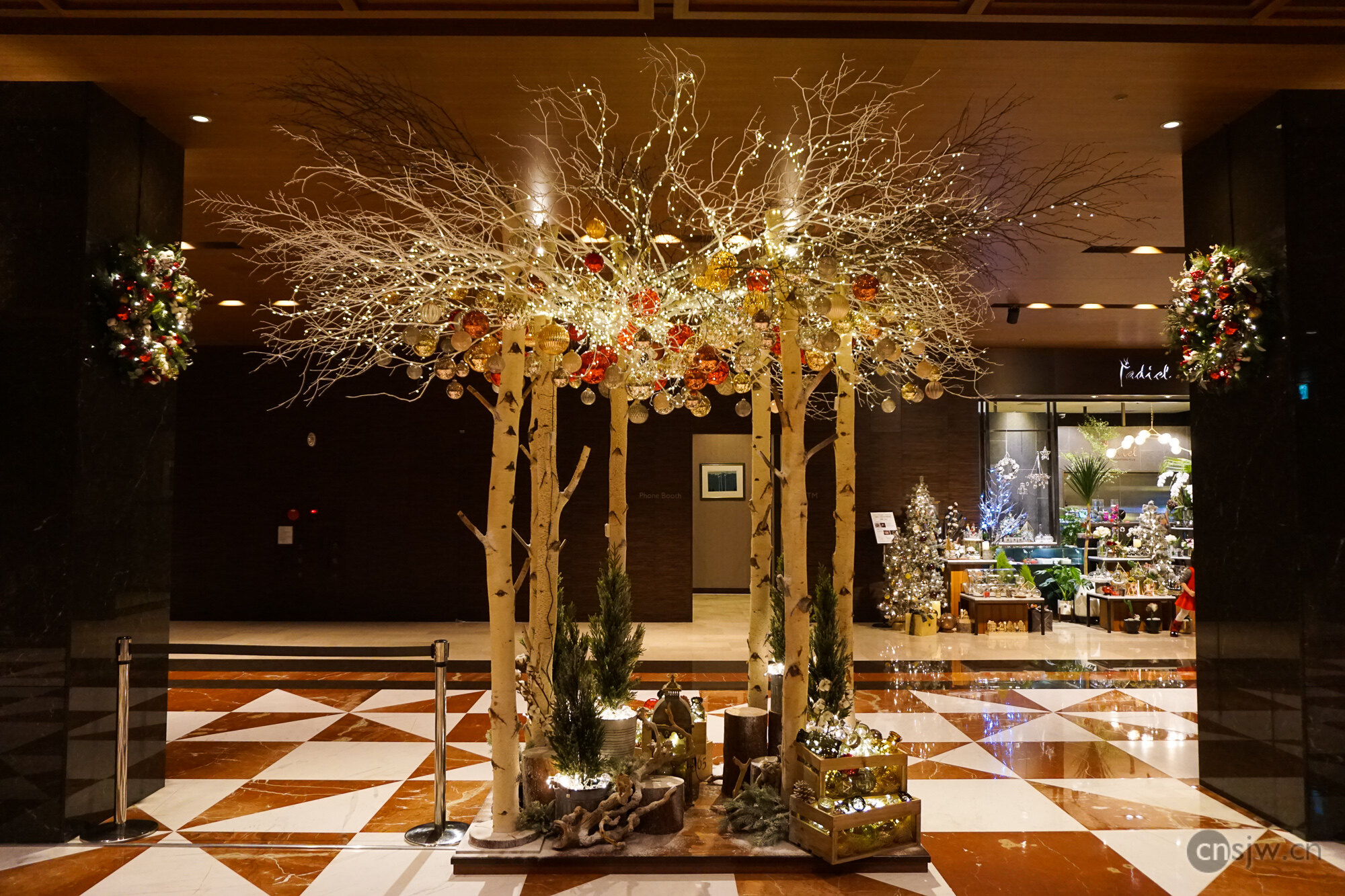
Whether in the hotel, mall, or office buildings, Christmas decorations filled the air with festive cheer.

Lobby Lounge
Corridor connecting the hotel and office building
The Lotte Duty Free here is spacious, well-stocked, and offers an elegant shopping environment. Most sales associates speak Chinese, and it’s far less crowded than airport duty-free shops. However, purchases must be picked up at the airport, and prices match those at the airport. That means if you want to buy something for immediate use during your stay in Korea, unfortunately, that’s not possible here.
Pro Soy Crab
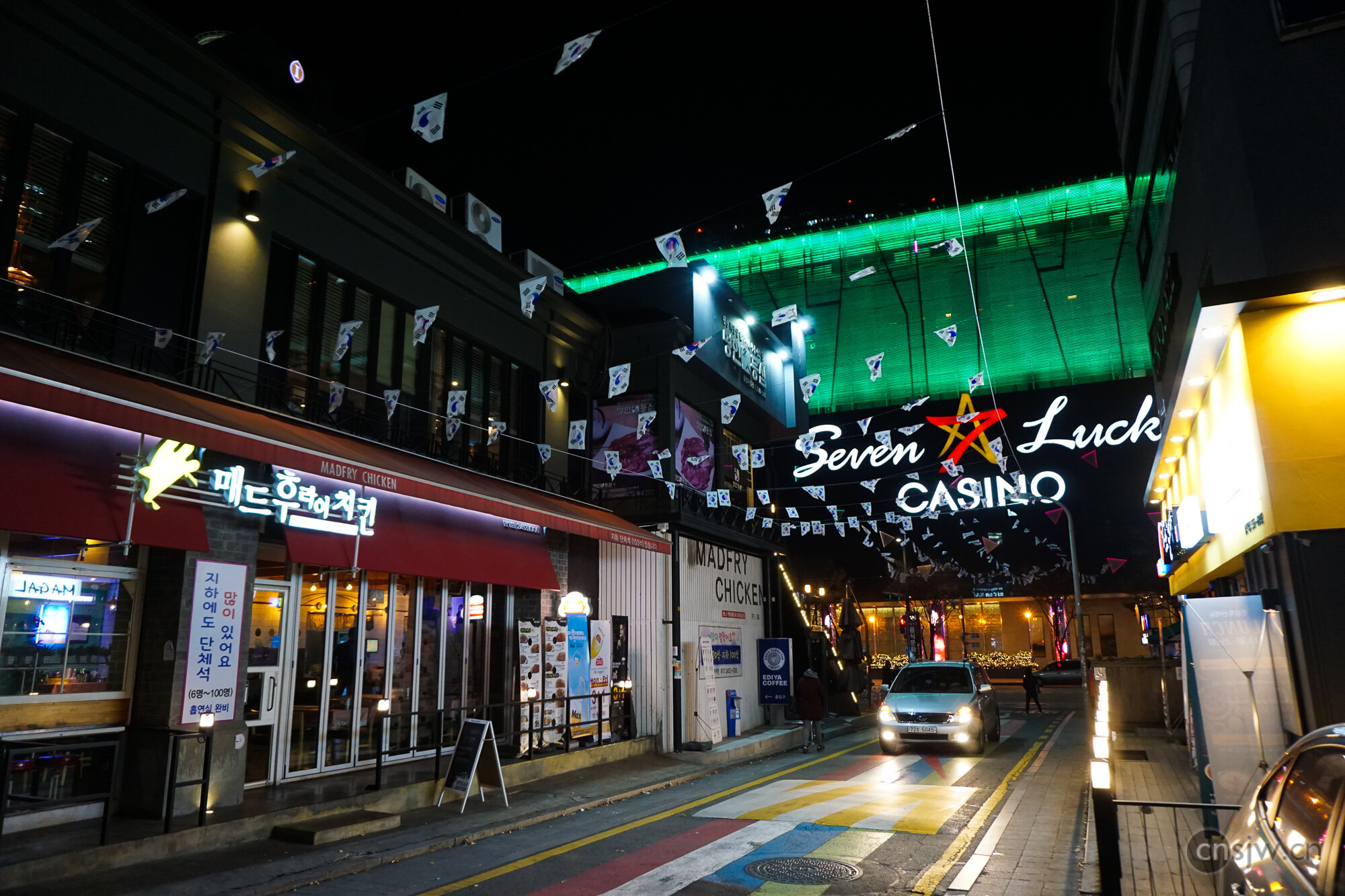
Just across the street to the west of COEX lies Samseong-dong, a dining district offering nearly every cuisine imaginable: fried chicken, Japanese fare, bars, pizza—and Pro Soy Crab, which I tried this time.

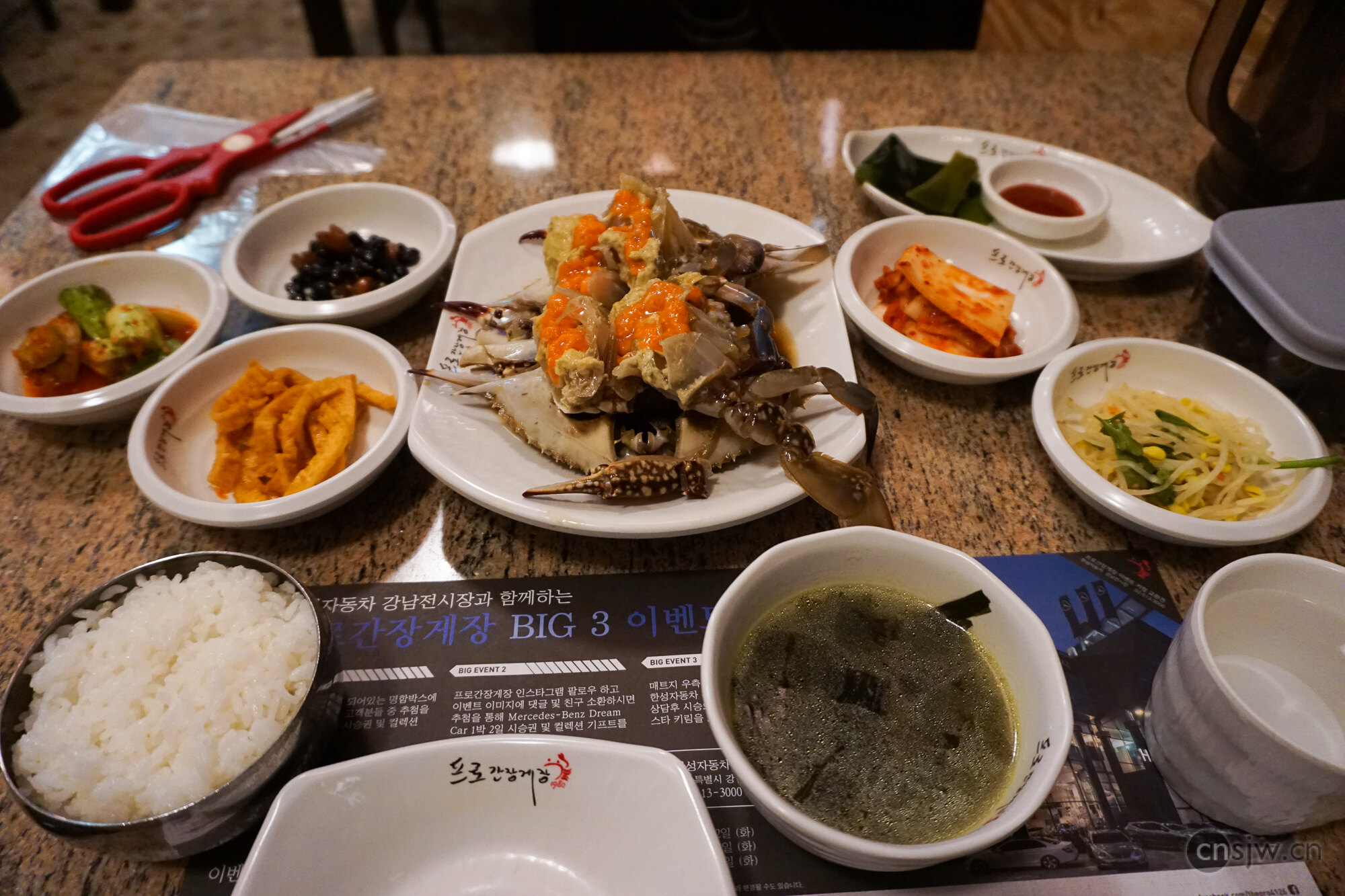
Speaking of Pro Soy Crab, there used to be a branch in Shanghai (though it seems to have closed now). It’s extremely famous. They use swimming crabs marinated raw in soy sauce—somewhat similar to Shanghai-style drunken crab, except drunken crab uses hairy crabs marinated in liquor. This outlet isn’t as large as the flagship location, and when I visited, it wasn’t too crowded. Ordering alone in Korea can be challenging, as most main dishes are served in portions for two. For example, one serving of soy crab here includes two whole crabs—after ordering that, there’s hardly room left for anything else. It was freezing outside, and eating cold soy crab while sipping ice-cold water made me feel utterly chilled… Only once my body warmed up could I truly appreciate its deliciousness~~~ Even the smaller crabs were packed with rich roe—incredibly savory and perfect with rice. Be warned: soy crab is pricey. Small crabs cost 65,000 KRW, while large ones go for 85,000 KRW.

Language, Payment & Transportation
Card payments are widely accepted throughout Seoul. During my few days in Korea, I surprisingly never needed cash at all. Aside from traditional markets and street vendors selling roasted sweet potatoes and chestnuts—which accept cash only—cards worked everywhere else. Larger stores and restaurants frequented by Chinese tourists even support Alipay and WeChat Pay. Overall, payment systems are exceptionally advanced and convenient.
For navigation in Seoul, I relied primarily on two apps: Konest Map and Konest Subway. The map app displays both Chinese and Korean labels, which is somewhat frustrating because you can’t tell how to pronounce them. Meanwhile, Explore Seoul shows only Korean and English, which is equally annoying since you don’t know the corresponding Chinese names… Moreover, both apps have notable shortcomings: neither supports offline use nor turn-by-turn navigation—you even need to manually tap to refresh your current location. Still, better than nothing… Google Maps in Korea is available only in Korean and frequently fails to return any routes whatsoever—it’s practically useless.
Getting around Seoul mainly relies on the subway. Fares are structured as follows: within 10 km, 1,250 KRW; between 10–50 km, an additional 100 KRW per 5 km; beyond 50 km, an extra 100 KRW per 8 km. Prices aren’t high. When tapping in with a transit card, 1,250 KRW is deducted upfront; upon exit, any additional fare based on distance is automatically subtracted.
Chinese signage in the Seoul Metro exists but remains incomplete—far inferior to what you find at the airport. For instance, directional signs inside corridors display only Korean and English. This creates awkward situations when your navigation app shows only Korean and Chinese characters, forcing you to rely solely on recognizing Korean script shapes. At stations popular with tourists, announcements include Chinese and Japanese—but only the phrase “Next station is…” is spoken in Chinese; actual station names remain exclusively in Korean… Practically useless! Thankfully, onboard screens continuously display next-stop information. Another quick trick is identifying transfer lines to orient yourself.
Additionally, Seoul’s subway cars are remarkably quiet—so silent you can hear the faint hum of fluorescent lights. You might assume the train is empty, yet it’s actually packed with passengers, all glued to their phones~~ Haha.
Korean subways require no security checks, and every station provides self-service lockers—extremely convenient.
Photos in this post taken with SONY A5100 + 16-50mm f/3.5-5.6 / iPhone 8, edited in Lightroom.

Support


Read this article on WeChat