
The Historic Centre of Macao is a UNESCO World Heritage site and represents the oldest, largest, best-preserved, and most concentrated collection of buildings featuring a coexistence of Eastern and Western architectural styles in China. It includes the oldest church ruins and convents, the oldest Christian cemetery, the oldest group of Western-style fortresses, the first Western-style theater, the first modern lighthouse, and the first Western-style university in China. As the first permanent settlement established by European nations in East Asia, the historic centre bears witness to over 400 years of history characterized by cultural exchange and diverse coexistence between Chinese and Western cultures in Macao. Precisely because of this integration of Chinese and Western cultures, most of the buildings within the district feature a unique blend of both traditions. The majority of these structures remain well-preserved today or continue to serve their original functions.
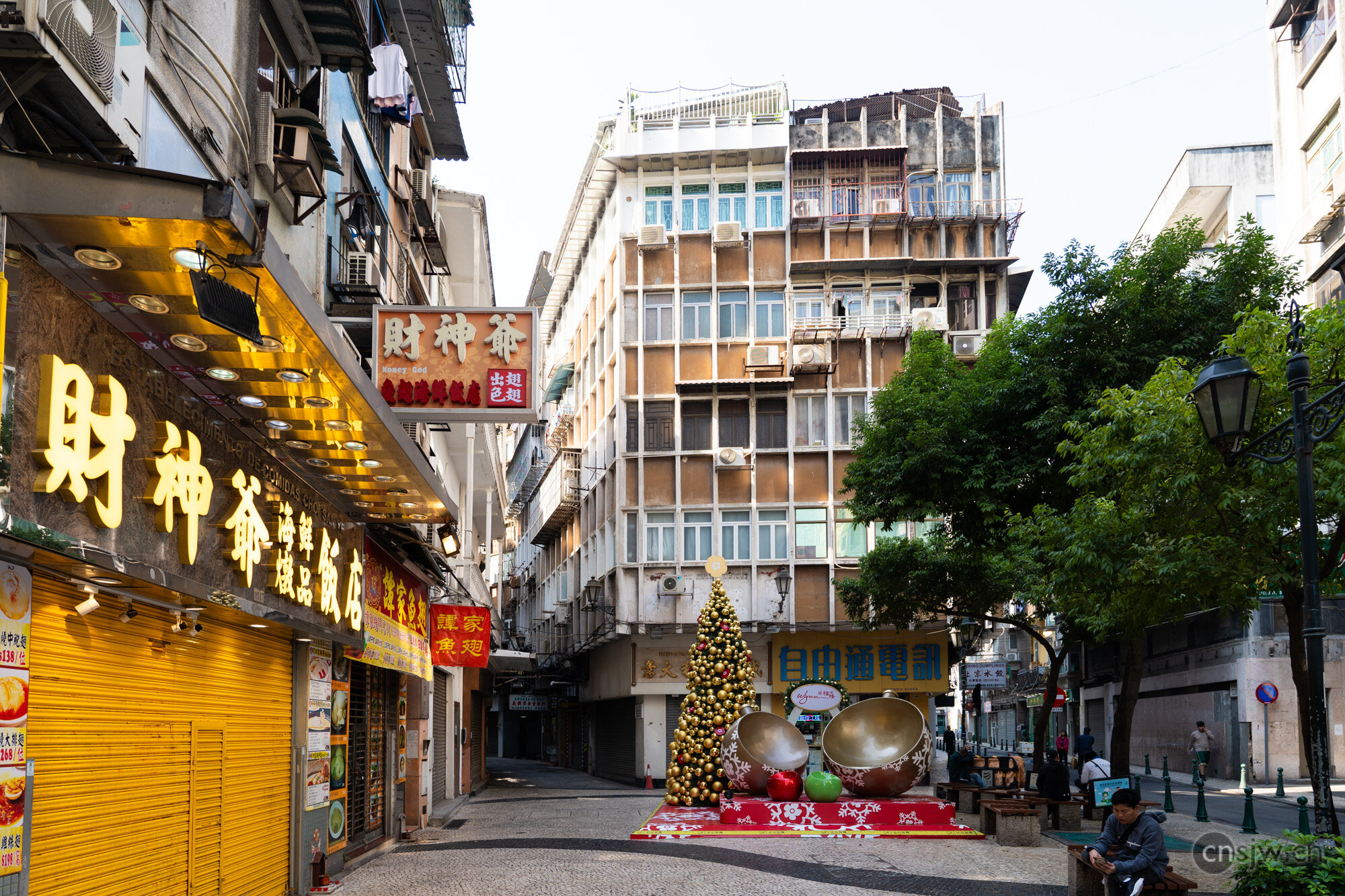
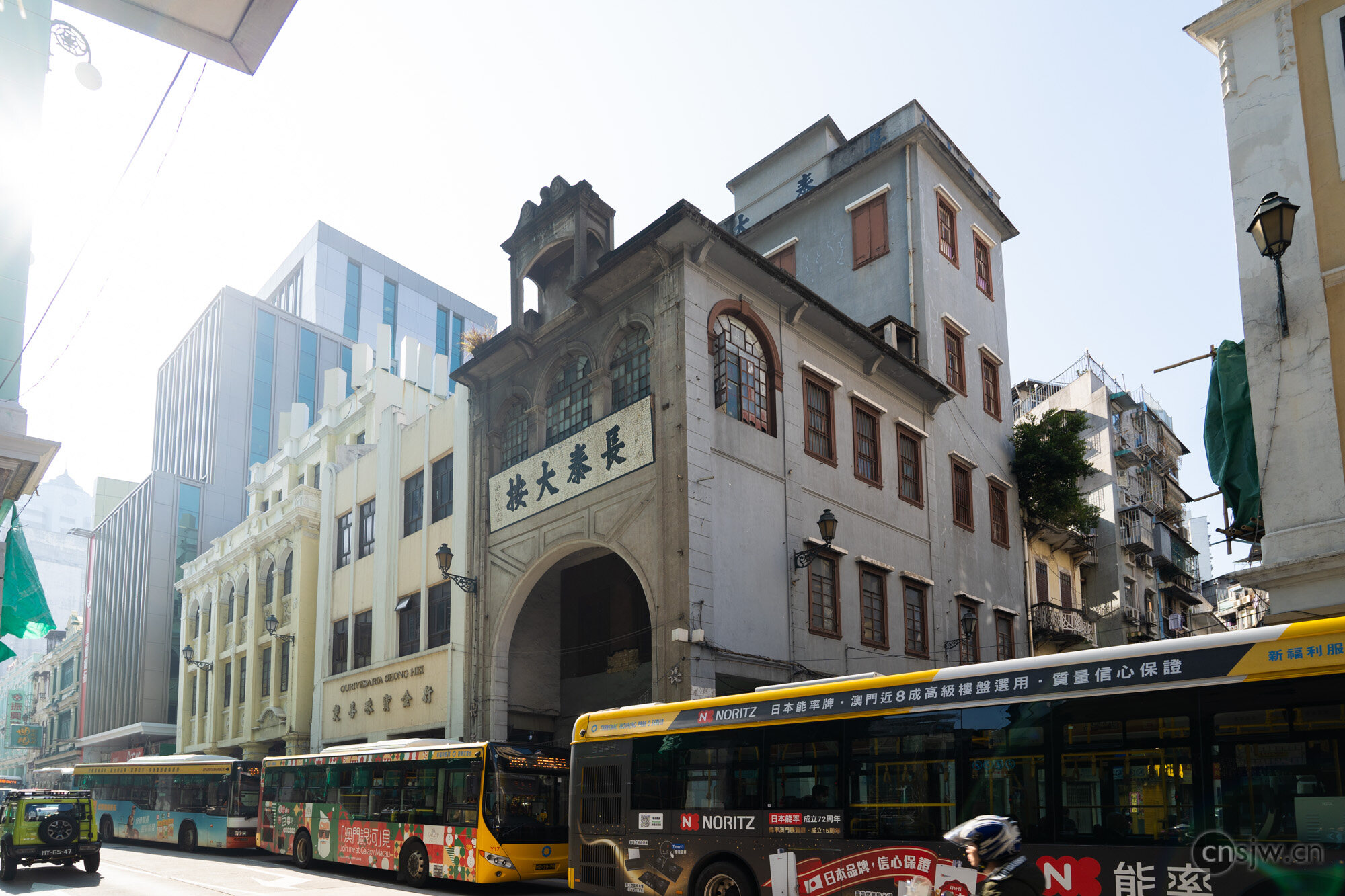
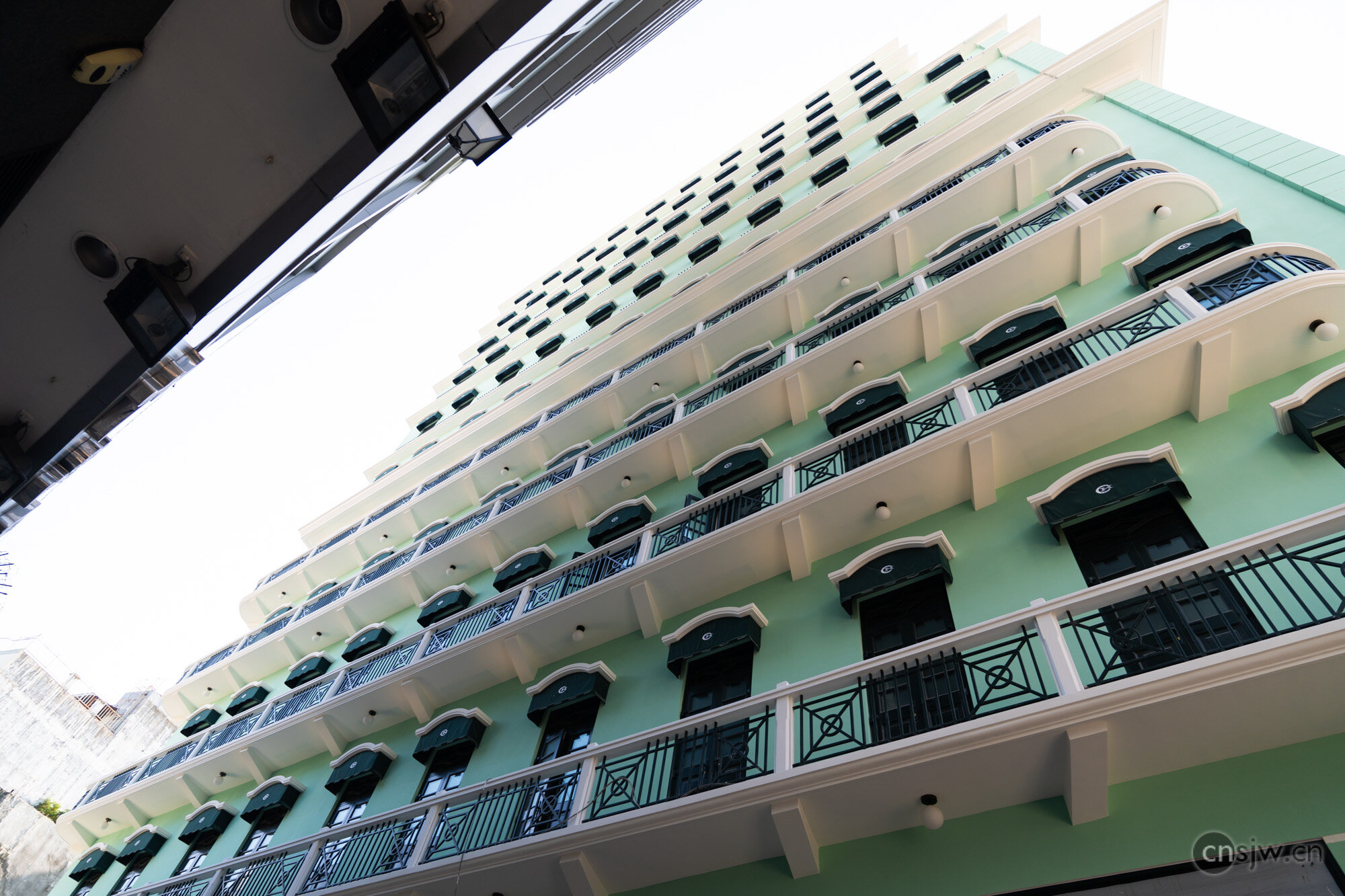
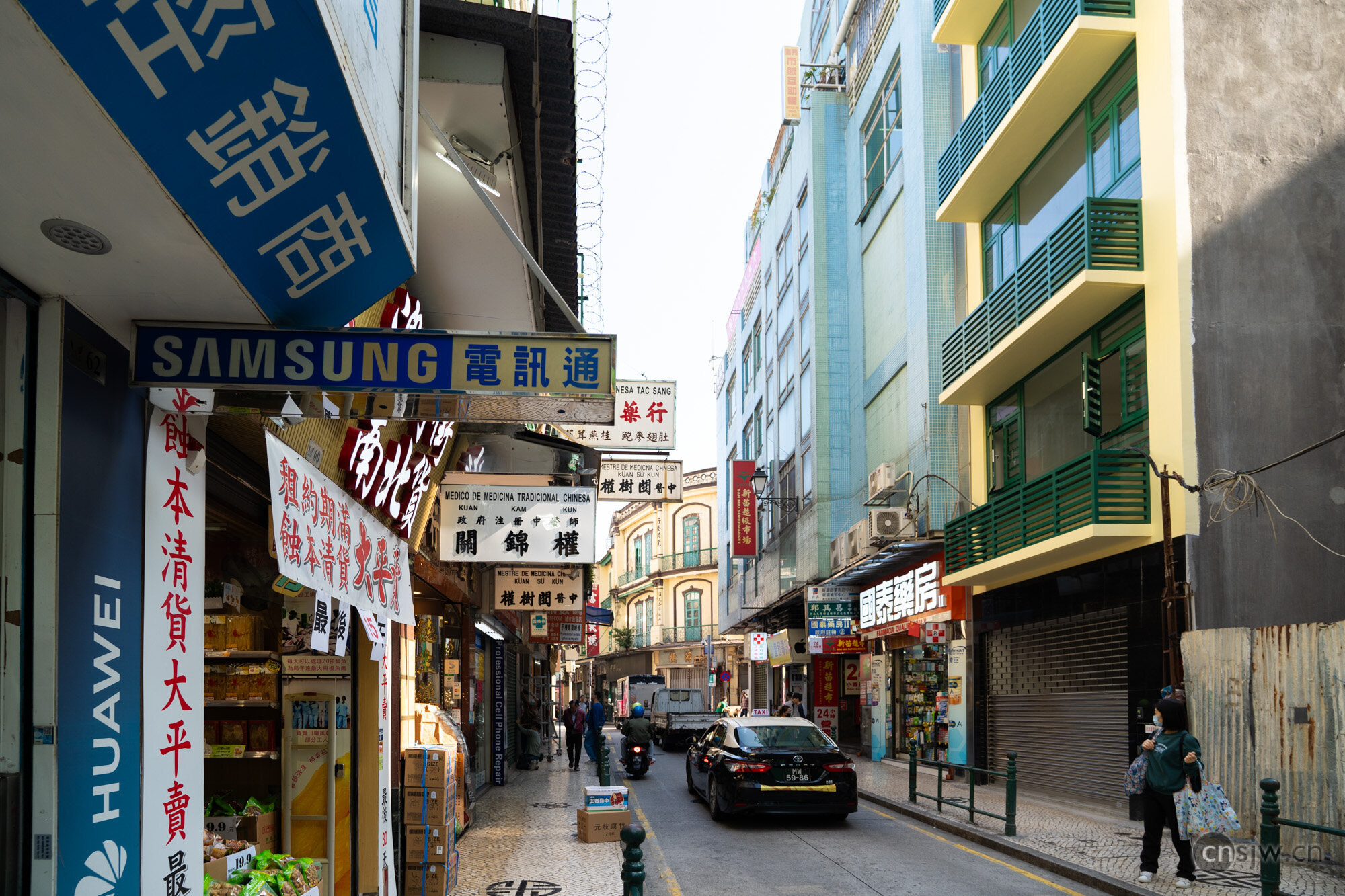
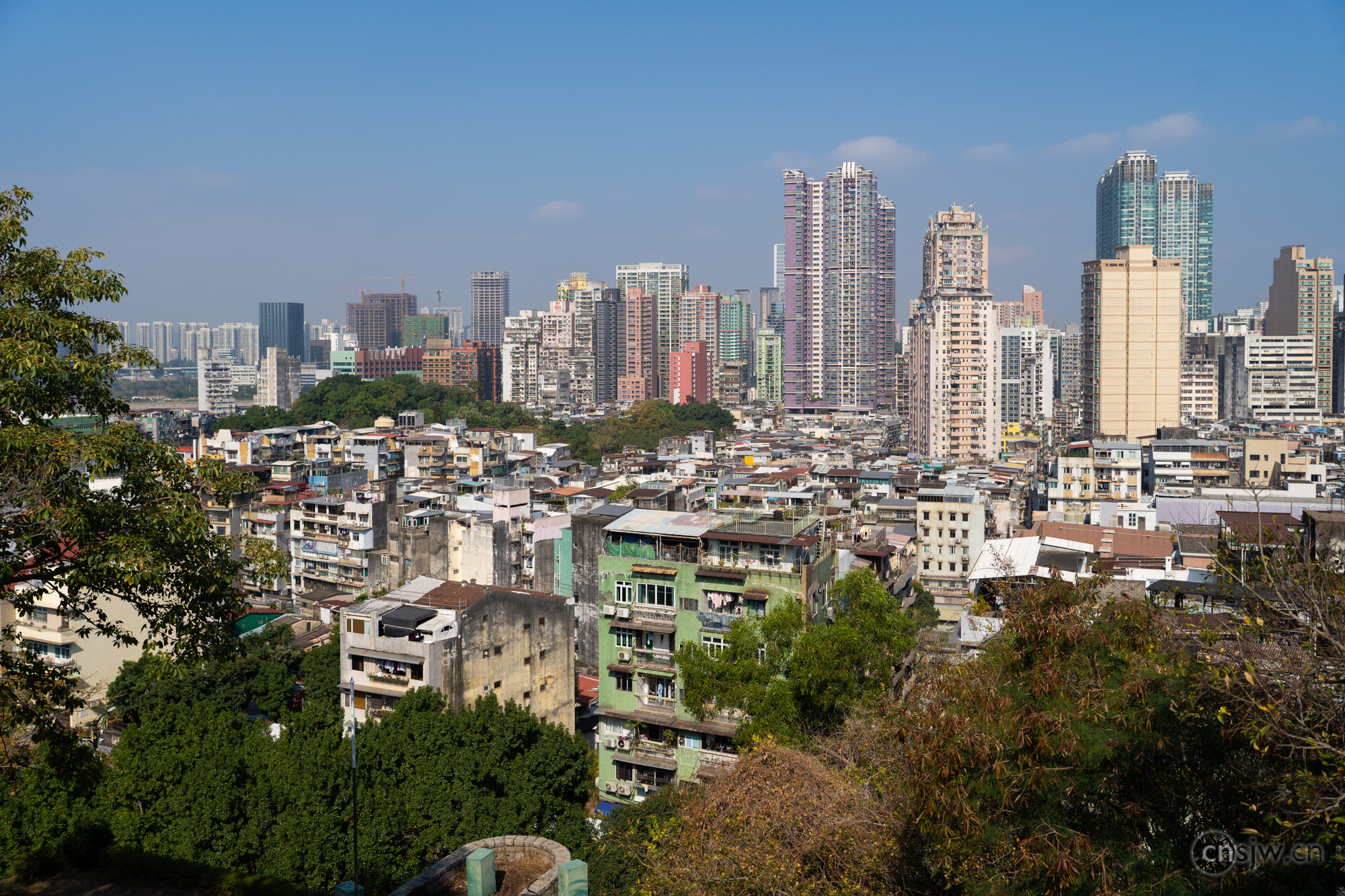
Take a bus from your hotel to San Ma Lo Station, then walk the rest of the way. Along the route, you will encounter numerous historic buildings. The streets are very narrow, presenting a completely different style from Taipa; they resemble those in Hong Kong somewhat, which makes for an interesting experience.
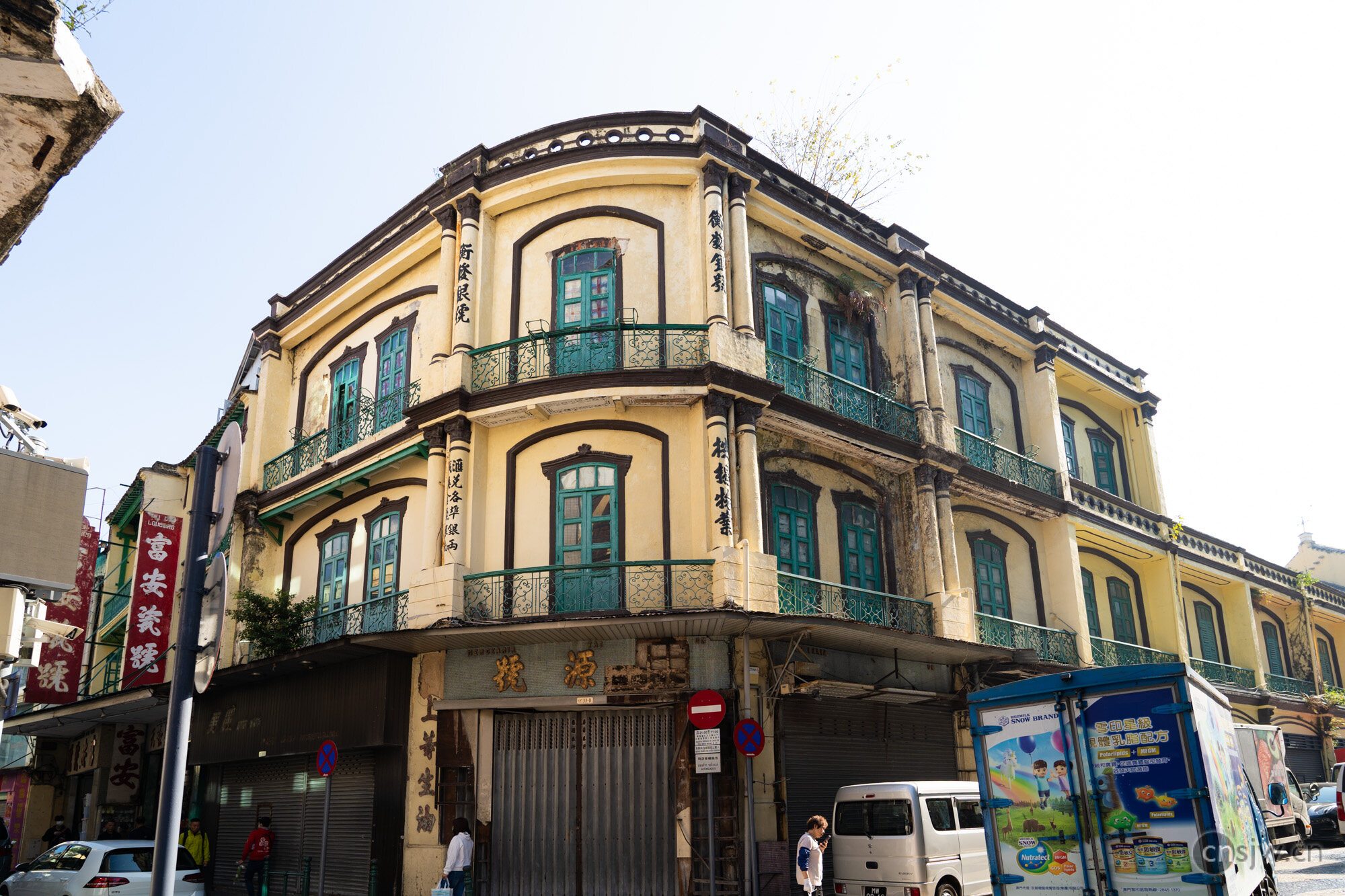
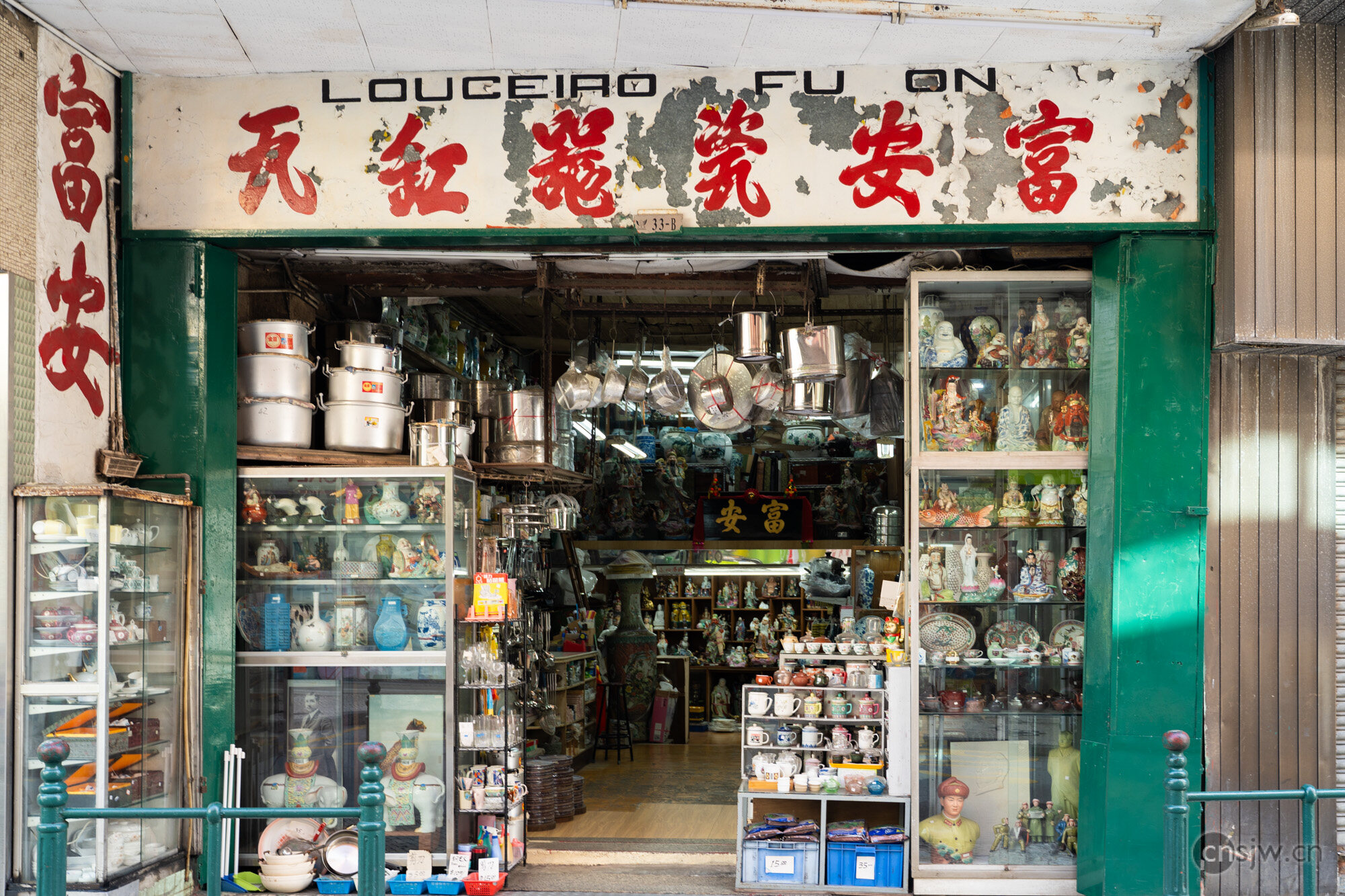
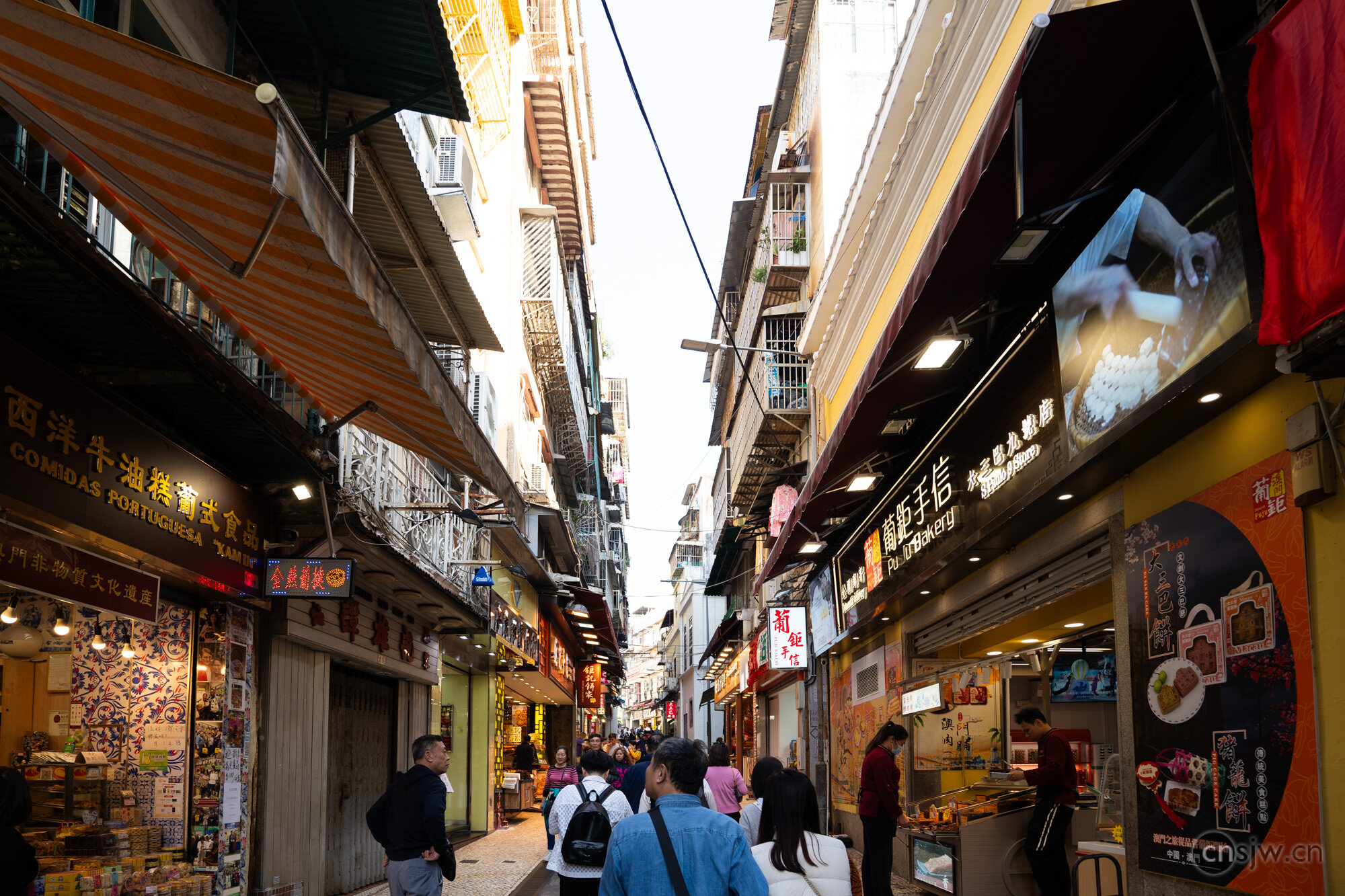
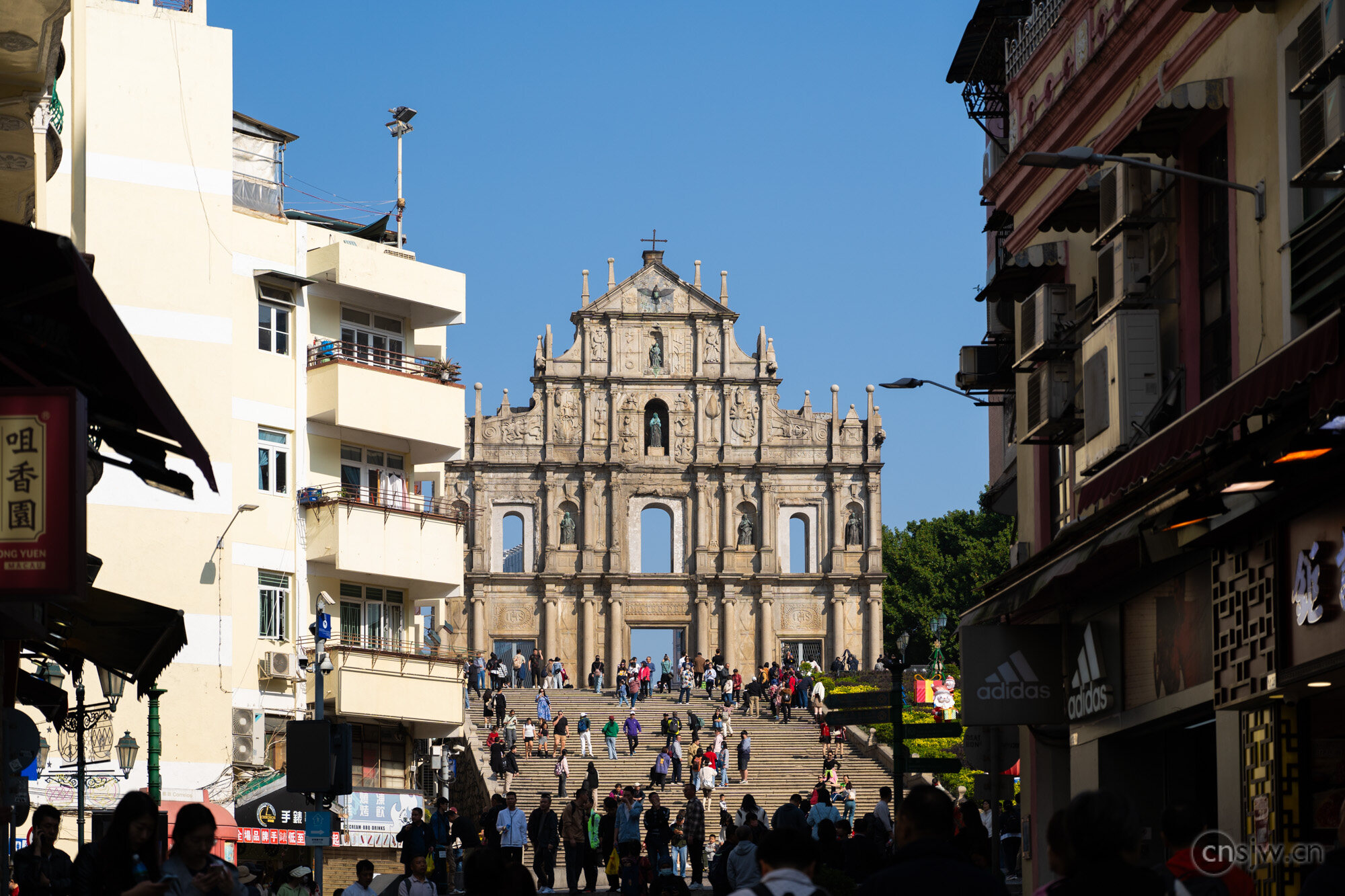
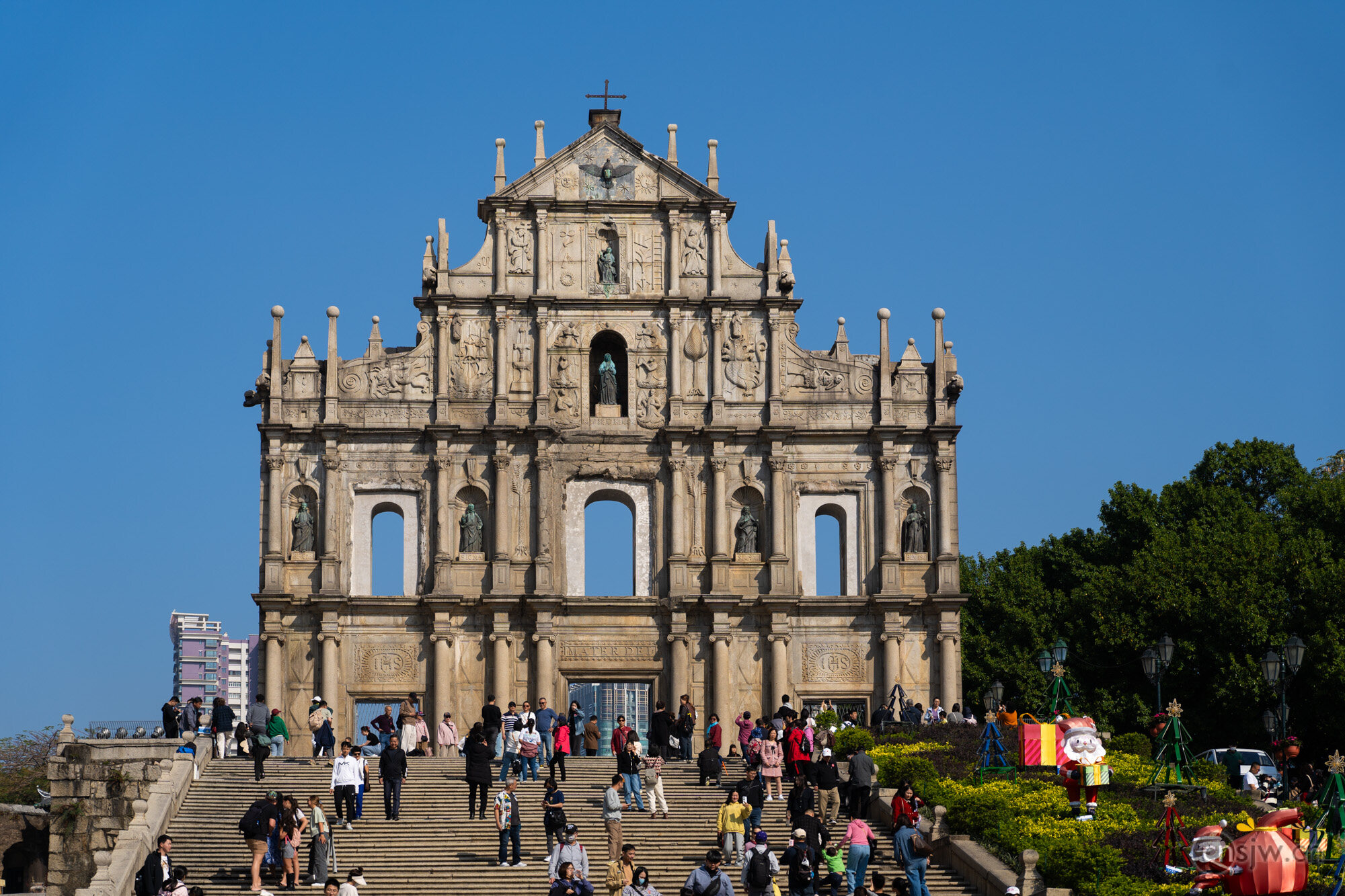
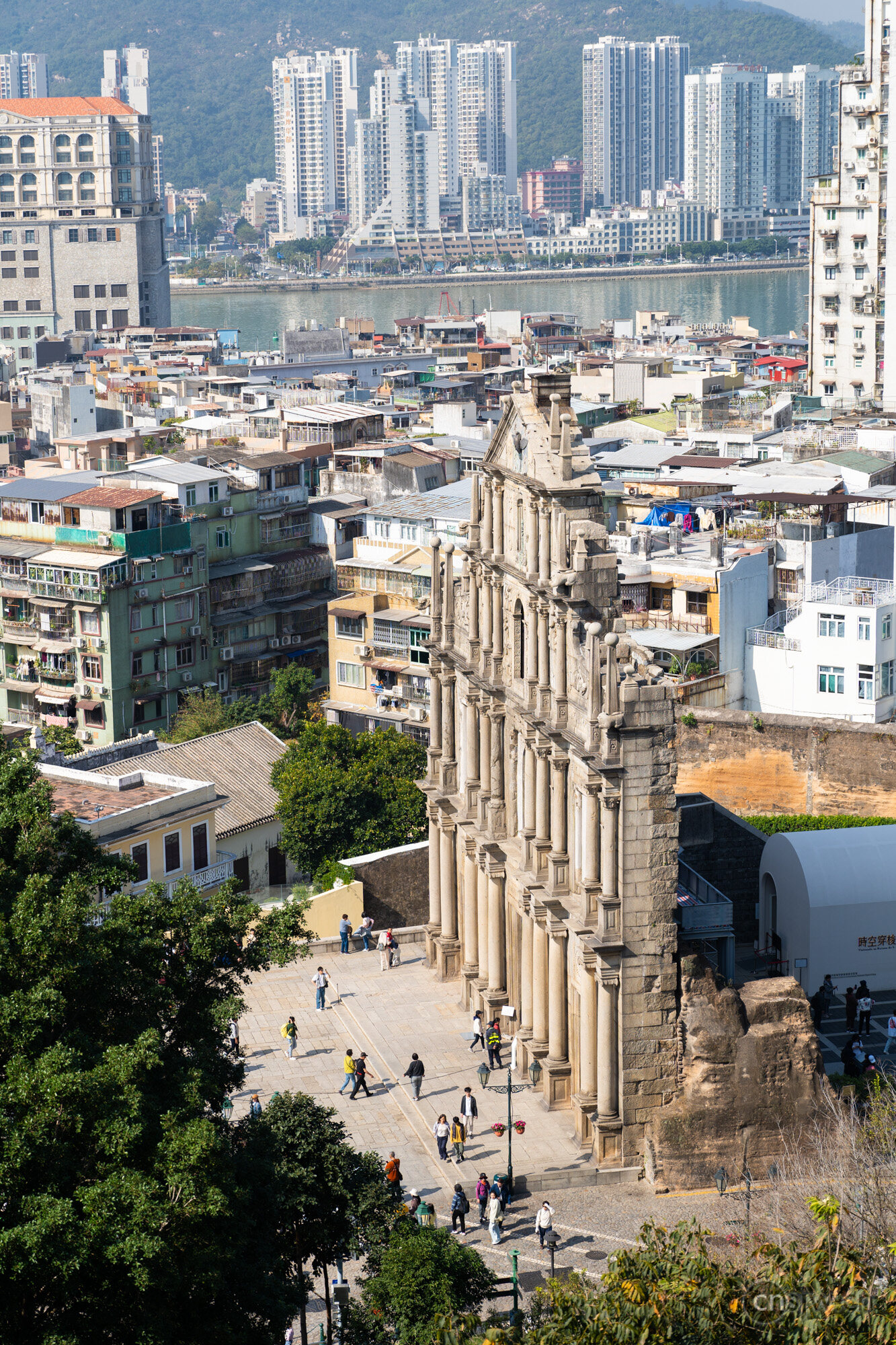
The Ruins of St. Paul’s are the remnants of the front façade of the Church of Mater Dei (also known as St. Paul’s Church) in Macao. They form part of the “Ruins of St. Paul’s College and Church of Mater Dei (Ruins of St. Paul’s, Square, and Stone Steps)” and stand as one of Macao’s most iconic landmarks. The name “Sam Ba” (Three-Stone Wall) is the local Chinese appellation for St. Paul’s College and Church, derived from the phonetic transliteration of the Portuguese “São Paulo.” The predecessor of the Ruins, St. Paul’s Church, was affiliated with St. Paul’s College, founded by Jesuit missionaries. Operating from 1594 to 1762, the college was the first Western-style university in the Far East and China, offering departments such as Grammar, Humanities, and Moral Theology.
St. Paul’s Church was the first Baroque building in China. During the construction of its façade, Eastern decorative motifs—such as traditional Chinese stone lions, Chinese characters, and chrysanthemums symbolizing Japan—were integrated with classical European elements. This fusion represents a crystallization of Eastern and Western art, showcasing the achievements of Catholic art in the Far East while reflecting Macao’s historical uniqueness as a melting pot of Eastern and Western cultures.
In 1835, a devastating fire destroyed St. Paul’s College and the church. Today, only the front façade, much of the foundation, and the 68-step granite staircase leading up to it remain. The façade stands 27 meters high and 23.5 meters wide, with walls 2.7 meters thick. Scholars have yet to identify the specific artists and craftsmen responsible for the façade, but it is known that most were Japanese Catholic architects and artisans who had fled to Macao. At that time, there was a tradition in Macao of employing workers from Japan to construct churches.
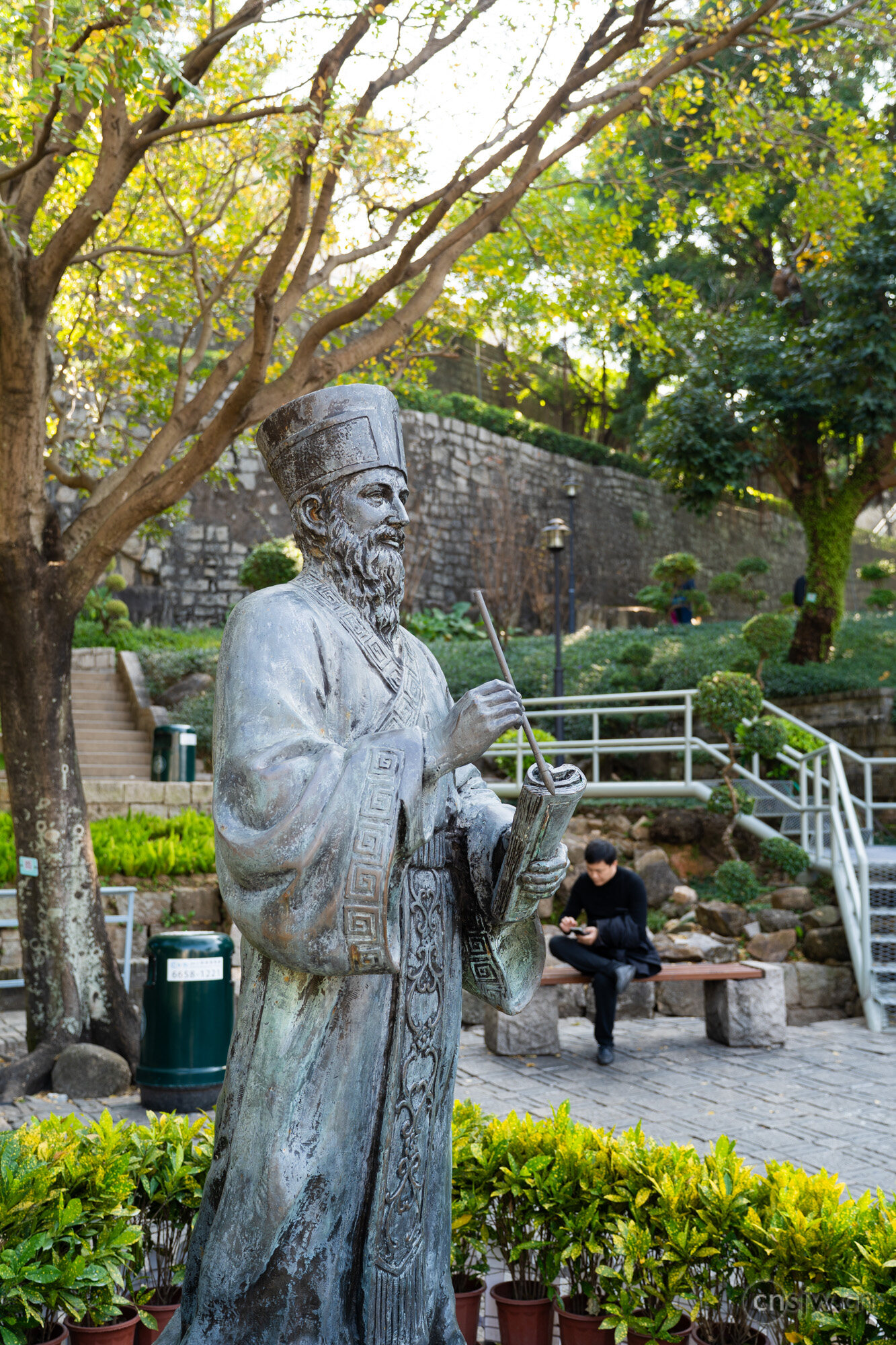
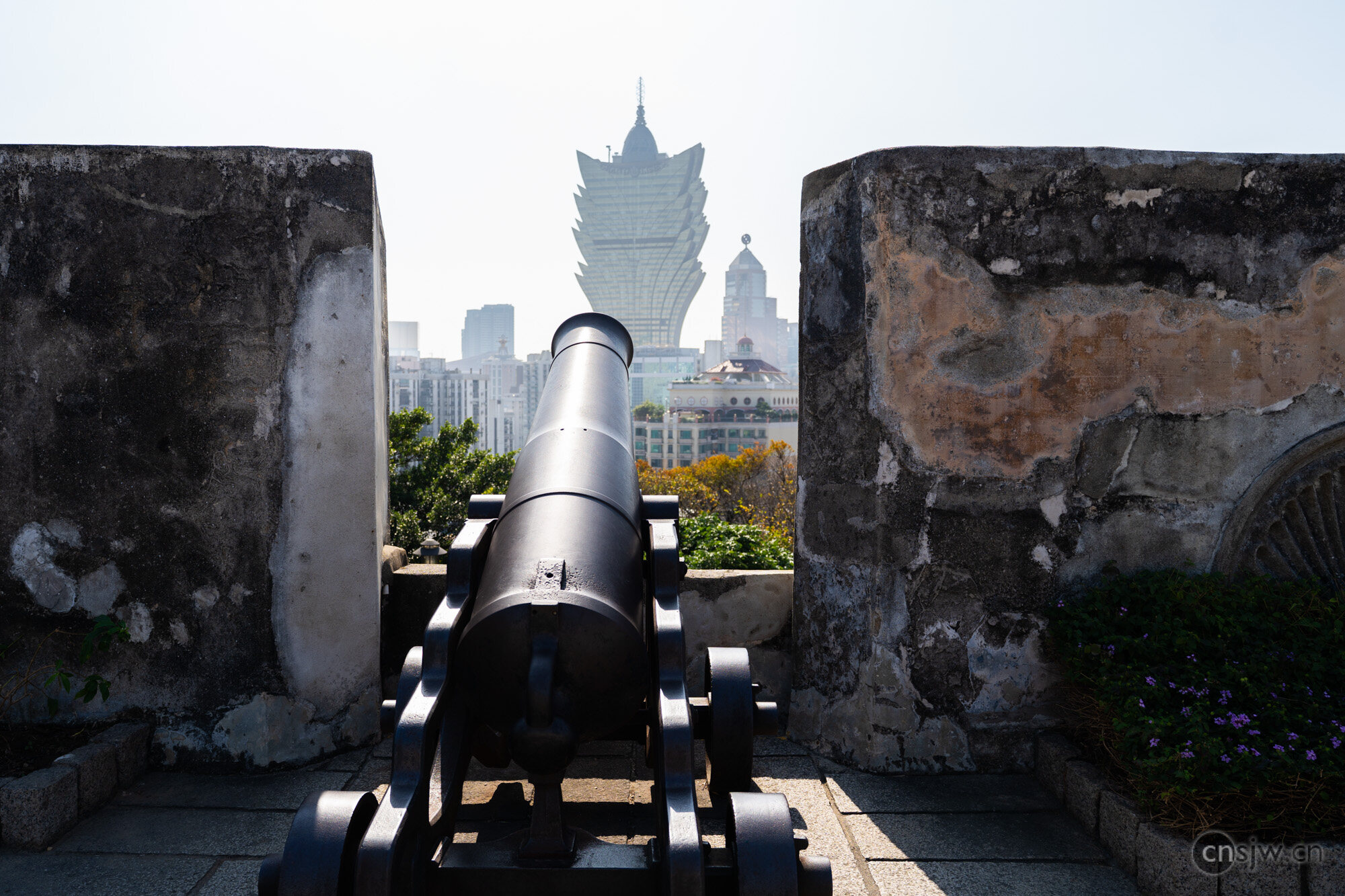
Adjacent to the Ruins of St. Paul’s is Mount Fortress Park, where a statue of Matteo Ricci stands at the entrance.
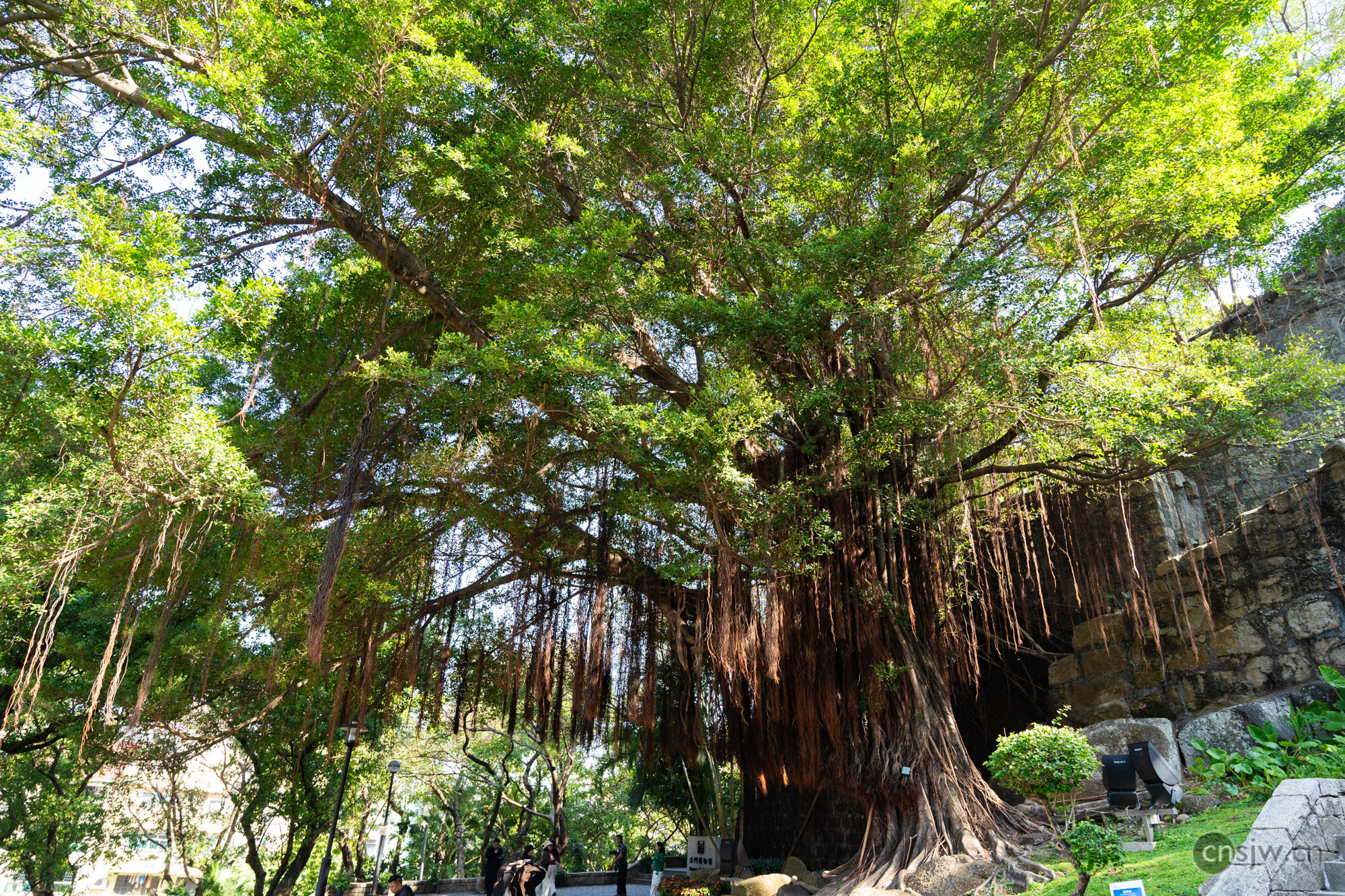
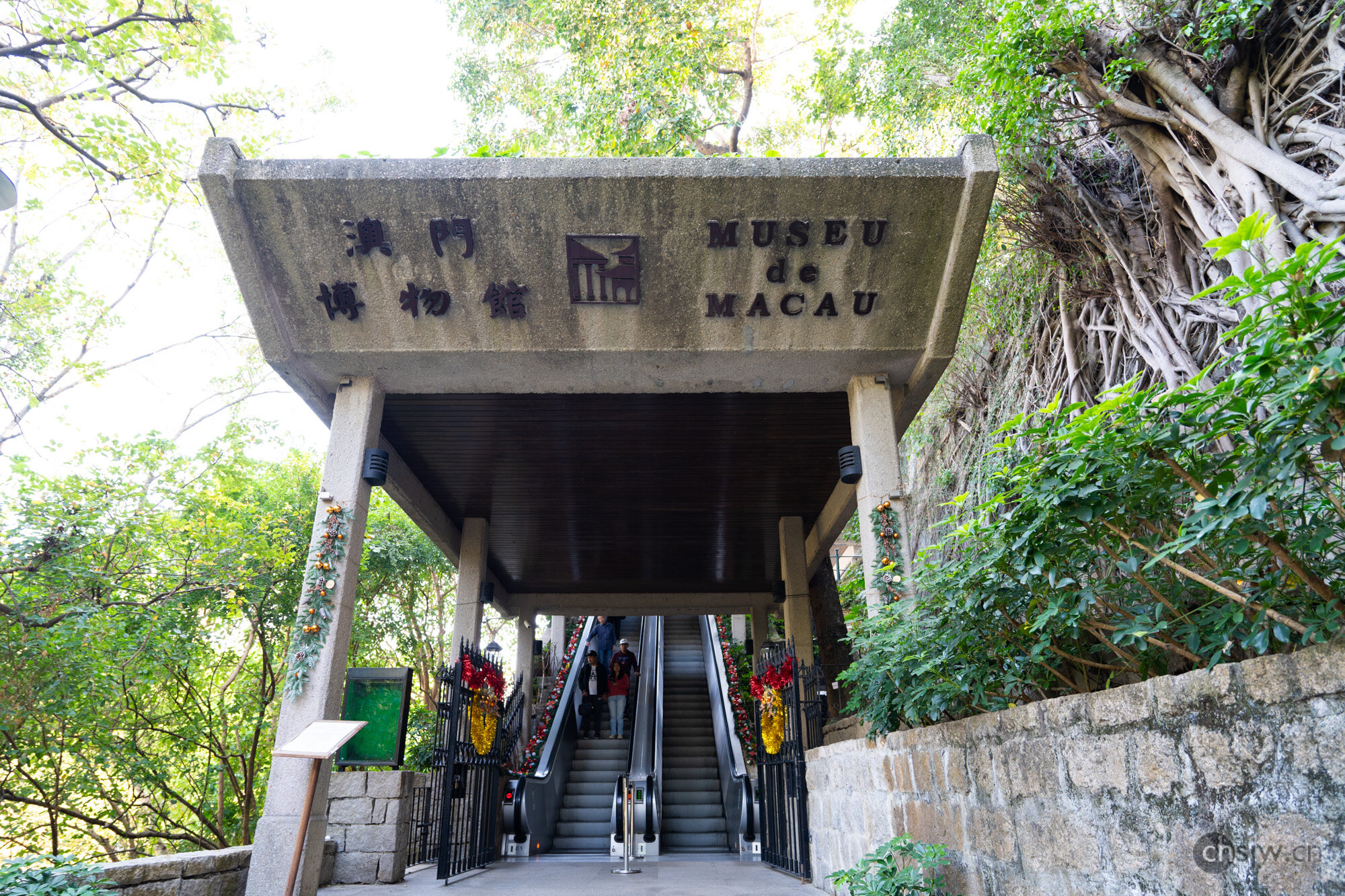
Located in the center of the park is the Macao Museum, designed by Portuguese architect Vicente Bravo Ferreira. Construction began in September 1996, and the museum opened on April 18, 1998. It is not very large, and admission is affordable at approximately MOP 15. From the top level, you can view Mount Fortress.
There is also an abundance of food options in this area, making it a must-visit destination when traveling to Macao.




Support



Read this article on WeChat