
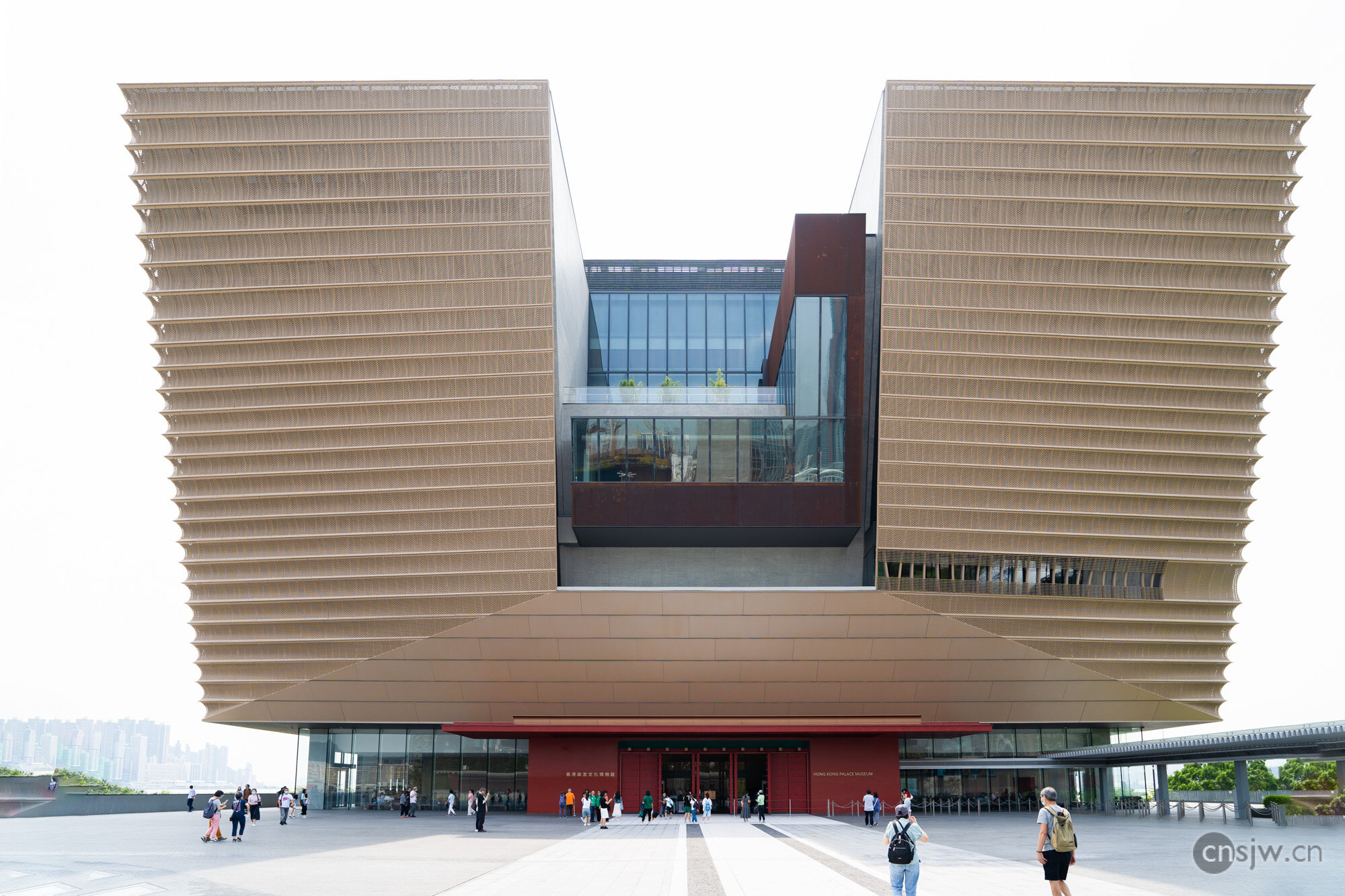
The Hong Kong Palace Museum, also known as the HKPM, is located in the West Kowloon Cultural District. Compared to M+, it is situated further away, built along the waterfront. Visitors can walk from M+ or take a shuttle bus. Construction began in early 2018, and the museum opened on June 22, 2022, welcoming the public on July 3 of the same year.
Given the vast collection of the Palace Museum in Beijing, 914 cultural relics were loaned to the Hong Kong Palace Museum for its opening exhibitions. These artifacts span a wide range of categories, including paintings and calligraphy, bronzes, ceramics, gold and silver wares, jades, lacquerware, glassware, jewelry, sculptures, rare books, and ancient architectural elements, covering a timespan of 5,000 years. Exhibition periods range from one month to over a year. Due to the high sensitivity of paper and silk-based artifacts, such as ancient paintings and calligraphy, to light, temperature, and humidity, some items are displayed on rotation and must return to the Palace Museum in Beijing to “rest” for several years after exhibition. Among the artifacts, 166 are classified as national treasures, with the vast majority being exhibited in Hong Kong for the first time, including the Qing dynasty white jade “Seal of Imperial Mandate of the Great Qing” with a coiled dragon knob, and the “Nymph of the Luo River” (Northern Song copy). The opening exhibitions feature 35 masterpieces of Tang and Song dynasty paintings and calligraphy, marking the largest overseas exhibition of ancient painting and calligraphy treasures from the Palace Museum in nearly 15 years.
The Hong Kong Palace Museum is significantly more popular than M+, attracting massive crowds. Visitors include school groups, families, many elderly visitors in wheelchairs, and numerous tourists. Overall, the exhibition halls are spacious, the quality of exhibits is exceptionally high, and most items have never been displayed at the Palace Museum in Beijing.
7 Permanent Exhibition Galleries:
- Permanent Gallery 1 “Allure of the Forbidden City — Architecture, Collection, and Heritage”: Introduces the history of the Forbidden City during the Qing dynasty through over 100 artifacts from the Palace Museum collection.
- Permanent Gallery 2 “A Day in the Forbidden City — Life in the Qing Court”: Through over 300 18th-century artifacts from the Palace Museum collection, visitors gain insight into daily life within the Forbidden City from dawn to dusk.
- Permanent Gallery 3 “Earthly Vessels — Ceramic Treasures from the Palace Museum”: Showcases over 150 pieces of Chinese ceramics throughout history, primarily featuring imperial collections from the Ming and Qing dynasties.
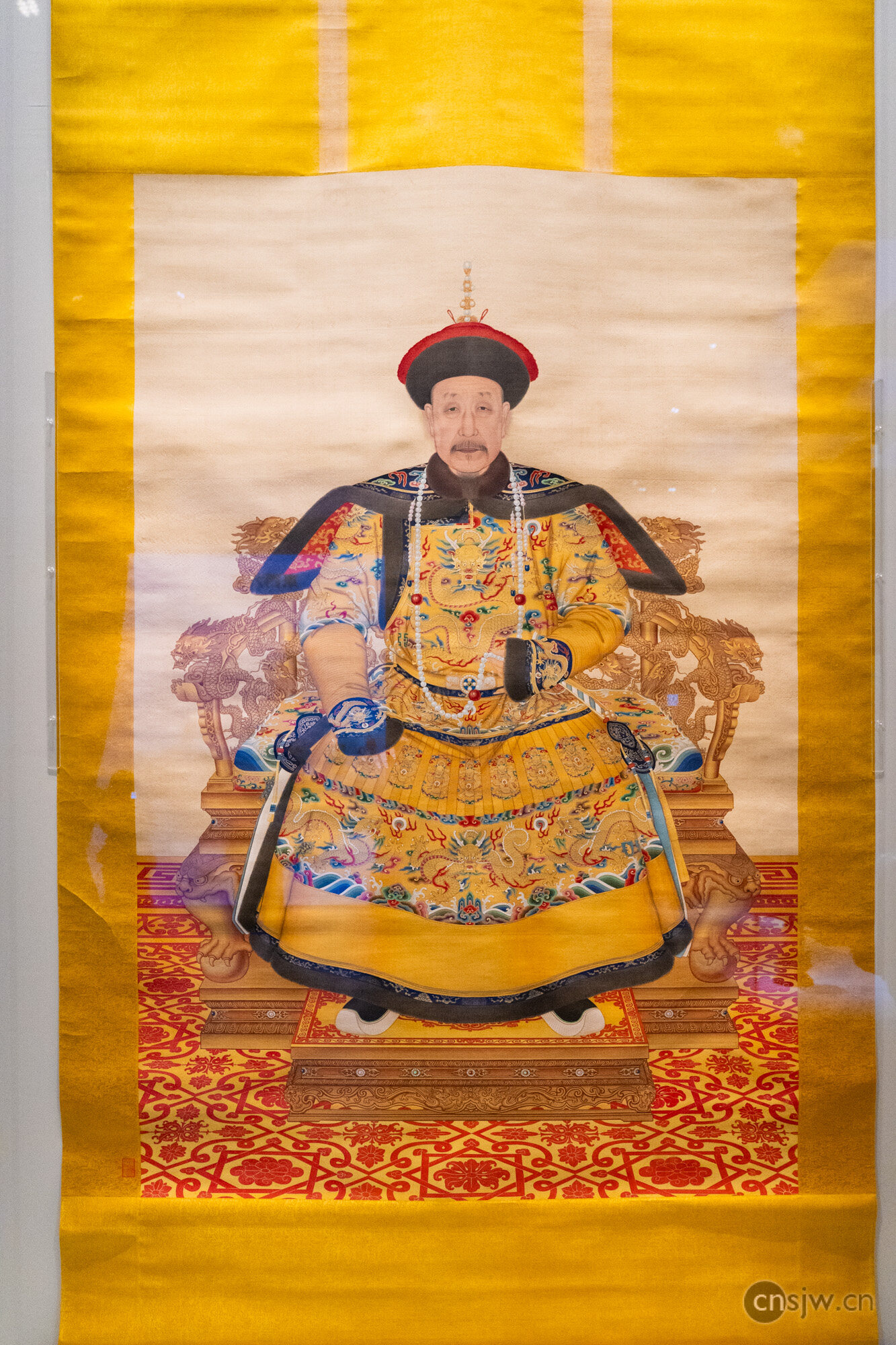
- Permanent Gallery 4 “Imperial Portraits — Emperors and Empresses of the Qing Dynasty”: Displays formal court portraits of successive generations of Qing emperors and empresses.
- Permanent Gallery 5 “Innovations with Tradition — Contemporary Design Meets Ancient Craftsmanship”: Features approximately 100 craft treasures from the Palace Museum, interpreting the artistic value of traditional Chinese craftsmanship through the perspectives of design, production, and usage. The museum also collaborates with Hong Kong designers to showcase the influence of traditional craftsmanship on contemporary design concepts and cultural life.
- Permanent Gallery 6 “Shared Joy — A Journey Through Hong Kong’s Collecting History”: Featuring approximately 100 exhibits, this is Hong Kong’s first exhibition reviewing the local history of art collecting. It highlights the history of collecting Chinese art in Hong Kong during the 19th and early 20th centuries, reflecting the development of local museums. The collection includes items from the Art Museum of The Chinese University of Hong Kong and 946 pieces of ancient Chinese gold and silver artifacts donated by Louise Lu and Chu Wai-kei, owners of the Mengdiexuan Collection.
- Permanent Gallery 7 “Boundless Horizons — Reinterpreting Palace Culture”: Invites six Hong Kong multimedia and cross-disciplinary artists to interpret traditional Chinese culture through innovative approaches.
There are two additional special exhibition galleries hosting rotating special exhibitions from time to time. If you purchase tickets that include access to special exhibitions, be sure to keep your ticket safe, as scanning the QR code on the ticket is required for entry to Galleries 8 and 9.
Architecturally, the building is designed in the shape of a ding (ancient ritual vessel). It has a rather unique appearance. The entrance plaza on the ground floor features the iconic red walls of the Forbidden City, making it a popular spot for social media photos.
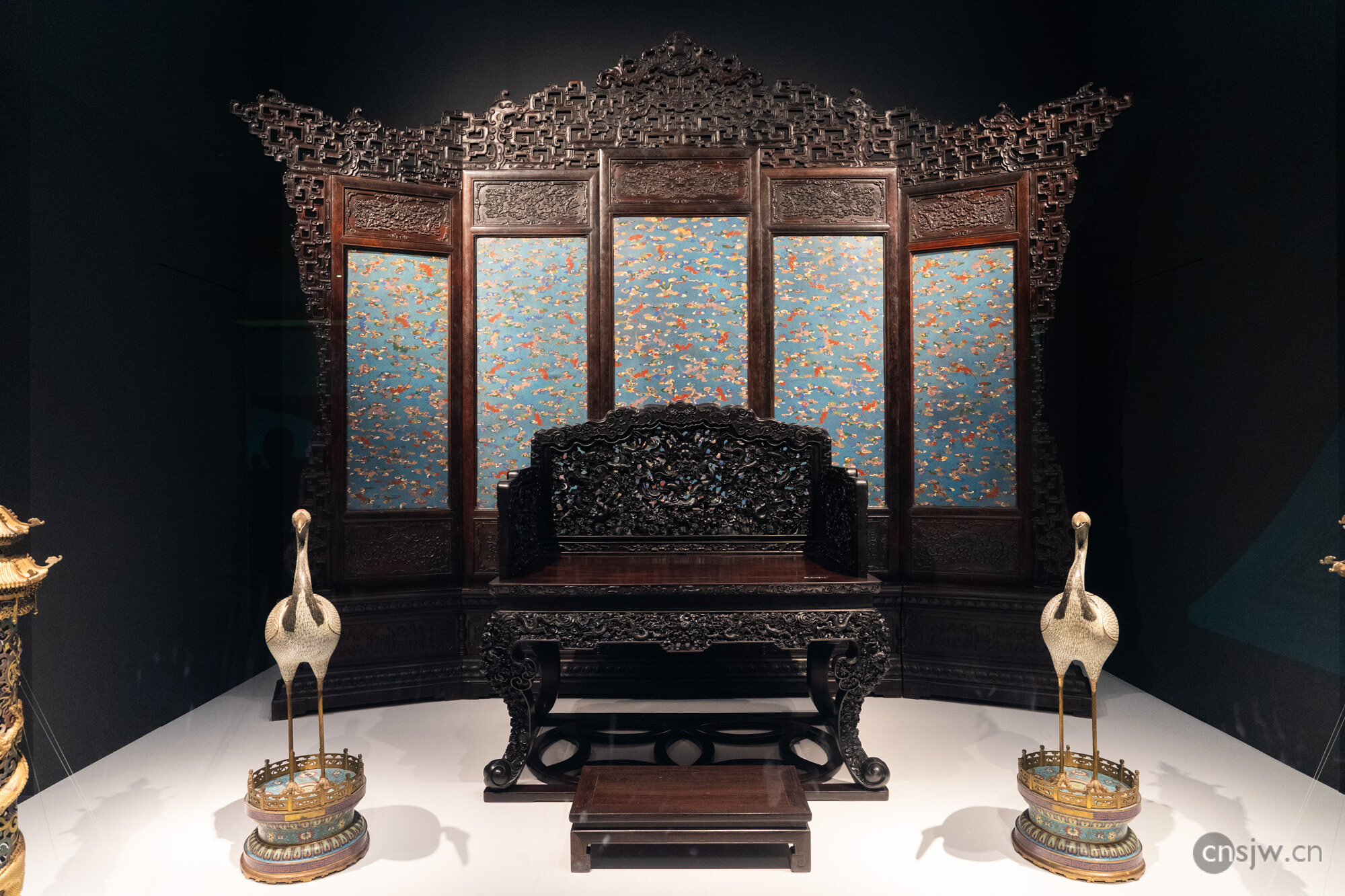
Qing Dynasty Palace Furniture
Formal Court Portrait of the Qianlong Emperor
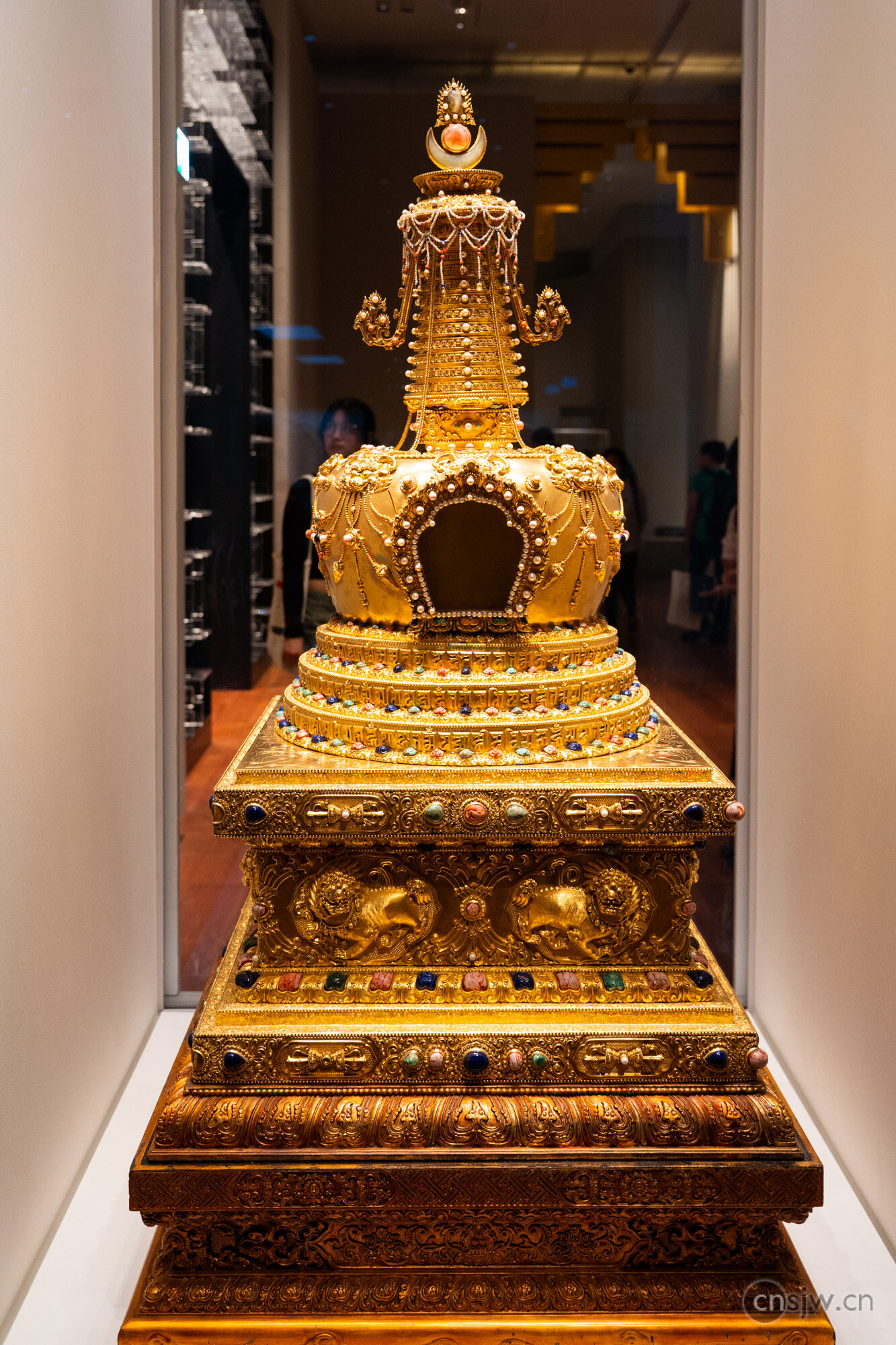
Pagoda, 11th Year of the Qianlong Reign, Qing Dynasty (1746)
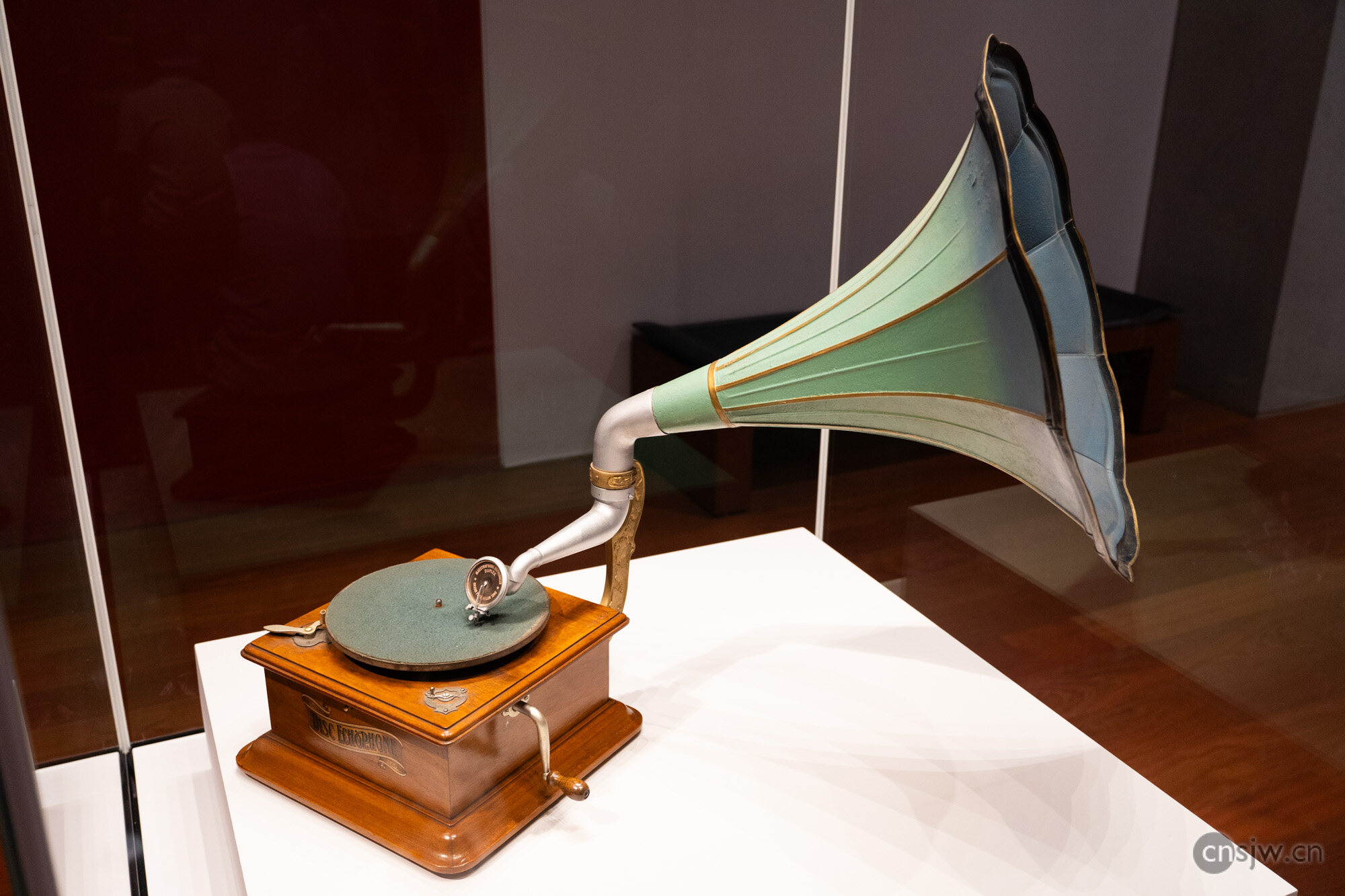
Gramophone from the Republican Era
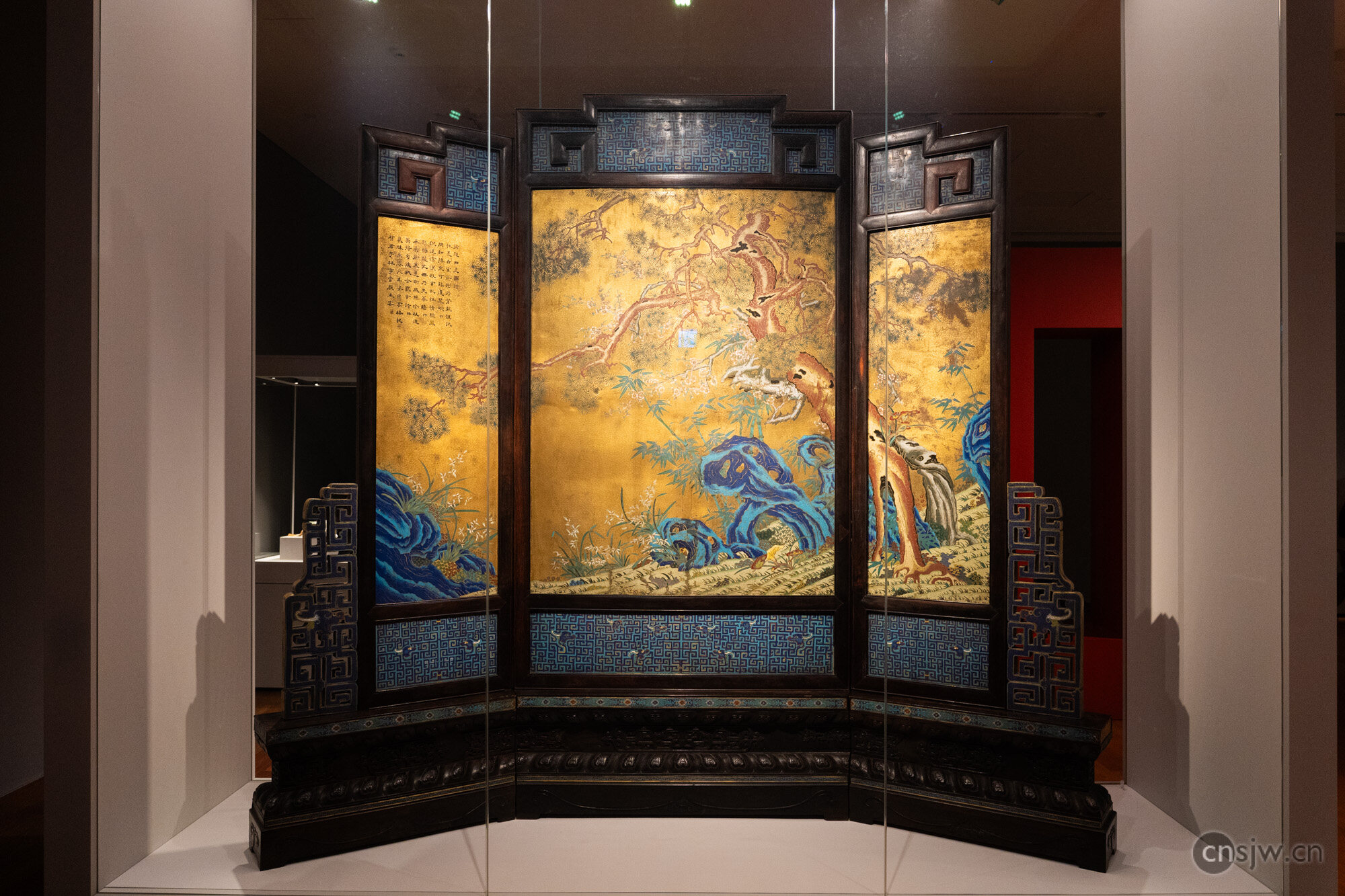
Zitan Wood Frame Screen Inlaid with Enamel Depicting the Four Friends, 41st Year of the Qianlong Reign, Qing Dynasty (1776)
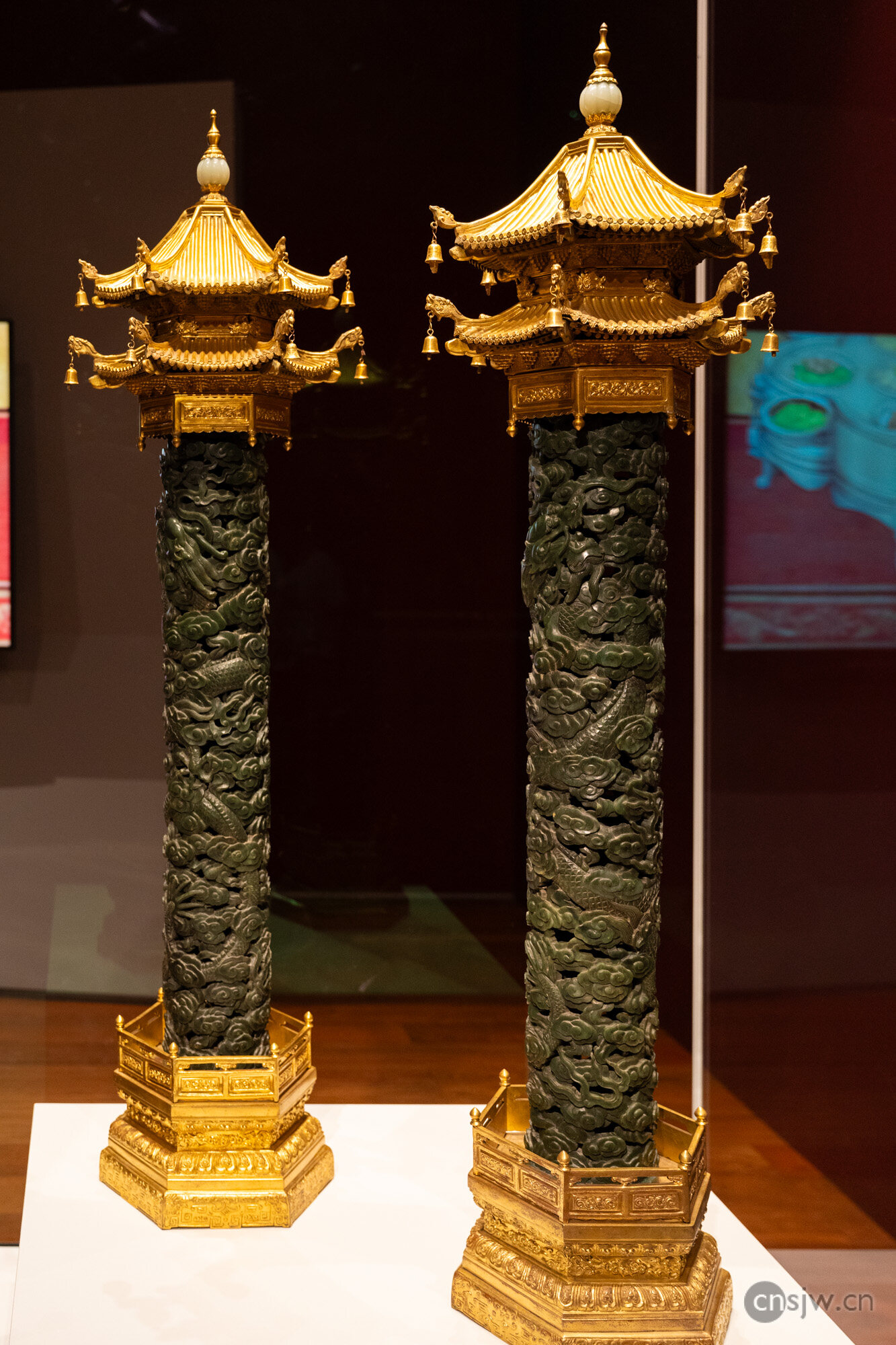
Pair of Incense Cylinders with Cloud and Dragon Patterns
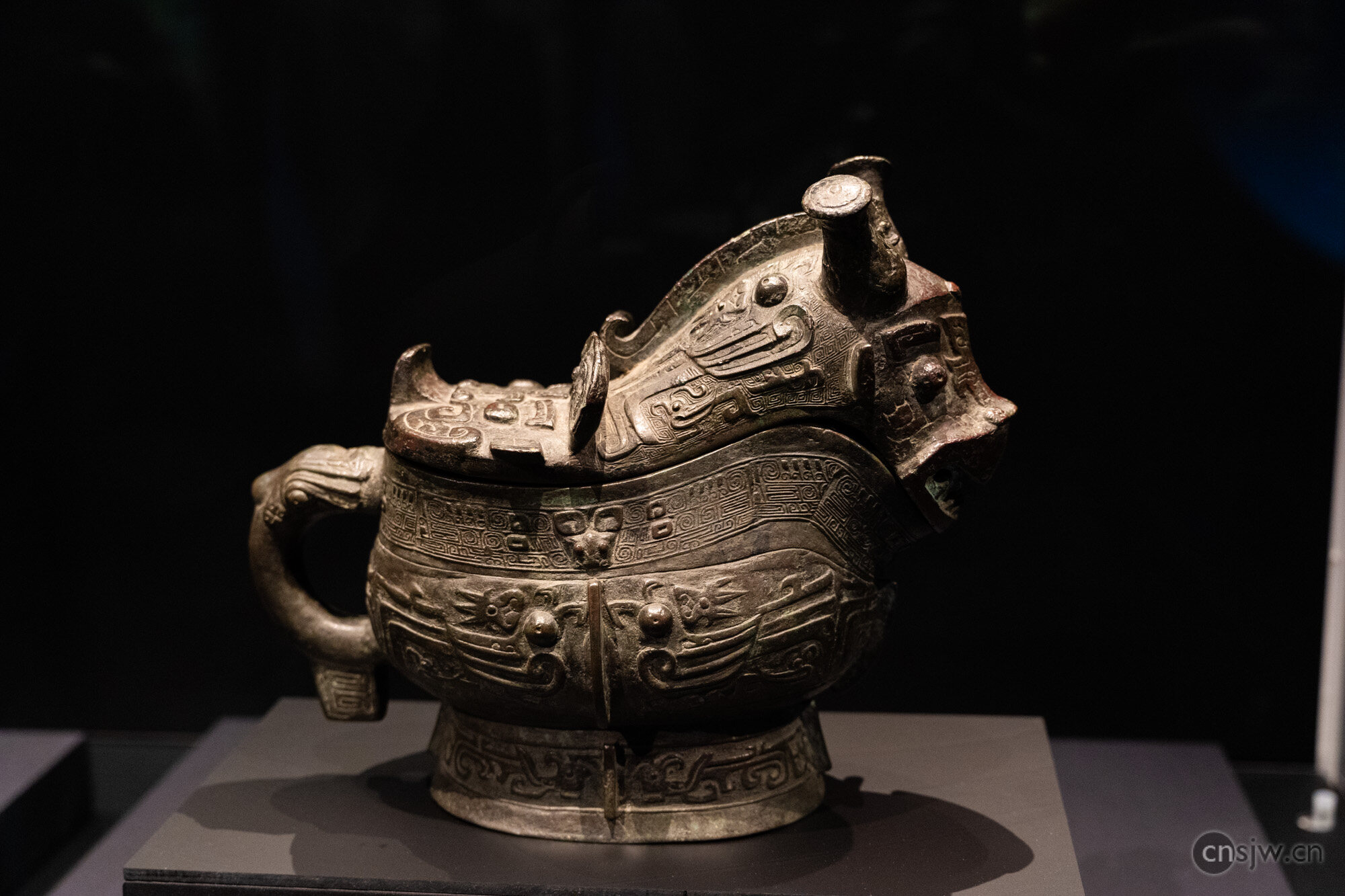
Si Gong (Ritual Wine Vessel), Bronze, Late Shang Dynasty
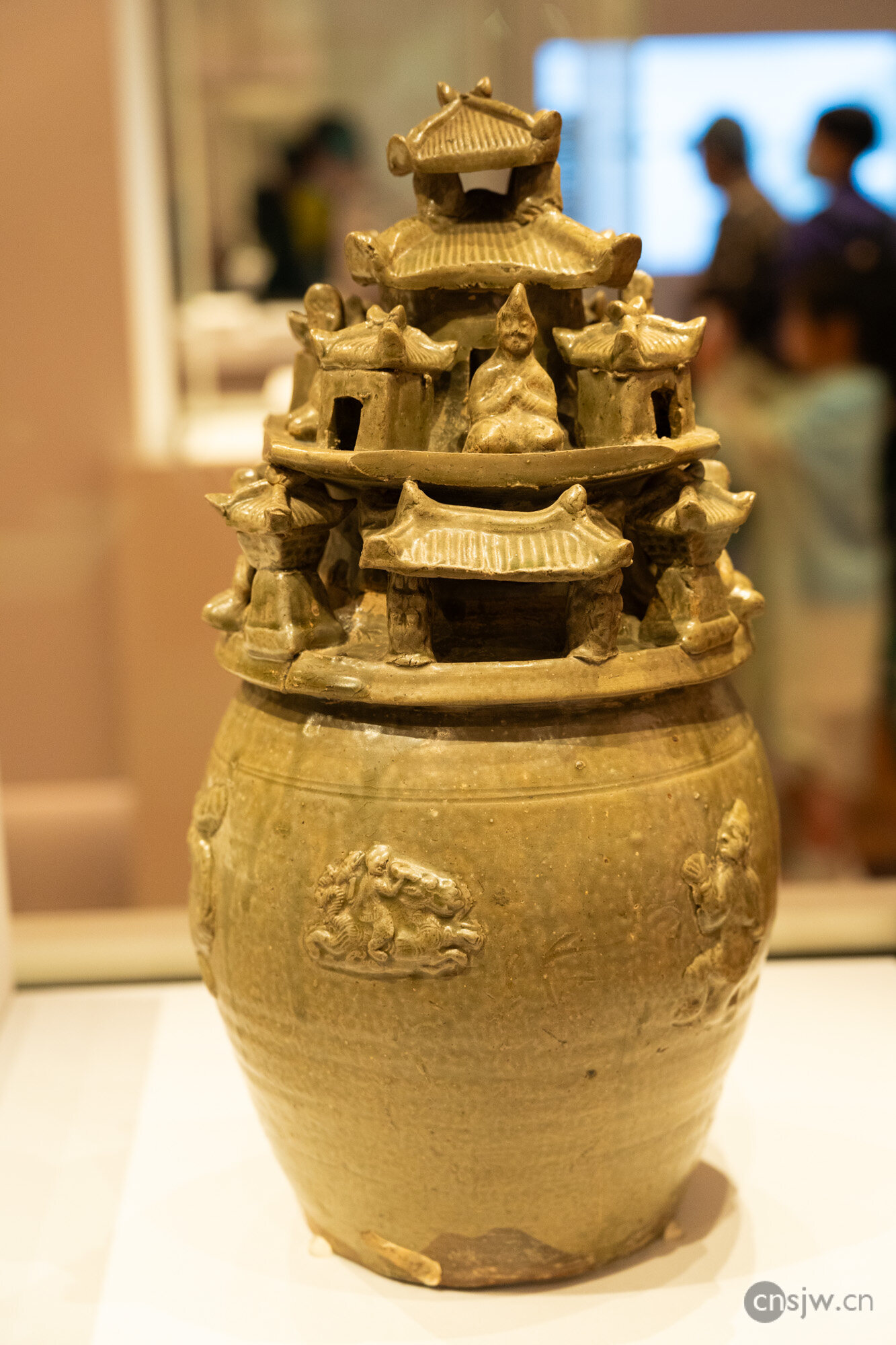
Celadon Granary Jar with Applied Human Figures
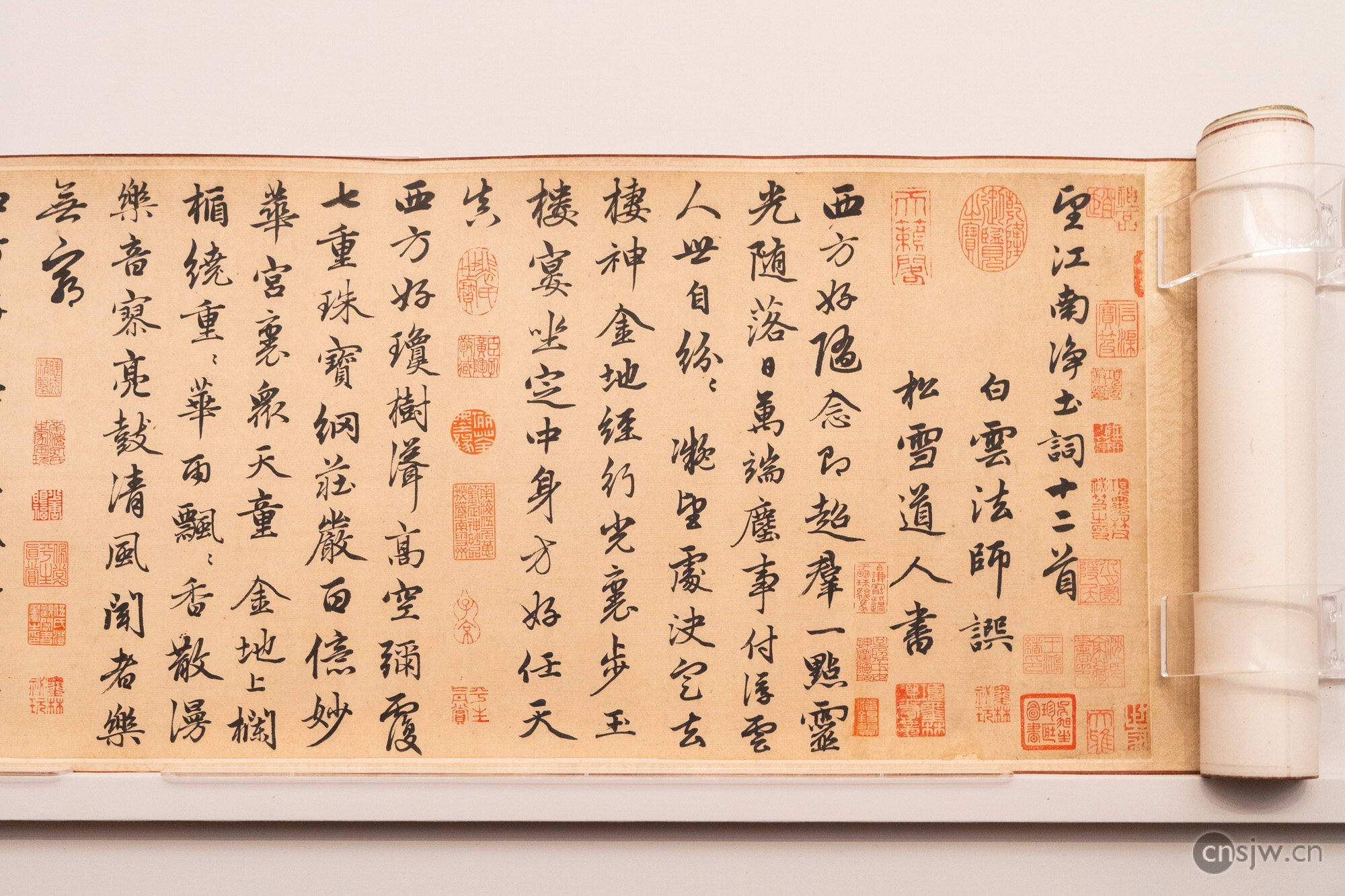
(Yuan Dynasty) Zhao Mengfu (Zhao Zi’ang), Lyrics on the Pure Land to the Tune of Wang Jiangnan
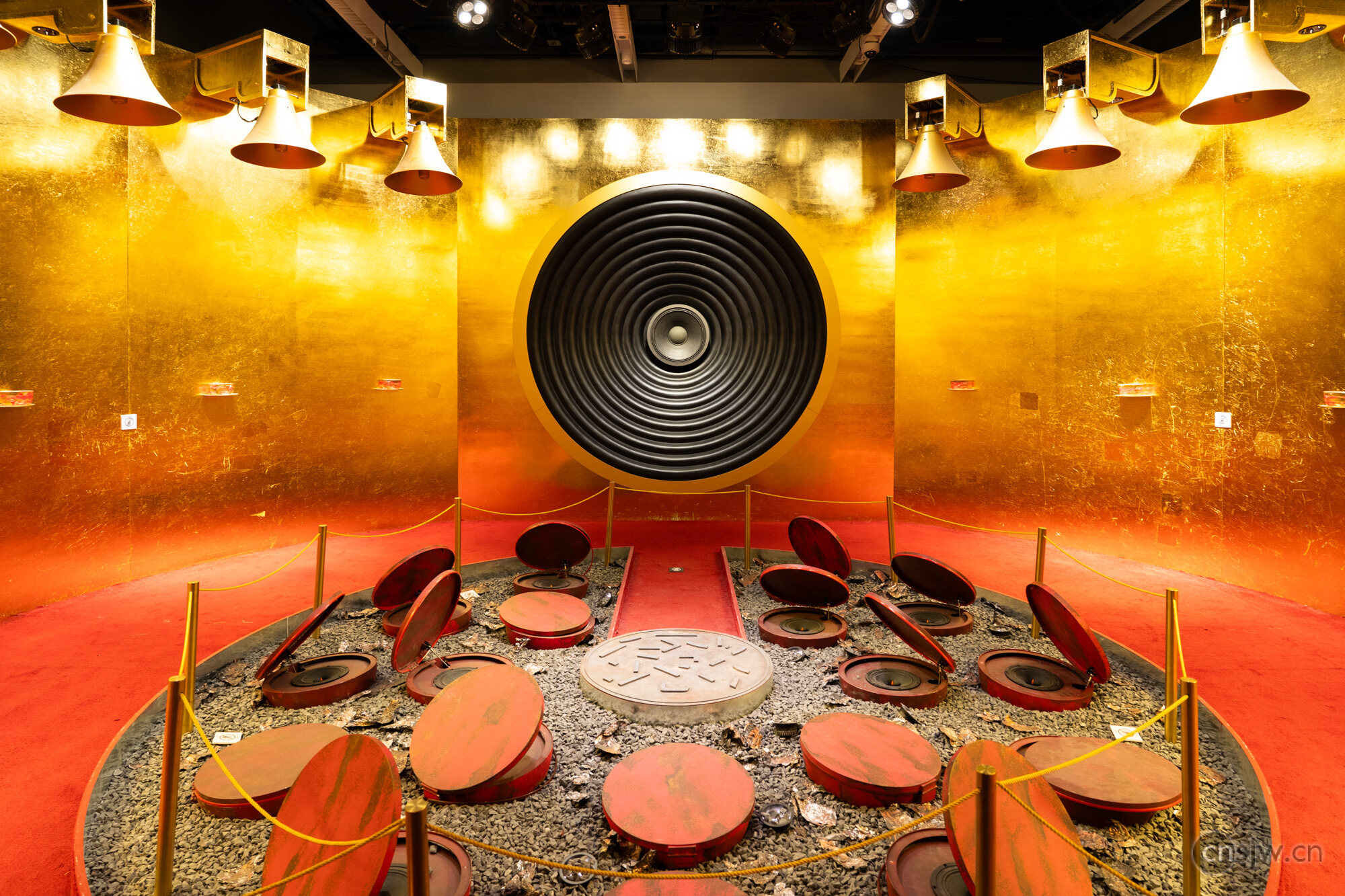
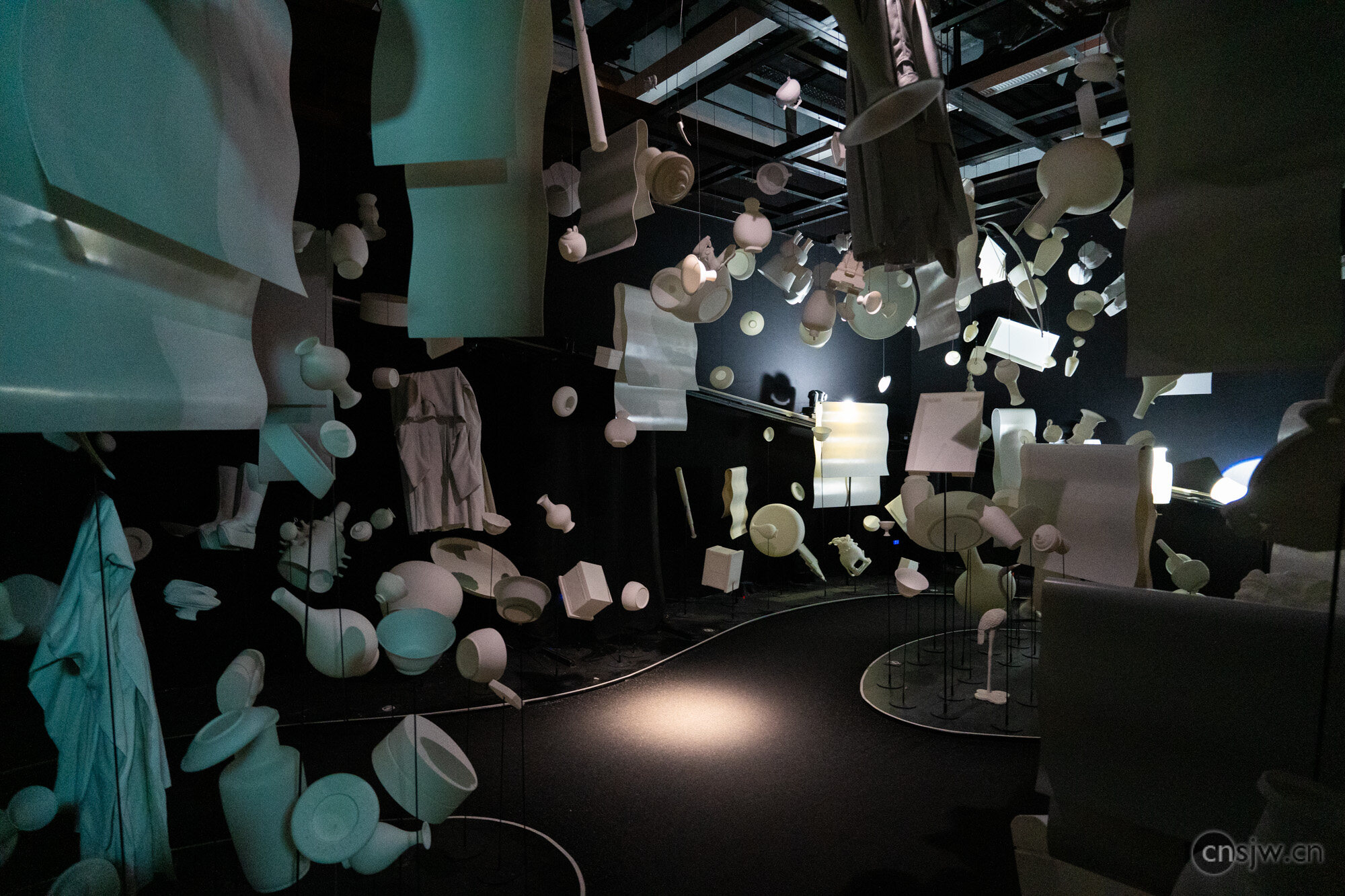
Unexpectedly encountering contemporary art in Gallery 7 was quite a delightful surprise.
Gaybird Leung, Celebration
Ng Tsz-kwan, Materialization
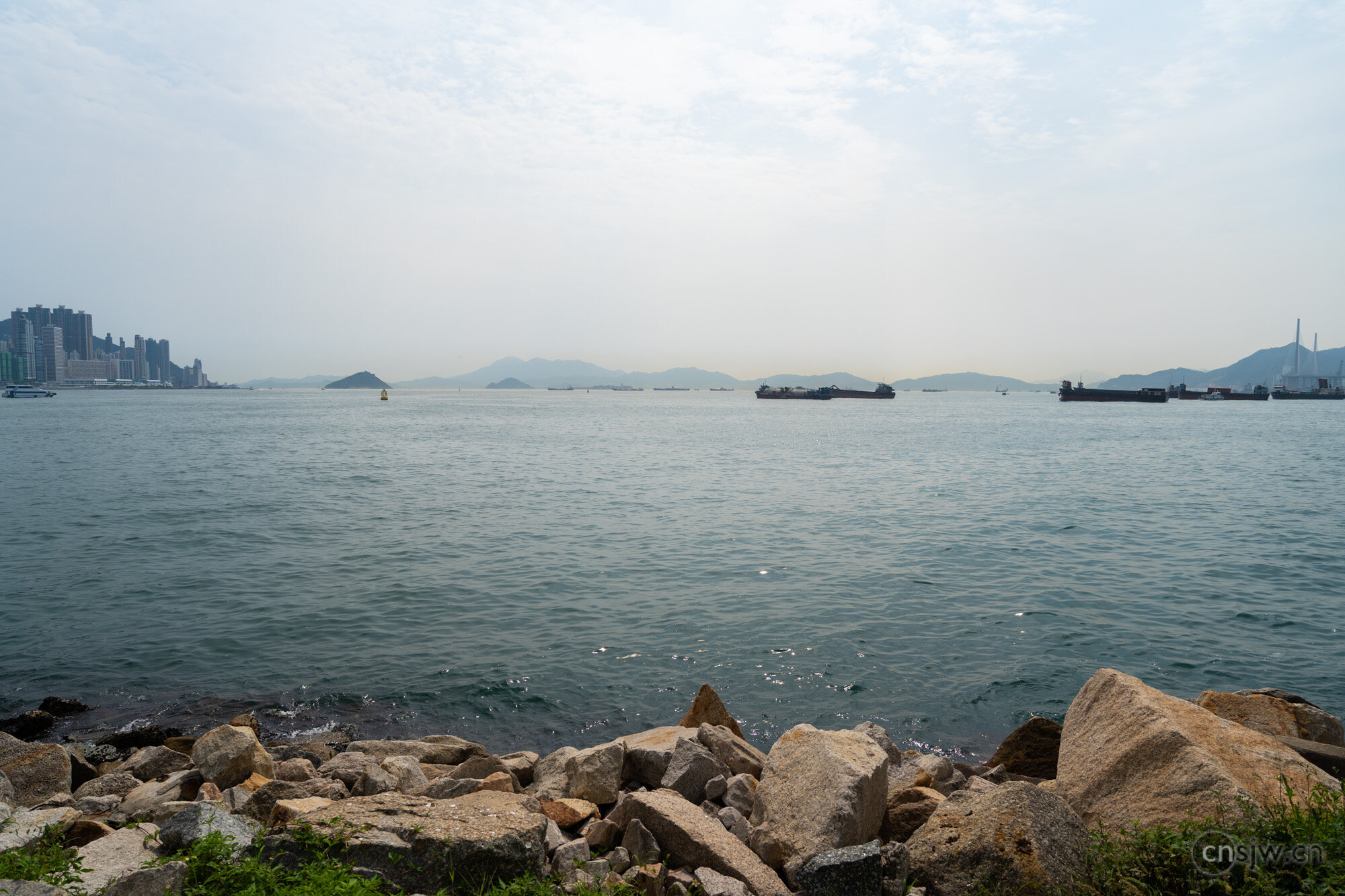
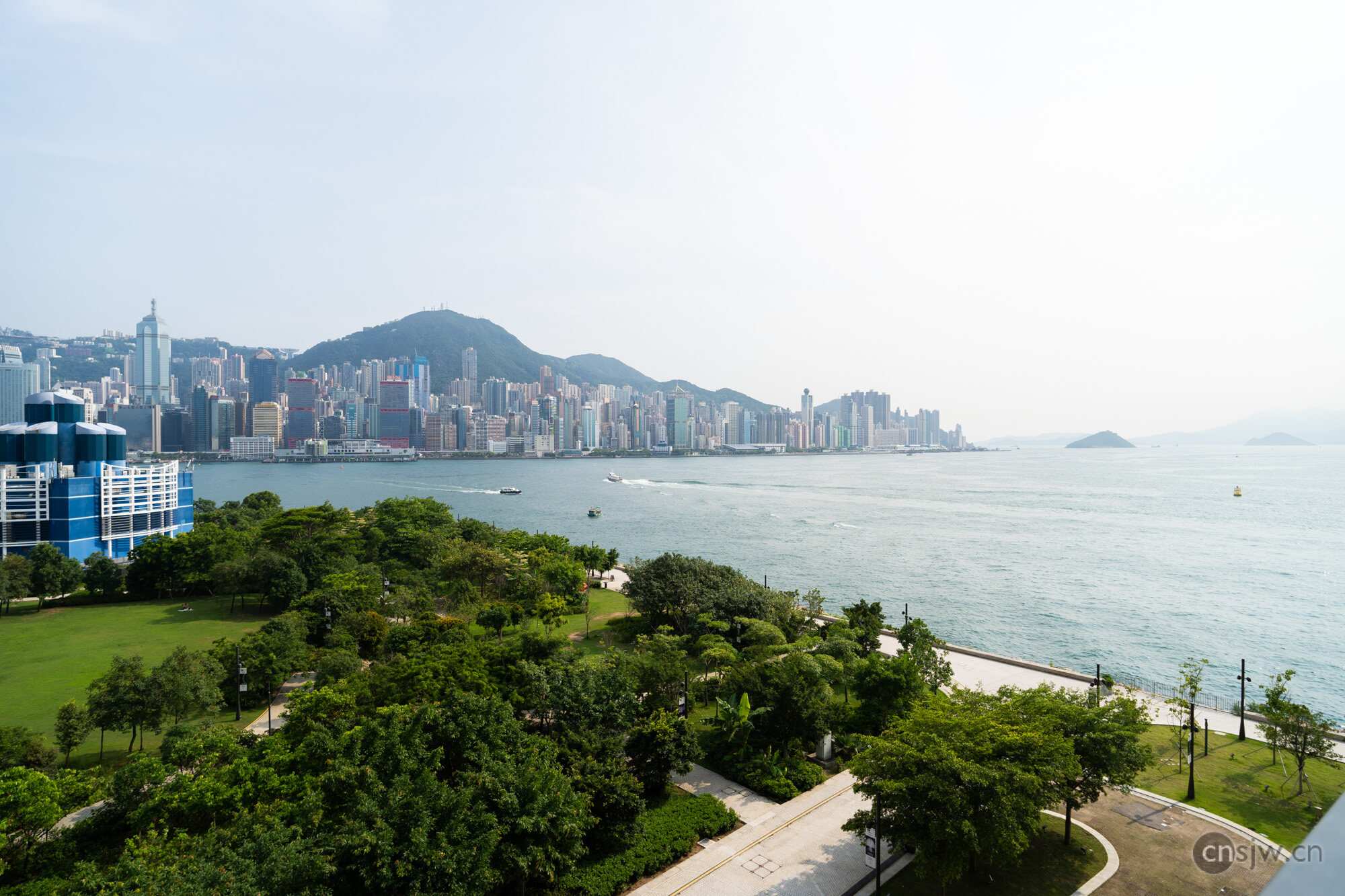
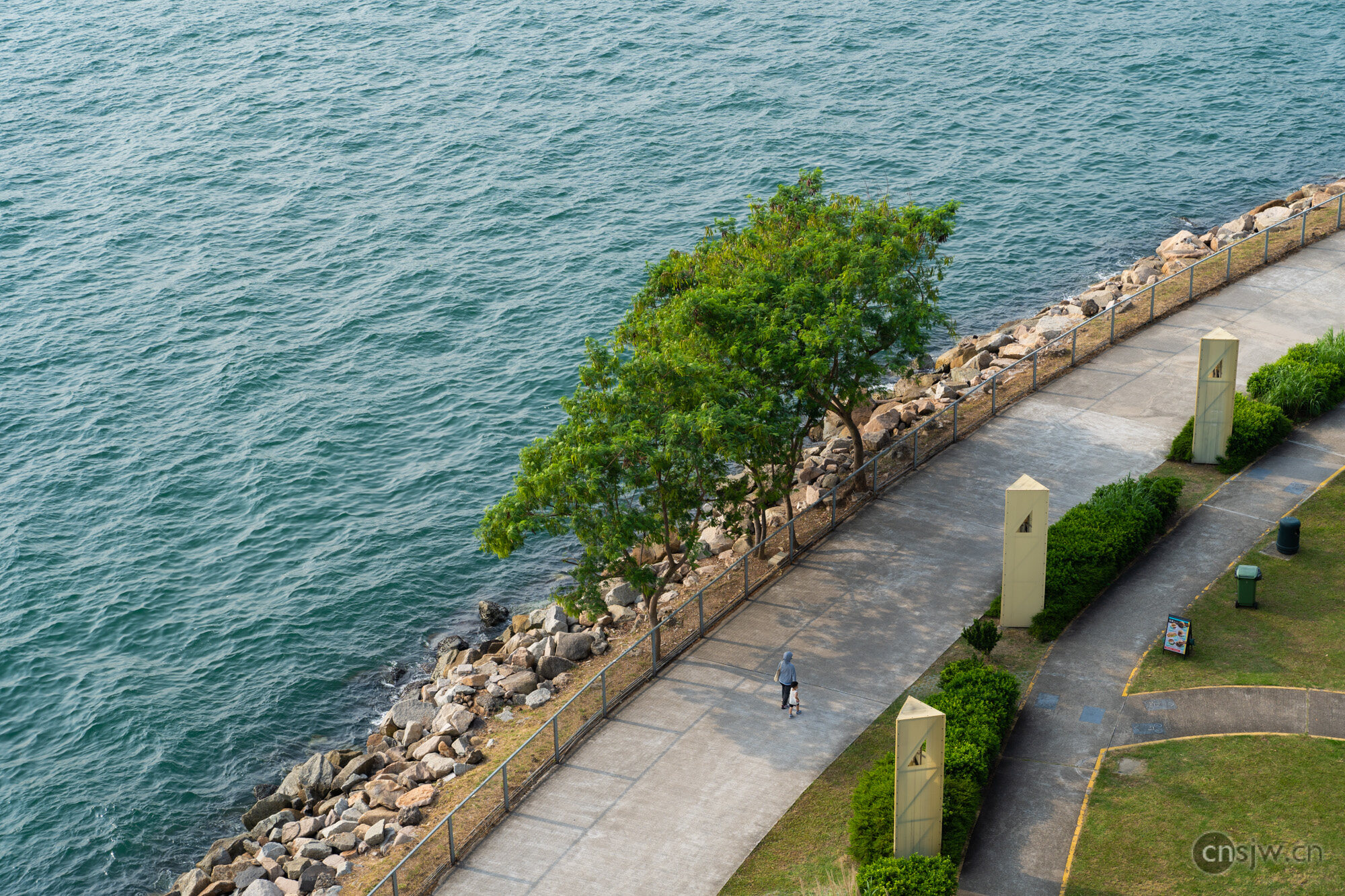
The venue features several viewing platforms; however, dining options require walking outside to the waterfront area, and re-entry requires passing through security again. I stopped by Cupping Room for a drink—the coffee was quite good~~ They also serve light meals. If it weren’t so hot, the seaside ambiance would be truly wonderful, but the heat can be a bit bothersome.


Support



Read this article on WeChat