
Gaozhuang Xishuangjing is a commercial tourism zone developed in Xishuangbanna. Located at the heart of the Xishuangbanna Lancang River Ethnic Customs Tourism Resort, it covers an area of 1,200 mu with a total investment of approximately 4 billion yuan. Developed in three phases, its master plan—featuring “One River, Two Gates, Nine Pagodas, and Twelve Villages”—creates “Six International Centers, Five Landscape Belts, Three Complexes, and Comprehensive Business Formats with Southeast Asian Characteristics.”\r\n\r\n”Gaozhuang Xishuangjing” is a Dai phrase meaning “Nine Pagodas and Twelve Villages.” It aims to recreate the ancient glory of Jinghong, building a prosperous “City within Jinghong City.” Rooted in the Dai culture of Xishuangbanna and integrating the essence of Dai-Thai cultures from the Greater Golden Triangle and the Mekong River basin, it incorporates cutting-edge modern concepts to create an unprecedented heart of Dai-Thai civilization in the Greater Golden Triangle. Leading Xishuangbanna’s tourism real estate sector, it forges a new landmark for the city, presenting itself as a capital of cultural experiences, leisure vacations, tourism and commerce, international business, Dai-Thai lifestyle, and fashionable vibrancy.\r\n\r\nAfter returning from the Botanical Garden, we headed straight here. Stepping off the car, we immediately noticed the highly distinctive street style. This road is called Vientiane Avenue:

Right next to it is a pedestrian street filled with Thai coffee shops, Lao iced coffee stands, and tropical fruit stores—all looking incredibly inviting.
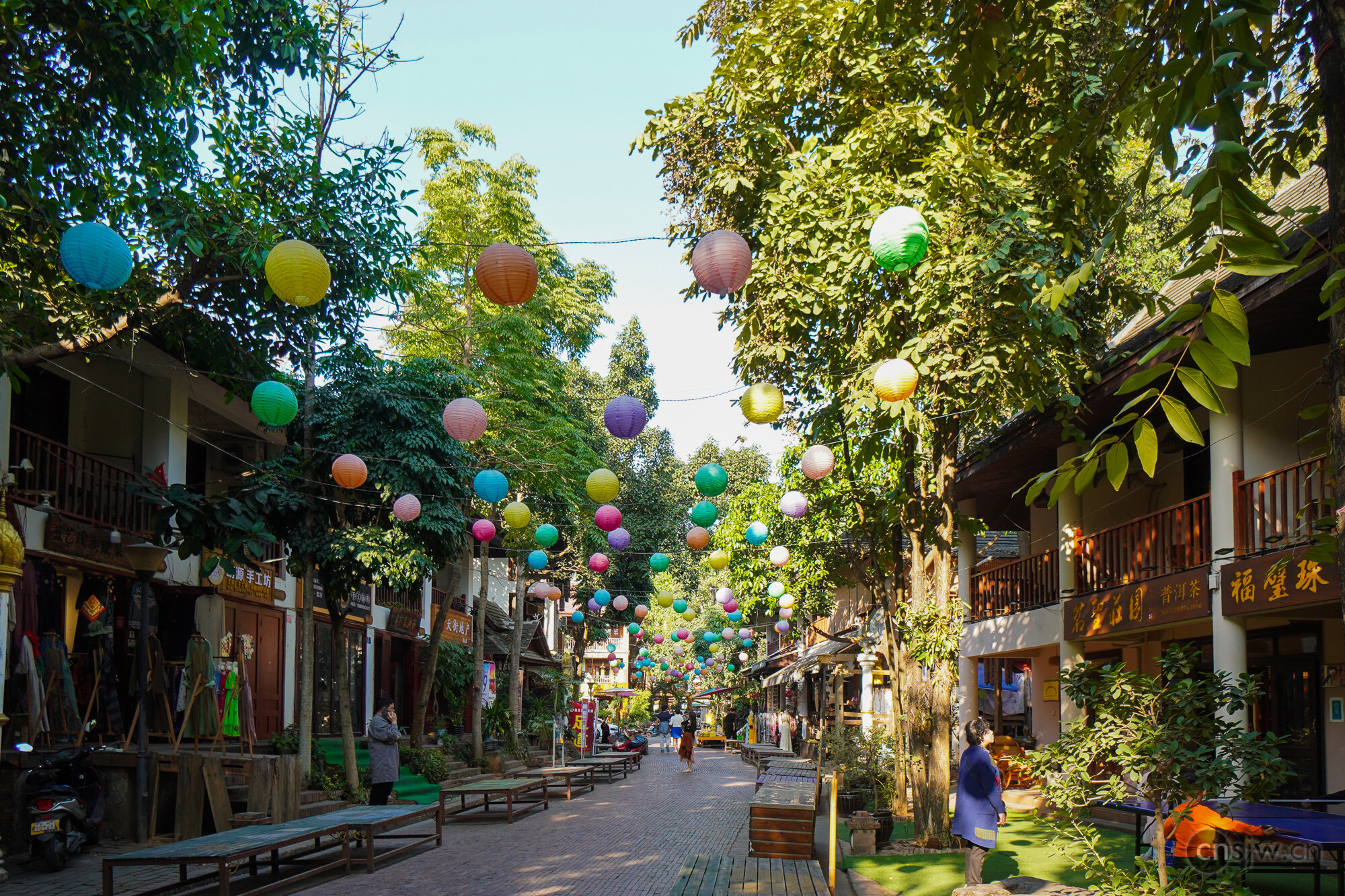
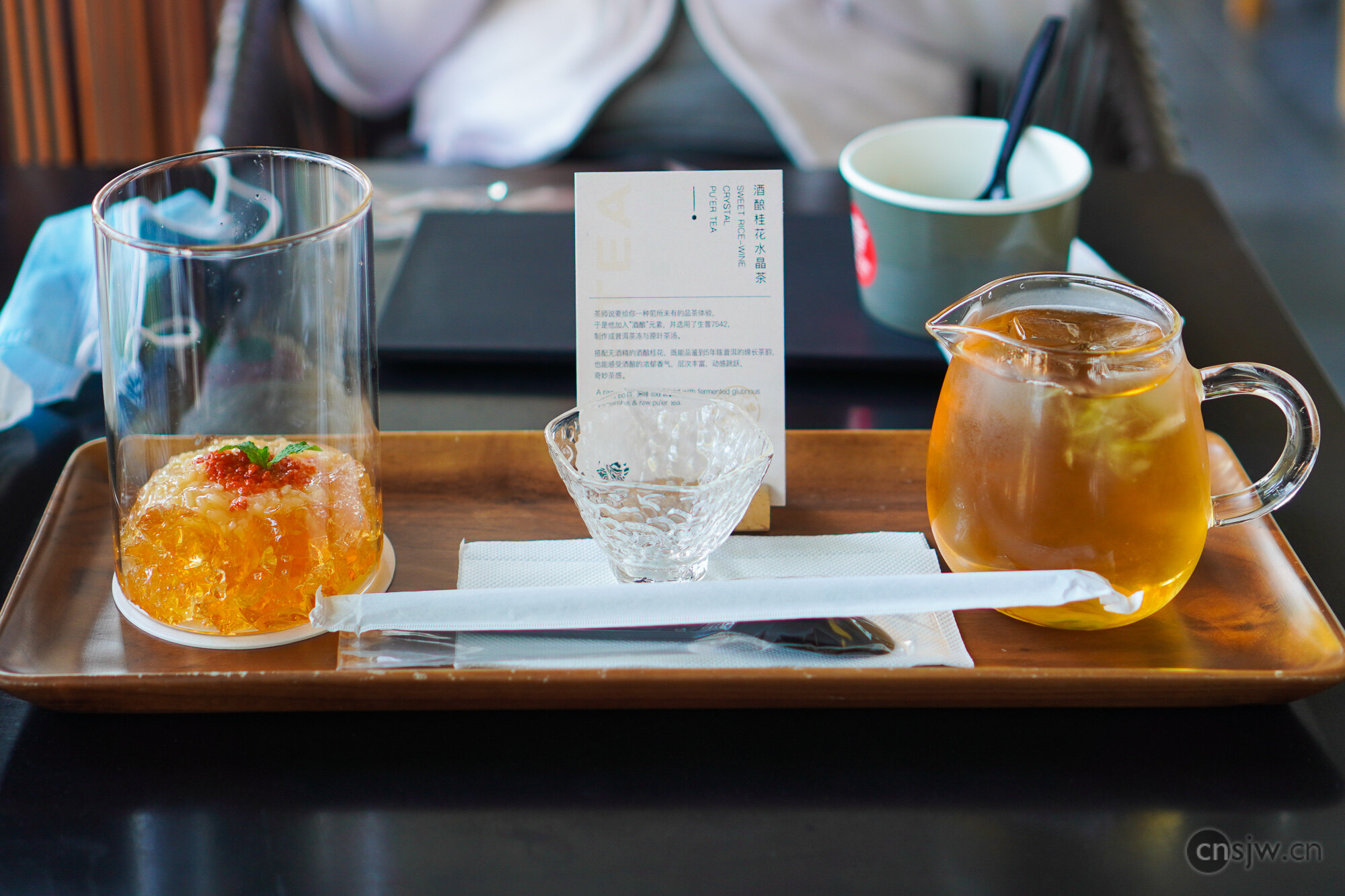
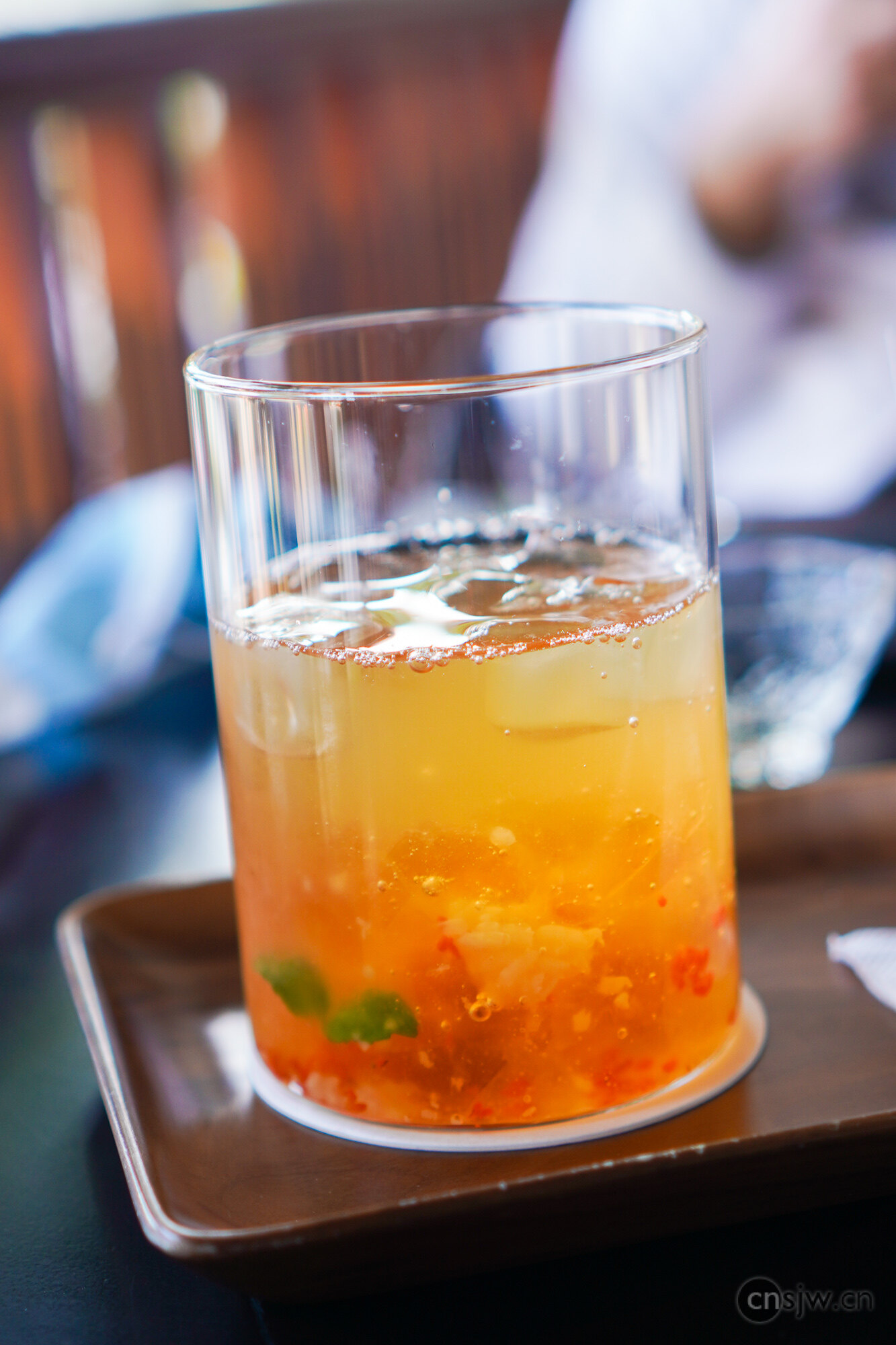
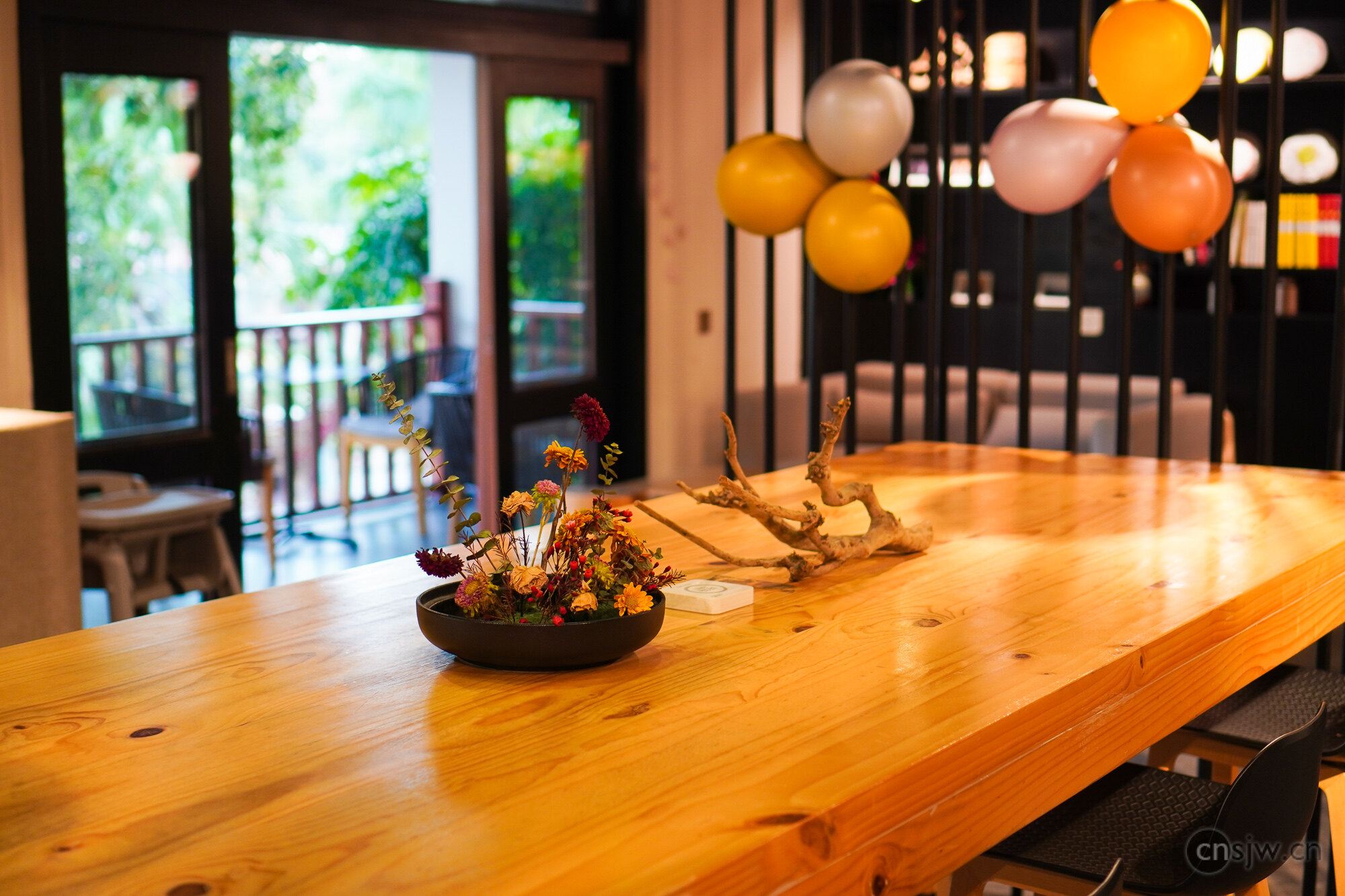
This is arguably the most commercially developed area in Xishuangbanna; businesses are everywhere. First stop: Dayi Tea Court for some tea~~\r\n\r\nDayi Tea Court is an experience store for Dayi Tea, representing a form of diversified business operations. It specializes in various Pu’er teas and related products. Beyond tea, they also offer items like Pu’er ice cream, Pu’er cake, and Pu’er bread… This Fermented Rice Osmanthus Crystal Tea is also quite unique…\r\n\r\nThere are many Dayi Tea Court locations in Shanghai—even more than in Yunnan Province—but I had never visited one. However, since we were at the source, we had to give it a try~~
The Great Golden Pagoda is also a landmark here. It is indeed a relatively new structure, absolutely magnificent and resplendent, built entirely for tourism. Inside the golden pagoda lies a museum: the Xishuangbanna Palm-Leaf Manuscript Museum…
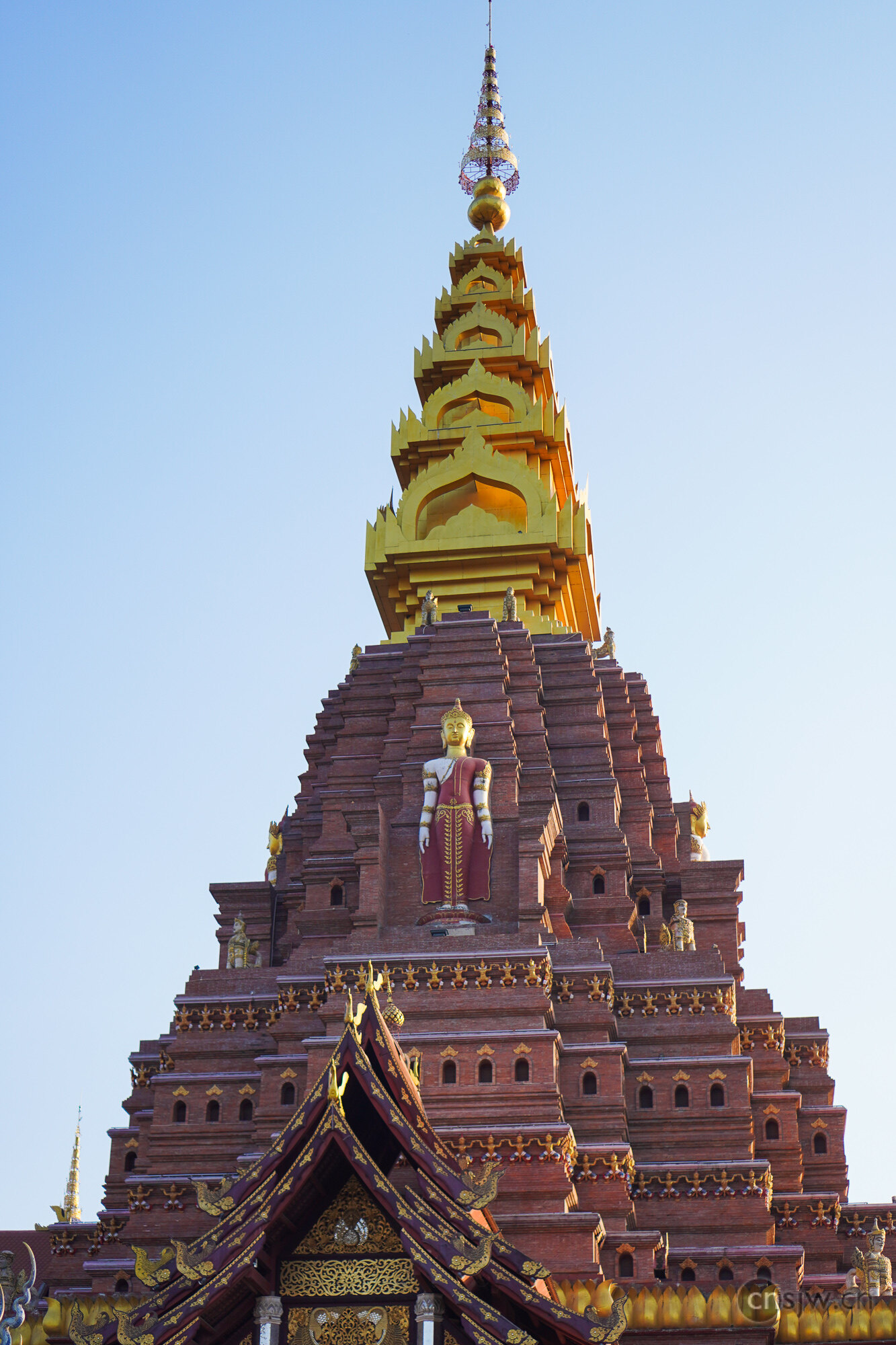
Crafted by Thai artisans, this statue of Elder Wubaguda is popularly known as the Arhat Who Subdues Demons and Dispels Disasters.
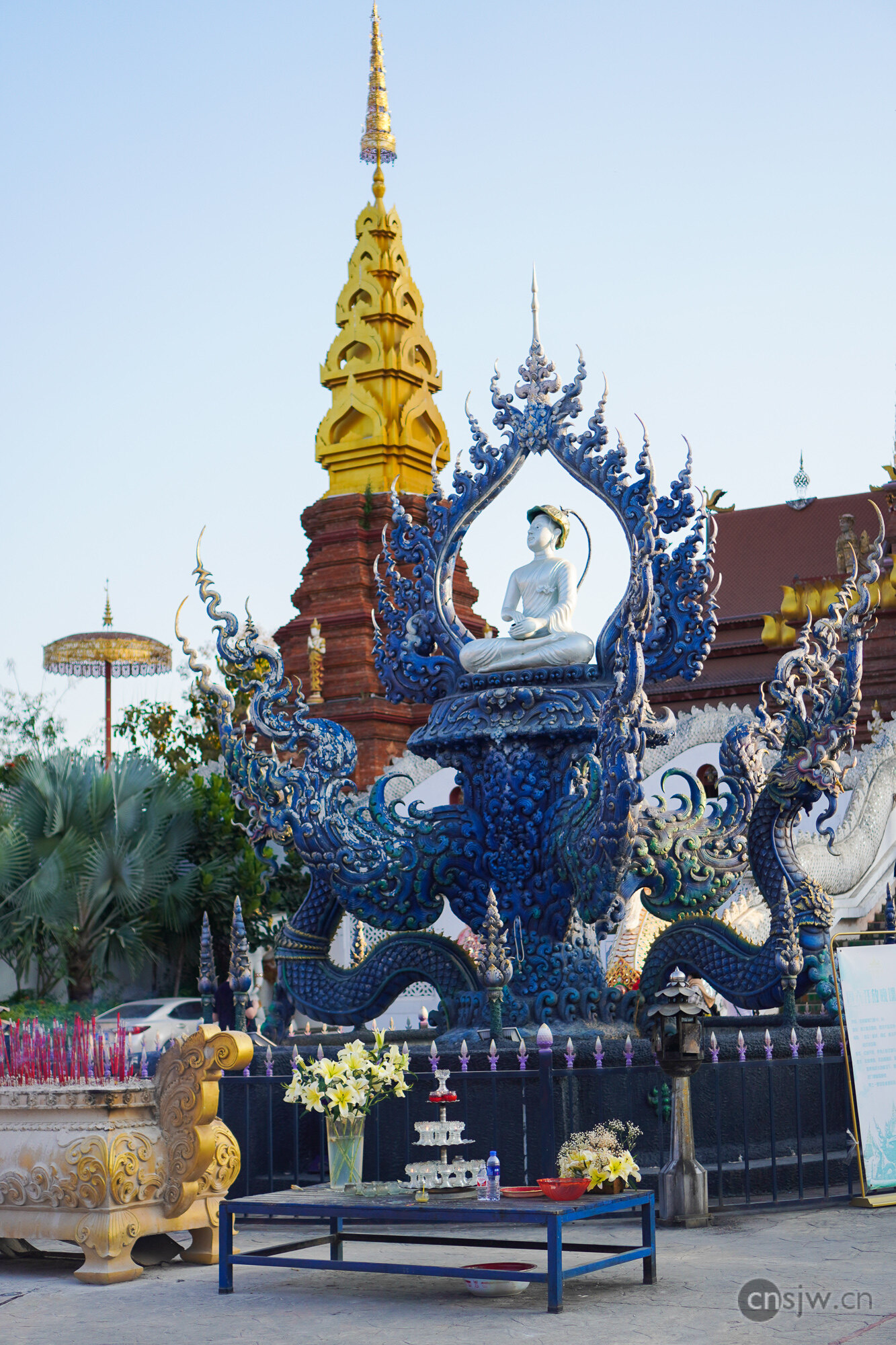
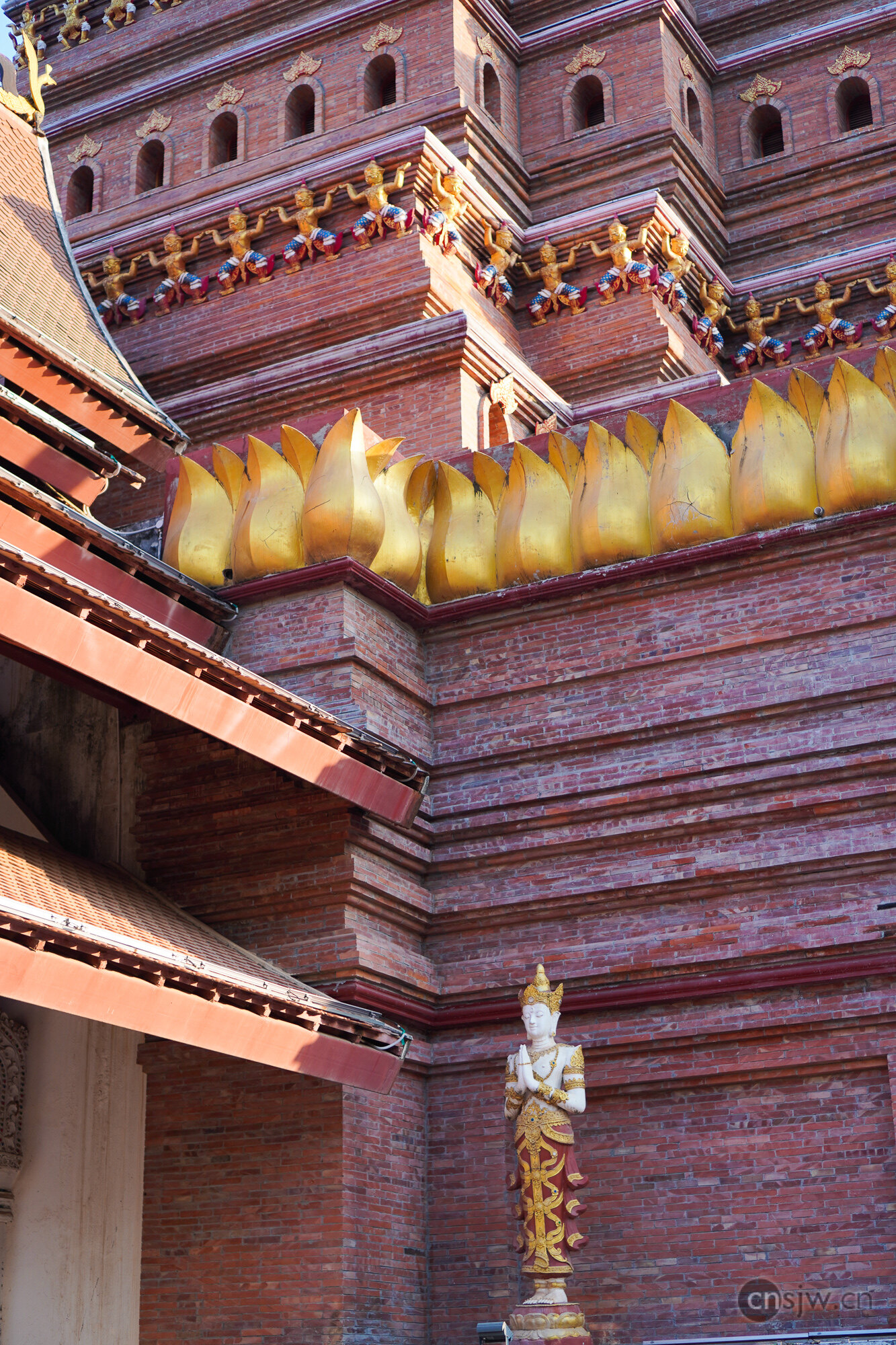
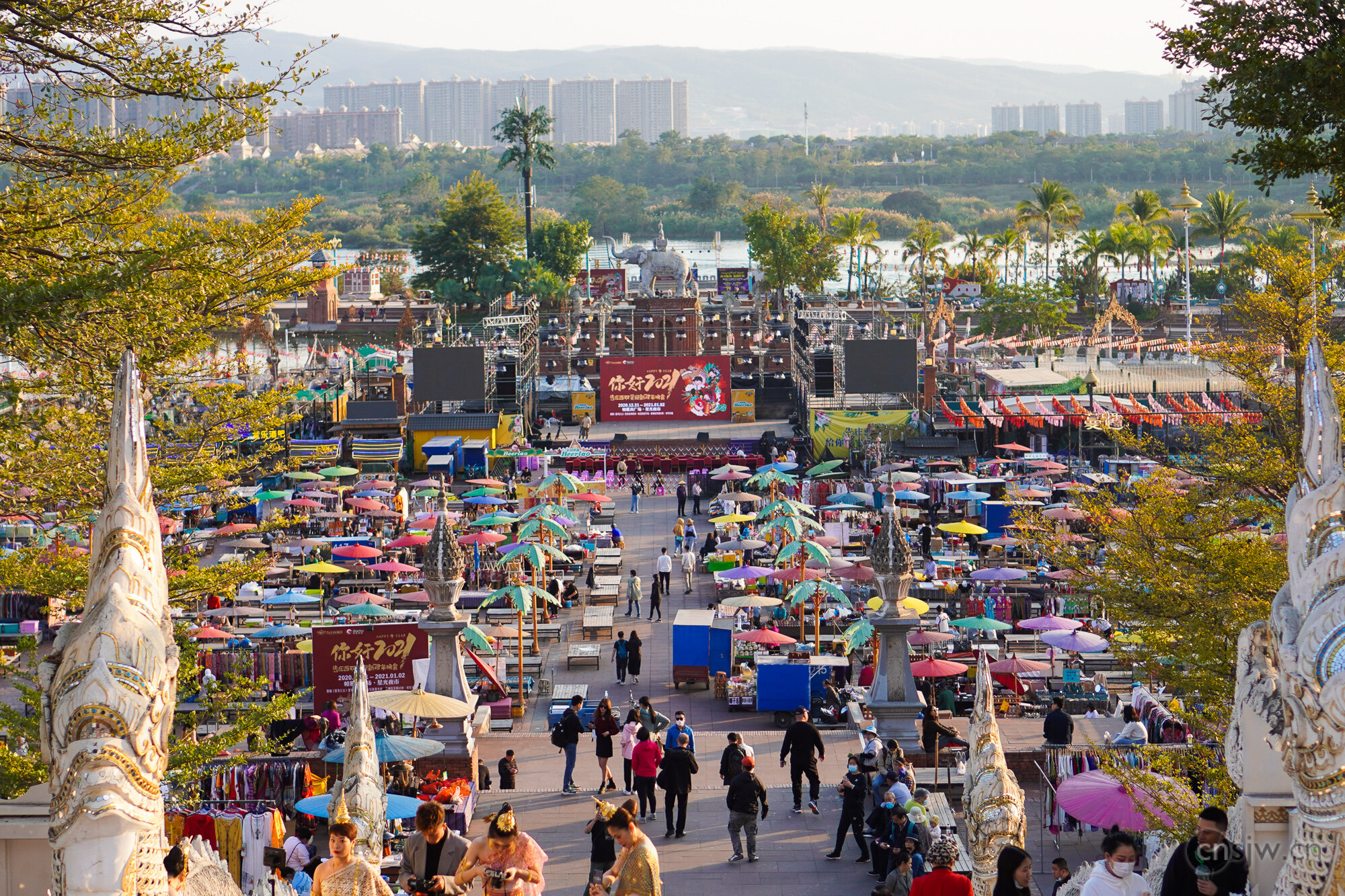
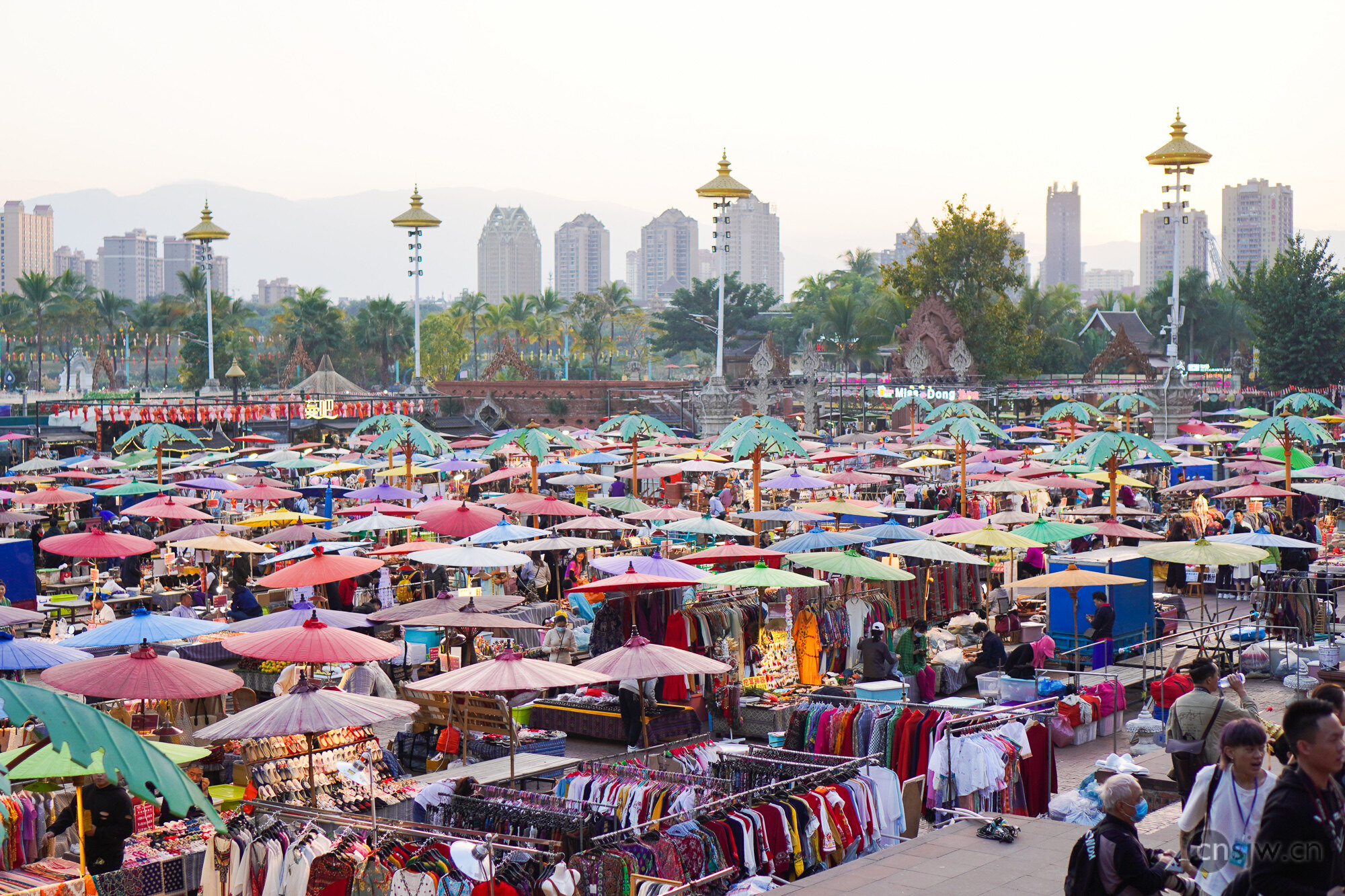
On the other side of the square is a massive market that becomes incredibly lively at night.
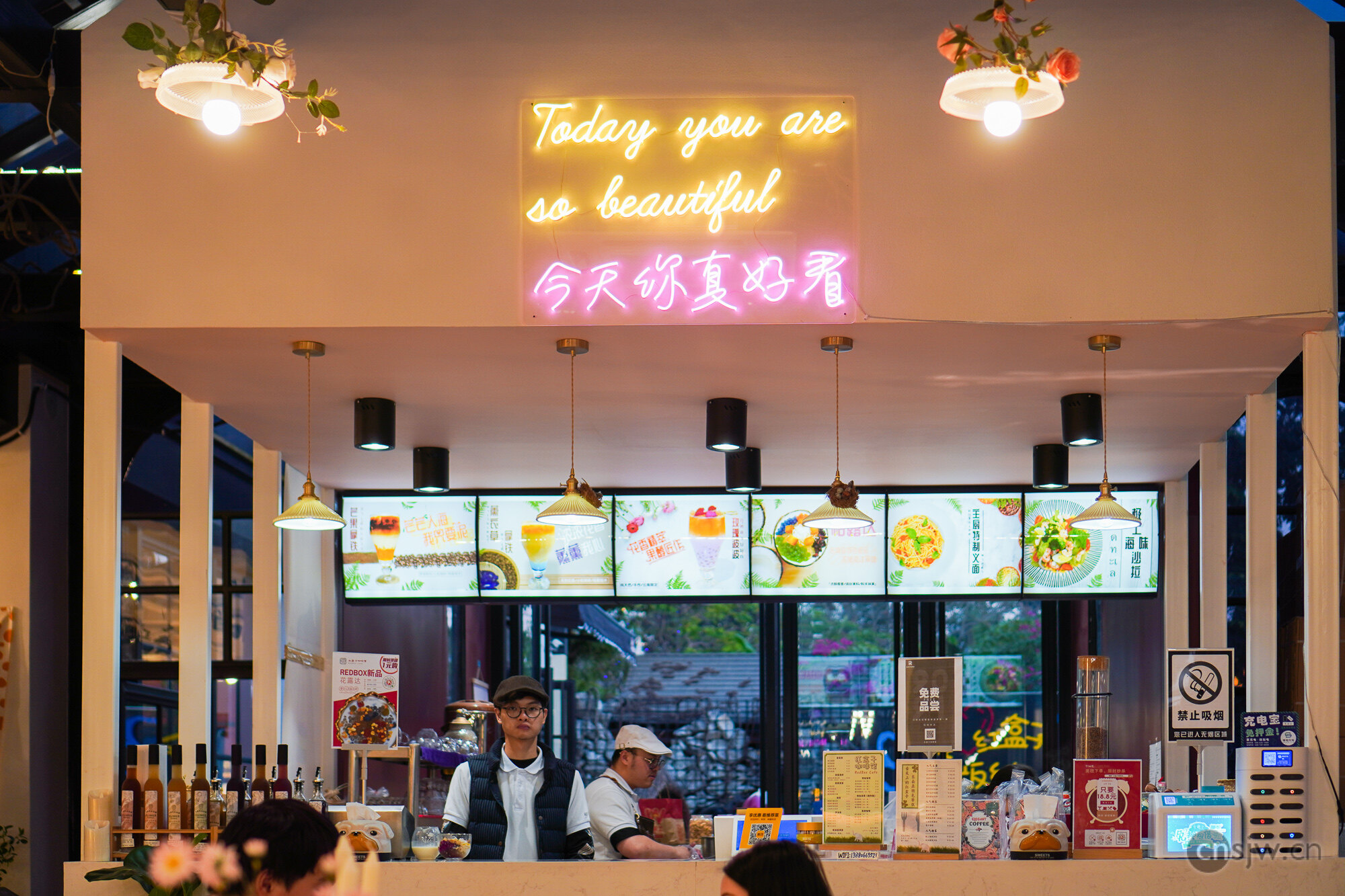
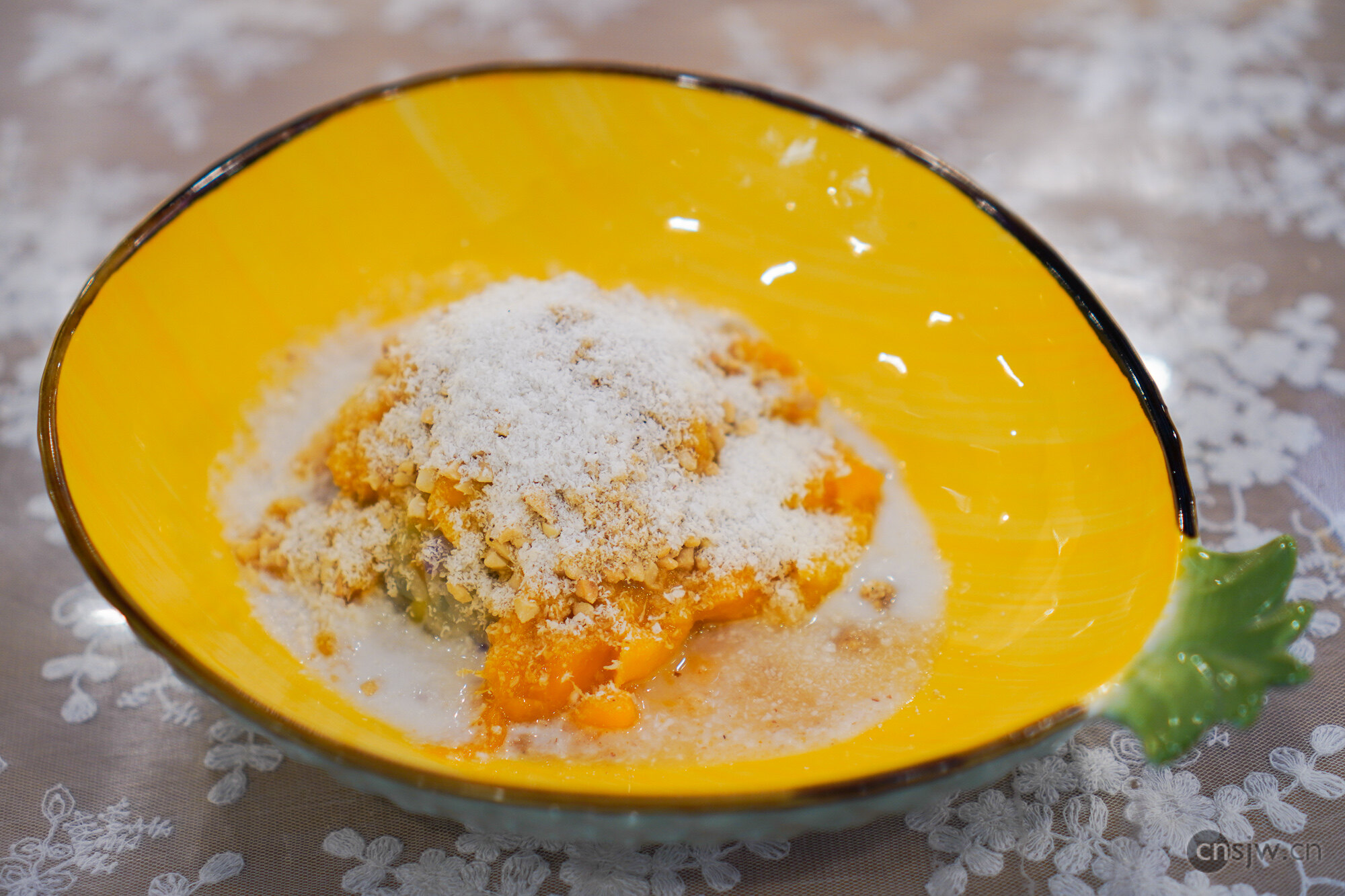
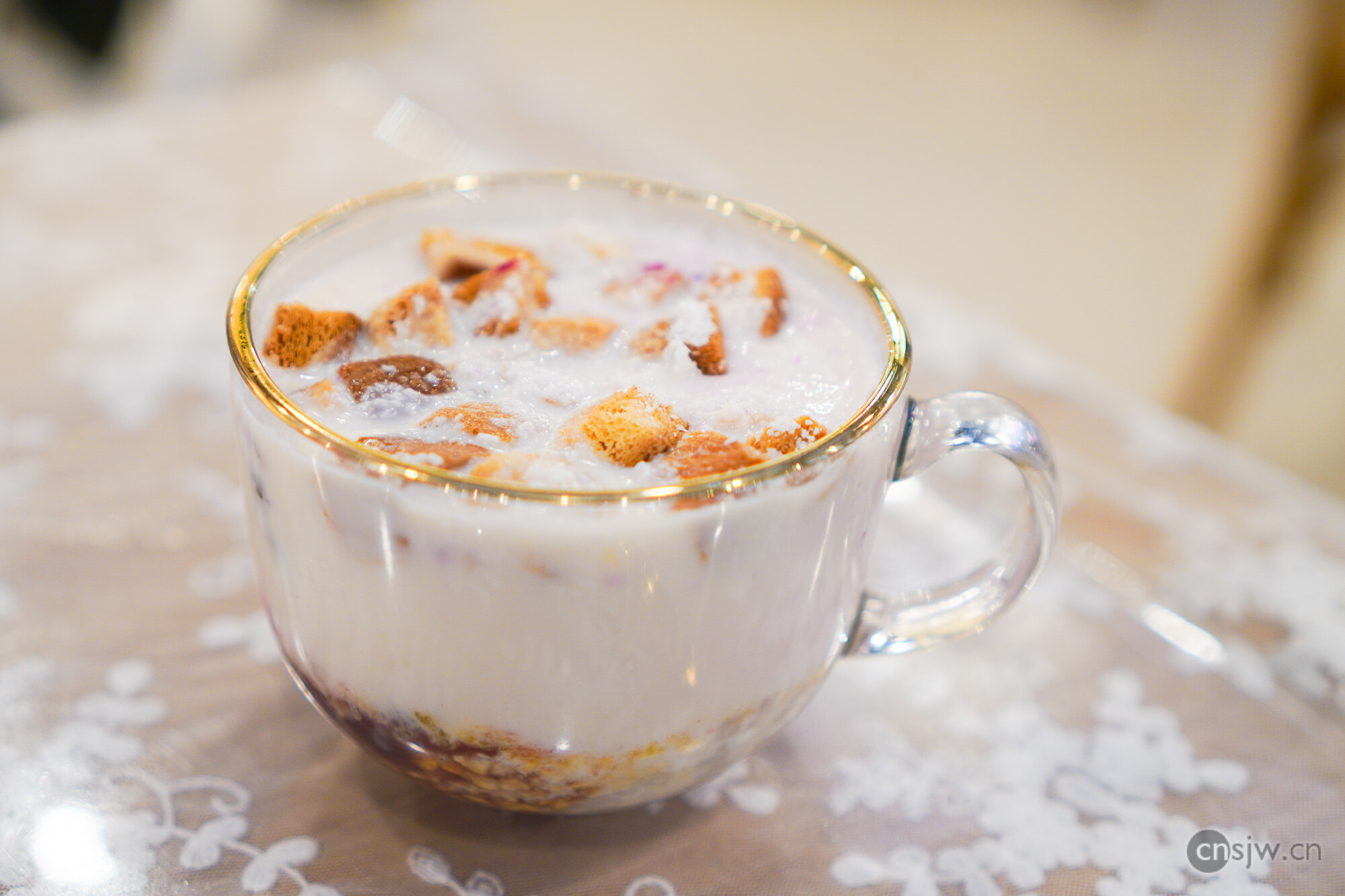
Surrounded by commercial areas and various shops, right next to the market sits this beautiful shop called Red Box Coffee.\r\n\r\nThe decor is very Instagram-worthy. Half of the space sells creative cultural products and souvenirs, while the other half is a café. We mainly wanted to try mango sticky rice, but theirs was a bit disappointing… We tried their signature item, Faluda, a Yunnan-style dessert, which was pretty good~~
At night, the scene here transforms completely~~
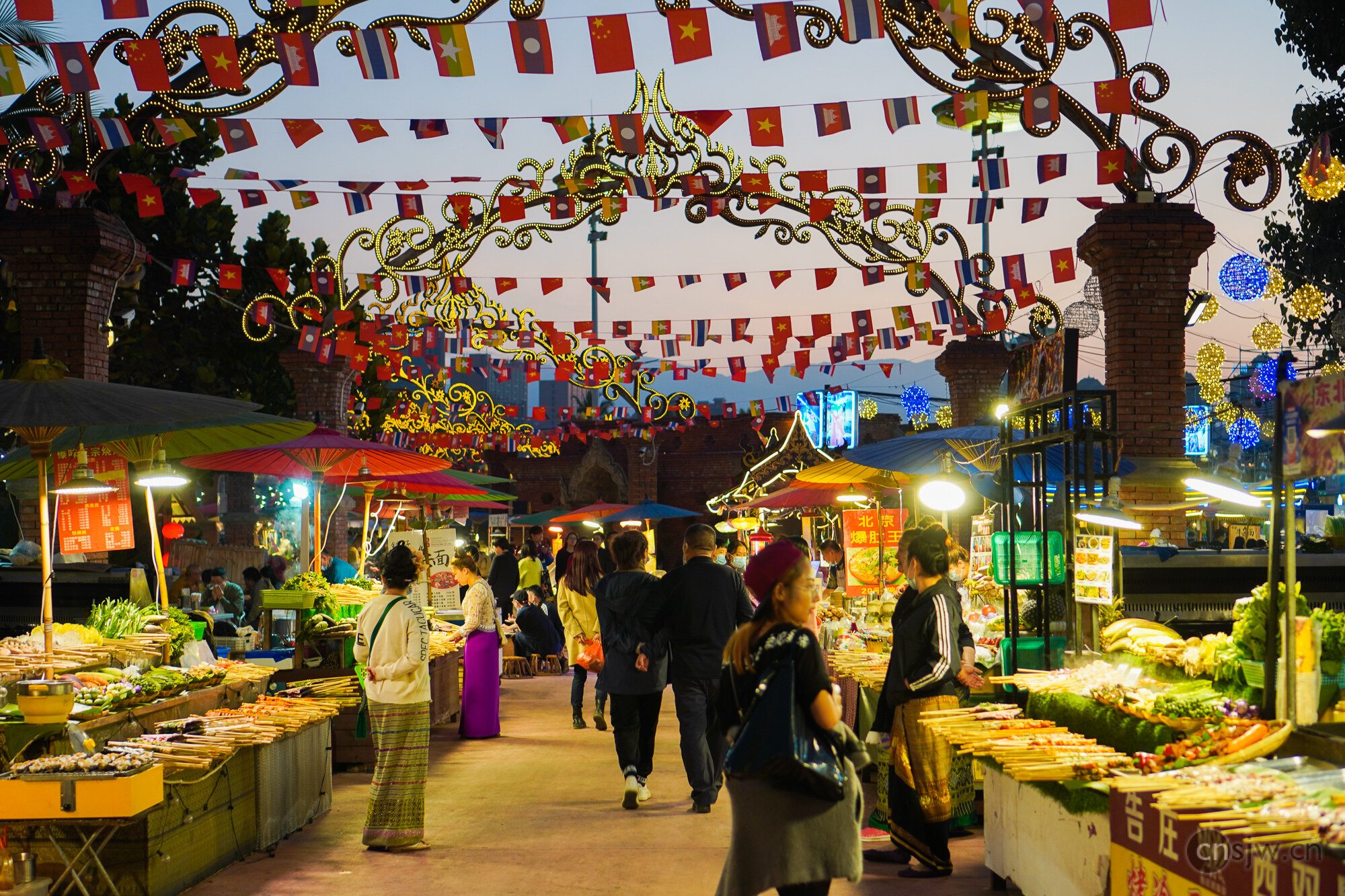
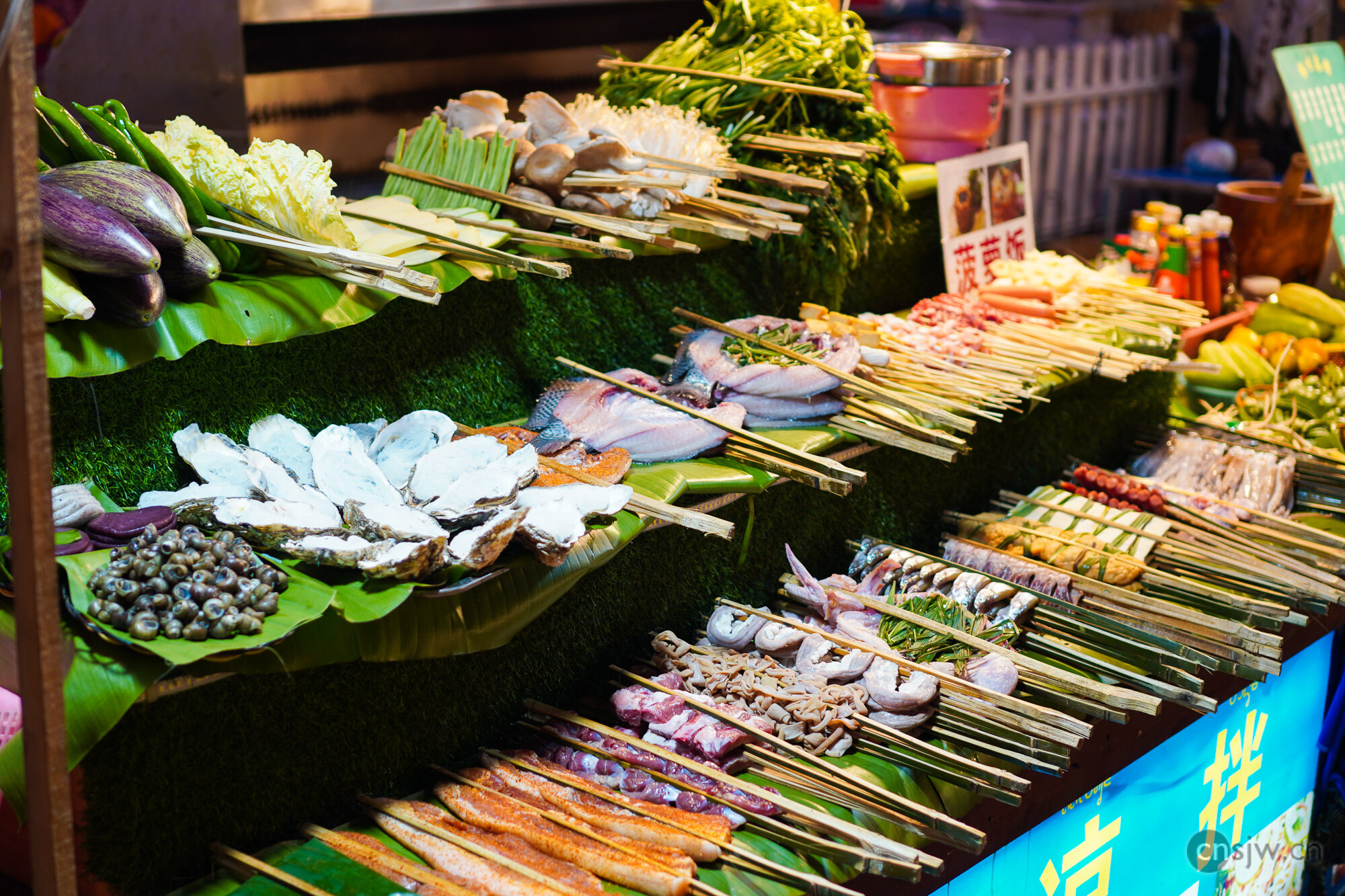
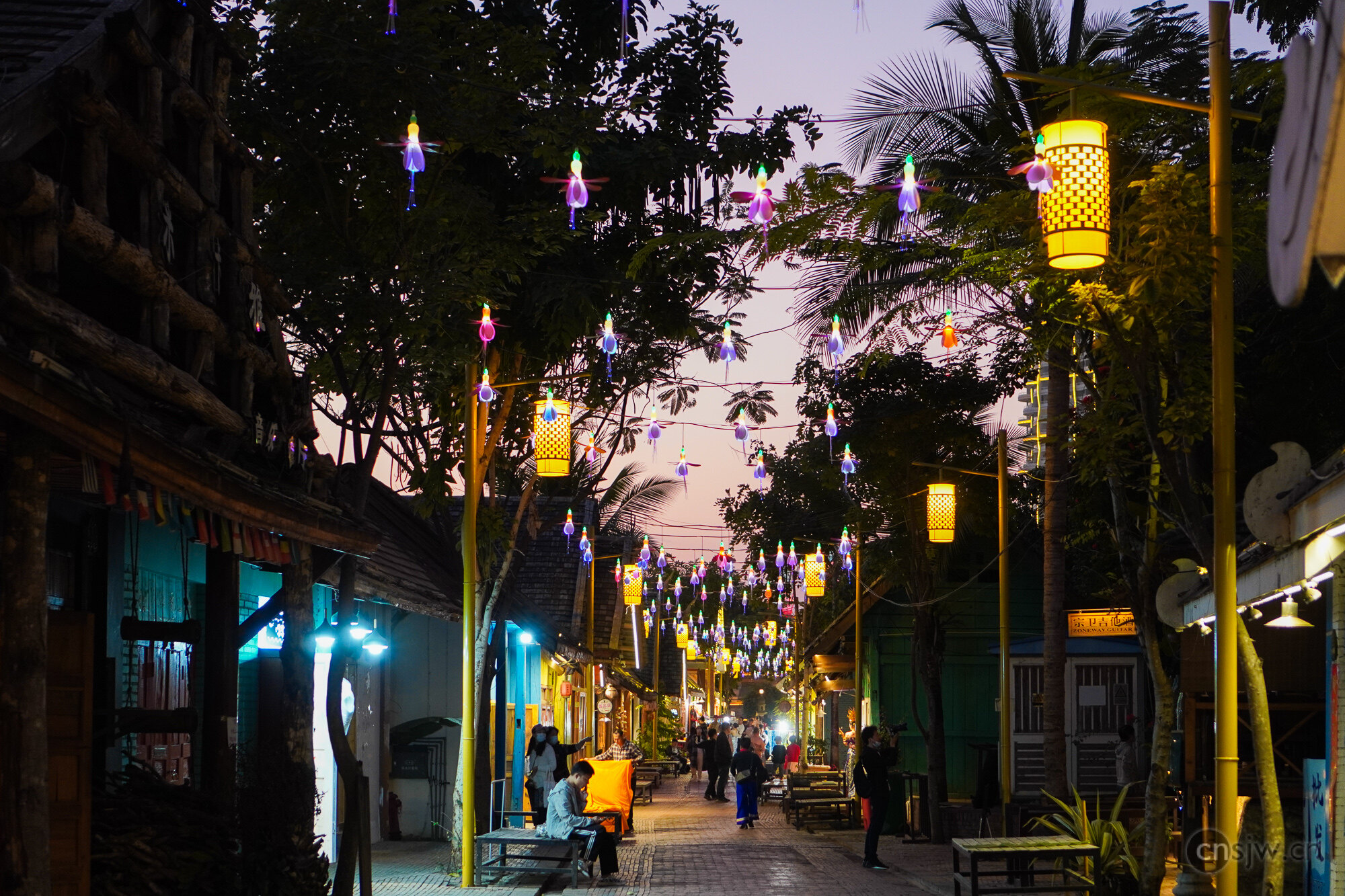
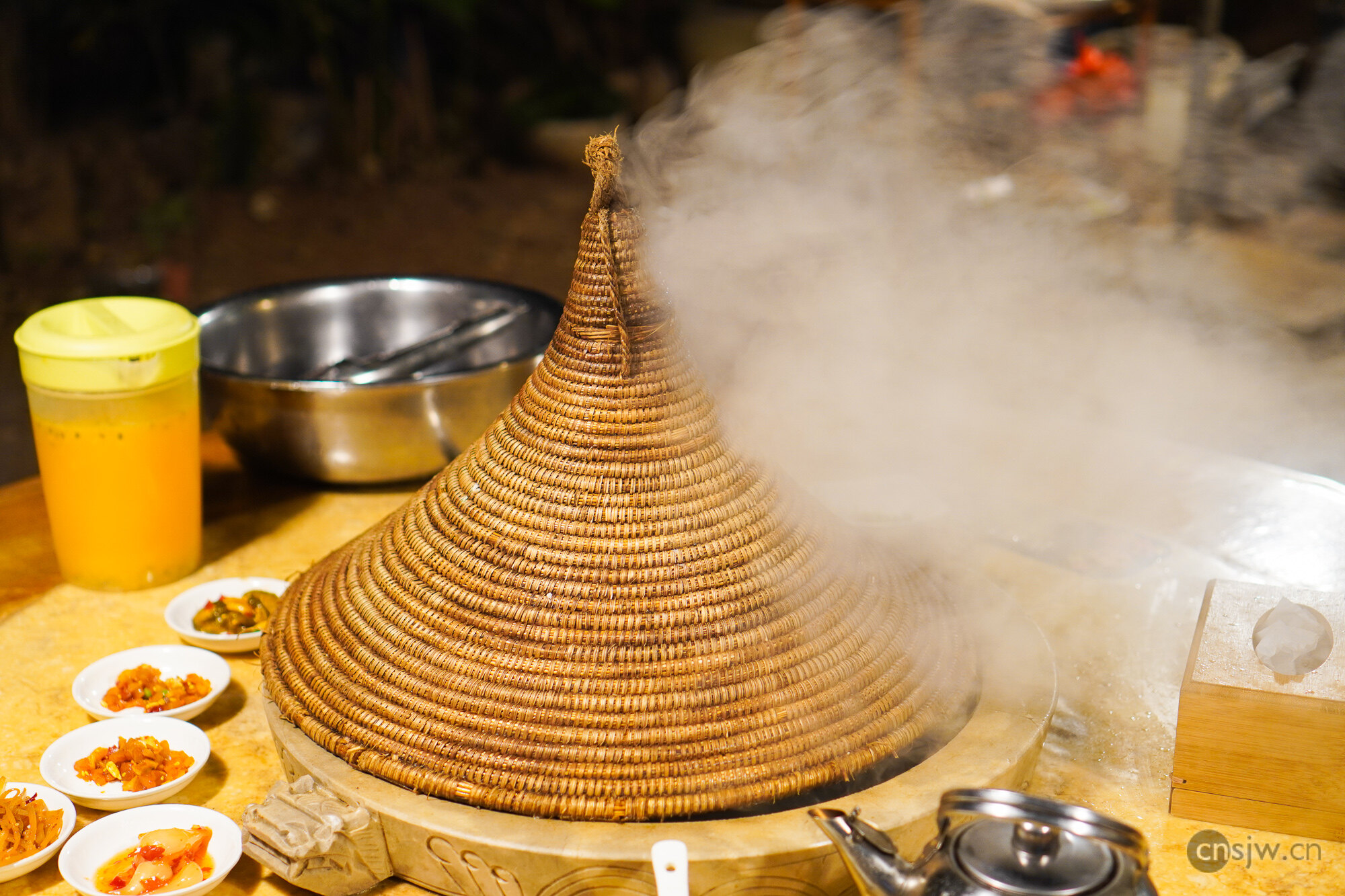
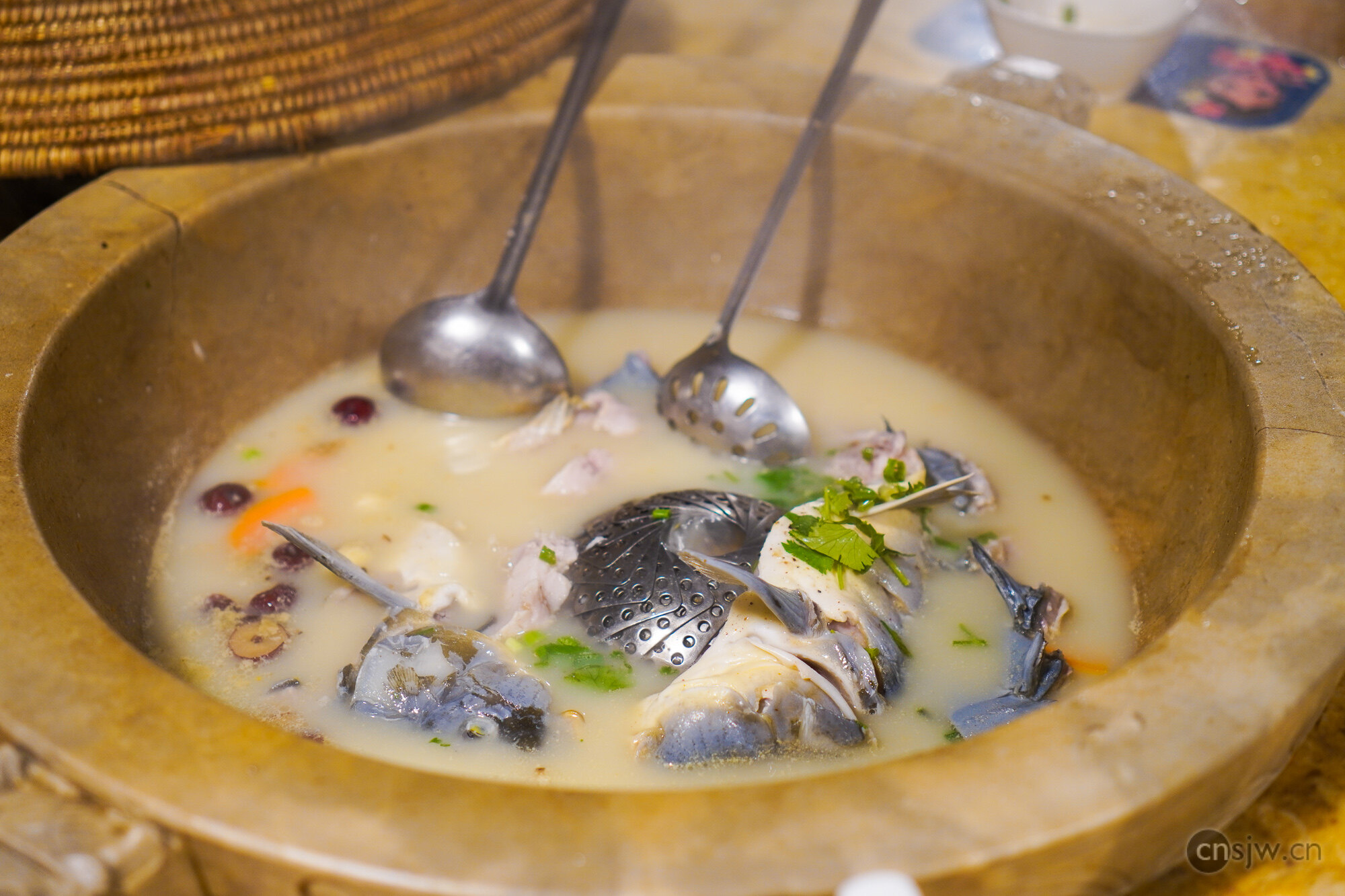
For dinner, we had local-style stone pot fish. The owner runs a tea business and hadn’t originally planned to open a restaurant; it was meant for entertaining clients but is also open to the public. Unexpectedly, it became so popular that there are only six outdoor tables, and we had to wait quite a while to get seated. Using a very traditional stone pot, the fish is freshly killed and cooked using high-temperature steam. The fish soup is savory, and the meat is incredibly tender and delicious. The service was excellent too, with staff helping handle every step of the process. Although I’ve had more modern versions of stone pot fish in Shanghai, this traditional experience felt completely different.
Overall, this is likely the liveliest and most commercially developed area in Xishuangbanna. It’s definitely a must-visit destination when you’re here~~~




Support



Read this article on WeChat