
Xishuangbanna Tropical Botanical Garden, Chinese Academy of Sciences, is a 5A-rated scenic spot and the only one of its kind in Xishuangbanna. Although located in Xishuangbanna, it is actually quite far from the bustling areas, requiring about a one-and-a-half-hour drive to reach. It is close to the national border, and health codes were checked several times along the way…
Originally established as the “Xishuangbanna Tropical Botanical Garden” in 1959 under the leadership of Professor Cai Xitao, it underwent several reorganizations and administrative changes. In September 1996, with approval from the Central Organization Commission, it was officially named Xishuangbanna Tropical Botanical Garden, Chinese Academy of Sciences, and is affiliated with the Chinese Academy of Sciences. Located south of the Tropic of Cancer, the botanical garden has an average annual temperature of 21.4°C and features a northern tropical monsoon climate characterized by abundant heat, mild summers without extreme heat, mild winters without severe cold, ample rainfall, and distinct dry and rainy seasons.
Covering an area of approximately 1,125 hectares, the garden houses over 13,000 species of living plants across 38 specialized plant zones and preserves a patch of primitive tropical rainforest spanning about 250 hectares. It is the largest botanical garden in China in terms of area, species diversity, and number of specialized zones, as well as the botanical garden with the greatest number of outdoor-preserved plant species and publicly displayed plant groups in the world.
The botanical garden is mainly divided into the West Zone and the East Zone. The West Zone is the cultivated botanical garden area, while the East Zone is the primitive forest; shuttle buses operate between the two zones.
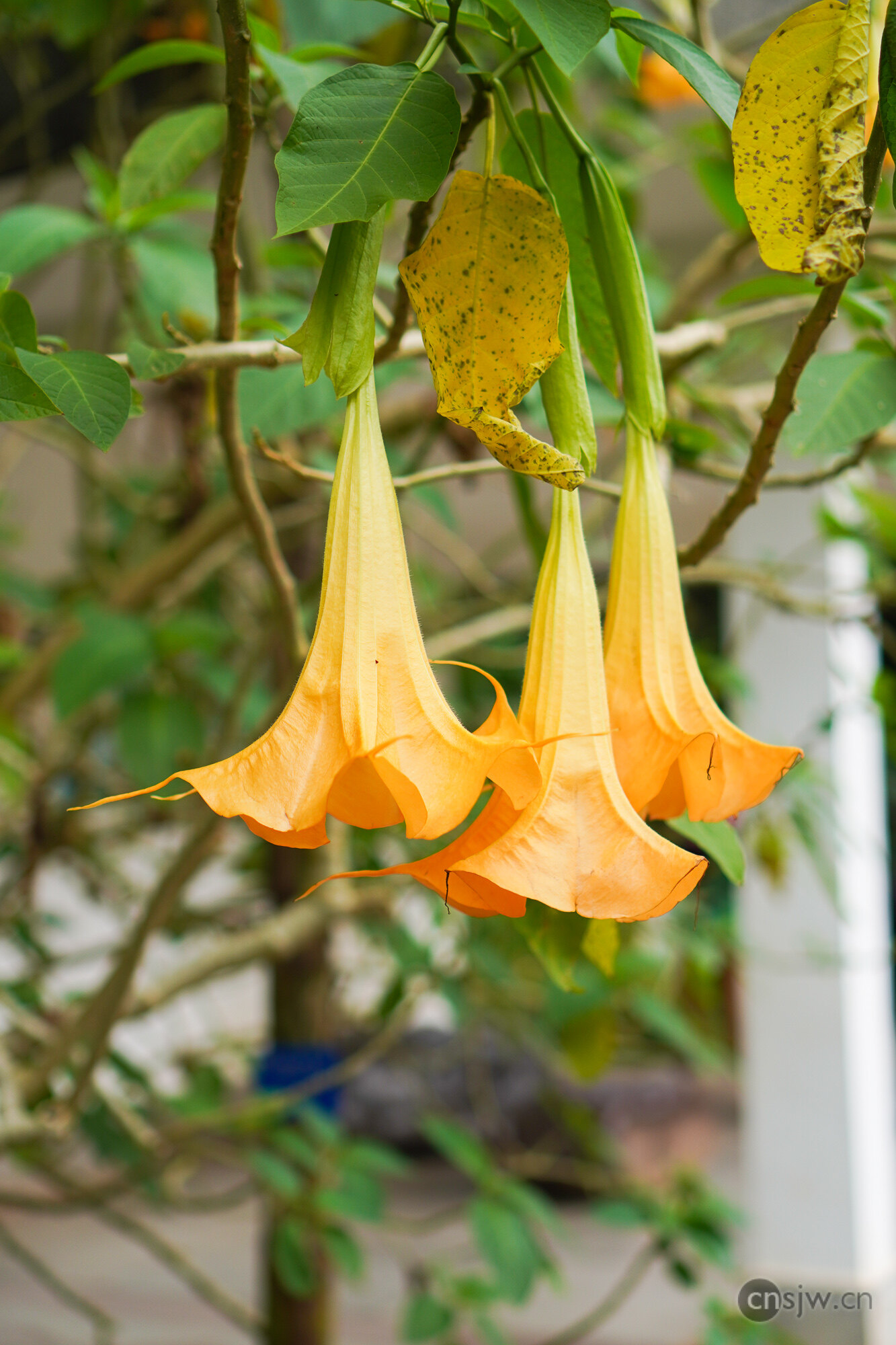
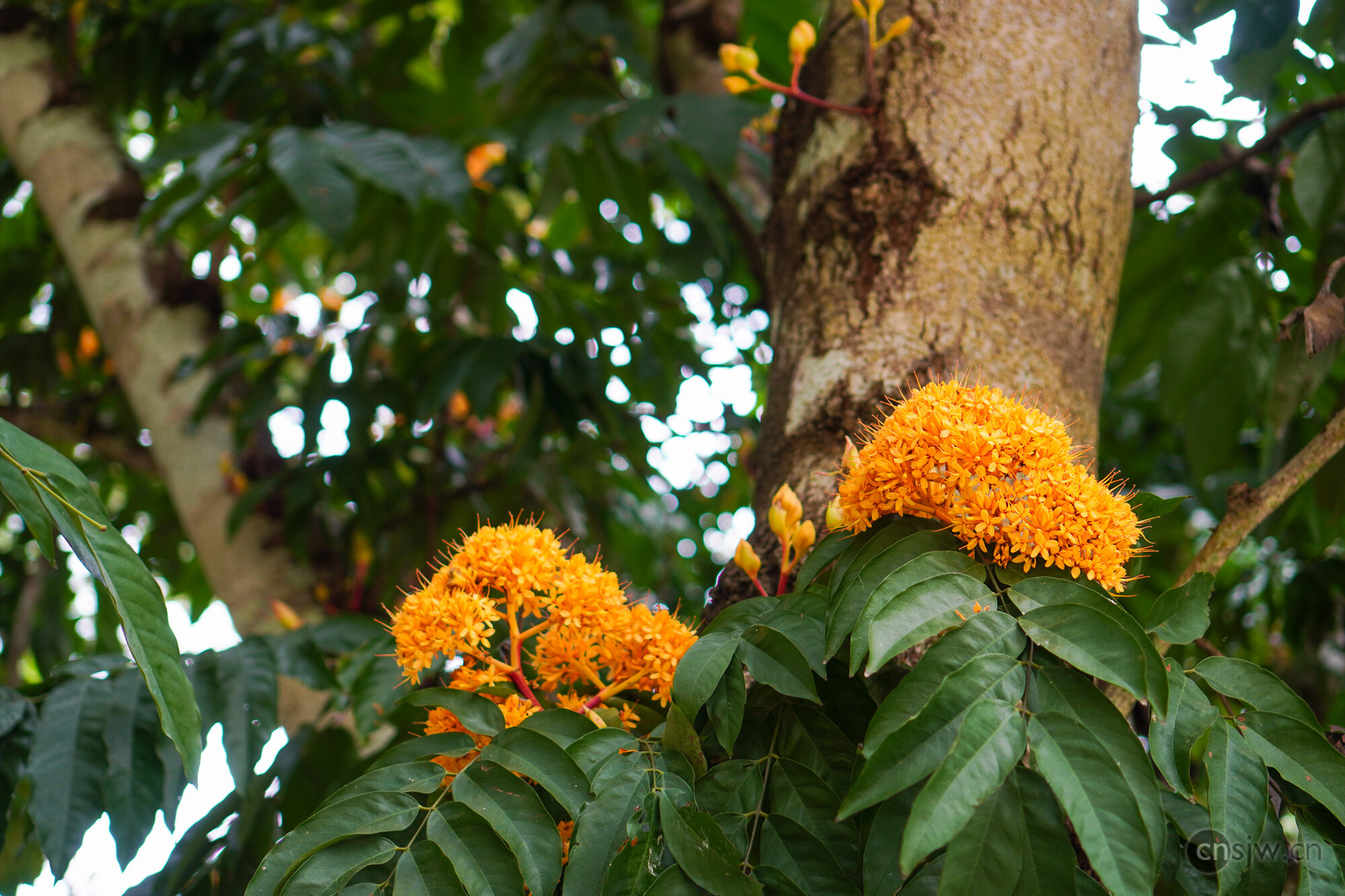
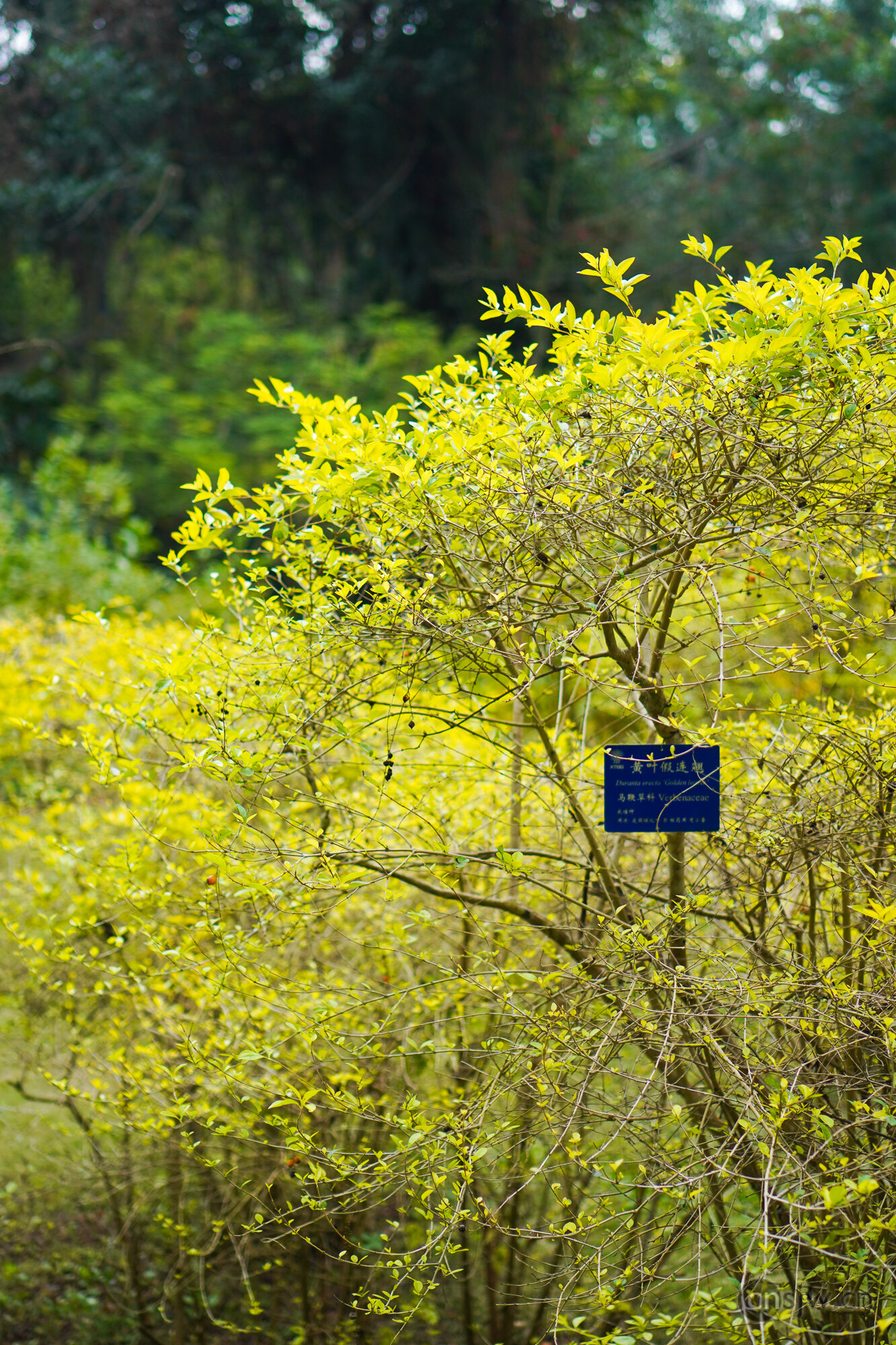
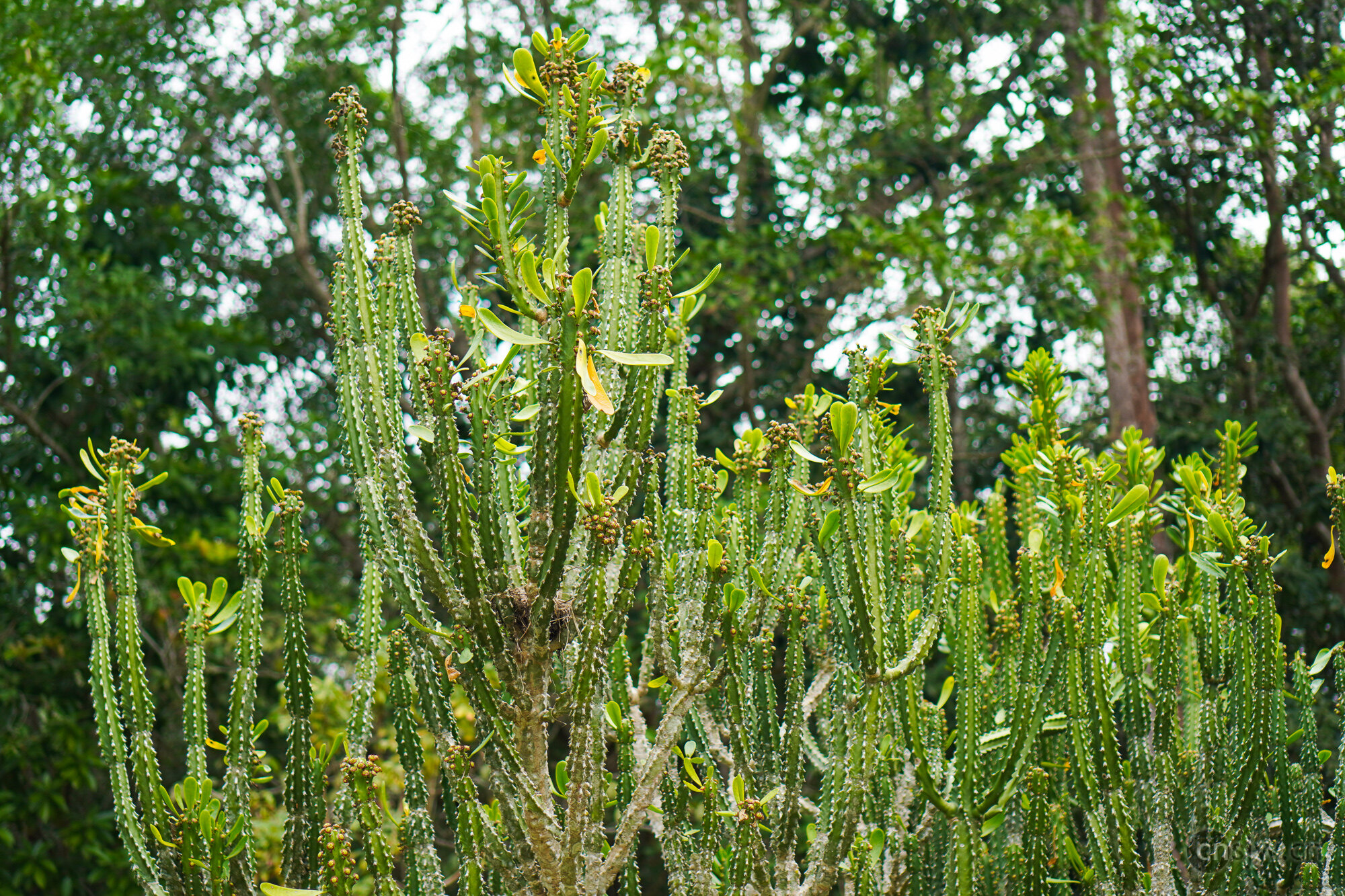
Let’s start with the West Zone, which is the most famous and most visited area. Taking a shuttle bus from the West Gate brings you into the West Zone, which includes several themed areas such as the Hundred Flowers Garden, Bamboo Garden, Fragrant Plants Garden, Fruit Trees Garden, Dipterocarp Garden, Rare Flowers and Exotic Plants Garden, Banyan Garden, Aquatic Plants Garden, Arboretum, Southern Medicinal Plants Garden, Liana Garden, Famous People and Trees Garden, National Trees and Flowers Garden, Dracaena Garden, Palm Garden, and Ethnic Plants Garden. Actually, it’s not as vast as imagined, but since the shuttle bus travels along the outer perimeter, what initially seems like a long ride actually covers half of the West Zone. Naturally, the garden is filled with all kinds of plants rarely seen elsewhere—but perhaps precisely because they are so uncommon, without interpretive signage or guides, visitors might have no idea what they’re looking at… There are indeed very many tourists, so many that you can easily catch snippets of tour guides’ explanations anytime, anywhere…
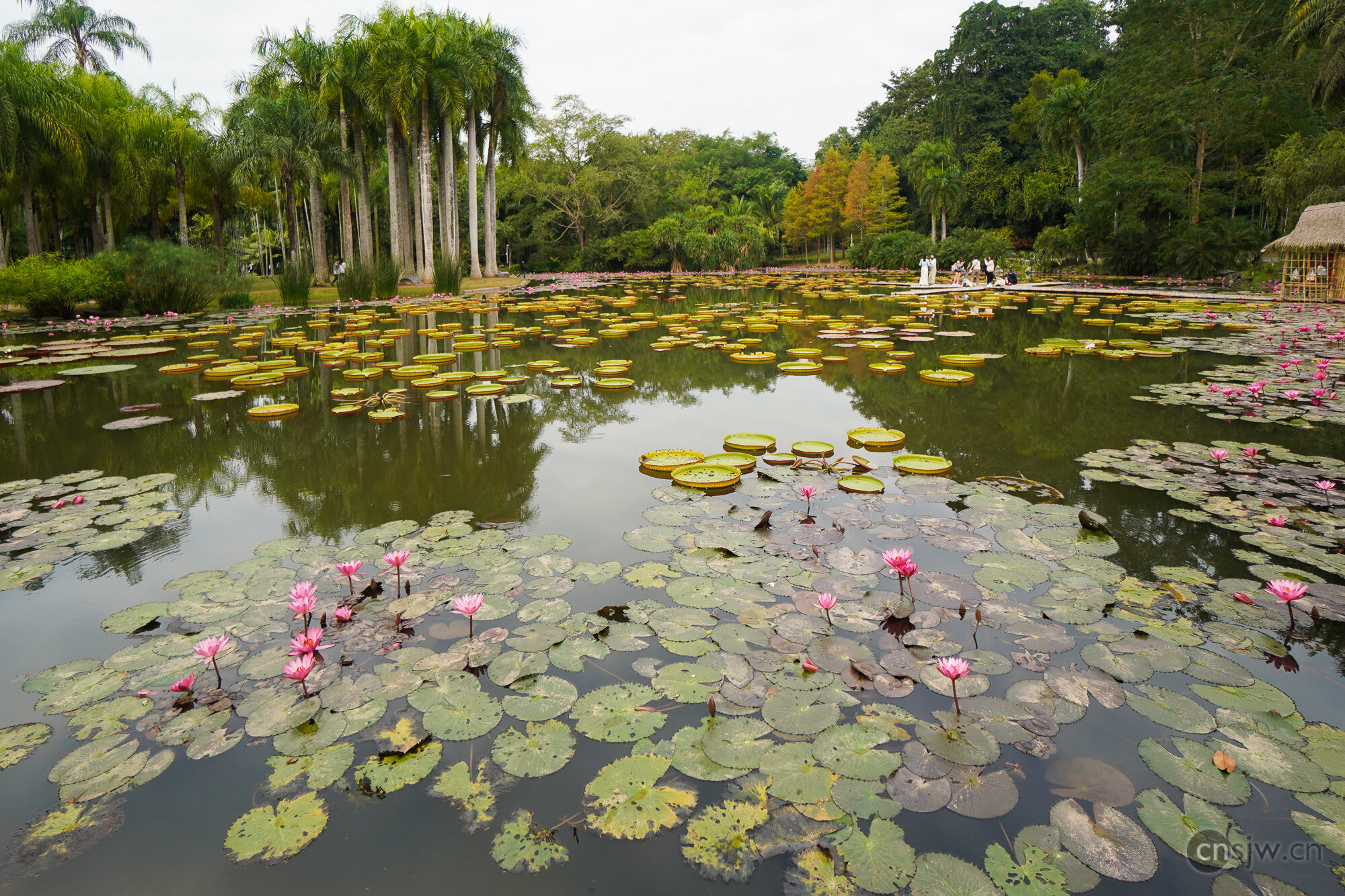

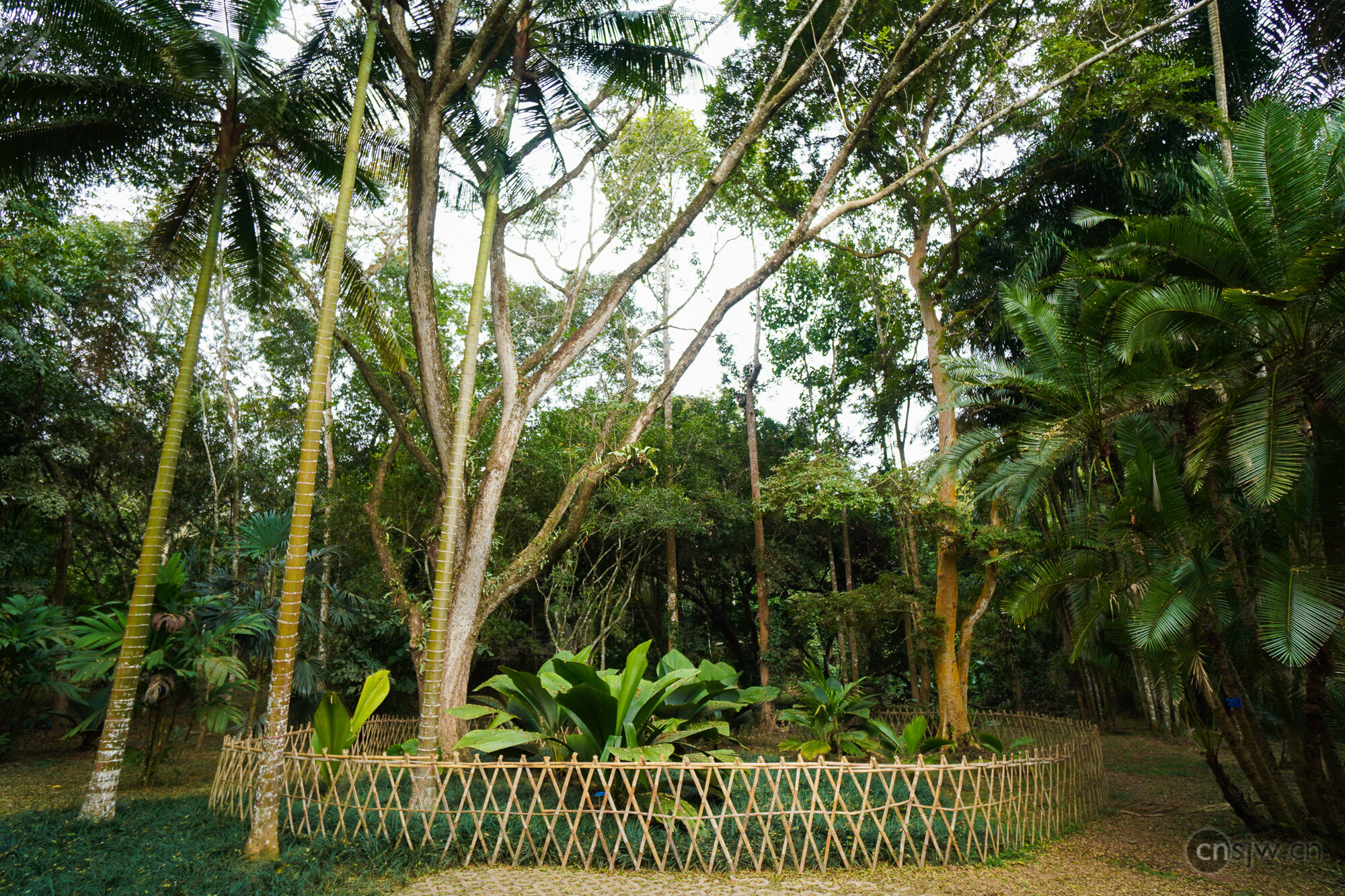
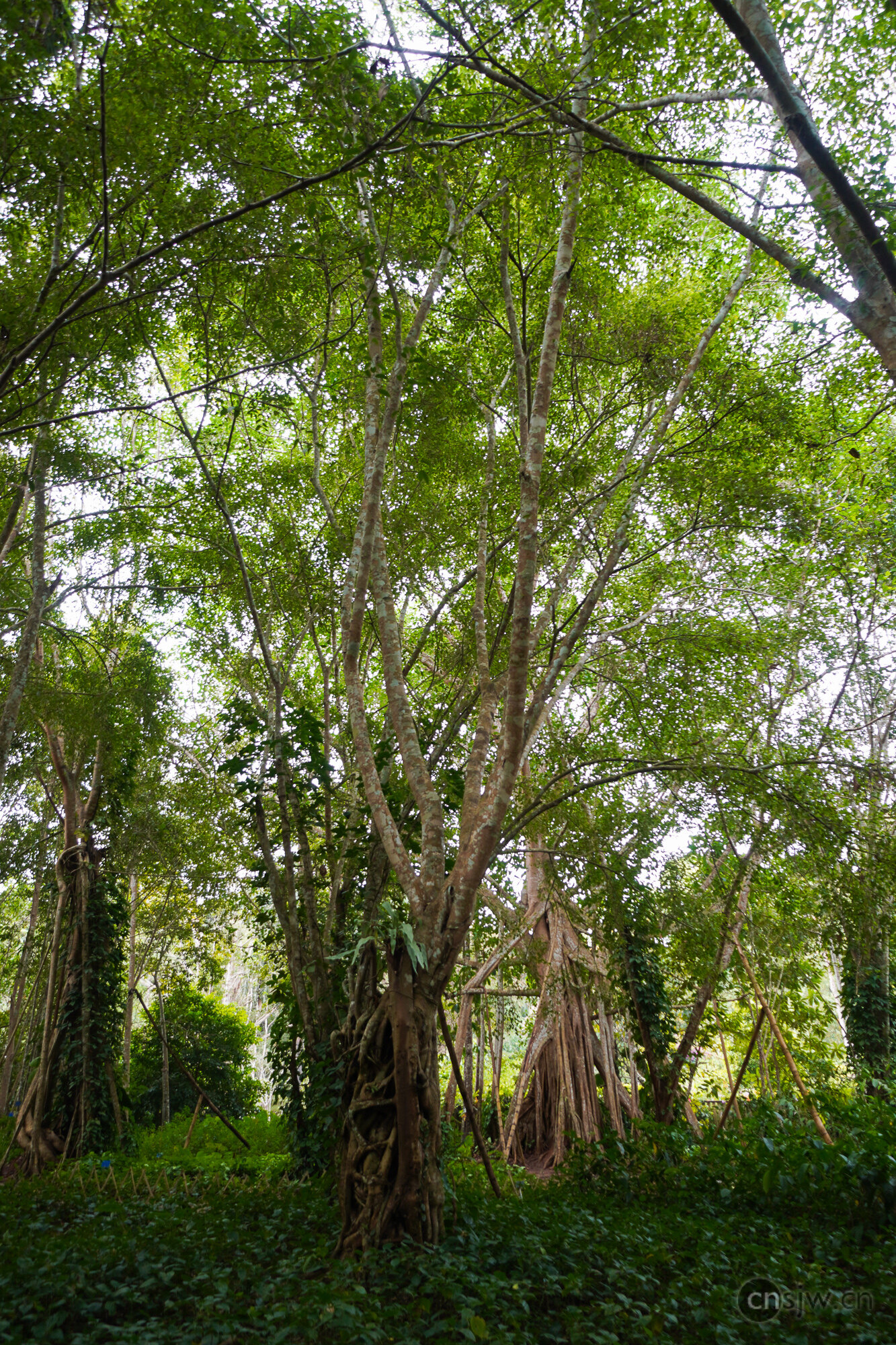
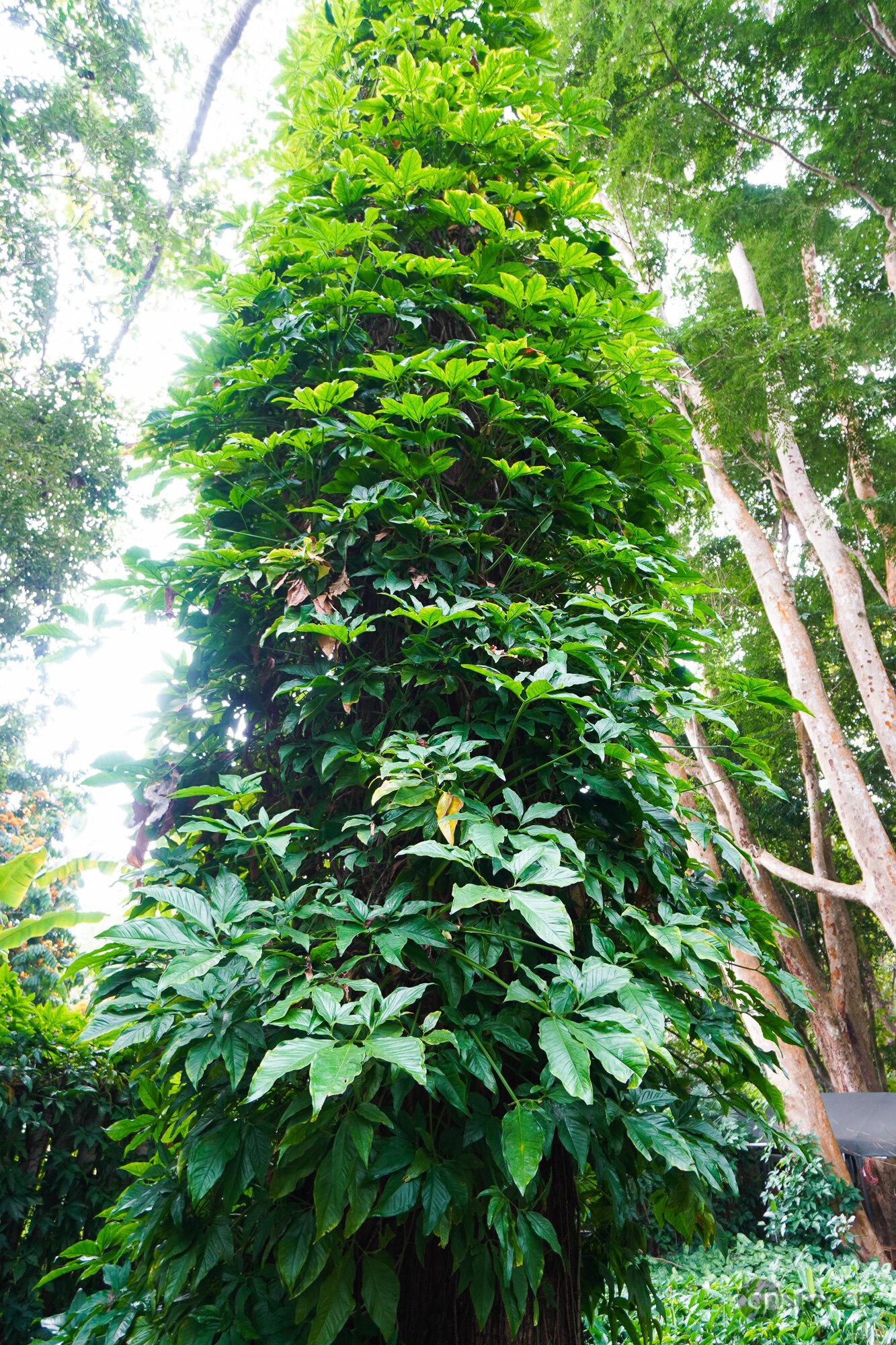
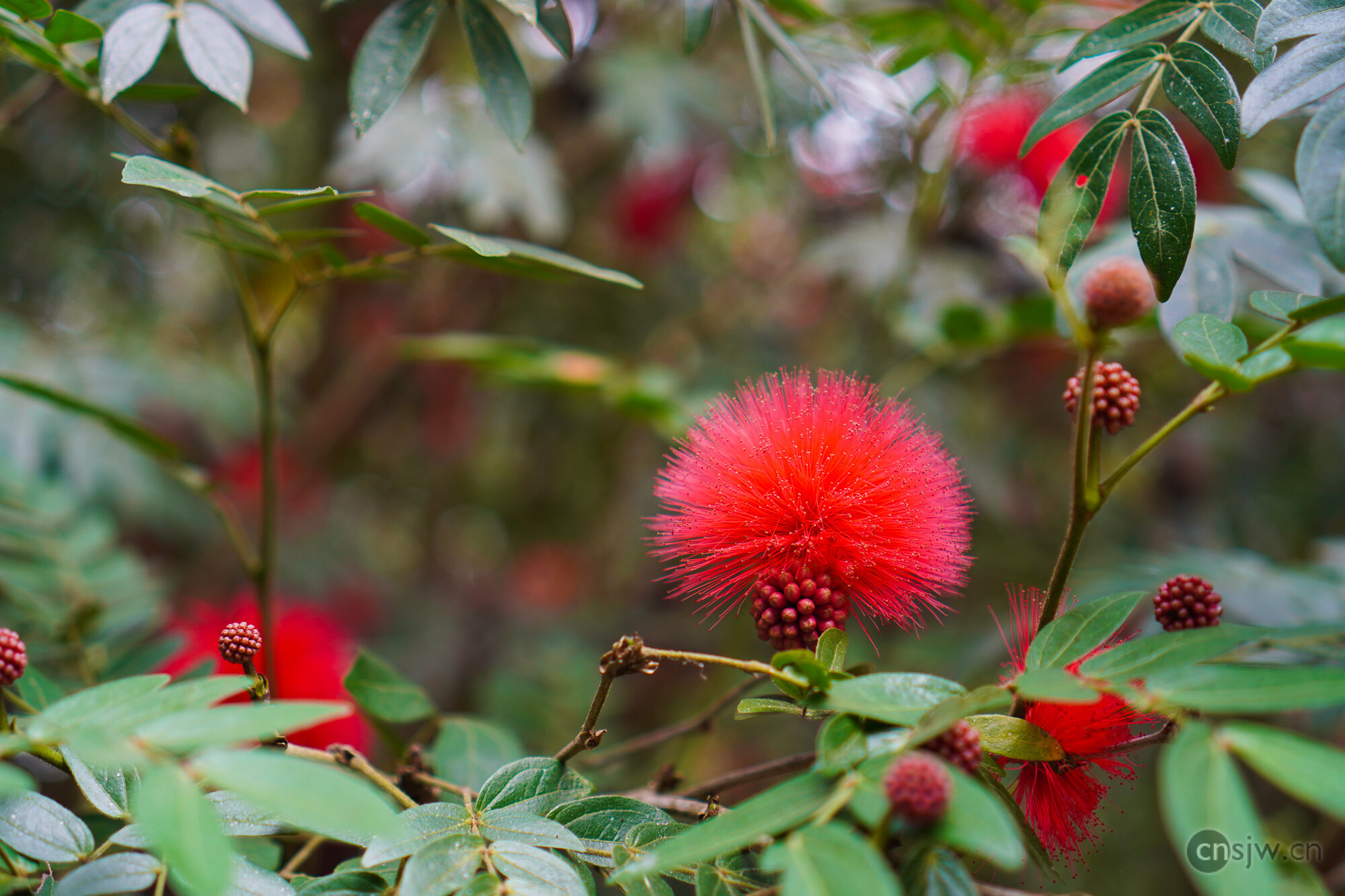


Meanwhile, the East Zone preserves a highly pristine tract of tropical rainforest. Compared to the West Zone, this area feels remarkably deserted… You won’t encounter any tour groups here at all—in fact, it’s common to see absolutely no one ahead or behind you for long stretches… which can be somewhat unnerving… Moreover, the trail involves constant uphill and downhill hiking, so be sure to bring a bottle of water and pay close attention to safety.
Although there are few visitors here, I still highly recommend making the trip—after all, if you’ve come all the way to Xishuangbanna, wouldn’t it be a missed opportunity not to experience its authentic tropical rainforest?
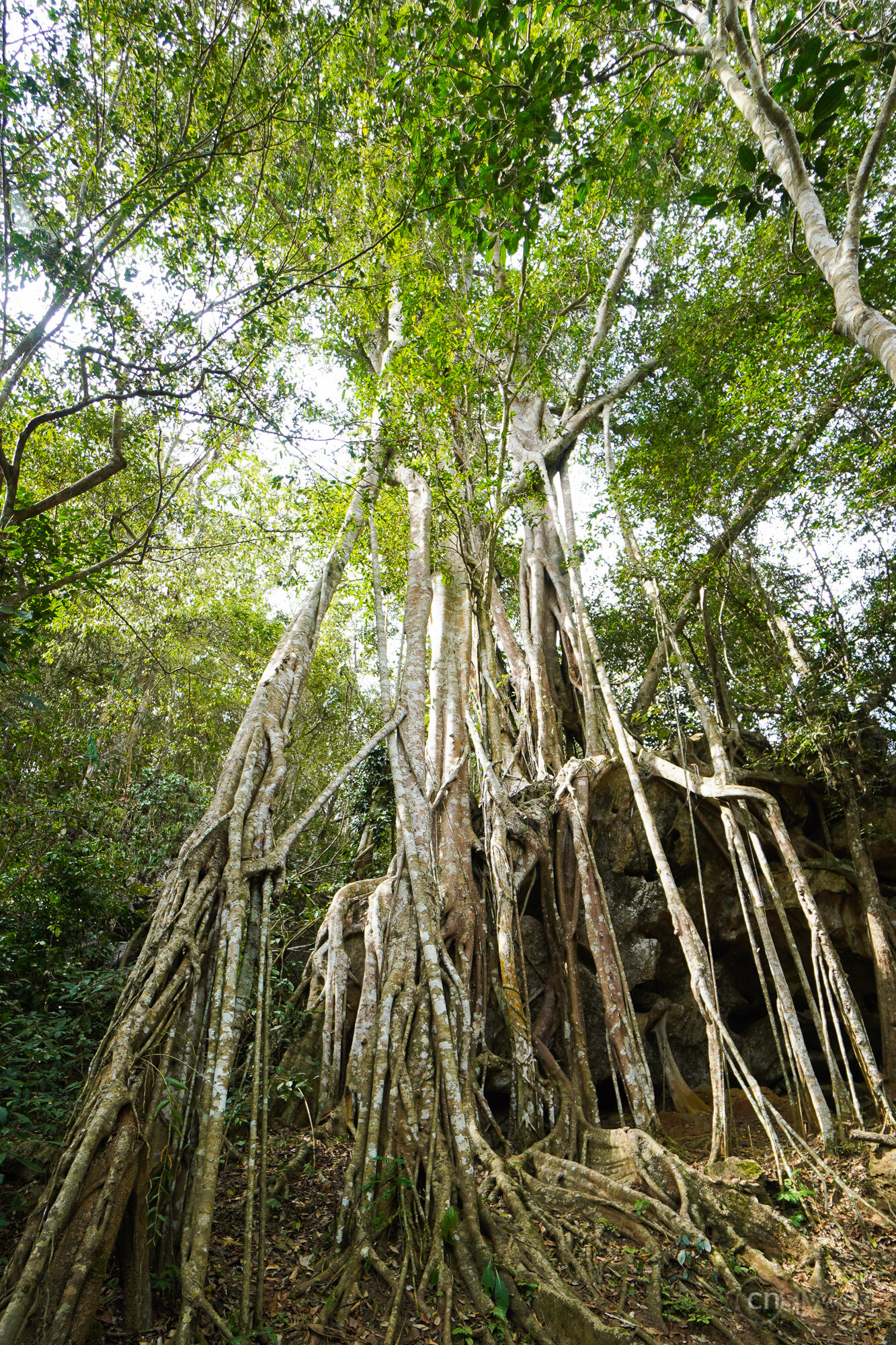

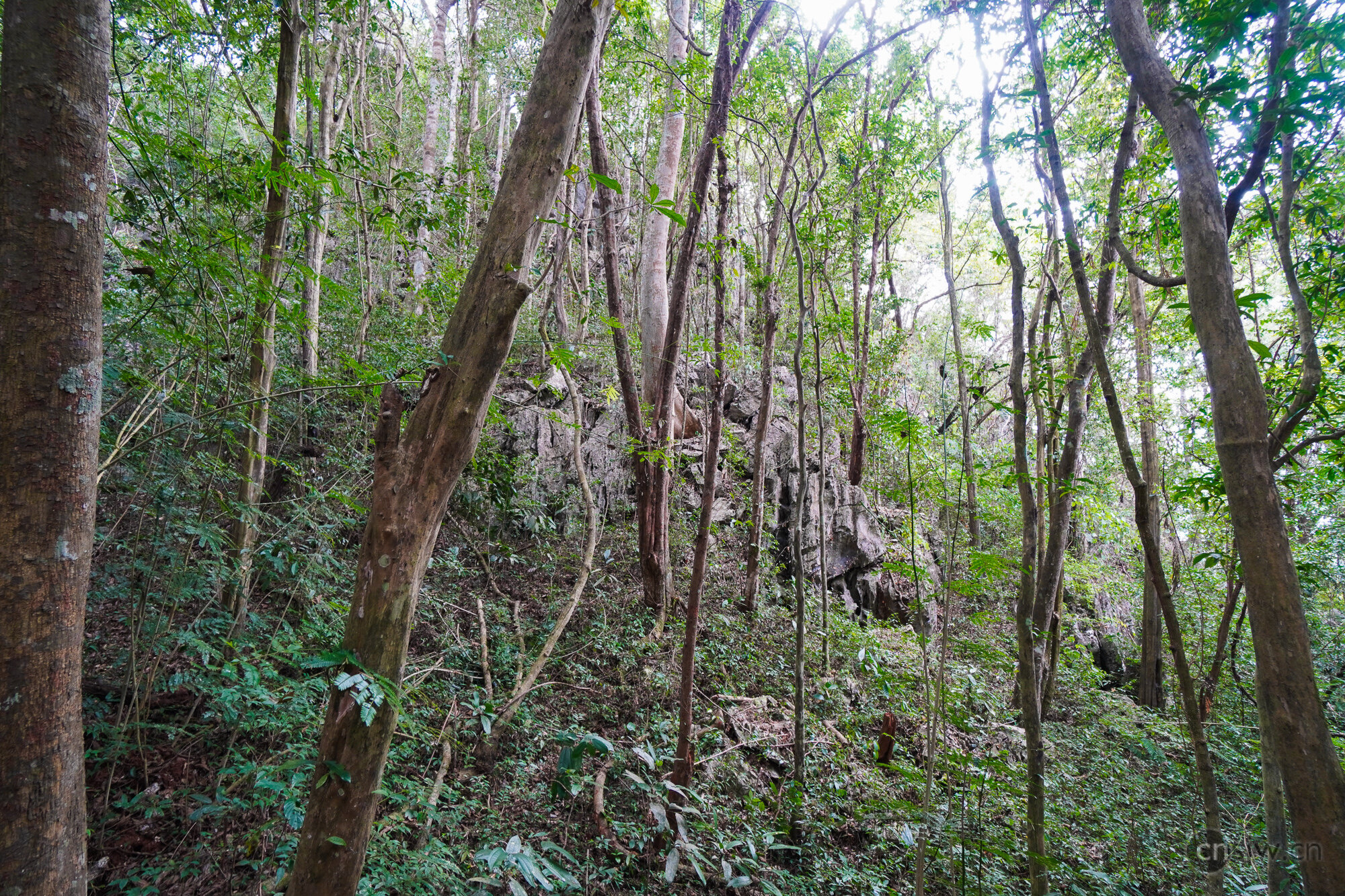

Additionally, there are hardly any commercial facilities within the park. However, there is a Wanglian Hotel inside that offers a very affordable buffet lunch, making it a decent option for a quick meal.
To visit this place including travel time, you should essentially set aside a full day. I spent about 5 hours exploring the garden itself, plus another 3 hours on the road.




Support



Read this article on WeChat