
It’s that time of year again for Apple’s annual major update. As always, this includes not only a new operating system but also new hardware. Compared to the changes brought by the iPhone 8 and iPhone 7 last time, the changes this time are massive—I didn’t even write a blog post during last year’s update…
Watching the development of mobile phones over these past few years, we are entering an era of surplus computing power similar to what happened in the PC industry. We no longer need faster CPUs; what we need more is software that is more power-efficient, smarter, and more meaningful. Given that revolutionary technological breakthroughs in fields like optics and chemistry are hard to come by, the pace of phone upgrades is likely to slow down in the future.
iPhone XS MAX
After using the iPhone XS MAX for a few days, I have to say the biggest impact comes from the screen. It is truly excellent: high brightness, high resolution, beautiful colors, and it maintains very high color accuracy. With almost no bezels, and designed so that holding it doesn’t cause accidental touches on the edges, it is simply perfect.
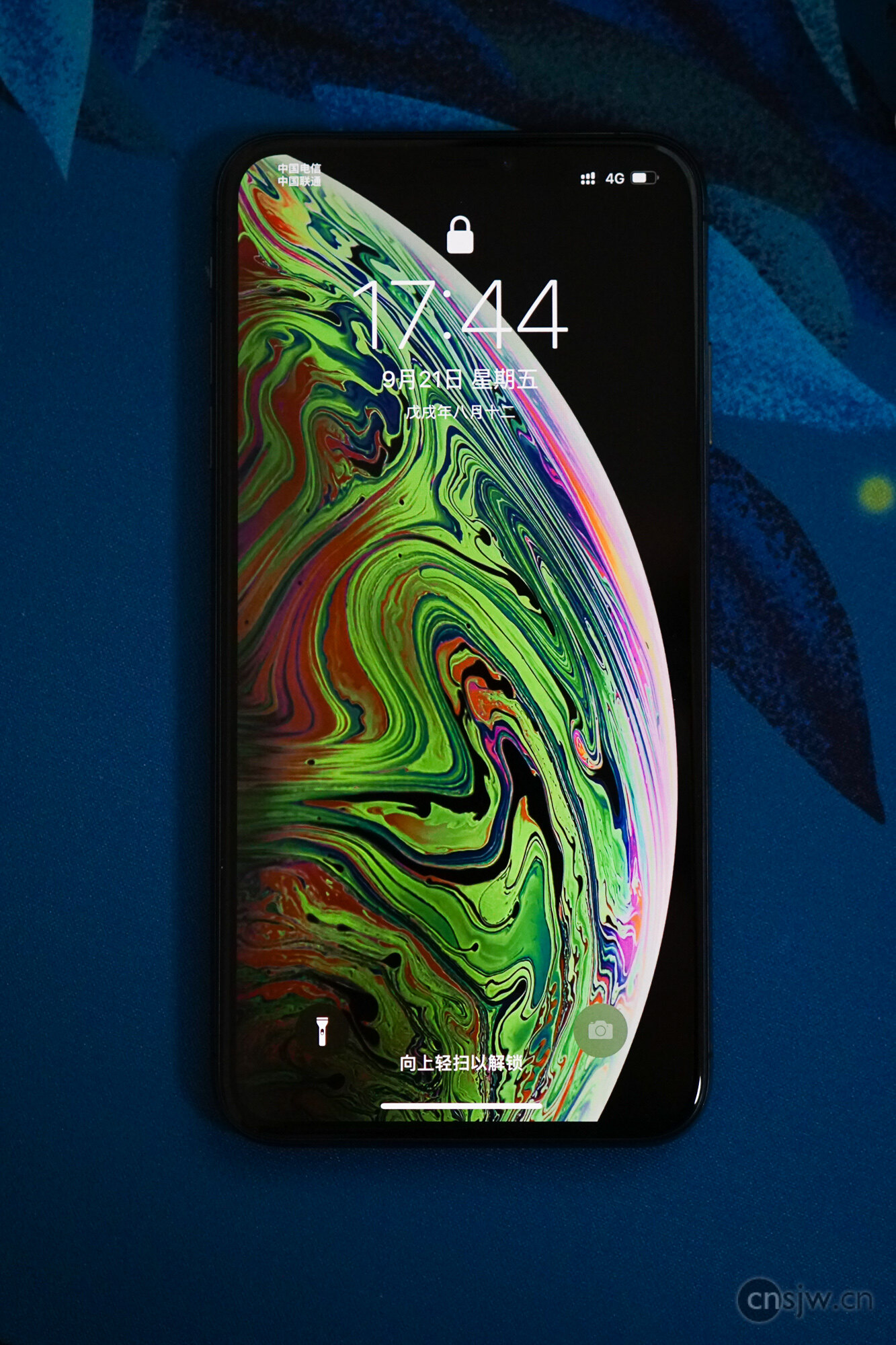
The battery life is impressive, basically lasting through 12 hours of normal use.
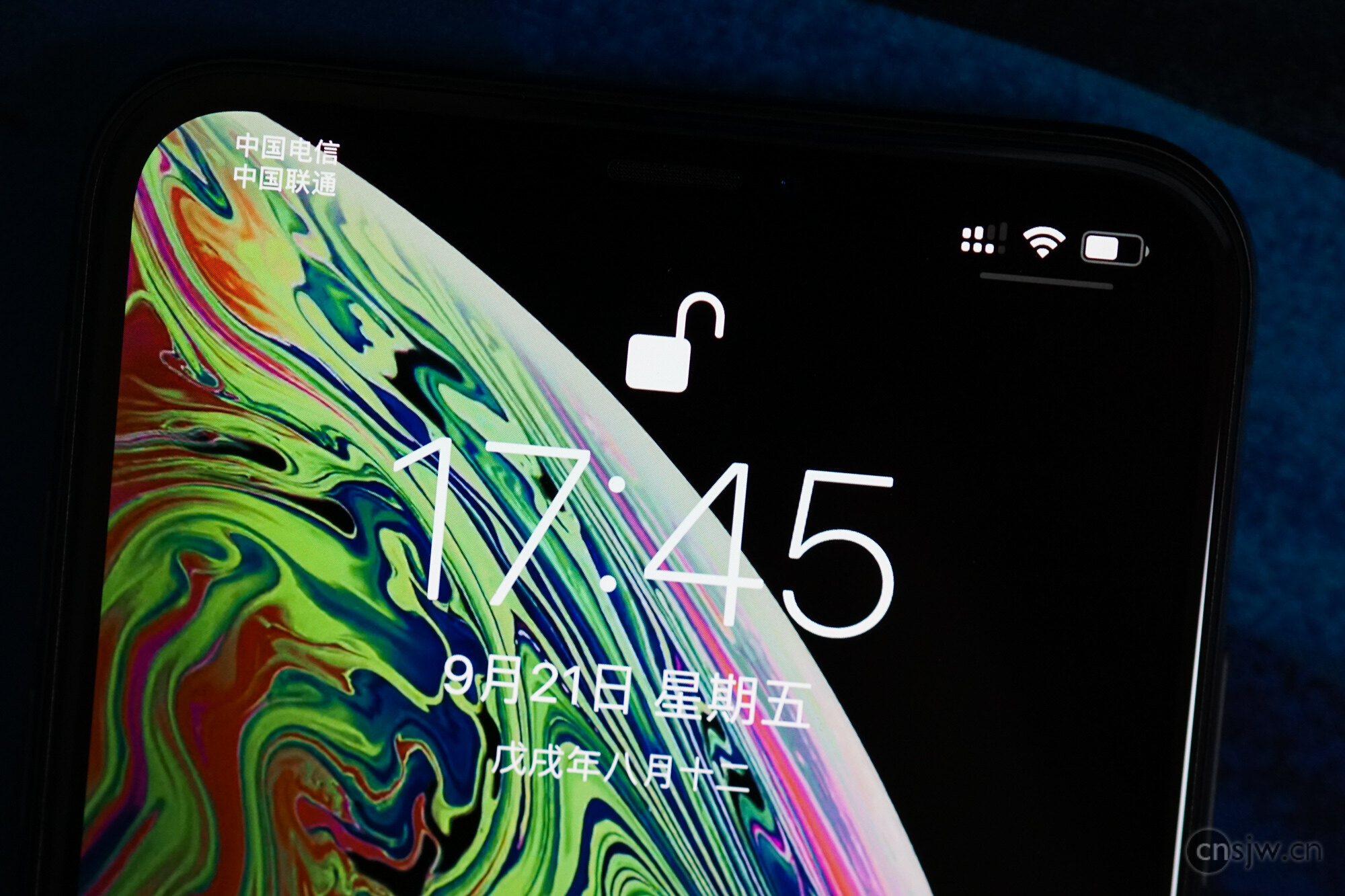
The new Face ID unlocks very quickly, almost imperceptibly. Even in bed or at night, it still unlocks smoothly and rapidly, as long as you maintain a certain distance and don’t hold it too close to your face.
In terms of operation, although I’ve only used it for a few days and still have the habit of wanting to press the Home button, I’m gradually getting used to the new gestures. They are quite convenient. System-level operations benefit from the 120Hz refresh rate, bringing extremely high fluidity; even if an app freezes, it doesn’t affect these system-level interactions.
The dual-camera system is powerful. The equivalent focal length of the wide-angle lens has reached 26mm. From the 35mm on the iPhone 4, to 33mm on the 5, 30mm on the 5S, 29mm on the 6, 28mm on the 7, and now 26mm on the XS/XS MAX, the wide-angle camera has been striving to get wider and wider.

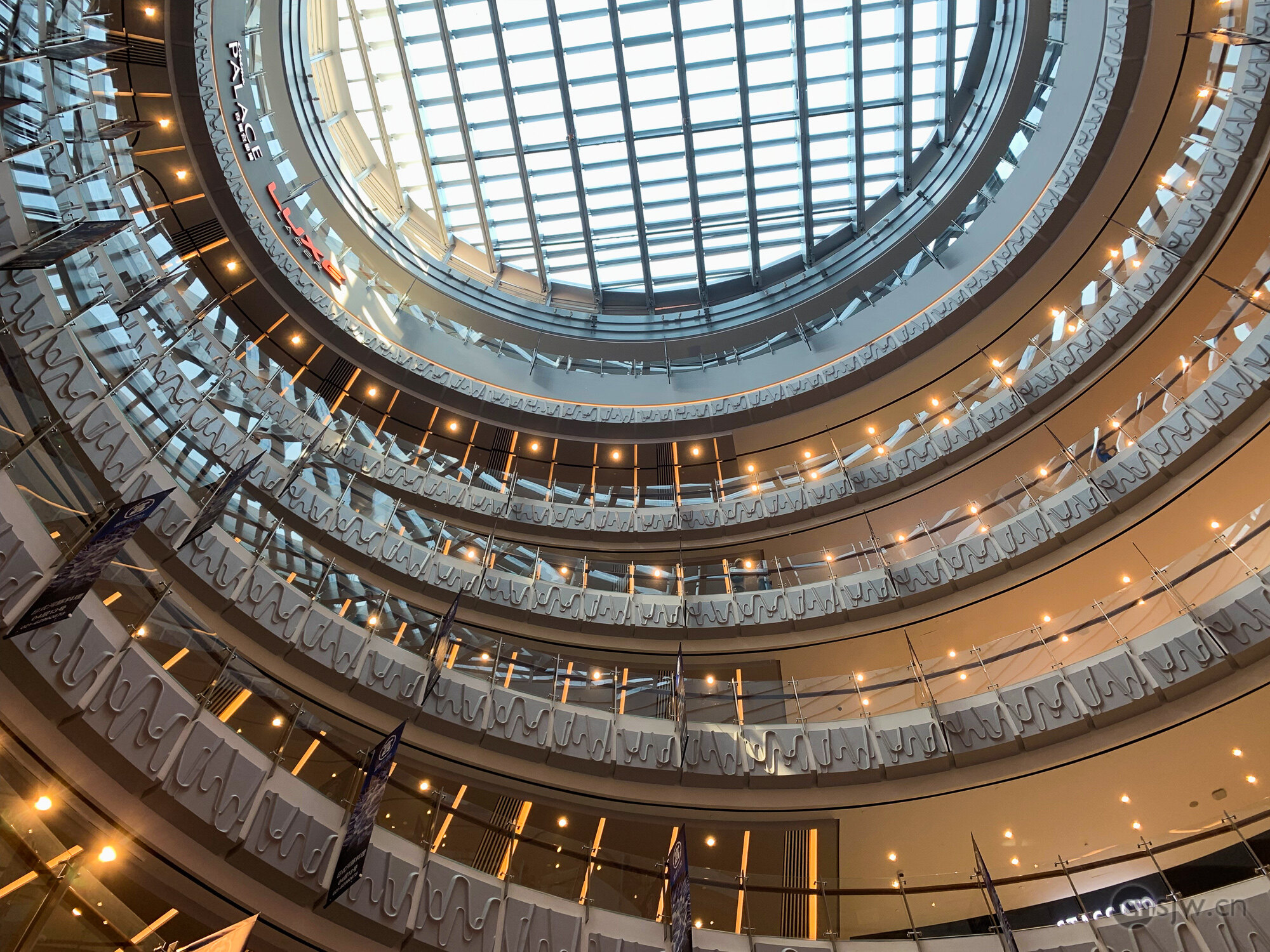
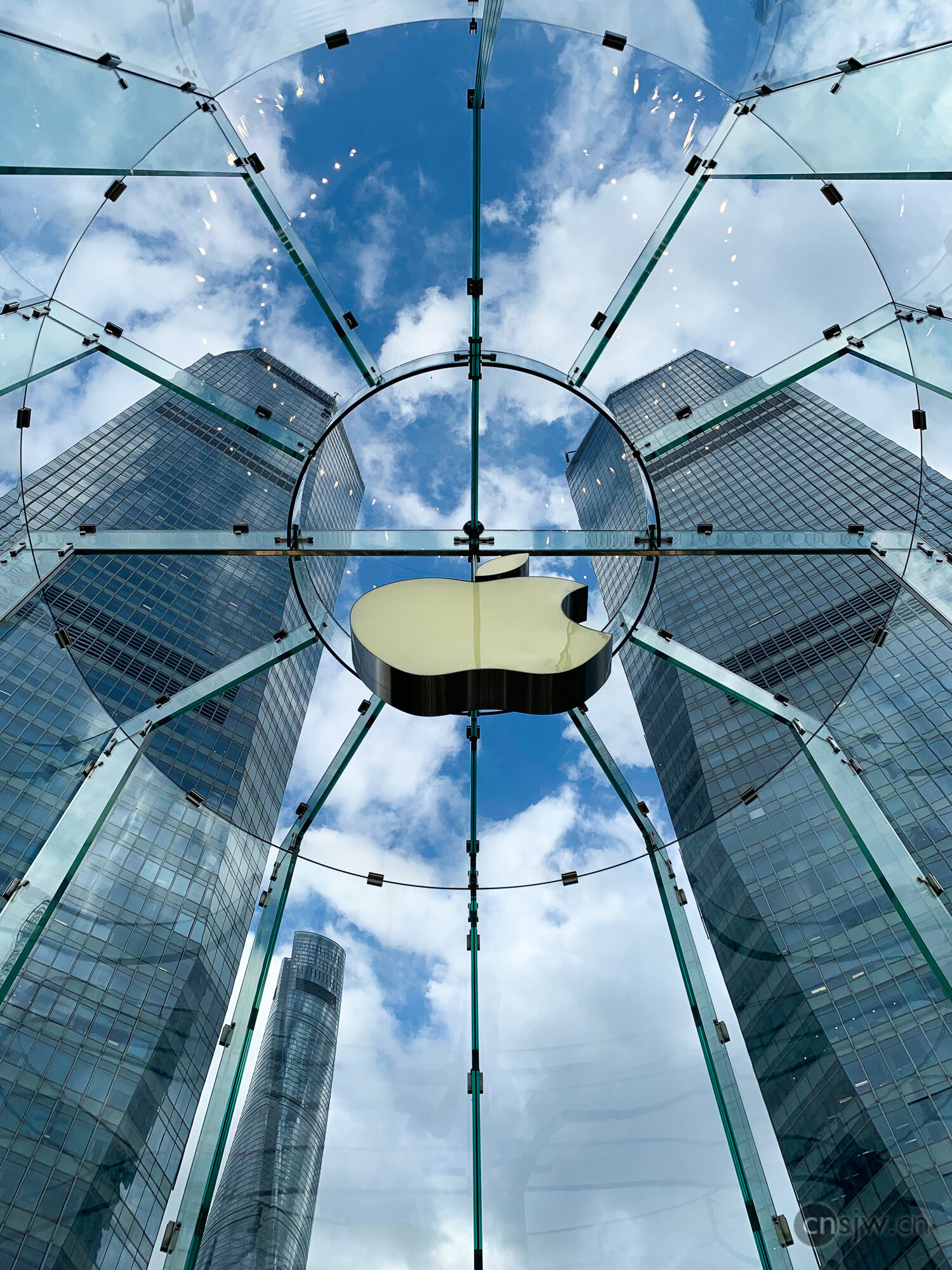
In particular, the addition of manual aperture adjustment to simulate depth of field works really well.

Coupled with a fully automatic HDR feature that delivers a wider dynamic range, although all of this is achieved through computation, the results are truly excellent. No more worrying about backlit shots.

Here are two more photos:
Additionally, practically all iPhones with dual cameras can achieve depth adjustment and post-focus refocusing via an app called Focos. It uses its own algorithms to handle 3D relationships and depth of field. However, the simulated shallow depth of field in this app differs significantly from the native iOS effect, but at least it brings this functionality to older devices.
Dual SIM dual standby is finally supported on iPhone. This is a huge deal; finally, I won’t have to waste the unlimited data on my telecom SIM card anymore.
Let’s talk about the shortcomings of the iPhone 8:
- The battery is truly disappointing. There was no improvement over the 7. After six months of use, it barely lasts 4 hours, and now I have to charge it three times a day when I’m out.
- CPU throttling: Due to insufficient battery capacity, although the CPU is the same A11 found in the iPhone 8 Plus and iPhone X, it doesn’t run at 1.3GHz. It seems to be software-locked to around 1GHz.
- 2GB of RAM. This is honestly a bit excessive. Releasing a phone with only 2GB of RAM in 2017, when the other two models released at the same time both had 3GB, directly resulted in open apps frequently being killed in the background.
- No dual camera. All the advantages that a dual-camera setup brings are completely missing.
- When I bought it, considering the lower screen resolution, I thought it might actually be the fastest of the three models in real-world use. However, due to throttling and insufficient RAM, it turned out to be the slowest of the three.
Let’s discuss the main changes brought by the iPhone XS MAX:
- Size. The larger size brings many advantages: a bigger screen, higher resolution, larger battery, and dual SIM dual standby…
- A12. The new chip sees significant improvements in neural network processing. In other words, it’s much smarter. Did Apple intentionally avoid using the term ‘AI’?
- RAM has finally been upgraded to 4GB.
- Better camera, better screen, better speakers, and better Face ID.
- Much heavier, much more expensive.
When is it worth buying the iPhone XS / XS MAX / XR?
- Apple believes that full-screen displays represent the direction of mobile phone development for the next 10 years. This generation is the successor to the X, making it a more refined iteration, somewhat akin to the 4S back in the day. Anyone not currently using an X would find it worthwhile to choose one of these three models as their mobile device for the coming years.
- As a budget model with reduced specs, you must carefully consider your needs regarding the XR. Lacking 3D Touch and a dual camera but featuring the A12 chip and dual SIM support, if the price is similar, the X might actually be the more suitable choice.
iOS 12
iOS 12 can be described as the most sincere update yet. Instead of relentlessly adding new features, it brings improved speed to older devices. It is a savior for legacy hardware; for those who don’t need new features, older devices can easily last another year or two.
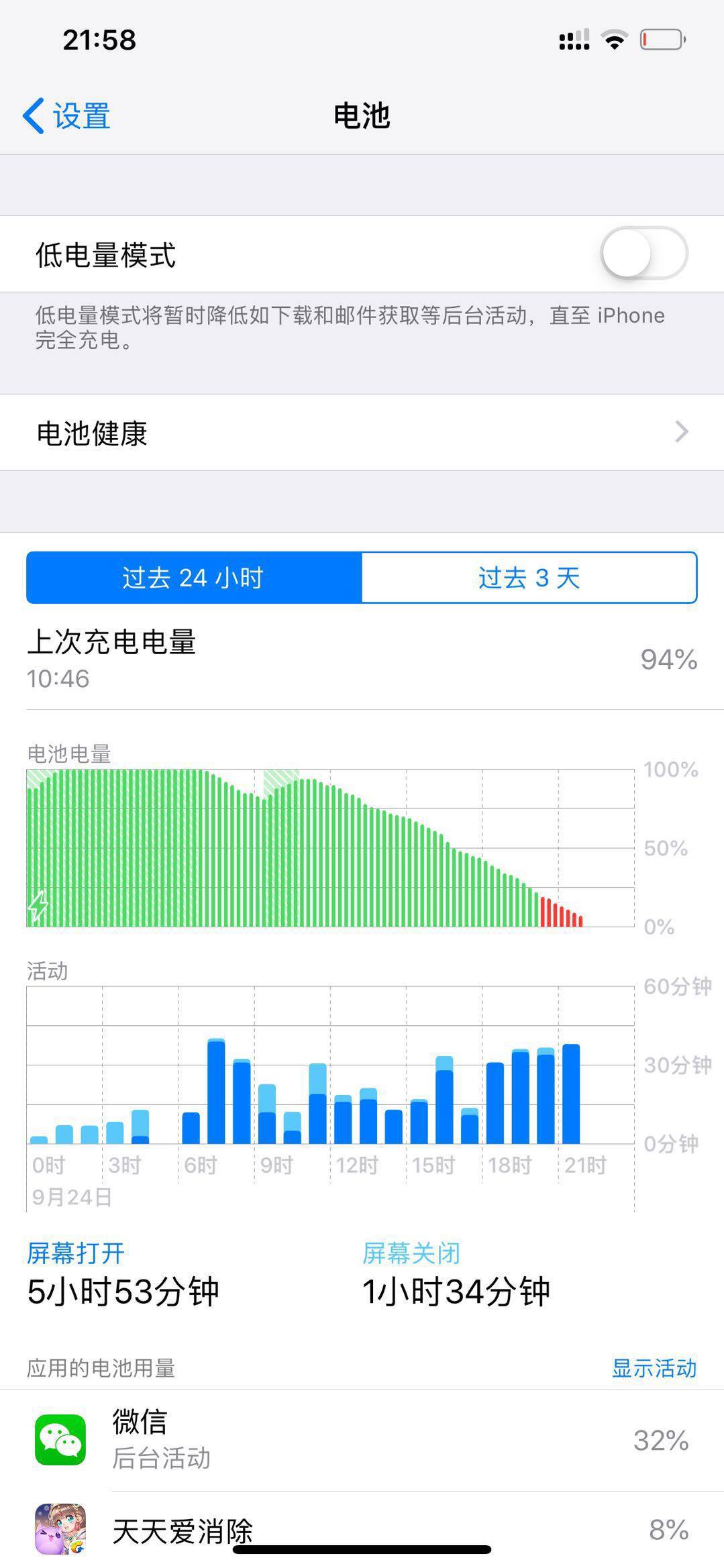
The most noticeable new features in iOS 12 are the brand-new Screen Time and the revamped Battery usage interface.
Screen Time offers not only statistics but also usage limits. You can restrict daily usage time for specific categories or individual apps, and sync this statistical data across all devices via iCloud.
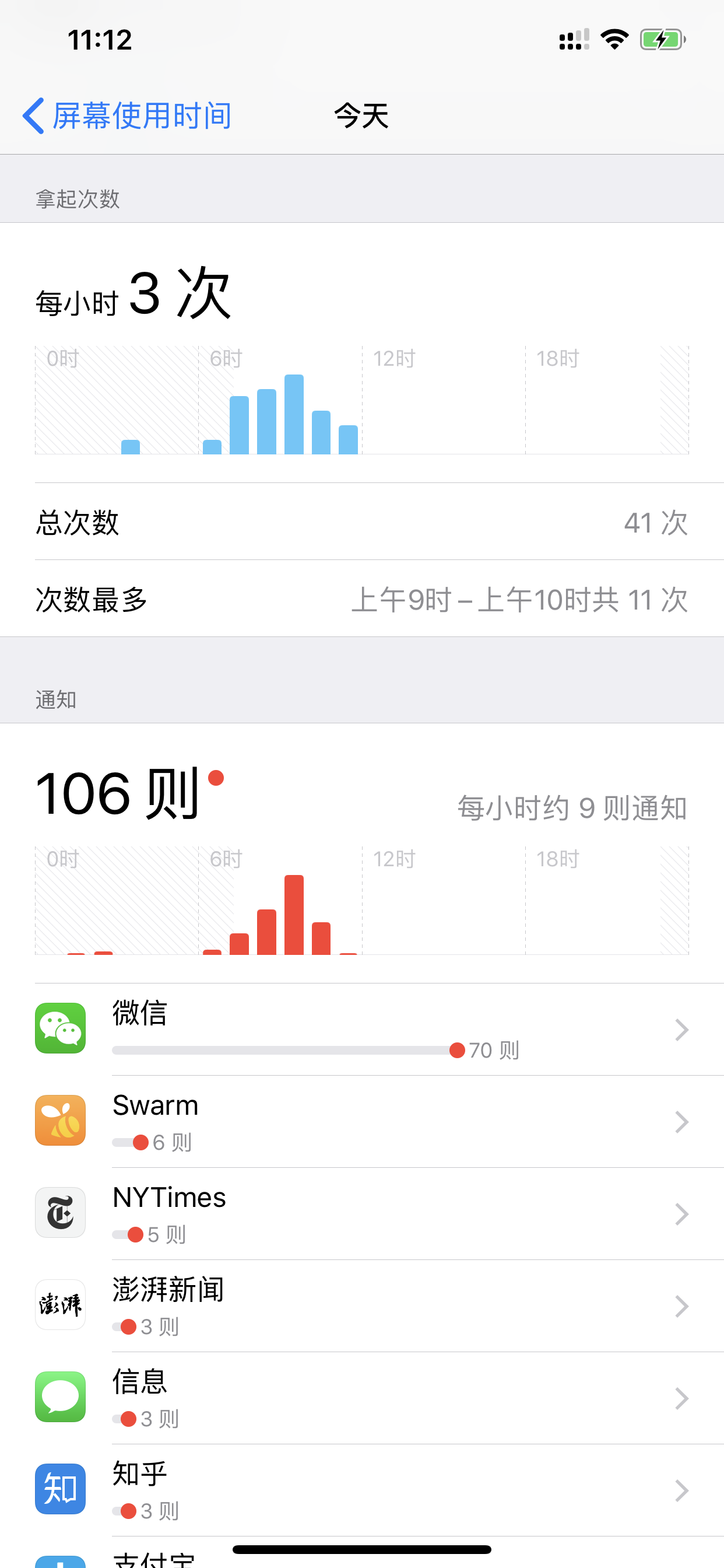
Battery statistics now provide detailed charging and discharging data previously visible only at the Genius Bar:
There are also new grouped notifications, and ARKit 2 introduces the Measure app, making this upgrade highly recommended for existing users.
Apple Watch 4
This generation represents the biggest change since the Apple Watch debuted. The overall body is slightly flatter, the screen is much larger with rounded corners, and it’s a bit thinner. With CPU speeds doubled, there is a significant boost in app performance across the board; lag is virtually non-existent. Feature-wise, watchOS 5 introduces automatic workout detection alongside several new watch faces, allowing more information to be displayed on the larger screen.
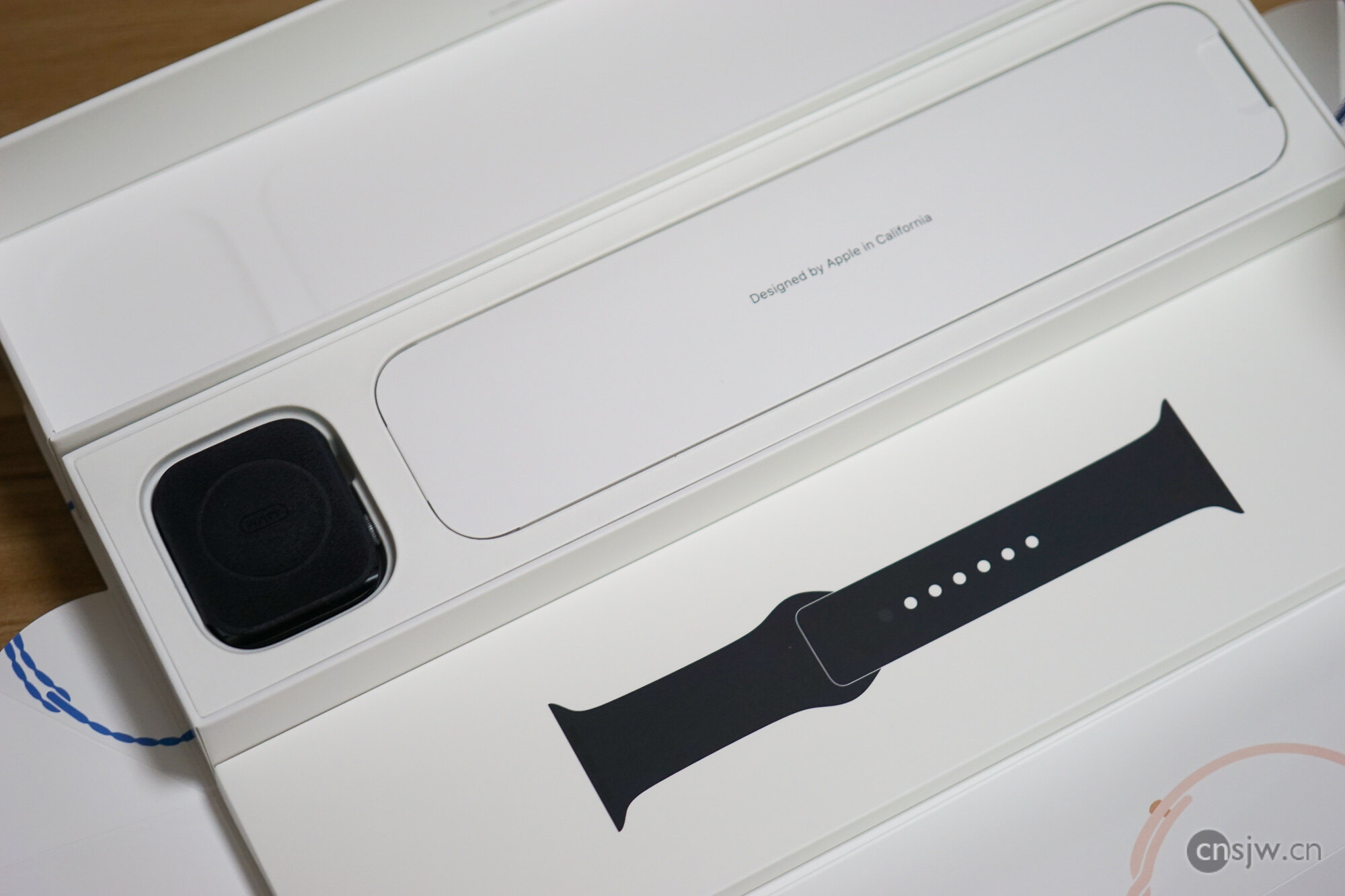
Packaging for the entire Apple Watch lineup has changed to a standalone watch unit plus a separate band, wrapped together in paper.
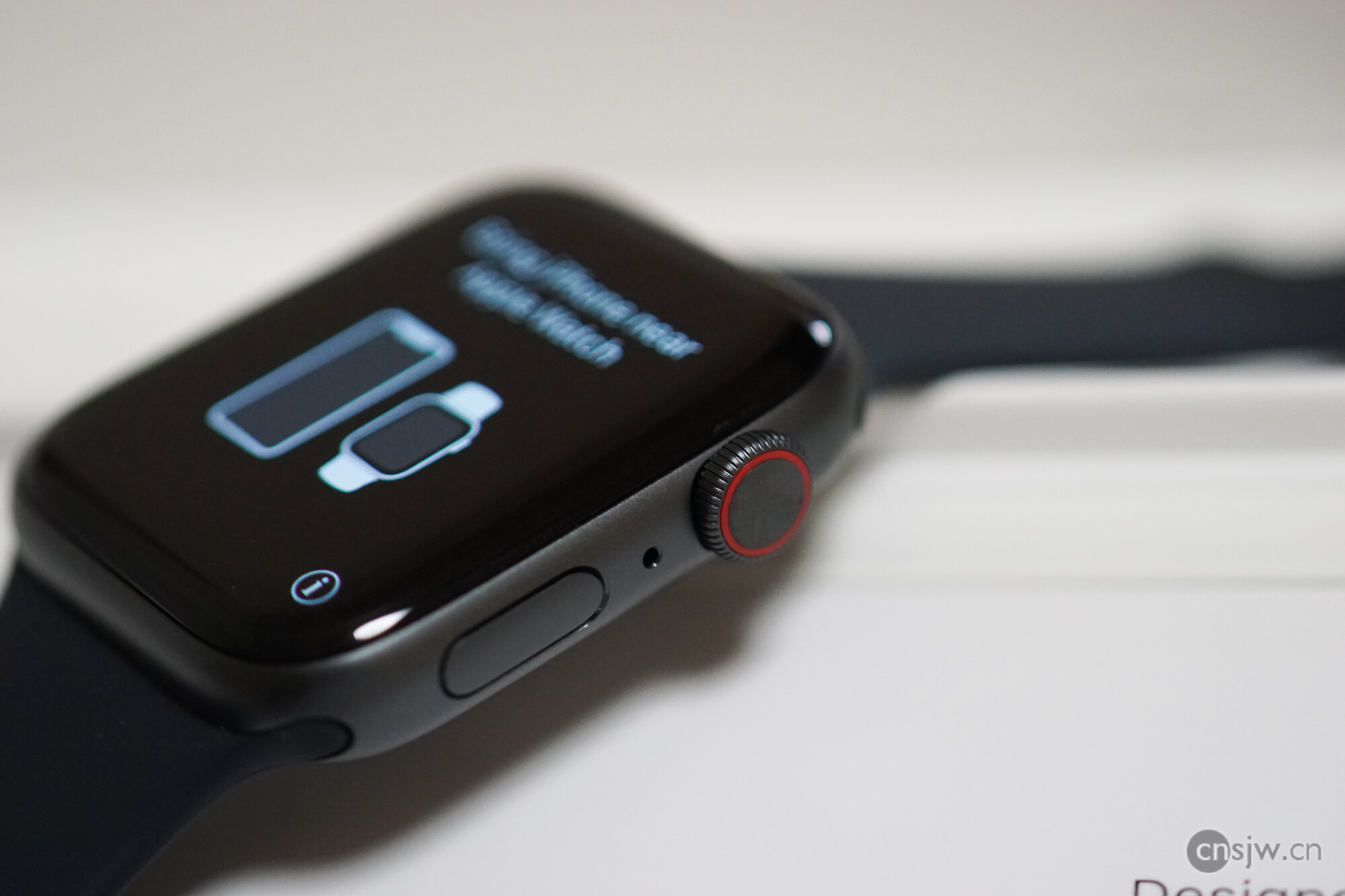
The bright red Digital Crown on the cellular model has been changed to a more subtle red ring.
Looking at the back, the heart rate sensor is noticeably smaller after three years, and ECG functionality has been added. However, this feature is currently unavailable and likely requires regulatory approval before it can be used.
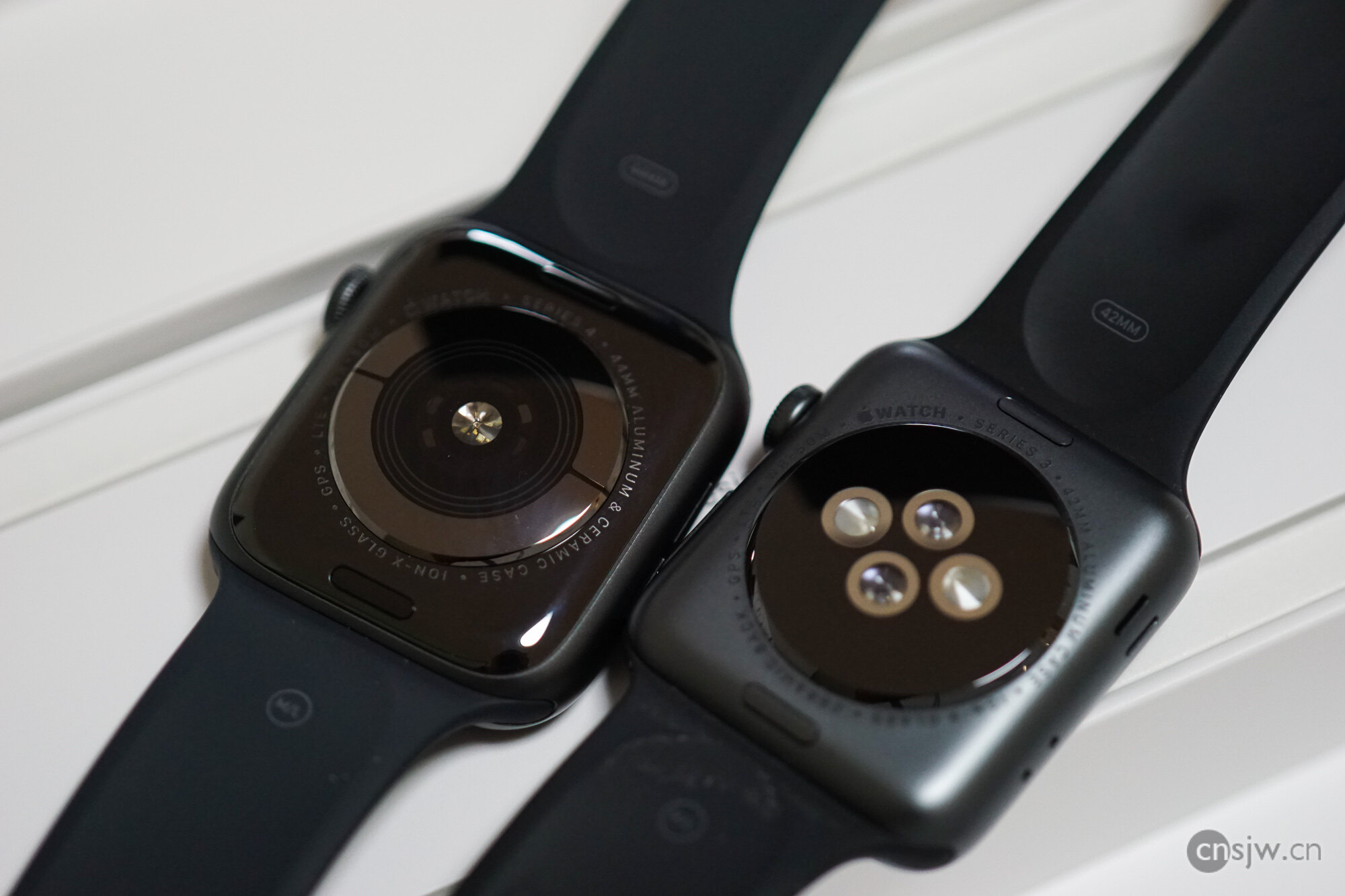
The visible screen area is clearly larger all around.
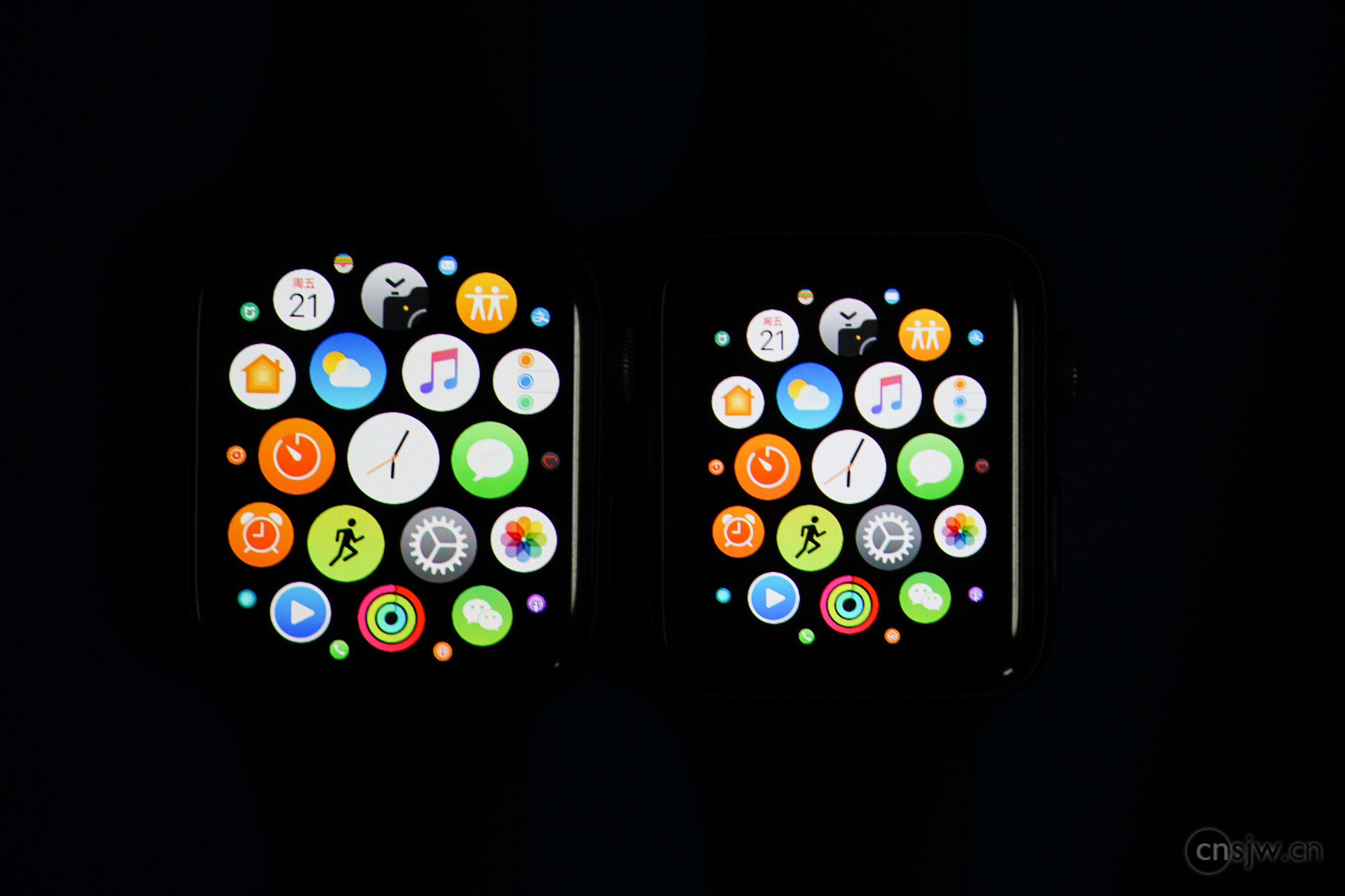
Using the same watch face as the previous generation, just slightly enlarged, shows no difference in data displayed. However, the new watch faces offer enhanced information display capabilities.
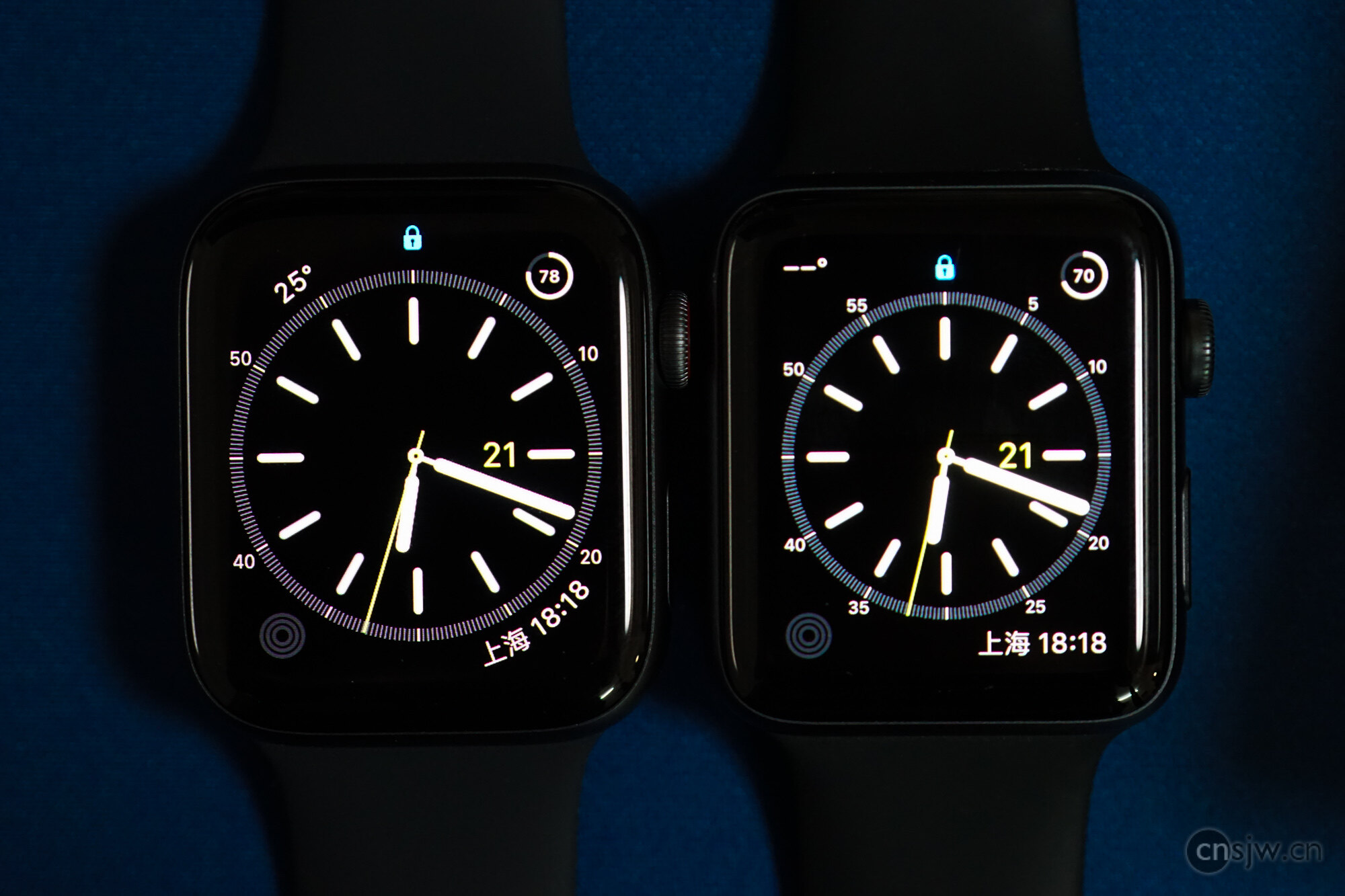
Similarly, this generation of Watch is well worth buying. Not only has speed improved significantly, but features have also received a comprehensive upgrade. Supported by a rich ecosystem of third-party apps and cellular connectivity, it offers far richer functionality than its predecessor.
Data Migration
As phone storage capacities grow, so does the amount of data stored on them. My previous iPhone 8 had already used up about 120GB. Even after excluding photos, music, apps synced via iCloud, and other files saved in iCloud, the backup file was still as large as 20GB, with WeChat alone accounting for a whopping 14GB.
There are two methods for restoring backups: via iTunes or via iCloud.
iTunes backs up almost everything except App Store apps and Apple Music songs. Backup and restore speeds are decent, taking roughly 20-30 minutes. After restoration, apps begin downloading gradually from the App Store. Overall recovery is relatively fast, making this method suitable when you have both the old and new phones on hand for data transfer.
In my case, I traded in my old phone directly, meaning it was taken away immediately. Thus, iCloud backup was slightly better because it supports incremental backups, allowing me to perform one last backup right before handing over the device, then restore slowly at home. Fortunately, the restoration process didn’t take too long. Once basic settings are restored, the phone becomes usable, while app data gradually restores from iCloud, followed by app downloads. Progress can be monitored under iCloud Backup in iCloud Settings.
One peculiar issue involved WeChat. Downloading over 10GB of data took forever, leaving me without WeChat access for several hours. I recommend using WeChat’s built-in chat history backup and restore feature instead. Backups can be stored on a computer incrementally, and local network speeds are extremely fast—much quicker than restoring via iCloud.
If you have transit cards linked to your old phone, remember to unbind them first. Logically, signing out of your iCloud account should automatically unbind all Apple Pay cards, but for some reason, my transit card wasn’t removed, preventing me from retrieving it on the new phone. It’s currently being handled by Apple Support…
Additionally, all iCloud synchronization tasks occur only after restoration completes. Background syncing timing depends on system-determined idle periods. Therefore, it’s best to allow overnight for initial restoration. Before synchronization and restoration finish, expect increased battery drain and heating; this is normal and will resolve once data transfers complete.
A Few Complaints
- As a new OS, iOS 12 still has minor bugs. For instance, in storage statistics, space occupied by certain apps sometimes gets incorrectly categorized under System…
- For a phone at this price point, surprisingly, it still ships with a 5W charger. Trying fast charging revealed it’s indeed much faster, fully charging in just over an hour, though the accessories are pricey.
- Although iCloud servers are now located in Guizhou, speeds remain somewhat slow. Moreover, whether backing up or restoring, any network interruption forces a restart of the entire process—it’s maddening.
- Apple customer service truly tests human patience. Every call requires setting aside an hour, listening to repetitive explanations of basic issues over and over again…
In summary, Apple consistently positions itself in the premium segment, making high prices inevitable. Furthermore, should sales decline, prices could potentially rise even further in the future. Thanks to seamless integration between software and hardware, coupled with strong R&D capabilities in chips and operating systems, Apple currently faces absolutely no competition in several product lines. In tablets and smartwatches specifically, they aren’t merely uncontested—they’re practically monopolistic. Apple itself stated intentions toward enhancing product longevity, implying users may keep devices for several years without needing upgrades. Indeed, current-generation devices appear well-suited across all aspects for extended usage. Hopefully, Apple continues improving its cloud services as well.
Photos in this post taken with SONY A5100 + 50mm f2.8, iPhone X, iPhone XS MAX; post-processing via Lightroom.

Support



Read this article on WeChat