
Beijing Fun
Planning for Beijing Fun began in 2006 as an architectural cluster design within the Dashilar Historical and Cultural Conservation Area. The Xicheng District invited Wu Liangyong to serve as chief consultant and Wu Chen as the project’s chief architect. Following the principle of “harmony in diversity,” seven architects—Wang Shiren, Zhu Xiaodi, Wu Chen, Cui Kai, Zhu Wenyi, Bian Lanchun, and Qi Xin—were invited to design eight individual street-facing buildings. The entire Beijing Fun project plans to construct 26 new buildings, including the aforementioned eight street-facing structures. The overall architectural style continues the characteristics of the Republican era, restoring the original hutong fabric such as Paizi Hutong. Most of the original old buildings were demolished, with only the Beijing Quanye Bazaar and the Baohe Xiang Gold Shop and Qianxiangyi Old Store sites to its east being preserved..
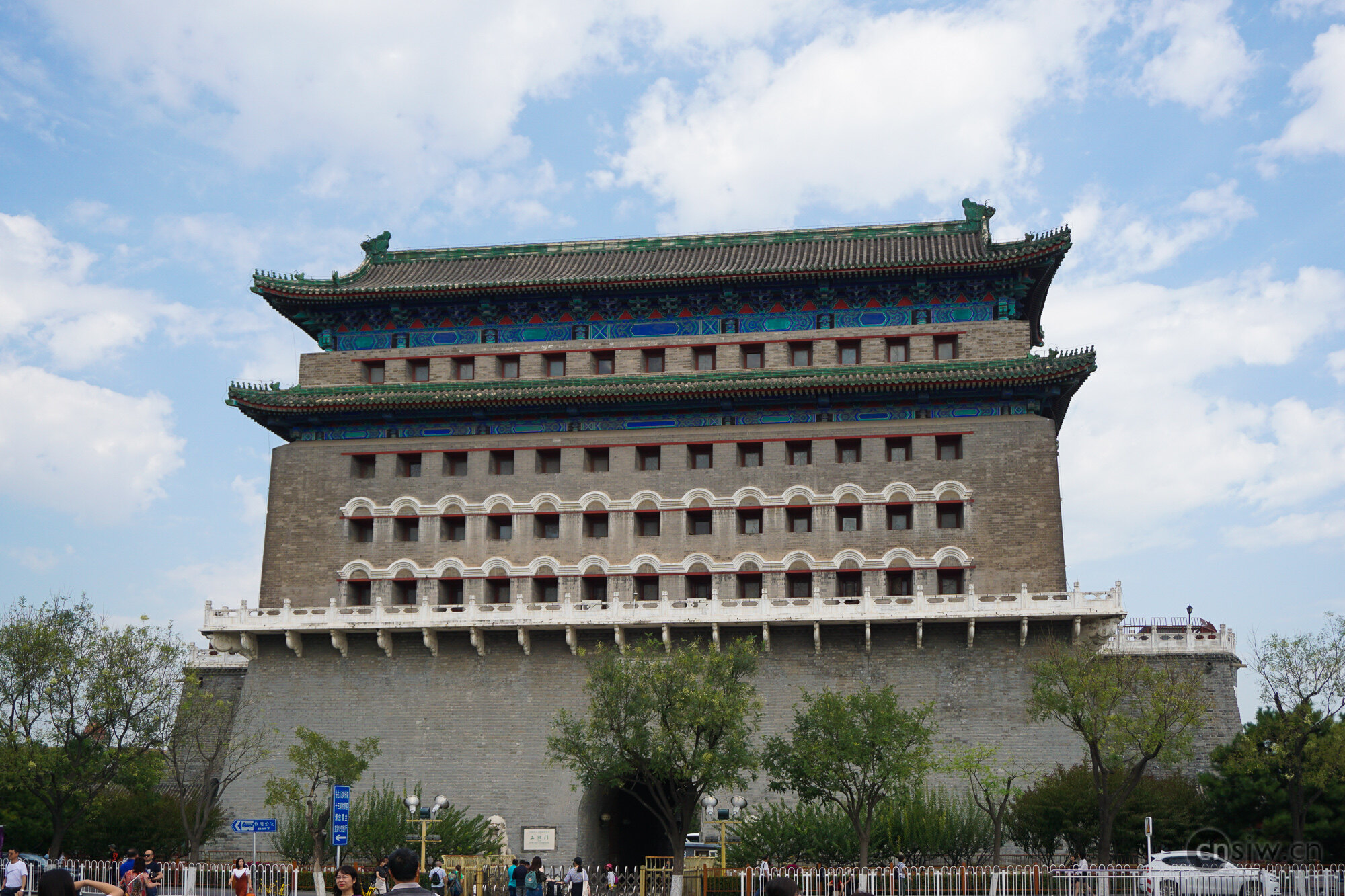
So this place is actually right next to the Qianmen Pedestrian Street, but it can be a bit hard to find. From opposite the Zhengyang Gate Arrow Tower, walk to the Starbucks on the pedestrian street, turn to the side, pass through a particularly run-down little hutong, and you’ll arrive. The first shops you see on this side are Page One and the Starbucks Reserve Flagship Store.
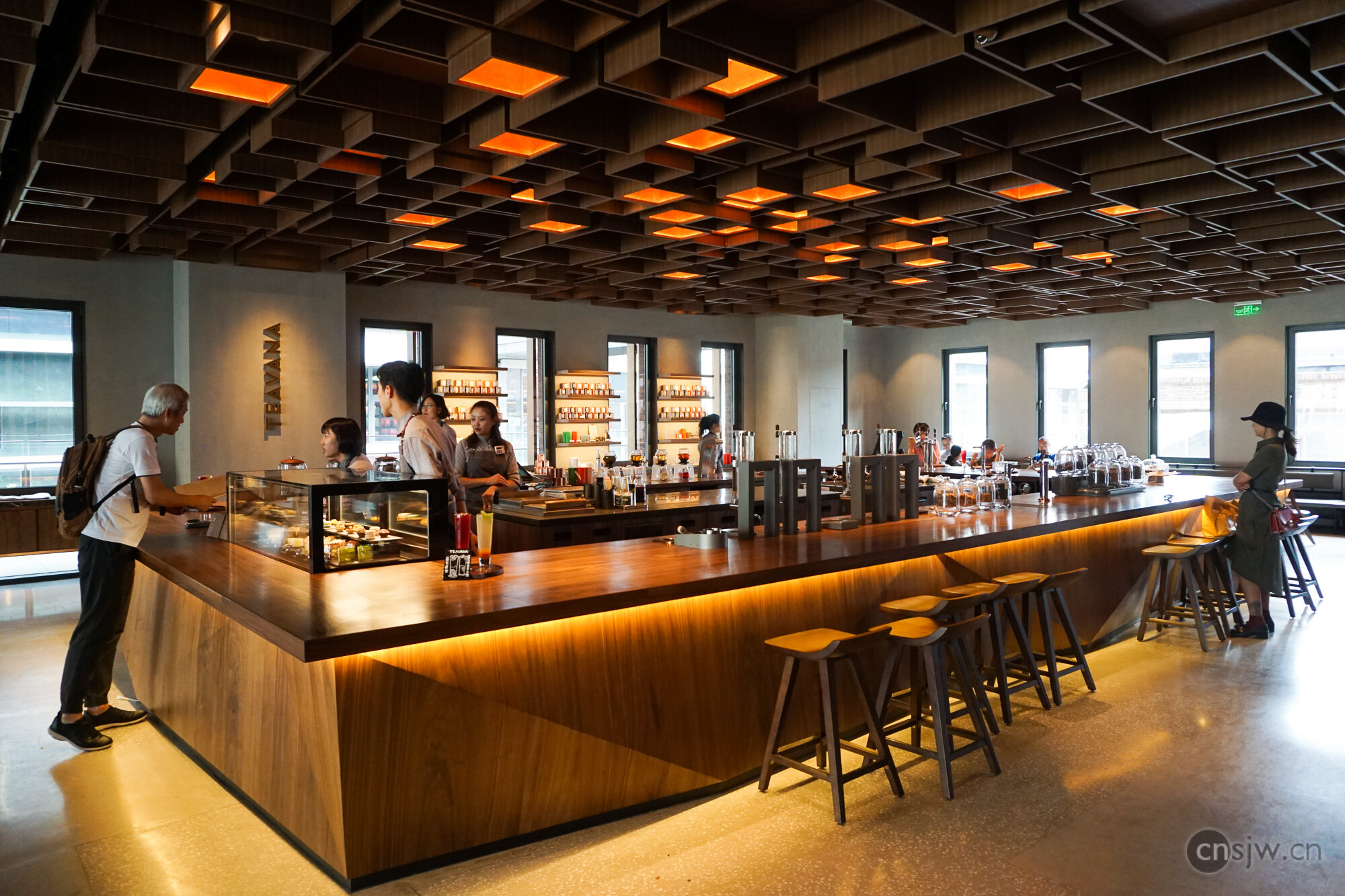
Starbucks Reserve Beijing Fun Flagship Store: This store has three floors—the first floor is the coffee area, the second floor is Teavana, and the third floor serves alcohol. Aside from the Shanghai Reserve Roastery, this is the only Starbucks location in China that sells alcohol. However, there is still a considerable gap compared to the Roastery; whether in terms of floor space, bean variety and freshness, or beverage selection, the difference is huge. Plus, this location doesn’t offer Princi bakery items. On the bright side, the prices are naturally much lower than at the Roastery, basically on par with other Reserve stores.
There are fewer visitors in the morning, making it a good time for photography, but expect lines to form after noon. By the way, this building is also the most low-key and hardest to find among the several nearby Starbucks locations, so make sure you don’t go to the wrong one.
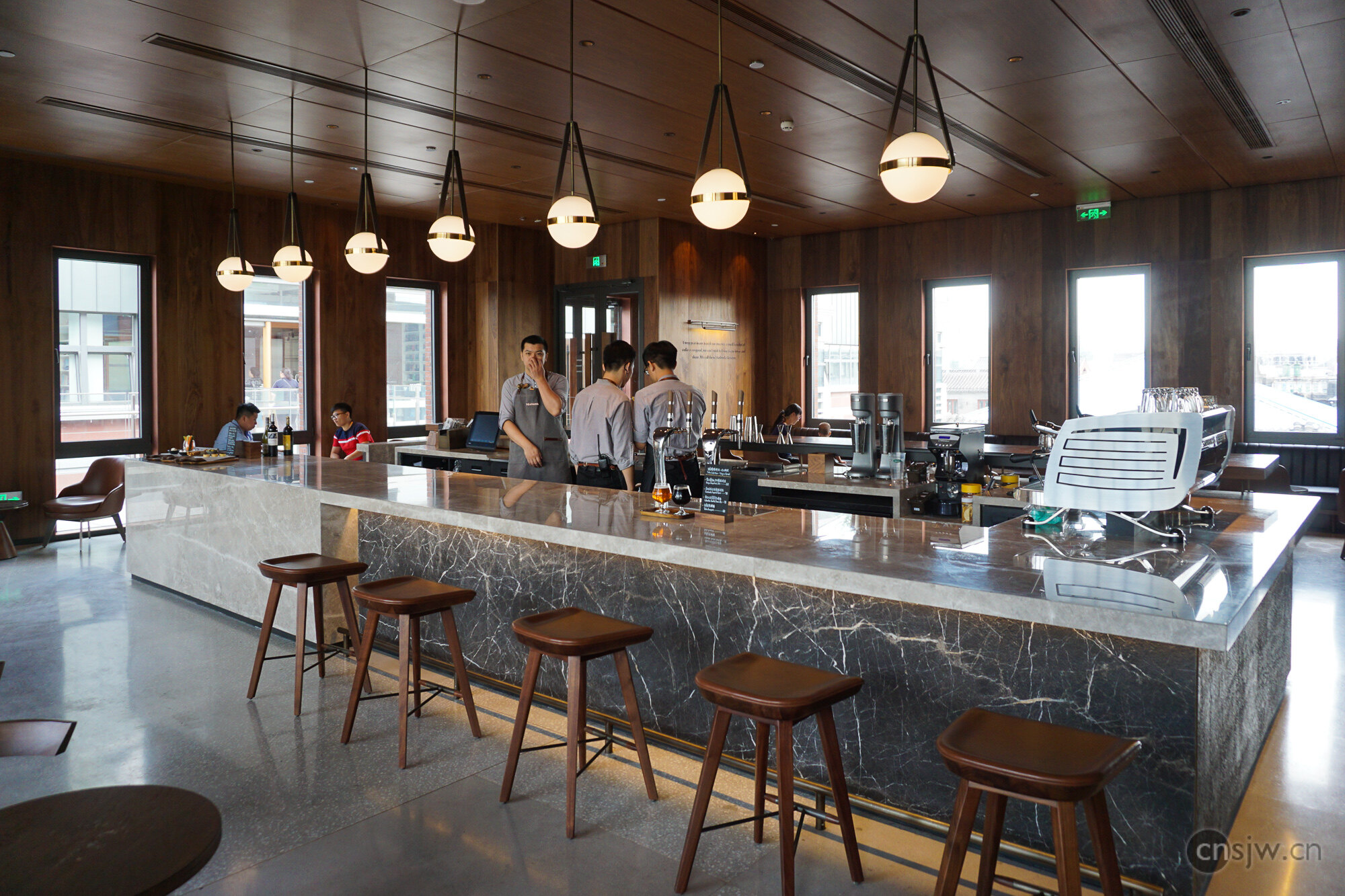
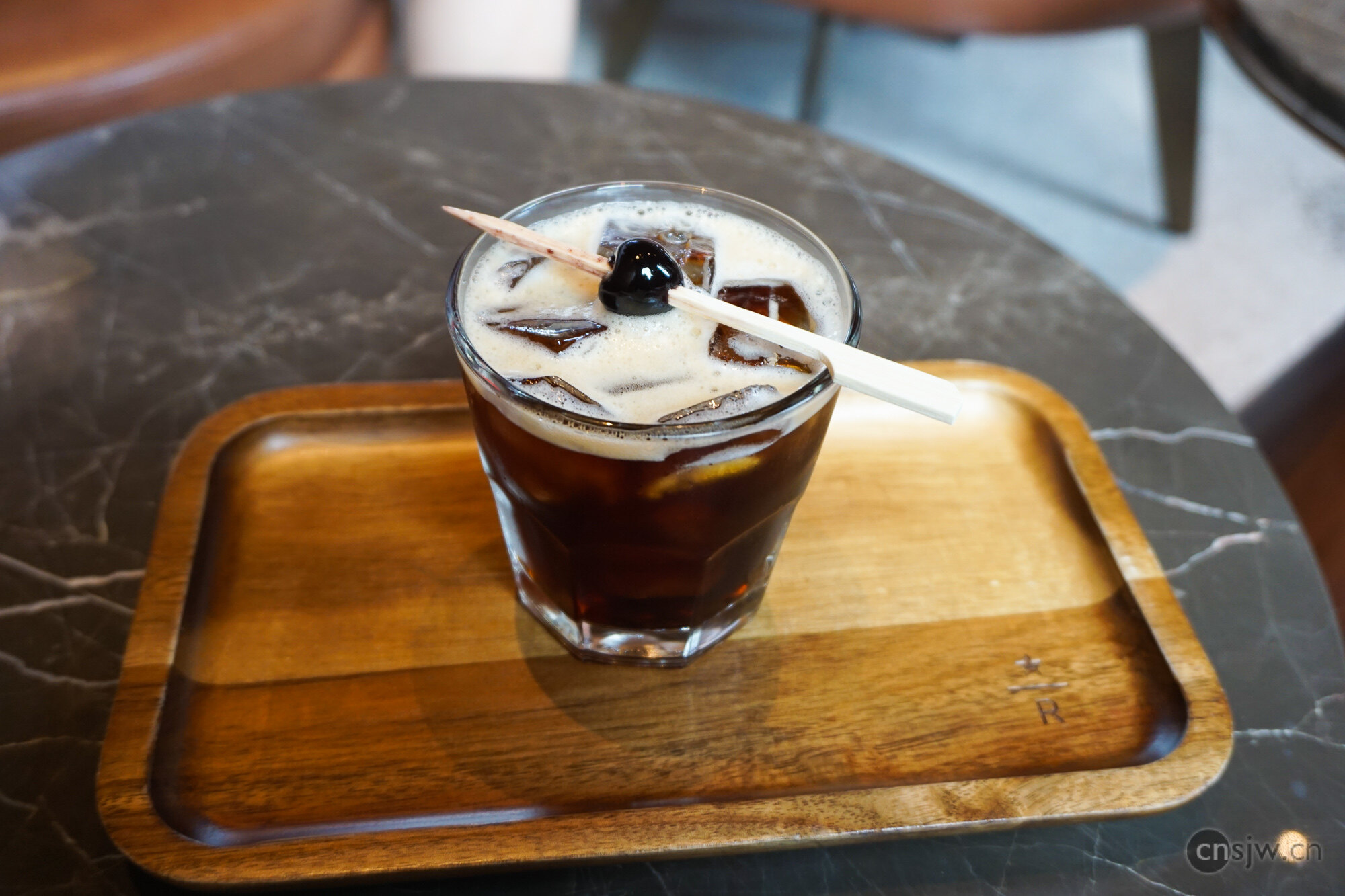
I chose the familiar Melrose; same recipe, same taste.
We had lunch at the popular restaurant Juqi next door, which we’ll discuss in the next post. Additionally, well-known businesses like WeWork and MUJI Hotel have also set up operations in Beijing Fun.

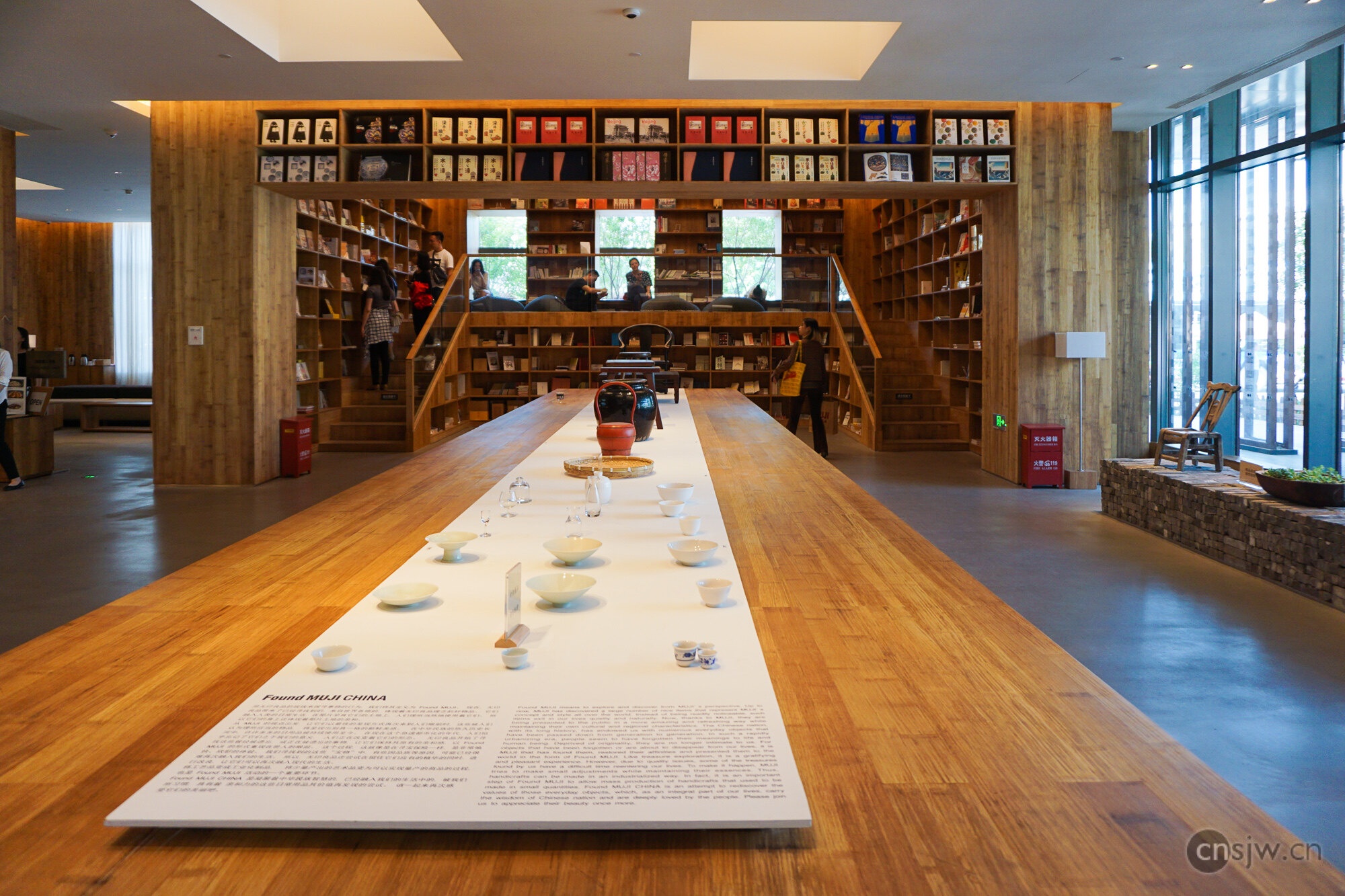
In addition to a small library, the lobby of MUJI Hotel features an exhibition of porcelain. There is a restaurant upstairs, and a MUJI retail store in the basement.

The architecture of Beijing Fun is quite interesting as it embraces modernity while retaining many traditional elements. With so many different designs, each building has its own unique character.
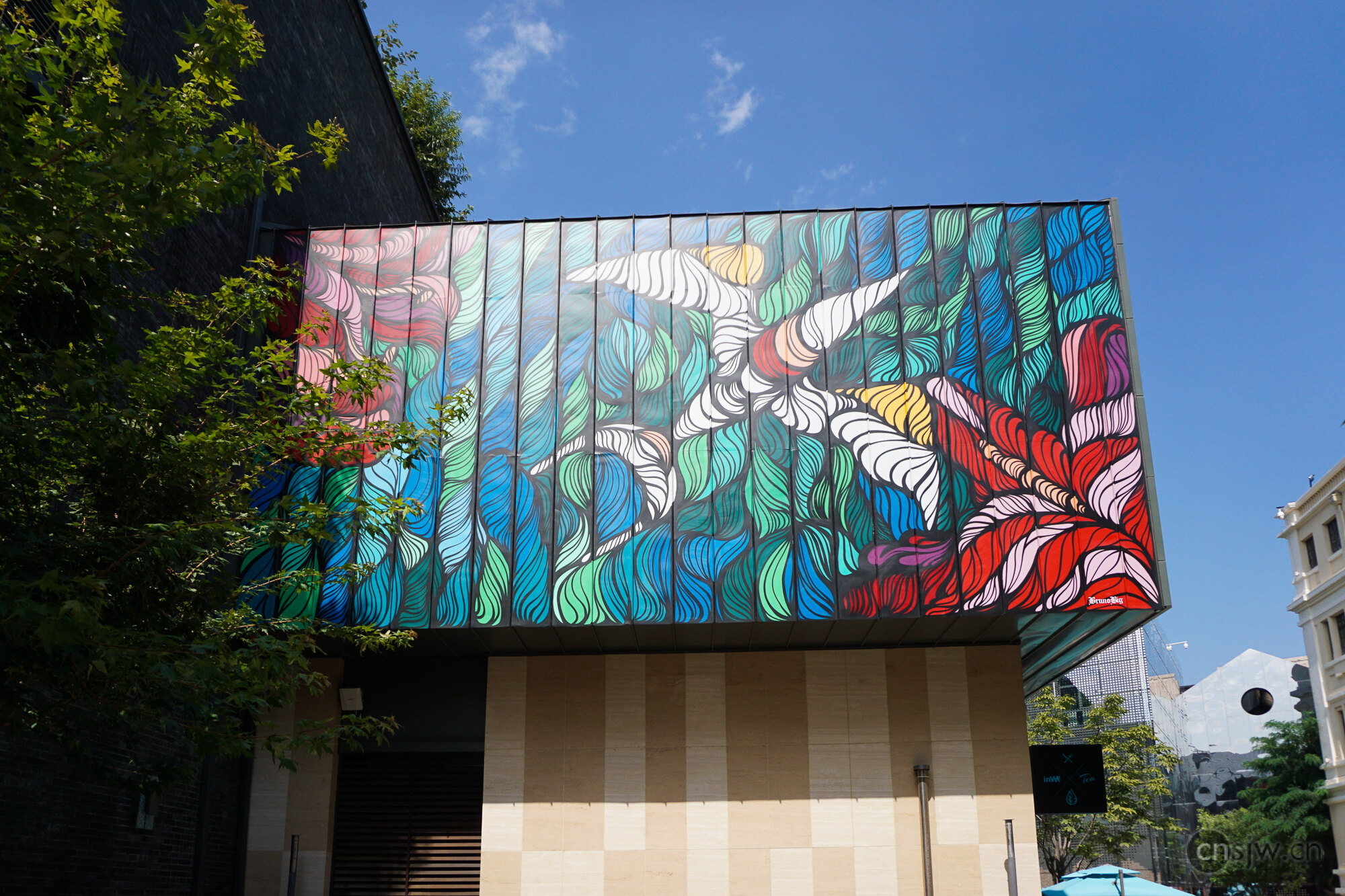
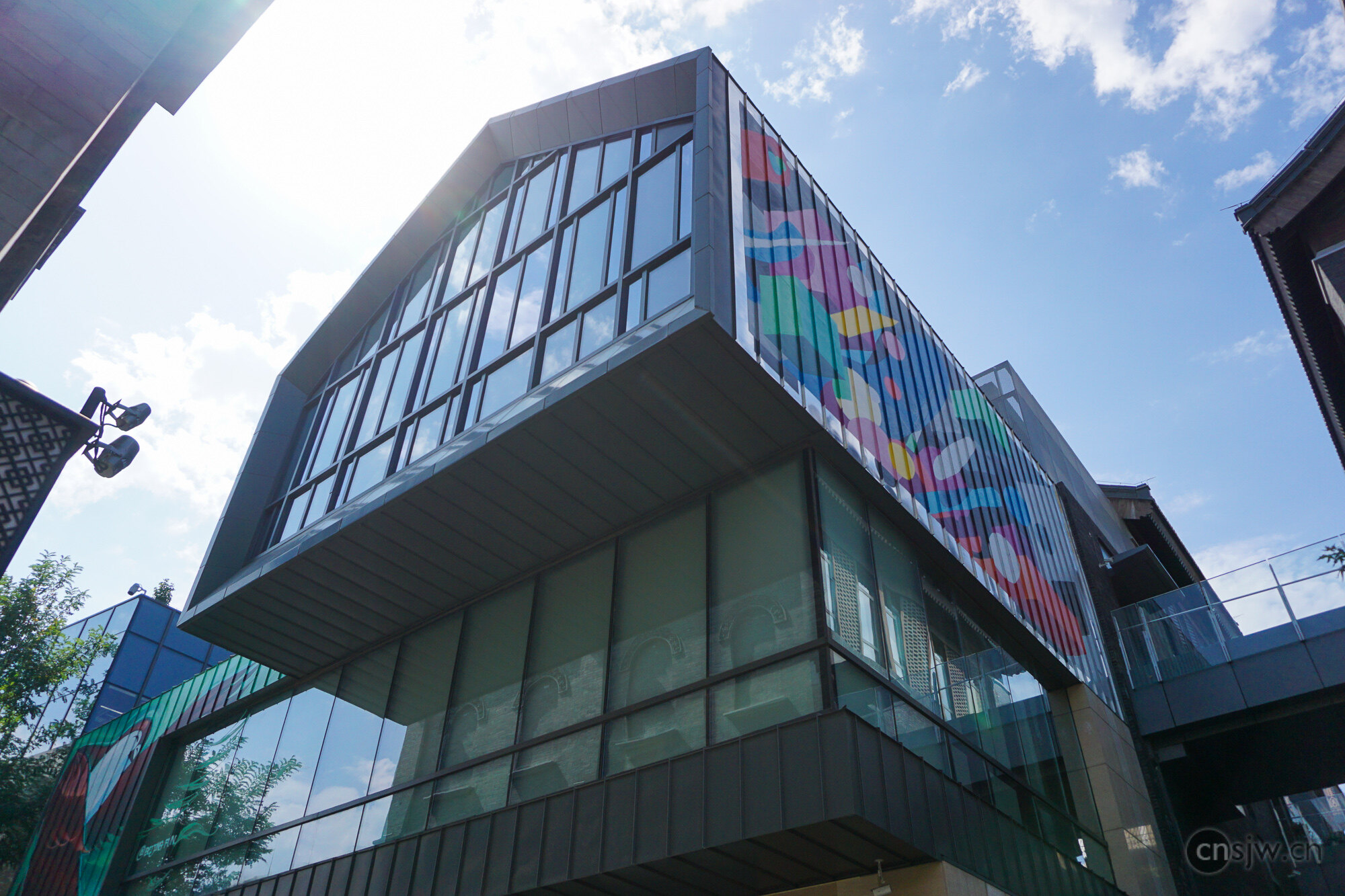
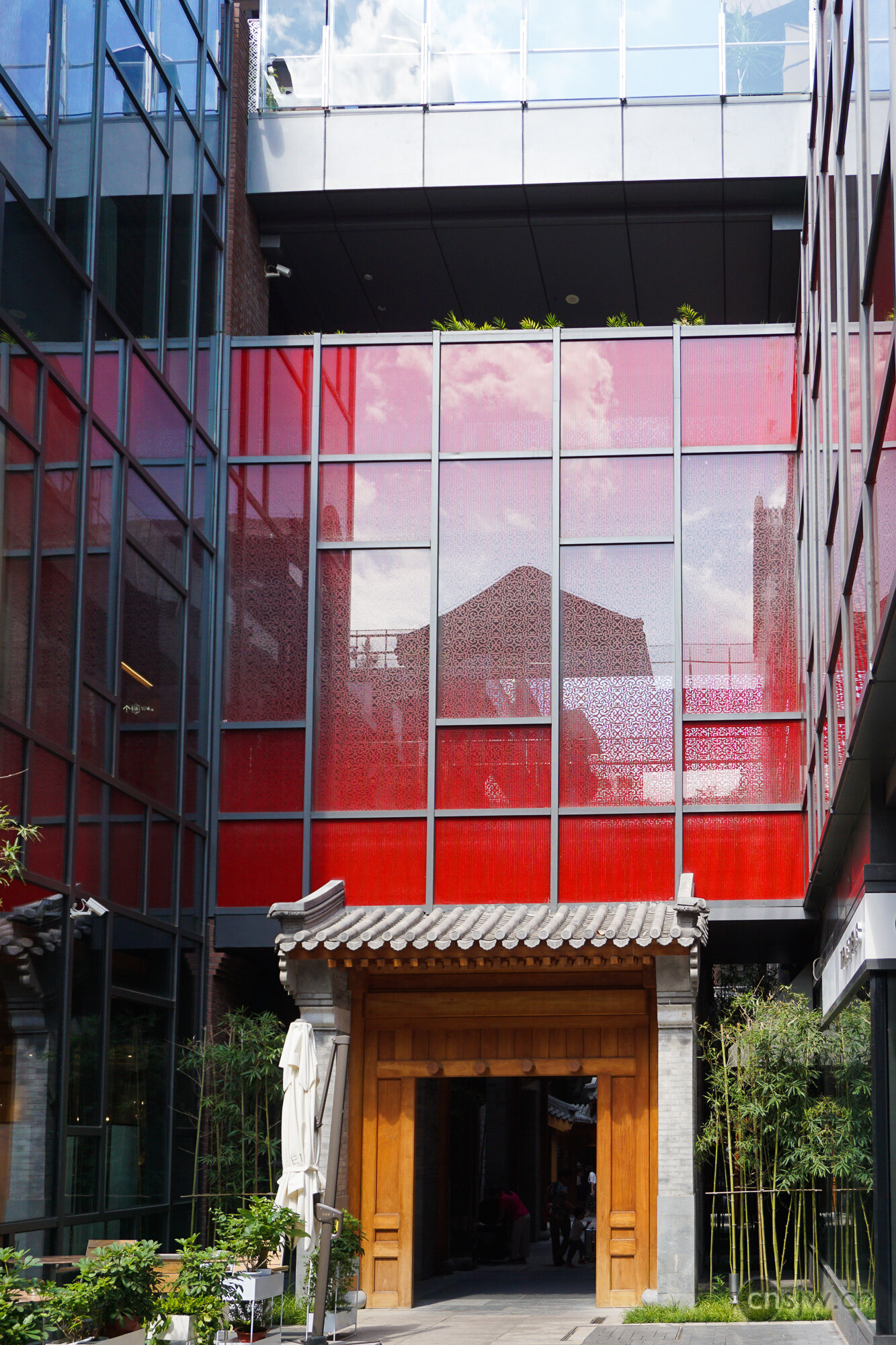
The underground space is also very well done; the only downside is that there are a few too few restrooms…
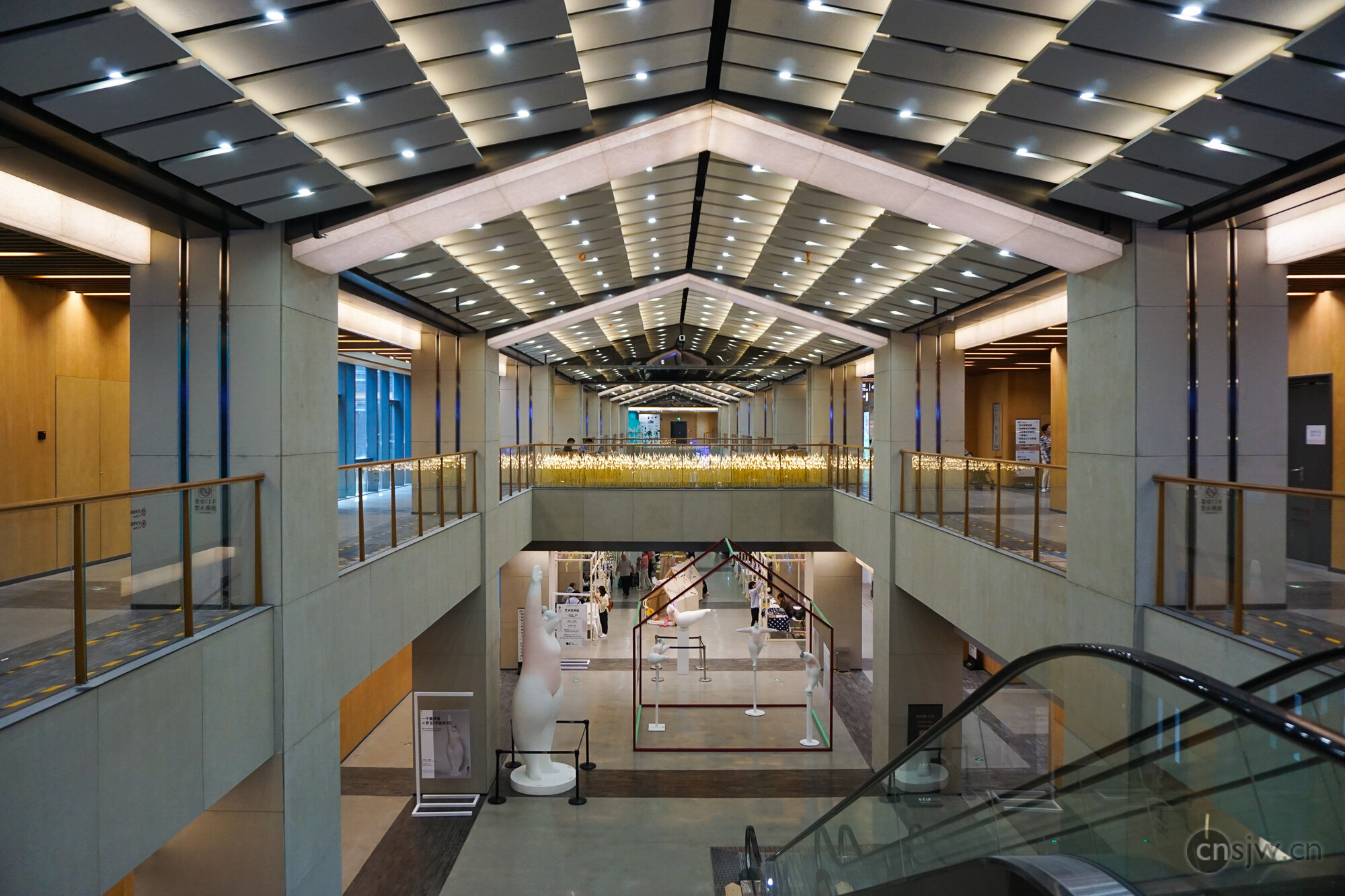
After exiting Exit C of Qianmen Subway Station, just cross the street and walk a short distance to reach Beijing Fun. Its goal is to create a ‘showcase of Beijing.’ Judging solely by the brands that have moved in and the quality of the architectural hardware, it is quite impressive. It remains to be seen how future operations will attract more visitors and become more user-friendly.
Parkview Green
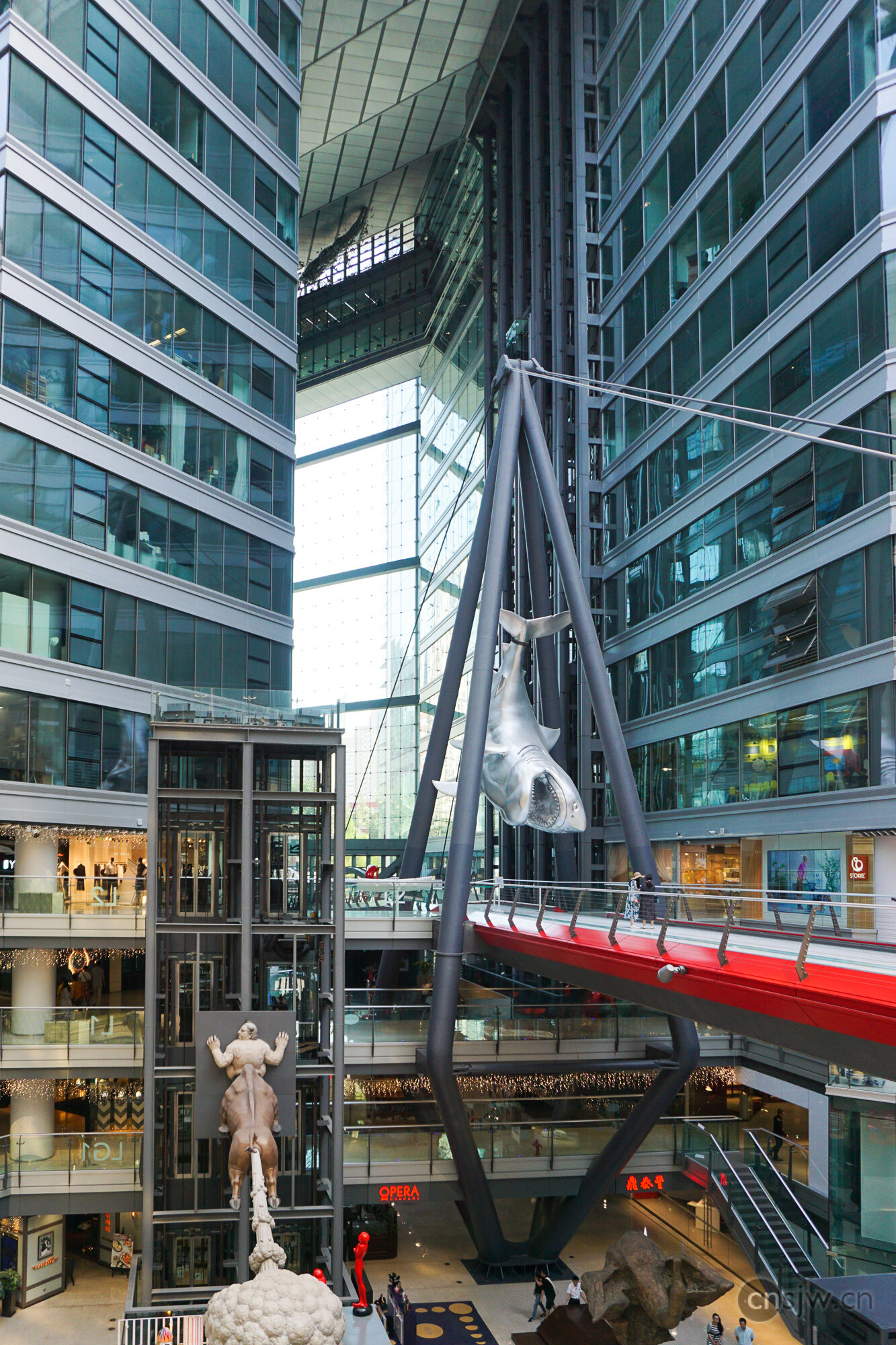
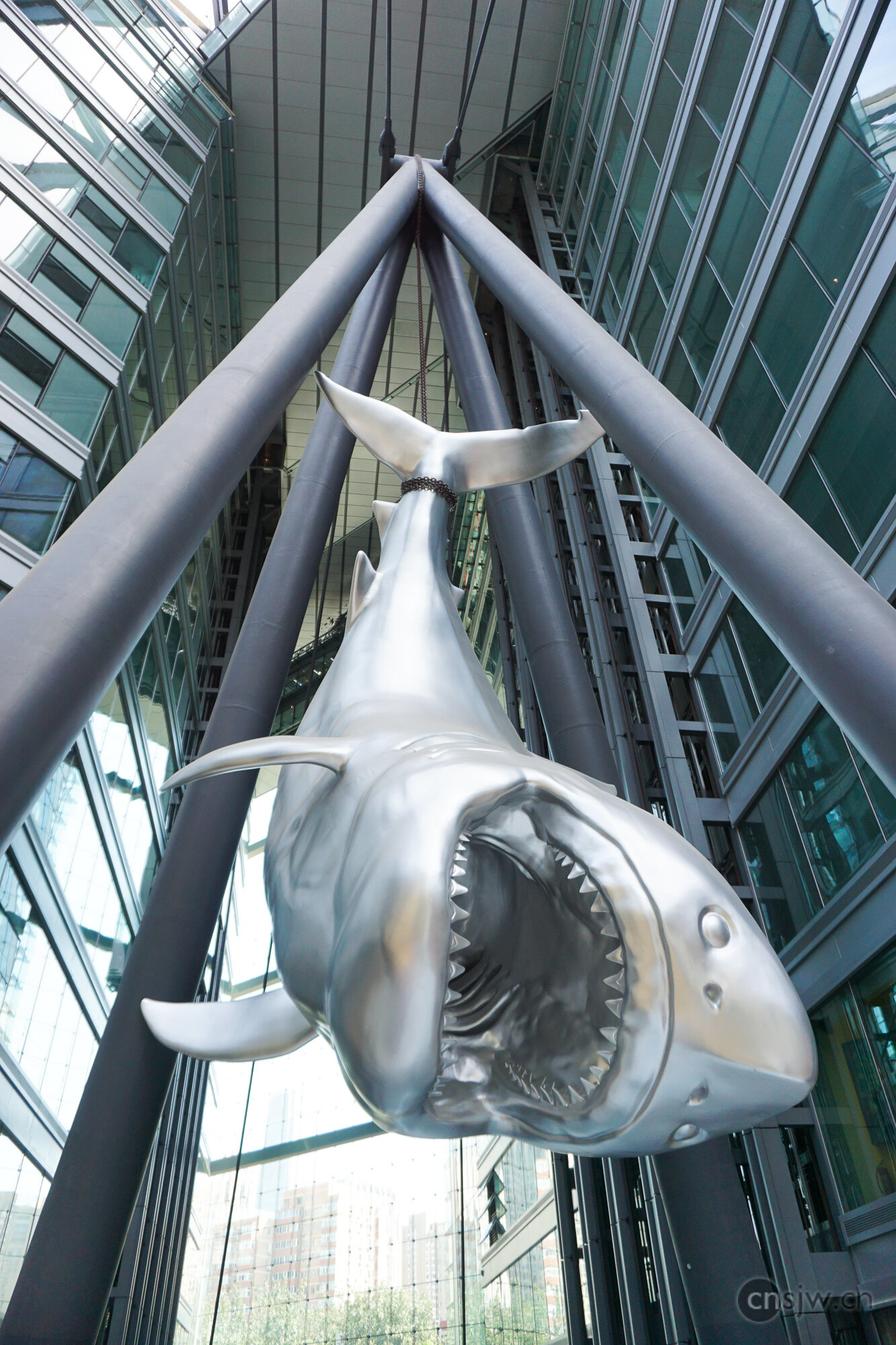
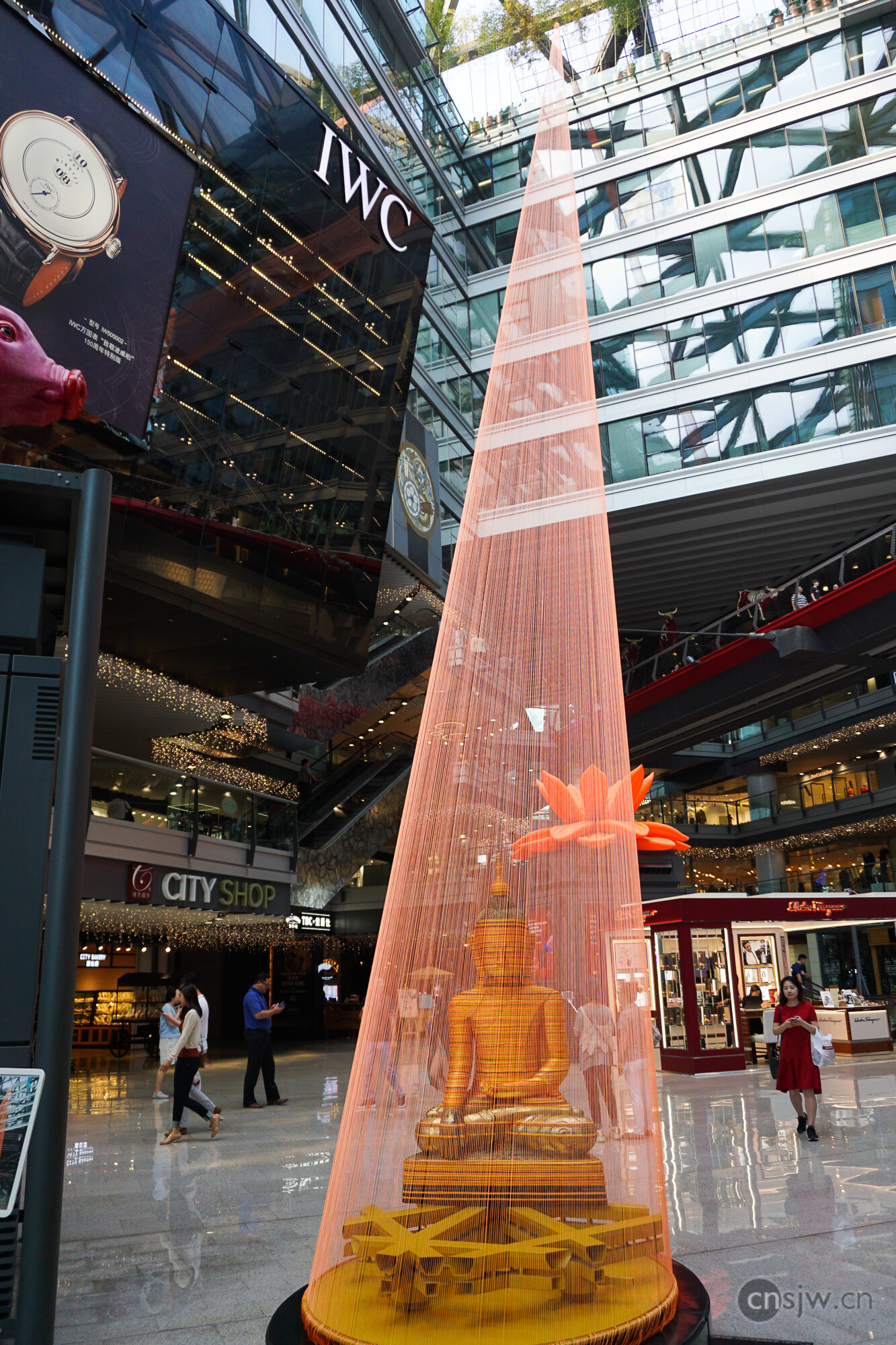
Parkview Green left a deep impression on me during my last trip to Beijing. Not only is the architecture unique, but it is also filled with fascinating artworks. On this visit, there were even more pieces on display—all from owner Huang Jianhua’s private collection. Many works by Dalí are featured here; sources say there are 41 pieces, making Mr. Huang likely the largest holder of Dalí’s works outside of Spain. Sadly, Mr. Huang passed away late last year, and it is uncertain whether the collection here will continue to be updated.
Designed by Hong Kong-based IDA, the building incorporates numerous innovations in energy efficiency and is the first comprehensive commercial project in China to achieve LEED Platinum certification. The mix of brands in the mall is also quite good. Aside from being a bit far from the subway station, it is my favorite shopping mall in Beijing.
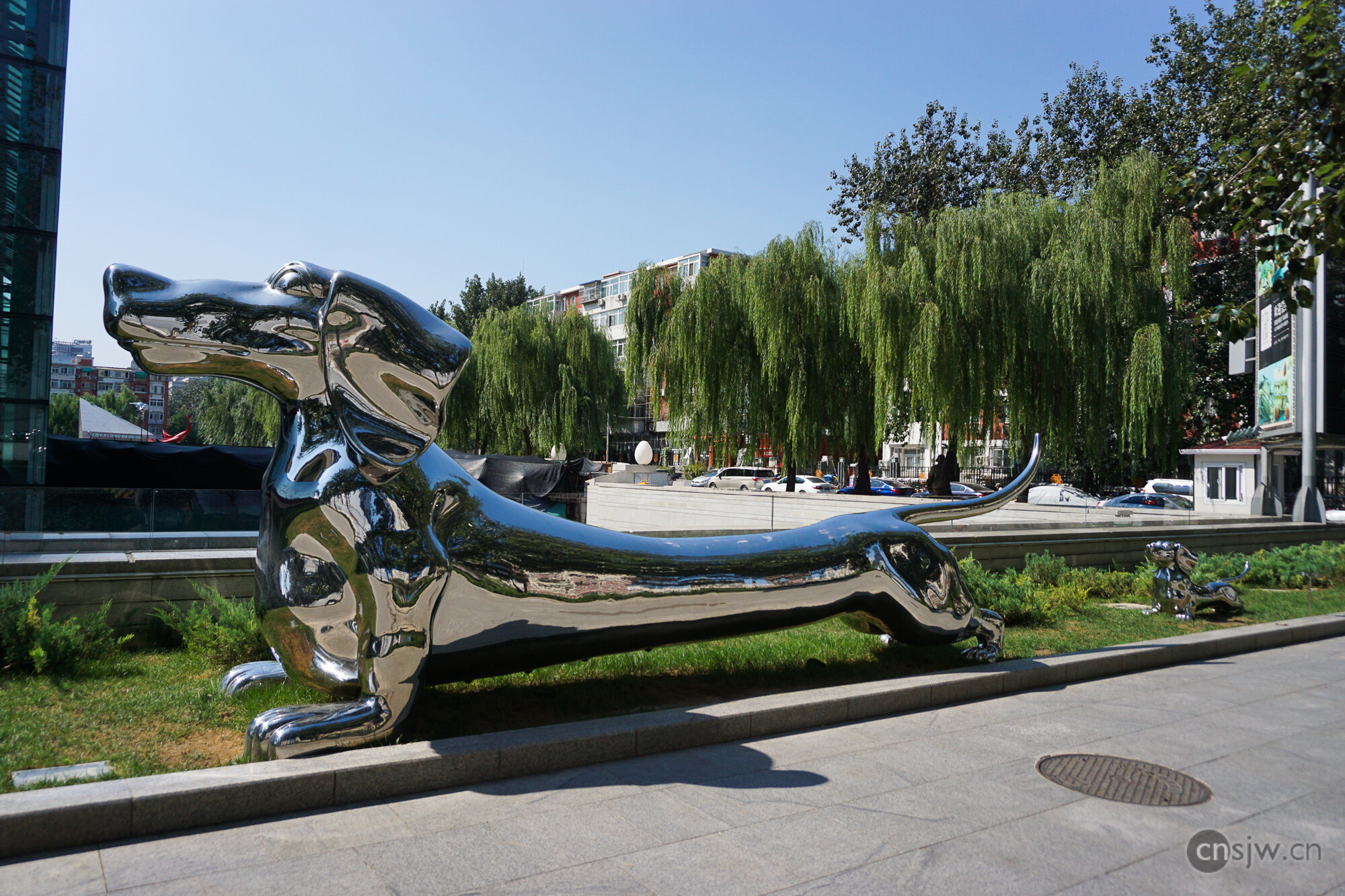
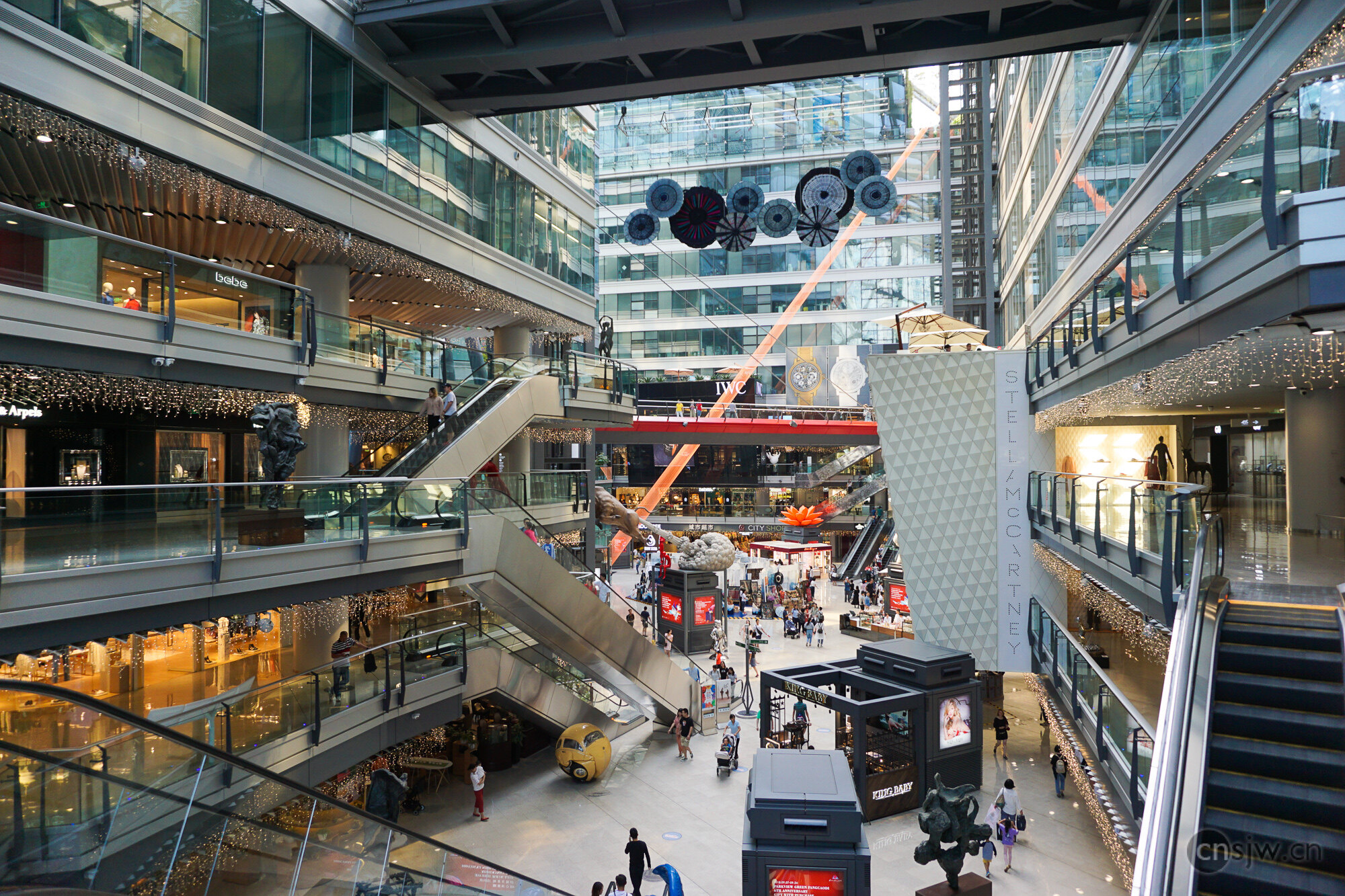
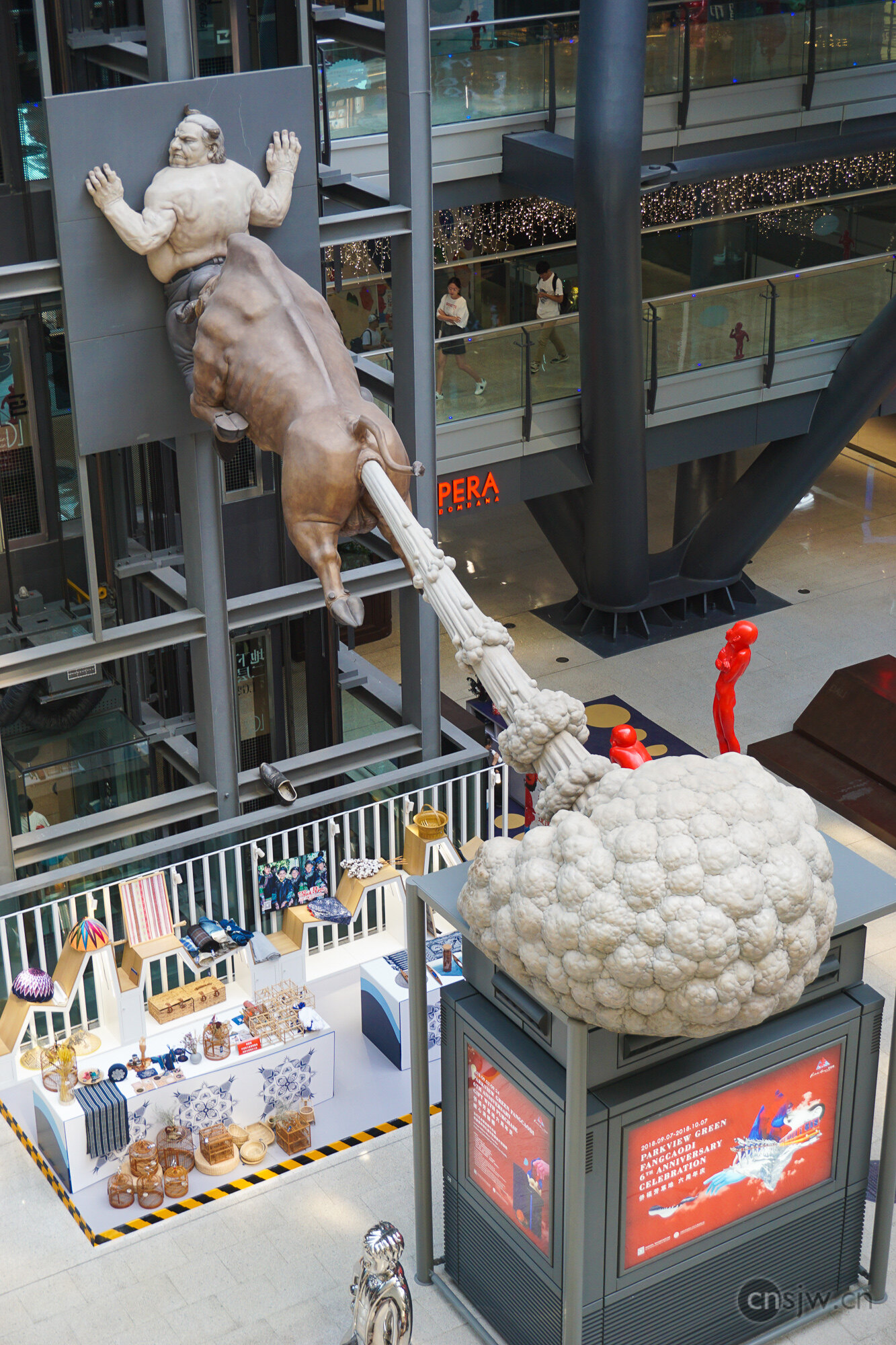

Photos in this post taken with SONY A5100 + 16-50 f3.5-5.6, post-processed in Lightroom.

Support



Read this article on WeChat