
During this trip to Beijing, I ate Beijing cuisine almost every meal, from new-style Beijing dishes to roast duck and then to instant-boiled mutton. I pretty much tried the full range of Beijing food.
Speaking of Beijing cuisine, it’s actually a melting pot. Based on Shandong cuisine, it has absorbed famous dishes from all over the country, so it’s no surprise to find renowned Jiangzhe or Cantonese dishes on a Beijing menu.
Juqi
Let’s start with this newly popular internet-famous restaurant, Juqi. In Beijing dialect, ‘Juqi’ roughly means being loyal and righteous; it’s said to be the folk version of the Beijing Spirit. Actually, I hadn’t originally planned to eat here because I’d heard the lines were endless. But while exploring Beijing Fang, we happened to be right next to the Starbucks Reserve Flagship Store. It was just 11:00 AM, and surprisingly, there was no line, so we decided to go in and give it a try.
This restaurant focuses on traditional Beijing folk culture. Rabbit God statues are everywhere as mascots, along with many traditional artifacts, and even the ‘Ge You Slouch’ meme makes an appearance. The environment is actually quite nice, with spacious seating and thoughtful decor. Also, the menu is presented on a 12.9-inch iPad Pro; some dishes not only have photos but even videos—they really spared no expense.
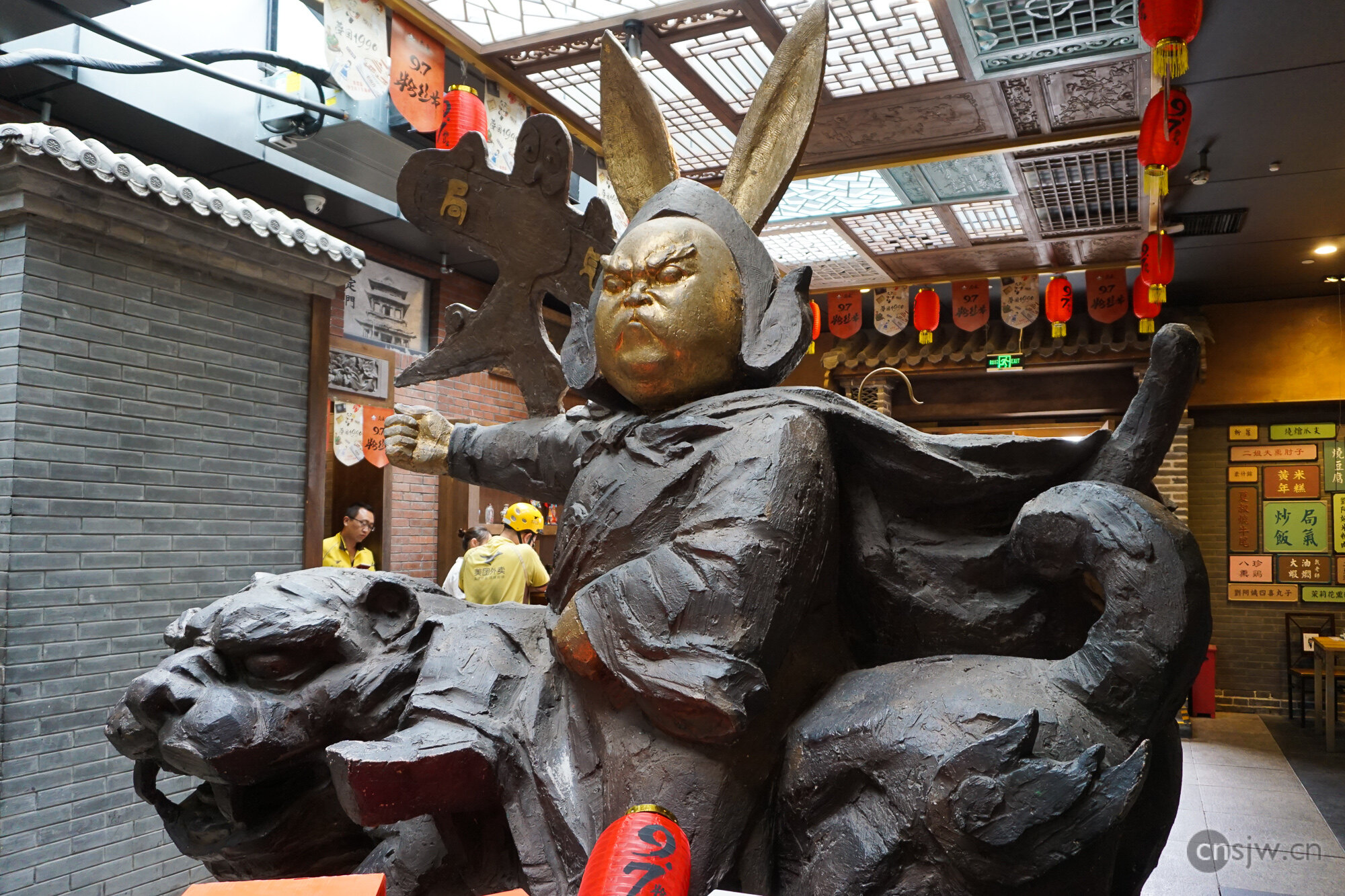
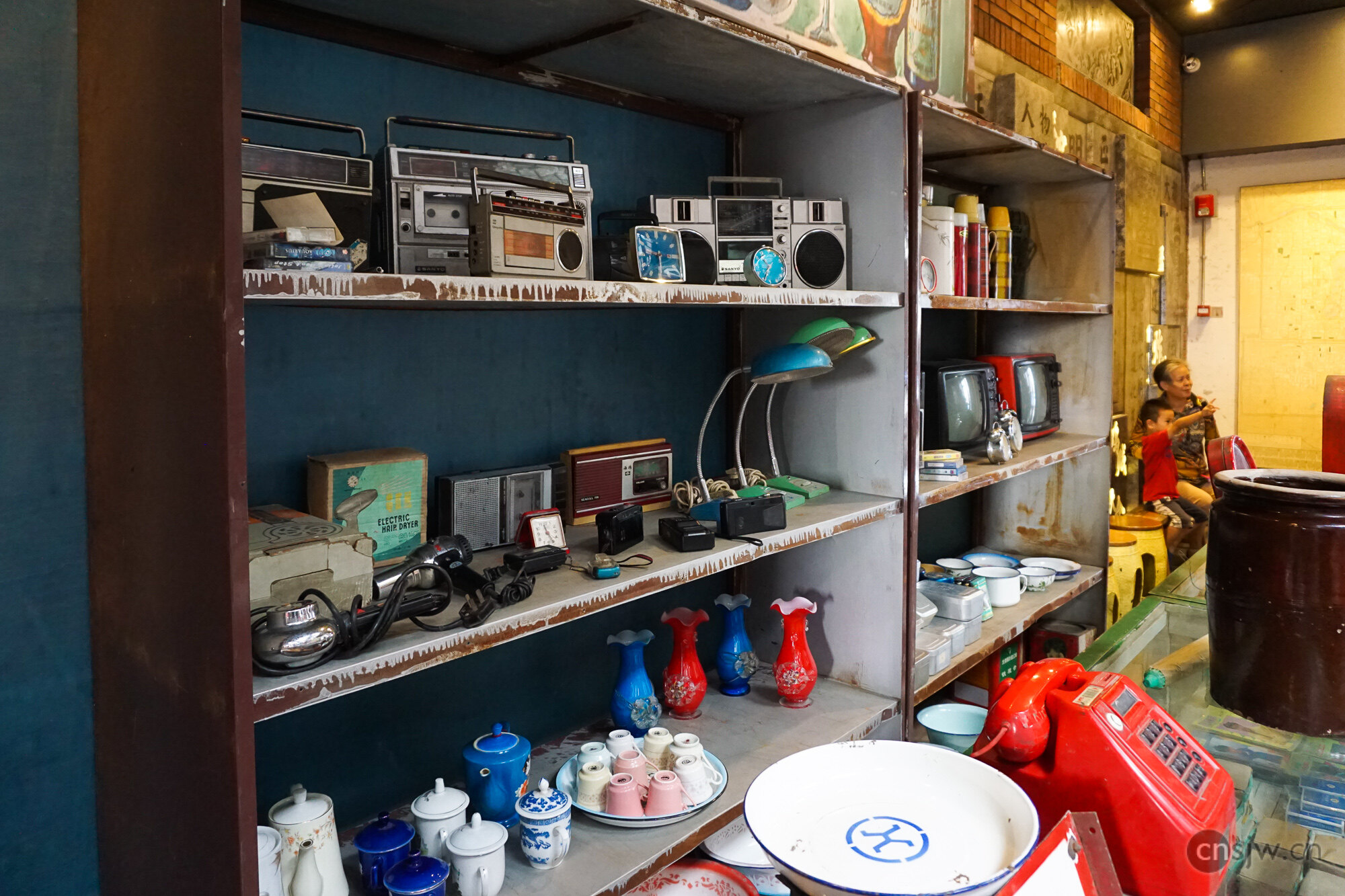
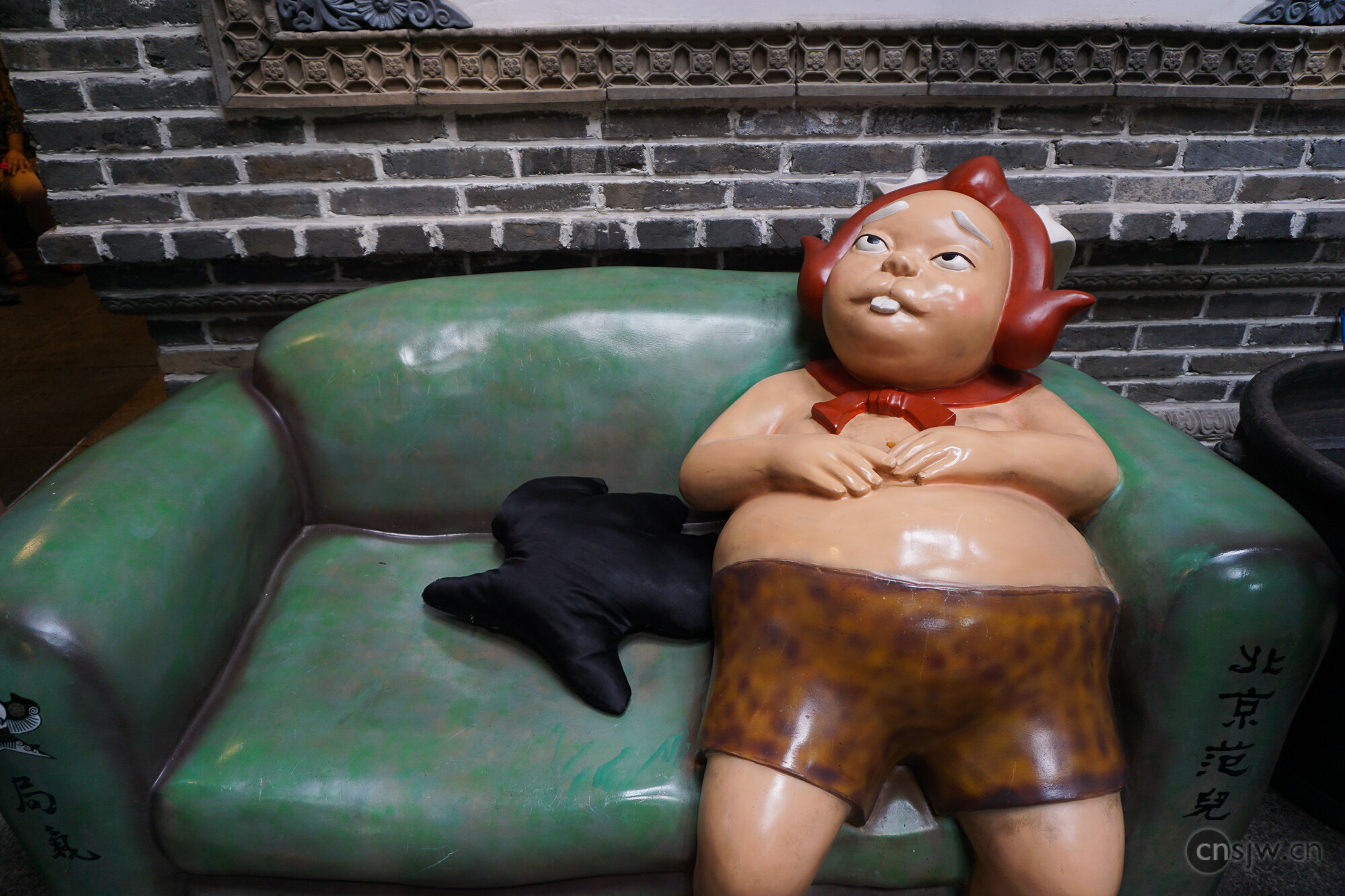
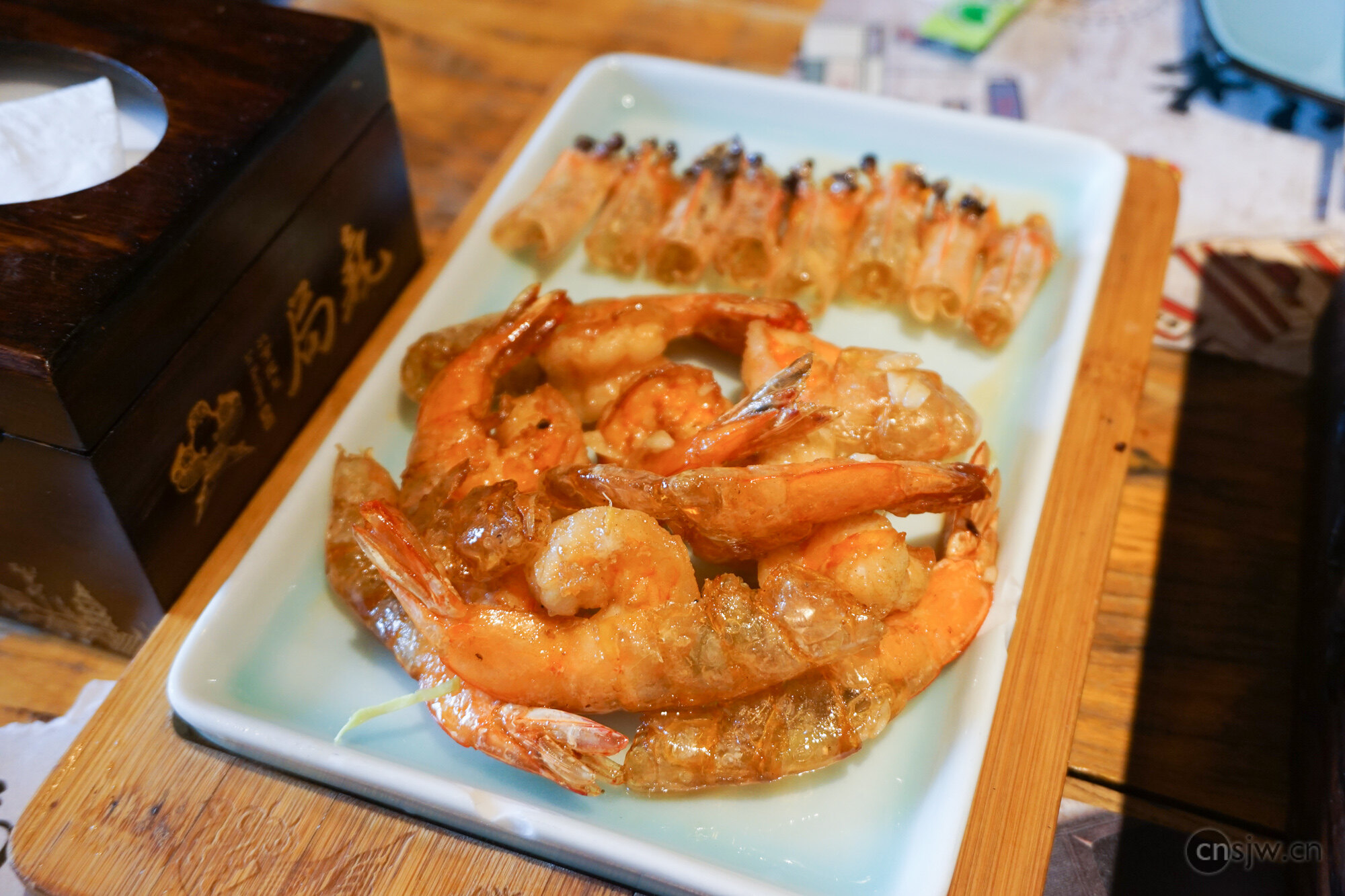
We ordered the Prince’s Roast Meat and Juqi Crispy Shrimp. Overall, the taste was decent, though the portions were a bit small, which is suitable for fewer diners. We also ordered the viral Cured Meat Honeycomb Fried Rice: black rice stir-fried with cured meat, shaped like a honeycomb briquette, doused with yellow wine, and set on fire. It might be their most Instagrammable dish, but unfortunately, the taste was rather disappointing.
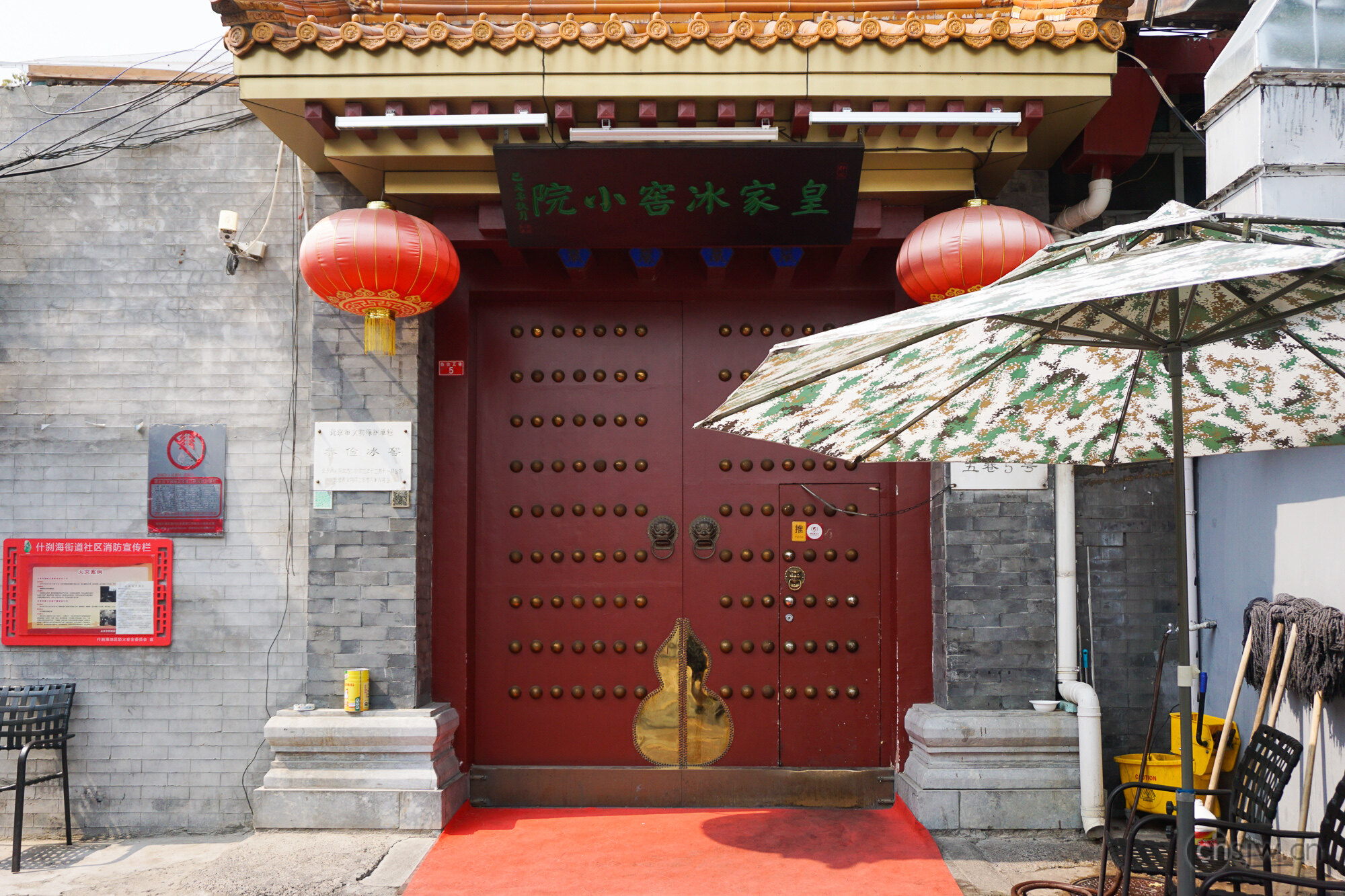
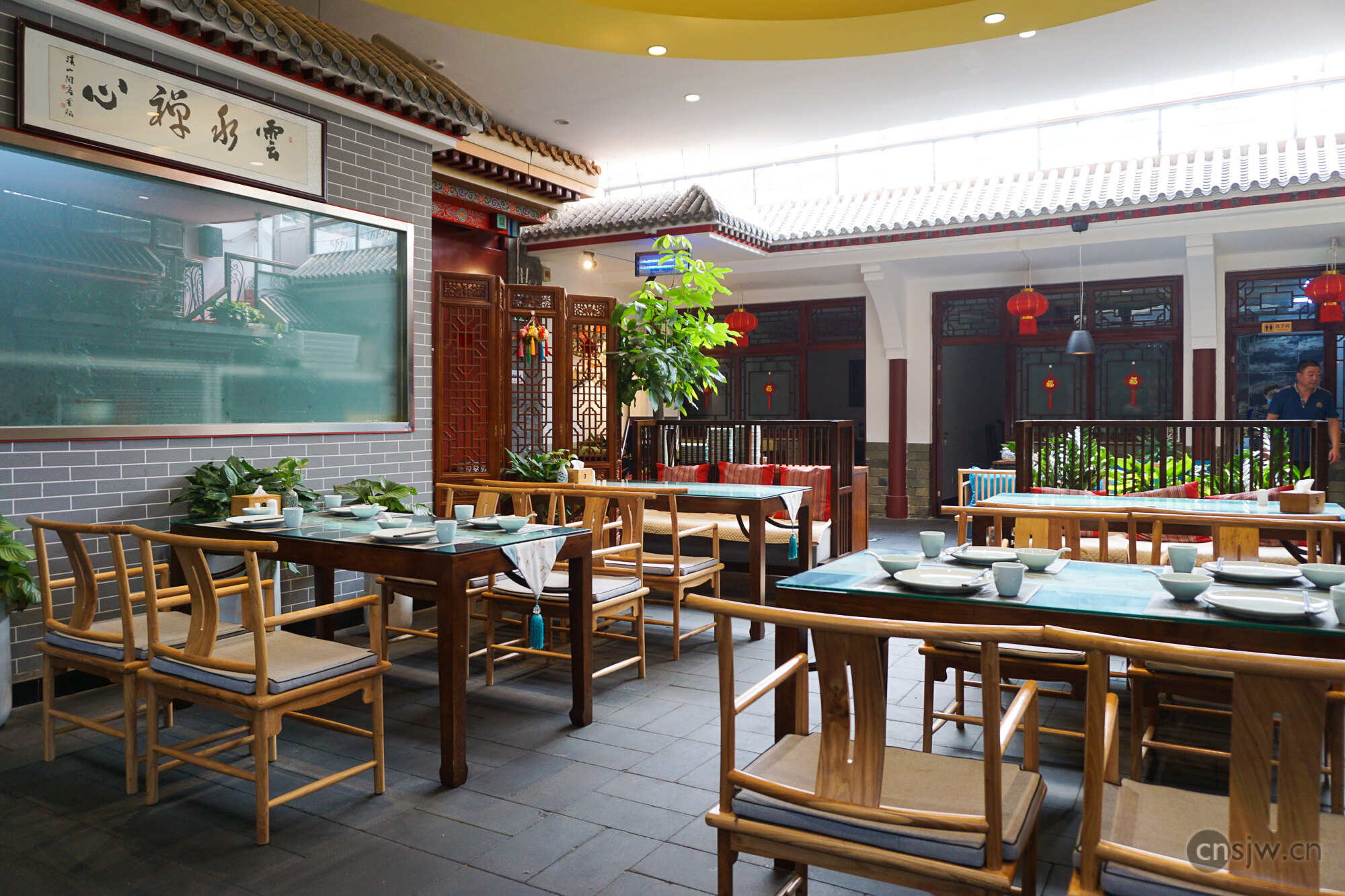
Royal Ice Cellar Courtyard
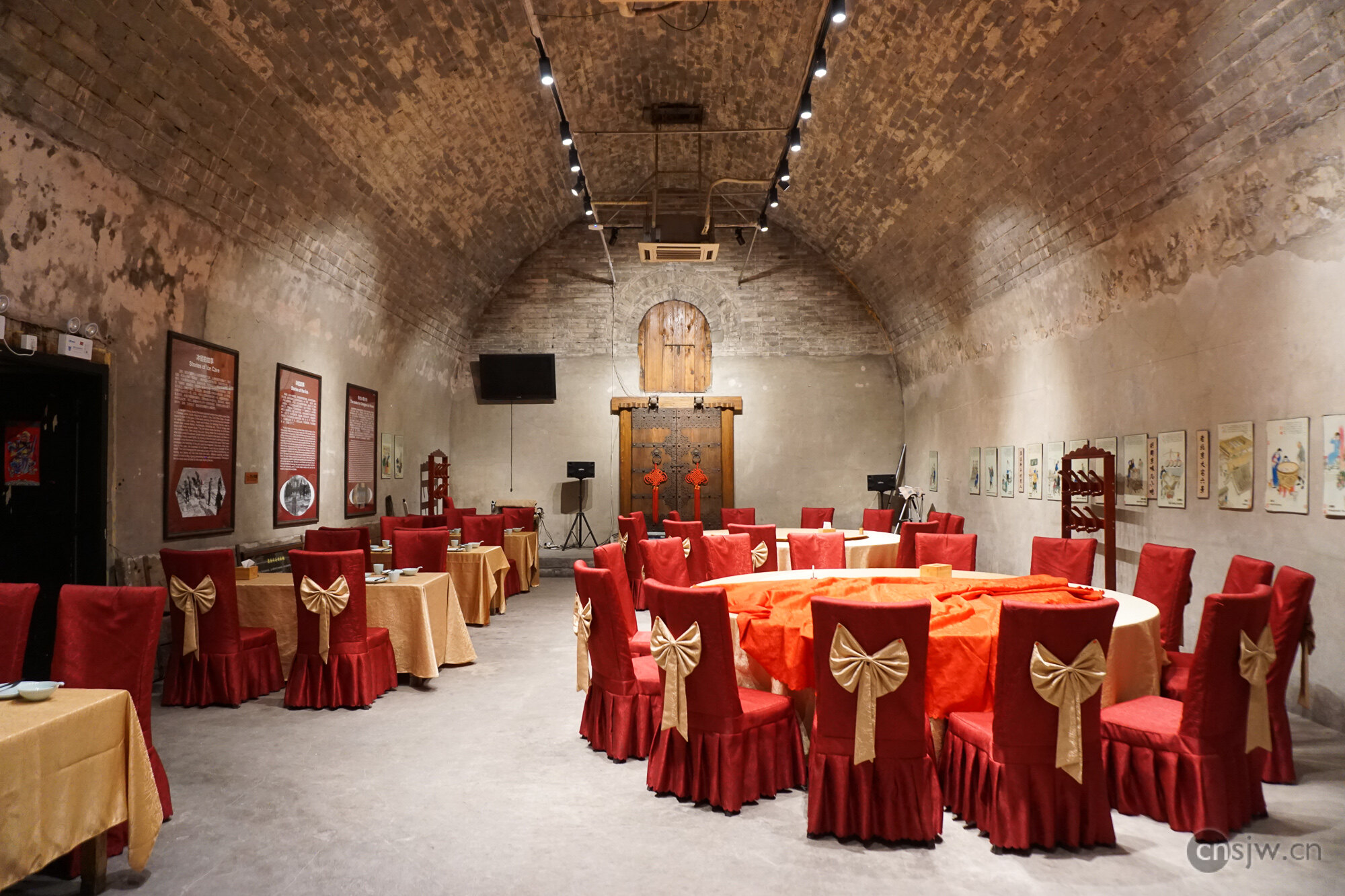
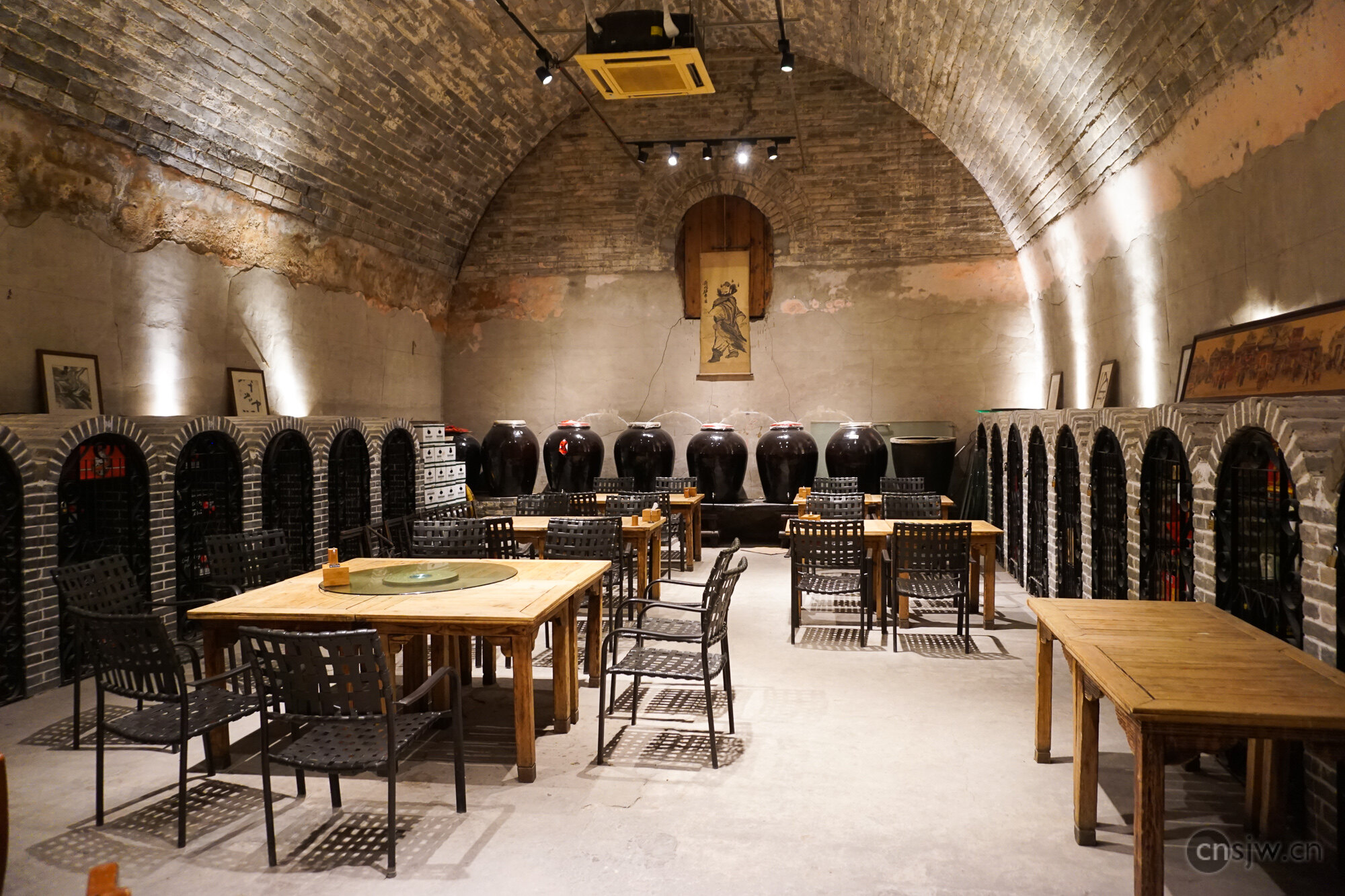
It’s rare that this is my second visit to this restaurant; I came here on my last trip to Beijing as well. However, aside from still being located in Gongjian Hutong, the interior has completely changed. The so-called Royal Ice Cellar was essentially the palace’s giant freezer. Built underground with thick walls, ice blocks were stored there in winter for use in summer, and it could also double as a refrigerator for vegetables and fruits. Of course, there’s no ice stored inside now; the cellar below has been converted into a large private dining room that you can tour, though cooling is now provided by modern fridges and air conditioning~~~
The interior layout has been completely renovated and is obviously much more upscale than before. Prices have risen sharply, and the cheaper dishes seem to have disappeared. The food is imperial court cuisine, featuring premium ingredients and excellent flavors. There’s a myna bird in the shop that talks endlessly: Hello, Thank you, Welcome, You’re so beautiful, Let’s eat, How are you, Good boy…
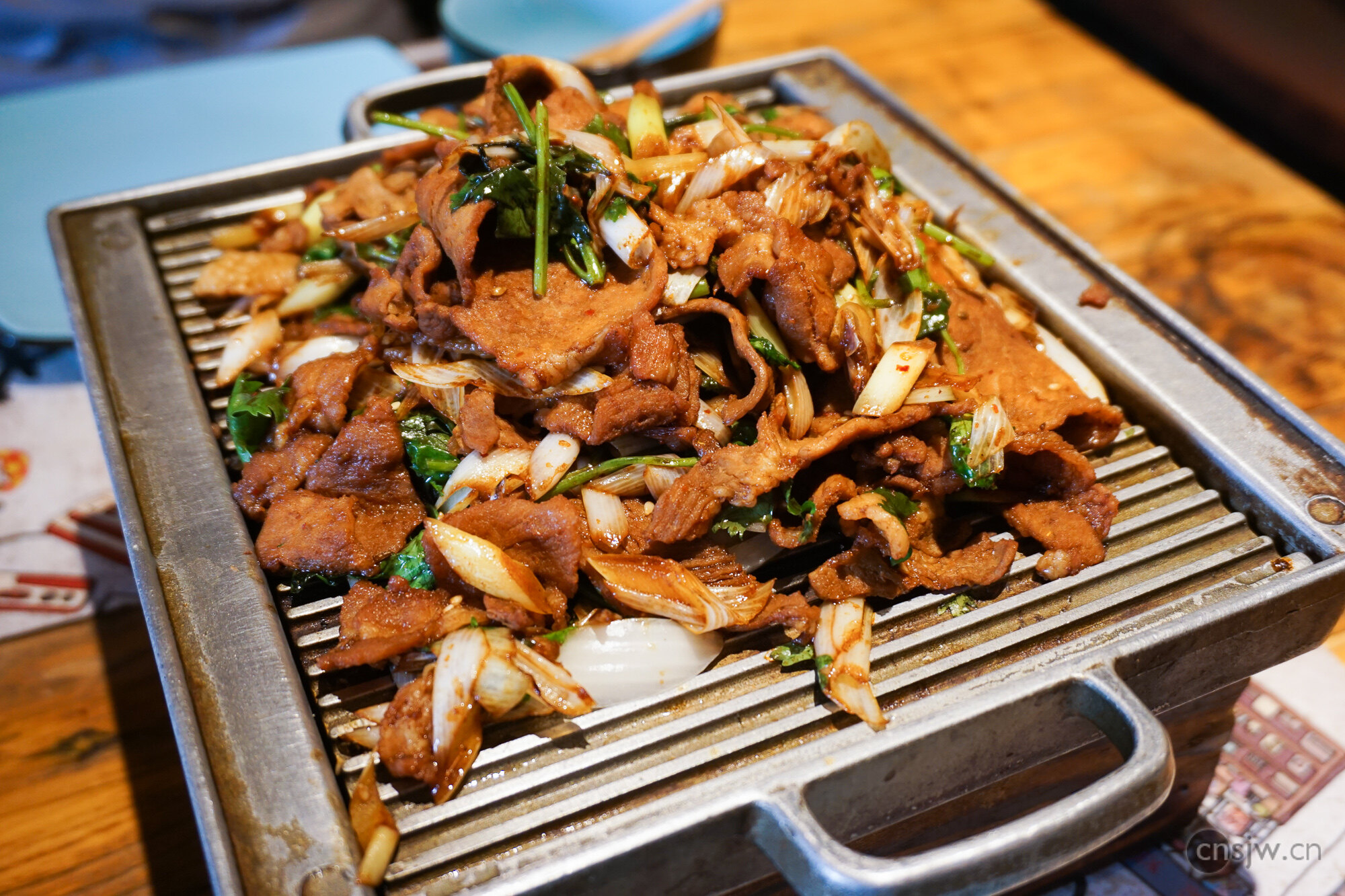
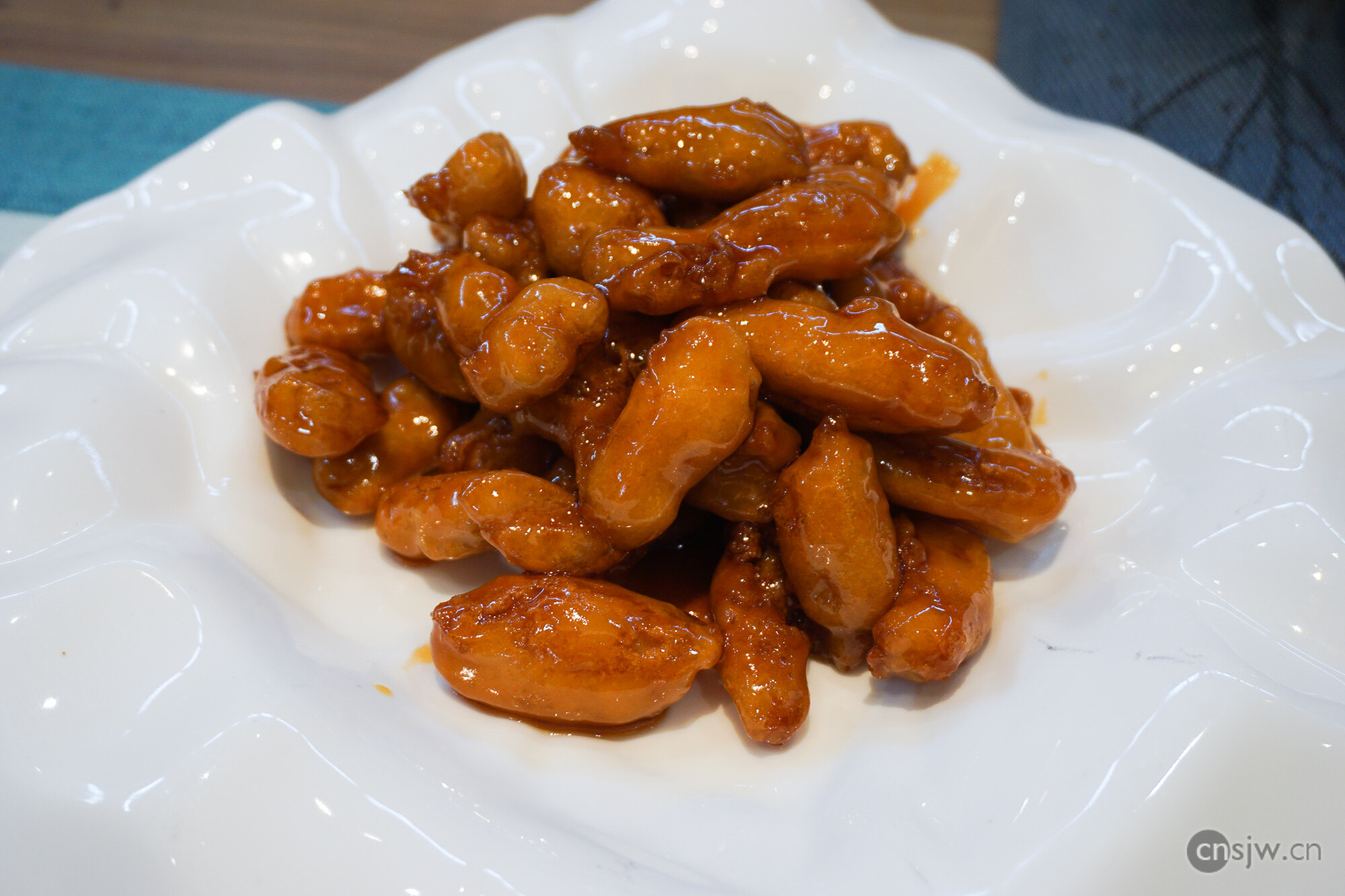
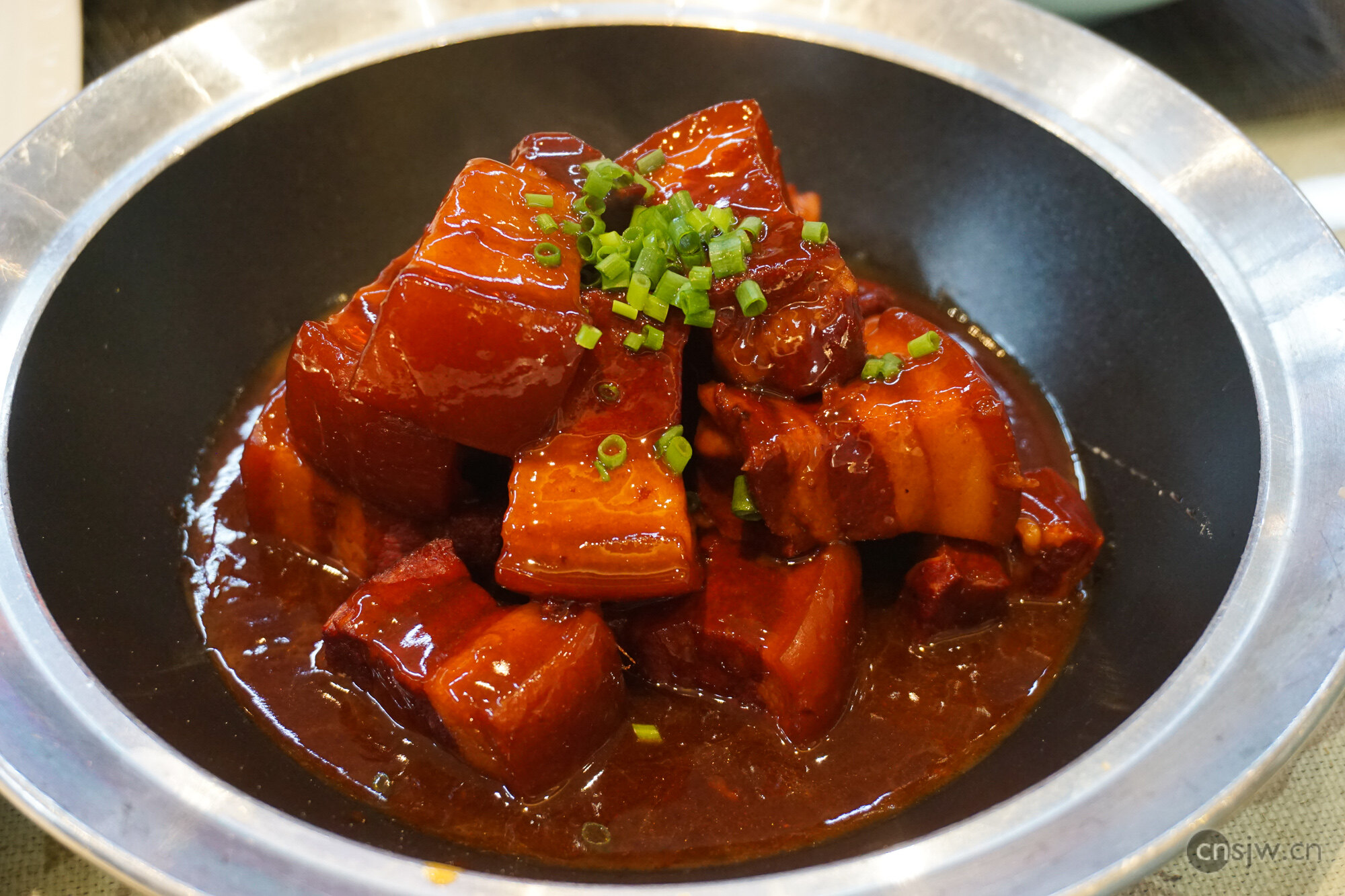
We ordered the Houhai Encounter, which is actually Osmanthus Glutinous Rice Lotus Root, a famous Jiangzhe dish. The flavor was very authentic. Gongjian Hand-grabbed Pork Tenderloin is basically Sweet and Sour Pork Tenderloin, and Imperial Stewed Pork is a savory version of Braised Pork Belly. This restaurant executed both the texture and flavor perfectly. However, our ordering was a bit of a miss; the dishes were too rich and greasy, and by the end, it was a bit overwhelming…
Siji Minfu
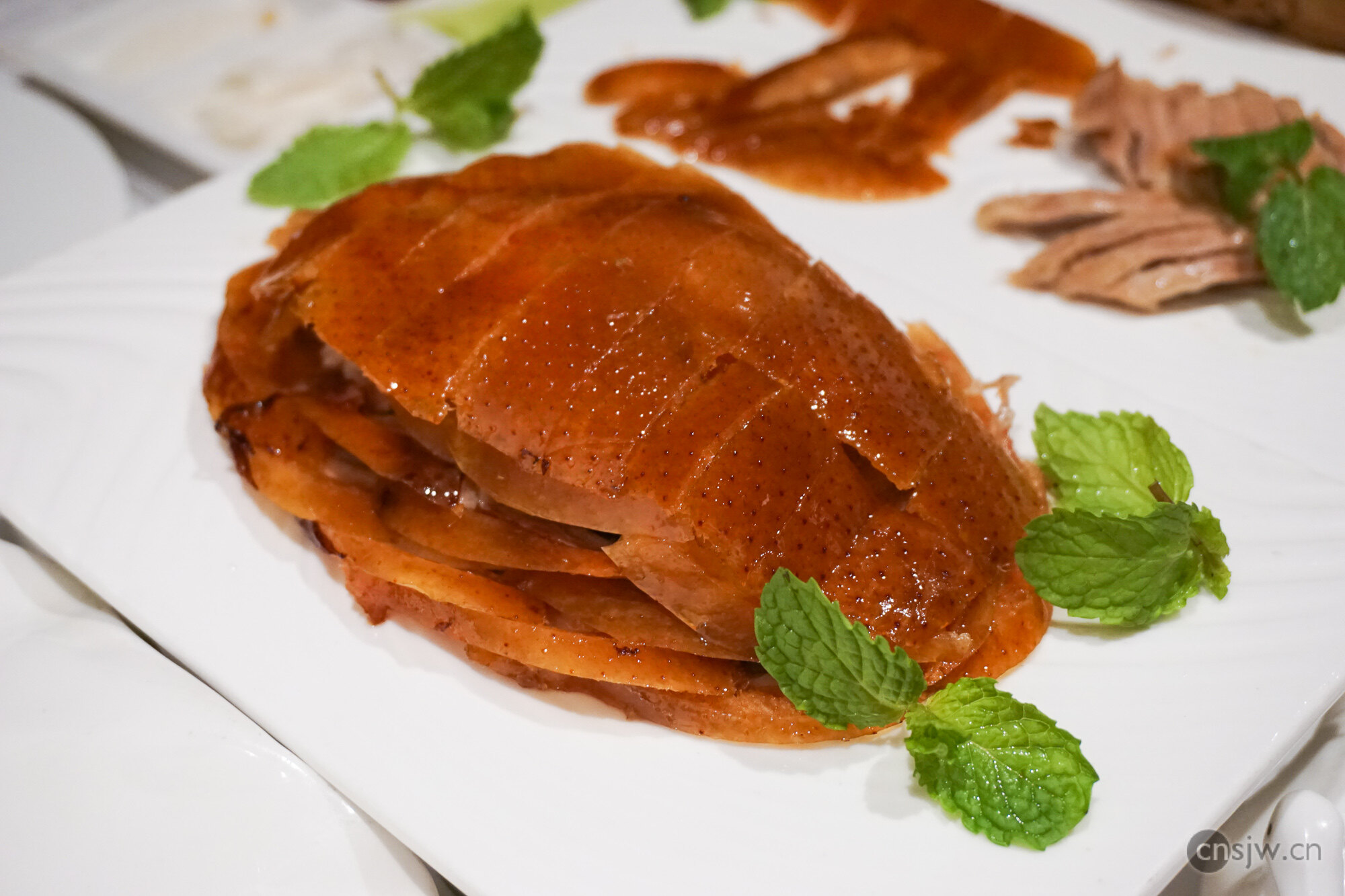
Roast duck is the quintessential Beijing food. Siji Minfu is said to be a time-honored brand, but the current iteration differs significantly from its original version. Ever since Dadong brought refinement to Beijing cuisine, becoming a model for others to emulate, Siji Minfu has also changed everything from plating to tableware. We visited the Dengshikou branch, which is supposedly the oldest location. Although newly renovated, we were seated in a small room with four tables for four, which felt a bit cramped. Coupled with weak air conditioning, the ambiance lost some points. The plates were simply too large; after taking photos, we had to switch to smaller plates immediately just to fit everything on the table…
This restaurant specializes in traditional Beijing cuisine, so you won’t find the creative dishes seen at Dadong. It retains more traditional flavors. The roast duck and Kung Pao Shrimp Balls are on par with Dadong, yet the prices are more competitive, which explains why there’s always a long queue.

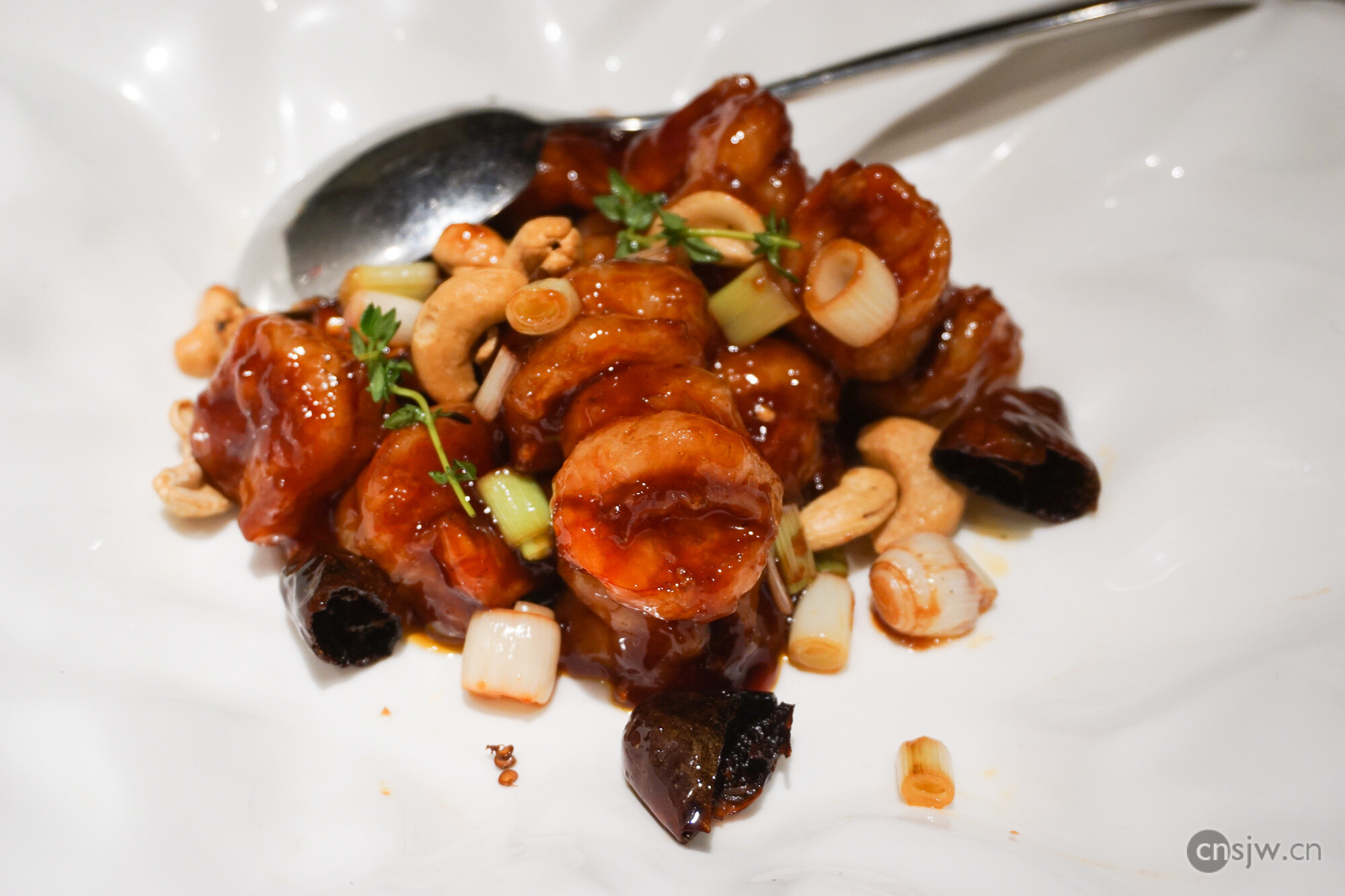
Dingmao Shuanrou
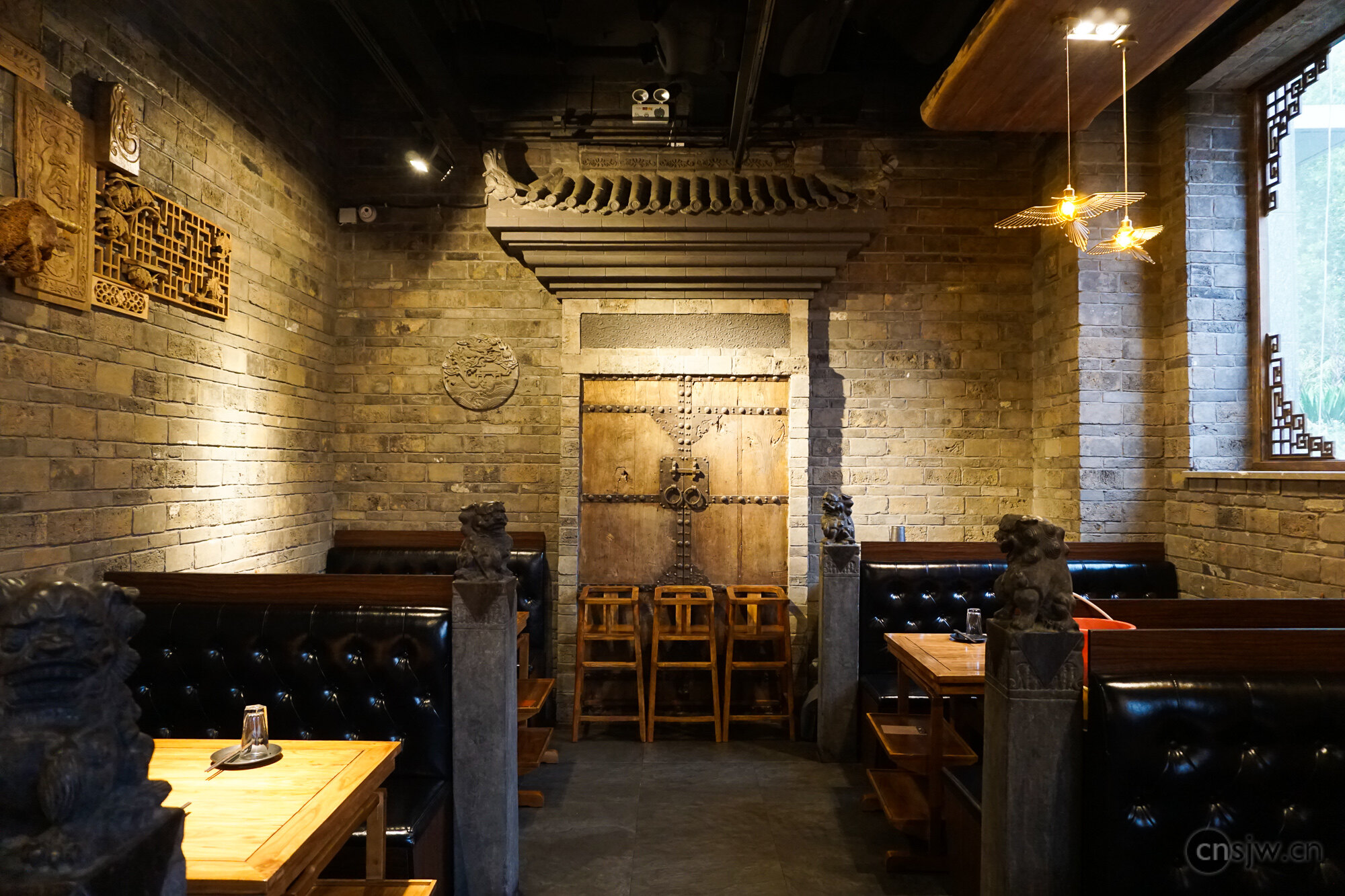
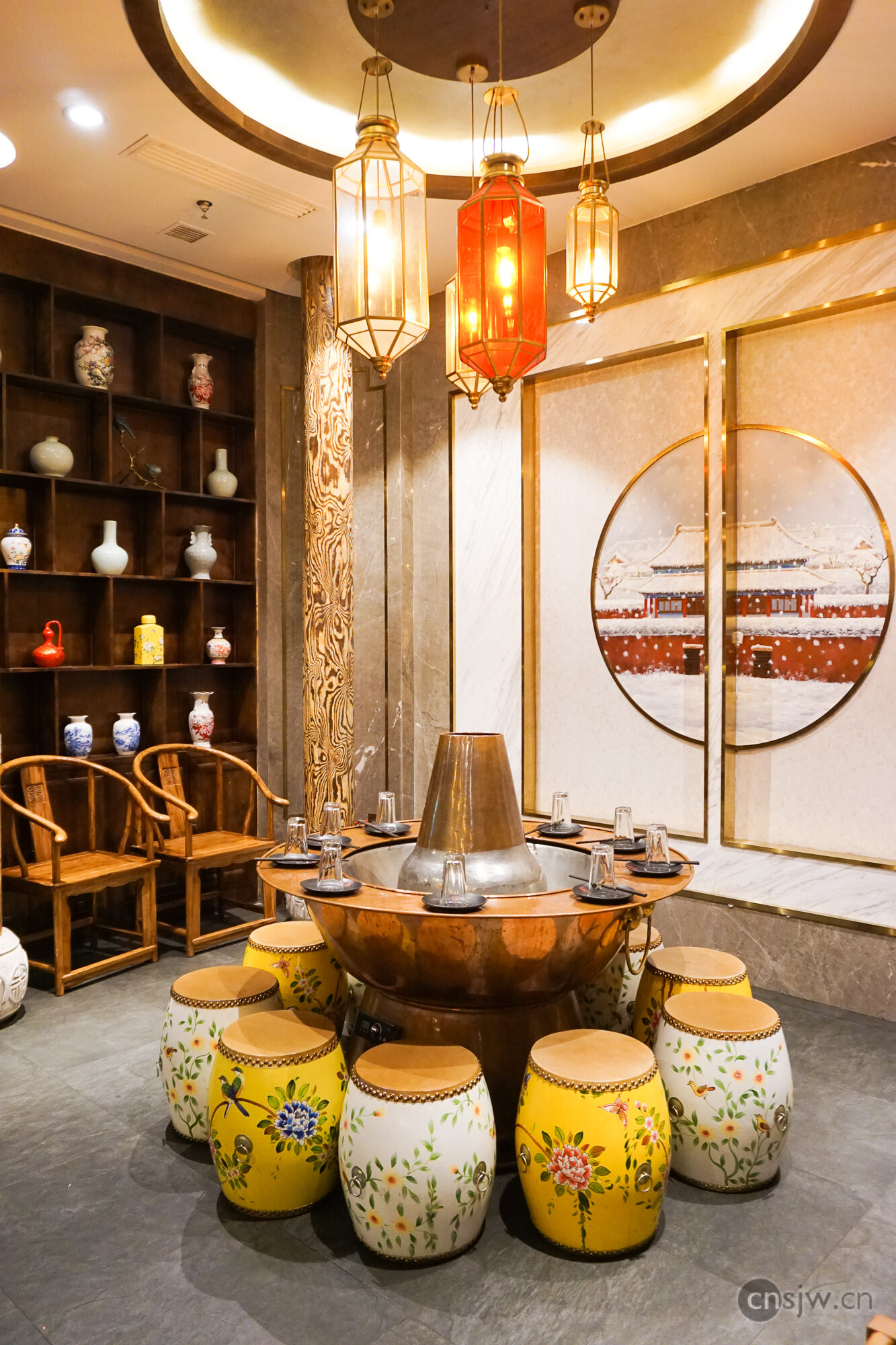
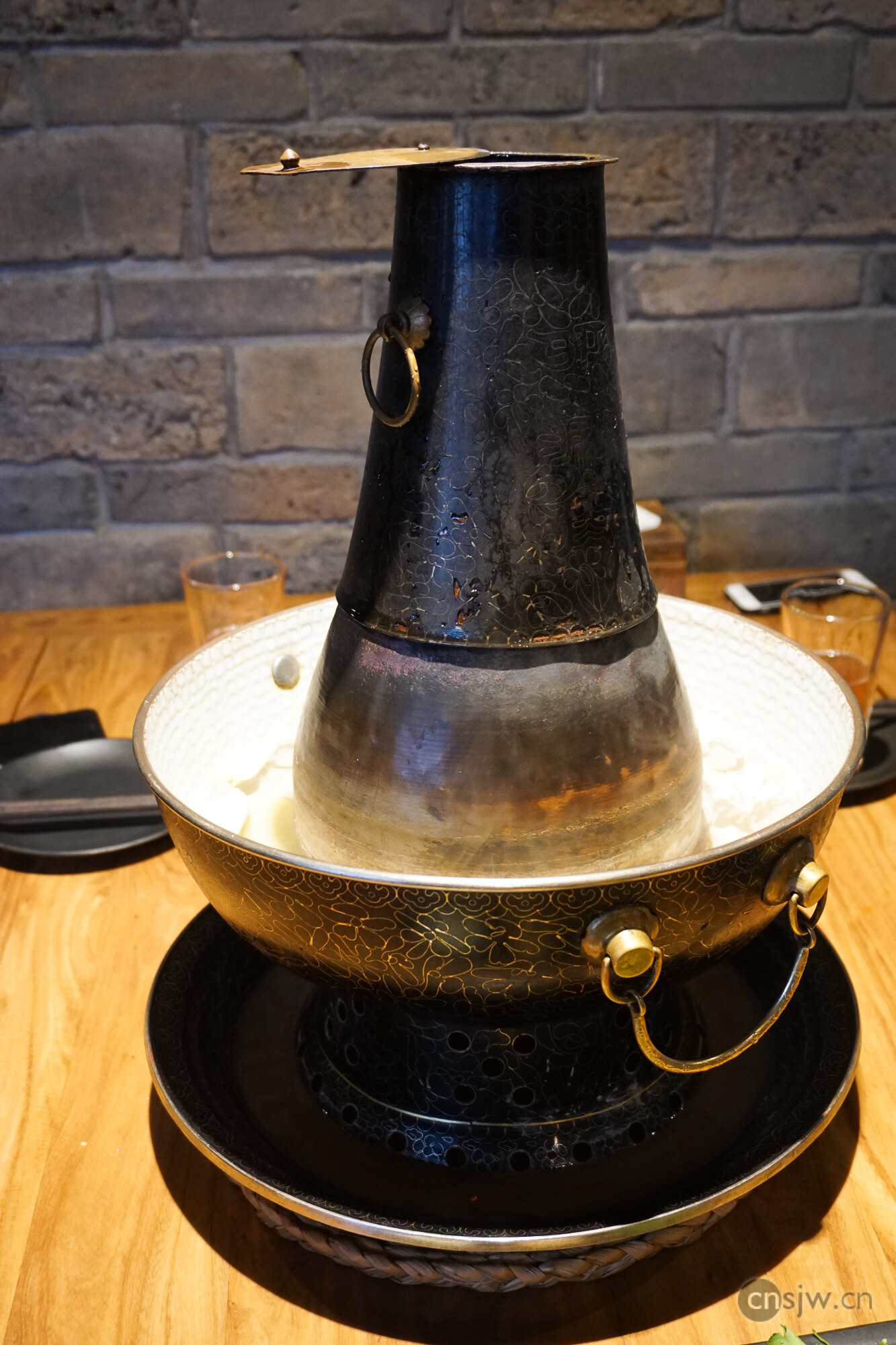
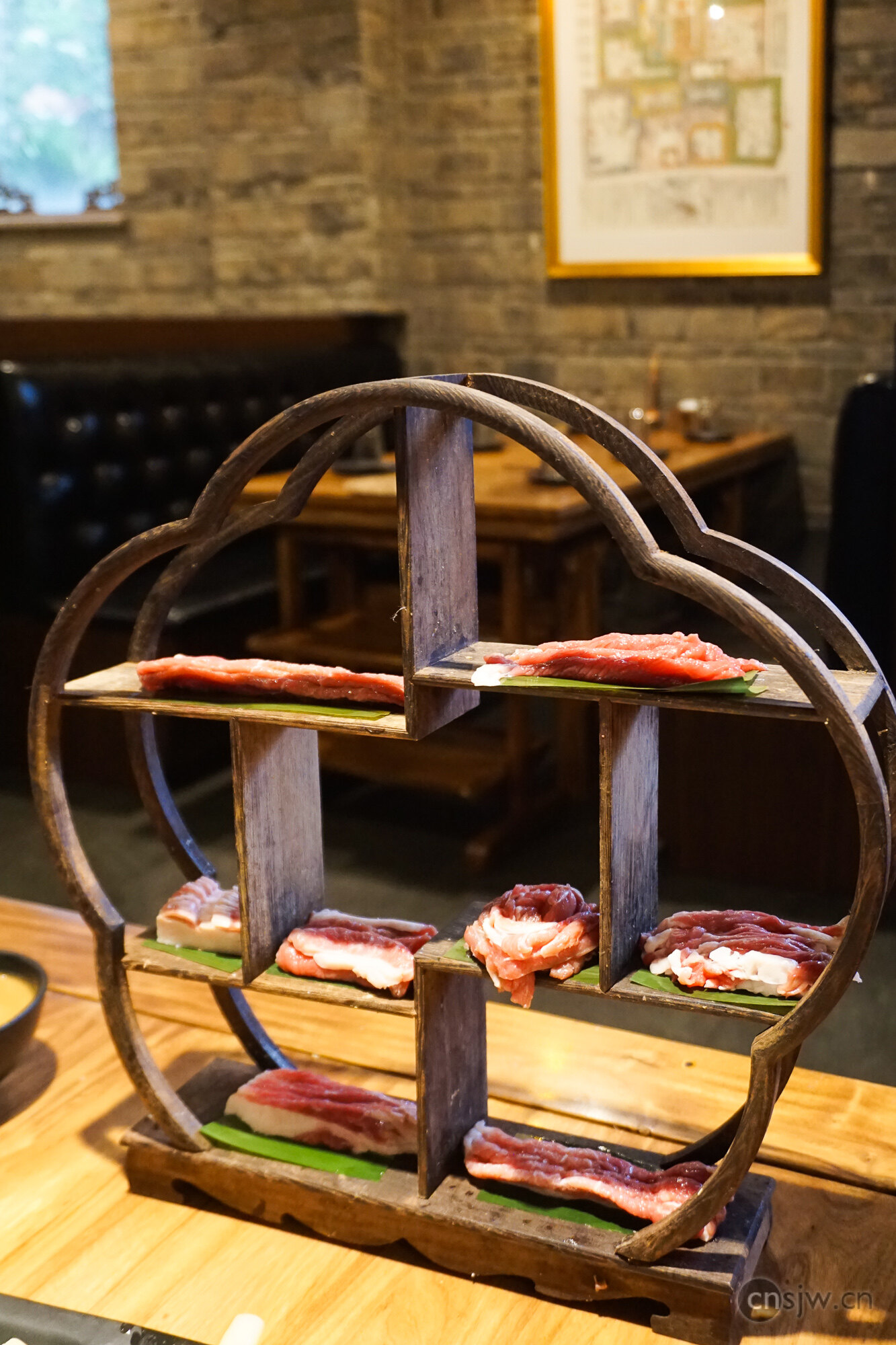
Since we hadn’t tried instant-boiled mutton yet, we found the highest-rated hotpot restaurant nearby. Located on the ground floor of an office building, the place has a truly unique, antique charm. Each table is spacious, and the large copper pots with gold patterns on a black background look stunning. There’s also a gigantic hotpot in the store, which reportedly requires reservations a month in advance. We visited on a Tuesday and arrived early when it wasn’t crowded, but by the time we left, people were already lining up.
We ordered the ‘Beijing Eight Pieces,’ consisting of eight different cuts of lamb. The meat quality was excellent with absolutely no gamey smell. If you’re not very familiar with instant-boiled mutton, this is a great sampler to taste the variety before ordering specific cuts you prefer.
Photos in this post taken with SONY A5100 + 16-50 f3.5-5.6, post-processed in Lightroom.

Support



Read this article on WeChat