
Come to think of it, the last time I visited the Summer Palace was about 15 years ago. Although the Summer Palace hasn’t actually changed much, I can no longer clearly remember many things.
The Summer Palace is a Qing Dynasty imperial summer retreat and large-scale imperial garden. It was originally built during the Qianlong reign of the Qing Dynasty (originally named the Garden of Clear Ripples) and rebuilt during the Guangxu reign. It is also the best-preserved among the Three Hills and Five Gardens of the Qing Dynasty (Fragrant Hills, Jade Spring Hill, and Longevity Hill; Jingyi Garden, Jingming Garden, Summer Palace, Changchun Garden, and Old Summer Palace). Furthermore, since Emperor Wu of Han first created the “One Pool, Three Hills” layout at Jianzhang Palace, the Summer Palace is the last and only surviving imperial garden that still retains this design.
The overall plan of the Summer Palace is modeled after West Lake in Hangzhou, while extensively imitating Jiangnan gardens and scenic landscapes. For example, Fenghuang Mound mimics Taihu Lake, Jingming Tower mimics Yueyang Tower, Wangchan Pavilion mimics Yellow Crane Tower, the Trading Street by Houxi Lake mimics Suzhou’s water streets, and the Trading Street at Xisuo mimics Yangzhou’s Twenty-Four Bridges. The main building in the garden is the Great Temple of Gratitude and Longevity, and there is a Long Corridor stretching over 700 meters. Its architecture and decorative paintings are quite exquisite, possessing significant artistic value, along with numerous other sightseeing structures.
It is 17 kilometers from the Forbidden City to here, so making the trip was not easy in ancient times. There are very few buildings in the entire garden intended for administration or residence. Legend has it that whenever Emperor Qianlong visited the Garden of Clear Ripples, he would always return the same day and never stayed overnight in the garden.
In the tenth year of Xianfeng (1860), the Garden of Clear Ripples was burned down by the Anglo-French Allied Forces during the Second Opium War. Between the tenth and twenty-first years of Guangxu (1884–1895), after Empress Dowager Cixi “returned political power” and retired to rest, Emperor Guangxu, wishing to demonstrate filial piety and hoping that Cixi would no longer interfere in state affairs, ordered funds from the Navy Yamen to be diverted to rebuild the Garden of Clear Ripples. Due to limited funds, financial resources were concentrated on restoring the Front Hill architectural complex, and walls were added around Kunming Lake. It was renamed the Summer Palace, becoming adetached palace. In the twenty-sixth year of Guangxu (1900), the buildings and cultural relics in the garden were damaged by the Eight-Nation Alliance and were restored two years later.
Having discussed its history, let’s talk about how to explore this place. Since the Summer Palace is very large, it is unlikely that you can walk through the entire area in one visit. It is recommended to enter via the North Palace Gate; after exiting Beigongmen Station on Subway Line 4, the North Palace Gate is just a short walk away. Climb the hill first, then tour the lake. If you keep walking toward the West Causeway, you can exit via the West Gate, where the Yiheyuan Ximen subway station is located nearby. However, that route is quite long. Alternatively, you could consider leaving once you reach the Seventeen-Arch Bridge and exiting through the New Palace Gate, which is still 1.7 km from Xiyuan Station on Subway Line 4.
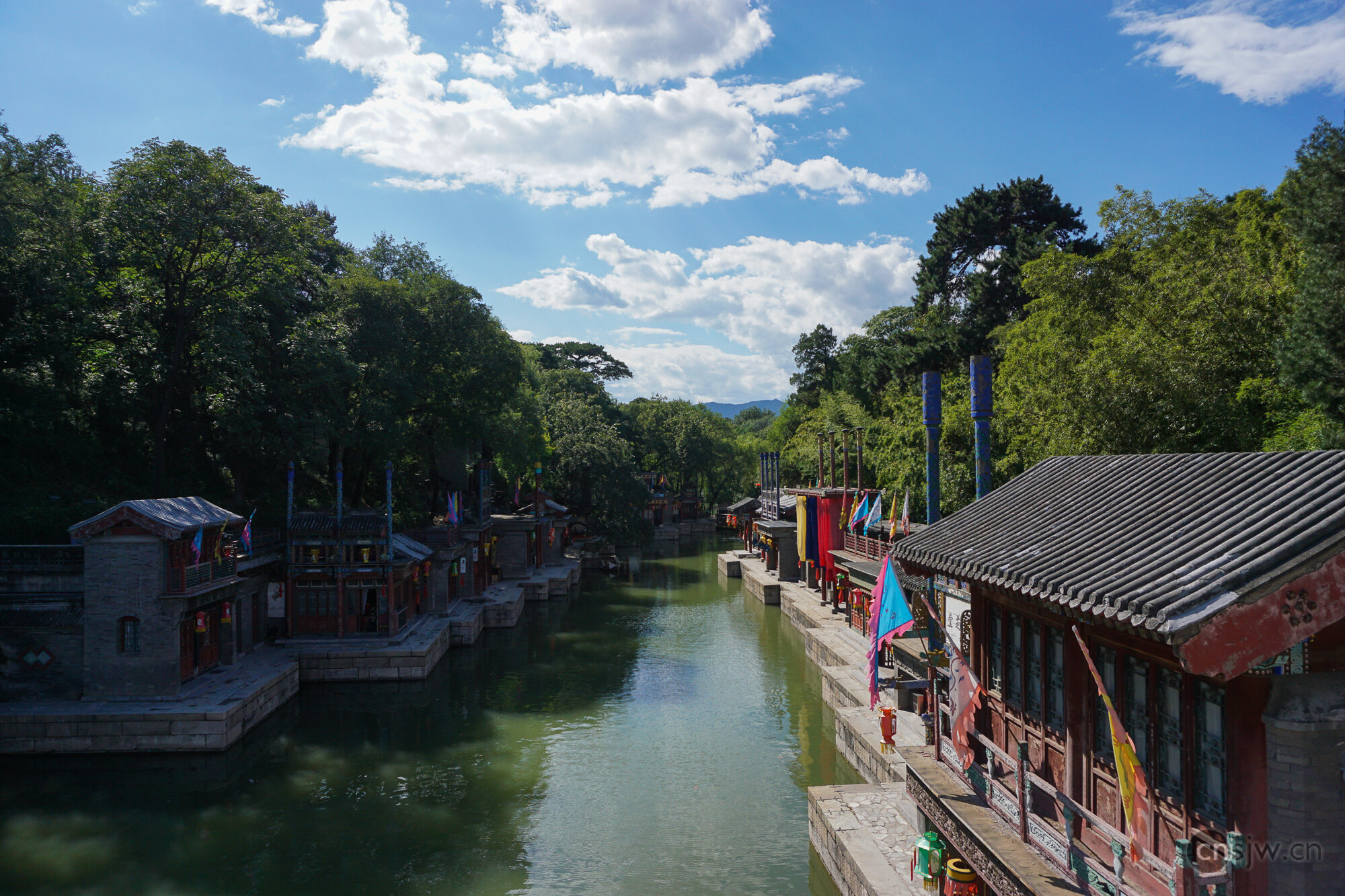
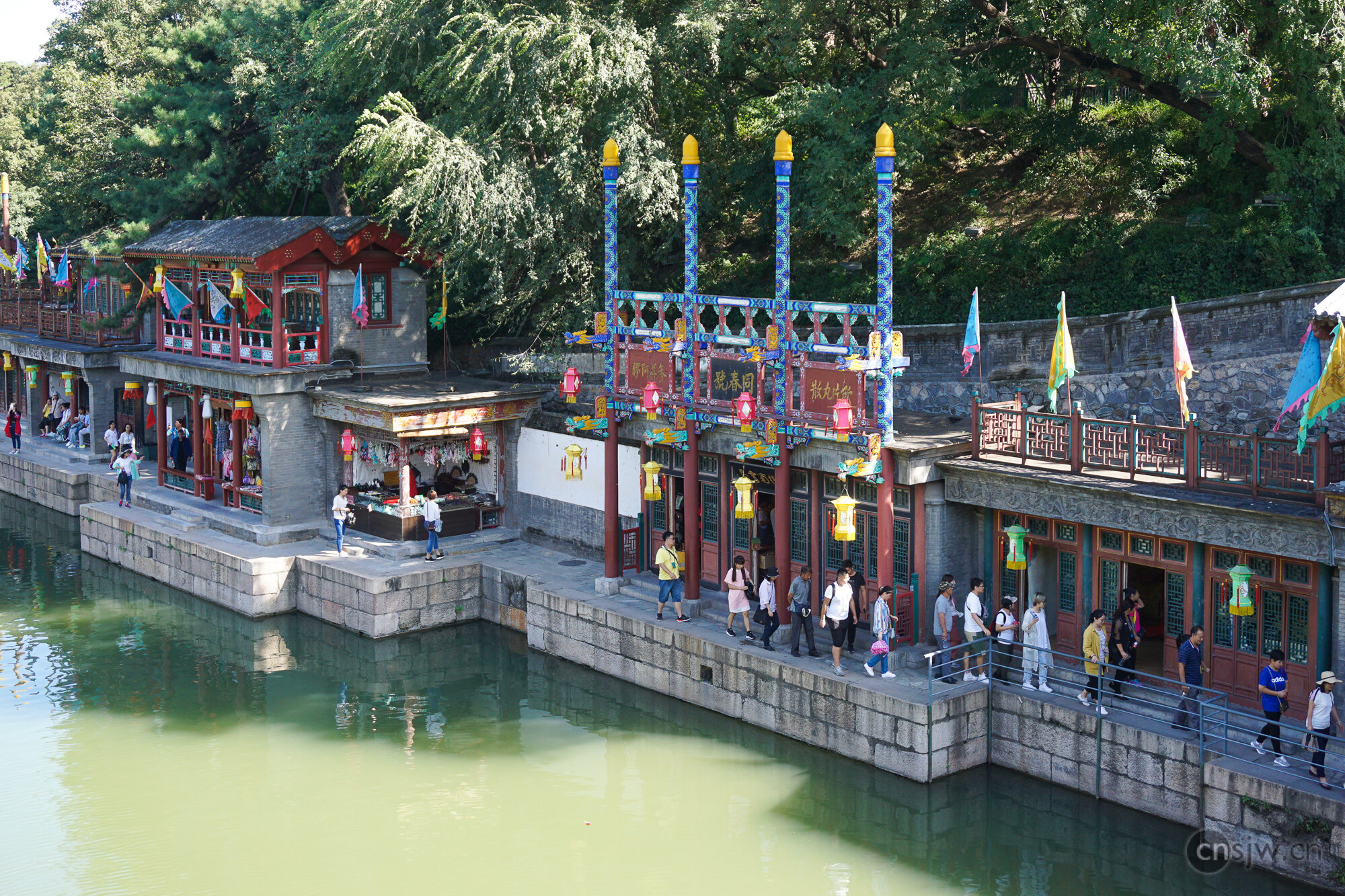
Right after entering the North Palace Gate is Suzhou Street. This is a separately ticketed attraction, so I didn’t go in. It is an imperial commercial street built to mimic the markets of Jiangnan water towns. It was destroyed later and rebuilt in 1986.
Then the climb begins. Because Beijing is generally flat and the urban area lacks tall buildings, you can see very far from the mountaintop. The Han-Tibetan style religious architectural complex of the Four Great Continents looks quite beautiful.
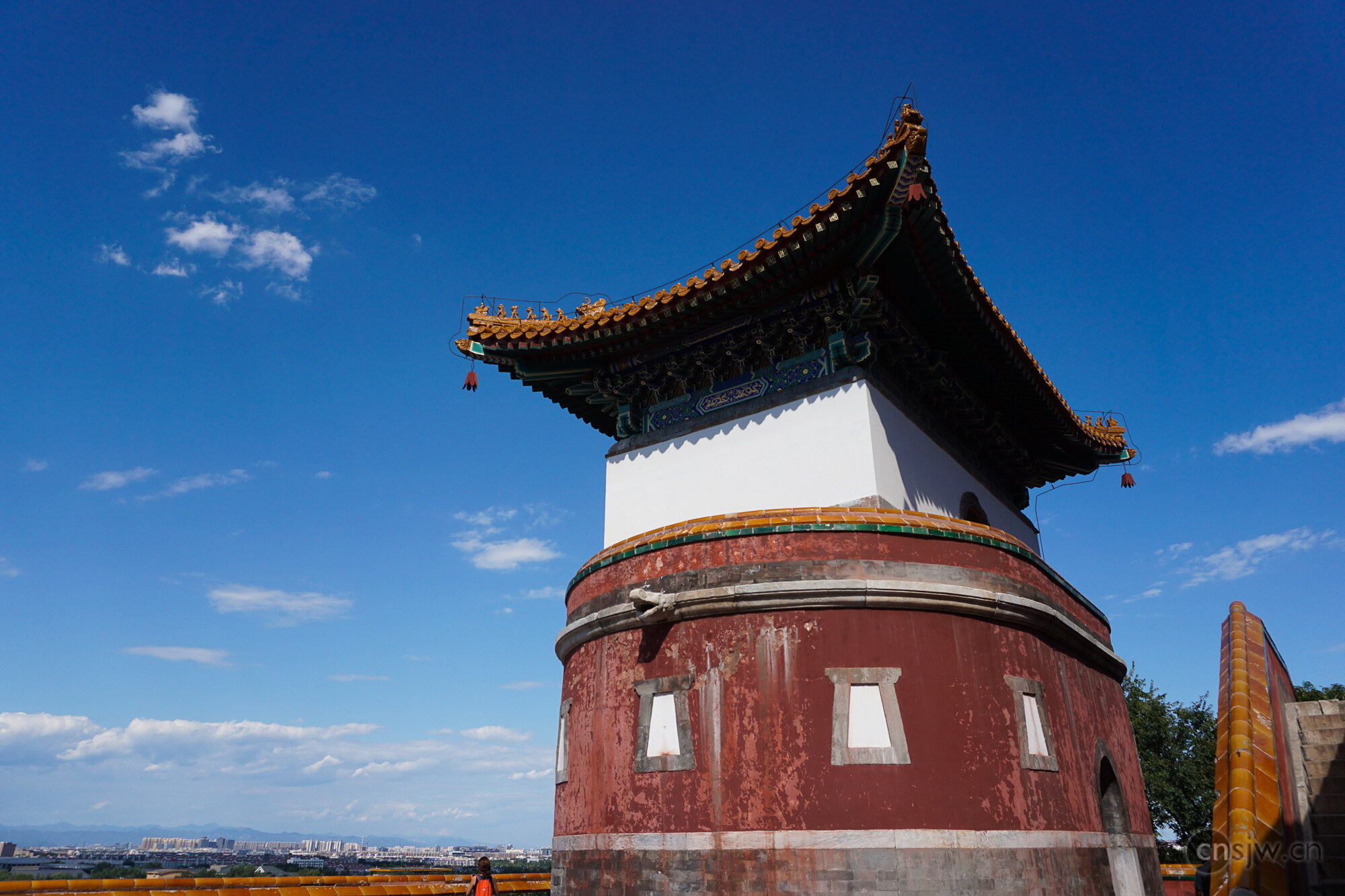
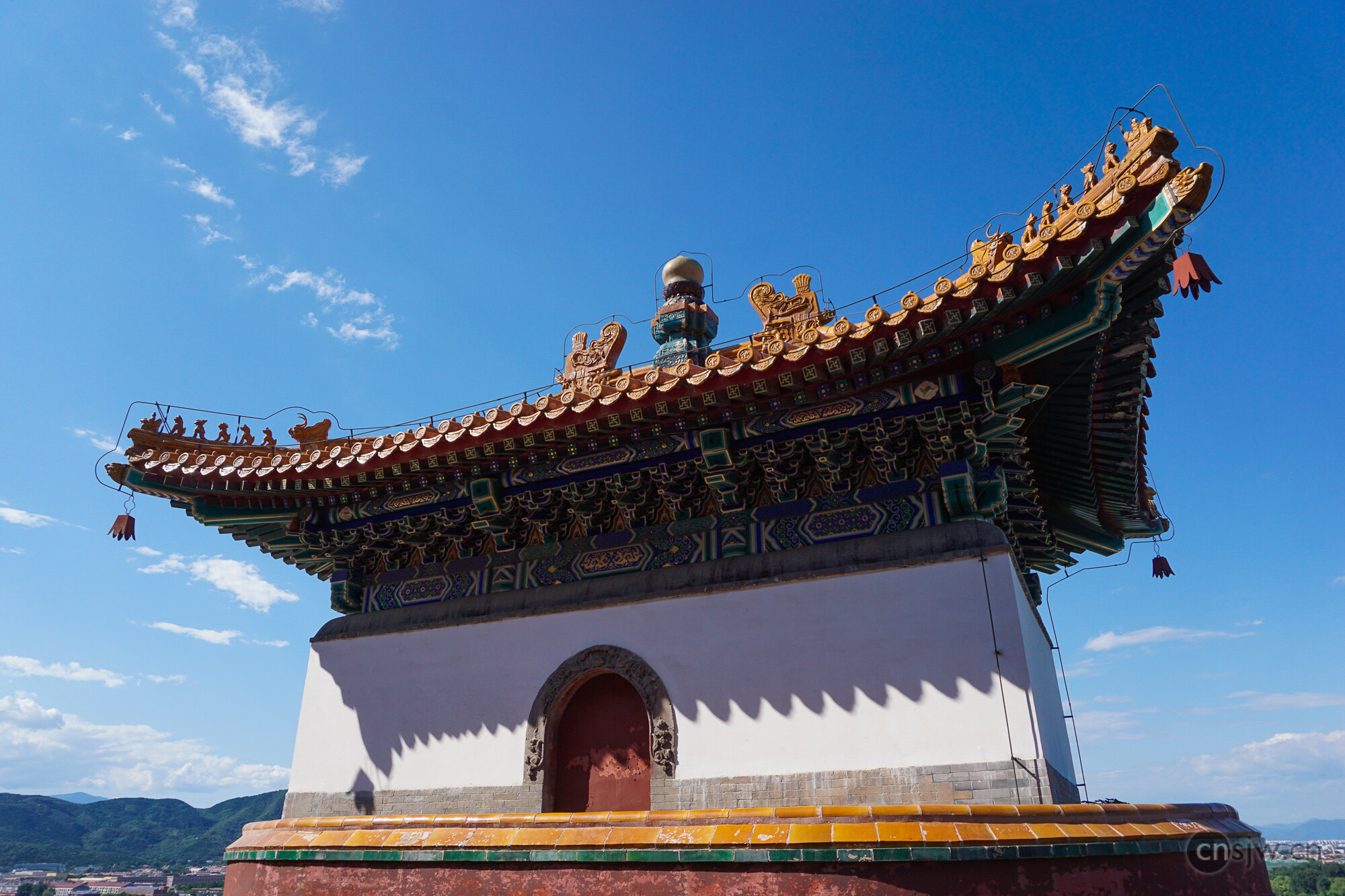
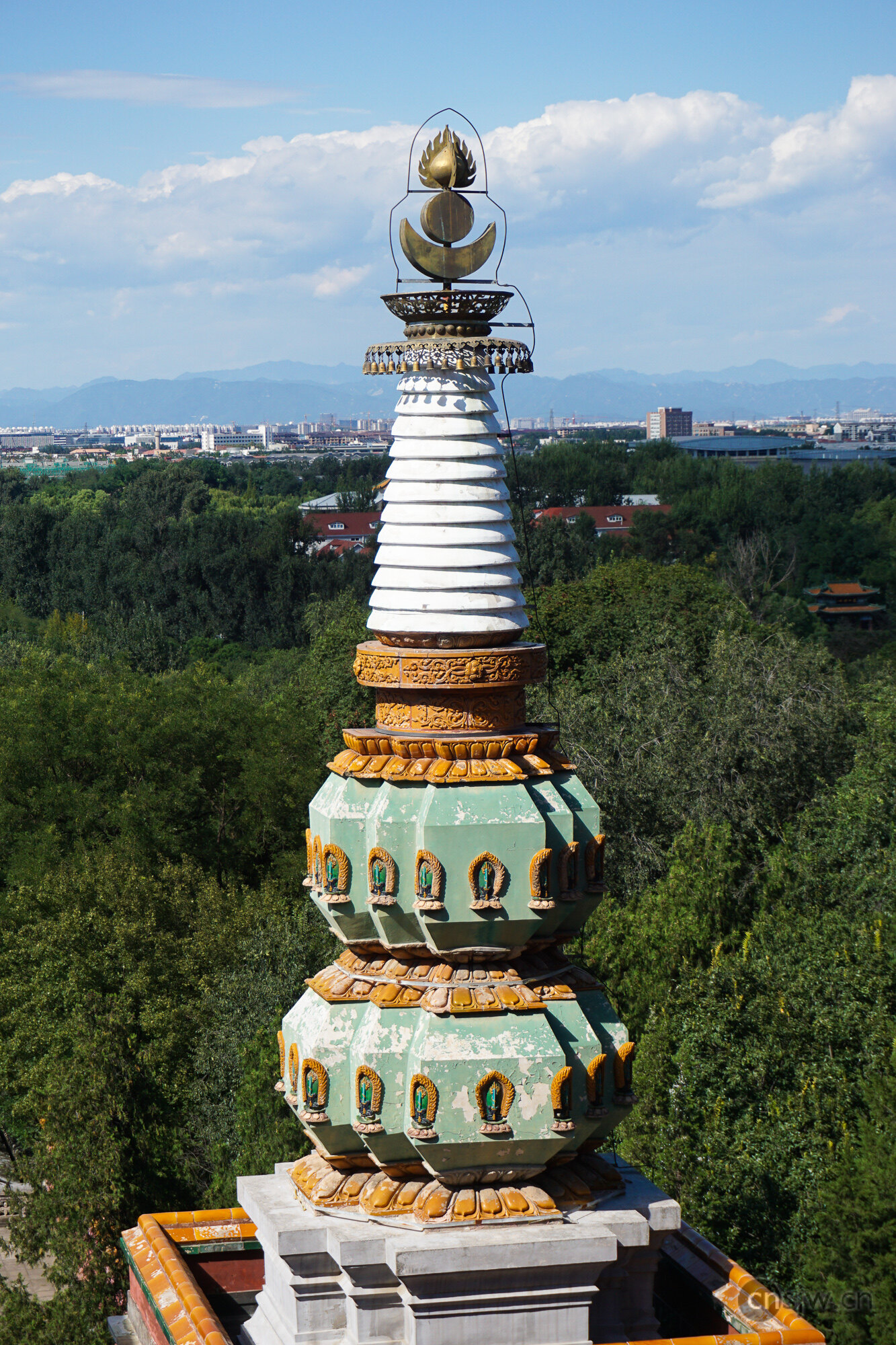
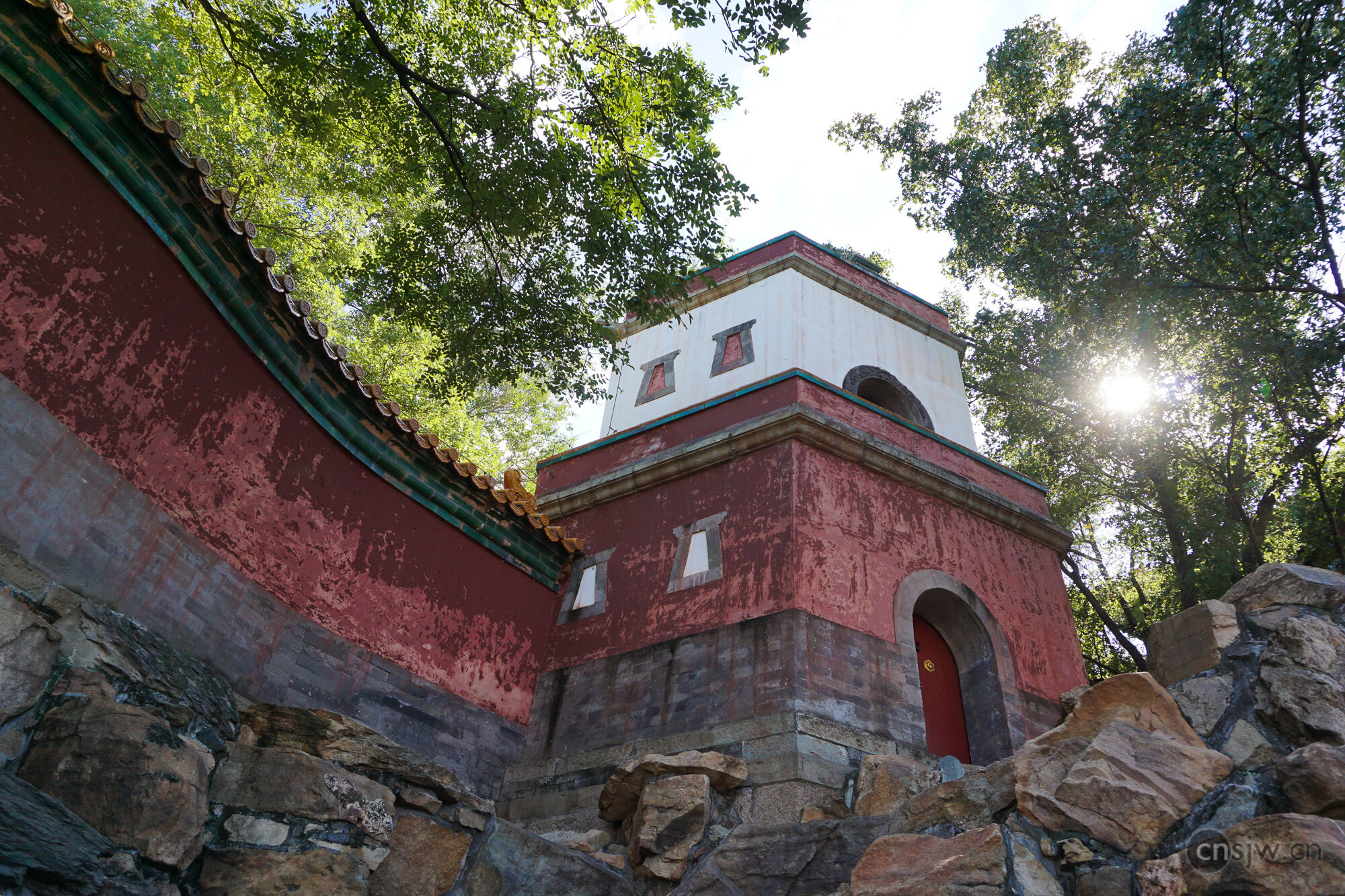
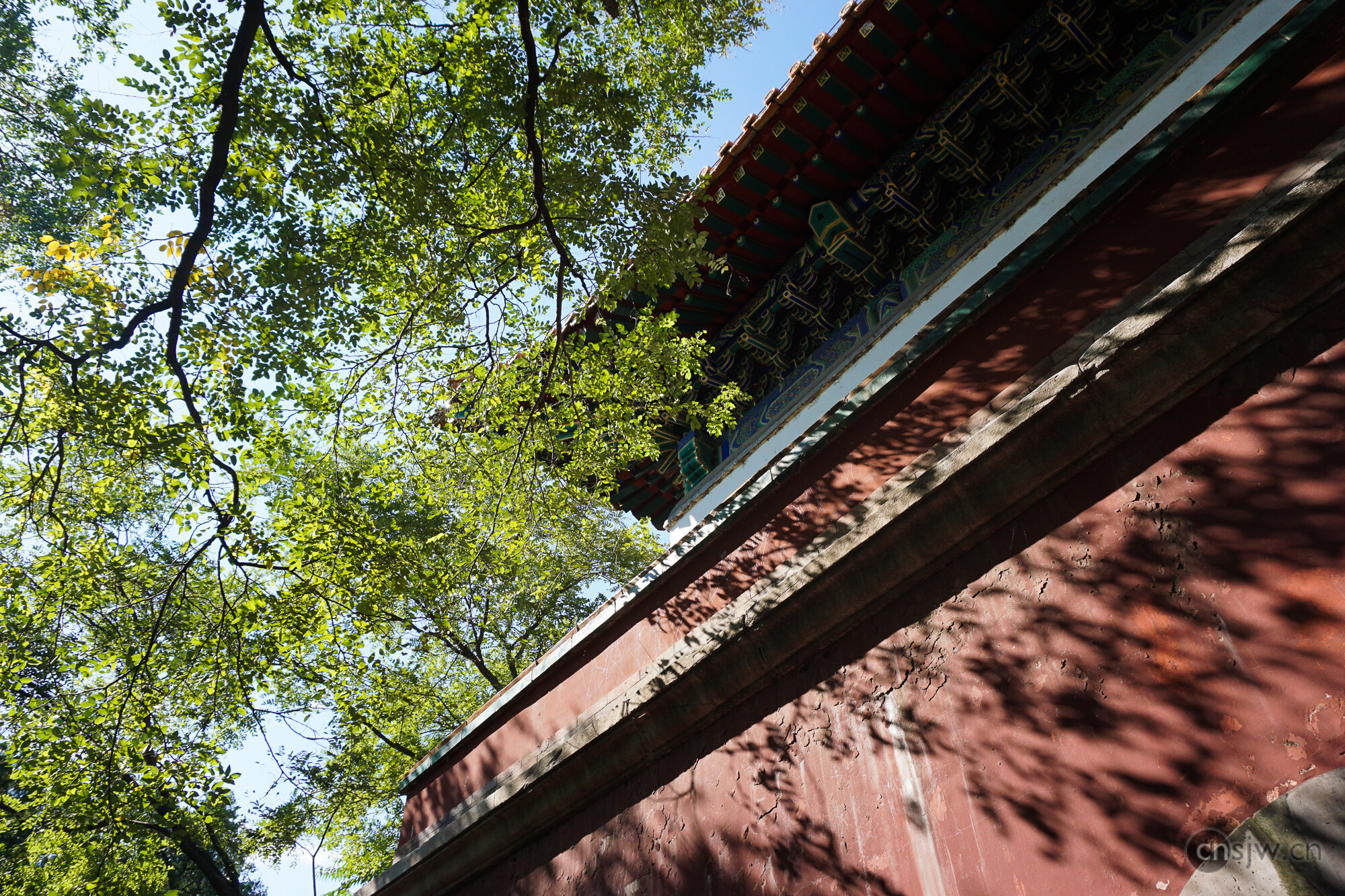
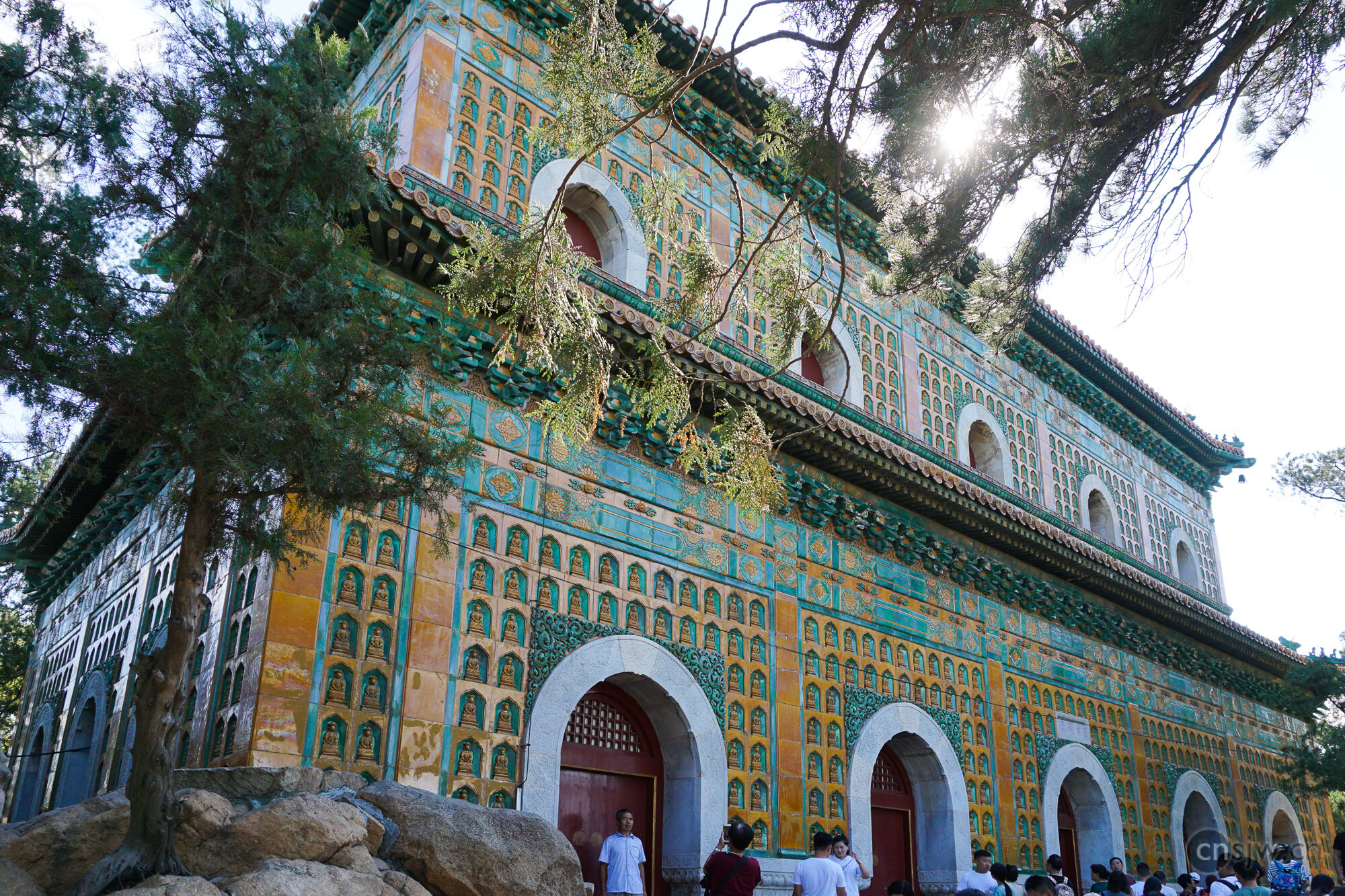
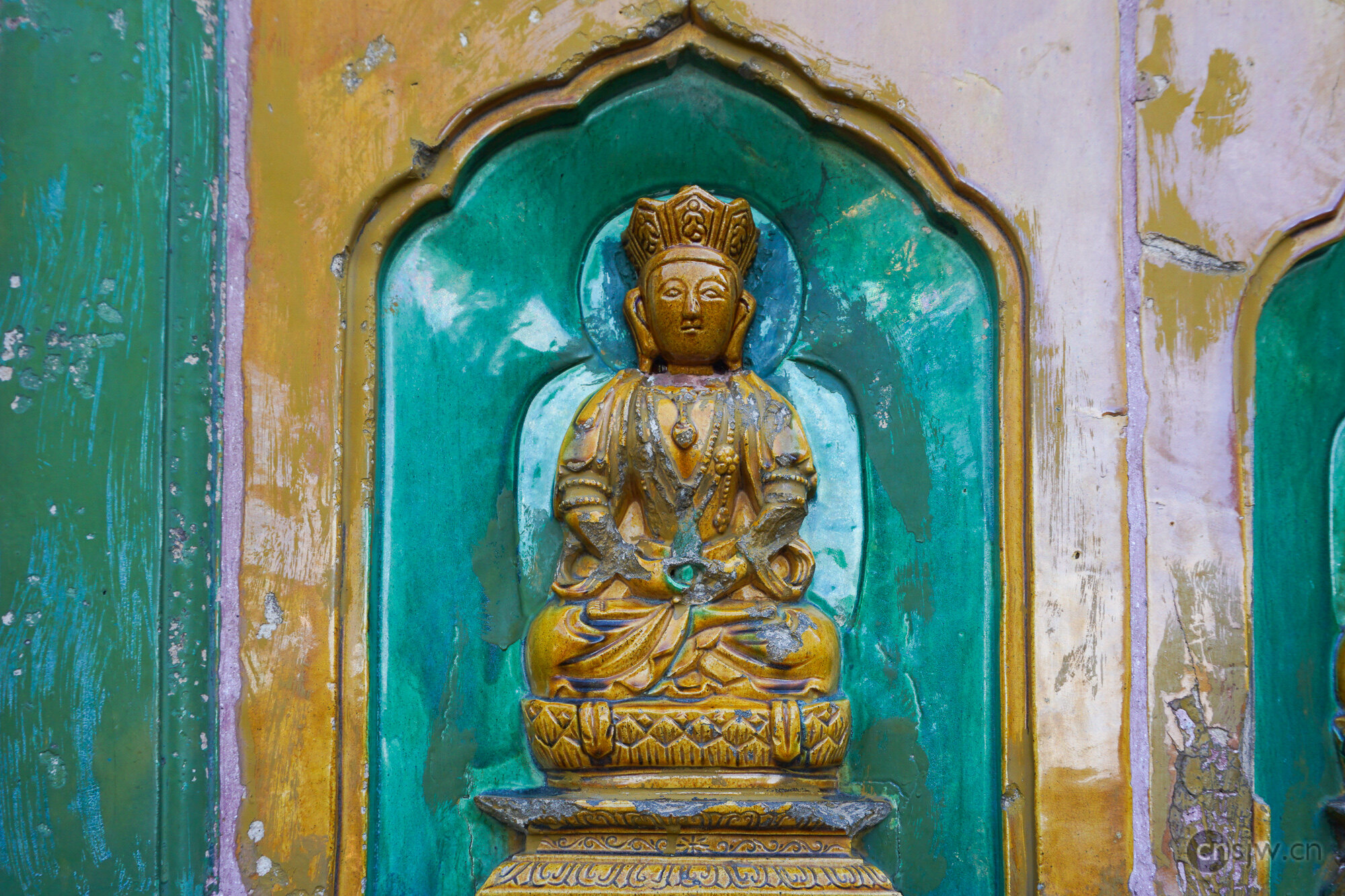
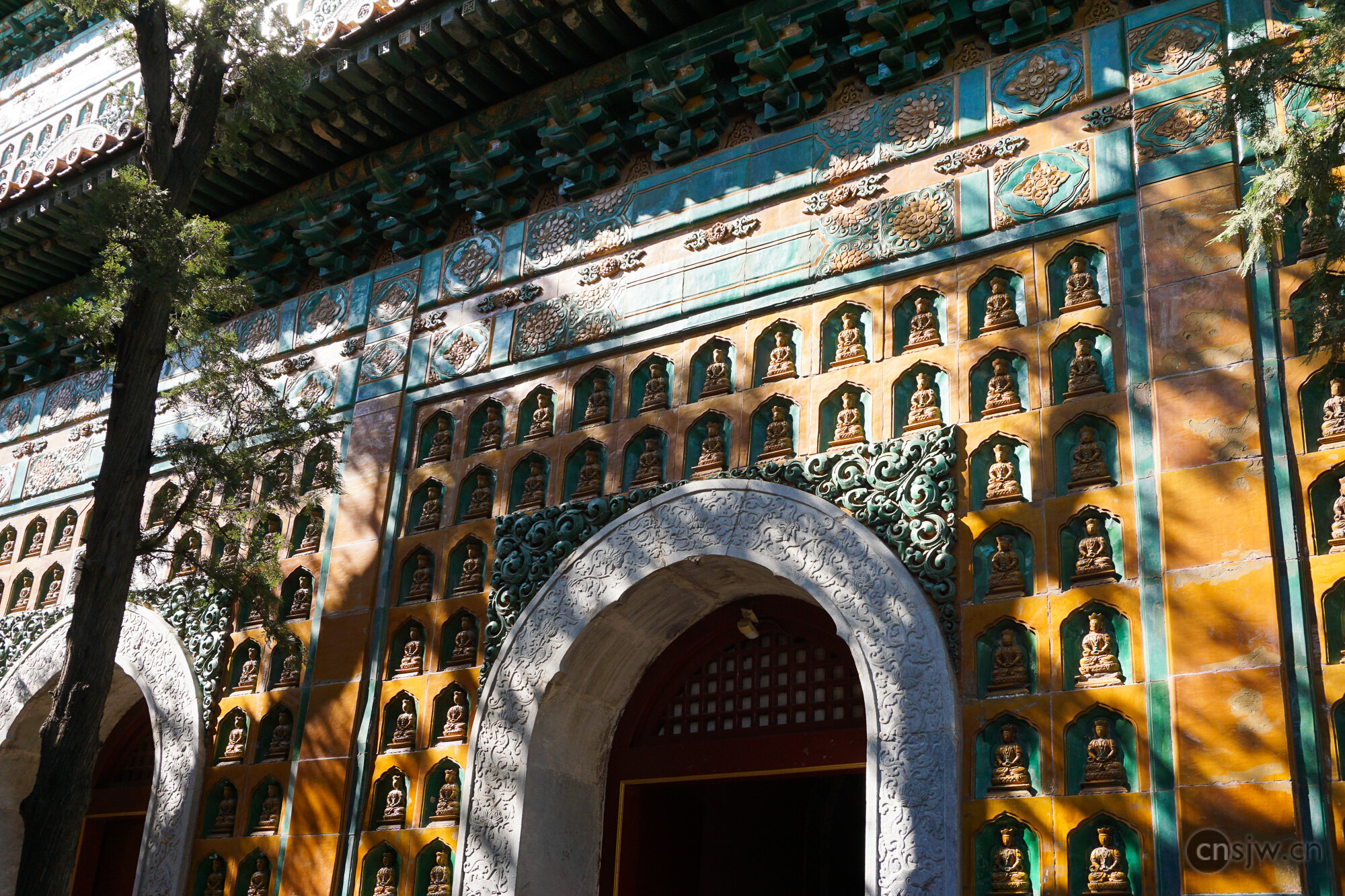
There is also the Beamless Hall, known as the Sea of Wisdom, which features over 1,000 Buddha statues on its exterior walls. Unfortunately, the heads of these statues were chopped off during the Cultural Revolution. Two large-scale custom productions and additions of glazed Buddha heads were carried out in 1982 and 2006 respectively, but they actually look quite incongruous now.
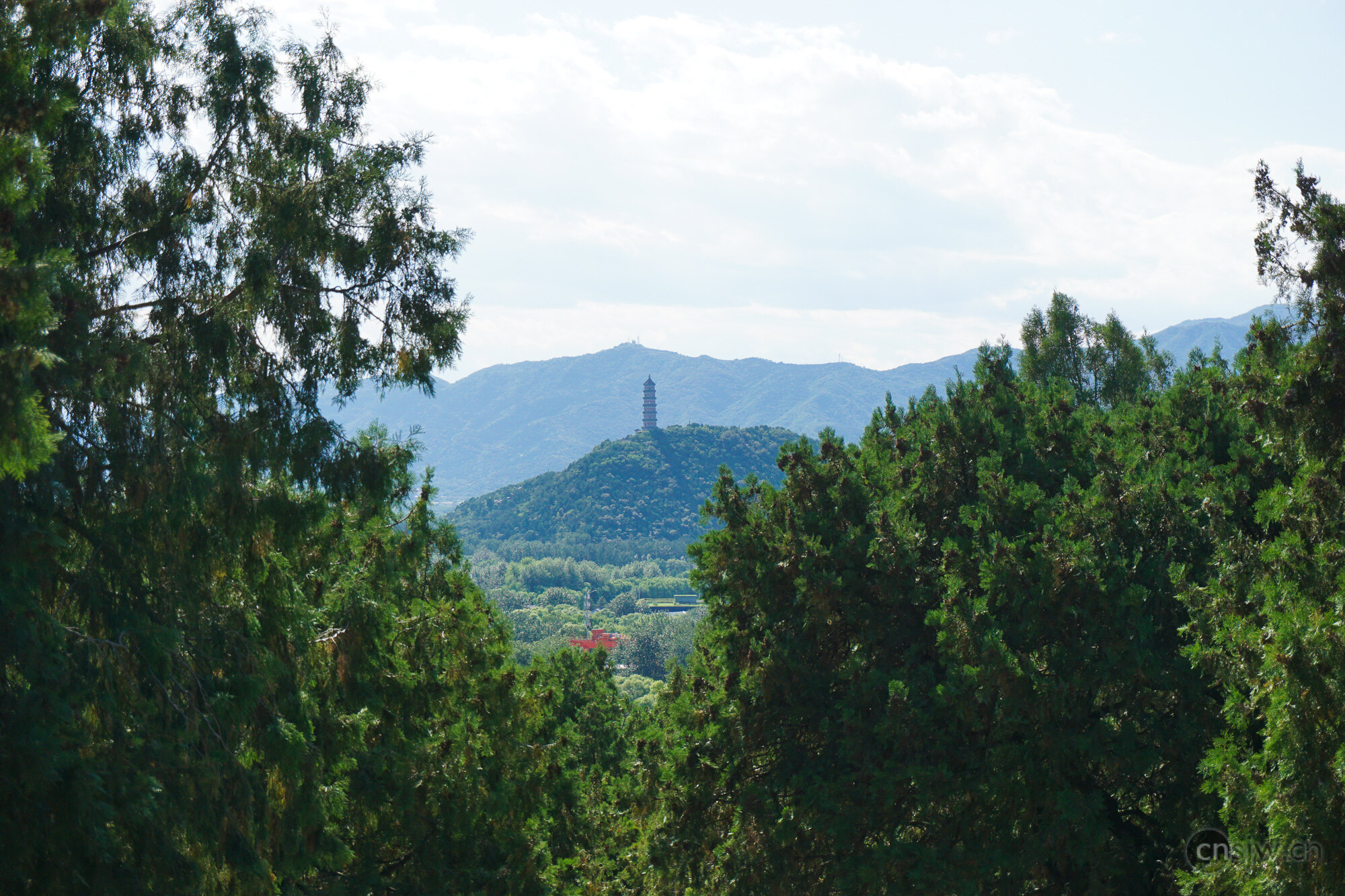
You can see the Yu Feng Pagoda on nearby Jade Spring Hill.
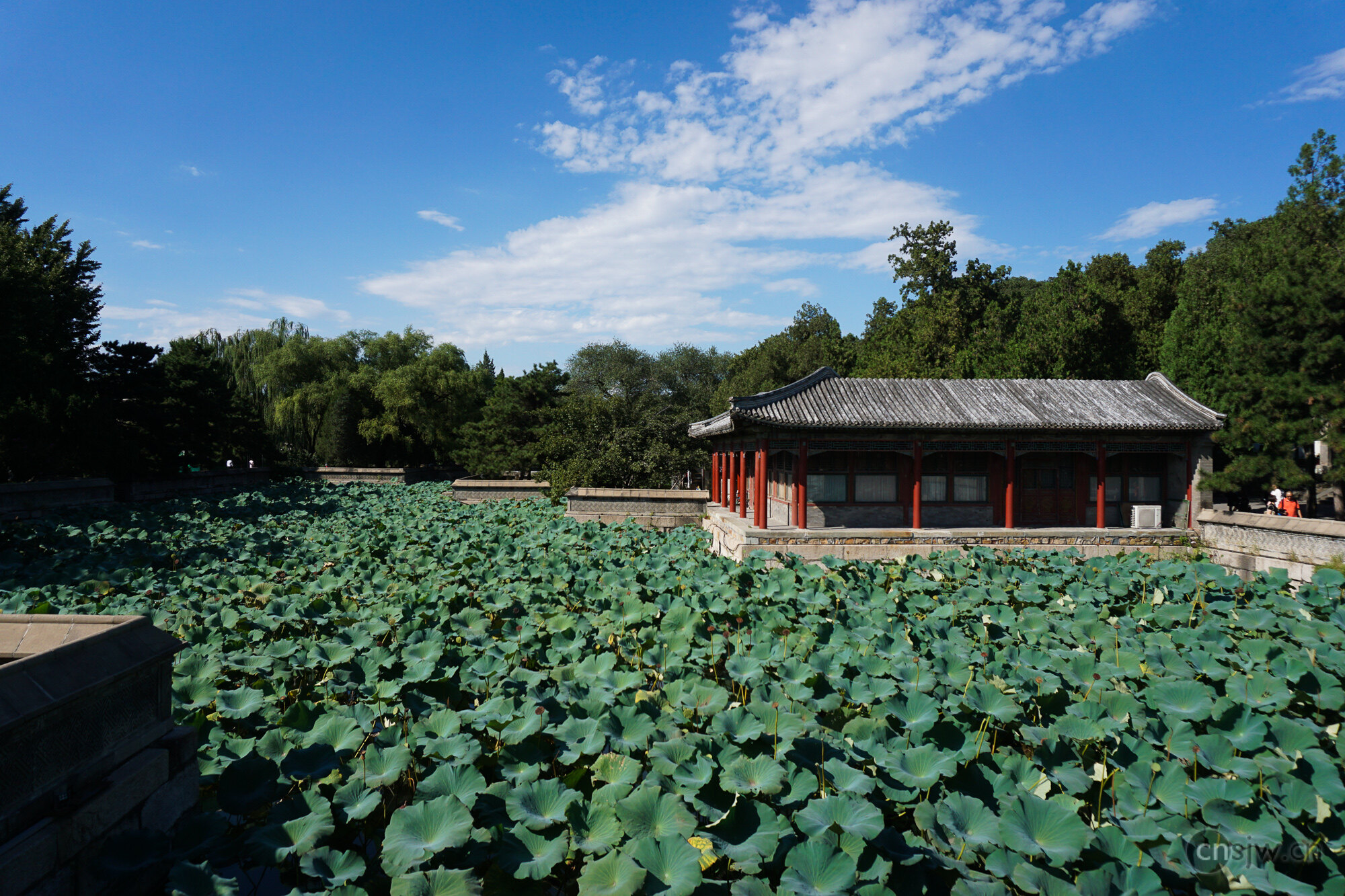
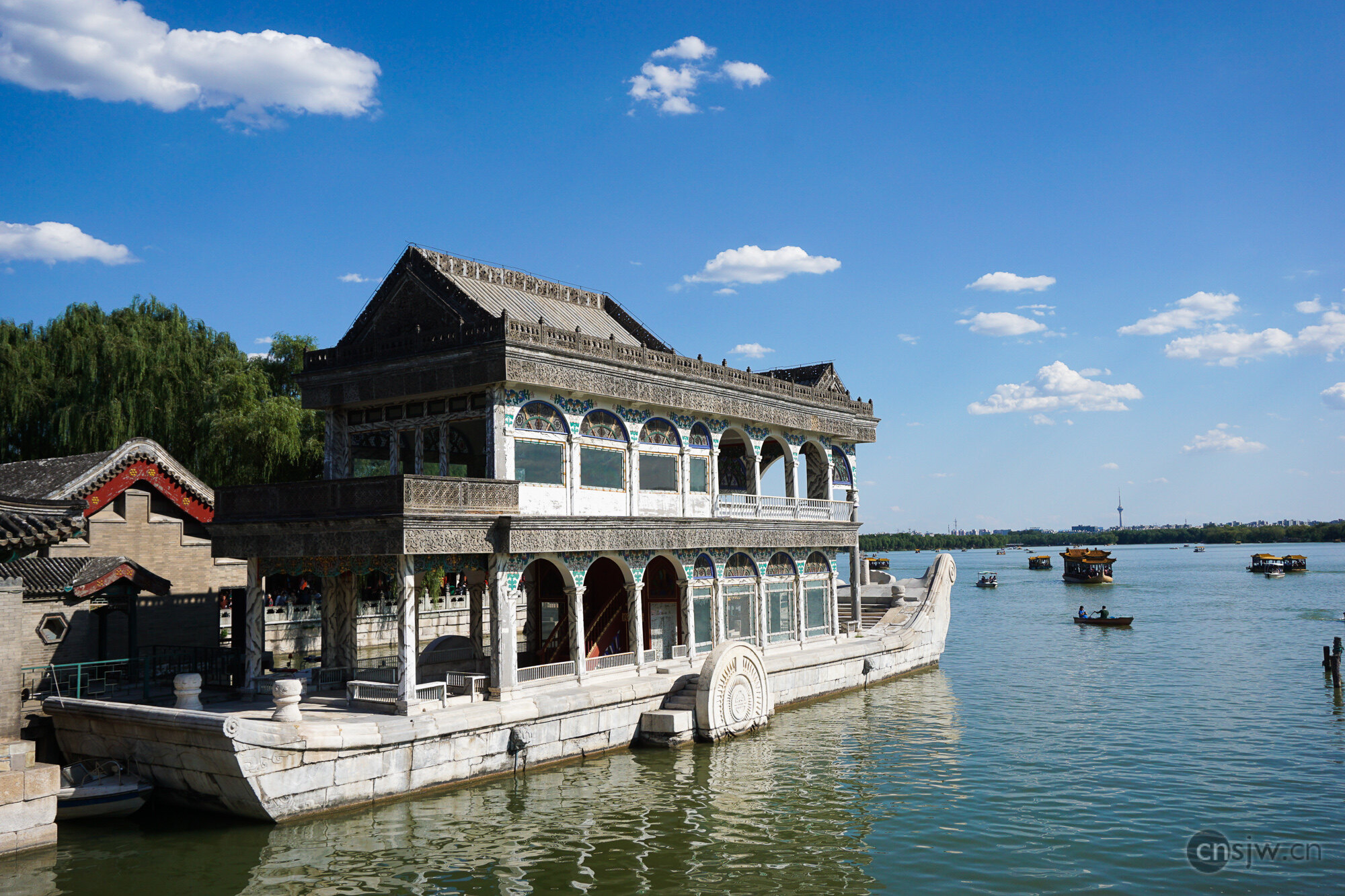
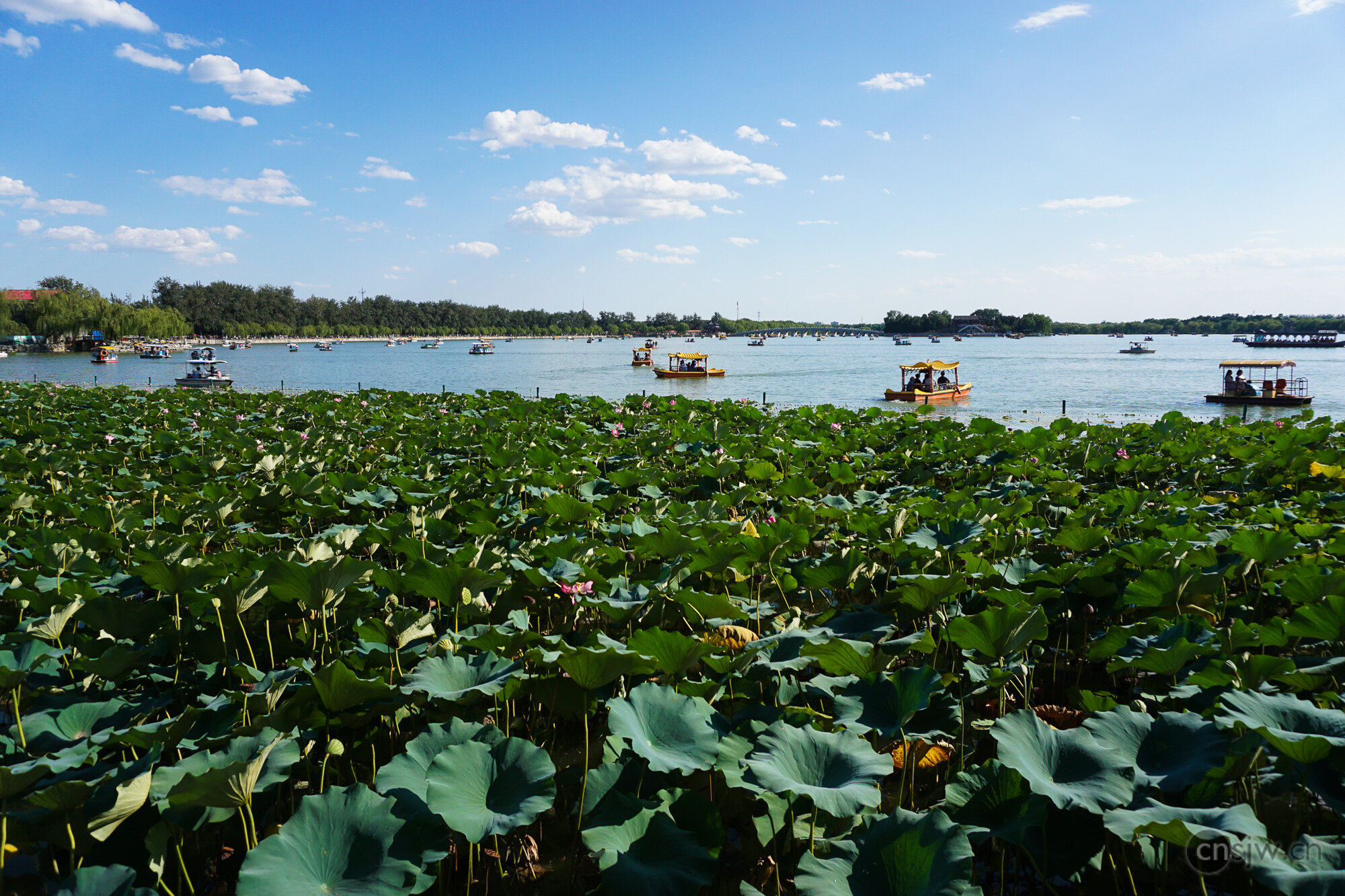
Walking down the adjacent path brings you to the lakeside. It is recommended to descend from the west side. You will first see the Lotus Pond, followed by the Marble Boat. Afterward, you can walk eastward along the Long Corridor. However, starting from the Marble Boat, you enter an area crowded with tour groups, and the entire Long Corridor is basically packed with people.
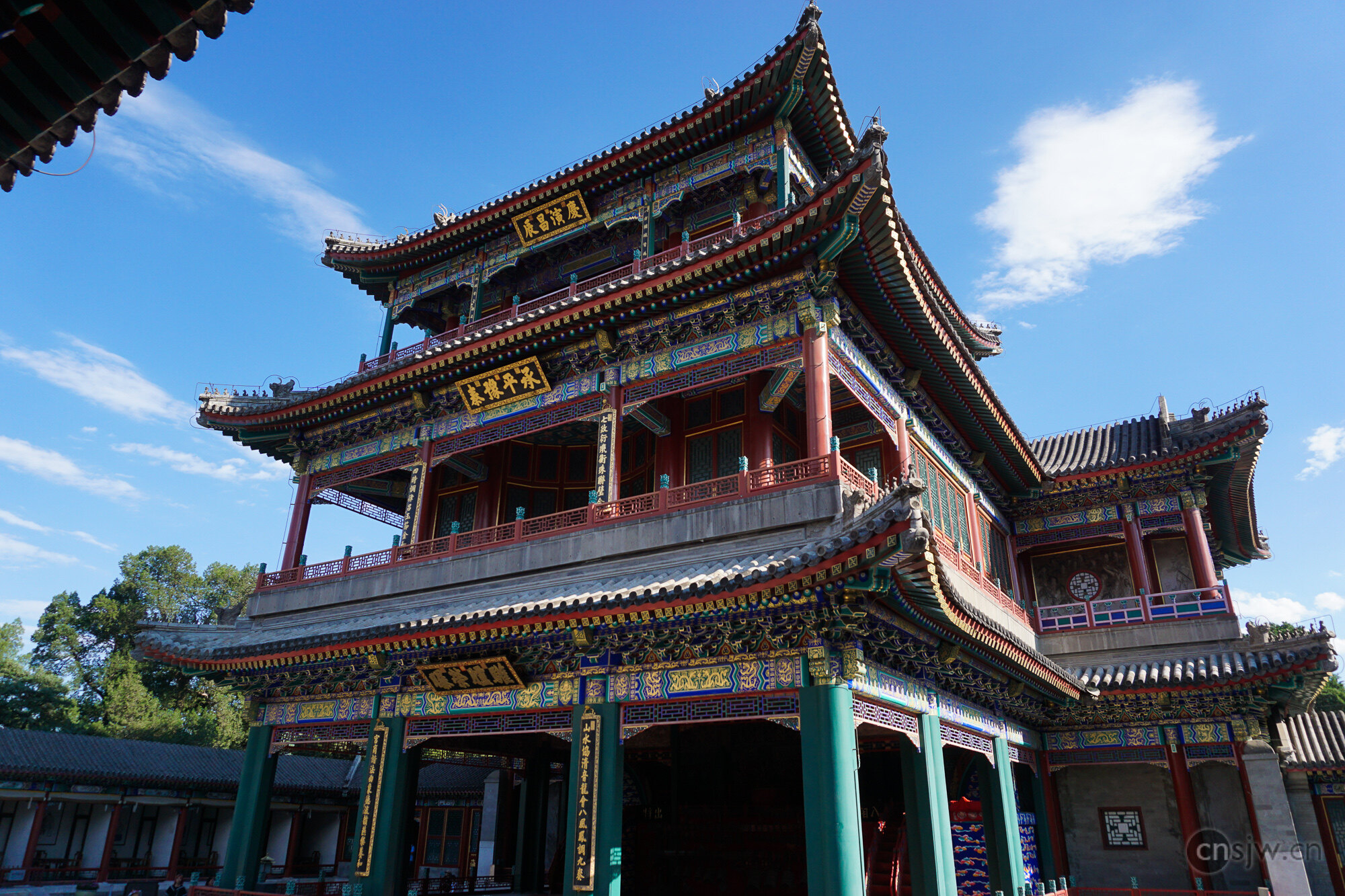
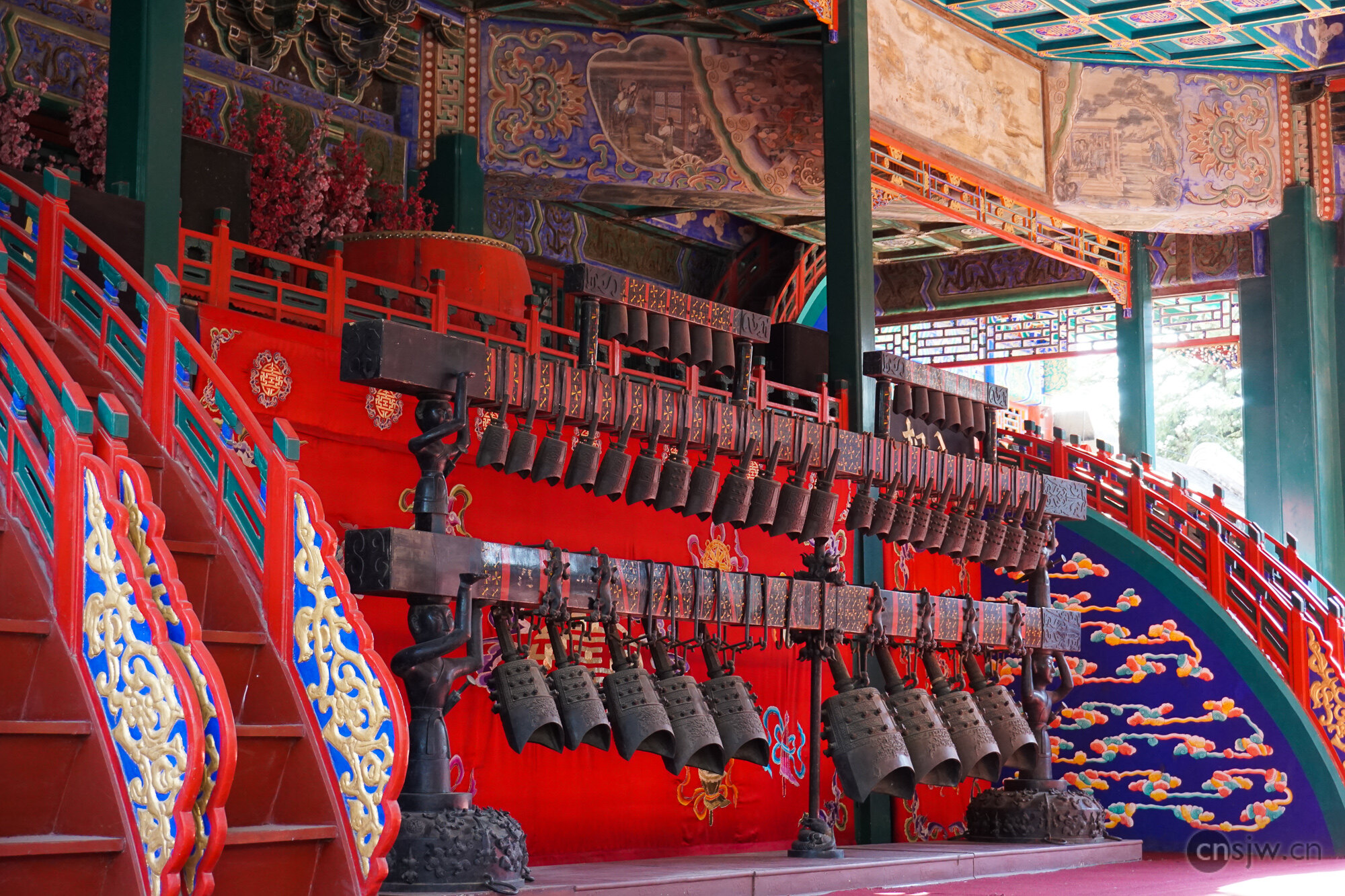
The crowds are so dense that… even places like Dehe Garden, which only costs 5 yuan for admission, have become a sanctuary of tranquility… This is the opera-watching venue within the Summer Palace, originally known as Yichun Hall during the Qianlong period. Standing 21 meters high with three stories, it is one of the largest opera stages of the Qing Dynasty.
To the east of Dehe Garden were service courtyards such as the “East Eight Institutes” (Longevity Kitchen, Longevity Tea Room, Longevity Pharmacy), the Flower Cultivation Workshop, and the Armory Department. These have now been separated from the Summer Palace and converted into the Aman Summer Palace hotel.
Continuing on, you will arrive at the East Gate. There is a parking lot for tourist buses at the East Gate, and tour groups basically all enter from here, so it is extremely crowded. Keep walking to reach the Seventeen-Arch Bridge. You can cross the bridge to visit Nanhu Island, and upon returning, your tour is essentially complete; exiting through the New Palace Gate concludes the Summer Palace itinerary.
To the west lies the West Causeway, built to imitate the Su Causeway of West Lake in Hangzhou. If you have plenty of stamina, you can head that way as well; there is also a West Gate there for exiting the park.
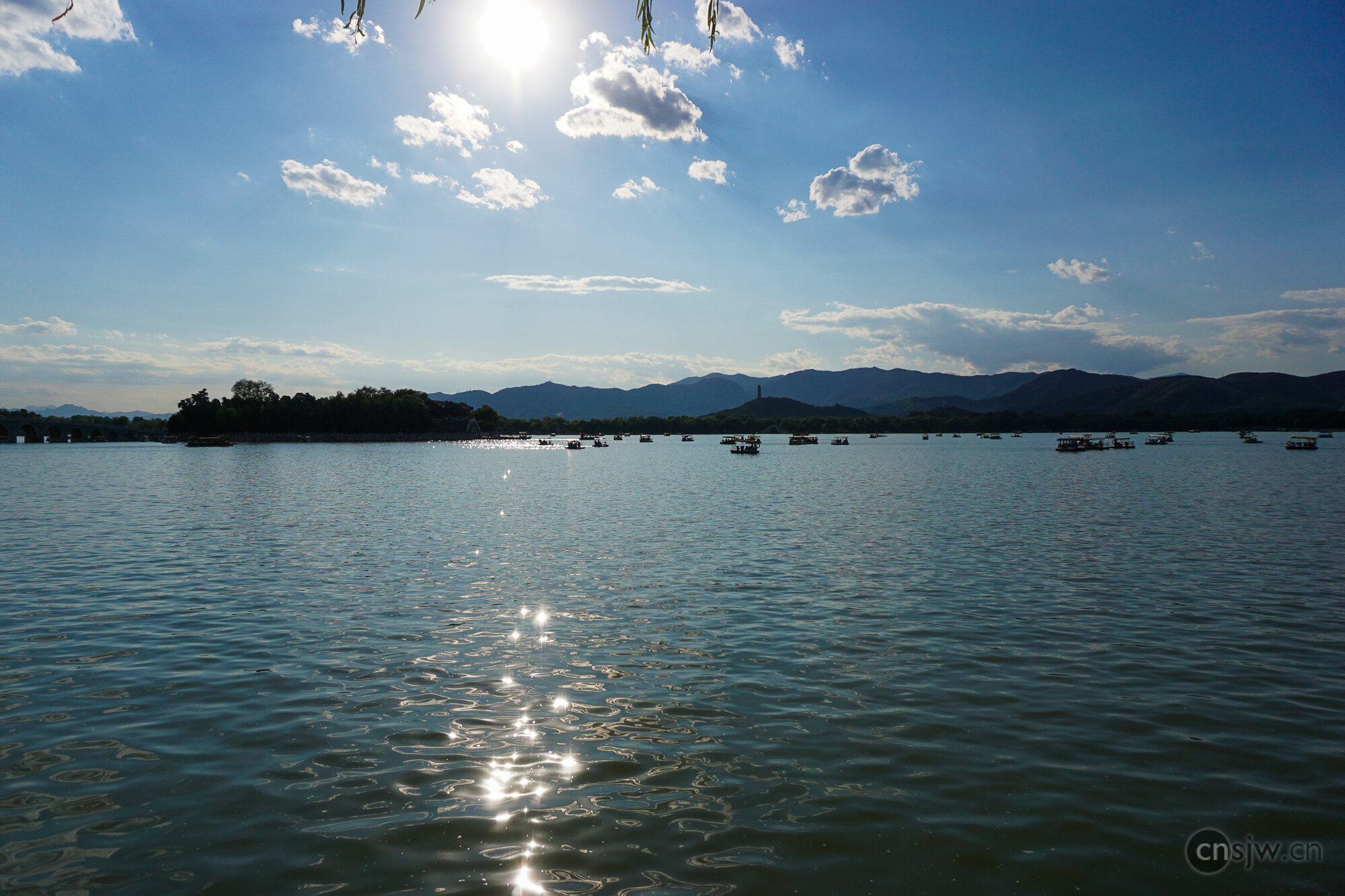
In summary, the Summer Palace is definitely a must-visit attraction in Beijing. One has to admit that in ancient times, emperors were truly omnipotent; when transportation was inconvenient, they simply moved elements of Jiangnan to Beijing to create something similar. It stands as a model of classical Chinese gardens. However, Beijing has experienced so much, and the destruction and restoration throughout history are somewhat regrettable. The entire tour takes about 2-3 hours. Autumn is probably the best season to visit; you might choose to go in the morning when it isn’t too hot. For those who haven’t been, it is certainly worth a visit.
Photos in this post taken with SONY A5100 + 16-50 f3.5-5.6, post-processed in Lightroom.

Support



Read this article on WeChat