
The Temple of Heaven is also a place in Beijing I’ve always wanted to visit:
The Temple of Heaven was originally built as the Altar of Heaven and Earth in 1420 (the 18th year of the Yongle reign of the Ming Dynasty), modeled after the design of the one in Nanjing. After the system of separate suburban sacrifices was implemented in 1530 (the 9th year of the Jiajing reign), the Altar of Earth was constructed at a new site in the northern suburbs. The original Altar of Heaven and Earth was then dedicated exclusively to worshipping Heaven, praying for grain harvests, and praying for rain, and was renamed the Temple of Heaven. The Qing Dynasty largely followed the Ming system, carrying out large-scale expansions and renovations during the Qianlong reign. Of the current main structures, only the Gate of Prayer for Grain and the Hall of Imperial Zenith are from the Ming Dynasty; the rest were built during the Qing Dynasty.
In 1860 and 1900, the Temple of Heaven was successively occupied by the Anglo-French Allied Forces and the Eight-Nation Alliance, who swept away almost all the furnishings and sacrificial vessels. The Eight-Nation Alliance even established their headquarters here and positioned cannons on the Circular Mound Altar to attack Zhengyang Gate and the Forbidden City. After the founding of the Republic of China, apart from Yuan Shikai’s enthronement ceremony, no further sacrificial activities were held at the Temple of Heaven. It was converted into a park in 1918 and officially opened to the public. Today, the park is lush with ancient cypresses and serves as a large garden in southern Beijing.
Covering an area of approximately 2.73 million square meters, the Temple of Heaven is four times the size of the Forbidden City. As the largest and highest-ranked ancient sacrificial architectural complex in China, it features a rigorous layout, unique architectural structure, and magnificent decoration. It ingeniously applies principles of mechanics, acoustics, and geometry, possessing significant historical, scientific, and cultural value, and holds an important position in the history of Chinese architecture.
For visiting the Temple of Heaven, it is recommended to enter through the East Gate, which corresponds to the Tiantan Dongmen subway station… Then you can visit the sights one by one in order and exit through the South Gate. Of course, if you want to take the subway back… it’s better to walk back to the East Gate through the adjacent park…
Speaking of tickets for the Temple of Heaven… 15 yuan gets you into the park, but the 35 yuan combo ticket includes the Hall of Prayer for Good Harvests, the Echo Wall, and the Circular Mound Altar inside. Alternatively, you can buy separate tickets for these three attractions inside for 20 yuan; the price is the same, so there’s no discount for the combo ticket… Temple of Heaven Park has basically become a gathering place for local seniors. Countless people with annual passes congregate in the park area, engaging in various rich and colorful activities such as singing opera, playing cards, knitting, and playing chess… And there are so many people! You can basically breeze through this part of the park… Once you enter the paid attraction area inside, it immediately becomes a world free of the elderly crowds…
Although there are no more elderly folks inside, there are still quite a few tourists…
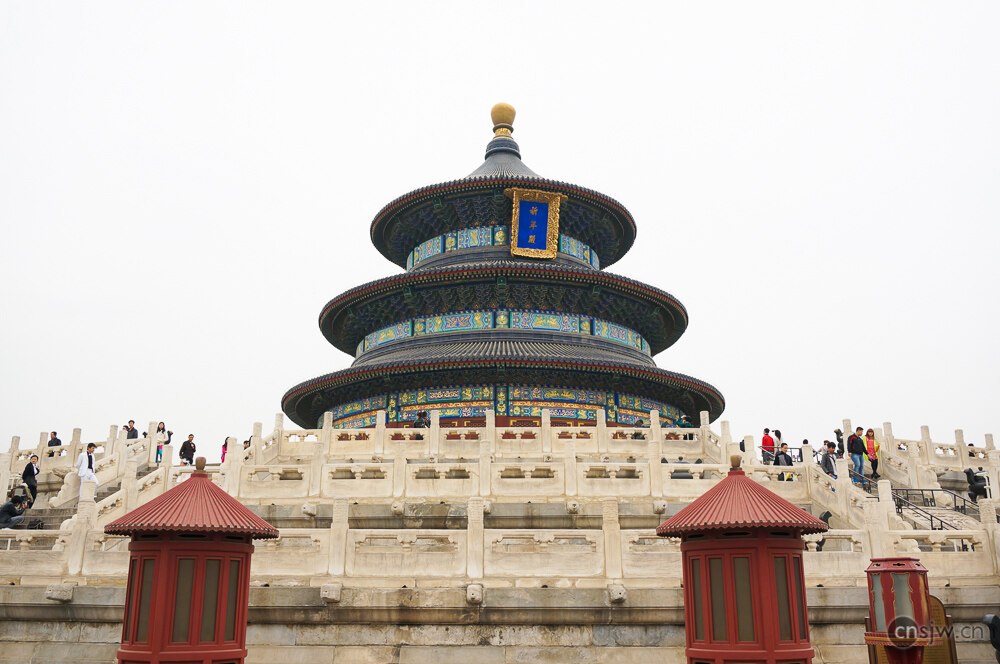
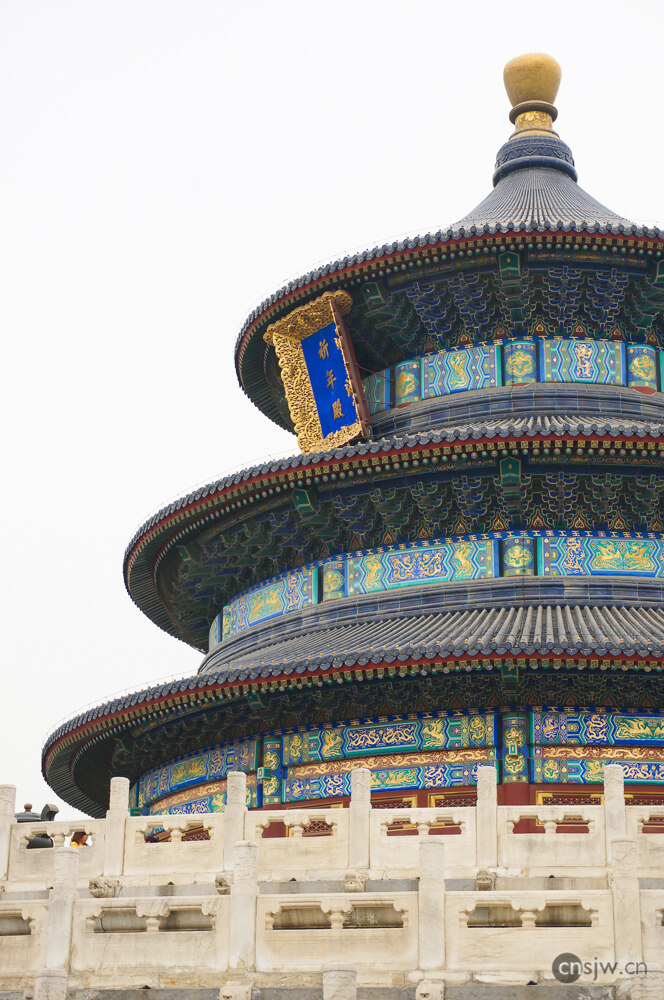
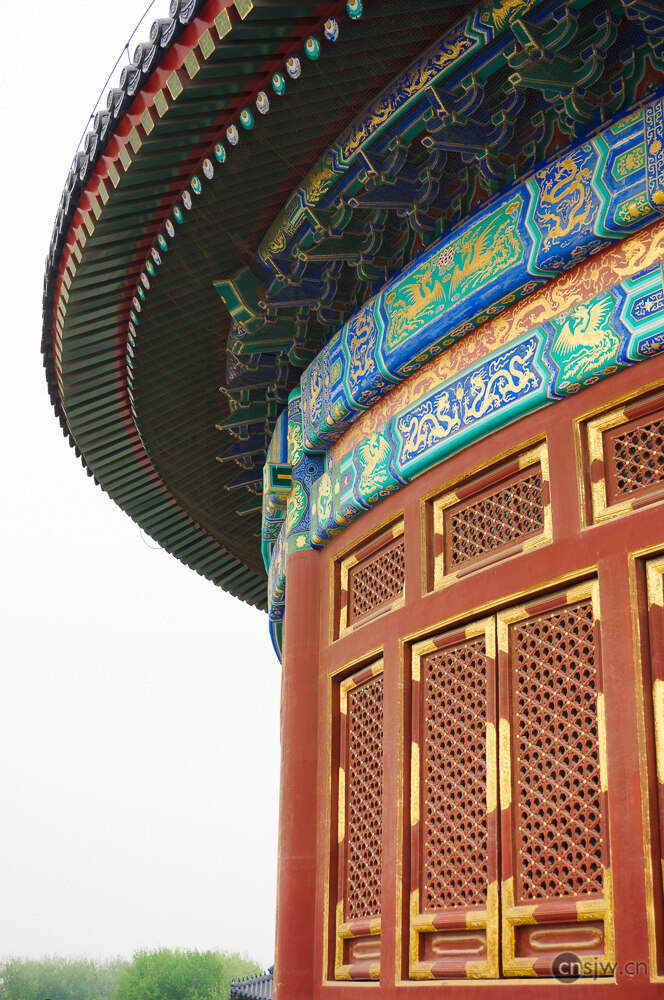
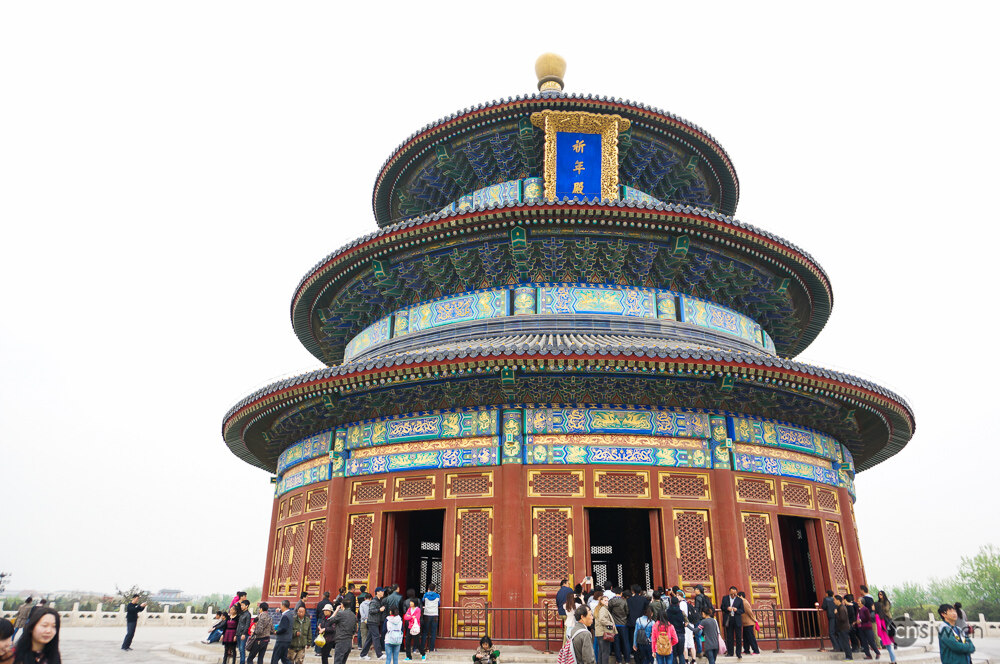
The Hall of Prayer for Good Harvests is located in the northern part of the Temple of Heaven, at the center of the Altar of Prayer for Grain. Originally named the Great Sacrificial Hall and later the Great Banquet Hall, it was first built in 1420 (the 18th year of the Yongle reign of the Ming Dynasty) and is the oldest building in the Temple of Heaven complex. After renovations in 1751 (the 16th year of the Qianlong reign), it was renamed the Hall of Prayer for Good Harvests. Destroyed by lightning in 1889 (the 15th year of the Guangxu reign), it was rebuilt to its original design several years later. The current hall is a circular structure with a diameter of 32.72 meters, featuring a gilded jeweled finial, blue tiles, and triple-eaved conical roofs that recede layer by layer, reaching a total height of 38 meters.
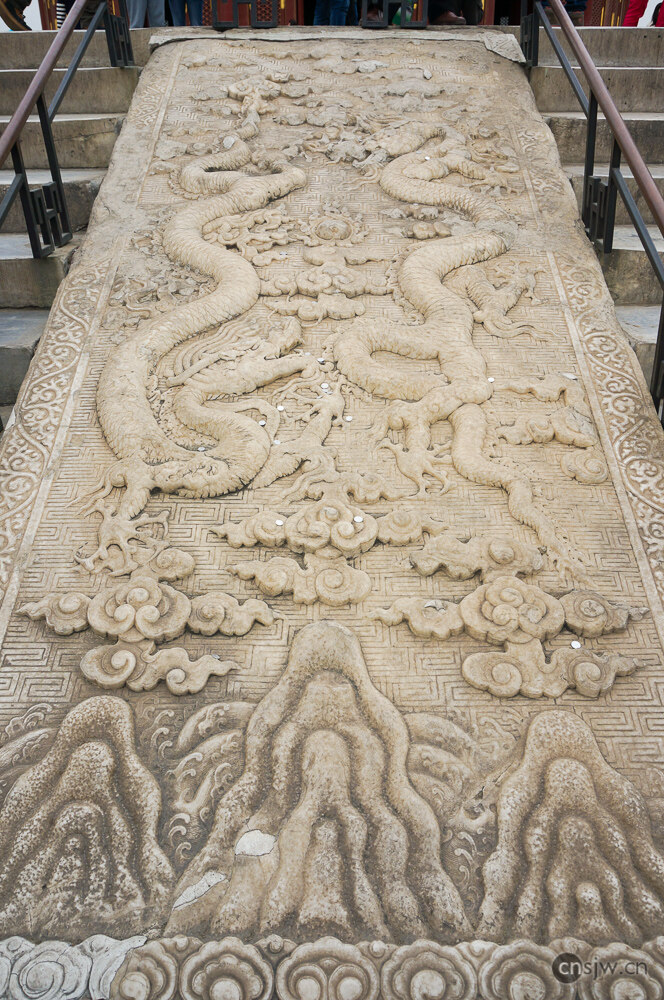


North of the Circular Mound Altar lies the Imperial Vault of Heaven, where the spirit tablets used for worshipping Heaven were stored. Originally built in 1530 (the 9th year of the Jiajing reign) and initially named the Hall of Supreme Deity, it was renamed the Imperial Vault of Heaven in 1538 (the 17th year). After reconstruction in 1752 (the 17th year of the Qianlong reign), it became a single-eaved conical roof building with a gilded jeweled finial, covered with blue glazed tiles symbolizing the azure sky. The main hall has a diameter of 15.6 meters and a height of 19.02 meters. Its massive roof is supported jointly by eight golden pillars and eight eaves pillars. The interior features three tiers of exquisitely crafted caisson ceilings that recede layer by layer. In the center of the hall stands a carved white marble circular stone base enshrining the spirit tablet of “Imperial Heaven Supreme Emperor,” flanked by tablets of imperial ancestors. To the east and west of the main hall are side halls, enshrining tablets of deities representing the sun, moon, stars, clouds, rain, thunder, and lightning. The entire complex resembles a circular pavilion, situated on a white marble Sumeru pedestal over 2 meters high, surrounded by stone balustrades.
Both the main hall and side halls of the Imperial Vault of Heaven are encircled by a circular wall standing 3.72 meters high, with a diameter of 61.5 meters and a circumference of 193.2 meters. The inner wall is constructed of finely ground bricks fitted seamlessly together, forming a regular curve with a smooth surface capable of transmitting sound waves systematically, creating long-lasting echoes; hence it is known as the “Echo Wall.” Additionally, on the stone path between the Imperial Vault of Heaven and its gate, three stone slabs arranged from north to south are called the Three Echo Stones. With the doors and windows of the vault closed and no obstacles nearby, clapping while standing on the first stone produces one echo; clapping on the second stone produces two echoes; and clapping on the third stone produces three echoes.
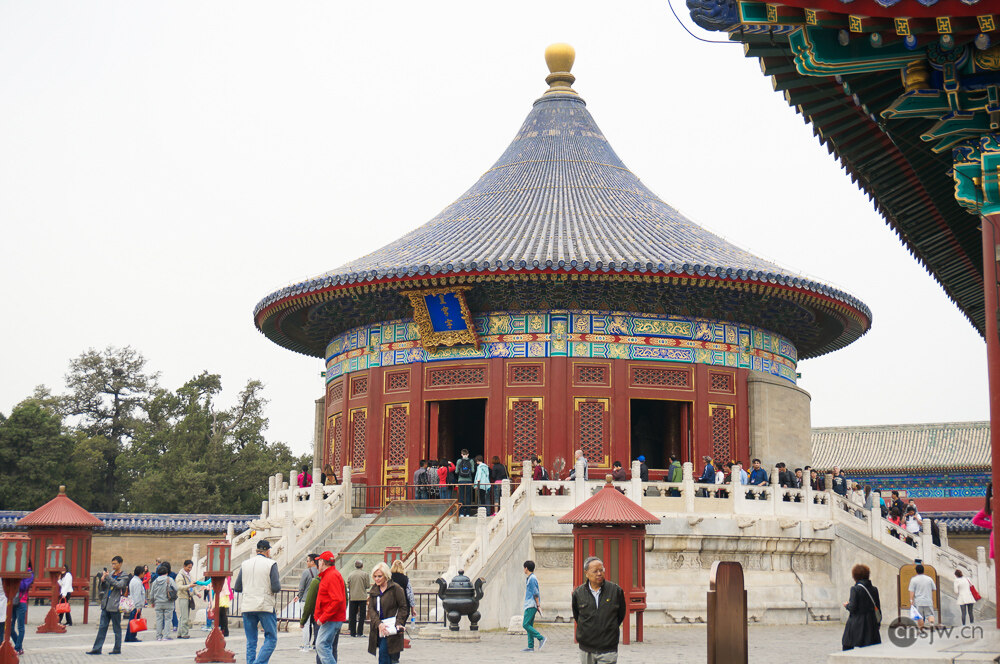
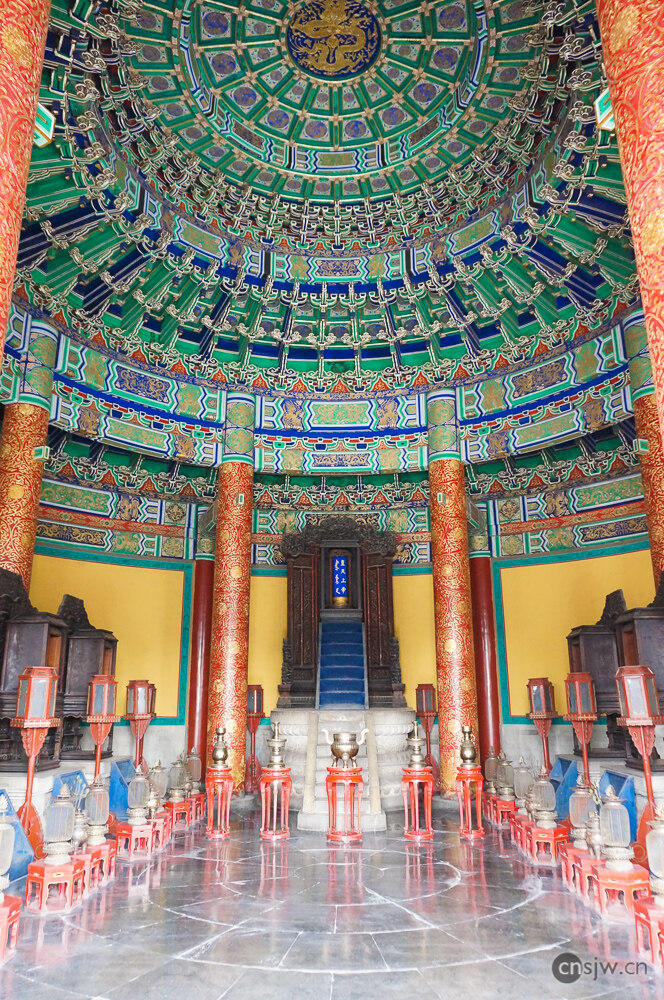
The Circular Mound Altar is really hard to photograph… It’s flat and low, and always crowded with people…
The Circular Mound Altar is where emperors performed the grand ceremony of worshipping Heaven. First built in 1530 (the 9th year of the Jiajing reign), the altar is circular in plan and consists of three tiers, each enclosed by white marble balustrades. The altar surface was originally paved with blue glazed bricks, but after reconstruction in 1749 (the 14th year of the Qianlong reign), it was repaved with durable bluestone. Each balustrade post is carved with cloud and dragon patterns, and beneath each balustrade, a stone chi-dragon head protrudes outward to serve as a drainage spout for the altar surface. The circular stone slab at the center of the top tier is called the Sun Stone or Heart of Heaven Stone. Standing upon it and shouting or striking it causes sound waves to be reflected by the surrounding balustrades, creating a distinct echo.
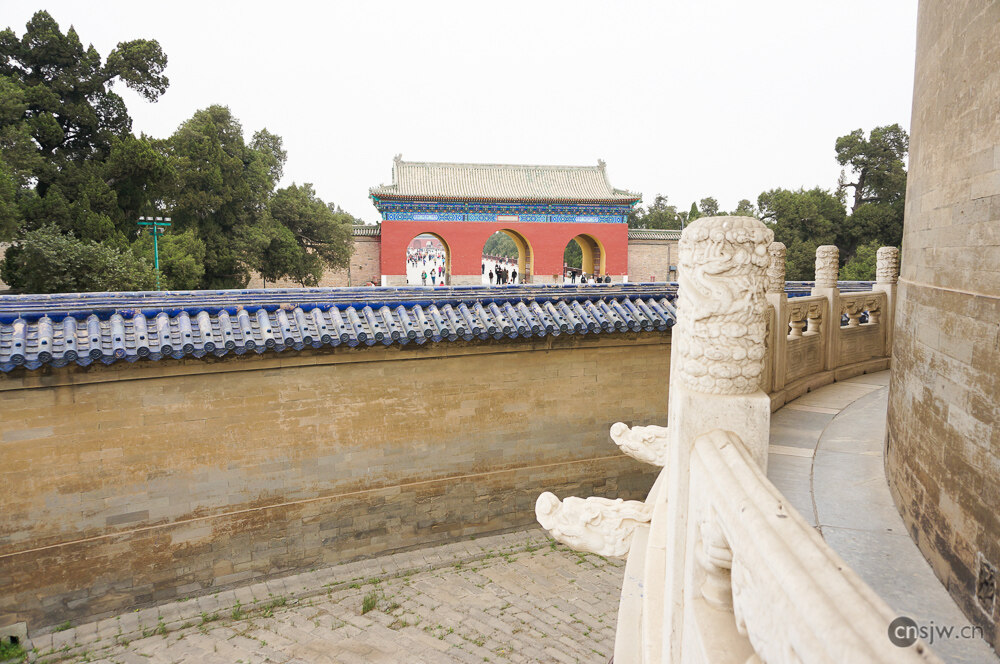
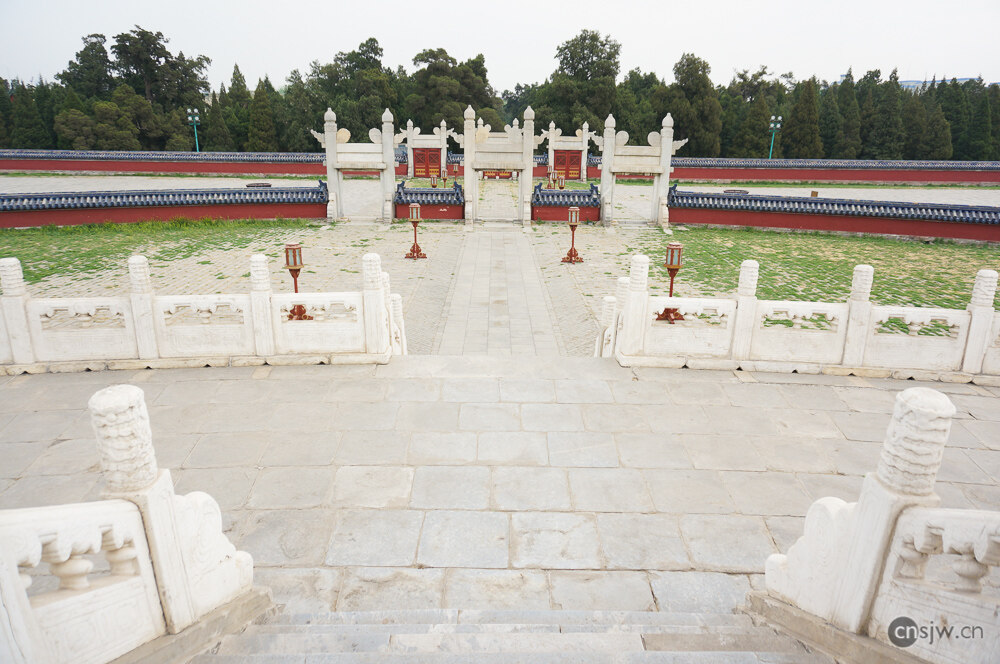
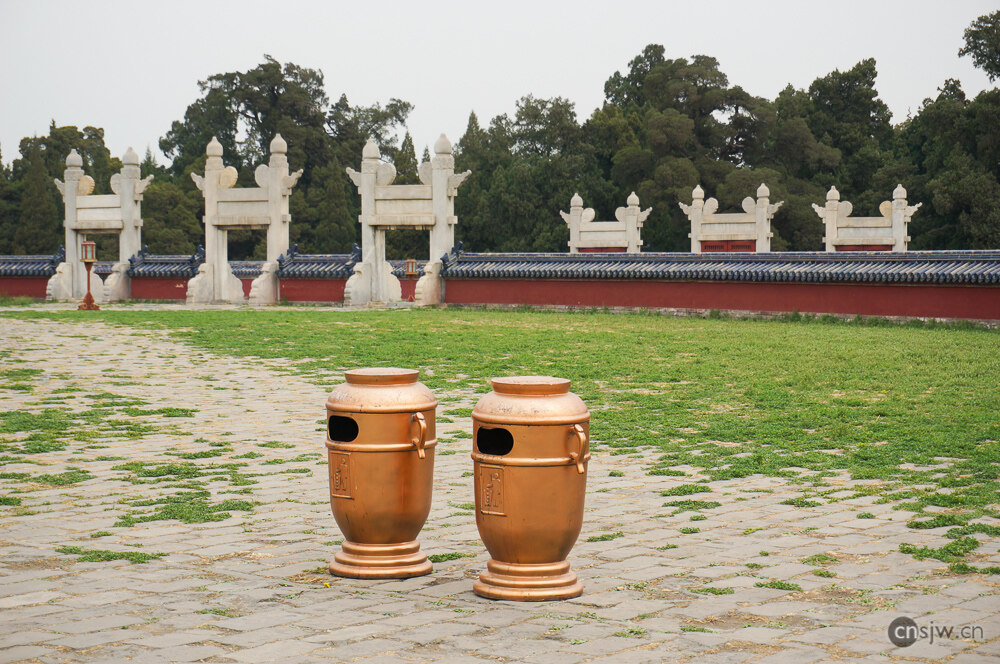
I have to say, as a large park, if the air quality in Beijing cooperates… the environment is actually quite nice…
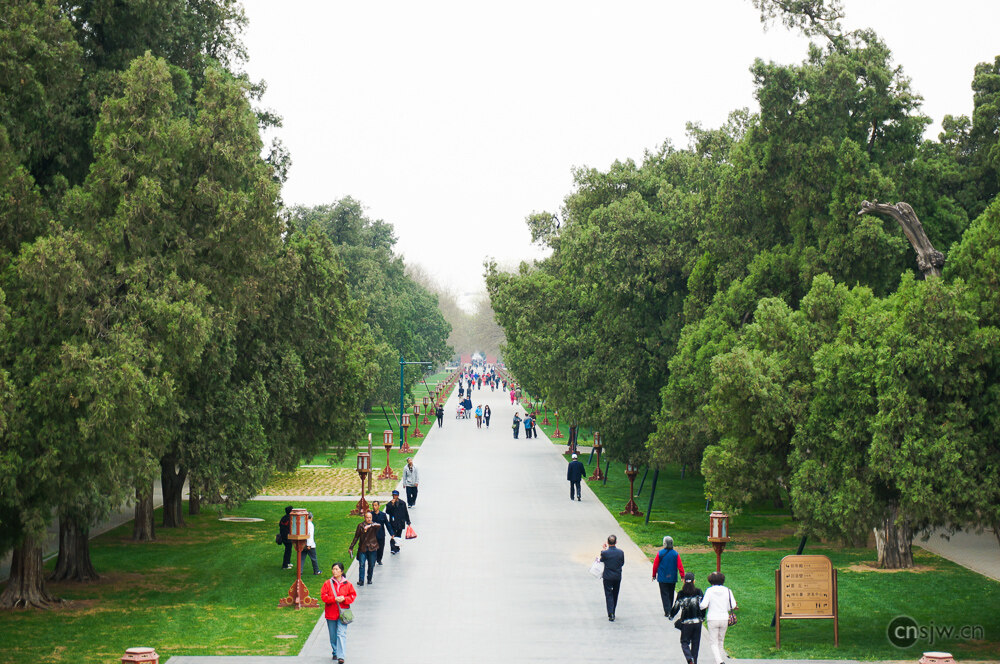
Photos in this post taken with SONY NEX-5R + 16-50mm f3.5-5.6, post-processed in Lightroom.

Support



Read this article on WeChat