
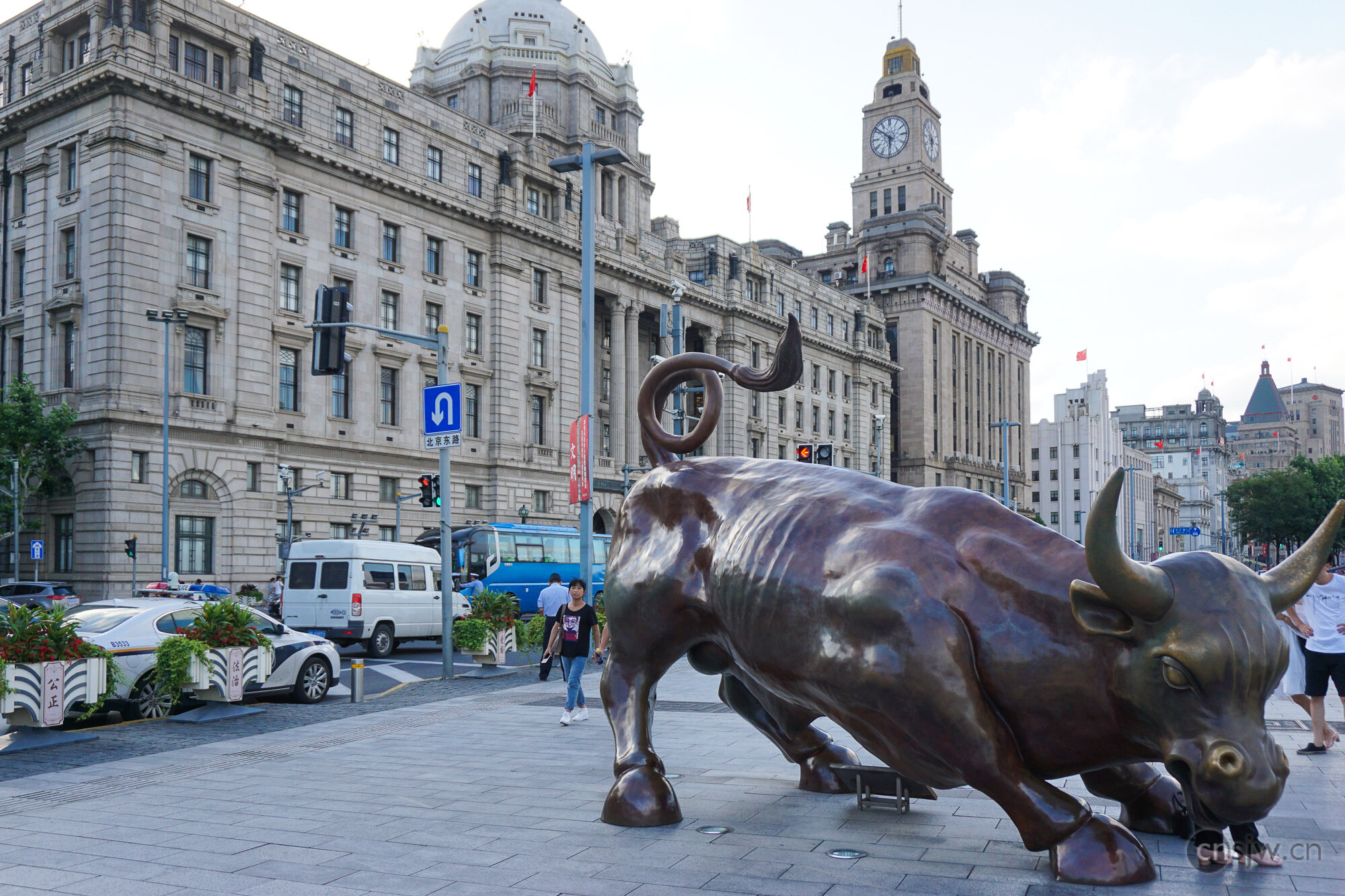
One of the great perks of living in Shanghai is that you can visit places like the Bund whenever you feel like it. For just 2 yuan and a 30-minute ride on Bus No. 71, you’re there. On a nice day, whether you’re taking in the Lujiazui skyline or admiring the historic architecture of the Bund, it’s always a great choice. Conveniently, the terminal stop of Bus No. 71 is at East Yan’an Road on the Bund, right at the southernmost point of the Bund Historic Architecture Complex (the Meteorological Signal Tower). From there, you can stroll north all the way to the Peninsula Hotel next to Waibaidu Bridge. Just turn into Beijing Road from there, and you’ll arrive at the Bund Origin.
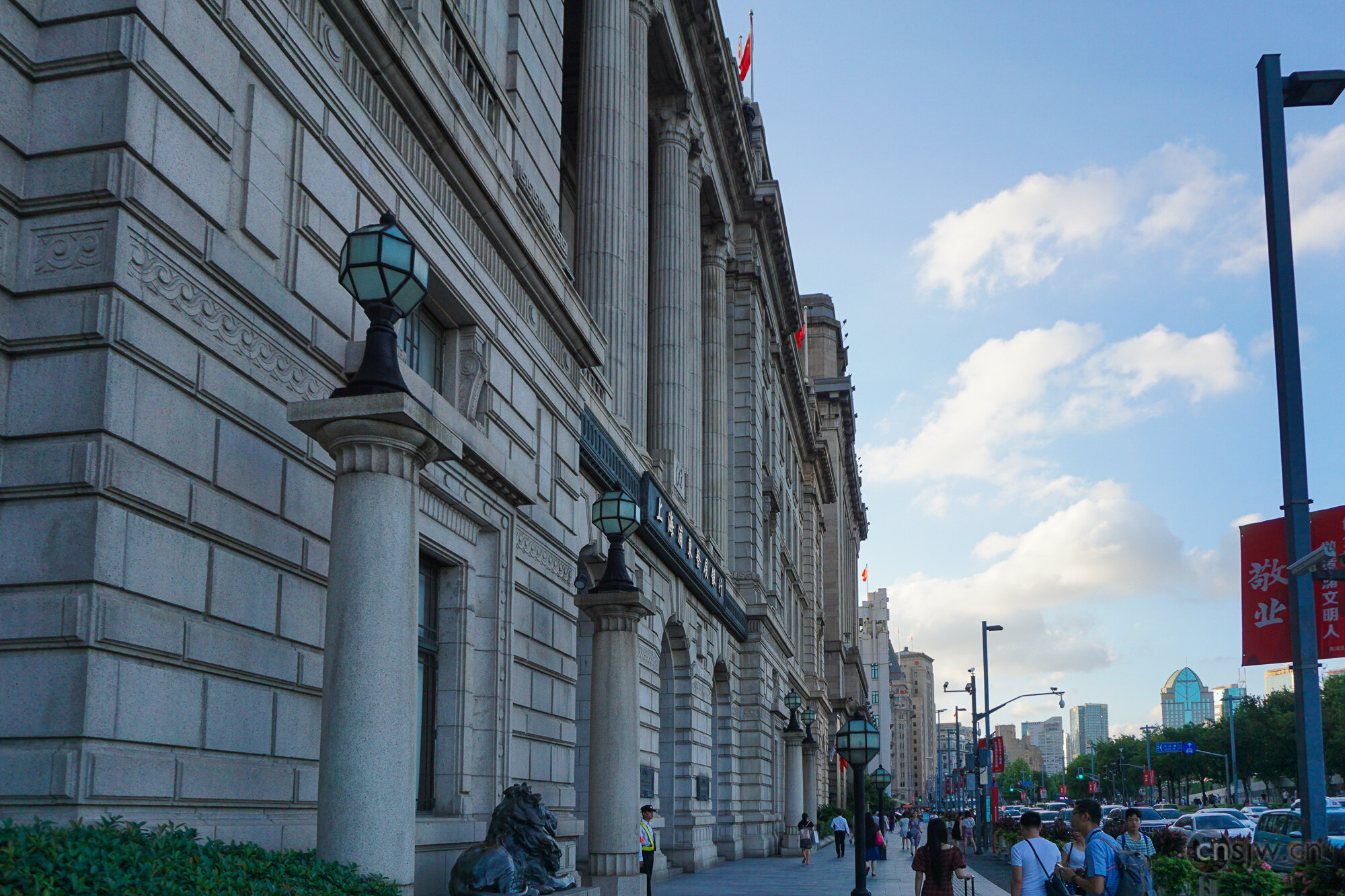
The buildings of the Bund Historic Architecture Complex, in order, are:
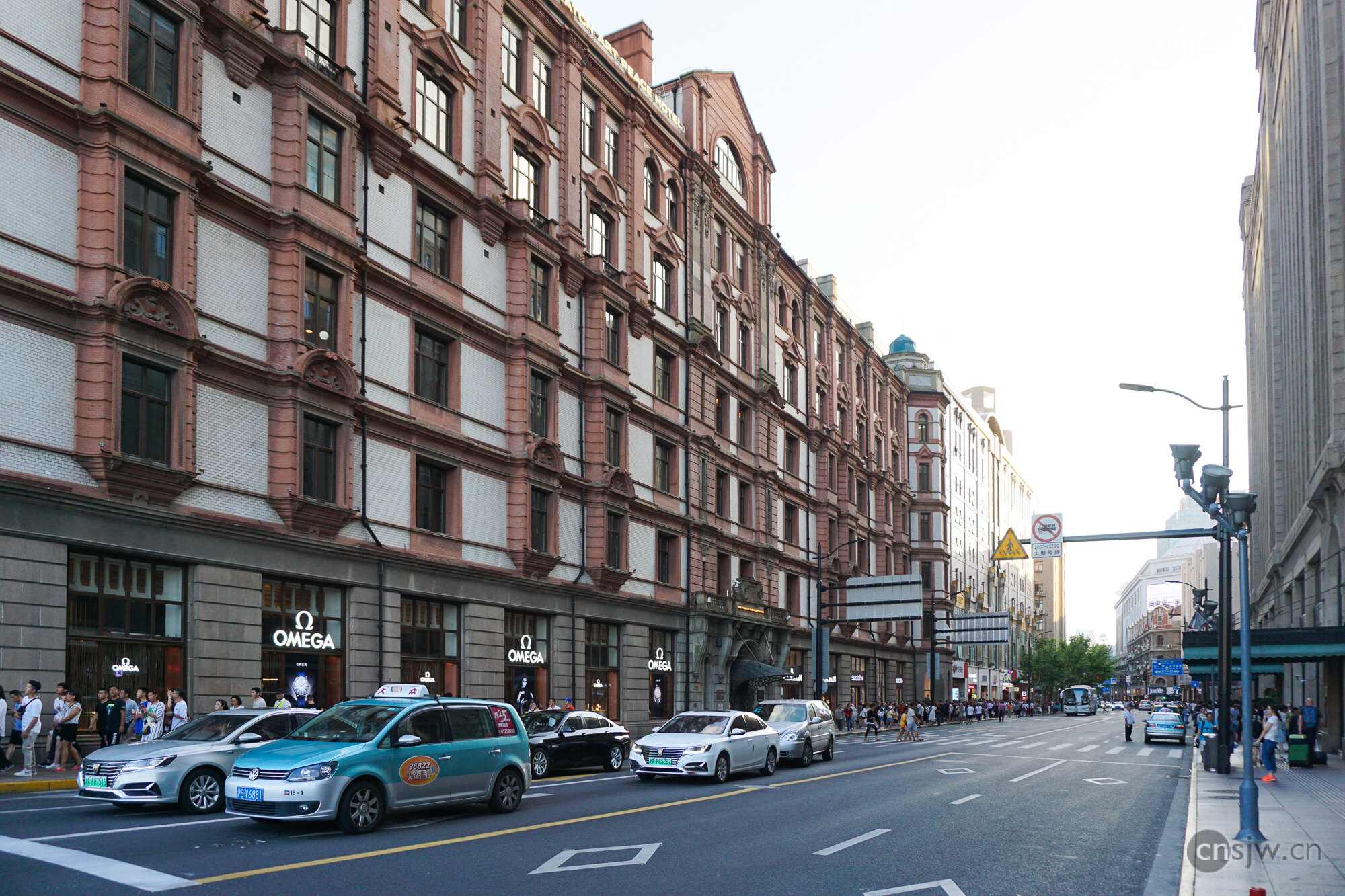
Meteorological Signal Tower, Asia Building (China Pacific Insurance Company), Shanghai Club (Waldorf Astoria Shanghai on the Bund), Union Building (Three on the Bund), (Guangdong Road), Nisshin Building (No. 5 on the Bund), Commercial Bank of China Building (No. 6 on the Bund), (Yuanfang Lane), Great Northern Telegraph Company Building (Bangkok Bank Shanghai Branch), Russell & Co. Building (China Merchants Steam Navigation Company Building), (Fuzhou Road), HSBC Building (Shanghai Pudong Development Bank), Customs House (Shanghai Customs), (Hankou Road), Bank of Communications Building (Shanghai Municipal Federation of Trade Unions), Russo-Chinese Bank Building (China Foreign Exchange Trade System), (Jiujiang Road), Bank of Taiwan Building (China Merchants Bank), North China Daily News Building (AIA), Chartered Bank Building (No. 18 on the Bund), Palace Hotel Building (Swatch Peace Hotel Art Center), (Nanjing Road), Sassoon House (Peace Hotel), (Dianchi Road), Bank of China Building, Yokohama Specie Bank Building (ICBC), Yangtze Building (Agricultural Bank of China), Jardine Matheson Building (No. 27 on the Bund, Roosevelt House), (Beijing Road), Glen Line Building (Shanghai Clearing House), Banque de l’Indochine Building (Everbright Bank), The Peninsula Hotel, British Consulate (No. 1 Yuanmingyuan Road), British Consular Residence (Patek Philippe), (Yuanmingyuan Road), Waibaidu Bridge.


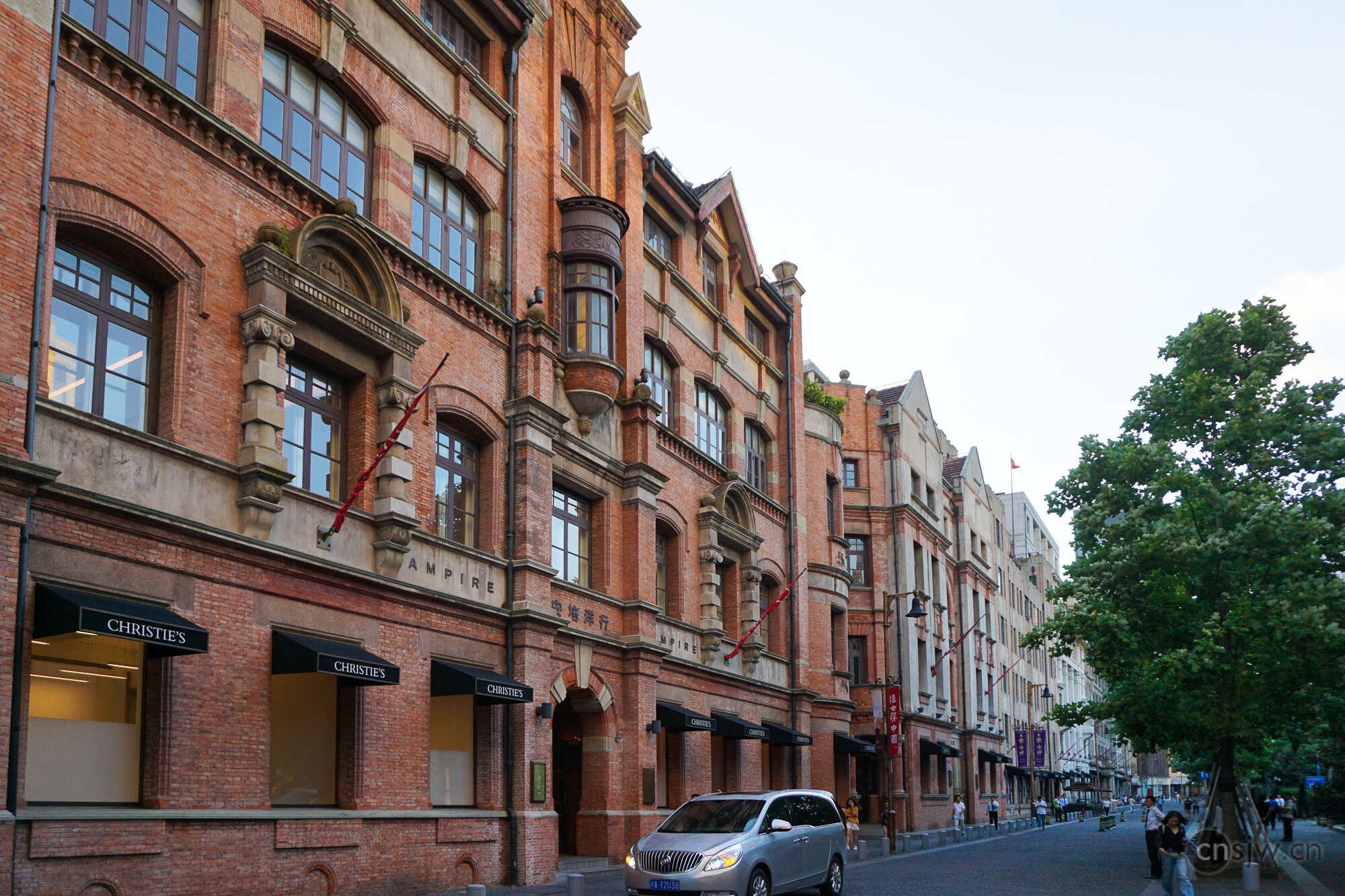
Unlike the main Bund area, the Bund Origin did not receive comparable development for a long time. Development only began in 2002, and the area opened to the public in 2010. Since then, the historic buildings have been successively transformed into high-end office spaces, shopping malls, brand flagship stores, and restaurants.
Historic buildings visible in the Bund Origin include: Mission Apartments, New Tian’an Church, Zhongshi Building, Guanglu Building, Guangxue Building, Lyceum Building, Xiejian Building, Hami Building, YWCA Building, Yuanmingyuan Apartments, Ampelmann Building, Royal Asiatic Society Building (Rockbund Art Museum), Zhen Guang Building, and Yifeng Building.
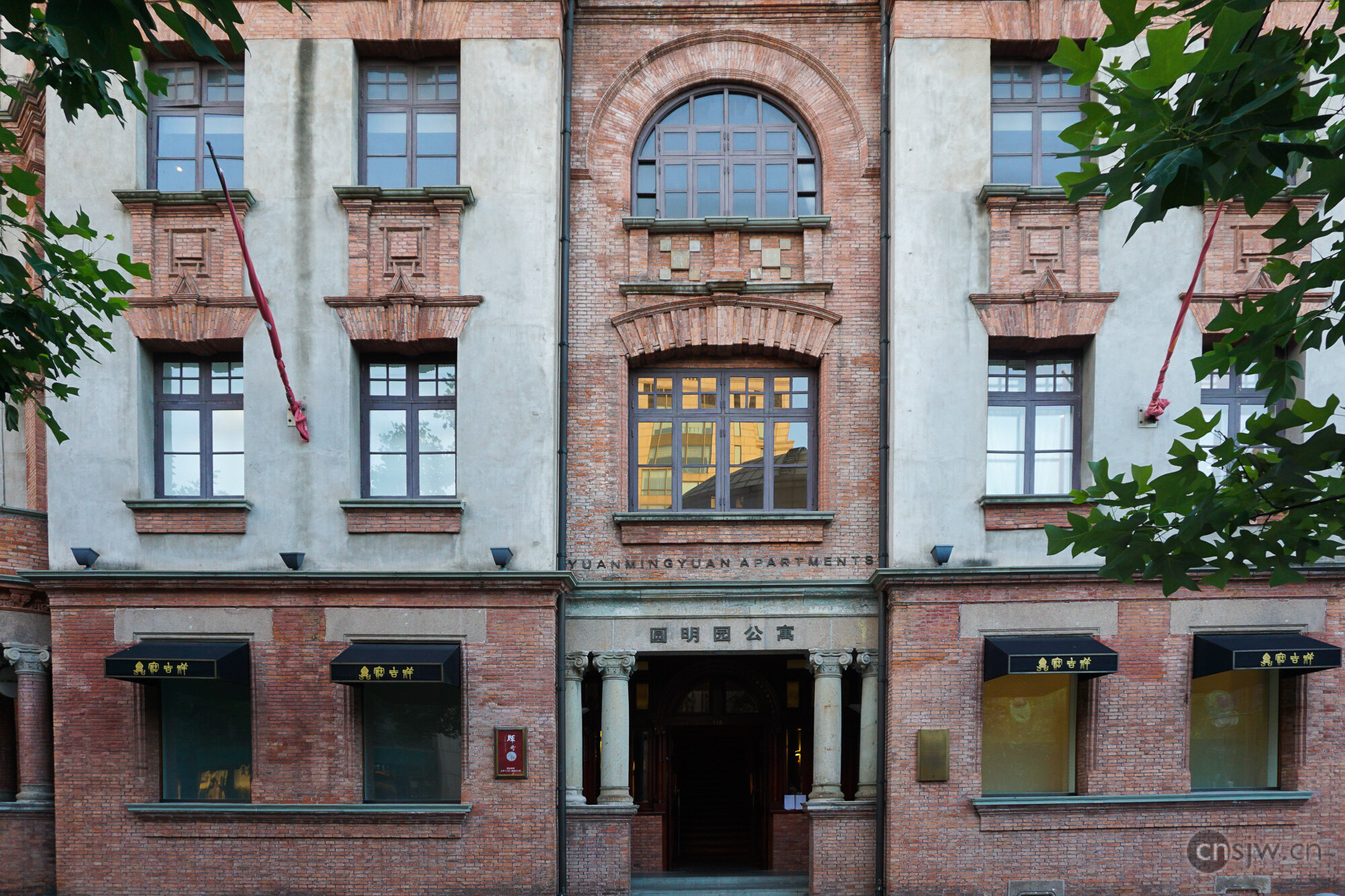
It must be said that dining options in the Bund Origin used to be quite upscale, with hardly any casual spots to rest your feet along the way. The only exception was SunnyHills, a free lounge where you could sit and enjoy some tea. After it closed in early 2016, the area became strictly a place for formal dining. It wasn’t until recently, with the opening of two trendy cafés, that the neighborhood regained its leisure appeal.
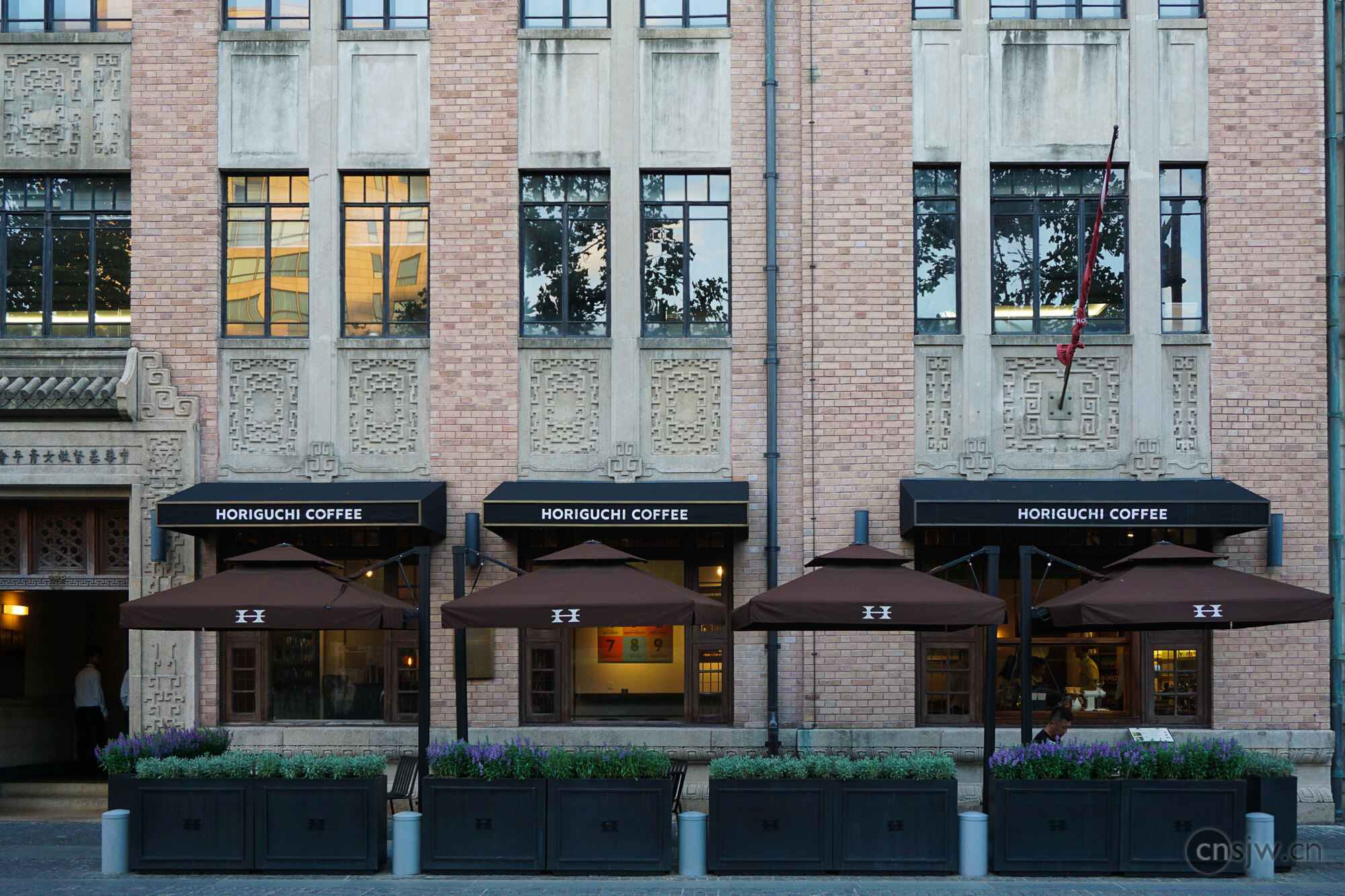
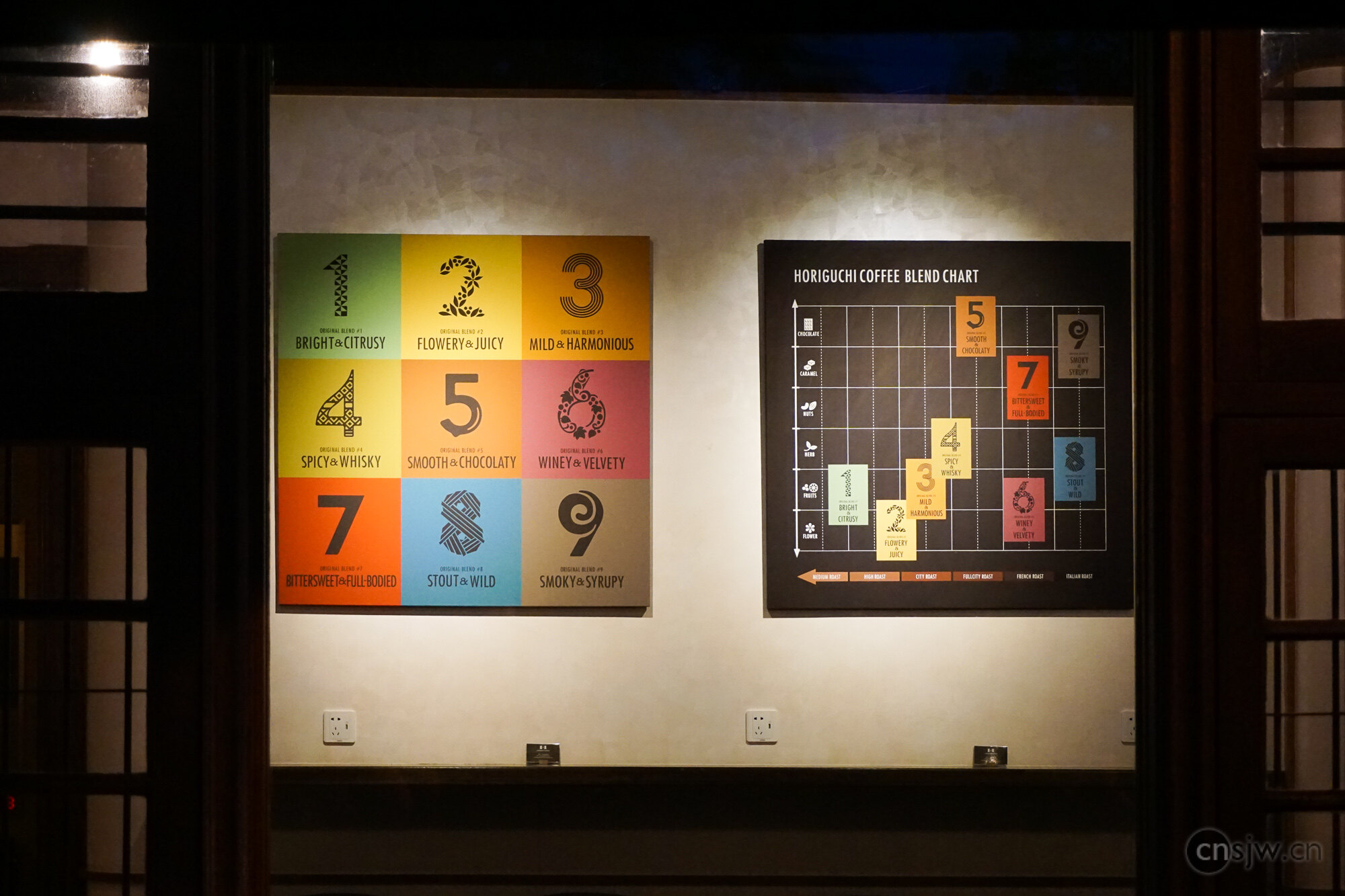
One is Horiguchi Coffee from Japan, a pioneer in Japanese specialty coffee. They offer nine proprietary blends, numbered and roasted in-house, ranging from light to dark with distinct flavor profiles. Their pour-over coffee, brewed using handcrafted iron kettles costing over ten thousand yuan each, sells for 98 yuan per cup. They also serve espresso-based drinks and desserts.
Despite its trendy reputation, the relatively high prices mean it isn’t overwhelmingly crowded. The interior looks comfortable, making it a nice spot for chatting or reading. Although the founder encourages customers to try all nine blends, I doubt many people actually do…
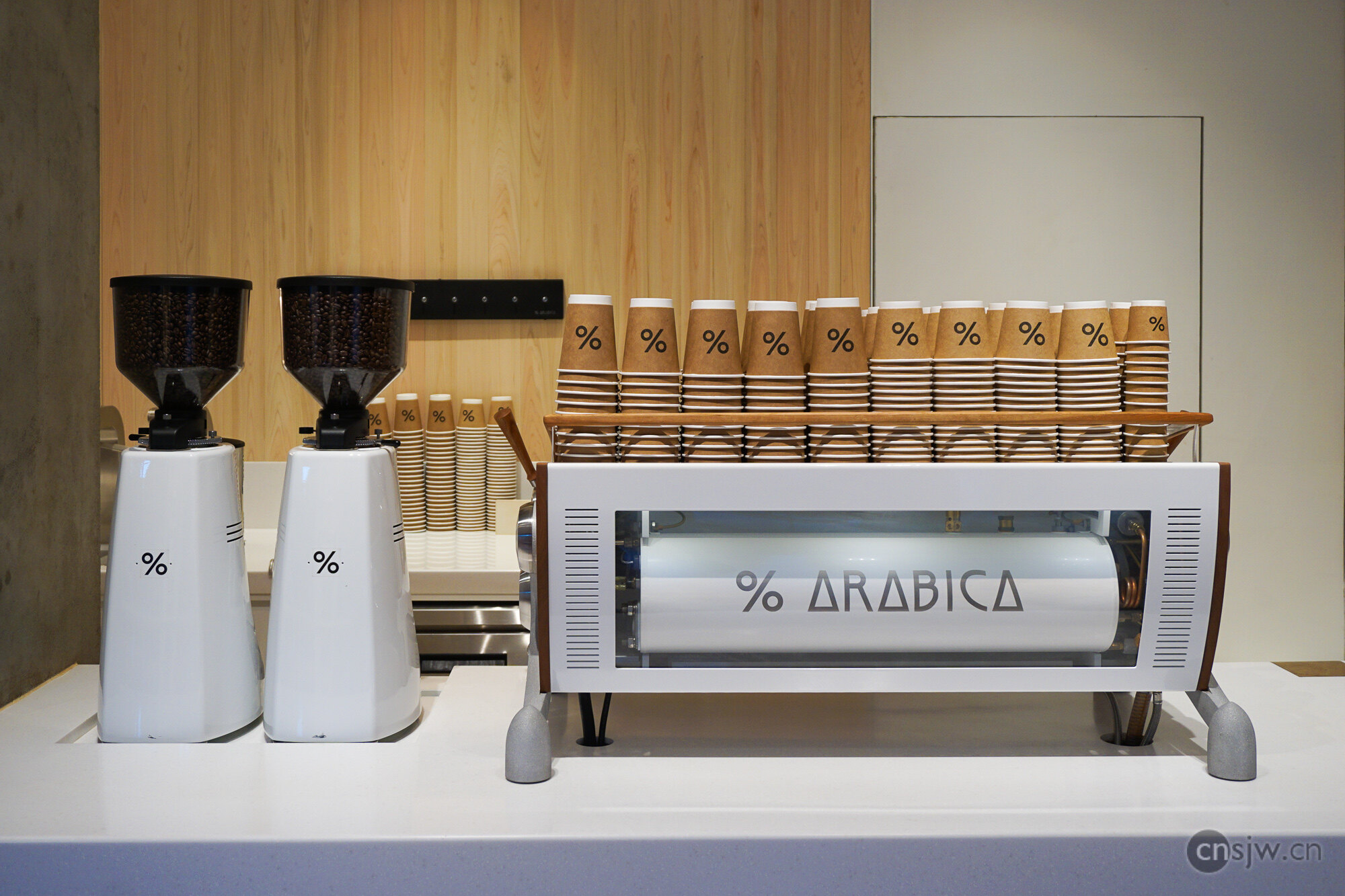
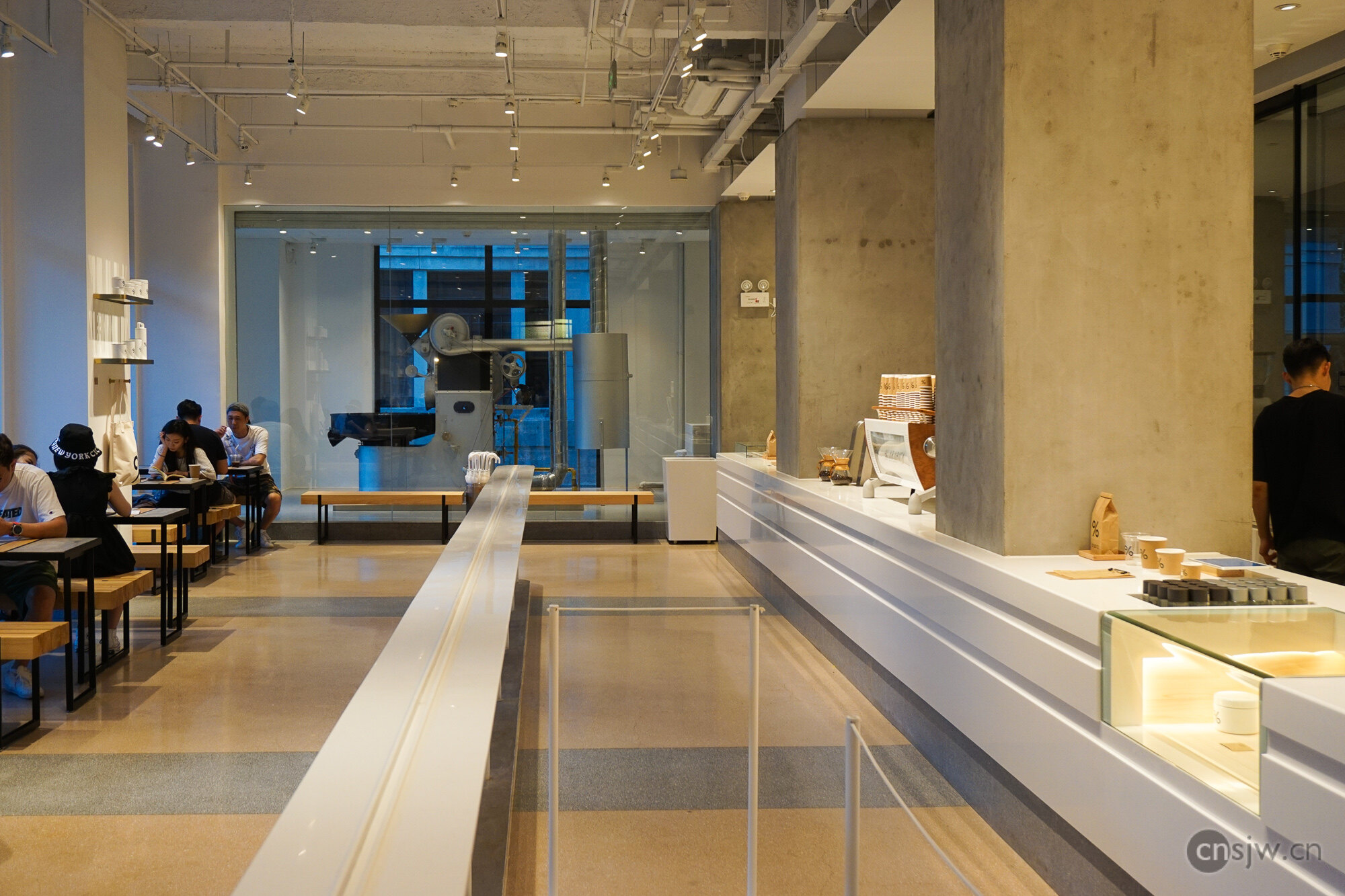
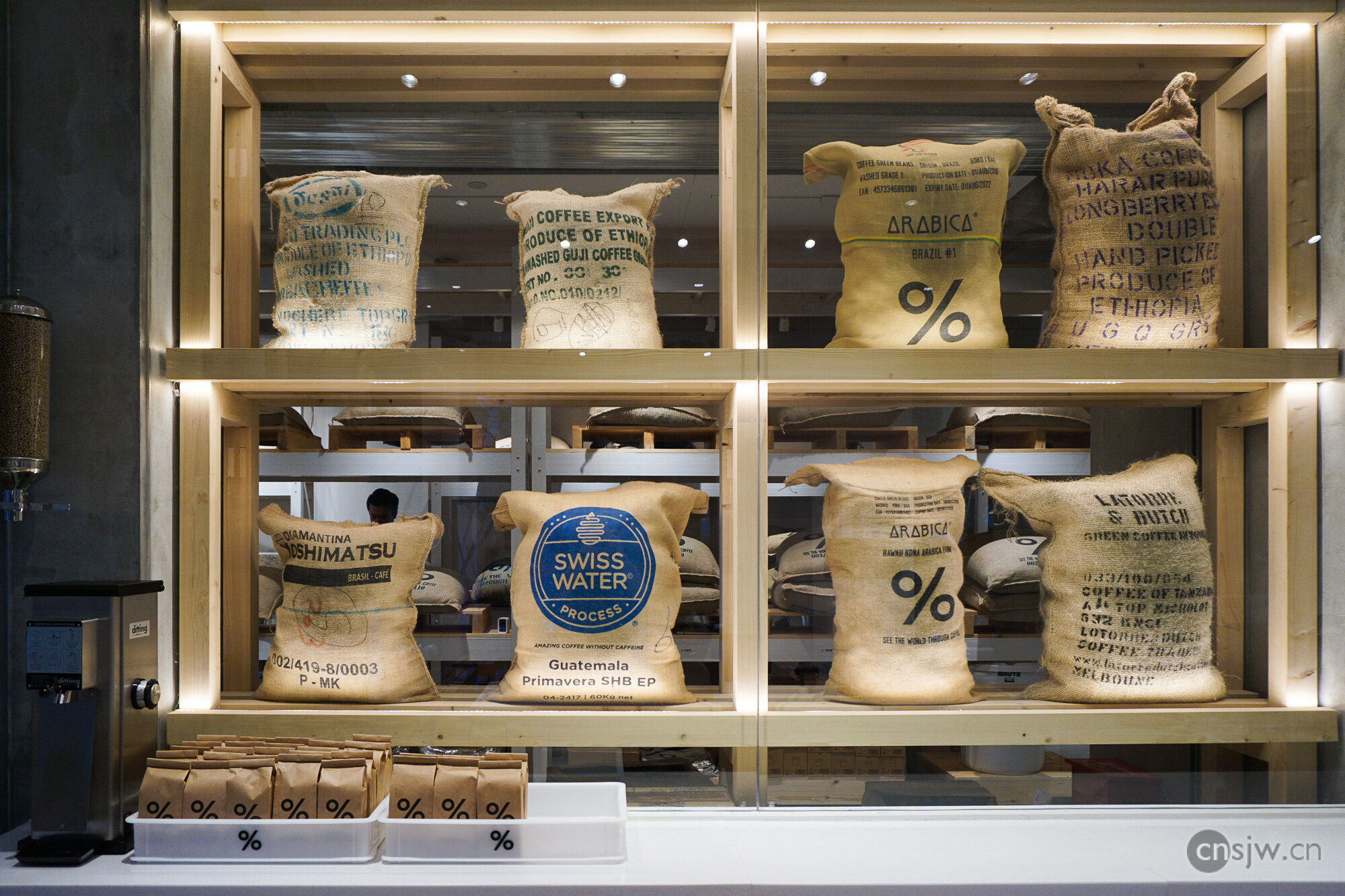
Then there’s % Arabica, another hugely popular chain from Japan. Their Wukang Road location always has a long queue. This branch bills itself as a global flagship and roastery, though no actual roasting takes place on-site. The space is also quite small—though compared to their other outlets that consist of just a single service window, this one truly qualifies as a flagship.
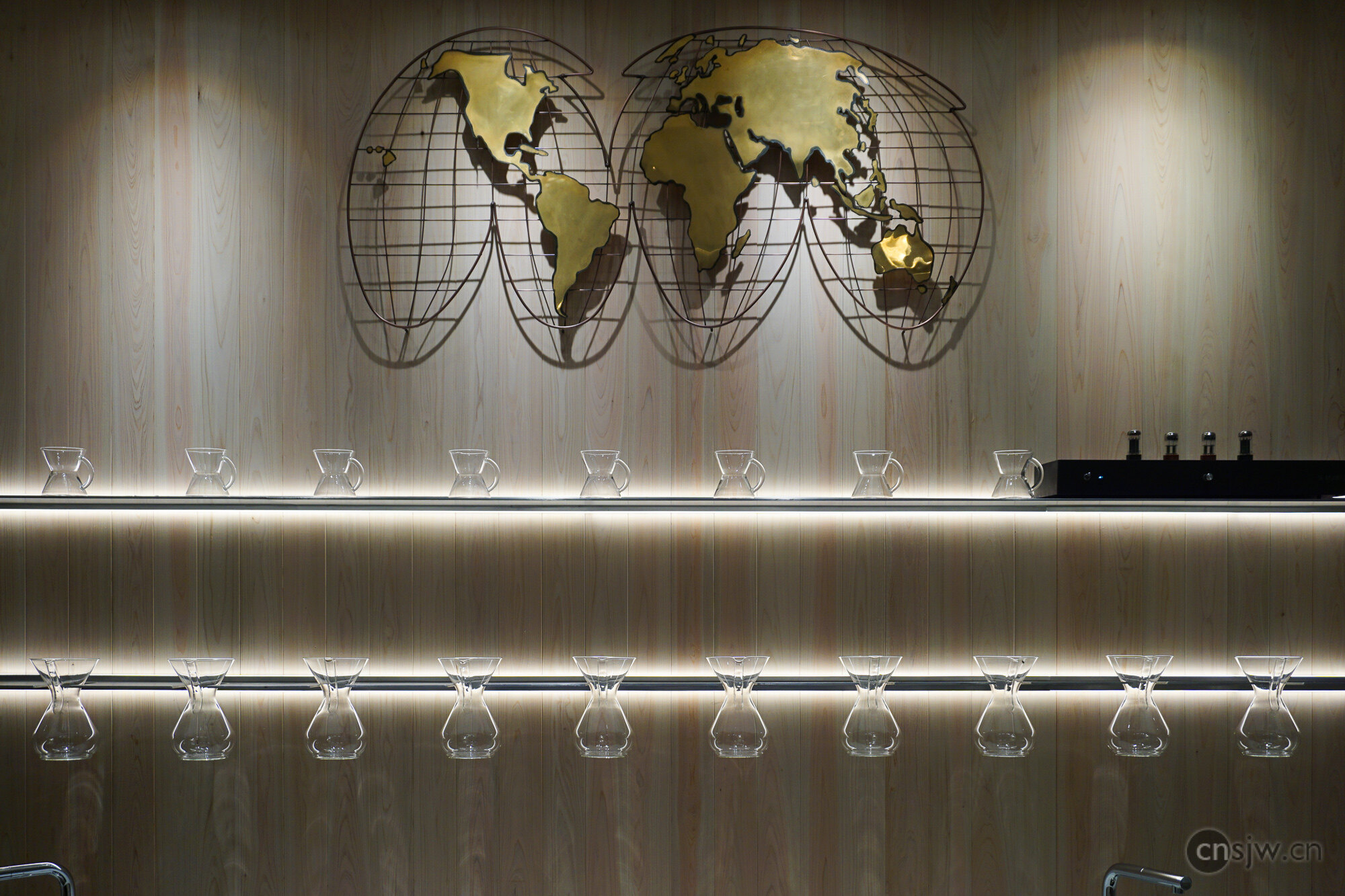
Curiously, although the décor features two rows of Chemex brewers and highlights various single-origin beans, they don’t actually serve pour-over coffee. Only espresso-based drinks are available, with a choice between blend or single-origin beans. They only provide paper cups, and prices are fairly reasonable. I ordered a latte made with their house blend; it was decent, though served a bit too hot—rumor has it this is intentional to accommodate customers who want to take photos??
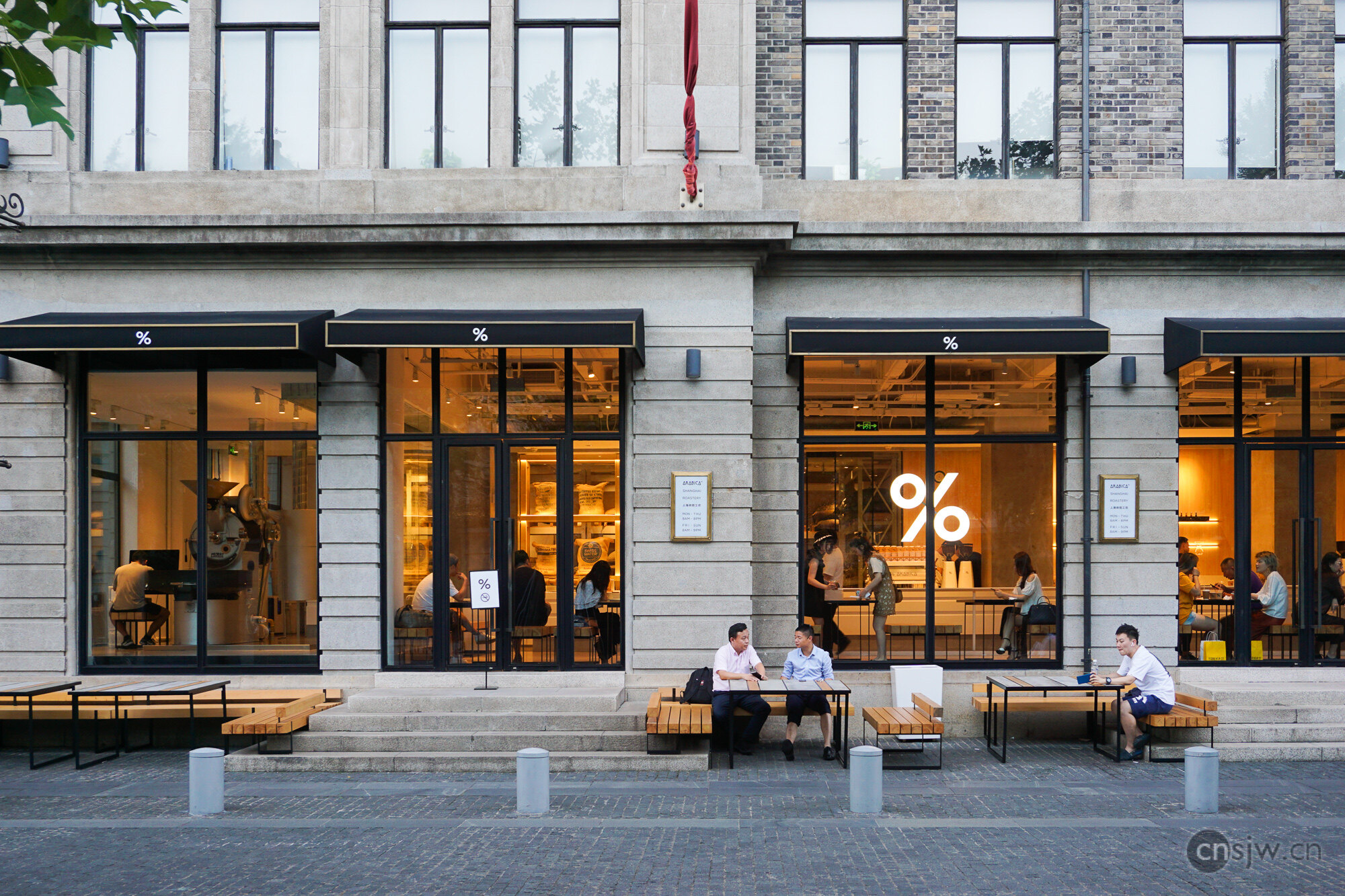
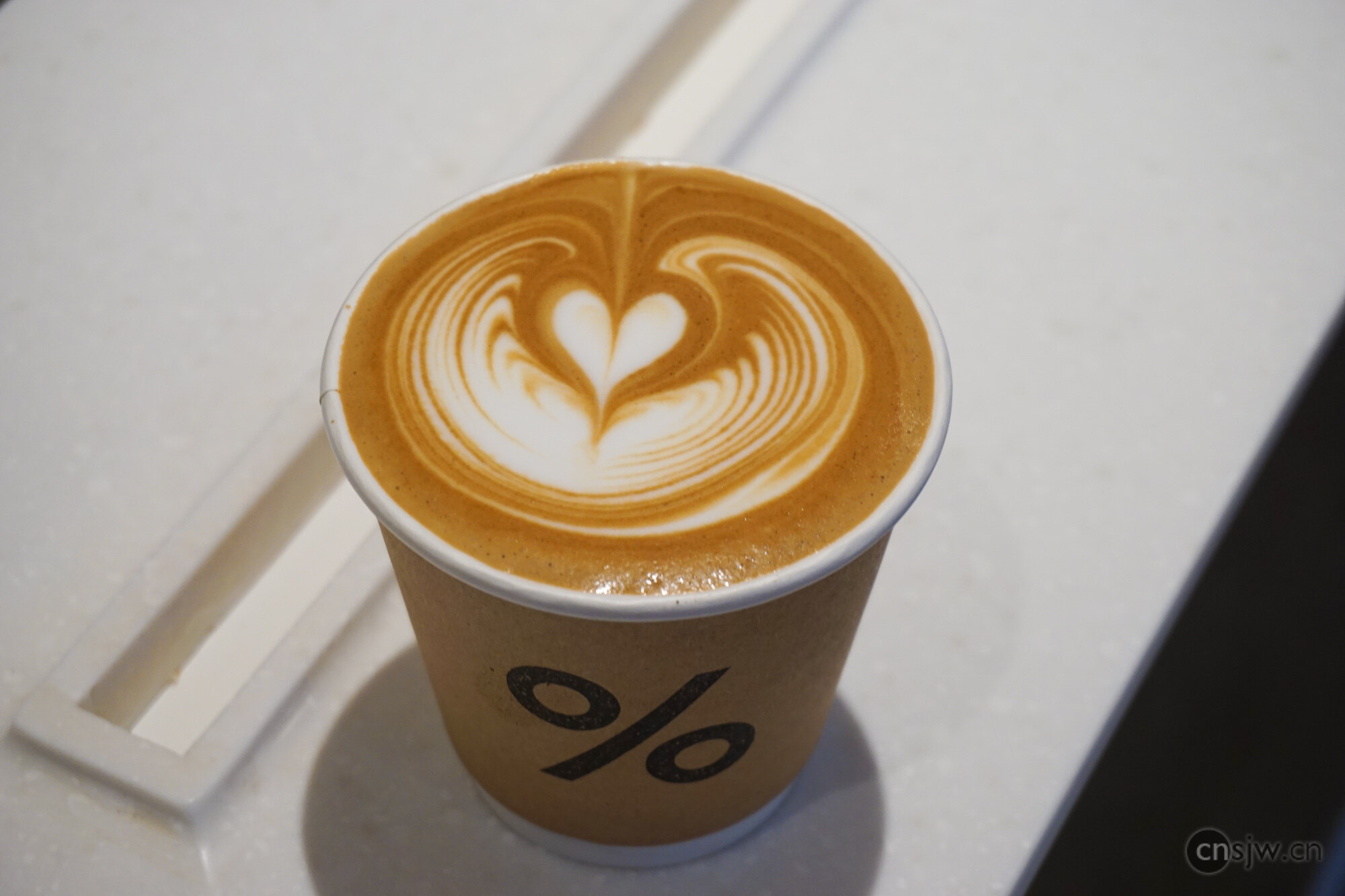
Overall, this is a great option for spending a couple of hours on a weekend or after work, enjoying coffee and taking in the scenery.
Photos in this post taken with a SONY A5100 + 16-50mm f/3.5-5.6 lens, edited in Lightroom.

Support



Read this article on WeChat