
The Sichuan Fine Arts Institute is arguably the most renowned art academy in Southwest China, and it is also one of two institutions named after Sichuan that are actually located in Chongqing. The institute currently has two campuses: one is the old campus in Huangjueping, with the famous Graffiti Street right at its entrance and the historic Tank Warehouse inside. The other is the Huxi Campus, located in the University Town, sandwiched between Chongqing University and Chongqing Normal University. It covers a vast area and features a spectacular main gate, a tunnel, and the Luo Zhongli Art Museum. Both campuses are well worth visiting, but while I find the Huangjueping Campus already quite far, the Huxi Campus is simply too far away…
I visited the campus during summer vacation; there were hardly any teachers or students around, only groups of tourists moving about like tour parties~~~
There are numerous sculptures both inside and outside the campus, the architecture is quite distinctive, and the area is filled with various graffiti and installation art. However, there are an overwhelming number of mosquitoes on campus—it’s quite terrifying—so I highly recommend applying insect repellent before you visit.

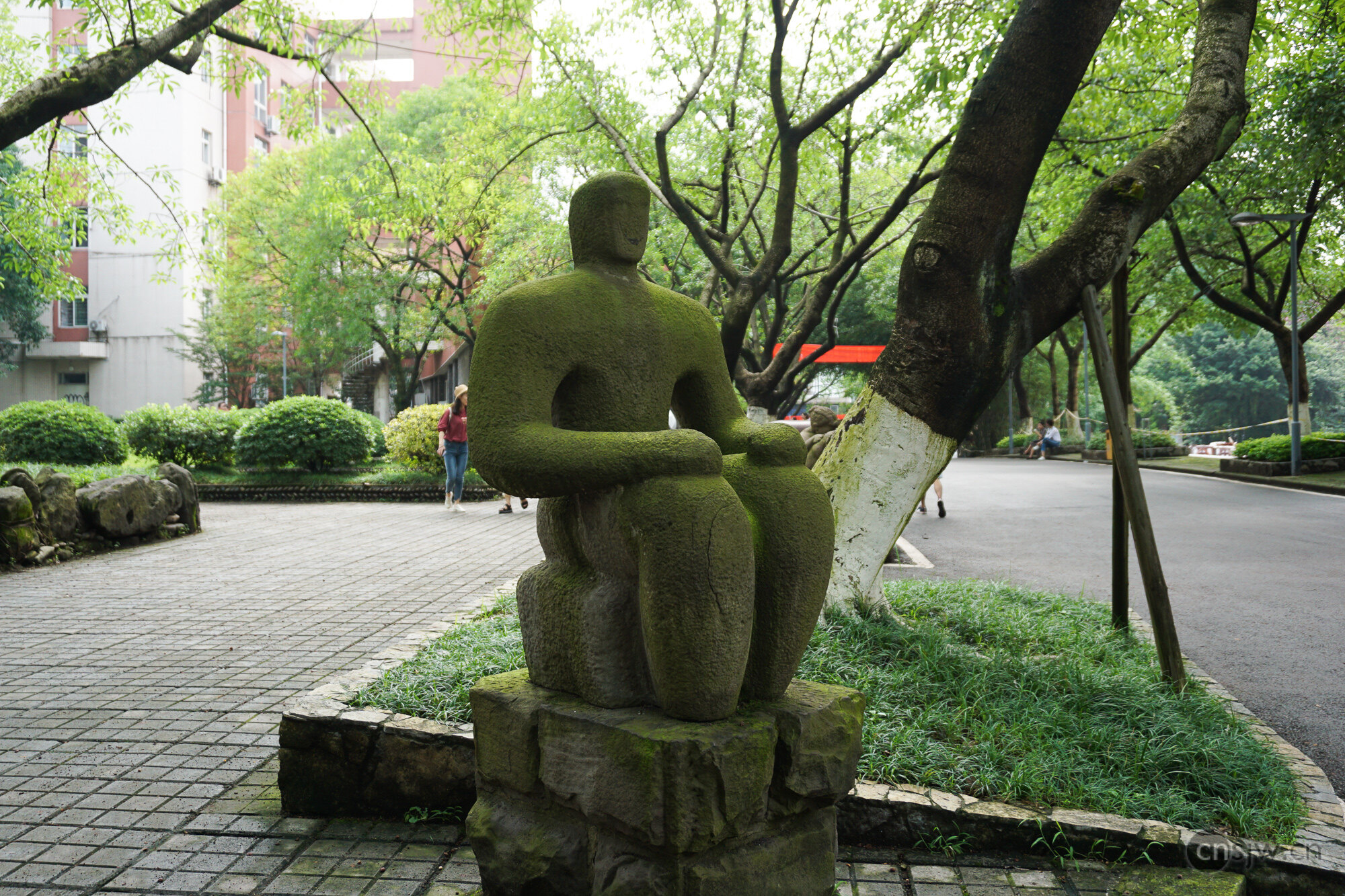
Former Site of National Chiao Tung University Chongqing Campus:

Many traditional buildings have undergone simple renovations, incorporating new elements.
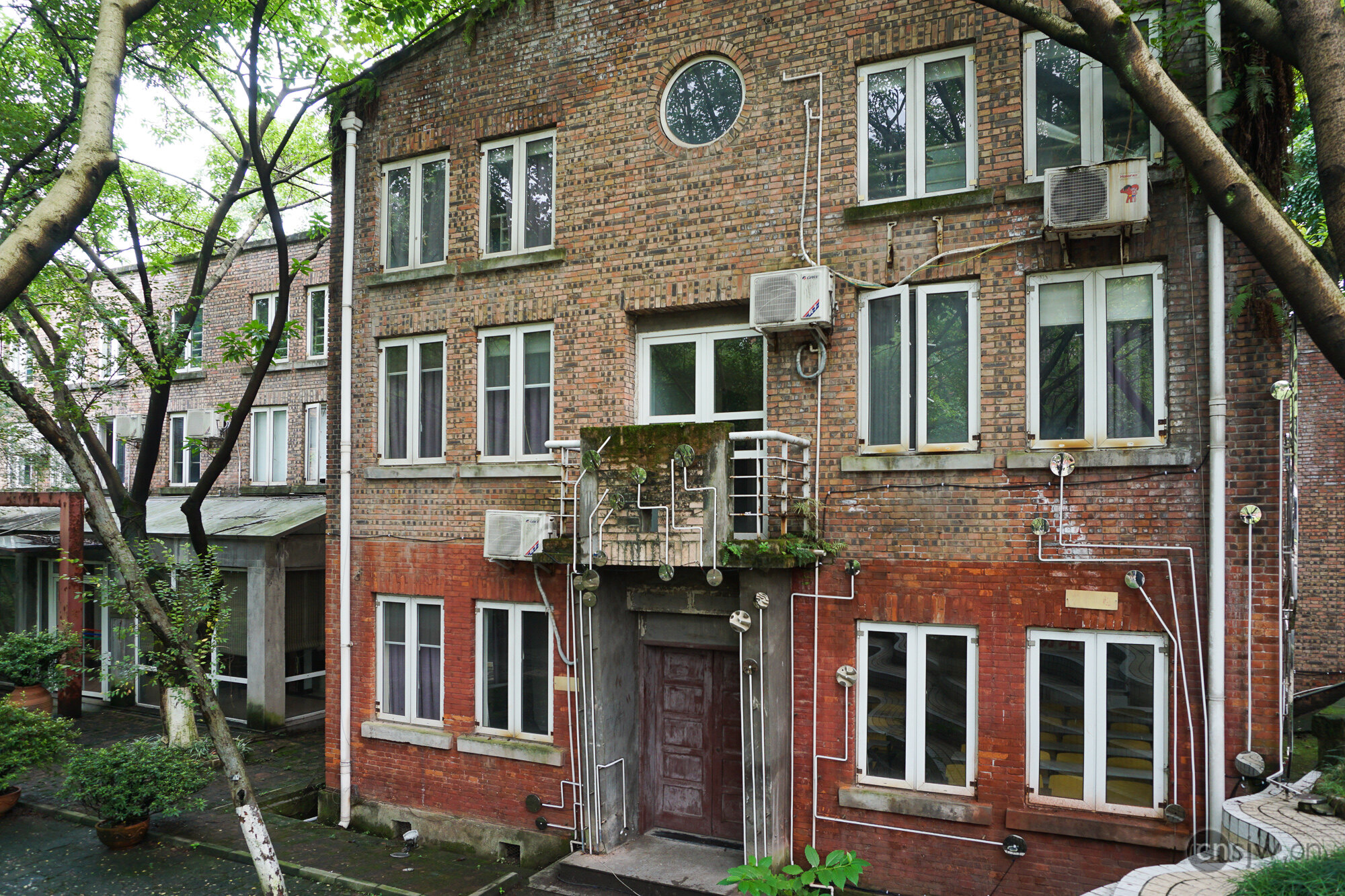
Graffiti and artworks can be seen everywhere on campus:
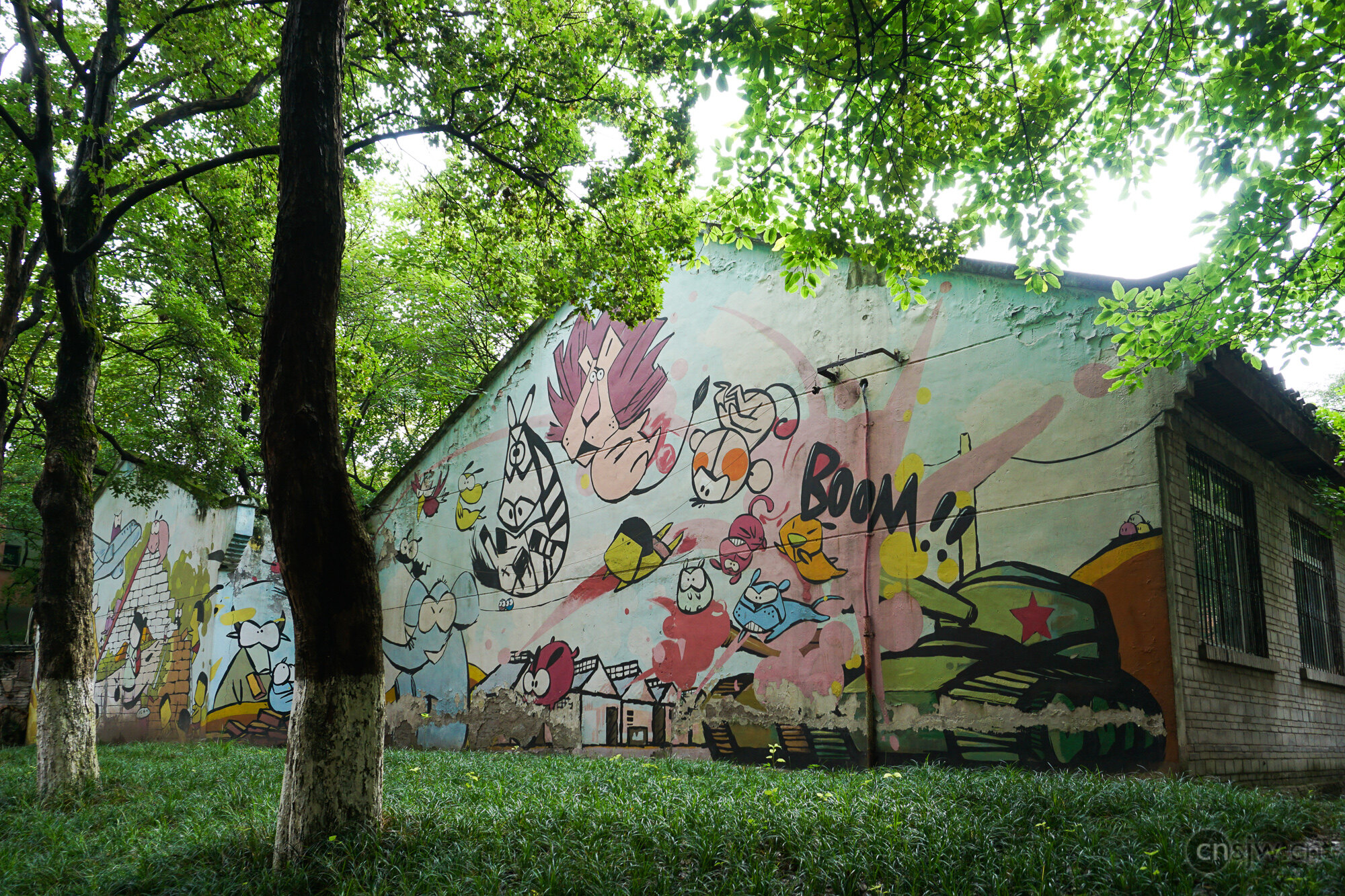
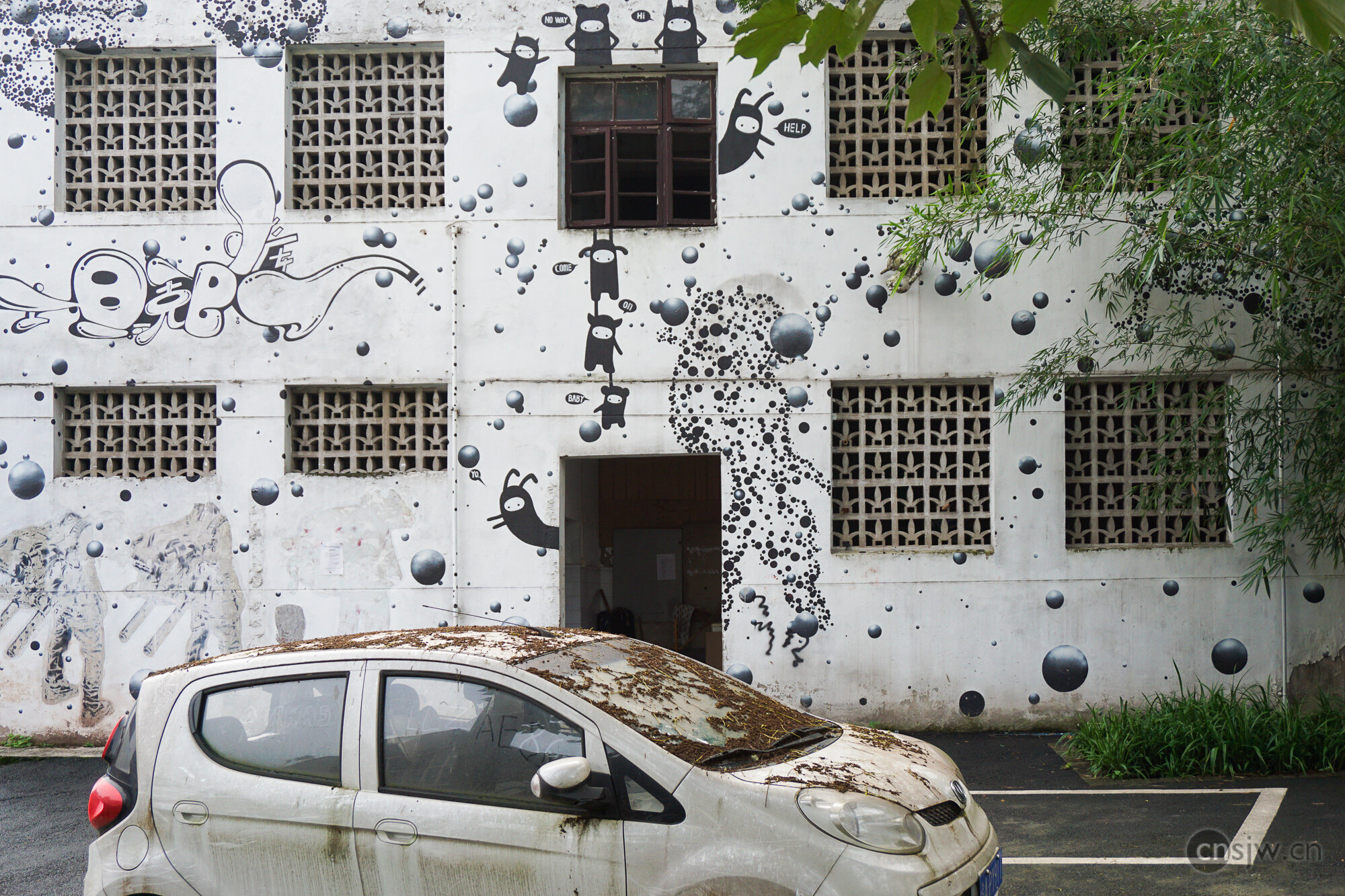
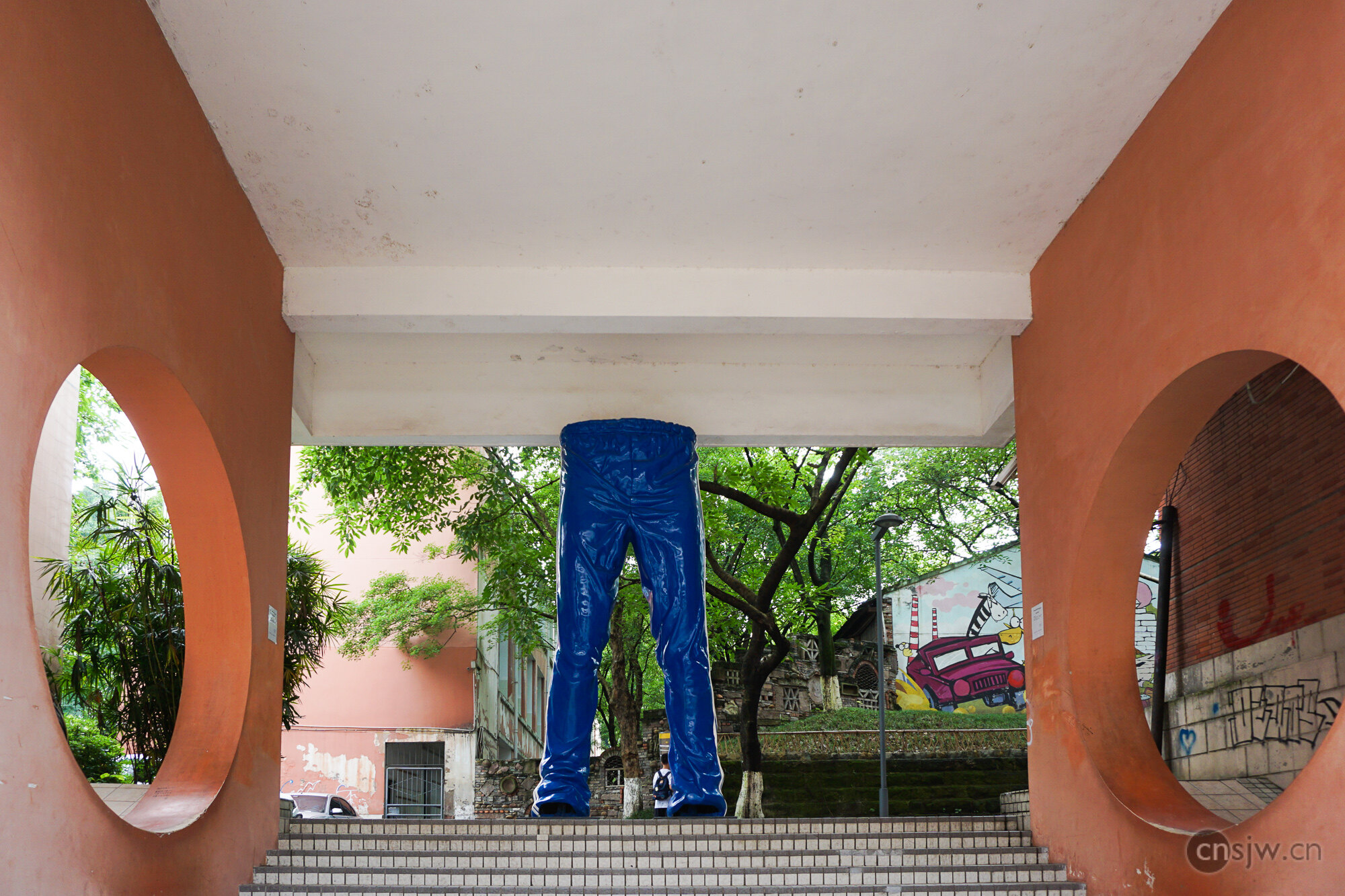
There is a tennis court below the dormitory building.

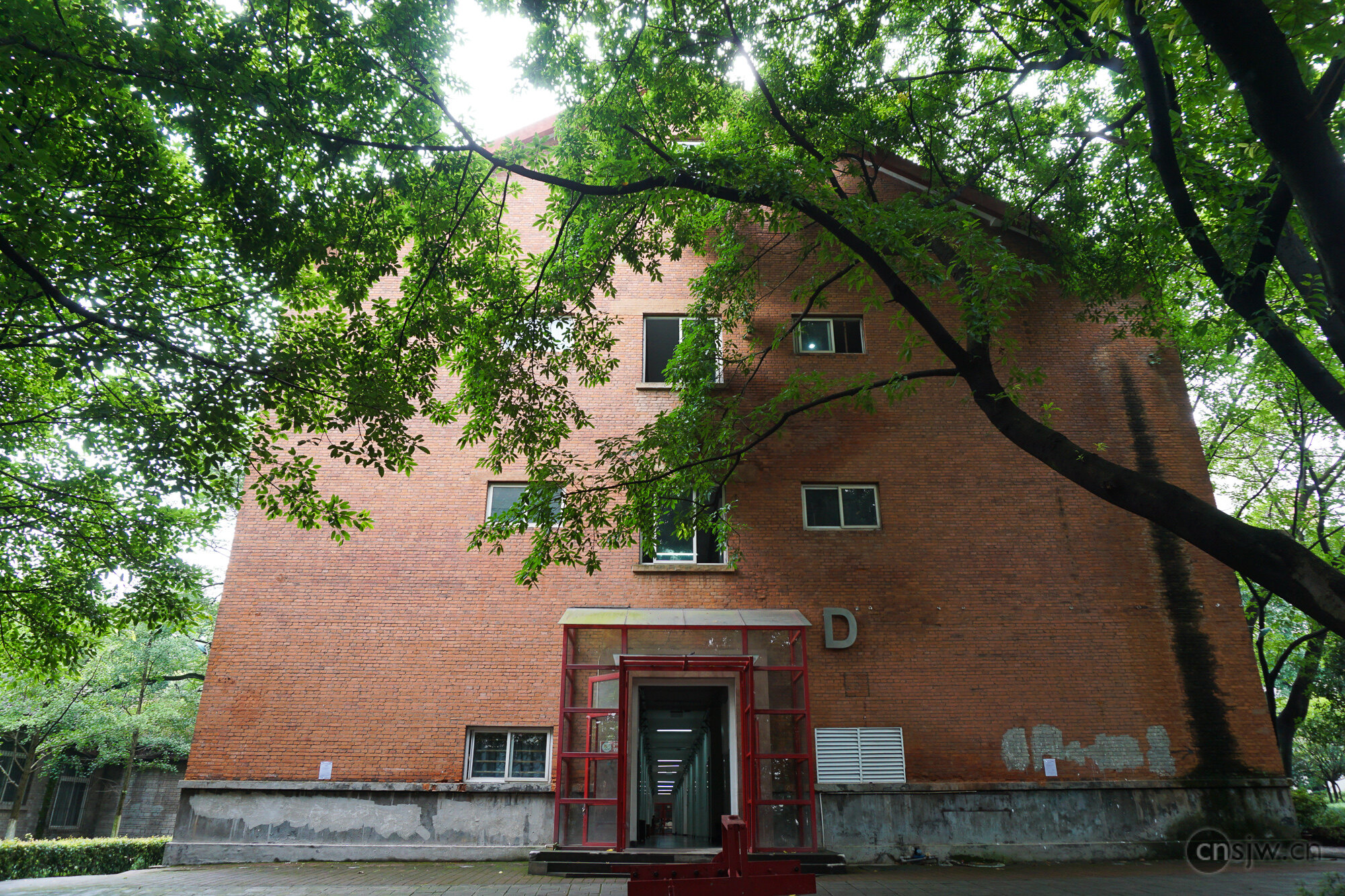
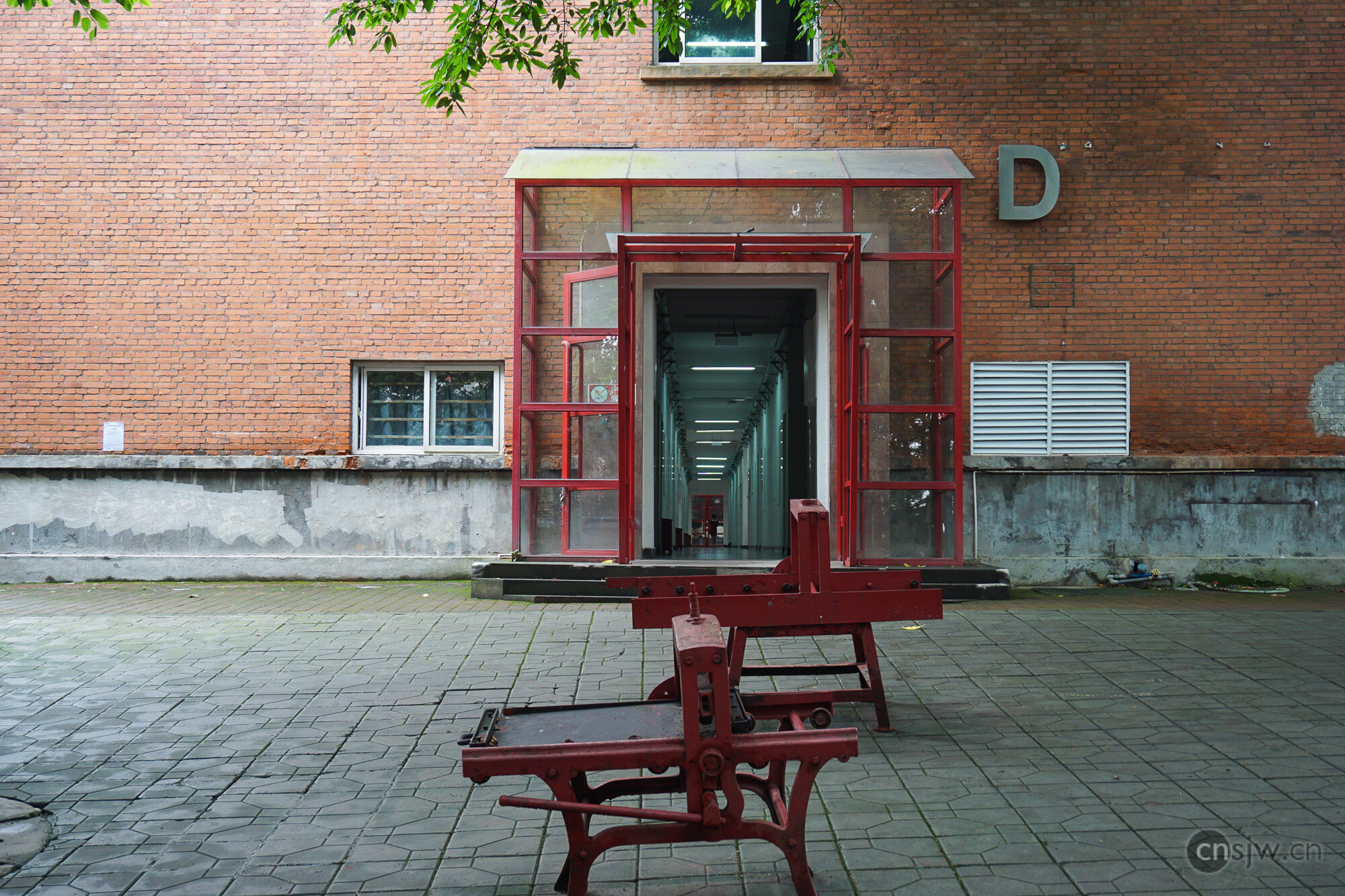
The former Tank Warehouse has now been transformed into the Tank Warehouse Art Center. This is the entrance; inside, you’ll find various artist studios, a library, teahouses, and warehouses, each with its own unique character. Unfortunately, it was closed during my summer visit. Had I arrived a month earlier, I could have seen their graduation exhibition. Also, there really is an actual tank here~~~
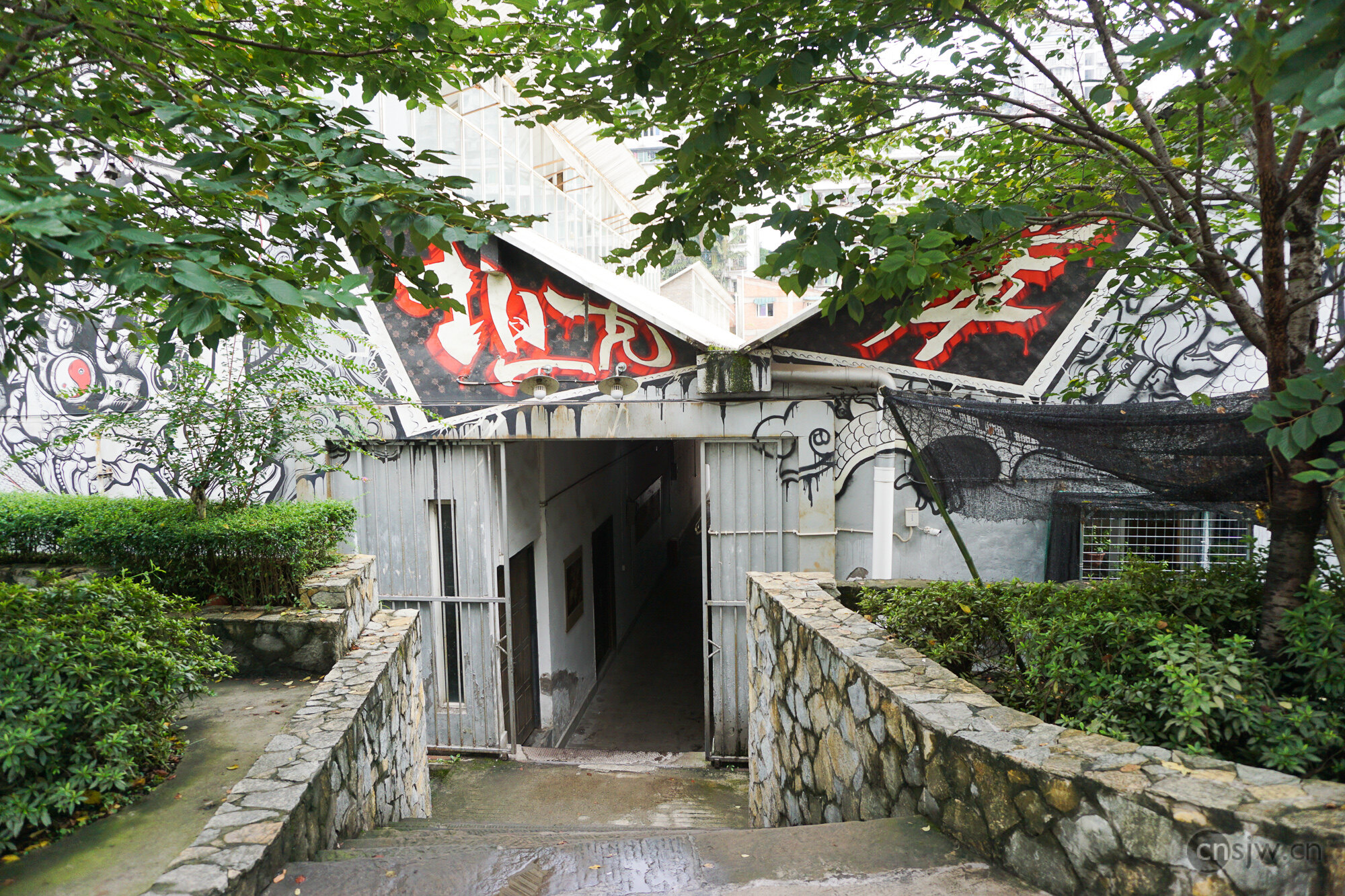
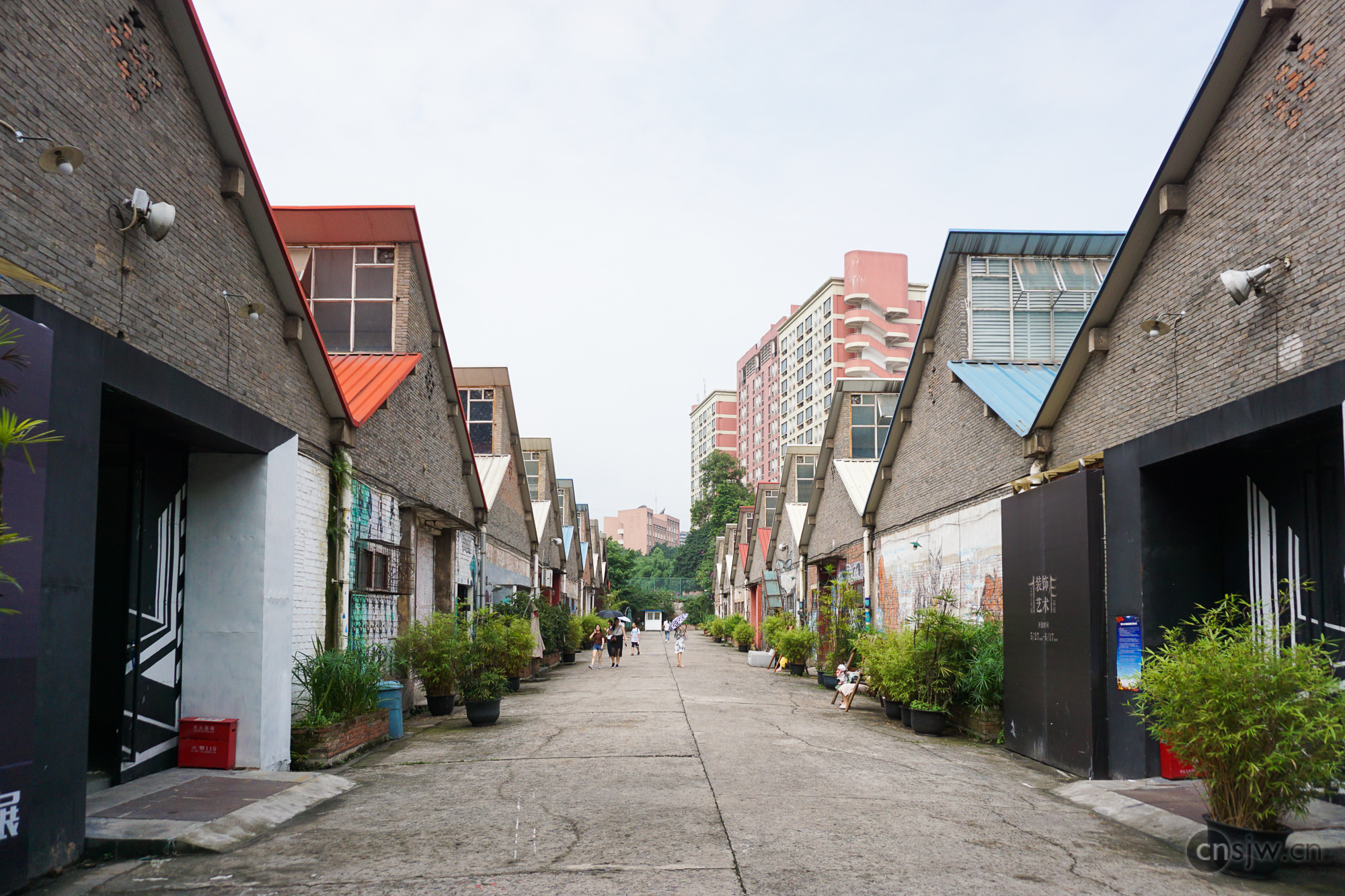
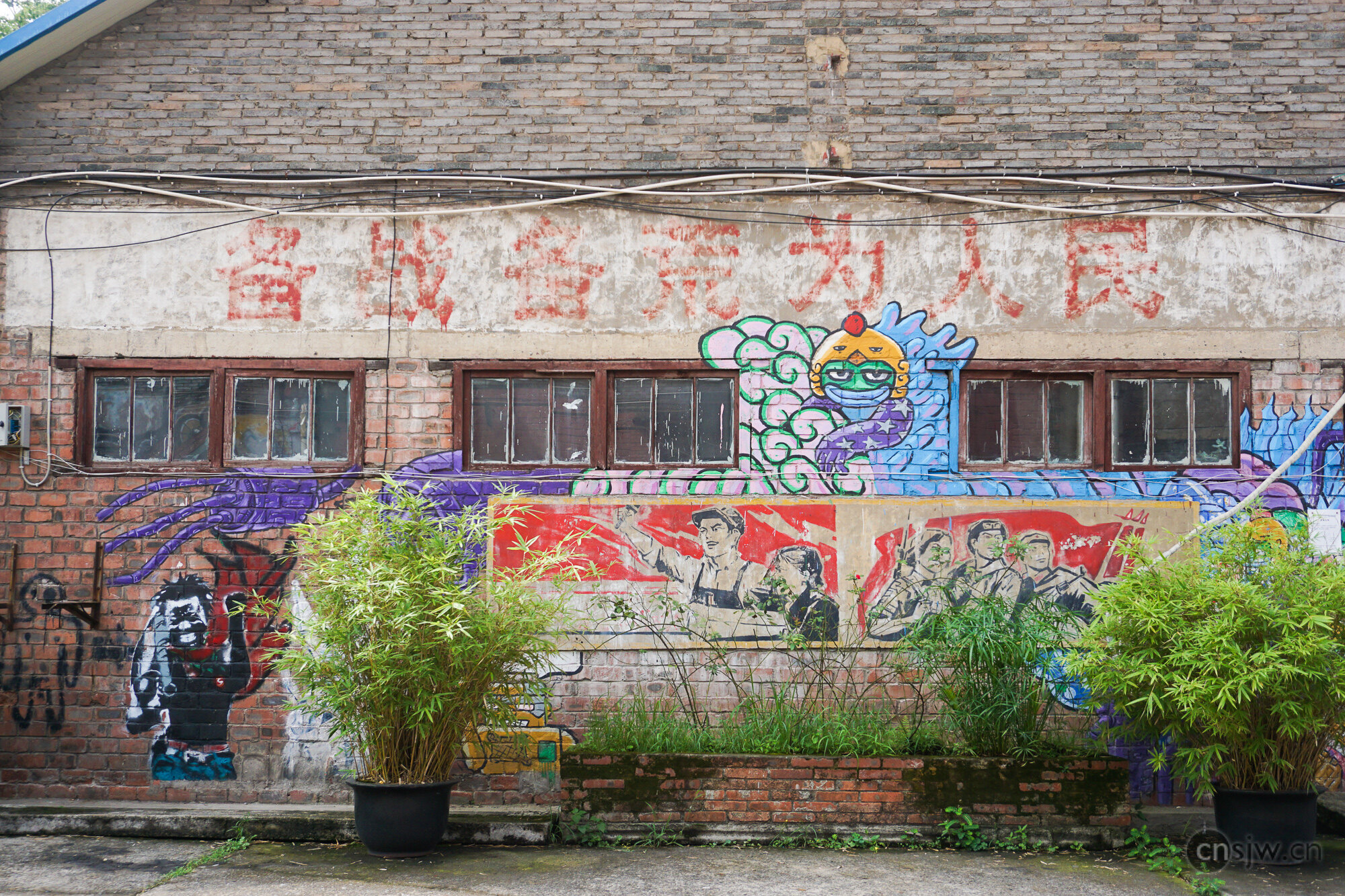
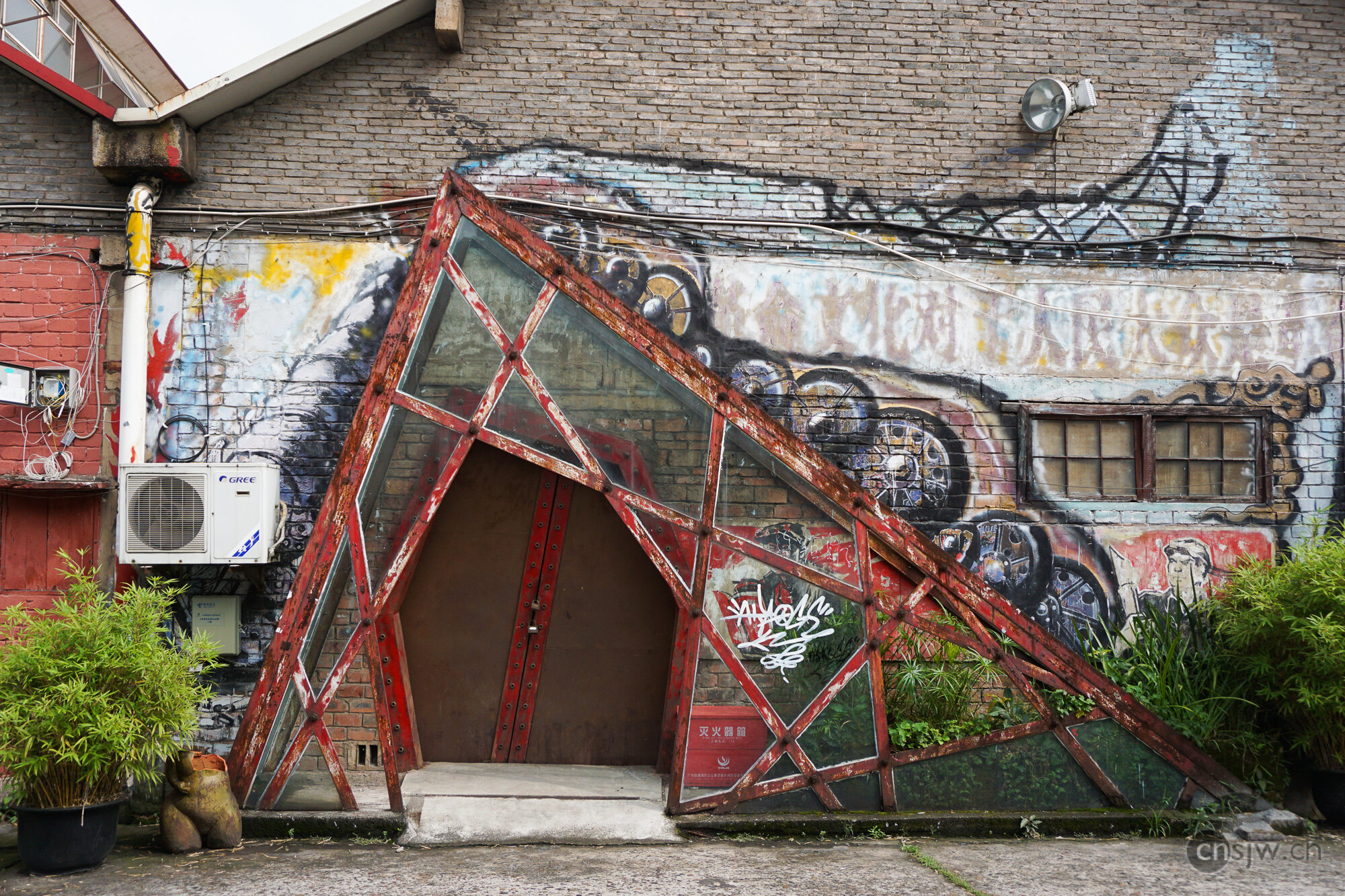
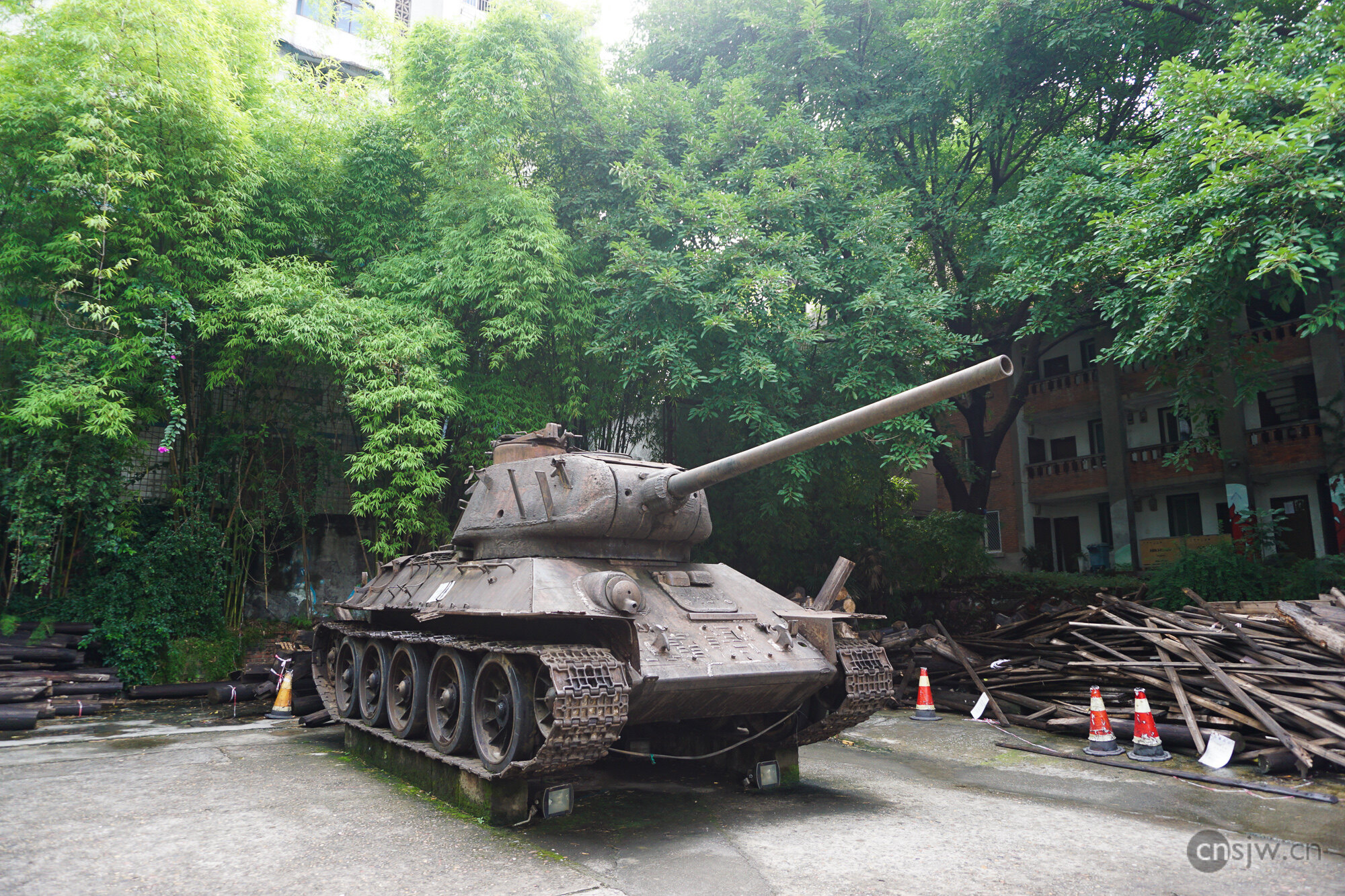
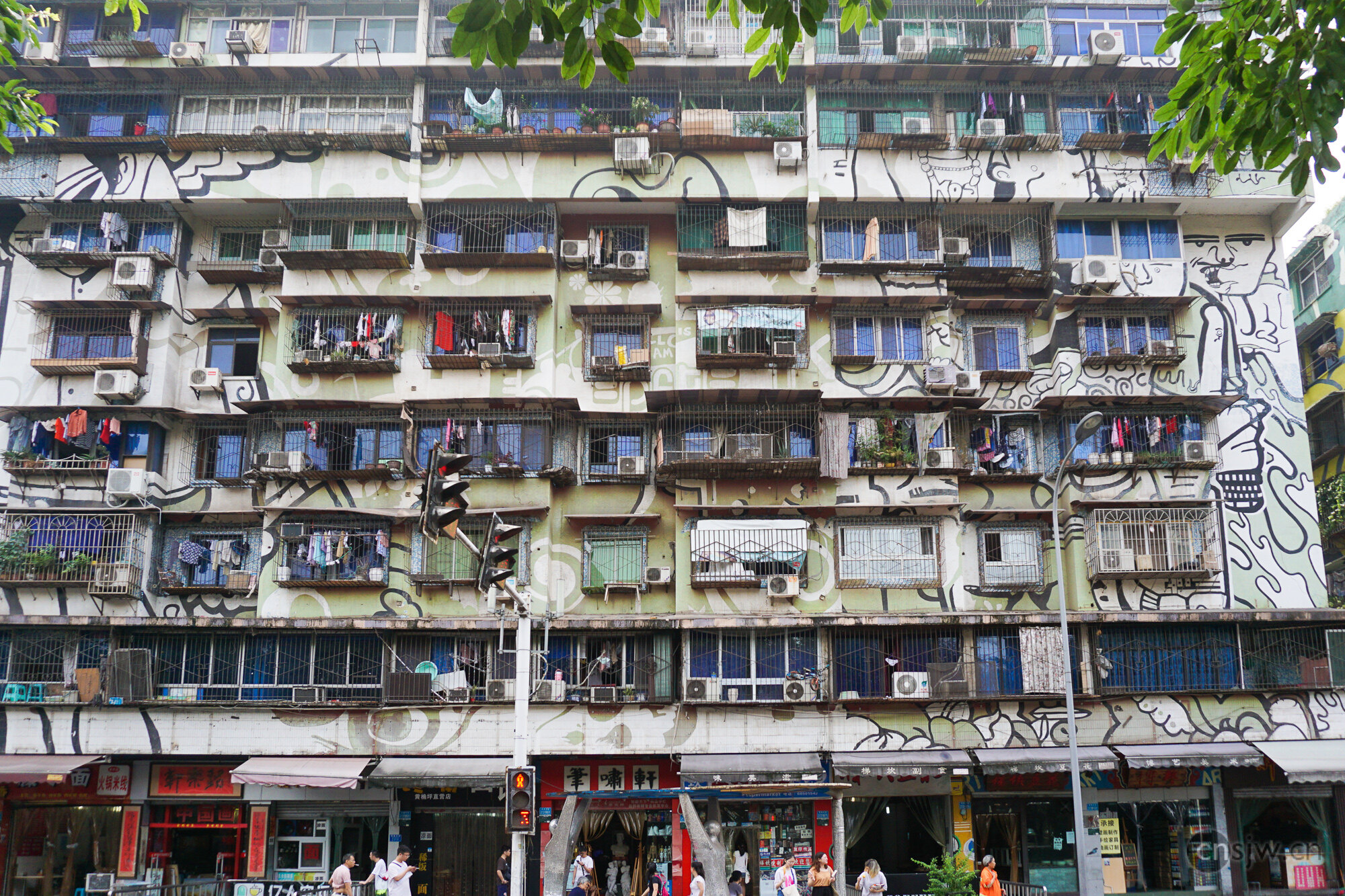
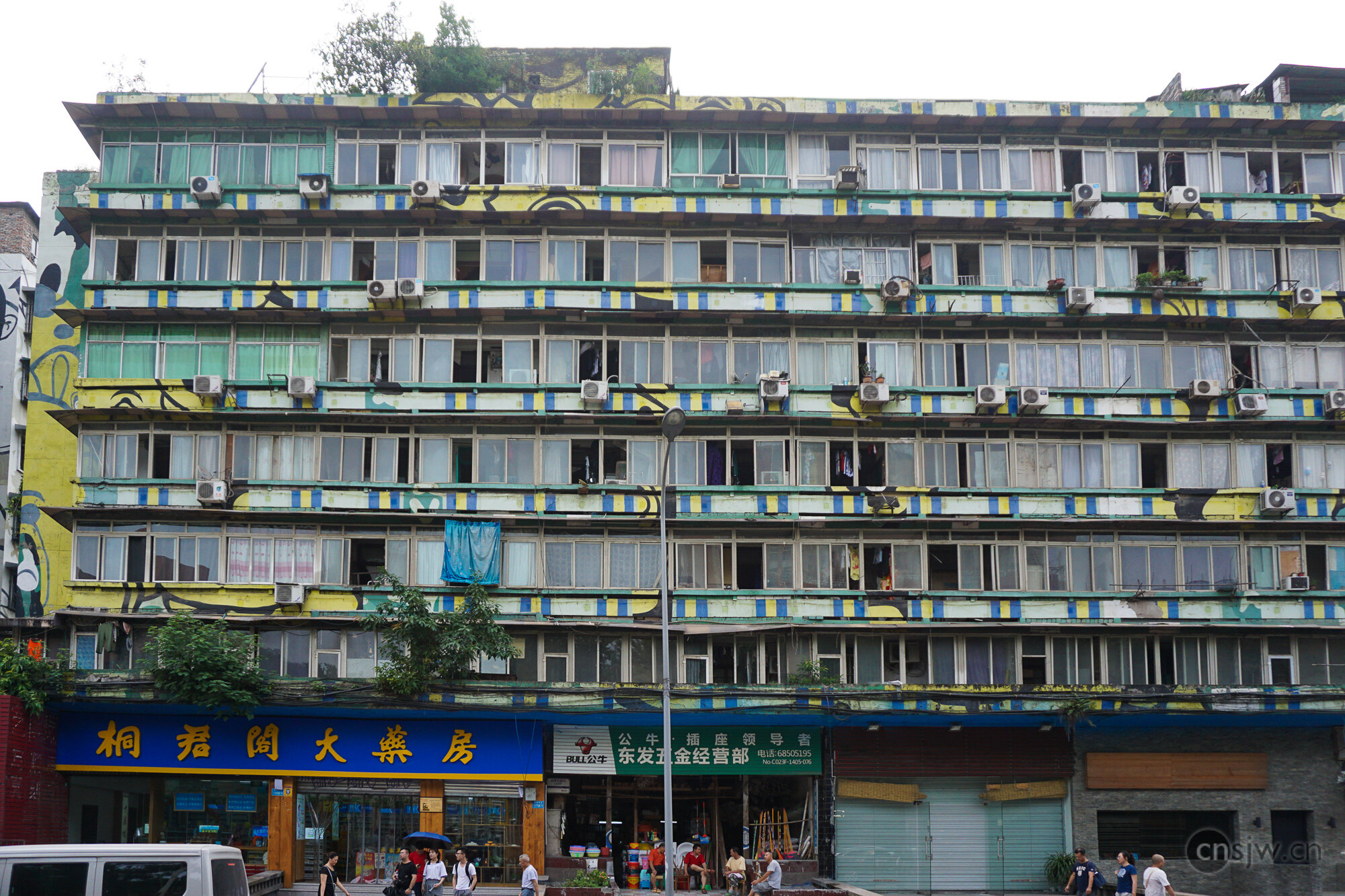
Additionally, the very famous Graffiti Street is located right at the school’s entrance. Stretching from Huangjueping Railway Hospital to the 501 Art Base, it is 1.25 kilometers long with a total area of approximately 50,000 square meters. Over 800 workers, students, and artists participated in this massive graffiti project, which took 150 days of meticulous work to complete. A total of 37 buildings were painted, and 20 sculptural installations were set up. In reality, the buildings lining both sides of the road are primarily residential apartments. As the area is situated in an old industrial zone, these residential buildings were relatively dilapidated. Some cost-effective optimization and renovation work was carried out at the end of 2006. Legend has it that all artwork had to be approved by residents before painting began, thus avoiding any overly frightening pieces~~

The Huangjueping Campus of the Sichuan Fine Arts Institute isn’t very large, though it is somewhat remote and not particularly convenient to reach, being quite a distance from the nearest metro station. An hour is generally sufficient to explore the campus itself, but be sure to allow extra time for travel. If I get the chance in the future, I’d really like to visit the Huxi Campus as well.
Photos in this post taken with a SONY A5100 + 16-50mm f/3.5-5.6 lens, post-processed in Lightroom.

Support



Read this article on WeChat