
For some reason, Douyin and the variety show ‘Go Fighting!’ have hyped up several magical internet-famous spots in Chongqing… The biggest feature of these viral spots is that they aren’t really tourist attractions at all; they might just be a subway station or merely an escalator. The downside is also obvious: once tourists arrive, there isn’t much to do other than take a photo. Fortunately, visiting these places doesn’t take too much time, and since they are mostly located along subway lines, they are very convenient to reach.
Yangtze River Cableway
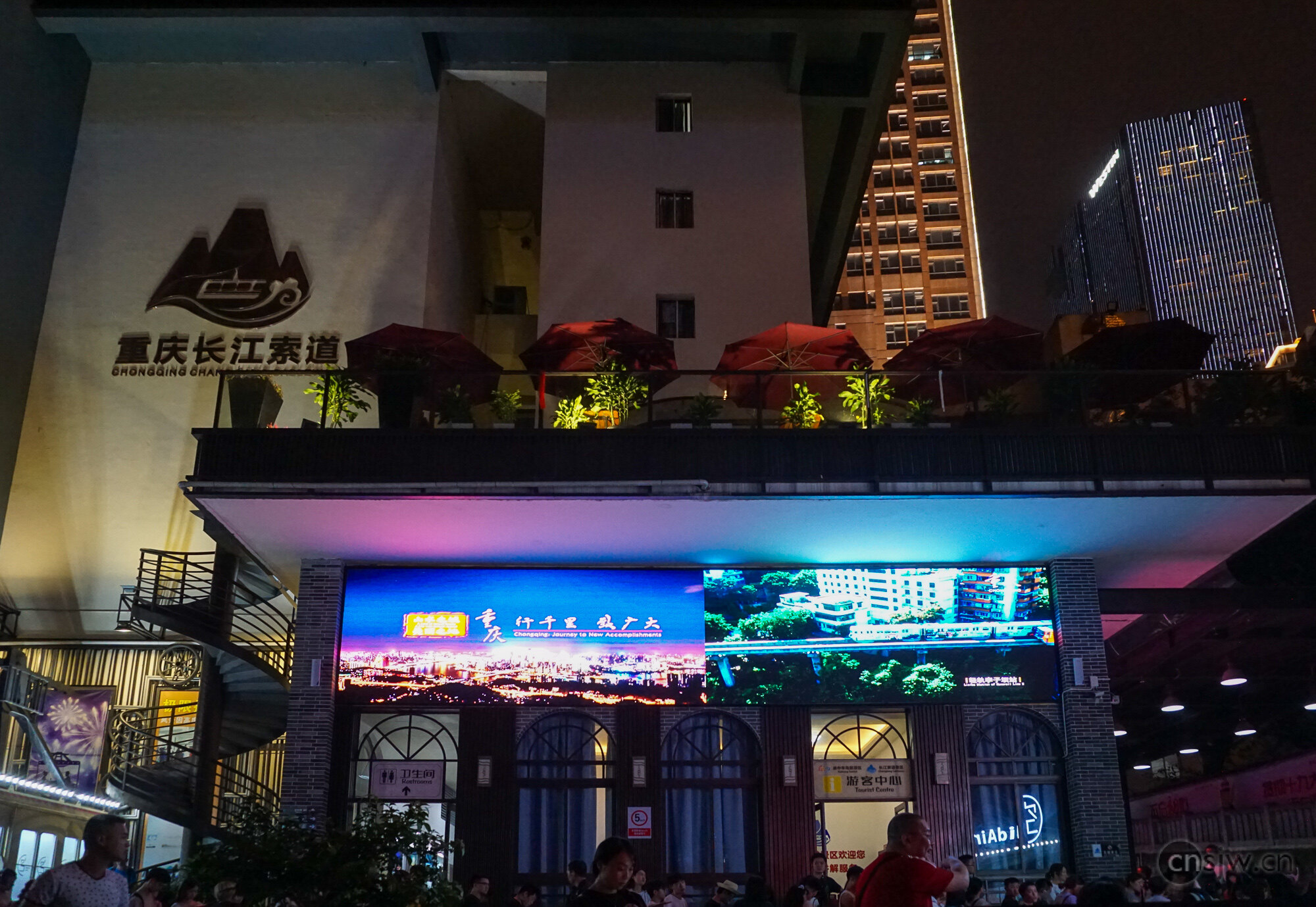
The Yangtze River Cableway was originally a means of transportation for Chongqing residents to cross the river. Now that there is a metro system, and after being popularized by numerous movies and TV shows, it has basically turned into a tourist attraction. On weekend days, you can expect to wait in line for about 2 hours. I happened to walk here while taking an evening stroll near my hotel; seeing the line wasn’t too long, I decided to give it a try, but still ended up waiting for an hour. To make matters worse, a lady behind me kept pushing forward constantly, which was absolutely maddening.
A one-way ticket costs 20 RMB, and a round-trip ticket is 30 RMB. You can purchase tickets in advance by scanning a WeChat QR code; the ticket window only accepts cash. Using a transportation card gives you a 10% discount on one-way fares. Local residents can go to the Visitor Center with their ID card for verification, and then use their ID and transportation card to enjoy a special one-way fare of 1.8 RMB during commuting hours. However, given how long the queues are nowadays, I doubt anyone still takes this to get to work…
There is also an express reservation channel for 60 RMB, which includes a one-way cableway ticket from Xinhua Road to Shangxinjie, a drink, a guided tour service, and a return sightseeing bus ticket. This requires booking 2 hours in advance. Since it was already evening when I visited, same-day reservations were no longer available…
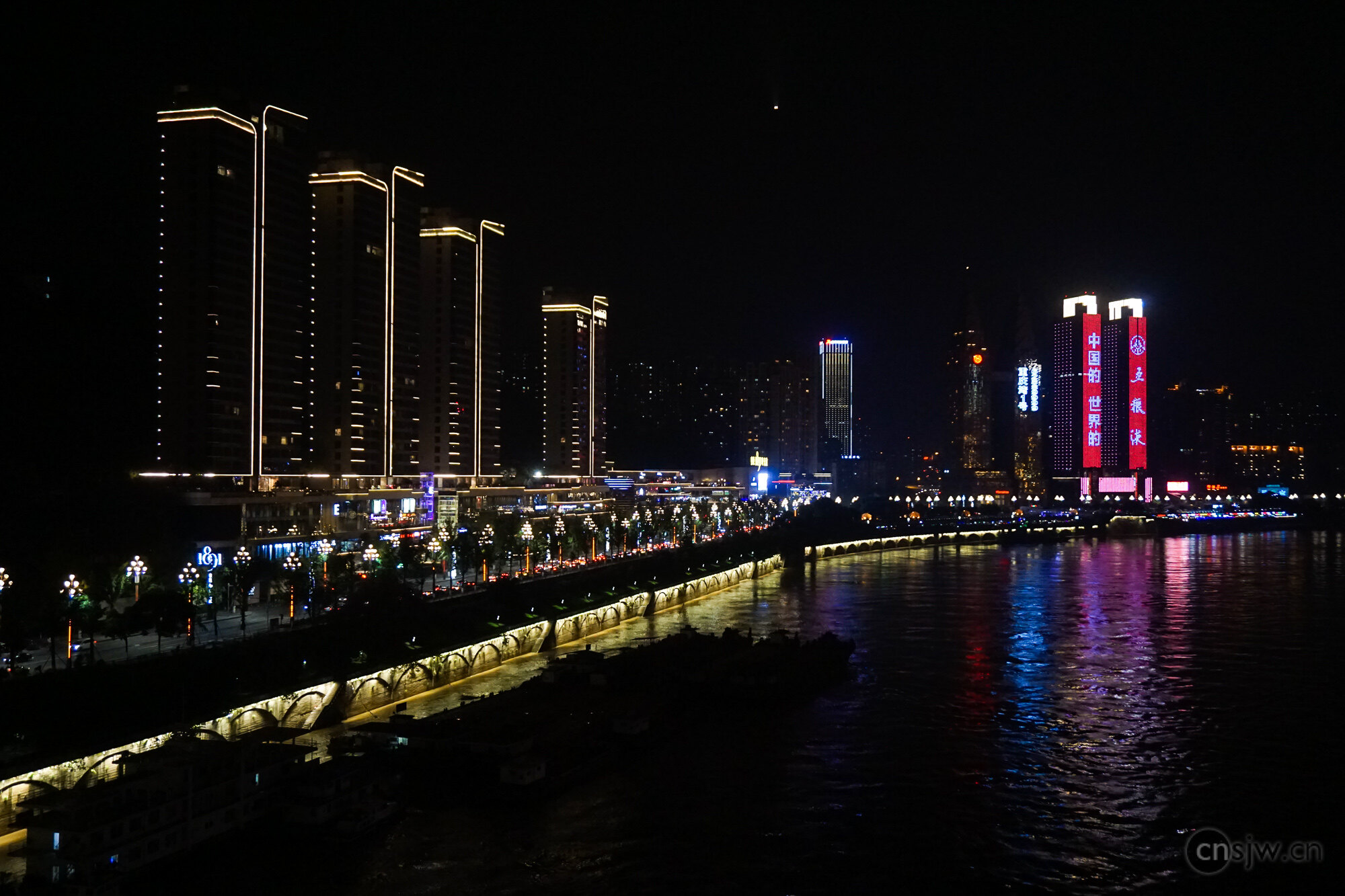
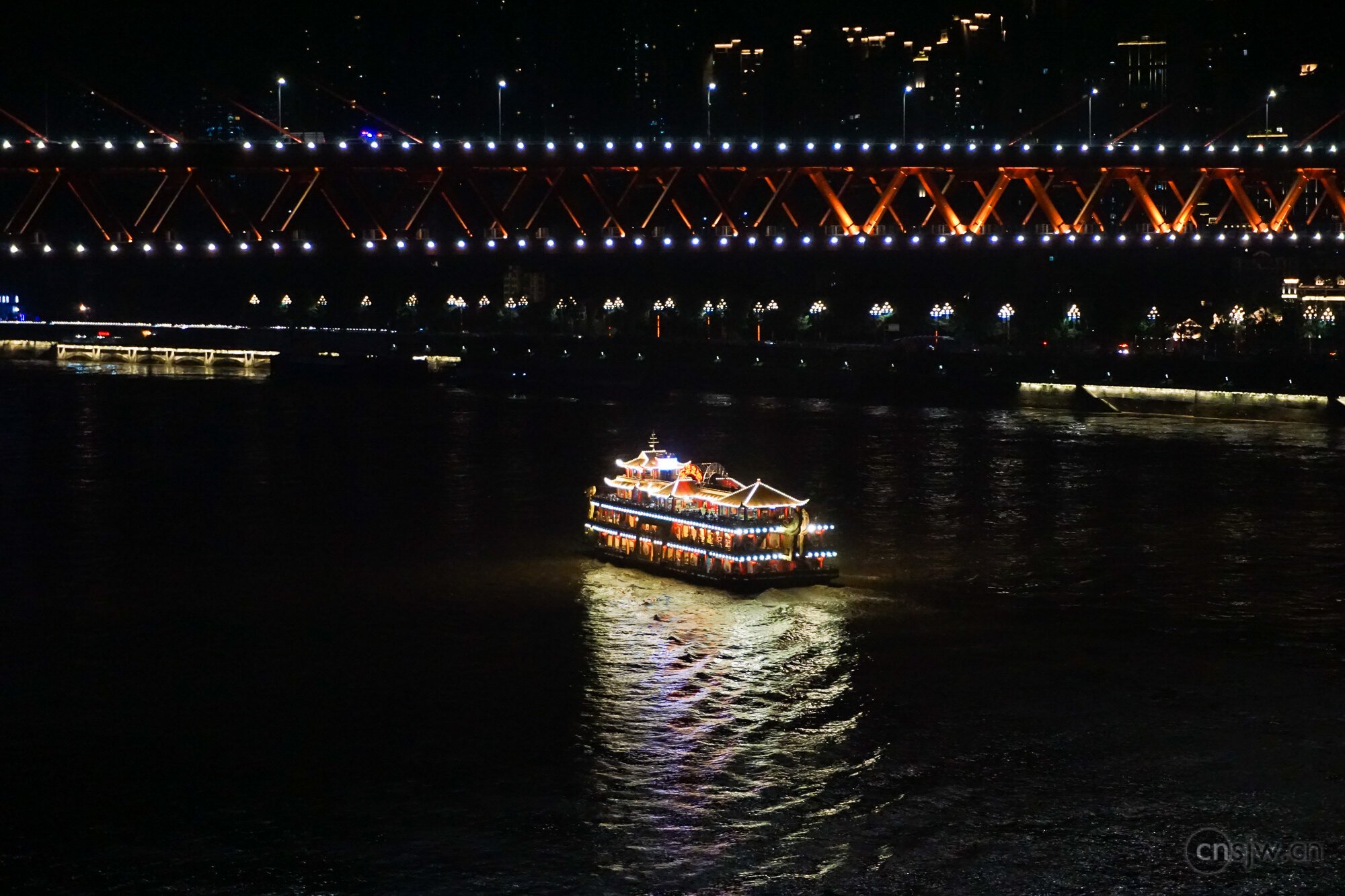
I initially thought we could see Hongya Cave from here, but later realized this is the Yangtze River Cableway, not over the Jialing River… So actually, the night views on both banks here aren’t particularly outstanding—in fact, they’re quite mediocre, perhaps even less bustling than the night view at Zhongshan Park… Moreover, the last few runs were packed with people, and there was no air conditioning inside the cabin. Overall, it’s really not worth the long wait in line…
Lianglukou Crown Escalator
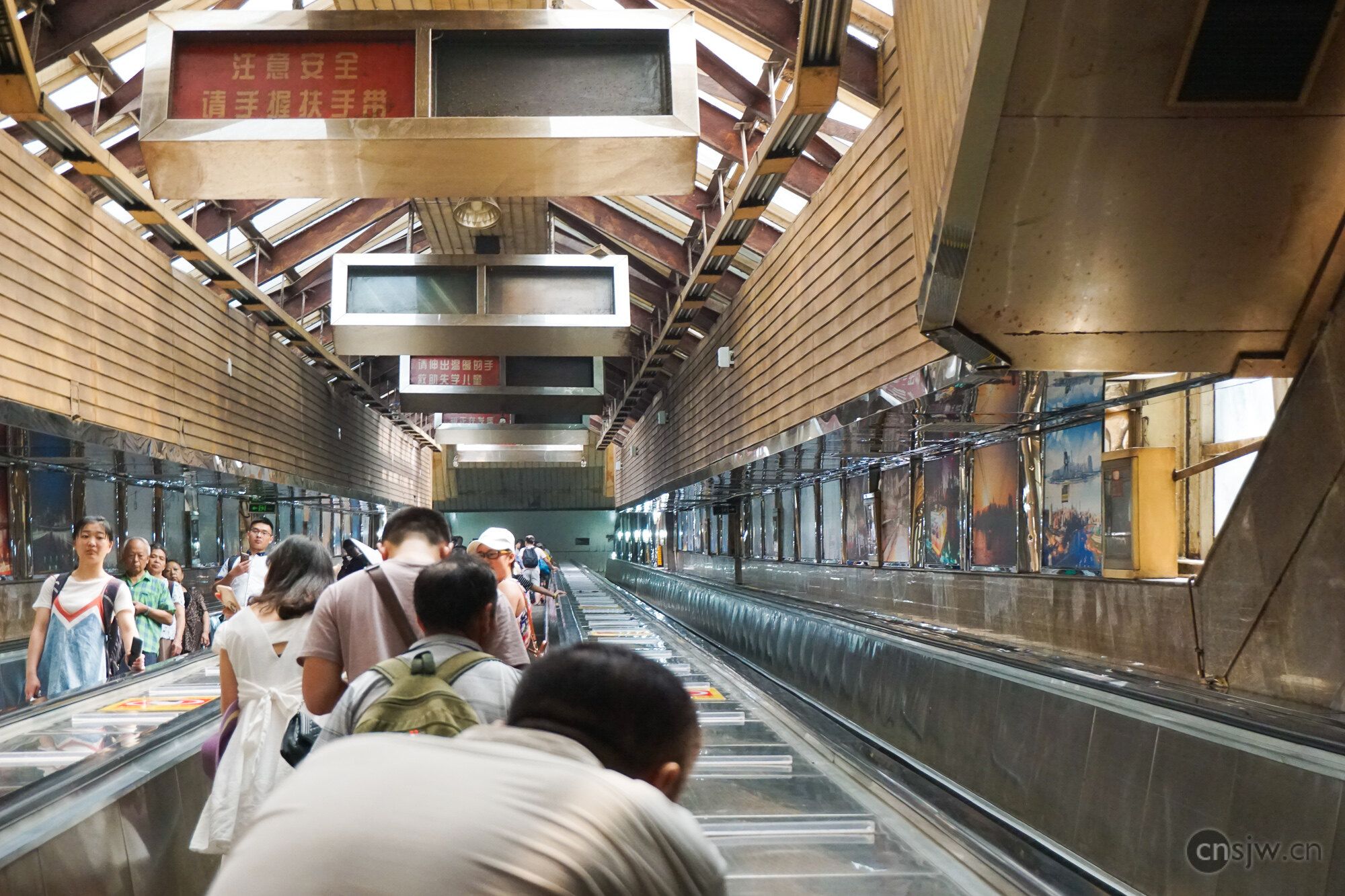
It’s even more baffling why this place became so popular—probably solely because of ‘Go Fighting!’? In reality, this is just a mode of transport connecting Lianglukou Metro Station and Chongqing Railway Caiyuanba Station. Unlike the Mid-Levels Escalator in Hong Kong, which is surrounded by food stalls, there’s nothing to explore here once you reach the end—it just leads to the train station. You have no choice but to ride back down. A one-way trip costs 2 RMB, and a round trip is 4 RMB~~
Perhaps its fame comes from the fact that, with a total length of 112 meters and a vertical rise of 52.7 meters, it is the second-longest escalator in Asia (the longest is in a Pyongyang metro station in North Korea, measuring 150 meters long with a 64-meter vertical rise)?
Liziba Station
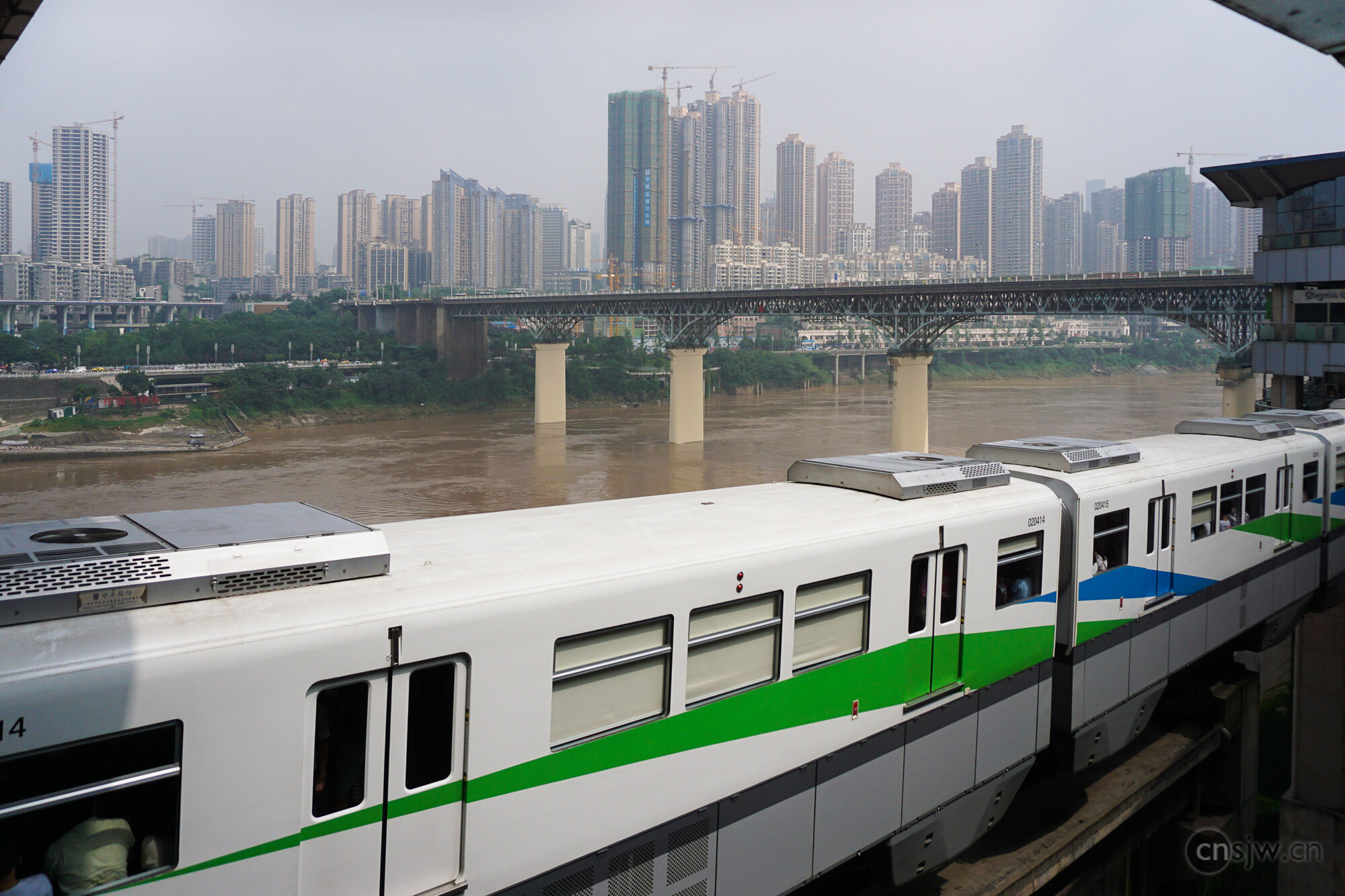
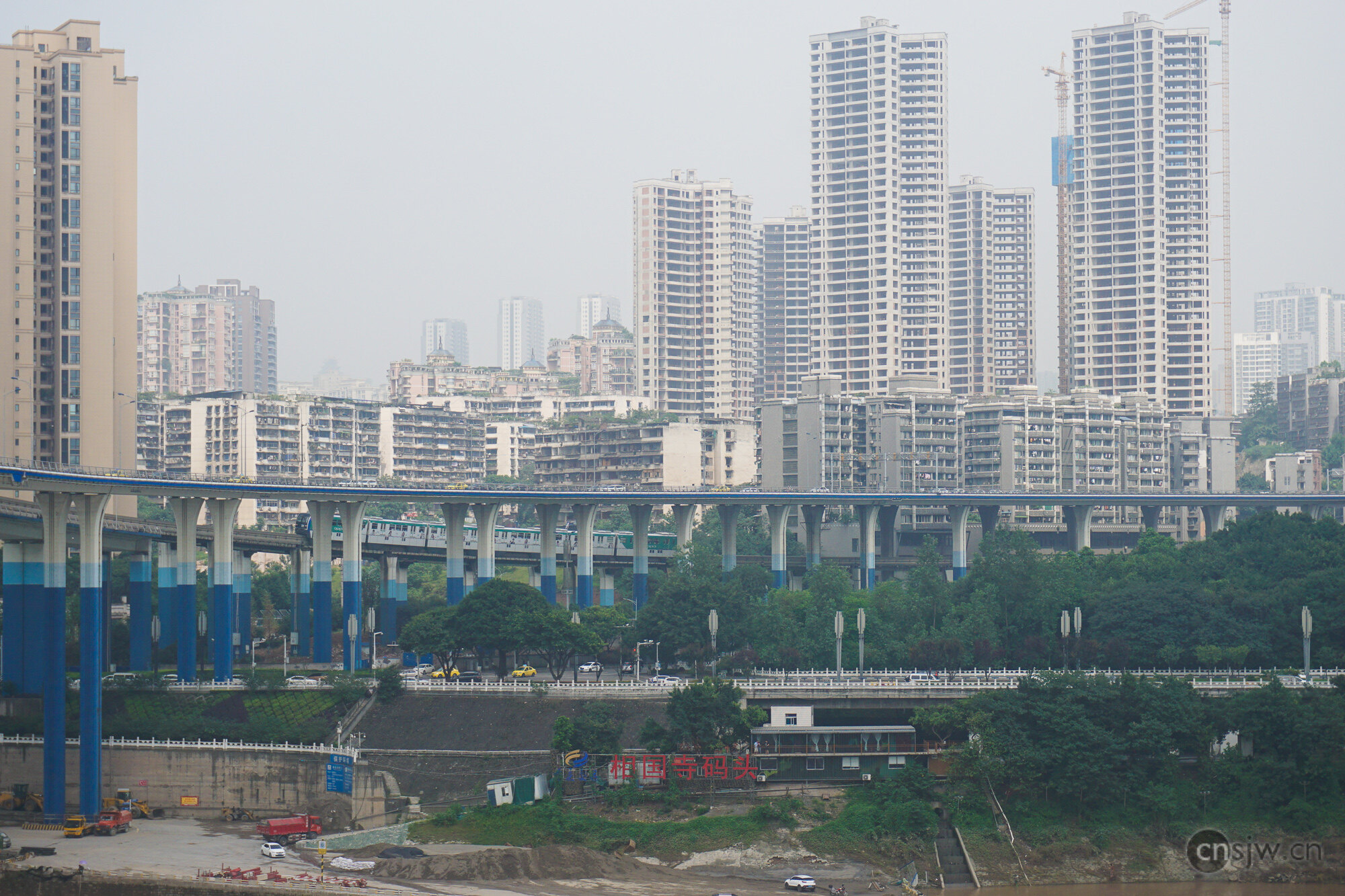
One thing I find fascinating about Chongqing is its multi-dimensional transportation system in this mountain city. Buildings are constructed on solid rock, making it suitable for high-rises. Also, because both rivers are quite deep—the Yangtze exceeds 100 meters in depth—and there are currently no underwater tunnels, crossing relies entirely on bridges. Since these bridges carry both road traffic and metro trains, Chongqing’s metro suddenly goes underground, then above ground, and then onto bridges, creating a fun up-and-down experience.
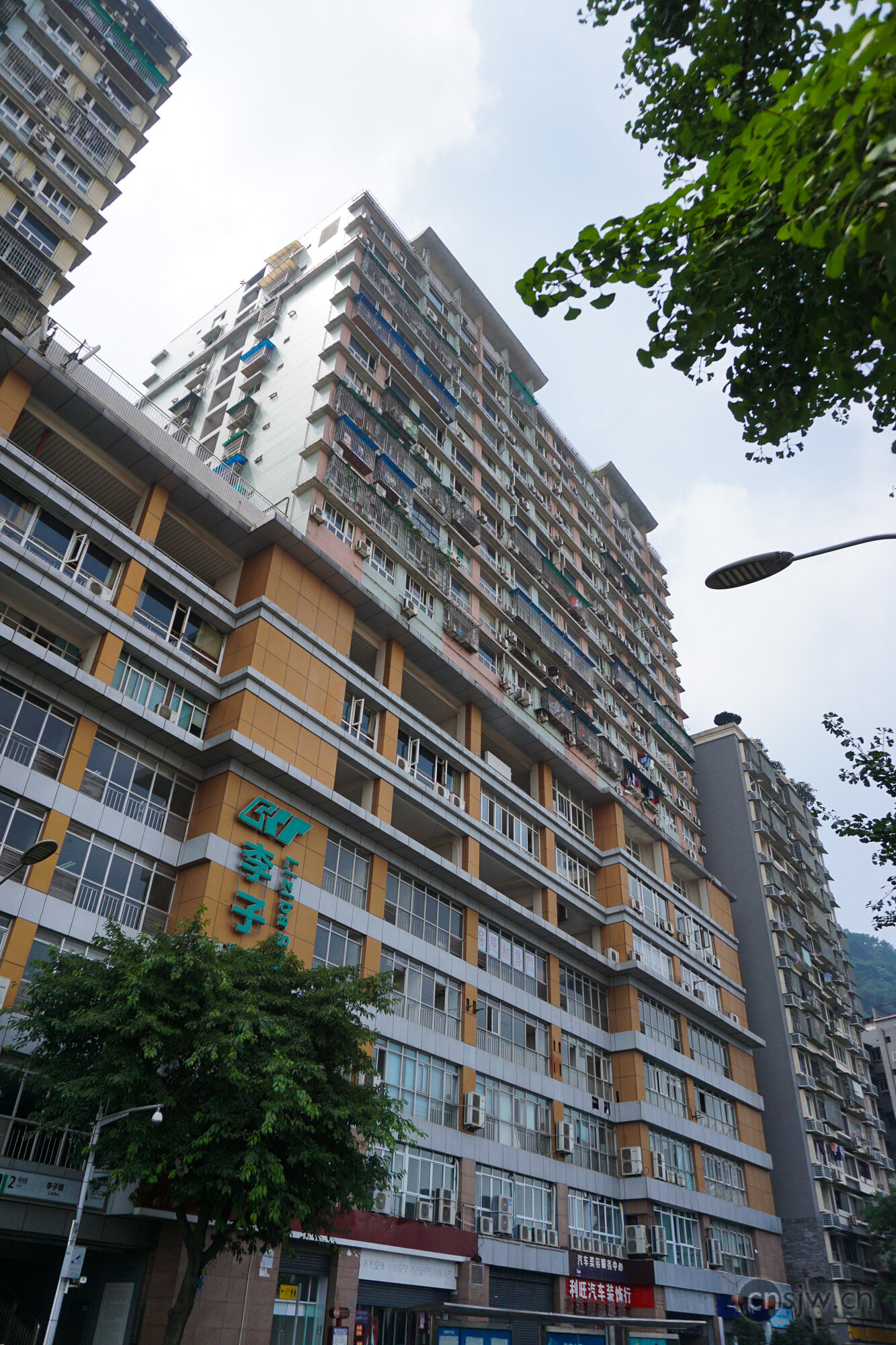
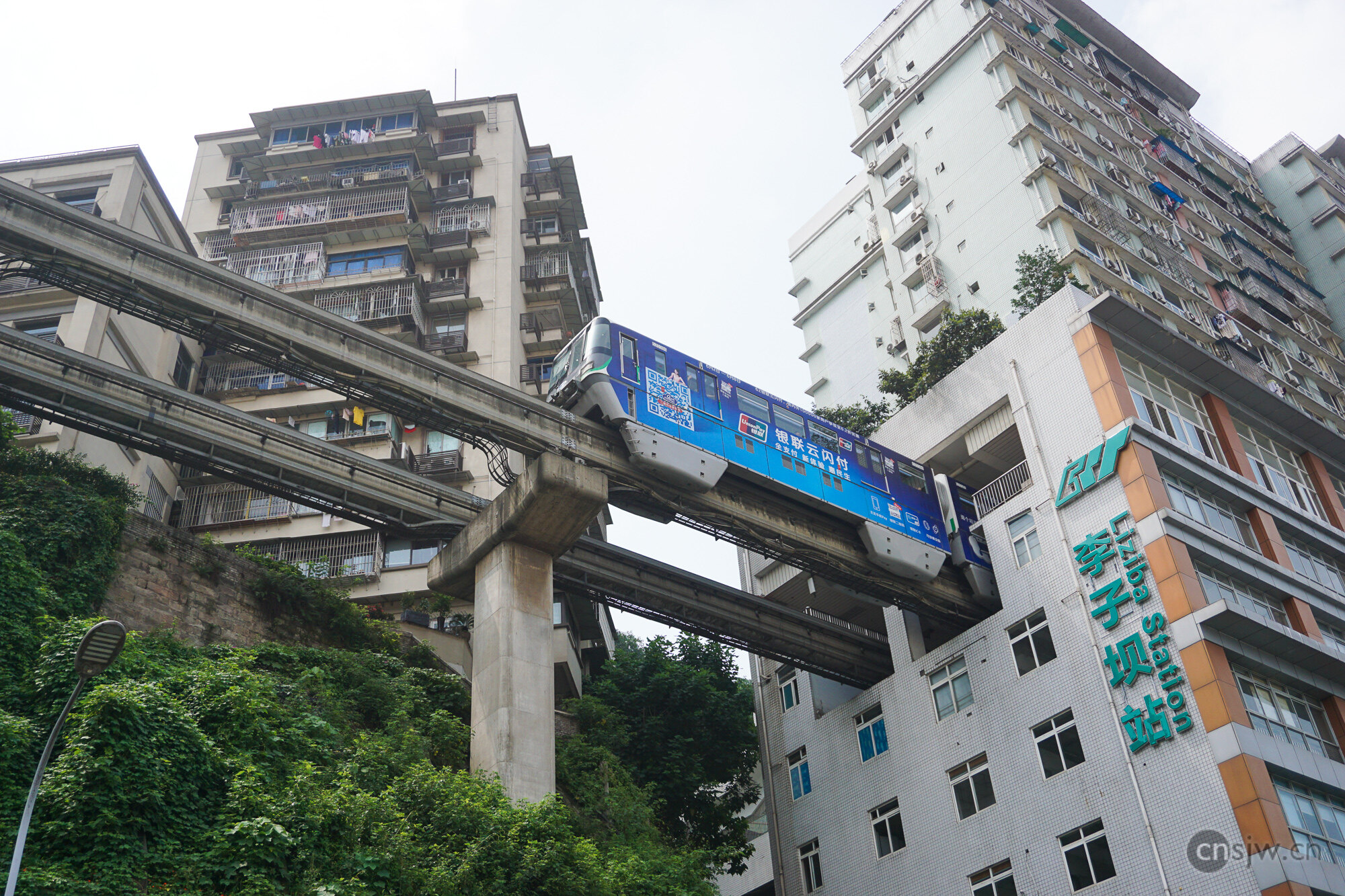
Liziba Station, which suddenly went viral, is famous for the metro train passing through a residential building, becoming a must-visit internet-famous spot. The station is located on the 8th floor, so after exiting, you have to descend floor by floor to reach street level—it’s quite a workout. If you cross the street, you’ll see crowds standing opposite the building holding cameras or phones, waiting for the train. Once a train enters the station and everyone gets their shot, they leave, and the next batch of people immediately takes their place…
Chaotianmen
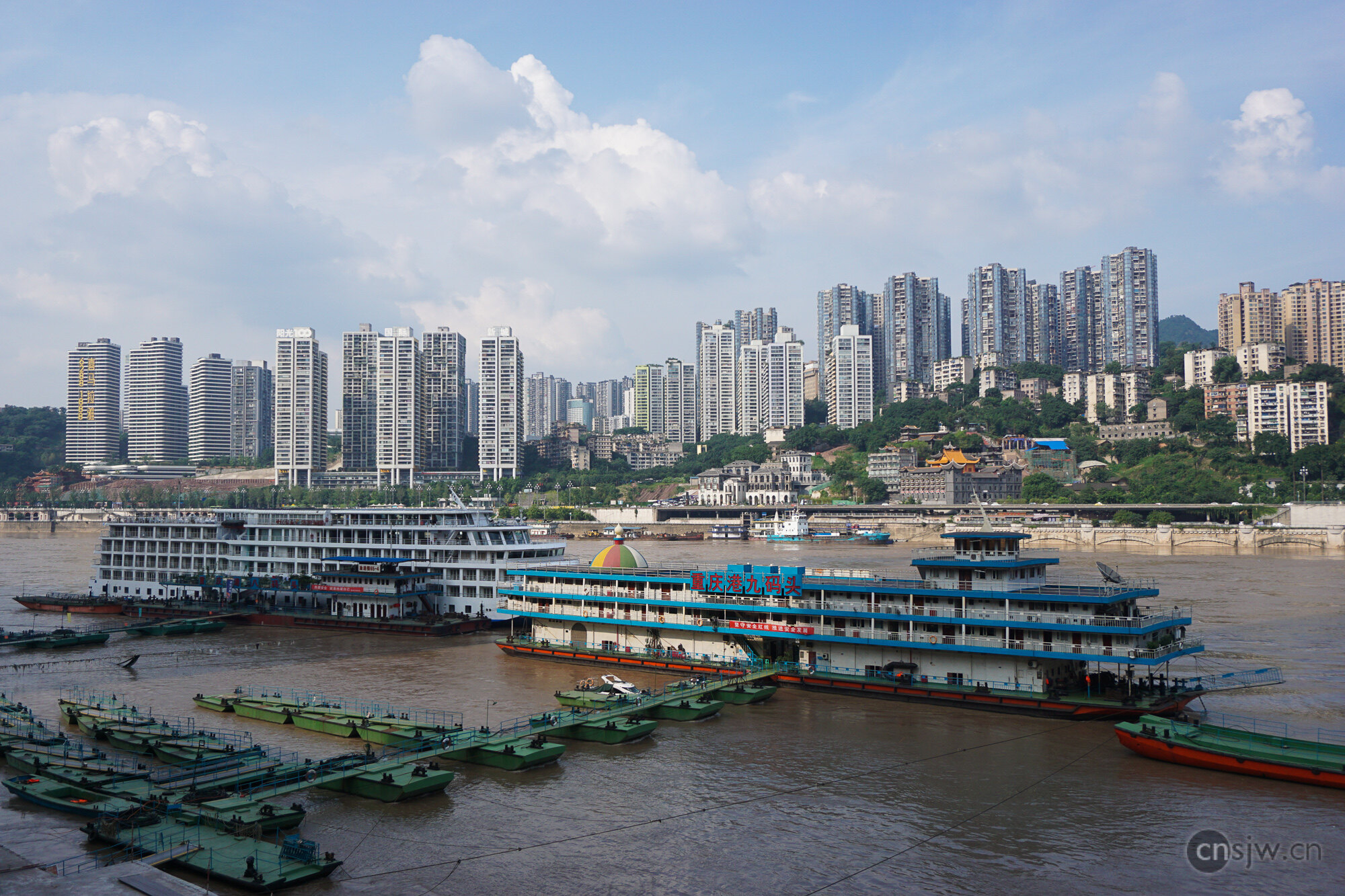
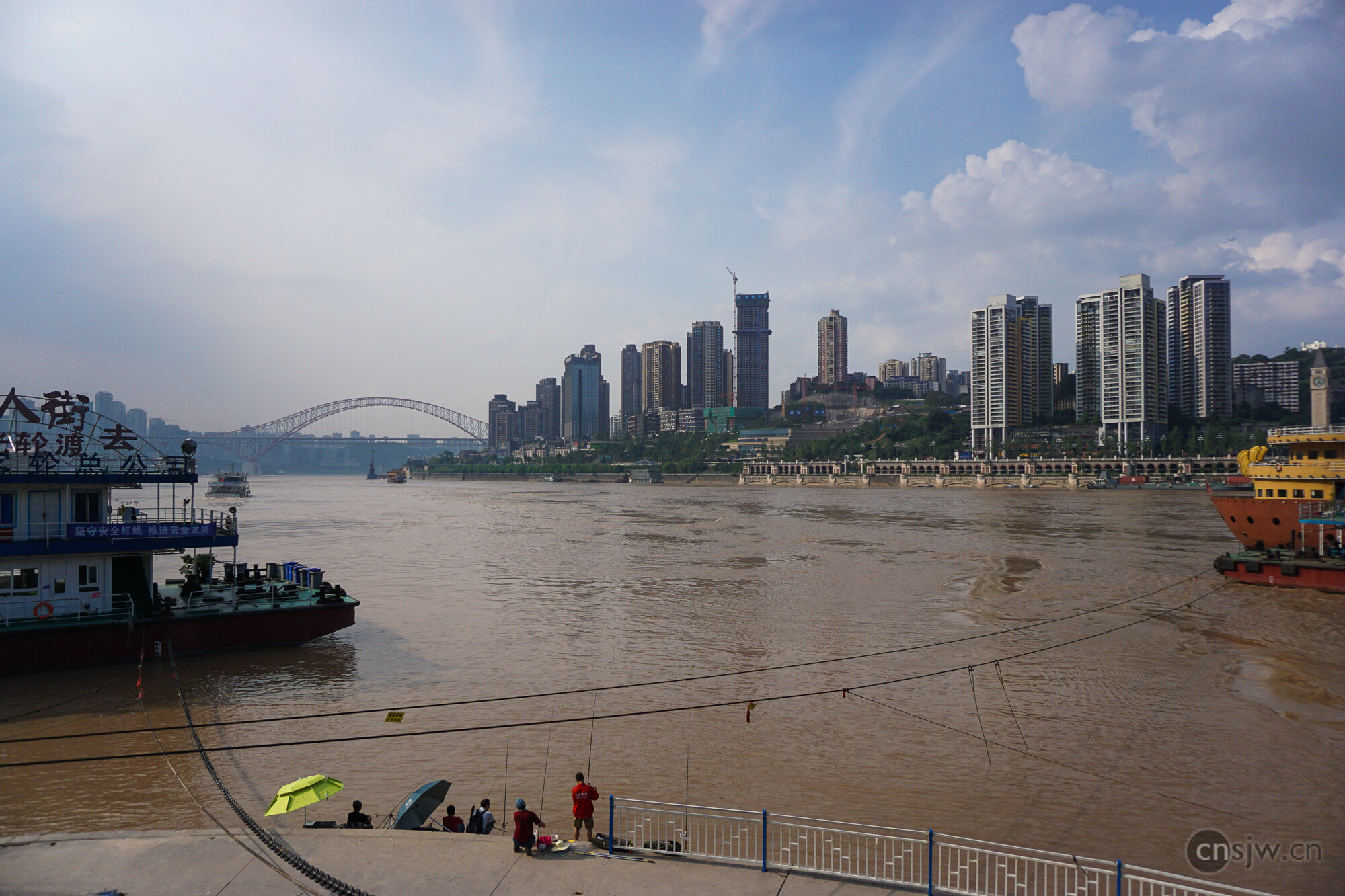
This is one of the old city gates and also the confluence of two rivers. It is famous because the Jialing River water is green while the Yangtze River water is yellow, allowing you to see the distinct green and yellow waters merging together… However, due to continuous rainfall upstream during my visit, sediment washed downstream, turning the Jialing River water yellow as well… So essentially… there was nothing to see…
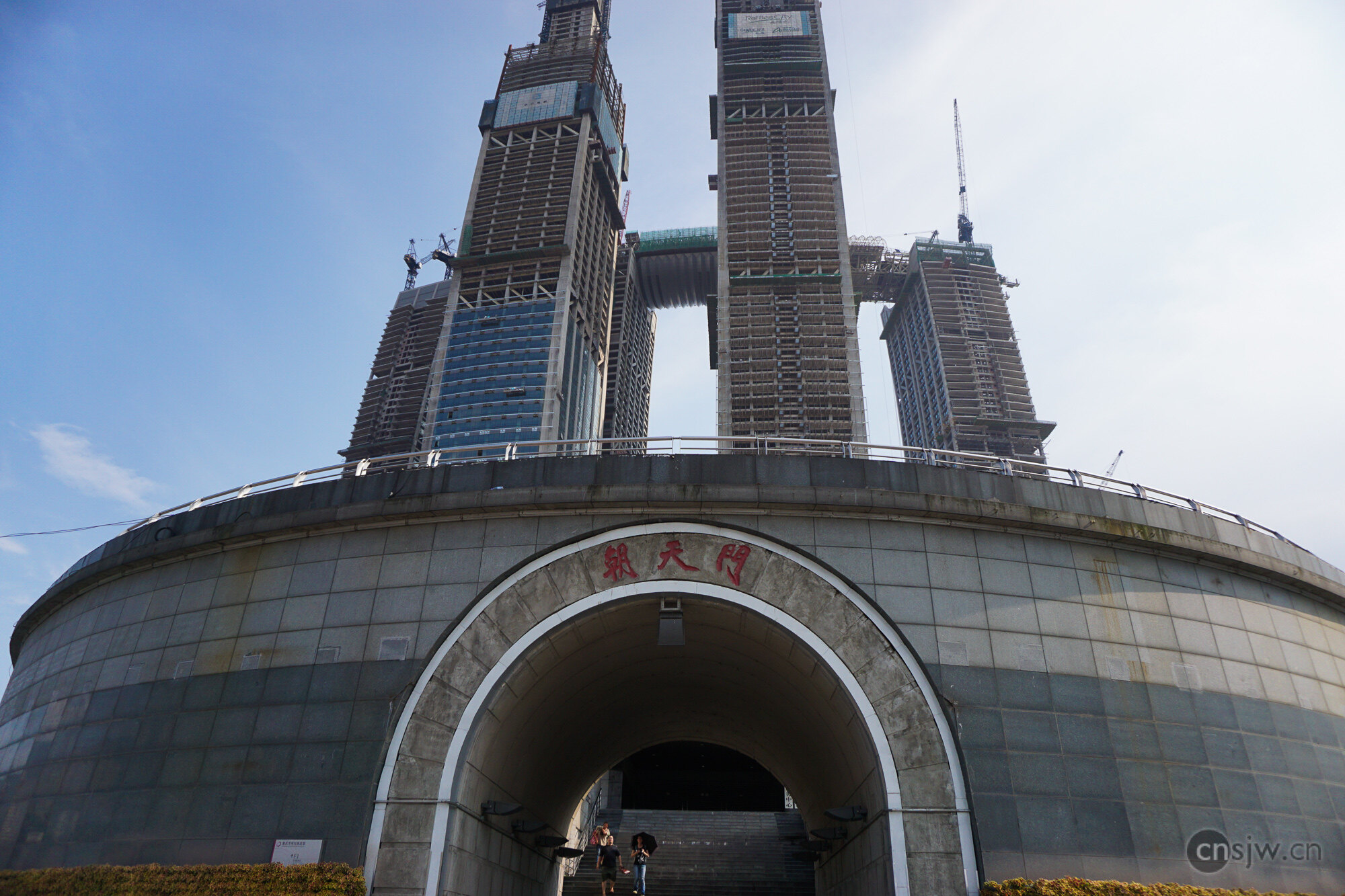
Additionally, this area serves as the pier for Two Rivers Cruises and is currently under construction for Raffles City Chongqing. It looks like a massive construction site; the original square no longer exists, and air pollution is quite severe. Unless you have a specific reason to visit, it’s best to skip it for now…
Shibati (Eighteen Steps)
According to descriptions on other websites, this place used to be like this: A typical old Chongqing-style street adjacent to old residential neighborhoods, offering a glimpse of the authentic mountain city and old Chongqing life. Winding paths lined with small shops offering fortune-telling, pedicures, mole removal, etc., faintly reflecting the shadows of old Chongqing living. Climbing the steps to the top leads to Jiaochangkou, capturing all the worldly bustle; looking down below feels like witnessing two different eras.
However, it is now fenced off for demolition, aiming to create a scenic area similar to Xintiandi, much like what was done with Hongya Cave. I foolishly walked all the way there, only to find that entry is no longer possible.
Photos in this post taken with SONY A5100 + 16-50 f3.5-5.6, post-processed in Lightroom.

Support



Read this article on WeChat