
Hongya Cave, originally named Hongya Gate, was one of the ancient city gates of Chongqing. In fact, the urban area of Chongqing used to be very small, covering almost only the entire Jiefangbei area. In the fourth year of the Hongwu reign of the Ming Dynasty (1371), Dai Ding built the city walls for the fourth time, constructing seventeen gates: nine open and eight closed. Hongya Gate was a “closed gate,” meaning it was essentially a fake gate; it had a gate tower and gun emplacements but no actual door, serving instead to create an illusion and for military drills. Originally, there was a cave on the cliff outside this gate where, according to legend, the Immortal Hongya resided, which is why it was later renamed Hongya Cave.
Originally, there was also a scenic spot here called “Dripping Emerald at Hongya,” one of the Twelve Scenes of Ancient Bayu, which is still preserved today. During the Qing Dynasty, due to urban sewage issues, this scenic spot once turned into a foul-smelling waterfall. Hongya Cave was once occupied by beggars, porters, boat trackers, and others who built stilted houses along the cliff edge using cheap materials and without any architectural design. With the passage of time, the modernization of transportation, and the declining number of boatmen, as well as improved living standards, the city’s facade could not remain so dilapidated. Consequently, in 2006, the Chongqing Little Swan Group invested nearly 400 million yuan to transform it into a historical style zone, featuring an antique-style commercial street with a distinct stilted house architectural style.
The entire Hongya Cave scenic area is built against the mountain and surprisingly has 11 floors. Most impressively, exiting from the 11th floor leads to a road, and exiting from the 1st floor also leads to a road. As an antique-style commercial street, it doesn’t differ much overall from Shanghai’s Yu Garden and City God Temple; basically, it consists of bars, restaurants, snacks, and tourist souvenirs. The only difference is that there are fewer chain fast-food restaurants here. What they have in common is that both are packed with people and lack particularly attractive shops. Another unbearable point is that floors 6 through 8 house a hotel, so there are no escalators connecting floors 5 to 9. The elevators are usually too crowded to squeeze into because of the massive crowds, leaving you no choice but to take the stairs…
Floors 1 through 3 are rather boring, consisting mainly of antique markets, craft shops, and various tourist souvenir stores. The key issue is that these items can be found at tourist attractions all over the country, lacking any local characteristics, and the prices certainly offer no advantage compared to Taobao.
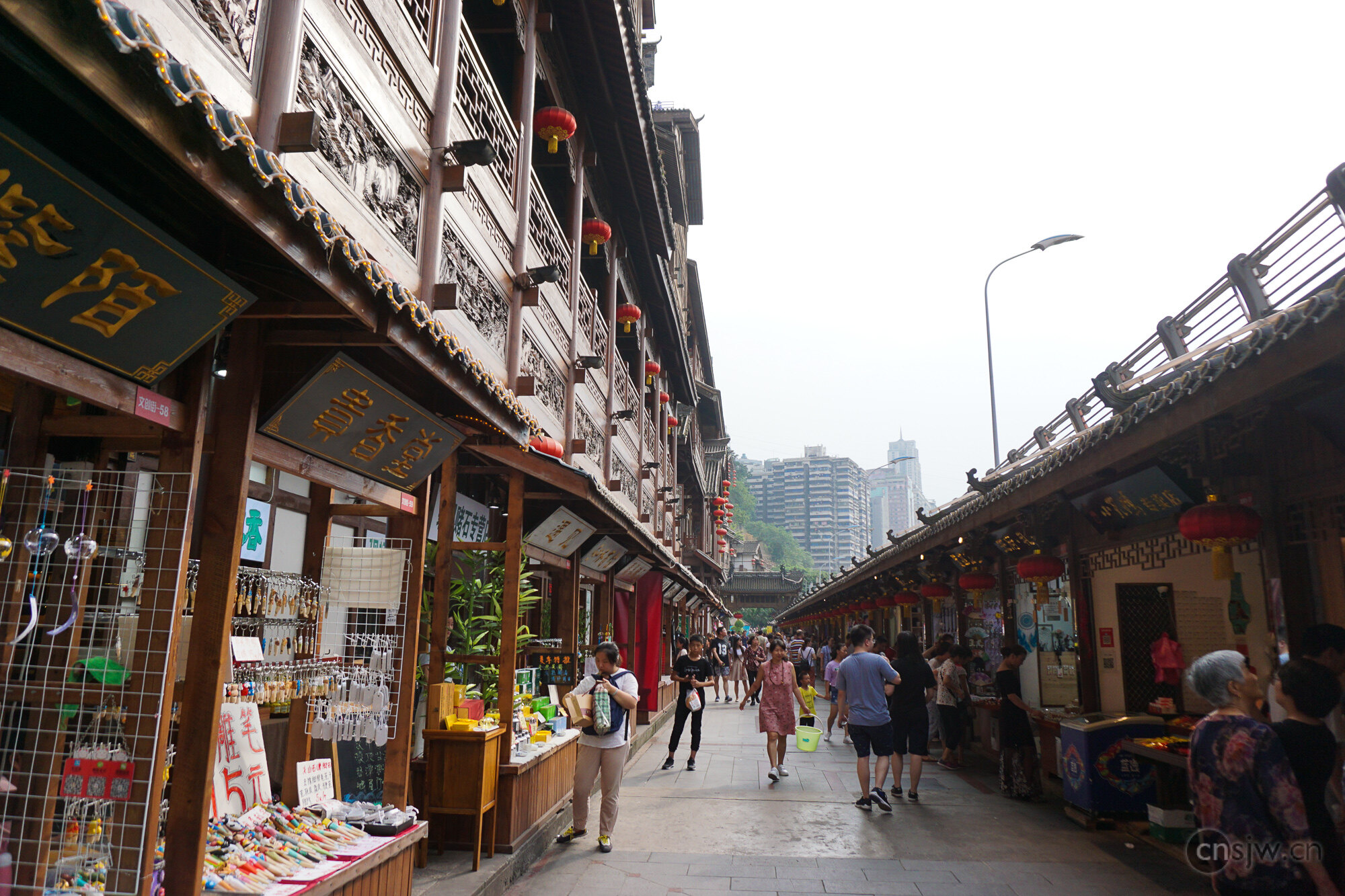
The 4th floor is dedicated to snacks, filled with the strong aroma of stir-fried chilies; the ventilation doesn’t seem very good. The 5th floor is a bar street, which probably only gets lively at night.
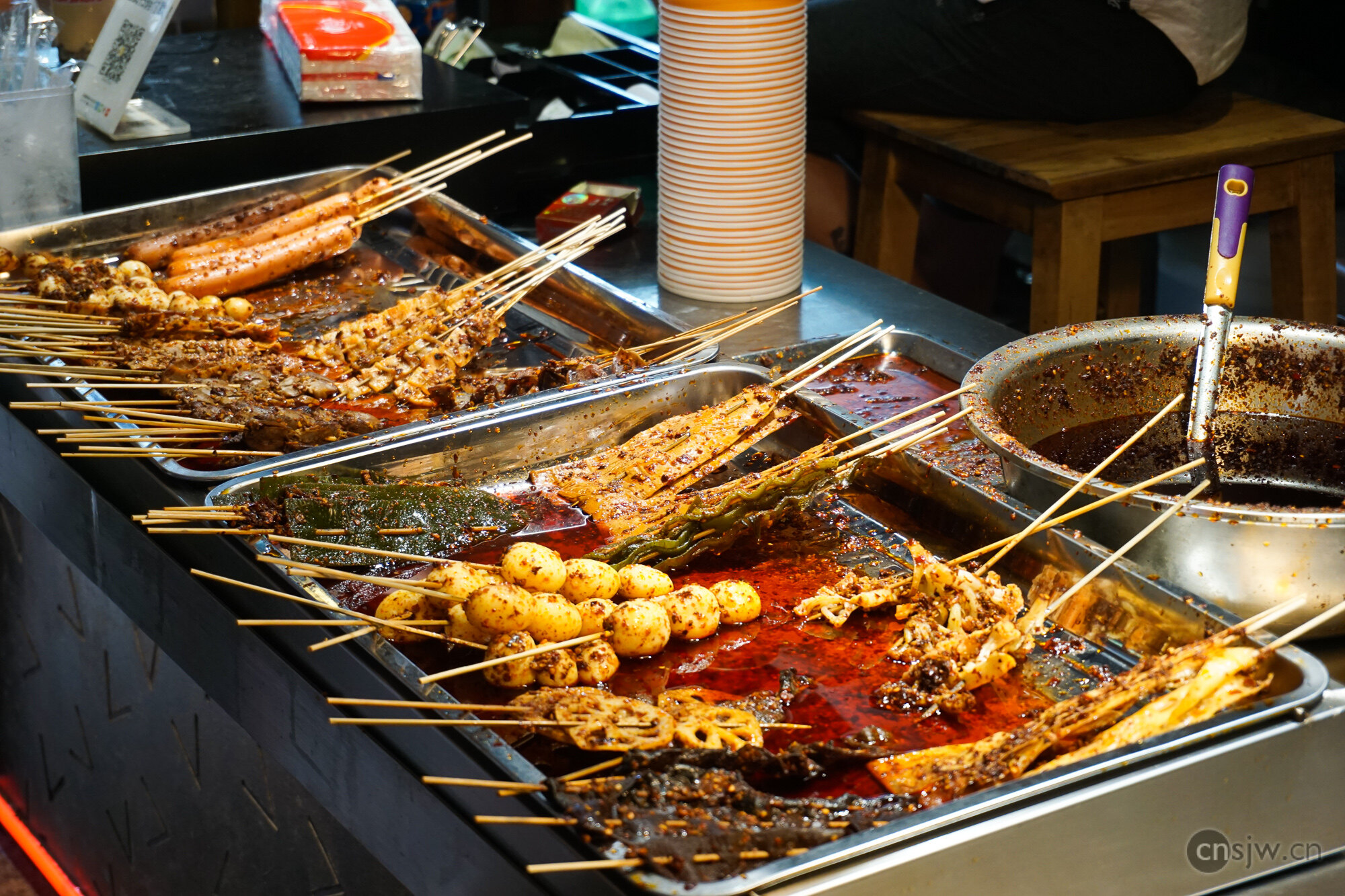
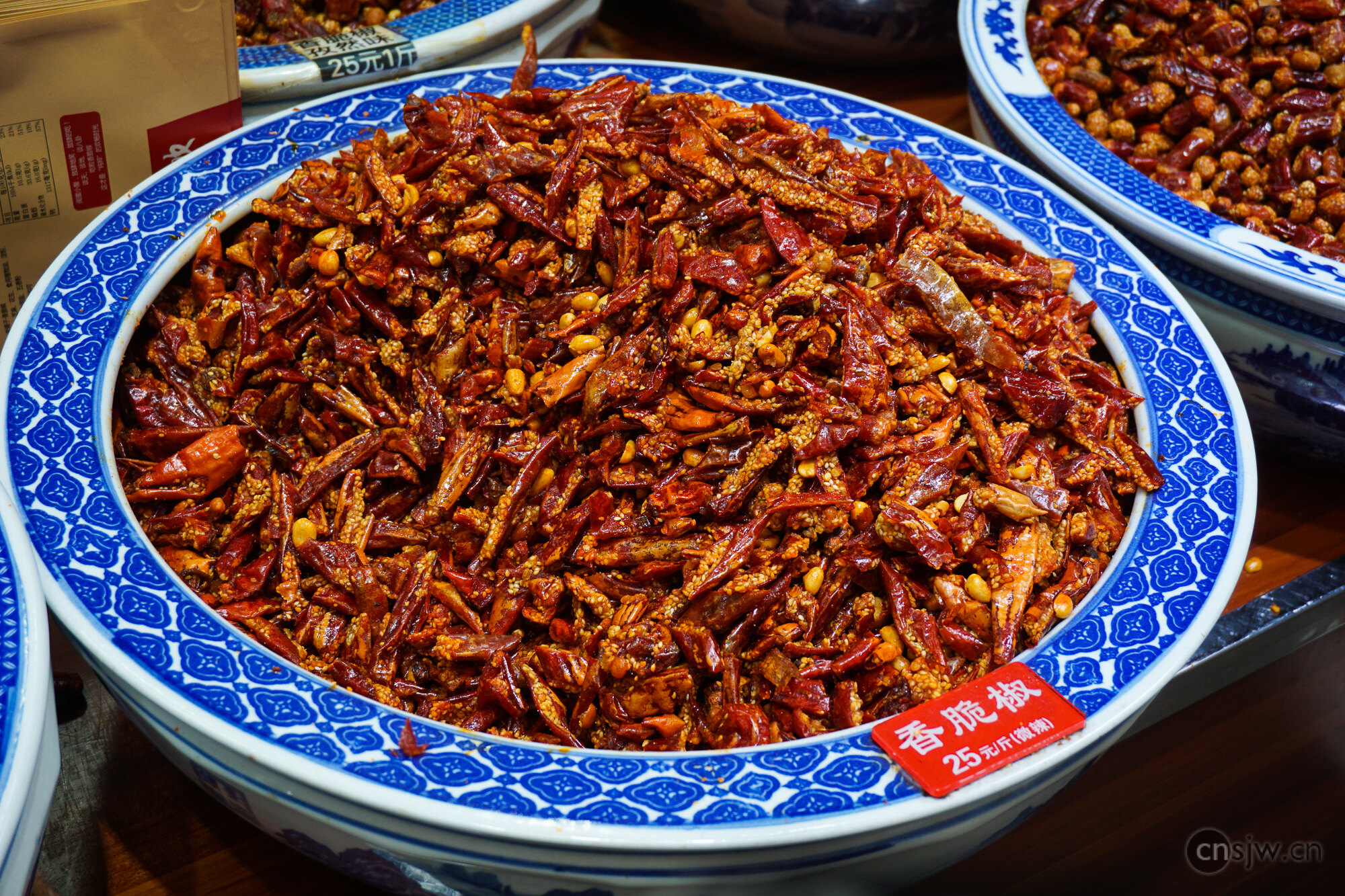
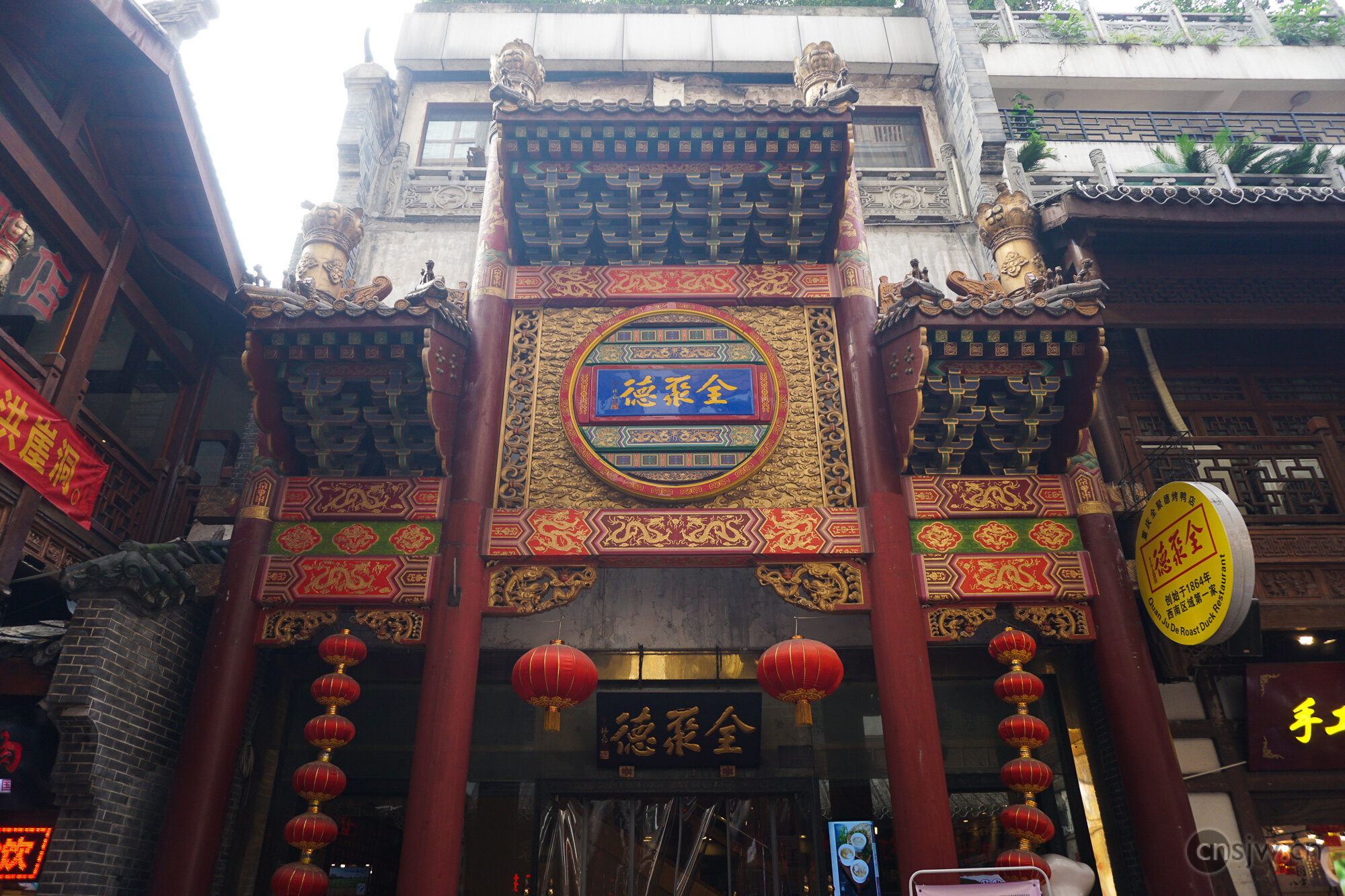
The 9th and 10th floors feature an exotic风情 street with some restaurants and cafes.
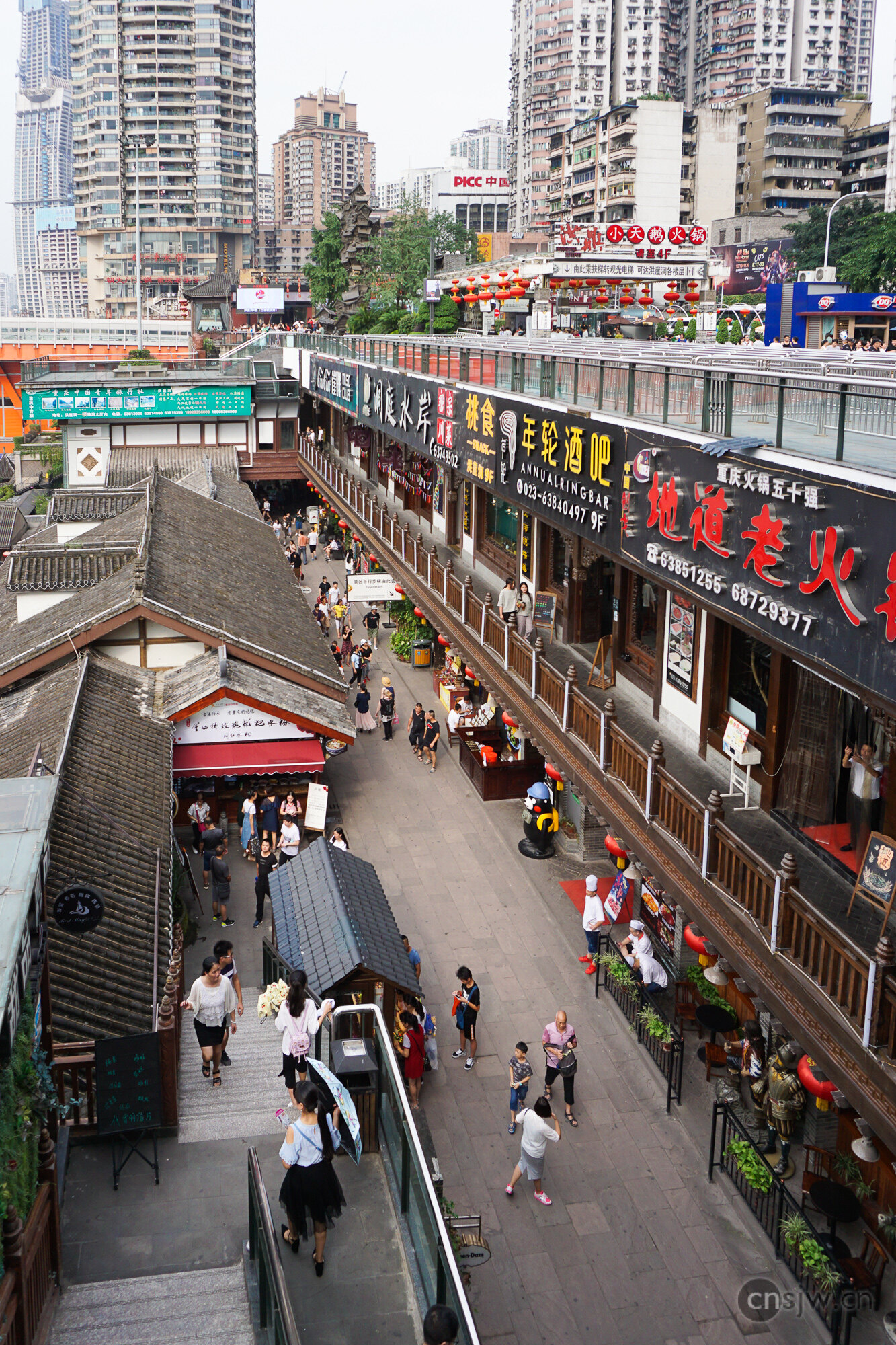
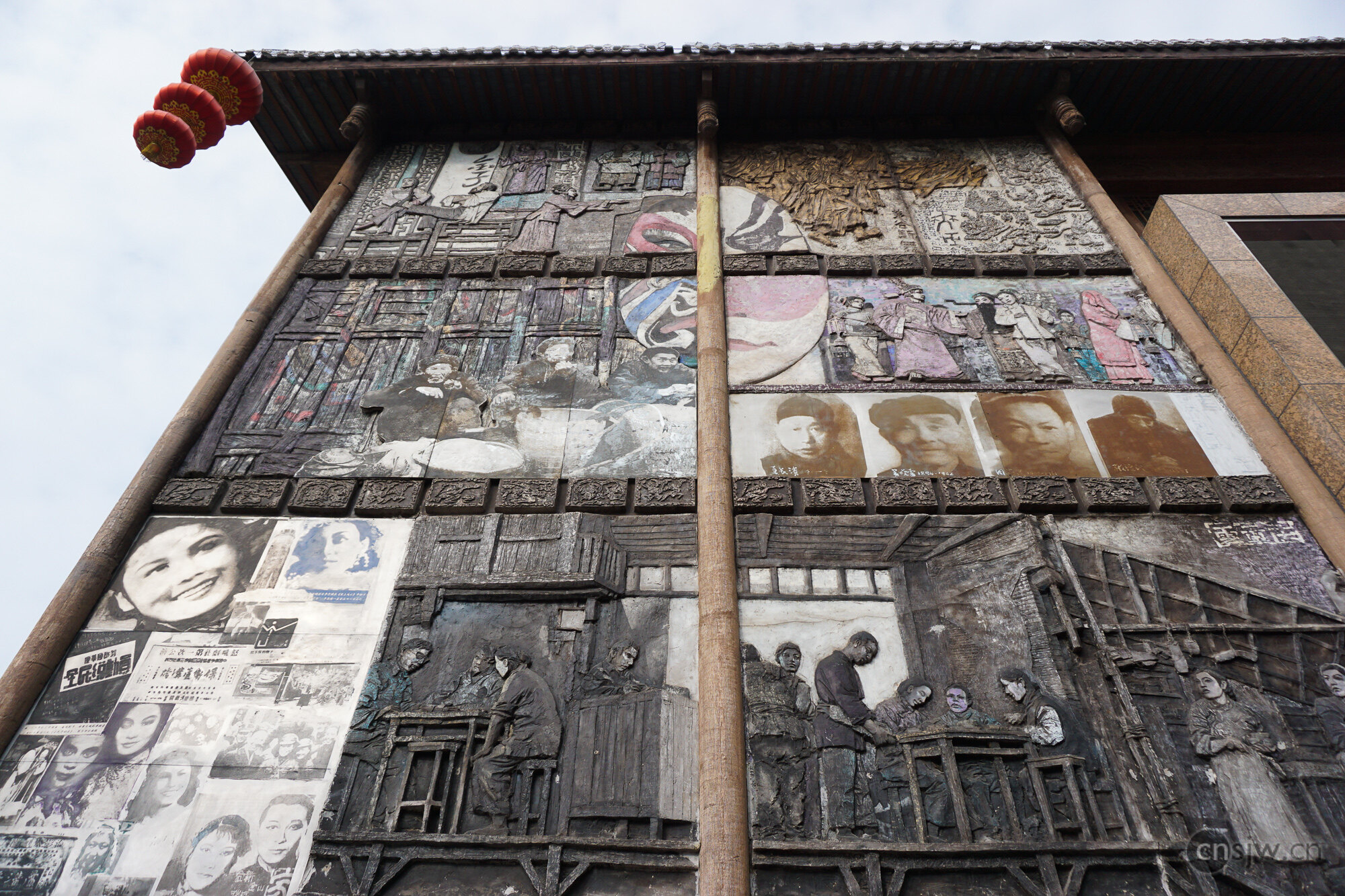
As an upper-level entrance, the 11th floor implements crowd control measures during peak times, and it is also a great spot for viewing the scenery.
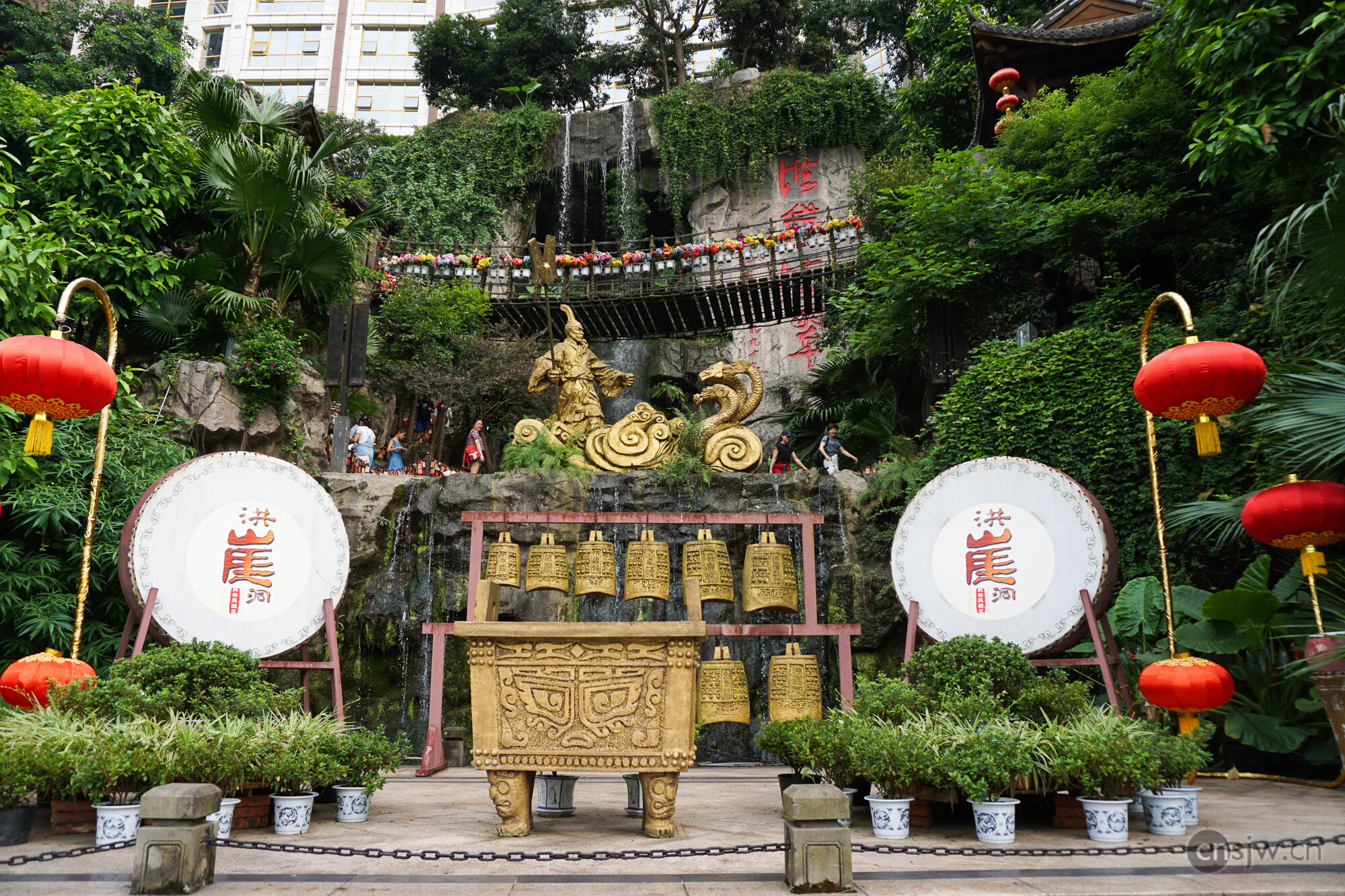
This is the preserved Dripping Emerald at Hongya.
Generally speaking, the daytime experience at the entire Hongya Cave scenic area isn’t great. Between the antique architecture looking somewhat run-down, the unappealing shops, the overwhelming crowds, and the heat, it’s better to visit at night to see the nightscape. In fact, you don’t even need to go inside; viewing it from a distance is sufficient.
Chongqing’s entire nightscape lighting design is optimized for viewing from the river, meaning it looks best from a cruise ship. If you have time, taking a Two Rivers Cruise is highly recommended.
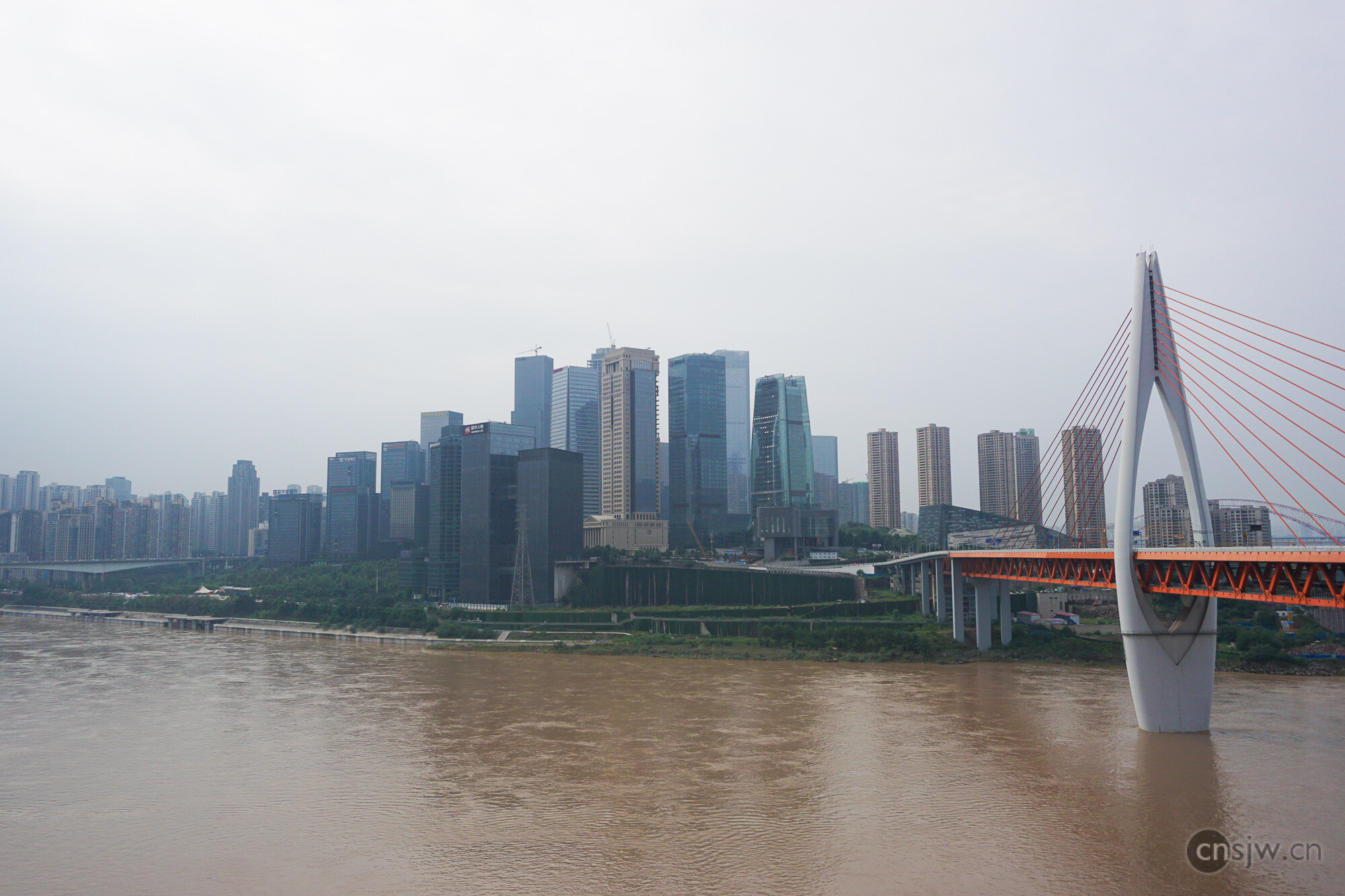
Due to limited time and not booking tickets in advance, I decided to view it from afar from the Qiansimen Jialing River Bridge next to Hongya Cave. This bridge accommodates cars, the metro, and pedestrians, which is quite rare. The only downside is that it gets very crowded at night, and since the scenery is to the west of the bridge while the pedestrian walkway is one-way, I had to walk across and then walk all the way back… Alternatively, you could just take the metro one stop to the other side and walk back from there.

The nightscape of the entire Jiefangbei area.
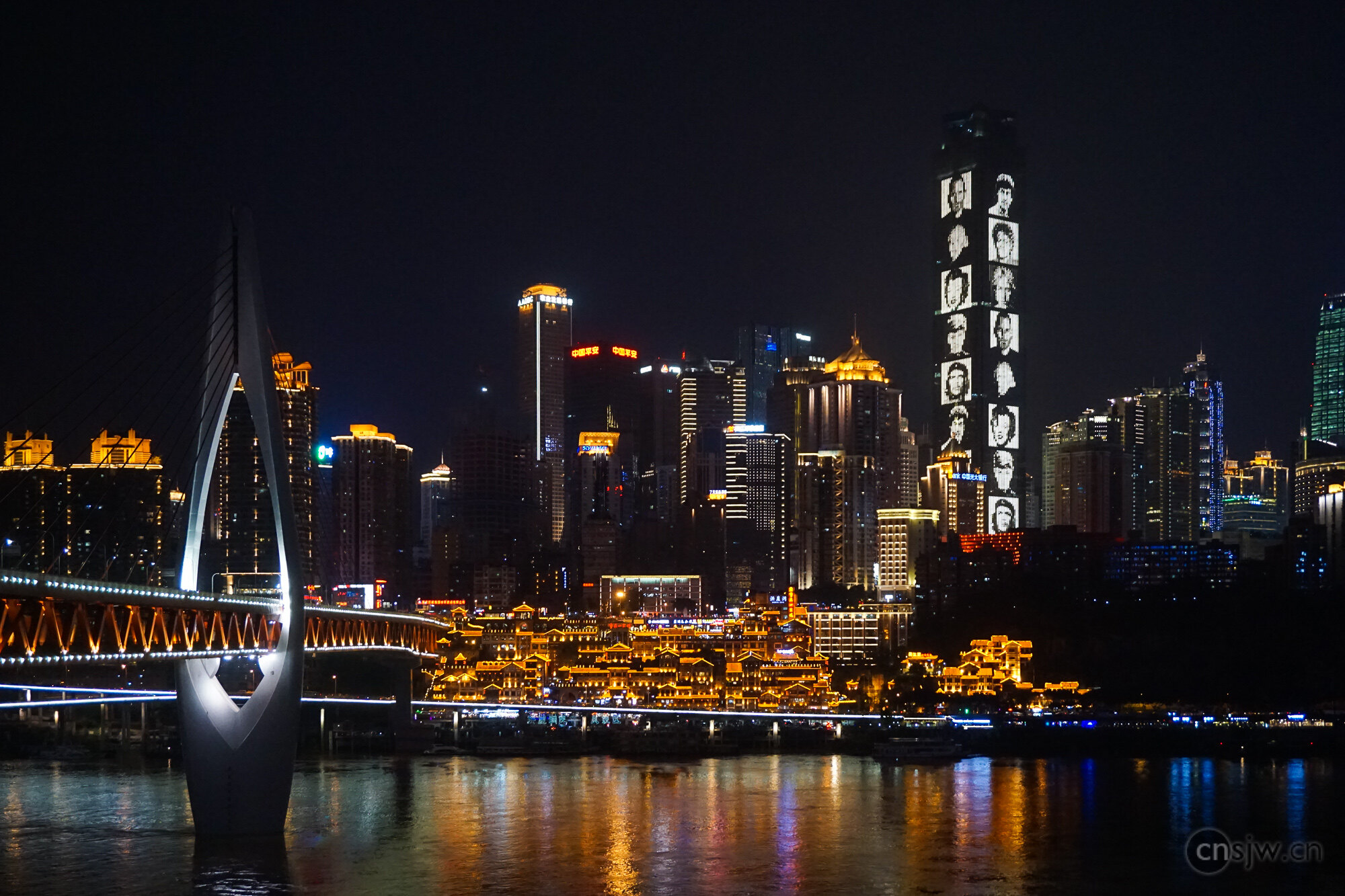
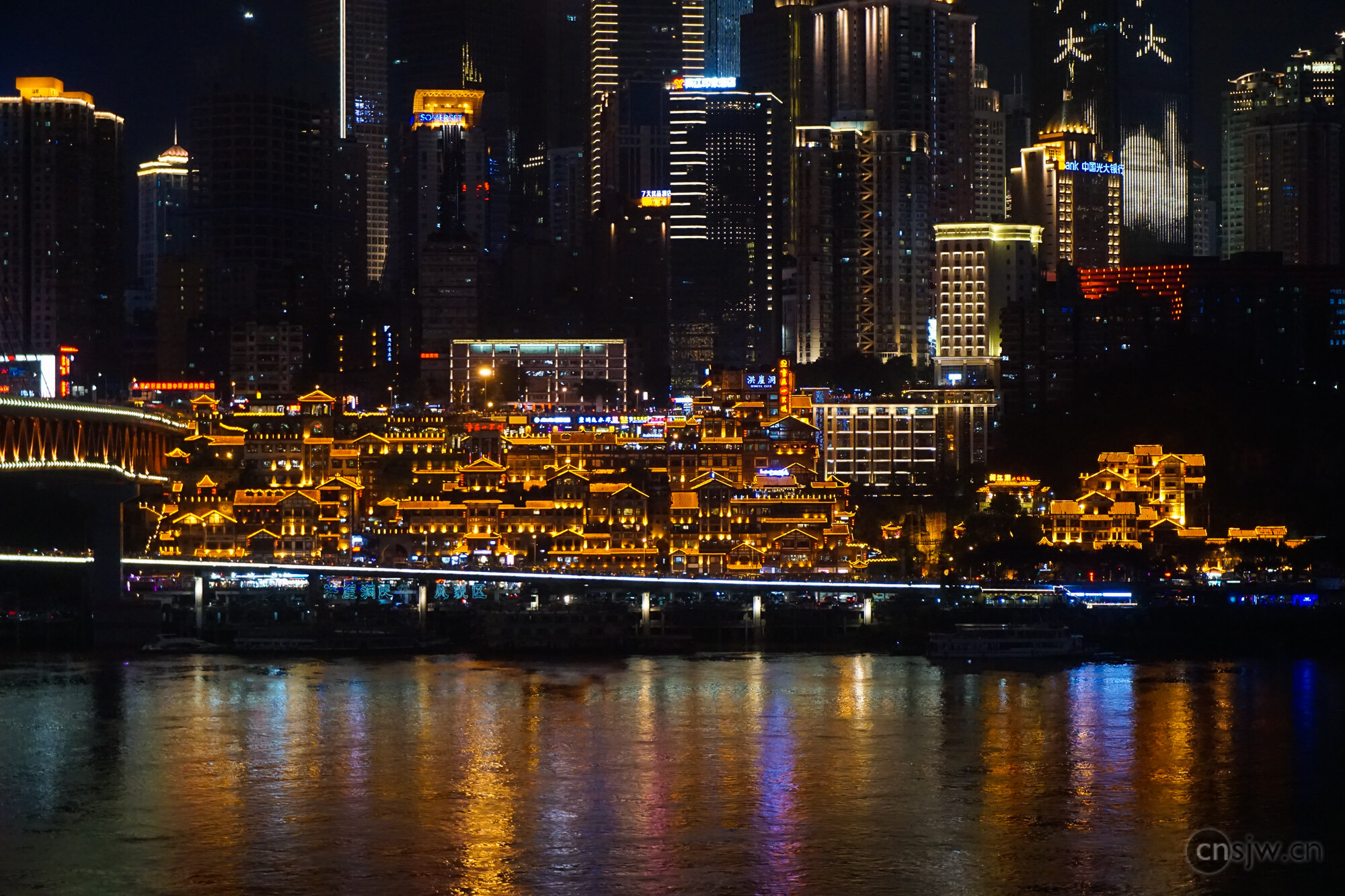

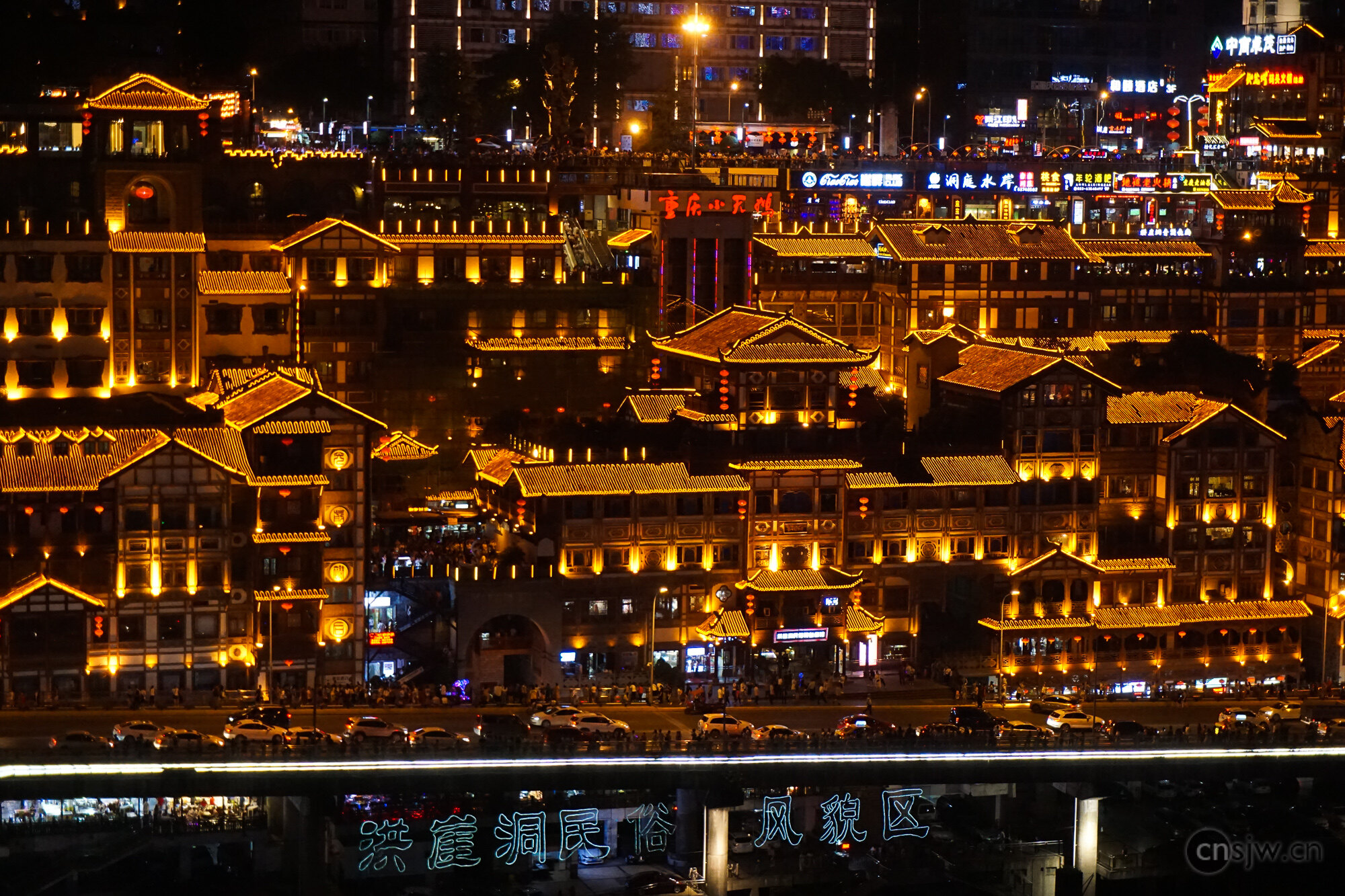
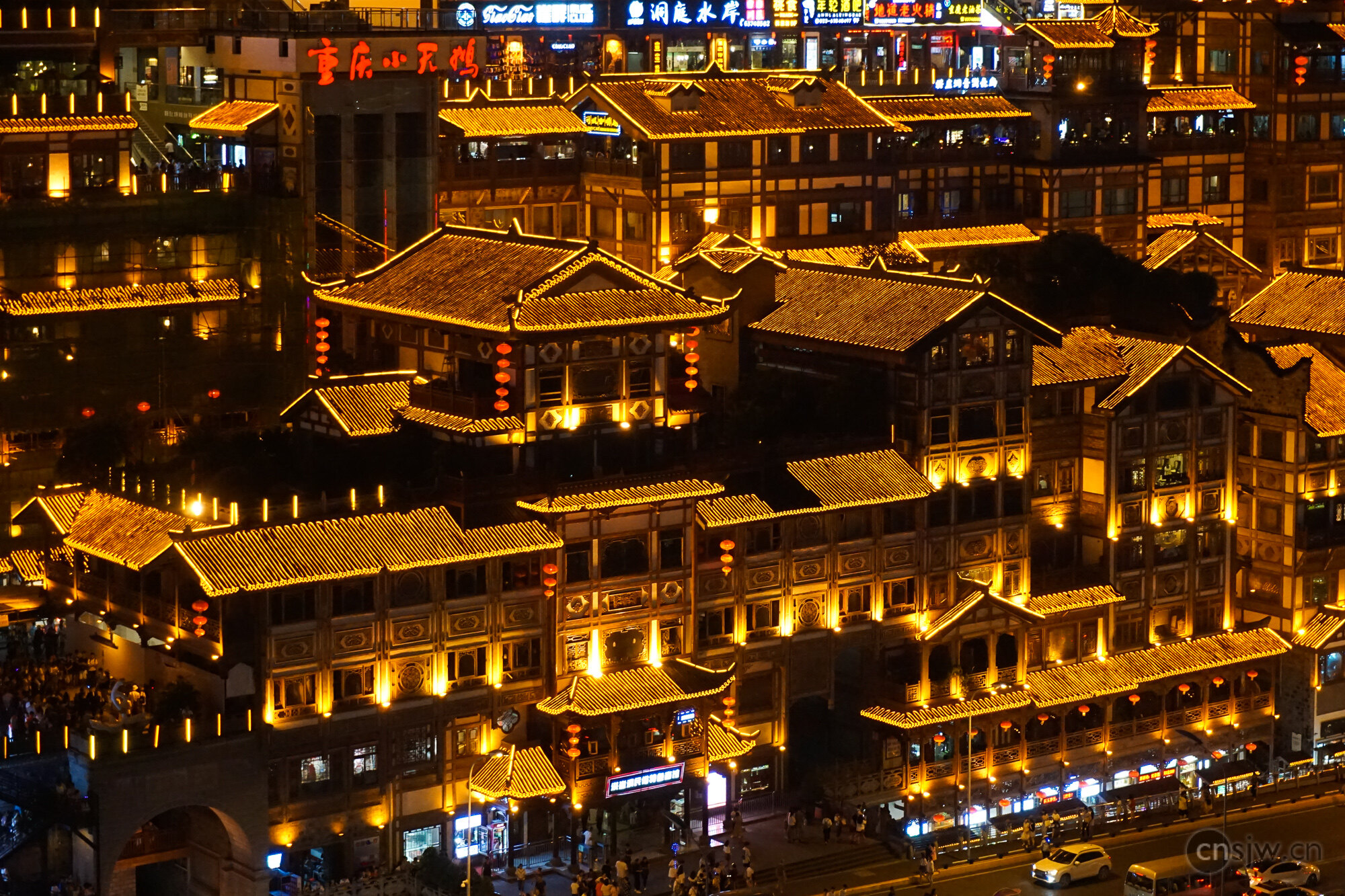
Viewing Hongya Cave up close, the nightscape is truly spectacular—they’ve even placed lights inside the gaps between the roof tiles! The reason it suddenly became so popular is likely because it closely resembles the bathhouse location in “Spirited Away.”
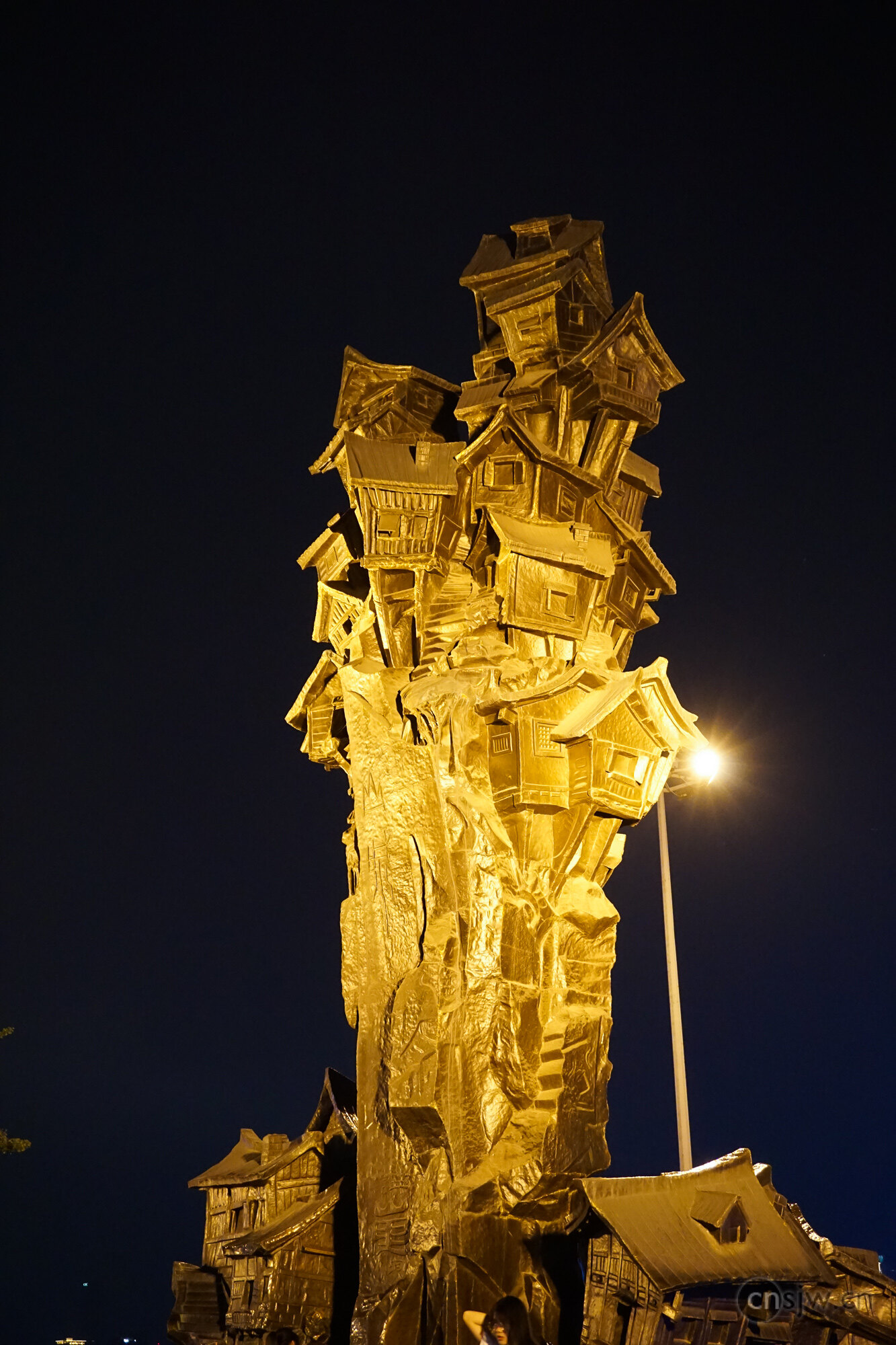
On the 11th floor, there is also a 13-meter-high brass sculpture titled “Memory of the Mountain City” by Guo Xuanchang, serving as a tribute to the old stilted houses of Hongya Cave.
Photos in this post taken with a SONY A5100 + 16-50mm f/3.5-5.6 lens, post-processed in Lightroom.

Support



Read this article on WeChat