
Finally, we’ve reached the last post on Singapore, themed around food~~~ Before going to Singapore, I had already eaten many famous Singaporean dishes in Shanghai, such as Hainanese Chicken Rice, Bak Kut Teh, and Chili Crab. This time, of course, I had to try the authentic versions. Eating in Singapore, I felt the food was reasonably priced and delicious, definitely worth the money. Let’s talk about each place one by one.
Jumbo Seafood
Jumbo Seafood is a golden招牌 (hallmark) of Singapore, renowned far and wide, almost representing Singaporean cuisine abroad. It serves Singapore-style seafood and Chinese dishes, with signature dishes being Chili Crab and Black Pepper Crab.
The Jumbo branch I visited was at Clarke Quay. Although it was a weekday lunch, its fame attracted countless tourists, and many people were already waiting for seats before it opened at 12 pm. We were seated just before 12; this outlet is far less upscale than the Jumbo in Shanghai, and the service was rather casual, even mediocre. Basically, right after 12 o’clock, the restaurant was full, showing just how popular it is. If you plan to go, I suggest arriving early or making a reservation in advance.
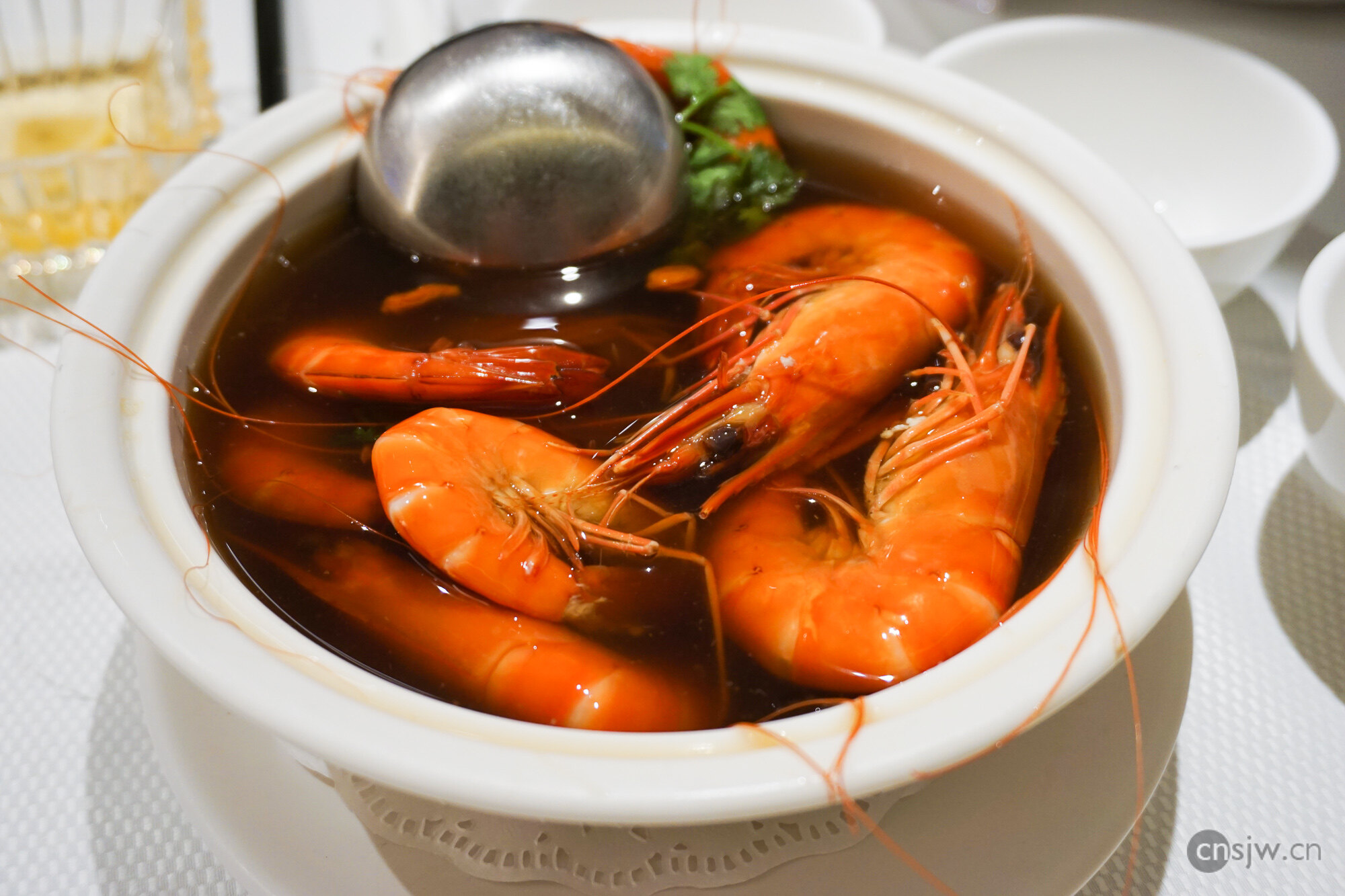
The signature Herbal Prawns featured very fresh prawns with great texture and good flavor, without an overpowering herbal taste.
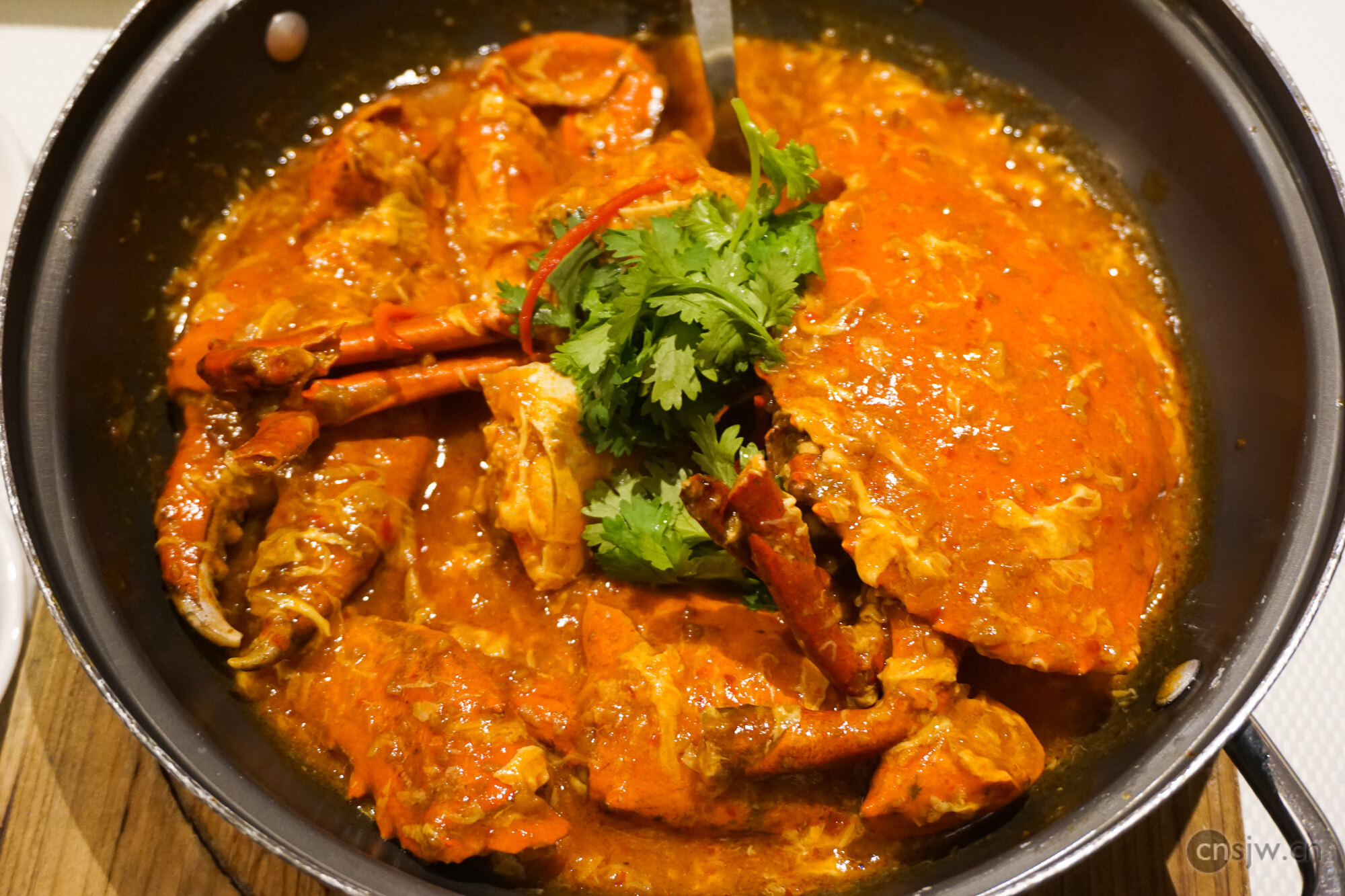
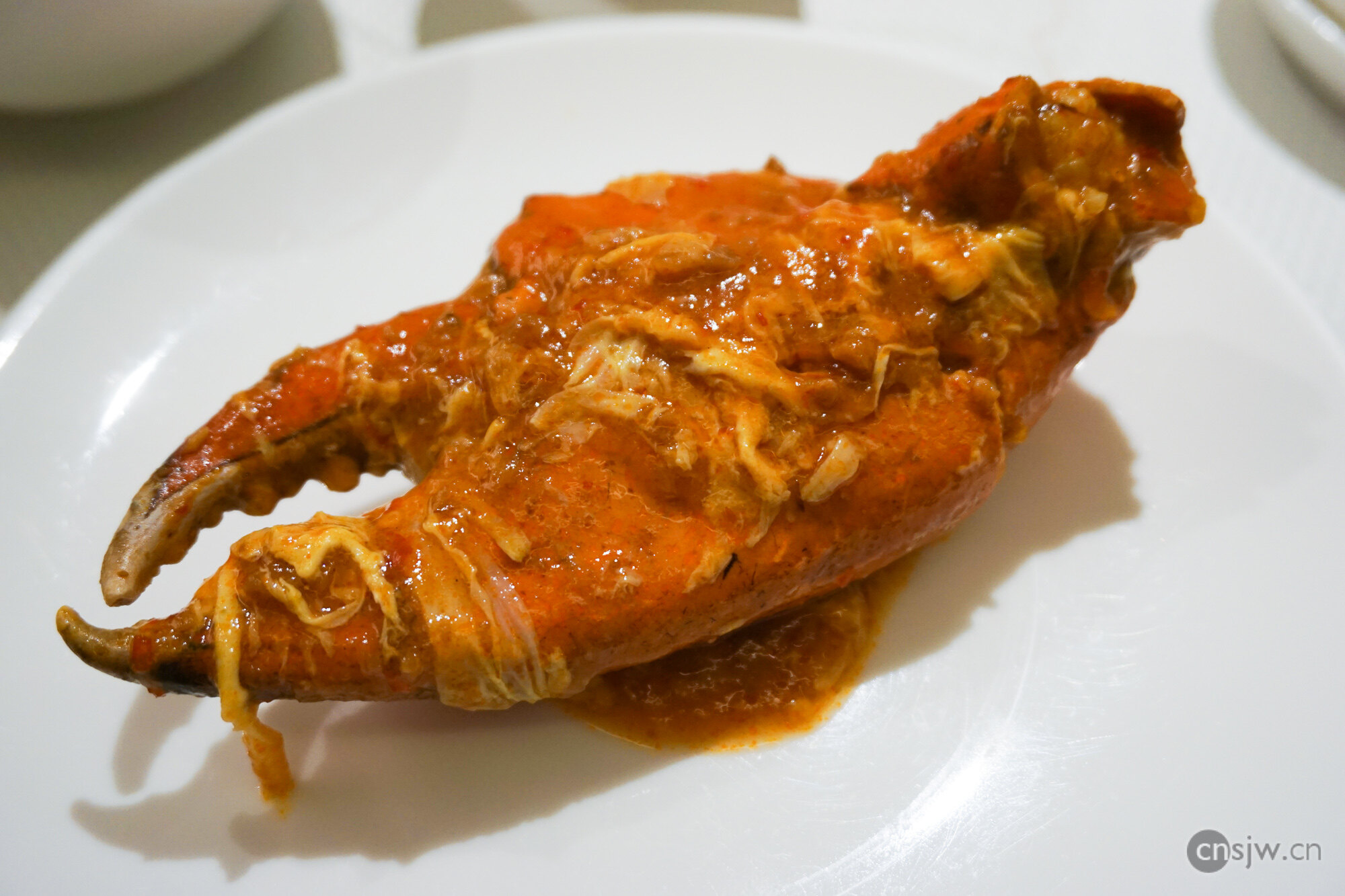
The signature Chili Crab wasn’t actually spicy at all; it tasted more like curry crab, and dipping bread slices into the sauce was absolutely delicious.
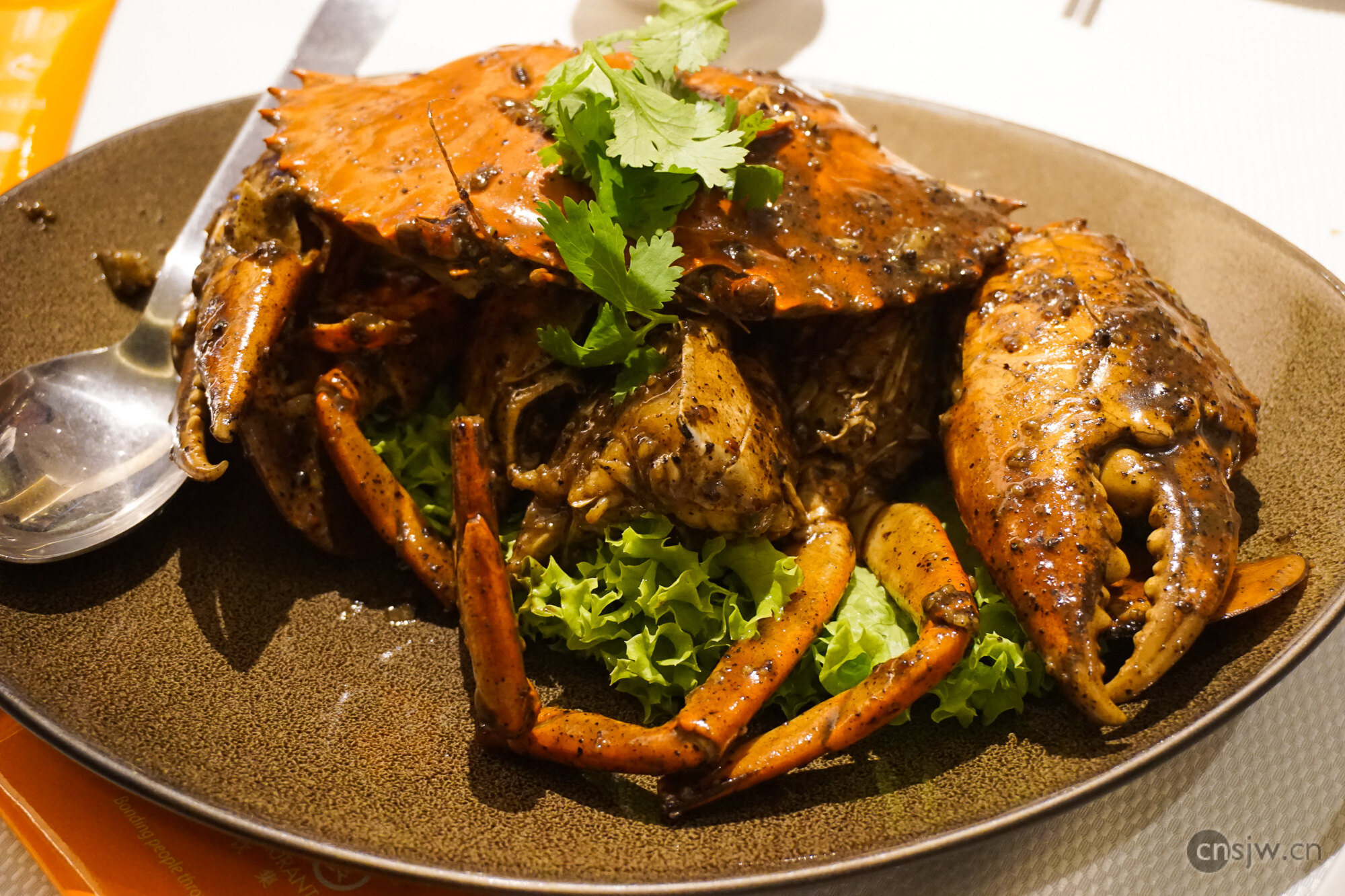
Black Pepper Crab: This was spicier than the Chili Crab, but I didn’t find it as tasty~~~
Ng Ah Sio Bak Kut Teh
Bak Kut Teh is one of the few authentic old-school Singaporean flavors that remains widely loved today. It is generally believed that early coolies who migrated south to Singapore invented this dish to provide sufficient nutrition and energy for a day of hard labor. Originally, Bak Kut Teh didn’t have as much meat as it does now; back then, miners could only rely on cheap bone broth to supplement protein, using herbs and pepper to ward off the cold. Of course, things are completely different now, with meat being the highlight.
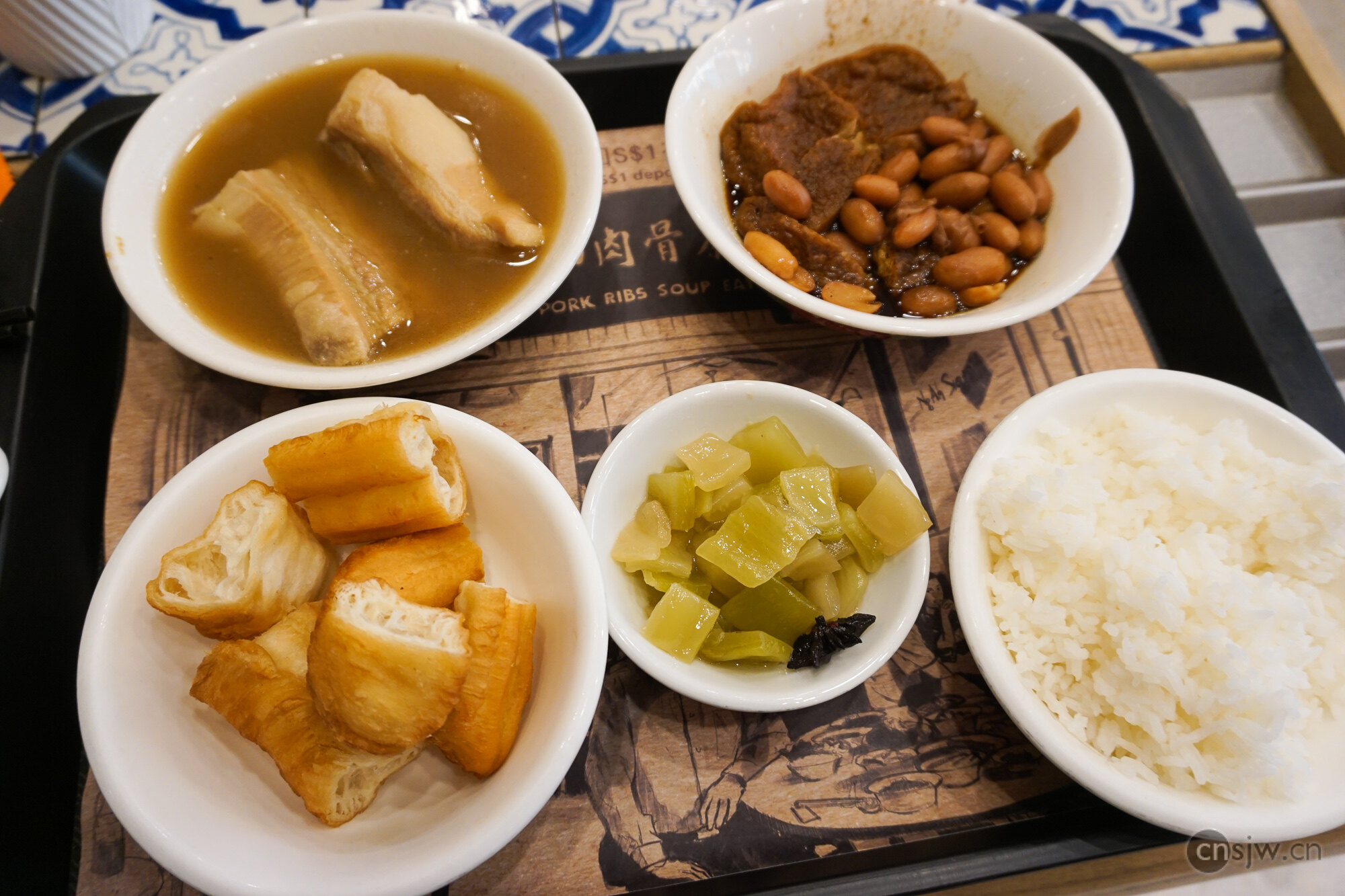
This outlet belongs to the Jumbo group. The branch I visited is on Sentosa, next to Universal Studios. It supports self-service ordering, and a set meal costs S$17.8. I’m not sure if prices are standardized everywhere, but they might be slightly higher in resort areas. There is an additional S$1 deposit charged; when you return your tray to the collection point, a S$1 coin is automatically returned to you—a fully automated system that effectively encourages people to clear their own trays.
The soup base here is quite rich, and the meat is slightly fatty but has a great texture—it’s tender and easy to chew. The flavor is good, the dough fritters (you tiao) are crispy, and the braised items are tasty too. Aside from being a bit pricey, everything else is well done, and there aren’t many crowds if you go in the morning.
Sin Heng Claypot Bak Kut Teh
This is also a chain restaurant. I actually ate at the Katong branch, but since I’m continuing to write about Bak Kut Teh, I’ll include it in this post. The shop front is very simple, basically located inside a garage with no air conditioning. Although they specialize in herbal soup, I chose to try the traditional clear soup. The pepper flavor isn’t too strong, the meat is lean, and it offers great value for money. A serving with rice costs only S$8.7. Surprisingly, despite being a humble street-side shop, they use iPads for ordering but accept cash only.
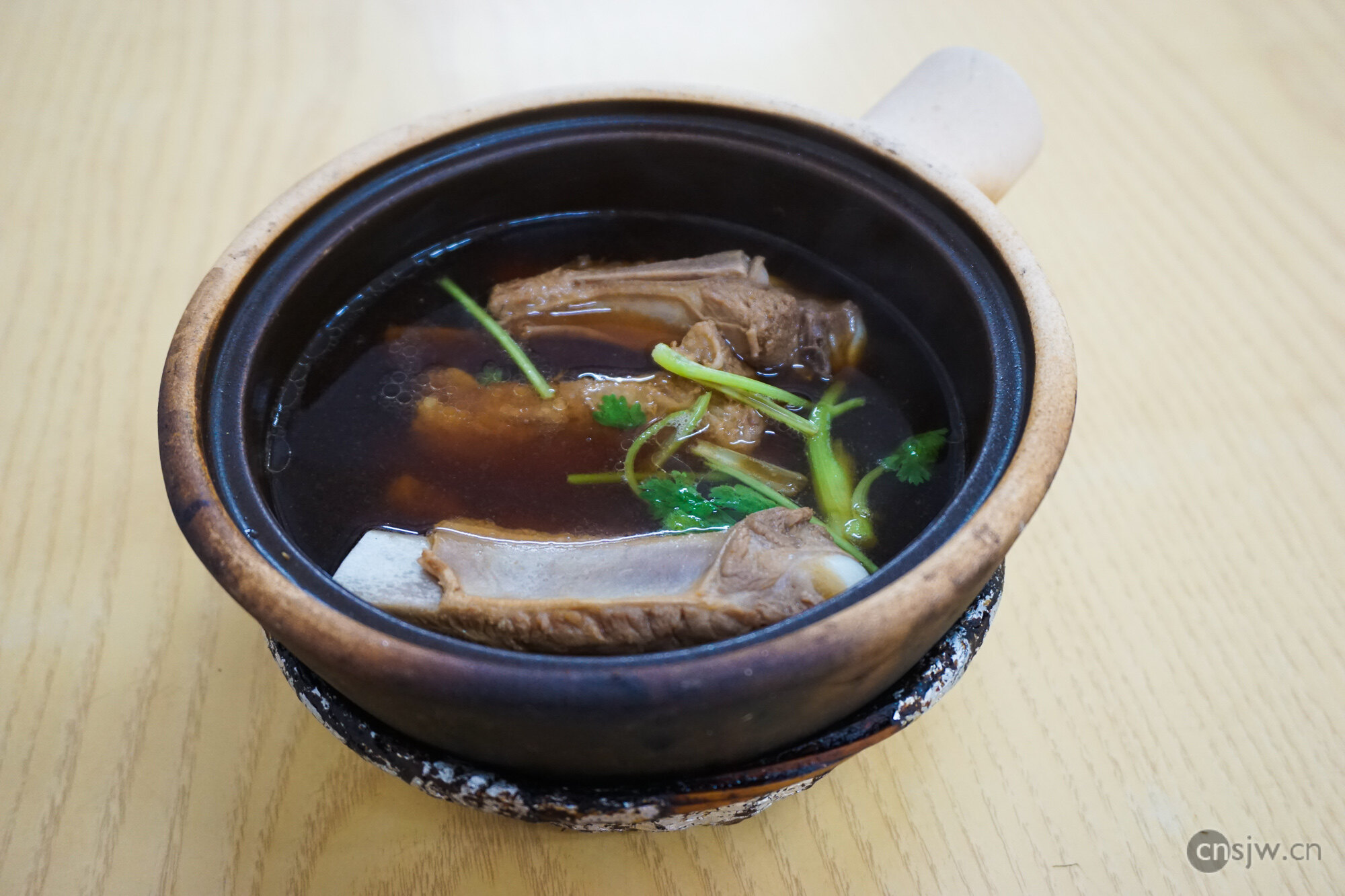
As for Singapore’s famous Song Fa and Founder Bak Kut Teh, I tried both in Shanghai. I feel the taste across these three brands is quite similar, featuring a peppery soup base. Only Ng Ah Sio stands out as distinctive. Song Fa has immense fame, but I found it just average. Founder offers more options like tofu pudding and dry Bak Kut Teh, but unfortunately, the Changning Raffles City branch closed down…
There are so many Bak Kut Teh shops in Singapore. Besides these chains, they are practically everywhere on the streets. Since most Bak Kut Teh shops open early, if you don’t want Starbucks, McDonald’s, or Toast Box for breakfast, give different Bak Kut Teh spots a try.
As for the Bak Kut Teh served in many domestic restaurants back home, it really bears no resemblance to this authentic version; it’s more like a pork rib stew…
Ah Tai Hainanese Chicken Rice
Speaking of Hainanese Chicken Rice, the name itself indicates it isn’t a traditional Singaporean dish. It originated from Wenchang, Hainan, during the immigration wave of the 20th century. Many people from there migrated to Southeast Asia, bringing this cooking method to Nanyang. Essentially, it is Wenchang-style poached chicken served with rice cooked in chicken fat and poaching liquid, but Hainanese Chicken Rice truly flourished and gained fame in Singapore.
When mentioning famous Hainanese Chicken Rice spots in Singapore, one must mention the Michelin-recommended Tian Tian Hainanese Chicken Rice at Maxwell Food Centre near Chinatown. This is one of Singapore’s most famous hawker centers. The environment is quite basic—no air conditioning, canteen-style tables and chairs, and individual stall setups. Since the queue at Tian Tian was incredibly long and I was starving, I went to Ah Tai Hainanese Chicken Rice right next door instead.
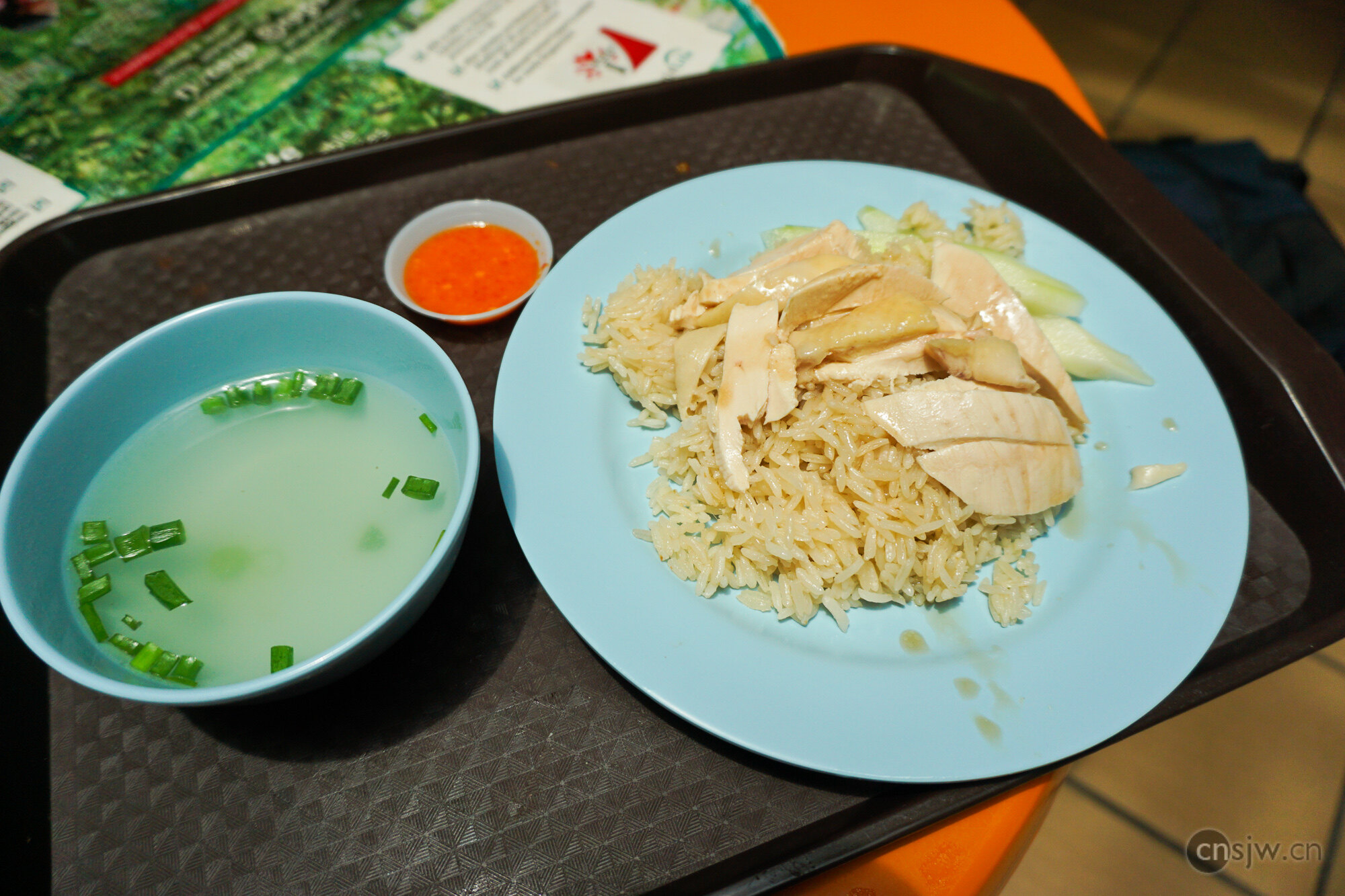
Legend has it that the owner of Ah Tai was formerly a chef at Tian Tian who left due to disagreements with the boss to start his own business. Opening a shop right next to your former employer is pretty rare… According to many seasoned foodies, the two places taste exactly the same. Regardless, it was indeed delicious; the chicken was very tender, and a portion cost only S$3.5, which is incredibly cheap. Back home, it’s hard to get any meat in a S$15 rice bowl…
If you mind this kind of basic environment, I suggest going to Boon Tong Kee for Hainanese Chicken Rice. Although it’s pricier, at least the ambiance and service are guaranteed.
Lau Pa Sat
Lau Pa Sat Market is a very famous open-air food court. Historically, it was Singapore’s oldest wet market, originally situated by the river where produce could be conveniently shipped in directly by boat. It was relocated and rebuilt in 1894 to its current location in the heart of the Financial District. Its striking octagonal structure and decorative columns, designed by British architect George Coleman, led to it being gazetted as a national monument in 1973.
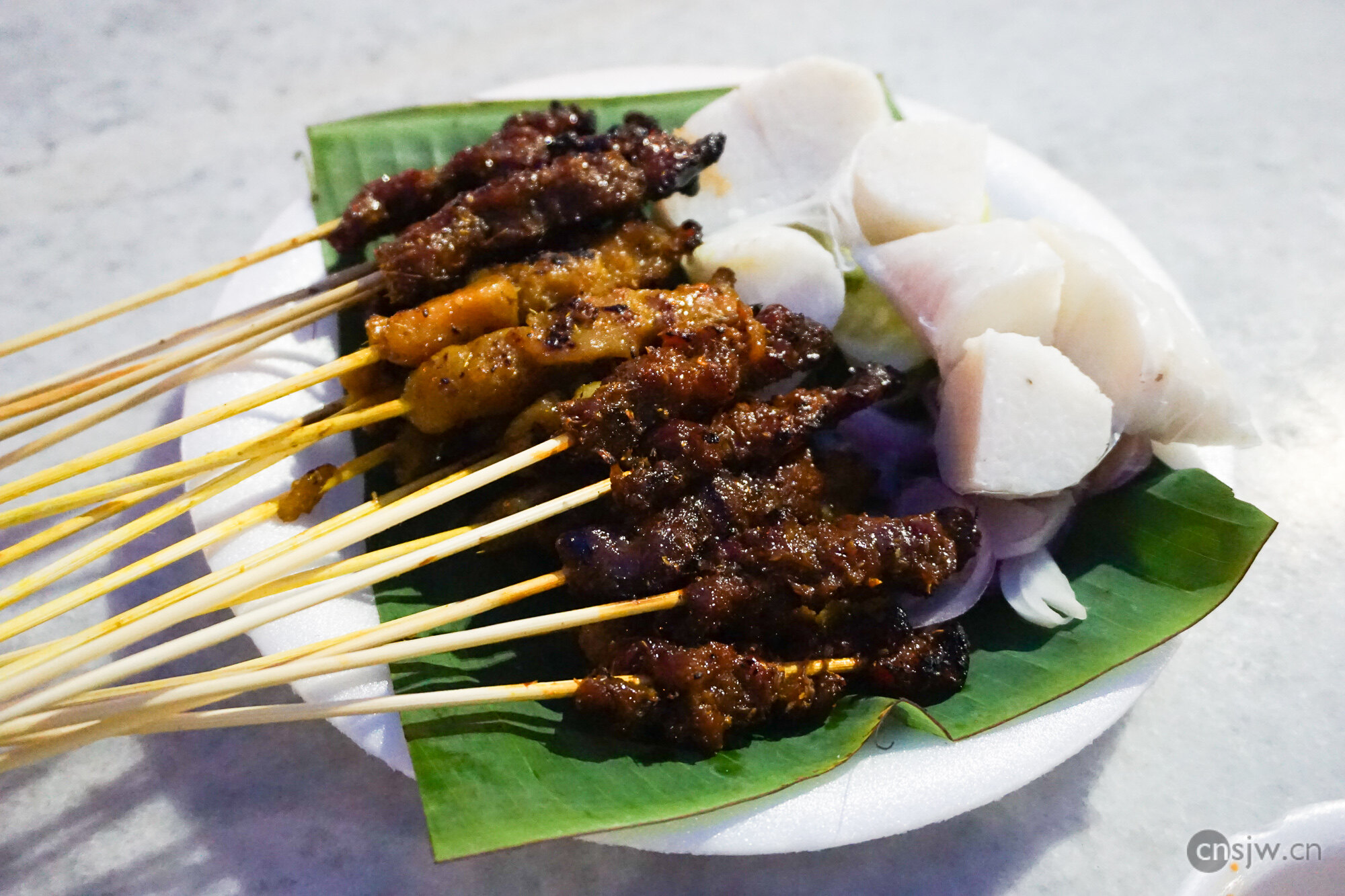
Singapore’s temperature is fairly consistent year-round. While days can be hot, evenings are pleasantly cool and comfortable outdoors, creating ideal conditions for night markets. Surprisingly, the food here was quite good, though it shares the common drawback of street food stalls: ingredient quality is somewhat average. The Satay (grilled skewers) features marinated meat that is very tender and flavorful. The seafood portions aren’t huge, but everything is fresh.
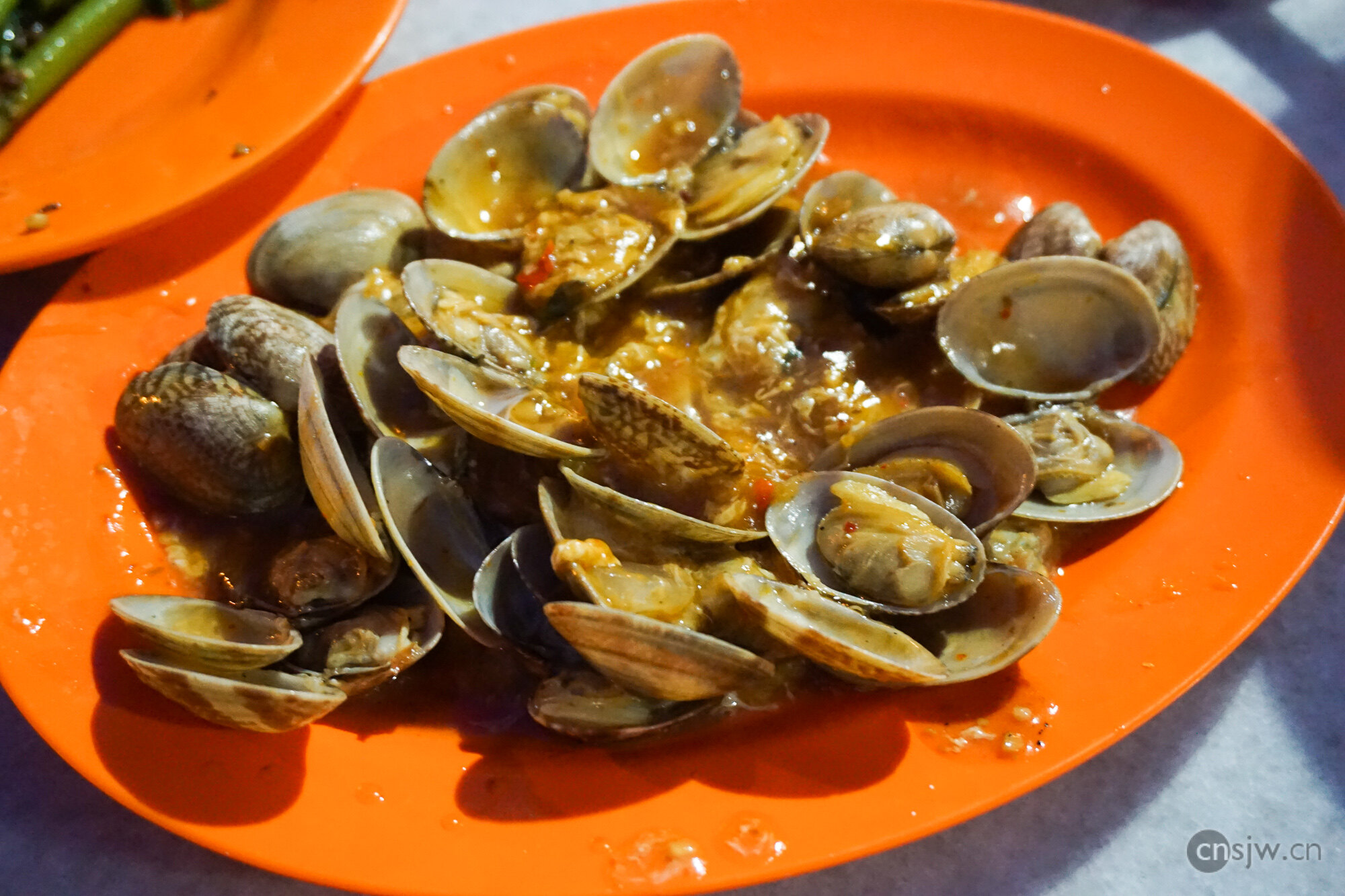
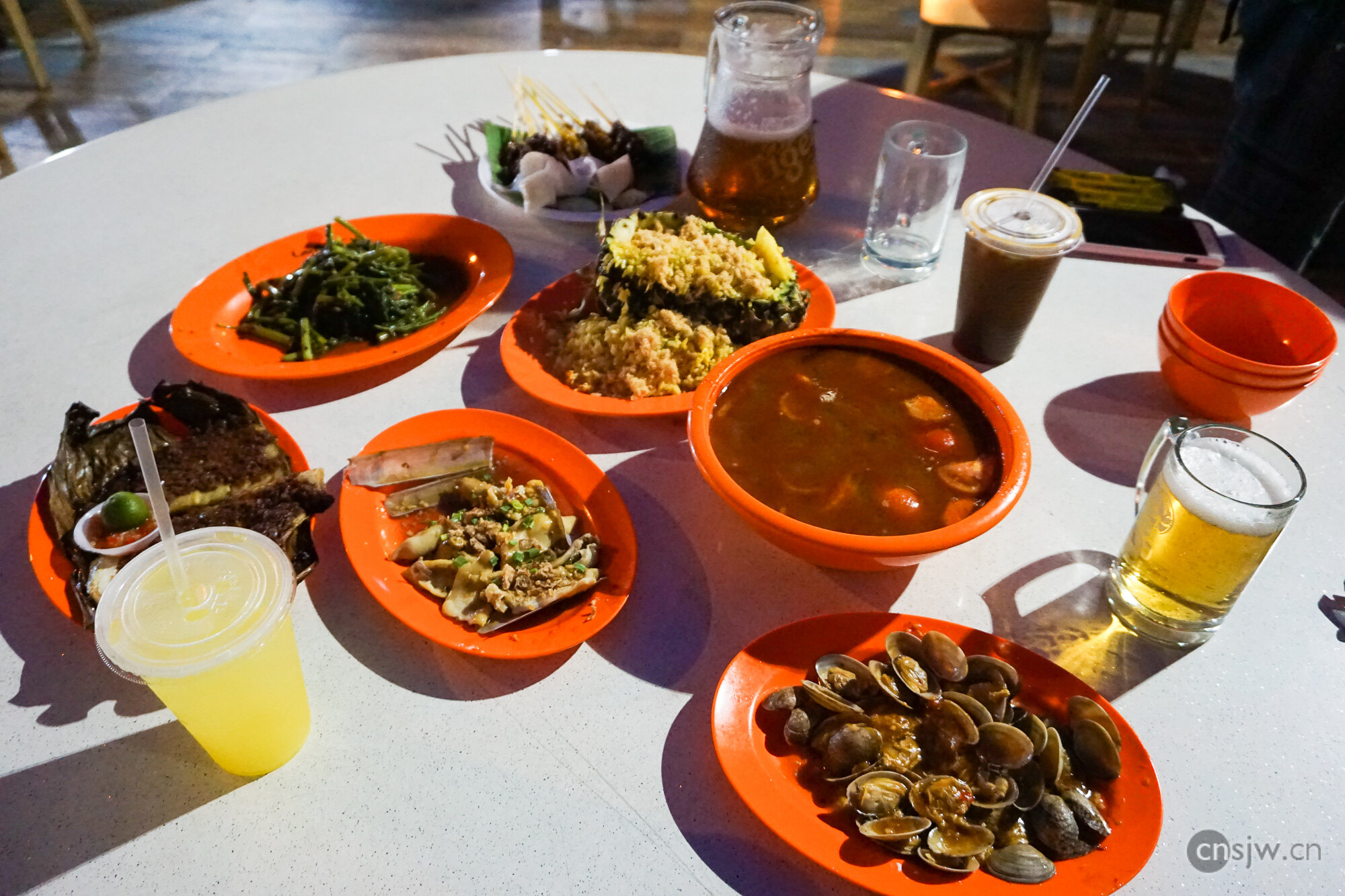
db Bistro & Oyster Bar
This was probably the least local-feeling place I ate at during my entire trip to Singapore. I was exhausted from walking around Marina Bay Sands Shoppes and initially just wanted to grab a coffee and rest. To my surprise, this restaurant is Michelin-recommended. Seeing that prices weren’t too high and recalling online recommendations listing it as a must-try burger spot in Singapore, I decided to stay for dinner after resting for over an hour. As a Marina Bay Sands member, I received a complimentary dessert platter and a S$5 discount.
The pre-meal bread was average and a bit hard, but I liked the little bag it came in.

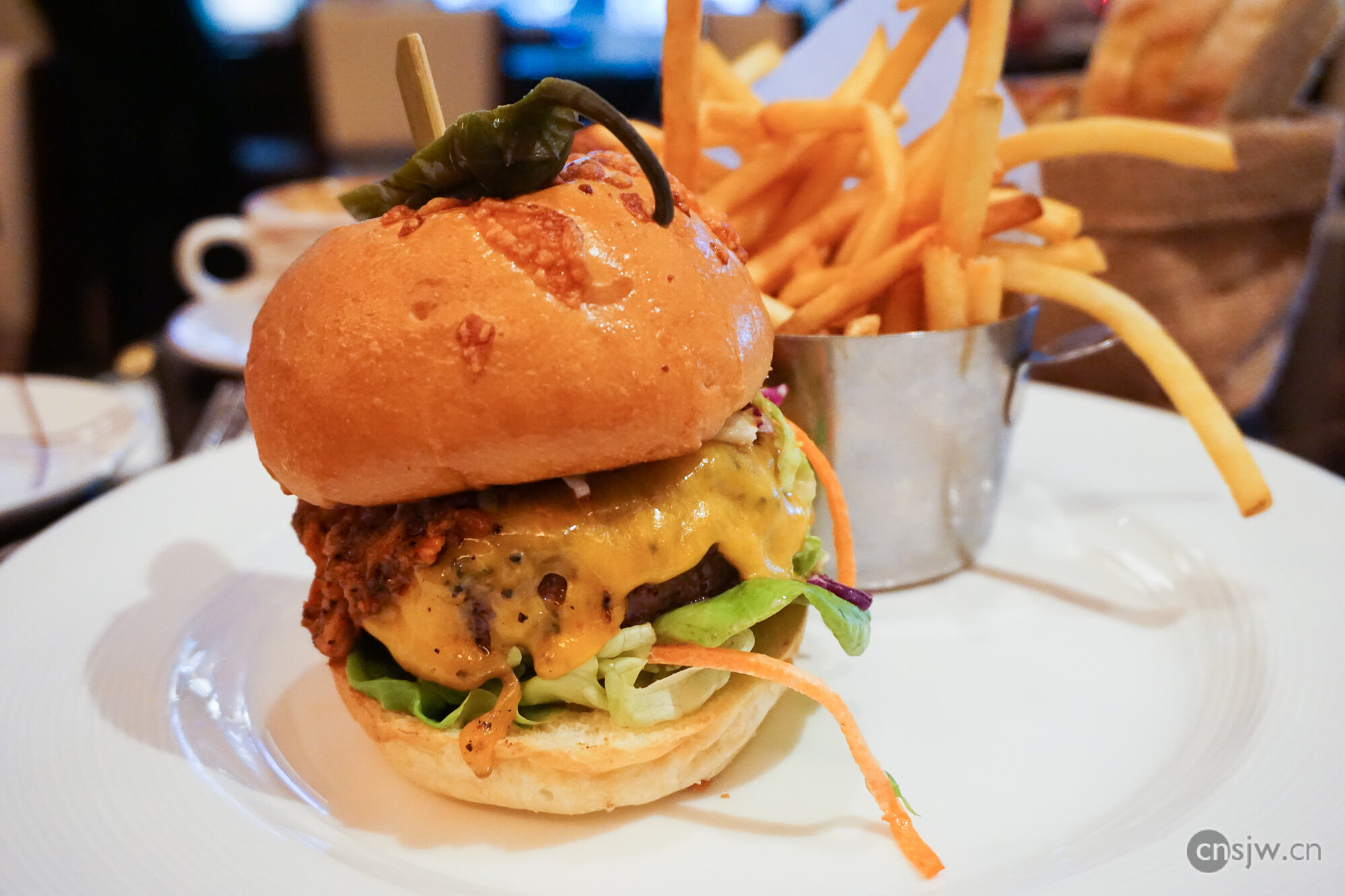
The Pulled Pork Burger was amazing—it featured pulled pork similar to what you’d find in a Boom Boom Bagel, plus a thick beef patty. It was genuinely the best burger I’ve had in years. The fries were also fantastic; I couldn’t stop eating them…
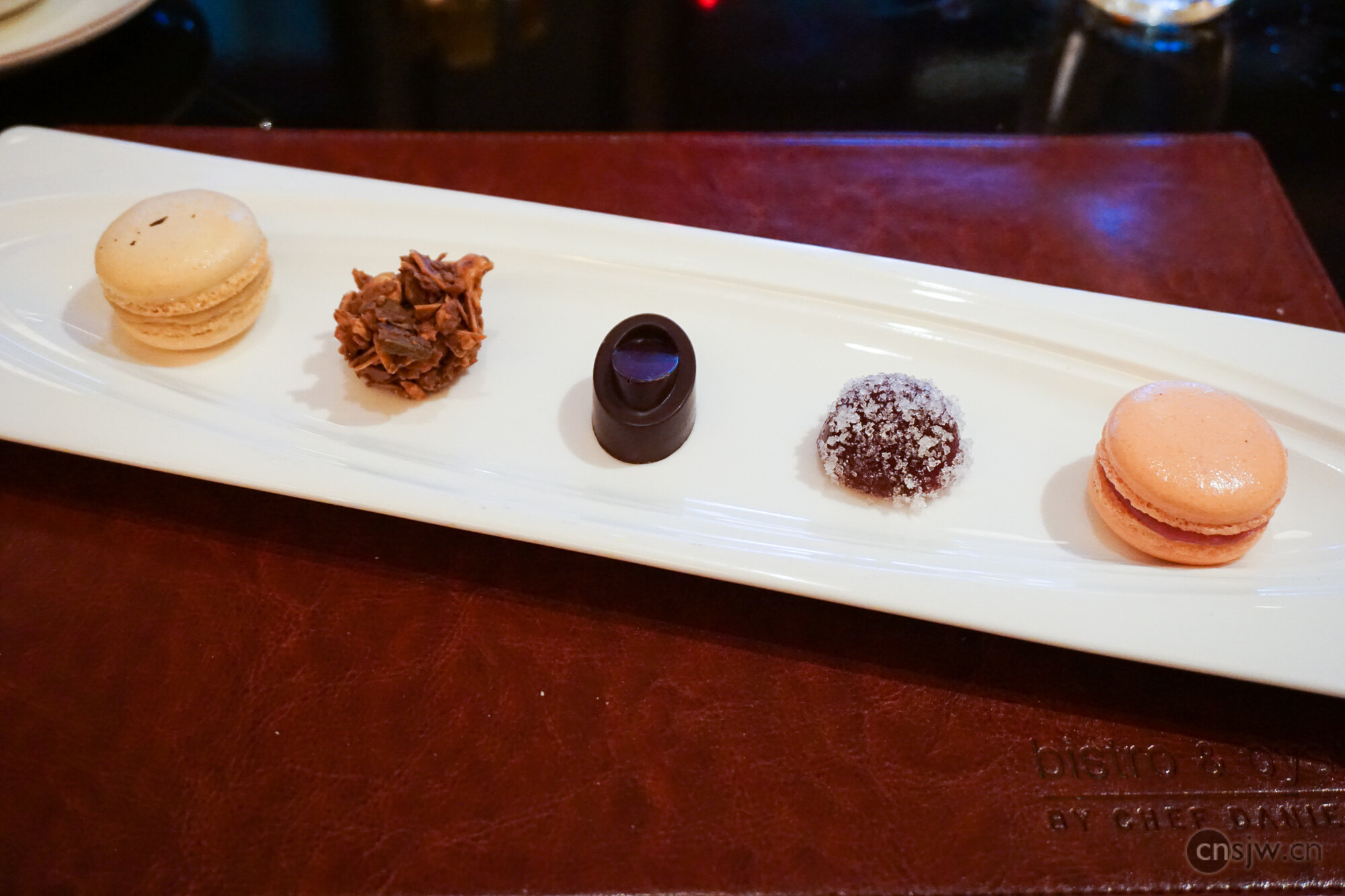
The complimentary dessert platter was also incredibly delicious. The macarons had just the right sweetness and excellent texture. The sugar-coated hawthorn flakes were tasty too, evoking nostalgic childhood flavors. The other two chocolate desserts were also very good.
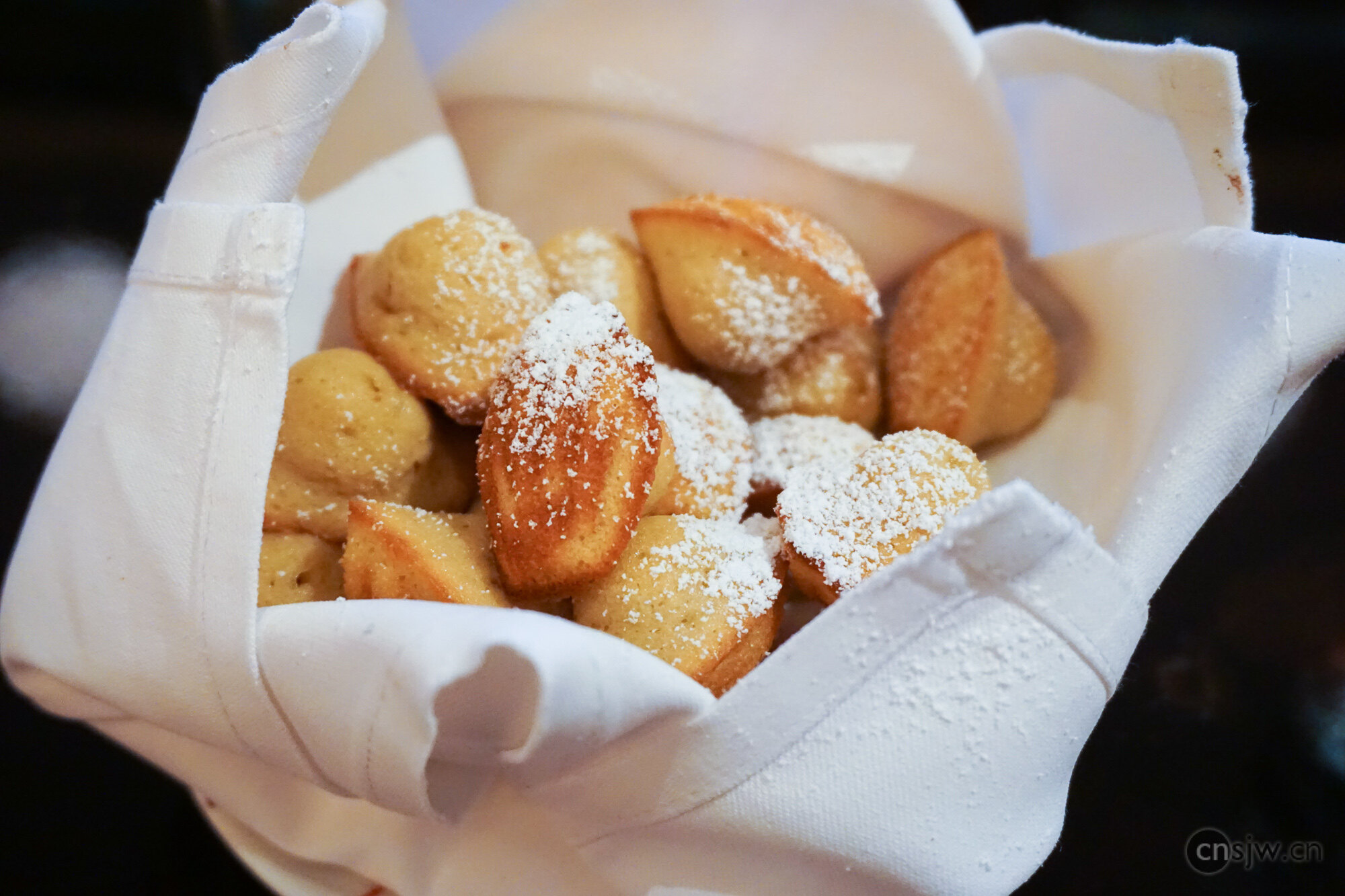
To top it off, they even gave us freshly baked mini lemon cakes with a refreshing lemon flavor. I was so full—I couldn’t finish more than two…
Service at this restaurant was impeccable—absolutely perfect and highly recommended. Dining here for oysters or a full meal would likely be pricier, probably averaging over S$100 per person.
Toast Box
Lastly, let’s talk about Toast Box, where I had breakfast twice in Singapore. Toast Box, BreadTalk, Baker & Cook, and Food Republic all belong to the same company, which also operates Din Tai Fung in Singapore. On my first visit, I tried their Pork Floss Toast + Soft-Boiled Eggs. In Shanghai, I’d never seen half-boiled eggs served cracked onto a plate with soy sauce poured over them to eat directly. Aside from feeling a bit unhealthy, it tasted pretty good. On my second visit, I ordered Chicken Chop Noodles, but unfortunately, the chicken chop was overcooked and too tough to eat, which was disappointing.
Overall, dining in Singapore was very satisfying, offering a wide variety of dishes with great flavors. You can enjoy not only local specialties but also cuisines from around the world~~~
Photos in this post taken with SONY A5100 + 16-50 f3.5-5.6, edited in Lightroom.

Support



Read this article on WeChat