
Katong/Joo Chiat was once a dense coconut plantation, where some wealthy city residents liked to come for leisure on weekends. By the early 20th century, it had developed into a suburban residential area. It is completely different from downtown Singapore; there are no skyscrapers, but commerce is very well-developed, with convenience stores, shopping malls, and restaurants all readily available.
After checking in, I went out for a walk nearby. Behind the hotel is the i12 Katong mall, which has various chain restaurants. On the way to the beach, there’s also Parkway Parade, which houses an Isetan and a Din Tai Fung… Meanwhile, East Coast Road in front of the hotel and the adjacent Joo Chiat Road are lined with shops and filled with all kinds of delicious food~~~
The streets in Singapore are very clean, but they aren’t heavily shaded by trees. Actually, the roadside trees here are much smaller than I imagined; they feel like they were planted not too long ago. Walking around, I saw many villa neighborhoods and small houses of various colors, which are quite beautiful. There are all kinds of old buildings and Indian temples, yet modern architecture is also present.
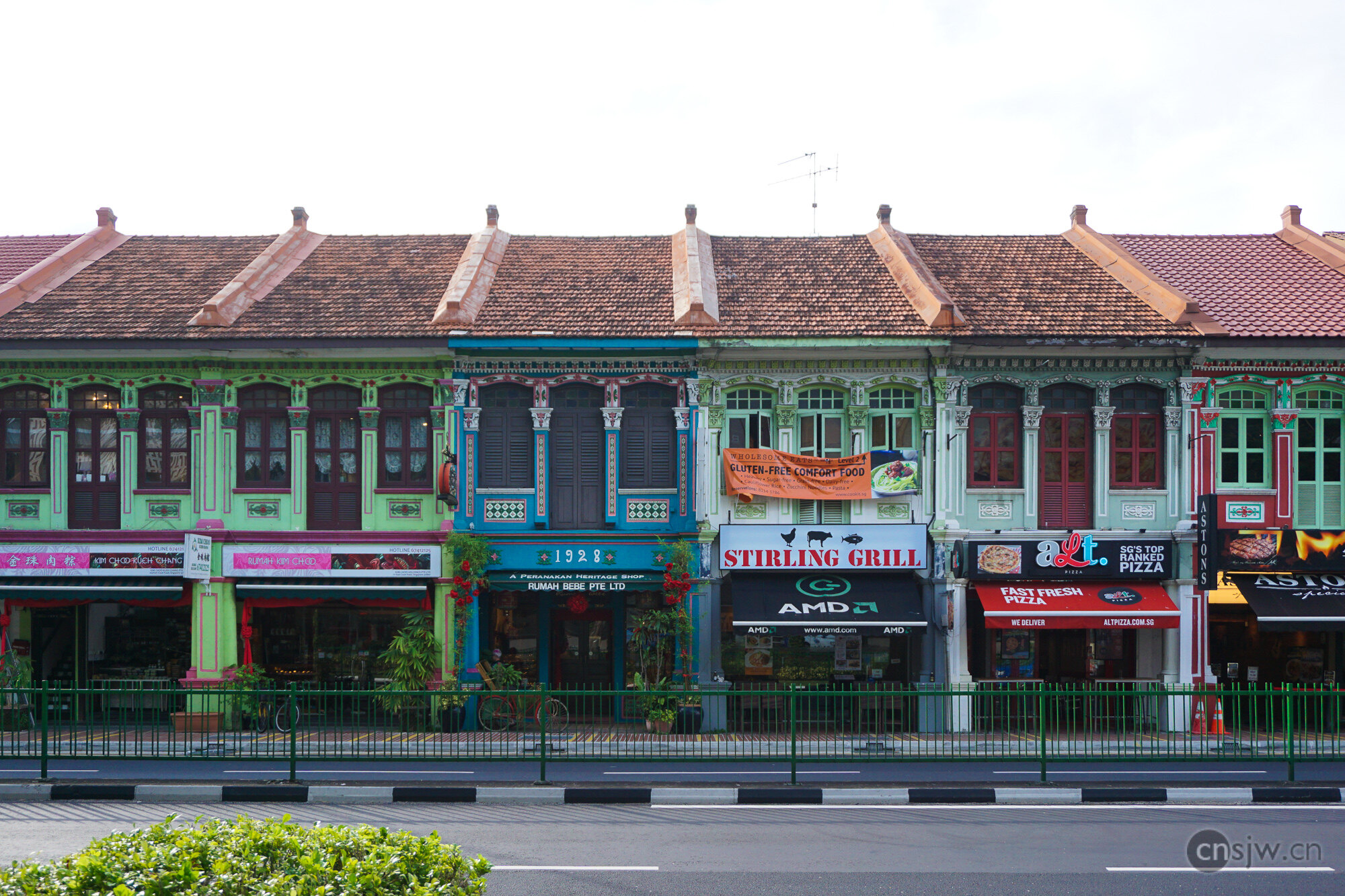
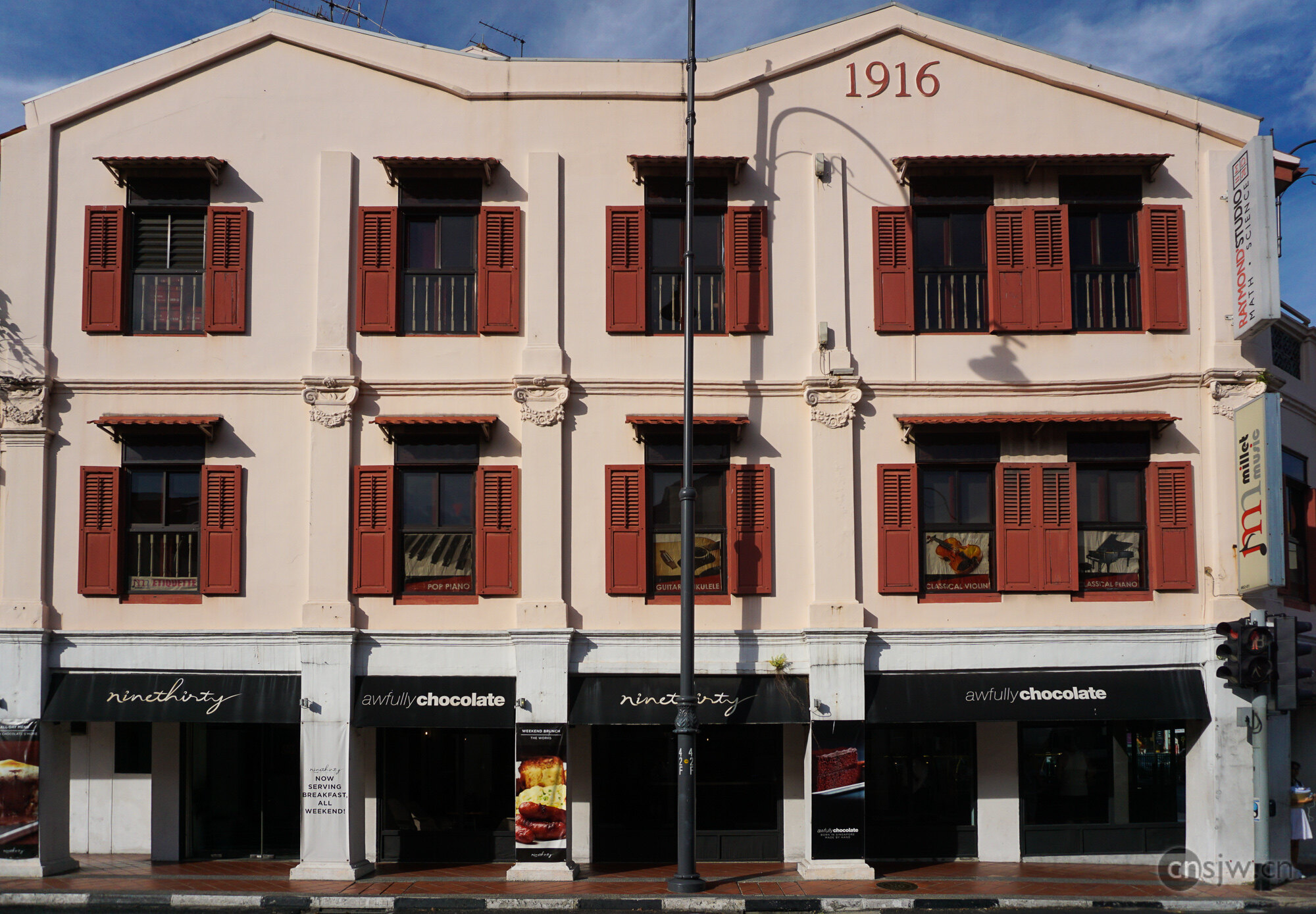

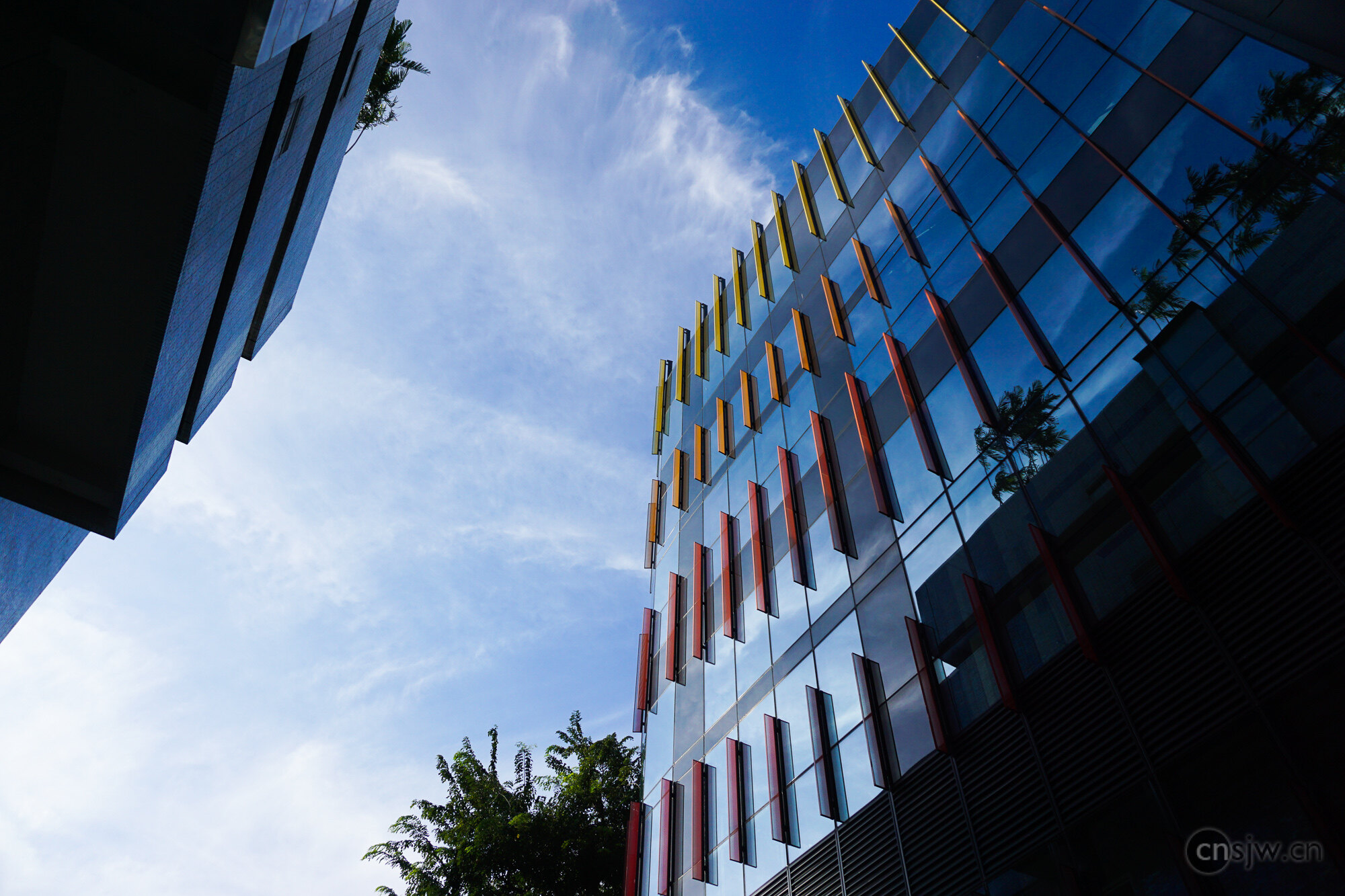
After walking around for a while, I found that few of these street-side shops accept credit card payments; they usually only take cash. So I had to find an ATM to withdraw money, but UOB ATMs have a minimum withdrawal of S$200. In reality, I spent less than S$50 in cash during my entire stay in Singapore. It feels like it would have been more convenient to exchange S$100 back home before coming over.
328 Katong Laksa
This 328 Katong Laksa is incredibly famous. Not only is it recommended by Michelin, but it’s also featured in almost every major food review. The shop isn’t large, nor is it overly crowded, and the walls are covered with photos of the owner posing with celebrities.
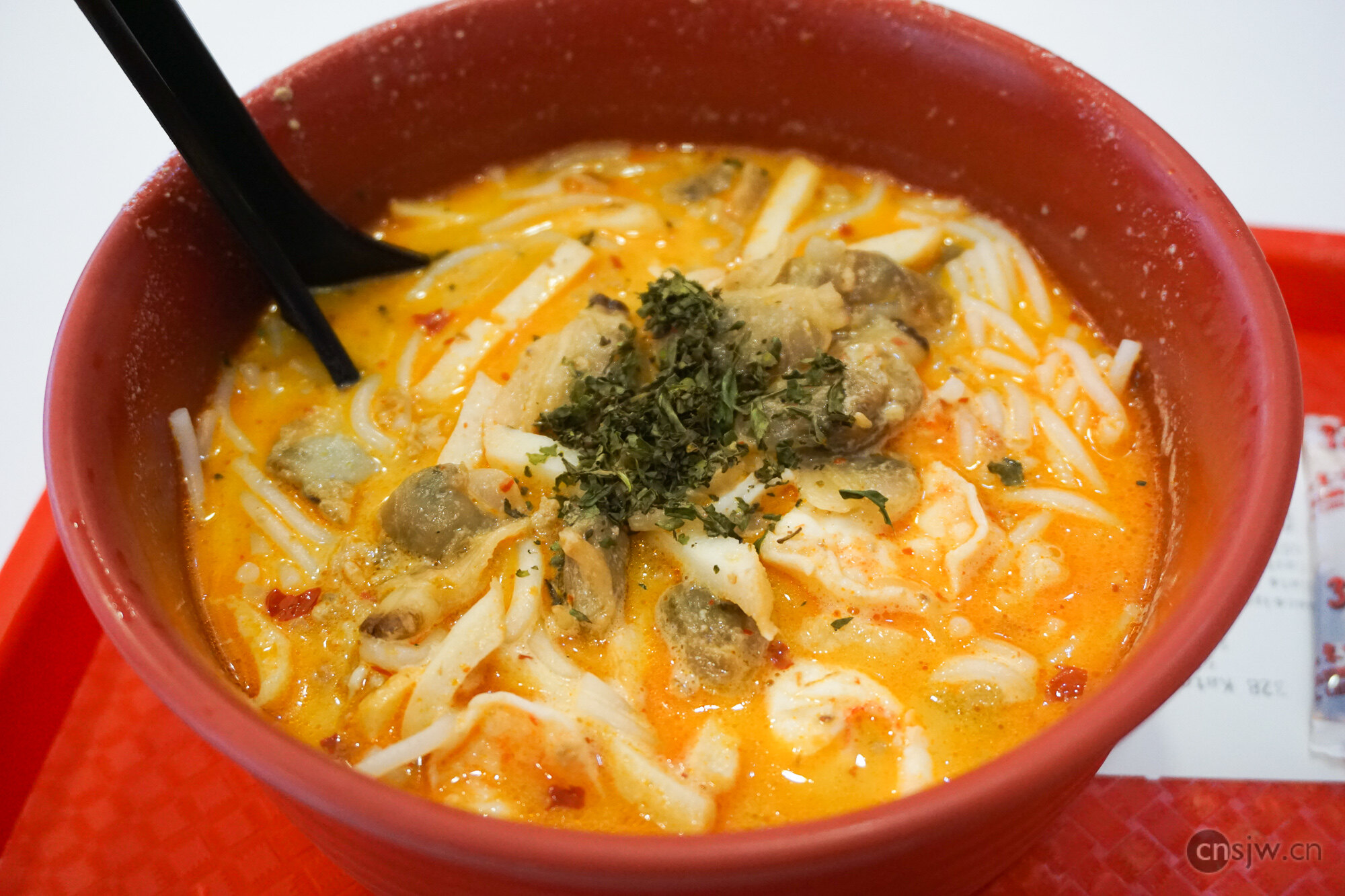
Laksa is a signature snack of Singapore and Malaysia. Having evolved over so many years, there are now many varieties. This Katong Laksa belongs to the curry laksa category, using a coconut milk curry broth made from a blend of various curry spices. It’s slightly spicy and a bit sweet, and the seafood adds a savory umami flavor that makes it absolutely addictive. For the noodles, they use thick rice noodles cut into short segments. As for the seafood, there are shrimp, oysters, and shellfish—all shelled and very fresh. Eating it spoonful after spoonful, you just can’t stop; by the time I finished, I was sweating profusely.
The best part is that a bowl like this costs only S$7.50—great value for money! I was very satisfied with my first meal in Singapore.
Birds of Paradise Gelato
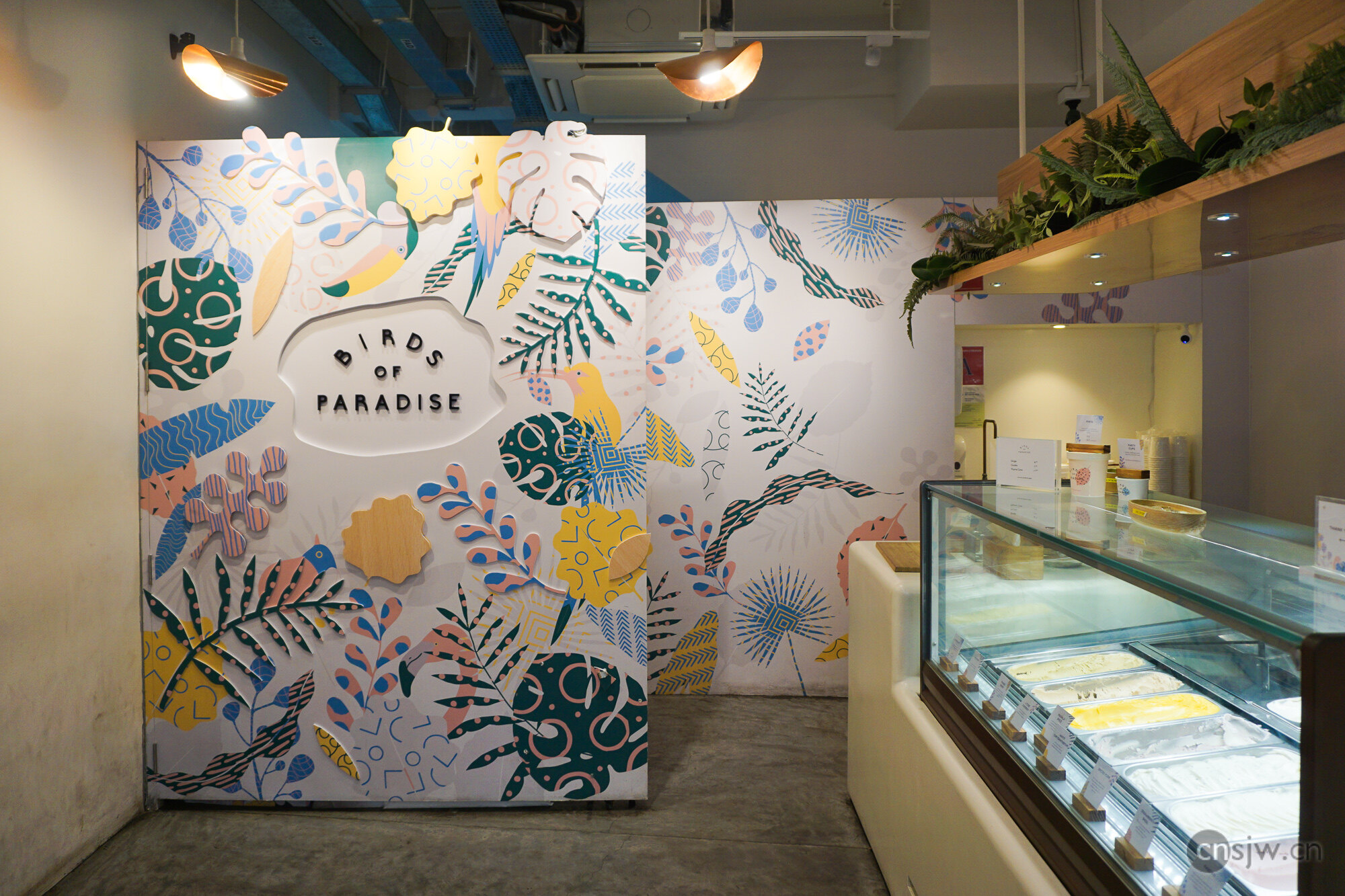
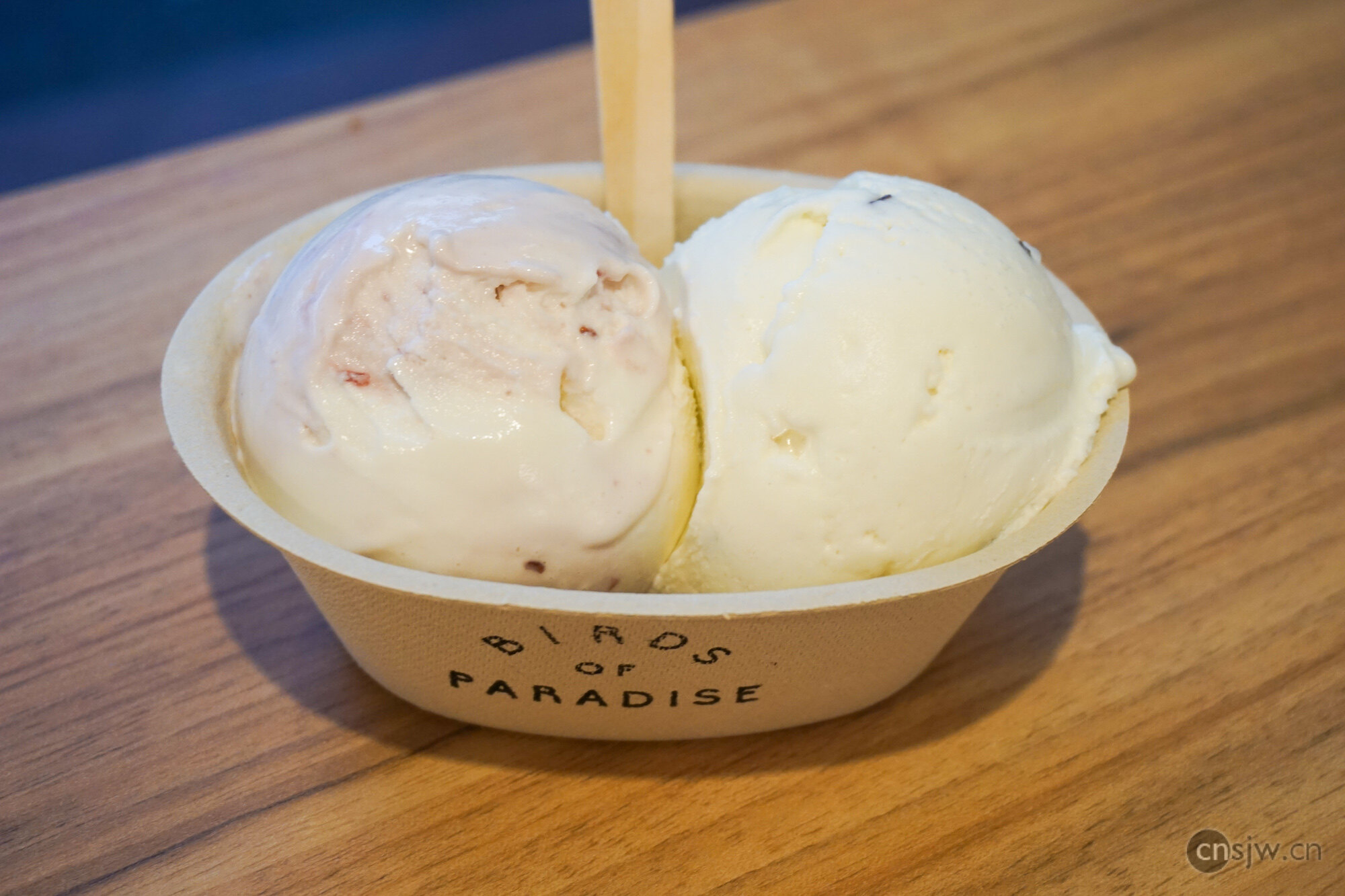
After finishing the Laksa, I went to the gelato shop next door to cool down. This place is somewhat of a local sensation, known for its homemade artisanal gelato. Their flavors are quite unique, drawing inspiration from various elements of nature, plants, spices, etc., so they are always combinations of two flavors that you basically can’t find anywhere else. I ordered two scoops: Lychee Raspberry and Strawberry Basil. I didn’t expect one scoop to be so big… I stood by the window eating for a long time to finish them, and customers kept streaming in to buy gelato the whole time.
The subtle sweetness of lychee paired with the tartness of raspberry creates a very refreshing taste, while strawberry and basil make for a magical combination—it’s surprisingly delicious. It’s a shop I’d love to visit again. I’ve heard their lemongrass flavor is also famous, though next time I might just order one scoop, haha. A staff member was making waffle cones fresh on-site, and they smelled so good.
East Coast Park
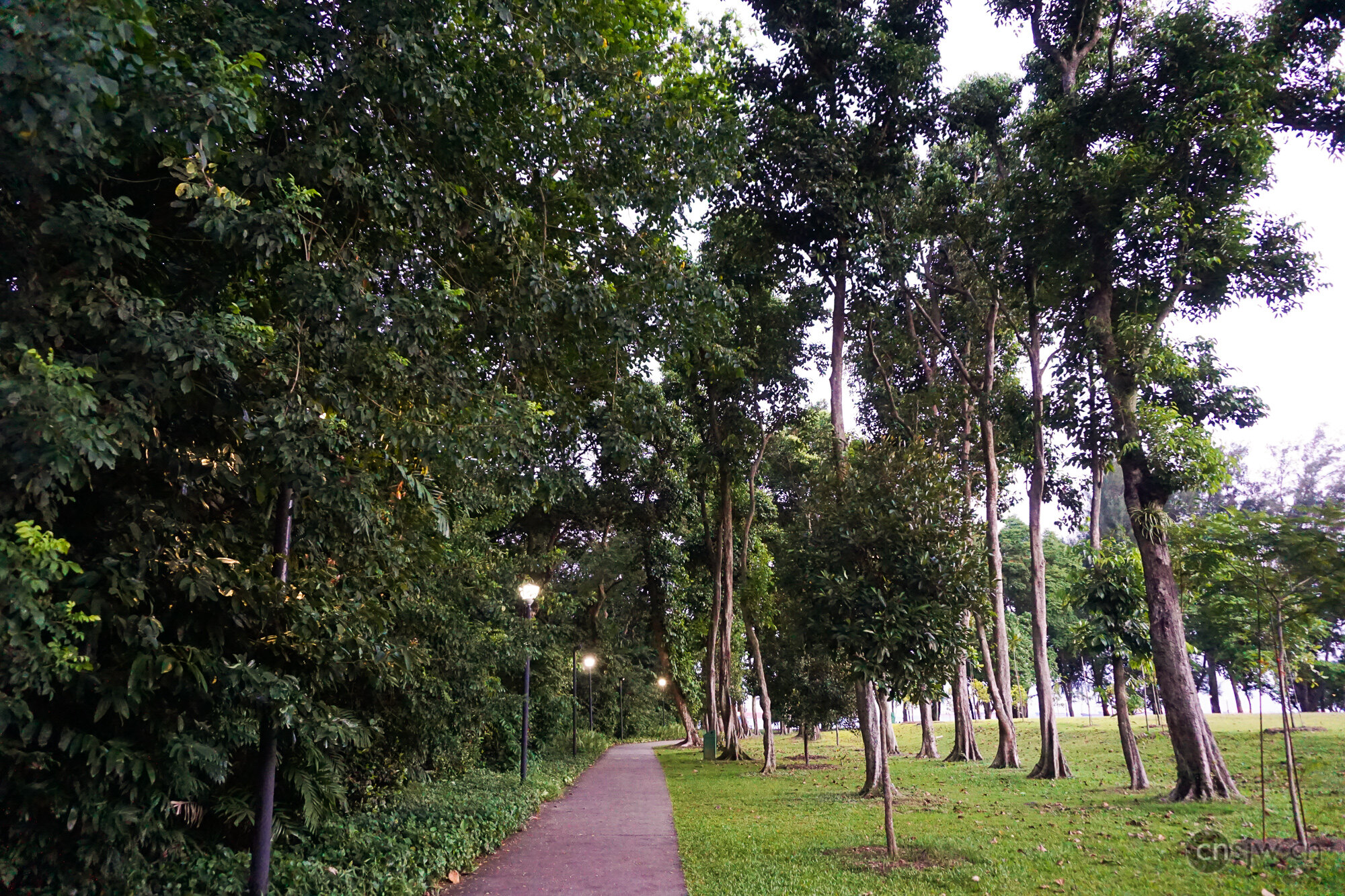
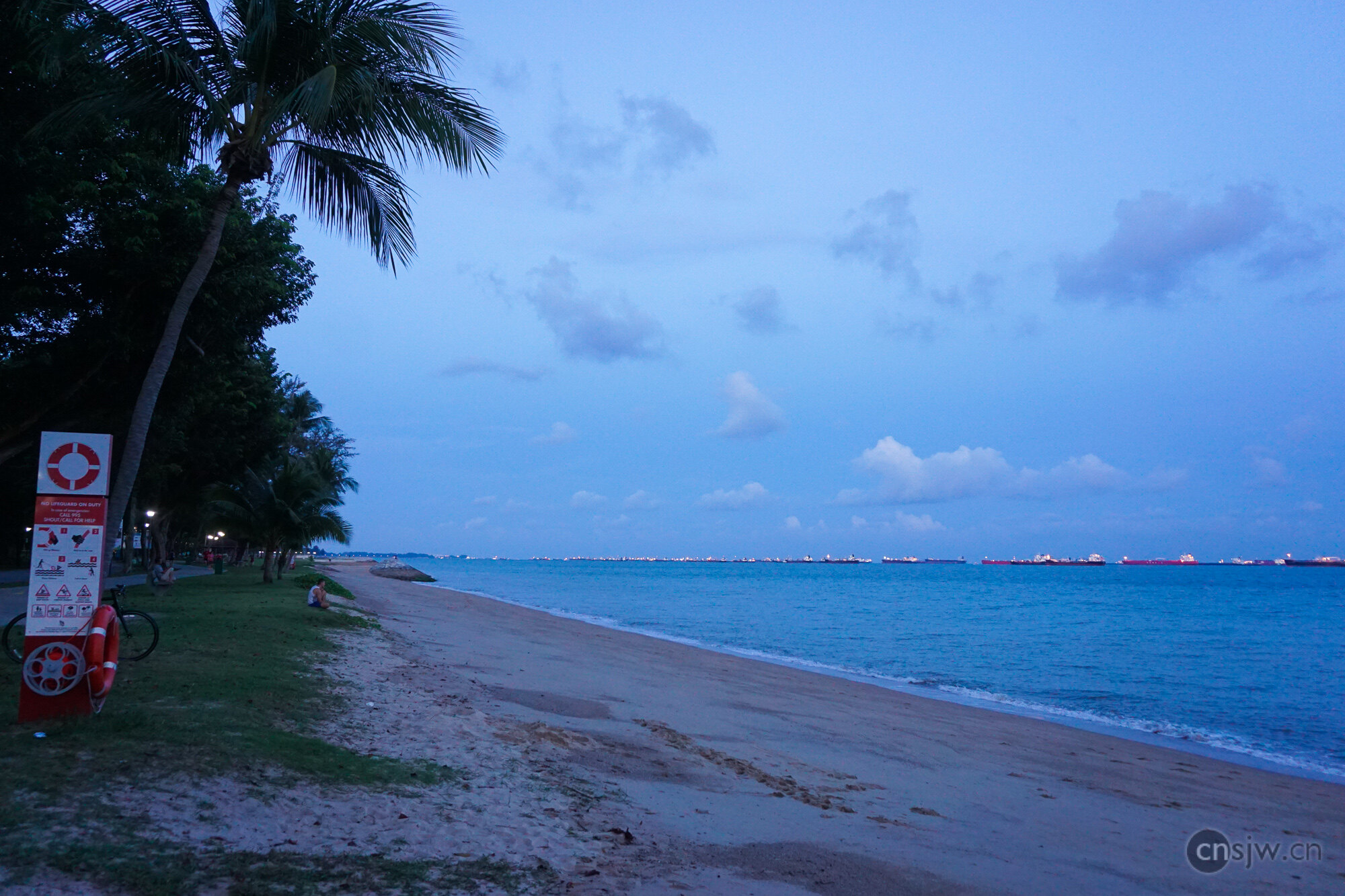
Within walking distance, there is such a park—or rather, not just a park, but also a beach. Since it was already dusk when I walked over and getting dark, there were still many people jogging inside. East Coast Park is Singapore’s largest park, entirely built on reclaimed land, covering 185 hectares, stretching all the way from Marina Bay toBedok, divided into Areas A through H. The beach in the park stretches 7.5 km, alongside which runs a 15 km jogging track and a 12 km cycling path. Some people were even doing yoga nearby; it seems folks here really love sports.
The park is completely free. Right next to it is an expressway. Besides driving, there are many pedestrian underpasses crossing the ECP to get here. Moreover, the dining options within the park are comprehensive, including Starbucks and Jumbo Seafood, making it very convenient.

Tim Ho Wan
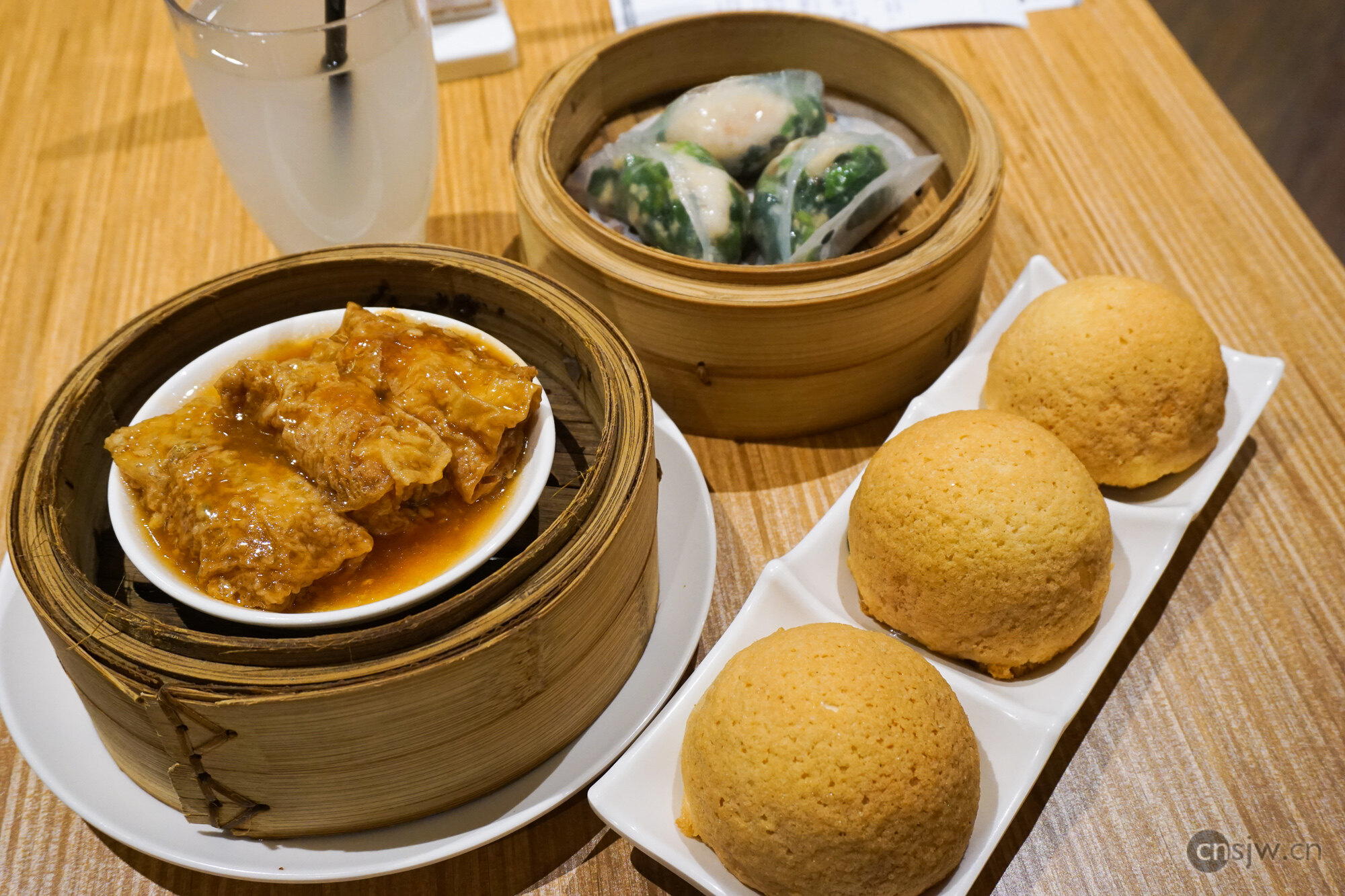
On the second day, after leaving Universal Studios, I was exhausted, so I went straight to Tim Ho Wan in the i12 Katong mall next to my hotel. I had been craving Tim Ho Wan since my time in Hong Kong, but unexpectedly ended up having it in Singapore…
Overseas branches of Tim Ho Wan differ quite a bit from those in Hong Kong. At least this is a proper sit-down restaurant; although the tables are a bit cramped, it doesn’t have the massive queues or shared seating typical of Hong Kong, and the service is actually pretty good. Of course, prices are somewhat higher.
I arrived quite late, past peak dining hours, and was really hungry, so I ordered several signature dishes. They tasted quite good overall. While I felt there was a slight difference compared to the Hong Kong outlets, it was only marginal. The skin of the Fresh Prawn and Spinach Dumplings was very thin, and the prawns were bouncy. However, the Signature Baked Pork Char Siew Bao wasn’t as flaky as in Hong Kong, and the char siu filling wasn’t as generous either.

Photos in this post taken with SONY A5100 + 16-50 f3.5-5.6, post-processed in Lightroom.

Support



Read this article on WeChat