
Singapore
Singapore is a fascinating country located in Southeast Asia, south of Malaysia. It is considered the southernmost point of mainland Asia—though not the southernmost point of Asia as a whole, since that designation excludes island nations like Indonesia, the Philippines, and East Timor. The entire country is essentially just one city, with an area of only 721.5 square kilometers. That’s roughly 30% larger than Guam and about 65% the size of Hong Kong, yet its economy is highly developed. Before gaining independence in 1965, it was the capital of the British Straits Settlements and the British Empire’s primary naval base in East Asia. With the opening of the Suez Canal in 1869, global trade expanded rapidly, turning Singapore into a major global trading hub and making the Port of Singapore one of the busiest ports in the world. After independence in 1965, foreign investment flowed in directly, fueling rapid economic growth. Singapore gradually developed into a newly industrialized nation, earning its place as one of the “Four Asian Tigers” and becoming the only developed country in Southeast Asia.
Most developed cities are quite similar, offering convenient public transportation, diverse dining options, and numerous well-known hotels. What sets Singapore apart, however, is how it has maximized man-made landscapes despite limited natural resources. Moreover, due to government-mandated greenery requirements, some buildings that couldn’t meet these standards on the ground ended up planting trees on their rooftops—making Singapore probably the city with the most rooftop trees in the world…
Singapore’s weather is equally remarkable: it remains nearly identical year-round, with no distinct seasons. Temperatures rarely exceed 31°C or drop below 24°C, so short sleeves and shorts are appropriate almost all year long. However, rain showers occur almost daily—they come quickly, lasting anywhere from just a few minutes to an hour at most. Once the rain stops, the sun reappears almost immediately, and as soon as the ground dries, it’s as if it never rained at all. April isn’t technically part of the rainy season, but even during non-rainy months, there are typically around 15 rainy days; during the actual rainy season, expect about 20 rainy days.
Visa
As the only developed country in Southeast Asia, Singapore also happens to have the most complicated visa process in the region…
There are two main ways to obtain a visa here. One option is to ask a local Singaporean resident to sponsor your application. This method is virtually guaranteed approval, takes just one business day to process, costs SGD 30, and grants a single-entry visa valid for 63 days.
The other option is applying through a travel agency in China, which typically charges around RMB 300. The required documentation is quite extensive, and processing usually takes one business day as well. However, the resulting visa could be valid for 35 days, 63 days, 1 year, 2 years, 5 years, or even 10 years—and may allow either single or multiple entries… It’s essentially a “Buddhist-style” visa lottery where everything depends on luck. Of course, rejection is also possible, so remember to secure your visa before booking flights and hotels. Most agencies won’t accept applications if your intended travel date is more than 35 days away.
In practice, entering Singapore is extremely fast thanks to electronic visas—a quick scan and you’re through. Exiting is even smoother, with fully automated immigration gates that virtually eliminate any need to queue.
Language & Payment
Singapore’s population includes Chinese, Malay, and Indian communities, and its official languages are English, Mandarin, Malay, and Tamil. Religious beliefs here are incredibly diverse. Interestingly, many local Chinese residents actually speak better Mandarin than the average Cantonese speaker in Hong Kong… Generally speaking, you’ll only need English in places like hotels and restaurants; otherwise, Mandarin works perfectly fine in most situations.
Additionally, Singapore is the only country outside mainland China that uses Simplified Chinese characters.
Singlish—the local variety of English—has a truly infectious accent. Its relationship to standard English is somewhat akin to how Northeastern dialect relates to Standard Mandarin in China—you might find yourself unintentionally picking up the local twang in no time…
As for payments, like in other developed cities, credit cards are widely accepted at most shopping and dining venues. Many tourist-heavy areas even support Alipay. However, some smaller local shops still only accept cash. Overall, the card-payment infrastructure doesn’t feel quite as seamless as Seoul’s, and true cashless convenience hasn’t been fully achieved yet.
Transportation
Public transport mainly consists of the MRT (subway) and buses. The MRT network within the city center is highly developed and fares are reasonably priced. However, the ticketing system can be quite confusing, with fares calculated down to the cent. Tickets purchased from self-service machines are multi-use tickets requiring a SGD 0.1 deposit, which gets credited back onto the ticket after three rides. After another three rides, you receive a SGD 0.1 discount per ride. Each ticket can be used up to six times before you need to purchase a new one.
The transit card, called EZ-Link, offers a 50% discount on MRT fares but comes with a non-refundable card fee of SGD 5. When purchasing your first card, you pay SGD 12 upfront, receiving a card preloaded with SGD 7 in usable credit. You can then use it freely—but beware: once the balance drops below SGD 3, you won’t be able to enter stations anymore. Top-ups must be at least SGD 10 each time, which can be frustrating. While you can refund the remaining balance at the airport, doing so requires surrendering the card itself, meaning you’ll have to spend another SGD 5 next time you visit… So make sure you plan carefully!
As for buses, they don’t announce stops, routes can be complicated, and exact change is required for fare payment—which is why I didn’t take a single bus during my two-day stay in Katong…
Then there are ride-hailing apps: Uber tends to be slightly pricier, while Grab is significantly cheaper and super convenient, offering fixed-rate pricing. During my two days in Katong, I relied almost entirely on Grab for getting around. Surprisingly, it feels very similar to ride-hailing services back home in China, complete with carpooling and even hitchhike-like shared rides… Truly impressive!
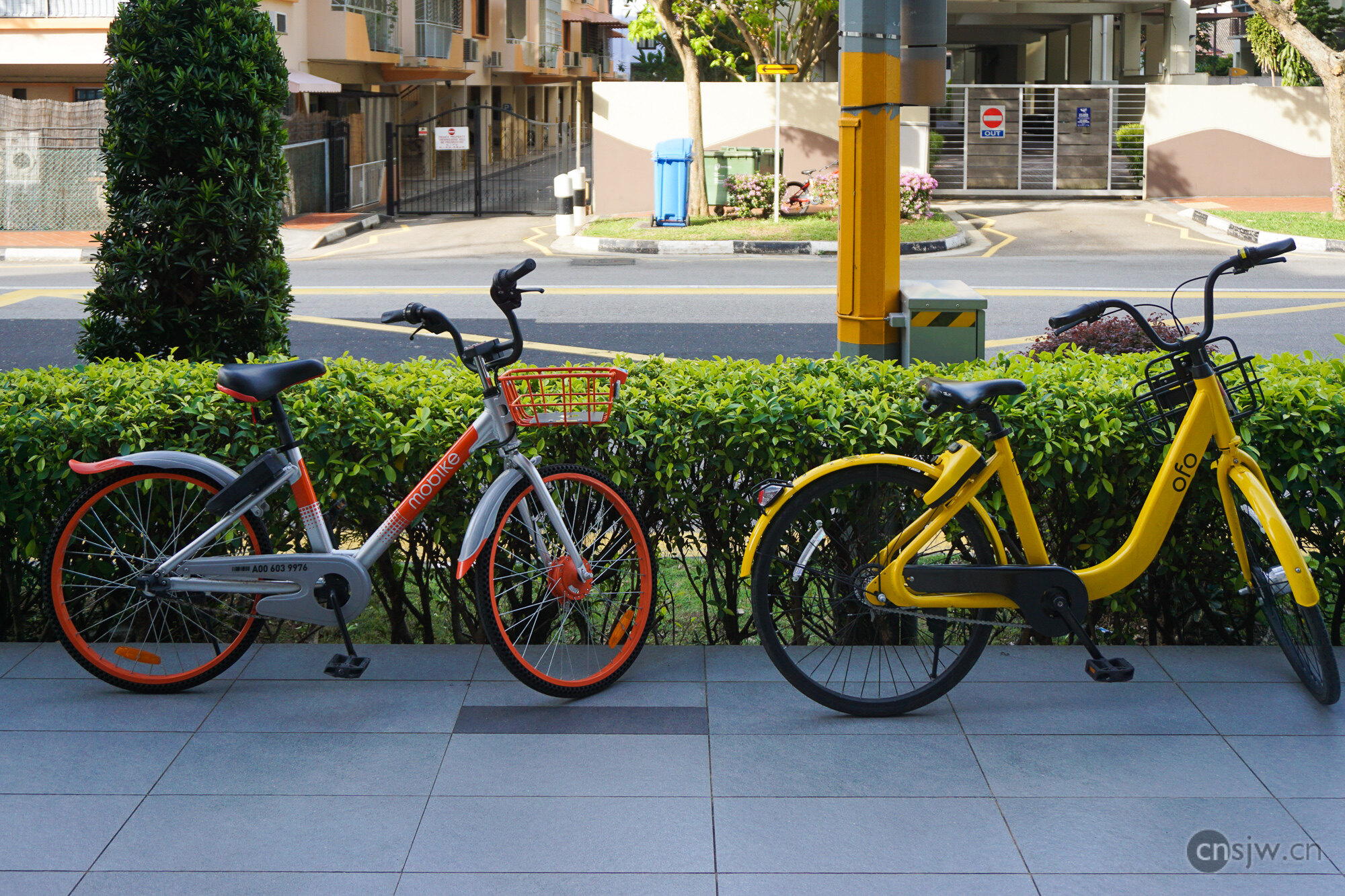
And of course, there are also the iconic orange and yellow taxis:
Details about food and attractions will be covered specifically in upcoming blog posts.
Hotel Indigo Singapore Katong
I chose Hotel Indigo Singapore Katong for my first two nights because every Indigo property offers a great way to immerse yourself in the local vibe. This particular hotel is relatively new, boasts excellent facilities, and comes at a reasonable price. Geographically, it sits conveniently midway between the airport and Universal Studios. Although there’s no nearby MRT station, its proximity to both the airport and Sentosa Island made relying solely on ride-hailing apps perfectly feasible.
Right after exiting the airport, I booked a Grab ride straight to the hotel for just SGD 12. The driver happened to be ethnically Chinese and was listening to a Chinese-language radio station—it felt surprisingly familiar…
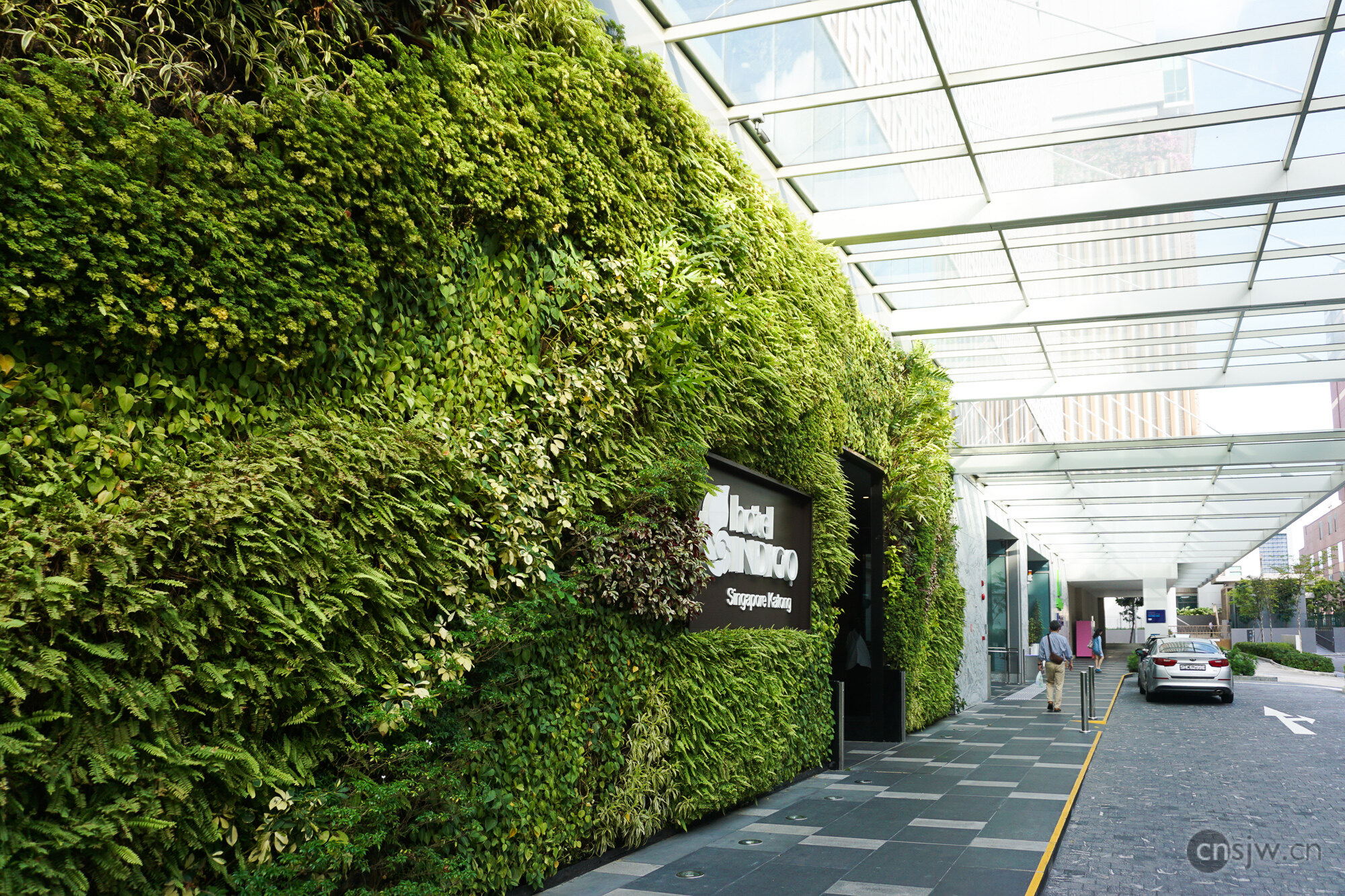
Even right outside the hotel entrance, the unique landscaping immediately stood out… A friendly, slightly chubby Indian concierge proactively came out to help carry my luggage~~
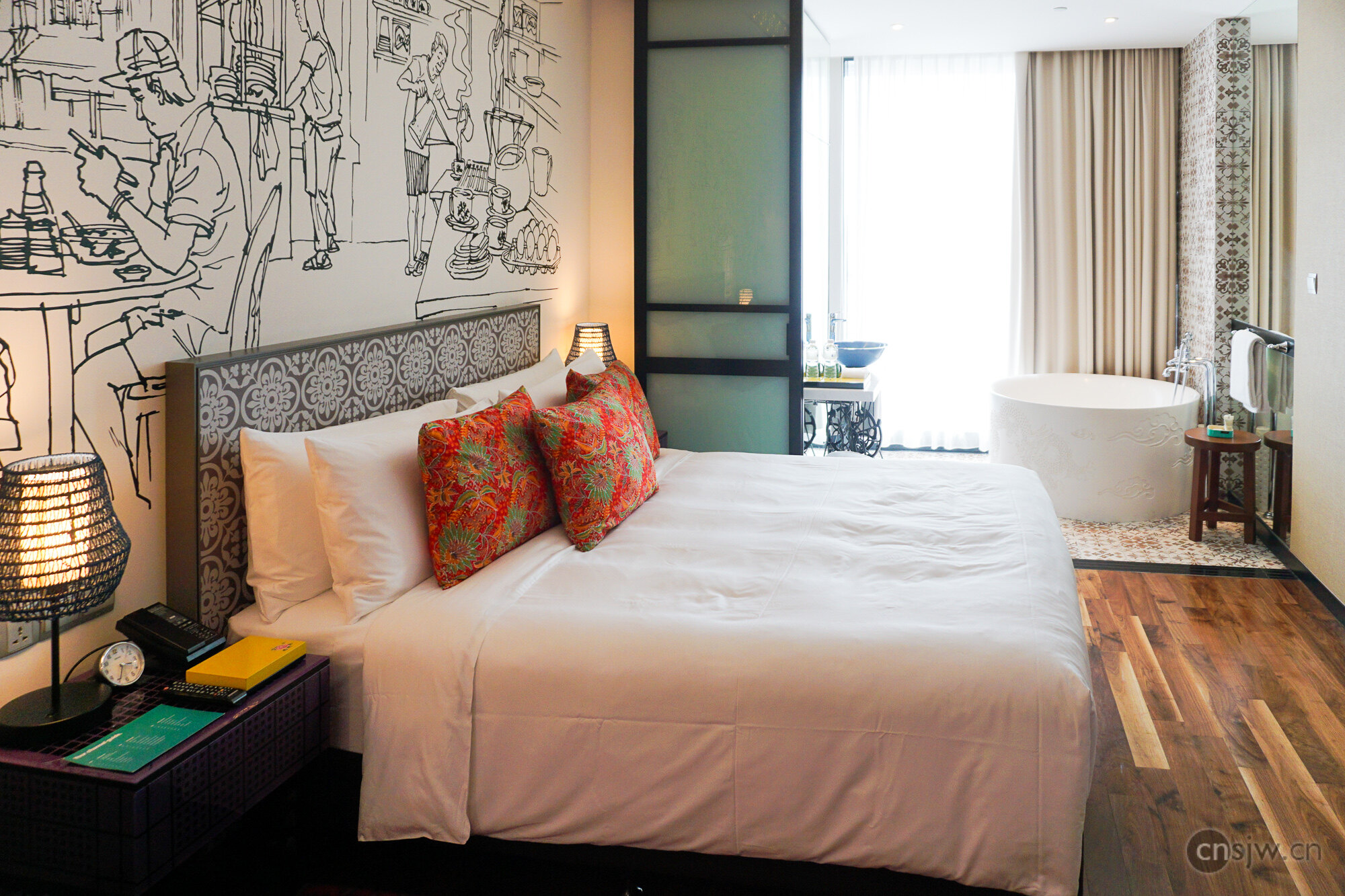
My room was upgraded to a Deluxe Room with a bathtub. The amenities were top-notch, the room spacious, and the wall murals depicted a traditional Singaporean Bak Kut Teh shop. Complimentary local snacks and fresh fruit were also provided.
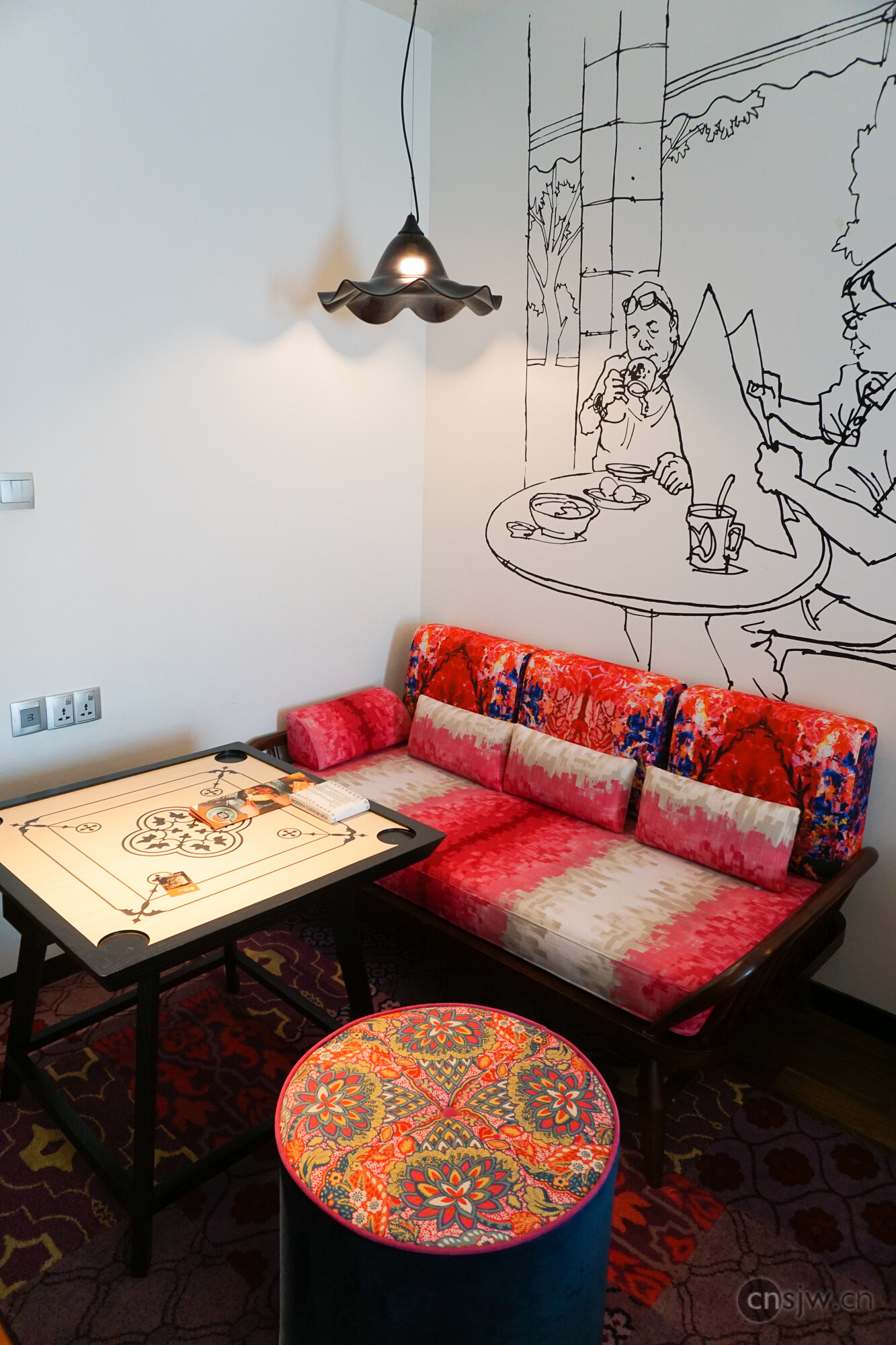

Outside the window lies the Katong neighborhood—an affluent residential area in Singapore characterized by low-rise buildings and detached villas.
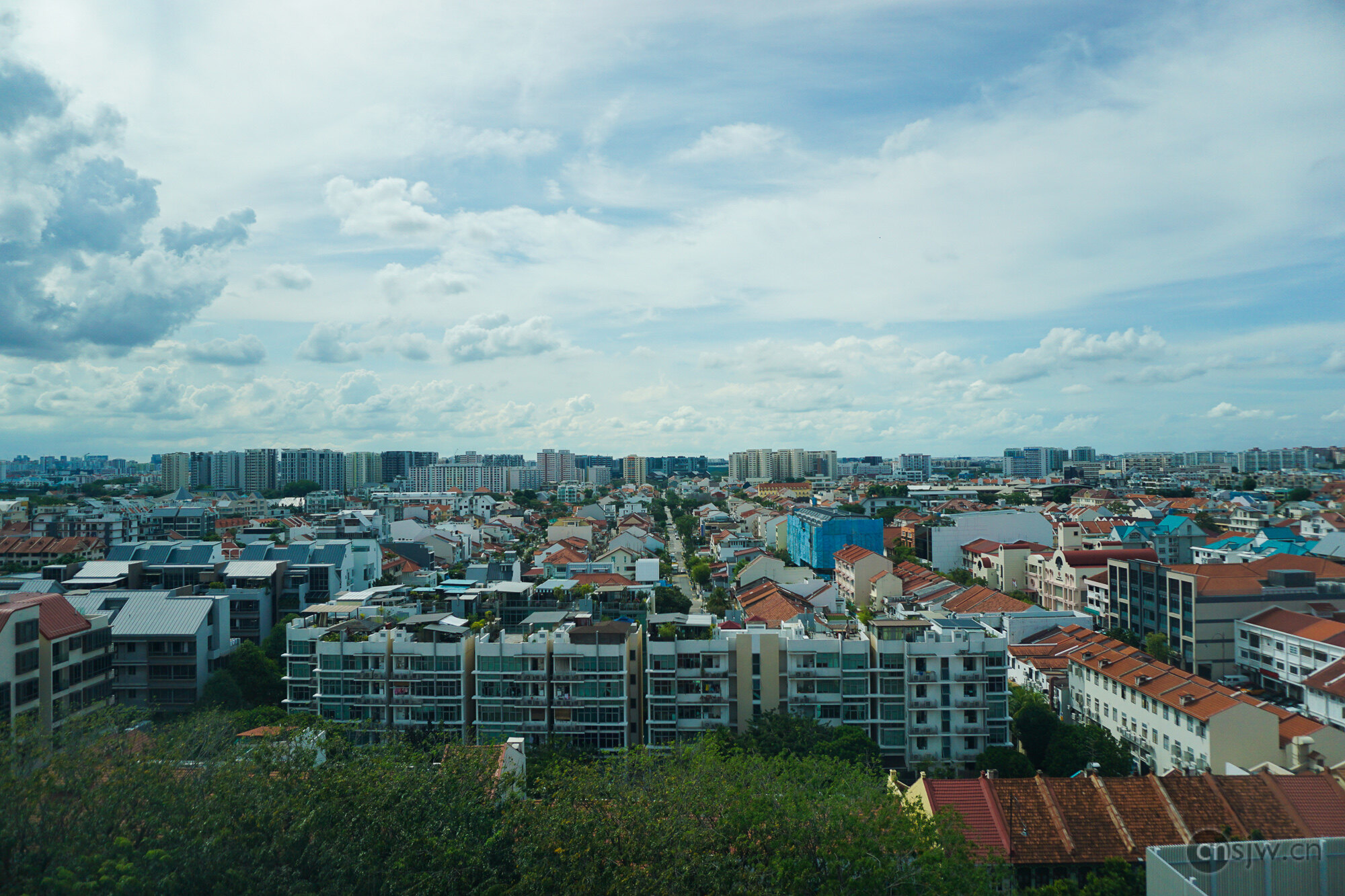
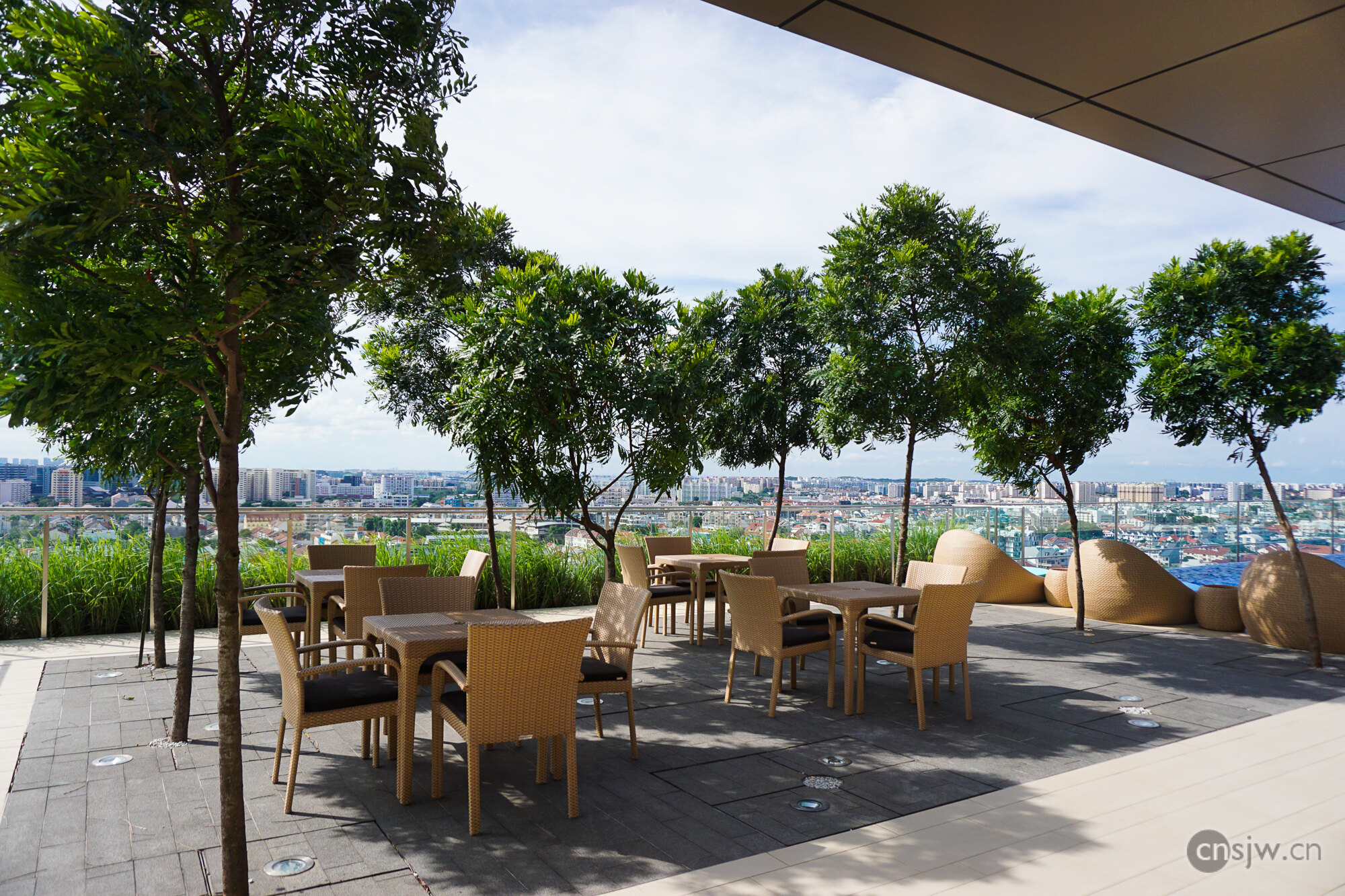
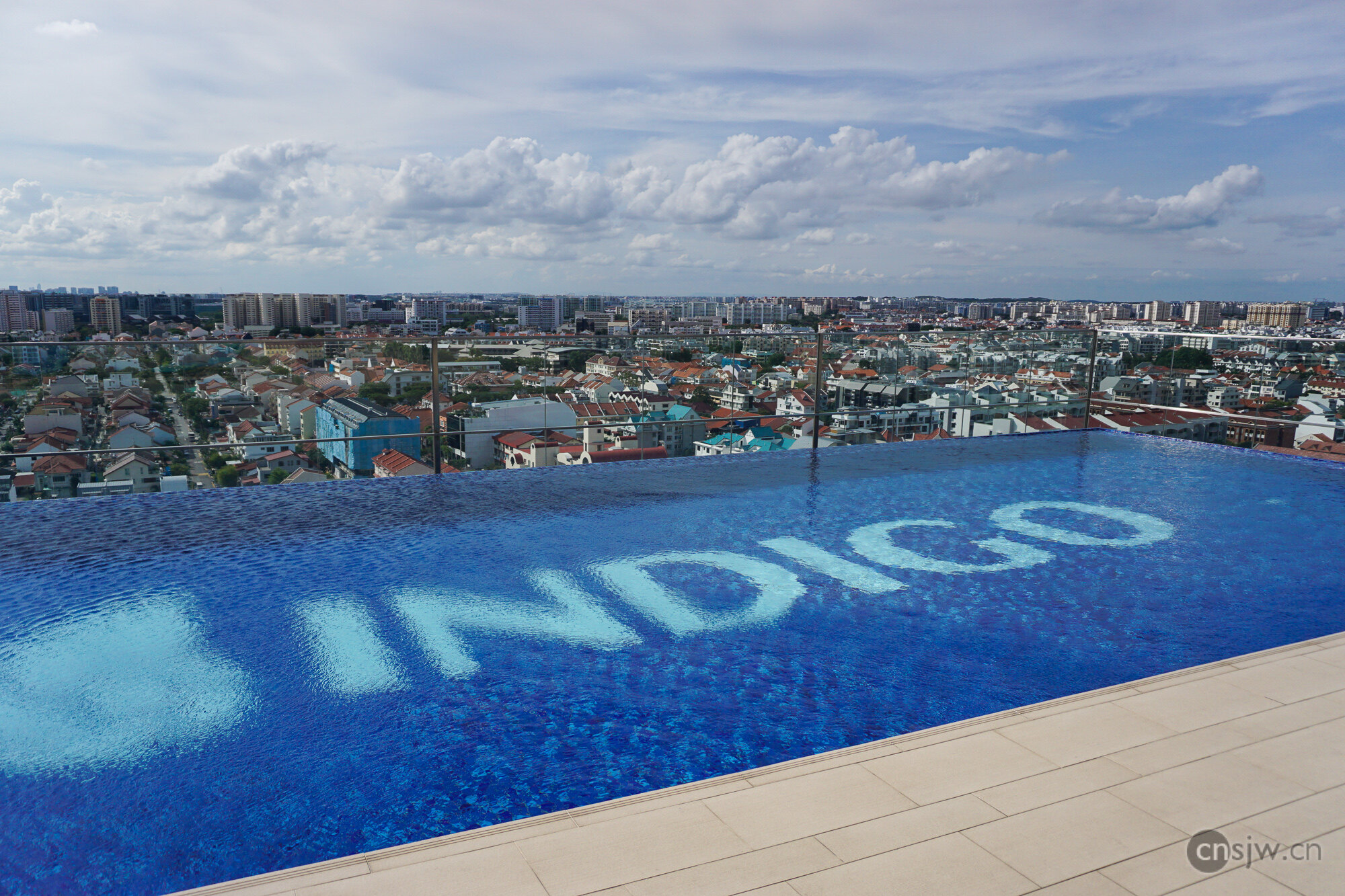
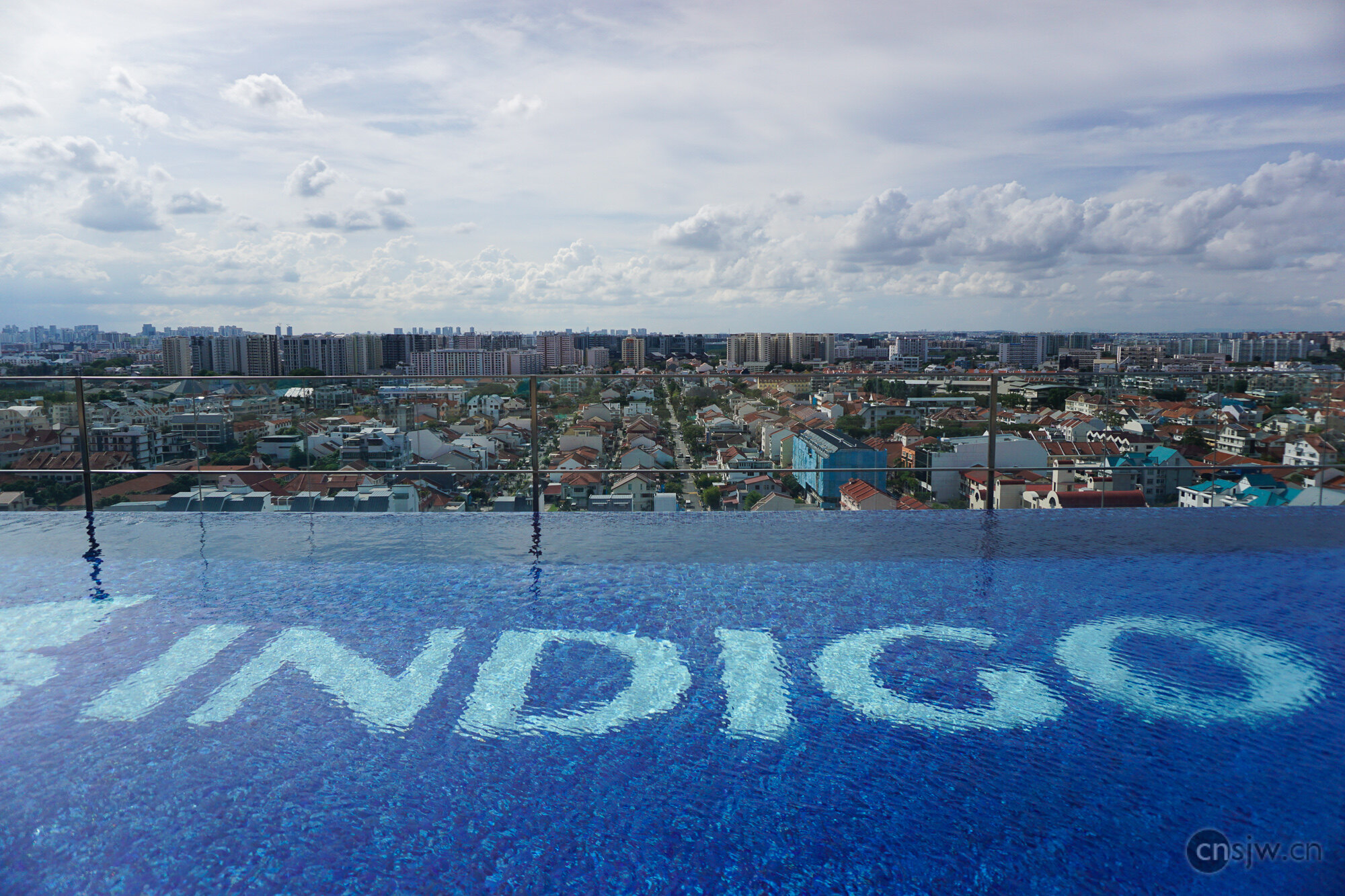
On the hotel’s rooftop, there’s an open-air infinity pool that serves as an absolute paradise for photography enthusiasts…
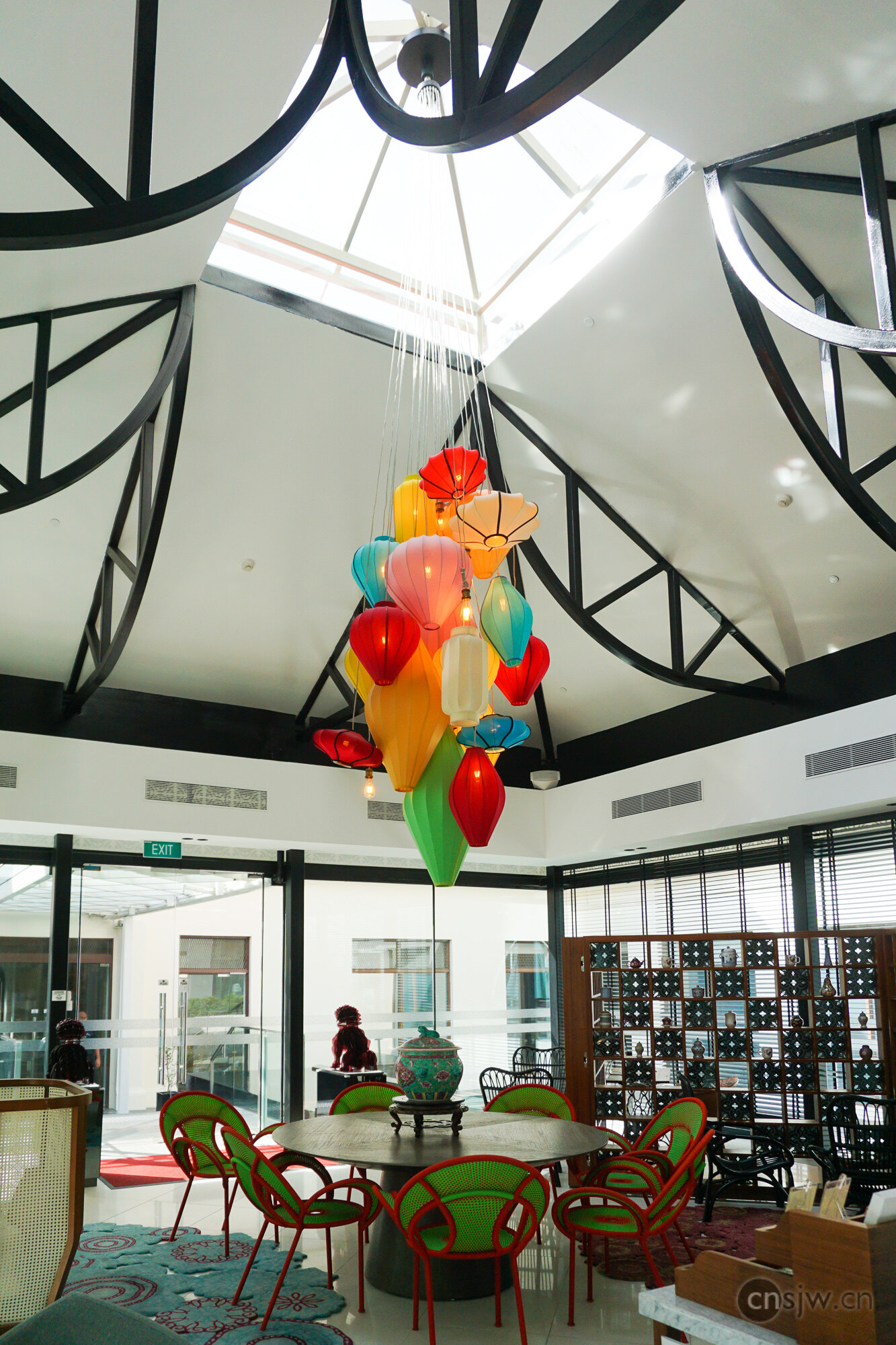
The hotel lobby exudes quintessential Southeast Asian charm, featuring large red lanterns above the elevators that light up as the elevator approaches your floor.
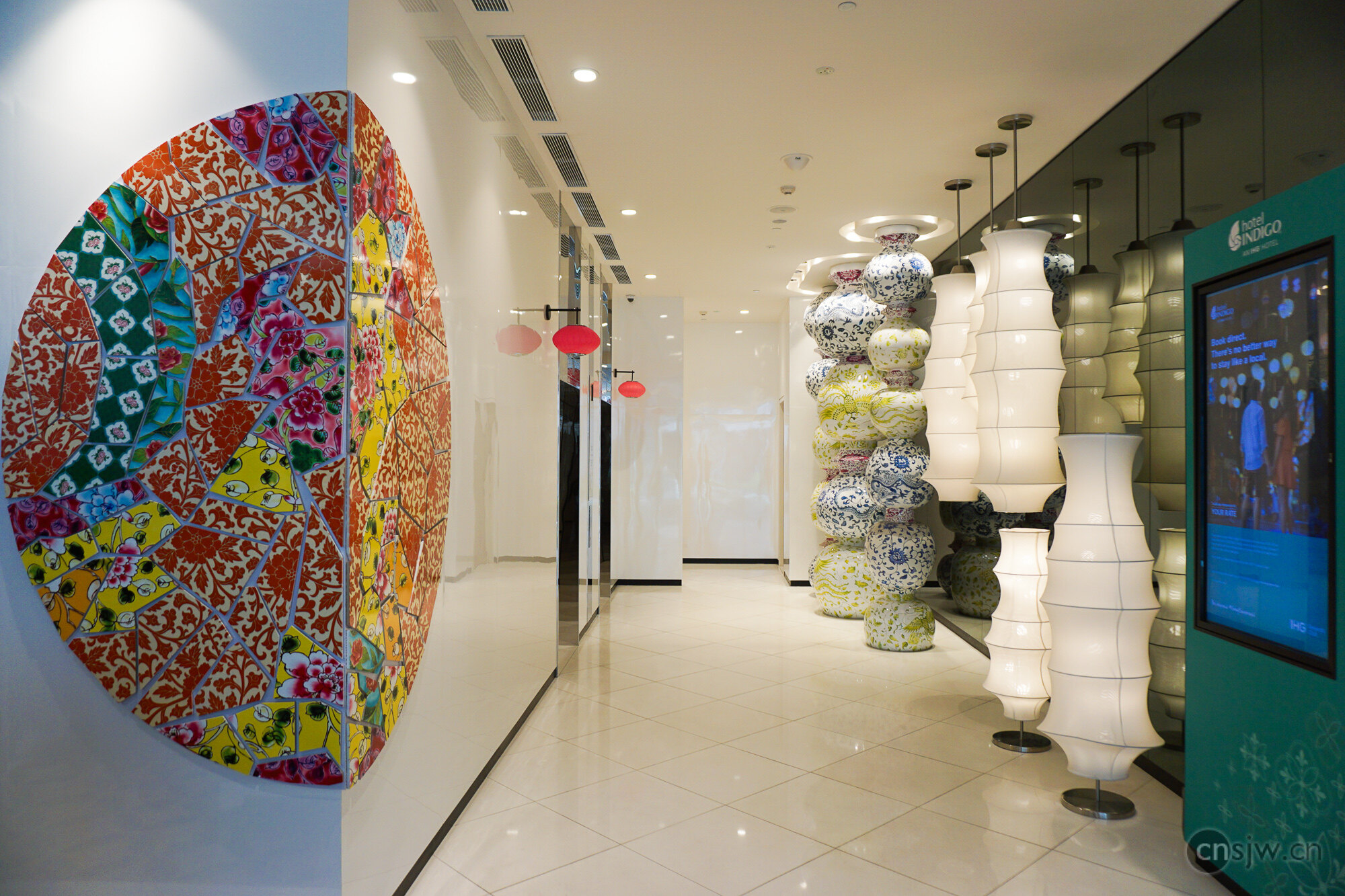
Between the hotel and the restaurant, there’s a cozy lounge area.
Photos in this post taken with a Sony A5100 + 16-50mm f/3.5-5.6 lens, edited in Lightroom.

Support


Read this article on WeChat