
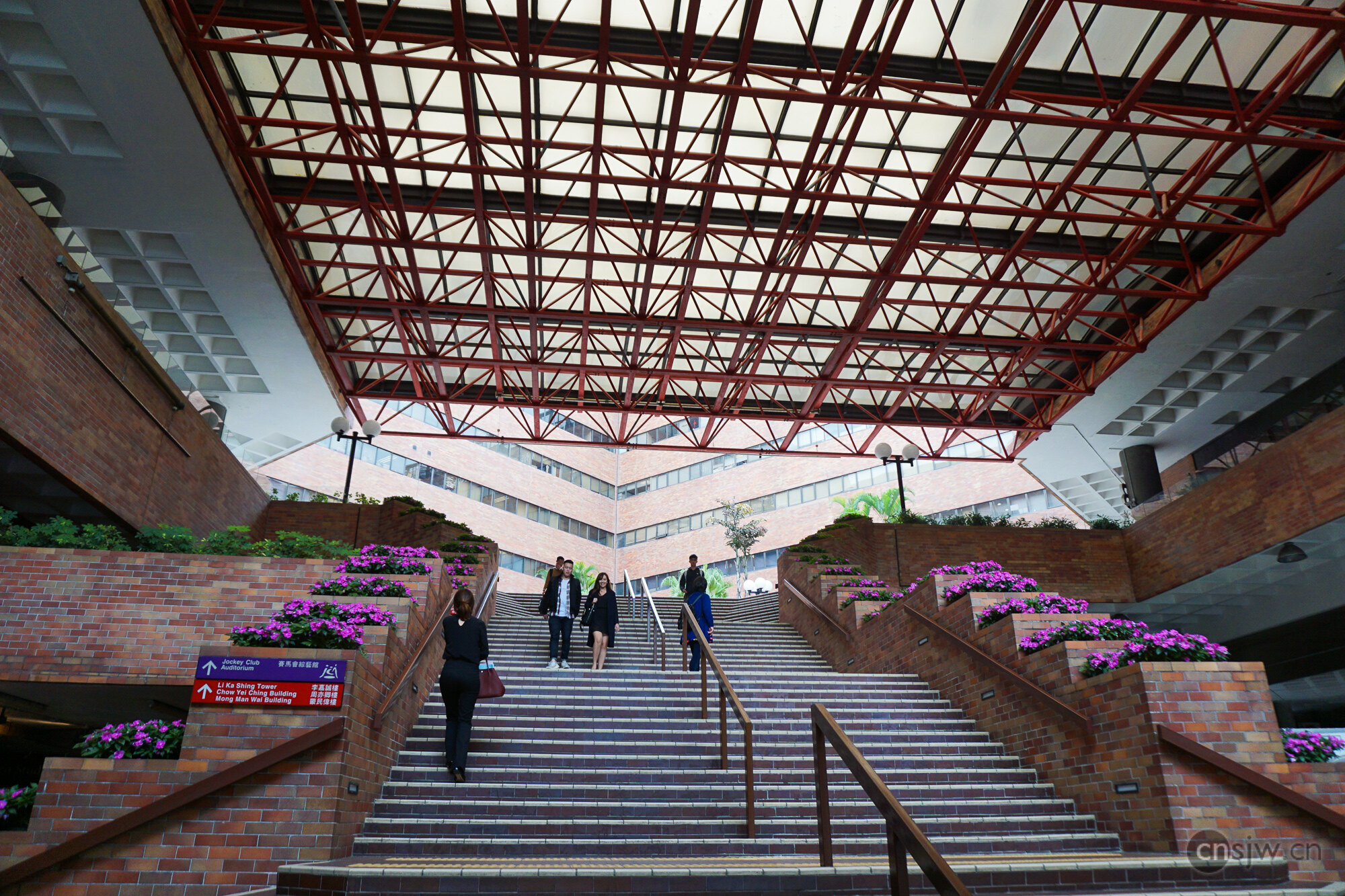
Led by a junior student, I visited The Hong Kong Polytechnic University, which is located right next to the hotel. PolyU is one of the most renowned universities in Hong Kong. Since Hong Kong is relatively small and doesn’t have many universities, PolyU itself isn’t very large either—compared to mainland Chinese universities, it’s incredibly compact. However, being small has its advantages; it allows for better planning than massive campuses. The entire campus consists of about 20 interconnected buildings, with complete separation between pedestrians and vehicles throughout: the ground level is for vehicular traffic, while the upper level is dedicated to pedestrians, so there’s absolutely no need to worry about being hit by motor vehicles. Unfortunately, you have to climb stairs as soon as you enter the campus gate.
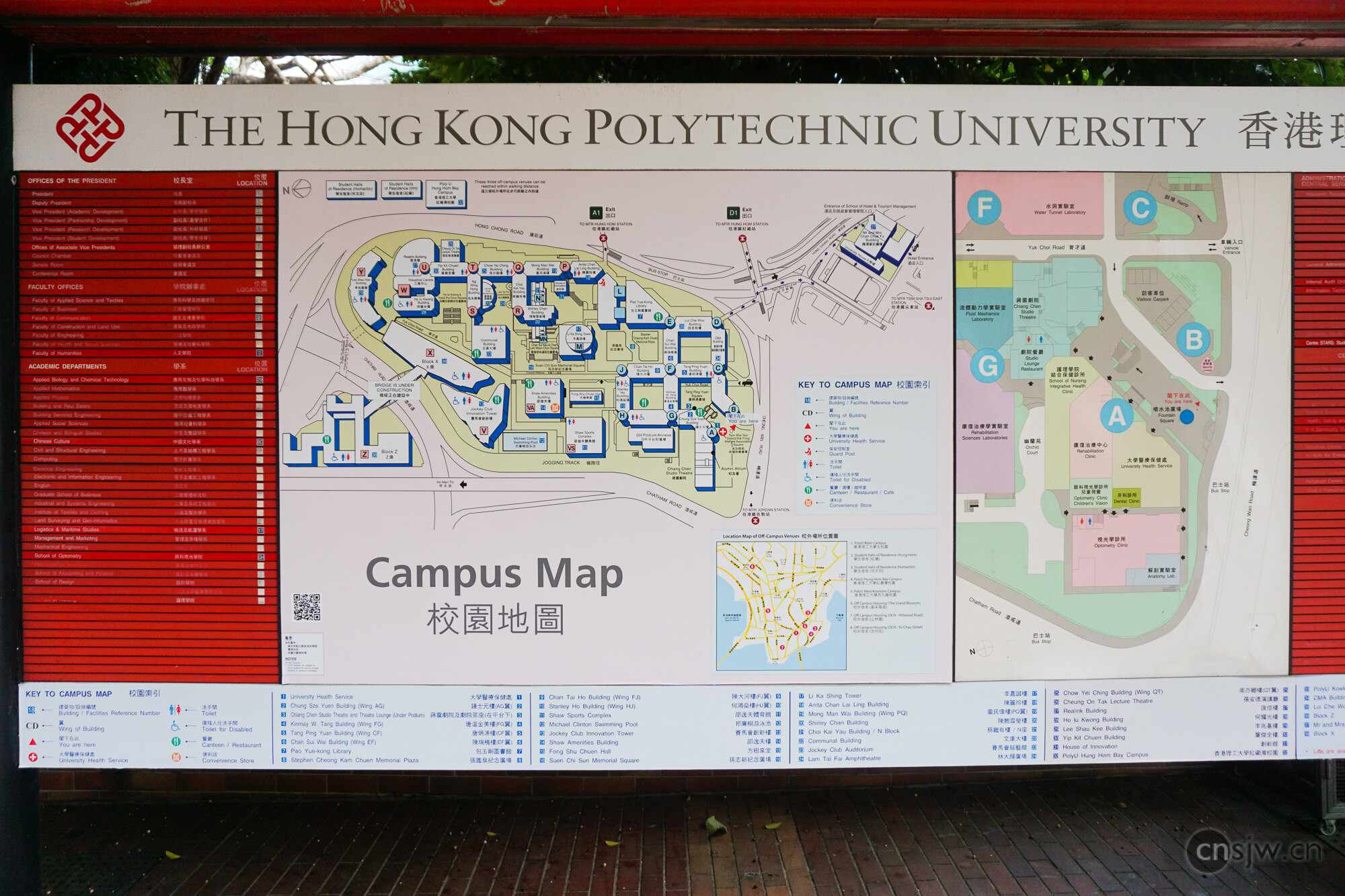
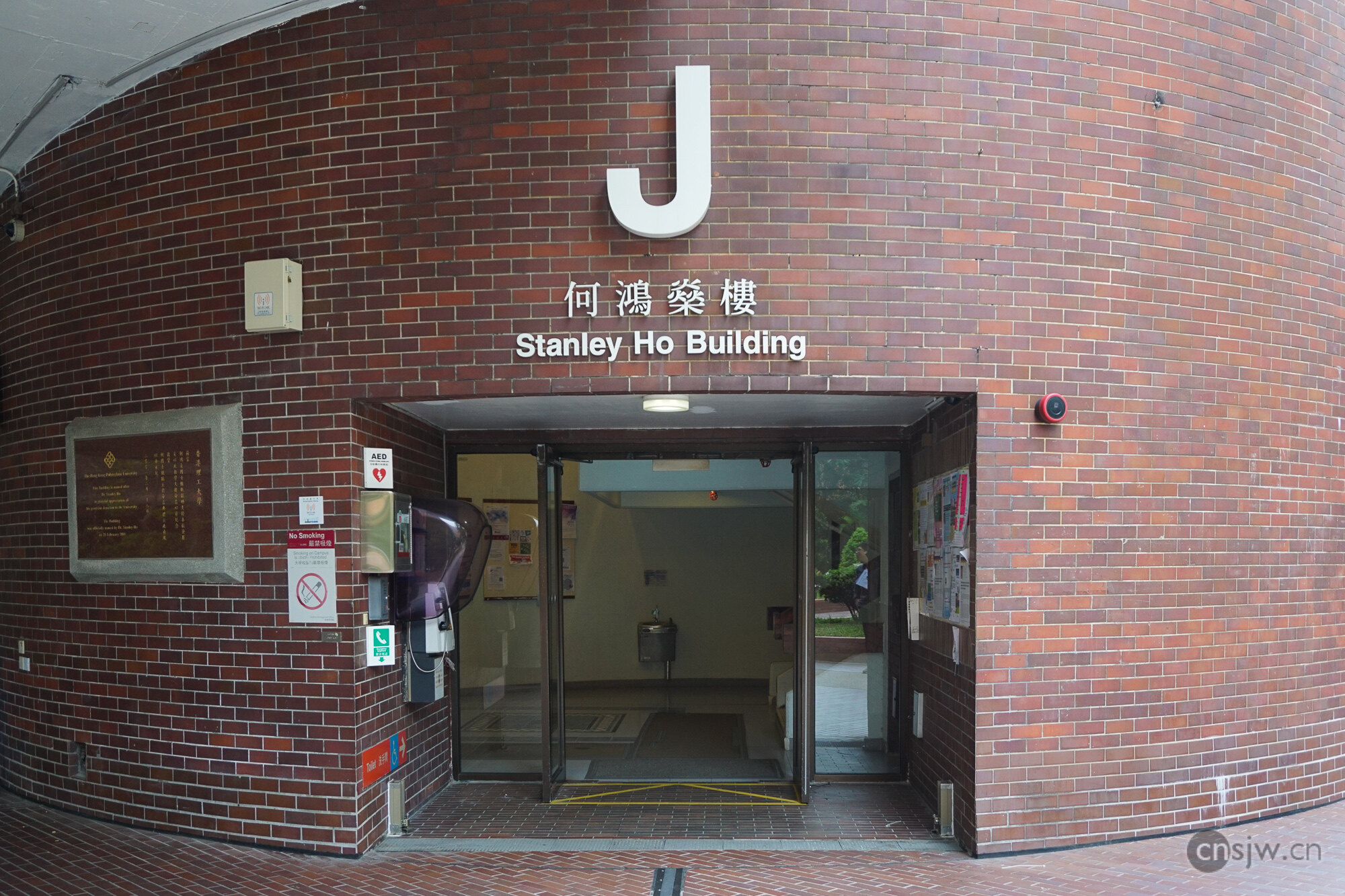
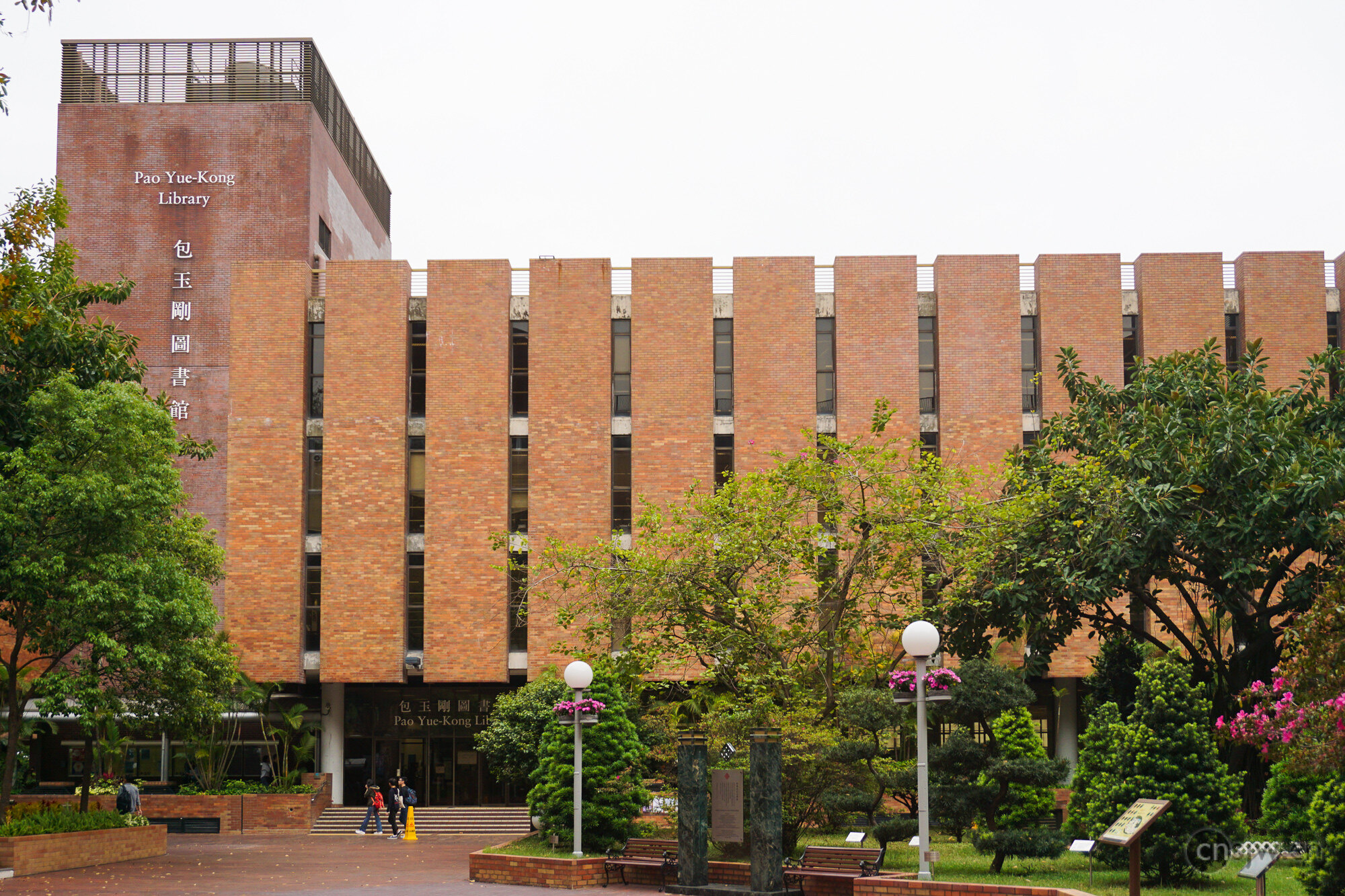
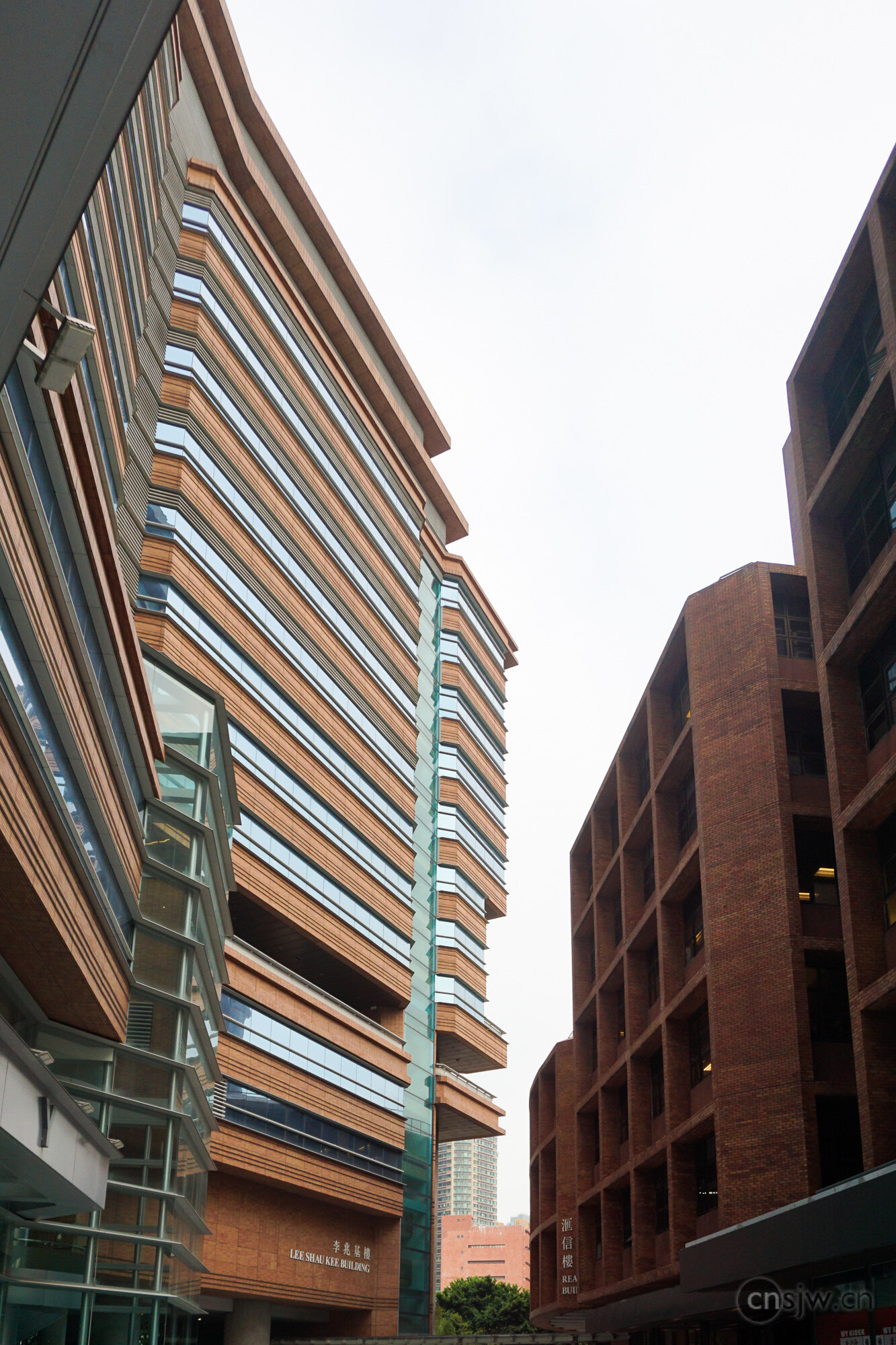
At the campus entrance, there’s a complete map of the university clearly marking the locations of buildings, convenience stores, restaurants, and restrooms. All campus buildings are arranged alphabetically from A to Z starting at the main gate, excluding the letters I, K, and O. Some letters designate entire standalone buildings, while others indicate connecting sections between two buildings. As a result, some buildings are referred to individually (e.g., Building L or Building M), whereas others share combined designations like Building HJ. This system makes navigation remarkably easy even for those unfamiliar with the campus layout. It’s said that the overall arrangement of buildings vaguely resembles alphabetical shapes, though rather abstractly. Of course, following tradition, most buildings are named after their benefactors—for example, the Pao Yue-kong Library, Li Ka Shing Tower, Shaw Tower, Stanley Ho Building, and so on~~
On the other side of the road, Building Z currently can only be accessed via an underground tunnel from Building Y; the footbridge connecting it to Building X is still under construction~~
With pedestrian and vehicle traffic separated, the pedestrian areas become exceptionally spacious, allowing plenty of room for thoughtful design features. For instance, all campus buildings are connected by covered walkways, meaning you can move around campus without needing an umbrella—a highly user-friendly feature. Additionally, entrances are equipped with clearly marked facilities such as AEDs and public telephones.
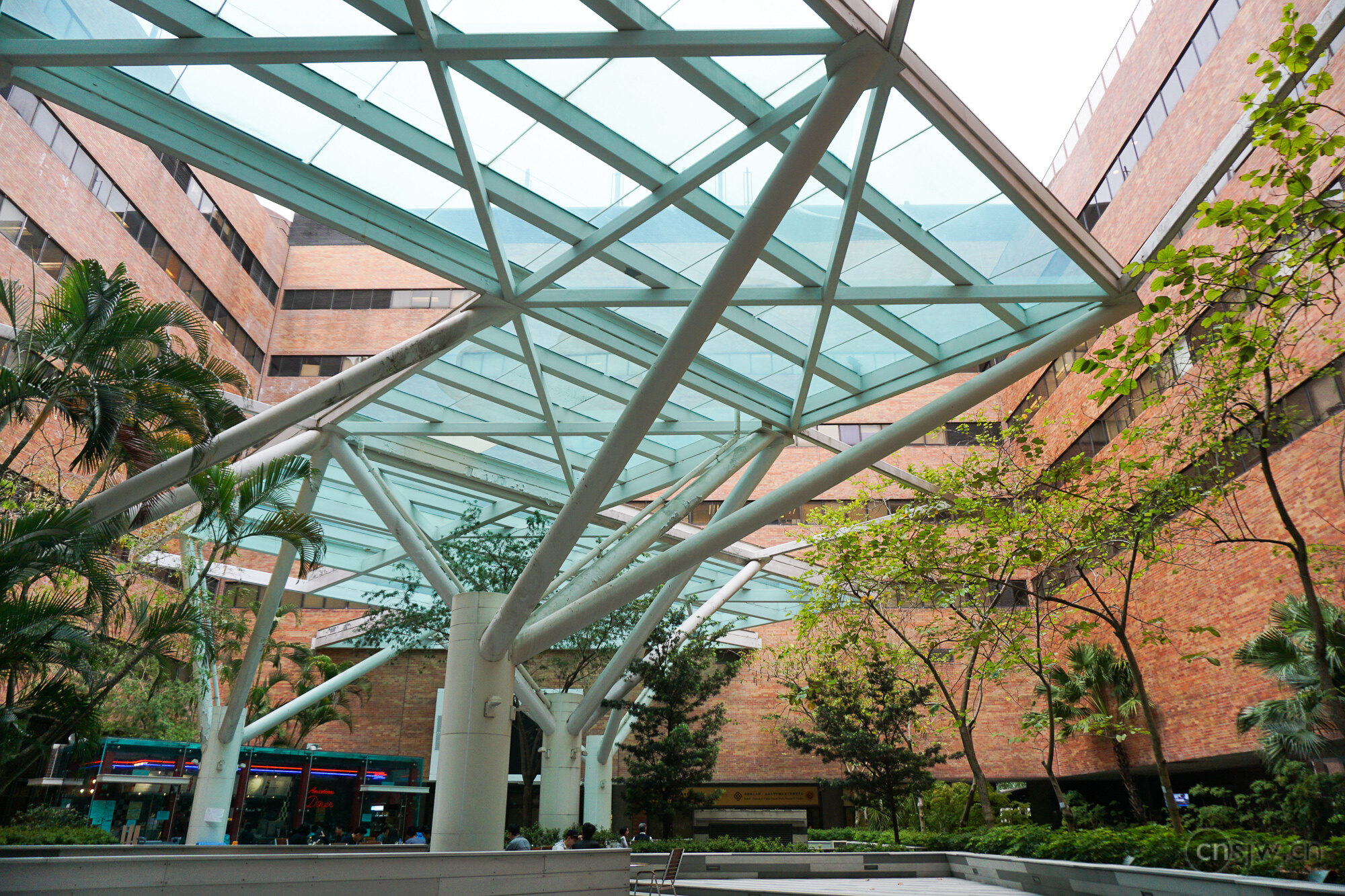
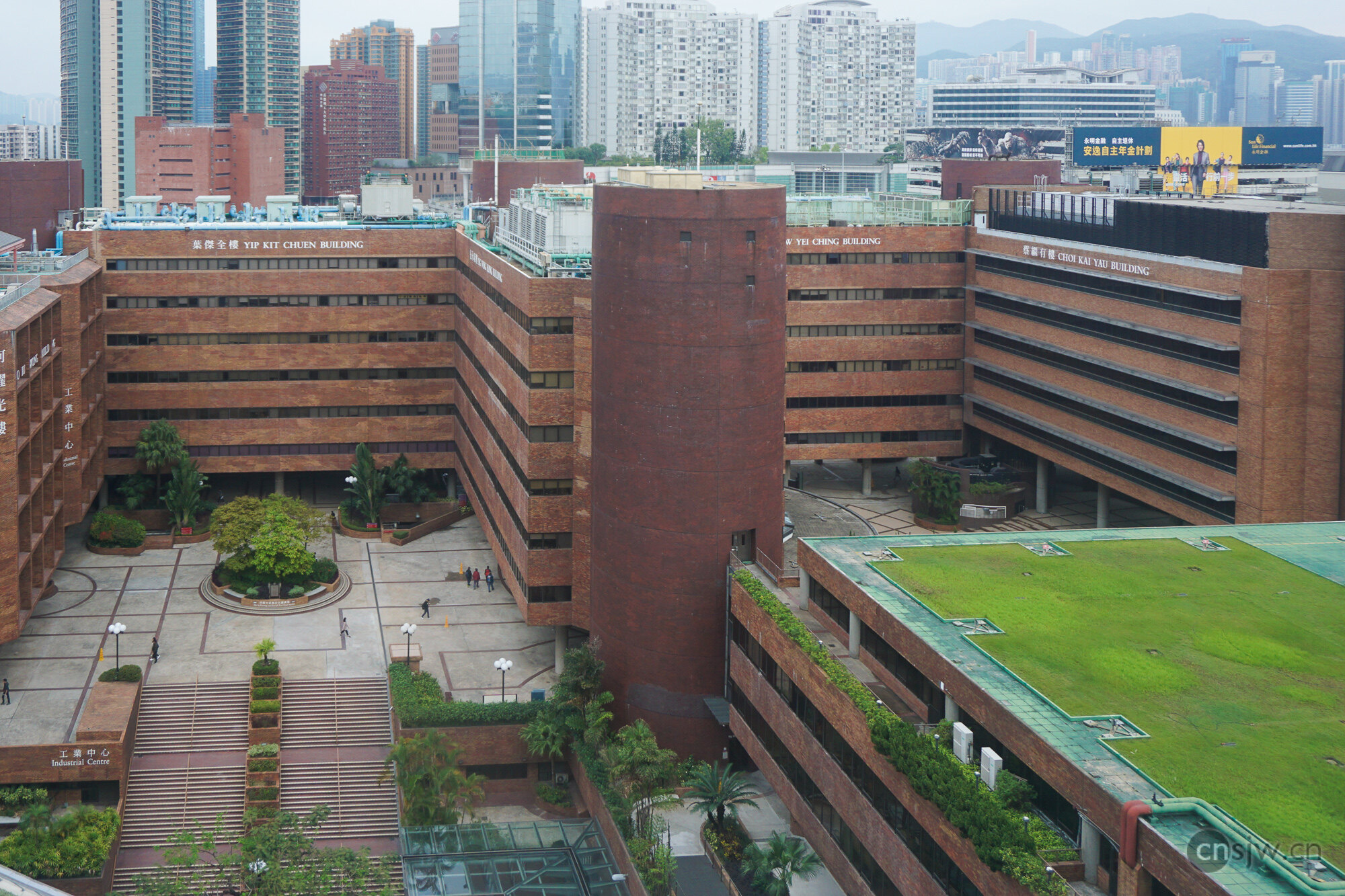
The architectural style across campus is remarkably consistent. In fact, not all buildings were constructed during the same period, but because they share similar color schemes, they appear quite uniform—the newest buildings simply tend to have slightly larger windows…

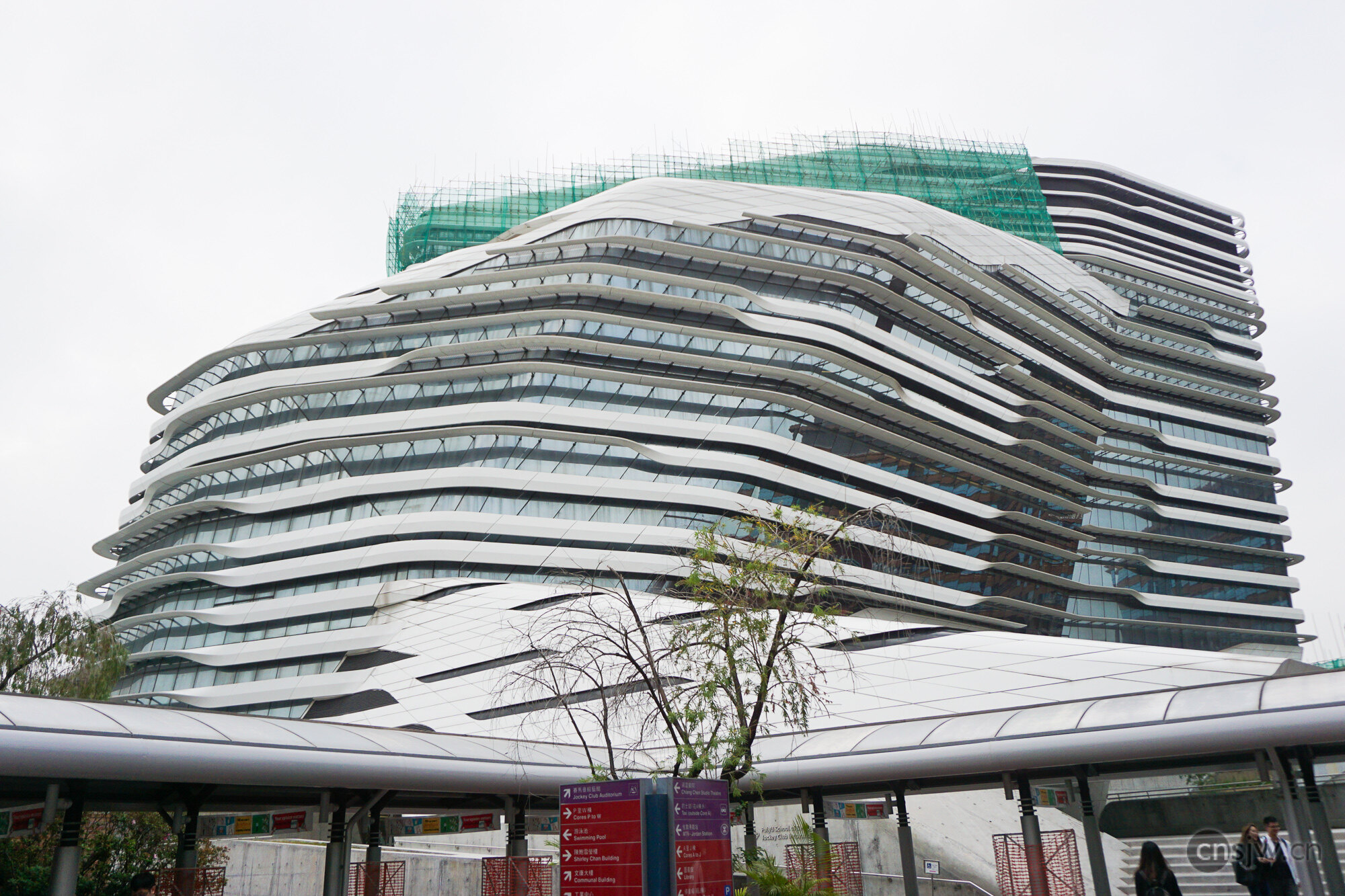
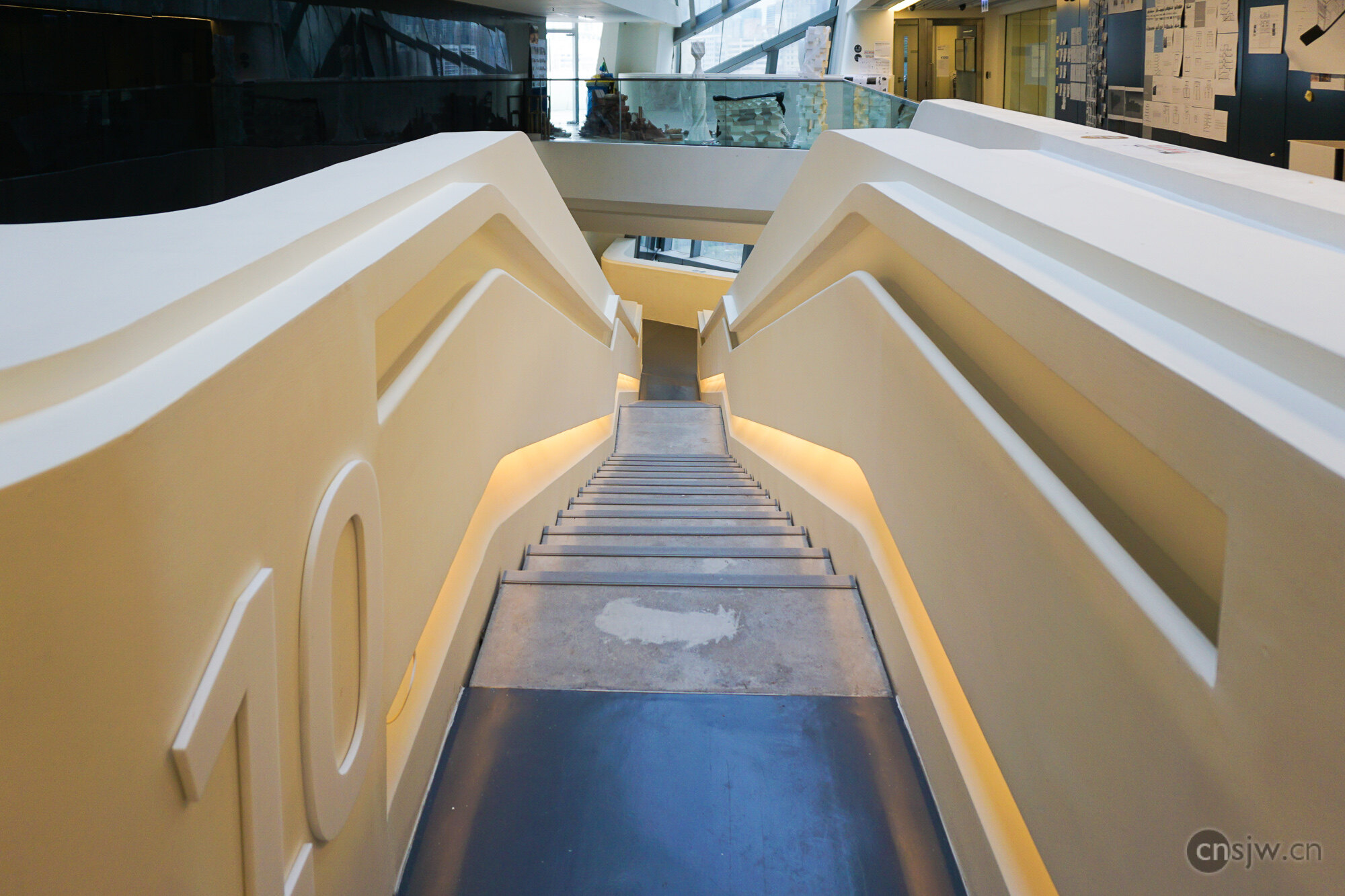
The only architecturally distinctive building on campus is the Jockey Club Innovation Tower, home to the School of Design. Designed by Pritzker Prize-winning architect Zaha Hadid together with renowned local architect Ng Wing-shun, this iconic structure was undergoing minor maintenance during my visit at semester end, though access inside remained unaffected. Surprisingly, the interior feels less striking than its bold exterior—and somewhat smaller too, perhaps because Zaha Hadid’s projects in mainland China (like her SOHO developments) tend to be monumental in scale. Personally, I found Tongji University’s C-Building more worthwhile to visit—haha!
Looking out from higher floors, grass has been planted atop lower rooftops to enhance visual appeal.
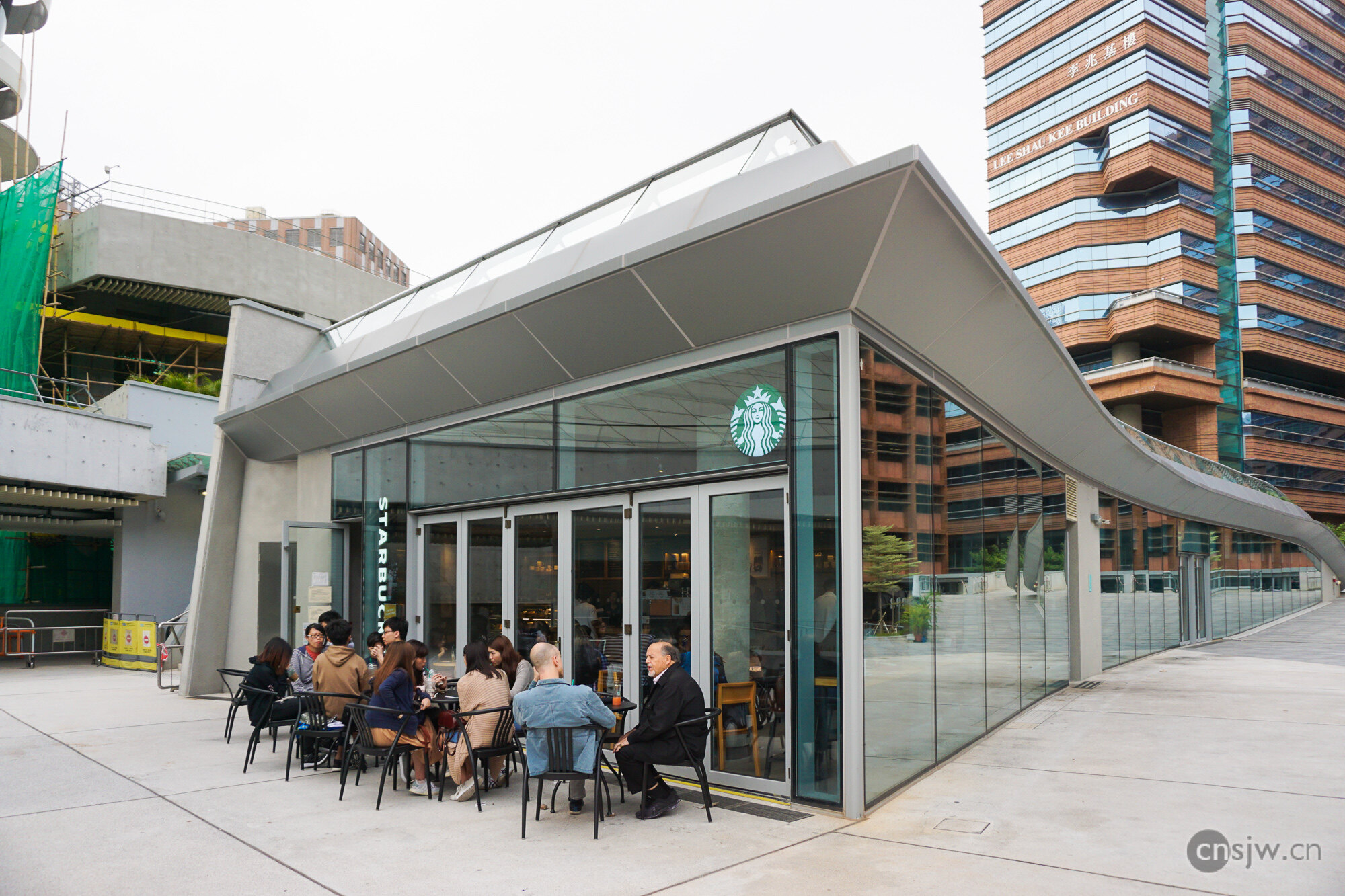
There’s a Starbucks on campus rumored to offer cheaper prices compared to off-campus outlets.
An outdoor swimming pool built back in 1978 unfortunately remains closed at present. Inside Building W, however, there’s also a 25-meter indoor swimming pool.

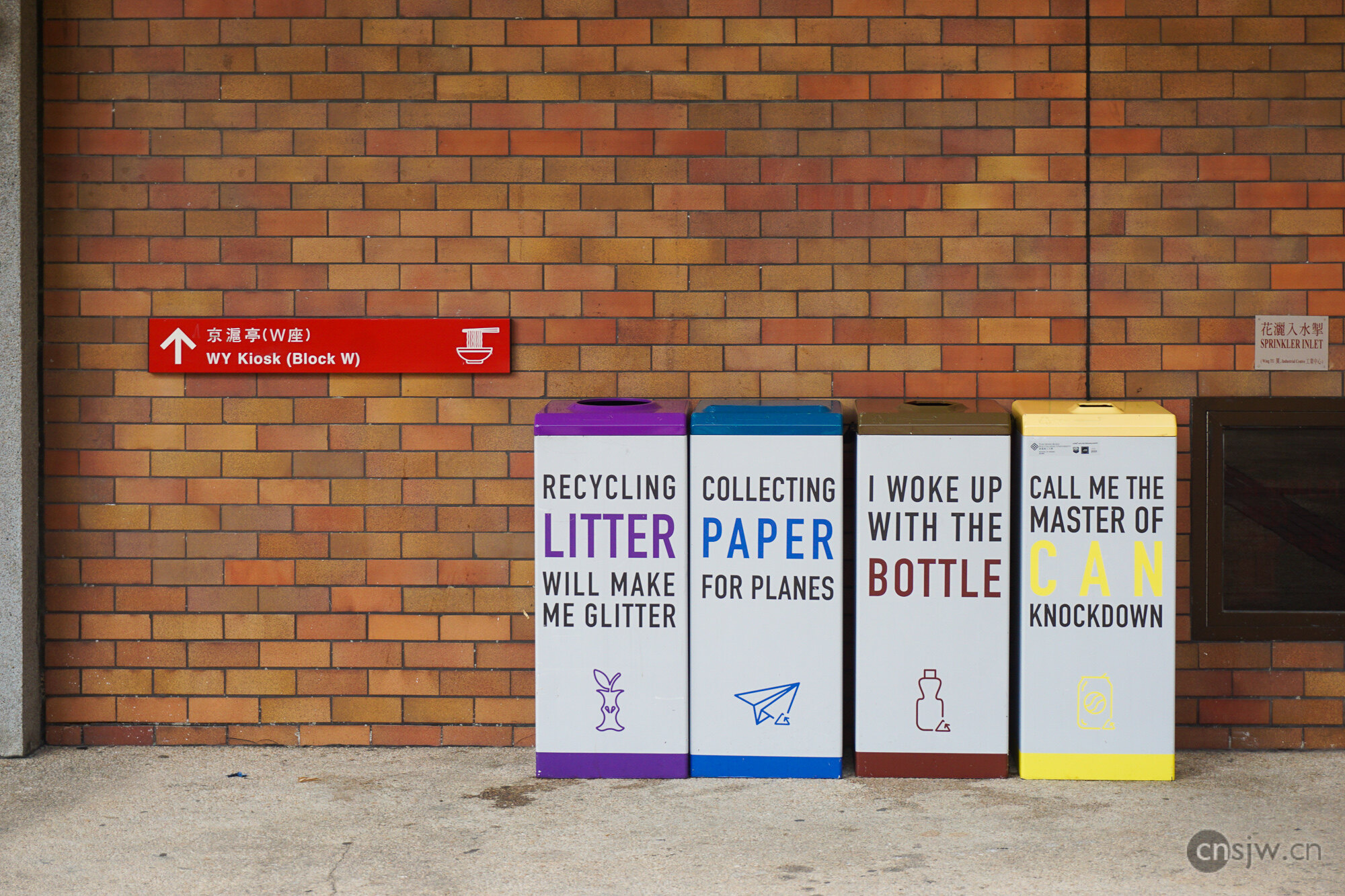
Hong Kong does an excellent job with waste sorting, and the campus features numerous creatively designed trash bins that are quite amusing.
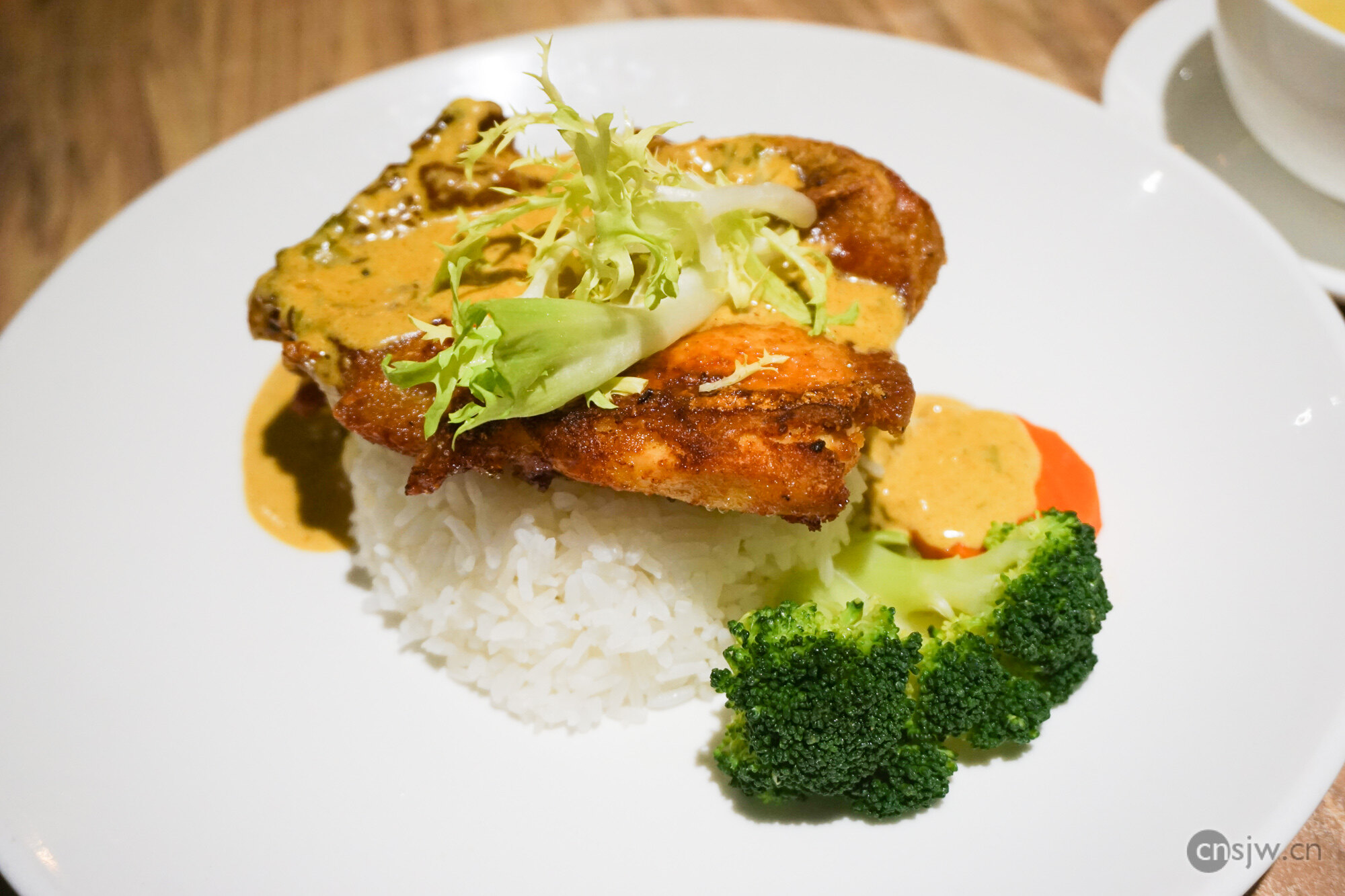
Finally, we dined at Studio Lounge near the entrance—an entirely public restaurant serving Western-style light meals. To our surprise, the food turned out exceptionally good, far exceeding typical expectations for campus dining—the risotto was particularly delicious!

Photos taken using a SONY A5100 + 16-50mm f/3.5-5.6 lens, post-processed in Lightroom.

Support



Read this article on WeChat