
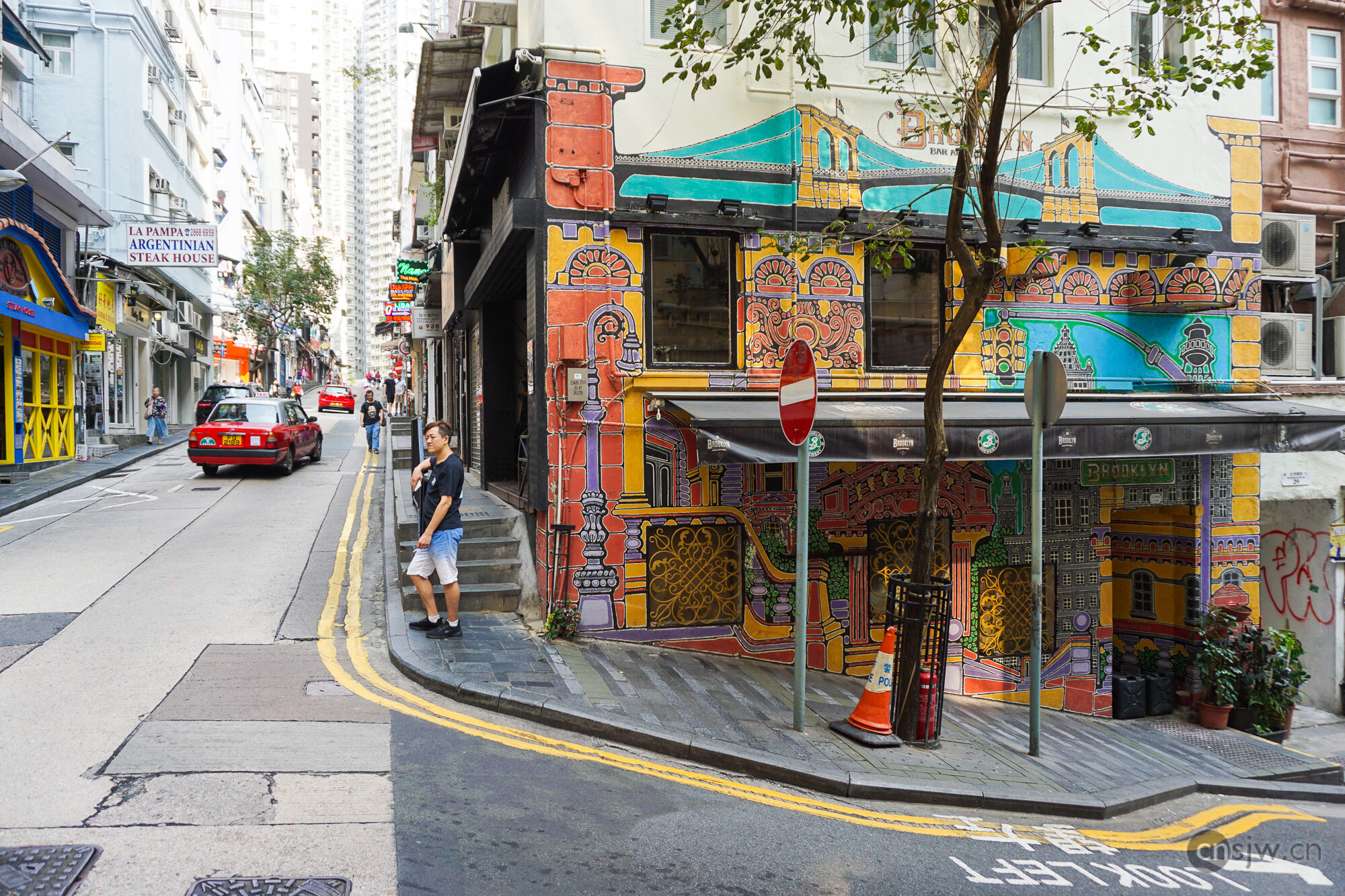
The plan for this trip was an in-depth exploration of Central. Of course, while we say Central, it actually includes the nearby areas of Sheung Wan and Admiralty as well. In fact, all these areas are within walking distance from the hotel. Overall, there are quite a lot of unique shops and attractions worth visiting in this area—you’ll definitely never feel like there’s nowhere to go. The standard of dining is also exceptionally high, and you can see streets and markets that are quintessentially Hong Kong. It’s just that, being at the foot of the hill, constantly walking up and down can be a bit tiring.


Now let’s talk about PMQ. PMQ stands for Police Married Quarters. Like the Murray Building, it is one of the eight historic building revitalization projects under the Central Revitalisation project. It has been transformed into PMQ Yuen Chong Fong, a creative hub. The overall layout resembles a school, and the concept of opening shops inside individual rooms is very much like studios in a school. The shops here mainly focus on local Hong Kong creative design, though there are also restaurants, bars, and cafés, along with occasional exhibitions.
PMQ consists of Block A: Staunton and Block B: Hollywood, connected in the middle by a newly built structure called the Qube. On the 4th floor of the Qube is a rooftop garden, and in the basement is a heritage gallery. This site was originally the new campus of the Central School in 1889, later renamed Victoria College, and then Queen’s College in 1894. Although it suffered severe damage during World War II and was converted into police quarters in 1951, some remnants of the original Central School have been preserved.
On the ground floor of the Staunton block is the Visitor Centre:
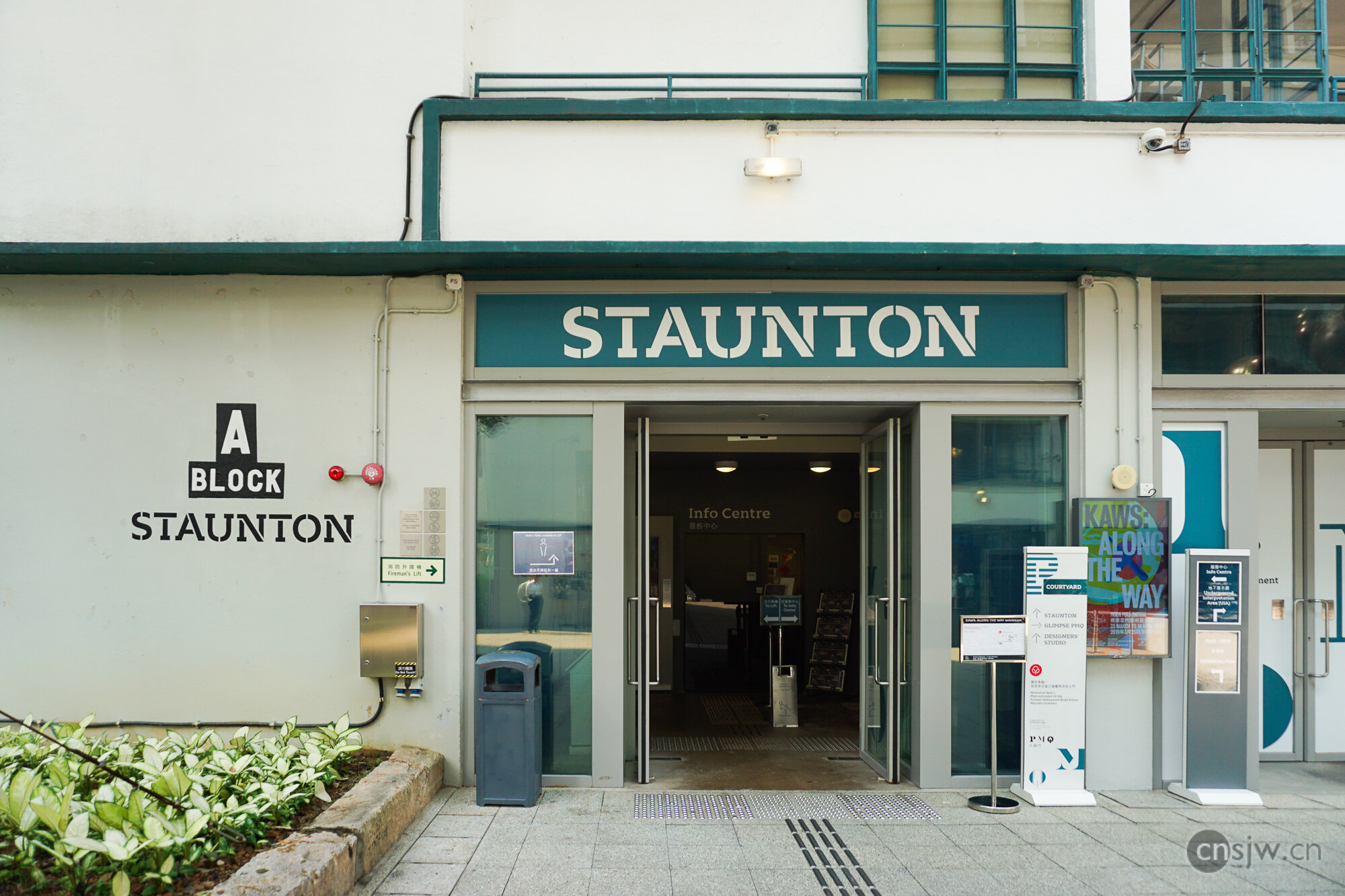
There happened to be a KAWS exhibition on, but advance booking is required for the exhibition section.
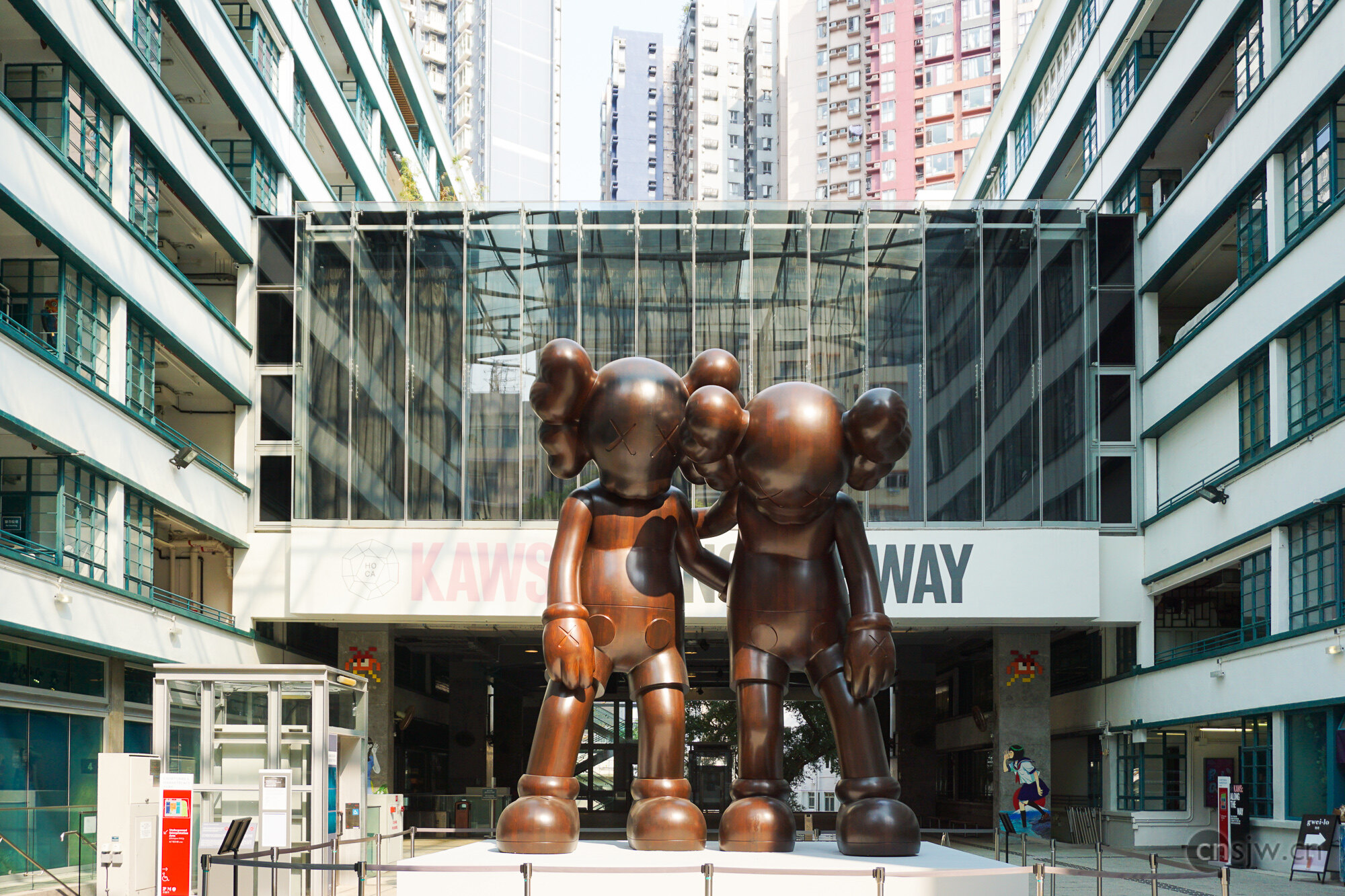
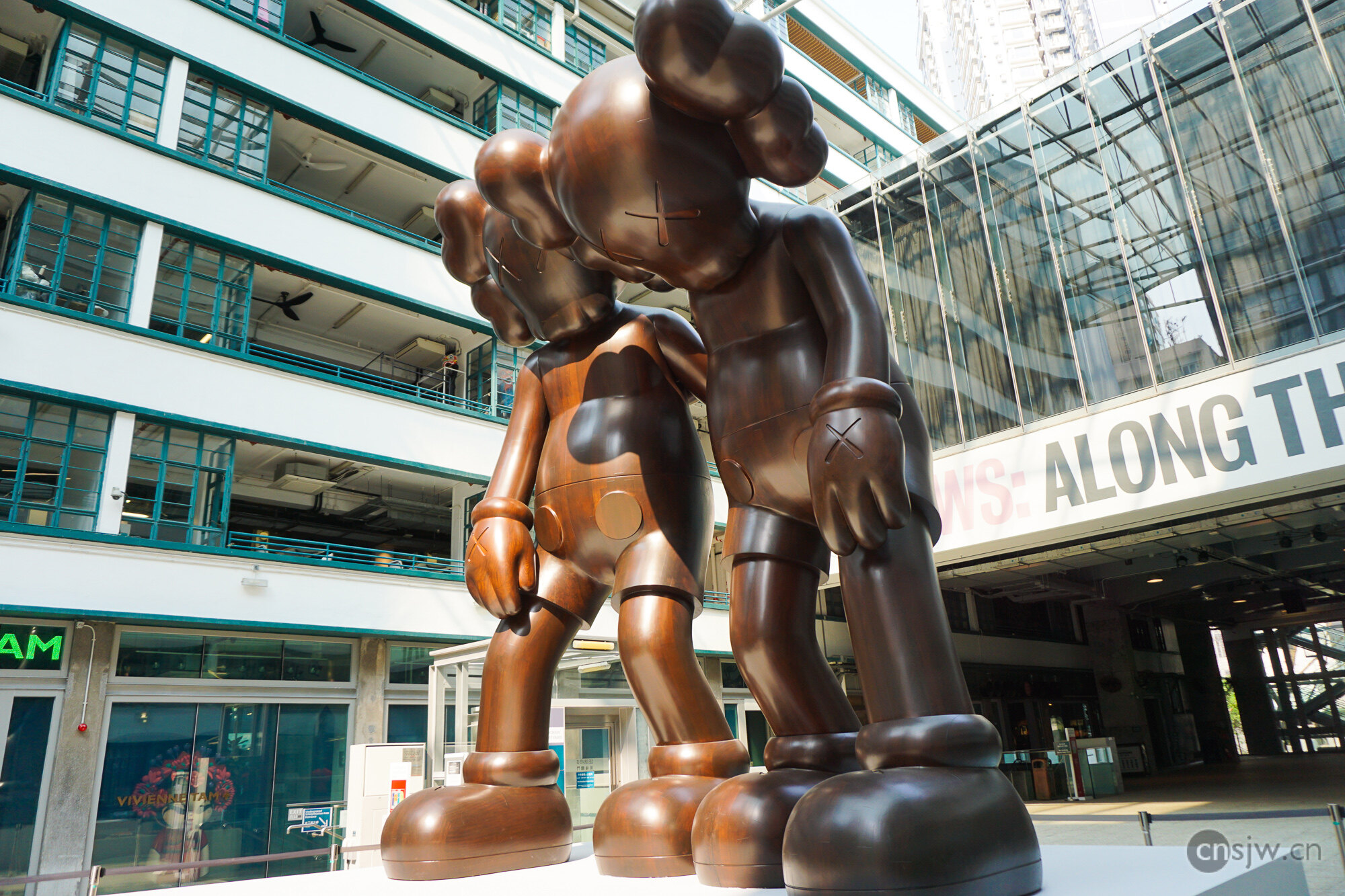
The corridor on the left is the newly built Qube, along with the rooftop garden.
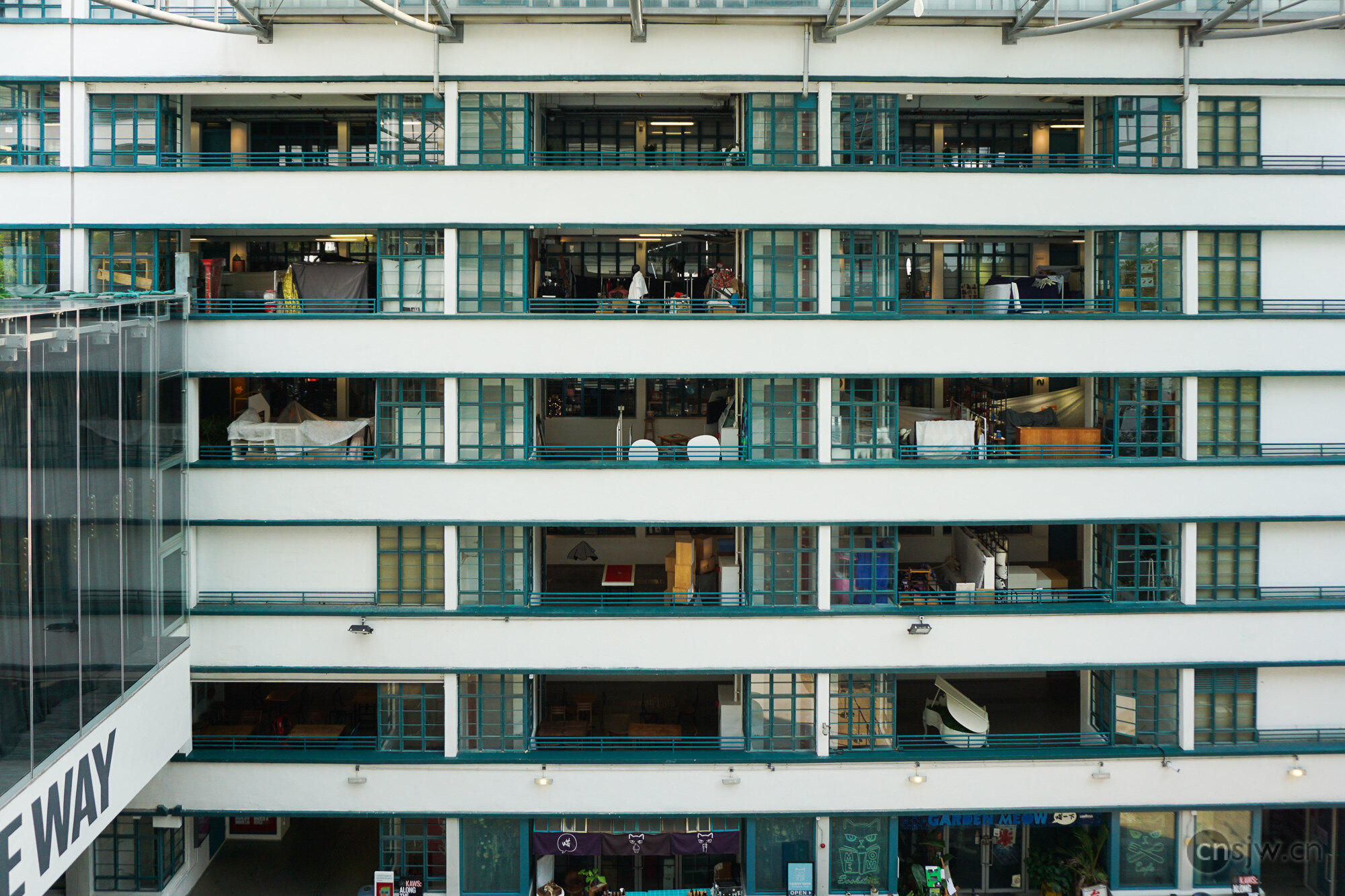
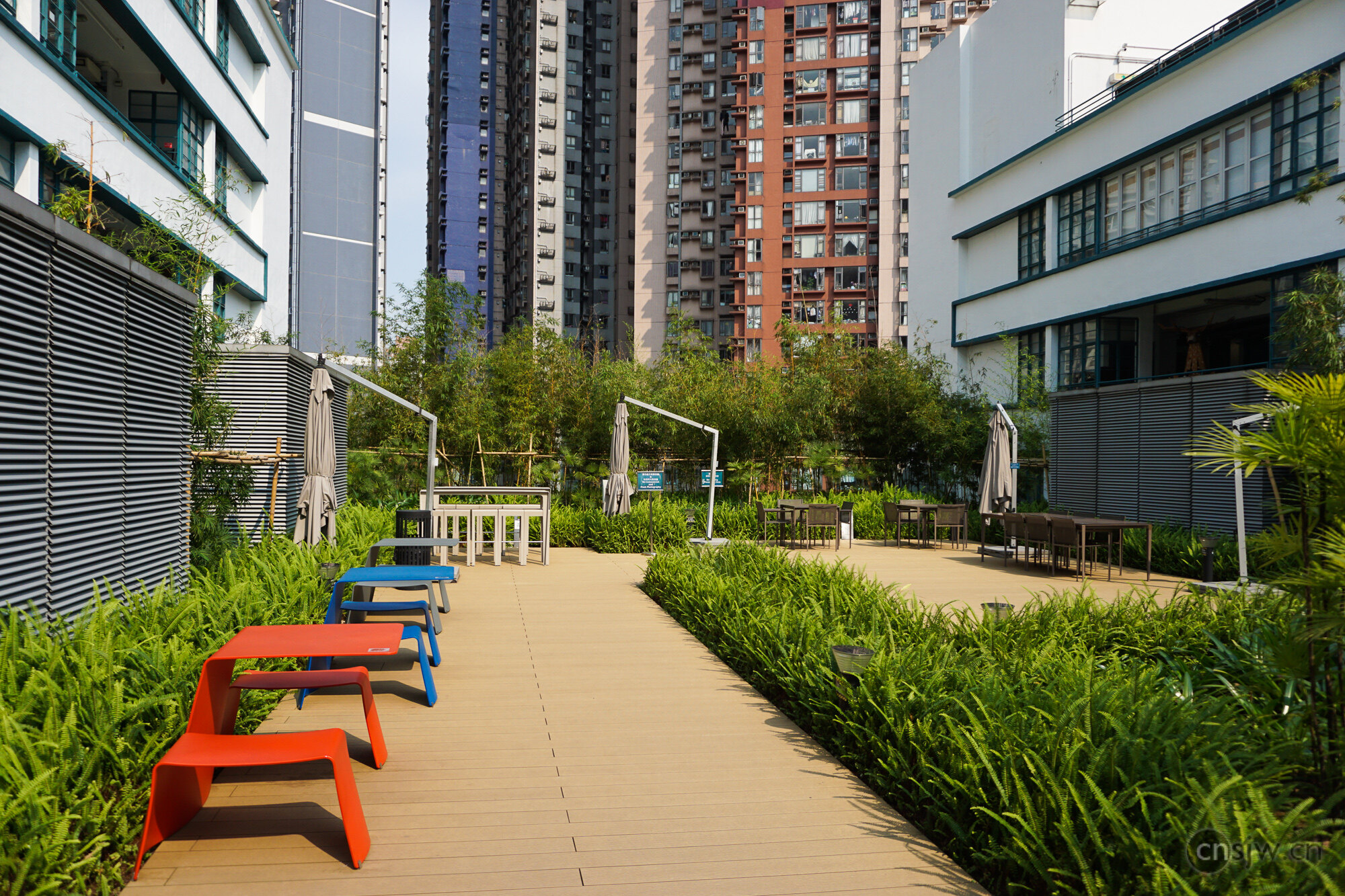
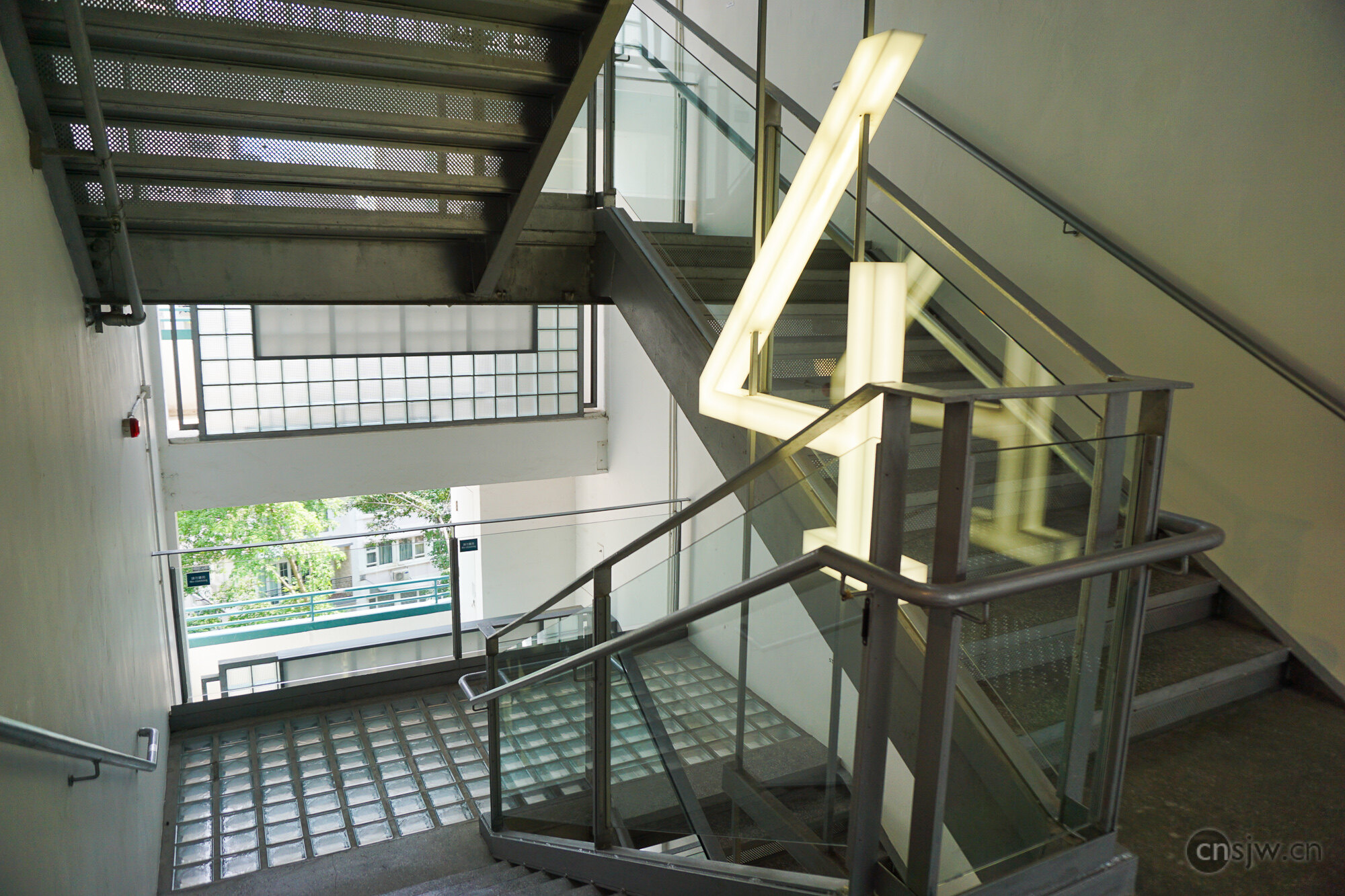
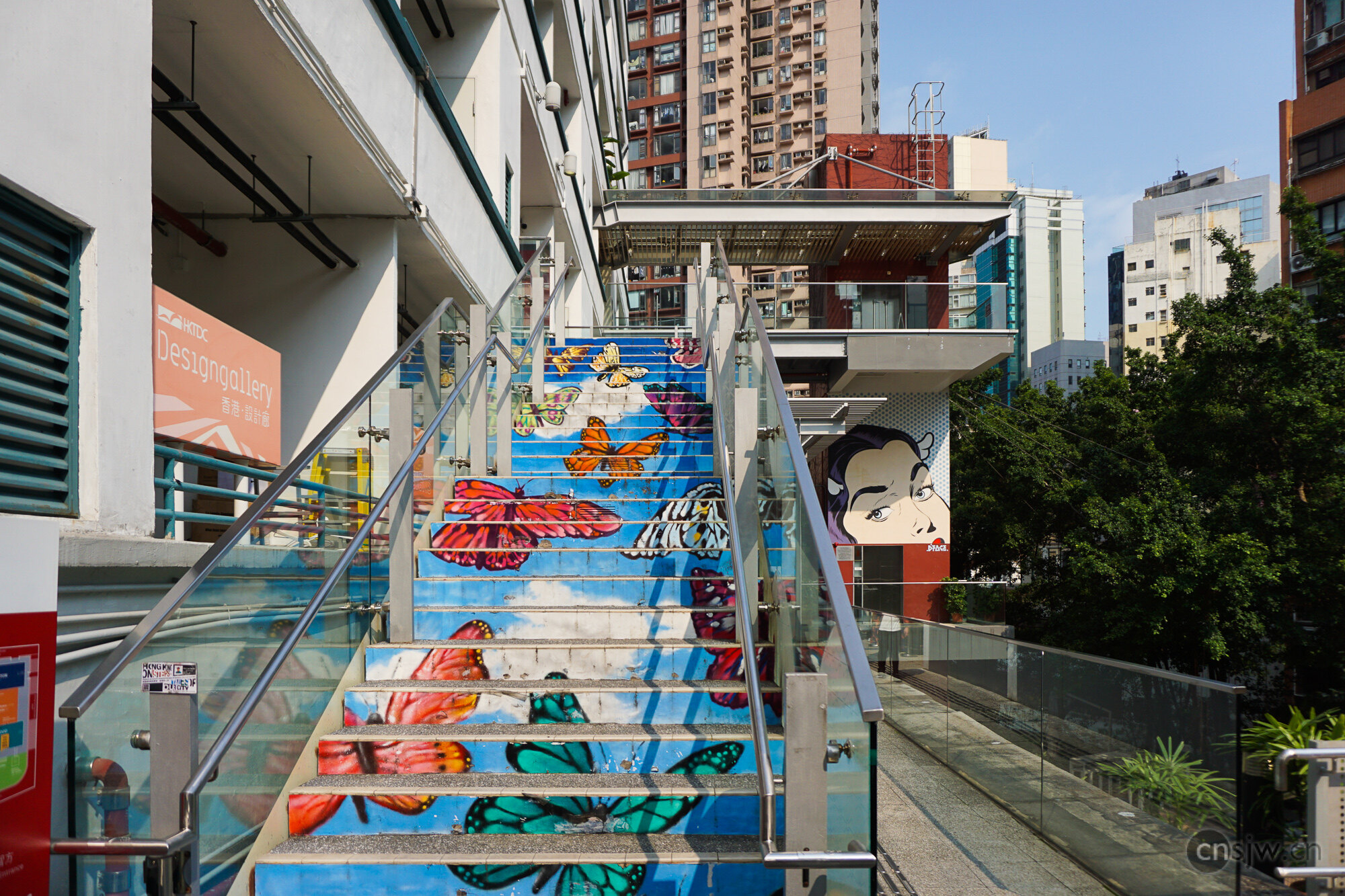
In the middle of the Hollywood block, there is a newly built metal staircase:
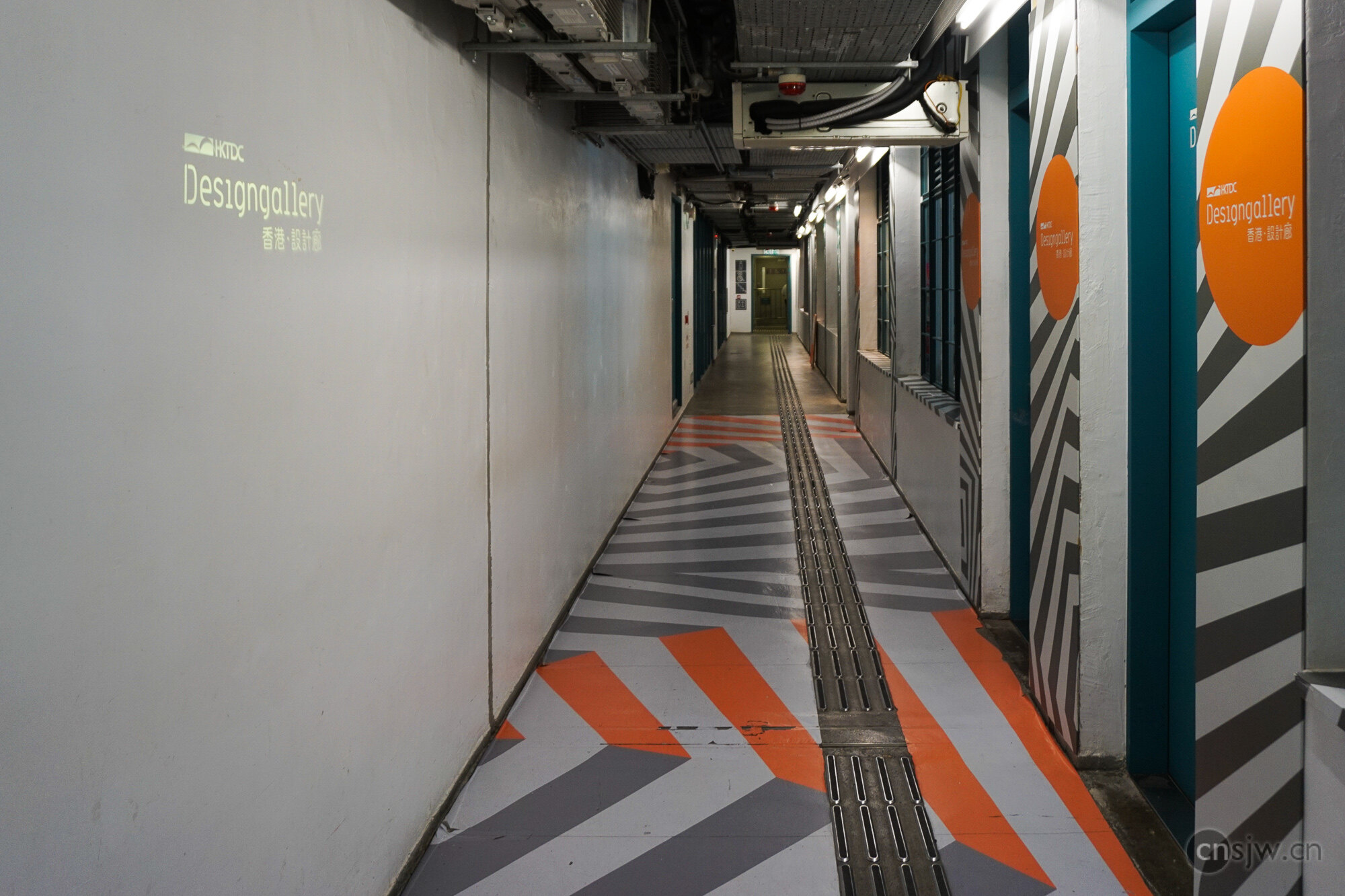
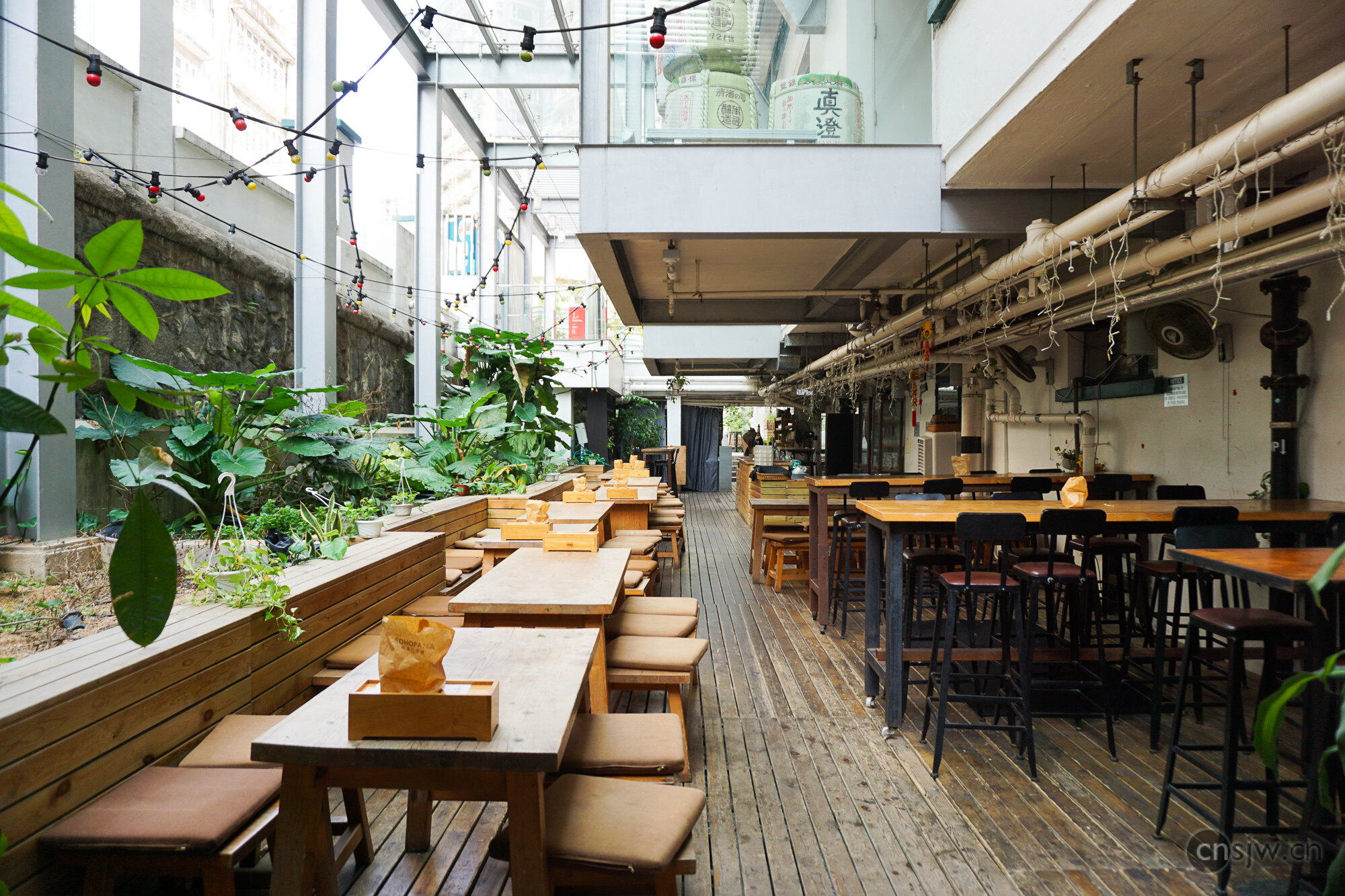
Some of the restaurants:

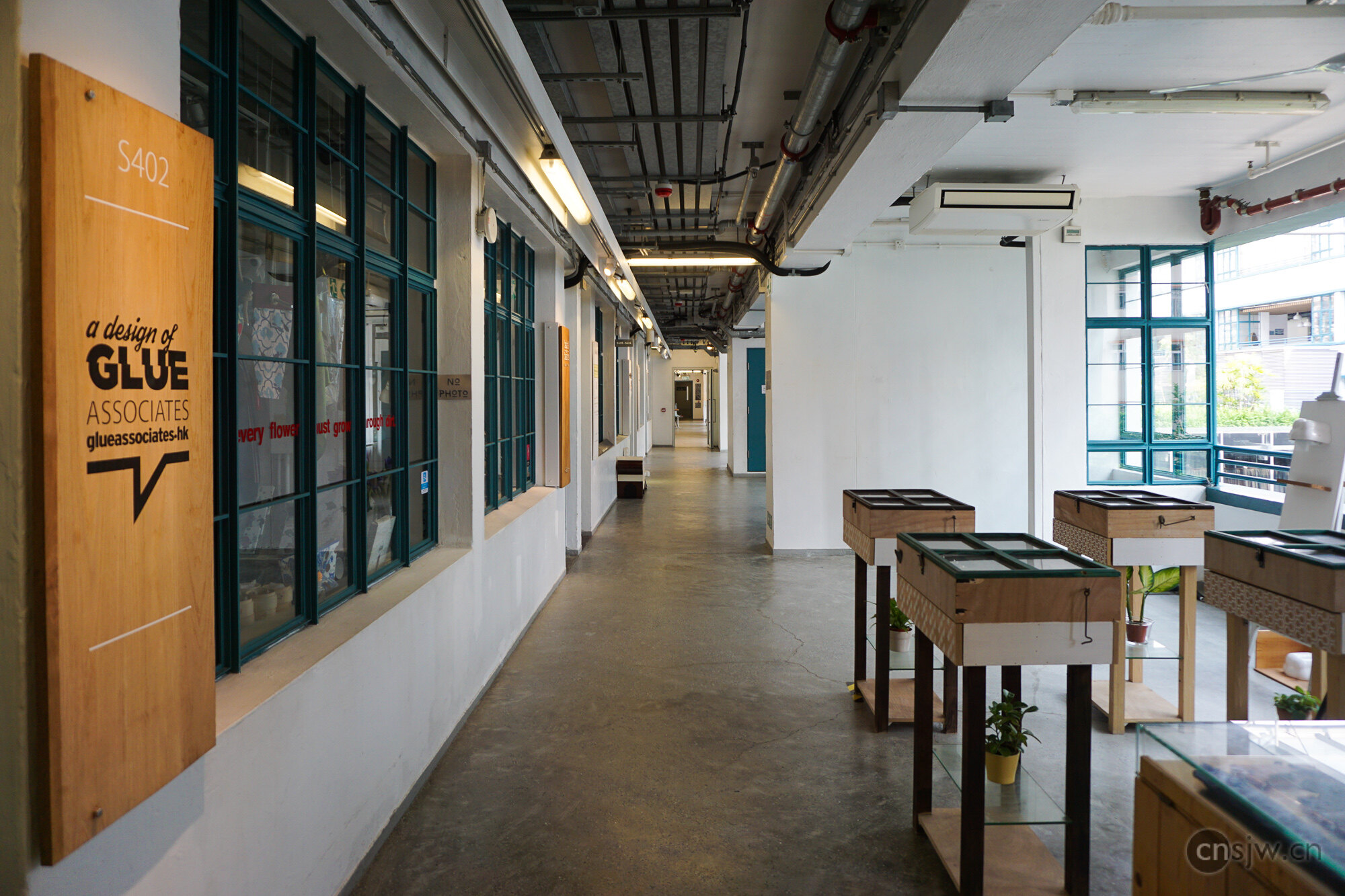
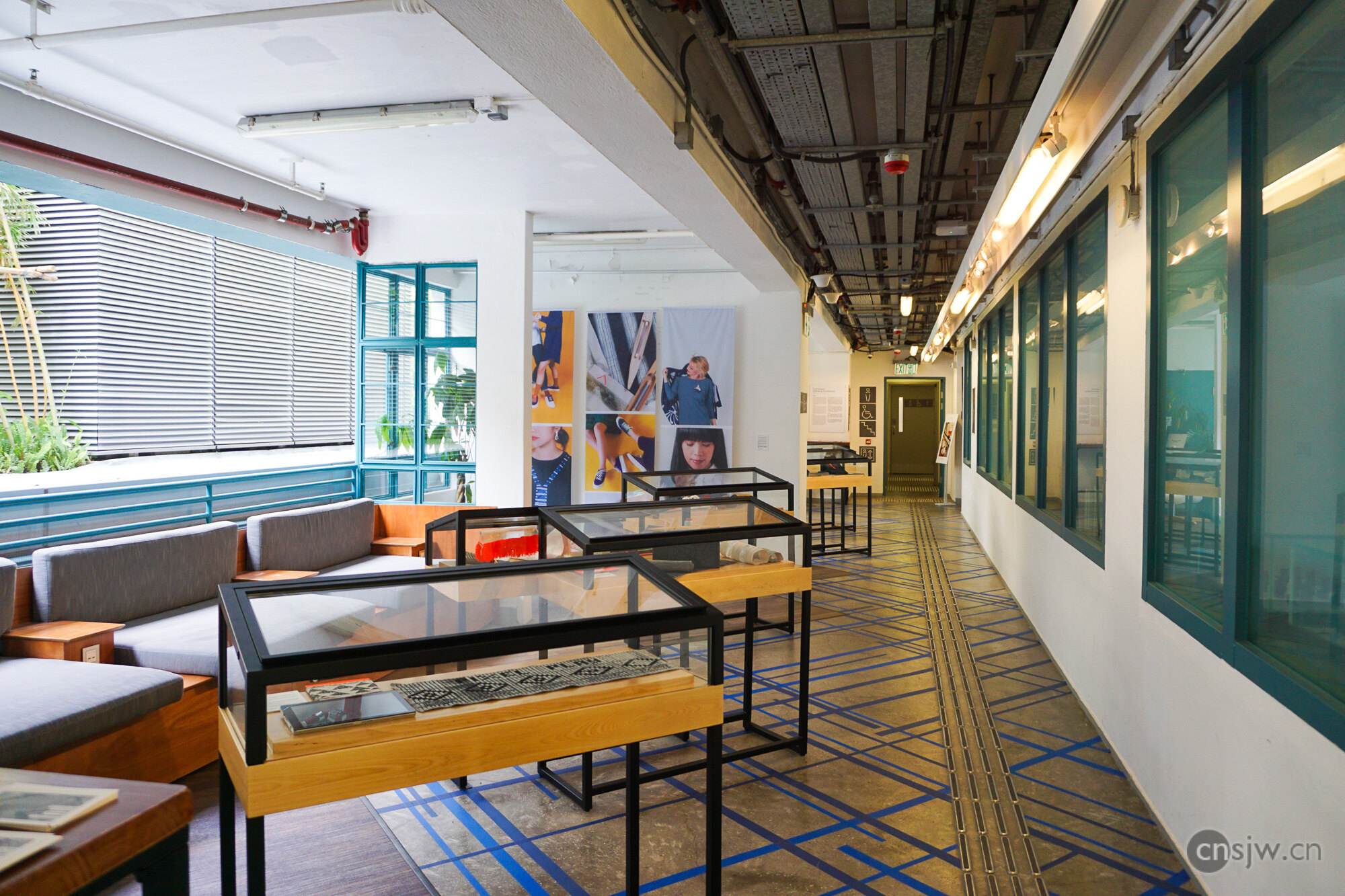
Open-air corridors that serve both as display spaces and resting areas.

The basement gallery primarily displays the two longest excavated granite foundation remains of the Central School, as well as tiles and architectural components.

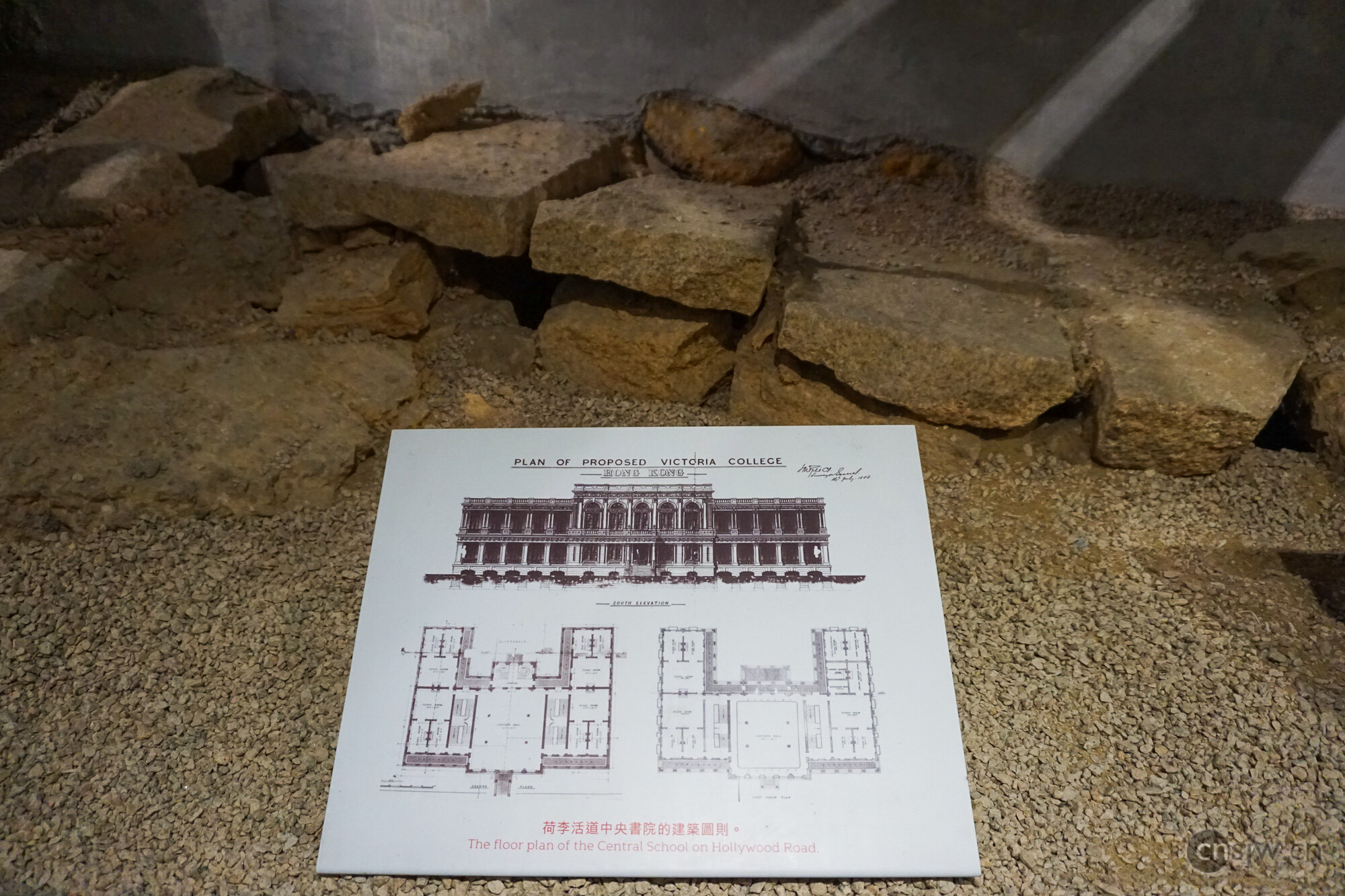
The stone steps and retaining walls of the Central School:

Photos in this post were taken with a SONY A5100 + 16-50mm f/3.5-5.6 lens, and post-processed in Lightroom.

Support



Read this article on WeChat