
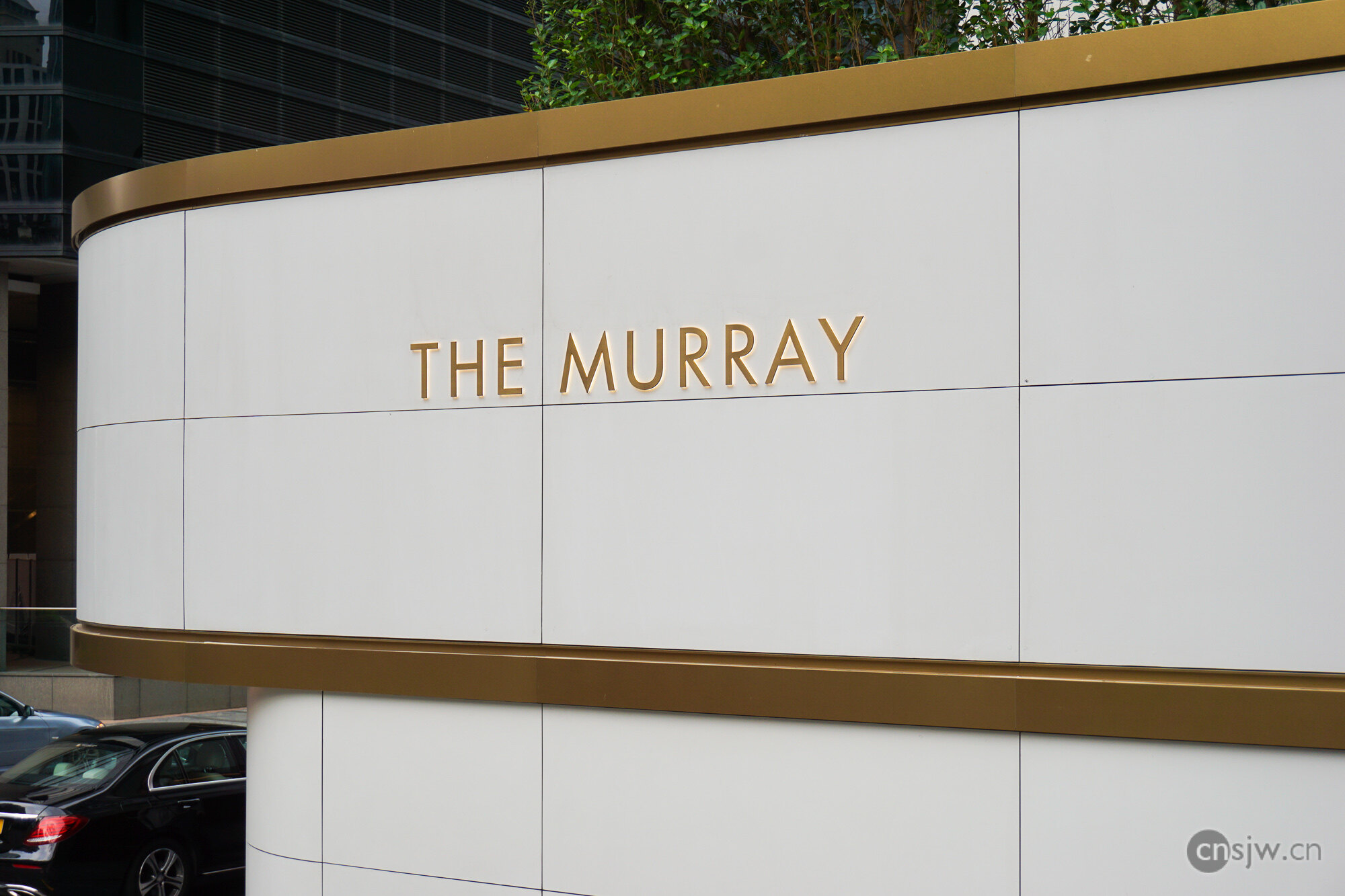
As for this hotel, its name alone gives off a somewhat bewildering vibe. Let’s break it down:
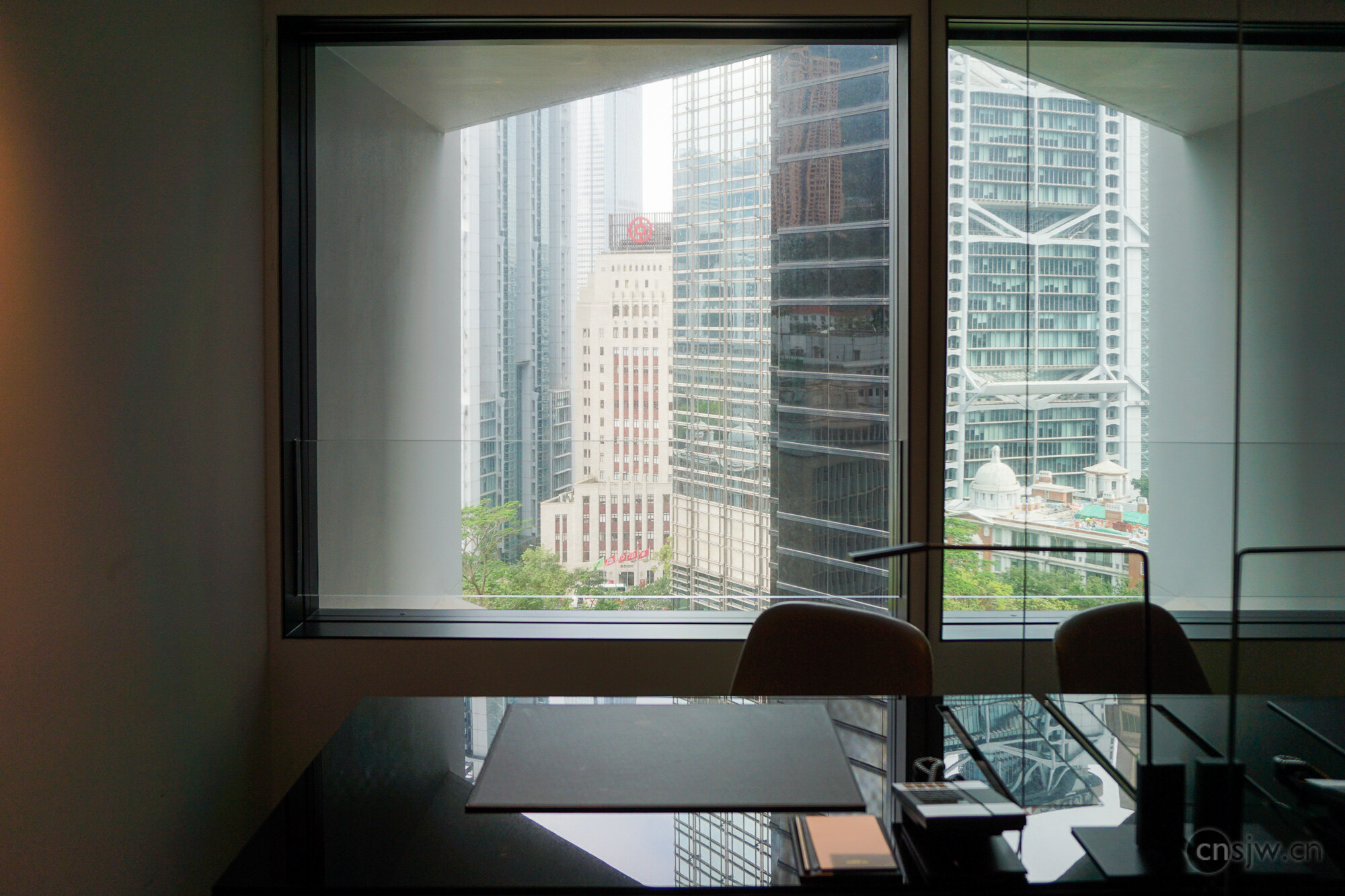
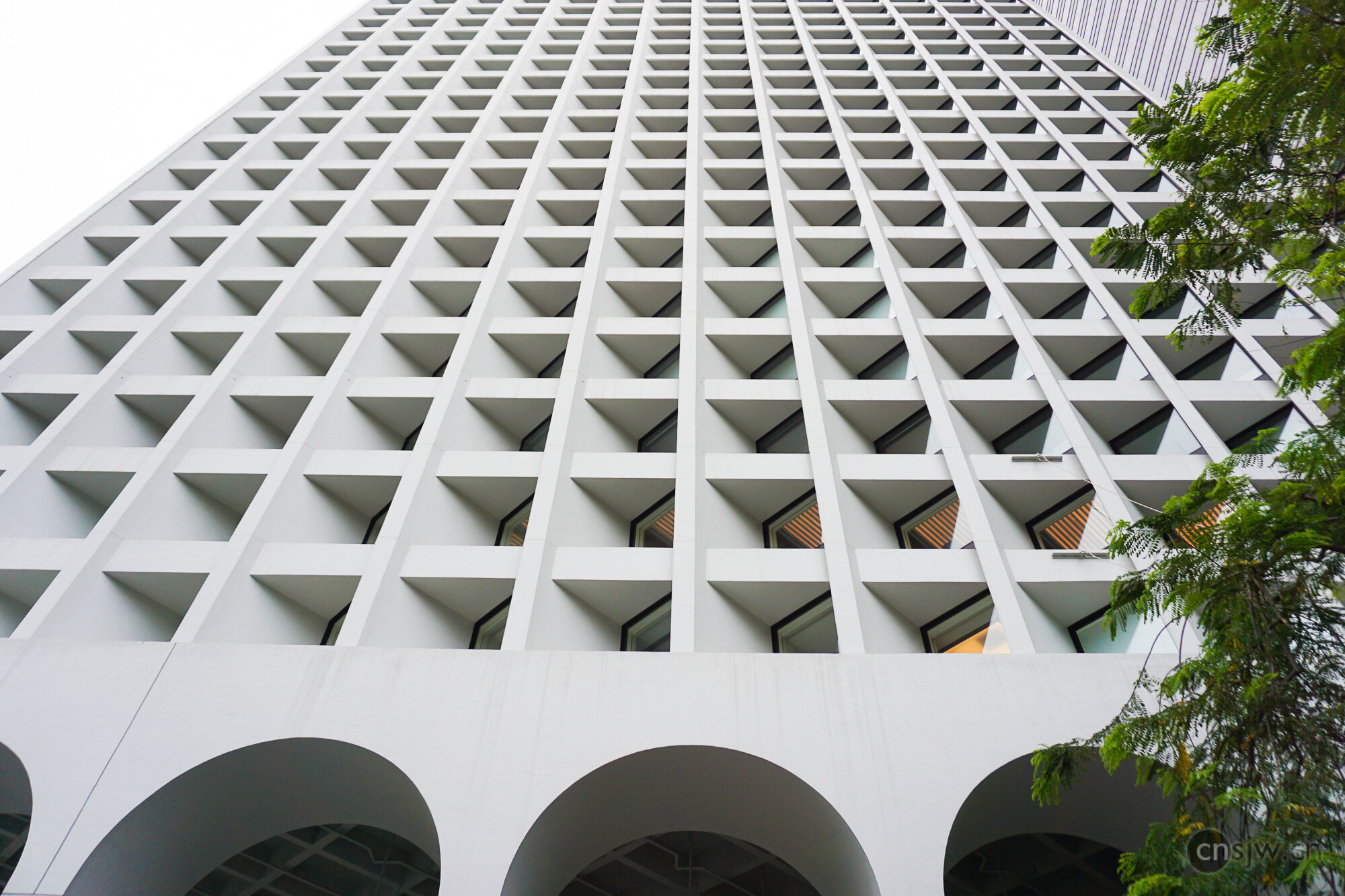
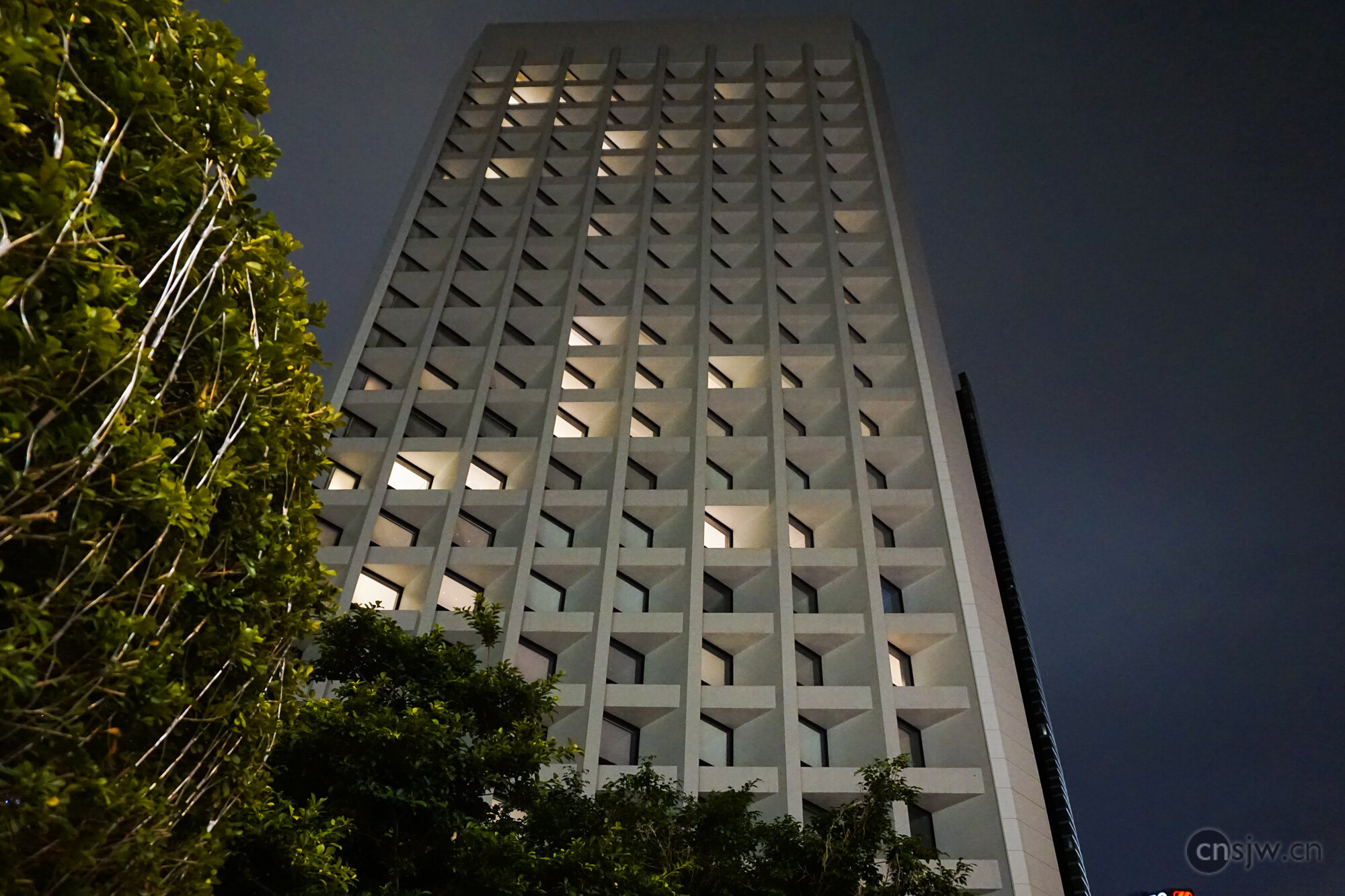
The Murray, originally designed by British modernist architect Ron Phillips, was completed in 1969. Due to insufficient operational space at the Central Government Offices, the building once served as the headquarters for several key policy bureaus and departments of the Hong Kong government. It was also the tallest government building at the time, until it was surpassed by the High Block of the Queensway Government Offices in the 1980s. As such, the building functioned as government offices all the way up until 2012. After being auctioned off, it was redesigned and renovated by Foster + Partners, transforming into what is now The Murray hotel. The building’s windows were meticulously angled to prevent excessive direct sunlight from entering—and judging from the floor plan, the layout is quite intricate.
As for the Niccolo brand, many people may not have heard of it. It’s a relatively young luxury hotel brand that currently operates four properties across Mainland China and Hong Kong—specifically in Chengdu, Chongqing, Changsha, and Hong Kong. It is one of two hotel brands under Hong Kong’s Wharf Group; the other is Marco Polo Hotels.
The hotel enjoys an exceptionally prime location, situated right next to the Peak Tram terminus and directly opposite St. John’s Cathedral. Both Central Station and Admiralty Station are easily accessible via pedestrian footbridges. The hotel opened around early 2018, featuring ultra-modern facilities—a true rarity in a city like Hong Kong, where new hotels are few and far between.
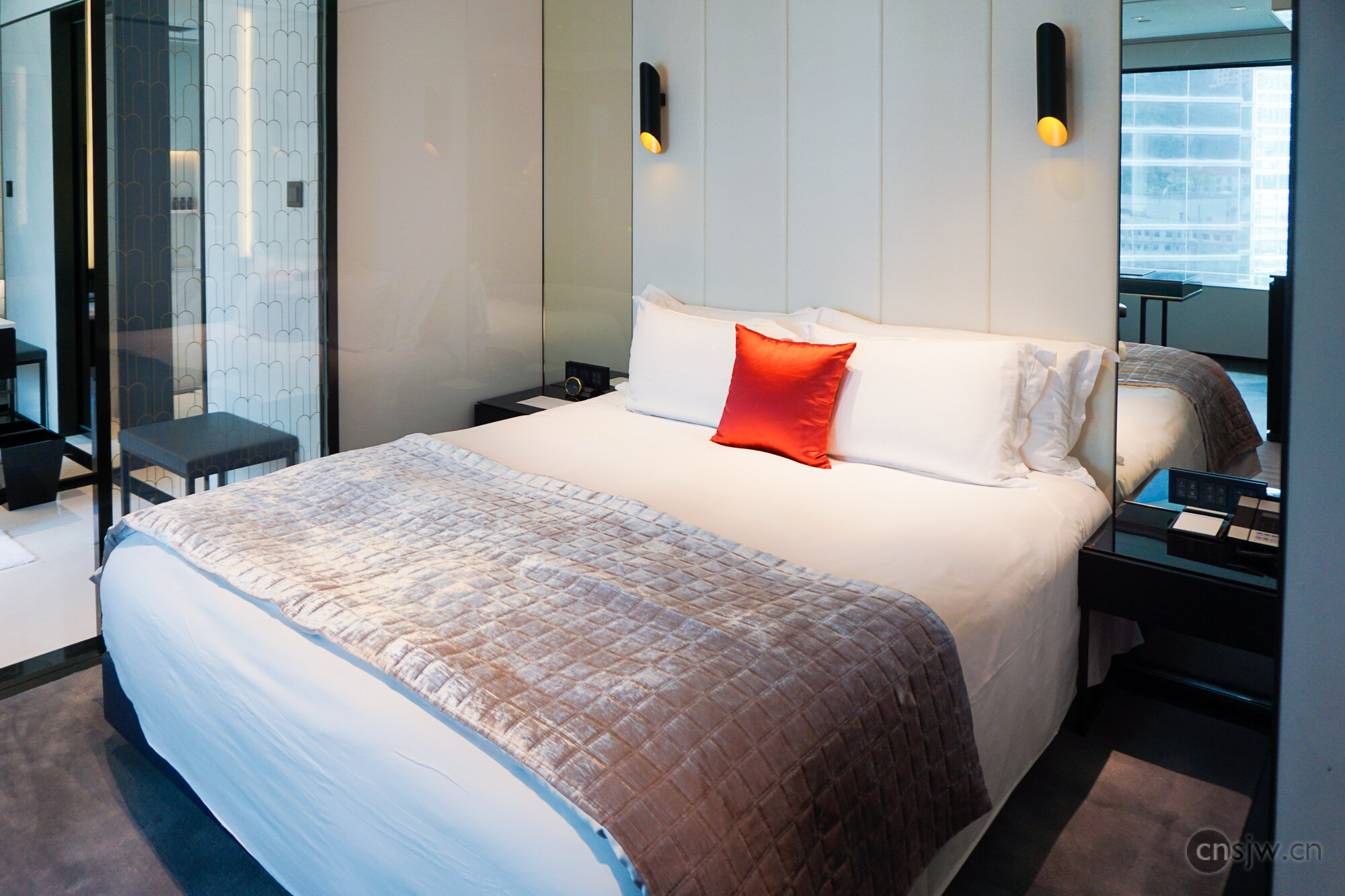
This time, I stayed in the entry-level room category. The space isn’t particularly large—only 36 square meters—with no bathtub and no twin-bed option available. According to the floor plan, there are just two such rooms located at opposite corners on each floor.
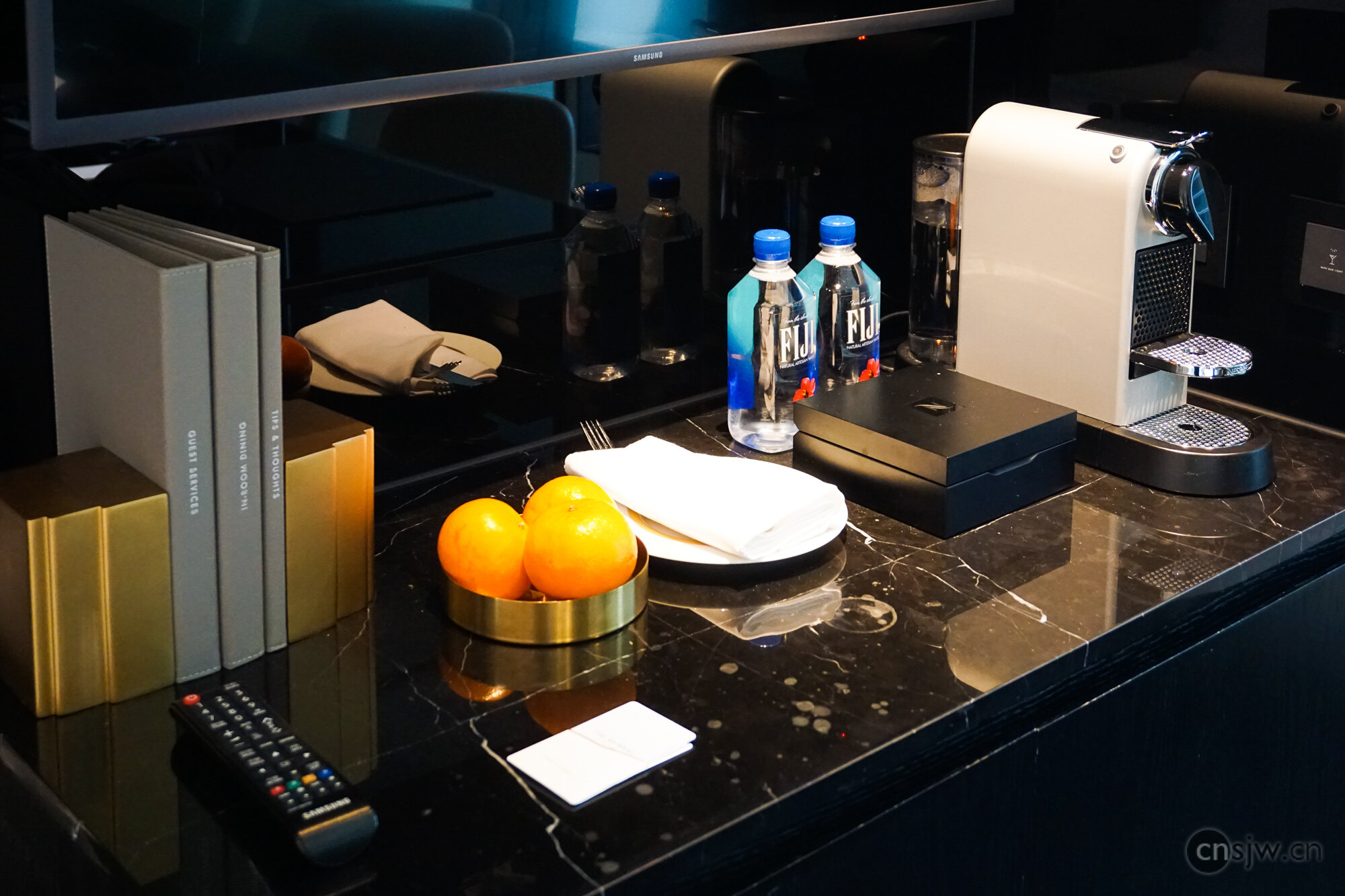
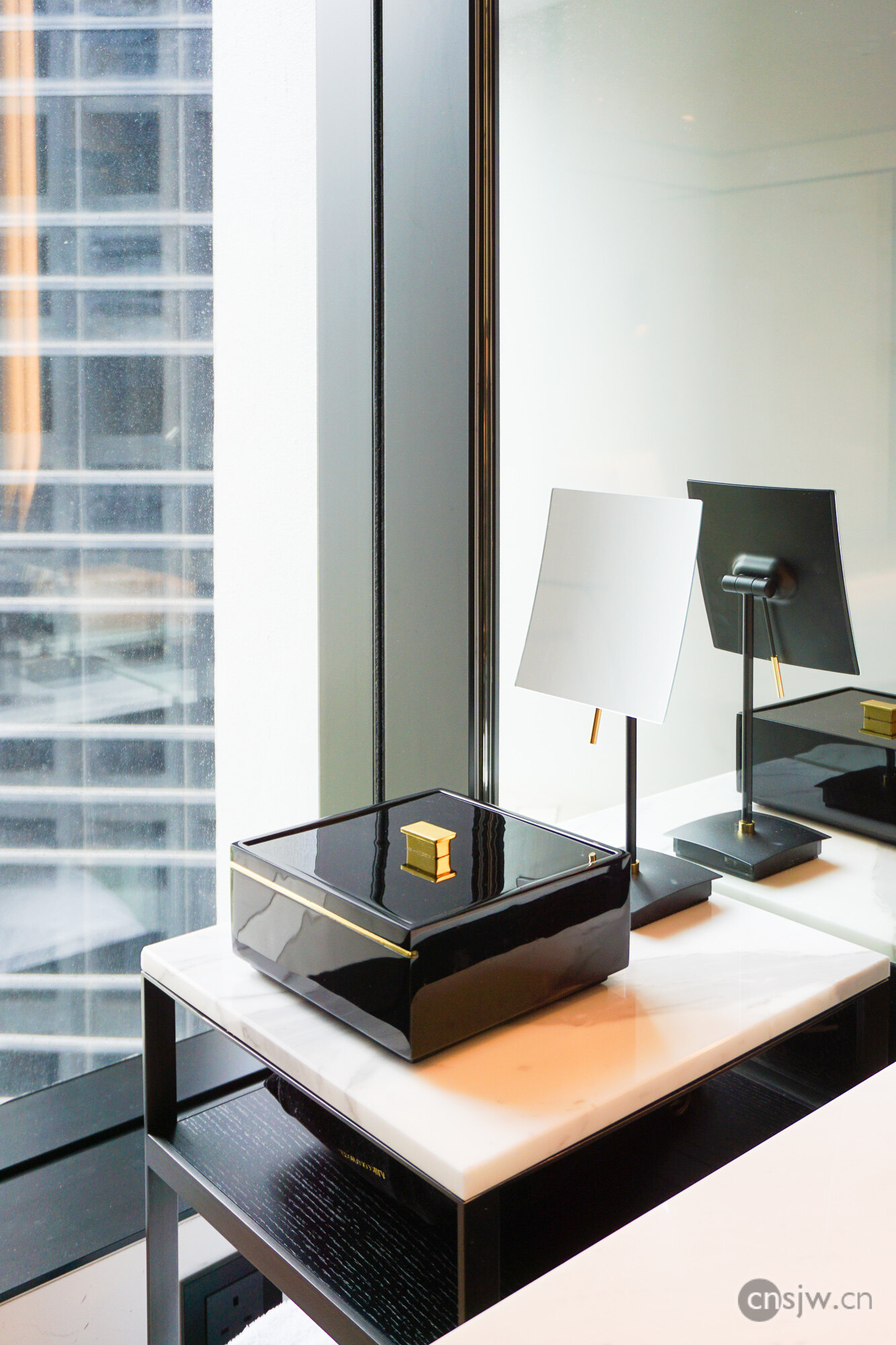
Despite its modest size, numerous thoughtful details deserve high praise. For instance, all bedding, bath towels, robes, and slippers are supplied by FRETTE, and the mattress is incredibly comfortable. Toiletries come from the Australian organic brand Grown Alchemist, which works wonderfully. The room features fully automated curtains, electronically controlled frosted glass in the bathroom, seating provided both in the restroom and elevator lobbies, floor-to-ceiling mirrors everywhere you look, unlimited Fiji water, six Nespresso capsules, universal power outlets and USB charging ports conveniently tucked inside the bedside drawer, multiple lighting modes, separate controls for shower temperature and water flow, plus a sleek frameless curved mirror in the bathroom—all of which made for an immensely satisfying stay.
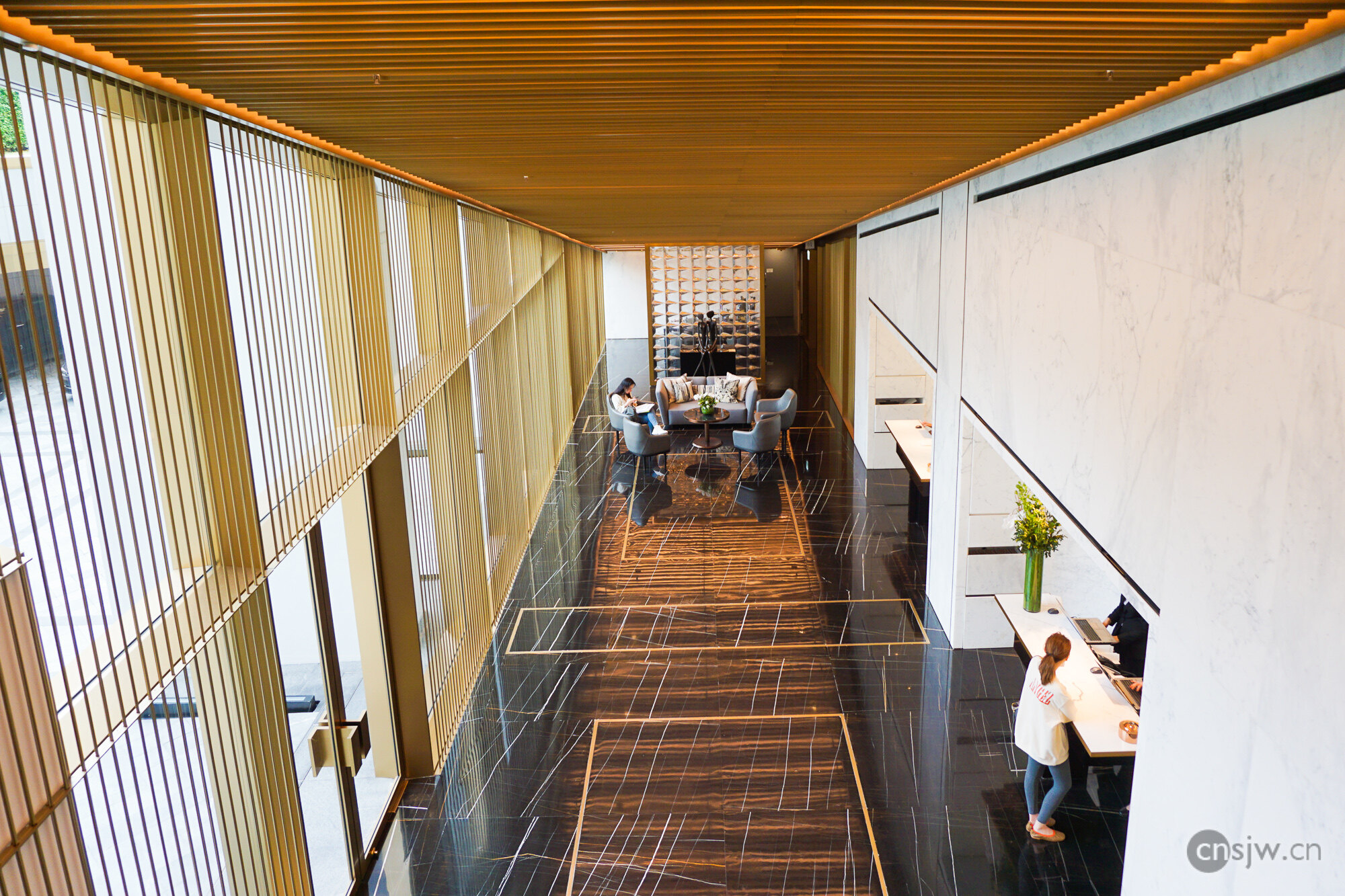
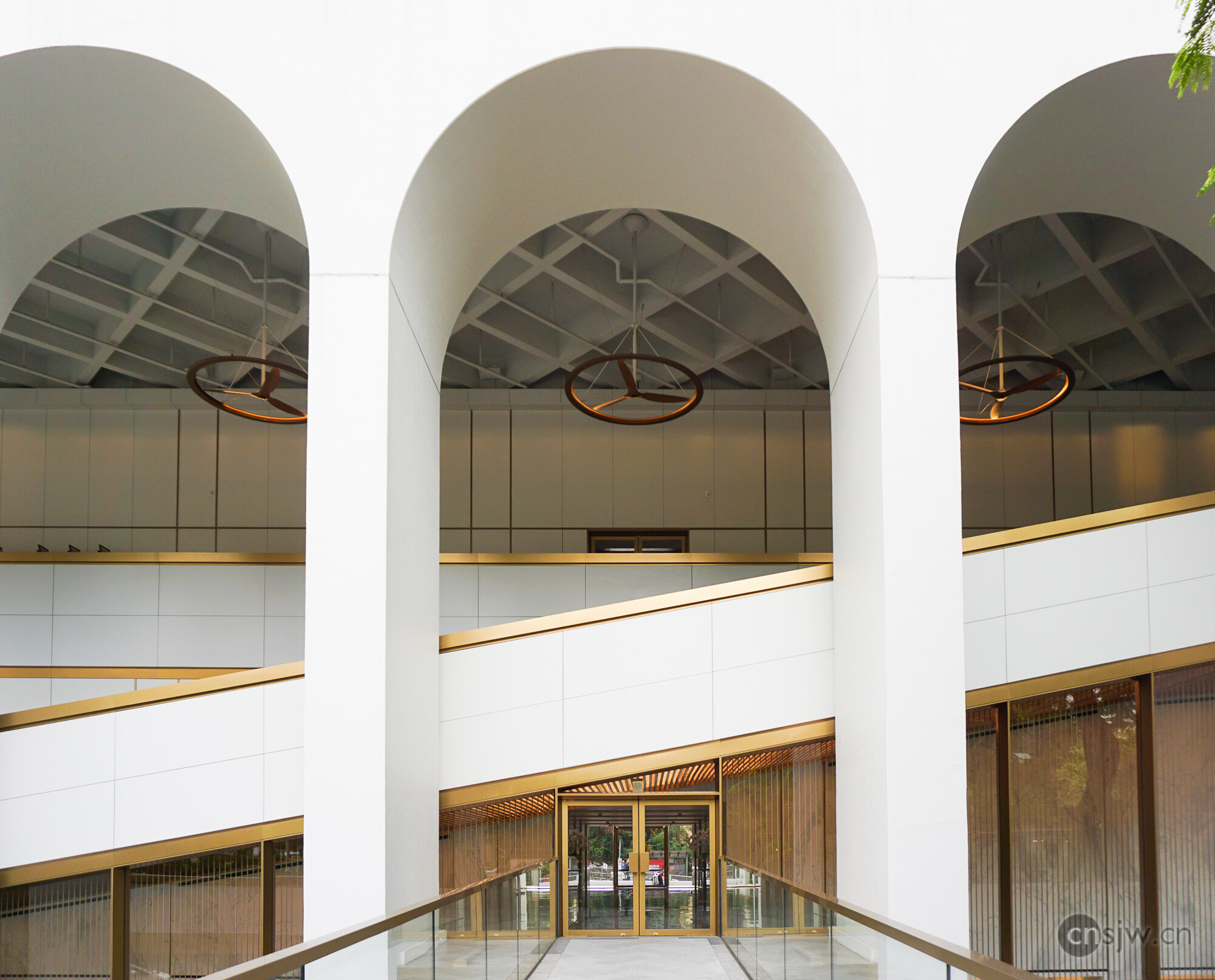
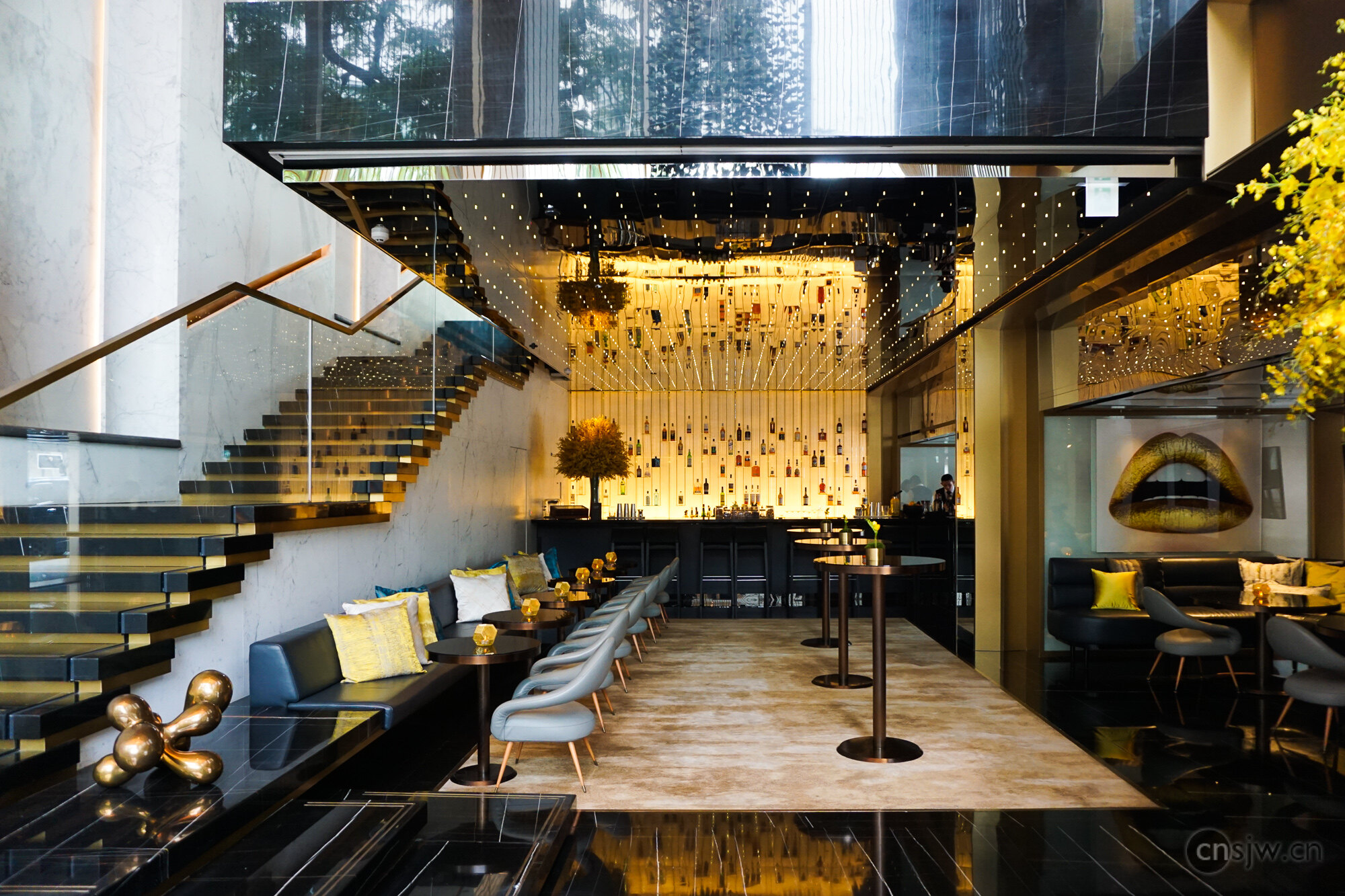
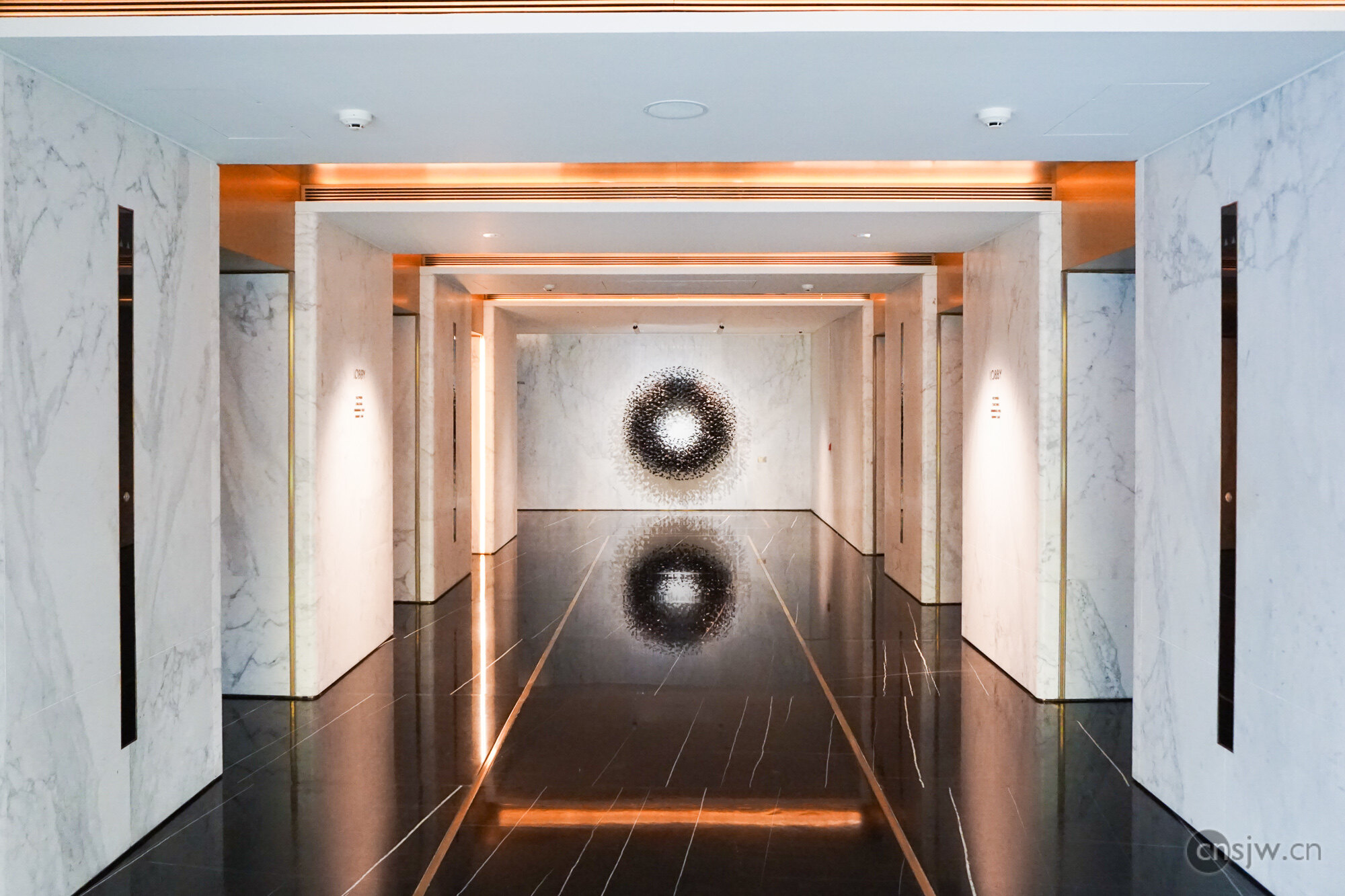
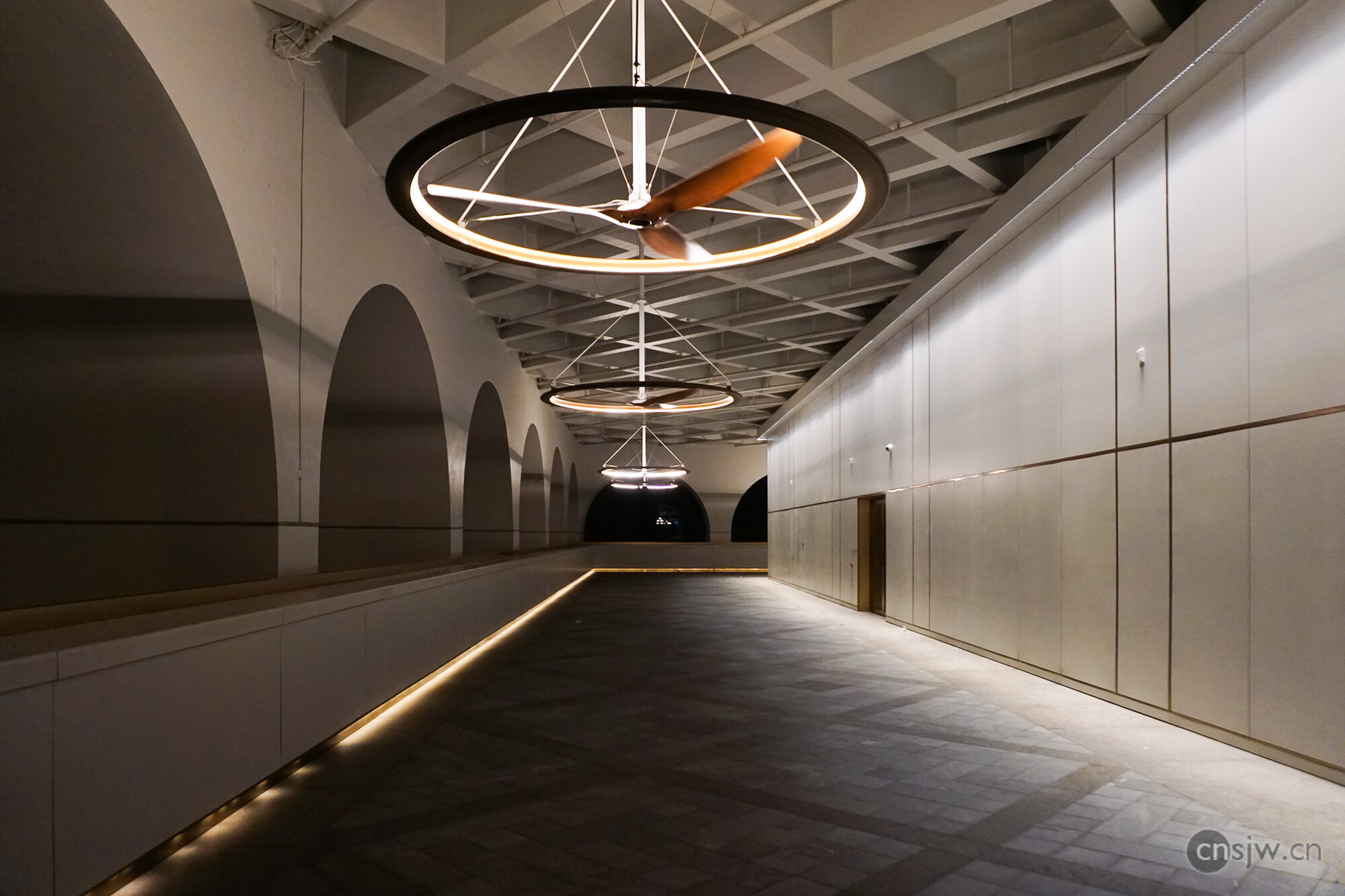
In the hotel’s public areas, there’s absolutely no trace left of its former life as a government office—in fact, you’d never even guess it once served that purpose. Upon entering the lobby, you’re greeted by a sloping ceiling that visually elongates the space dramatically; this structure was actually the original parking garage ramp. The renovation cleverly repurposed this driveway, installing massive industrial fans overhead, turning it into a hugely popular Instagram-worthy spot. Several art installations are also displayed throughout the public spaces, and a century-old heritage tree has been carefully preserved. The hotel houses a bar, a Western restaurant, a Chinese restaurant, and a rooftop bar and dining venue. Every corner—from bars and restaurants to elevator lobbies—is brimming with stylish design elements, making it perfect for snapping endless photos.
Last but certainly not least, the service deserves special mention—it truly left a lasting impression. Whether it was the concierge, doormen, or front desk staff, everyone was exceptionally friendly and highly professional. All in all, this hotel is well worth a dedicated visit. Plus, given its prime location in Central, combining your stay with an immersive exploration of the neighborhood makes for an excellent itinerary.


Photos in this post taken with SONY A5100 + 16-50 f3.5-5.6, post-processed in Lightroom.

Support



Read this article on WeChat