
The Atlantis Submarine is a civilian tourist submarine operated by Atlantis Adventures, which also operates similar submarines in Hawaii and the Caribbean. A comparable vessel called Deepstar operates in Saipan. Civilian submarines actually appeared in China as early as 2004 for touring the ancient city beneath Qiandao Lake; however, due to a lack of relevant regulations, they were never permitted to operate.
For this experience, I made a reservation at the hotel in advance. When I tried to book on Saturday, Sunday was fully booked, so I could only secure a spot for Monday. Of course, you can also book in advance via their official website.
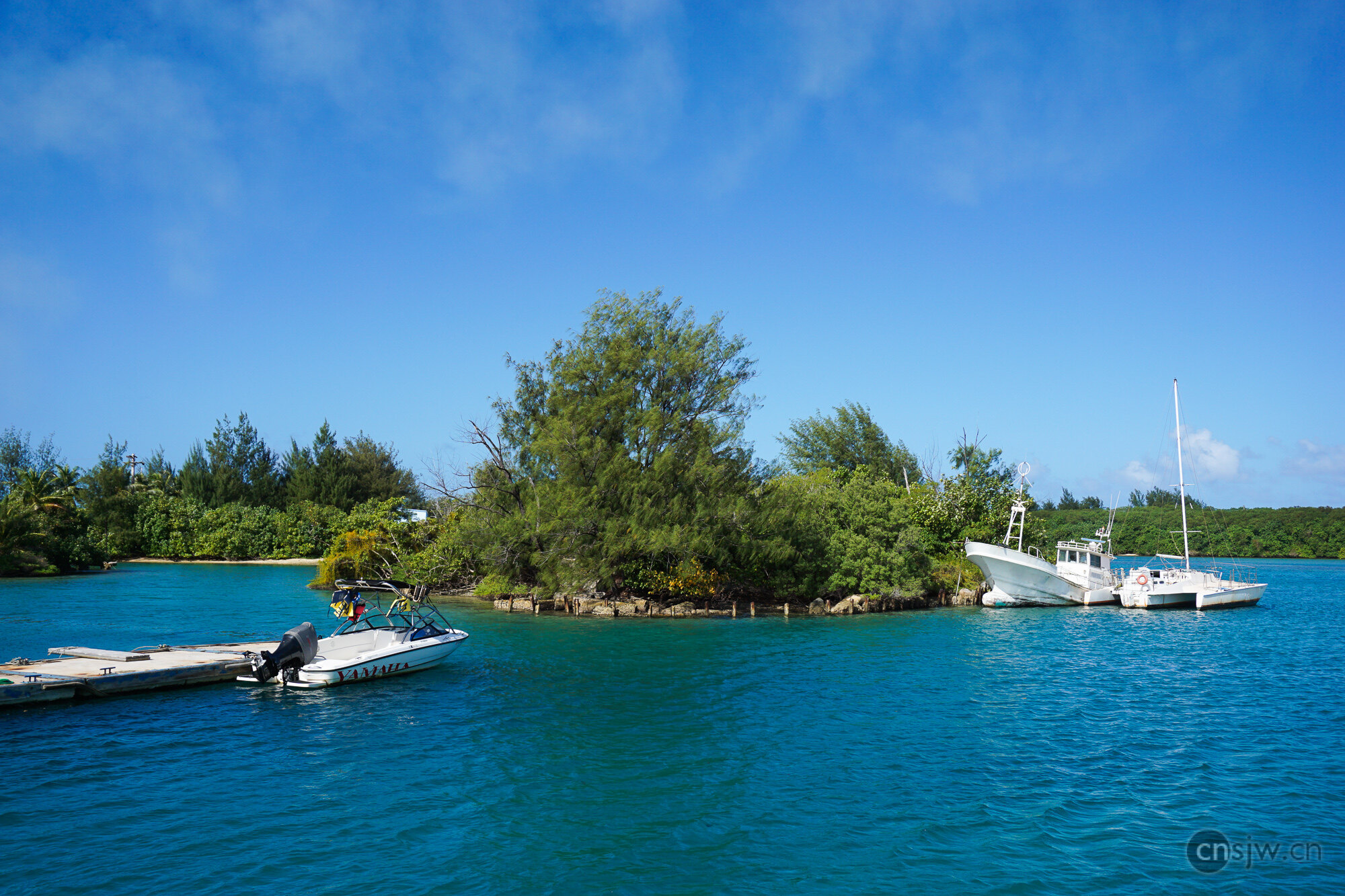
Early that morning, a bus picked us up from the hotel lobby and made a brief stop at their office in Tumon Bay Center. There, we were given wristbands and briefed on safety precautions. It then took about 20 minutes to drive to the pier near the power plant, where restrooms are available—there are no restrooms on the submarine itself. Afterward, we took a speedboat to the submarine’s dive site, a ride that takes approximately 20 minutes. You can stand on the deck the entire way, which feels great. On the way out, the U.S. Naval Base is on the left and the commercial port is on the right; on the return trip, it’s the opposite.

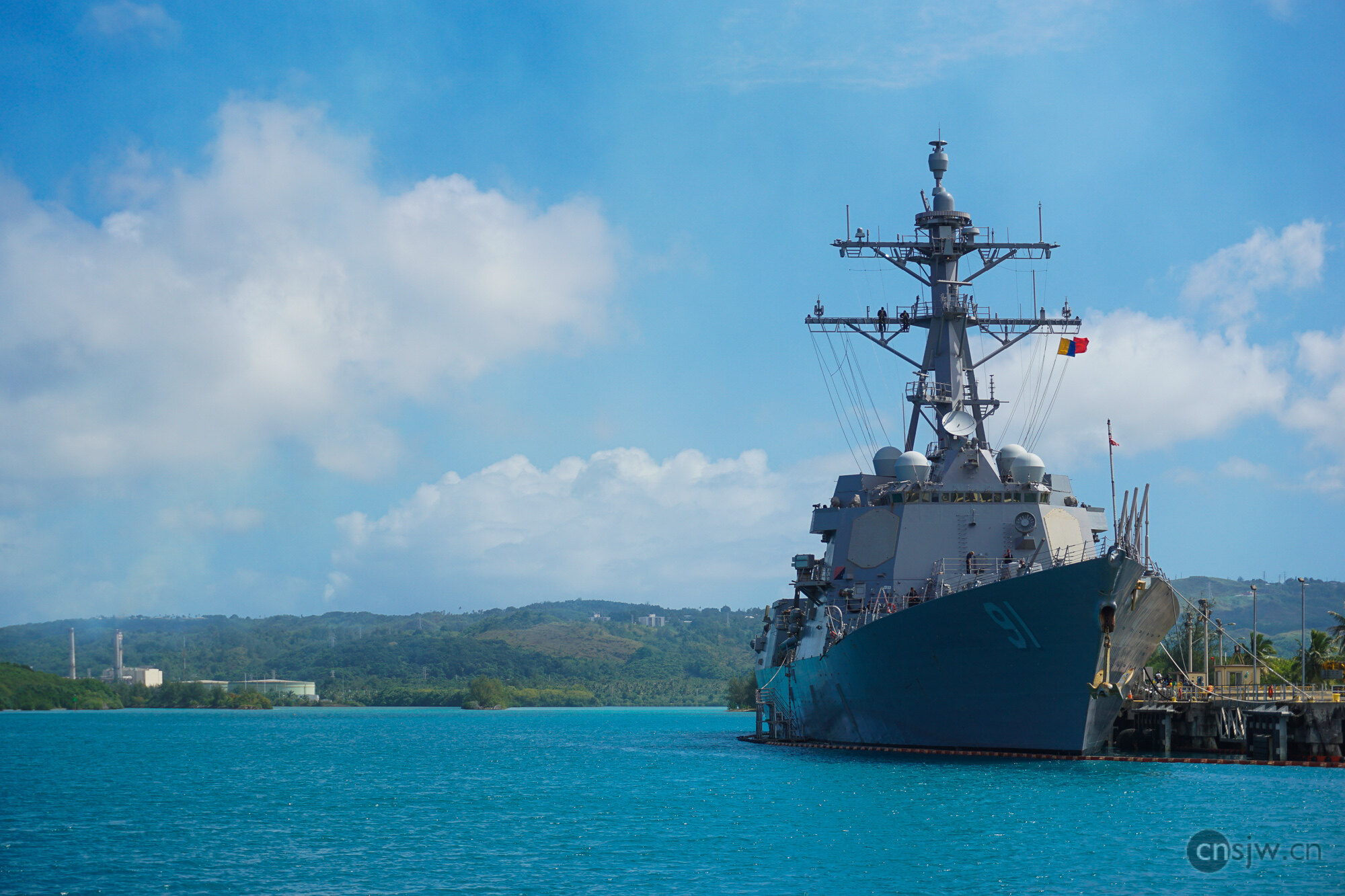
USS Pinckney (DDG-91)
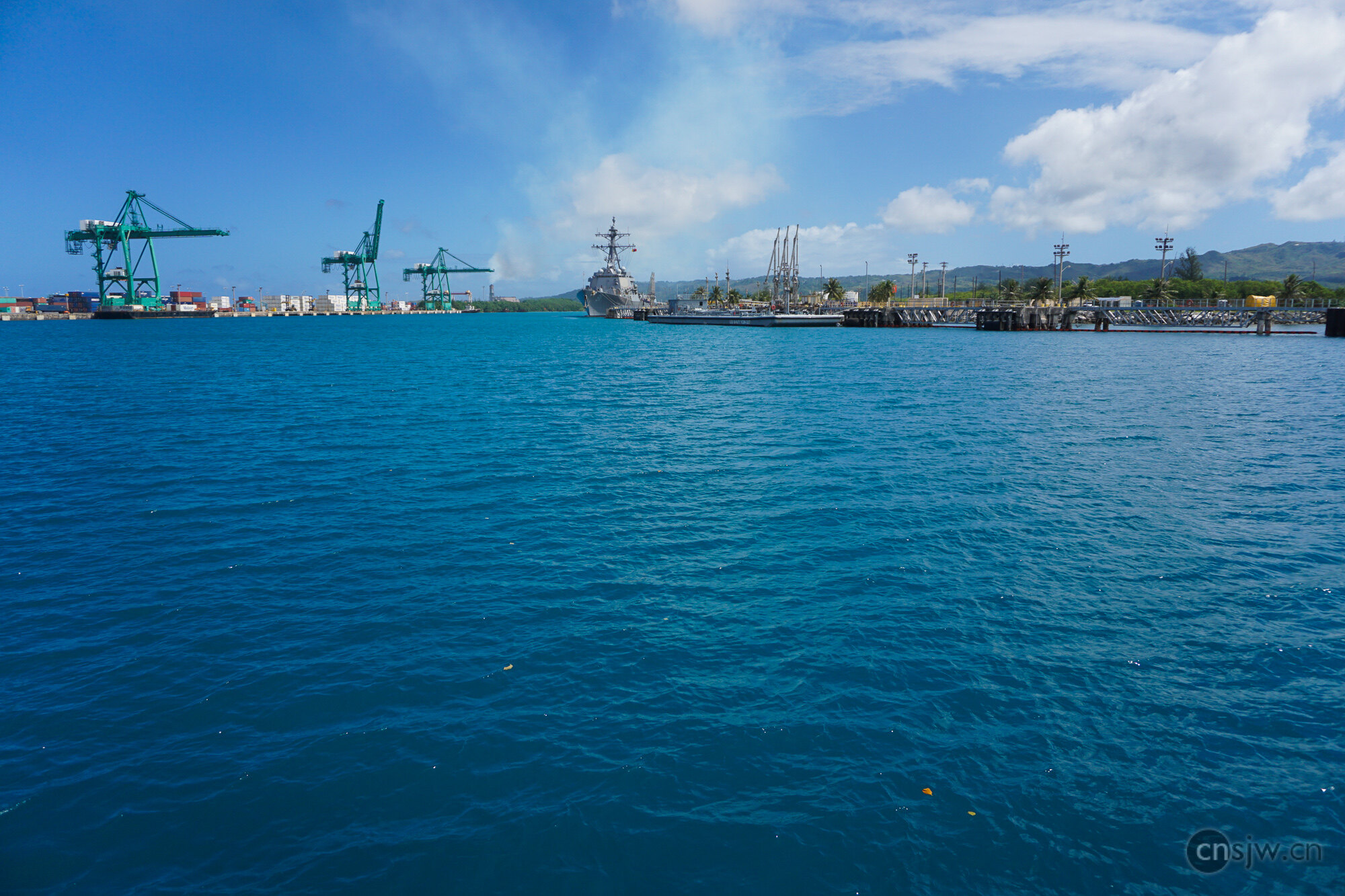
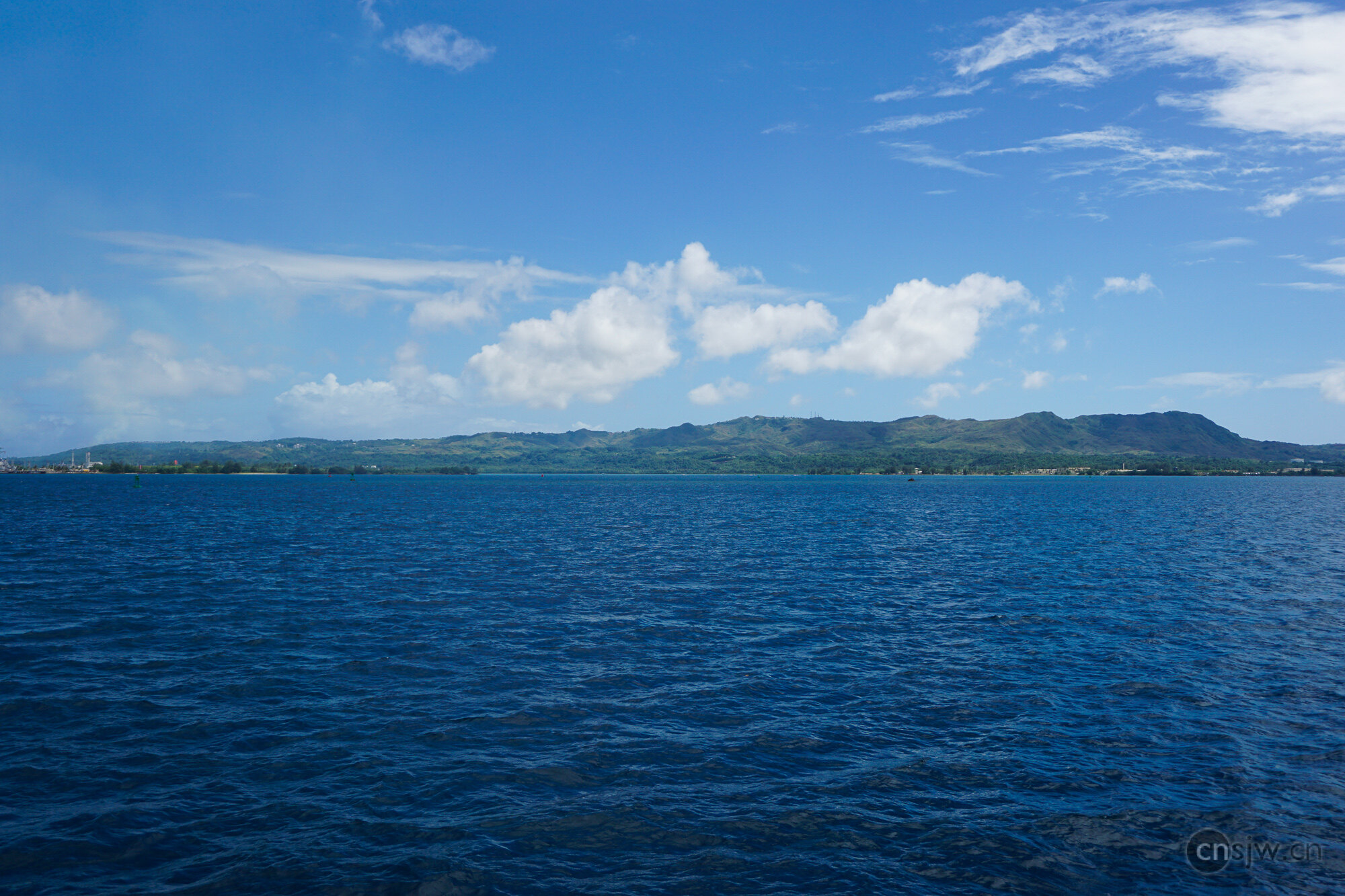
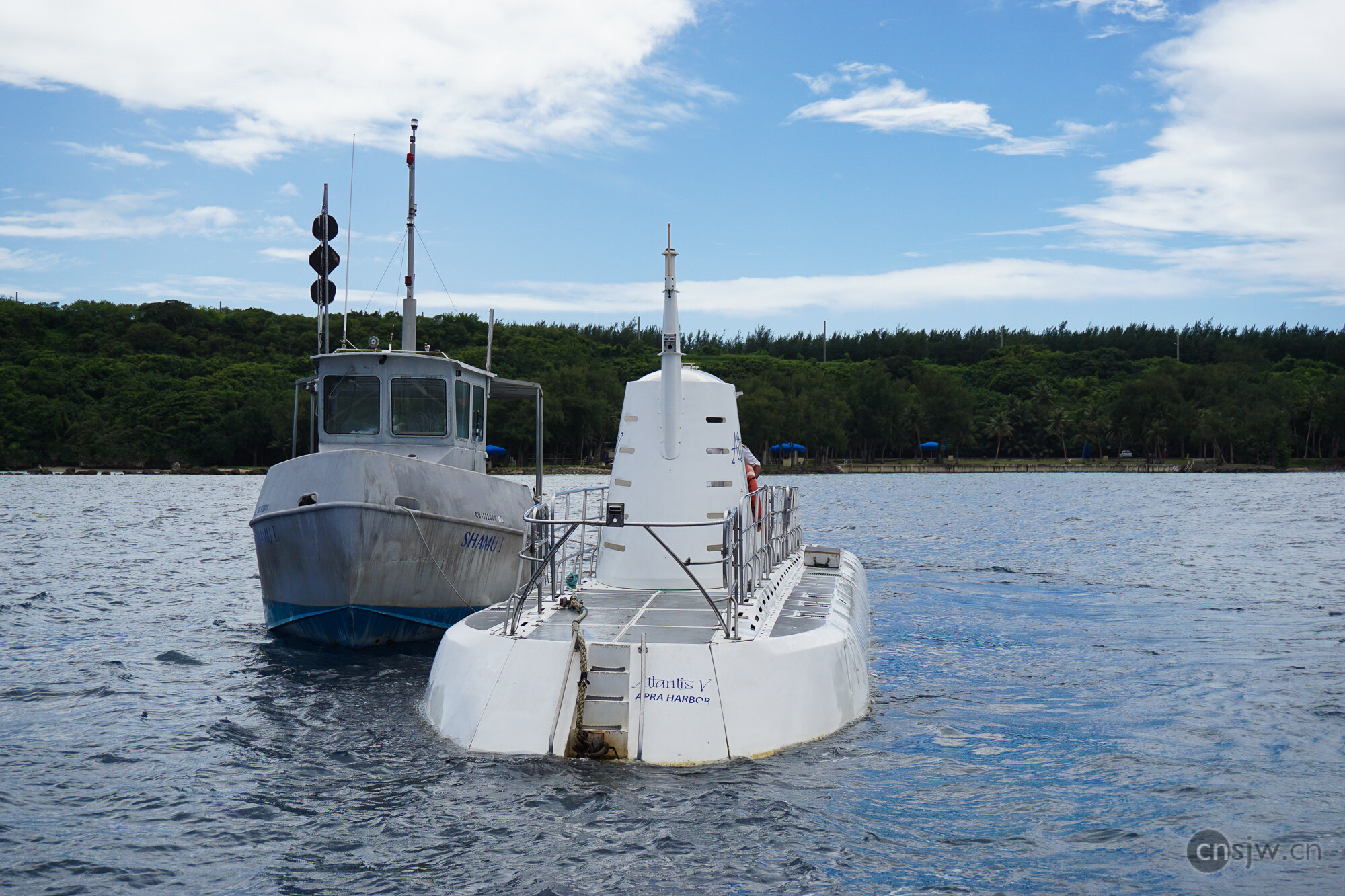
Gradually, we approached the white submarine. It is about 20 meters long and fully electric. The interior space is decent and air-conditioned, but the only downside is that you have to keep bending over to get a clear view outside, which can be a bit tiring.
Audio commentary is available in Chinese, English, Japanese, and Korean. You can put on headphones to learn about the marine life, what you might observe, and details about the submarine itself. The background of this photo shows the beach at the U.S. Naval Base.
To me, the most beautiful aspect of seawater lies in its diverse array of colors:
Sunlight consists of seven colors, each with a different wavelength. From red to violet, the wavelengths gradually shorten. Long-wave light has the strongest penetrating power but is most easily absorbed by water molecules, while short-wave light penetrates less effectively and is more prone to reflection and scattering. Seawater absorbs, reflects, and scatters light of different wavelengths to varying degrees. Longer-wavelength light—red, orange, and yellow—is gradually absorbed as ocean depth increases. Generally speaking, at depths exceeding 100 meters, most of these three wavelengths are absorbed by seawater, which also helps raise the water temperature. Meanwhile, shorter-wavelength blue and violet light undergoes intense scattering and reflection when encountering relatively pure seawater molecules, causing the ocean to appear azure or deep blue. Nearshore waters contain more suspended particles, which are larger and absorb green light less effectively while scattering it more strongly, resulting in lighter blue or green hues.
When you also factor in sunlight reflection based on viewing angles, along with underwater elements like algae and coral, the colors become even more magical.
Underwater, once longer wavelengths are absorbed, everything essentially appears blue. As a result, fish don’t look as colorful as they do in picture books or on TV, and photos obviously can’t be corrected back to natural colors simply by adjusting white balance—those missing colors can only be restored through artificial lighting. So while the corals, sponges, and fish on the seabed are indeed vibrant and multicolored, what you actually see with the naked eye is rather monotonous… Therefore, I wouldn’t particularly recommend taking photos underwater—it’s better to just focus on enjoying the view.
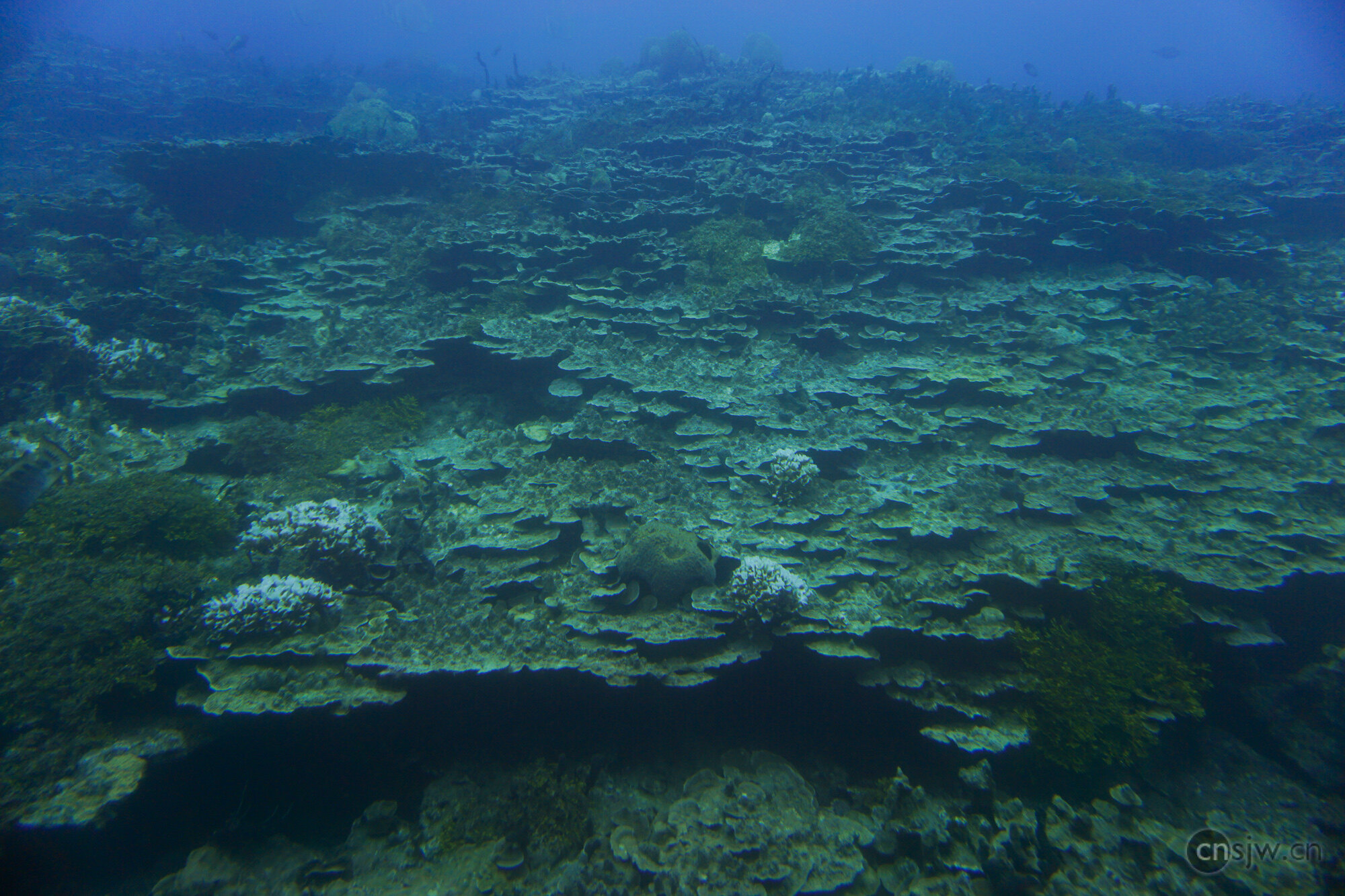
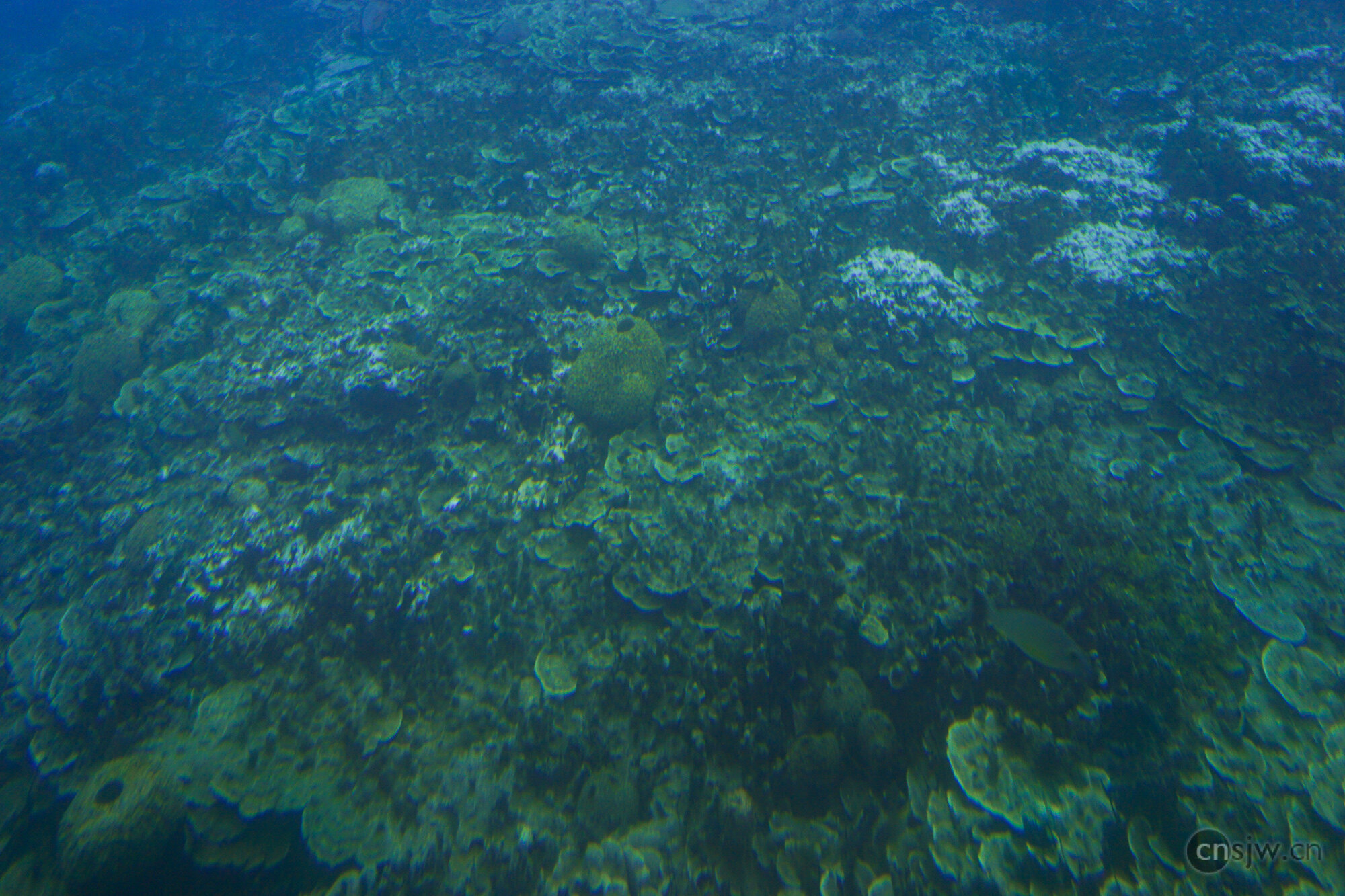
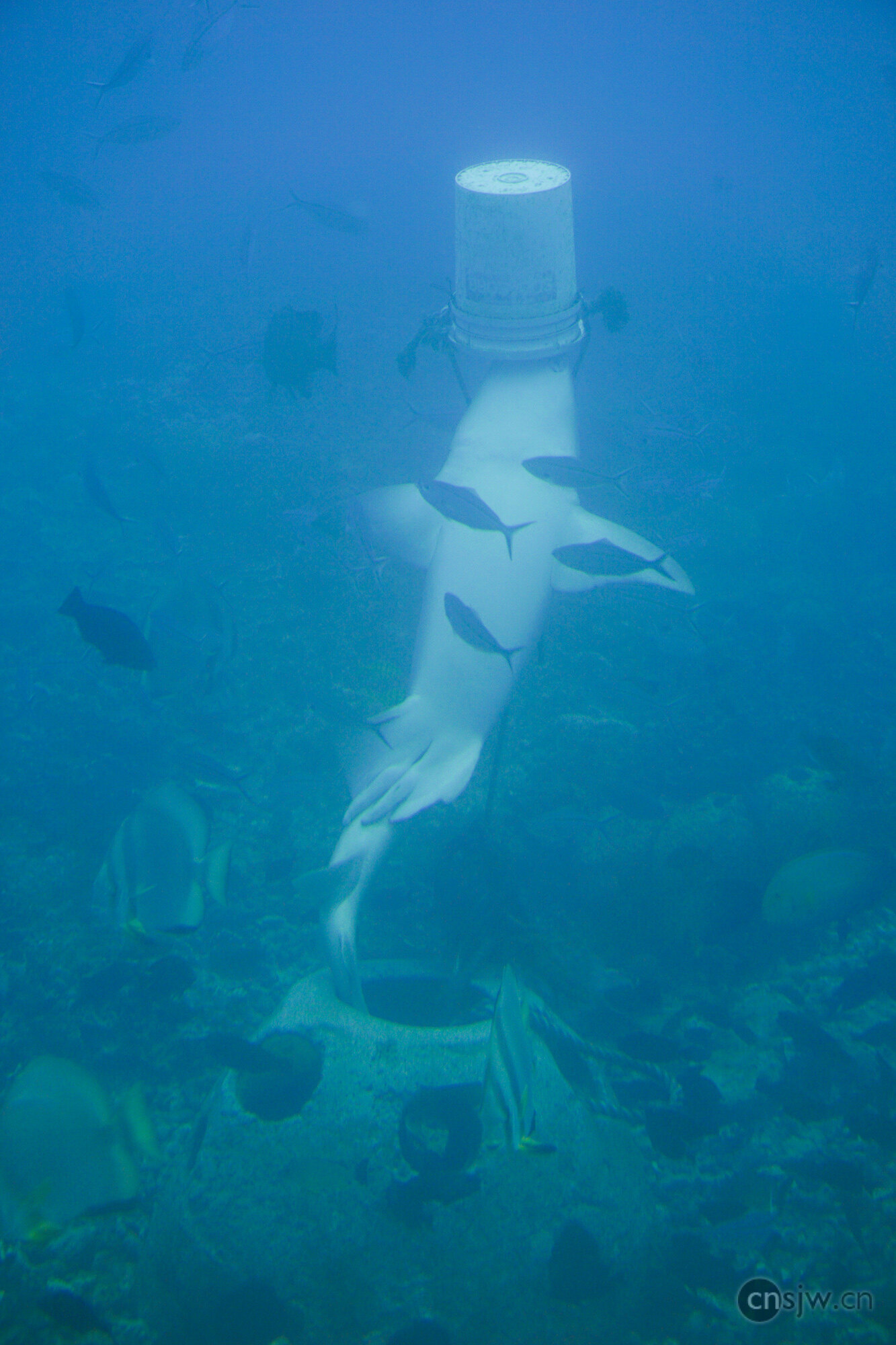
Most of the time is spent circling at depths of 15–20 meters. Finally, the submarine descends to nearly 50 meters before ascending rapidly, creating lots of bubbles. The entire underwater portion lasts about 40 minutes.
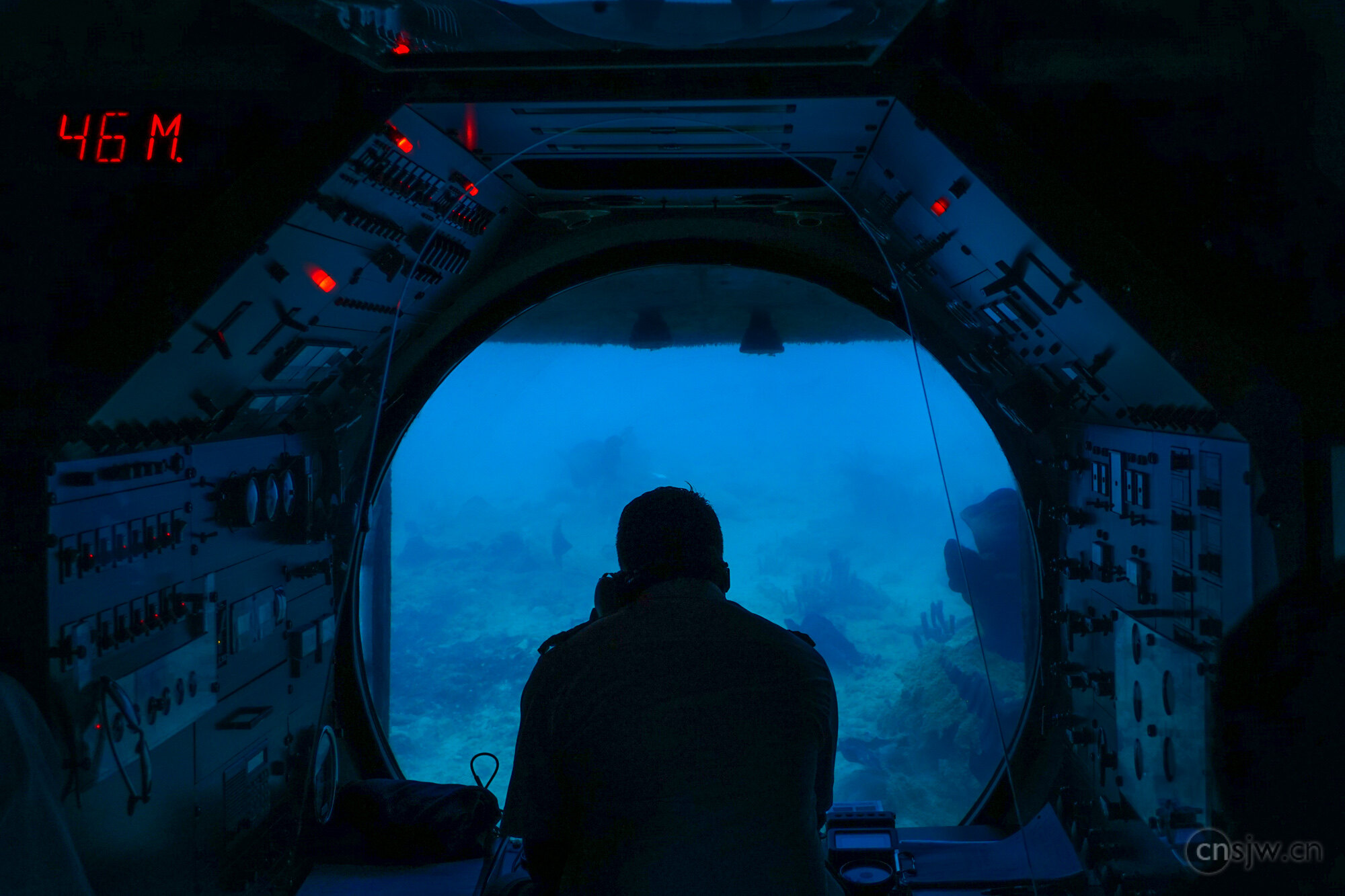

After surfacing, we boarded the speedboat again and returned to the pier in about 20 minutes. Then, a 20-minute bus ride brought us back to Tumon Bay Center, where you can purchase photos taken at the pier from their souvenir shop for $15 each—not too expensive, especially if you’re in a group. However, since the background was just open sea with nothing else in it, I decided to pass.
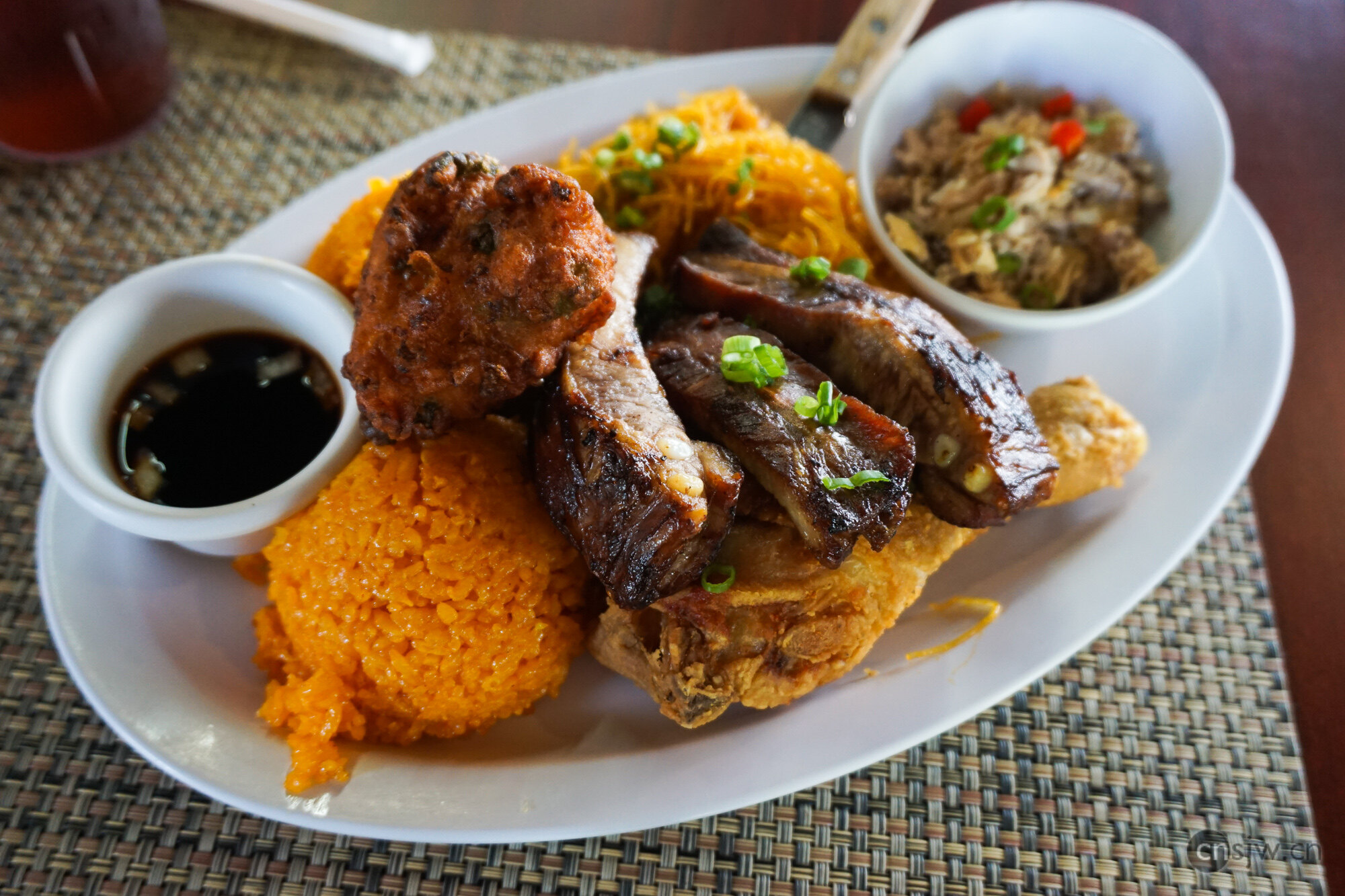
Right outside, there are chain restaurants like Burger King and California Pizza Kitchen, but I felt we should try some local specialties—namely Chamorro barbecue—so we headed into a restaurant called Terry’s Local Comfort Food. Inside, there were plenty of U.S. servicemembers and locals. Prices were reasonable, portions generous, and the food quite tasty. A combo platter plus an iced tea came to around $16—very satisfying.
Finally, here’s a short video:
Photos in this post taken with a Sony A5100 + 16-50mm f/3.5-5.6 lens, post-processed in Lightroom.

Support



Read this article on WeChat