
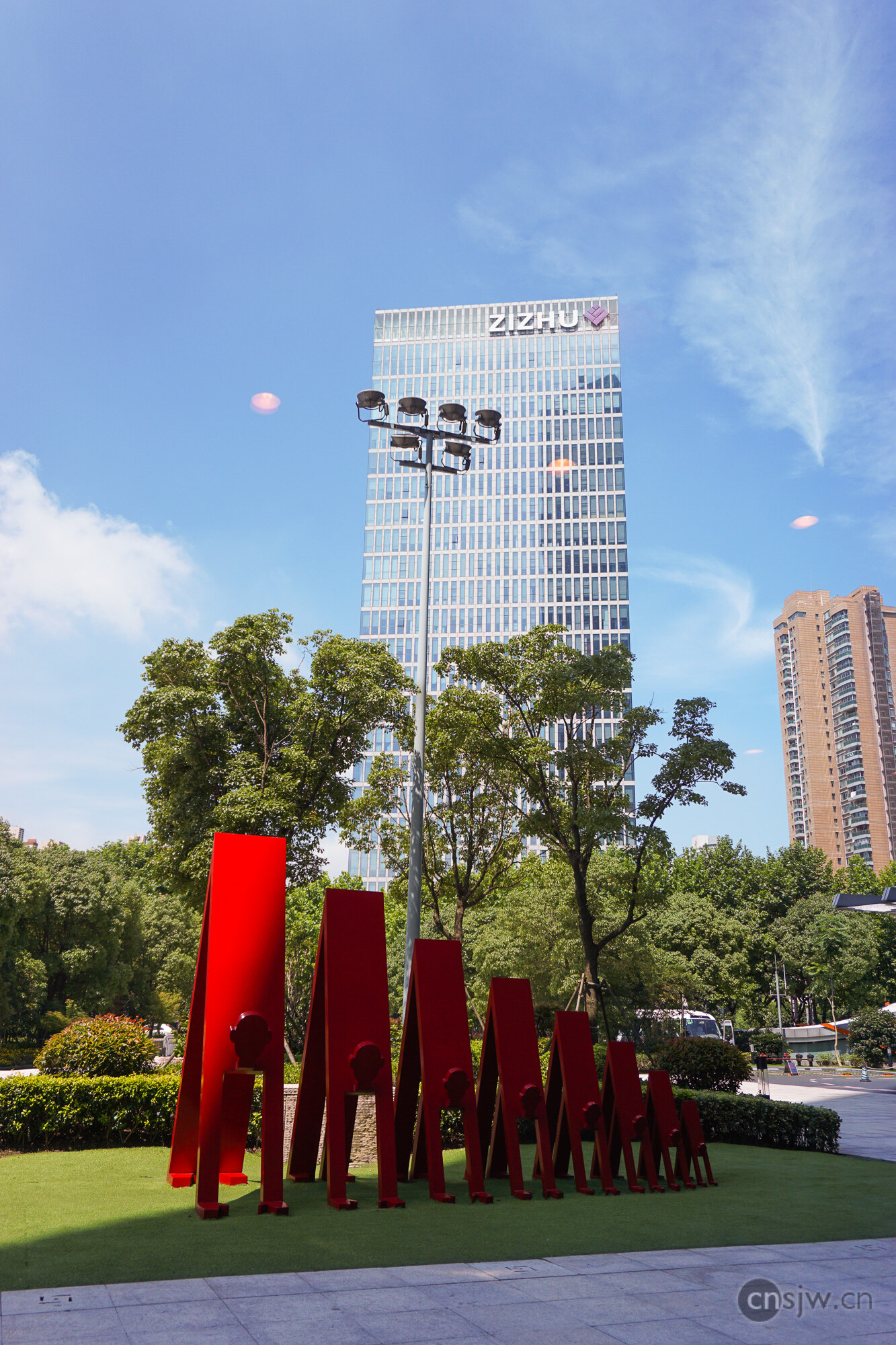
Quite by chance, I found a free promo code for this event in an article on Chaping, and thus successfully managed to get into the Mobile World Congress Shanghai. As expected, the exhibition was held at the Shanghai New International Expo Centre on Longyang Road. At the same time, there was also a Welding and Cutting Exhibition? … Anyway, MWC took up most of the space, covering halls W1-W5 and E1-E2. Halls W1-W5 were industry halls featuring booths from various brands and manufacturers, while E1 and E2 were experience halls, mainly offering drone and VR experiences.
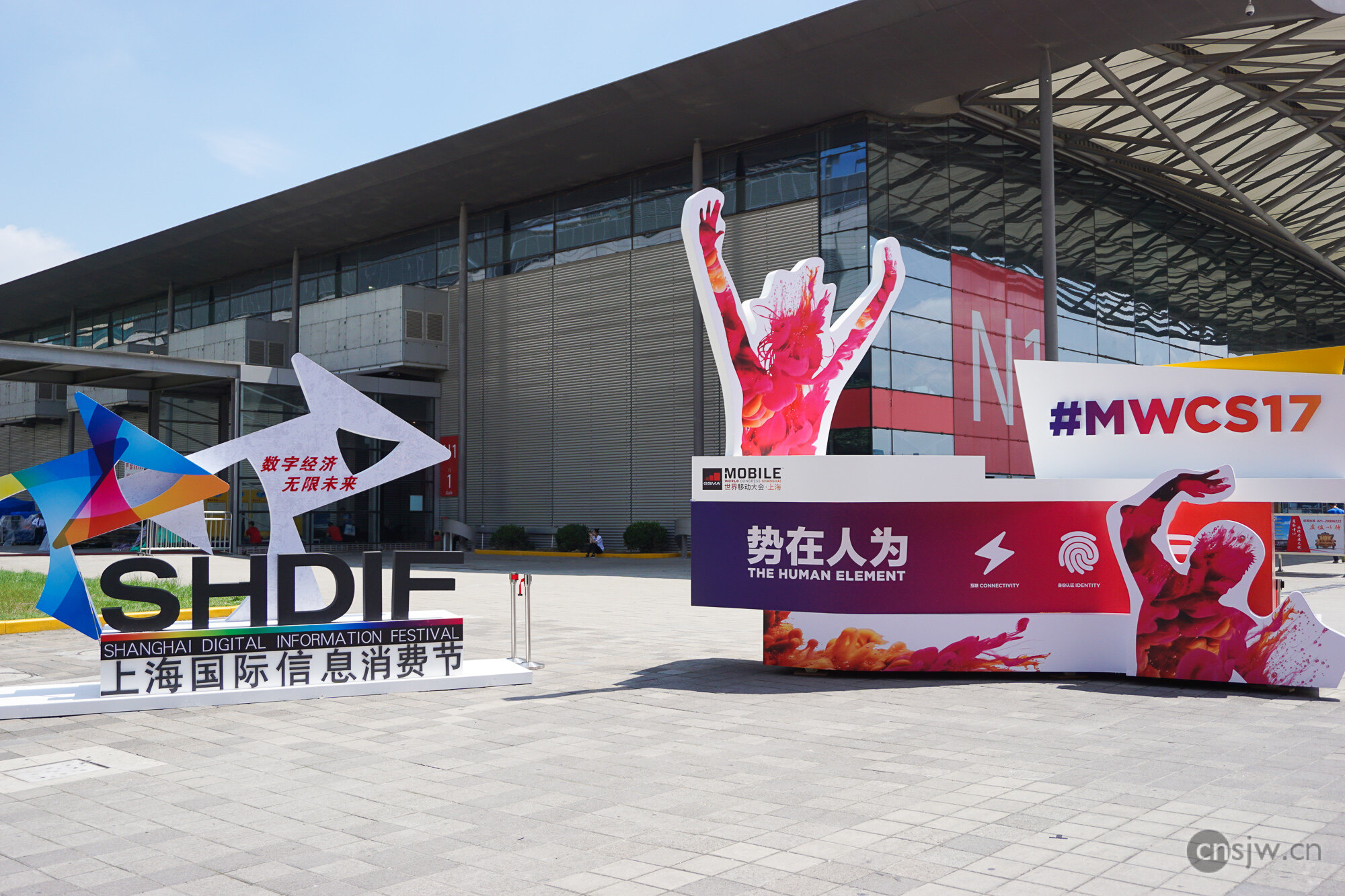
At the entrance, you could exchange your QR code for a badge and then head right in~~

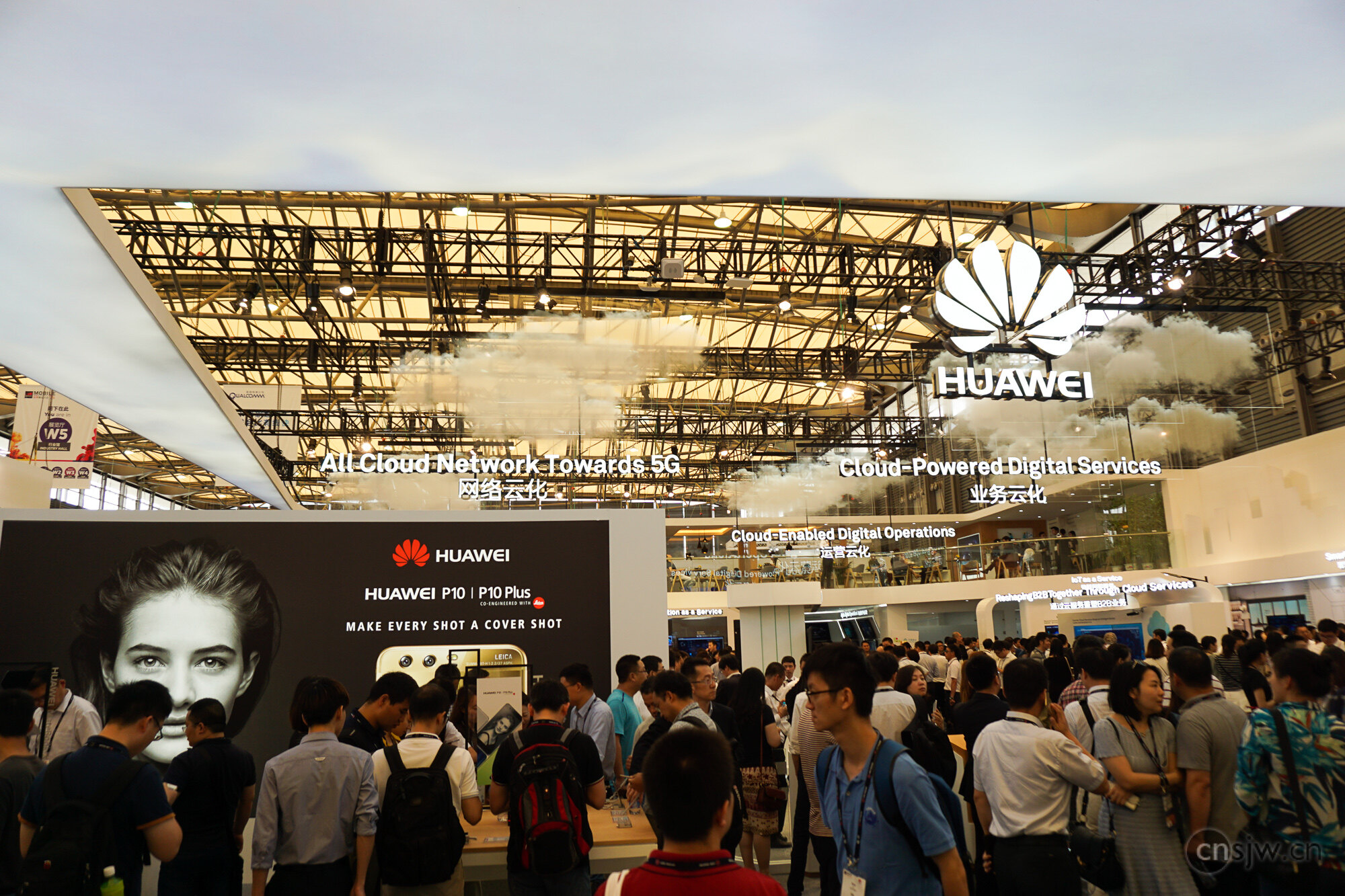
The Huawei pavilion was one of the larger ones, and they adopted a guided tour model: once a group of eight people gathered, a dedicated Huawei employee would lead everyone through the exhibit and provide explanations. The advantage, of course, is the targeted service, and they can answer specific questions for professionals. The downside is that you have to queue to enter, their reception capacity is somewhat limited, and also, the employees aren’t professional tour guides after all—for example, the one we encountered spoke so softly that we couldn’t hear a thing.
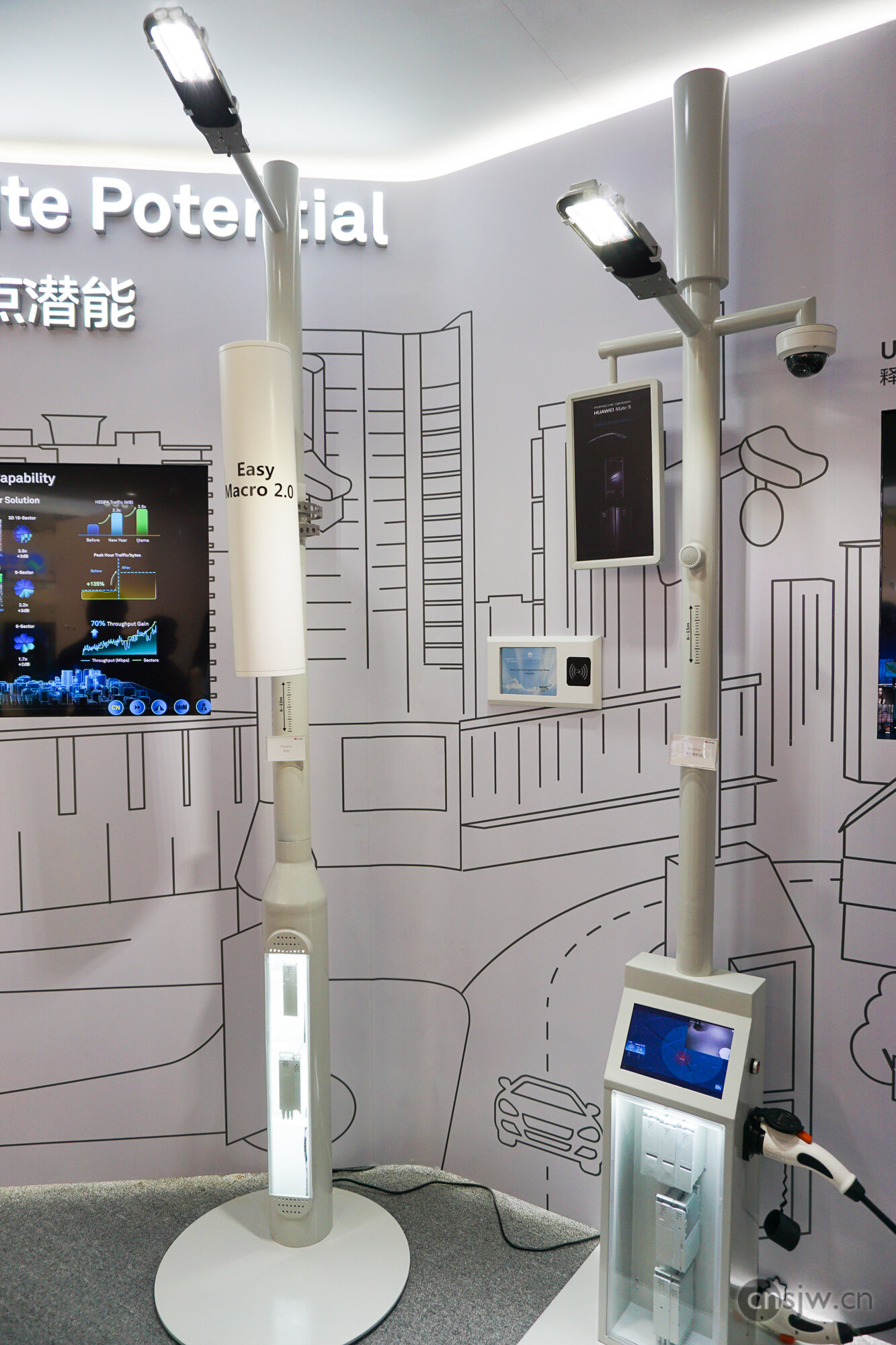
However, from this exhibition, future technological trends are already evident. 5G offers extremely fast speeds and ultra-low latency, providing a technical foundation for the future Internet of Things, autonomous driving, and more. Smart meters for electricity and water with automatic data upload capabilities, as well as multi-functional streetlights integrating lighting, surveillance, charging, navigation, environmental monitoring, and Wi-Fi hotspots, are all quite impressive.
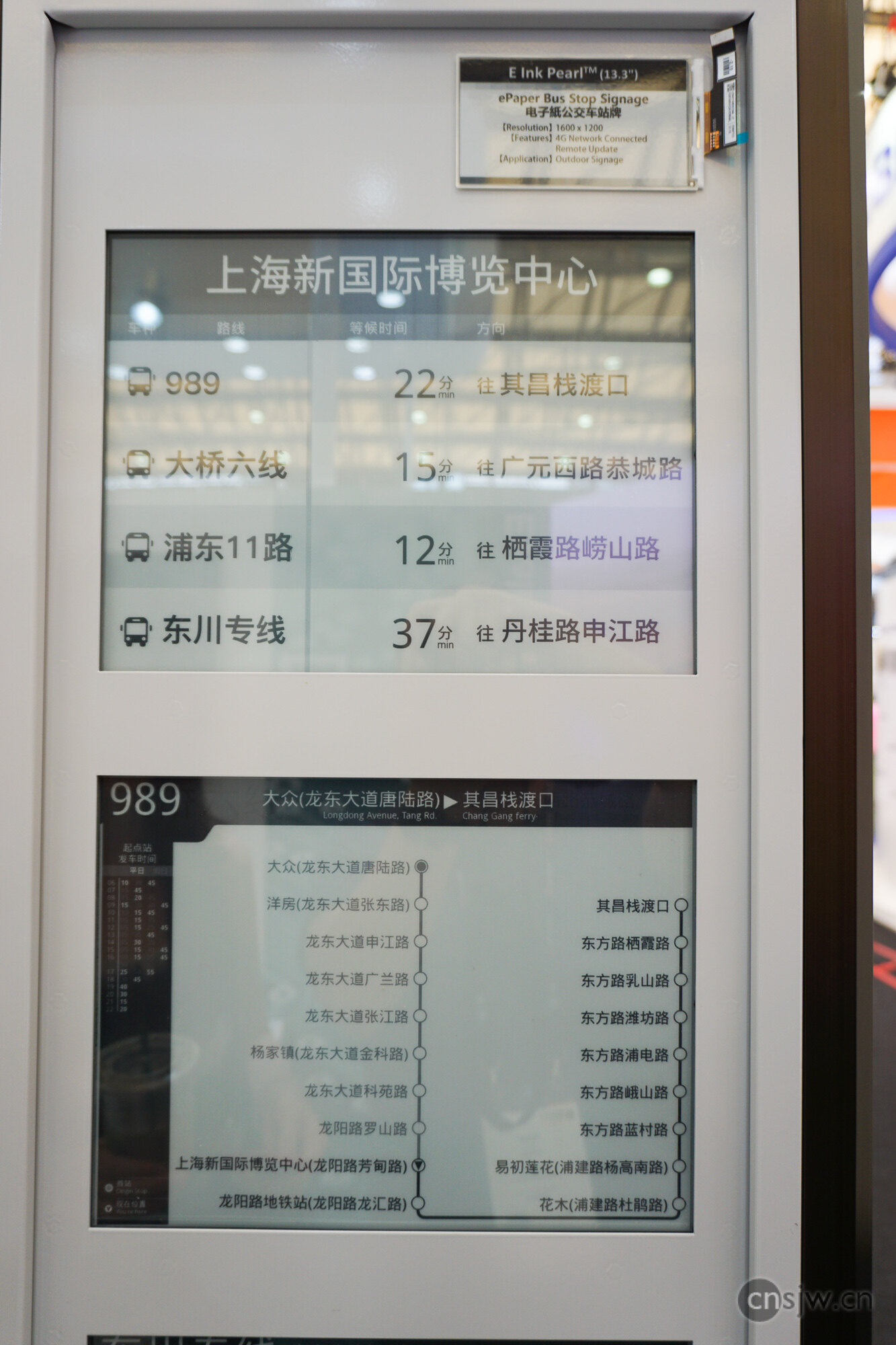
At the e-paper booth, I saw not only various versions of e-readers, such as Kindles, but also Sony’s massive, ultra-light, ultra-thin, fully handwritten tablet. Another rather amazing application was on smart bus stop signs that can be updated intelligently. Although there is still room for optimization, it’s a great concept. After all, it’s much more convenient to update than paper signs.
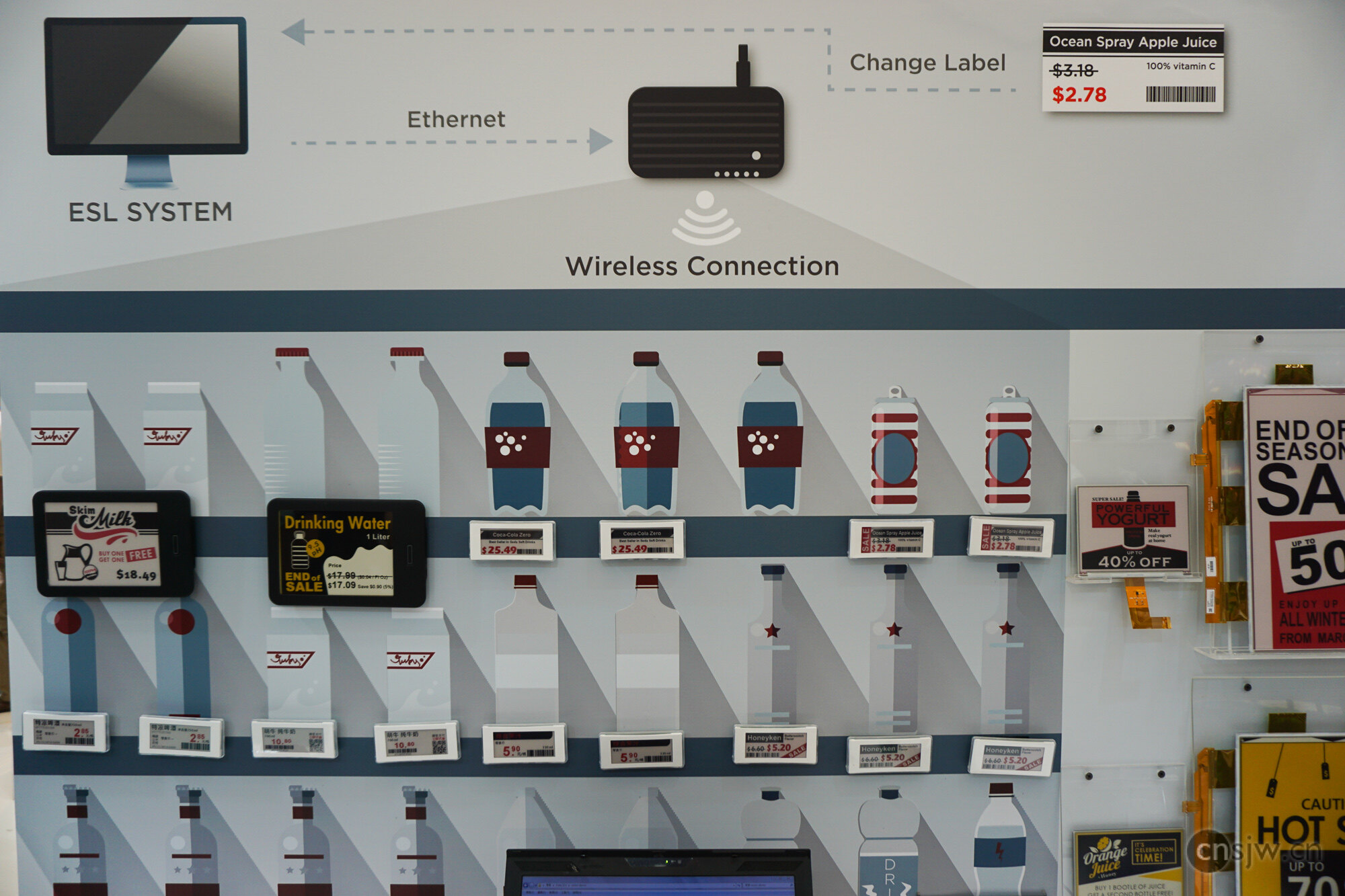
There were also these colorful, wirelessly updatable product tags. I’m not sure about the cost, but they look virtually indistinguishable from printed ones—the effect is really good.
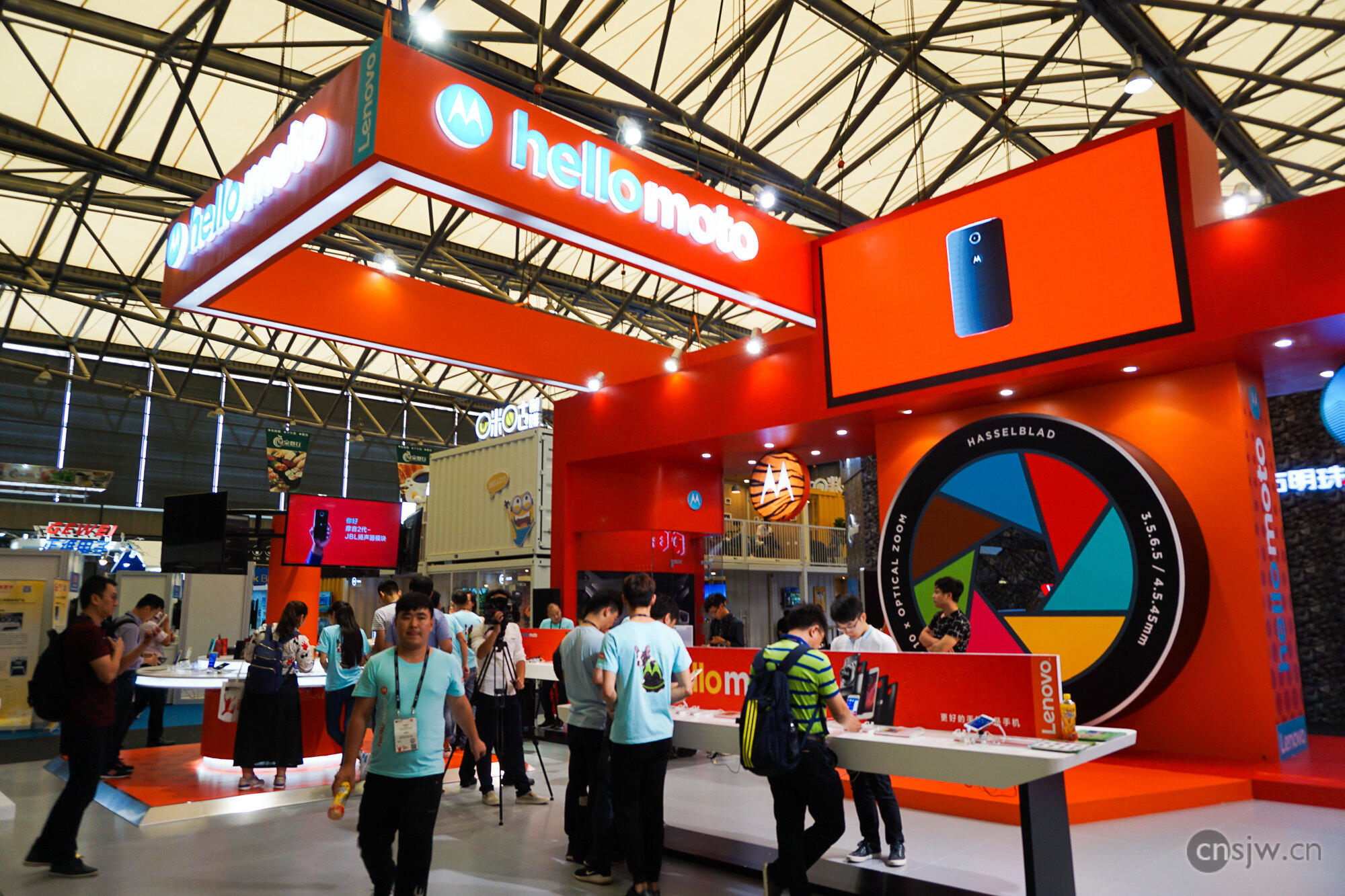
Moto showcased its latest modular phone, the Moto Z. It comes with various modules that can be attached directly to the back of the phone to expand its functionality accordingly. For instance, there’s a Hasselblad lens with 10x optical zoom, JBL speakers, and a mini projector. While I think the concept is pretty cool, it somehow feels like they’re heading in the wrong direction. Although it offers some fun, in reality, those accessories aren’t much smaller than standalone products, and since they must be attached to the phone during use, they actually feel even more inconvenient in certain situations.
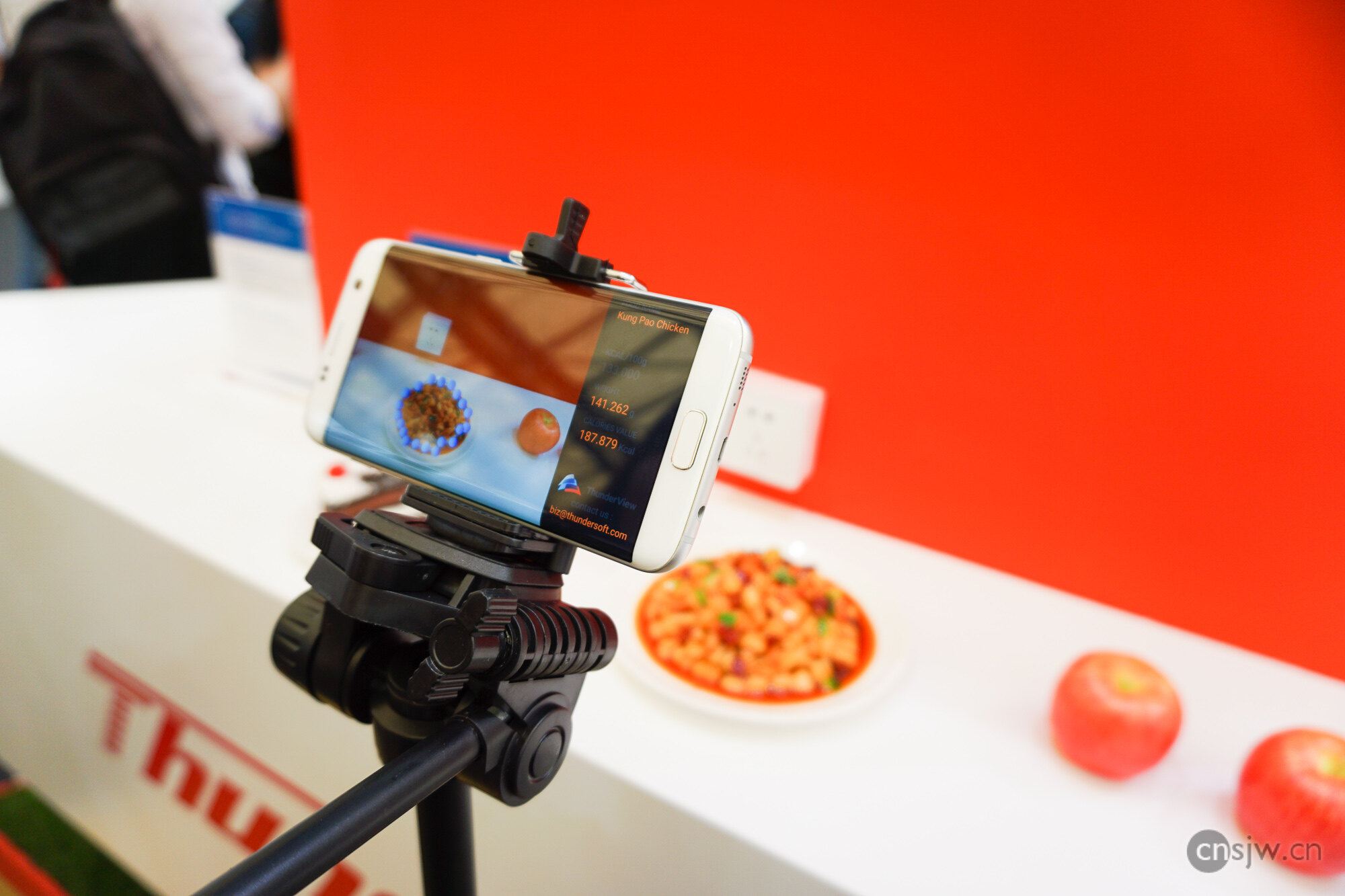
There were also some niche startups taking unconventional approaches, such as those doing ultra-high-speed facial recognition, various beauty-enhancement apps, and even this one that uses image recognition to identify dishes and estimate portion sizes to calculate calorie intake… Although its accuracy remains to be seen, it’s definitely much more convenient for people who want to track their calorie consumption. As shown in the picture, it successfully recognized Kung Pao Chicken…
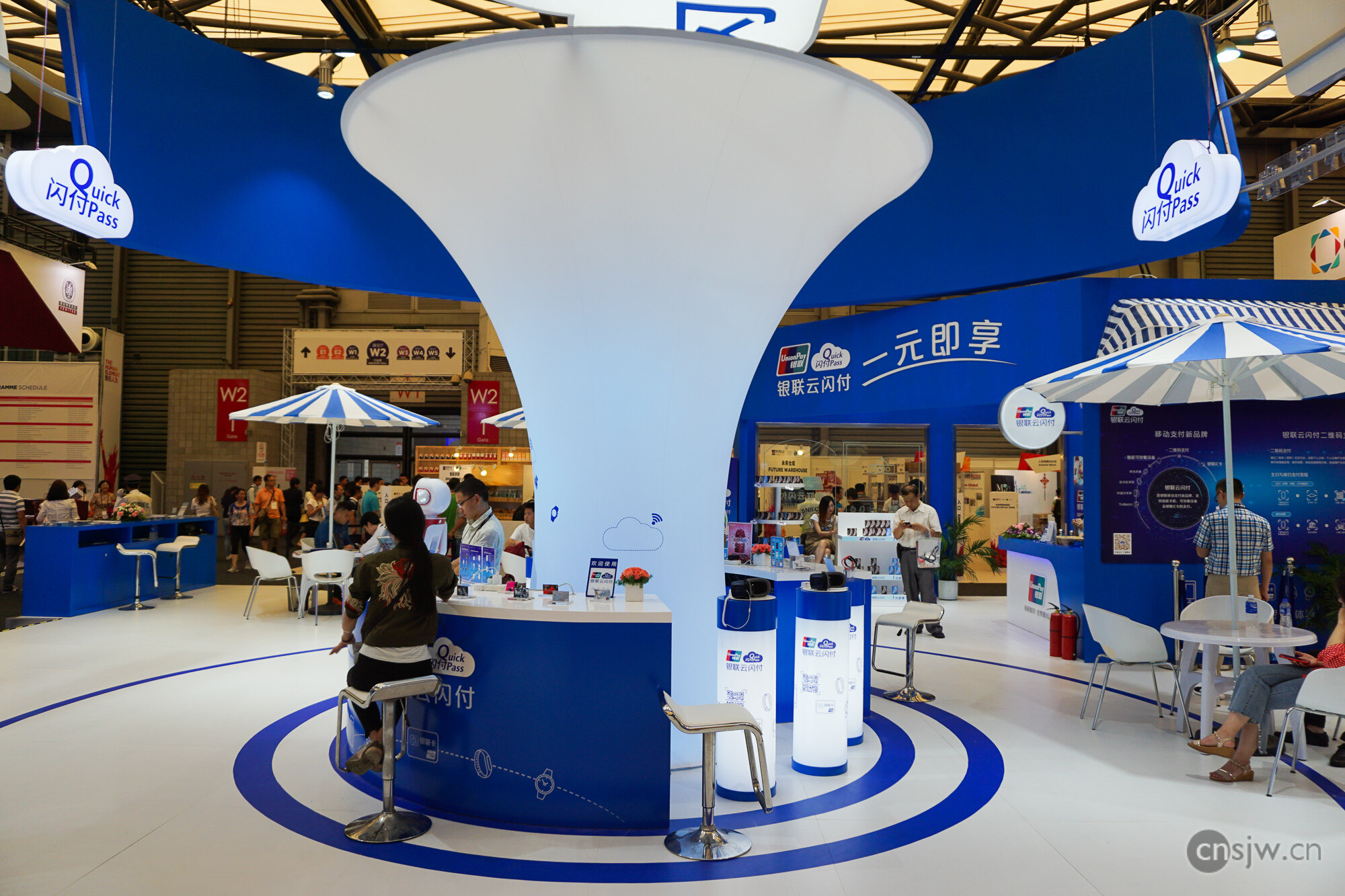
As for China UnionPay, their main focus this time was promoting various QuickPass services. POS terminals have really come a long way—Apple Pay can now basically achieve the speed advertised in commercials, which makes the future look quite promising. More importantly, this hall had all sorts of drinks and snacks available for just 1 yuan, which was a lifesaver for me, starving as I was…
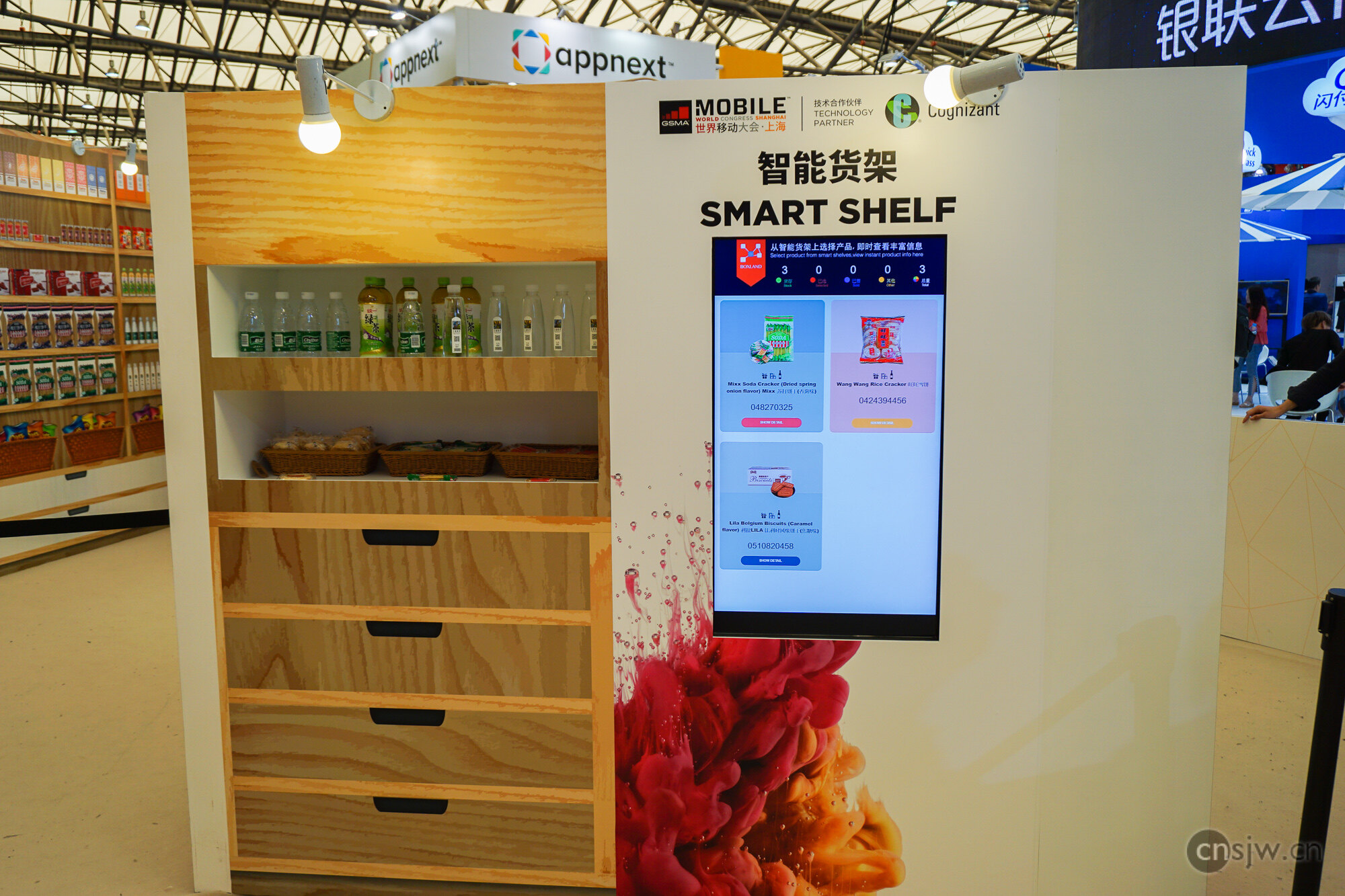
There was also a showcase of a futuristic unmanned supermarket. With the gradual decline in RFID costs, unmanned supermarkets can use RFID to identify products, making it easy to manage shelf inventory. Items picked up can be placed on the checkout machine, which instantly identifies the products automatically. At the exit, the system checks whether the items have been paid for; if not, an alarm will sound. This technology has likely already been implemented in Alibaba’s recently opened unmanned supermarkets.
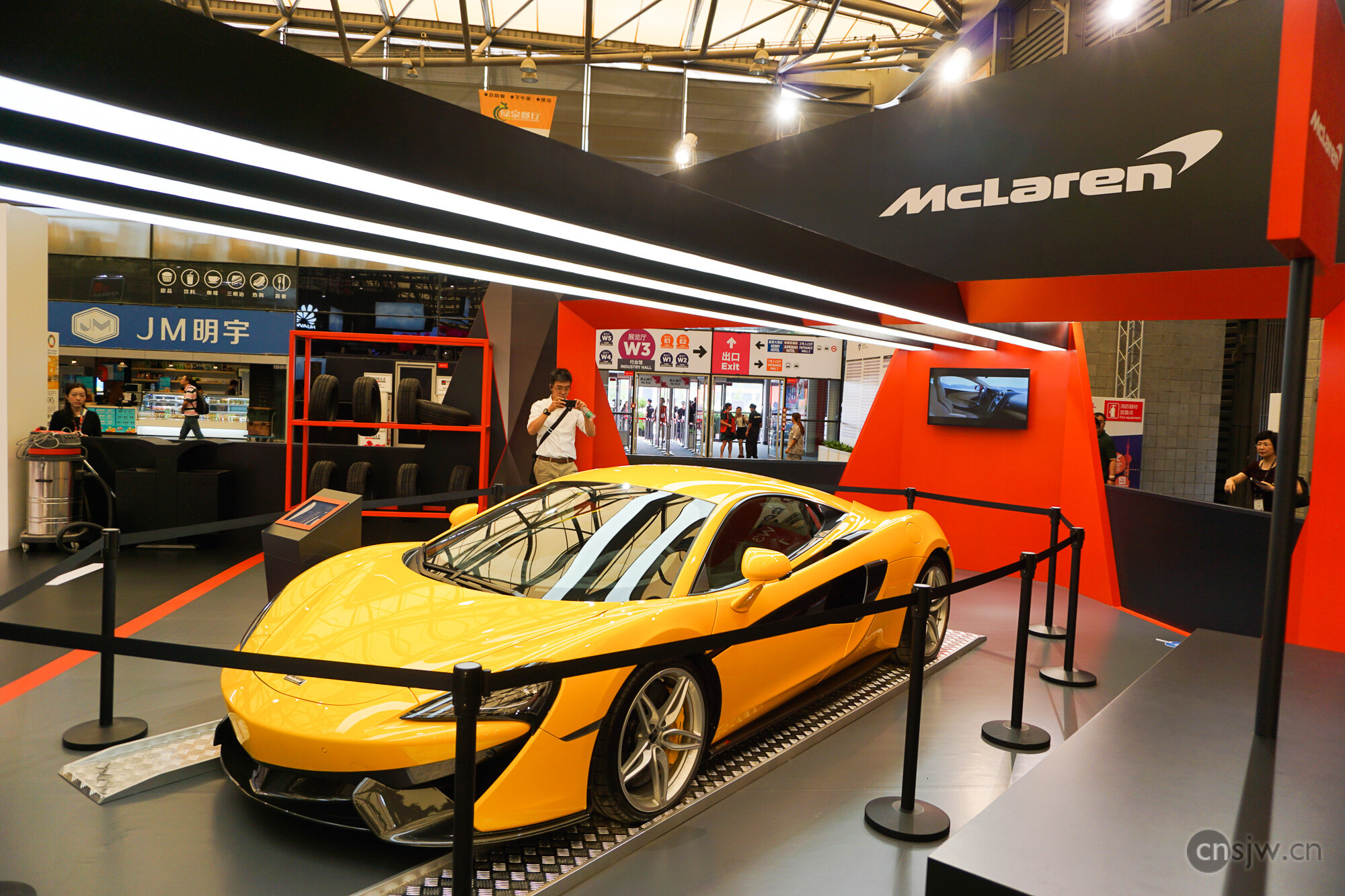
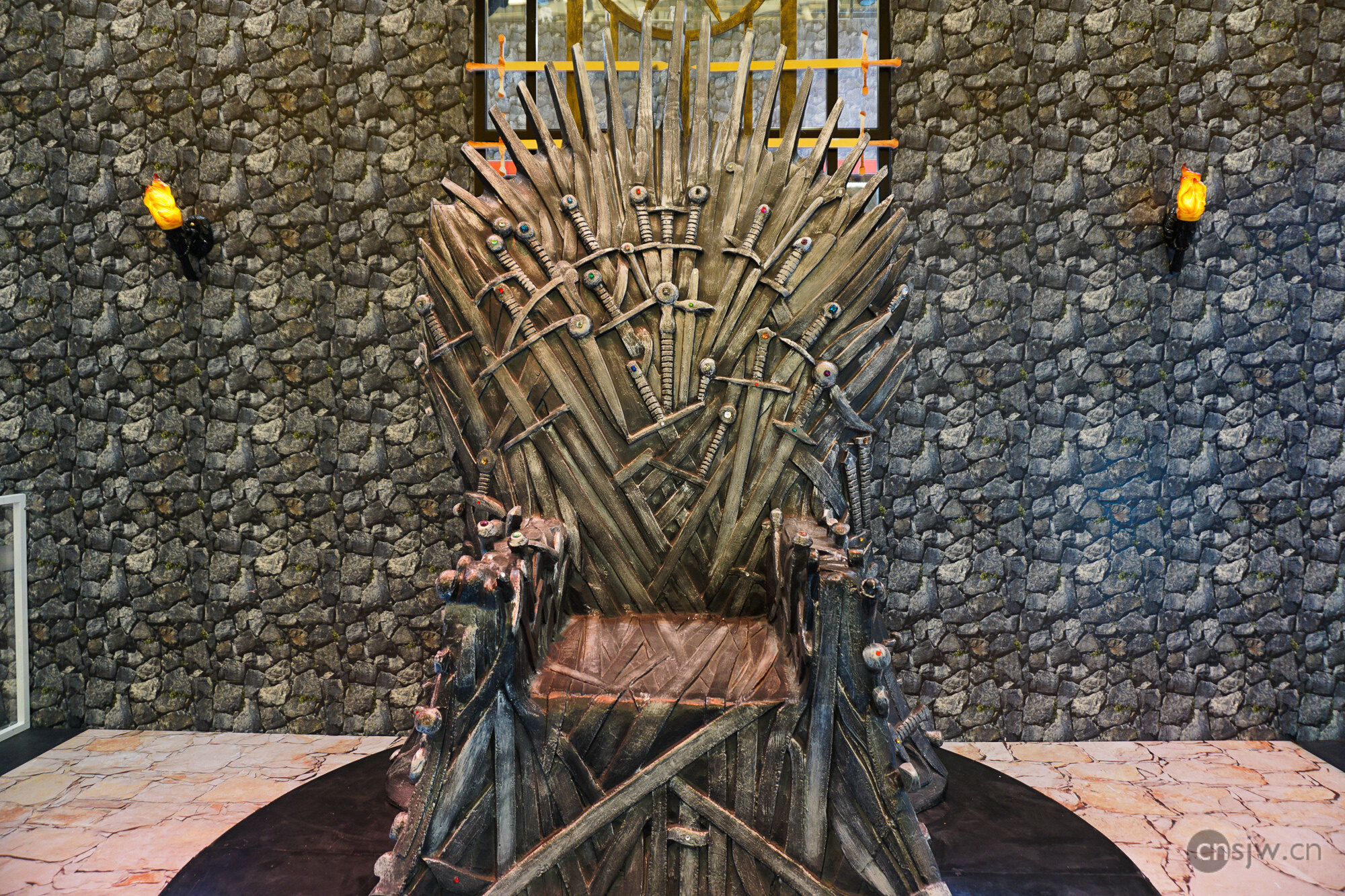
In addition, the three major telecom operators showcased their 5G networks and big data services, and Nokia displayed its smartwatch. Beyond these major brands, there were also startup incubators like 4FYN giving talks and the like, as well as a free café exclusively for GSMA members. Of course, there were also some rather unrelated companies just joining in on the fun… like McLaren, for instance… and BesTV, which set up a Game of Thrones throne for everyone to enjoy.
Halls E1 and E2 were primarily focused on hands-on experiences. AR and VR were naturally huge hits. Trying out the famous Motion Leap VR, I felt the finger tracking was exceptionally well done—precise and with very low latency—and depth perception was pretty decent too. There were also many small gaming companies letting visitors try out games using the HTC VIVE. However, VR resolution is still seriously lacking, and to onlookers, users look pretty silly…
There was also a drone experience zone and drone racing competitions, though unfortunately the races had already ended by the time we arrived. Another section featured hands-on experiences with domestic smartphones… which honestly wasn’t much different from what you’d find in a regular electronics store. There were also areas for kids’ games, sports and fitness experiences, and more.
And one more thing… a King of Glory women’s team competition…

It’s now abundantly clear that future trends include 5G, IoT, machine learning, AI, VR and AR, and humanity’s favorite—beauty filters~~~
Photos in this post taken with a SONY A5100 + 16-50mm f/3.5-5.6 lens, post-processed in Lightroom.

Support



Read this article on WeChat