
This is the final post of my Hong Kong travelogue. This trip coincided with the eve of the 20th anniversary of Hong Kong’s return to China. I was incredibly lucky with this visit; after days of continuous thunderstorms and numerous flight delays and cancellations, both my outbound and return flights were actually on time, and the weather in Hong Kong was also very cooperative. I also managed to leave smoothly before President Xi arrived, avoiding all kinds of traffic controls. I didn’t even know he was visiting until I read a newspaper on the flight back to Shanghai… It wasn’t something I had considered at all in my planning.
Ippudo Ramen
A famous Japanese ramen chain with dozens of locations in Japan. Originally, Hong Kong was its only location outside of Japan, but now branches have opened in New York and Taipei as well. Its signature features are a pork bone broth and a secret sauce. And, of course, another major feature is… the overwhelming number of options…
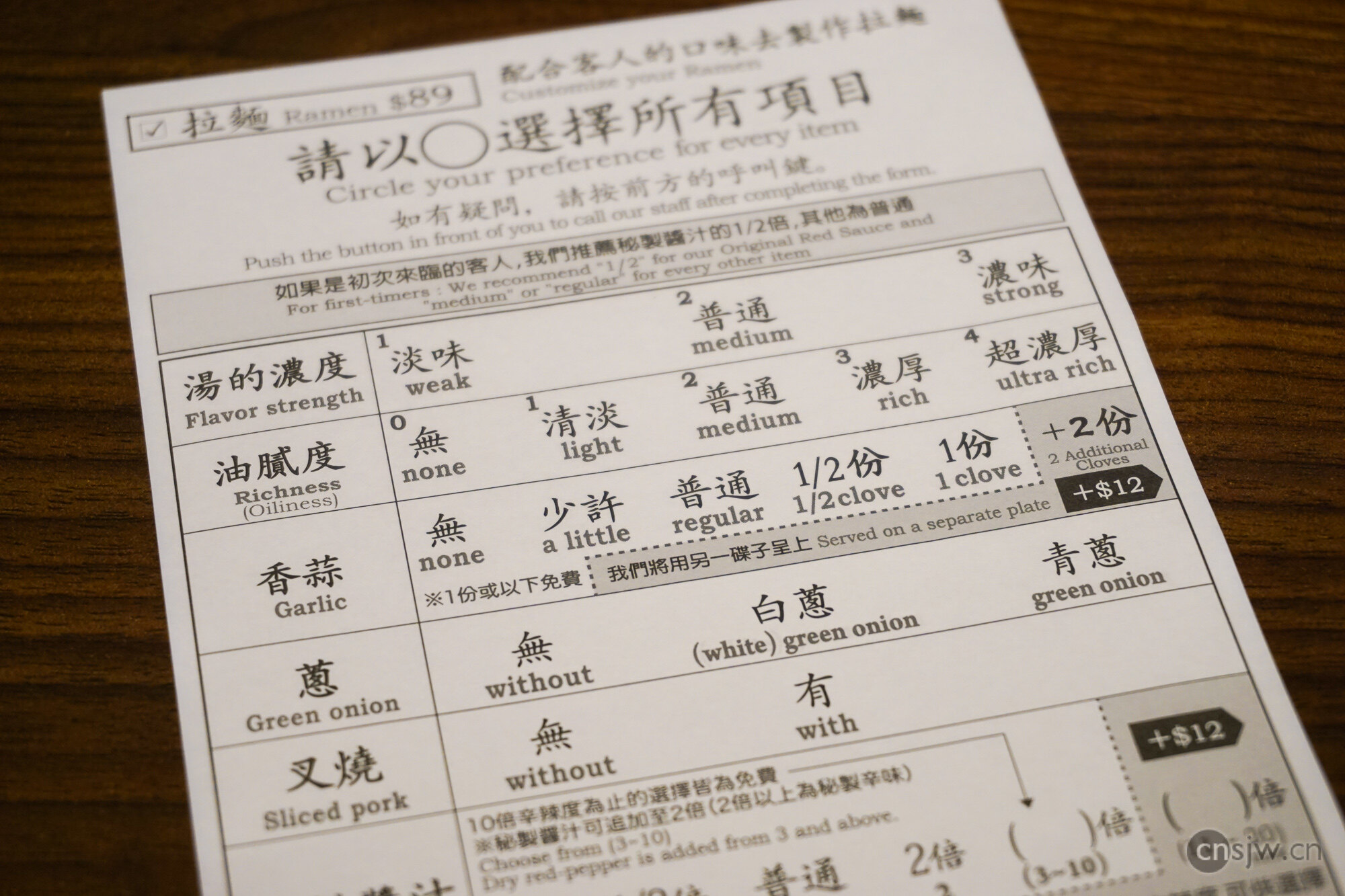
On this single order sheet, you can customize everything from the soup richness, oil amount, garlic, and green onions, to the noodle firmness. Even the spiciness level of their special sauce can be adjusted anywhere from 0.5x to 30x… resulting in hundreds of possible combinations… It can satisfy almost anyone’s preferences…
So I ordered regular broth richness, light flavor, regular garlic, no green onions, with chashu, half-strength sauce, and regular noodle firmness… and this is the bowl that arrived~~~ Since the soup is slow-cooked, the taste was quite good. However, next time I might try an even lighter version with some green onions added… To find the exact combination you truly love, you’d probably need to come here eight or ten times…
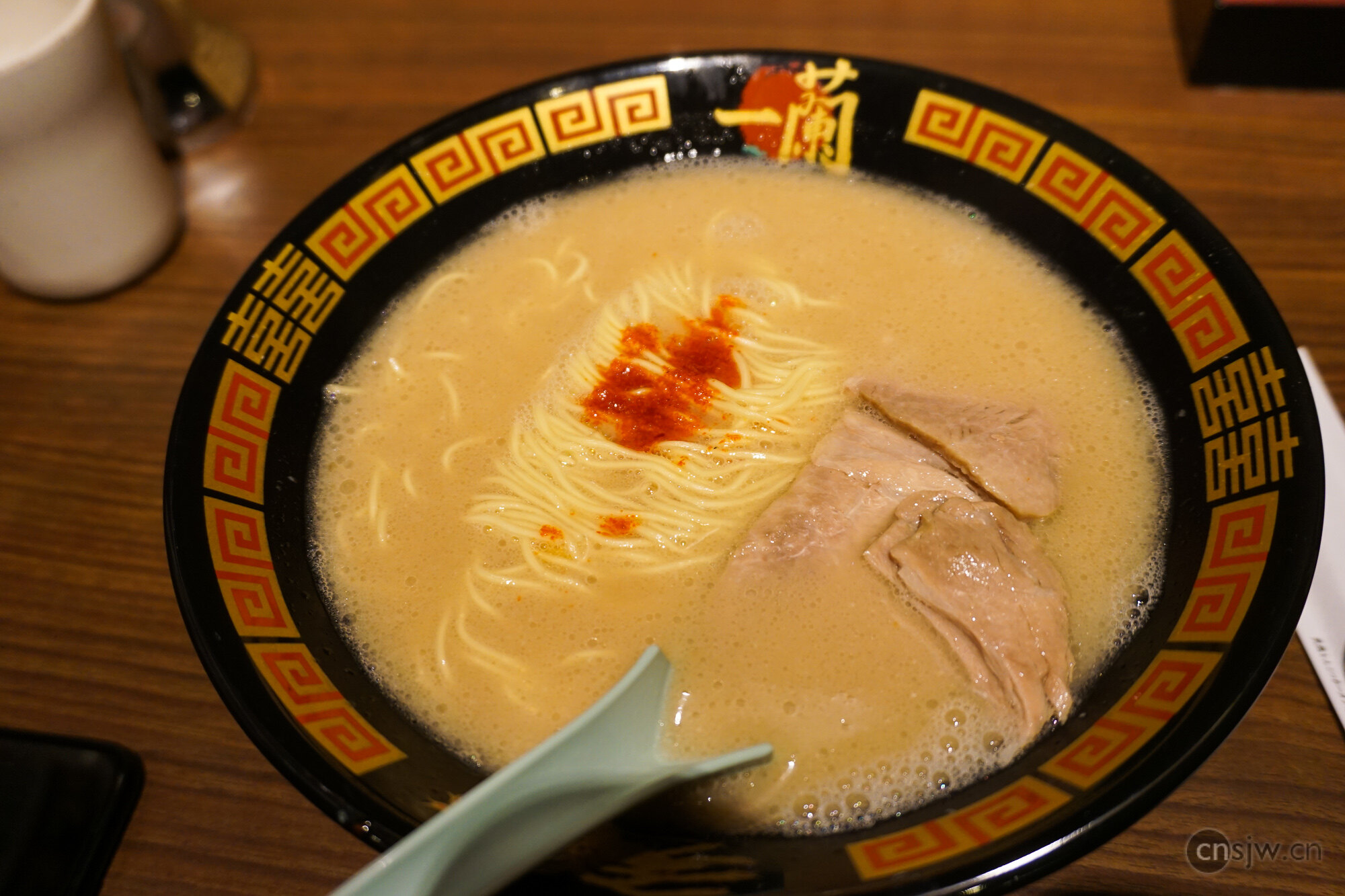
Ippudo Ramen (98 HKD)
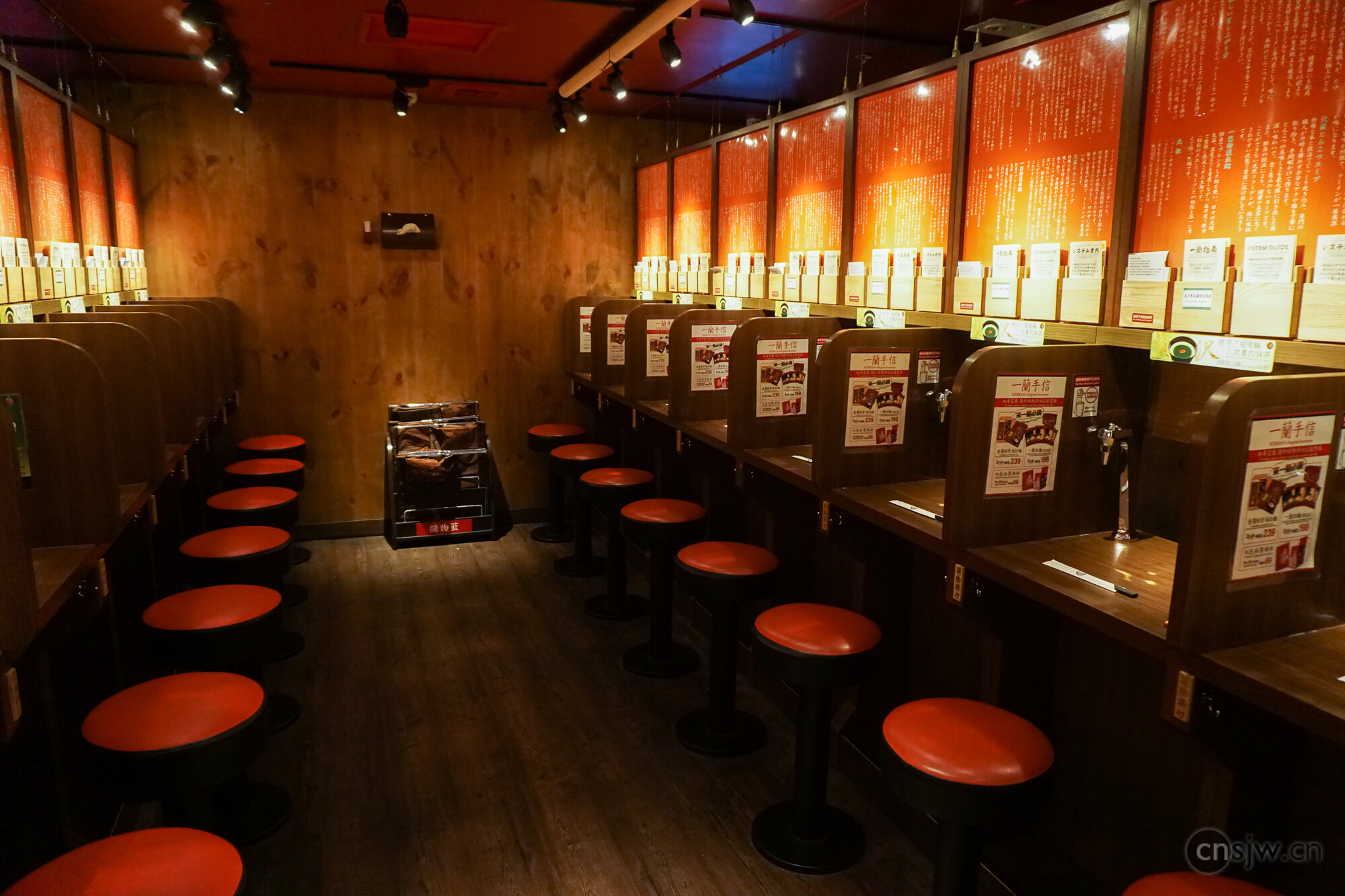
Another unique feature is that all seating consists of individual booths. Supposedly, this design specifically caters to very introverted people and female students dining alone. I’ve heard that if two people come together, the partition in between can be removed, but it seems the Hong Kong location doesn’t have this feature? Anyway, it feels a bit like sitting in an exam hall… But since I went alone, it was actually pretty nice, though the booth space was a little cramped~~~

Mats Kee Dessert Shop
After exploring Causeway Bay, I headed back to my hotel and happened to pass by this Mats Kee Dessert Shop. Founded in 1991, this small shop has gradually expanded to six branches, each one always packed with customers. They use high-quality imported ingredients from various countries, so I went in and ordered a Mango Pomelo Sago. It was absolutely delicious and super satisfying. If you settle your bill and leave before 9 PM, you get a 20% discount, which worked out perfectly for me. Just note that most small shops in Hong Kong only accept cash.
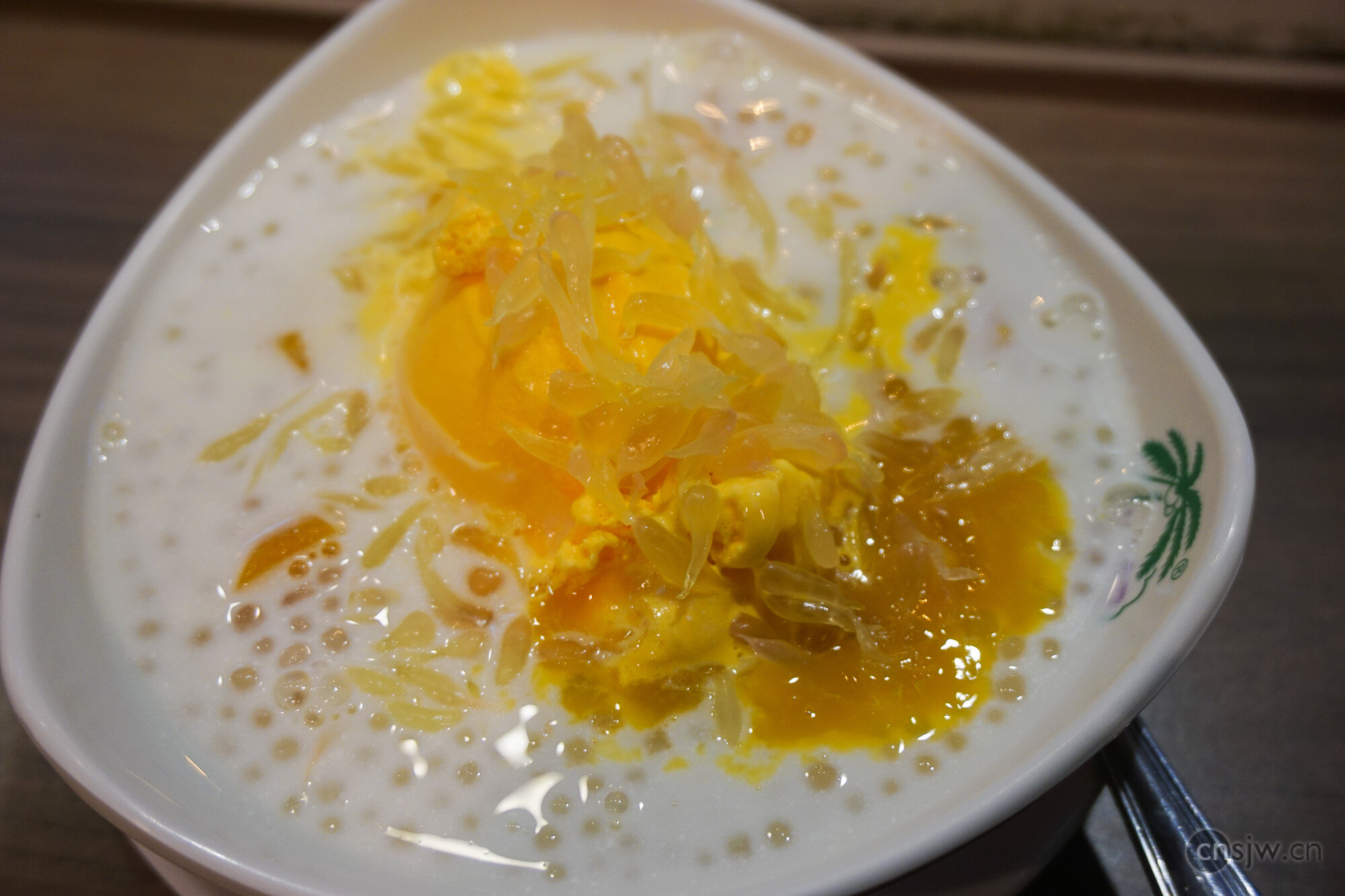
Mango Pomelo Sago (49 HKD)
Tim Ho Wan
Tim Ho Wan is truly world-renowned. The owner, Mak Kwai Pui, was formerly the Dim Sum Chef at Lung King Heen in the Four Seasons Hotel Hong Kong, a restaurant that has held three Michelin stars for many consecutive years. After opening in 2009, Tim Ho Wan quickly earned a Michelin star itself, making it arguably the most affordable Michelin-starred restaurant in the world. It now has branches in Macau, Taiwan, and Singapore. I visited this particular branch on the morning of my third day, located inside the Hong Kong Station of the Airport Express line, as I was planning to take the MTR to Tung Chung. Because the Airport Express station is connected to the IFC Mall, I got lost in the IFC for a while at first… and had to ask a security guard to find it…
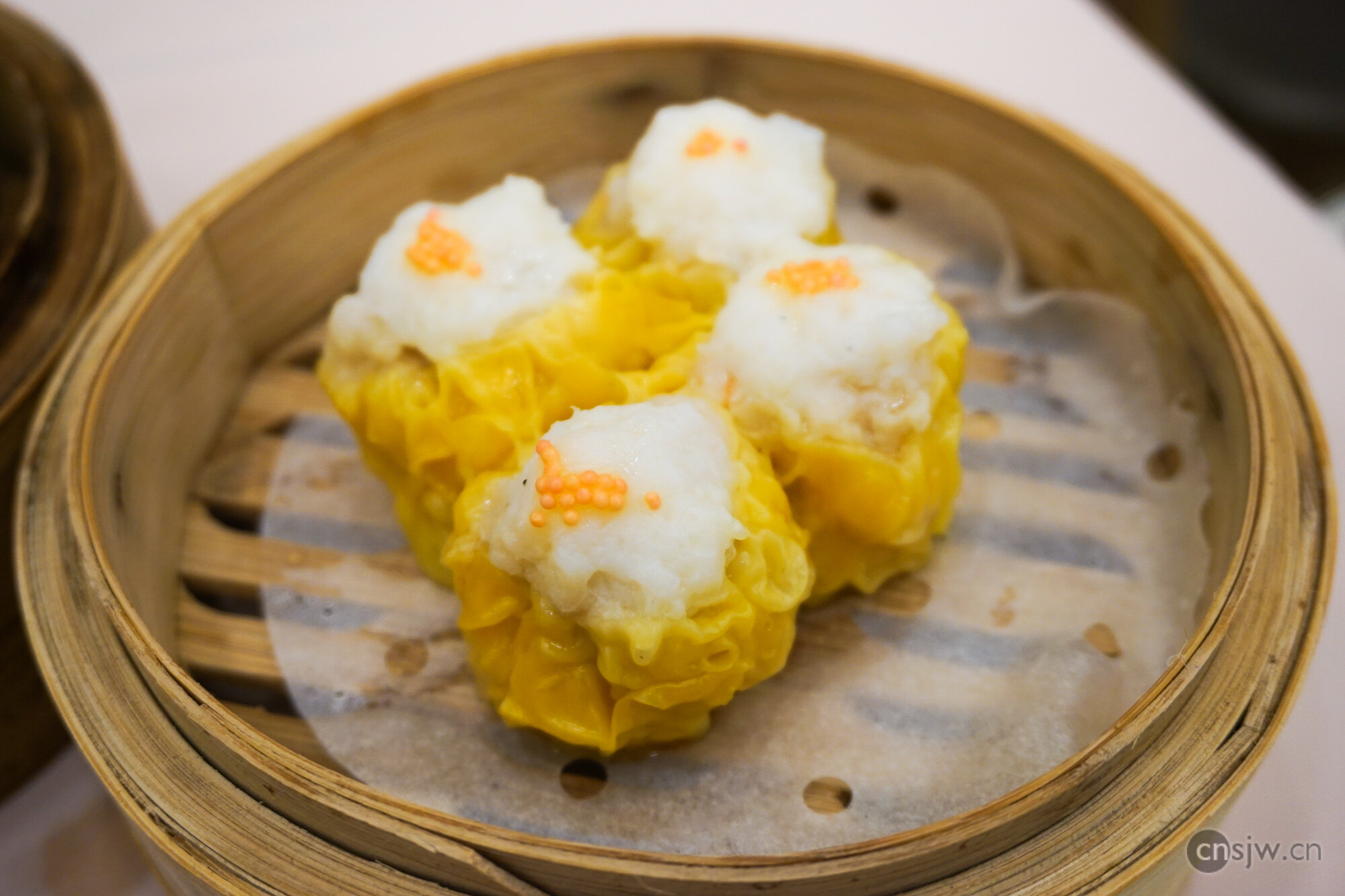
As for the ambiance, there really isn’t any; it’s extremely crowded, with one large communal table filled with strangers sharing seats—but hey, it’s cheap~~ The BBQ Pork Buns are generously filled with meat, the crust is wonderfully crispy, and the filling is delicious. The Shrimp Dumplings have translucent, paper-thin skins and ample filling. The quality of the dim sum here surpasses that of Jade Garden. The only pity is that when dining alone, you can’t order too many dishes… Also, they only accept cash~~
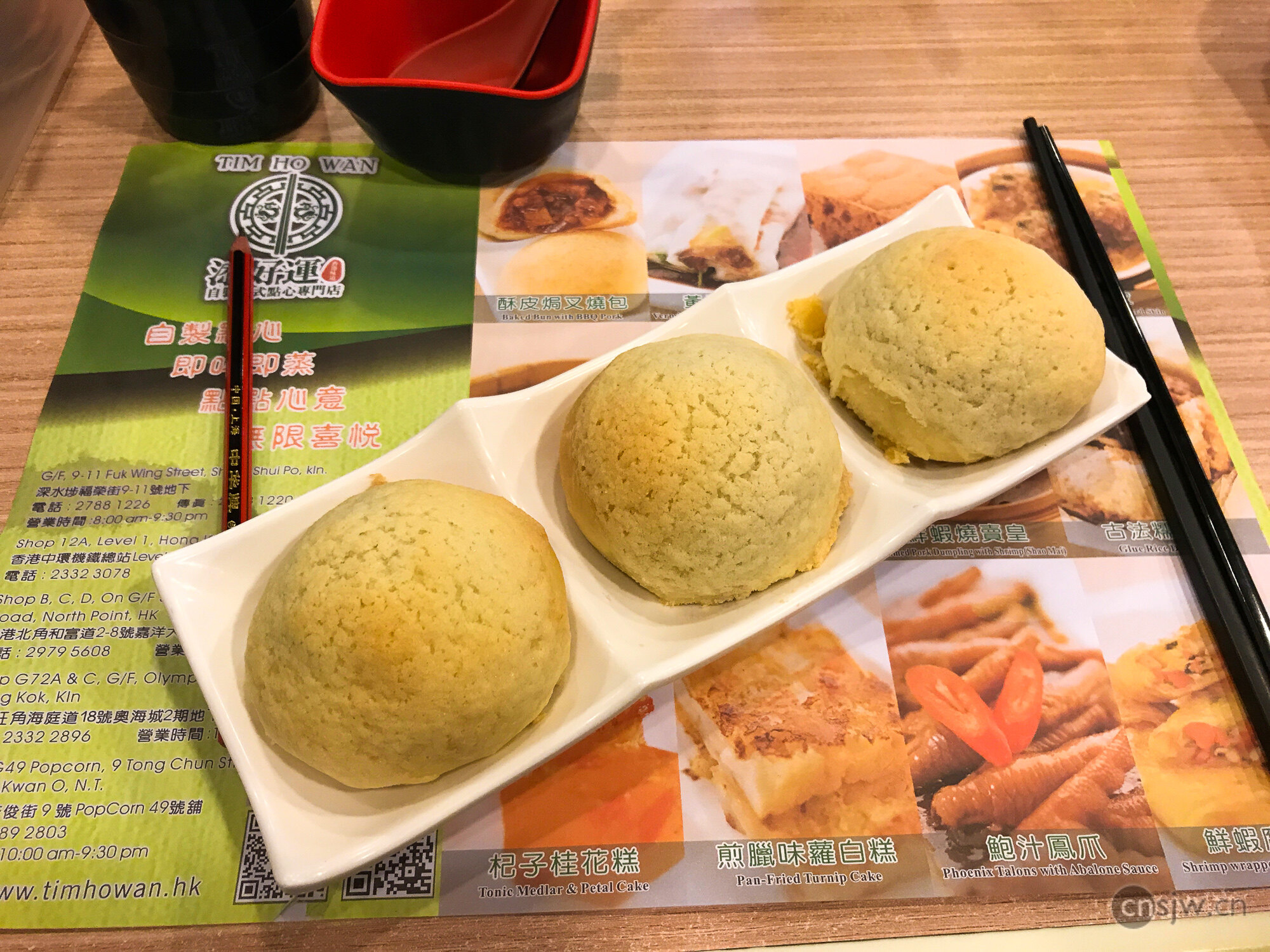
Baked BBQ Pork Bun (21 HKD)

Crystal Shrimp Dumpling (32 HKD)

Federal Palace
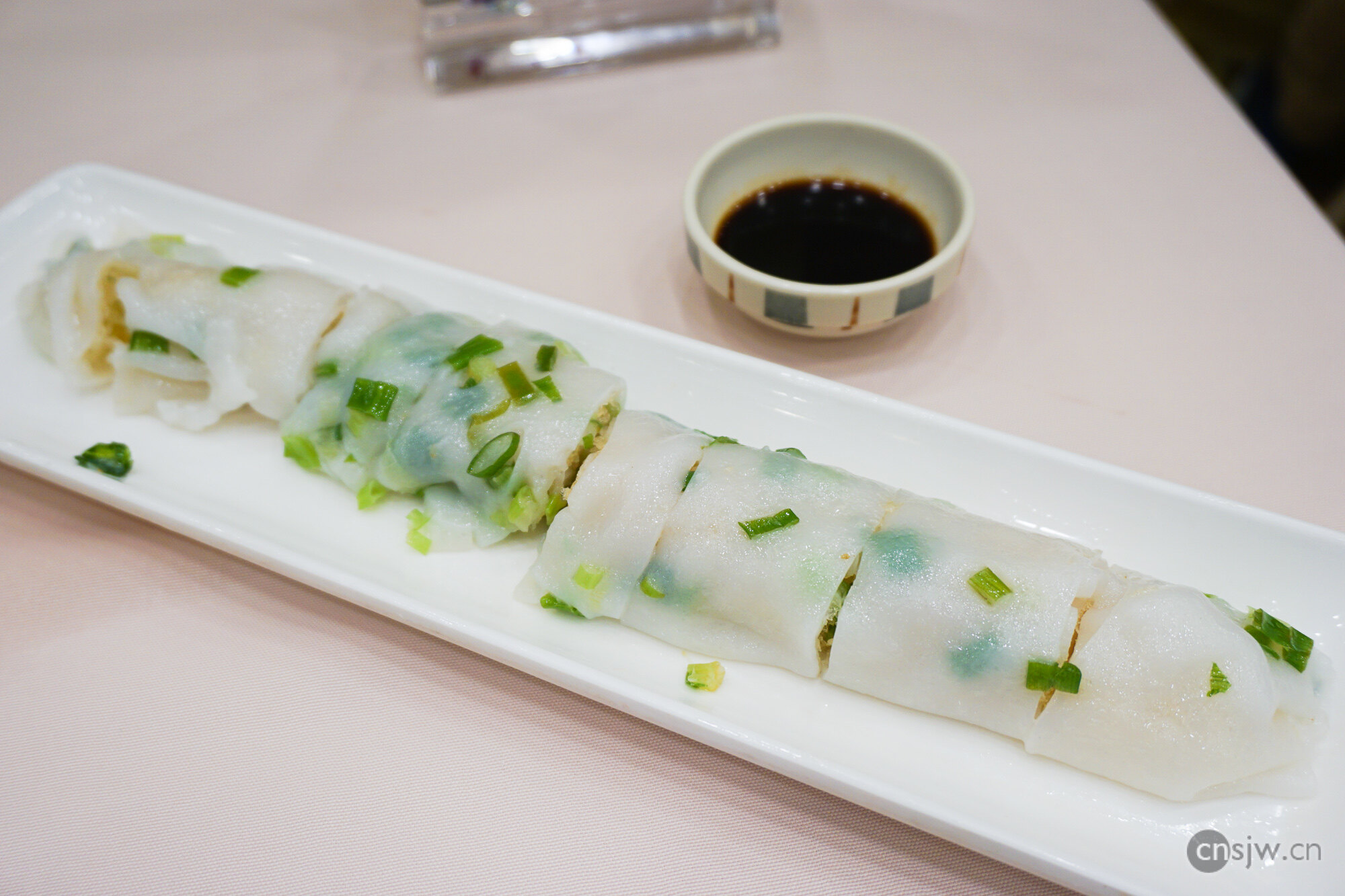
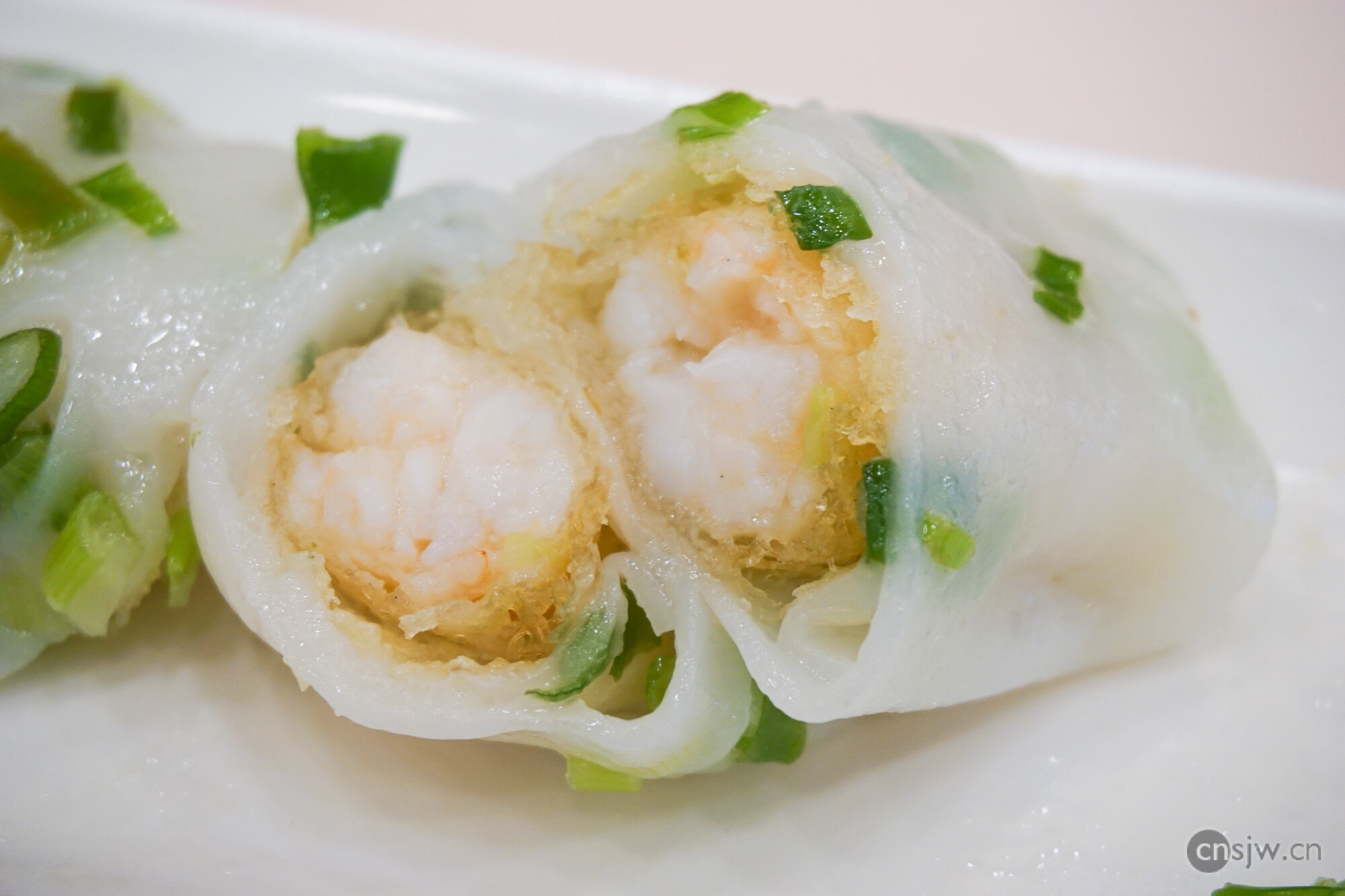
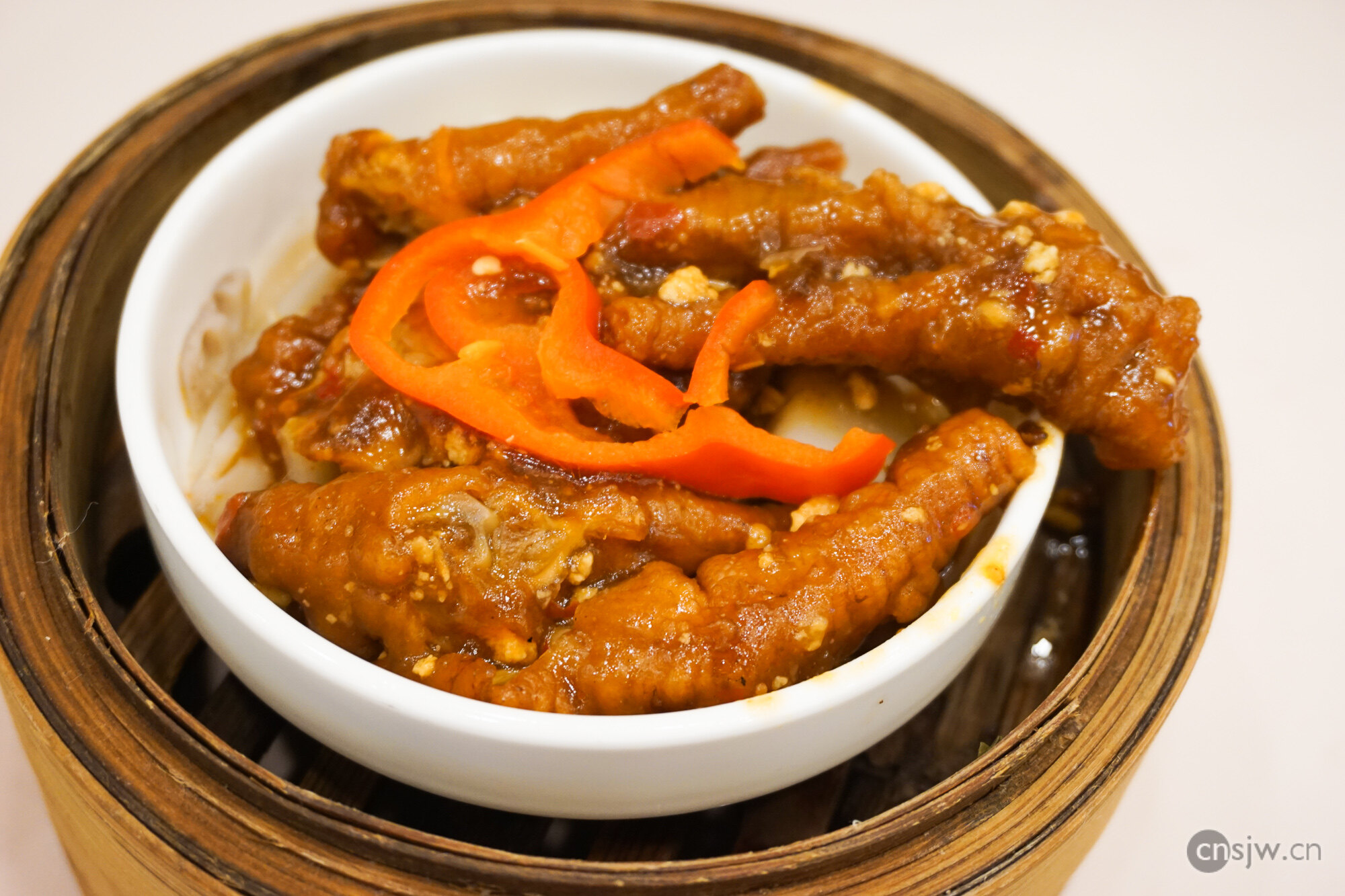
This restaurant was a rather interesting, completely unplanned discovery. After taking the cable car to Ngong Ping Village and finding nothing much to eat there, I returned to Citygate Outlets. After wandering around Citygate and noticing that the lower floors were mostly chains like Watami, this Federal Palace restaurant on the second floor looked promising, so I went in and ordered Rice Noodle Rolls and Chicken Feet. Surprisingly, the food was really good! The portions were generous, though service was a bit slow. Many locals gather here for meals, so it can get somewhat noisy, but the service was still decent.
Observations in Hong Kong
Hong Kong is a highly developed city with a generally high-caliber population. Subway and bus carriages are usually clean and quiet. Although roads in the main urban areas are very congested, traffic remains orderly, and the streets are kept very clean. However, in recent years, Hong Kong’s tradition of left-hand traffic has been gradually changing. Especially with the influx of foreigners and mainlanders bringing their own habits, in places without clear signage indicating which side to walk on (unlike subway corridors), most people now simply follow the crowd and keep right…
The Octopus card is essentially Hong Kong’s most advanced payment method, making transactions quick and convenient. However, for non-residents, top-ups can only be done with cash, not credit cards, so it’s practically no different from using cash. You can’t participate in any credit card promotions, which is quite inconvenient; whenever possible, I still prefer to use a credit card at restaurants that accept them. Local Hong Kong residents, on the other hand, can set up automatic top-ups through their banks. Also, surprisingly, the Octopus card isn’t accepted on taxis—how backward is that~~
Whether it’s elevator chimes, door-closing alarms, or transit card beeps, the sounds in Hong Kong are distinct yet unobtrusive, easy to recognize without being confusing. This is far superior to the piercing screech of subway doors closing in Shanghai.
Regarding digital maps, I’m not sure if there’s a particularly good local map app for Hong Kong. Google Maps seems decent and even offers indoor maps, but it actually contains quite a few errors… Amap (Gaode), while lacking indoor maps, proved surprisingly reliable for public transit routes and became my lifesaver in Hong Kong…
Hong Kong’s bus network is incredibly complex. A single route often has multiple variations, including buses heading to different final destinations or ones that terminate early at intermediate stops, so you must carefully check the signage on the bus. Although most buses are double-deckers, interior space is still fairly cramped; standing is prohibited on the upper deck and stairs, and passengers in the back row must wear seatbelts. Bus fares are generally determined by the remaining distance to the terminal. As a bus progresses along its route and passes several stops, the fare decreases accordingly. Therefore, boarding at the starting point and riding just two stops is probably the least cost-effective option.
Photos in this post taken with SONY A5100 + 16-50 f3.5-5.6 + iPhone 7, post-processed in Lightroom.

Support



Read this article on WeChat